Archaeological Fragments

Fragments of artifacts from shipwrecks and ancient ceramics, showcasing historical craftsmanship and materials.

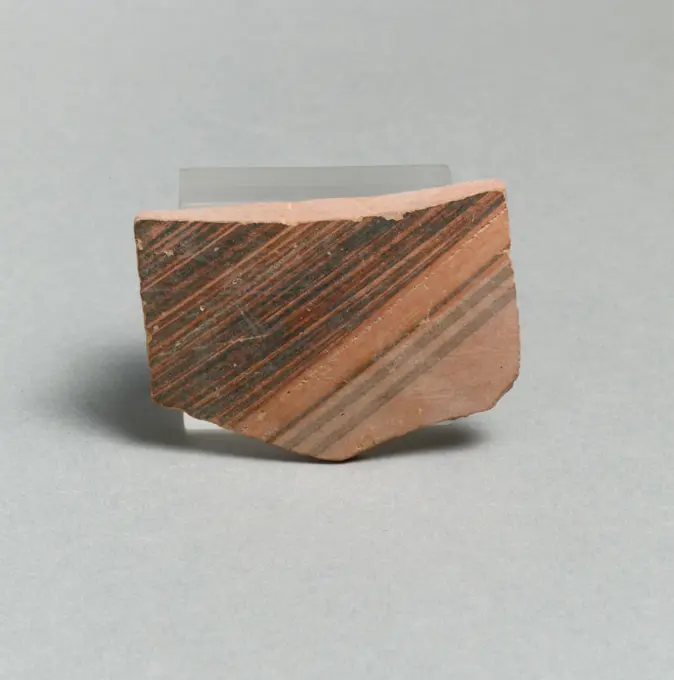
Red-Figure Volute Krater Fragment; Attributed to the Kleophrades Painter (Greek (Attic), active 505 - 475 B.C.); Athens, Greece; about 490 B.C; Terracotta; 6.5 cm (2 9,16 in.)
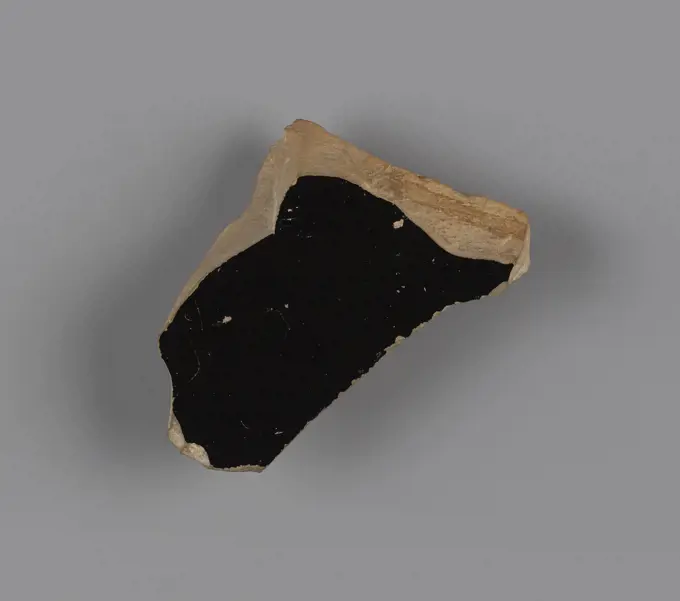
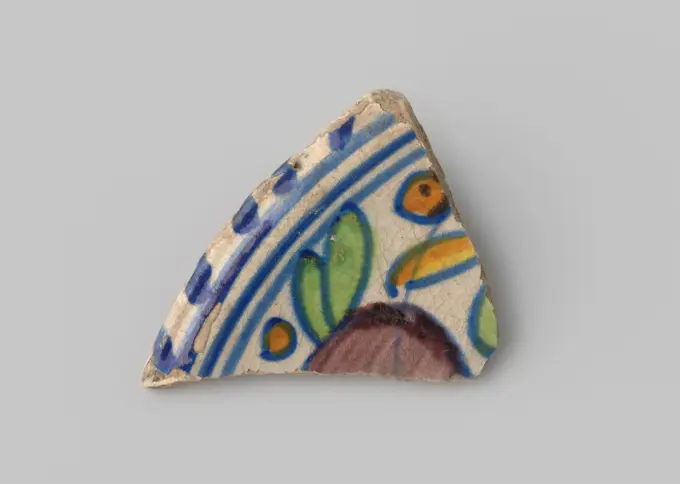
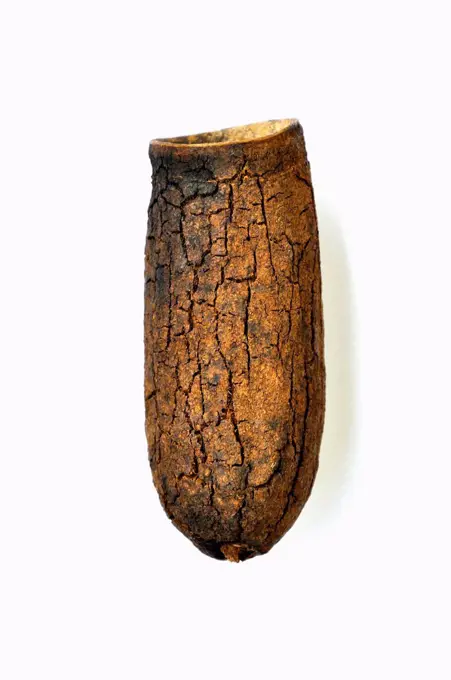
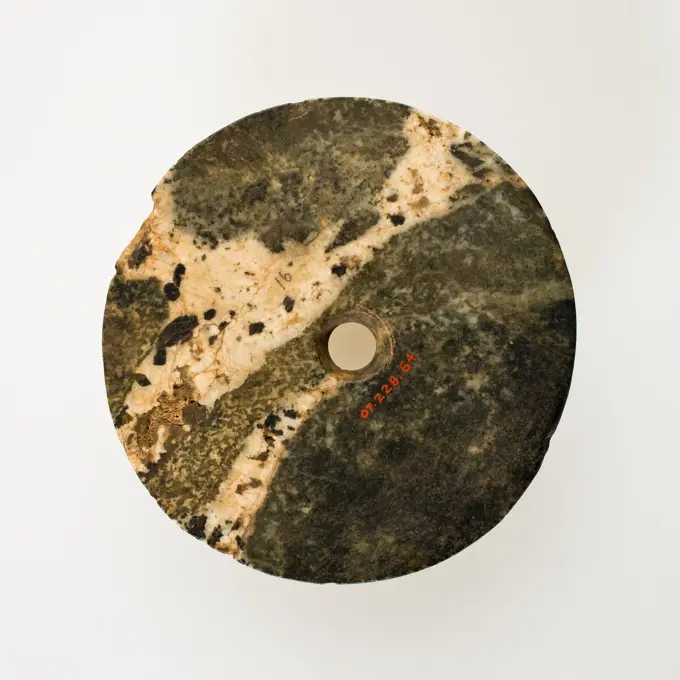
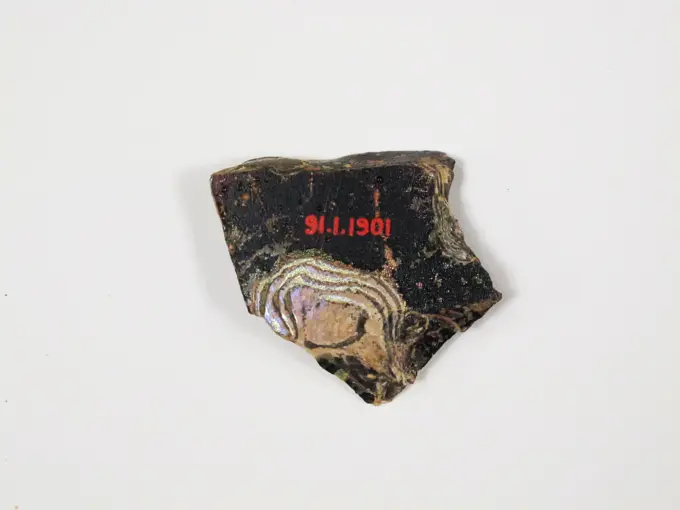
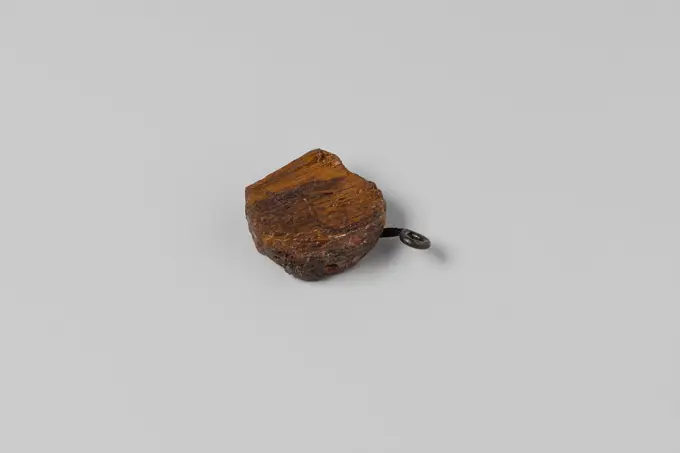
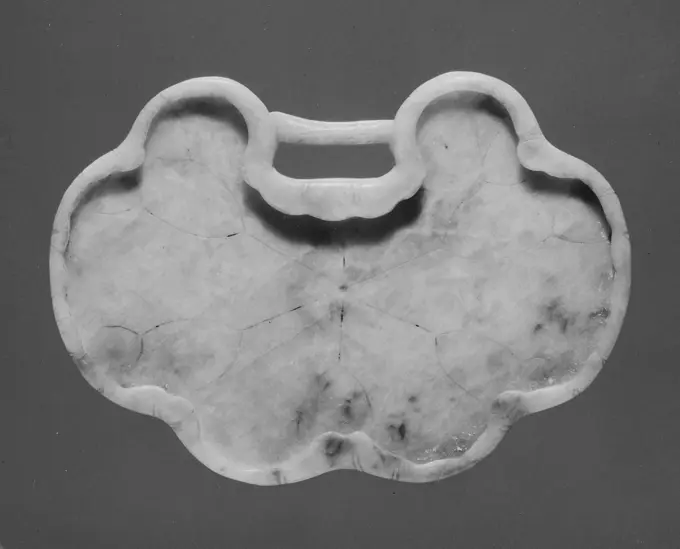
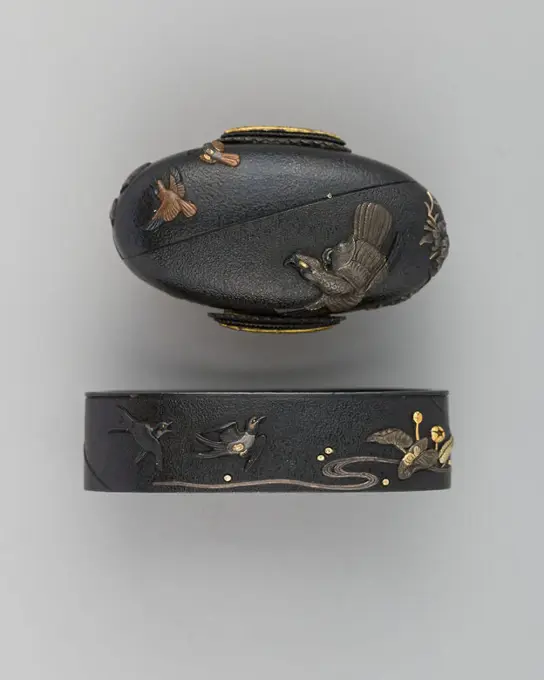
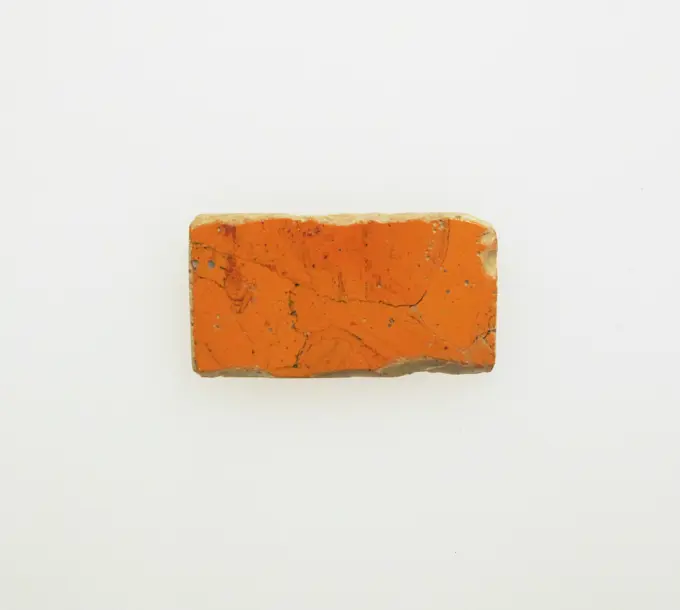
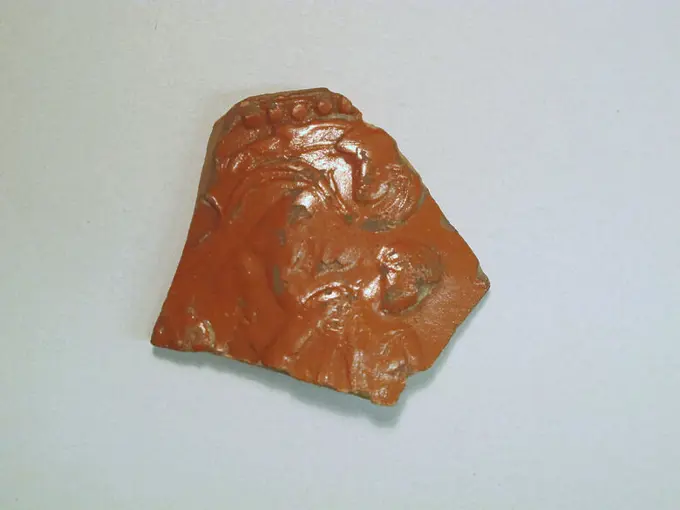
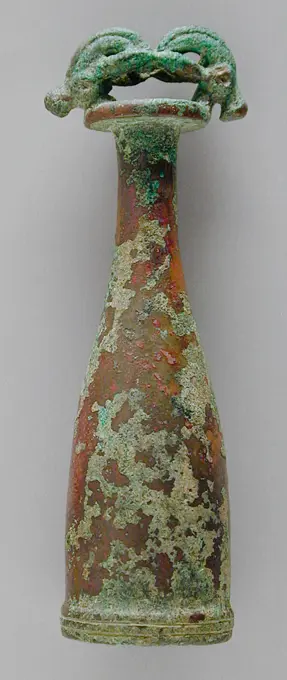
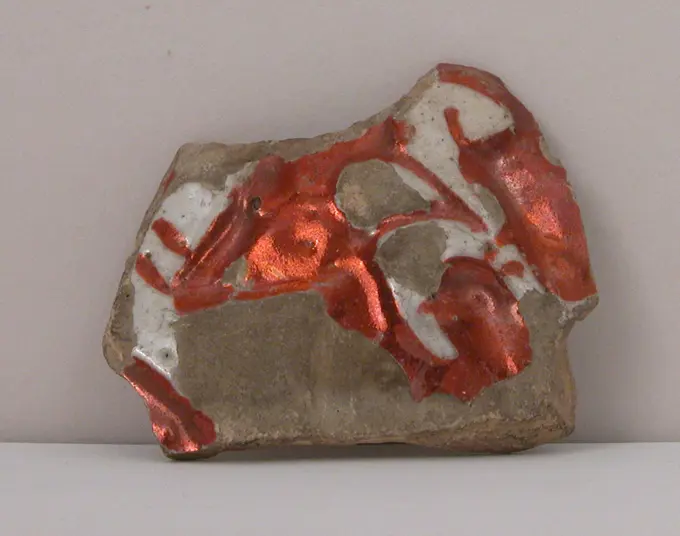
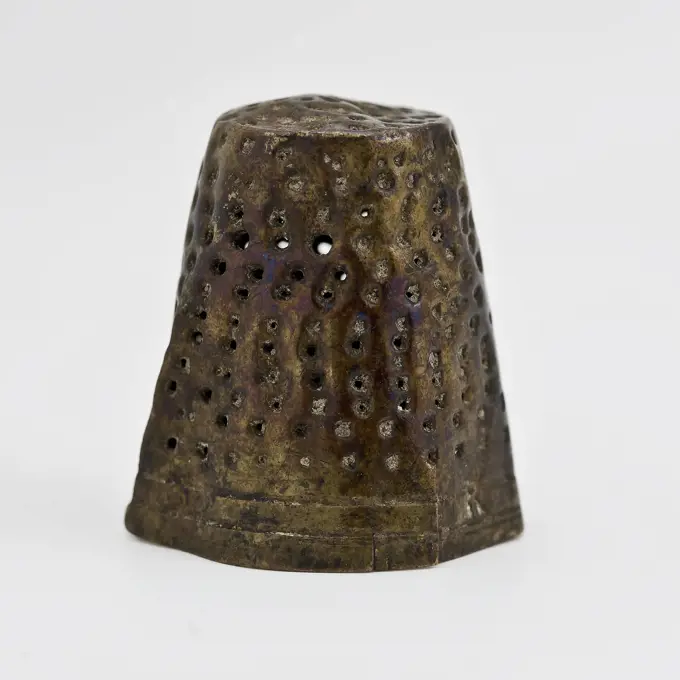
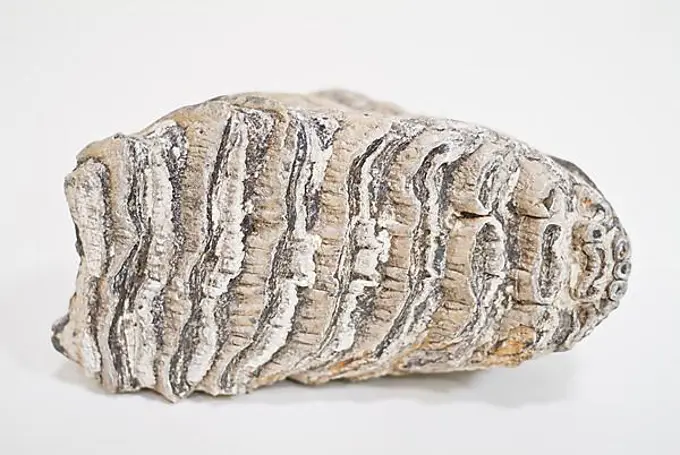
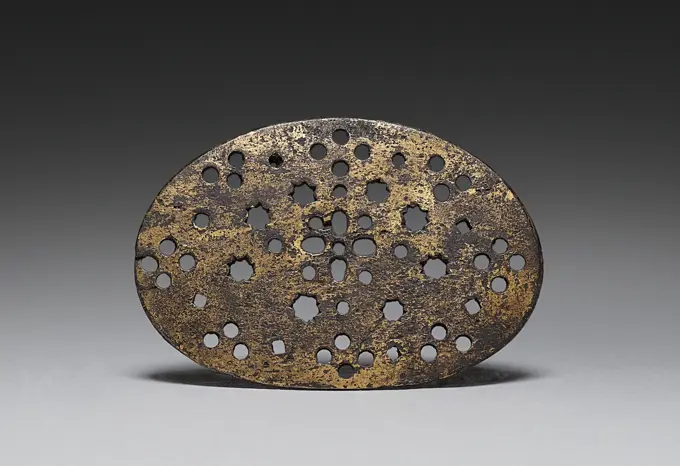
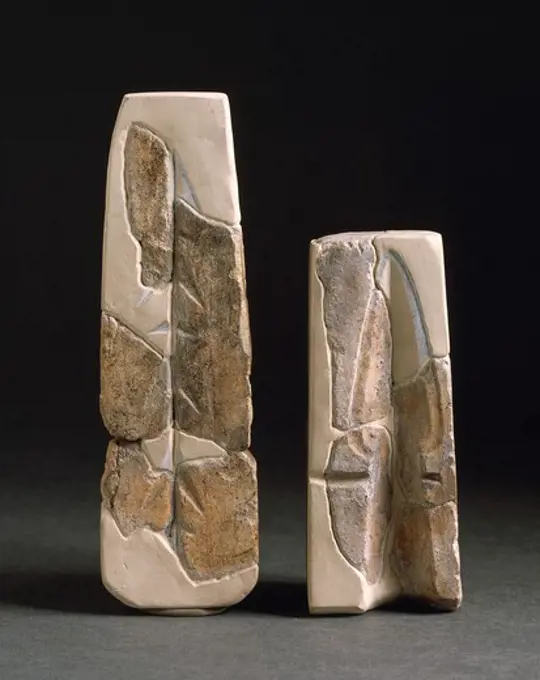
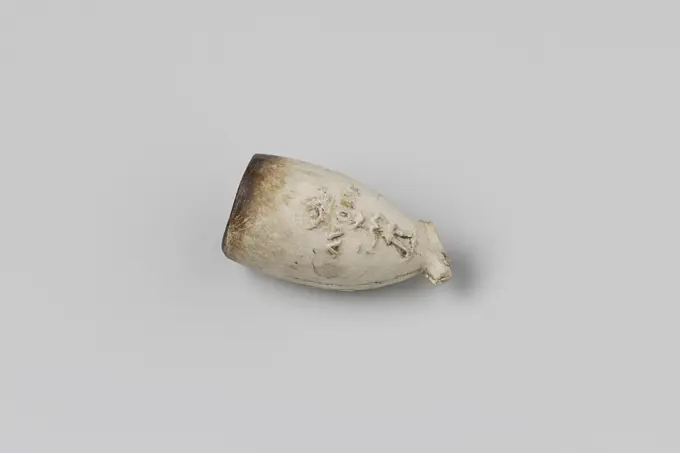
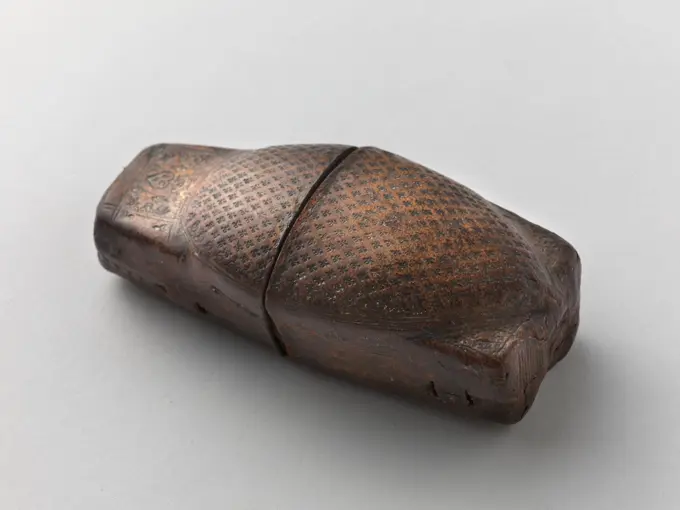
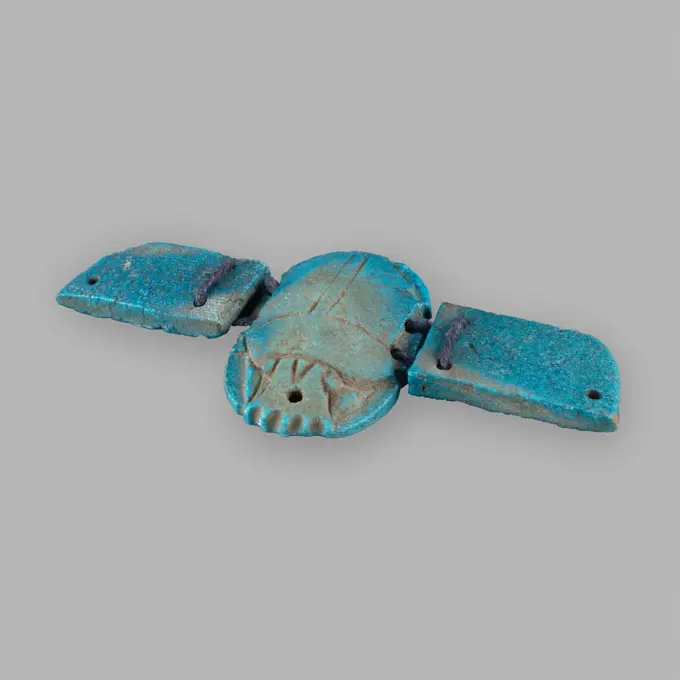
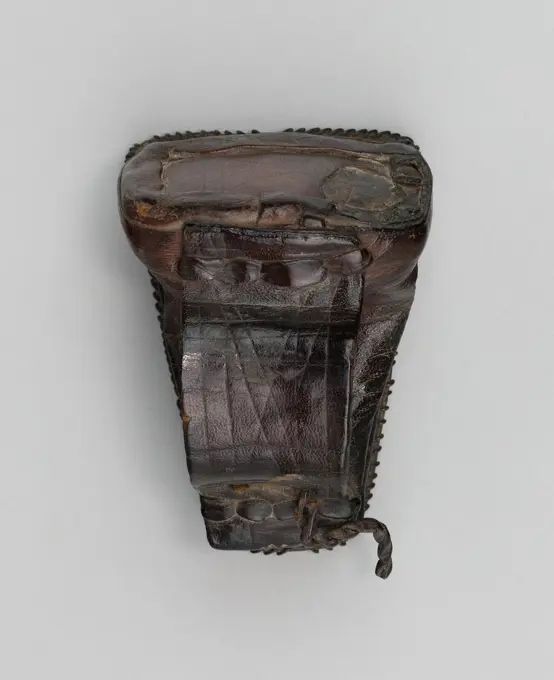
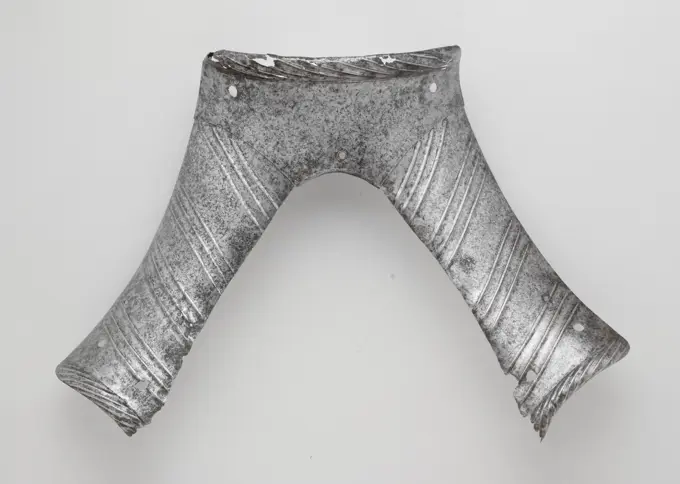
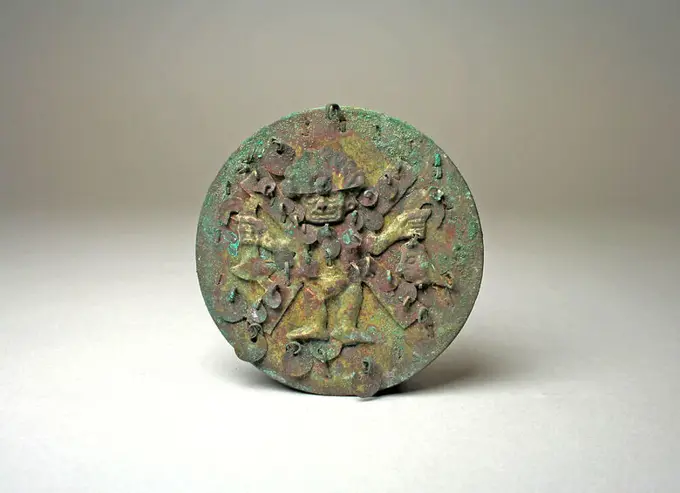
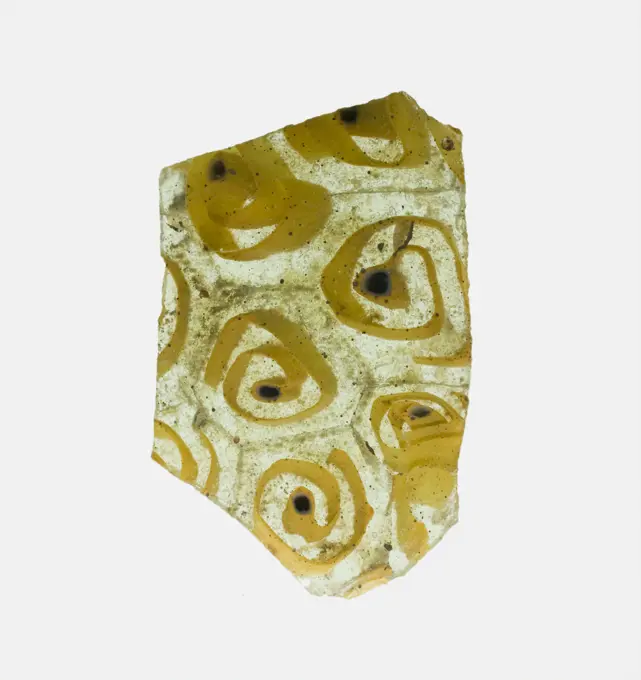
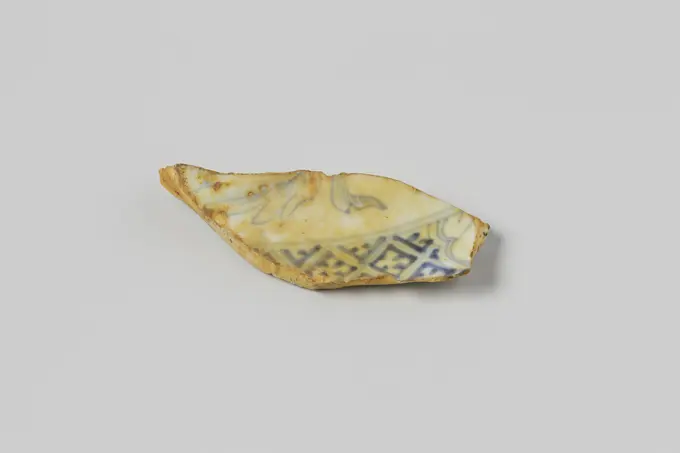
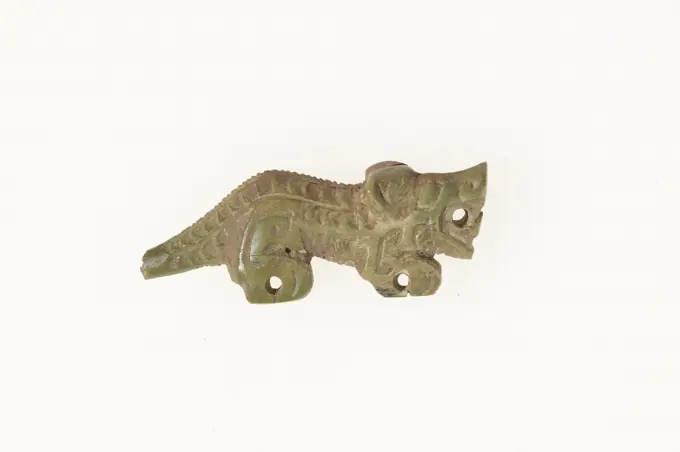
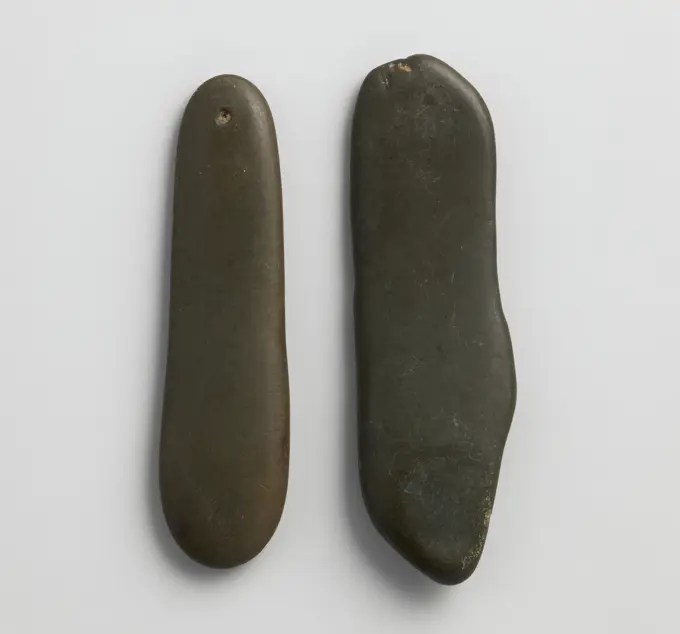
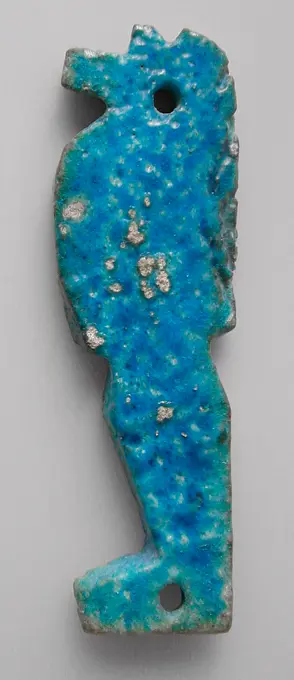
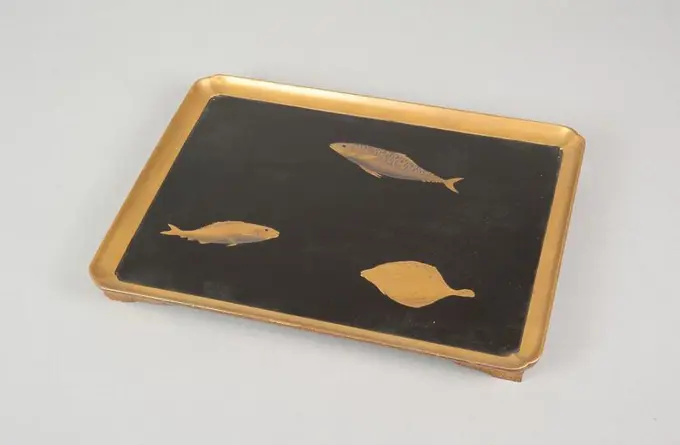
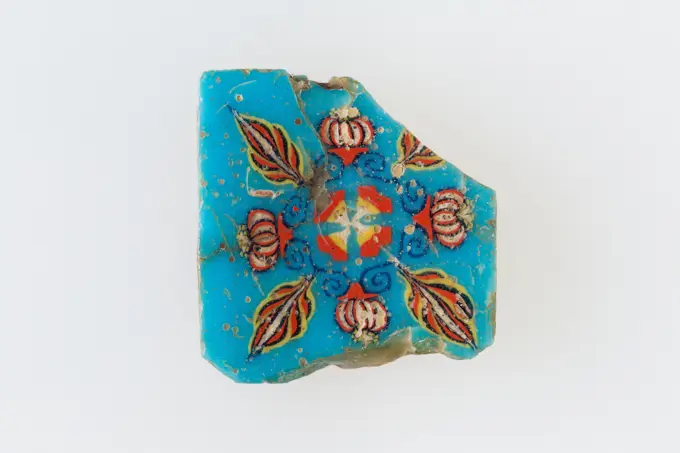
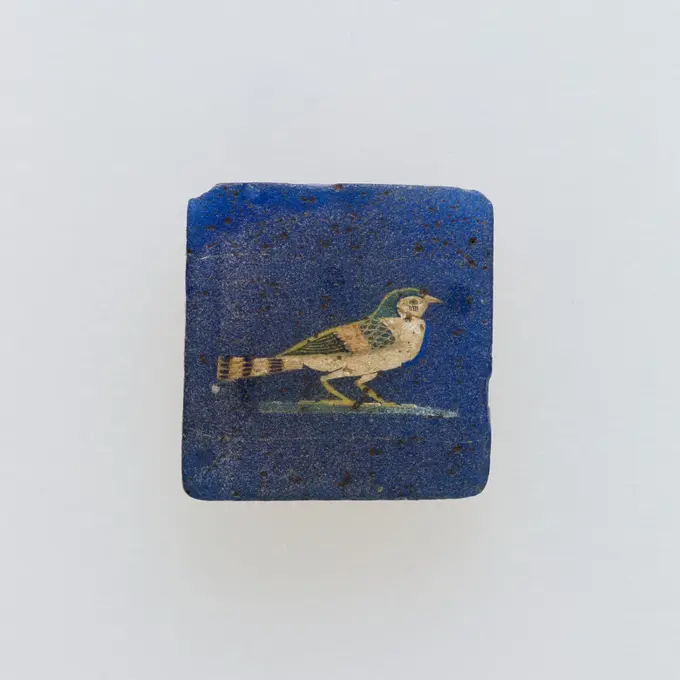
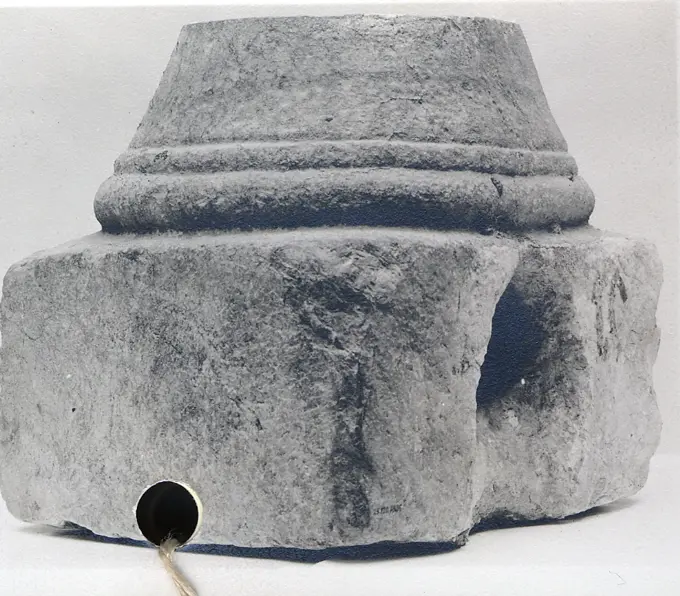
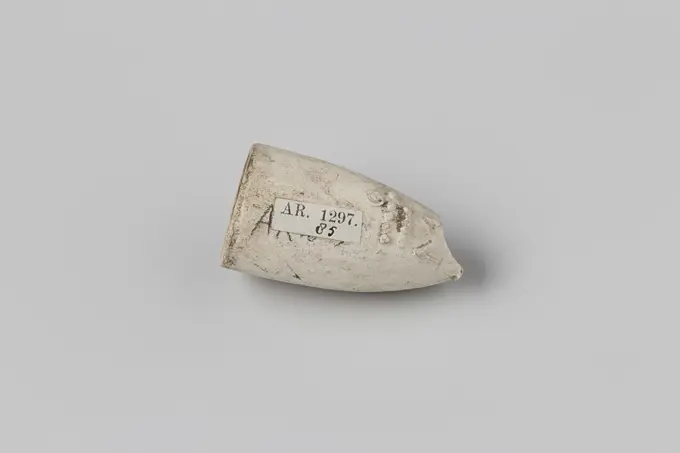
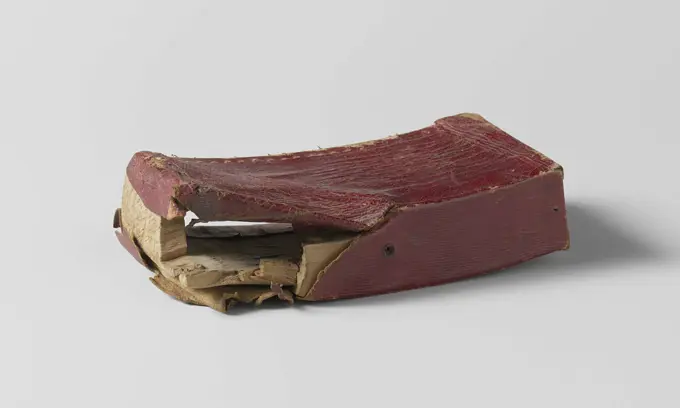
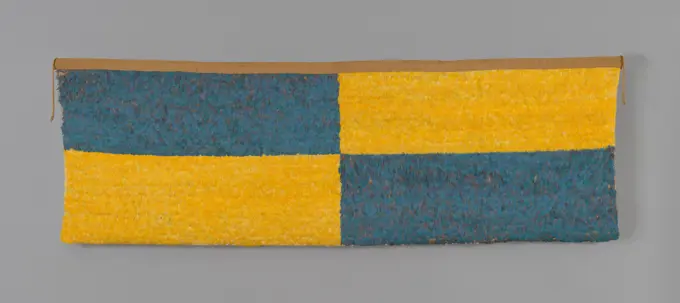
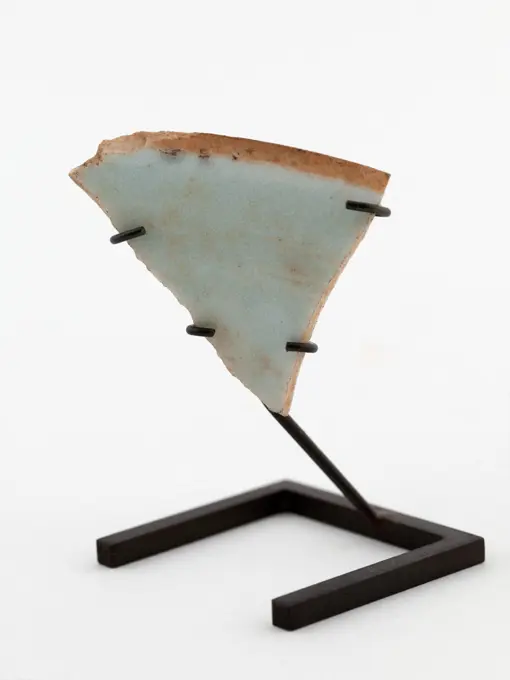
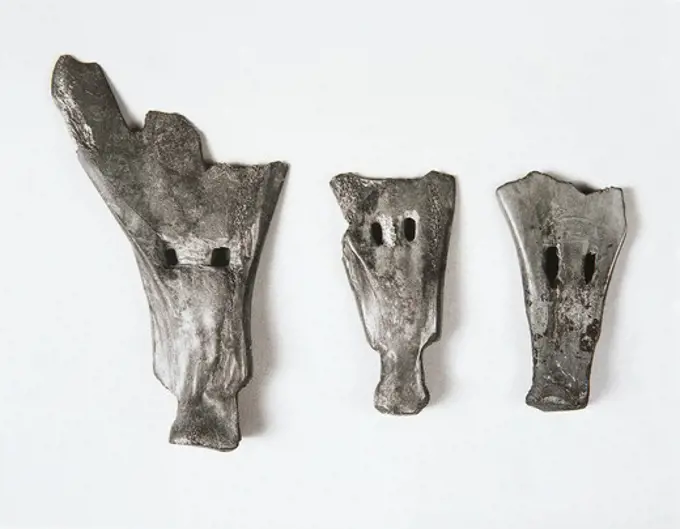
Sharf multicolored majolica, anonymous, 1500 - 1699  Majolic screen Northern Netherlands earthenware. glazeSidewall, Block-printed on paper, Large-scale tangle of roses. Printed in grisaille on gray ground., England or France, 1860-1900, Wallcoverings, SidewallExotic seed vessel on white backgroundMace head ca. 4500-4000 B.C. () Predynastic Period. Mace head. ca. 4500-4000 B.C. (). Stone. Predynastic Period. From EgyptSharf multicolored majolica, anonymous, 1500 - 1699  Majolic screen. Northern Netherlands earthenware. glazeAttic Cup Fragment. UnknownSharf of a sign from the wreck of the East Indians Hollandia, Anonymous, 1700 - in Or Before 1743 plate (dishes) Porcelain, plate, type 2; fragm of base, sim. NG 1980-27H507. Netherlands porcelain   SecondMosaic glass inlay fragment 1st half of 1st century A.D. Roman Translucent deep purple, appearing black, and opaque white.Fragment of thick, flat block.Pattern of concentric wavy lines in white on purple ground.Many bubbles; deep pitting, brilliant iridescence, and patches of thick creamy weathering on all surfaces.Probably used as decoration in wall or ceiling revetment.. Mosaic glass inlay fragment. Roman. 1st half of 1st century A.D.. Glass; cast. Early Imperial, Julio-Claudian. GlassWall painting fragment 1st century A.D. Roman On black ground; head of a bird in white, green plant on green groundline.. Wall painting fragment. Roman. 1st century A.D.. Fresco. Miscellaneous-PaintingsCopper Axe 14th-early 16th century Mexican. Copper Axe 316889Metabauxite axe. Culture: Cretan. Dimensions: 2 1/4 in. a 1 3/4 in. (5.6 x 4.4 cm). Date: 5th-4th millennium B.C..Axes produced in the Neolithic period sometimes continued to be used in the Bronze Age for utilitarian purposes as well as votive offerings. Museum: Metropolitan Museum of Art, New York, USA.Fragment Wijnkan from V.O.C. ship De 'Witte Leeuw', Before 1613  Fragment Wijnkan from V.O.C. ship De 'Witte Leeuw'. Jingdezhen bone china (material)   Sint-HelenaFragment kruithoorn uit het wrak van de Oost-Indiëvaarder Hollandia. Powderhorn; two fragments: curved, tapering horn, lower end eroded, nozzle consisting of conical copper band with 2 circular holes and 1 copper wire screw eye; wood base, circular, flat with 1 copper wire screw eye.Beaker late 8th-9th century. Beaker 449864Grahal-Manzara. Carnavalet 2013-2016 collection sites. Numismatics.macro shooting of natural mineral rock specimen - tumbled spreusteined urtite stone isolated on white background from Khibiny Mountains, Kola Peninsula, RussiaPerfume vessel, 1st-5th century, 2 1/4 x 1 x 1in. (5.7 x 2.5 x 2.5cm), Glass, Egypt, 1st-5th centuryDish China. Dish. China. Jade. Qing dynasty (1644-1911). JadeSword-Hilt Collar and Pommel (Fuchigashira). Culture: Japanese. Dimensions: Fuchi (a); H. 1 1/2 in. (3.8 cm); Wt. 0.8 oz. (22.7 g); kashira (b); H. 1 3/8 in. (3.5 cm); Wt. 0.6 oz. (17 g). Date: 18th century. Museum: Metropolitan Museum of Art, New York, USA.Glass marbled mosaic inlay 1st half of 1st century A.D. Roman Opaque orange with streaks of opaque red.Flat inlay, roughly rectangular; straight-edged short sides and irregular chipped long sides.Marbled mosaic pattern.Polished upper side; pitting of surface bubbles on upper side; dulling and patchy weathering on underside; creamy weathering on edges.. Glass marbled mosaic inlay. Roman. 1st half of 1st century A.D.. Glass; cast. Early Imperial, Julio-Claudian. GlassCounter Plate of a Belt Buckle 7th century Frankish. Counter Plate of a Belt Buckle 465622 Frankish, Counter Plate of a Belt Buckle, 7th century, Iron, silver inlay, brass inlay, Overall: 2 1/2 x 2 5/8 x 7/16 in. (6.3 x 6.6 x 1.1 cm). The Metropolitan Museum of Art, New York. Gift of J. Pierpont Morgan, 1917 (17.193.293a)Vase fragment. Culture: Roman. Dimensions: 1 9/16 × 1 11/16 × 1/4 in. (4 × 4.2 × 0.6 cm). Date: 1st century B.C.-1st century A.D..Niobids. Museum: Metropolitan Museum of Art, New York, USA.OLYMPUS DIGITAL CAMERALazio Roma Rome SS. Giovanni e Paolo, Museum54. Hutzel, Max 1960-1990 Medieval: Ceramic fragments, sculptural fragments, fresco fragments, inscribed tomb markers. Houses one of the best collections of Malagan medieval ceramics for casting wall monuments, copies of which are housed in campanile. Specific Location: Museum Antiquities: Ceramic fragments, sculptural fragments, architectural fragments Object Notes: Basilica has separate record and is filed separately. German-born photographer and scholar Max Hutzel (1911-1988) photographed in Italy from the early 1960s until his death. The result of this project, referred to by Hutzel as Foto Arte Minore, is thorough documentation of art historical development in Italy up to the 18th century, including objects of the Etruscans and the Romans, as well as early Medieval, Romanesque, Gothic, Renaissance and Baroque monuments. Images are organized by geographic region in Italy, then by province, city, site complex and monument.Water chestnut (trapa natans), isolated on a white backgroundFinial Support. Iran, Luristan, circa 1000-650 B.C.. Architecture; Architectural Elements. Bronze, castWall Facing (Holland); tin-glazed earthenware, underglazeFragment of a Bowl 16th century. Fragment of a Bowl 446497Excerpt or part of the wreck of the East Indians Hollandia, Anonymous, Before 1743 fragment. part Varied parts or fragments, bar(-shaped) fragments; fragm, heavily eroded, broken, sim. 80H1763. Netherlands iron (metal)   SecondCopper pressed thimble, thimble sewing machine soil find copper brass metal, pressed Copper pressed thimble with flat top with right rotating spiral and without groove becoming shaft with two grooves on the board and mark. mark: R archeology seamstress tailor sewing textile edit clothing needle and thread repairAgate amygdaloid seal. Culture: Minoan. Dimensions: L. 1.91 cm; W. 1.41 cm. Date: ca. 1700-1450 B.C..Antithetical fish among patterns. Museum: Metropolitan Museum of Art, New York, USA.Round Plaque. Culture: Vicús. Dimensions: Diameter 3-1/16 in. (7.8 cm). Date: 3rd century B.C.-A.D. 2nd century. Museum: Metropolitan Museum of Art, New York, USA.Mammoth tooth, Tate Museum, Casper College, Casper, Wyoming, USA, North AmericaPrinting Block For Embroidery (USA); wood, copper, brass; 1941-87-1-cMetal Disk, before 1916. India. Gilded metal pierced with a pattern of stars and circles; overall: 5.8 x 3.2 cm (2 5/16 x 1 1/4 in.).Fragment of a Plate 100 BCE-100 CE Roman Empire. In ancient Rome, there was a high demand for colorful glass that could dazzle banquet guests alongside the expensive silver and gold serving wares meant to impress. Fragments like this one would have once been a part of larger mosaic dishes. The mosaic pattern was made by sagging molten glass into bowl-shaped molds, a technique used on many of these fragments is similar to millefiori, ìthousand flowersî in Italian, a modern glass-making method in which tiny rods of colored glass are bundled together, wrapped in a sheet of glass, fused, and then thinly sliced to reveal swirls of a flower-like patterns. They were arranged side by side, sometimes together with bits of colored glass, and fused together with heat.. Glass, mosaic glass technique . Ancient RomanCopper pressed thimble, marked, thimble sewing machine soil find copper metal, pressed Copper pressed thimble with flat top and one-by-one wells with right-hand spiral and with M above the groove on the edge but not at the beginning of the spiral above the groove: M archeology seamstress tailor sewing textiles edit clothing needle and thread restore Rotterdam Soil discovery Rotterdam.specimen of rhodusite mineral gem stone macro shooting of natural gemstone - specimen of rhodusite blue asbestos, riebeckite mineral gem stone isolated on white background Copyright: xZoonar.com/ValeryxVoennyyx 8877188Half coconut from v.o.c.-ship the 'white lion'. Half coconut from v.o.c.-ship the 'white lion'. The top.Scherf wit majolica, anonymous, 1500 - 1699  Majolic screen. Northern Netherlands earthenware. glazeGrahal-Manzara. Carnavalet 2013-2016 collection sites. Numismatics.Votive Menat fragments ca. 1479-1458 B.C. New Kingdom. Votive Menat fragments. ca. 1479-1458 B.C.. Faience. New Kingdom. From Egypt, Upper Egypt, Thebes, Deir el-Bahri, Hatshepsut Hole, Hathor Shrine, MMA excavations, 1922-23. Dynasty 18Prehistory, Italy, Bronze Age. Terramare culture. Arrowhead and spearhead molds. From Emilia Romagna Region.Drohiczy seal;  XI-XIII century (1090-00-00-1110-00-00);guild seals, customs seals, town seals, seals of customs chambers, official seals, seals with a cross, seals with the image of the faceAwl ca. 4600-3600 B.C. Ghassulian. Awl. Ghassulian. ca. 4600-3600 B.C.. Stone. Chalcolithic. Levant, Teleilat GhassulTerracotta fragment of a kylix (drinking cup) 510-500 B.C. Greek, Attic Interior, wreathed youth, to right, with back seen in three-quarter view, and left extended arm draped with himation; knobby stick; part of an inscription ; Exterior, feet; horse to right; dog and horse to right; helmeted warriors with greaves, spears, and shields, fighting; hindquarters and genitals of horse to right. Terracotta fragment of a kylix (drinking cup). Greek, Attic. 510-500 B.C.. Terracotta; red-figure. Archaic. VasesPijpenkop.Pipes head with a crown, the letters a v o and s and a figure displayed. Of the excavations at the Hofstede Arentsburg 1827-1831 under the supervision of professor Reuvens.Lower part of a vessel showing scene with boat, man, and cow Third Intermediate Period or later ca. 1070-664 B.C. View more. Lower part of a vessel showing scene with boat, man, and cow. ca. 1070-664 B.C.. Faience. Third Intermediate Period or later. From Egypt. Dynasty 21-25Anonymous. "Travel covered". Leather case, silver and mother -of -pearl cutlery. Paris, Museum of Romantic Life. Table art, threatening art, travel covered, leather, caseBird Plaque Ornament. Culture: Vicús. Dimensions: H. 2 x 2 in. (5 x 5 cm). Date: 3rd century B.C.-A.D. 2nd century. Museum: Metropolitan Museum of Art, New York, USA.old burnt paper old burnt paper over white ,model released, Symbolfoto Copyright: xZoonar.com/RuslanxNassyrovx 2017245 ,model released, Symbolfoto ,property releasedScapes winged from mummy mesh;  664-332 BC ; Late period (-664-00-00--332-00-00);Scen.Gal.Eg.Tile bowl with gray blue enamel chun yao unknownBullet Pouch 1700-1800 Germany. Leather .Bronze disk mirror 3rd century B.C. Greek, South Italian, Tarentine This mirror was found in a tomb near Tarentum together with some of the terracotta statuettes displayed on the same shelf.. Bronze disk mirror 248616Toggle -Attic Black-Figure Eye Cup Fragment. UnknownTaler, emergency coin for the army of Markgraaf Albert van Brandenburg-Kulmbach, short after the Convention of Passau, possibly during the siege of Schweinfurt., Anonymous, 1553 coin. siege coin Unilateral, almost diamond -shaped emergency coin. Front: a rectangular stamp: eagle left to the left in cartouche under letters A, M, Z and B above year. Reverse: Blanco Germany silver (metal) striking (metalworking) Peace of Passau PassauVase fragment East Greek/Sardis, LydianCarnavalet Museum, Medals CollectionGrahal-Manzara. Carnavalet 2013-2016 collection sites. Numismatics.Bead. UnknownThree Pommel Plates of a Saddle ca. 1510-20 German The three-piece construction of this set of pommel plates was standard across western Europe throughout the sixteenth century. A central plate covering the area of the pommel itself is flanked by two plates extending downward at a ninety-degree angle that serve both to cover the flanges of the saddle bow and to protect the front of the rider's thighs. During conservation two minute traces of mercury gilding were found around the rivet holes on the pommel plate and one sideplate, indicating that the steels were originally decorated to some extent with gilding.Although armored saddles must have been faily common for heavy cavalry by the late fifteenth century, surviving saddle steels dating earlier than about 1525 are surprisingly rare. A date of about 1510 to 1520 is suggested for this set because of the exceedingly bold form of the roped borders, found at the top of the pommel and the bottom edges of the sideplates, and the fluted decoFormal for a Maria with child, fragment. .Skarabeusz z przedstawieniem dwóch pawianów adorujących Besa. unknown, authorEarflare Frontal. Culture: Moche (Loma Negra). Dimensions: Diam. 3 1/8 in. (8 cm). Date: 390-450. Museum: Metropolitan Museum of Art, New York, USA.Vase fragment East Greek/Sardis, Lydian White lines.. Vase fragment. East Greek/Sardis, Lydian. Terracotta. VasesVase fragment 5th century B.C. Greek, Attic Covered with lustrous black glaze.. Vase fragment. Greek, Attic. 5th century B.C.. Terracotta; black-glaze. Classical. VasesLegs of a man.Fragment of a Bowl 100 BCE-100 CE Roman Empire. In ancient Rome, there was a high demand for colorful glass that could dazzle banquet guests alongside the expensive silver and gold serving wares meant to impress. Fragments like this one would have once been a part of larger mosaic dishes. The mosaic pattern was made by sagging molten glass into bowl-shaped molds, a technique used on many of these fragments is similar to millefiori, ìthousand flowersî in Italian, a modern glass-making method in which tiny rods of colored glass are bundled together, wrapped in a sheet of glass, fused, and then thinly sliced to reveal swirls of a flower-like patterns. They were arranged side by side, sometimes together with bits of colored glass, and fused together with heat.. Glass, mosaic glass technique . Ancient RomanShard of a plate from the wreck of the East India hollandiaia. Porcelain, plate, type 2; Fragm or base, sim. NG 1980-27H507.Fragment of a Mosaic Glass Vessel. Unknown 1st century B.C.-1st century A.D. Dark purple with canes of white, green and yellow.Tiger amulet, 13th-12th century BCE, Carved animal bone, China, 13th-12th century BCE, The two tiger amulets, bird hairpin and finial decorated with a composite serpent human motif although exceptionally rare, are products of a major Shang dynasty industry: bone carving. The stylized animals and conventional motifs found on bronze vessels are also encountered in carved bone suggesting similar emblematic purposes. All of these items were likely personal adornments rather than ceremonial objects.Qairaq (stone castanets) mid-20th century Afghan. Qairaq (stone castanets). Afghan. mid-20th century. Stone. Dara-I Zendan, Samangan Province, Afghanistan. Idiophone-ConcussionHapy Bead from a Mummy Bead Net. Egypt, 25th - 26th Dynasty Late Period (755 - 525 BCE). Jewelry and Adornments; beads. Faience, blue glazeOld dark rough wooden cutting board with a handle isolated on a white backgroundTray. Culture: Japan. Dimensions: H. 13/16 in. (2.1 cm); W. 6 3/4 in. (17.1 cm); D. 9 in. (22.9 cm). Date: 19th century. Museum: Metropolitan Museum of Art, New York, USA.Inlay, palmette 100 BC-100 AD Ptolemaic Period-Roman Period A mosaic glass technique allowed multiples of an image to be created: a figural or design composition was made by bundling colored glass canes, which were then drawn out into a long bar. The bar was then sectioned at right angles, probably by striking the bar with appropriate tools, to produce small inlay tiles. The tile would then be smoothed and polished on the face intended to appear outwards.. Inlay, palmette. 100 BC-100 AD. Glass. Ptolemaic Period-Roman Period. From EgyptSquare Plaque 3rd century B.C.-A.D. 2nd century Vicús. Square Plaque 314889Tile Wall Facing (Netherlands); tin-glazed earthenware, underglazeEmpty wooden cutting board on a light texture background Empty wooden cutting board on a light texture background. Kitchen utensils Copyright: xZoonar.com/TetianaxChernykovax 21791520Fragment New Zealand. Fragment 43570Inlay, swallow hieroglyph. Dimensions: H. 1.1 × W. 1.1 cm (7/16 × 7/16 in.). Date: 100 BC-100 AD.A mosaic glass technique allowed multiples of an image to be created: a figural or design composition was made by bundling colored glass canes, which were then drawn out into a long bar. The bar was then sectioned at right angles, probably by striking the bar with appropriate tools, to produce small inlay tiles. The tile would then be smoothed and polished on the face intended to appear outwards. Museum: Metropolitan Museum of Art, New York, USA.Hanging Vase with Ivy and Dragonflies second half of the 19th century Japan. Hanging Vase with Ivy and Dragonflies. Japan. second half of the 19th century. Iron inlaid with silver, gold and copper. Meiji period (1868-1912). MetalworkBase ca. 1130-40 Catalan. Base. Catalan. ca. 1130-40. Marble. Made in present-day France. Sculpture-ArchitecturalGlass Fragment 13th-14th century French (). Glass Fragment. French (). 13th-14th century. Pot metal glass. Glass-StainedBird Plaque Ornament 3rd century B.C.-A.D. 2nd century Vicús. Bird Plaque Ornament 315410Fragment pijpenkop.Fragment pipe head with three dots on one side in a form of triangle and a crown and the letter M on the other side. Of the excavations at the Hofstede Arentsburg 1827-1831 under the supervision of professor Reuvens.String of 16 beads. Date: 1st Century B.C. to 5th Century A.D.. Museum: Metropolitan Museum of Art, New York, USA.Copper molded thimble with waffle pattern, thimble sewing kit soil find copper metal, cast Copper cast thimble with square wells on the top waffle pattern passing without groove in the shaft with wheel punch and the board with groove archeology Rotterdam railway tunnel seamstress tailor sewing textile repair needle and thread Soil discovery: Rotterdam tunnel trajectory.Arm Defense 15th-17th century possibly Tibetan. Arm Defense 26802Plate and Nail 15th-16th century European. Plate and Nail. European. 15th-16th century. Iron. Metalwork-IronPatrontas, carved from one piece of wood, covered with red leather. Damaged.Feathered Panel A.D. 600-900 Wari The discovery of an ancient burial or ceremonial site in the upriver region of the Churunga Valley, in far south Peru, received little attention in the turbulent world of 1943. Decades later, it would take two generations of Andean scholars to painstakingly piece together the puzzling story of this discovery, which included the largest and most spectacular find of Precolumbian Peruvian feather work to date.Protected from decay by being rolled, placed into large ceramic jars, and buried in the arid soil, the cache included an estimated ninety-six panels, each densely covered with tens of thousands of small glossy macaw body feathers, primarily from the blue and yellow macaw (Ara ararauna). Although these panels were found in the dry western foothills of the Andes, the birds home is the Amazonian rainforest, far to the east. The effort required to secure such a mind-bogglingly large supply of either feathers or live birds suggests that colorful feathersShard. Ceramic. China, Song Dynasty. Paris, Cernuschi museum. 73679-2 Asian art, ancient ceramic, covered, Song dynasty, email, glacure, Chinese object, Chinese pottery, terracotta, terracotta emaillee, shardPlows and tools made of bone in the form of small shovel, China, Hemudu culture (Zhejiang), Neolithic, PrehistoryFragment of a Bowl 9th-10th century. Fragment of a Bowl. 9th-10th century. Earthenware; reddish body, red slip, polychrome slip decoration under glaze. Excavated in Iran, Nishapur. CeramicsAttic Black-Figure Cup Type A (Eye Cup) Fragment. UnknownDecorated jar fragment with inscription. Dimensions: H. 5.7 (2 1/4 in.); W. 7.7 cm (3 1/16 in.). Dynasty: Dynasty 18. Reign: reign of Amenhotep III. Date: ca. 1390-1352 B.C.. Museum: Metropolitan Museum of Art, New York, USA.Fragment; wood, gilded