Archaeological Fragments

Fragments of artifacts from shipwrecks and ancient ceramics, showcasing historical craftsmanship and materials.

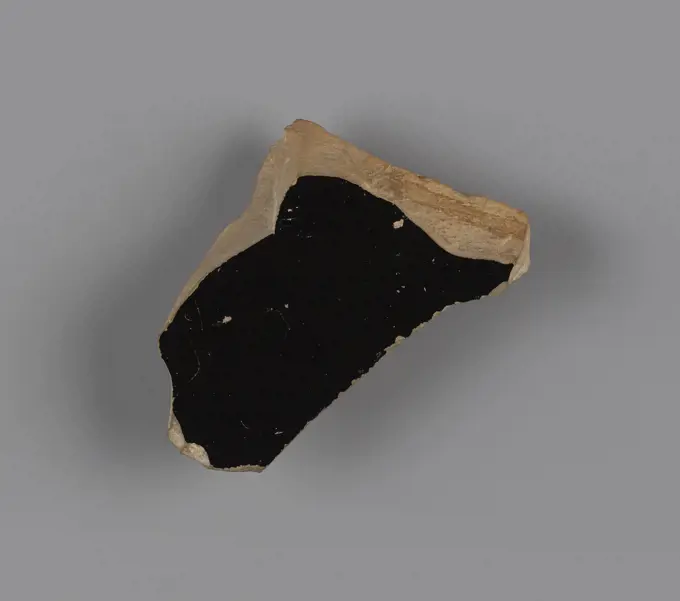
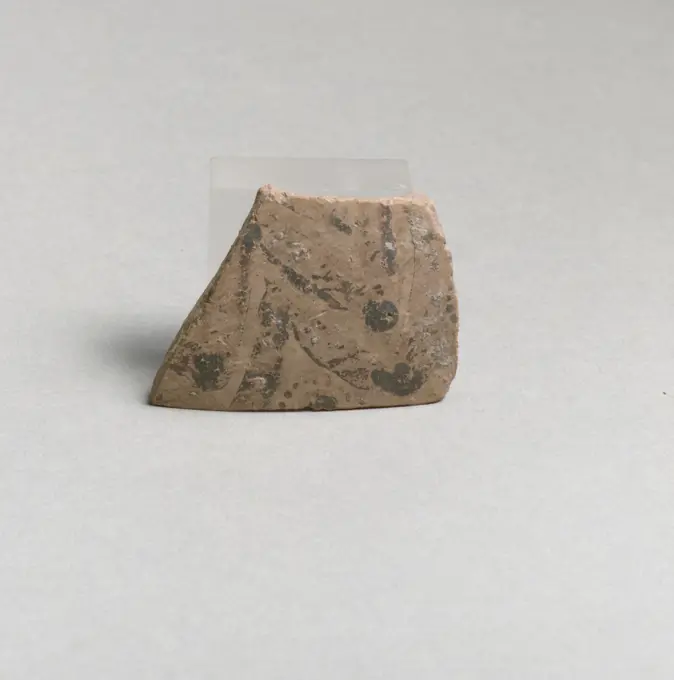
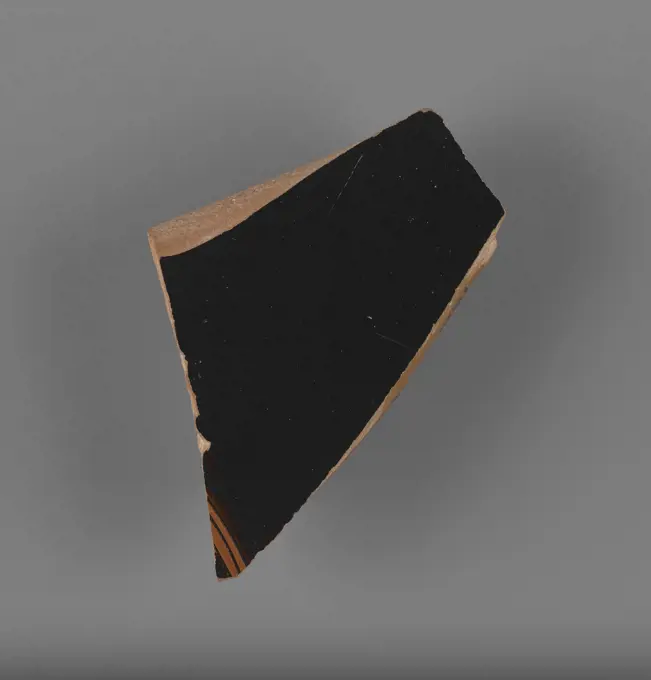
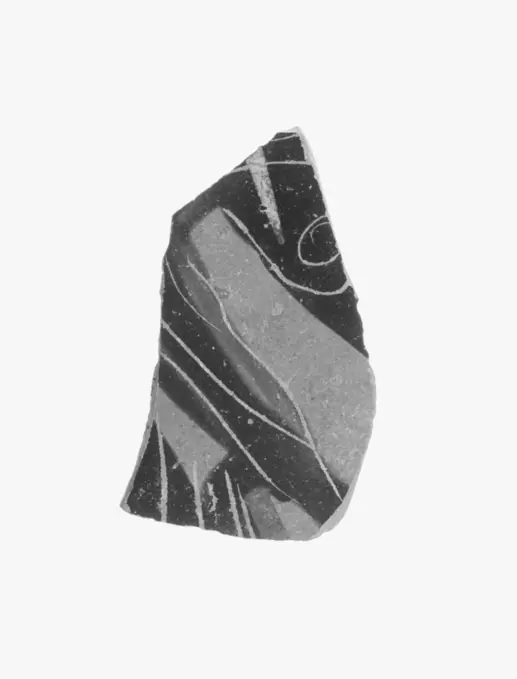
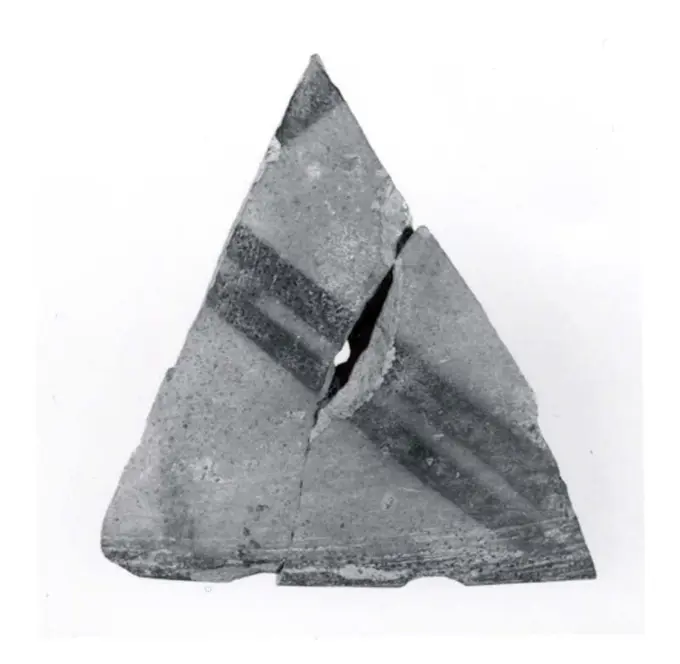
Red-Figure Volute Krater Fragment; Attributed to the Kleophrades Painter (Greek (Attic), active 505 - 475 B.C.); Athens, Greece; about 490 B.C; Terracotta; 6.5 cm (2 9,16 in.)
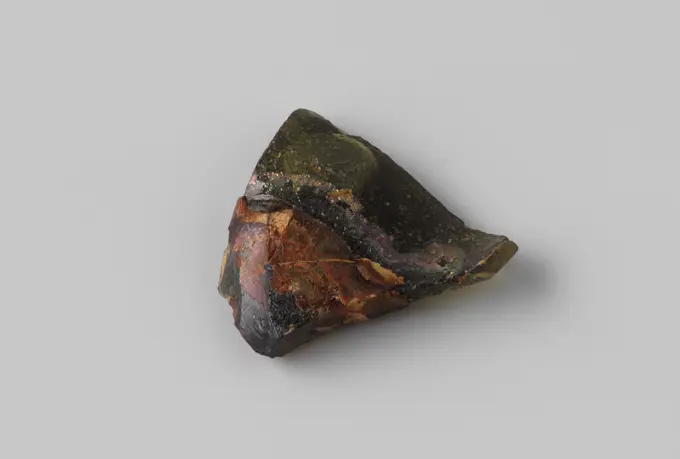
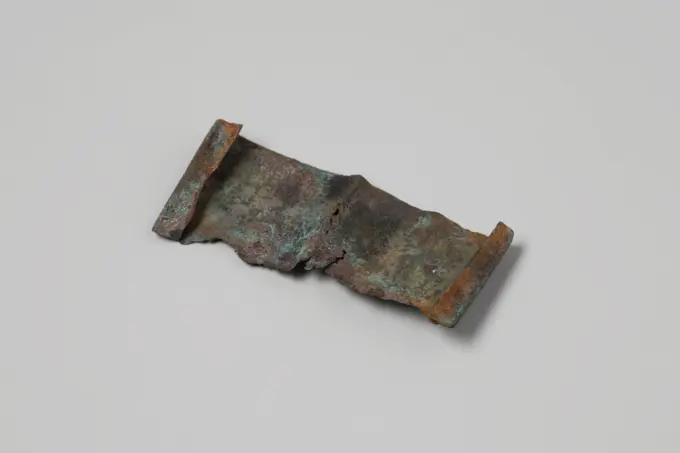
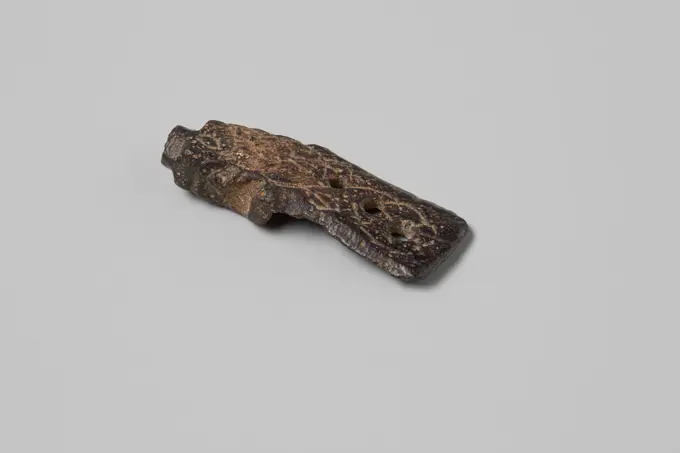
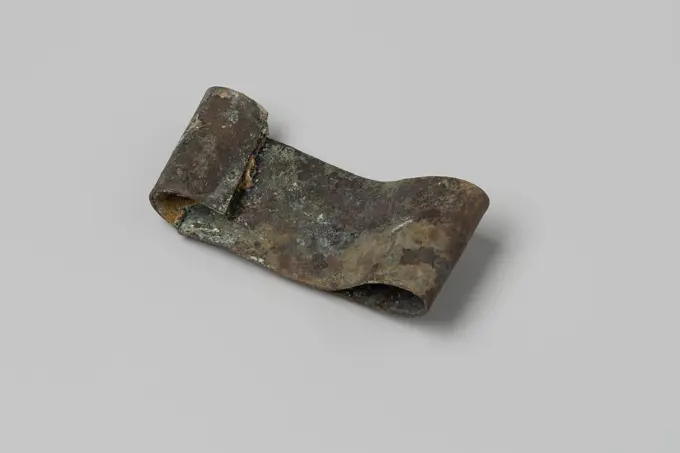
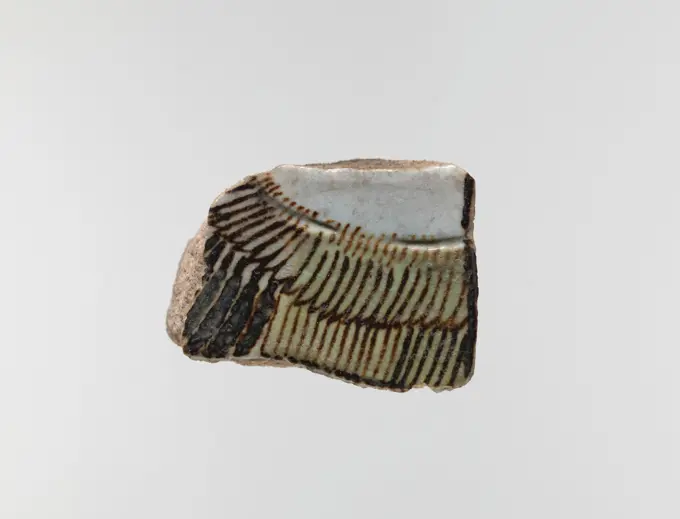
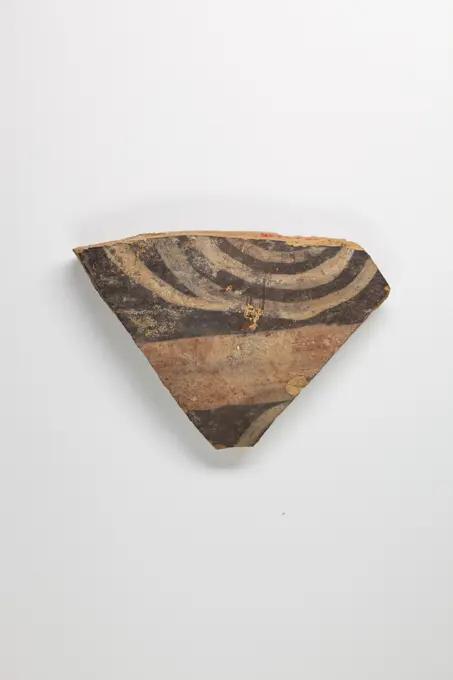
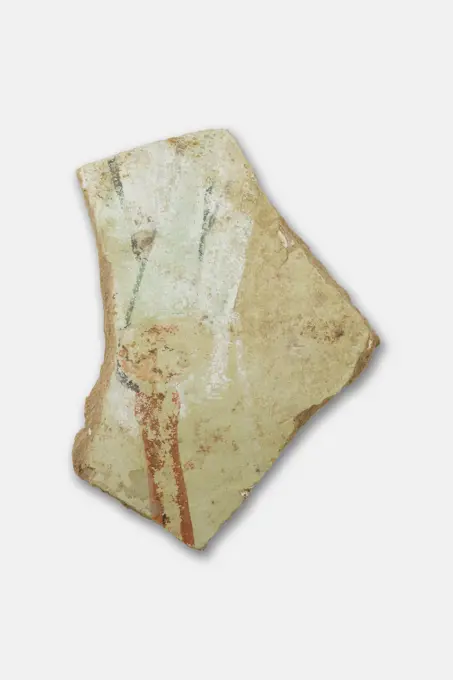
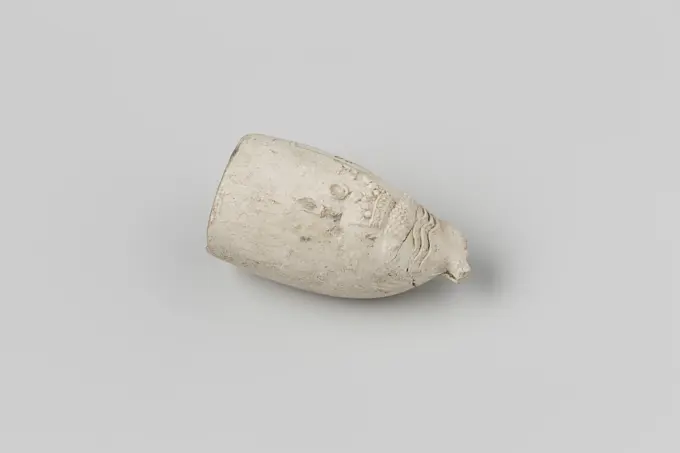
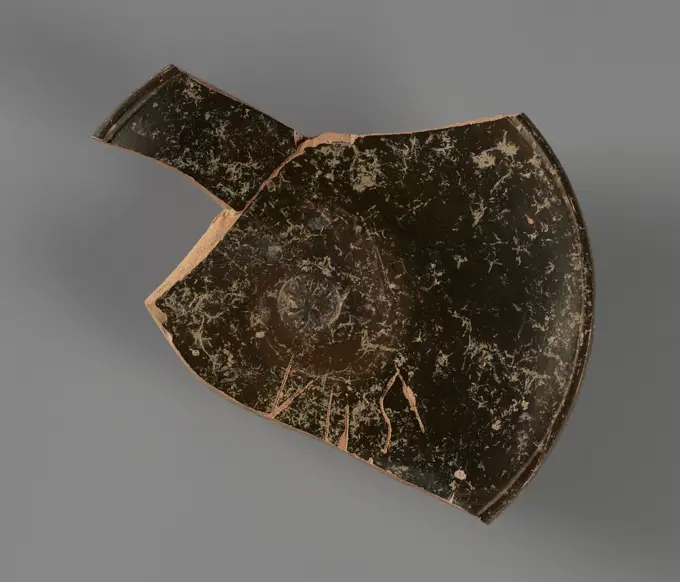
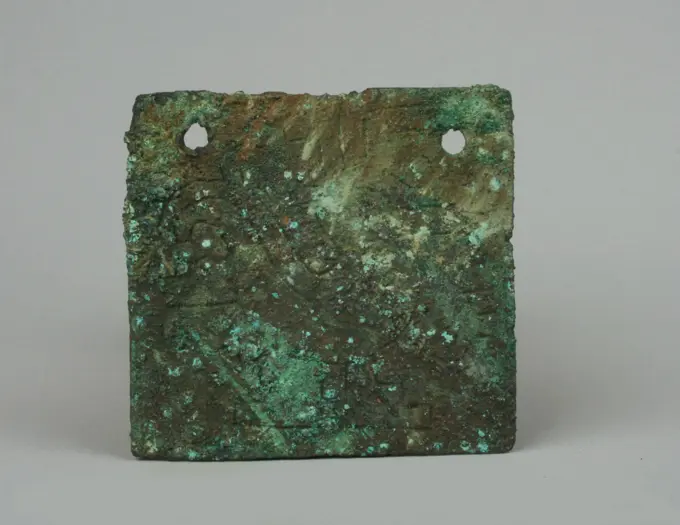
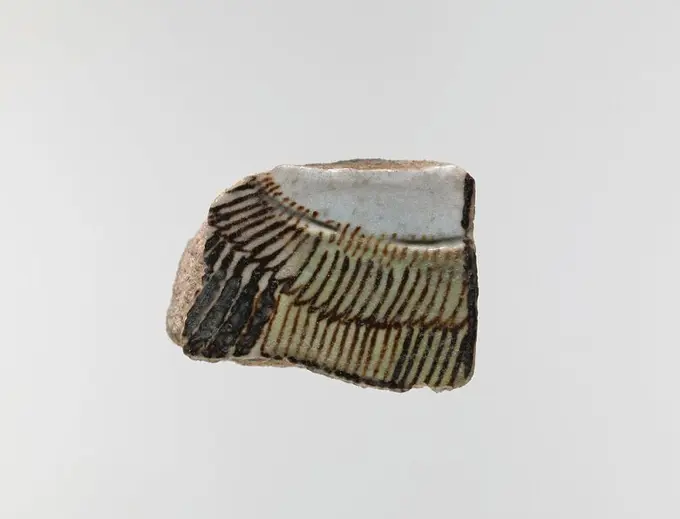
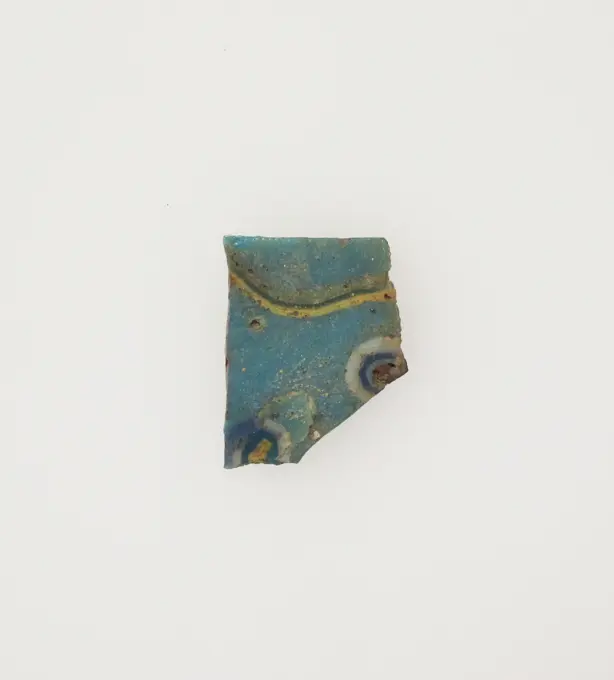
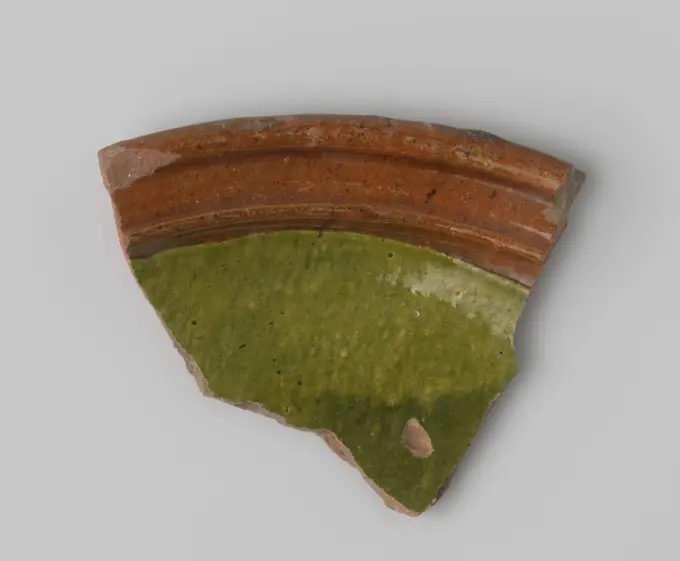
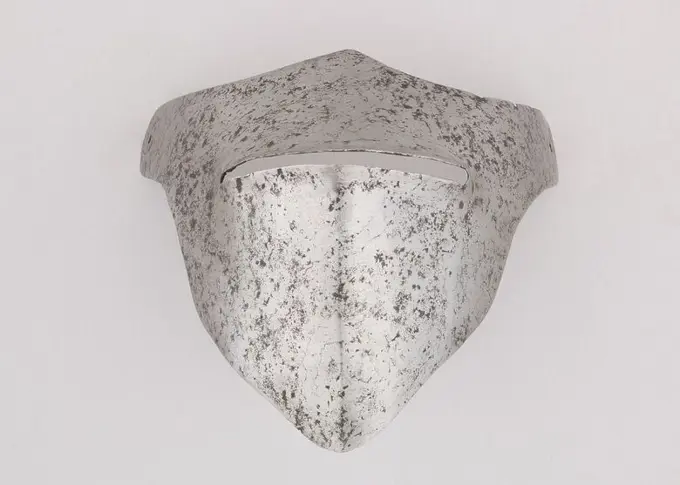
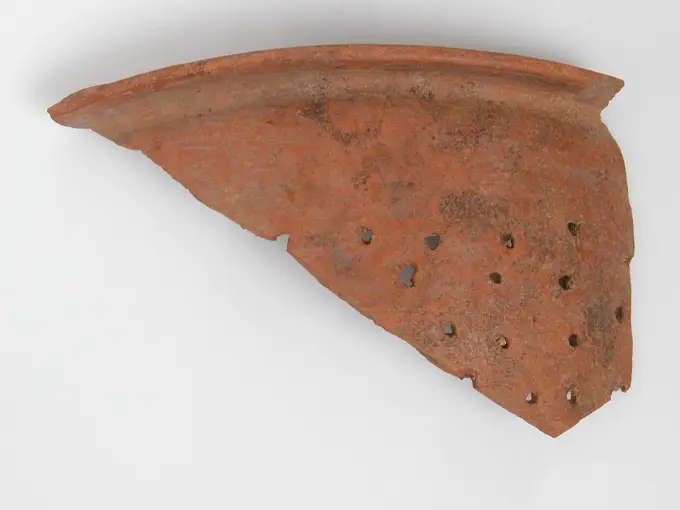
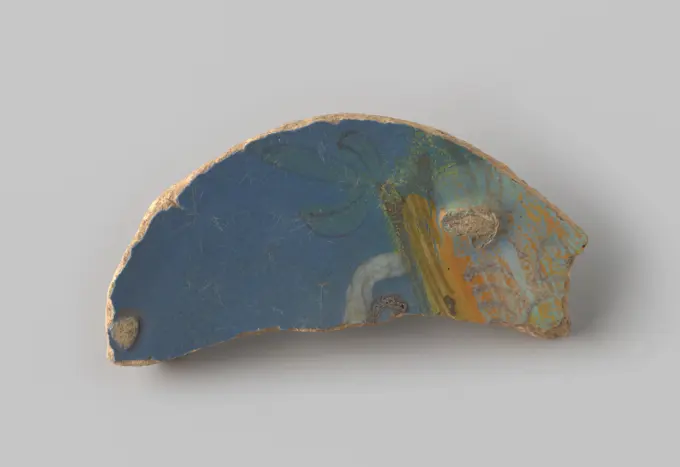
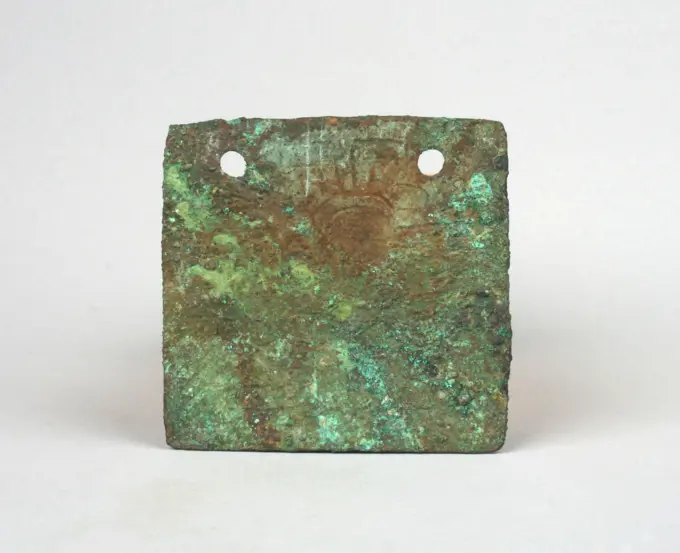
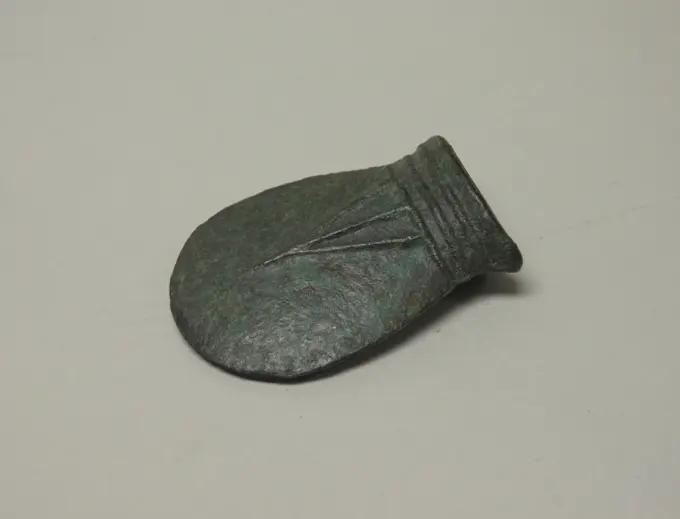
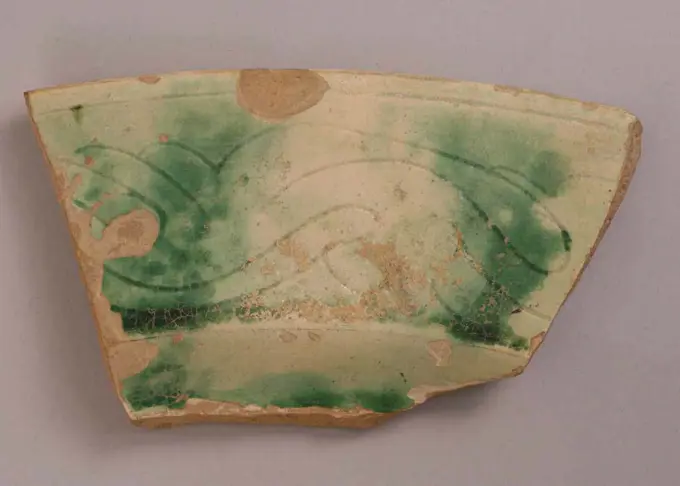
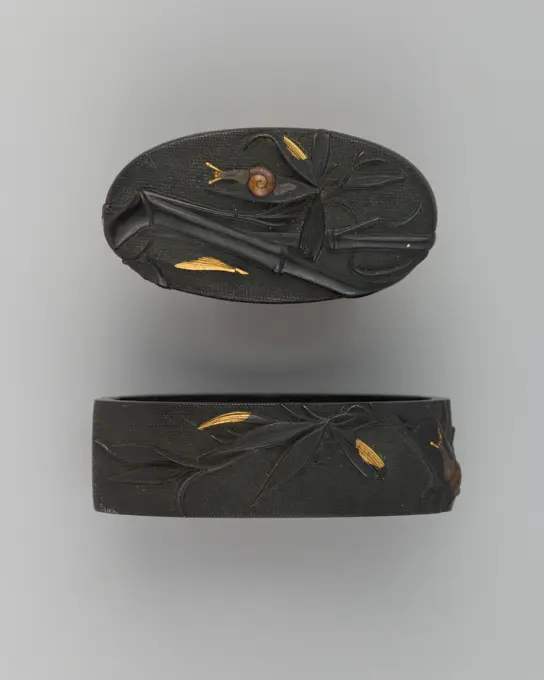
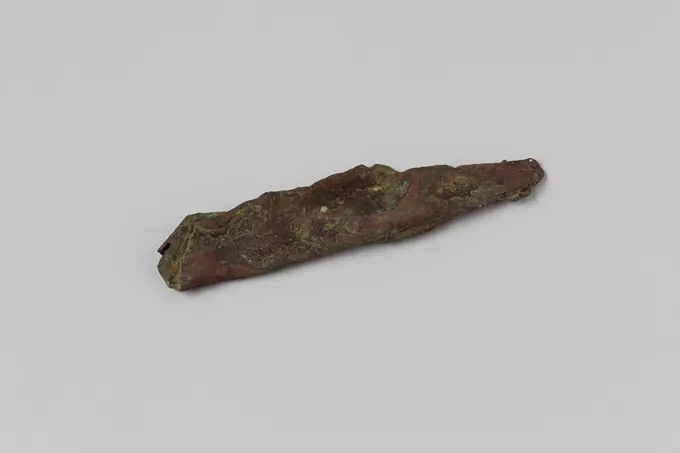
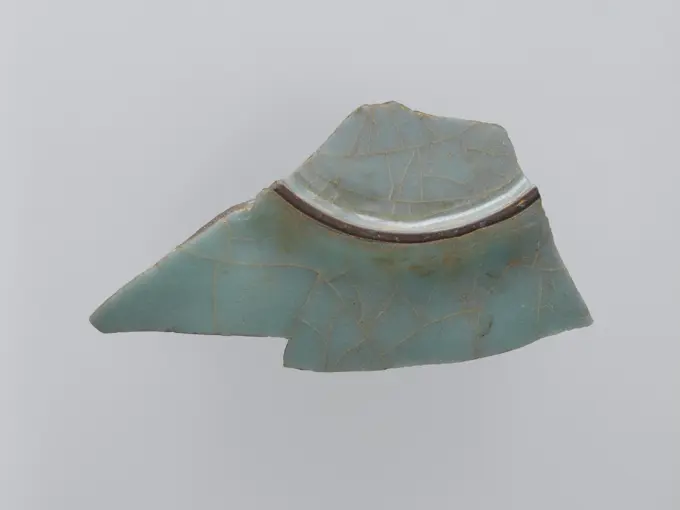
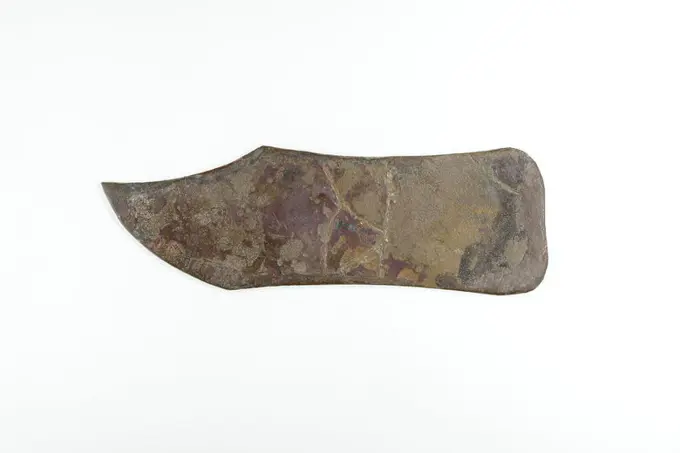
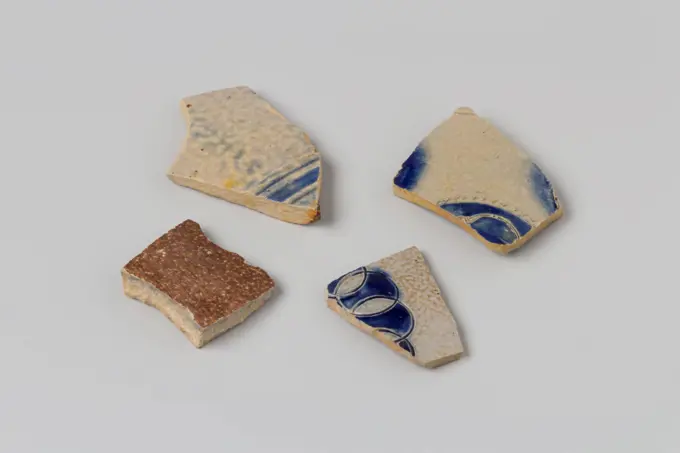
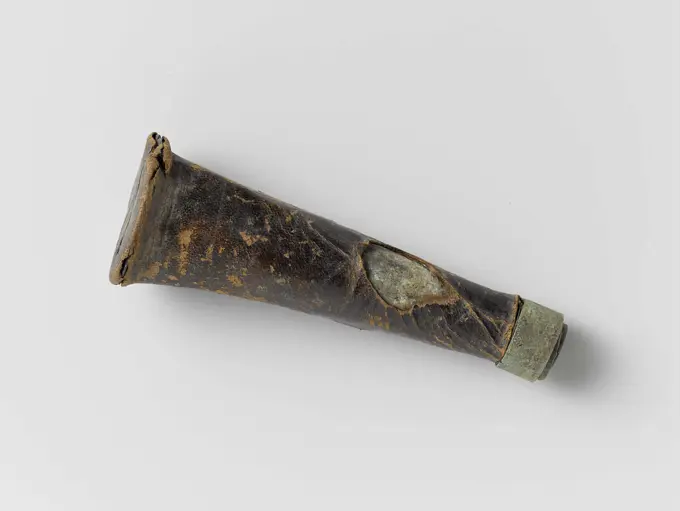
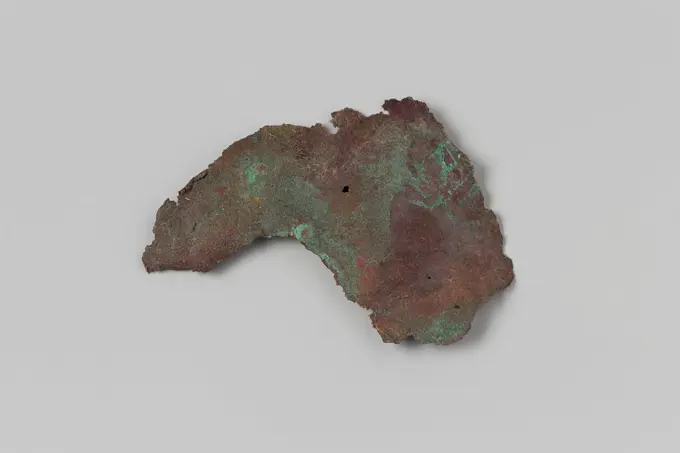
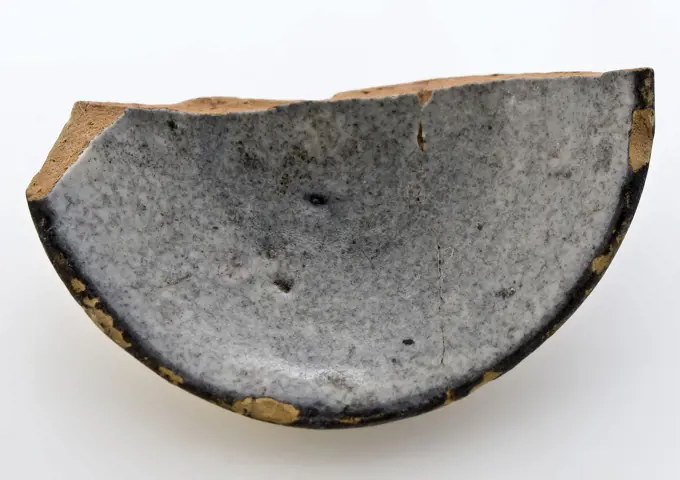
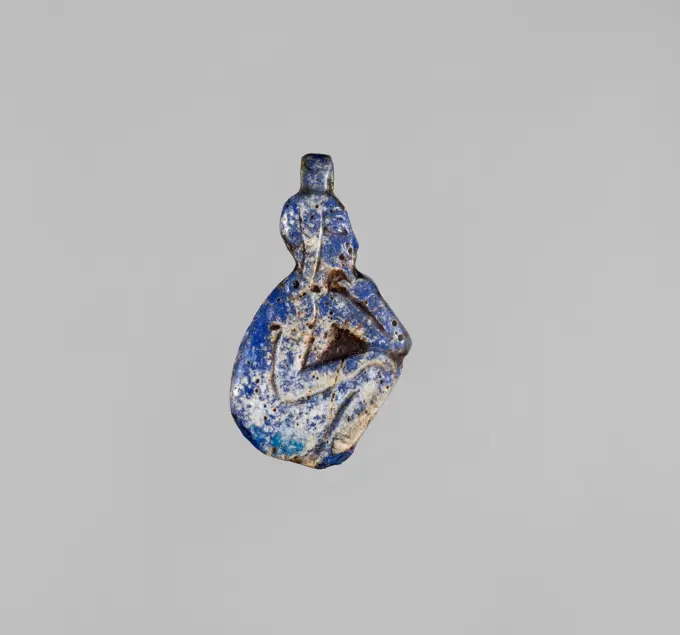
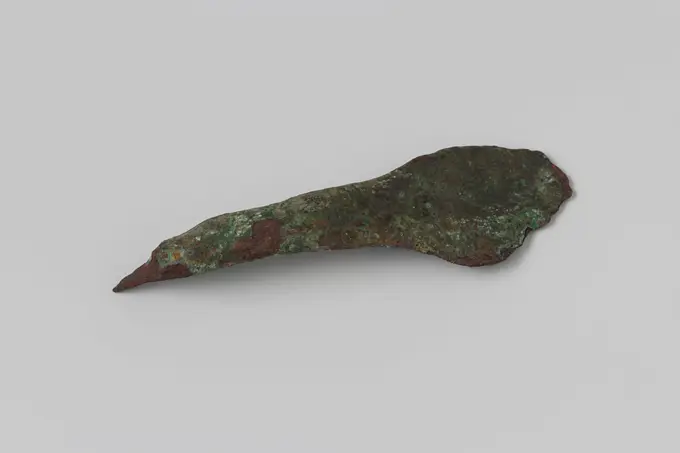
Scherf of a wine bottle from the wreck of the East Indians Hollandia, Anonymous, 1700 - in Or Before 1743  Typologically not identifiable, base, fragm. Netherlands .   SecondBatter from the wreck of the East Indians Hollandia, Anonymous, 1700 - in or before 1743  Fittings, bands and bracing, flat; fragm, eroded, id. NG 1980-27H3053. Netherlands copper (metal)   SecondFragment pin from the wreck of the East Indieschief Hollandia. Tools and Instruments, Sewing and Sailmaking, PIN; Fragm or Shaft with Blade-Mount, 3 Rivet holes.Fragments of Ceramics with Opacified Glaze 9th century. Fragments of Ceramics with Opacified Glaze. 9th century. Earthenware; glazed. Found/excavated Iraq, Samarra. CeramicsTerracotta vessel fragment with floral motif ca. 1600-1450 B.C. Minoan From Gournia, CreteFloral design.. Terracotta vessel fragment with floral motif 247721Fragment of fire hose ring from the wreck of the East Indiesman Hollandia. Fire Engine, Firehose; Fragments, ID. NG-1975-20-H-1271-A, Squashed.Tile from marsh scene ca. 1353-1336 B.C. New Kingdom, Amarna Period. Tile from marsh scene 571938Red-Figure Volute Krater Fragment; Attributed to the Kleophrades Painter (Greek (Attic), active 505 - 475 B.C.); Athens, Greece; about 490 B.C; Terracotta; 6.5 cm (2 9,16 in.)Minoan body sherd ca. 1981-1640 B.C. Middle Kingdom. Minoan body sherd 556883Decorated jar fragment ca. 1390-1352 B.C. New Kingdom. Decorated jar fragment. ca. 1390-1352 B.C.. Pottery and ink, paint. New Kingdom. From Egypt, Upper Egypt, Thebes, Malqata, Palace of Amenhotep III, MMA excavations. Dynasty 18Tile fragment ca. 1981-1640 B.C. Middle Kingdom. Tile fragment. ca. 1981-1640 B.C.. Blue faience. Middle Kingdom. From Egypt, Memphite Region, Lisht North, Cemetery, MMA excavations, 1920-22. Dynasty 12-13Fragment pipe head. Fragment pipe head with a crown and a fish and waves, and the letters I shot. Of the excavations at the Hofstede Arentsburg 1827-1831 under the supervision of professor Reuvens.Vase fragment ca. 4000 B.C. Neolithic, Nemea. Vase fragment 253257 Neolithic, Nemea, Vase fragment, ca. 4000 B.C., Terracotta, length 2 3/4in. (7cm). The Metropolitan Museum of Art, New York. Anonymous Gift, 1930 (30.119.52)Elbow Defense (Couter) ca. 1430-40 Italian This is part of a large find of medieval armor discovered in 1840 in the ruins of the fortress of Chalcis, on the Greek island of Euboea (then a Venetian colony called Negroponte). The fortress had been captured and destroyed by the Turks in 1470. Now divided largely between the Ethnological Museum, Athens, and The Metropolitan Museum of Art, the Chalcis hoard contains many rare and unusual elements of fourteenth- and fifteenth-century armor. Of particular importance are the variety of headpieces and the many fragments of brigandines (armor for the torso constructed of small plates riveted to layers of fabric), some of which retain portions of their original velvet covering. The Chalcis armor provides a unique picture of the armament used in the Aegean, one of the easternmost military outposts of the Venetian empire.. Elbow Defense (Couter) 23176Vase fragment Minoan. Vase fragment. Minoan. Terracotta. Early Minoan III. VasesBlack-Glaze Dish with Stamped Palmette and Inscription. UnknownFragment Come from V.O.C. ship De 'Witte Leeuw', Anonymous, Before 1613 bowl Soil fragment come from V.O.C. ship De 'Witte Leeuw'. Shatou porcelain   Sint-HelenaFragment Pijpenkop, Anonymous, 1750 - 1780 Fragment pipe head with eight grunts (florally silly motif) between which pearl rows and flowers. Of the excavations on the Hofstede Arentsburg 1827-1831 under the supervision of Professor Reuvens. Netherlands pipe clay Fragment pipe head with eight grunts (florally silly motif) between which pearl rows and flowers. Of the excavations on the Hofstede Arentsburg 1827-1831 under the supervision of Professor Reuvens. Netherlands pipe clayTerracotta fragment of a amphora 6th/5th centuries B.C. Greek, Attic Part of the body of a amphora with a bit of the ground line. Terracotta fragment of a amphora. Greek, Attic. 6th/5th centuries B.C.. Terracotta; black-figure. Archaic. VasesGlass Fragment from a Vessel 4th-early 5th century Coptic. Glass Fragment from a Vessel 477128Wall painting fragment. Culture: Roman. Dimensions: Overall: 8 3/8 x 6 in. (21.3 x 15.3 cm). Date: 1st century A.D..Floral decoration. Museum: Metropolitan Museum of Art, New York, USA.Terracotta base and lower body of a vessel ca. 3800-3300 B.C. Dimini culture From ThessalyDark lines and checkerboard on light ground.. Terracotta base and lower body of a vessel 253238 Dimini culture, Terracotta base and lower body of a vessel, ca. 38003300 B.C., Terracotta, length 2 15/16in. (7.5cm). The Metropolitan Museum of Art, New York. Anonymous Gift, 1930 (30.119.33)Fragment of buyer from the wreck of the East India Hollandia.parts or artifacts; eroded fragments: Materials; Copper.Bird Plaque Ornament 3rd century B.C.-A.D. 2nd century Vicús. Bird Plaque Ornament 315398Tile from marsh scene. Dimensions: H. 4 × W. 3 cm (1 9/16 × 1 3/16 in.). Dynasty: Dynasty 18. Reign: reign of Akhenaten. Date: ca. 1353-1336 B.C.. Museum: Metropolitan Museum of Art, New York, USA.Batter from the wreck of the East Indians Hollandia, Anonymous, 1700 - in or before 1743  Fittings, bands and bracing, flat; fragm, one end broken, sim. NG 1980-27H3053. Netherlands copper (metal)   SecondGlass Fragment 13th century British. Glass Fragment. British. 13th century. Colorless glass. Glass-StainedRelief fragment from tomb of Meketre ca. 1981-1975 B.C. Middle Kingdom. Relief fragment from tomb of Meketre 669004Glass mosaic inlay fragment ca. 1st century B.C. Greek, Ptolemaic or Roman, Egyptian Semi-opaque turquoise blue, with additions in opaque white, yellow, deep turquoise blue, and red, and translucent blue.Flat plaque, with even top surface and underside.On surface, applied decoration perhaps as part of a floral or Nilotic design.Broken on all sides; dulling and pitting of surface bubbles.. Glass mosaic inlay fragment. Greek, Ptolemaic or Roman, Egyptian. ca. 1st century B.C.. Glass; cast. Late Hellenistic or Early Imperial. GlassExcerpt of a musket (stick band) from the wreck of the East Indies' t Vliegend Hart, 1700 - 1735, which was decayed in 1735  The gray -brown wood fragment is a kind of half tube with a strap around it on one side. It was probably part of a musket (stick band).  wood (plant material). metalMenat fragment ca. 1479-1458 B.C. New Kingdom. Menat fragment. ca. 1479-1458 B.C.. Faience. New Kingdom. From Egypt, Upper Egypt, Thebes, Deir el-Bahri, Hatshepsut Hole, MMA excavations, 1922-23. Dynasty 18Sharf red -baking earthenware with decoration in green, anonymous, 1500 - 1699  Majolic screen. Northern Netherlands earthenware. glazeVisor for a Bascinet. Culture: Italian. Dimensions: H. 6 1/4 in. (15.9 cm); W. 7 in. (17.8 cm); D. 5 3/4 in. (14.6 cm); Wt. 7.3 oz. (207 g). Date: ca. 1400. Museum: Metropolitan Museum of Art, New York, USA.Strainer 4th-7th century Coptic. Strainer 478922Sharf of ross -baking earthenware, with blue glaze at the top, on which a part of an unknown representation is visible in blue, green, yellow, orange and white, anonymous, 1600 - 1650  Northern Netherlands earthenware. glaze majolica  Northern Netherlands earthenware. glaze majolicaBroad Collar piece () ca. 1850-1640 B.C. Middle Kingdom. Broad Collar piece () 560882Bird Plaque Ornament 3rd century B.C.-A.D. 2nd century Vicús. Bird Plaque Ornament 315388Segment from a bronze fibula (safety pin) 7th century B.C. Etruscan Oval piece of amber with holes and remains of a bronze pin through center.. Segment from a bronze fibula (safety pin). Etruscan. 7th century B.C.. Amber, bronze. Archaic. Miscellaneous-AmberChopped. Bronze. Cernuschi Museum, Asia Museum of Asia in the city of Paris.Terracotta vessel fragment with boss ca. 4000-3000 B.C. Greek Neolithic From Hagiorgetika in the Peloponnese. Terracotta vessel fragment with boss 253282 Greek Neolithic, Terracotta vessel fragment with boss, ca. 40003000 B.C., Terracotta, length 2 3/16in. (5.5cm). The Metropolitan Museum of Art, New York. Anonymous Gift, 1930 (30.119.77)Hafted Ax (type 9a) 500 B.C.-A.D. 300 Indonesia. Hafted Ax (type 9a). Indonesia. 500 B.C.-A.D. 300. Bronze. Bronze and Iron Age period. MetalworkTwo Fragments of Splashed Sgraffito Ware 9th century. Two Fragments of Splashed Sgraffito Ware 447667Tile decorated with a lily in relief, anonymous, 1300 - 1450  Germany (possibly)England (possibly)Netherlands (possibly) earthenware  Germany (possibly)England (possibly)Netherlands (possibly) earthenwareFragment of a Cane 100 BCE-1 BCE Italy. In ancient Rome, there was a high demand for colorful glass that could dazzle banquet guests alongside the expensive silver and gold serving wares meant to impress. Fragments like this one would have once been a part of larger mosaic dishes. The mosaic pattern was made by sagging molten glass into bowl-shaped molds, a technique used on many of these fragments is similar to millefiori, ìthousand flowersî in Italian, a modern glass-making method in which tiny rods of colored glass are bundled together, wrapped in a sheet of glass, fused, and then thinly sliced to reveal swirls of a flower-like patterns. They were arranged side by side, sometimes together with bits of colored glass, and fused together with heat.. Glass, mosaic technique . Ancient EgyptianShards of basement bottles from the wreck of the East Indians' t Vliegend Hart ,, 1700 - 1735  Three fragments of square basement bottles. Made from green glass with yellow -brown attack. Case Bottle. Middelburg .Tile Mosaic Fragment. The oldest wall decorations in Islamic Spain were mosaics made of variously shaped coloured tile pieces arranged in intricate geometric patterns. This was a time-consuming and therefore expensive technique. Only the very rich could afford such wall mosaics. The geometric pattern on this fragment is almost identical to a mosaic from the Alhambra in Granada. Perhaps it originally came from this palace, or was made in the same workshop.Excerpt of a dish with red-baking shard, with green glaze at the front and back, on which decorative edges are applied to the front in SGRAFITTO technology, anonymous, 1200- 1899  Italy earthenware  Italy earthenwareVase fragment mid-2nd century A.D. Roman, Gaul Inscribed; red gloss sigillata.. Vase fragment. Roman, Gaul. mid-2nd century A.D.. Terracotta. VasesShard of a pot from the wreck of the East India Hollandia.Stoneware, Rhenish, Westerwald, Pot; or body, sim. NG 1980-27H2624R.Figurine, Fragment of the Garment, anonymous, anonymous, c. 1425 - c. 1550  Northern Netherlands pipe clay  Northern Netherlands pipe clayRelief fragment from the tomb of Meketre ca. 1981-1975 B.C. Middle Kingdom. Relief fragment from the tomb of Meketre 668912Shards of wine bottles from the wreck of the East Indians' t Vliegend Hart, Anonymous, 1700 - 1735  Shards of onion -shaped wine bottles of green glass that has been in red (port) wine. Netherlands .Attic Red-Figure Hydria Fragment; Berlin Painter (Greek (Attic), active about 500 - about 460 B.C.); Athens, Greece; about 480 B.C; Terracotta; 5.4 cm (2 1,8 in.)Pottery Fragment. Culture: Coptic. Dimensions: Overall: 15/16 x 1 x 1/2 in. (2.4 x 2.6 x 1.3 cm). Date: 4th-7th century. Museum: Metropolitan Museum of Art, New York, USA.Handle -shaped ornament. Cernuschi Museum, Asia Museum of Asia in the city of Paris.Fragment of slate with hanging hole, shield-shaped, slate soil found slate stone, w 15.5 sawn drilled sanded Fragment of slate. Shielded with an oval drilled hanging hole in semi-circular top Scratches over the entire surface and vaguely visible some handwritten lettering letters archeology Rotterdam IJsselmonde writing note Soil discovery: IJsselmonde Castle Rotterdam 1972.Sword-Hilt Collar and Pommel (Fuchigashira) ca. 1615-1868 Japanese A fuchigashira is a pair of matching sword fittings comprising the fuchi (collar at the base of the grip of the sword hilt) and kashira (pommel cap at the end of a sword hilt).. Sword-Hilt Collar and Pommel (Fuchigashira). Japanese. ca. 1615-1868. Copper-gold alloy (shakud), gold, copper. Sword Furniture-Fuchi-KashiraMessenheft; From the wreck of the East India Hollandia. Knife Handle, Bone. ID 80H1758, eroded.Fragment tobacco pipe. Fragment tobacco pipe. Of the excavations at the Hofstede Arentsburg 1827-1831 under the supervision of professor Reuvens.Vase fragment East Greek/Sardis, Lydian Incised lines.. Vase fragment 252703 East Greek/Sardis, Lydian, Vase fragment, Terracotta, Overall: 9 x 5 3/4in. (22.8 x 14.6cm). The Metropolitan Museum of Art, New York. Gift of The American Society for the Excavation of Sardis, 1926 (26.199.135)Fragment of buyer from the wreck of the East India Hollandia.parts or artifacts; eroded fragments: Materials; Copper.Lamella. UnknownAttic Black-Figure Vase Fragment. UnknownSherd China. Sherd. China. Stoneware; Guan ware. Song dynasty (960-1279). CeramicsGoldweight with a Geometric Design 1700-1899 Ghana. Brass-cast weights like this one were produced using the lost-wax technique and used for economic transactions that involved gold. Although cast in a variety of figural forms, weights with abstract, graphic motifsósuch as this oneówere the earliest ones to be produced. From the 15th century gold mined in the region of Kumasi began to be traded to the north, first transported to towns in the West African Sahel and then across the Sahara desert to North Africa. To facilitate trade, the Akan made weights calibrated to those of their trading partners. Consequently there were two weightsóone based on an Islamic ounce of gold dust and the other on a miskal. When the Portuguese began to trade along the African coast around 1470, the Akan made another series of weights calibrated to the Portuguese ounce, and once again after 1600, when the Dutch introduced the troy ounce.ñPermanent Collection Object Description. Copper alloy . AsanteSesterce; Antoninus Pius (86-161; Roman emperor 138-161);  (0-00-00-0-00-00);Amulet of a Writing Tablet 664 BCE-332 BCE Egypt. Faience . Ancient EgyptianBird Plaque Ornament. Culture: Vicús. Dimensions: H. 2 x W. 2 in. square (5 x 5 cm). Date: 3rd century B.C.-A.D. 2nd century. Museum: Metropolitan Museum of Art, New York, USA.Ruiu's Razor. Dimensions: L. 12.8 cm (5 1/16 in.); W. 4.3 cm (1 11/16 in.). Dynasty: Dynasty 18, early. Reign: reign of Thutmose I-early sole Thutmose III. Date: ca. 1504-1447 B.C.. Museum: Metropolitan Museum of Art, New York, USA.Bust of Vincent Coster (1553-1608/10), Fragment, Hendrick de Keyser (I), c. 1606 Fragment of a bust. Head and shoulders are missing. The image ends in a mascaron with the letters in ligature between the eyes. It has been an image in the style of the Keyser's bust of an unknown man from 1606 (BK-NM-4191). The image is painted. Amsterdam terracotta (clay material) Fragment of a bust. Head and shoulders are missing. The image ends in a mascaron with the letters in ligature between the eyes. It has been an image in the style of the Keyser's bust of an unknown man from 1606 (BK-NM-4191). The image is painted. Amsterdam terracotta (clay material)Sherd ca. 4000-3500 B.C. Iran This sherd is made of a pale red clay, with black painted decoration. It is typical of Namazga I ceramics from Turkmenistan, dating to ca. 4000-3500 B.C. It was excavated in 1937 at a prehistoric site in the vicinity of Nishapur in northeastern Iran. While Nishapur itself was founded by the Sasanian king Shapur I (reigned ca. A.D. 241-272), this sherd shows that human habitation there goes back to the prehistoric period. Furthermore, the prehistoric pottery from Nishapur has close affinities with ceramic materials from Central Asia rather than with contemporary sites in Iran, meaning that in this period its inhabitants were likely culturally linked to their neighbors to the east. At the same time, Nishapurs location on what later became known as the Great Khorasan Road suggests that it was part of the trade network that facilitated the import of precious stones such as lapis lazuli, carnelian and turquoise from Central Asia to Mesopotamia.. Sherd 323625Boat (common name). Sandstone, molding, celadon, cookie. Cernuschi Museum, Asia Museum of Asia in the city of Paris.Corner piece of a book fittings (). Corner piece of a book fittings () Of brass.Plaque fragments. Bronze, China, IV-IIe s. av. Paris, Cernuschi museum. Asian art, Chinese art, bronze, Asian civilization, Chinese civilization, plaqueWall revetment, marble pattern 200 BC-100 AD Ptolemaic Period-Roman Period Glass plaques imitating expensive marble or stones were used as wall coverings.. Wall revetment, marble pattern. 200 BC-100 AD. Glass. Ptolemaic Period-Roman Period. From EgyptKylix Fragment ca. 470 B.C. Attributed to near the Splanchnopt Painter. Kylix Fragment 248456Fragment of a Bowl 9th-10th century View more. Fragment of a Bowl. 9th-10th century. Earthenware; red body, white slip, brown-black slip decoration and sgraffito under glaze. Excavated in Iran, Nishapur. CeramicsFragment of earthenware plate with decor in sludge flow technique, plate crockery holder fragment earthenware ceramics earthenware clay engobe glaze lead glaze, hand turned decorated glazed baked Small plate of red earthenware Decorated with white engobe and lead glaze in sludge flow technique Red shard. Stand surface. Bottom of unglazed archeology Rotterdam Heliport grounds of indigenous pottery import serving food Soil discovery: Heliport site Rotterdam June 1978.Fragment. Attributed to the Orvieto Group (Etruscan, active 500 B.C.)Shards of pots from the wreck of the East Indians Hollandia, Anonymous, 1700 - in Or Before 1743 pot Stoneware, Rhenish, Westerwald, pot; fragm of body, sim. NG 1980-27H2624r. Westerwald stoneware   SecondTile, Anonymous, 1300 - 1400 Tile decorated with a diagonally placed stem with a flower bud with a bird on either side. France (possibly) earthenware. lead glaze Tile decorated with a diagonally placed stem with a flower bud with a bird on either side. France (possibly) earthenware. lead glazeScherf of a jug of the wreck of the East Indians Hollandia, Anonymous, 1700 - in or Before 1743  Stoneware, Rhenish, Frechen-ware, jug; fragm of body. Cologne earthenware   SecondTile fragment Middle Kingdom ca. 1981-1640 B.C. View more. Tile fragment. ca. 1981-1640 B.C.. Egyptian blue. Middle Kingdom. From Egypt, Memphite Region, Lisht North, Cemetery, MMA excavations, 1920-22. Dynasty 12-13Decorated jar fragment with inscription. Dimensions: H. 10 cm (3 15/16 in.); w. 12.7 cm (5 in.). Dynasty: Dynasty 18. Reign: reign of Amenhotep III. Date: ca. 1390-1352 B.C.. Museum: Metropolitan Museum of Art, New York, USA.Ink saucer ca. 1802-1640 B.C. check Middle Kingdom. Ink saucer 544303Fragment of Dish 11th-12th century. Fragment of Dish 446480Musket size. Musket size of brass, DOP is missing. There are holes in the leather sleeve.Grahal-Manzara. Carnavalet 2013-2016 collection sites. Numismatics.Shard from a can from the wreck of the East Indied Flying Heart. One red-brown slightly bubble shard speckled from outside and inside unglazed and rough.Fragment of buyer from the wreck of the East India Hollandia.parts or artifacts; eroded fragments: Materials; Copper.Glass Fragment 13th-14th century European. Glass Fragment. European. 13th-14th century. Pot metal glass. Glass-StainedFragment of small faience bin, internal white glazed, bin holder fragment earthenware pottery earthenware enamel tasting glaze, hand-turned baked glazed baked Small bowl with raised edge of delft white or faience Stand White glazed discolored by staying in the bottom. Shallow bowl-shaped model archeology Rotterdam IJsselmonde indigenous pottery smearing mixing personal care Soil discovery: IJsselmonde Castle 2 put Rotterdam 1972.08.30.Fragment tile with central monochrome blue man with yoke and buckets, corner decoration spider, wall tile tile visualization earth discovery ceramics earthenware glaze tin glaze, baked 2x glazed painted archeology Rotterdam railway tunnel Soil discovery: railway tunnel Rotterdam.Link wheels.Amulet - bóg Horus-dziecko. unknown, authorMagic wand ca. 1900-1802 B.C. Middle Kingdom. Magic wand. ca. 1900-1802 B.C.. Hippopotamus ivory. Middle Kingdom. From Egypt, Memphite Region, Lisht North, cemetery south of pyramid below House A1:3, Pit 883, MMA excavations, 1920-21. mid to end Dynasty 12Fragment of buyer from the wreck of the East India Hollandia.parts or artifacts; eroded fragments: Materials; Copper.Fragment 9th century. Fragment. 9th century. Earthenware; glazed. Found/excavated Iraq, Samarra. CeramicsAmulet - noga wołu (chopesz). unknown, authorSharf of a plate., Anonymous, c. 1720 - c. 1780 Sharf of a plate of blue painted faience, painted with a landscape. Delft earthenware. tin glaze. Sharf of a plate of blue painted faience, painted with a landscape. Delft earthenware. tin glaze.