Archaeological Fragments

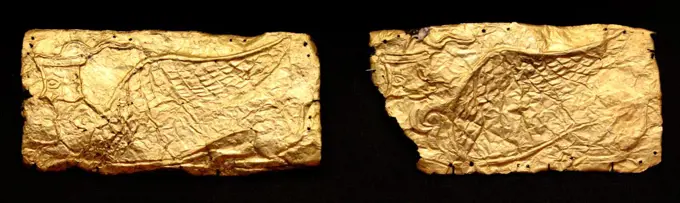
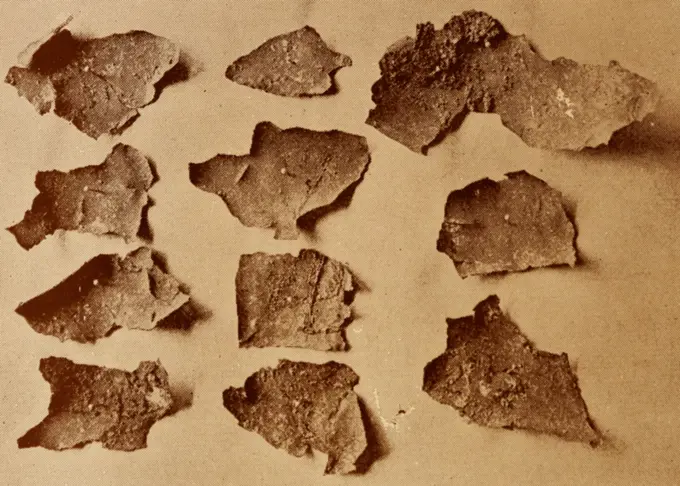
A collection of ancient ceramic and Ostracon fragments, showcasing historical artifacts with varied textures and markings.

Shard ca. 4th-5th century Pakistan. Shard 50869
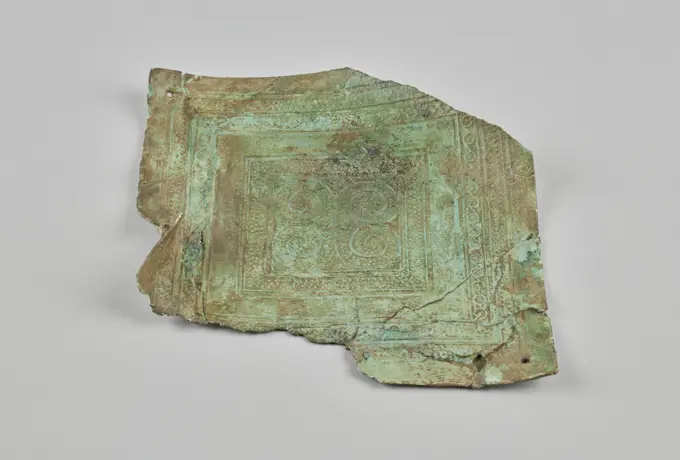
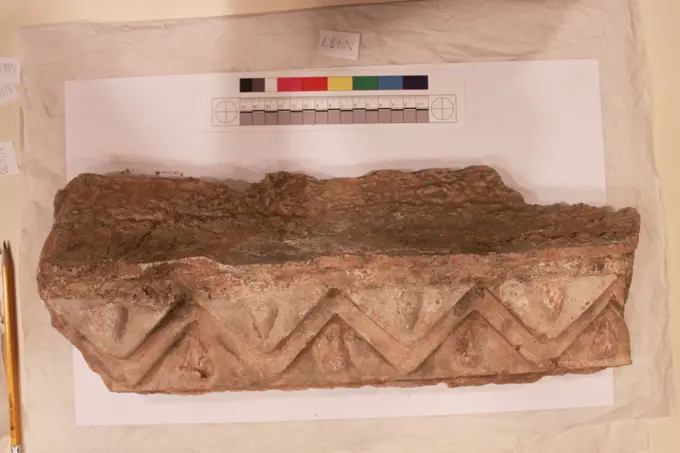
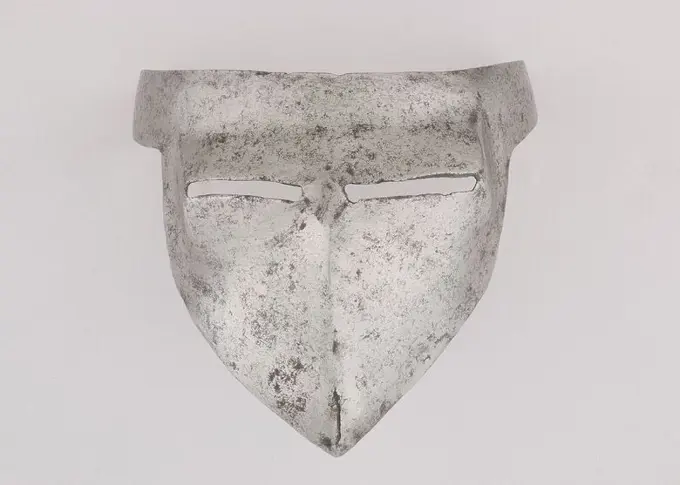
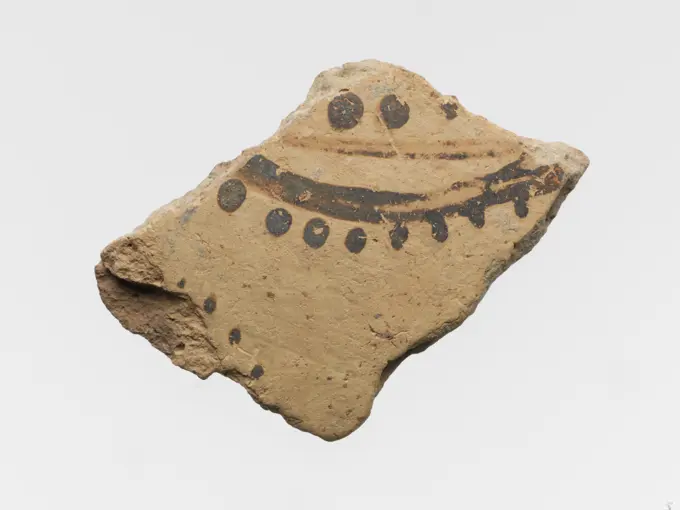
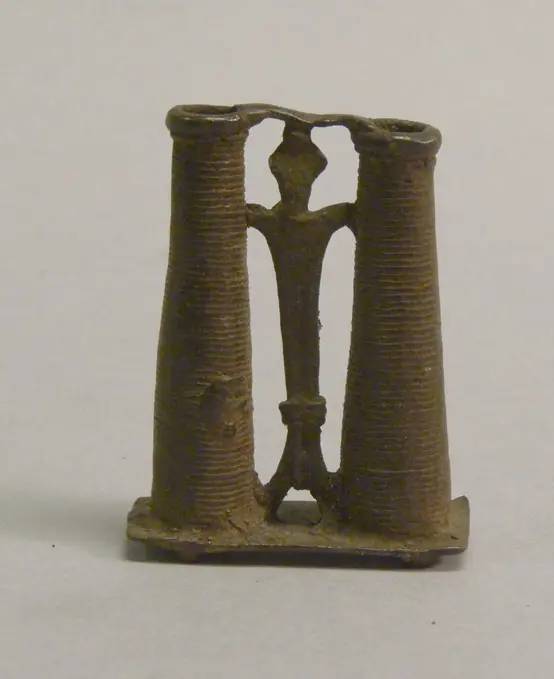
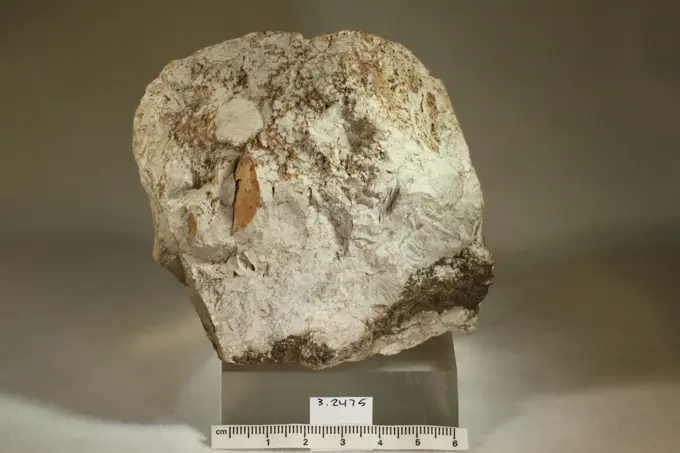
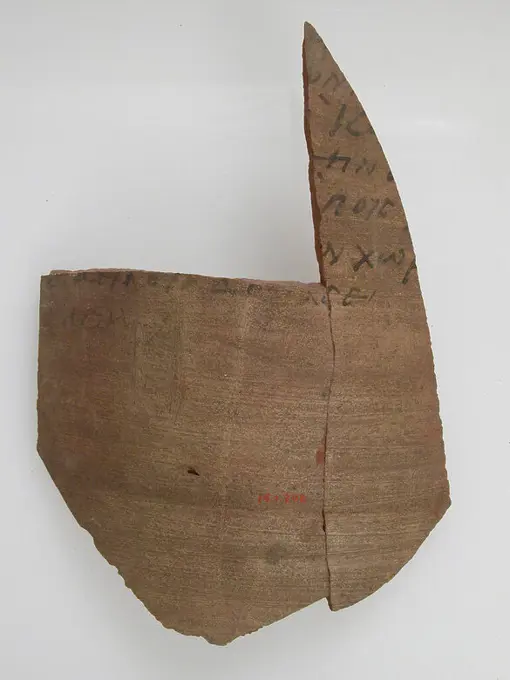
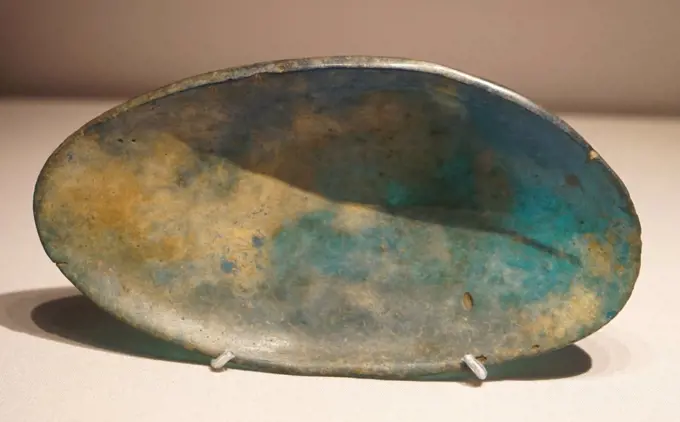
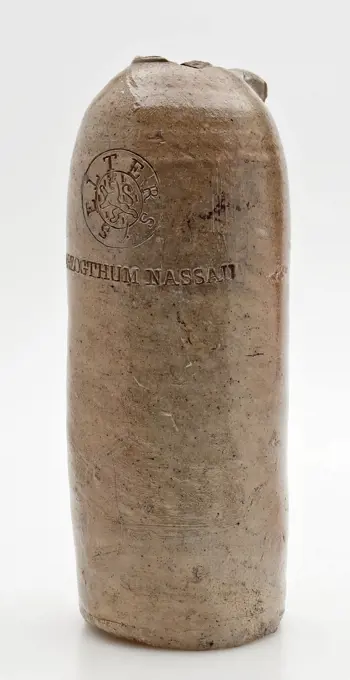
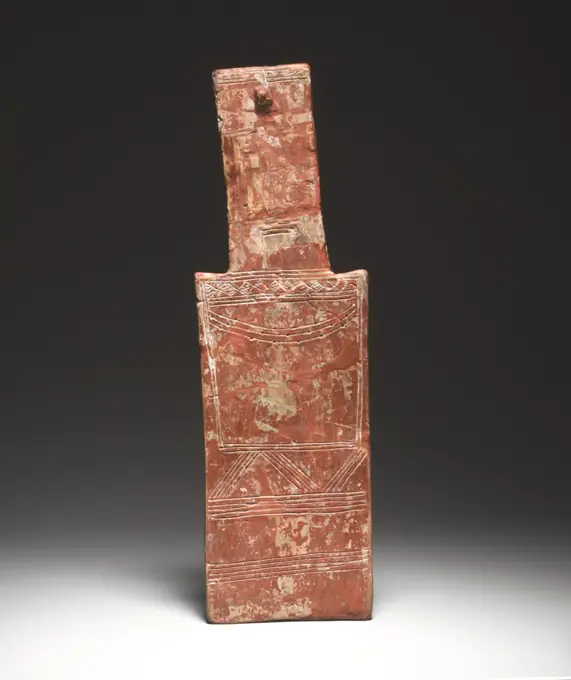
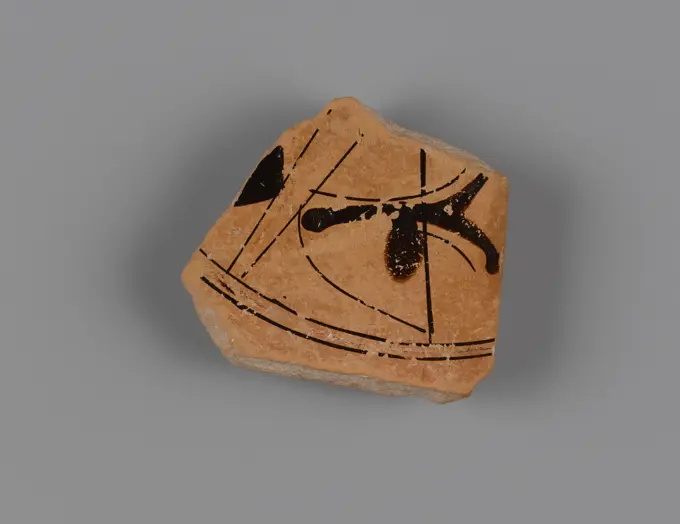
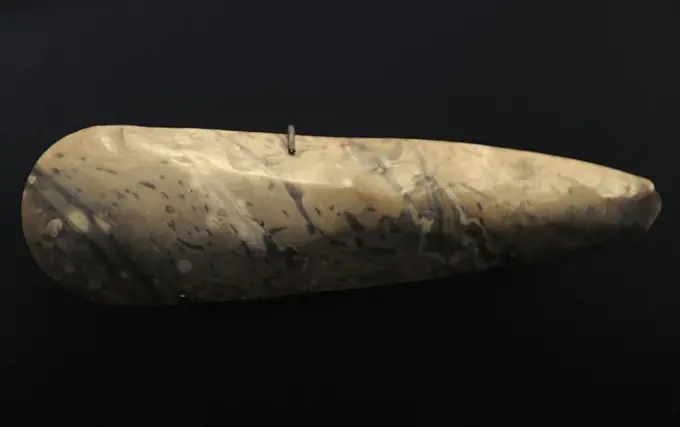
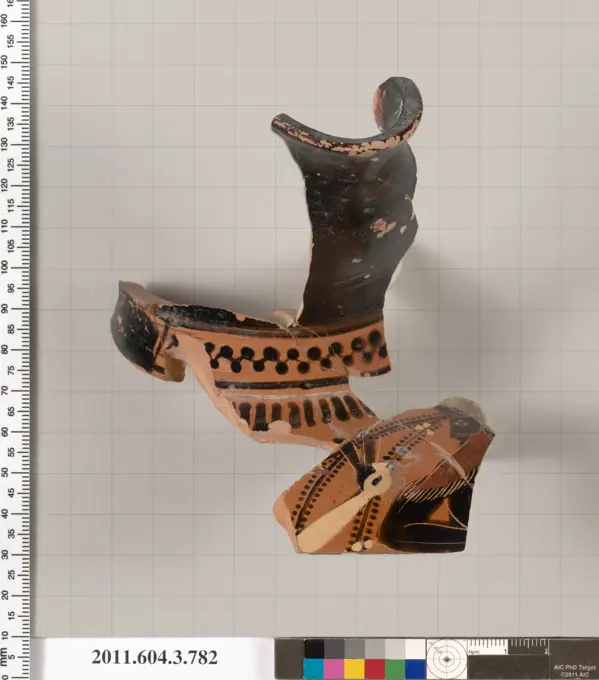
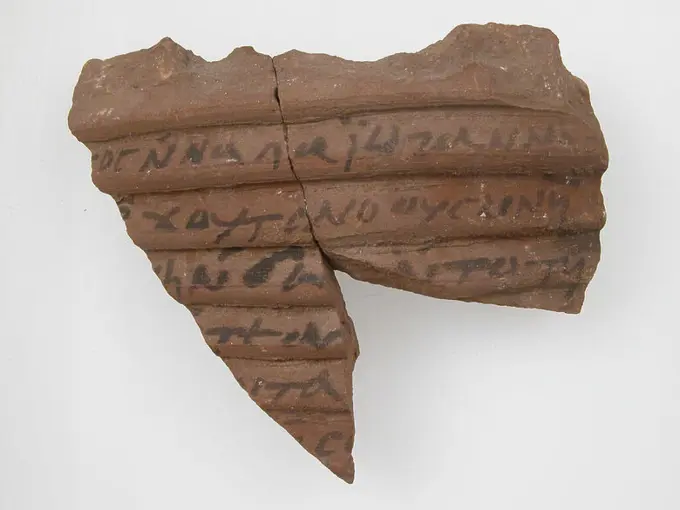
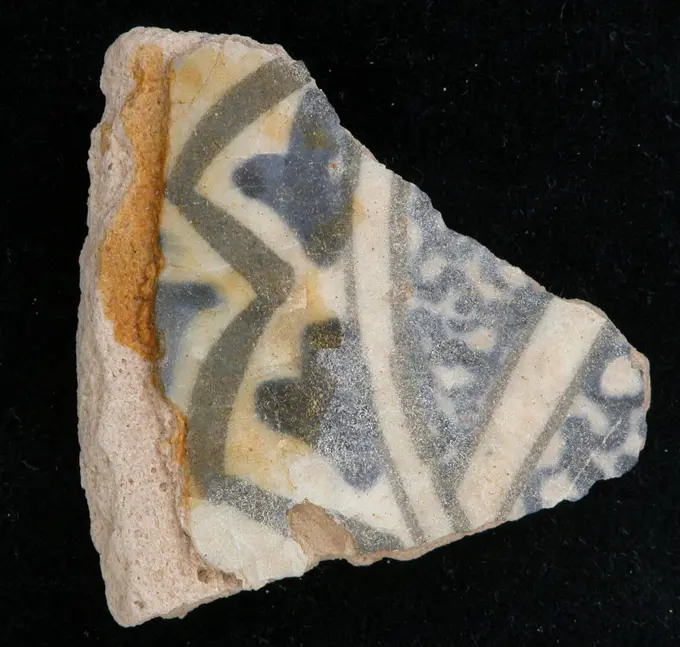
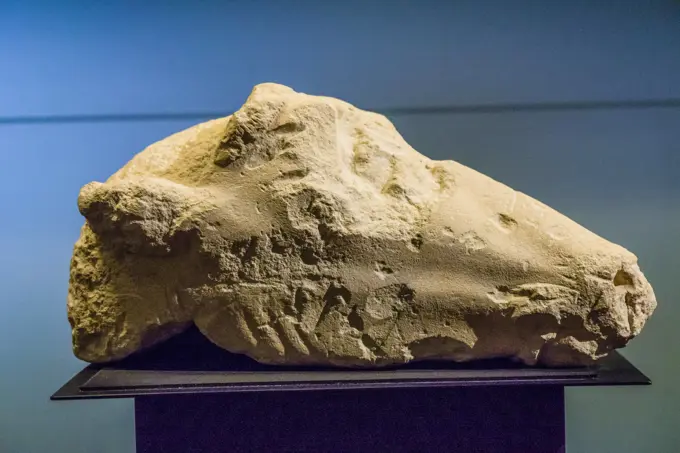
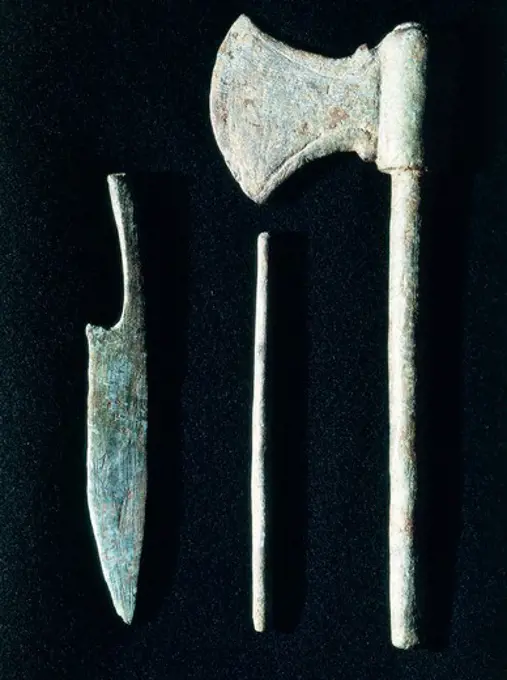
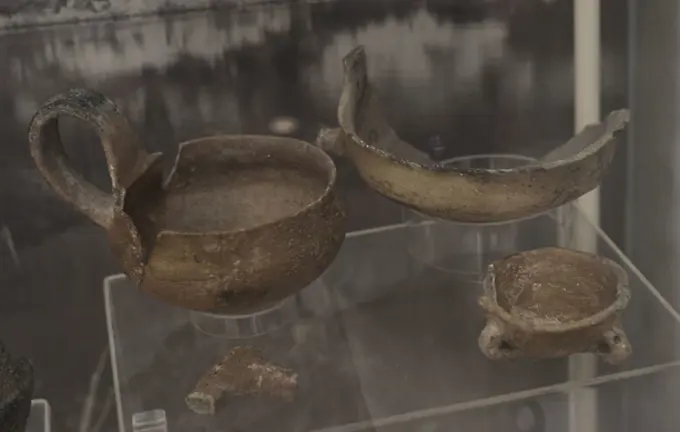
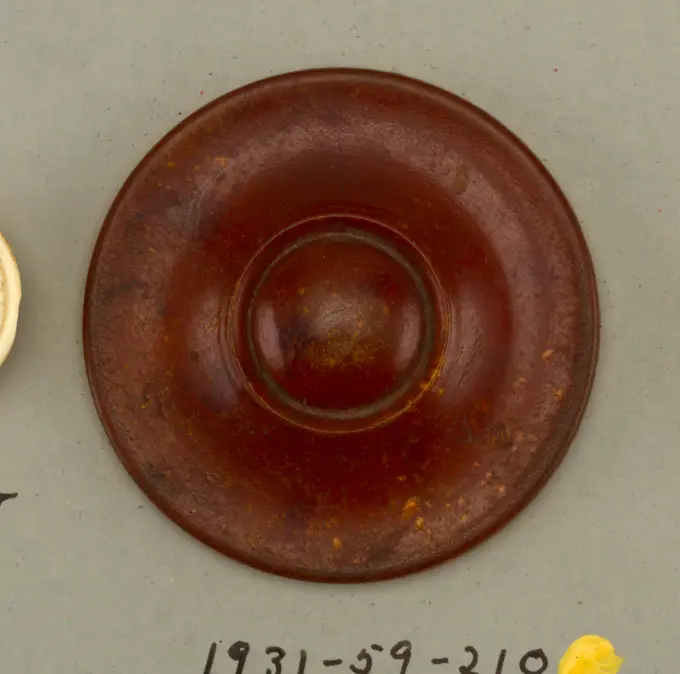
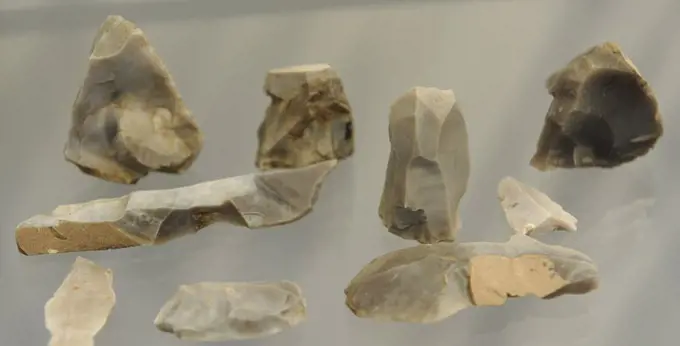
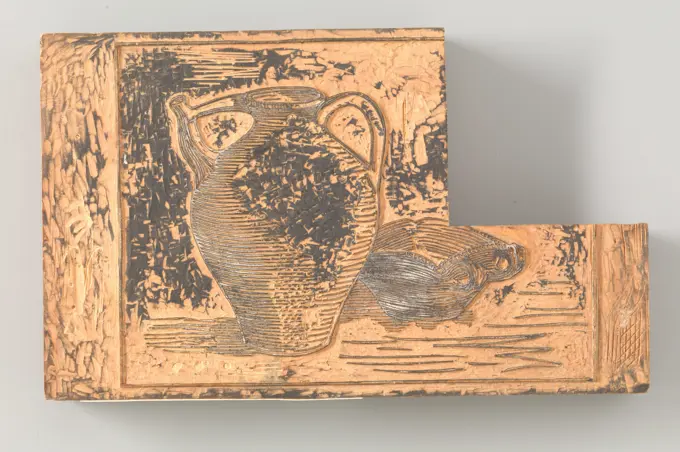
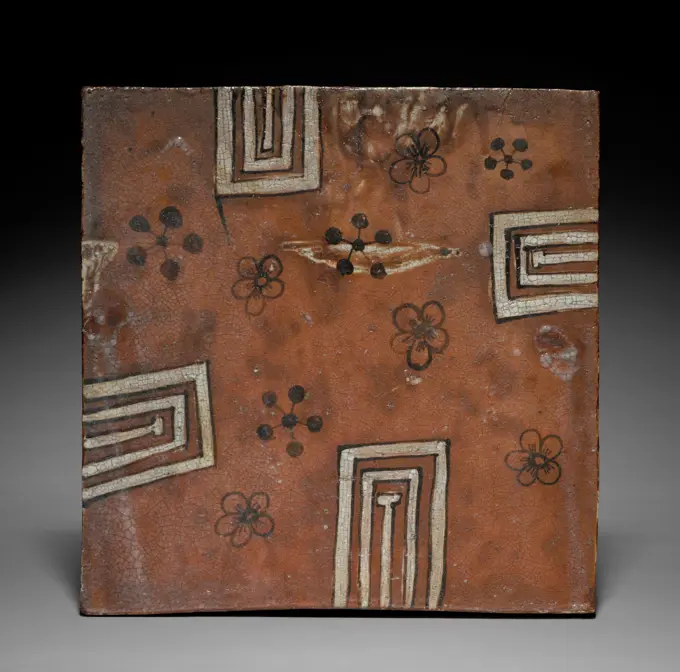
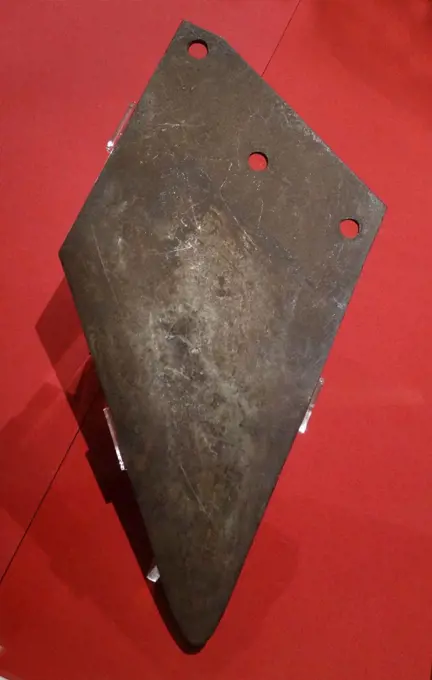
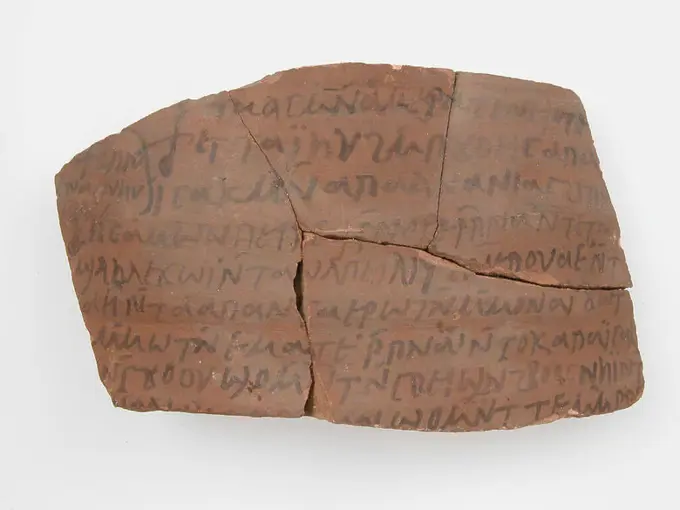
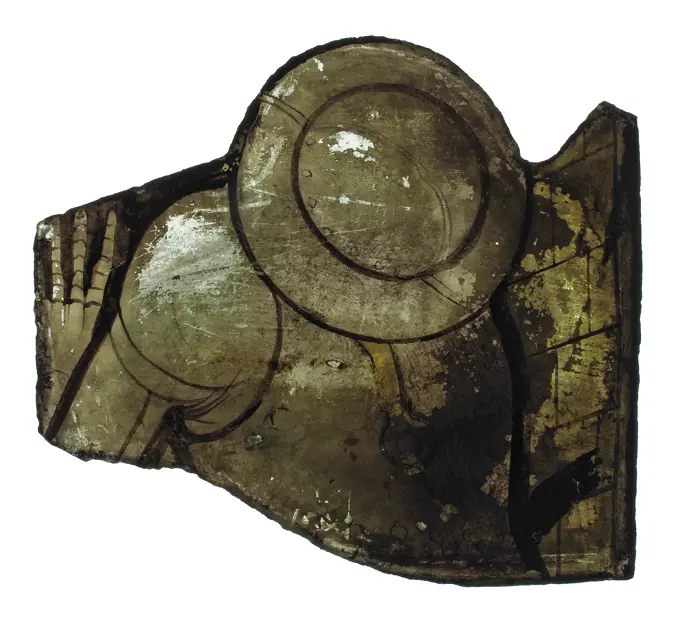
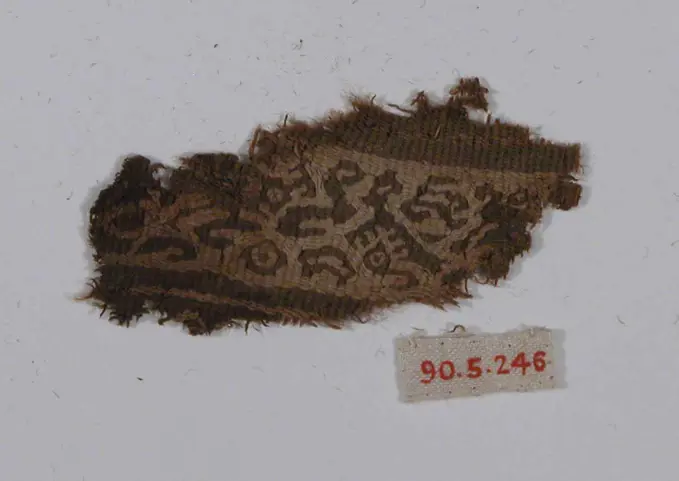
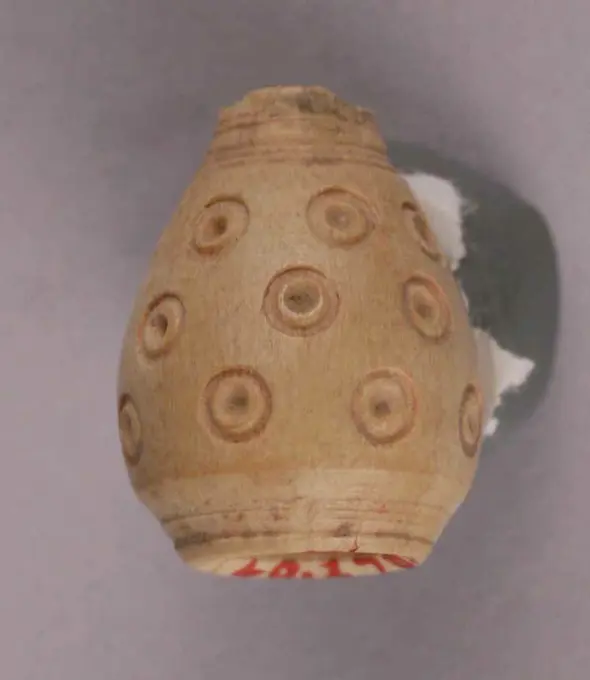
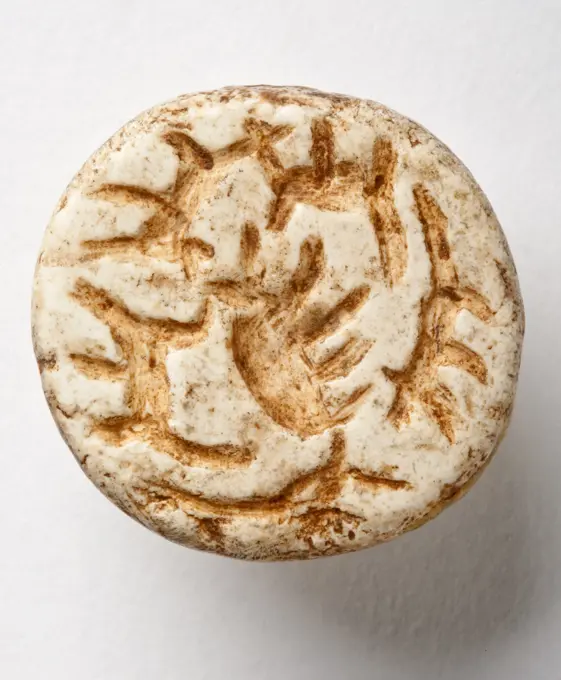
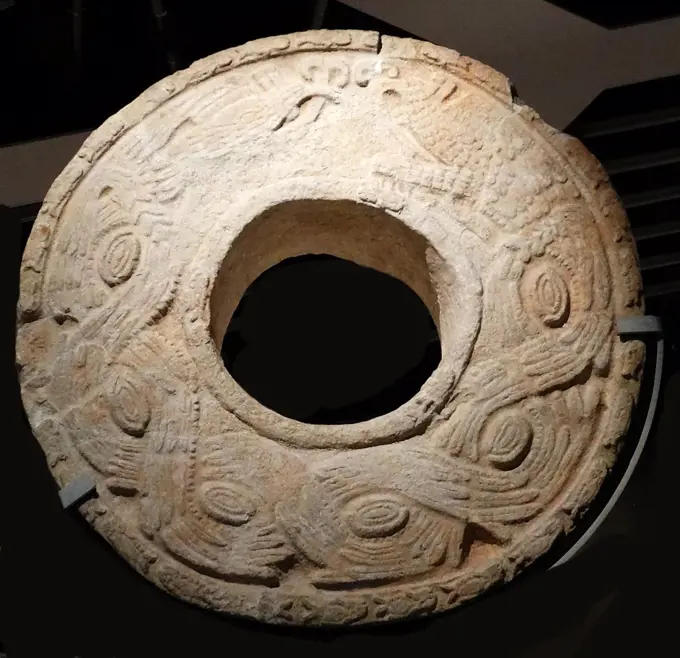
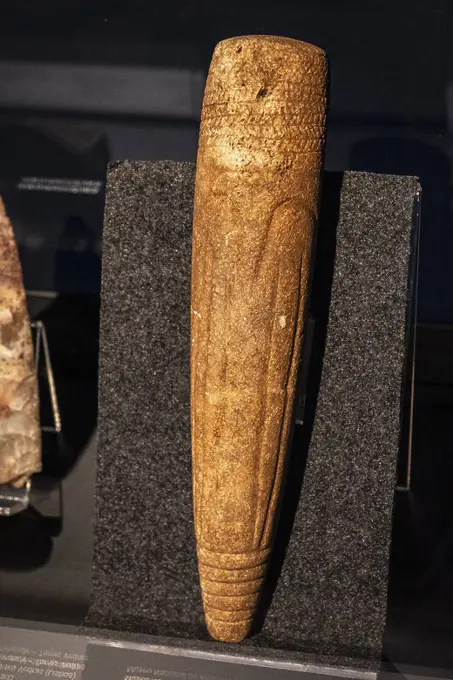
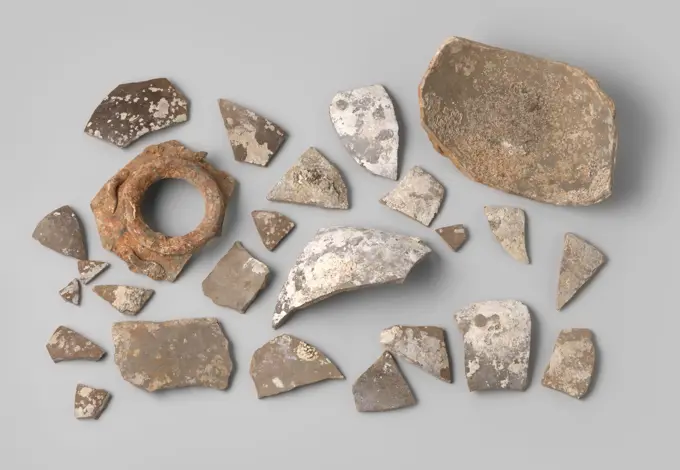
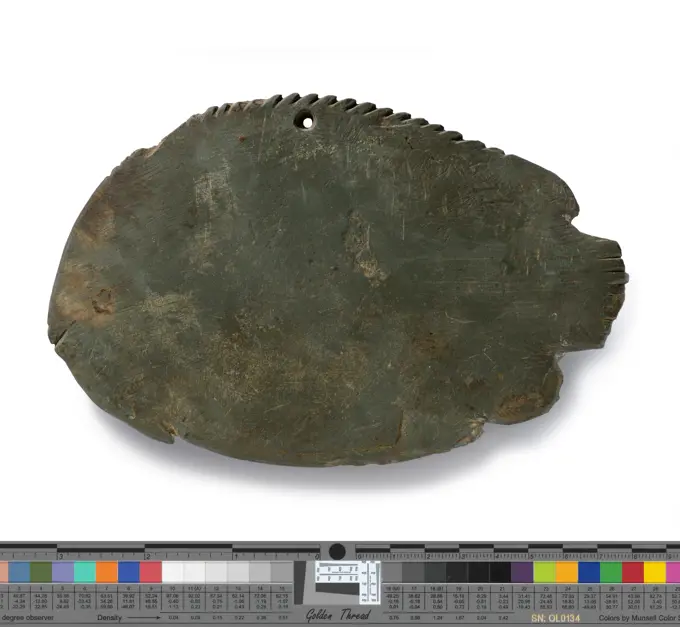
Fish-Shaped Palette. Egypt, Naqada II Period, 3500-3050 B.C.. Tools and Equipment; palettes. SchistAnonymous, protective plate (usual name), -500. Cernuschi Museum, Asia Museum of Asia in the city of Paris.Stucco Fragment probably 8th-12th century. Stucco Fragment 741521Model Ax from the Foundation Deposit for Hatshepsut's Tomb ca. 1479-1458 B.C. New Kingdom. Model Ax from the Foundation Deposit for Hatshepsut's Tomb 573652clay altar with outlined eyes, Chalcolithic, fifth millennium BC, Bulgarian National Archaeological Museum, Sofia, Republic of Bulgaria, Europe.Visor for a Bascinet. Culture: Italian. Dimensions: H. 6 in. (15.2 cm); W. 7 in. (17.8 cm); D. 6 1/2 in. (16.5 cm); Wt. 14.2 oz. (402.6 g). Date: ca. 1400. Museum: Metropolitan Museum of Art, New York, USA.Terracotta vessel fragment with floral or marine motif ca. 1600-1450 B.C. Minoan From Gournia, CreteFloral design.. Terracotta vessel fragment with floral or marine motif. Minoan. ca. 1600-1450 B.C.. Terracotta; Dark-on-light ware. Late Minoan I. VasesMycenaean Sheet gold covers for glass vase-shaped plaques. Circa 1350-1200 BC. Ancient Greek.Flask or Sprinkler, 1200s-1300s. Syrian, 13th-14th century. Glass; overall: 21.6 cm (8 1/2 in.).Fragment 13th-16th century. Fragment 452480Fragments of large vase or goblet, yellow, orange and blue on white, warrior, ribs, vase jug crockery holder soil find ceramics pottery glaze tin glaze largest, militaria archeologyScapolite. minerals. North America; Canada; Ontario; Frontenac County; BedfordStanding Figure Between Two Posts 500 B.C.-A.D. 300 Indonesia (Java). Standing Figure Between Two Posts. Indonesia (Java). 500 B.C.-A.D. 300. Bronze. Bronze and Iron Age period. MetalworkDouble-Sided Comb 7th century Frankish. Double-Sided Comb 465547 Frankish, Double-Sided Comb, 7th century, Bone, iron pins, Overall: 3 3/8 x 1 5/16 x 5/16 in. (8.5 x 3.3 x 0.8 cm). The Metropolitan Museum of Art, New York. Gift of J. Pierpont Morgan, 1917 (17.193.226)Fragment 13th century Crusader. Fragment 475317Vase fragment Minoan. Vase fragment 247698Opal. minerals. North America; USA; Wyoming; Park County; Yellowstone National Park; Lone Star GeyserSmall Bead 500-600 Frankish. Small Bead 465472 Frankish, Small Bead, 500600, Glass, Overall: 1/4 x 3/16 in. (0.6 x 0.5 cm). The Metropolitan Museum of Art, New York. Gift of J. Pierpont Morgan, 1917 (17.193.16)Magnesite. minerals. North America; USA; Maryland; Cecil CountyPlumbline. Plumbline. Ivory or boneScandinavia. Viking Age. Pot handle. Loland, Lindesnes k., Vest-Agder.10th century. Mount. Ostvold, Sandnes k., Rogaland, 9th century. Norway. Historical Museum. Oslo. Norway.Ostrakon with Troparion (). Culture: Coptic. Dimensions: 5 5/16 x 7 11/16 in. (13.5 x 19.5 cm). Date: 580-640. Museum: Metropolitan Museum of Art, New York, USA.Hemimorphite. minerals. North America; USA; Colorado; Lake County; LeadvilleFragment of a Bowl 14th-15th century. Fragment of a Bowl 445188roman lamps roman lamps, Iberian culture, Archeological Museum. Úbeda, Jaén province, Andalusia, Spain Copyright: xZoonar.com/BartomeuxBalaguerxRotgerx 21702934Land mit verschiedenen Hintergruenden - Land with various backgrounds Land mit verschiedenen Hintergruenden - Land with various backgrounds Copyright: xZoonar.com/lantapixx 9558568Bischöfliches Siegel Episcopal seal, red and yellow stamped wax, 13th century, Huesca Diocesan Museum, Aragon community, Spain Copyright: xZoonar.com/Tolox 22307780Toilet dish from Ancient Egypt. Dated 14th Century BCGlass Fragment 12th century French. Glass Fragment. French. 12th century. Pot metal glass. Made in Bourges (), France. Glass-StainedFragment (France); carved wood covered with gesso and gildedFossil of Siphonia pyriformis sponge, Hexactinellida, Hexacorallia, Cretaceous.Lead cover plate, shield -shaped for covering the nails of a lead roof covering, anonymous, c. 1400 - c. 1950 Lead cover plate, shield -shaped for covering the nails of a lead roof covering. Then divided into low relief, on the right half an eagle, a Peillood on the left and the letters a.i. Coming from the spire of Hindelopen.  lead (metal) Lead cover plate, shield -shaped for covering the nails of a lead roof covering. Then divided into low relief, on the right half an eagle, a Peillood on the left and the letters a.i. Coming from the spire of Hindelopen.  lead (metal)small marine shell fossilsReaal van Achten, beaten in Mexico, mint from the wreck of the East Indians' t Vliegend Hart ,, 1701 - 1734  Drained silver coin, beaten on irregular coin plate. Front: coat of arms; on the right: figure 8. Rail side: cross in multiple; Between cross arms: arms figures. Mexico silver (metal) striking (metalworking)  MexicoStoneware mineral water pitcher, cylindrical with round shoulder, sausage ear and short neck, mineral water pitcher jar product packaging container soil find ceramic stoneware glaze salt glaze approx., hand turned glazed baked Stoneware mineral pitchers cylindrical with round shoulder short neck and sausage ear. Stand area with traces of deduction and soul. brown glazed. Marked under the ear and marked on the front with medallion and text. Chalkboard in medallion: SELTERS in the midfield leftwing claw lion archeology Rotterdam Kralingen-Crooswijk Struisenburg Oostmaaslaan Boslaan Buizengat advertising indigenous pottery import drinking water drinking medicine medicine packaging Soil discovery: Buizengat Oostmaaslaan Boslaan Rotterdam an old landfill of urban waste.Terracotta plank-shaped figurine ca. 2000-1800 B.C. Cypriot This is an example of an early type of plank-shaped figurine, with rectangular head and shoulders. The patterns on the body most likely indicate a woven garment, overlaid with jewelry. Such figurines may recall cult statues of stone or wood that were placed in sanctuaries.. Terracotta plank-shaped figurine 241090Attic Red-Figure Volute Krater Fragment. UnknownPrehistory, France. Double-bladed flint ax. With the label of the original inventory by Jacques Boucher de Perthes. From Saint-Acheul diluvium.Flint axe of stone. Neolithic. From Denmark. National Museum of Denmark. Copenhagen. Denmark.Pyxis fragments. Culture: Iran. Dimensions: 1.46 x 0.63 in. (3.71 x 1.6 cm). Date: ca. 8th-7th century B.C.. Museum: Metropolitan Museum of Art, New York, USA.Sidewall - Fragment (possibly USA); block-printed; 21 x 13.5 cm (8 1/4 x 5 5/16 in.)Machine collar Applicated on cream -colored velvet, anonymous, c. 1900 Collar of natural -colored machine side: Etskant. The side imitates the needle side - flat Venetian side - and is applied on cream -colored velvet and with a cream -colored satin lining. Trapezoidal with a notch on both sides with rounded corners and a U-shaped neck or neck line. The underside is straight, without rounded corners. Switzerland cotton (textile). velvet (fabric weave). satin Collar of natural -colored machine side: Etskant. The side imitates the needle side - flat Venetian side - and is applied on cream -colored velvet and with a cream -colored satin lining. Trapezoidal with a notch on both sides with rounded corners and a U-shaped neck or neck line. The underside is straight, without rounded corners. Switzerland cotton (textile). velvet (fabric weave). satinmacro shooting of natural mineral rock specimen - rough Paragonite stone isolated on white background from Borisovskie Hills (Sopki) mine, Ural Mountains, RussiaFragments peeled off from lacquerwares discovered in Chungha Tomb of Baekje Kingdom around Buyeo, Chungcheong Namdo. Lacquerware is very present in East Asia (China, Korea, Japan) but also in Southeast Asia and Latin America. The term "lacquerware" describes objects made of wood, metal, or just about anything similar which have been covered in a liquid made of shellac or melted resin flakes dissolved in alcohol (or a synthetic substance), which forms a hard protective smooth coating when dry which remains relatively light in weight.Handle or hollow cylinder. Handle or hollow cylinder. IvoryLamp 3rd-7th century. Lamp. 3rd-7th century. Earthenware; molded. Found/excavated Egypt, Thebes. CeramicsJaguar-shaped ceramic vessel on display at the Kuntur Wasi Museum, Kuntur Wasi, Cajamara, PeruFragment. Dimensions: L 14.5x W 8.5x H 2. Date: probably 8th-12th century. Museum: Metropolitan Museum of Art, New York, USA.Terracotta fragment of an oinochoe (jug) late 6th century B.C. Greek, Attic Part of the mouth and neck of an oinochoe; dot net pattern at the top of the panel ornament; below, a band of tongues; hand of maenad holding krotala; part of the head, upper torso, and bent right arm of a wreathed, bearded satyr; in the background, vines. Terracotta fragment of an oinochoe (jug). Greek, Attic. late 6th century B.C.. Terracotta; black-figure. Archaic. VasesFragment 8th-9th century. Fragment 448802Powder Horn 1775 Colonial American, Roxbury, Massachussets This powder horn is decorated with a three-masted man-of-war, sharks, palm trees, and fortifications.. Powder Horn 29565Ostrakon. Culture: Coptic. Dimensions: 4 1/8 x 3 5/16 in. (10.5 x 8.4 cm). Date: 7th century. Museum: Metropolitan Museum of Art, New York, USA.Fragment 12th-13th century. Fragment 451550Horse head Horse head, classical period, La Alcudia, archaeological and history museum of Elche Alejandro Ramos Folqués, Elche, Alicante, Spain Copyright: xZoonar.com/Tolox 23019483Prehistory, Offensive weapons, From Bolsena, Lazio Region, ItalyWater Filter 10th-12th century. Water Filter 447456Augustin Dupré (1748-1833). Genius punch (indeterminate test). Paris, Carnavalet museum. 51813-10 Essay indeterminal, genius, medal, numismatics, stretchStucco Fragment probably 8th-12th century. Stucco Fragment 740840Oil Lamp. Iran, 9th-10th century. Stone. Soapstone, carved and incisedItaly. Pompeii. Plaster cast of human remains.Bird Plaque Ornament. Culture: Vicús. Dimensions: H. 2 x W. 2 in. (5 x 5 cm). Date: 3rd century B.C.-A.D. 2nd century. Museum: Metropolitan Museum of Art, New York, USA.Loden role from the wreck of the East Indiesman 't flying heart. Four to tubes rolled loden pictures. Black-gray in color. The cavities are filled with rust. Roll or lead.Shatamana from GhandaraKingdom, 600-500 B.C., Silver, 11.43g, Made in Ghandara Kingdom, Afghanistan,Indian, 6th century B.C., NumismaticsABRIGO DE BELEN (153/1R): DETALLE FIGURAS 1, 2, 3, 4 Y 5.Quadruped, before 1500, 11/16 x 2 x 1/2 in. (1.75 x 5.08 x 1.27 cm), Ivory, United States, 15th centuryCeramic containers and a fragment of handle (1500-700 BC). Nuffara Hill (Gozo Island, Malta). Gozo Museum of Archaeology. Cittadela of Victoria in Gozo. Malta.Button (France); hoof, brass; 1931-59-210Map of Canada on rusty metalCollection of ancient Egyptian objects including the model of a sphinx, unfinished foot and block with grid systemFlint tools used by reindeer hunters. From the camp at Solbjerg, Lolland. Ahrensburg Culture. Mesolithic. Northwestern Europe. 9500 BC. National Museum of Denmark. Copenhagen. Denmark.Jug and scale, 1887 - 1924    wood (plant material)vessels with symbolic decoration, ceramics, late Neolithic, 4000-3000 BC, Evora Museum, Evora, Alentejo, Portugal, Europe.Stamp Seal. Iran or Mesopotamia, circa 3000 B.C.. Tools and Equipment; seals. Black serpentineOintment Jar ca. 1479-1458 B.C. New Kingdom. Ointment Jar. ca. 1479-1458 B.C.. Travertine (Egyptian alabaster). New Kingdom. From Egypt, Upper Egypt, Thebes, Deir el-Bahri, Temple of Hatshepsut, Foundation Deposit 8 (H), MMA excavations, 1926-27. Dynasty 18CORONA DE SANCHO IV EN ORO MARFIL AGATAS Y ZAFIROS. Location: CATEDRAL-INTERIOR. Toledo. SPANIEN.Fragment of a Bowl 14th-15th century. Fragment of a Bowl 445505Shards of Kommen from V.O.C. ship De 'Witte Leeuw', Anonymous, Before 1613 bowl Shards of bowls from V.O.C. ship De 'Witte Leeuw', 85 present. Shatou porcelain   Sint-HelenaTile Platform for Tea in Summer, c. 1600. Japan, Momoyama period (1573-1615). Glazed stoneware with painted slip decoration (Mino ware, Oribe type); overall: 2.9 x 30.5 x 31.1 cm (1 1/8 x 12 x 12 1/4 in.).A guillotine blade. From France, made from steel and wood, 1790-1794.Ostrakon. Culture: Coptic. Dimensions: 5 15/16 x 3 7/16 in. (15.1 x 8.8 cm). Date: 7th century. Museum: Metropolitan Museum of Art, New York, USA.Tile Fragment mid-14th century. Tile Fragment 444706Glass Fragment late 15th century European. Glass Fragment. European. late 15th century. Colorless glass. Glass-StainedEmpty paper pots for planting seed on white isolated background, setA fruit tea bagFragment of a Bowl 13th-14th century. Fragment of a Bowl 445186Divine images in clay and stone. Goddess figurines from Sha'ar Hagolan made from clay and pigments and pebble figurines from Sha'ar Hagolan and Munhata made from limestone and basalt. From the Yarmukian culture over 8,000 years ago.Fragment 14th-15th century. Fragment 447376Textile Fragment 5th-6th century. Textile Fragment 443732Button or Bead 9th-10th century The dot-in-circle motif recalls designs presumed to be of magical significance, most likely an abstract eye to ward off the evil-eye, which serves an apotropaic function. Easily reproduced with a tool and visible in many cultures and times, this symbol may have lost its meaning, and become simply a decorative pattern, or may have one that we have not yet discovered.. Button or Bead 449982Stamp Seal. Northern Syria, circa mid-4th millennium B. C.. Tools and Equipment; seals. White marbleSaint-Germain-en-Laye, France , 1921 - Seine -et -Oise - Auguste Léon - (June) (French - Saint-Germain-en-Laye , France). Horse, statue, museum, represented animal , fantastic animal, picking , hunting, archaeological vestige, sculpture, prehistory, weapon, Animal, economic activity, housing , architecture, art, France, St Germain-en-Laye, Mas d 'Azil (Ariège) horse skull 47026. Bison, upper part of horse-headed head of horse, 47343. Everything is in Renne. Fragment of propellant 47096.Fragment wylewu i imadła amfory ze stemplem. unknown, potter's workshopStone marker from a Mayan Ball Court at Chichen Itza, Yucatan, Mexico 900-1250 ADcylinder idol, limestone, 3000-2500 BC, Alcalar, Portimao (Faro), Portugal, Huelva Museum, Huelva, Andalusia, Spain.Shards of Martavanen from V.O.C. ship De 'Witte Leeuw', Before 1613  Shards of Martavanen from V.O.C. ship De 'Witte Leeuw'. southeast Asia stoneware. porcelain   Sint-HelenaSherd ca. 3rd-7th century A.D. Sasanian. Sherd 322836Chalcopyrite of PennsylvaniaFragment 13th-14th century. Fragment. 13th-14th century. Stonepaste; incised; transparent green glaze. Made in Egypt. CeramicsFragment ca. 1150-ca. 1250 European or Middle Eastern. Fragment. European or Middle Eastern. ca. 1150-ca. 1250. Glass, ceramic. Glass-VesselsFragment 3rd-7th century. Fragment 448861