Archaeological Fragments

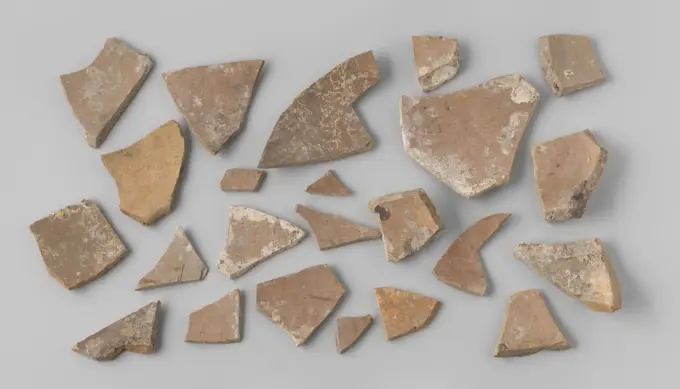
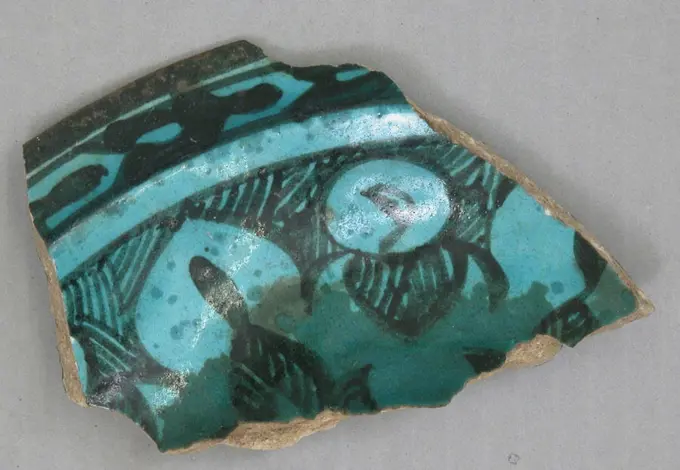
A collection of ancient ceramic and Ostracon fragments, showcasing historical artifacts with varied textures and markings.

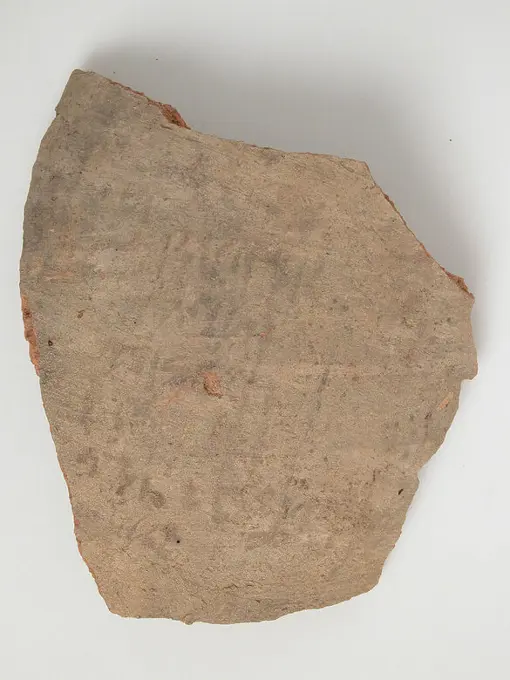
Shard ca. 4th-5th century Pakistan. Shard 50869
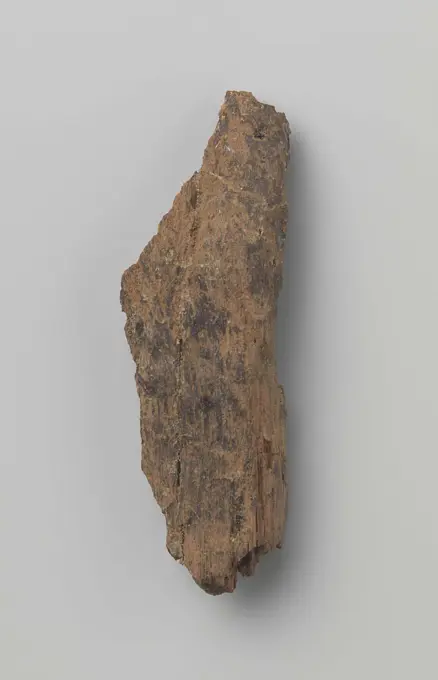
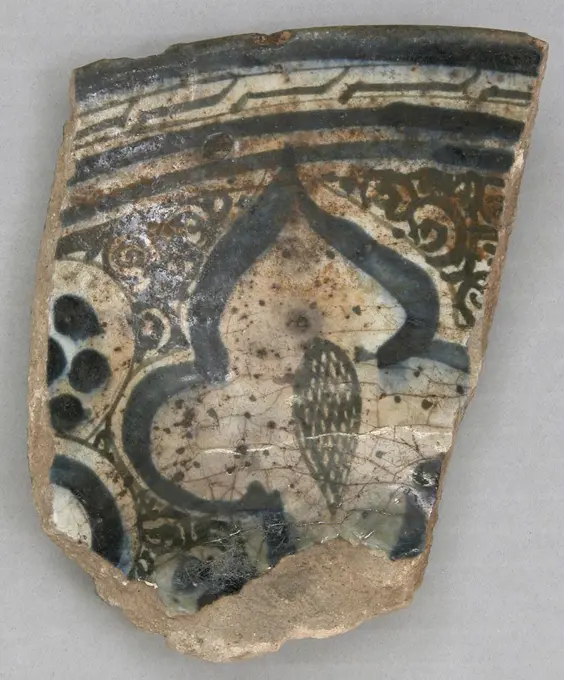
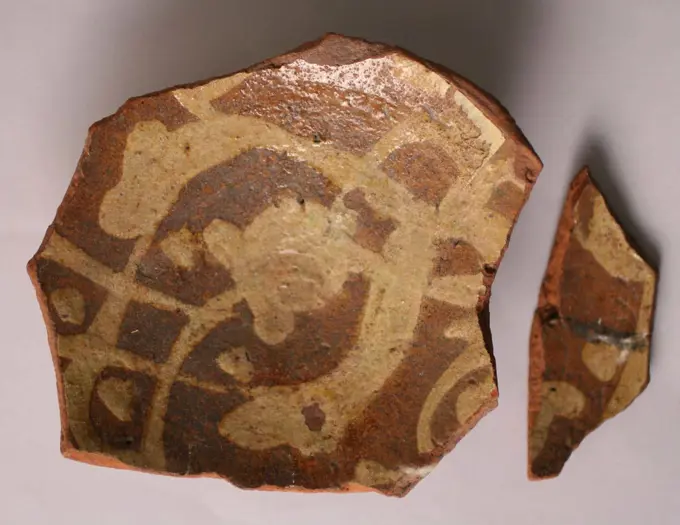
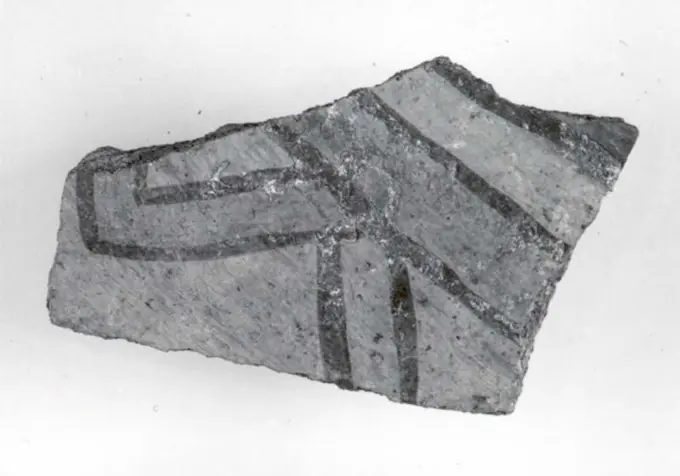
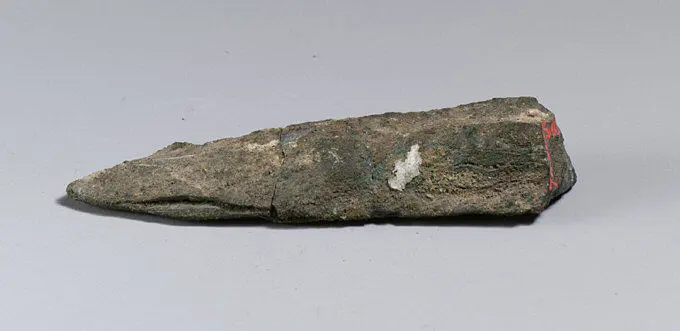
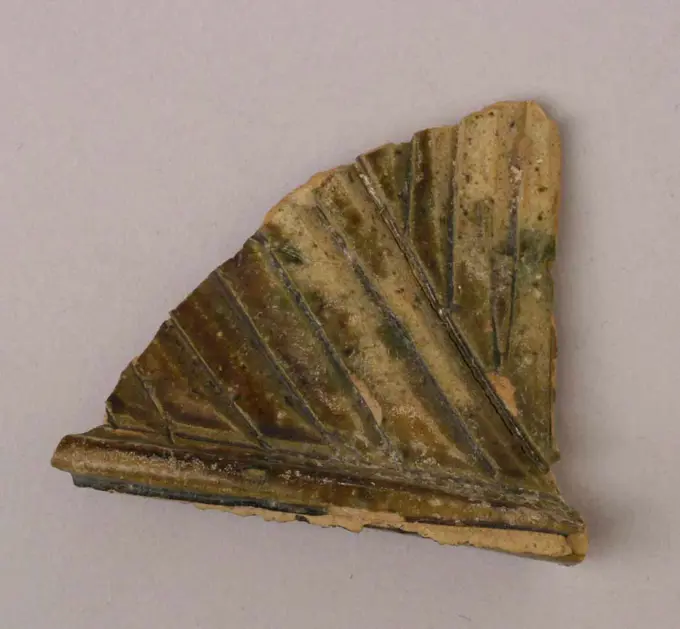
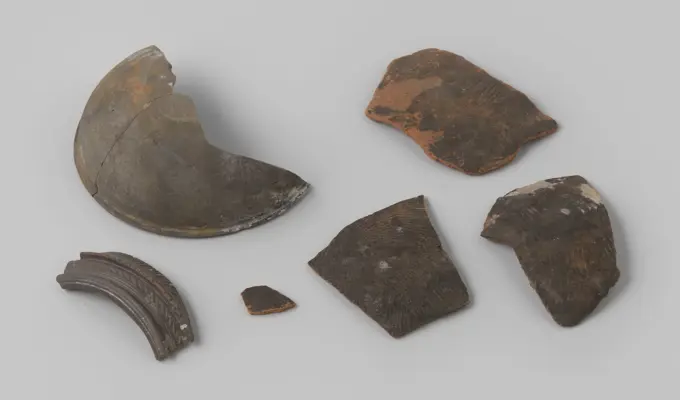
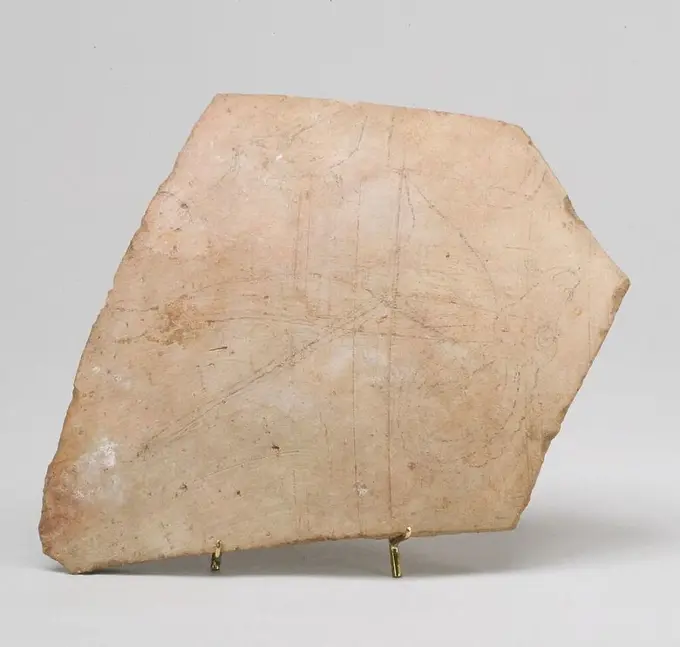
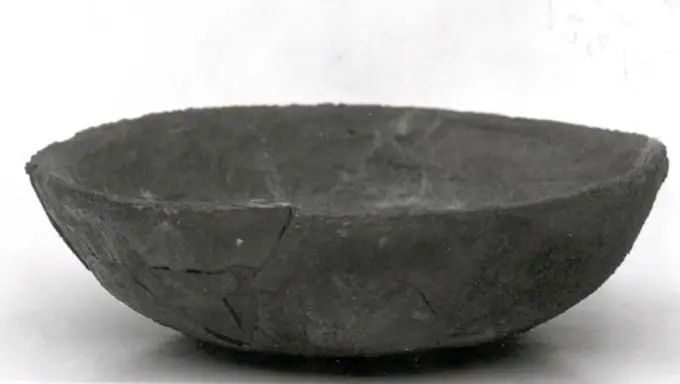
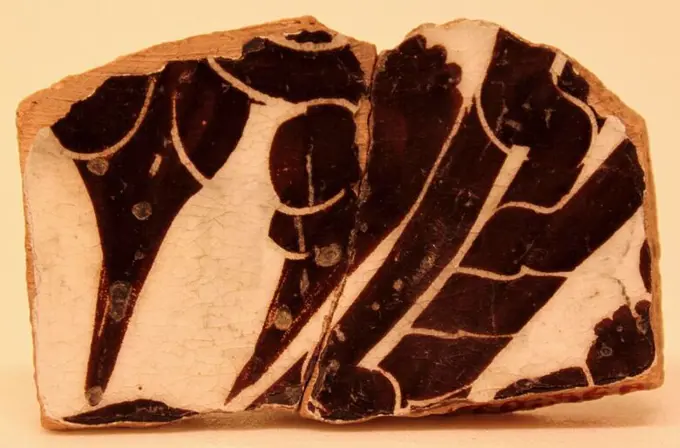
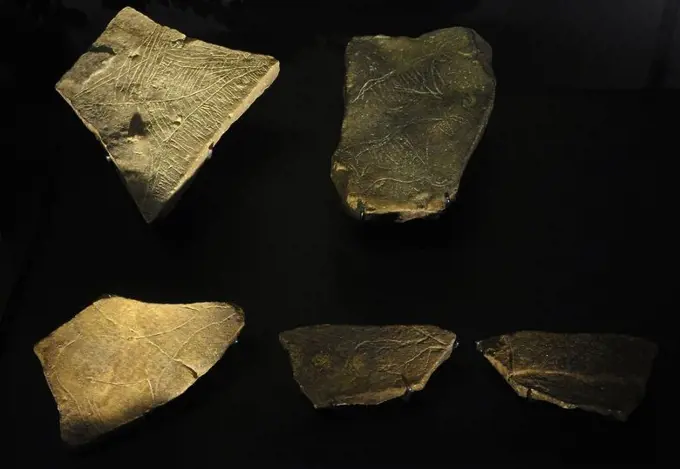
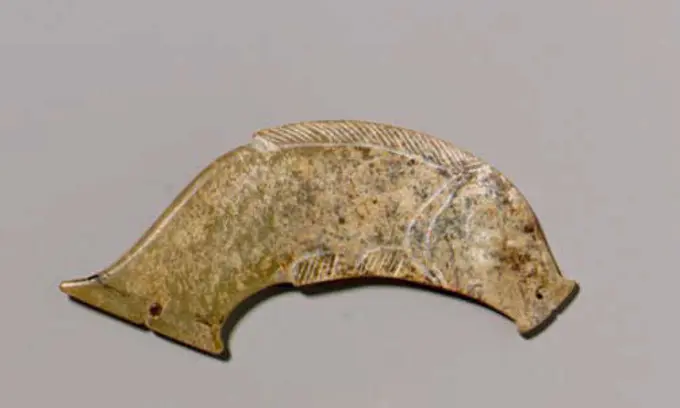
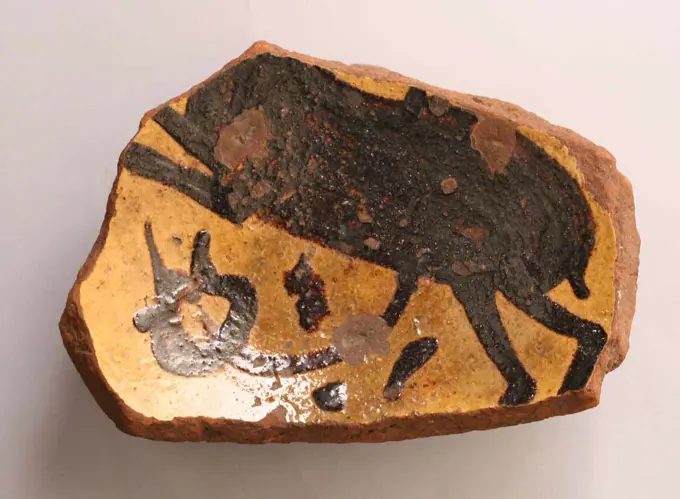
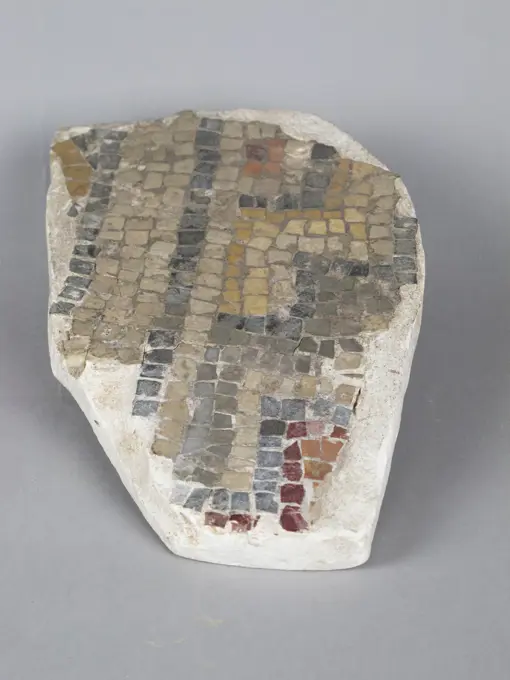
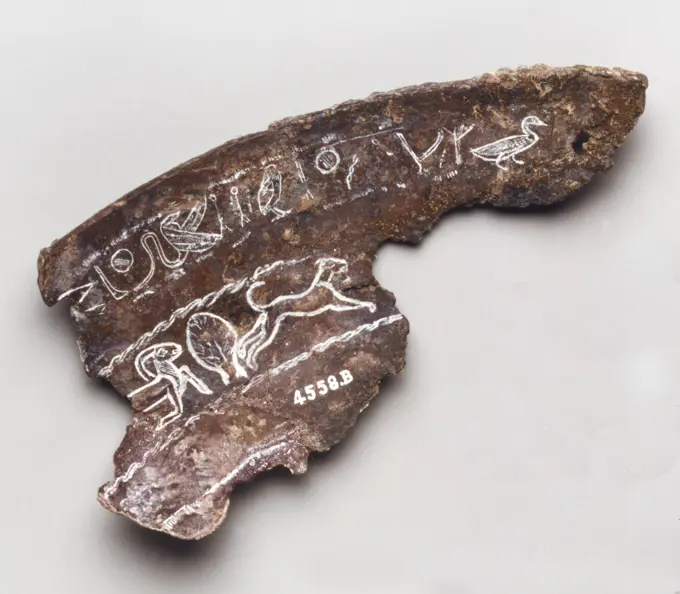
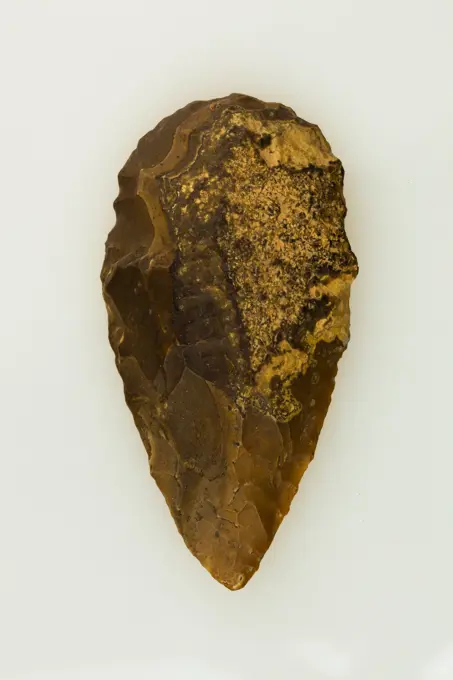
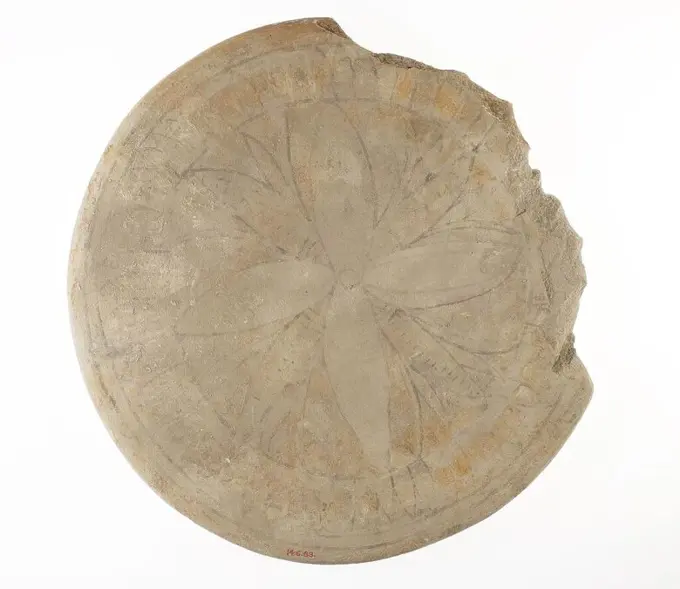
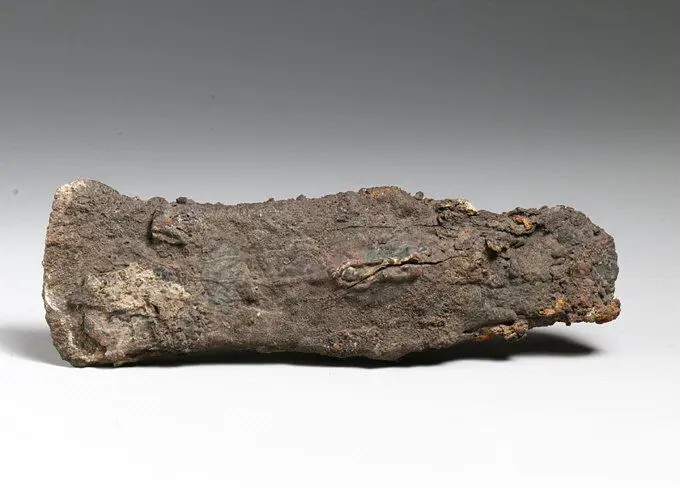
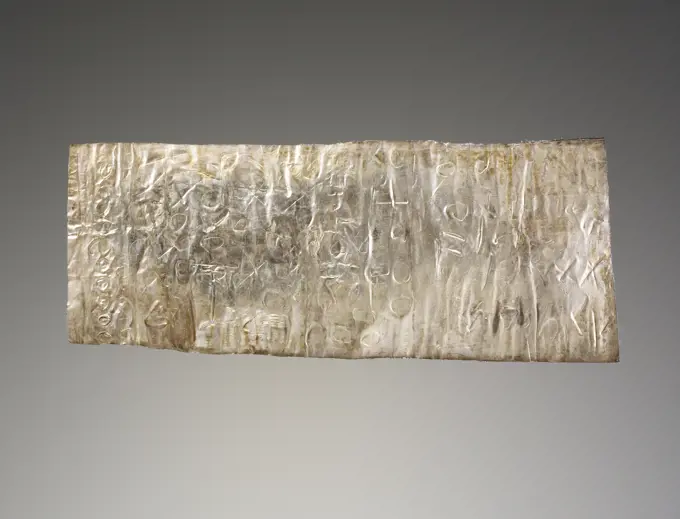
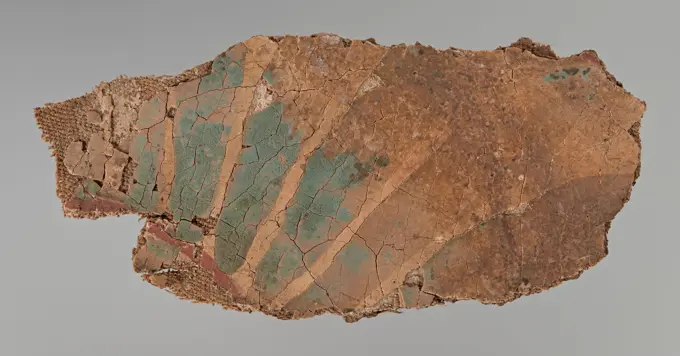
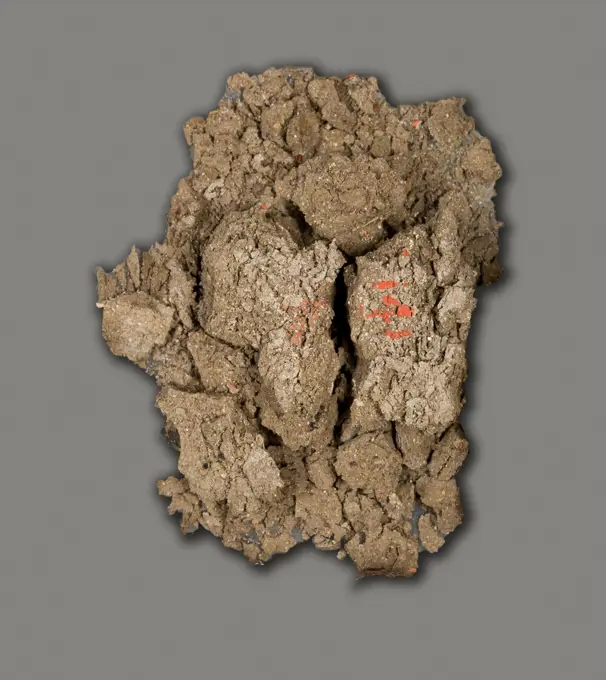
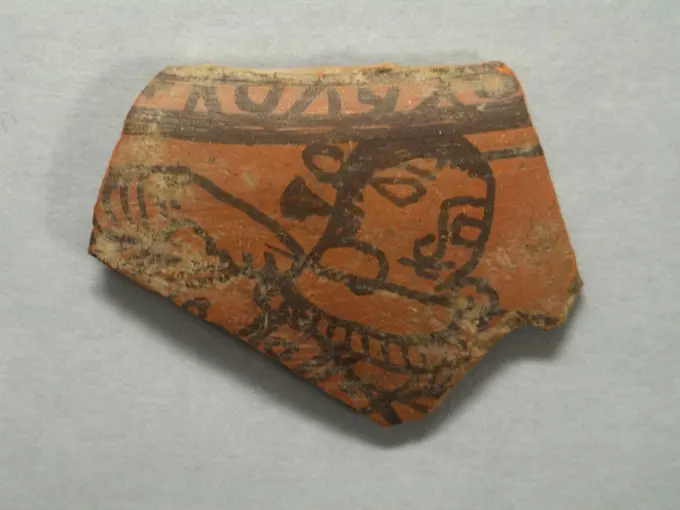
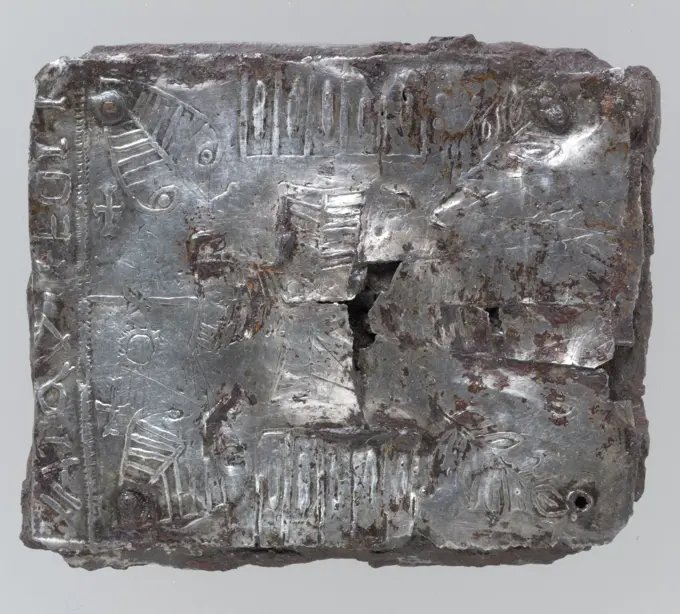
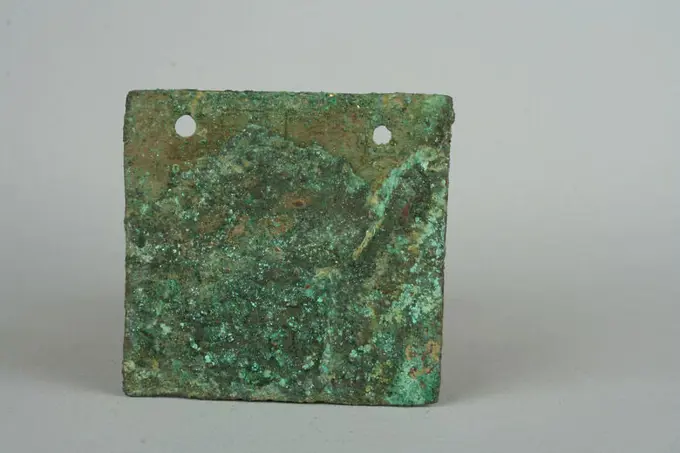
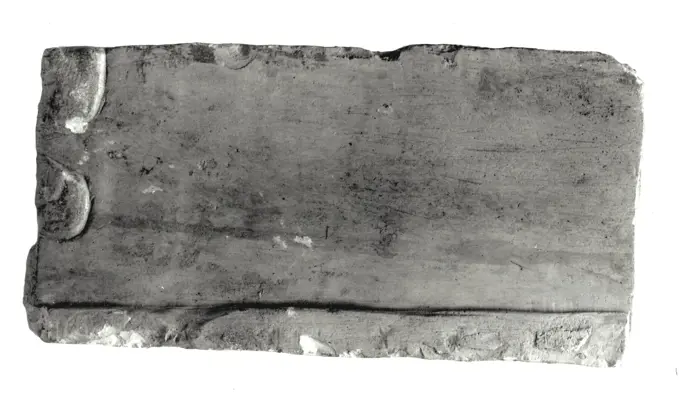
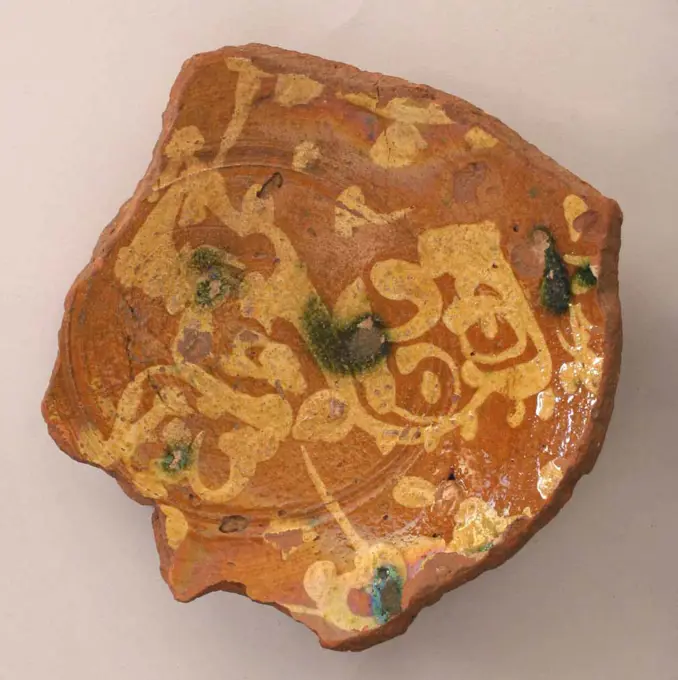
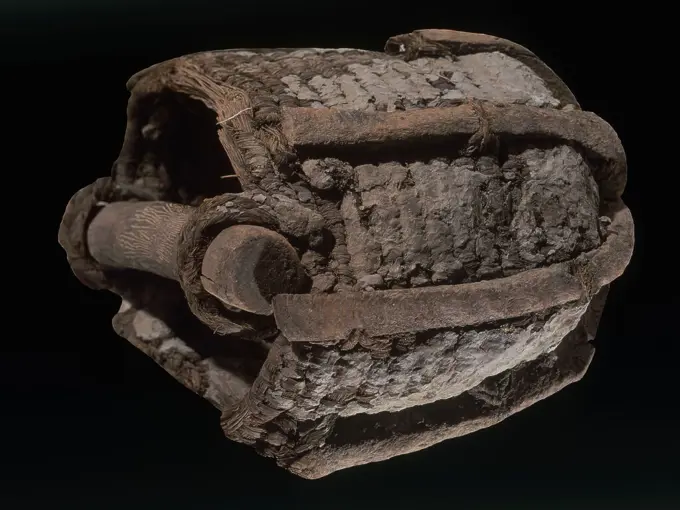
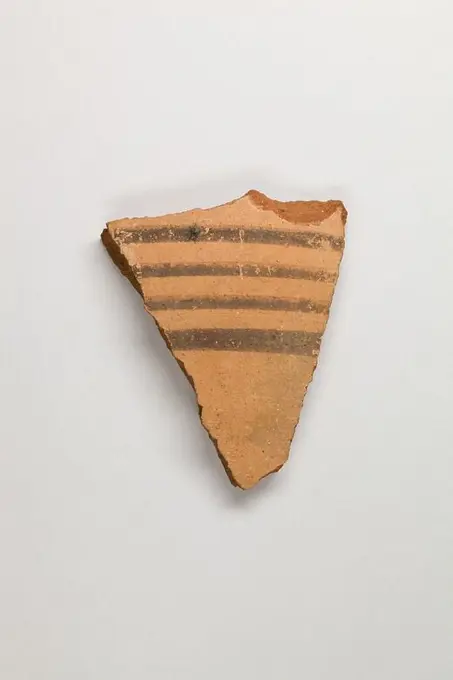
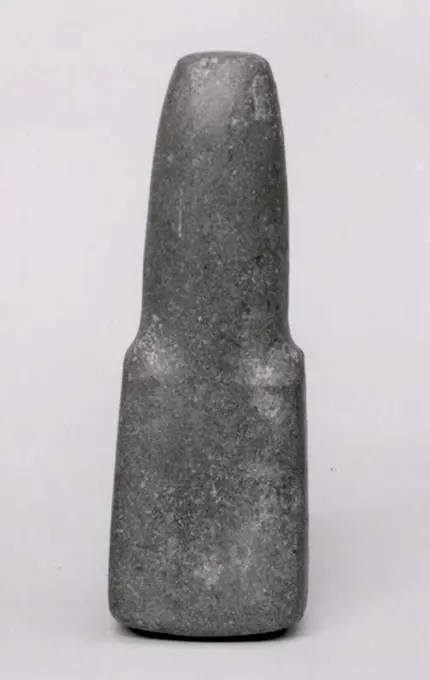
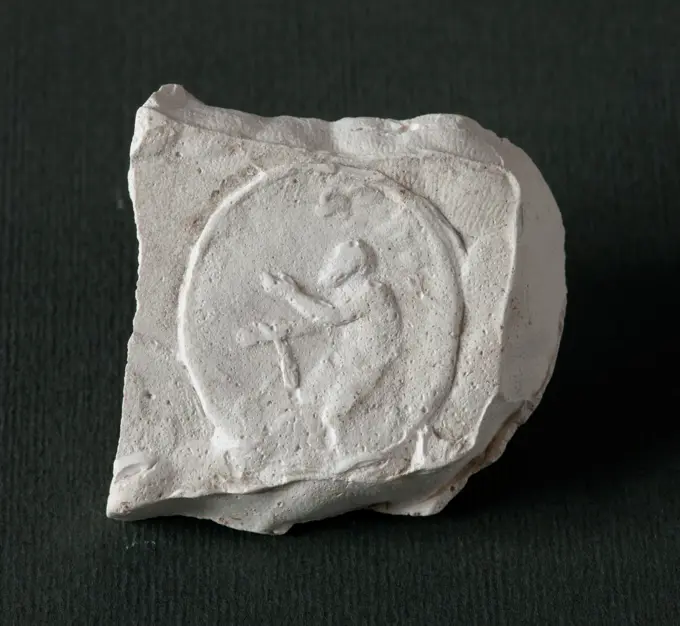
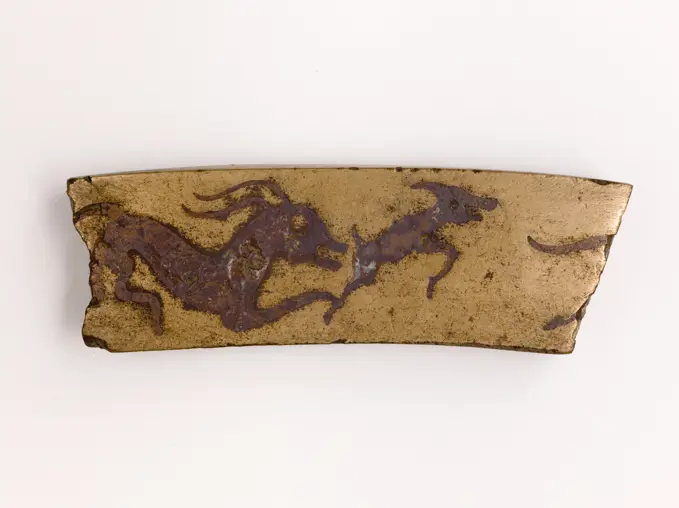
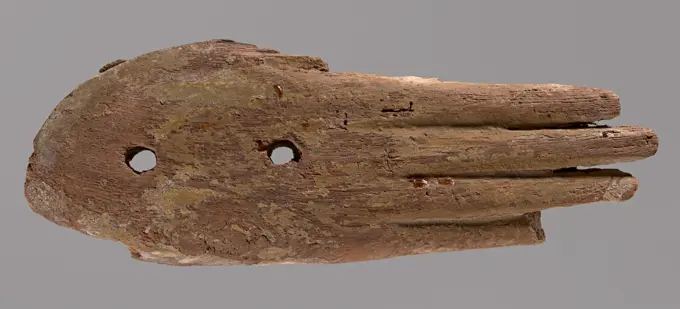
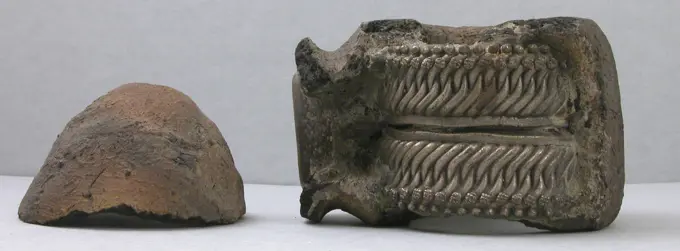
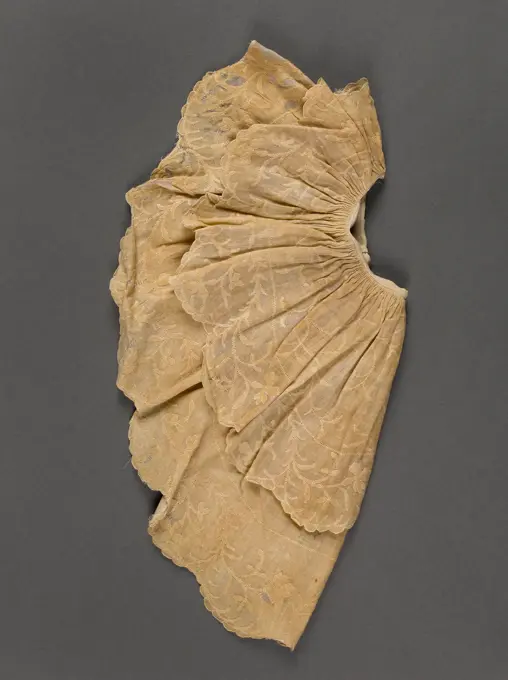
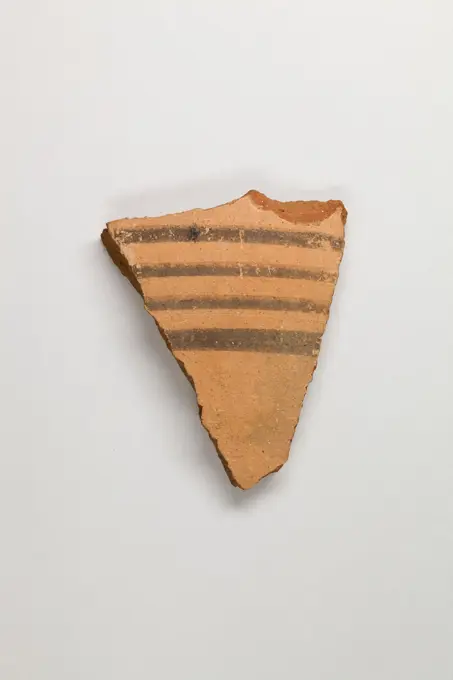
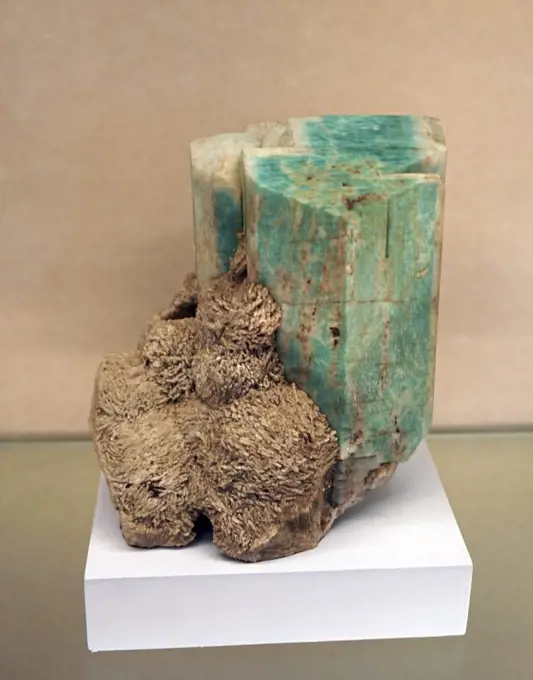
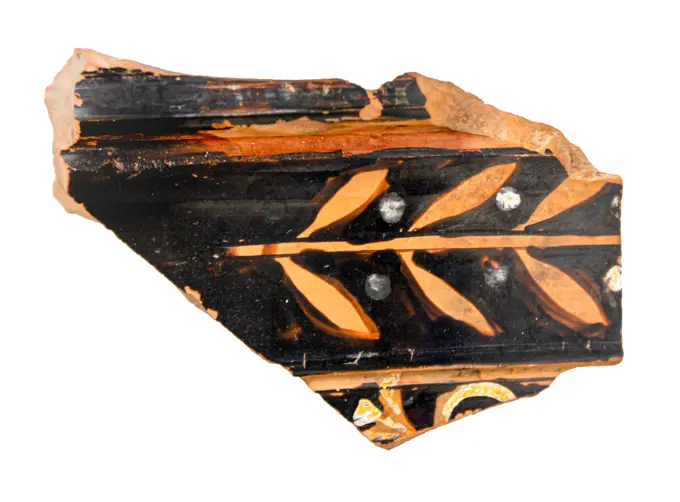
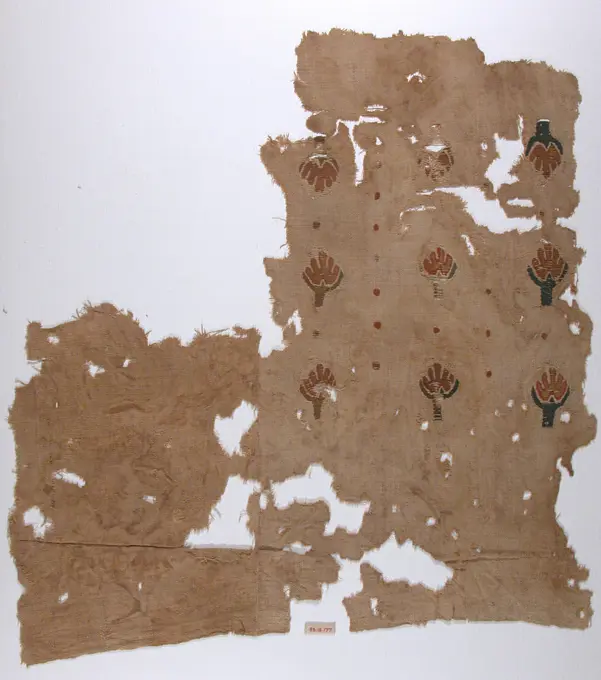
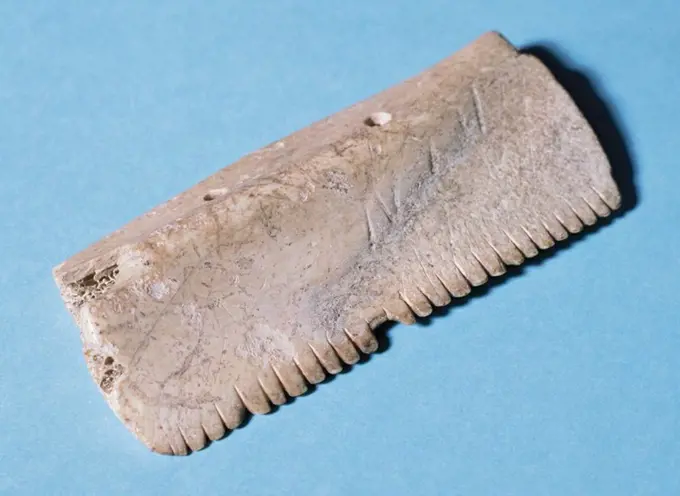
Ostracon. Dimensions: 15.6 x 14.4 x 0.9 cm (6 1/8 x 5 11/16 x 3/8 in.). Date: 400-30 B.C.. Museum: Metropolitan Museum of Art, New York, USA.Pot Fragment. Culture: Coptic. Dimensions: Overall: 3 5/8 x 3 1/8 x 1 5/16 in. (9.2 x 8 x 3.4 cm). Date: 4th-7th century. Museum: Metropolitan Museum of Art, New York, USA.Fragment; (possibly) belonging to the Retable of Soest. .Fragment 14th-15th century. Fragment 445428Fragment 14th-15th century. Fragment 445490Vase fragment Minoan. Vase fragment. Minoan. Terracotta. Early Minoan III. VasesFragments 14th-15th century. Fragments 445414Shard ca. 4th-5th century Pakistan. Shard 50869Fragment 8th-9th century. Fragment 448776Sherd ca. 3100-2700 B.C. Iran This sherd is made of a red clay, with brown and black painted decoration. It is typical of Namazga III ceramics from Turkmenistan, dating to ca. 3100-2700 B.C. It was excavated in 1937 at a prehistoric site in the vicinity of Nishapur in northeastern Iran. While Nishapur itself was founded by the Sasanian king Shapur I (reigned ca. A.D. 241-272), this sherd shows that human habitation there goes back to the prehistoric period. Furthermore, the prehistoric pottery from Nishapur has close affinities with ceramic materials from Central Asia rather than with contemporary sites in Iran, meaning that in this period its inhabitants were likely culturally linked to their neighbors to the east. At the same time, Nishapurs location on what later became known as the Great Khorasan Road suggests that it was part of the trade network that facilitated the import of precious stones such as lapis lazuli, carnelian and turquoise from Central Asia to Mesopotamia.. Sherd Baking of a spoon from V.O.C. ship De 'Witte Leeuw', Anonymous, 1613 spoon Bake of a pewter spoon.  tin (metal)Bowl 12th century. Bowl 448272Shawabty of Ditamenpaankh, 715-656 BC. Egypt, Late Period, Dynasty 25. Terracotta; overall: 2.7 x 1.2 x 1.2 cm (1 1/16 x 1/2 x 1/2 in.).Plaque 4th-7th century Coptic. Plaque. Coptic. 4th-7th century. Wood. Made in Kharga Oasis, Byzantine Egypt. WoodworkFragments of Porcelaneous Ware 9th century. Fragments of Porcelaneous Ware. 9th century. Porcelaneous ware with clear glaze. Attributed to China. Found/excavated Iraq, Samarra. CeramicsSpearhead or point. Spearhead or point 243865Fragment probably 11th century. Fragment 451599FOSSIL: AMMONITES.Bag with shards of earthenware from V.O.C. ship De 'Witte Leeuw', Before 1613  Bag with shards of pottery from v.o.c. ship the 'Witte Leeuw'.  earthenware   Sint-HelenaShawabty of Ditamenpaankh, 715-656 BC. Egypt, Late Period, Dynasty 25. Terracotta; overall: 3.1 x 1.5 x 1.3 cm (1 1/4 x 9/16 x 1/2 in.).Phiale, miniature Greek Blackish clay, with seven depressions on the inside.. Phiale, miniature. Greek. Terracotta. VasesLamp 5th-6th century. Lamp 446627Figured Ostracon. Dynasty: Dynasty 18. Date: ca. 1550-1295 B.C.. Museum: Metropolitan Museum of Art, New York, USA.Mayan spondylosis shell ornament. Dated 5th CenturySilver bowl ca. 6th-7th century A.D. Sasanian. Silver bowl 323045Fragment late 13th-15th century. Fragment 446444Fragment of a Bowl 14th-15th century. Fragment of a Bowl. 14th-15th century. Earthenware; incised decoration through white slip and coloring under transparent glaze. Attributed to Egypt. CeramicsFragment of a Bowl. Dimensions: H. 2 9/16 in. (6.5 cm)W. 1 9/16 in. (4 cm). Date: 9th-10th century. Museum: Metropolitan Museum of Art, New York, USA.Paleolithic. Solutrean and Magdalenian Cultures. Replicas of some of the Plaquetas del Parpallo. Parpallo Cave (Gandia, province of Valencia). National Archaeological Museum Madrid. Spain. (Originals in the Museum of Prehistory of Valencia).Fragment 8th-9th century. Fragment 448851Plaque in the Shape of a Fish 12th-11th century B.C. China. Plaque in the Shape of a Fish. China. 12th-11th century B.C.. Jade (nephrite). Shang (ca. 1600-1046 B.C.)-Western Zhou (1046-771 B.C.) dynasty. JadeTerracotta vessel fragment with grass motif ca. 1600-1450 B.C. Minoan From Knossos, CreteFragment with grass design; dark-on-light ware.. Terracotta vessel fragment with grass motif 248548Sherd ca. 300 B.C. Seleucid. Sherd 324650Beads, 10. Beads, 10. Glass. GlassFragment 14th-15th century. Fragment 445600Fragment 14th-15th century. Fragment 454702Fragment Samiet. Linen natural tissue fragment with segged wool strip in Samiet. The base fabric consists of green woolen wires and the added weft system from black and brown woolen wires that form the drawing. The drawing consists of four parallel running stripes, which form tires that cross on the green surface and form windows with a geometric ornament in the middle.Shard ca. 4th-5th century Pakistan. Shard 50879Fragment of red earthenware, partly glazed, fragment crockery holder kitchen utensils earthenware ceramics earthenware glaze lead glaze, hand-formed hand turned glazed fried Fragments of red pottery Frying pans jugs pots of grass and bottom of small jug Spicy or only partly glazed with lead glaze archeology Rotterdam Stadscentrum Stadsdriehoek Hoogstraat indigenous pottery water washing cooking nutrition food preparation handicraft pottery Soil discovery Hoogstraat Rotterdam 15 June 1983.Prehistory, Italy, Bronze Age. Terramare culture. Horned handle. From Emilia Romagna Region.Excerpt of a piece of leather from the wreck of the East Indians' t Vliegend Hart, 1700 - 1735 in 1735  Almost square and crumbled brown-black leather piece. There is a square 'hole' of 13 mm deep in a 'corner'.  leatherMosaic pavement fragment Roman. Mosaic pavement fragment. Roman. Tile, mortar. Miscellaneous-MosaicRaised relief fragment 664-610 B.C. Late Period, Saite see 23.3.468. Raised relief fragment 548184Two fragments of a silver bowl 7th century B.C. Cypriot Preserved are part of a frieze with hieroglyphic-like motifs and two further friezes with goats and lions among trees.. Two fragments of a silver bowl 243827Scraper ca. 3850-2960 B.C. Predynastic Period. Scraper. ca. 3850-2960 B.C.. Flint. Predynastic Period. From Egypt, Fayum, BSAE/Caton-Thompson excavations, 1924-26Wall casing 664-610 B.C. Late Period, Saite see 23.3.468. Wall casing 548151Disk-shaped Jar Lid. Dimensions: Diam. 23.8 cm (9 3/8 in.). Dynasty: Dynasty 19. Reign: reign of Siptah. Date: ca. 1194-1188 B.C.. Museum: Metropolitan Museum of Art, New York, USA.Fragment of a Bottle 8th-9th century. Fragment of a Bottle 448745Axehead ca. 3200-2000 B.C. Cypriot. Axehead 244279painted and engraved ceramics painted and engraved ceramics, 7th century BC, Gil de Olid, Baeza, Iberian Museum of Jaén, Jaén province, Andalusia, Spain Copyright: xZoonar.com/TOLOxBALAGUERx 21704871Belt Buckle 7th century Frankish or Burgundian. Belt Buckle 465036 Frankish or Burgundian, Belt Buckle, 7th century, Iron, silver inlay, Overall: 7 13/16 x 3 5/8 x 1 in. (19.9 x 9.2 x 2.6 cm). The Metropolitan Museum of Art, New York. Gift of J. Pierpont Morgan, 1917 (17.191.322)Furniture element. Culture: Old Assyrian Trading Colony. Dimensions: W. 3/4 × L. 15/16 × Th. 3/16 in. (1.9 × 2.4 × 0.4 cm). Date: ca. 18th century B.C.. Museum: Metropolitan Museum of Art, New York, USA.Lamella; Roman Empire; 3rd century; Silver; 3.2 x 8.9 cm (1 1,4 x 3 1,2 in.)Bowl 13th century. Bowl 446877Bowl sherd ca. 8th-7th century B.C. Assyrian. Bowl sherd 324655Fragment of the carton;  indefinite (0-00-00-0-00-00);Vase fragment Minoan. Vase fragment 247675Rosette. Egyptian. Date: 1186 BC-1069 BC. Dimensions: H. 0.8 cm (5/16 in.); diam. 3.5 cm (1 3/8 in.). Faience. Origin: Egypt. Museum: The Chicago Art Institute, Chicago, USA. Author: Ancient Egyptian.Magical Figure ca. 1802-1550 B.C. Late Middle Kingdom-Second Intermediate Period These tablets of unfired clay with attached crude faces were found as a group by the Museum's excavators at Lisht South in loose surface sand west of the mastaba of Senwosretankh, a high official and possibly the architect of the pyramid complex of Senwosret I (ca. 1961-1917 B. C.), east of which he erected his own very elaborate mastaba tomb (see acc. nos. 33.1.2 and other pieces). The mud figures and little coffin (acc. no. 33.1.66) that had contained some of them must have been buried, however, considerably later than the early twelfth dynasty tomb close to which they were found. In fact, during the thirteenth and following dynasties people deposited a number of objects in the by then sacred area around a legendary ruler's pyramid and its dependant monuments, believing conceivably that potent magical powers could thus be released. These flat mud figures, for instance, are inscribed in now much-faded redFragment 14th-15th century European. Fragment. European. 14th-15th century. Pot-metal glass and vitreous paint. Glass-StainedShard: Head of Offerer ca. 4th-5th century Pakistan. Shard: Head of Offerer 51268Belt Plate Fragment 4th-7th century Frankish. Belt Plate Fragment 469770Belt Buckle Attachment Plate Frankish late 5th centuryFragment 11th-12th century. Fragment 445199Bird Plaque Ornament. Culture: Vicús. Dimensions: H. 2 x W. 2 in. (5 x 5 cm). Date: 3rd century B.C.-A.D. 2nd century. Museum: Metropolitan Museum of Art, New York, USA.Raised relief fragment 664-610 B.C. Late Period, Saite see 23.3.468. Raised relief fragment. 664-610 B.C.. Limestone. Late Period, Saite. From Egypt, Upper Egypt, Thebes, Deir el-Bahri, Tomb of Nespekashuty (TT 312, MMA 509), 1st chamber E. wall; N. section, MMA excavations, 1922-23. Dynasty 26Notched and Grooved Axe. China. Date: 1250 BC-1000 BC. Dimensions: 12.1 × 8.9 × 0.8 cm (4 3/4 × 3 1/2 × 5/16 in.). Jade. Origin: China. Museum: The Chicago Art Institute, Chicago, USA.Celtic civilization, Germany. Fragment of vase with graffiti. From the Oppidum at Manching.Fragment. Culture: European or Middle Eastern. Dimensions: L. 2 1/4 in. (5.7 cm). Date: ca. 1150-ca. 1250. Museum: Metropolitan Museum of Art, New York, USA.Fragment 8th-9th century. Fragment 448876Excerpt of a wooden sliding lid from the wreck of the East Indies' t Vliegend Hart, 1700 - 1735 in 1735  The sliding lid is made of oak. It is a flat piece of wood, with a notch on a short side with which one could shift the lid, so open. The color is dark brown/black (see dimensions).  wood (plant material). oak (wood)Fragment of a Bowl 14th-15th century. Fragment of a Bowl 455196Balksleutel console, Anonymous, c. 1600 - c. 1625 Console with beam key made of richly cut oak. On the day side, the console shows bandwork (a rosette in a window) on a sanded long distance and a leaf edge. On the sides a slot band rosette with blossom in the Gefarding. A cherub on the key. Netherlands oak (wood) Console with beam key made of richly cut oak. On the day side, the console shows bandwork (a rosette in a window) on a sanded long distance and a leaf edge. On the sides a slot band rosette with blossom in the Gefarding. A cherub on the key. Netherlands oak (wood)Fragments of Ceramics with Opacified Glaze 9th century. Fragments of Ceramics with Opacified Glaze 853310CESTILLO MINERO PROCEDENTE DE MURCIA. Location: MUSEO ARQUEOLOGICO NACIONAL-COLECCION. MADRID. SPAIN.Pendant (Addorsed lion heads). Western Iran, circa 550-330 B.C.. Jewelry and Adornments; pendants. GoldShards from V.O.C. ship De 'Witte Leeuw', Anonymous, Before 1613  Shards from V.O.C. ship De 'Witte Leeuw', bag with shards of stoneware and Martavans porcelain. southeast Asia stoneware. porcelain   Sint-HelenaFurniture element ca. 18th century B.C. Old Assyrian Trading Colony. Furniture element 323518Body sherd. Dimensions: h. 4.7 cm (1 7/8 in); w. 3.9 cm (1 9/16 in). Dynasty: Dynasty 12-13. Date: ca. 1981-1640 B.C.. Museum: Metropolitan Museum of Art, New York, USA.Pestle 1st millennium B.C.. Pestle 324585Fragment 14th-15th century. Fragment 445509Axe Head, 7th-6th century BCE, 7 1/4 x 4 1/2 x 1in. (18.4 x 11.4 x 2.5cm), Bronze, Indonesia, 7th-6th century BCEBell (medallion with a kneeling figure)  parish church All Saints, RudawaPlaque fragments. Bronze, China, IV-IIe s. av. Paris, Cernuschi museum. Asian art, Chinese art, bronze, Asian civilization, Chinese civilization, plaqueLimestone grinding tool from the Natufian culture, from the Eastern Mediterranean region. Dated 9,800 B.CFragment 10th century. Fragment 450226Shawabty of Ditamenpaankh, 715-656 BC. Egypt, Late Period, Dynasty 25. Terracotta; overall: 2.3 x 1.1 x 1.2 cm (7/8 x 7/16 x 1/2 in.).Prawa dłoń, fragment sarkofagu. unknown, authorRelief Fragment with Part of a Hieroglyph ca. 1981-1975 B.C. Middle Kingdom The fragment belongs to a vertical column of inscription reading from left to right that was part of a group of texts carved in extremely low relief and exquisitely painted. To the right is a piece of a vertical dividing line with remains of black paint. At the top of the fragment, just to the left of the dividing line, is a tiny piece of the tip of the tail of a cobra-sign with yellow and red paint. Below is the back of an owl-sign with finely painted feathers. The back contour of the bird is etched into the surface and highlighted with a thin red outline. The wing feathers are rendered as long U-shapes outlined in red, painted dark yellow, and covered with very closely spaced red horizontal lines. At the bottom of each feather is a black dot. Behind the owl there is a diagonal slash of brown paint or dirt that seems to correspond to a similar mark on 20.3.584, suggesting that the two fragments originally joinTextile Fragment 10th-11th century. Textile Fragment 448061Mold for Jewelry 19th century These two bangles still encased in their mold provide evidence of lost wax casting that would normally be removed. In this process, a wax model is covered with a refractory clay envelop and fired, hardening the clay and causing the wax to run out of an access channel that had also been formed in the wax. Molten metal is then poured into the mold filling the space previously held by the wax. After the mold is broken away, the cast access points including the bowl-shaped sprue seen at the top and the connecting gates are cut off and the metal surface is polished.. Mold for Jewelry 445003Vase fragment East Greek/Sardis, Lydian. Vase fragment 252768 East Greek/Sardis, Lydian, Vase fragment, Terracotta, Overall: 1 1/2 x 1 3/8in. (3.8 x 3.5cm). The Metropolitan Museum of Art, New York. Gift of The American Society for the Excavation of Sardis, 1926 (26.199.201)Cuffs. White linen canvas. Applacing brorie. 1740-1780. Galliera, fashion museum of the city of Paris. 101510-12 Costume, 18th 18th 18th 18th 18th 18th centuryFragment of a Bowl 14th century. Fragment of a Bowl 445326Body sherd ca. 1981-1640 B.C. Middle Kingdom. Body sherd 556881A sample of a large crystal with albite. Dated 21st CenturyVase fragment Roman, Gaul Hind quarters of an animal.. Vase fragment. Roman, Gaul. Terracotta. VasesVolute-krater fragment ca. 360-340 B.C. Greek, South Italian, Apulian. Volute-krater fragment. Greek, South Italian, Apulian. ca. 360-340 B.C.. Terracotta; red-figure. Late Classical. VasesTextile Fragment 5th century. Textile Fragment 443382ARTE PREHISTORICO. NEOLITICO. ESPAÑA. PEINE DE HUESO. Procede de las Cuevas de La Griotera, cerca de Sau. Provincia de Girona. Museo Episcopal de Vic. Provincia de Barcelona. Cataluña.