Archaeological Fragments

Various historical pottery and terracotta fragments showcasing ancient artistry, including texts and designs from different ancient cultures.
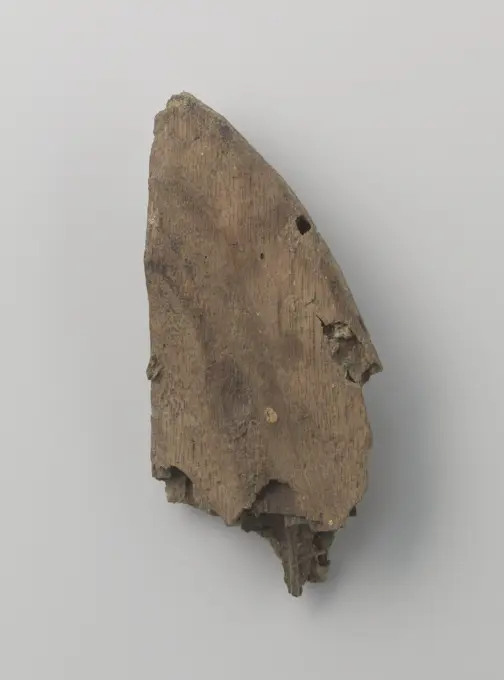
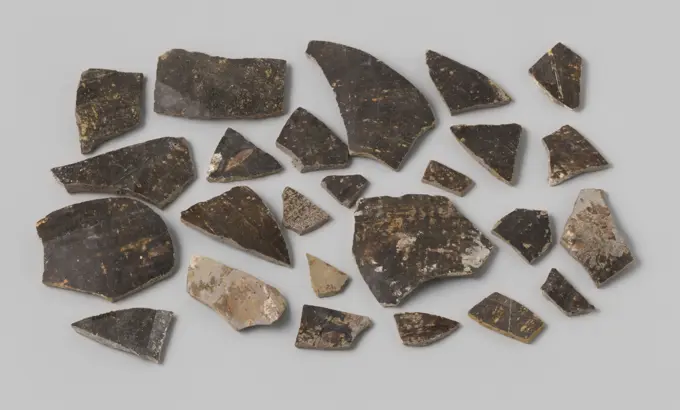
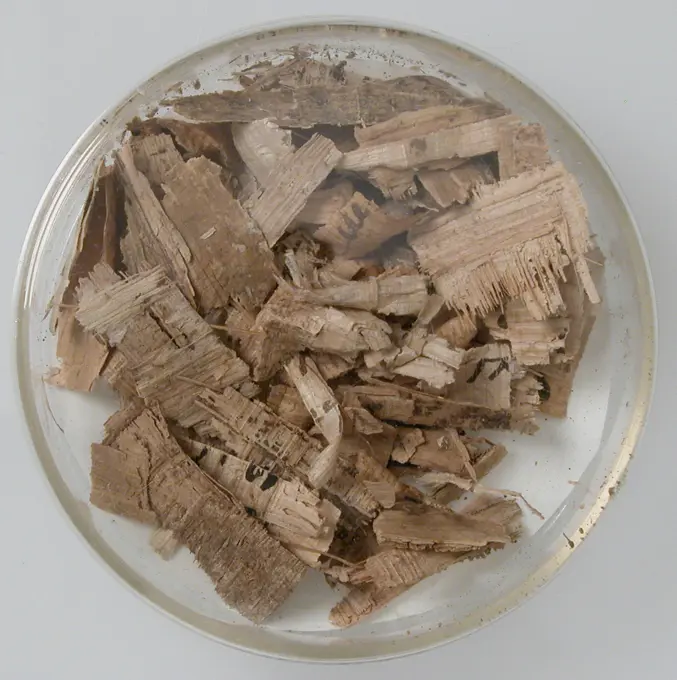
Fragment; (possibly) belonging to the retable of Soest, c. 1475 - c. 1499   wood (plant material)   wood (plant material)
Fragment; (possibly) belonging to the retable of Soest, c. 1475 - c. 1499 wood (plant material) wood (plant material)
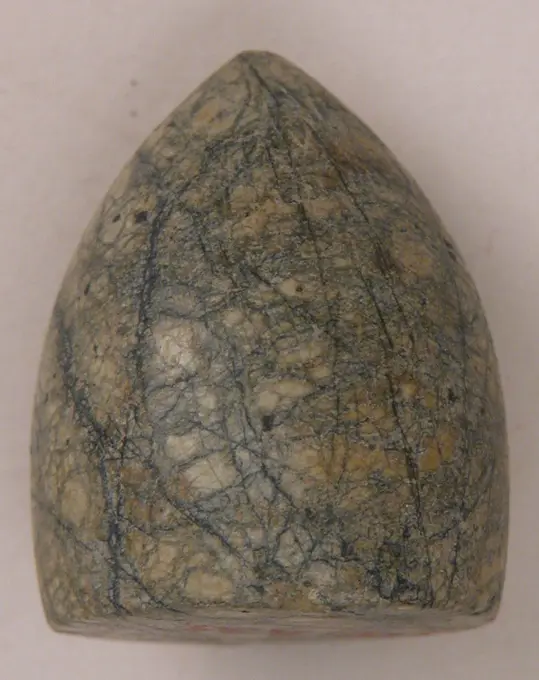
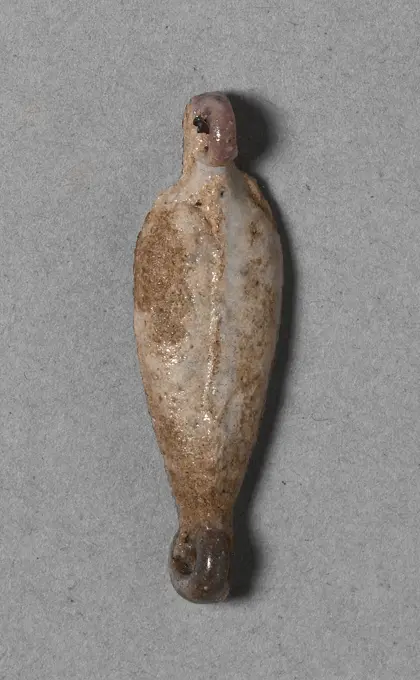
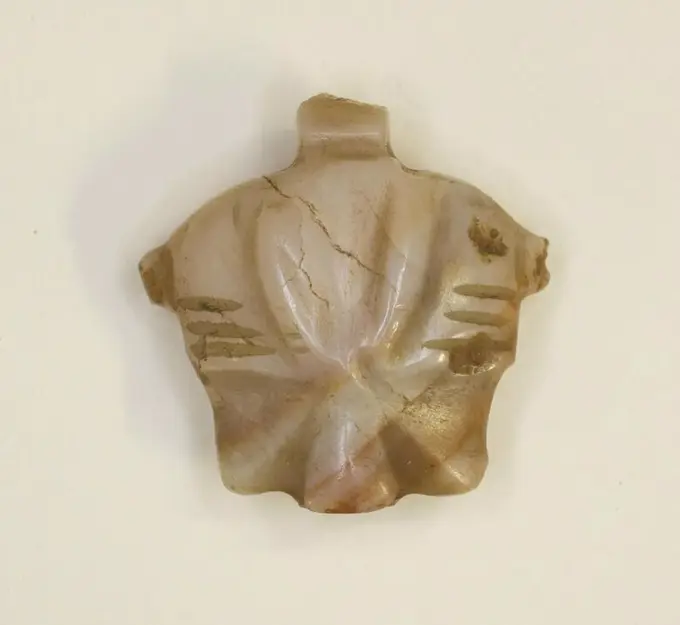
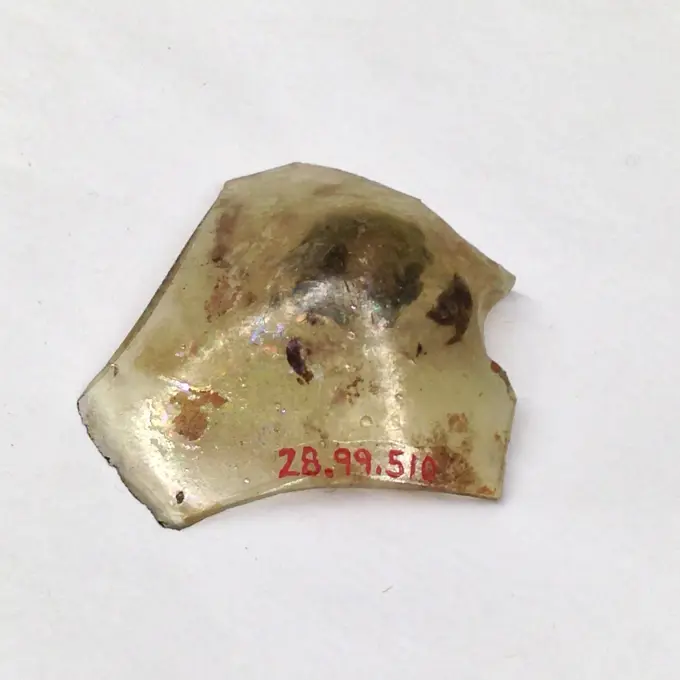
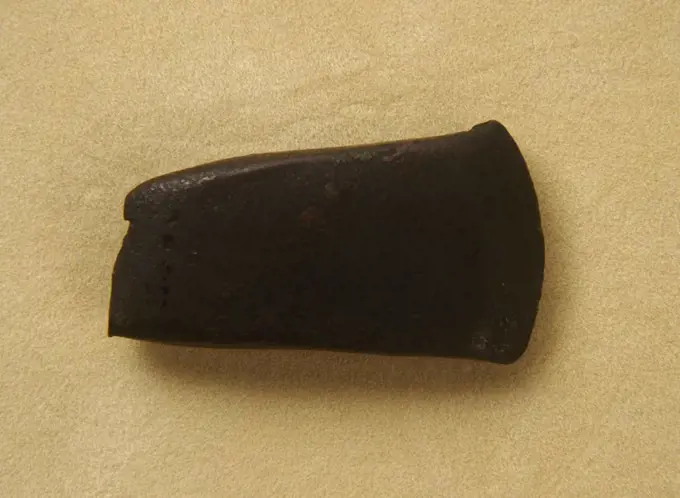
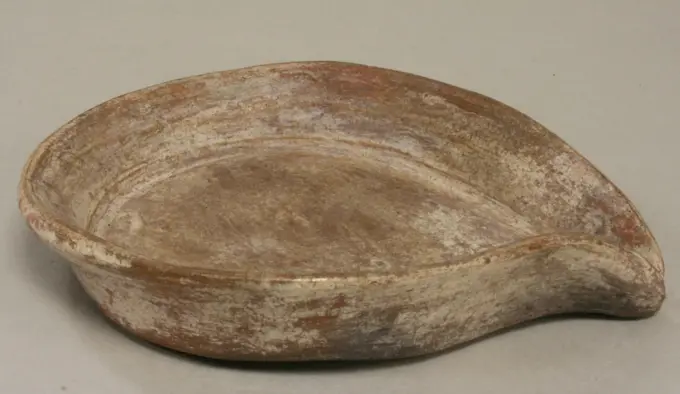
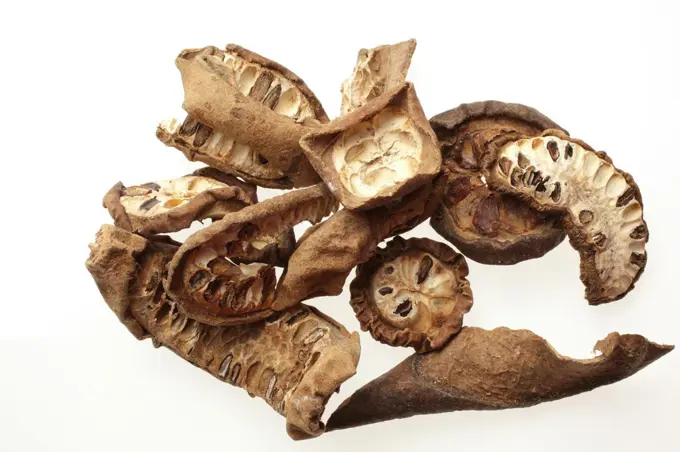
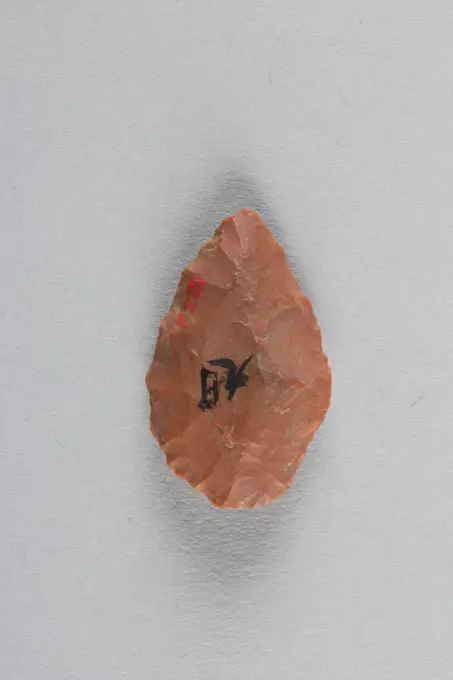
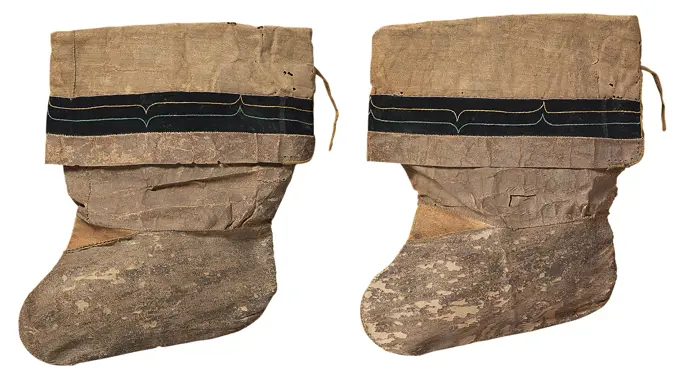
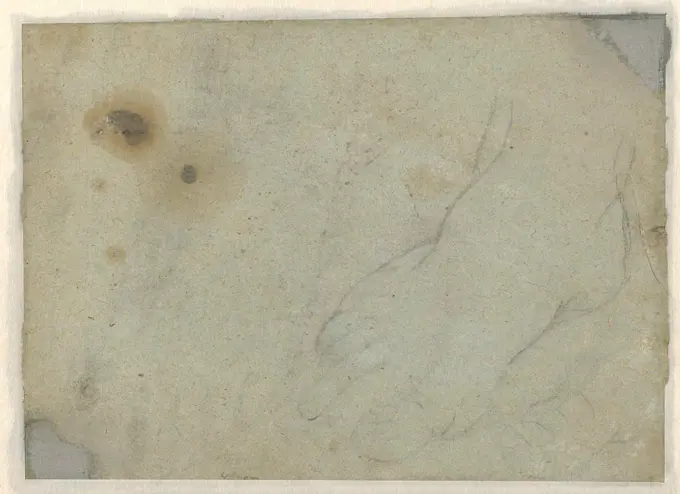
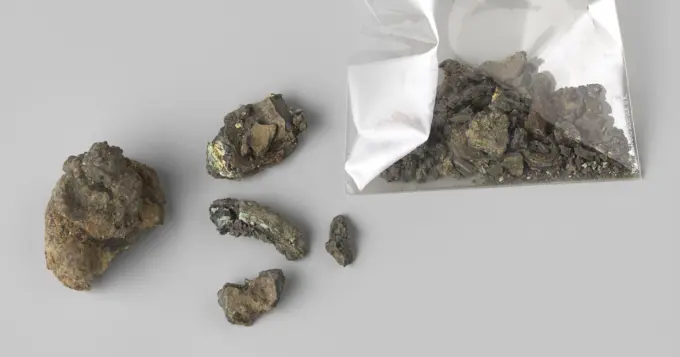
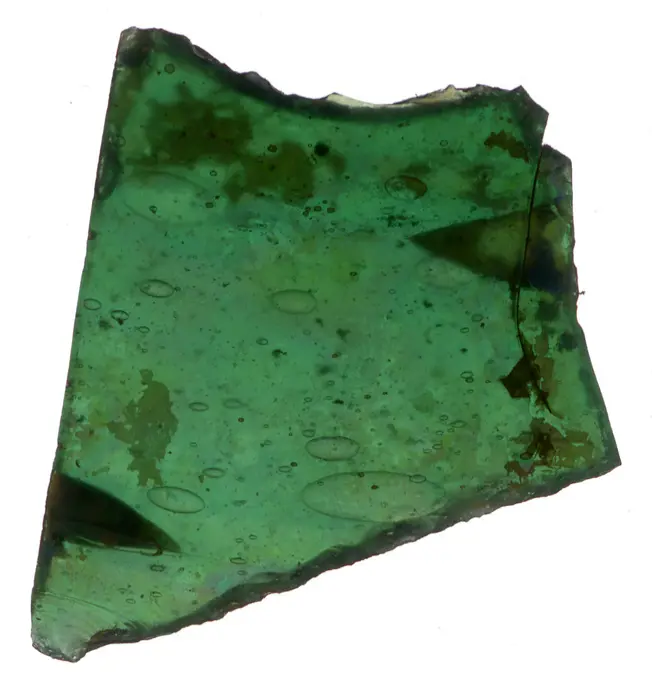
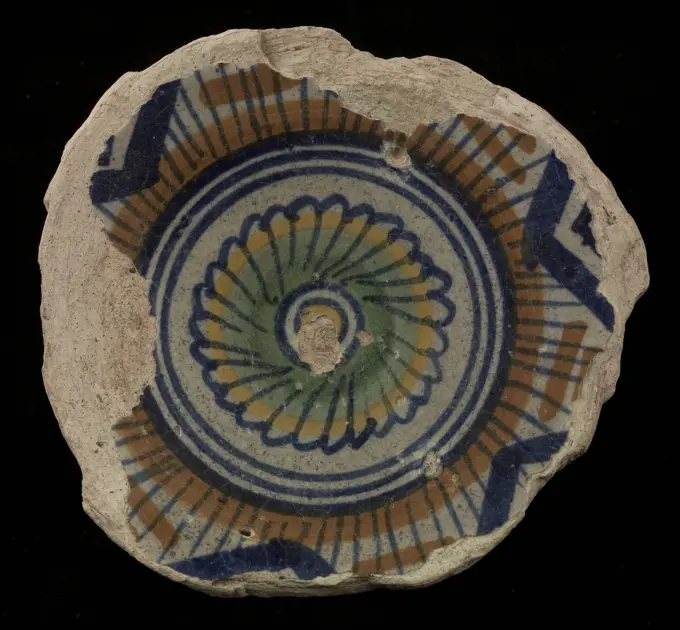
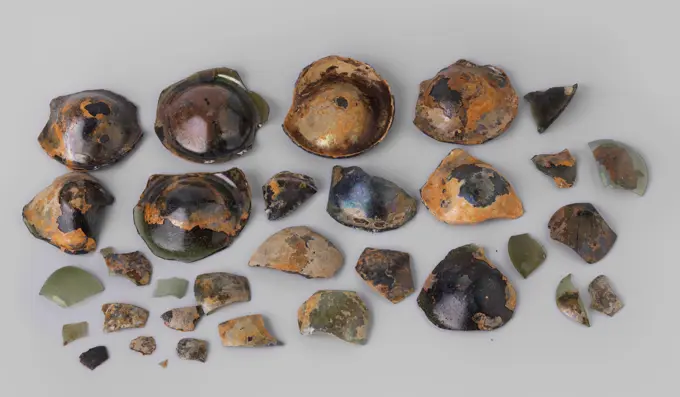
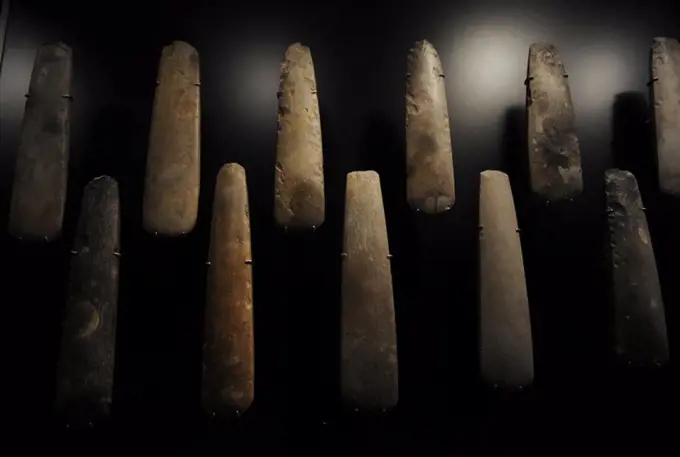
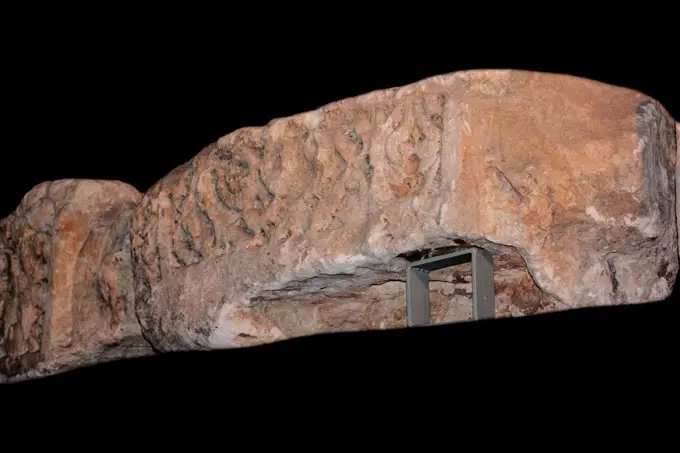
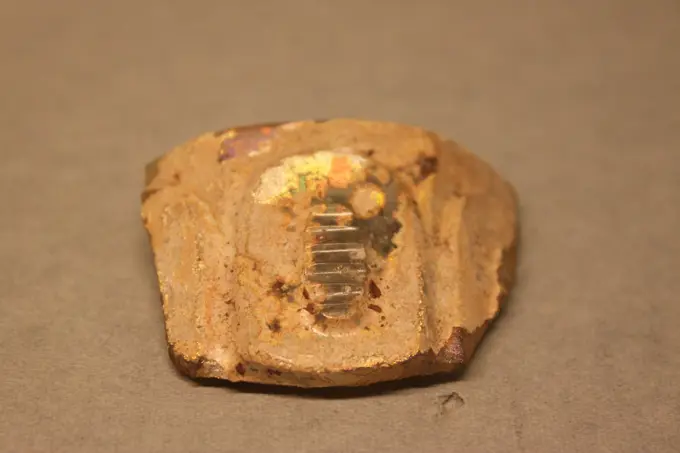
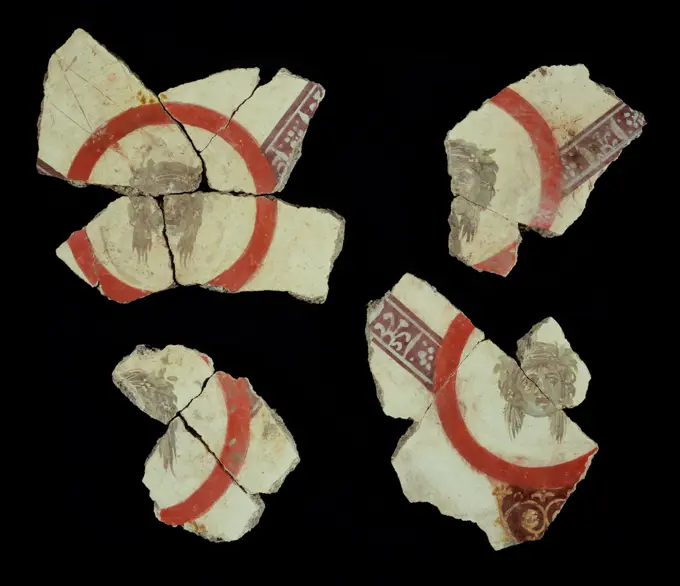
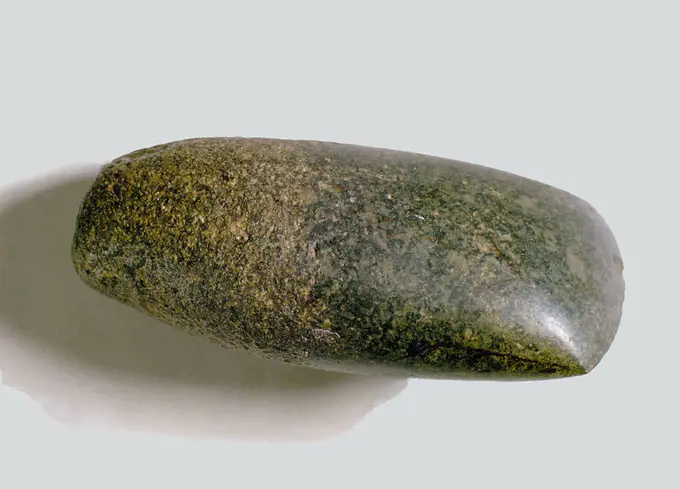
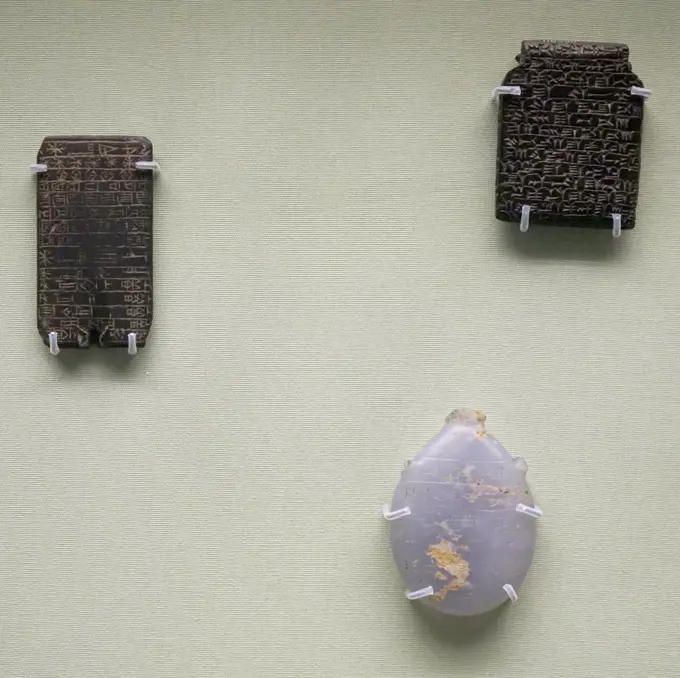
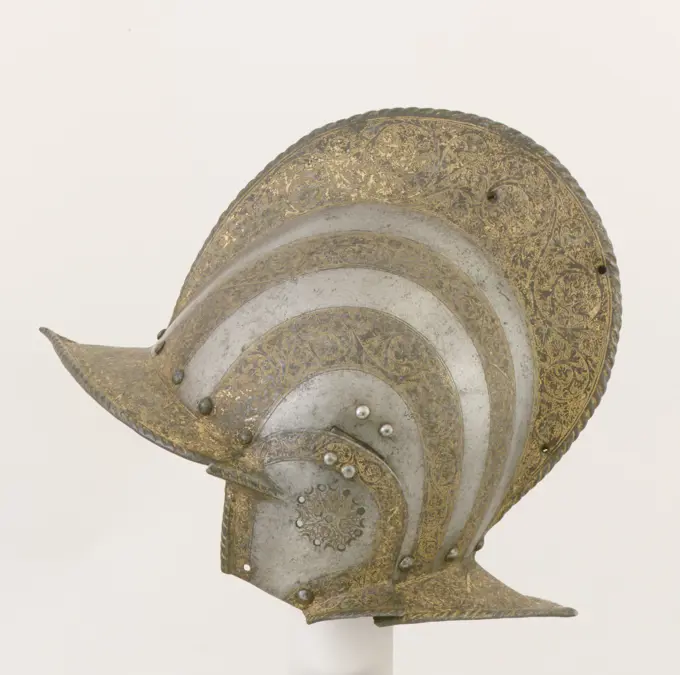
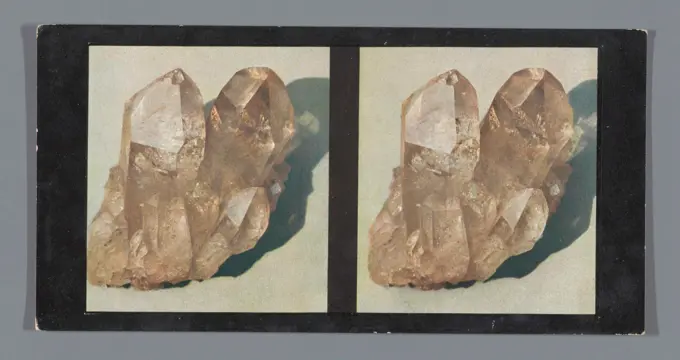
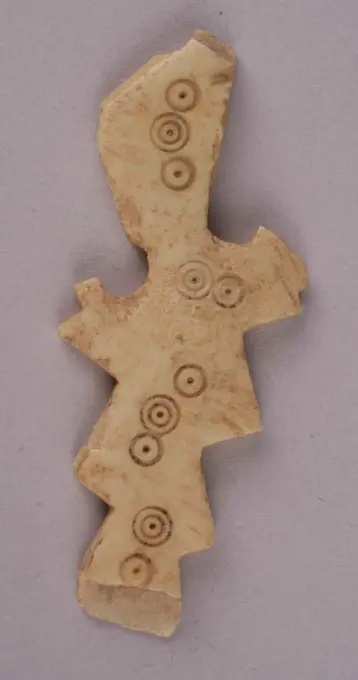
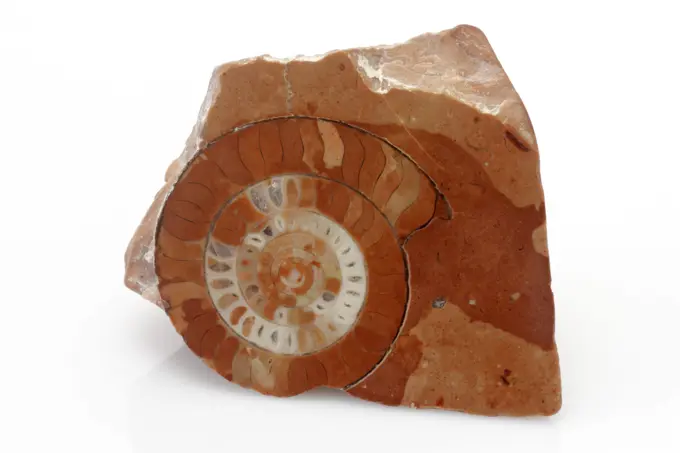
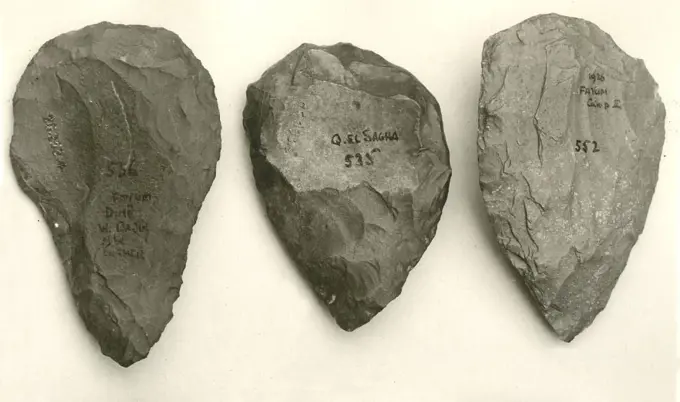
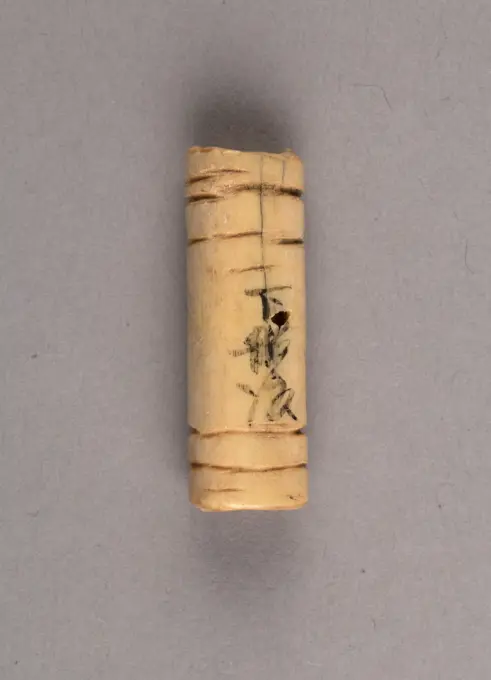
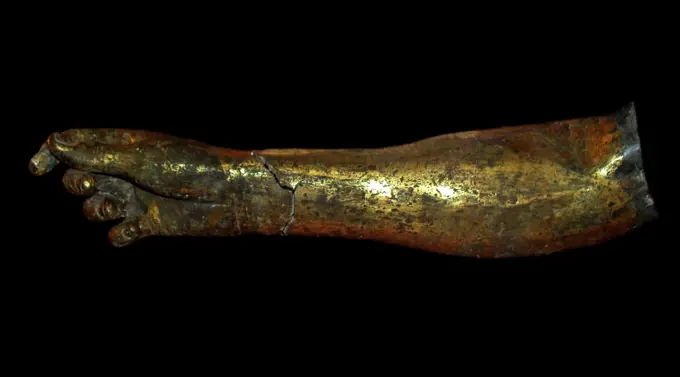
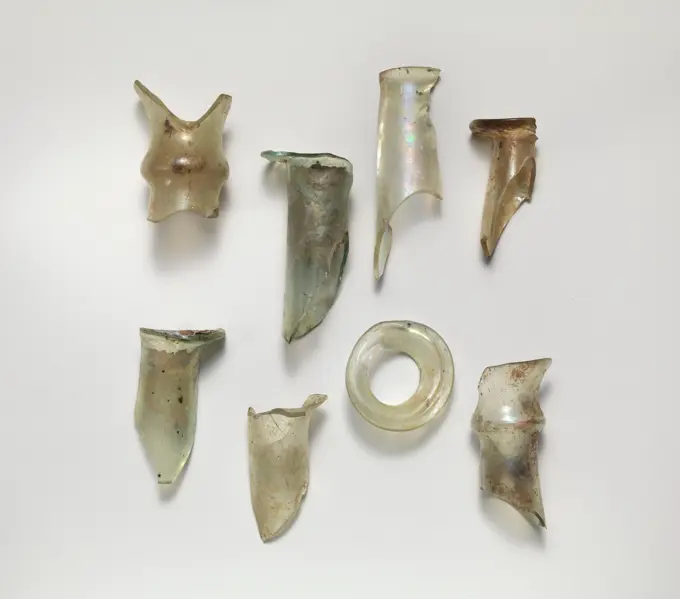
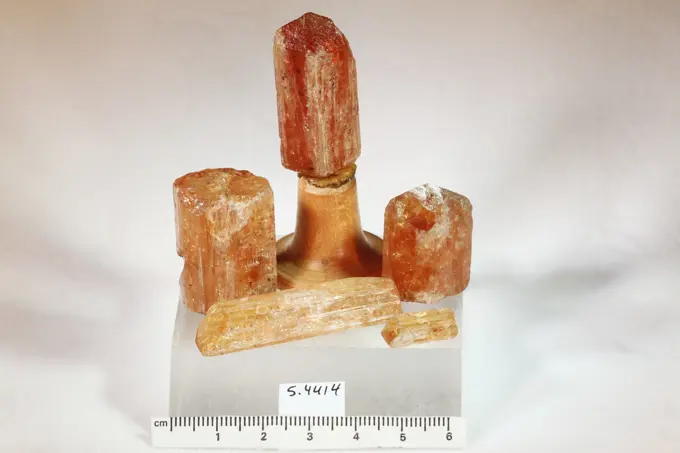
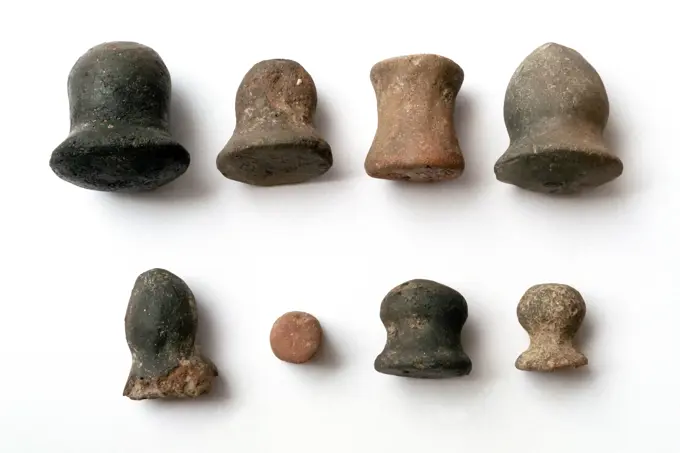
Axe Head. Egypt, 0 Dynasty - Late Period (3000 - 332 BCE). Arms and Armor; axes. BronzeLamp ca. 600. Lamp 446620Gaming or Chess piece, possibly a Pawn 8th-11th century. Gaming or Chess piece, possibly a Pawn 452347Shards of wine bottles from the wreck of the East Indians' t Vliegend Hart ,, 1700 - 1735  Shards of onion -shaped wine bottles of green glass that has been in red (port) wine. Calls with cork. Sand residues. Netherlands cork (bark)Indian arrowhead from Georgia and North & South Carolina , Archaeological assemblages, Charles F. Walcott Archaleogical CollectionPendant: Ajax carrying the body of Achilles 6th-5th century B.C. Etruscan The figures of Ajax and Achilles- Ajax wearing a helmet, is carrying over his shoulder Achilles, whose legs hang limply.. Pendant: Ajax carrying the body of Achilles 257792Staurolite. minerals. North America; USA; North Carolina; Cherokee CountyShards of Martavanen from V.O.C. ship De 'Witte Leeuw', Anonymous, Before 1613  Shards of Martavanen from V.O.C. ship De 'Witte Leeuw'. Martaban (possibly) stoneware. porcelain   Sint-HelenaCuneiform tablet: fragment, content uncertain ca. late 1st millennium B.C.. Cuneiform tablet: fragment, content uncertain 322105Petal-Shaped Bead, c. 1391-1353 BC. Egypt, New Kingdom, Dynasty 18, reign of Amenhotep III. Faience; overall: 3 x 1 cm (1 3/16 x 3/8 in.).Fragment. Culture: European or Middle Eastern. Dimensions: L. 1 1/4 in. (3.2 cm). Date: ca. 1150-ca. 1250. Museum: Metropolitan Museum of Art, New York, USA.Amulet of a Lioness' Head. Egyptian. Date: 1070 BC-656 BC. Dimensions: 1.9 × 1.9 × 0.6 cm (3/4 × 3/4 × 1/4 in.). Stone. Origin: Egypt. Museum: The Chicago Art Institute, Chicago, USA. Author: Ancient Egyptian.Terracotta fragments of a kylix (drinking cup) 520-500 B.C. Greek, Attic Interior, youth with spit at burning altar with meat. Terracotta fragments of a kylix (drinking cup). Greek, Attic. 520-500 B.C.. Terracotta; red-figure. Archaic. VasesCalcite. mineralsFragment ca. 1150-ca. 1250 European or Middle Eastern. Fragment 696601Anonymous / "Tiled flooring", Late 15th Century.Amulets in the shape of a demon's mask. From Iran, 15th-13th century, originally deep blue glass.ARTE PREHISTORICO. EDAD DEL COBRE. ESPAÑA. HACHA DE COBRE. Museo Arqueológico de Barcelona. Cataluña.Fragment ca. 1150-ca. 1250 European or Middle Eastern. Fragment 696630Spouted Bowl 12th-9th century B.C. Tlatilco. Spouted Bowl 310707Fragment 9th-10th century. Fragment 451541Fragment faience dish, blue on white, one standing Chinese in the middle, dish plate crockery holder earth discovery ceramic earthenware glaze tin glazing, Cooked archeology underground pit Rotterdam Bijenkorf Soil discovery metro Bijenkorf march 1966.Fragment buyer from the wreck of the East Indieschief Hollandia. Parts or artifacts; eroded fragments: Materials; Copper.Antikythera Mechanism, navigational instrument, vernier gauge markings on wheels. 5th cent. BC. GREECE.Polishing Stone from a Foundation Deposit for Hatshepsut's Temple ca. 1479-1458 B.C. New Kingdom. Polishing Stone from a Foundation Deposit for Hatshepsut's Temple. ca. 1479-1458 B.C.. Travertine (Egyptian alabaster). New Kingdom. From Egypt, Upper Egypt, Thebes, Deir el-Bahri, Temple of Hatshepsut, Foundation Deposit 2a (B), MMA excavations, 1921-22. Dynasty 18Soldier's figurineFragment of neck and lip of abdominal bottle with cork, belly bottle bottle holder soil find glass cork, free blown and shaped Fragment of neck and lip of abdominal bottle in clear green glass. Rejuvenated neck with imposed all-round sharp glass thread and flattened lip with cork Multicolor irisation archeology underground pit Rotterdam Kralingen-Crooswijk Rubroek Gerdesiaweg packing transporting drinking wine Soil discovery Gerdesiaweg Kralingen from the suburb 1975.07.04.Medicinal plant, dried fruits of finger-leaved akebia, Akebia quinata, also five-leaved akebiaArrowhead Japan. Arrowhead 62403Spout ca. 9th century B.C. Iran. Spout. Iran. ca. 9th century B.C.. Ceramic, glaze. Iron Age II, Hasanlu Period IV. Iran, HasanluFragment. Culture: European or Middle Eastern. Dimensions: L. 1 1/2 in. (3.8 cm). Date: ca. 1150-ca. 1250. Museum: Metropolitan Museum of Art, New York, USA.Fragments of a Bottle 9th century. Fragments of a Bottle 447642Pair of seal-skin boots for a woman (tukar-ker), early 19th century, Unknown Sakhalin Ainu, 13 3/8 × 11 1/4 in. (33.97 × 28.58 cm) (each, approximately), Cloth: seal skin; sinew sewing, cotton appliqué and embroidery, Russia, 19th centuryRound Plaque. Culture: Vicús. Dimensions: Diam. 3 1/8 in. (7.9 cm). Date: 3rd century B.C.-A.D. 2nd century. Museum: Metropolitan Museum of Art, New York, USA.Fragment. Culture: European or Middle Eastern. Dimensions: L. 1 5/8 in. (4.1 cm). Date: ca. 1150-ca. 1250. Museum: Metropolitan Museum of Art, New York, USA.Bowl of Sand ca. 1479-1458 B.C. New Kingdom. Bowl of Sand. ca. 1479-1458 B.C.. Pottery, sand. New Kingdom. From Egypt, Upper Egypt, Thebes, Deir el-Bahri, Temple of Hatshepsut, Foundation Deposit 7, 8, 9 (G, H, I), MMA excavations, 1926-27. Dynasty 18Wood Fragments 4th-7th century Coptic. Wood Fragments 478809Study of a foot. .Screw cap and fitting from the wreck of the East Indians Hollandia, Anonymous, 1700 -in Or Before 1743 screwcap Container, screw cap and fitting; fragm of stub and cap, id. NG 1980-27H2619 corroded. Netherlands tin (metal)   SecondBracelet fragments CypriotFragment 13th century Crusader. Fragment 475328Fragment ca. 1150-ca. 1250 European or Middle Eastern. Fragment 695331Fragment majolica dish, polychrome, concentric circles containing rosette, plate crockery holder soil find ceramic earthenware glaze, Cooked on the underside covered with milky lead glaze. Polychrome Badly mixed and layered earthenware with red veins Italian Dutch decor archeology Rotterdam decorate food Italy archaeological find in the soil Rotterdam 1917.Mediterranean cypress or mediterranean cypress (Cupressus sempervirens), cones on a white backgroundShards of wine bottles from the wreck of the East Indians' t Vliegend Hart ,, 1700 - 1735  Shards of onion -shaped wine bottles of green glass that has been in red (port) wine. Netherlands .Perales de Tajuña (Madrid), 02/17/2016. Risco de las Cuevas archaeological site. Photo: Isabel Permuy ARCHDC.Flint axe who are sacrificed. From Sigersdal Mose, northern Zealand. C. 3500 BC. National Museum of Denmark. Copenhagen. Denmark.Building tile of a red earth type with beveled sides and glazed top, anonymous, c. 1400 - c. 1950 Building tile of a red earth type with beveled sides and glazed top. On the top a cross -in -white cross with four linden leaf -shaped arms.  earthenware Building tile of a red earth type with beveled sides and glazed top. On the top a cross -in -white cross with four linden leaf -shaped arms.  earthenwarePottery plate, waffle plate with white silt decoration, plate dish crockery holder soil find ceramic earthenware glaze lead glaze clay, hand turned decorated glazed fried loin layer Layer pottery plate on stand. Red shard partially glazed at the top Waffle board decorated with diamond pattern in yellow sludge technique archeology indigenous pottery import food serve serve table decorateRoman building stone block, decorated with various relief imagery. Found in the Roman city of Bath, England, and wouldve originally been sourced from English quarries. local to bath. Circa 1st-3rd century AD.Glass Fragment 16th century French. Glass Fragment. French. 16th century. Pot metal glass. Glass-StainedPyrite. minerals. Europe; Spain; La Rioja; Cervera; Navajún; Ampliación a Victoria mineMalay is Sanggora, part of Thailand ,, 1820 - 1860 coin Pewter mint. Front: Four cross-headed Chinese signs with the meaning: Tsai TCH ING Thung-Pao = Mint from Tsai-TCH ING. Reverside: Up and below Arabic characters with the meaning: Negri = country Sanggora and Thai characters with the same place-indicing in the Thais: Song Khla. In the middle hexagonal hole.  tin (metal) castingFragment of a Bowl 9th-10th century. Fragment of a Bowl 450913Round Plaque 3rd century B.C.-A.D. 2nd century Vicús. Round Plaque 315541Papyri Fragments 7th century Coptic. Papyri Fragments 479245Beads 9th-12th century. Beads 450847BirdmoldFresco Fragment. UnknownPortrait of a warriorHACHA DE PIEDRA PULIMENTADA ENCONTRADA EN LA VEGA DEL JARAMA - NEOLITICO MADRILEÑO.Roof tile fragment 16th-17th century China. Roof tile fragment 48320Black-Glaze Bowl with Inscription. UnknownFragment 13th century Crusader. Fragment 475322Fragment. Culture: European or Middle Eastern. Dimensions: L. 1 3/16 in. (3 cm). Date: ca. 1150-ca. 1250. Museum: Metropolitan Museum of Art, New York, USA.Eight fragments of beakers, decorated in relief, beaker drinking glass drinking utensils tableware holder fragment Soil discovery glass, w 3,0 free blown Fragments of beakers In relief decorated with dots ripples and one cabbage knob Light green tinted glass partially affected by irisation Eight fragments archeology Valckensteyn Poortugaal Albrandswaard drink serving beer serving beer Soil discovery: castle Valckensteyn in Poortugaal now Albrandswaard 1961-1962.Collection of protective amulets from ancient Iraq. The amulets would be worn to ward off evil spirits and demons. Dated 10th Century BCFragment ca. 1150-ca. 1250 European or Middle Eastern. Fragment 696710Burgonet ca. 1560 Italian, probably Milan The etched and gilt ornament, consisting of elegantly drawn foliate scrolls on a background of circles, matches that on the contemporary field armor of Cornelio Bentivoglio (Kunsthistorisches Museum, Vienna), a soldier in the service of the dukes of Ferrara. Both presumably were made iin the same workshop, one that appears to have specialized in fabricating arms for the Ferrarese court. Similar etching can be seen on other helmets in the Metropolitan Museum's collection, acc. nos. 29.152.2 and 37.189.13.. Burgonet. Italian, probably Milan. ca. 1560. Steel, gold. probably Milan. Helmetscolgantes de hueso, cueva de Kobeaga I, Ispaster, Arkeologi Museoa, museo aqueologico, Bilbao, Bizkaia, Pais Vasco, Spain.Polished flint arrow points, from Remedello, province of BresciaTassel 17th century Italian. Tassel 221328FRAGMENTOS DEL SARCOFAGO DE BEGASTRI. DEPOSITO: MUSEO ARQUEOLOGICO DE CEHEGIN . MURCIA, ESPAÑA.Fragments of Romanesque decorative stuccoes, after restoration, recto, basilica of Santa Maria Maggiore, Lomello, Lombardy. Italy, 11th century.Fragment. Culture: European or Middle Eastern. Dimensions: L. 1 7/8 in. (4.8 cm). Date: ca. 1150-ca. 1250. Museum: Metropolitan Museum of Art, New York, USA.Pieces of wood used to make oriental medicine tied together with hemp rope and hanging on wall in South KoreaRelief fragment ca. 6th-8th century A.D. Sasanian or Islamic. Relief fragment 322705Rusted can over the floor. Enviromental issueBergkristall..Fragment of Bowl, 1127-1279, H.2-1/2 x W.1-1/2 in., pottery, China, 12th-13th centuryHandle or Ornament 9th-10th century The dot-in-circle motif recalls designs presumed to be of magical significance, most likely an abstract eye to ward off the evil-eye, which serves an apotropaic function. Easily reproduced with a tool and visible in many cultures and times, this symbol may have lost its meaning, and become simply a decorative pattern, or may have one that we have not yet discovered.. Handle or Ornament. 9th-10th century. Bone; carved, incised, and inlaid with paint. Excavated in Iran, Nishapur. Ivories and BoneBead in the Shape of an Elephant, c. 6th-8th century, 7/16 x 7/8 x 3/8 in. (1.1 x 2.2 x 1 cm), Stone, Myanmar (Burma), 5th-9th centuryPetrified ammonit petrified ammonit - released on white background copyright: xzoonar.com/heikexbrauerx 1017118Fragments 10th-11th century. Fragments 453472Tool ca. 3850-2960 B.C. Predynastic Period. Tool. ca. 3850-2960 B.C.. Flint. Predynastic Period. From Egypt, Fayum, camp II (CII), BSAE/Caton-Thompson excavations, 1924-26Miniature figurine, 1500 BCE, 1 7/8 in. (4.8 cm), Earthenware, Mexico, Pre-ClassicLeather shoes from salt mines, 6th century BC. Artist: UnknownShards of signs from V.O.C. ship De 'Witte Leeuw', Anonymous, Before 1613 plate (dishes) Shards of signs from V.O.C. ship De 'Witte Leeuw'. Jingdezhen bone china (material)   Sint-HelenaArrowheads, needles, hooks and harpoons Japan These implementsan arrowhead, fishhooks, needle, and harpoonwere skillfully carved from bone, a material worked by Japanese artisans since Paleolithic times. They were found in the Obara Shell Mound at Ofunato Bay in Iwate Prefecture. According to information gleaned from shell mounds, or middens, the people of the Jōmon period relied on a variety of strategies to obtain food. The large number of fishhooks, fashioned with and without barbs, together with the rich array of marine remains found in these rubbish heaps since very early times indicate that some fifty species of fish and shellfish constituted an essential dietary staple. Toggle-head harpoons, a later innovation, facilitated the hunting of sea mammals. Attaching a line to the toggle allowed the hunter to draw in his prey once the toggle had broken away from the harpoon shaft. Further evidence gathered from these refuse dumps suggests that the Jōmon people also relied heavily on Gilt bronze arm from a statue. Roman, 2nd or 3rd century AD. Found in a Roman well at Clairmarais near Rheims, France, in 1876. Small rectangles of gold leaf were glued in place and were further secured by burnishing. In several places the overlapping of the sheets is visible.Fragment of a Plate 100 BCE-100 CE Roman Empire. In ancient Rome, there was a high demand for colorful glass that could dazzle banquet guests alongside the expensive silver and gold serving wares meant to impress. Fragments like this one would have once been a part of larger mosaic dishes. The mosaic pattern was made by sagging molten glass into bowl-shaped molds, a technique used on many of these fragments is similar to millefiori, ìthousand flowersî in Italian, a modern glass-making method in which tiny rods of colored glass are bundled together, wrapped in a sheet of glass, fused, and then thinly sliced to reveal swirls of a flower-like patterns. They were arranged side by side, sometimes together with bits of colored glass, and fused together with heat.. Glass, mosaic glass technique . Ancient RomanSix loon-weights, three disc-shaped and three cubes. Minoan 2100-1450 BC Found at Petras and PalaikastroFragment European or Middle Eastern ca. 1150-ca. 1250 View more. Fragment. European or Middle Eastern. ca. 1150-ca. 1250. Glass, ceramic. Glass-VesselsFragment European or Middle Eastern ca. 1150-ca. 1250 View more. Fragment. European or Middle Eastern. ca. 1150-ca. 1250. Glass, ceramic. Glass-VesselsFragment European or Middle Eastern ca. 1150-ca. 1250 View more. Fragment. European or Middle Eastern. ca. 1150-ca. 1250. Glass, ceramic. Glass-VesselsFragment European or Middle Eastern ca. 1150-ca. 1250 View more. Fragment. European or Middle Eastern. ca. 1150-ca. 1250. Glass, ceramic. Glass-VesselsFragment European or Middle Eastern ca. 1150-ca. 1250 View more. Fragment. European or Middle Eastern. ca. 1150-ca. 1250. Glass, ceramic. Glass-VesselsFragment European or Middle Eastern ca. 1150-ca. 1250 View more. Fragment. European or Middle Eastern. ca. 1150-ca. 1250. Glass, ceramic. Glass-VesselsTopaz. minerals. South America; BrazilTerracotta chess coins  Tamil Nadu  India Copyright: xMxAmirtham/DinodiaxPhotox