Archaeological Fragments

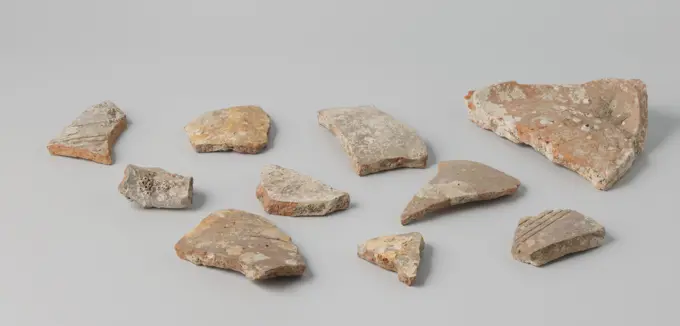
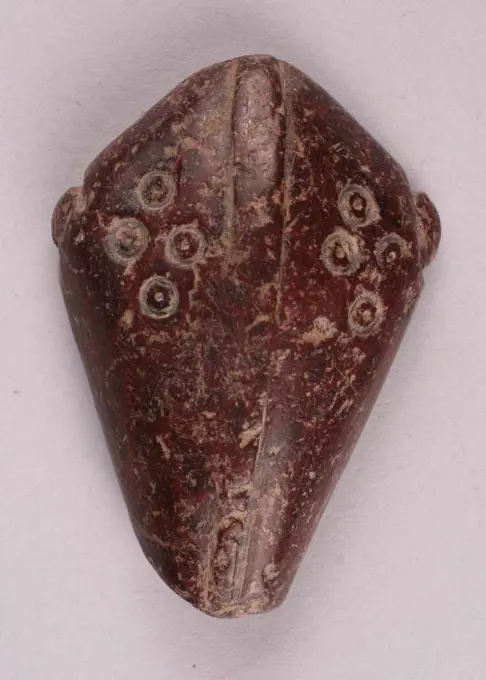
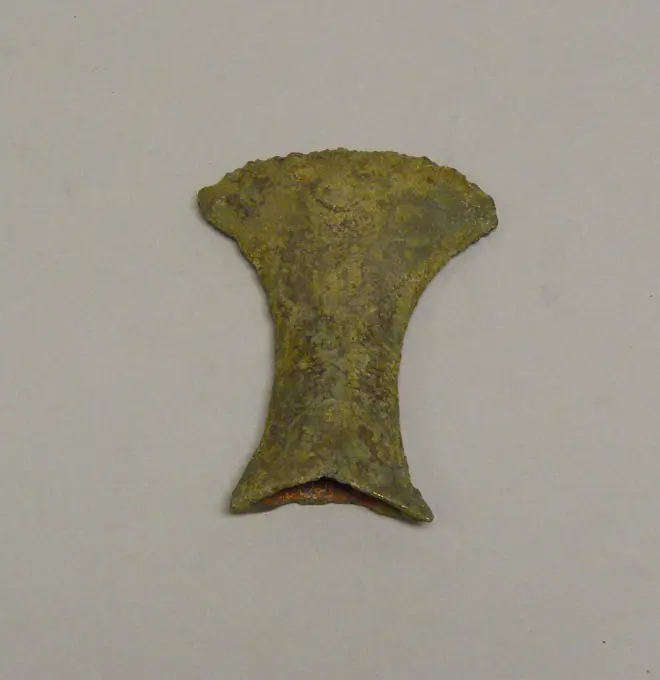
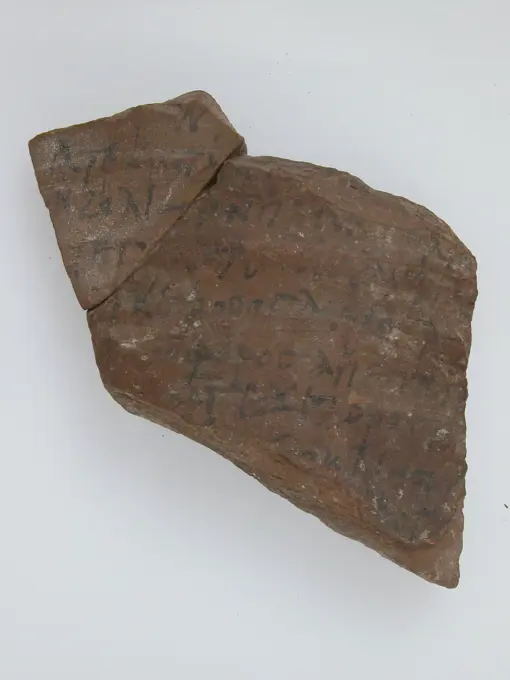
Various historical pottery and terracotta fragments showcasing ancient artistry, including texts and designs from different ancient cultures.
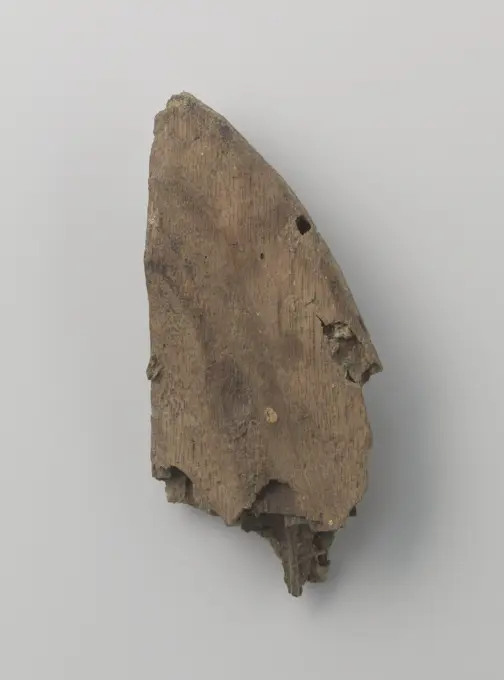
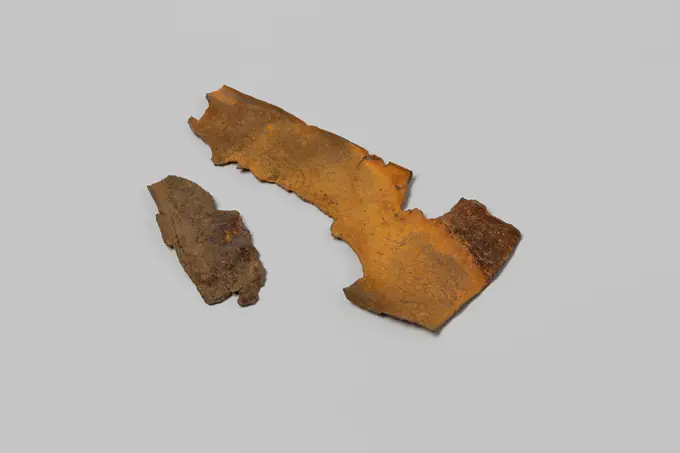
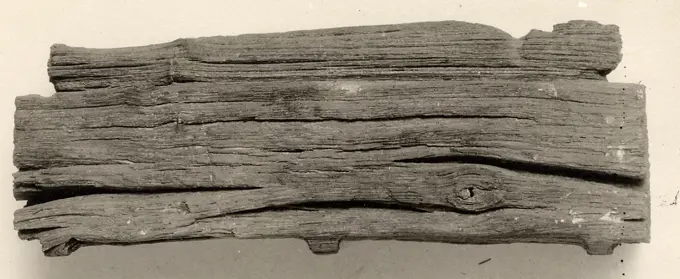
Fragment; (possibly) belonging to the retable of Soest, c. 1475 - c. 1499   wood (plant material)   wood (plant material)
Fragment; (possibly) belonging to the retable of Soest, c. 1475 - c. 1499 wood (plant material) wood (plant material)
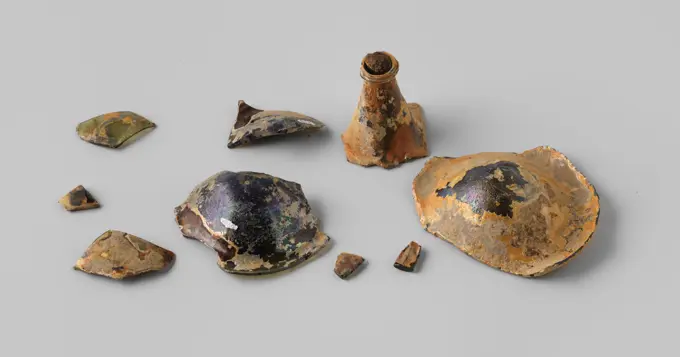
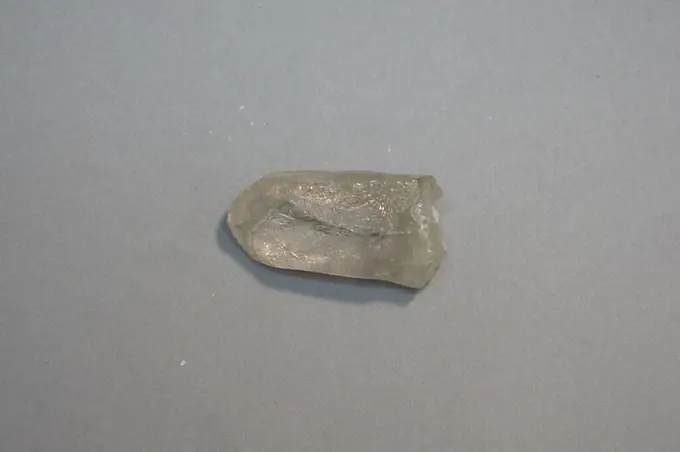
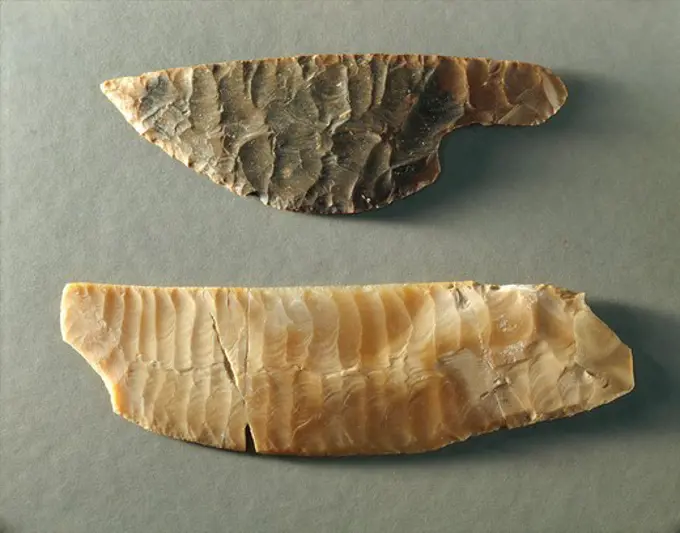
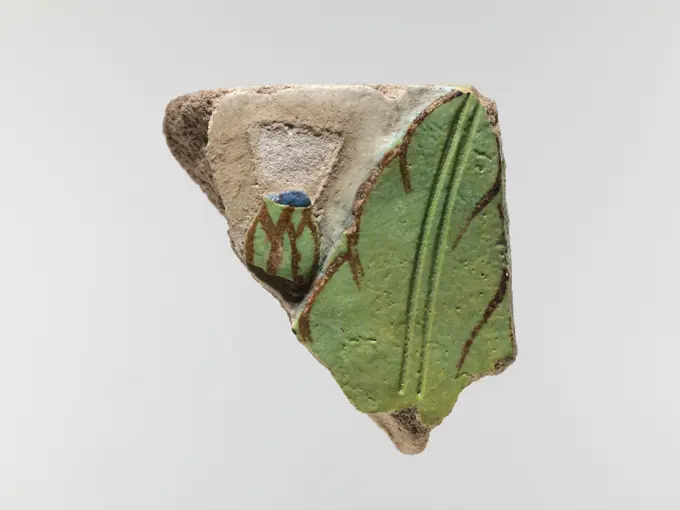
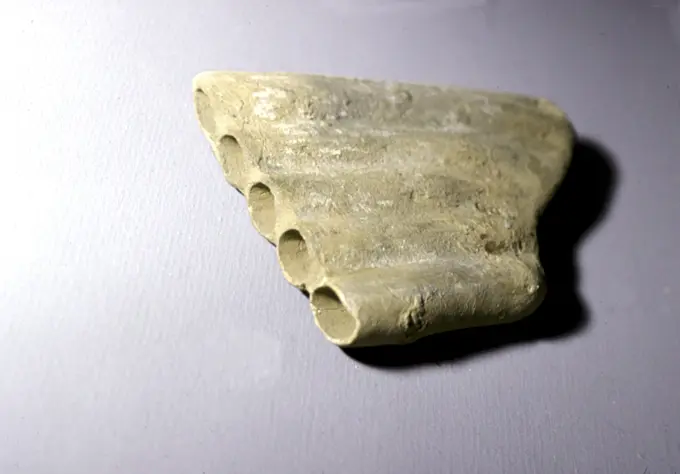
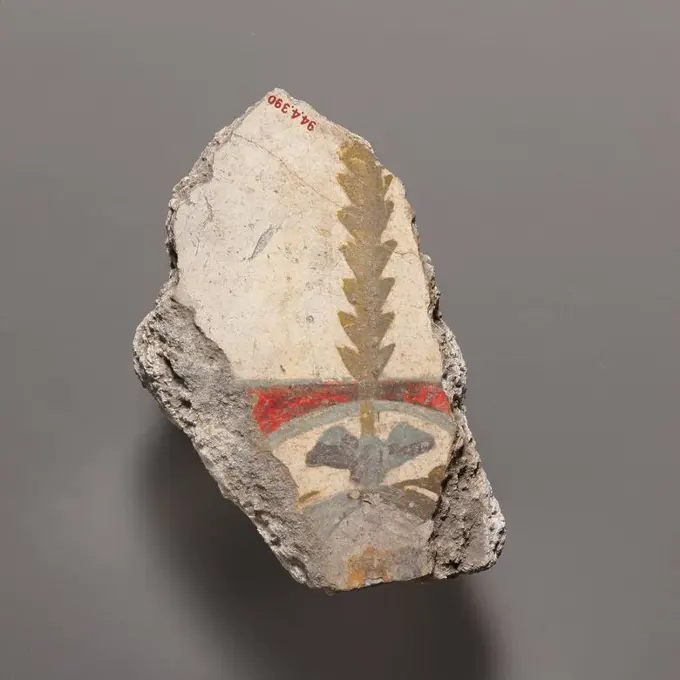
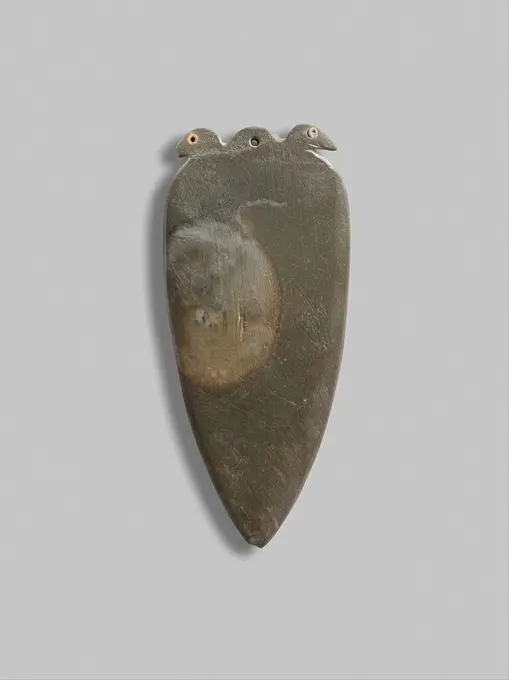
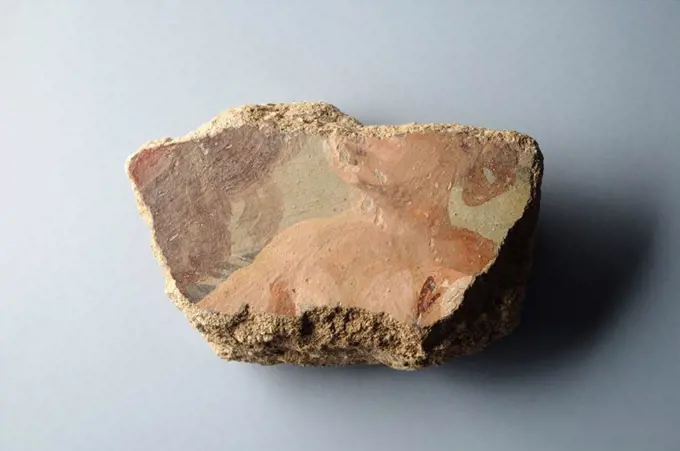
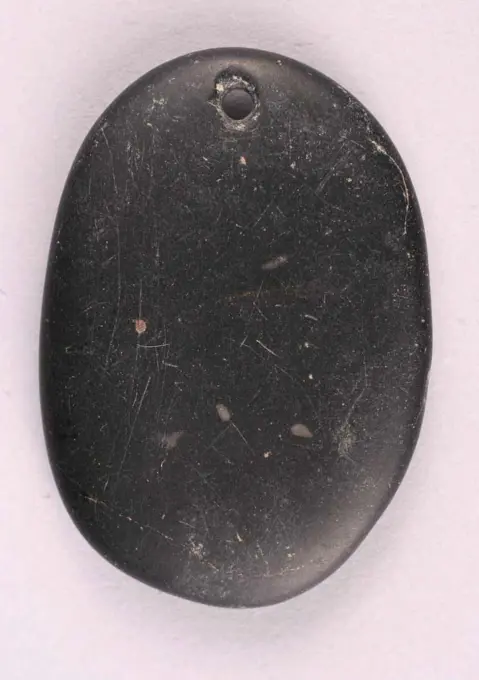
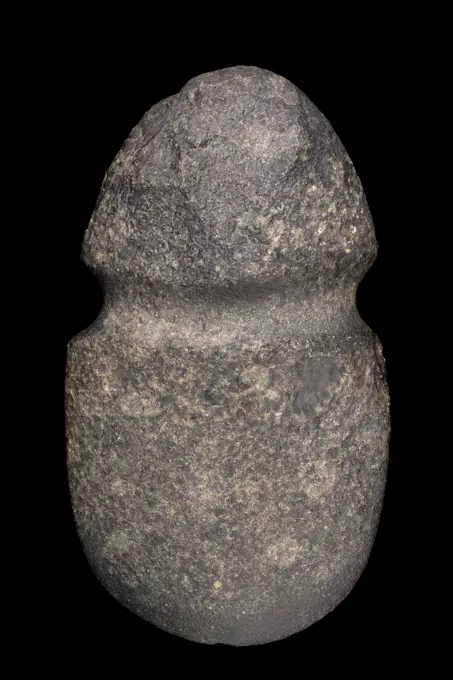
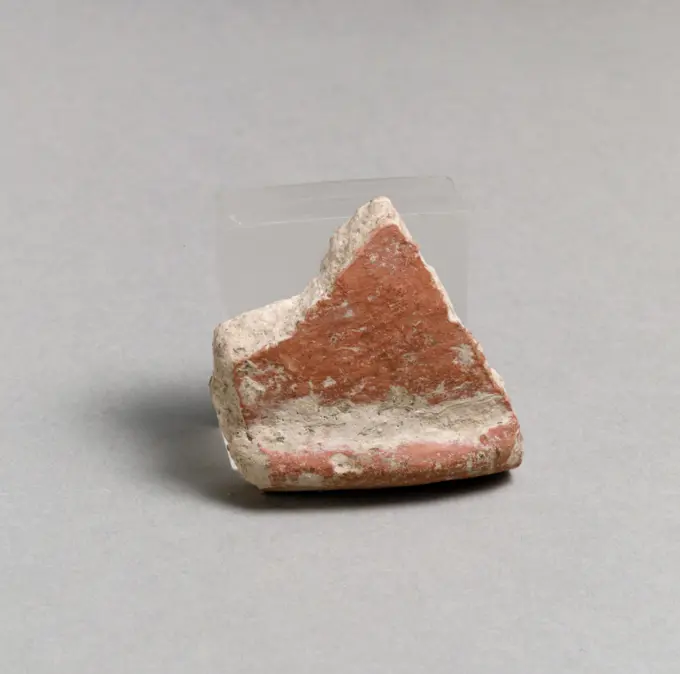
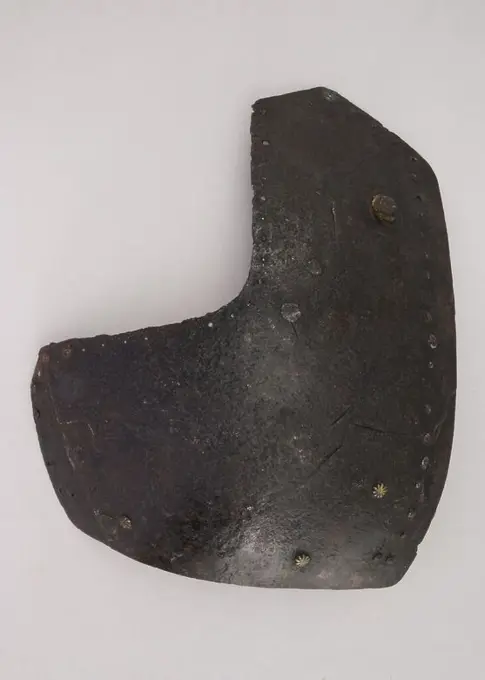
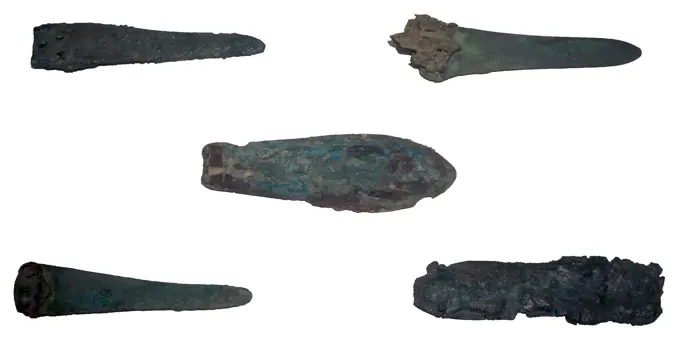
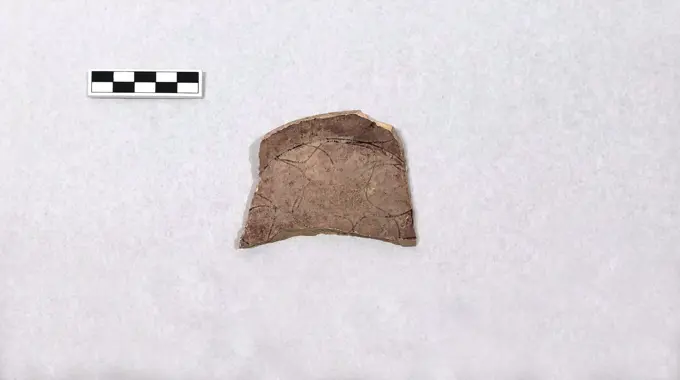
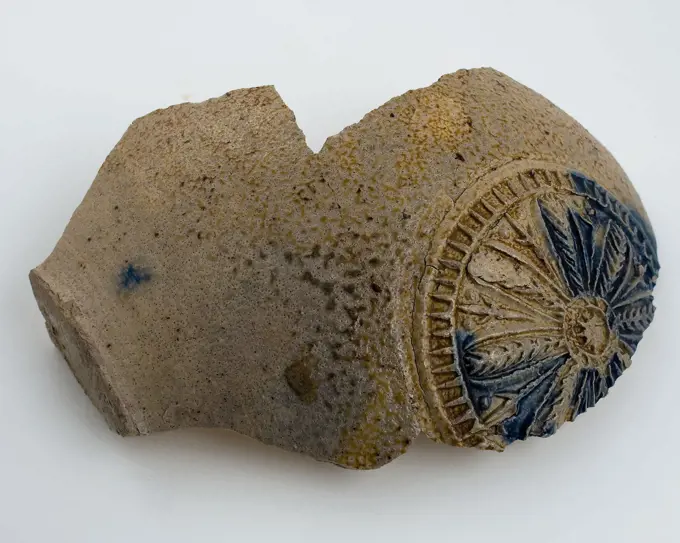
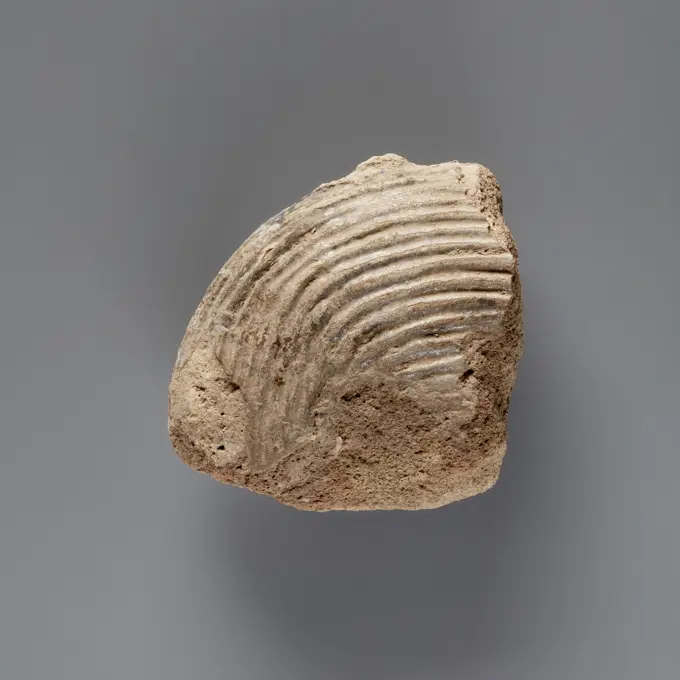
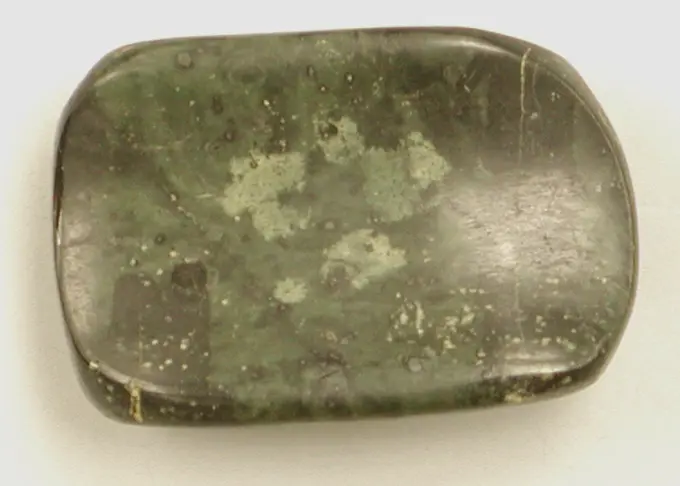
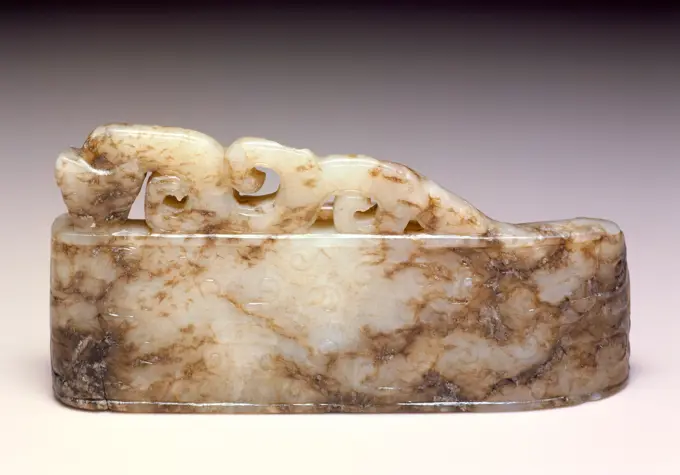
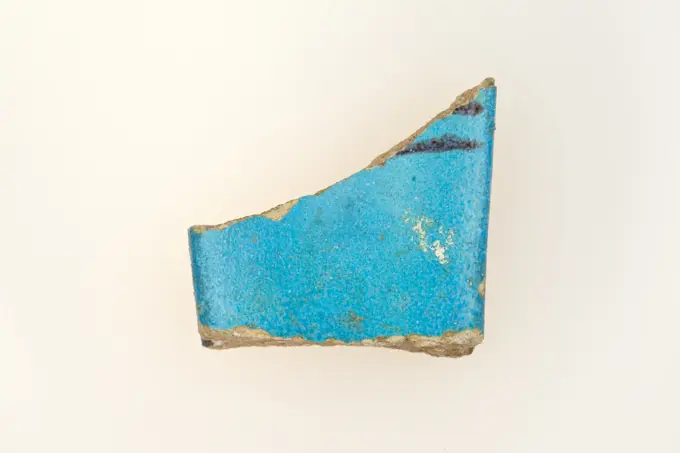
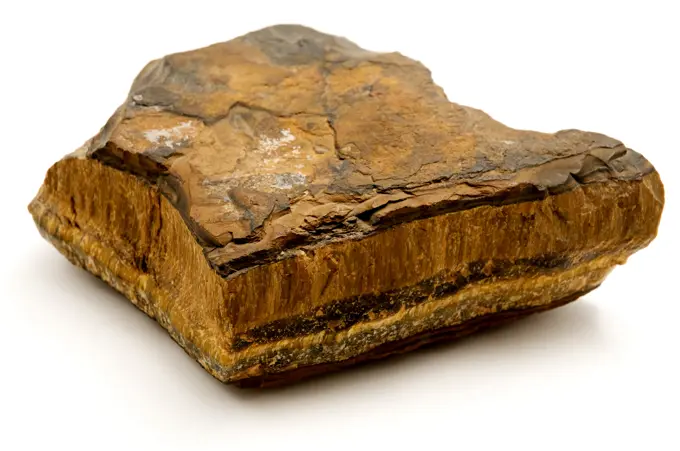
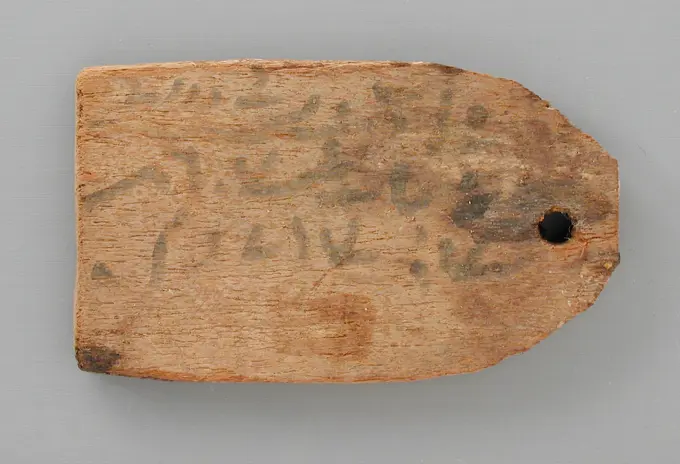
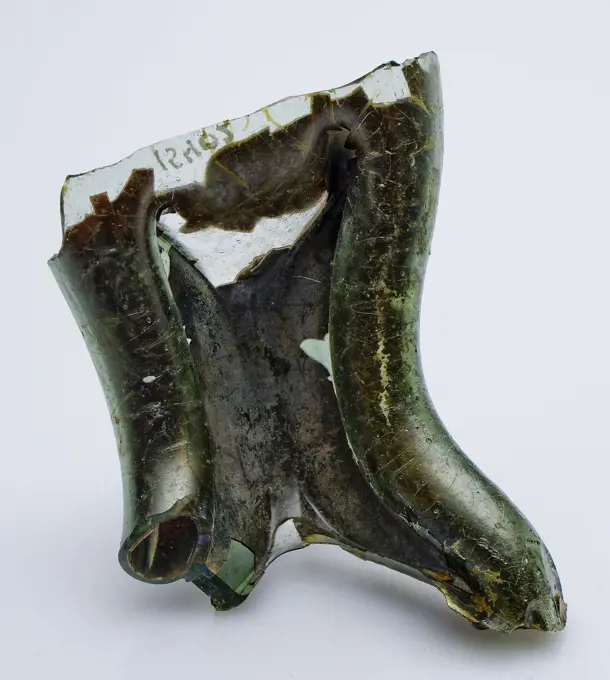
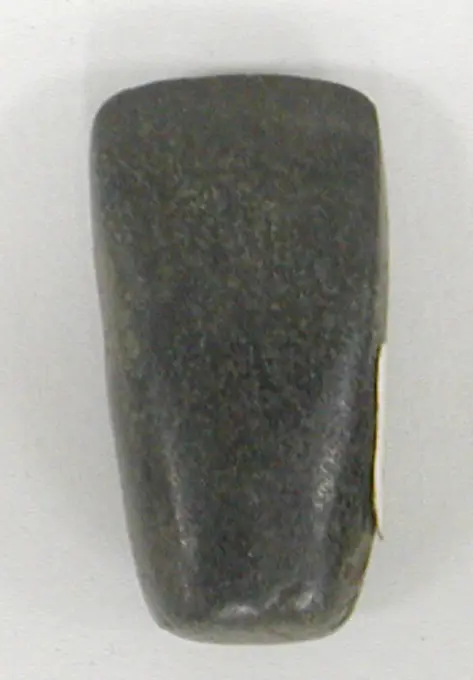
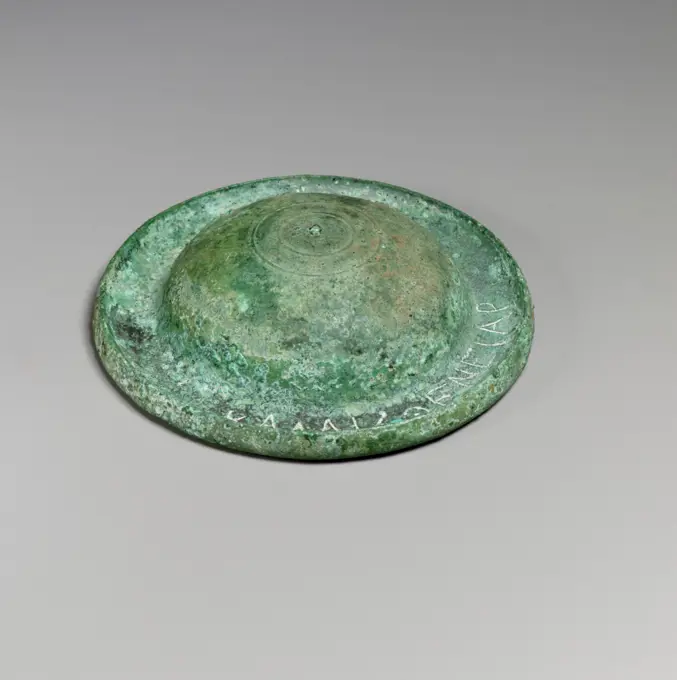
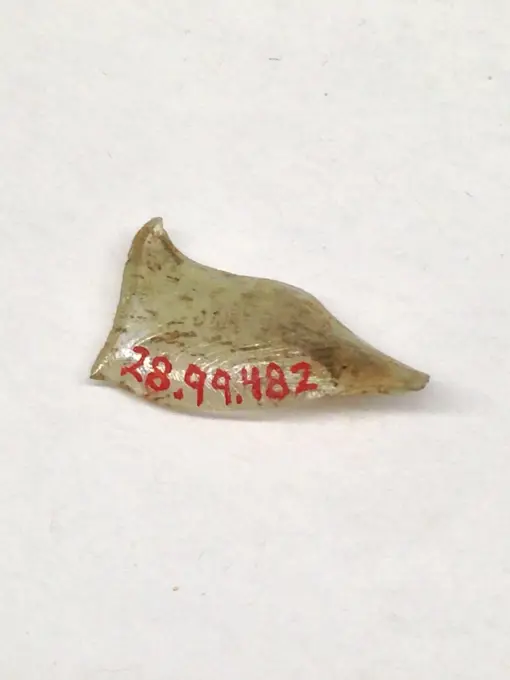
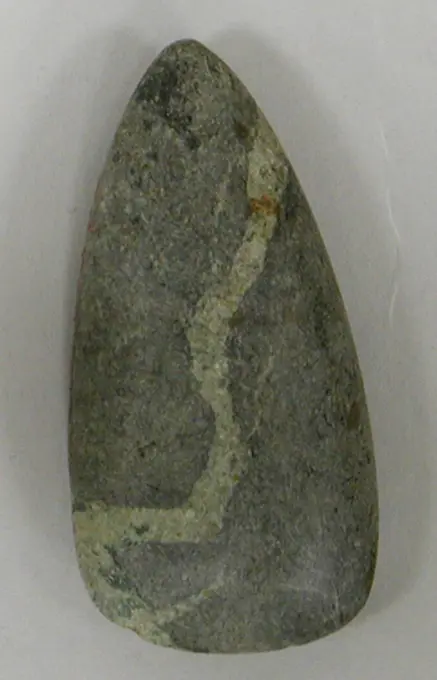
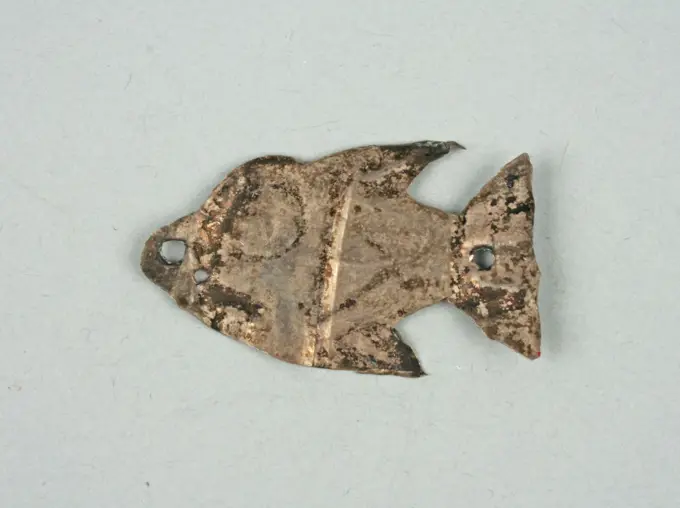
raw Talc stone on dark background macro shooting of natural mineral rock specimen - raw Talc stone on dark granite background Copyright: xZoonar.com/ValeryxVoennyyx 11383474Shards of wine bottles from the wreck of the East Indians' t Vliegend Hart ,, 1700 - 1735  Shards of onion -shaped wine bottles of green glass that has been in red (port) wine. Neck with cork. Netherlands cork (bark)Fragments shoe sole and two heels from the wreck of the East Indiesman Hollandia. Shoe; Fragm, Sole, Four-Tiered Very with Square Pins, Dried, Curved.Stone polished axe. North Africa, Neolithic. 4.5cm.Sample of Rock Crystal. Culture: China. Dimensions: H. 3/4 in. (1.9 cm); W. 2 7/8 in. (7.3 cm); L. 2 7/8 in. (7.3 cm). Date: 20th century. Museum: Metropolitan Museum of Art, New York, USA.Spear Point. Western Iran, circa 1000-825 B.C.. Arms and Armor; spears. BronzeFragment ca. 1150-ca. 1250 European or Middle Eastern. Fragment 695173Egypt, Flint knives from the Delta, predynastic periodVase fragment East Greek/Sardis, Lydian. Vase fragment 252735 East Greek/Sardis, Lydian, Vase fragment, Terracotta, Overall: 1 1/2 x 1in. (3.8 x 2.5cm). The Metropolitan Museum of Art, New York. Gift of The American Society for the Excavation of Sardis, 1926 (26.199.168)Fragment 8th-9th century. Fragment 448781Knife. Egypt, Middle Kingdom - New Kingdom (1991 - 1081 BCE). Tools and Equipment; knives. BronzeTile from marsh scene ca. 1353-1336 B.C. New Kingdom, Amarna Period. Tile from marsh scene 571921Graffito ofClibanariusTile. Egypt, early Dynastic Period (circa 3050 - 2687 BCE). Architecture; Architectural Elements. FaiencePan Pipes. Pre-Inca civilisation. PERU.Wall painting fragment. Culture: Roman. Dimensions: Overall: 4 7/8 x 3 in. (12.4 x 7.6 cm). Date: 1st century A.D..Floral decoration. Museum: Metropolitan Museum of Art, New York, USA.Fragment. Culture: European or Middle Eastern. Dimensions: L. 1 1/4 in. (3.2 cm). Date: ca. 1150-ca. 1250. Museum: Metropolitan Museum of Art, New York, USA.Hand wedge ca. 1981-1802 B.C. Middle Kingdom. Hand wedge. ca. 1981-1802 B.C.. Wood. Middle Kingdom. From Egypt, Memphite Region, Lisht South, MMA excavations. Dynasty 12Palette with double bird heads with inlaid eyes. Dimensions: H: 13 cm (5 1/8 in.); W: 5.7 cm (2 1/4 in.). Date: ca. 3500-3300 B.C.. Museum: Metropolitan Museum of Art, New York, USA.Czech Republic, Brno, Etnograficke Muzeum Moravskeho Muzea v Brne, Lithic tools from Brno - Bohunice excavationsFragment probably 10th-12th century. Fragment 445459Sickle Blade, 1980-1801 BC. Egypt, Middle Kingdom, Dynasty 12. Flint; overall: 5 cm (1 15/16 in.).Fragments of Splashed Ceramic 9th century. Fragments of Splashed Ceramic 853308Pediform ax blade (common name). Bronze. Cernuschi Museum, Asia Museum of Asia in the city of Paris.Bowl late 9th-10th century. Bowl 449375Vase fragment Minoan. Vase fragment. Minoan. Terracotta. Early Minoan II. VasesWall painting with figurative decoration ( Putis ) Green background with dark lines 15, 5 cm x 10, 5 cm x 5 cm. (3rd - 4th CE ) - Roman period, from the "Villa del Val" - Archaeological site of Complutum in Alcalá de Henares (Madrid). SPAIN.Pendant 8th-13th century This object was excavated at Nishapur.Nishapur was a vital city in the early and middle Islamic periods, located along one of the main trajectories that connected Iran and West Asia Islamic lands with Central Asia and China. These itineraries are often referred to by the term Silk routes’ but were in fact crucial to the movement of constellations of materials and objects, as well as people and ideas. The diverse population of Nishapur and its surroundings, from the better-researched elite groups of merchants, land-owning aristocracy, and literates, to the less-known artisans, farmers, miners, and servants, were instrumental in adapting global cultural trends to create their own distinctive visual languages. This is seen in the material remains of everyday life in medieval Nishapur - from pots and pans to lighting devices, inkwells, textiles and trimmings, jewelry, games and toys, talismanic devices, weapons, coins, and architectural fragments.Nishapur lost itsFragment 14th-15th centuryMint: Aegae, Hemiobol fromAegae, 499-400 B.C., Silver, 0.44 g, 7.5mm, Made in Aegae, Macedonia, Greek, 5th century B.C., NumismaticsWinged arrowhead in carved stone. Neolithic period. North Africa. 4,2 cm.Heavy throated axe. Basalt. North Africa, Tilemsi, Neolithic. 21cm.Vase fragment ca. 3000-2200 B.C.. Vase fragment 251305 Vase fragment, ca. 30002200 B.C., Terracotta, 1 9/16 x 1 7/16in. (3.9 x 3.6cm). The Metropolitan Museum of Art, New York. Gift of Gisela M. A. Richter, 1923 (23.121.5)Right Breastplate from a Brigandine. Culture: Italian. Dimensions: H. 11 1/2 in. (29.2 cm); W. 9 3/4 in. (24.8 cm); Wt. 31.8 oz. (901.5 g). Date: ca. 1400-1425.This right breastplate was originally pierced with two holes for the attachment of a lance rest. It was once covered with textile. Museum: Metropolitan Museum of Art, New York, USA.Shards of Martavanen from V.O.C. ship De 'Witte Leeuw', Anonymous, Before 1613  Shards of Martavanen from V.O.C. ship De 'Witte Leeuw'. Chinezizid-China stoneware. porcelain   Sint-HelenaTile fragment probably 16th century Spanish, Toledo. Tile fragment 208829Bead 8th-13th century This object was excavated at Nishapur.Nishapur was a vital city in the early and middle Islamic periods, located along one of the main trajectories that connected Iran and West Asia Islamic lands with Central Asia and China. These itineraries are often referred to by the term Silk routes’ but were in fact crucial to the movement of constellations of materials and objects, as well as people and ideas. The diverse population of Nishapur and its surroundings, from the better-researched elite groups of merchants, land-owning aristocracy, and literates, to the less-known artisans, farmers, miners, and servants, were instrumental in adapting global cultural trends to create their own distinctive visual languages. This is seen in the material remains of everyday life in medieval Nishapur - from pots and pans to lighting devices, inkwells, textiles and trimmings, jewelry, games and toys, talismanic devices, weapons, coins, and architectural fragments.Nishapur lost its poHafted Ax 500 B.C.-A.D. 300 Indonesia. Hafted Ax. Indonesia. 500 B.C.-A.D. 300. Bronze. Bronze and Iron Age period. MetalworkOstrakon 580-640 Coptic. Ostrakon 474865Fragment. Culture: European or Middle Eastern. Dimensions: L. 1 1/2 in. (3.8 cm). Date: ca. 1150-ca. 1250. Museum: Metropolitan Museum of Art, New York, USA.Pendant 6th-7th century Frankish. Pendant 465780 Frankish, Pendant, 6th7th century, Pebble, bronze bands missing, Overall: 1 3/16 x 15/16 in. (3 x 2.4 cm). The Metropolitan Museum of Art, New York. Gift of J. Pierpont Morgan, 1917 (17.193.60)Bronze daggers from Akrotiri, a Minoan Bronze Age settlement on the volcanic Greek island of Santorini (Thera). The Greeks arrived in Crete during the Mycenaean Period, later than Akrotiri. The settlement was destroyed in the Theran eruption sometime in the 16th century BC and buried in volcanic ashFragment; (possibly) belonging to the Retable of Soest. .Fragment of a Bowl 9th-10th century. Fragment of a Bowl. 9th-10th century. Earthenware; reddish buff body, white slip, sgraffito decoration under purplish glaze. Excavated in Iran, Nishapur. CeramicsAbdominal fragment of beard man, stoneware, with round cartouche in which rosette, beardmug tableware holder soil find ceramic stoneware glaze salt glaze, hand turned stamped molded glazed baked stoneware belly piece of jug Light oval round jar. Small stand. Gray glazed with some brown dots. Embossed cartouche with few strokes of blue cobalt glaze In the cartouche rosette of eight leaves in which eight ears of corn toothed edge. Turning locks on the inside archeology Rotterdam Stadscentrum Stadsdriehoek Oostplein underground pit foreign pottery import drink store wine store beer donate table Soil discovery Rotterdam underground pit Oostplein from dirty layer 1976.Vessel Fragment 4th-7th century Coptic. Vessel Fragment. Coptic. 4th-7th century. Limestone. Made in Kharga Oasis, Byzantine Egypt. MiscellaneousAlmond-shaped bifaceTile New Kingdom, Ramesside ca. 1279-1213 B.C. View more. Tile. ca. 1279-1213 B.C.. Faience. New Kingdom, Ramesside. From Egypt, Eastern Delta, Qantir (Piramesse), Palace of Ramesses II. Dynasty 19Empty wooden cutting board for preparing ingredients for preparing a delicious dish. Kitchen utensilsFragment. Culture: European or Middle Eastern. Dimensions: L. 1 3/4 in. (4.5 cm). Date: ca. 1150-ca. 1250. Museum: Metropolitan Museum of Art, New York, USA.Enstatite from Snarum in NorwayBrick;  4. W. II-1. In. III century (176-00-00-225-00-00);Stone Pendant 1st-8th century Mezcala. Stone Pendant 317386Blade before 16th century Tairona. Blade 317289Fragment. Culture: European or Middle Eastern. Dimensions: L. 2 1/4 in. (5.7 cm). Date: ca. 1150-ca. 1250. Museum: Metropolitan Museum of Art, New York, USA.Scabbard Slide. China, Late Western Han dynasty, about 206 B.C.- A.D. 25. Tools and Equipment; sheaths. Abraded jadeSt. Joris with the dragon, parts of the dragon, 1861 St. Joris with the dragon, seventeen parts of the dragon. unknown wood (plant material) St. Joris with the dragon, seventeen parts of the dragon. unknown wood (plant material)Votive Menat fragments ca. 1479-1458 B.C. New Kingdom. Votive Menat fragments. ca. 1479-1458 B.C.. Faience. New Kingdom. From Egypt, Upper Egypt, Thebes, Deir el-Bahri, Hatshepsut Hole, Hathor Shrine, MMA excavations, 1922-23. Dynasty 18A fragment of a plant hairstyle from the head zone of the main portal of the church. Saint. Trinity (Dominicans), KrakowFragment ca. 1150-ca. 1250 European or Middle Eastern. Fragment 695423Raw Tiger's Eye on a white backgroundFragment buyer from the wreck of the East Indieschief Hollandia. Parts or artifacts; eroded fragments: Materials; Copper.Plaque for a Collar or Necklace 8th century. Plaque for a Collar or Necklace 446251Mummy Label with Demotic Inscription. Egypt, Ptolemaic Period - Roman Period (100 BCE - 300 CE). Tablets. WoodFragment of 'Kuttrolf', 'Glückerflasche' or squeeze bottle, bottle holder bottomfound glass, free blown and formed Fragment of one tube on the outside and remnant of the middle tube of the body of cunt tripe (bottle) in clear green glass archeology packagingFrontlet of gold leaf. Frontlet of gold leaf 242988Celt before 16th century Maya () Greenstone axe heads, commonly known as “celts,” were some of the most important works of art across ancient Mesoamerica and Central America. Created from jadeite mined from the Motagua River Valley of southern Guatemala, or using local green stones from highland Mexico, celts were first created by the Olmec peoples of the Gulf Coast after 1000 B.C. The Olmec conceived of green celts as sprouts of maize and thus “planted” celts in dedicatory offerings, activating ceremonial spaces and perpetuating agricultural fertility. For the later Maya peoples, celts also served as dedicatory materials, but more so as adornments for the royal bodies of kings and queens. Often the celts would be thinned into celt-shaped plaques, strung together in pairs and triads in order to create belt assemblages that would have clinked with the sound of jades striking one another. Tombs from the Classic Period (ca. AD 250-900) contain celts of jadeite and various greenstones froArmor plate ca. late 8th-late 7th century B.C. Assyrian. Armor plate 324772Pair of bronze cymbals 5th-4th century B.C. Greek, Peloponnesian Inscribed in Greek, of KallistheniaCymbals were a favorite instrument of the Greeks, especially in religious ceremonies of an ecstatic character, such as were practiced in the worship of Demeter, Dionysos, and Cybele. The handles of these cymbals are missing, but pieces of their loop attachments are preserved.. Pair of bronze cymbals. Greek, Peloponnesian. 5th-4th century B.C.. Bronze. Classical. BronzesShards of a sign from V.O.C. ship De 'Witte Leeuw', Before 1613 plate (dishes) Shards of a sign from V.O.C. ship the 'Witte Leeuw'. Shatou porcelain. bone china (material)   Sint-HelenaFragment ca. 1150-ca. 1250 European or Middle Eastern. Fragment 696567Round Plaque. Culture: Vicús. Dimensions: Diameter 1-15/16 in. (4.9 cm). Date: 3rd century B.C.-A.D. 2nd century. Museum: Metropolitan Museum of Art, New York, USA.Amulet of a Stamp Seal 664 BCE-332 BCE Egypt. Stone . Ancient EgyptianCelt 10th-15th century Taíno The most numerous category of polished stone sculpture emerging from the Taíno world of the ancestral Caribbean islands are ceremonial axes and blades, which take many forms and may have been an important medium of exchange. Axes feature abstract zoomorphic forms in stone, or consisted of wooden handles with stone blades hafted to them. Stone axe handle-shaped figures may have been ceremonial scepters. Ceremonial blades made of different types of greenstone, both local and imported, have been recovered in large numbers. These axes, known as petaloid celts for their resemblance to flower petals, could have served as dedicatory offerings, which have a long history on the Caribbean mainland in Mesoamerica.. Celt 317281Empty wooden cutting board for preparing ingredients for preparing a delicious dish. Kitchen utensilsFish Ornament 11th-12th century Peru; central coast (). Fish Ornament 308811Dagger blade ca. 3000-2000 B.C. Cypriot. Dagger blade 244177Sherds ca. mid-7th millennium B.C. Samarra. Sherds 322529Fragment of a Bowl 9th-10th century. Fragment of a Bowl 448980ScarabPurple Sagenite Agate, Quartzsite, AZ.unpolished Turquoise rock isolated on white closeup of sample of natural mineral from geological collection - unpolished Turquoise rock isolated on white background Copyright: xZoonar.com/ValeryxVoennyyx 14986808Shabti on coffin form ca. 1981-1458 B.C. Second Intermediate Period-Early New Kingdom. Shabti on coffin form 546922Sword Pommel (Kashira). Culture: Japanese. Dimensions: H. 1 3/8 in. (3.5 cm); Wt. 0.3 oz. (8.5 g). Date: late 18th-early 19th century. Museum: Metropolitan Museum of Art, New York, USA.Fish Ornament. Culture: Peru; central coast (). Dimensions: L. 1 3/4 in. (4.4 cm). Date: 11th-12th century. Museum: Metropolitan Museum of Art, New York, USA.Fragment ca. 1150-ca. 1250 European or Middle Eastern. Fragment. European or Middle Eastern. ca. 1150-ca. 1250. Glass, ceramic. Glass-VesselsAmerica. Set of knives. Carved stone and pressure extraction. Paleoindian tradition.Bird Plaque (Fitting), 1766-1122 BCE, 3 1/4 x 15/16 x 1/8 in. (8.26 x 2.38 x 0.32 cm), Mottled tan jade with traces of red pigment, China, 18th-12th century BCEFragment ca. 1150-ca. 1250 European or Middle Eastern. Fragment 694198Knife Handle (Kozuka). Culture: Japanese. Dimensions: L. 3 3/4 in. (9.5 cm); W. 9/16 in. (1.4 cm); thickness 1/4 in. (0.6 cm); Wt. 1.1 oz. (31.2 g). Date: 19th century. Museum: Metropolitan Museum of Art, New York, USA.Fragment of a dish with yellowish shard, with a painting of a building in blue on a white surface, c. 1500 - c. 1899 fragment   earthenware. glazeBronze fragment of an inscription ca. 490-480 B.C. Greek, Sicilian This inscription is a rare example of Doric script found in Sicily. It concerns a grant of citizenship.. Bronze fragment of an inscription 251480 Greek, Sicilian, Bronze fragment of an inscription, ca. 490480 B.C., Bronze, Overall: 6 11/16 x 3 7/8 in. (17 x 9.8 cm). The Metropolitan Museum of Art, New York. Fletcher Fund, 1924 (24.97.19)Indian arrowhead from Georgia and North & South Carolina , Archaeological assemblages, Charles F. Walcott Archaleogical CollectionOstracon 400-30 B.C. Late Period-Ptolemaic Period. Ostracon 588376Forearm Defense (Vambrace). Culture: Italian. Dimensions: H. 7 in. (17.8 cm); W. 3 1/4 in. (8.3 cm); D. 4 1/2 in. (11.4 cm); Wt. 7.8 oz. (221.1 g). Date: ca. 1450-70. Museum: Metropolitan Museum of Art, New York, USA.Point in chipped stone. Neolithic period. North Africa. 4,2 cm.Fragments of Splashed Ceramic 9th century. Fragments of Splashed Ceramic. 9th century. Earthenware; painted on opaque white glaze (some fragments only). Found/excavated Iraq, Samarra. CeramicsChrysoprase, quartzTesson (common name), 1400. Sandstone with brown under cover. Cernuschi Museum, Asia Museum of Asia in the city of Paris.Fragment. Culture: European or Middle Eastern. Dimensions: L. 1 1/16 in. (2.7 cm). Date: ca. 1150-ca. 1250. Museum: Metropolitan Museum of Art, New York, USA.