Archaeological Fragments

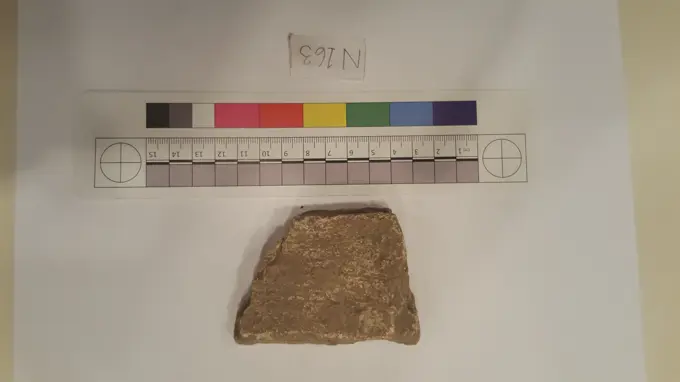
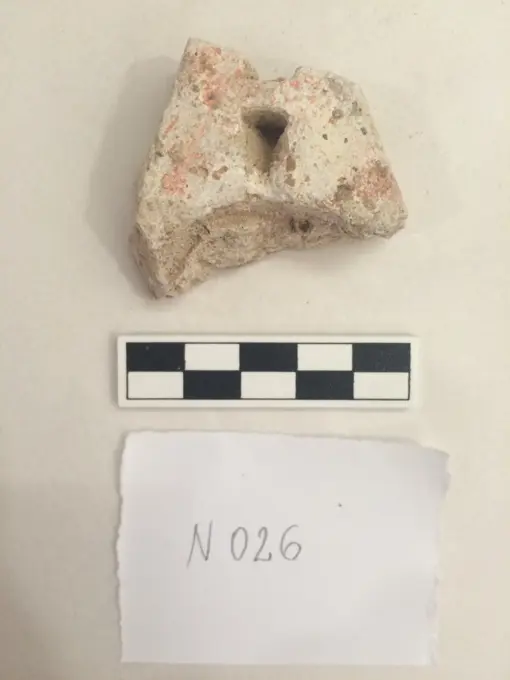
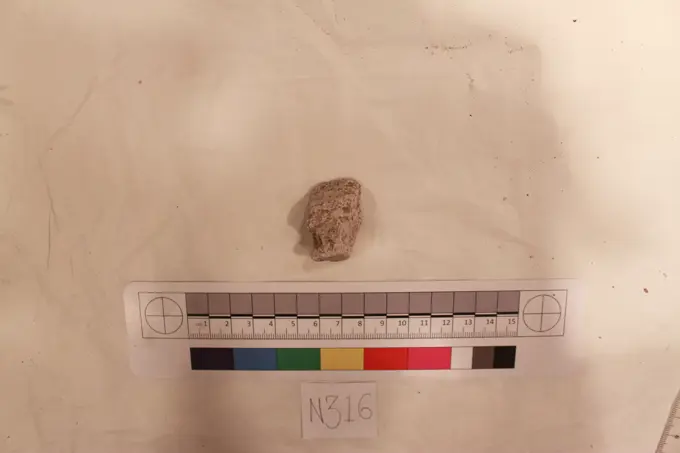
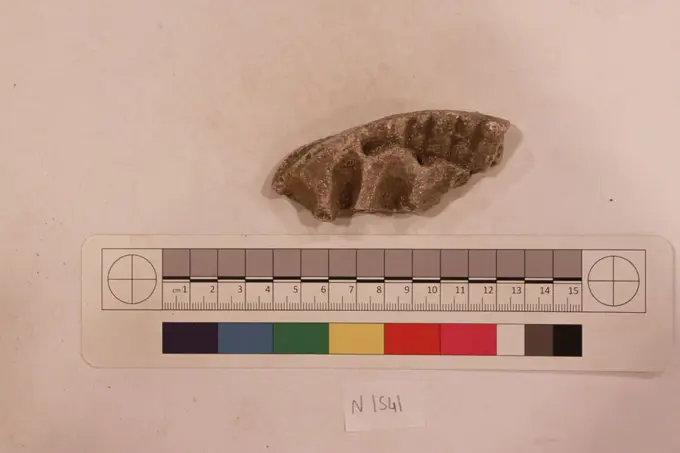
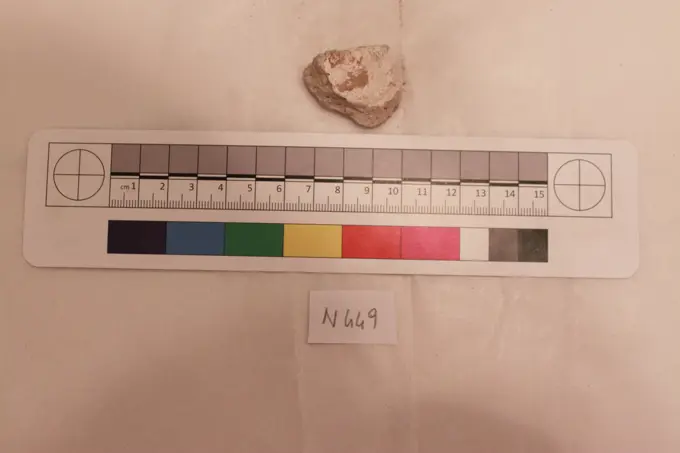
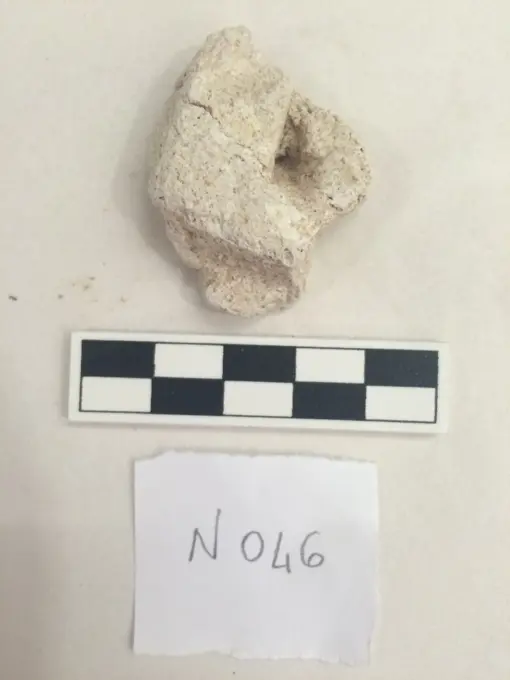
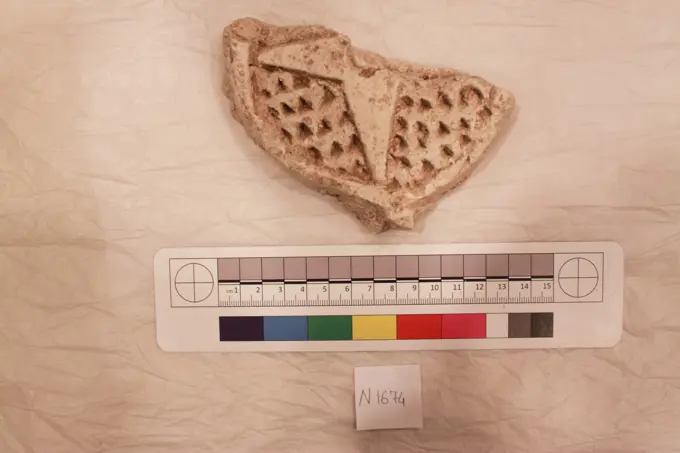
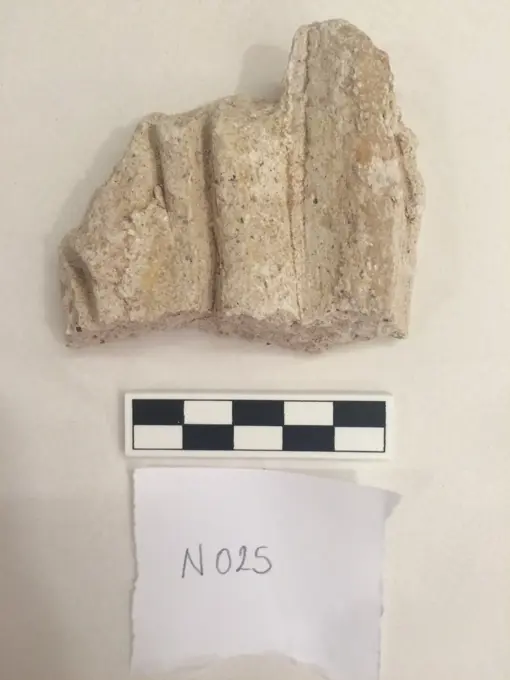
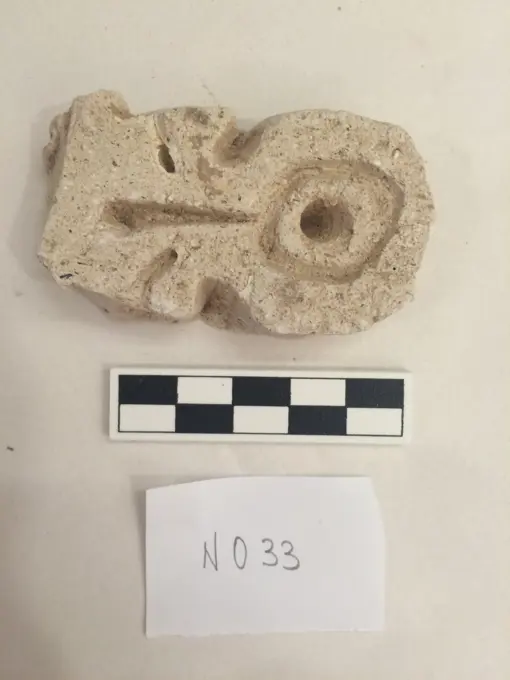
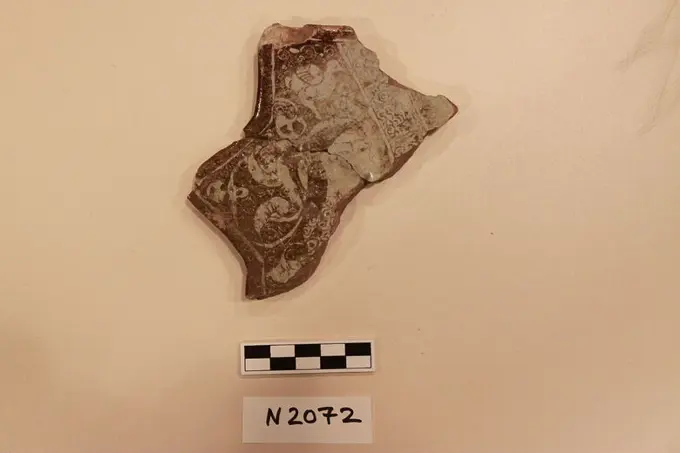
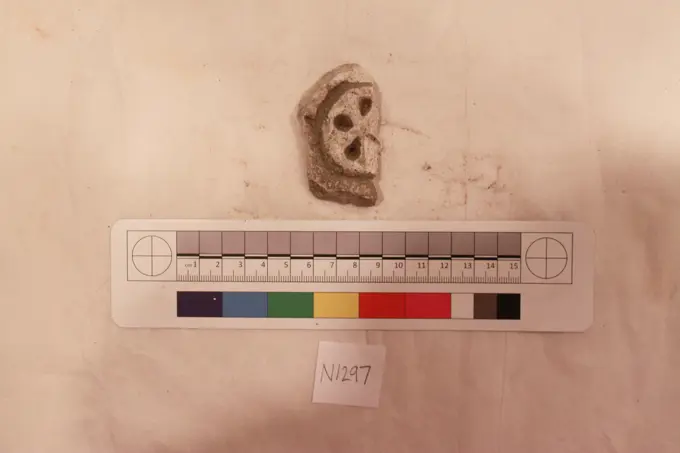
Close-up images of stucco fragments dating back to the 8th-12th century, displayed with measurement scales.

Stucco Fragment probably 8th-12th century. Stucco Fragment 740809
Fragment. Dimensions: L 3x W3 x H 2.5. Date: probably 8th-12th century. Museum: Metropolitan Museum of Art, New York, USA.Fragment. Dimensions: L 13 x W 11x H4. Date: probably 8th-12th century. Museum: Metropolitan Museum of Art, New York, USA.Stucco Fragment probably 8th-12th century. Stucco Fragment 741459Fragment. Dimensions: L 3 x W 1 x H 1.5. Date: probably 8th-12th century. Museum: Metropolitan Museum of Art, New York, USA.Stucco Fragment probably 8th-12th century. Stucco Fragment 740696Stucco Fragment probably 8th-12th century. Stucco Fragment 742120Fragment. Dimensions: L 6 x W 5 x H 2.5. Date: probably 8th-12th century. Museum: Metropolitan Museum of Art, New York, USA.Stucco Fragment probably 8th-12th century. Stucco Fragment 740871Stucco Fragment probably 8th-12th century. Stucco Fragment 742357Stucco Fragment probably 8th-12th century. Stucco Fragment 741205Stucco Fragment probably 8th-12th century. Stucco Fragment 741470Stucco Fragment probably 8th-12th century. Stucco Fragment 740838Stucco Fragment probably 8th-12th century. Stucco Fragment 741683Stucco Fragment probably 8th-12th century. Stucco Fragment 742104Fragment. Dimensions: L 6.5 cm x W 4 x H 1. Date: probably 8th-12th century. Museum: Metropolitan Museum of Art, New York, USA.Stucco Fragment probably 8th-12th century. Stucco Fragment 742286Fragment. Dimensions: L 3.5cm x W 2x H 2.5. Date: probably 8th-12th century. Museum: Metropolitan Museum of Art, New York, USA.Fragment. Dimensions: L 8.5 x W 3.5 x H 2. Date: probably 8th-12th century. Museum: Metropolitan Museum of Art, New York, USA.Stucco Fragment probably 8th-12th century. Stucco Fragment 741816Stucco Fragment probably 8th-12th century. Stucco Fragment 741114Stucco Fragment probably 8th-12th century. Stucco Fragment 741971Tremolite. minerals. North America; USA; Connecticut; Fairfield County; Danbury, Beaver Brook District; Agstone QuarryFragment. Dimensions: L 5.5cm x W 3.5 x H 2. Date: probably 8th-12th century. Museum: Metropolitan Museum of Art, New York, USA.Stucco Fragment probably 8th-12th century. Stucco Fragment. probably 8th-12th century. stucco; carved; painted. Excavated in Iran, Nishapur. StuccoCeramic fragment. Dimensions: 8.5 x 8.1 cm. Date: 8th-12th century. Museum: Metropolitan Museum of Art, New York, USA.Fragment. Dimensions: L 5-11x W 4-5x H 2. Date: probably 8th-12th century. Museum: Metropolitan Museum of Art, New York, USA.Fragment. Dimensions: L 5.5cm x W 5 x H 1.5. Date: probably 8th-12th century. Museum: Metropolitan Museum of Art, New York, USA.Stucco Fragment probably 8th-12th century. Stucco Fragment 741142Fragment. Dimensions: L 3.5 cm x W 2.5 x H 1.5. Date: probably 8th-12th century. Museum: Metropolitan Museum of Art, New York, USA.Stucco Fragment probably 8th-12th century. Stucco Fragment 741842Fragment. Dimensions: L 7 x W 5.5 x H 2. Date: probably 8th-12th century. Museum: Metropolitan Museum of Art, New York, USA.Stucco Fragment probably 8th-12th century. Stucco Fragment 740716Fragment ca. 1150-ca. 1250 European or Middle Eastern. Fragment 696585Stucco Fragment probably 8th-12th century. Stucco Fragment 741760Fragment. Dimensions: L 1 cm x W 0.5x H 0.5. Date: probably 8th-12th century. Museum: Metropolitan Museum of Art, New York, USA.Fragment. Dimensions: L 6 x W 2 x H 2. Date: probably 8th-12th century. Museum: Metropolitan Museum of Art, New York, USA.Fragment. Dimensions: 2 x 1.5 x 2. Date: probably 8th-12th century. Museum: Metropolitan Museum of Art, New York, USA.Ceramic fragment. Dimensions: 3.79 cm x 3.92 cm. Date: 8th-12th century. Museum: Metropolitan Museum of Art, New York, USA.Stucco Fragment probably 8th-12th century. Stucco Fragment 741507Stucco Fragment probably 8th-12th century. Stucco Fragment 740694Fragment. Dimensions: 4 x 2.5 x 2. Date: probably 8th-12th century. Museum: Metropolitan Museum of Art, New York, USA.Fragment. Dimensions: L 4 x W 2 x H 1. Date: probably 8th-12th century. Museum: Metropolitan Museum of Art, New York, USA.Stucco Fragment probably 8th-12th century. Stucco Fragment 740720Fragment. Dimensions: L 3.5 x W 2 x H 1.5. Date: probably 8th-12th century. Museum: Metropolitan Museum of Art, New York, USA.Fragment. Dimensions: L 4 cm x W 2 x H 2. Date: probably 8th-12th century. Museum: Metropolitan Museum of Art, New York, USA.Fragment. Dimensions: L 3x W2.5 x H 1.5. Date: probably 8th-12th century. Museum: Metropolitan Museum of Art, New York, USA.Stucco Fragment probably 8th-12th century. Stucco Fragment 740957Fragment. Dimensions: 4.5 x 2.5 x 2. Date: probably 8th-12th century. Museum: Metropolitan Museum of Art, New York, USA.Fragment. Dimensions: L 10.5cm x W 9.5 x H 2. Date: probably 8th-12th century. Museum: Metropolitan Museum of Art, New York, USA.Fragment. Dimensions: L 2.5 x W 1 x H 1.5. Date: probably 8th-12th century. Museum: Metropolitan Museum of Art, New York, USA.Ceramic fragment. Dimensions: 4.0 x 4.19 cm. Date: 8th-12th century. Museum: Metropolitan Museum of Art, New York, USA.Fragment. Dimensions: L 5.5cm x W 2.5x H 2.5. Date: probably 8th-12th century. Museum: Metropolitan Museum of Art, New York, USA.Stucco Fragment probably 8th-12th century This object was excavated at Nishapur.Nishapur was a vital city in the early and middle Islamic periods, located along one of the main trajectories that connected Iran and West Asia Islamic lands with Central Asia and China. These itineraries are often referred to by the term Silk routes’ but were in fact crucial to the movement of constellations of materials and objects, as well as people and ideas. The diverse population of Nishapur and its surroundings, from the better-researched elite groups of merchants, land-owning aristocracy, and literates, to the less-known artisans, farmers, miners, and servants, were instrumental in adapting global cultural trends to create their own distinctive visual languages. This is seen in the material remains of everyday life in medieval Nishapur - from pots and pans to lighting devices, inkwells, textiles and trimmings, jewelry, games and toys, talismanic devices, weapons, coins, and architectural fragments.Fragment. Dimensions: L 8.5 cm x W 7.5 x H 3. Date: probably 8th-12th century. Museum: Metropolitan Museum of Art, New York, USA.Fragment. Dimensions: L 2 cm x W 1 x H 1.5. Date: probably 8th-12th century. Museum: Metropolitan Museum of Art, New York, USA.Stucco Fragment probably 8th-12th century This object was excavated at Nishapur.Nishapur was a vital city in the early and middle Islamic periods, located along one of the main trajectories that connected Iran and West Asia Islamic lands with Central Asia and China. These itineraries are often referred to by the term Silk routes’ but were in fact crucial to the movement of constellations of materials and objects, as well as people and ideas. The diverse population of Nishapur and its surroundings, from the better-researched elite groups of merchants, land-owning aristocracy, and literates, to the less-known artisans, farmers, miners, and servants, were instrumental in adapting global cultural trends to create their own distinctive visual languages. This is seen in the material remains of everyday life in medieval Nishapur - from pots and pans to lighting devices, inkwells, textiles and trimmings, jewelry, games and toys, talismanic devices, weapons, coins, and architectural fragments.Ceramic fragment. Dimensions: 11 x 7.3 cm. Date: 8th-12th century. Museum: Metropolitan Museum of Art, New York, USA.Fragment. Dimensions: L 5.5cm x W 5 x H 2. Date: probably 8th-12th century. Museum: Metropolitan Museum of Art, New York, USA.Ceramic fragment. Dimensions: 3.04 x 4.23 cm. Date: 8th-12th century. Museum: Metropolitan Museum of Art, New York, USA.Fragment. Dimensions: 2.5 x 1.5 x 2.5. Date: probably 8th-12th century. Museum: Metropolitan Museum of Art, New York, USA.Fragment. Dimensions: L 6 cm x W 4 x H 2. Date: probably 8th-12th century. Museum: Metropolitan Museum of Art, New York, USA.Stucco Fragment probably 8th-12th century. Stucco Fragment 741096Fragment. Dimensions: L 21.5 x W 20 x H 3. Date: probably 8th-12th century. Museum: Metropolitan Museum of Art, New York, USA.Fragment. Dimensions: 4 x 3 x 2. Date: probably 8th-12th century. Museum: Metropolitan Museum of Art, New York, USA.Ceramic fragment. Date: 8th-12th century. Museum: Metropolitan Museum of Art, New York, USA.Fragment. Dimensions: L 5x W 2.5x H 1.5. Date: probably 8th-12th century. Museum: Metropolitan Museum of Art, New York, USA.Stucco Fragment probably 8th-12th century. Stucco Fragment 741497Ceramic fragment. Dimensions: Base D. 5 x H. 1.1 cm. Date: 8th-12th century. Museum: Metropolitan Museum of Art, New York, USA.Fragment. Dimensions: 4 x 2.5 x 1.5. Date: probably 8th-12th century. Museum: Metropolitan Museum of Art, New York, USA.Ceramic fragment. Dimensions: 3.58 cm x 2.3 cm. Date: 8th-12th century. Museum: Metropolitan Museum of Art, New York, USA.Fragment. Dimensions: L 5 cm x W 3.5 x H 2.5. Date: probably 8th-12th century. Museum: Metropolitan Museum of Art, New York, USA.Colorful decorative objects in the shape of a heart