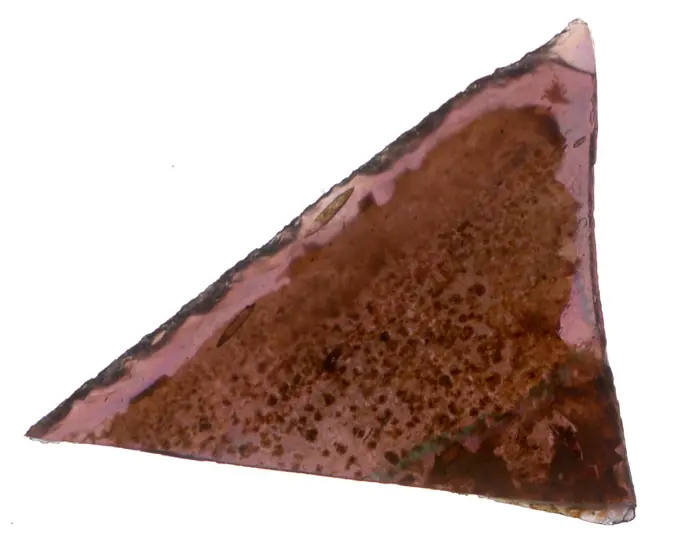
Archaeological Fragments

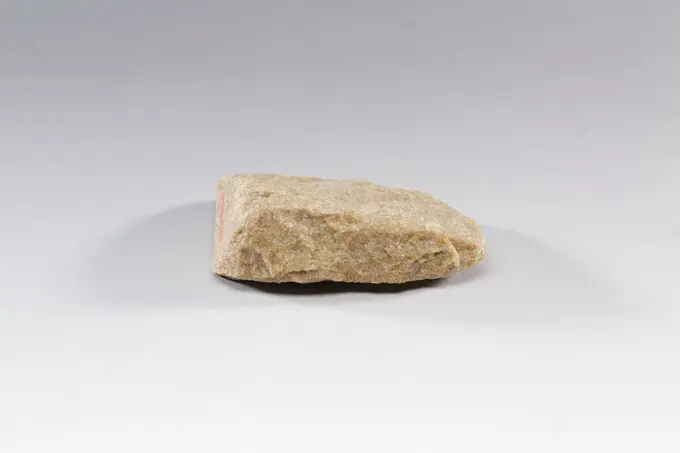
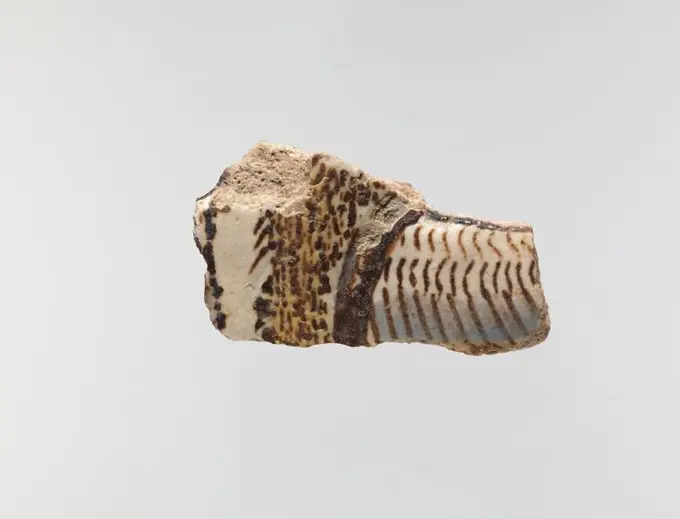
Fragments of historical pottery and stone objects, showcasing intricate designs and textures, highlighting their archaeological significance and craftsmanship.
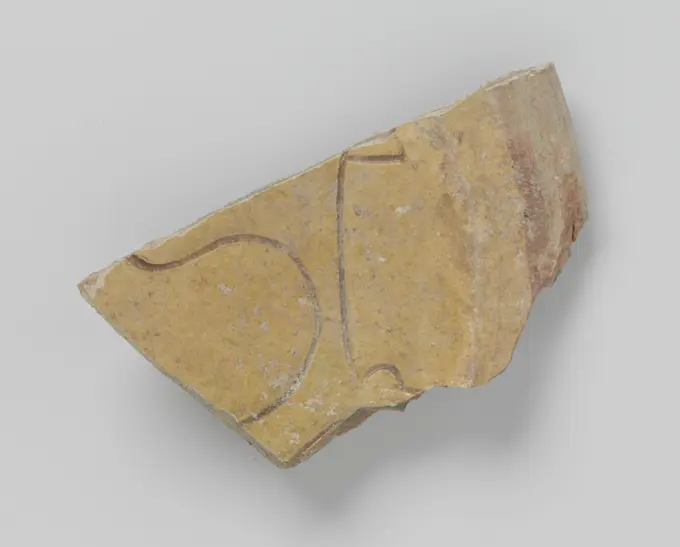
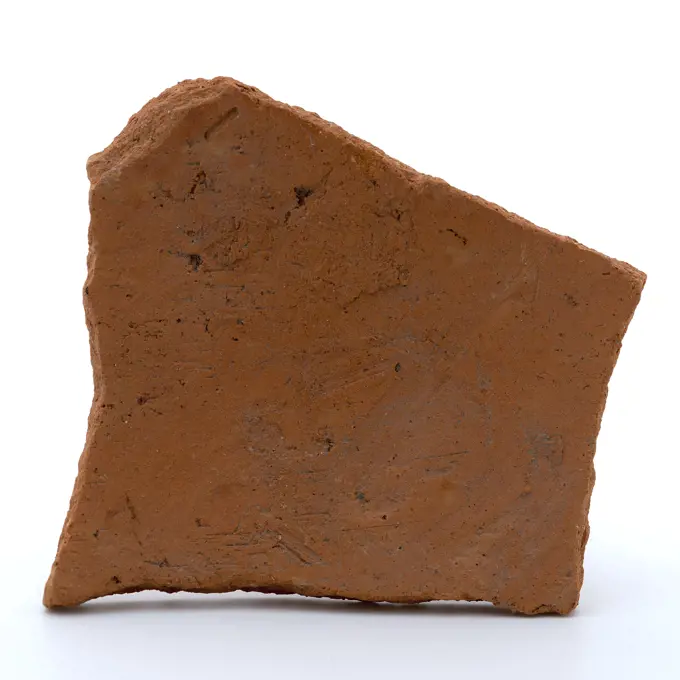
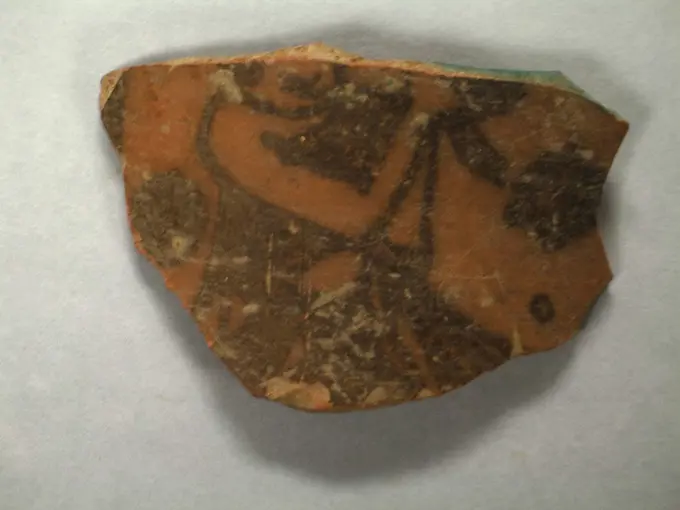
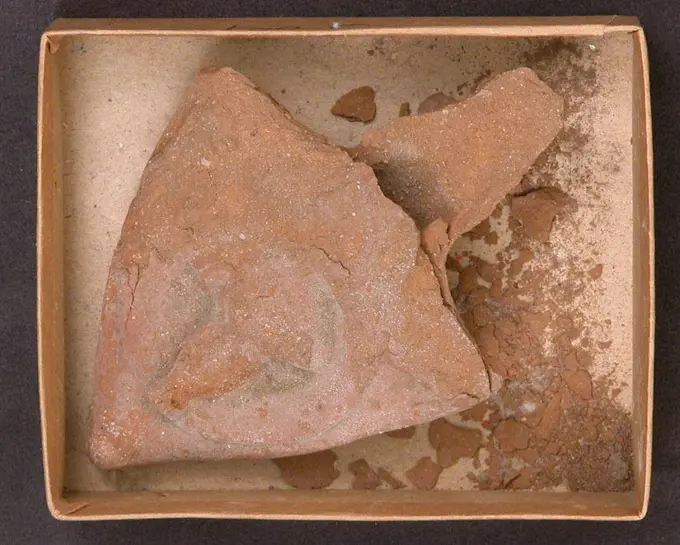
Sharf of red clay with white sludge layer in lead glaze, anonymous, c. 1625 - c. 1725 Sharp of red clay with white sludge layer in lead glaze, in which an ornament scratches. Found in London, Middlesex Street near Liverpool Street Station. England (possibly) earthenware. lead glaze Sharp of red clay with white sludge layer in lead glaze, in which an ornament scratches. Found in London, Middlesex Street near Liverpool Street Station. England (possibly) earthenware. lead glaze
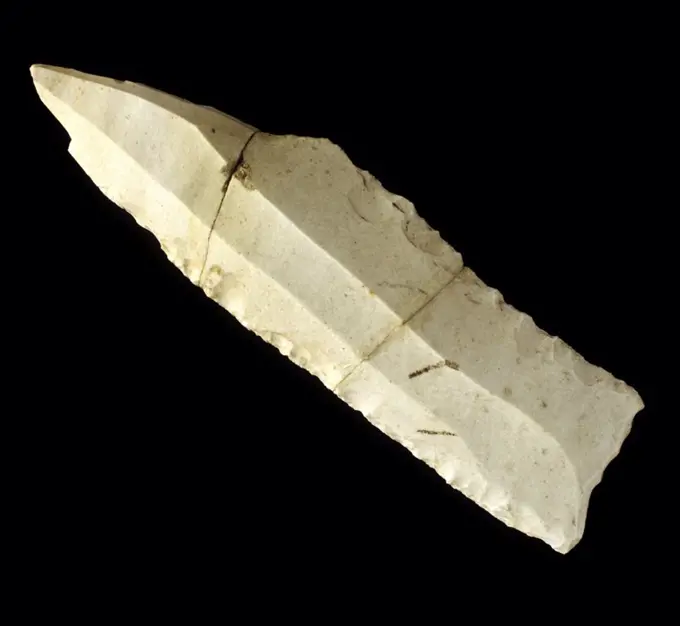
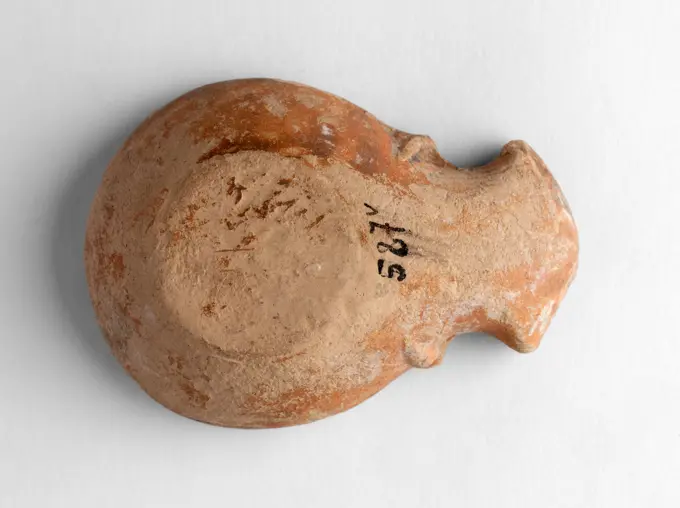
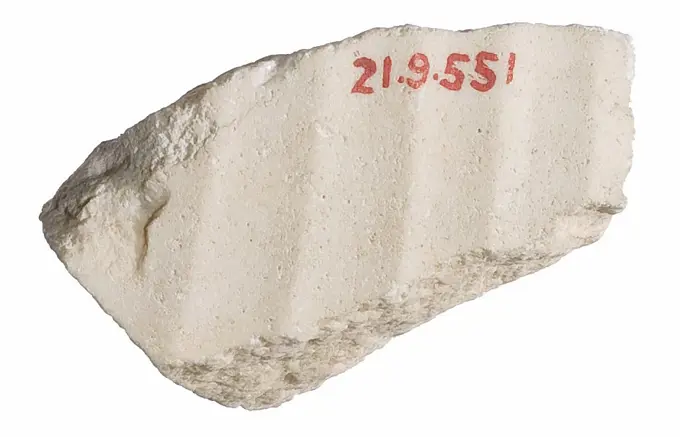
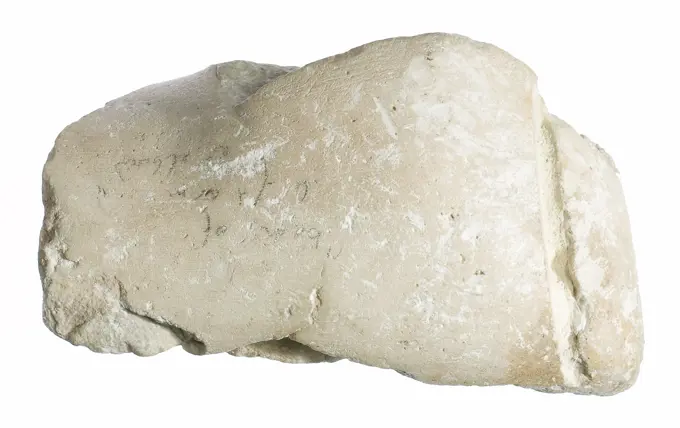
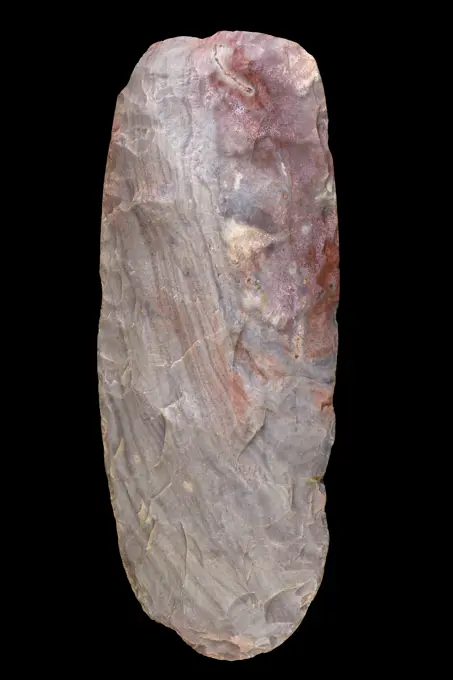
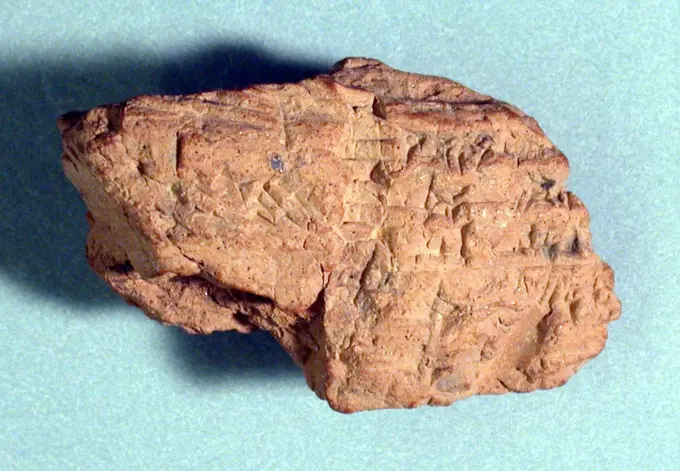
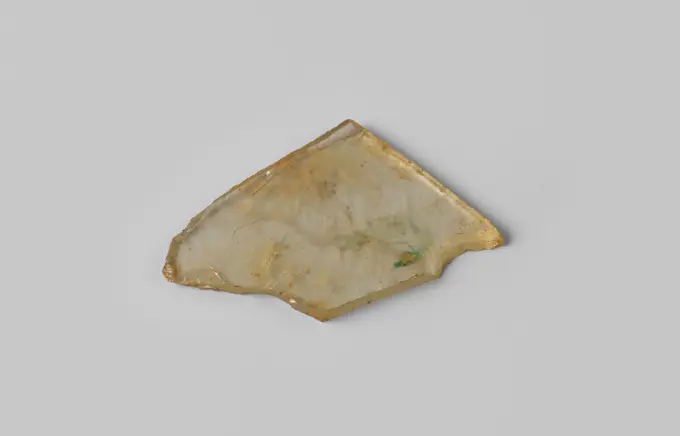
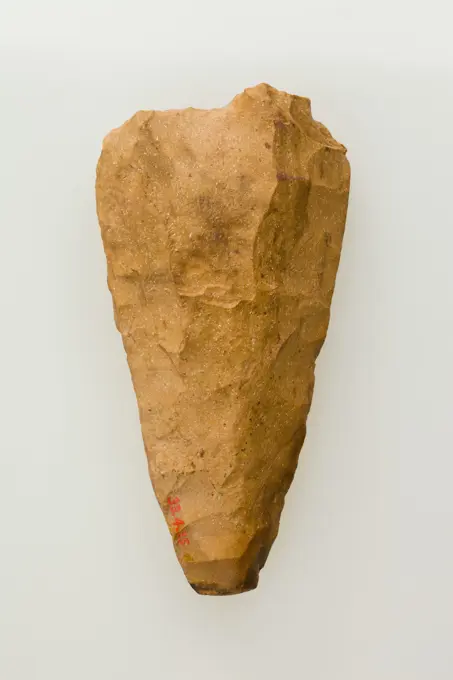
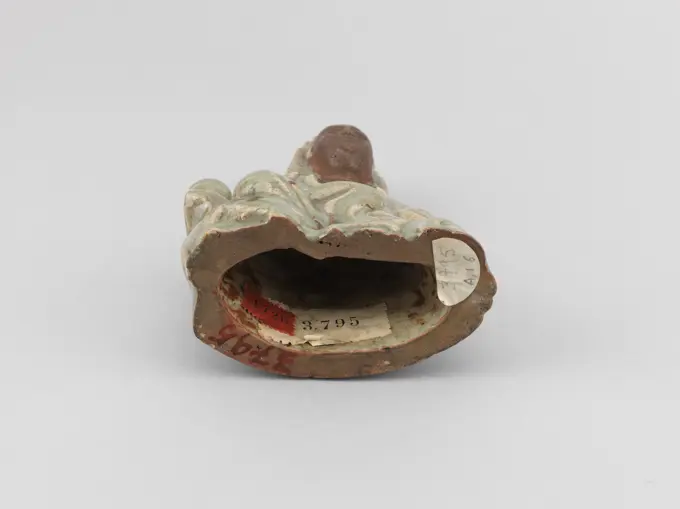
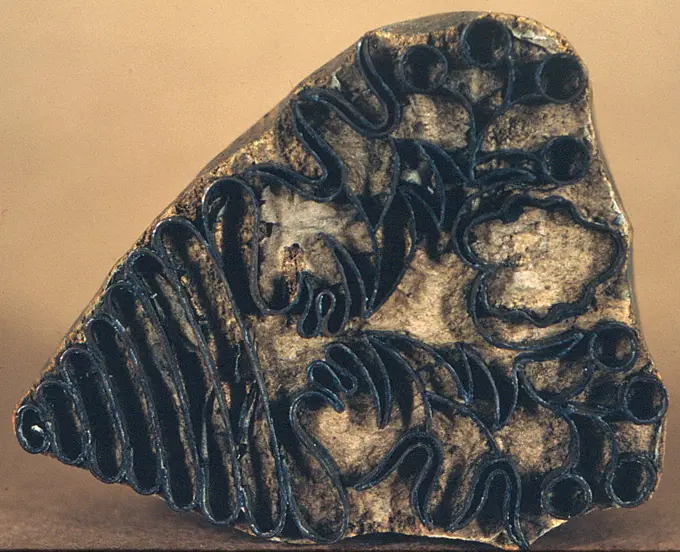
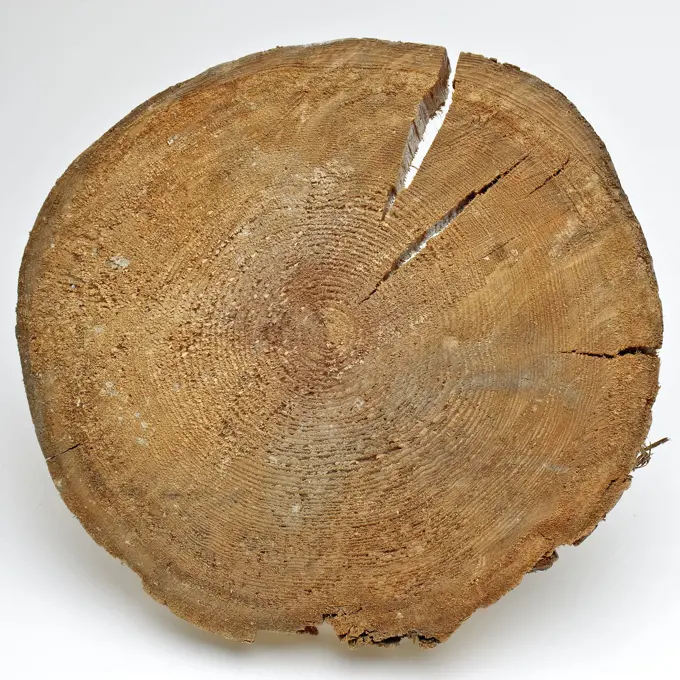
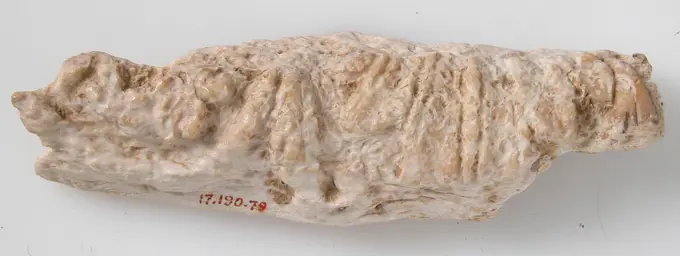
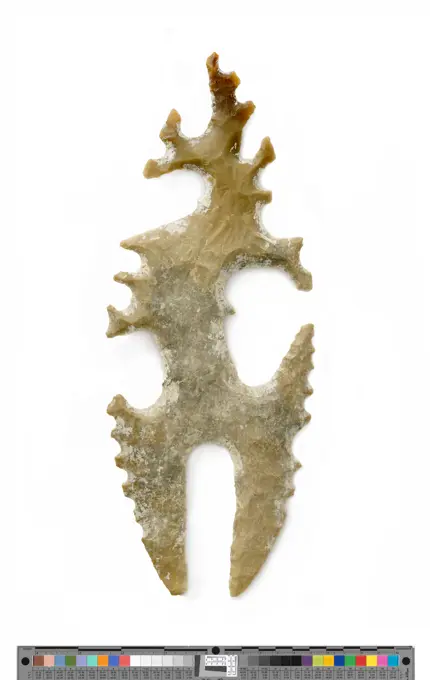
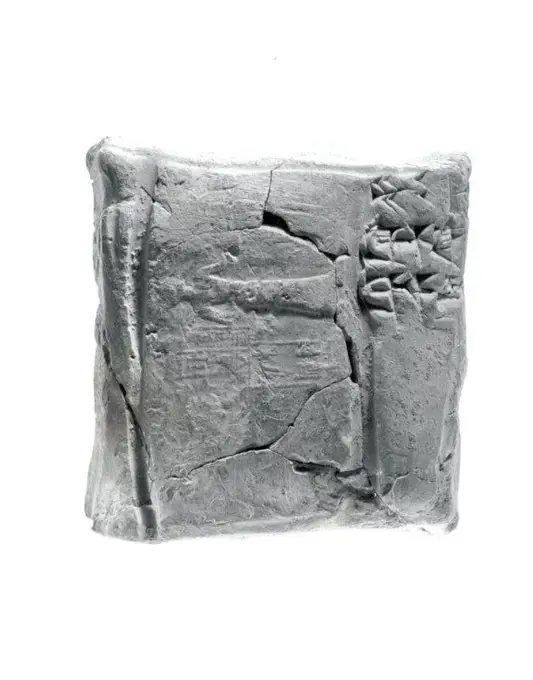
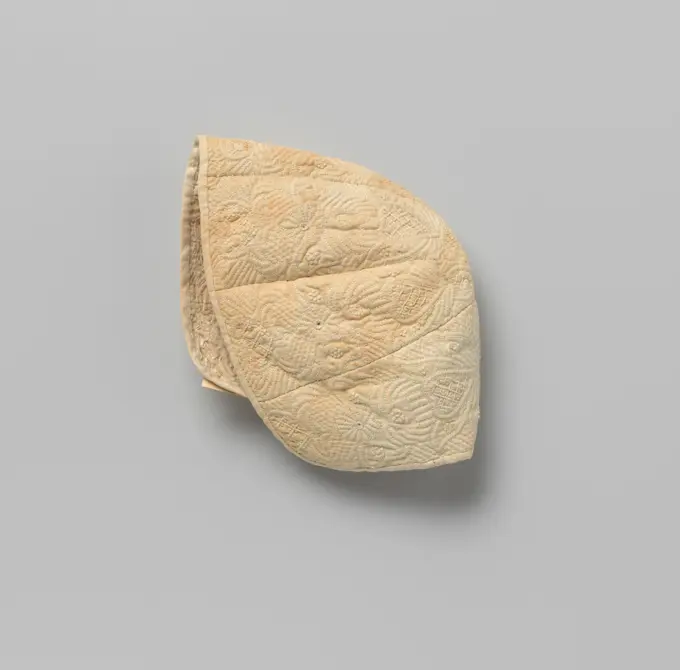
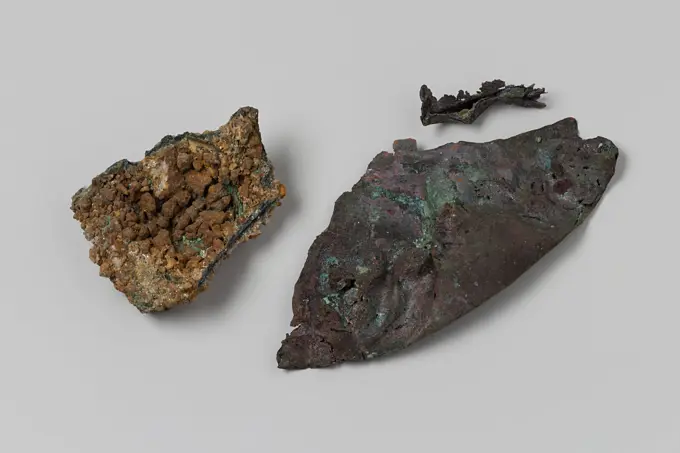
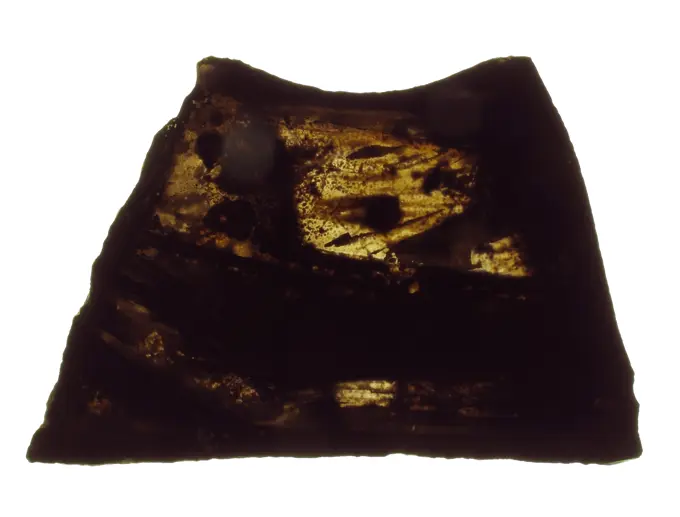
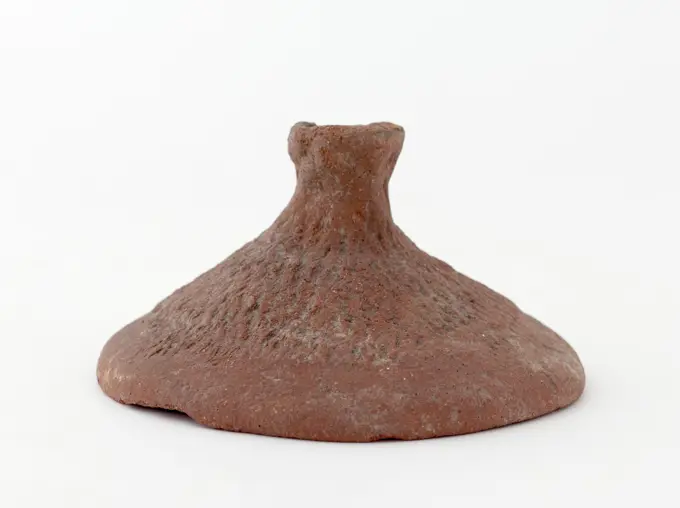
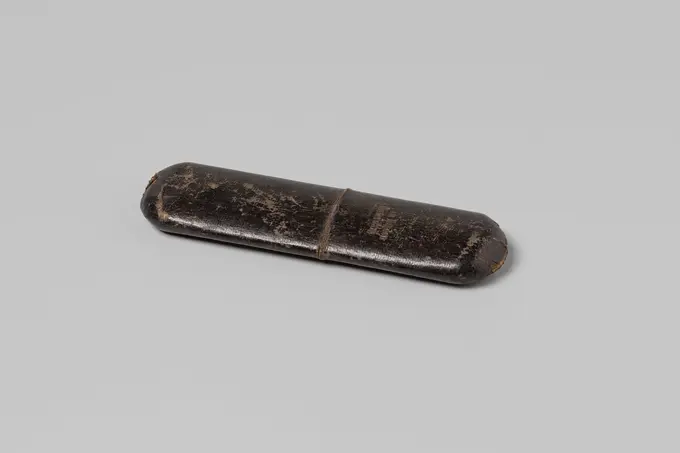
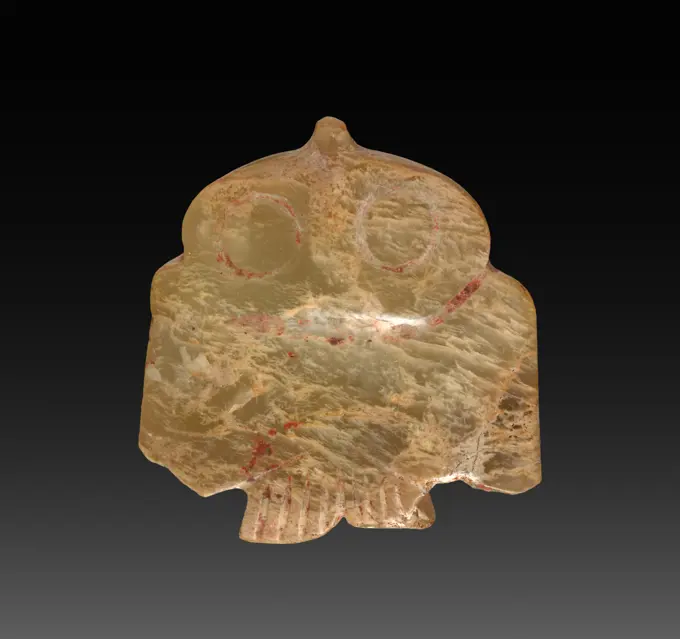
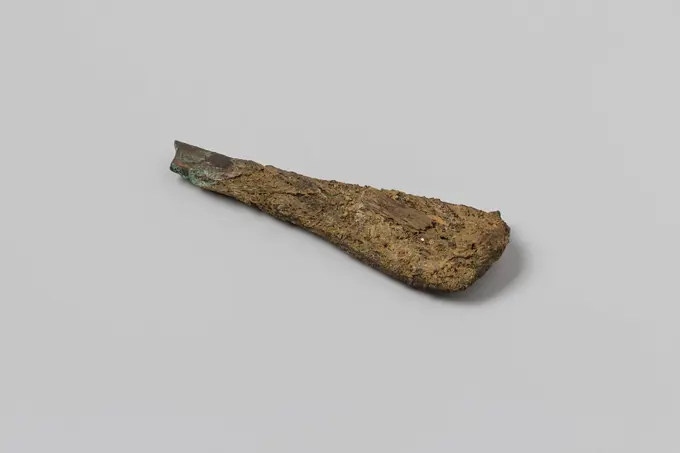
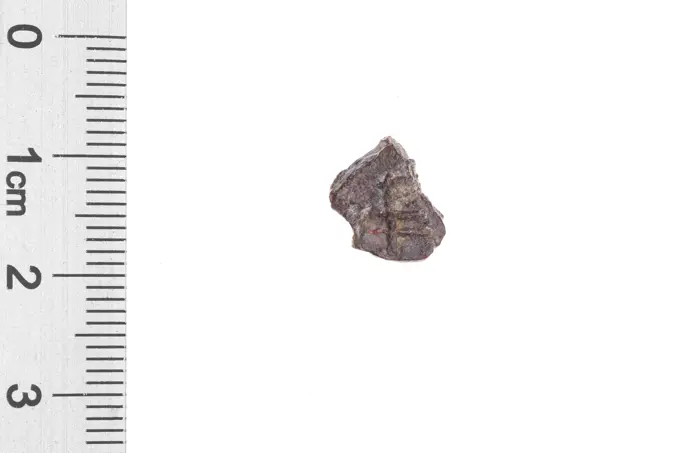
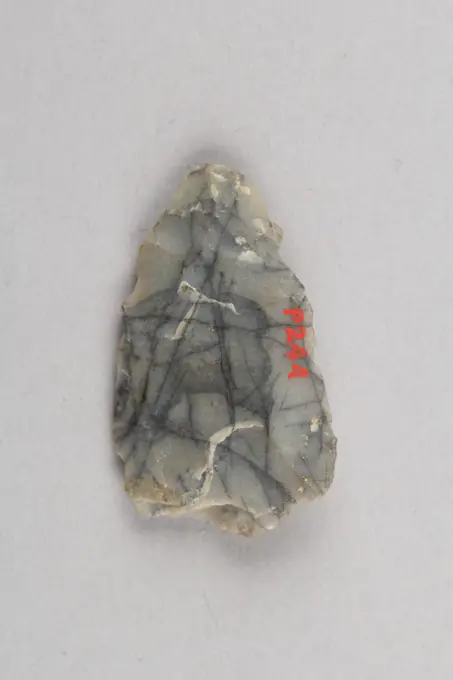
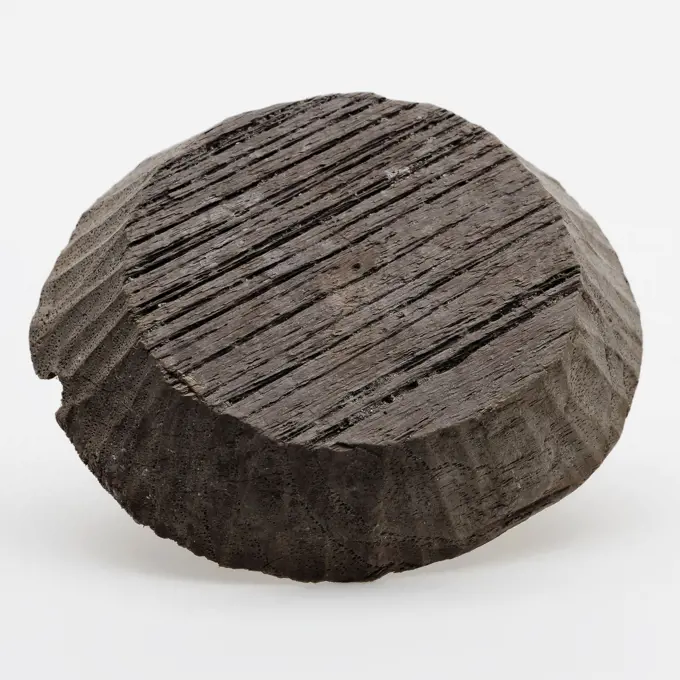
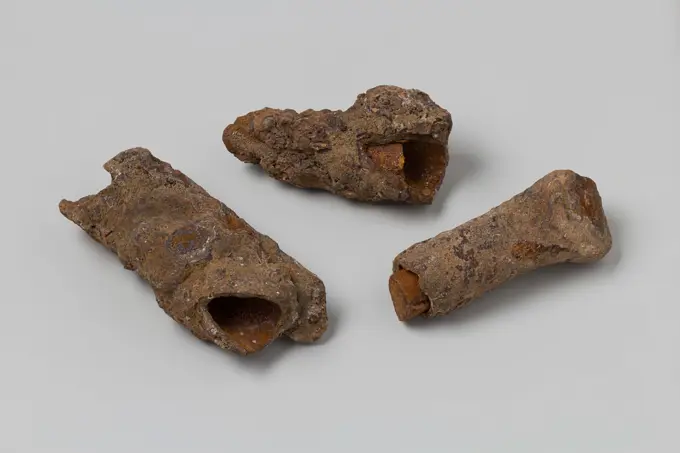
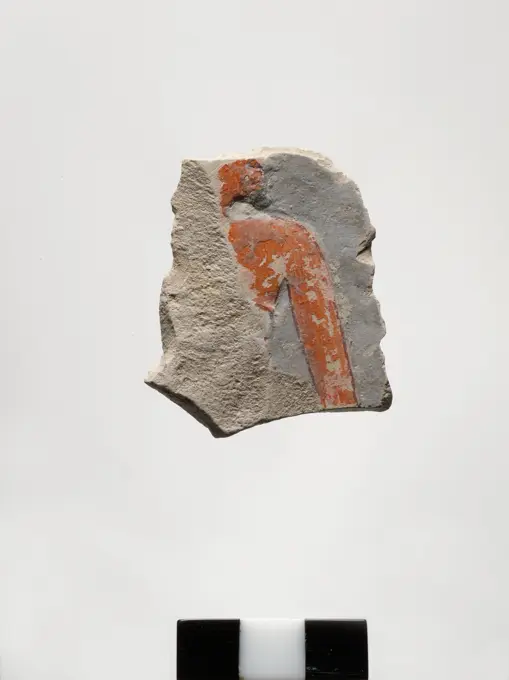
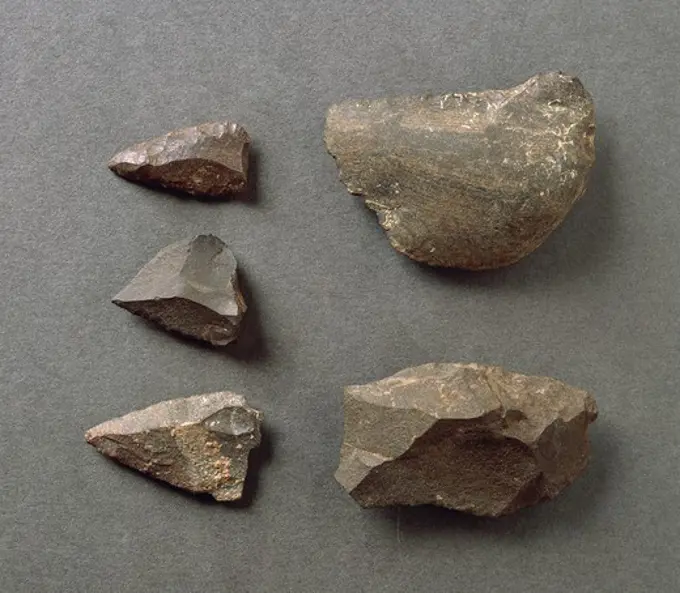
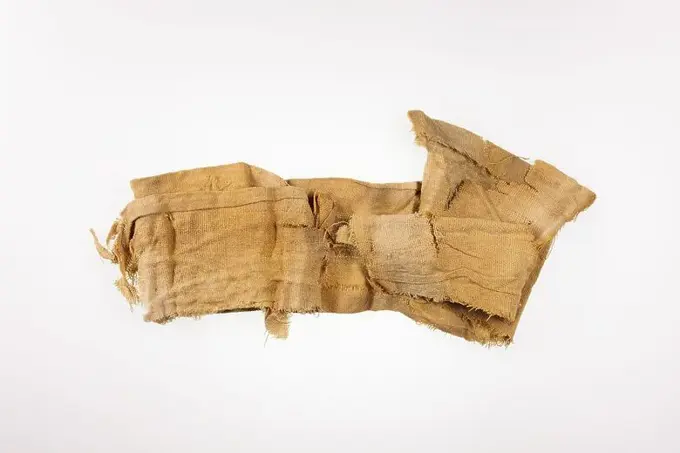
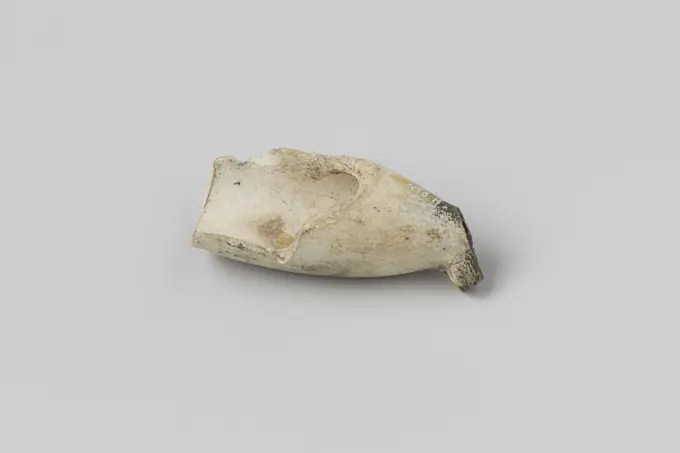
Fragment blowjob from the wreck of the East India Hollandia.Pipe, Bowl, Whole Market: Fish, Flounder; Fragm, 2HSM1.6.AJUAR PALEOLITICO: BURIL SOBRE HOJA AURIÑACIENSE DE LA CUEVA DEL EL PENDO (DEPOSITO: MUSEO ARQUEOLOGICO NACIONAL).Oil lamp. Terracotta. High Empire. Quadrifolié motif inscribed in a circle. Capitan collection. Paris, Carnavalet museum. Below, high-Empire, oil lamp, terracottaBody with garment, pleating ca. 1353-1336 B.C. New Kingdom, Amarna Period. Body with garment, pleating 550029Fragment Pijpenkop, Anonymous, 1600 - 1699 Fragment pipe head with two dotted flowers. Of the excavations on the Hofstede Arentsburg 1827-1831 under the supervision of Professor Reuvens. Netherlands pipe clay Fragment pipe head with two dotted flowers. Of the excavations on the Hofstede Arentsburg 1827-1831 under the supervision of Professor Reuvens. Netherlands pipe clayCast Pendant. UnknownElbow ca. 1353-1336 B.C. New Kingdom, Amarna Period. Elbow 549846Rubbing Stone. Dimensions: l. 3-9.5 cm (1 3/16-3 3/4 in). Dynasty: Dynasty 18. Reign: Joint reign of Hatshepsut and Thutmose III. Date: ca. 1479-1458 B.C.. Museum: Metropolitan Museum of Art, New York, USA.Small pisolitic bauxite axe. Culture: Cretan. Dimensions: 2 1/4 in. x 1 3/4 in. (5.7 x 4.4. cm). Date: 5th-4th millennium B.C..Celt. Museum: Metropolitan Museum of Art, New York, USA.Fragment of red pottery, partly with glaze, fragment crockery holder kitchen utensils earthenware ceramics earthenware glaze lead glaze, hand-formed hand-turned baked Fragments of red pottery Frying pans jars pots grass and bottom of small jug Spicy or only partly glazed with lead glaze archeology Rotterdam Stadscentrum Stadsdriehoek Hoogstraat indigenous pottery water washing cooking nutrition food preparation handicraft pottery Bottomvondst Hoogstraat Rotterdam 15 June 1983.Ax cut in pink jasper. Neolithic period. North Africa. 16 cm.Fragment; (possibly) belonging to the Retable of Soest. .Glass Fragment 13th-14th century French (). Glass Fragment. French (). 13th-14th century. Colorless glass. Glass-StainedFragment of a solid clay barrel cylinder inscribed with an unidentified hymn ca. mid 1st millennium B.C.. Fragment of a solid clay barrel cylinder inscribed with an unidentified hymn 322092Relief fragment, tomb of Meketre ca. 1981-1975 B.C. Middle Kingdom. Relief fragment, tomb of Meketre 667737Grape or round button of a crank drill, anonymous, c. 1590 - c. 1596 drill Grape or round button of a crank drill. The grape may belong to NG-NM-7775.  wood (plant material) cutting  Nova Zembla. Saving HuysGlass pendant in the form of a bunch of grapes late 2nd-1st century B.C. Greek, Eastern Mediterranean Colorless.Pendant shaped like an elongated bunch of grapes; integral large suspension loop at top with projecting spur above and horizontal hole through one half of mold. Vertical mold seams visible at sides and over loop.Intact, but slightly chipped at top of one side; dulling and some soil encrustation.. Glass pendant in the form of a bunch of grapes. Greek, Eastern Mediterranean. late 2nd-1st century B.C.. Glass; cast in a two-part mold. Late Hellenistic. GlassTerracotta mold fragment ca. 40 B.C.-A.D. 60 Roman Youth with ax. This fragment has all the characteristics of a mold used to manufacture a relief bowl: faint horizontal striations indicating it was wheel made; incised designs on a concave surface; and no trace of glaze.. Terracotta mold fragment. Roman. ca. 40 B.C.-A.D. 60. Terracotta. Early Imperial. VasesFragment window from the wreck of the East Indians Hollandia, Anonymous, 1700 - in or Before 1743  Varied parts or fragments, window glass; fragm, broken, flat. Netherlands glass   SecondAx ca. 4500-4000 B.C. Neolithic Period, Buto-Merimda-Maadi This axe would have been used for woodworking, or possibly even tilling the soil. It would have been held in the hand or hafted to a wooden shaft.. Ax. ca. 4500-4000 B.C.. Flint. Neolithic Period, Buto-Merimda-Maadi. From Egypt, Western Delta, Merimda Beni Salama, Vienna Academy of Science excavations 1929-30Guanyin (common name). Sandstone, molding, cookie, celadon. Cernuschi Museum, Asia Museum of Asia in the city of Paris.Printing Block (USA); wood, copper, brassArm fragment ca. 1353-1336 B.C. New Kingdom, Amarna Period. Arm fragment 550030Kemirinot from V.O.C. ship De 'Witte Leeuw', Before 1613 nut (plant material) Kemirinot from V.O.C.-ship De 'Witte Leeuw'  nut (plant material)   Sint-HelenaFish Ornament 11th-12th century Peru; central coast (). Fish Ornament 308824Boulder, stone, cropped, white background, studio shotRod. Matrix of medal Queen Marie-Amélie. Metal, steel. Nineteenth century. Museum of Fine Arts of the City of Paris, Petit Palais. 58767-10 Steel, medal, metal, inventory number, numismatics, reverse, 19th centuryDisc foundation pile of the Schielandshuis, fragment wooden construction part timber pine wood 23,2 w 4,2 Disc of foundation pile from the foundation of the Schieland House. Grenen Rotterdam Stadscentrum Stadsdriehoek Schielandshuis bouw Taken as sample for research into the foundation of the Schielandshuis in the south-west corner under the groundwater mirror.Bull Head Amulet. Egypt, New Kingdom (circa 1569 - 1081 BCE). Jewelry and Adornments; amulets. FaienceSpecification with print tobacco box from the wreck of the East Indians Hollandia, 1700 - in or before 1743 concretionary stone Parts of artefacts; eroded fragments: materials; lump, containing imprint of engraving, sim. tobacco box 80H339. Netherlands concretionary stone   SecondRelief Fragment with Floral Design 6th-7th century Coptic. Relief Fragment with Floral Design 464652 Coptic, Relief Fragment with Floral Design, 6th7th century, Ivory, Overall: 3 1/4 x 1 x 9/16 in. (8.3 x 2.5 x 1.4 cm). The Metropolitan Museum of Art, New York. Gift of J. Pierpont Morgan, 1917 (17.190.79)Attic Black-Figure Neck Amphora Fragment. UnknownScherf of a jug of the wreck of the East Indians Hollandia, Anonymous, 1700 - in or Before 1743  Stoneware, Rhenish, Frechen-ware, jug; fragm of body. Cologne stoneware   SecondPolishing Stone 4th-7th century Coptic. Polishing Stone 479215Unattributed Trebizond Coin. UnknownPoint in chipped stone. Neolithic period. North Africa. 4,4 cm.Anthropomorphic Eccentric Flint. Belize, Guatemala, Honduras, or Mexico, Maya, 600-900 CE. Stone. ChertVase fragment Minoan. Vase fragment 247652Scarab Finger Ring of Ramesses II ca. 1295-1070 B.C. New Kingdom, Ramesside. Scarab Finger Ring of Ramesses II 550647Frog, c. 1300 - c. 1500 Frog, probably from lead. Indonesia lead (metal) Frog, probably from lead. Indonesia lead (metal)Fragment. Culture: European or Middle Eastern. Dimensions: L. 1 1/4 in. (3.2 cm). Date: ca. 1150-ca. 1250. Museum: Metropolitan Museum of Art, New York, USA.Relief fragment, tomb of Meketre Middle Kingdom ca. 1981-1975 B.C.Shard: Torso of Offerer ca. 4th-5th century Pakistan. Shard: Torso of Offerer 51262Grahal-Manzara. Carnavalet 2013-2016 collection sites. Numismatics.Plate. Jade, China, Han dynasty (206 BC AP.J.-C.). Paris, Cernuschi museum. Asian art, Chinese art, han, jade dynasty, plaqueCuneiform tablet case impressed with cylinder seal, for cuneiform tablet 11.217.7a: record of the account of Bamu ca. 2048 B.C. Neo-Sumerian. Cuneiform tablet case impressed with cylinder seal, for cuneiform tablet 11.217.7a: record of the account of Bamu 328909Fragments of wall and rim of bandwurmbeker, drinking cup drinking vessel holder soil find glass, hand-blown glass application Fragments of wall and rim of bandwurmbeker in clear colorless glass On wall (from bottom to edge) continuous clockwise spinning colorless convex glass wire laid of which seven windings remain Wall goes up almost horizontally and widens around 2.1 cm from edge archeology Rotterdam rail tunnel drinking beer Soil discovery: rail tunnel Rotterdam.Tile from marsh scene. Dimensions: H. 5 × W. 2.8 cm (1 15/16 × 1 1/8 in.). Dynasty: Dynasty 18. Reign: reign of Akhenaten. Date: ca. 1353-1336 B.C.. Museum: Metropolitan Museum of Art, New York, USA.Children's hat of linen, with Zaans stitching and embroidery, anonymous, c. 1700 - c. 1800 Children's hat of stitched linen. Zaans stitching. Netherlands linen (material) embroidering Children's hat of stitched linen. Zaans stitching. Netherlands linen (material) embroideringFragmentary marble grave stele end of the 6th century B.C. Greek, Attic The piece preserves part of the two feet of a figure that was depicted against a red background. The outlines and inner markings that are now white were originally black.. Fragmentary marble grave stele 249059Fragments of crockery from the wreck of the East India Hollandia.parts or artifacts; eroded fragments: Materials; Copper.Glass Fragment 15th century European. Glass Fragment. European. 15th century. Pot metal glass. Glass-StainedConical shaped lid. Terracotta. Vietnam-Xe-Xive s. Paris, Cernuschi museum. 72186-36 Lid, conical shape, Vietnamese object, terracottaAttic krater fragment depicting legs of a runningfigureWood glasses of wood () From outside past with brown leather and inside with blue velvet. Wood glasses of wood () From outside past with brown leather and inside with blue velvet. The opening is like the jaw of a hose with a cover along which a copper strap is set. On the sleeve: 'A.van Emden / Amsterdam'. Associated with Glasses BK-1978-429-A.Bird in Flight, 13th-11th Century BC. China, Shang dynasty (c.1600-c.1046 BC). Jade; overall: 2.1 cm (13/16 in.).Fragment stem from fork or spoon from the wreck of the East Indiesman Hollandia. Cutlery, fragment: voice or fork or spoon; Fragm, Sim. NG 1980-27H518.Drohiczyn seal. unknown, managerArrowhead ca. 9th century B.C. Iran. Arrowhead 326196Arrowhead Japan. Arrowhead 62430raw chalk white limestone rock isolated closeup of sample of natural mineral from geological collection - raw chalk white limestone rock isolated on white background Copyright: xZoonar.com/ValeryxVoennyyx 14990582Norwidzki; Szyndler, Pantaleon (1846-1905); after 1860 (1860-00-00-1870-00-00);gift (provenance)Terracotta fragment of a cup with spiral and bands. Culture: Minoan. Dimensions: Overall: 1 5/16 x 1 5/16in. (3.3 x 3.3cm). Date: ca. 1800-1700 B.C..From Knossos, CretePolychrome fragment, spiral ornament and white and orange bands. Museum: Metropolitan Museum of Art, New York, USA.Pendant, spear point. Pendant, spear point 243075Fragment of a Lamp 1st-2nd century. Fragment of a Lamp. 1st-2nd century. Earthenware. Attributed to Syria. CeramicsPersia Fruit Mold ca. 1390-1353 B.C. New Kingdom. Persia Fruit Mold. ca. 1390-1353 B.C.. Pottery. New Kingdom. From Egypt, Upper Egypt, Thebes, Malqata, Palace of Amenhotep III, MMA excavations, 1910-11. Dynasty 18Fragment of a money pouch. Fragment of money pouch consisting of the top of the leather pocket with a hole for the closing gratters in every folding surface, after being folded, two zigzag rows are created. The pouch is closed by pulling the two closing greases. The leather type is inseparable. The suspension fitter or reinforcement pieces are not present, but the sewing details. The majority of the zig-saw folded edge is present. The length of the neck is entirely present. The suspension fitter or reinforcement pieces are not present, but the sewing details.Decorative batter from the wreck of the East India Hollandia. Fitting, decorative fitting or fragment; Fragm, flat, circular with scrolling outline, 2 curved lateral extensions broken off, 5 rivets in Central Part.Wooden stopper or lid, stop closure part ground find wood, sawn chiselled carved Wooden stopper or lid. Thick wooden stopper conical shape along the edge clear chisel spores archeology indigenous woodwork store transport store basement warehouseEarplug, one of 15, 15th century, 1 x 1 3/8 in. (2.54 x 3.49 cm), Jade, Mexico, 15th centuryFragments of a wooden pen from the wreck of the East Indied Flying Heart. Parts of a wooden pen are almost completely enclosed by concrete.Plaque in the Shape of a Cow Head. Egypt, New Kingdom (circa 1569 - 1081 BCE). Sculpture. FaienceRelief fragment from the tomb of Meketre ca. 1981-1975 B.C. Middle Kingdom. Relief fragment from the tomb of Meketre 669020Fragment of a wall decoration with wine jar ca. 6th century A.D. Sasanian Stucco reliefs were commonly used to decorate the iwans and reception halls of elite Sasanian houses. Many examples were found in excavated houses in the Ctesiphon area including this fragment from Maaridh V which probably depicts a wine jar. Found together with a stucco relief of a reclining figure 32.150.30, the two fragments most likely would have been part of a larger scene. The city of Ctesiphon was located on the east bank of the Tigris River, 20 miles (32 km) south of modern Baghdad in Iraq. It flourished for more than 800 years as the capital of the Parthians and the Sasanians, the last two dynasties to rule the ancient Near East before the Islamic conquest in the seventh century. Systematic excavations in the Ctesiphon area were undertaken by an expedition in 1928-29 sponsored by the German Oriental Society (Deutsche Orient-Gesellschaft). The Metropolitan Museum of Art and the Staatliche Museen, Berlin,Prehistory, Italy, Paleolithic. Scrapers and arrowheads. From the Grotto of the Madonna dell'Arma, Sanremo, province of Imperia.Drohiczyn seal. unknown, managerBrown glazed floor tile, anonymous, c. 1400 - c. 1600 Brown glazed floor tile made of red -baking earthenware. The tile is part of three floor tiles (BK-NM-1388-1 to BK-NM-1388-4). Netherlands (possibly) earthenware. glaze Brown glazed floor tile made of red -baking earthenware. The tile is part of three floor tiles (BK-NM-1388-1 to BK-NM-1388-4). Netherlands (possibly) earthenware. glazeScribe's cloth. Dimensions: Not measured. Dynasty: Dynasty 26-30. Date: 664-332 B.C..Discovered in the debris from the forecourt of a tomb at Thebes, this group of objects would have belonged to a scribe. Included here are a wooden palette (containing an unused cake of black ink) (a) and three reed brushes (b-d); a skein of thread (e); several sheets of papyrus (h1-3, i); a string to bind the papyrus (f); another stringto tie the papyrus to the palette (g); and linen cloth that had been wrapped around the entire set (j). Museum: Metropolitan Museum of Art, New York, USA.False Coin, Władysław Jagiełło (1386 1434), Kwartalnik Mały (Ternar); 1399/1400 unknownKarte von Nebraska auf rostigem Metall - Map of Nebraska on rusty metal Karte von Nebraska auf rostigem Metall - Map of Nebraska on rusty metal Copyright: xZoonar.com/lantapixx 15253600Fragment 13th-14th century. Fragment 446435Fragment pipe head. Fragment pipe head. Of the excavations at the Hofstede Arentsburg 1827-1831 under the supervision of professor Reuvens.Relief, fragment from procession of attendants (see 26.3.353-1-related) ca. 2051-2030 B.C. Middle Kingdom. Relief, fragment from procession of attendants (see 26.3.353-1-related). ca. 2051-2030 B.C.. Limestone, paint. Middle Kingdom. From Egypt, Upper Egypt, Thebes, Deir el-Bahri, Tomb of Neferu (TT 319, MMA 31), MMA excavations, 1930-31. Dynasty 11Decorative batter from the wreck of the East India Hollandia. Fitting, decorative fitting or fragment; Eroded: Shell Motif, Semicircular, Lobed Outline, Oblong Transverse Lower Panel with Relieved Triangular Motifs at Each End, Concave Underneath, Decoration Motif Ass. NG 1980-27H2163.Fragment Pijpenkop, Daniel van Hoorn, 740 - 1760 Fragment pipes with a crown and a jumping dog depicted. Of the excavations on the Hofstede Arentsburg 1827-1831 under the supervision of Professor Reuvens. Gouda pipe clay Fragment pipes with a crown and a jumping dog depicted. Of the excavations on the Hofstede Arentsburg 1827-1831 under the supervision of Professor Reuvens. Gouda pipe clayFrog 1st-8th century Mezcala. Frog 307750Fragment. Culture: European or Middle Eastern. Dimensions: L. 2 3/8 in. (6 cm). Date: ca. 1150-ca. 1250. Museum: Metropolitan Museum of Art, New York, USA.Silicone (rubber) filled with concretion from the wreck of the East Indians' t Vliegend Hart, c. 1700 - c. 1735 concretionary stone Tubular iron concretion is filled with silicone as a conservation measure. Concretion. It may be an originally iron tube or an iron -covered wooden stick or more likely an iron rod, which has perished by corrosion and of which only the corrosion layer remains.  rubber (material). concretionary stoneClose-up of a large, balanced boulder, Balanced Rock, against blue sky, Arches National Park, Utah, USAFragment probably 11th century. Fragment 451598Drohiczyn seal. unknown, managerMessenheft from the wreck of the East Indians Hollandia, Anonymous, 1700 - in Or Before 1743  Knife, handle pistol-grip-shaped; oval in section, tapering. Netherlands bone (material)   SecondArrowhead in cut stone with peduncle and wings. Neolithic period. North Africa. 4 cm.Part of a brick from the wreck of the East Indians' t Vliegend Hart ,, 1700 - 1735 brick (clay product) A part of a brick, red -brown kibble, uniform. Brick. Netherlands brick (clay product)Cuneiform tablet: fragment, administrative document ca. 236 B.C. Seleucid. Cuneiform tablet: fragment, administrative document 322061Grahal-Manzara. Carnavalet 2013-2016 collection sites. Numismatics.Loden role from the wreck of the East Indiesman 't flying heart. To tubularly loden pictures. Black-gray and silver gray in color. One has been noticed. Roll or lead.Vase fragment ca. 4000 B.C. Neolithic, Nemea. Vase fragment 253252 Neolithic, Nemea, Vase fragment, ca. 4000 B.C., Terracotta, length 2 1/4in. (5.8cm). The Metropolitan Museum of Art, New York. Anonymous Gift, 1930 (30.119.47)Grahal-Manzara. Carnavalet 2013-2016 collection sites. Numismatics.Fragment 13th century Crusader. Fragment 475310