Archaeological Fragments

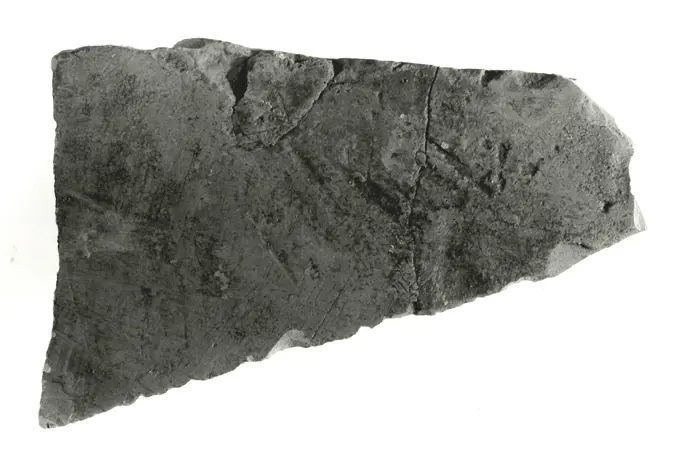
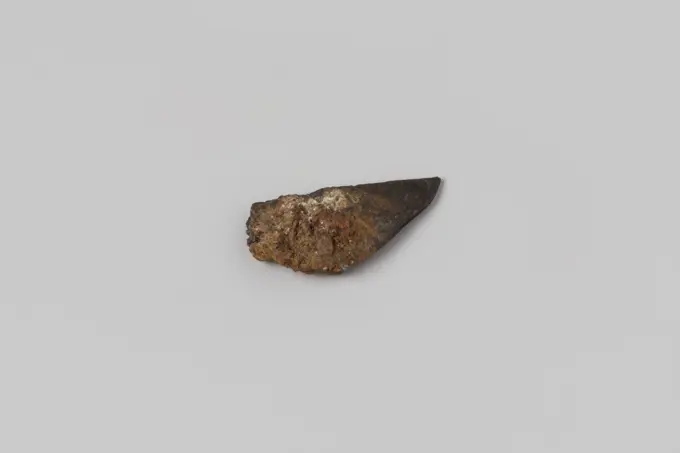
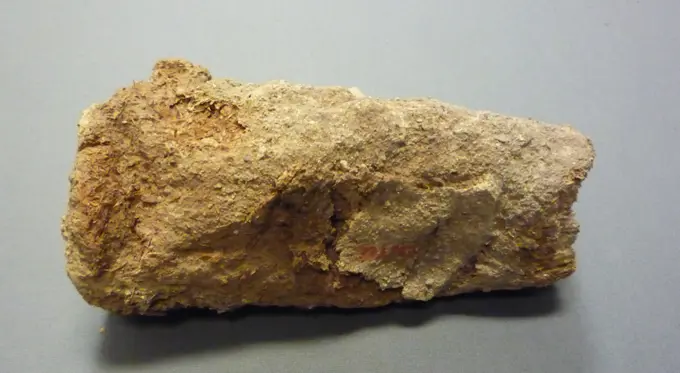
Fragments of historical pottery and stone objects, showcasing intricate designs and textures, highlighting their archaeological significance and craftsmanship.
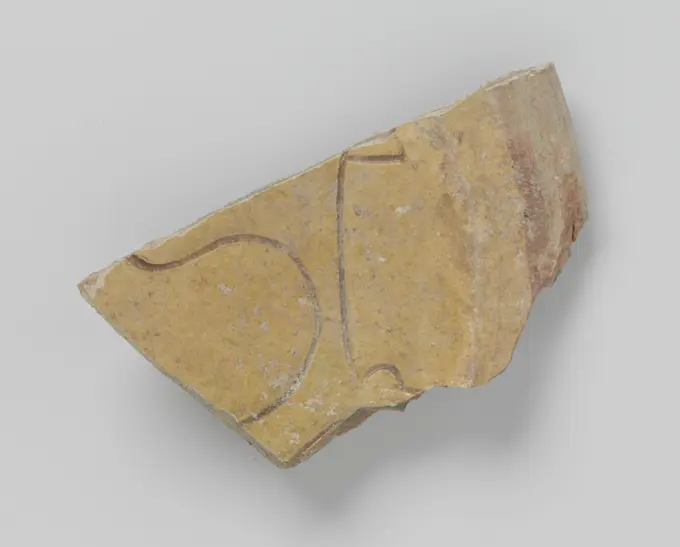
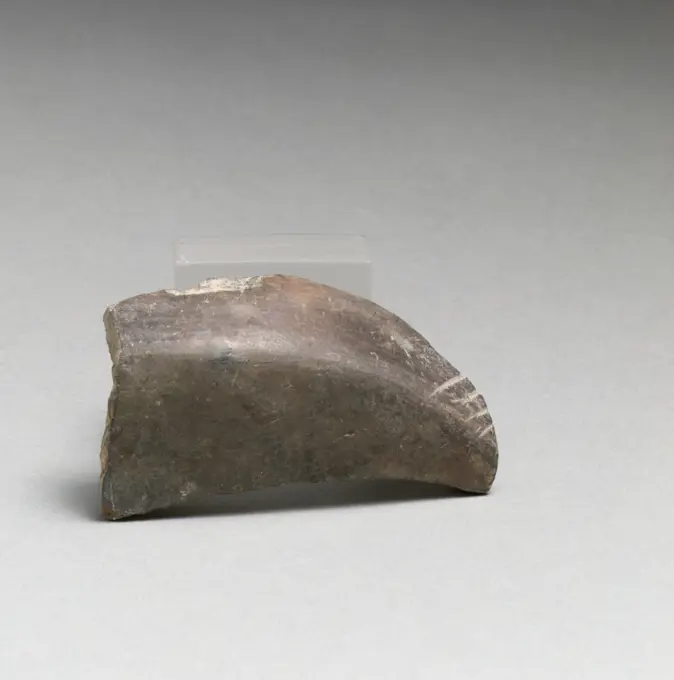
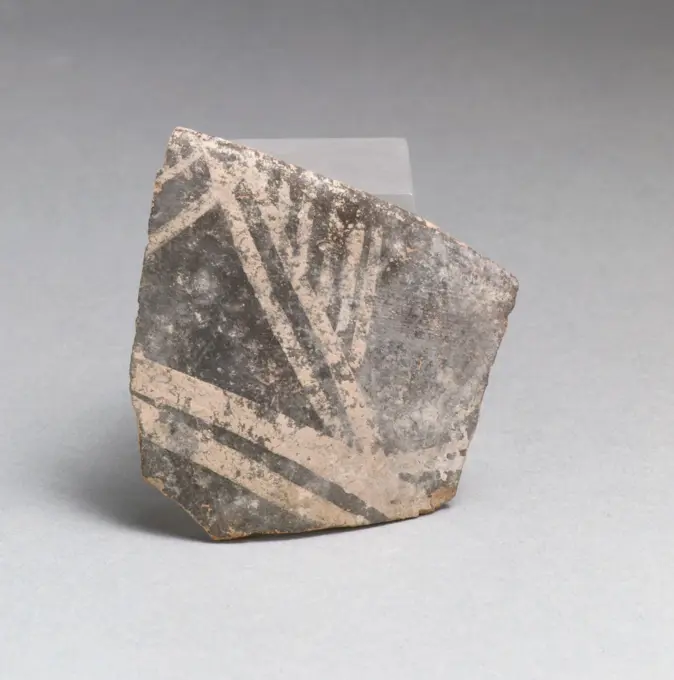
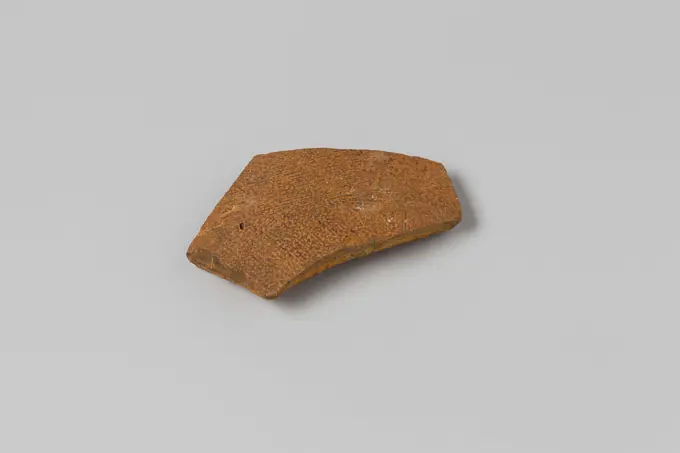
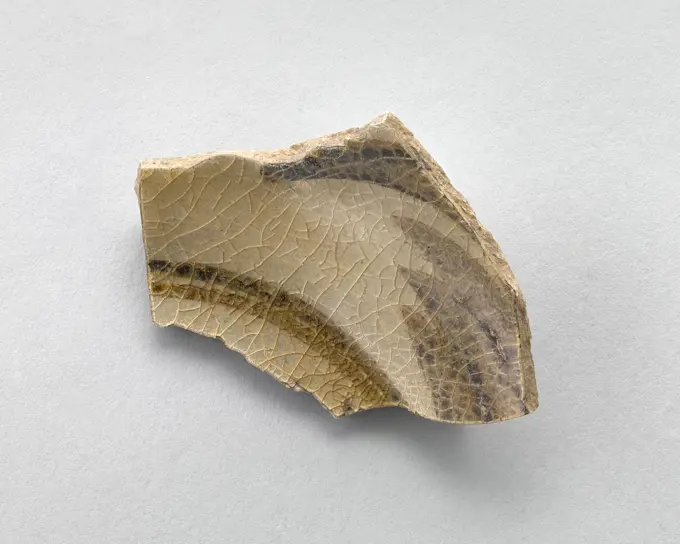
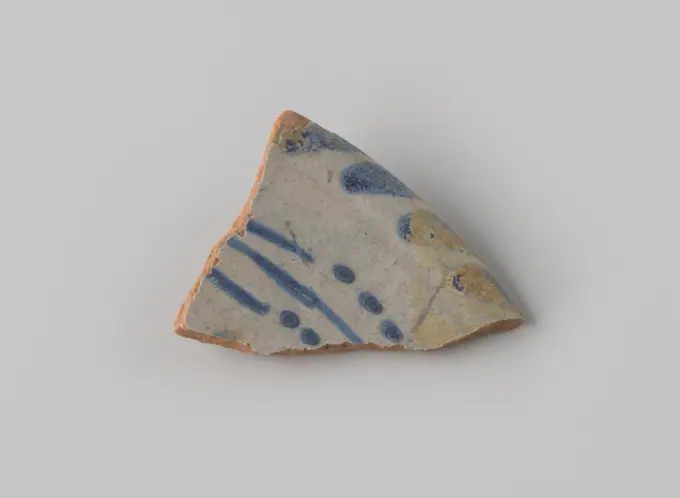
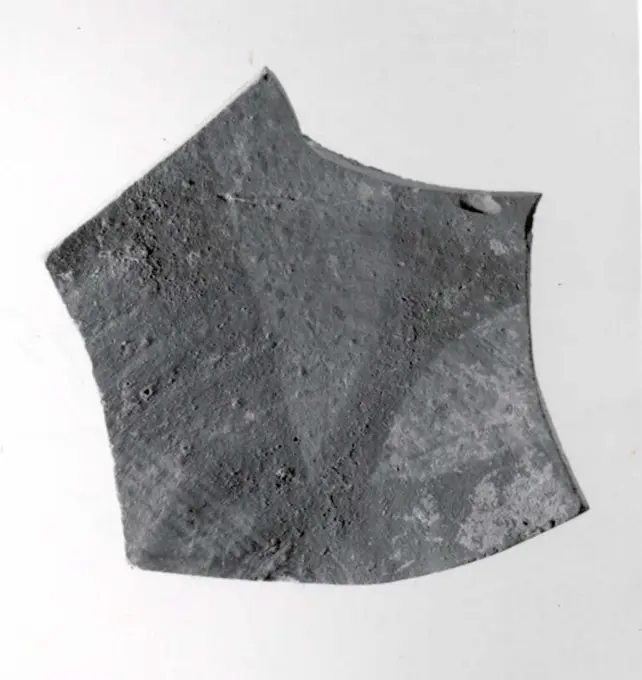
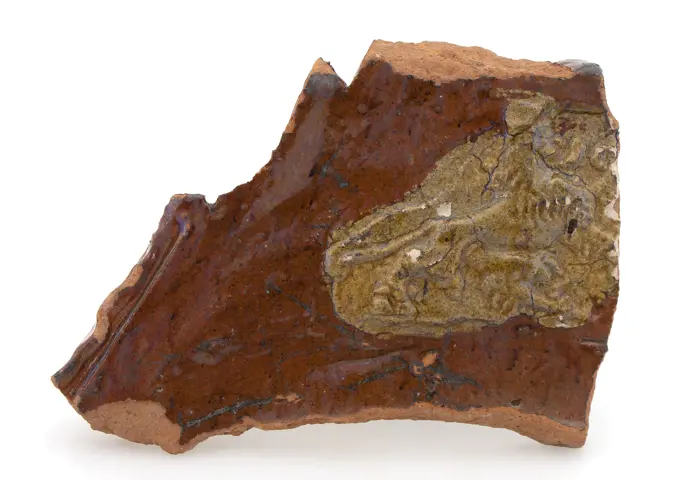
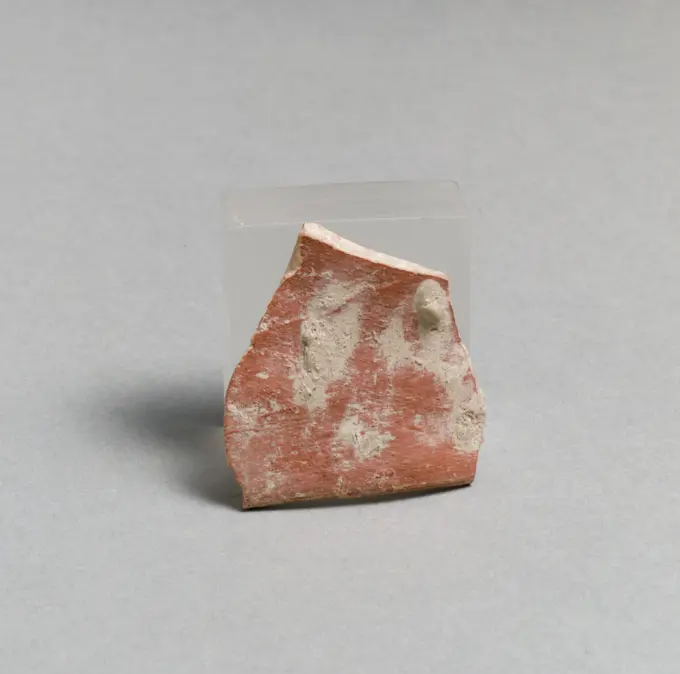
Sharf of red clay with white sludge layer in lead glaze, anonymous, c. 1625 - c. 1725 Sharp of red clay with white sludge layer in lead glaze, in which an ornament scratches. Found in London, Middlesex Street near Liverpool Street Station. England (possibly) earthenware. lead glaze Sharp of red clay with white sludge layer in lead glaze, in which an ornament scratches. Found in London, Middlesex Street near Liverpool Street Station. England (possibly) earthenware. lead glaze
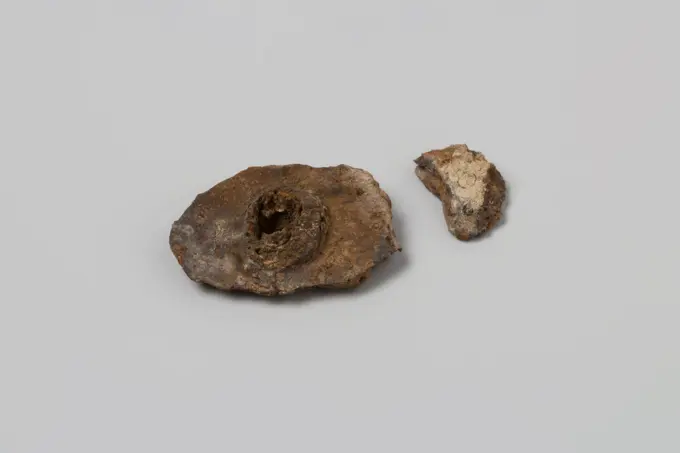
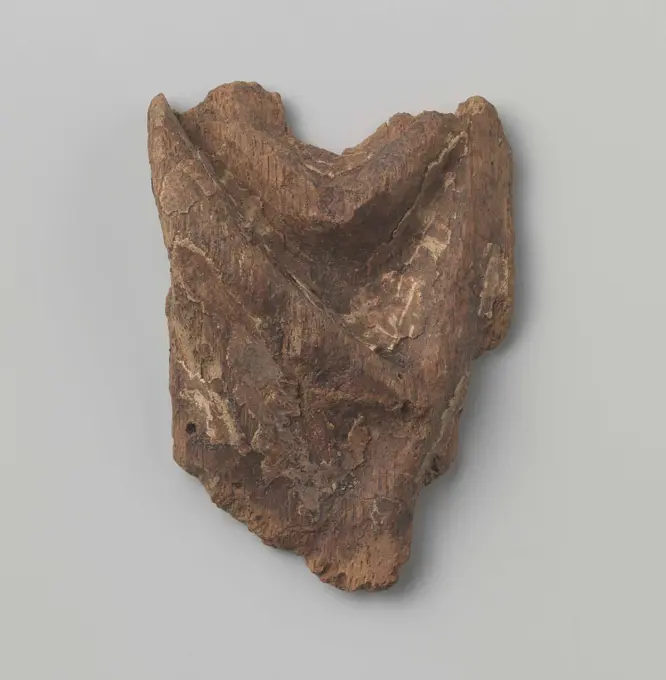
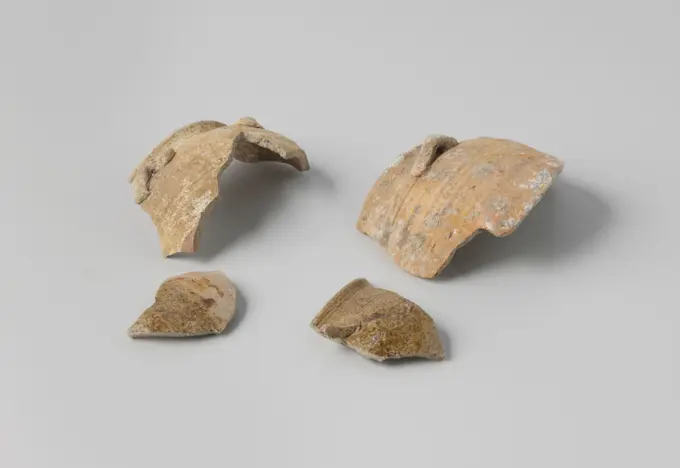
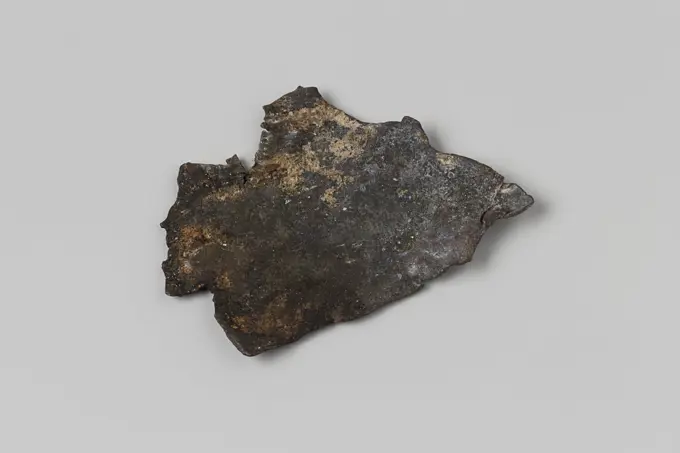
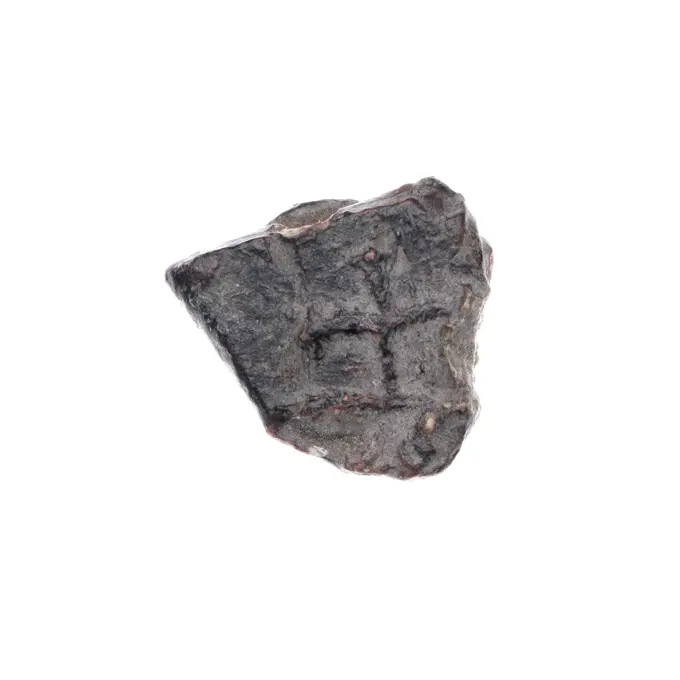
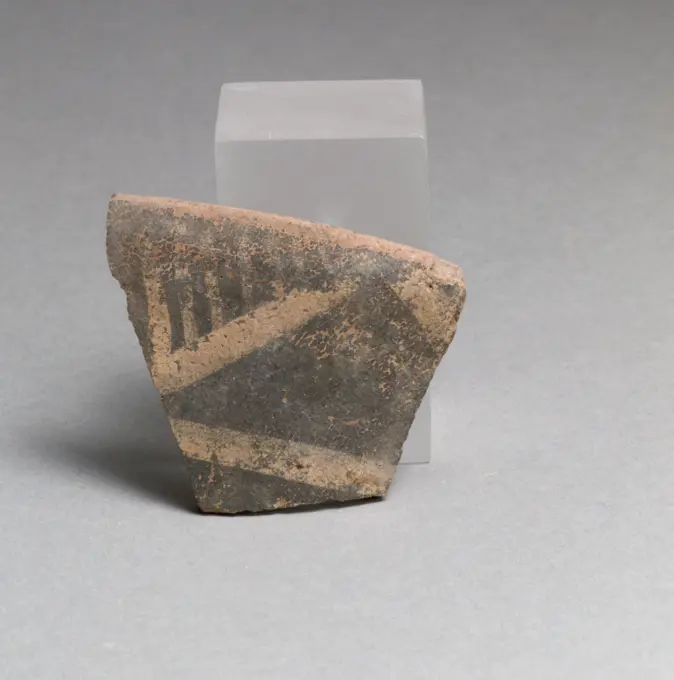
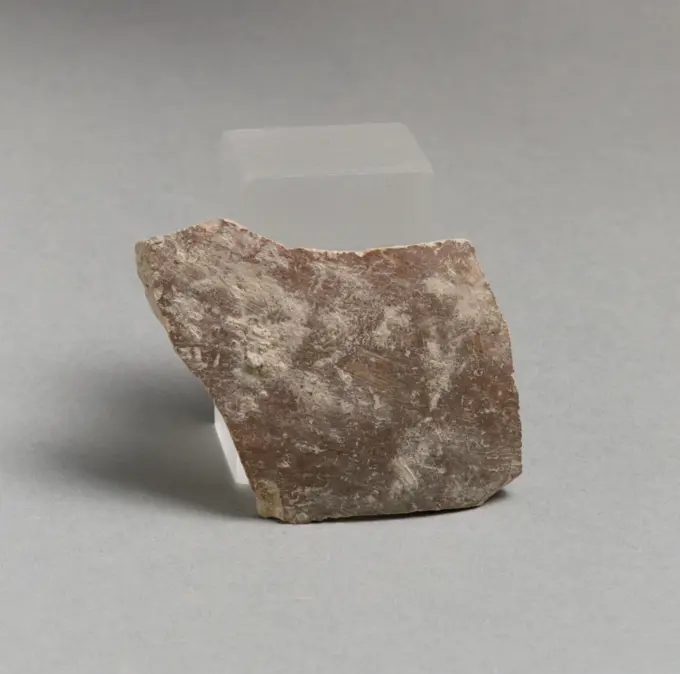
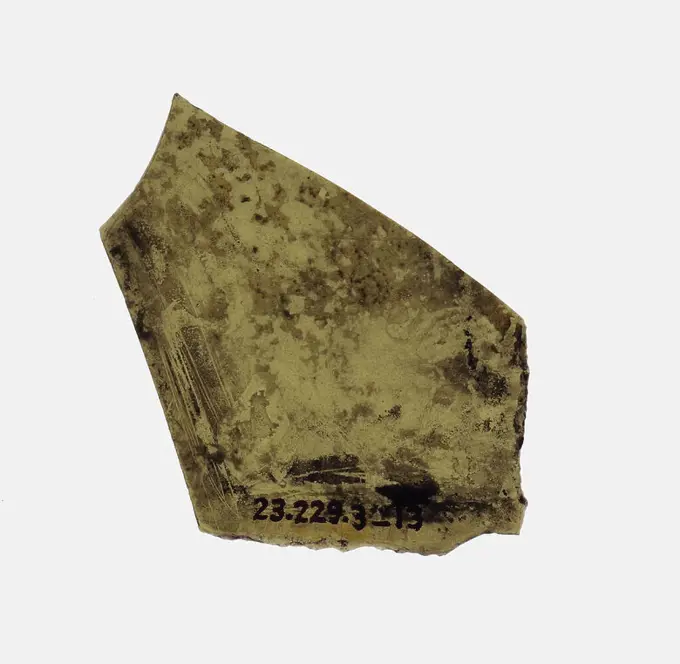
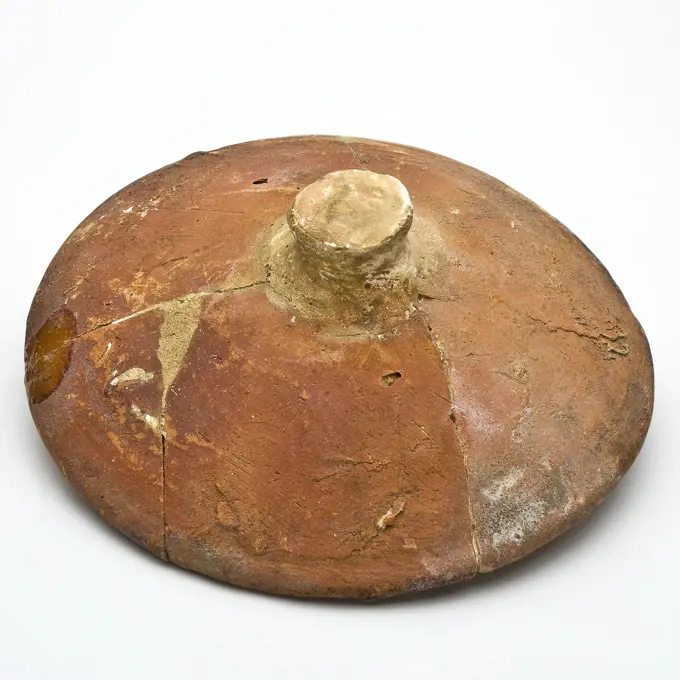
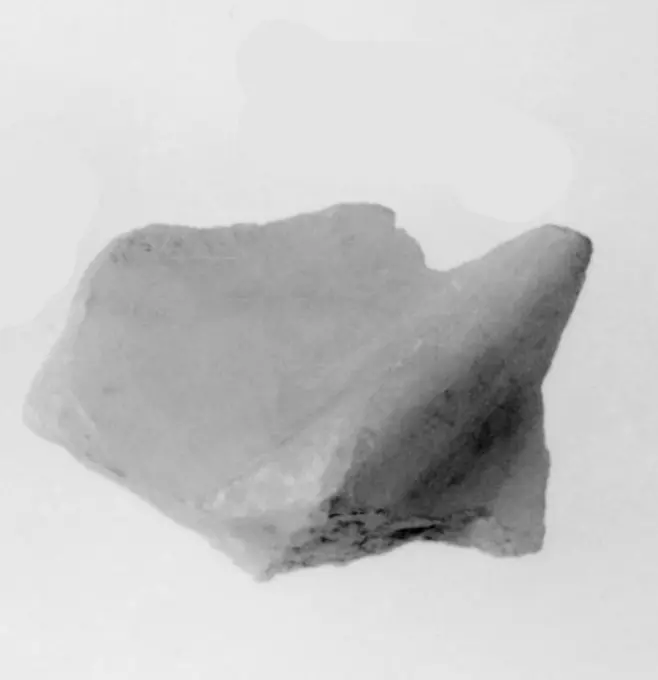
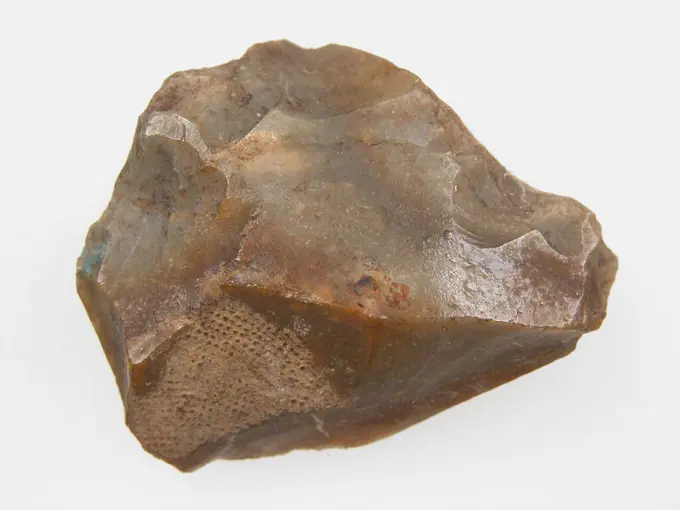
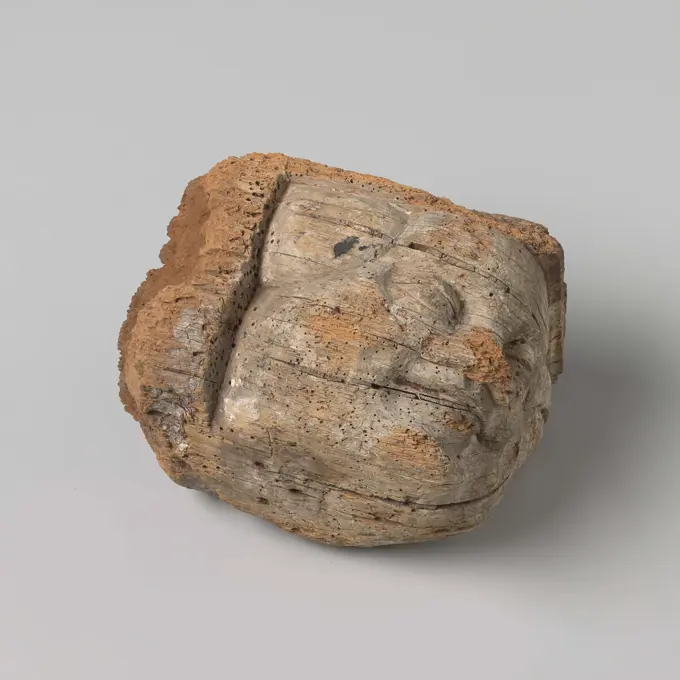
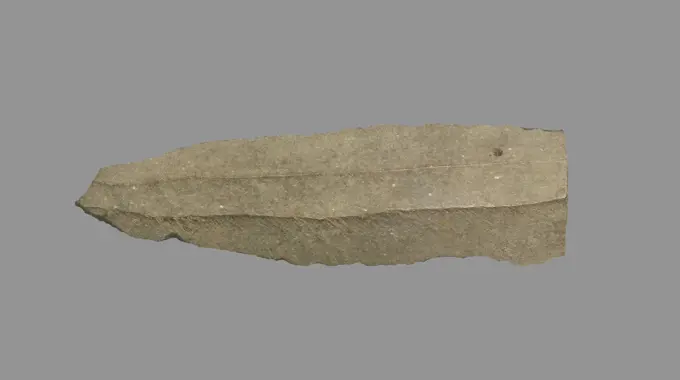
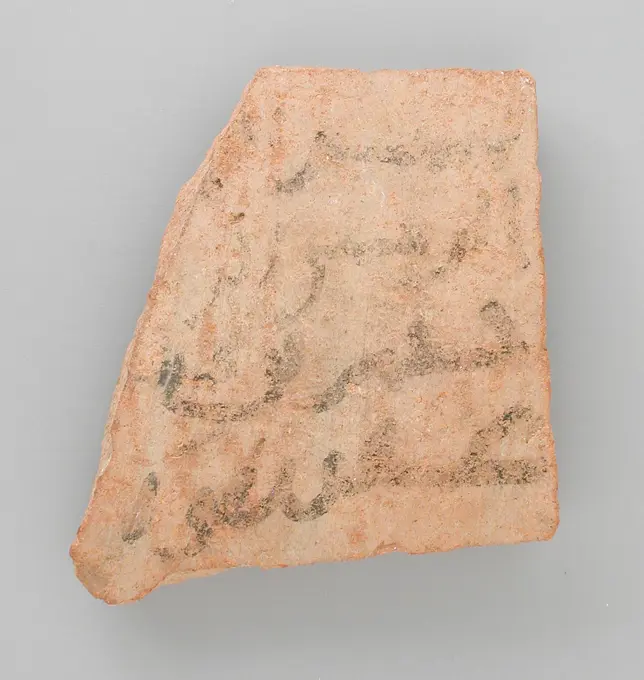
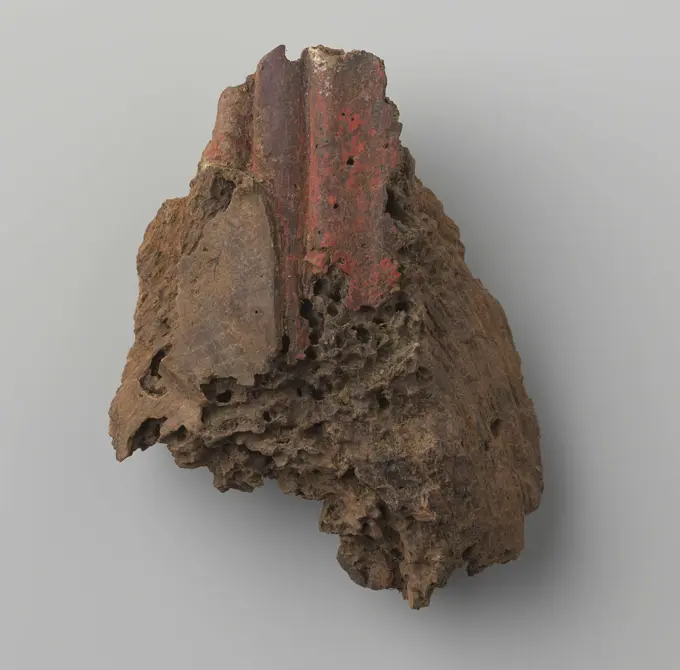
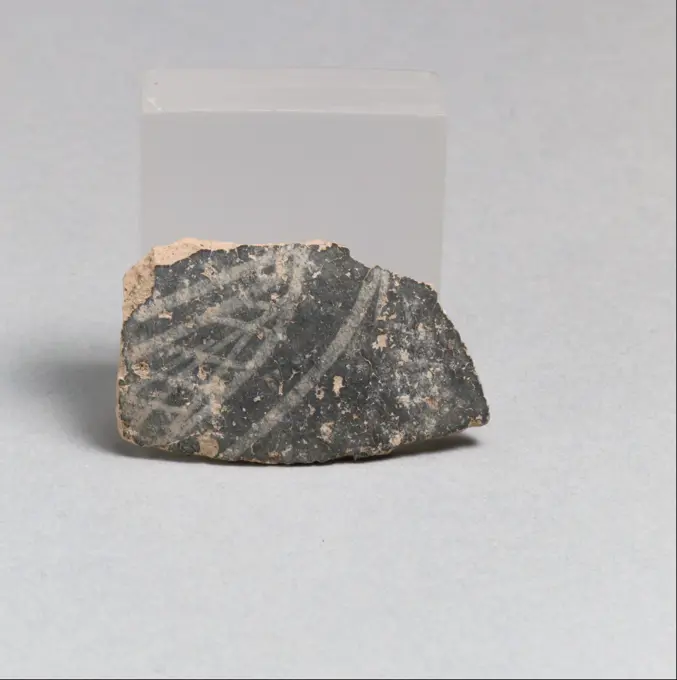
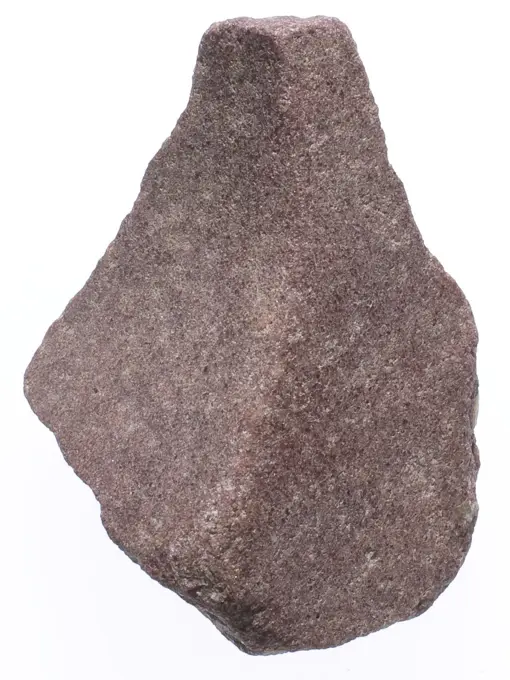
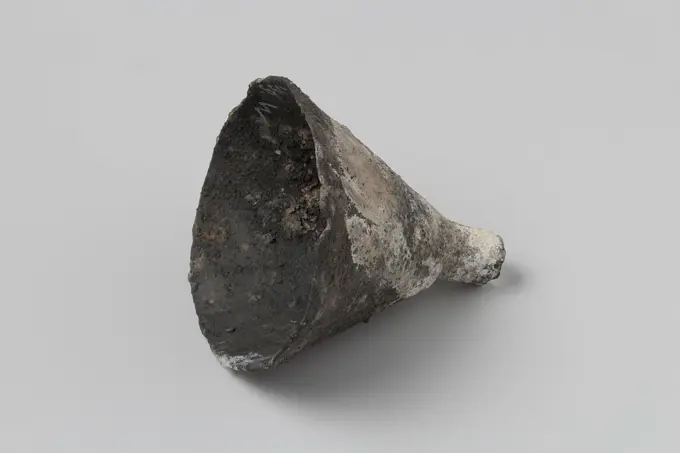
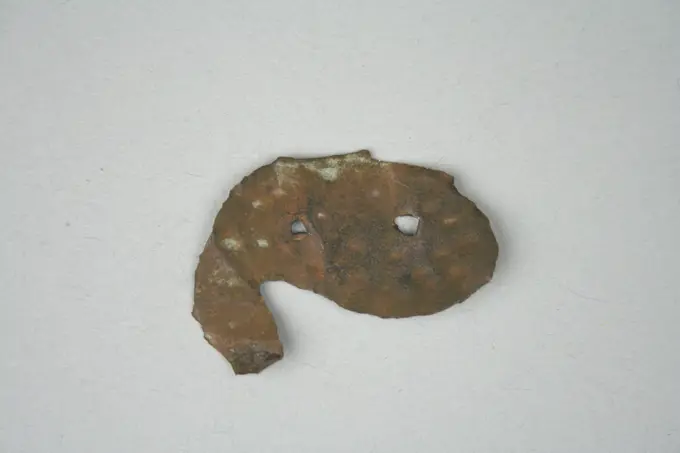
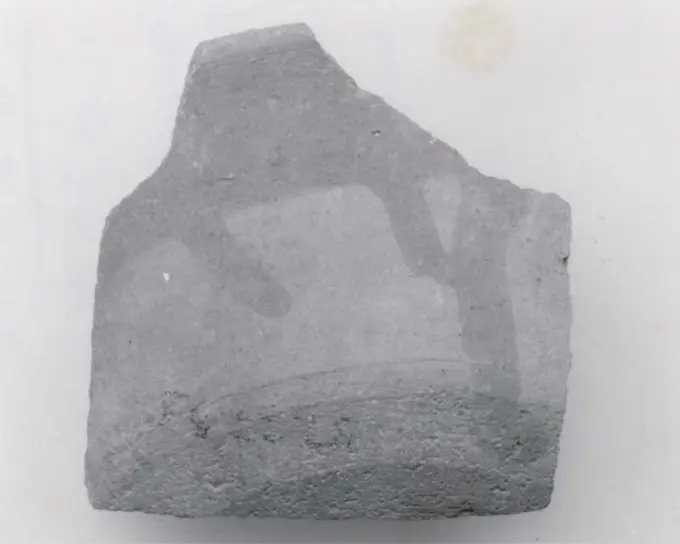
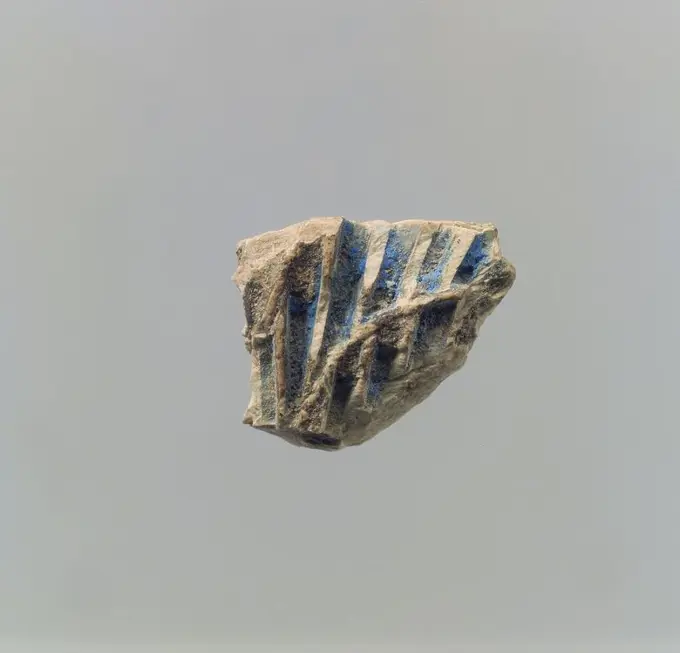
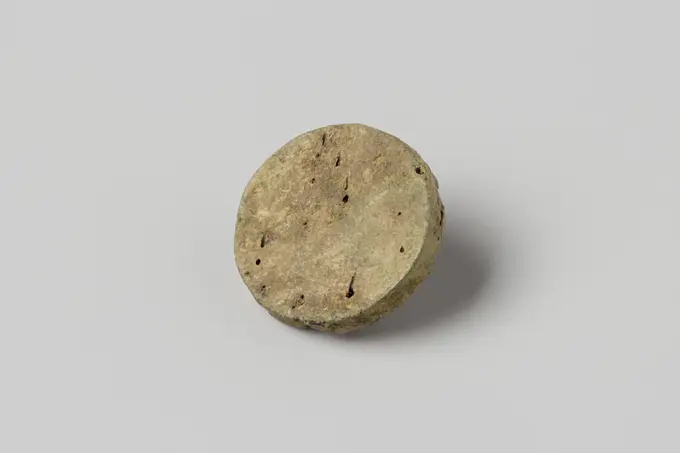
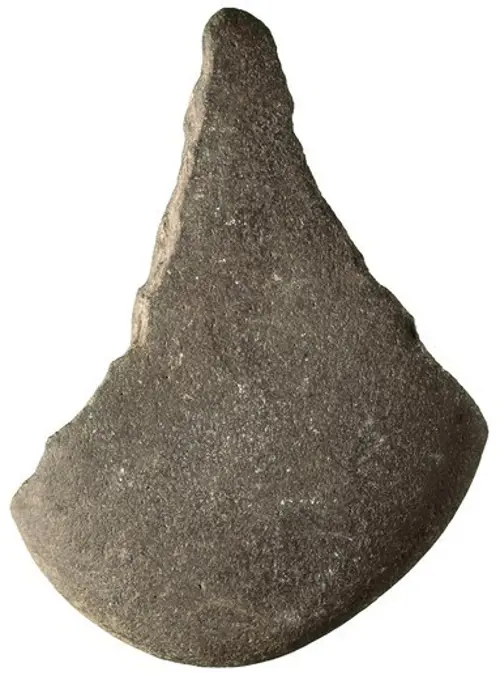
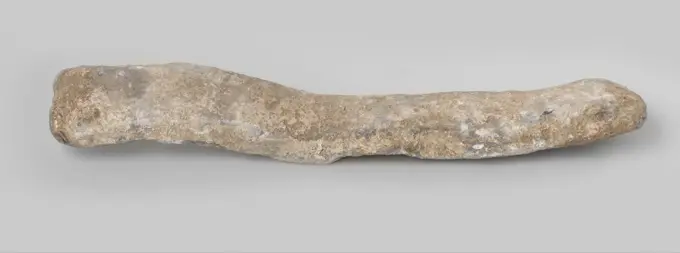
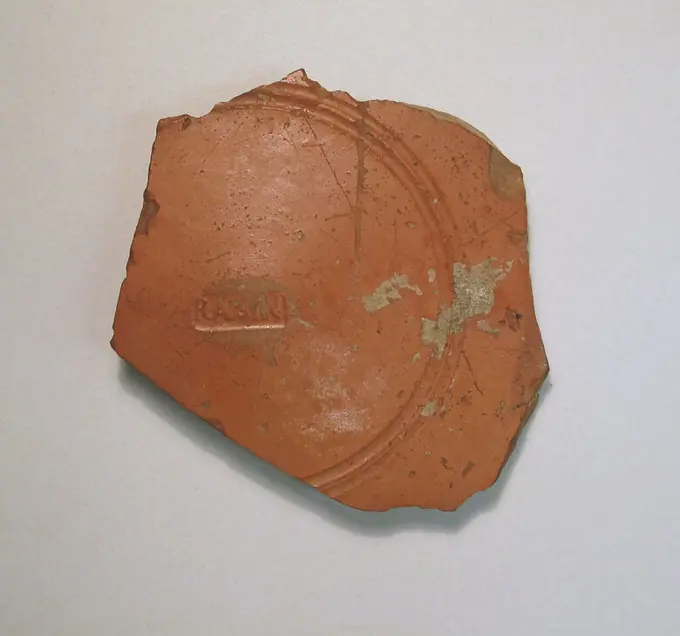
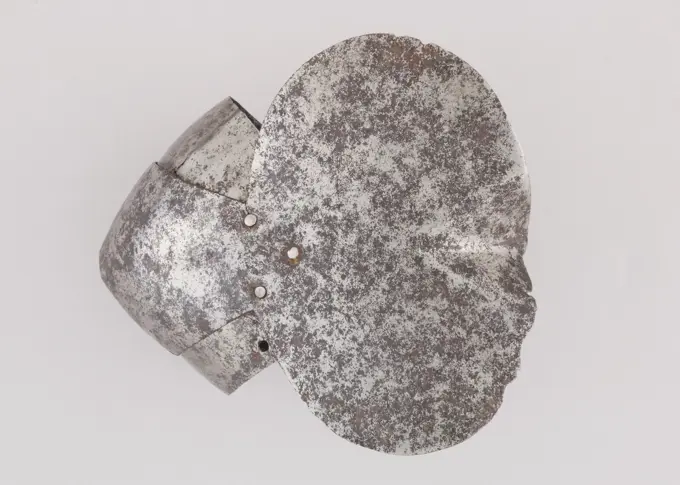
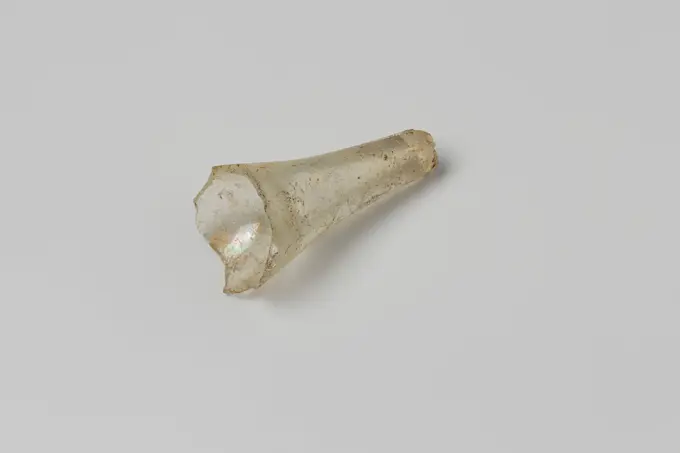
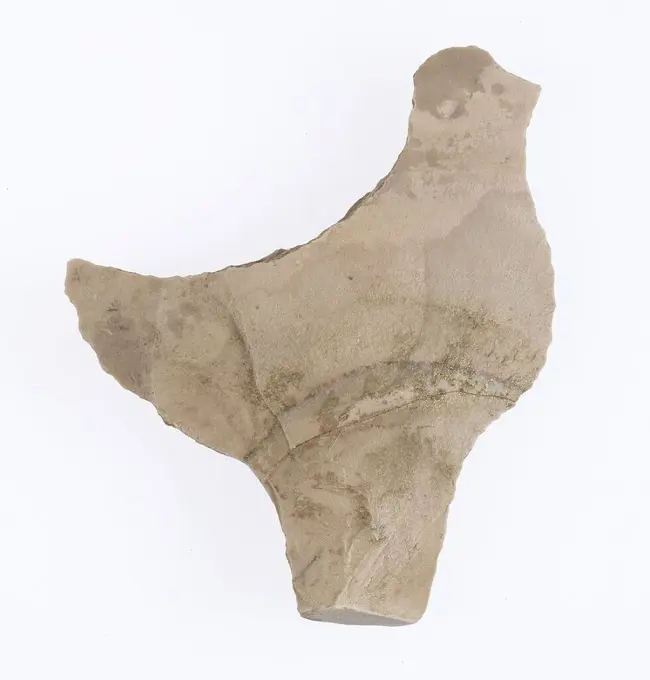
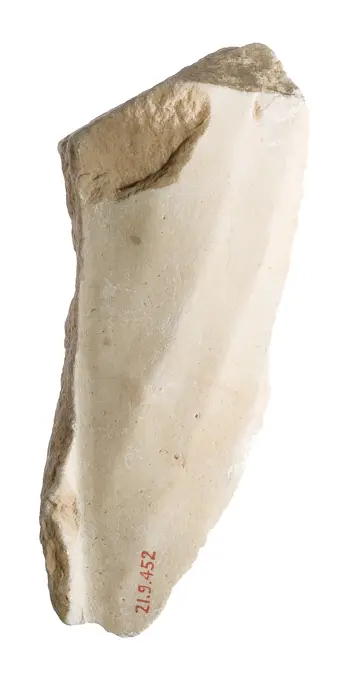
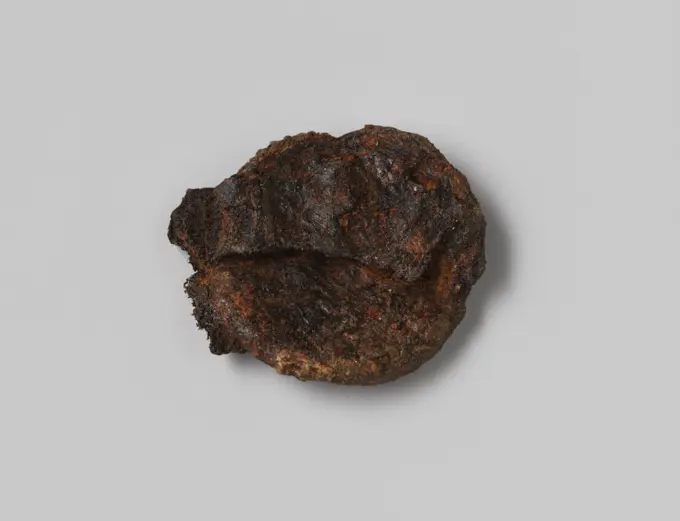
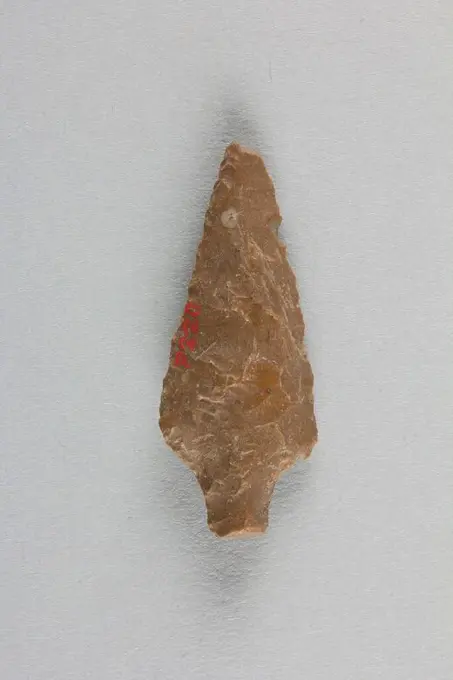
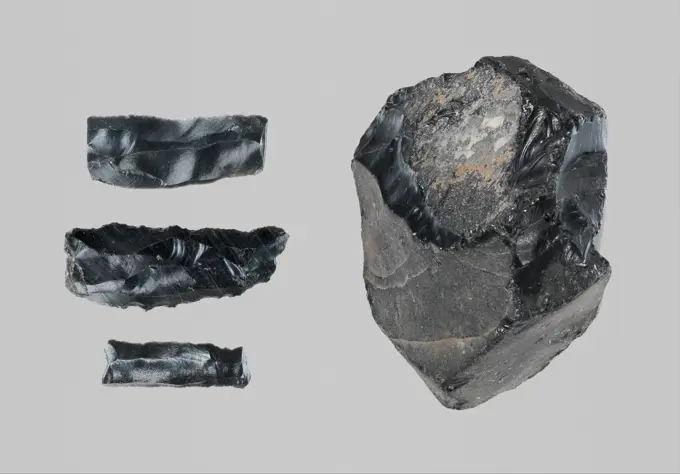
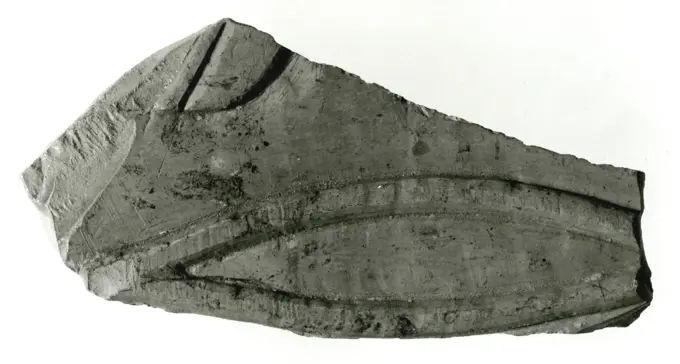
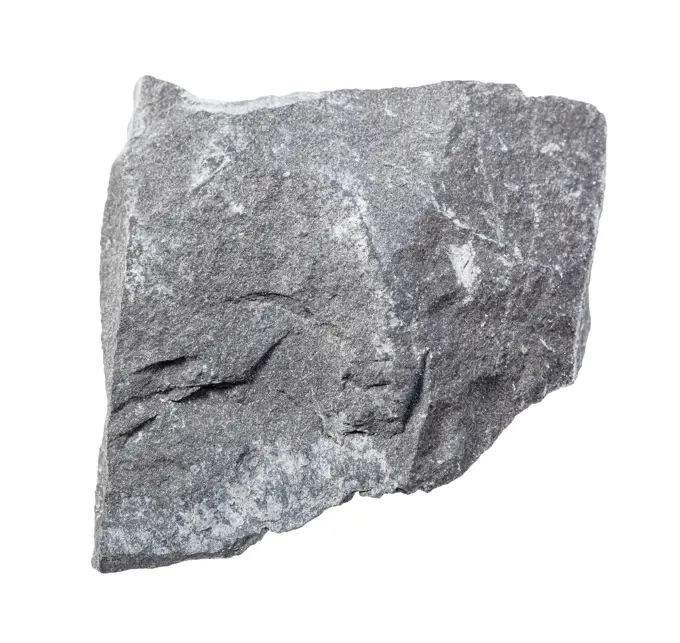
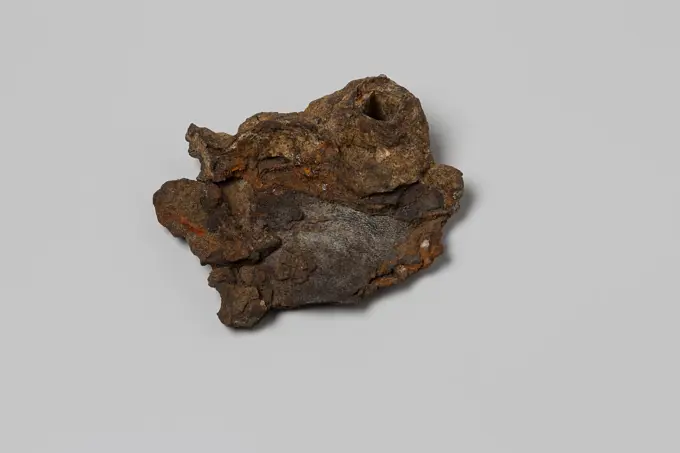
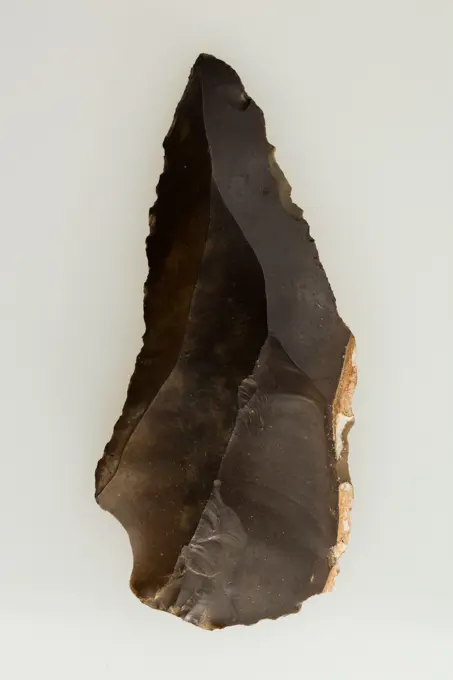
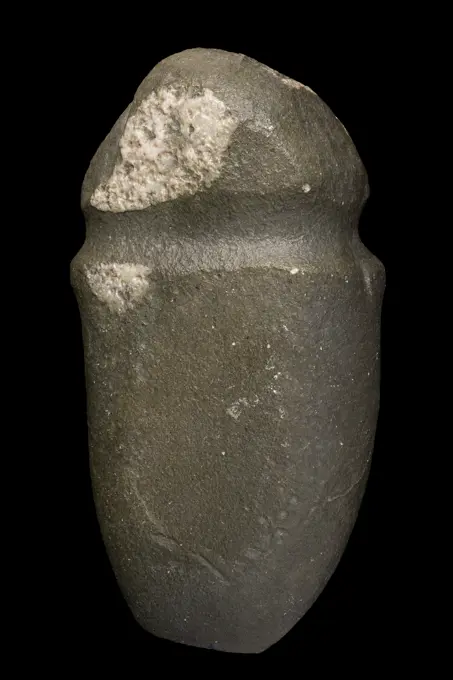
Sharf of red clay with white sludge layer in lead glaze, anonymous, c. 1625 - c. 1725 Sharp of red clay with white sludge layer in lead glaze, in which an ornament scratches. Found in London, Middlesex Street near Liverpool Street Station. England (possibly) earthenware. lead glaze Sharp of red clay with white sludge layer in lead glaze, in which an ornament scratches. Found in London, Middlesex Street near Liverpool Street Station. England (possibly) earthenware. lead glazeRaised relief fragment 664-610 B.C. Late Period, Saite see 23.3.468. Raised relief fragment. 664-610 B.C.. Limestone. Late Period, Saite. From Egypt, Upper Egypt, Thebes, Deir el-Bahri, Tomb of Nespekashuty (TT 312, MMA 509), 1st chamber E. wall; 2nd register, MMA excavations, 1922-23. Dynasty 26Concretion from V.O.C. ship De 'Witte Leeuw', Anonymous, Before 1613 concretionary stone Almost circular piece of concretion with lead or pewter core. Possibly a pile of plates.  tin (metal). lead (metal). lead whiteFragment Pijpenkop, Anonymous, 1700 - 1799 Fragment piping head with two dipped flowers. Of the excavations on the Hofstede Arentsburg 1827-1831 under the supervision of Professor Reuvens. Netherlands pipe clay Fragment piping head with two dipped flowers. Of the excavations on the Hofstede Arentsburg 1827-1831 under the supervision of Professor Reuvens. Netherlands pipe clayFragment; (possibly) belonging to the Retable of Soest. .Fragment; (possibly) belonging to the retable of Soest, c. 1475 - c. 1499   wood (plant material)   wood (plant material)Relief fragment, tomb of Meketre ca. 1981-1975 B.C. Middle Kingdom. Relief fragment, tomb of Meketre 667736Vase fragment Aegean. Vase fragment 248518Vase fragment East Greek/Sardis, Lydian. Vase fragment 252773 East Greek/Sardis, Lydian, Vase fragment, Terracotta, Overall: 2 3/8 x 1 3/8in. (6 x 3.5cm). The Metropolitan Museum of Art, New York. Gift of The American Society for the Excavation of Sardis, 1926 (26.199.206)Iron Concretion In the form of a nail head from the wreck of the East Indies' t Vliegend Hart, 1700 - 1735 in 1735 concretionary stone The two suitable fragments have probably been the head of a nail, now enclosed by concretion.  concretionary stoneFragment; (possibly) belonging to the Retable of Soest. .Shards of a Martavan from V.O.C. ship De 'Witte Leeuw', Before 1613  Shards of a Martavan from V.O.C. ship the 'Witte Leeuw'. Chinezizid-China stoneware. porcelain   Sint-HelenaTerracotta rim from a cup with triangles and parallel vertical lines ca. 2300-2100 B.C. Minoan From Gournia, CreteRim fragment with triangles.. Terracotta rim from a cup with triangles and parallel vertical lines 247793Bliżej Kultury Władysław Jagiełło (CA 1351 1434), Mint of KrakówWall casing 664-610 B.C. Late Period, Saite see 23.3.468. Wall casing. 664-610 B.C.. Limestone, varnish. Late Period, Saite. From Egypt, Upper Egypt, Thebes, Deir el-Bahri, Tomb of Nespekashuty (TT 312, MMA 509), 1st chamber W. wall, MMA excavations, 1922-23. Dynasty 26Right hand of the king extended and crossing a border, orientation not certain ca. 1353-1336 B.C. New Kingdom, Amarna Period. Right hand of the king extended and crossing a border, orientation not certain 561693Fragment of buyer from the wreck of the East India Hollandia.parts or artifacts; eroded fragments: Materials; Copper.Drohiczy seal;  XI-XIII century (1090-00-00-1110-00-00);guild seals, customs seals, touches, seals of customs chambers, official seals, seals with a crossRaised relief fragment 664-610 B.C. Late Period, Saite see 23.3.468. Raised relief fragment 548203Relief fragment from the tomb of Meketre ca. 1981-1975 B.C. Middle Kingdom. Relief fragment from the tomb of Meketre 669025Fragment of the Top Surface of Siptah's Canopic Chest ca. 1194-1188 B.C. New Kingdom, Ramesside. Fragment of the Top Surface of Siptah's Canopic Chest. ca. 1194-1188 B.C.. Travertine (Egyptian alabaster). New Kingdom, Ramesside. From Egypt, Upper Egypt, Thebes, Valley of the Kings, Tomb of Siptah (KV 47), Davis excavations, 1912. Dynasty 19Vase fragment Minoan. Vase fragment. Minoan. Terracotta. Early Minoan III. VasesGrasp of an hilt from the wreck of the East Indians Hollandia, Anonymous, 1700 - in Or Before 1743  Hilt, grip; id. NG 1980-27H2582. Netherlands wood (plant material). copper (metal)   SecondElbow, with garment ca. 1353-1336 B.C. New Kingdom, Amarna Period. Elbow, with garment 549786Excerpt of copper from the wreck of the East Indians Hollandia, 1700 - in or before 1743  Parts of artefacts; eroded fragments: materials; copper. Netherlands copper (metal)   SecondVase fragment ca. 3000-2200 B.C.. Vase fragment 251303 Vase fragment, ca. 30002200 B.C., Terracotta, 1 13/16  2  1/4 in. (4.7  5.2  0.6 cm). The Metropolitan Museum of Art, New York. Gift of Gisela M. A. Richter, 1923 (23.121.3)Glass Fragment. Culture: Unknown. Dimensions: Overall: 1 1/2 x 1 3/4 in. (3.8 x 4.5 cm). Date: 12th-15th century (). Museum: Metropolitan Museum of Art, New York, USA.Pottery lid with small knob as handle, red shard, unglazed, lid closure soil found ceramic pottery, hand turned baked lid red pottery knob restoration in plaster one lead glaze top near the edge. Curved lid with small knob as handle archeology Capelle aan den IJssel House at Capelle castle indigenous pottery cooking kitchen storage utensils tableware Soil discovery: canal south side house in Capelle ± 1395-1500 Capelle aan den IJssel 1963.Fragment of a brick, partly glazed. From a house in Merwede.Fragment of the Top Surface of Siptah's Canopic Chest ca. 1194-1188 B.C. New Kingdom, Ramesside. Fragment of the Top Surface of Siptah's Canopic Chest. ca. 1194-1188 B.C.. Travertine (Egyptian alabaster). New Kingdom, Ramesside. From Egypt, Upper Egypt, Thebes, Valley of the Kings, Tomb of Siptah (KV 47), Davis/Burton excavations, 1912-13. Dynasty 19Scraper. Culture: Neolithic. Dimensions: Overall: 1 7/16 x 1 1/8 x 7/16 in. (3.7 x 2.8 x 1.1 cm). Date: 500-600. Museum: Metropolitan Museum of Art, New York, USA.Construction clip. Lot of oak or carrier from one of the hood wall styles over the Church of the Church in Rumpt, representing a smiling men's head. The collar is placed overhoek. See also: BK-NM-11079, 11080 and 11082.Sickle Blade, 1980-1801 BC. Egypt, Middle Kingdom, Dynasty 12. Flint; overall: 5 cm (1 15/16 in.).Small Ostracon with Large Scale Arabic Inscription. Egypt, 600 - 1300 CE. Tools and Equipment; ostraka. TerracottaFragment of red earthenware, partly glazed, fragment crockery holder kitchen utensils earthenware ceramics earthenware glaze lead glaze, hand-shaped hand turned glazed fried Fragments of red pottery Frying pans jugs pots of grass and bottom of small jug Spicy or only partly glazed with lead glaze archeology Rotterdam Stadscentrum Stadsdriehoek Hoogstraat indigenous pottery water washing cooking nutrition food preparation handicraft pottery Soil discovery Hoogstraat Rotterdam 15 June 1983.Fragment with remains of polychromy; (possibly) belonging to the Retable of Soest. .Foot fragment ca. 1353-1336 B.C. New Kingdom, Amarna Period. Foot fragment 549852Left shoulder and chest with cartouches of Aten ca. 1353-1336 B.C. New Kingdom, Amarna Period. Left shoulder and chest with cartouches of Aten 550055Vase fragment Minoan. Vase fragment 247867Flat surface and part of the curved wall of depression for an Aten disk New Kingdom, Amarna Period ca. 1353-1336 B.C.Pewter funnel from v.O.c.-ship the 'white lion'. Pewter funnel from v.O.c.-ship the 'white lion'.Fish Ornament 11th-12th century Peru; central coast (). Fish Ornament 308832Drohiczy seal;  XI-XIII century (1090-00-00-1110-00-00);guild seals, customs seals, touches, seals of customs chambers, official seals, seals with a crossShard from one can be from the wreck of the East Indiesman Hollandia. Stoneware, rhenish, frechen-ware, jug; Fragm or body.Bowl mid 3rd-mid 2nd century B.C. Seleucid. Bowl 324646Part of a brick from the wreck of the East Indians' t Vliegend Hart ,, 1700 - 1735 brick (clay product) Part of a brick, L-shaped and reddish-brown in color. Brick. Netherlands brick (clay product)Plaque fragment. Culture: Assyrian. Dimensions: 0.75 x 0.16 in. (1.91 x 0.41 cm). Date: ca. 8th-7th century B.C..This small broken piece of ivory was originally part of a plaque. Carved ivory plaques were widely used in the production of elite furniture during the early first millennium B.C. They were often inlaid into a wooden frame using joinery techniques and glue, and could be overlaid with gold foil or inlaid with colored glass or stone pieces to create a dazzling effect of gleaming surfaces and bright colors. This fragment is made up of thin-walled carved cells, called cloisons, that were filled with colored inlays, although the traces of blue color that remain are left by the material that fixed the inlays in place rather than by the inlays themselves. When the royal buildings at Nimrud were sacked during the fall of Assyria in 614 and 612 B.C., looters stripped the gold inlay from the ivory furniture and left the broken pieces behind. This piece was probably part of a feathereWall casing 664-610 B.C. Late Period, Saite see 23.3.468. Wall casing. 664-610 B.C.. Limestone. Late Period, Saite. From Egypt, Upper Egypt, Thebes, Deir el-Bahri, Tomb of Nespekashuty (TT 312, MMA 509), Undetermined, MMA excavations, 1922-23. Dynasty 26Tesson (common name), 1400. Sandstone with brown under cover. Cernuschi Museum, Asia Museum of Asia in the city of Paris.Vase fragment Minoan. Vase fragment 247747Button from the wreck of the East India hollandia.knoop. (1) Flat, Plain (1.7D, 0.3T)Stone tip. Mesolithic art. SPAIN. CATALONIA. BARCELONA. Barcelona. Archaeology Museum of Catalonia. Proc: SPAIN. ASTURIAS. Quintana. Posada. La Riera Cave.Fragment of a black -refreshed plate;  Hellenistic period (-323-00-00--30-00-00);Collection of ancient artSharp of red -baking earthenware, with white glaze, with stripes and dots in blue, anonymous, 1600 - 1650 on the front  Northern Netherlands earthenware. glaze majolica  Northern Netherlands earthenware. glaze majolicaSealing ca. 7th century A.D. Sasanian. Sealing 323399Volute-krater fragment 4th century B.C. Greek, South Italian, Apulian. Volute-krater fragment. Greek, South Italian, Apulian. 4th century B.C.. Terracotta; red-figure/black-glaze. Late Classical. VasesCarnavalet museum, medal collectionLid 4th-7th century Coptic. Lid 478901Raised relief fragment 664-610 B.C. Late Period, Saite see 23.3.468. Raised relief fragment 548112Empty wooden cutting board for preparing ingredients for preparing a delicious dish. Kitchen utensilsFragment; (possibly) belonging to the retable of Soest, c. 1475 - c. 1499   wood (plant material)   wood (plant material)Sculpture Fragment. UnknownFragment of silver from the wreck of the East India Hollandia.parts or artifacts; eroded fragments: Materials; Silver.Dish. Culture: Coptic. Dimensions: Overall: 1 x 4 3/16 in. (2.6 x 10.7 cm). Date: 4th-7th century. Museum: Metropolitan Museum of Art, New York, USA.Sherd ca. 1st century A.D. Nabataean. Sherd. Nabataean. ca. 1st century A.D.. Ceramic. Nabataean. Levant, PetraBallastlood from the wreck of the East Indians Hollandia, Anonymous, 1700 - in or Before 1743  Ingot; (1) squashed, sim.NG 1979-269H, elongated (c.90l, 14w, 5h), corroded, no marks visible. Netherlands lead (metal)   SecondFragment from the wreck of the East Indies Hollandia, Anonymous, 1700 - in or Before 1743 fragment Varied parts or fragments, sheet metal fragments: worked, with circular, rectangular or square holes; fragm, eroded; flat, one straight side, 3 oblique sides, 4 nailholes. Netherlands copper (metal)   Second. Piece of leg from the hip wound to which Hendrik Casimir I died on 12 July 1640 at Hulst. Piece of leg, looks like one side.Vase fragment. Culture: Roman, Gaul. Dimensions: 2 5/8 × 2 3/4 × 5/16 in. (6.6 × 7 × 0.9 cm).Base fragment, stamped. Museum: Metropolitan Museum of Art, New York, USA.Elbow defense (Couter) ca. 1430-40 Italian This is part of a large find of medieval armor discovered in 1840 in the ruins of the fortress of Chalcis, on the Greek island of Euboea (then a Venetian colony called Negroponte). The fortress had been captured and destroyed by the Turks in 1470. Now divided largely between the Ethnological Museum, Athens, and The Metropolitan Museum of Art, the Chalcis hoard contains many rare and unusual elements of fourteenth- and fifteenth-century armor. Of particular importance are the variety of headpieces and the many fragments of brigandines (armor for the torso constructed of small plates riveted to layers of fabric), some of which retain portions of their original velvet covering. The Chalcis armor provides a unique picture of the armament used in the Aegean, one of the easternmost military outposts of the Venetian empire.. Elbow defense (Couter) 23166Wall casing 664-610 B.C. Late Period, Saite see 23.3.468. Wall casing. 664-610 B.C.. Limestone. Late Period, Saite. From Egypt, Upper Egypt, Thebes, Deir el-Bahri, Tomb of Nespekashuty (TT 312, MMA 509), MMA excavations, 1922-23. Dynasty 26Straight steel of glass from the wreck of the East Indieschief Hollandia. Glass, Voice Glass, votes, Plain; Fragm, ID. NG 1980-27H798.Fragment of silver from the wreck of the East Indians Hollandia, 1700 - in or before 1743  Parts of artefacts; eroded fragments: materials; silver. Netherlands silver (metal)   SecondConical Loaf of Bread ca. 1479-1458 B.C. New Kingdom. Conical Loaf of Bread. ca. 1479-1458 B.C.. Bread. New Kingdom. From Egypt, Upper Egypt, Thebes, Deir el-Bahri, Temple of Hatshepsut, Foundation Deposit 2c (B), MMA excavations, 1921-22. Dynasty 18Stożek mozaikowy. unknown, authorTool (), bird shaped. Dimensions: h. 2 7/8 in (7.4 cm); w. 2 7/16 in (6.1 cm); th. 3/8 in (1 cm). Dynasty: Naqada II-Dynasty 1. Date: ca. 3300-2900 B.C.. Museum: Metropolitan Museum of Art, New York, USA.Vase Fragment Roman, Gaul Erotes chasing wild boars.. Vase Fragment. Roman, Gaul. Terracotta. VasesFragment pipe head. Fragment blowjob with two dotted flowers. Of the excavations at the Hofstede Arentsburg 1827-1831 under the supervision of professor Reuvens.Fragment of earthenware fire dome with lion in relief, firecock fireplaces earthenware ceramic earthenware clay engobe glaze leadglaze, hand turned hand shaped cut out stamped glazed glazed baked Two fragments of firesticks with ornament in relief Red earthenware. Cut out collar Green glazed Decorated with crown as appliqué (). Decorated with appliqué of pipe earth: lion used to the right Thick glazed with lead glaze, archeology Rotterdam City center Stadsdriehoek Mariniersweg Hoogstraat indigenous pottery heating fire prevention as fire extinguishing cover Soil discovery Hoogstraat Mariniersweg 1983.Vase fragment Minoan. Vase fragment 247684Body with garment, pleating ca. 1353-1336 B.C. New Kingdom, Amarna Period. Body with garment, pleating 550013Capital. Culture: Catalan. Dimensions: Overall: 13 1/2 x 12 x 13 1/2 in. (34.3 x 30.5 x 34.3 cm). Date: ca. 1130-40. Museum: Metropolitan Museum of Art, New York, USA.Excerpt from the wreck of the East Indies Hollandia, 1700 - in or before 1743 fragment Varied parts or fragments; unidentified and miscellaneous parts or fragments; fragm, eroded. Netherlands metal. leather   SecondArrowhead. Culture: Japan. Dimensions: W. 1/2 in. (1.3 cm); L. 1 3/8 in. (3.5 cm). Museum: Metropolitan Museum of Art, New York, USA.Group of 3 worked obsidian fragments and a raw obsidian lump 5th millennium or later Cycladic Obsidian is a natural glass. The lump of obsidian is just that. The three blades are all flat at the bottom and rise to a more or less broad ridge at the top.. Group of 3 worked obsidian fragments and a raw obsidian lump 632292Sickle Blade, 1980-1801 BC. Egypt, Middle Kingdom, Dynasty 12. Flint; overall: 5 cm (1 15/16 in.).Vase fragment ca. 3000-2200 B.C.. Vase fragment 251304 Vase fragment, ca. 30002200 B.C., Terracotta, 1 9/16 x 1 7/16in. (4 x 3.6cm). The Metropolitan Museum of Art, New York. Gift of Gisela M. A. Richter, 1923 (23.121.4)Figurine, Two Fragments of the Garment, anonymous, anonymous, c. 1425 - c. 1550 Two fragments of image Northern Netherlands pipe clay Two fragments of image Northern Netherlands pipe clayBell ca. 9th century B.C. Iran. Bell 326205Raised relief fragment 664-610 B.C. Late Period, Saite see 23.3.468. Raised relief fragment. 664-610 B.C.. Limestone, varnish. Late Period, Saite. From Egypt, Upper Egypt, Thebes, Deir el-Bahri, Tomb of Nespekashuty (TT 312, MMA 509), Lunette, North door, MMA excavations, 1922-23. Dynasty 26unpolished gray Argillite rock isolated on white closeup of sample of natural mineral from geological collection - unpolished gray Argillite rock isolated on white background Copyright: xZoonar.com/ValeryxVoennyyx 14991263Vase fragment East Greek/Sardis, Lydian. Vase fragment 252770 East Greek/Sardis, Lydian, Vase fragment, Terracotta, Overall: 2 5/8 x 2 3/4in. (6.7 x 7cm). The Metropolitan Museum of Art, New York. Gift of The American Society for the Excavation of Sardis, 1926 (26.199.203)Fragment of a steak from the wreck of the East India "t flying heart. Almost square, brown-black leather patch. In a 'corner' is a square 'hole', 13 mm deep.Atypical Levallois Point ca. 240,000-40,000 Middle Paleolithic Period This tool was made with a special technique called Levallois core preparation that was widely used during the Middle Paleolithic Period. The Middle Paleolithic saw the rise of more complex stone tool technologies and more variability in tool types compared to the Lower Paleolithic. This change is associated with the increasing complexity of Hominin behavior such as specialized hunting, pyrotechnology, and the use of symbols eventually resulting in anatomically and behaviorally modern humans. Levallois points, a primary example of the more complex stone tool technology, were made by removing flakes from a core in a specific way, such as centripetally around an edge, so that the last flakes detached had a predetermined pointed shape. Sometimes, the flakes produced this way were then used as tools without any additional modification of the shape or edges, and this tool is an example of such. It has only irregular scarElbow or shoulder ca. 1353-1336 B.C. New Kingdom, Amarna Period. Elbow or shoulder 549843Knee with kilt ca. 1353-1336 B.C. New Kingdom, Amarna Period. Knee with kilt 550019Fragment of container with angular edges 80. Terracotta. Neolithic. Paris, Carnavalet museum. Fragment, neolithic, container, terracotta, dishes, archeological vestigeDrohiczy seal;  XI-XIII century (1090-00-00-1110-00-00);guild seals, customs seals, touches, seals of customs chambers, official seals, seals with a crossBasalt Throat Axe. Neolithic period. North Africa. 21.6cm.Capital 6th-7th century. Capital 456152