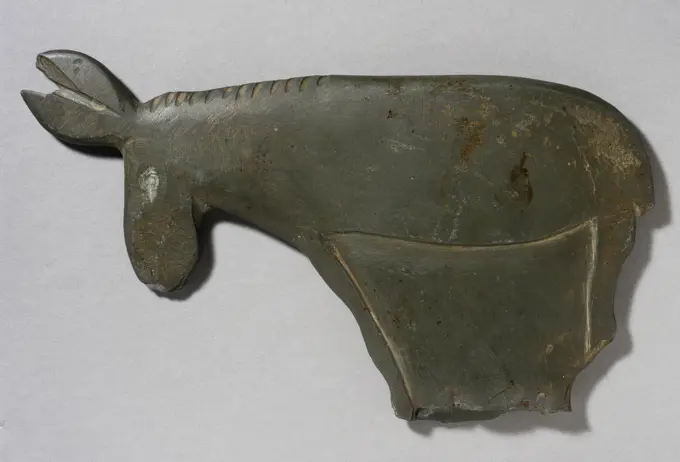
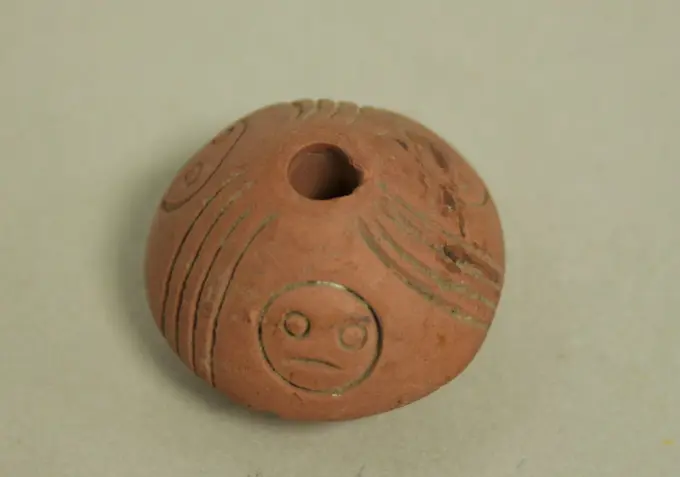
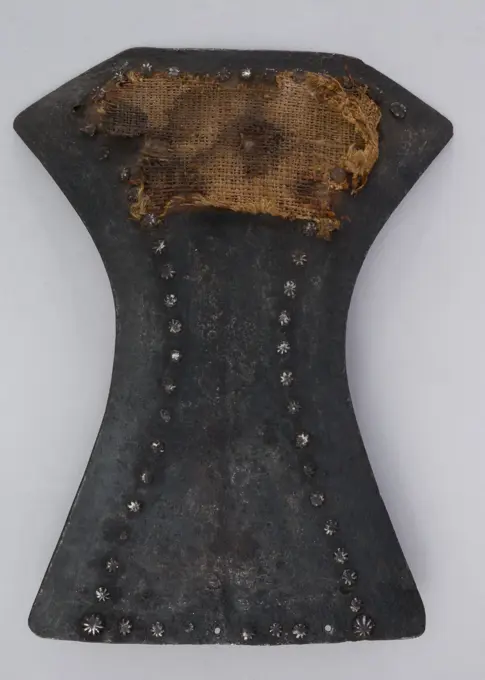
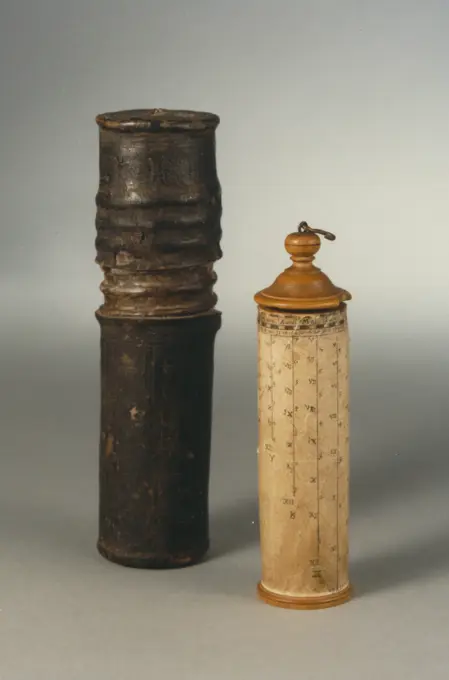
Archaeological Lids and Mirrors

Historical lids and mirrors from different cultures, showcasing ancient designs and materials, linked to archaeological finds.

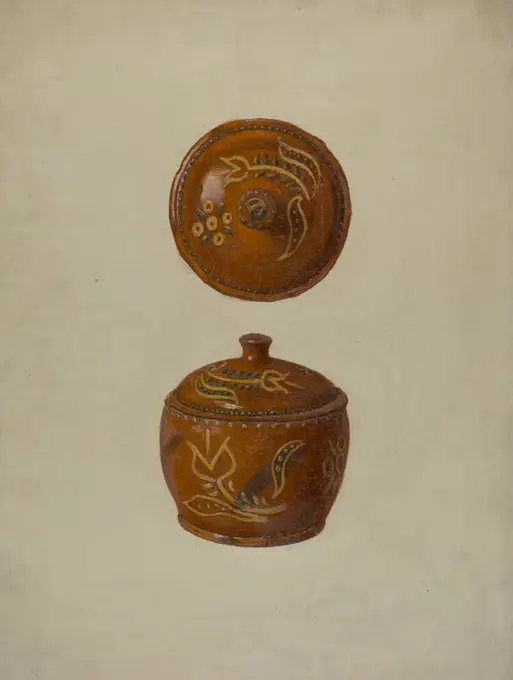
Lid, industrial white goods, high button with acorn, lid closure part soil find ceramic earthenware glaze lead glaze, Round lid with handle in the middle an upright tip ending in stylized acorn underside an edge and center underneath hollow Off white Fully glazed archeology Preserve Rotterdam railroad tunnel for storage of tableware Soil discovery: rail tunnel Rotterdam.
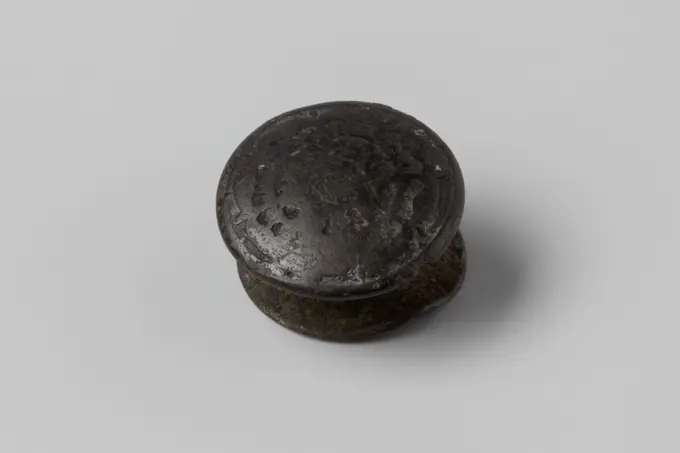
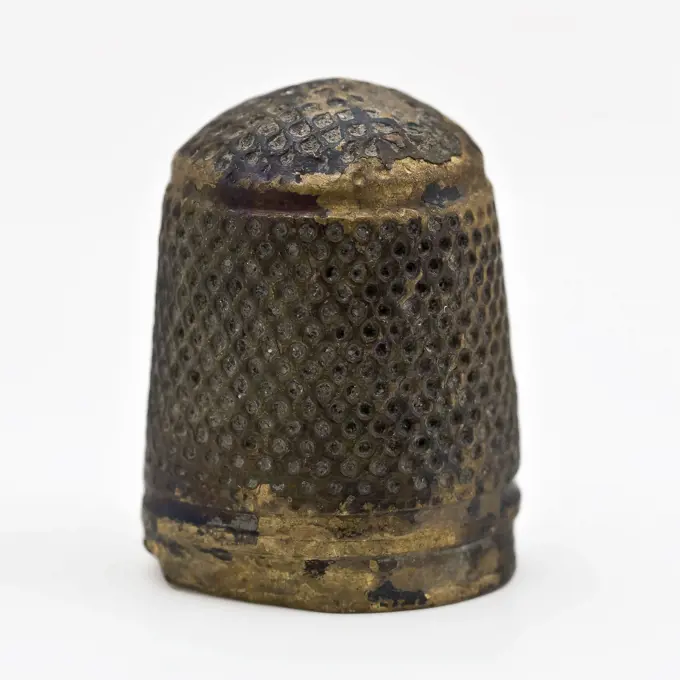
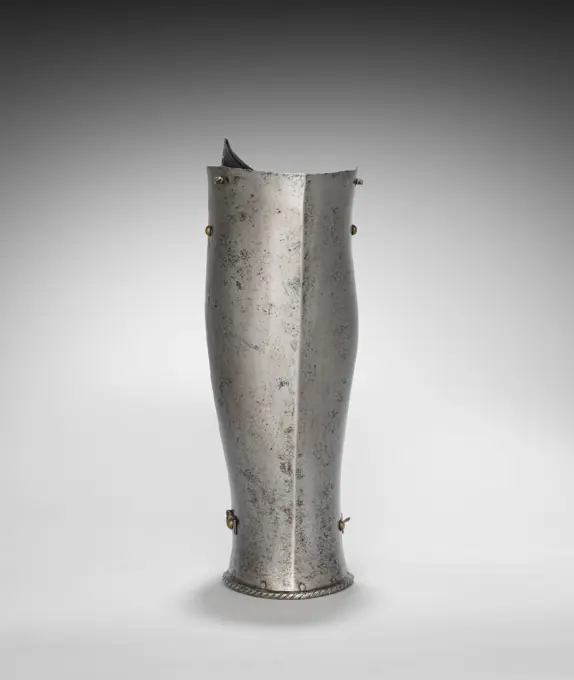
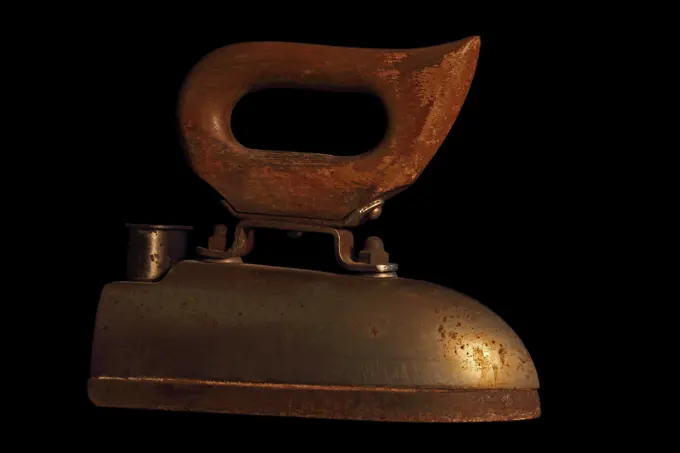
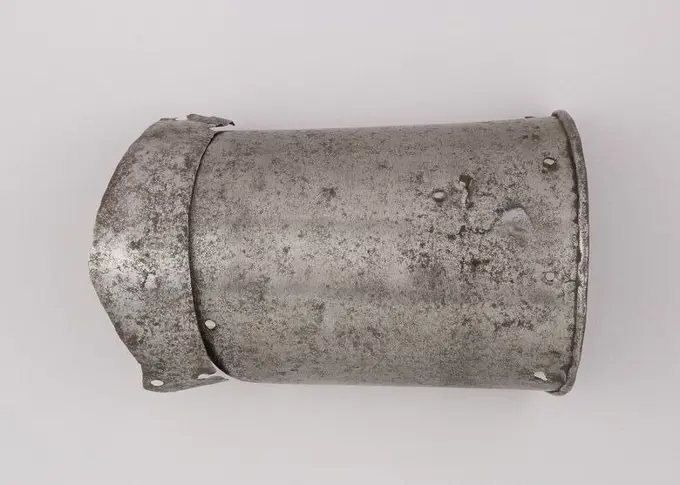
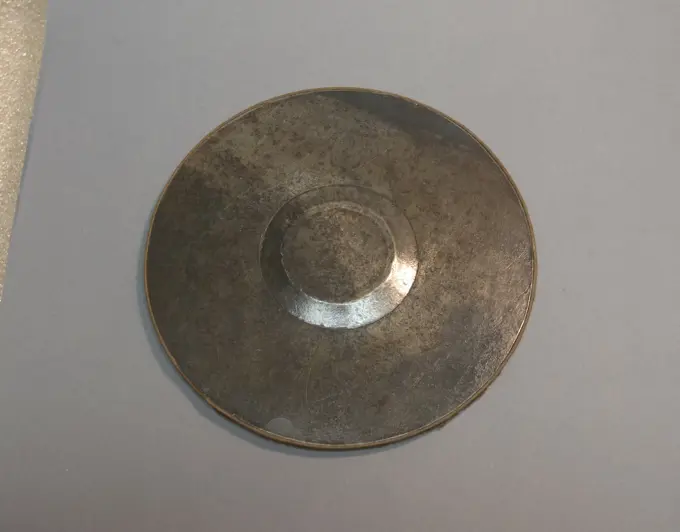
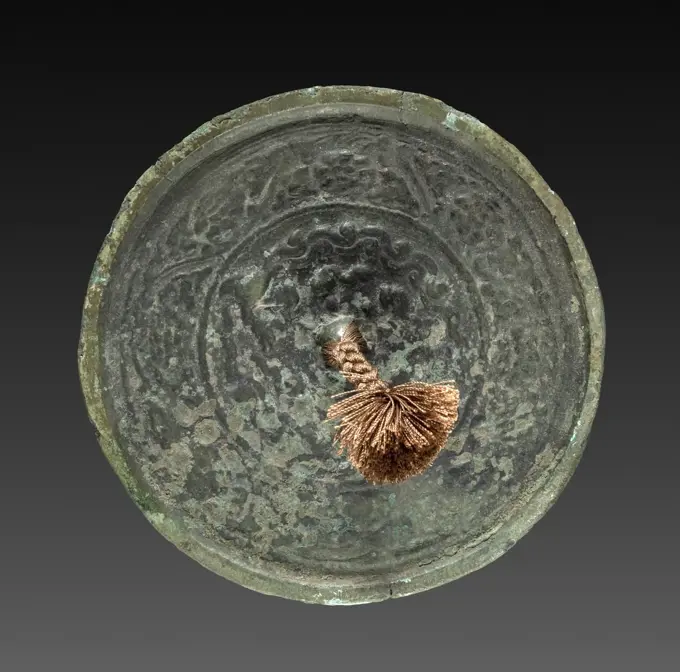
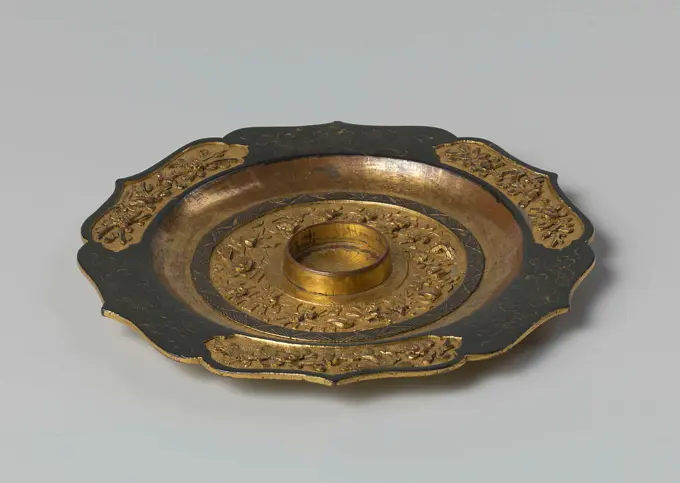
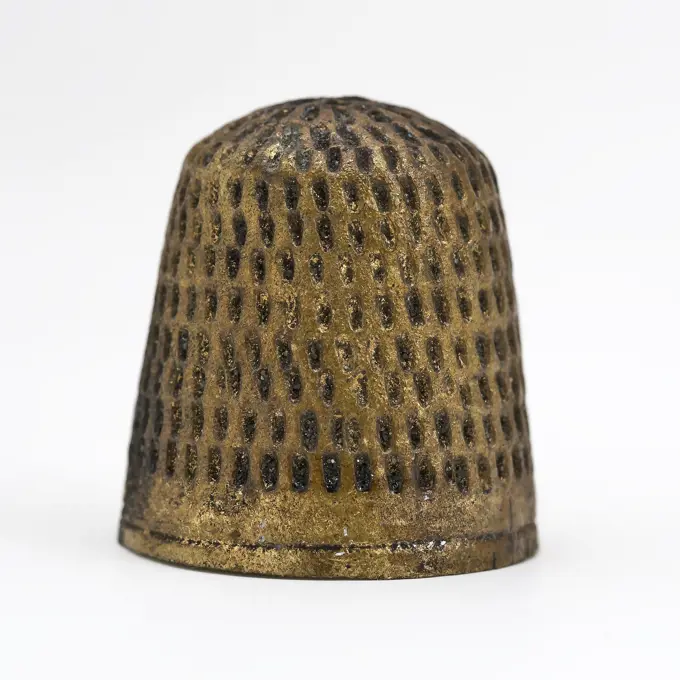
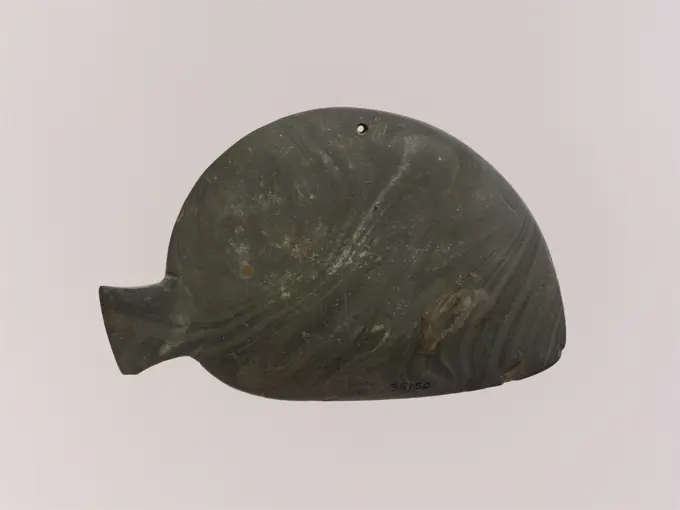
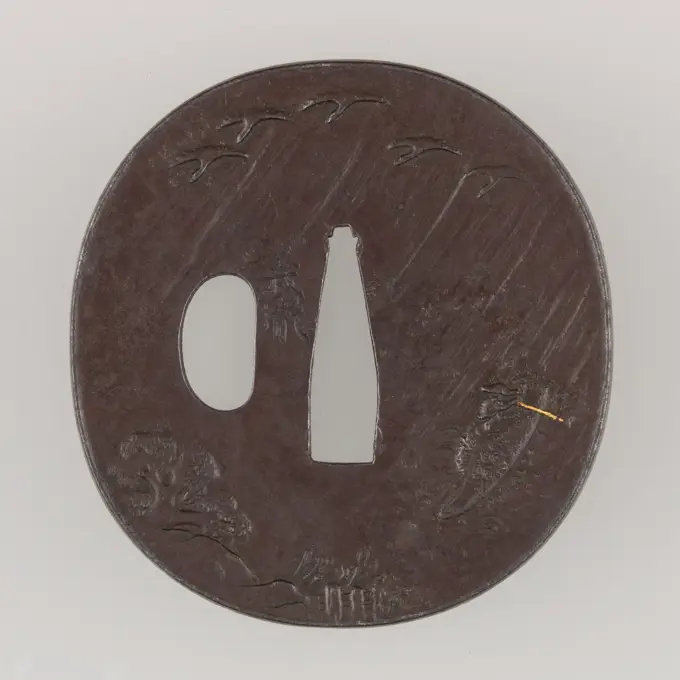
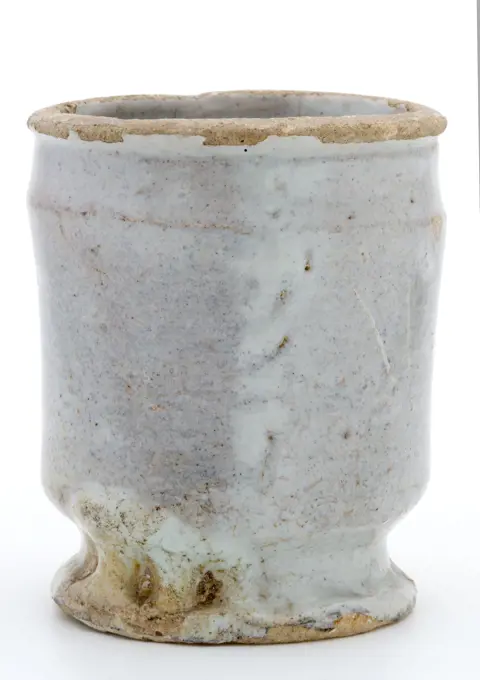
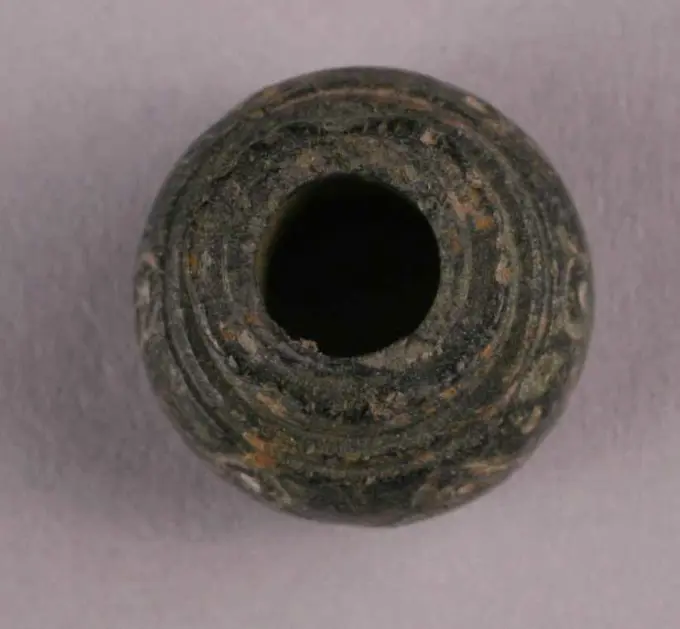
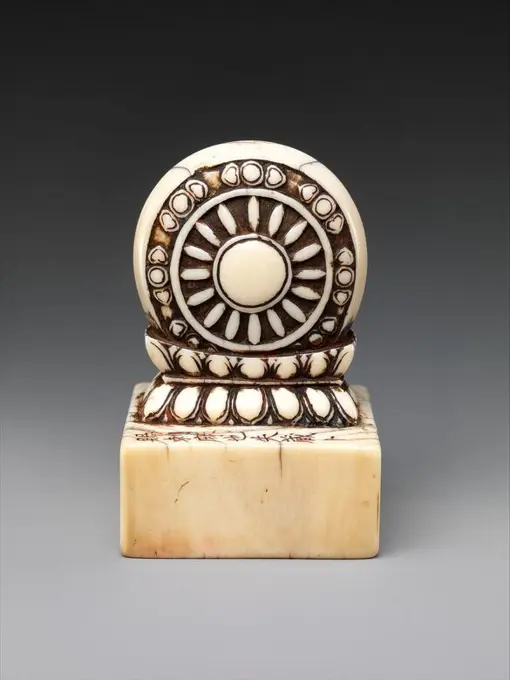
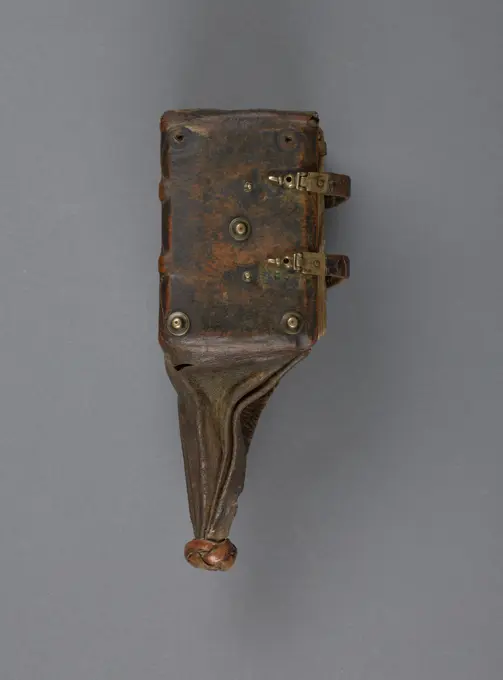
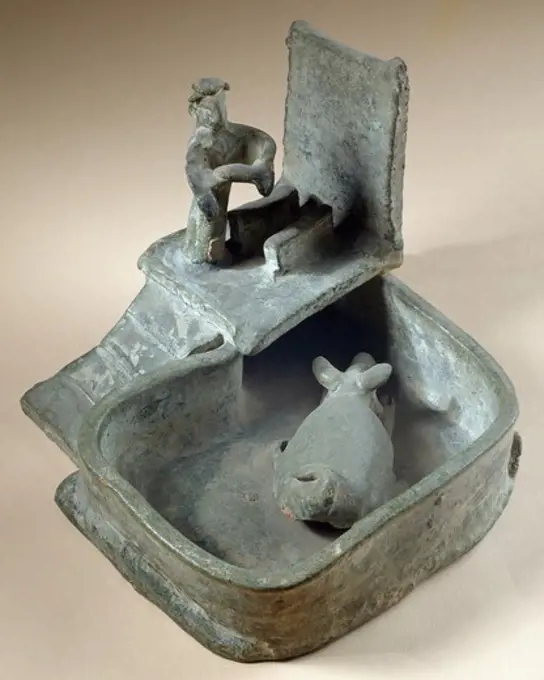
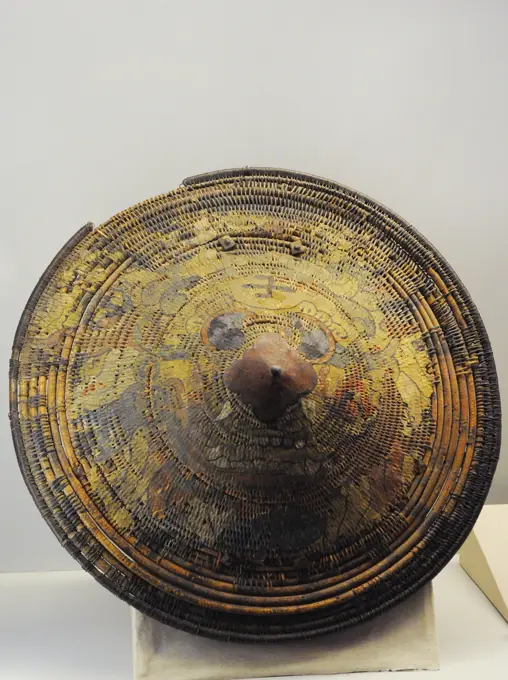
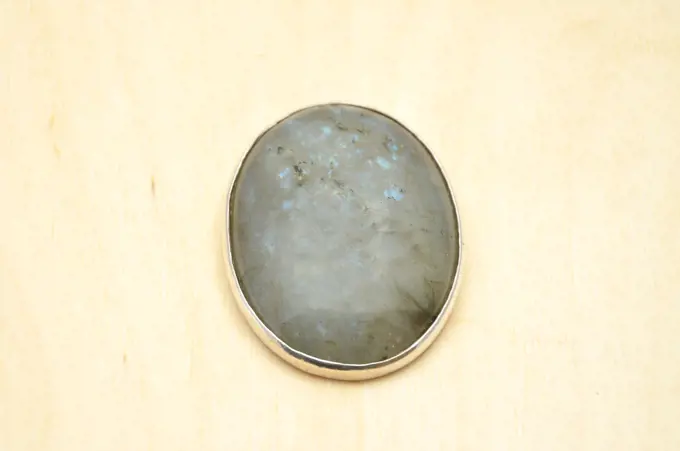
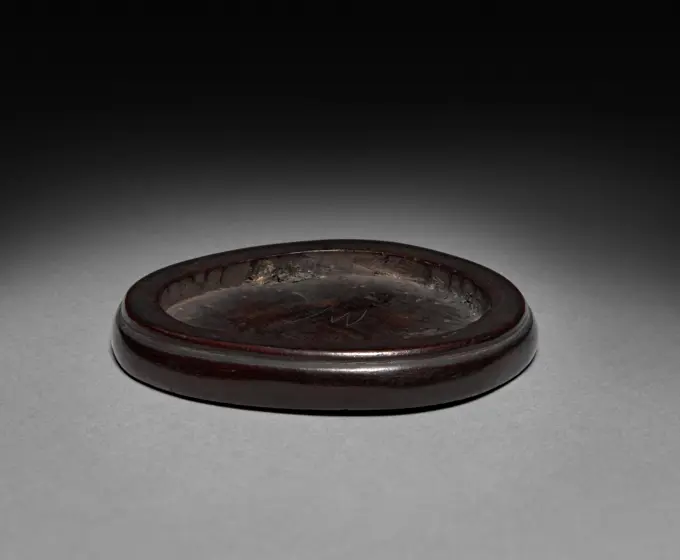
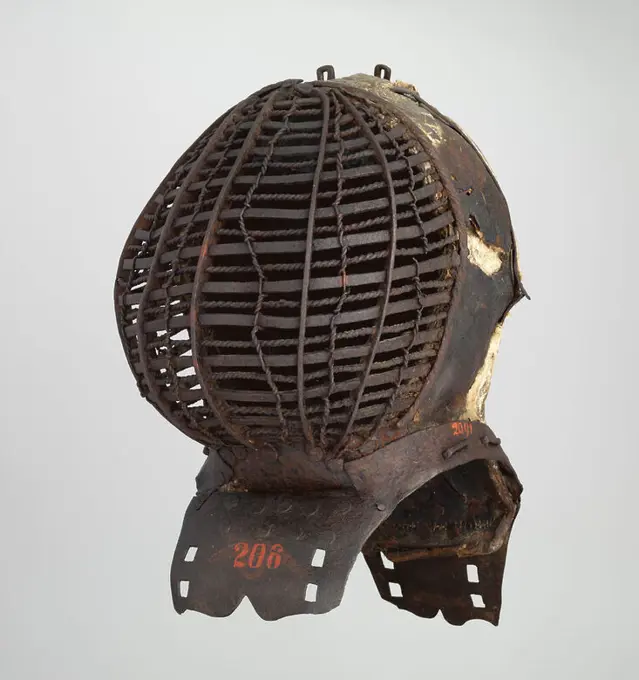
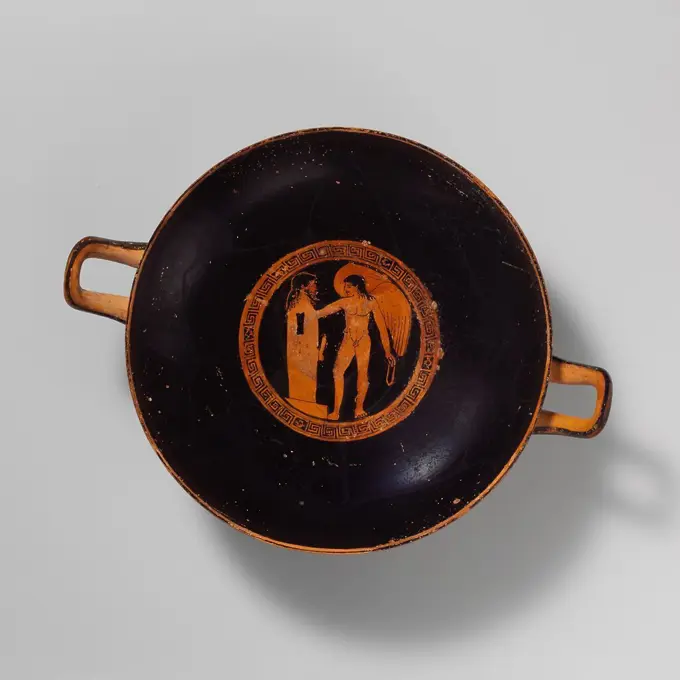
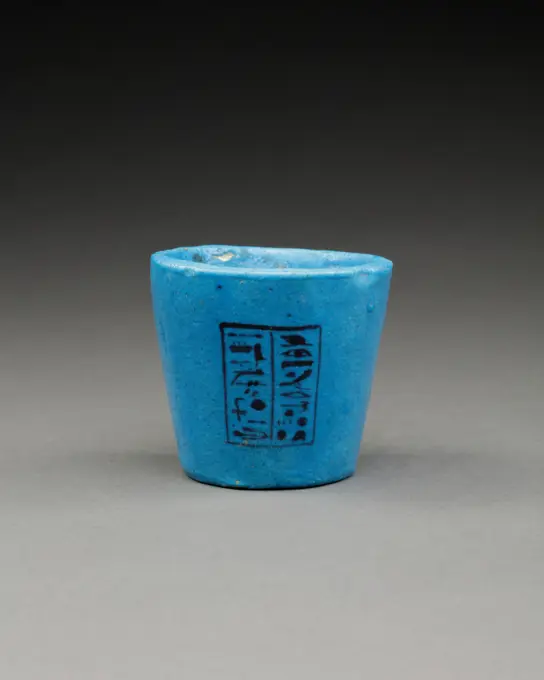
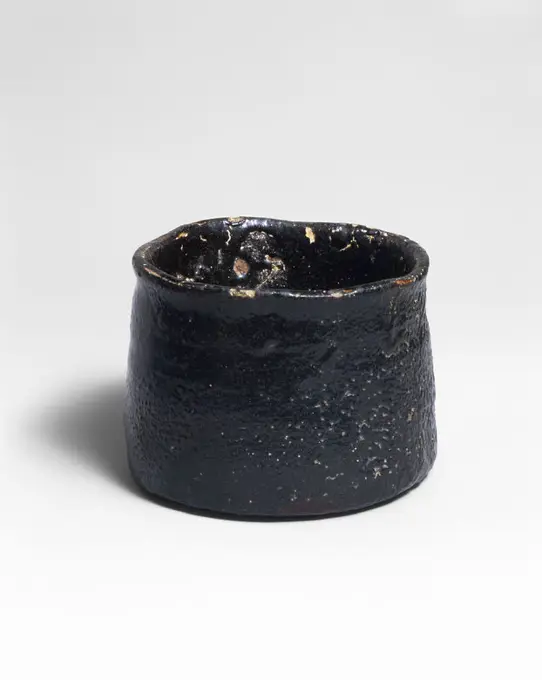
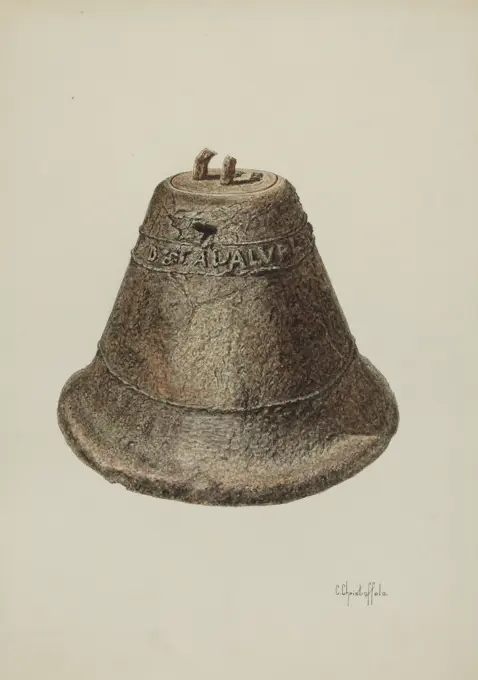
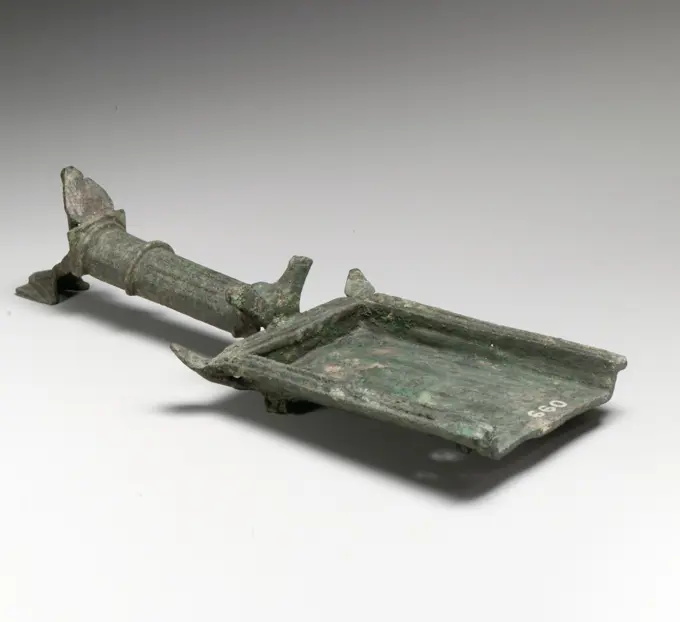
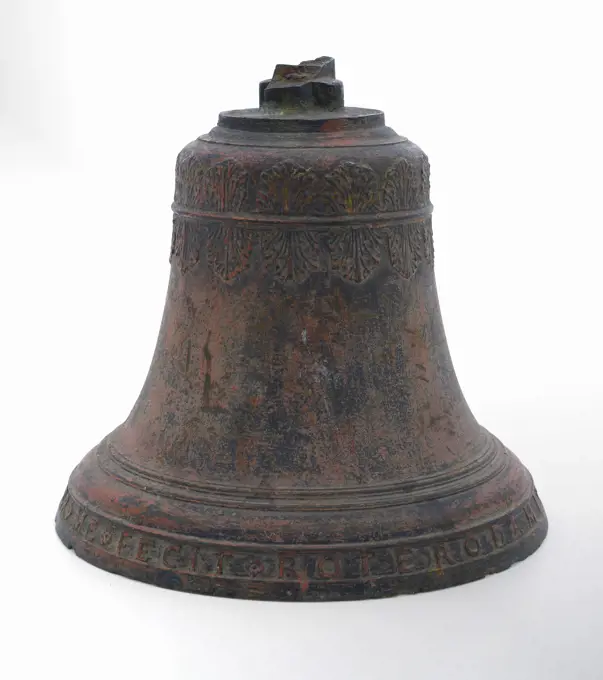
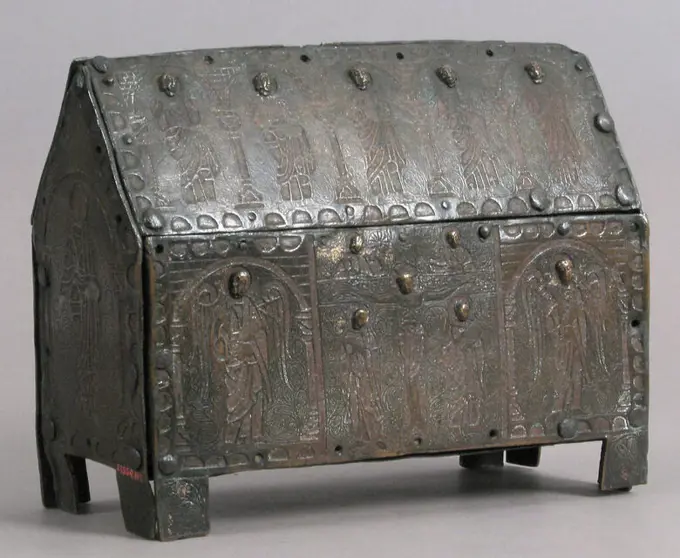
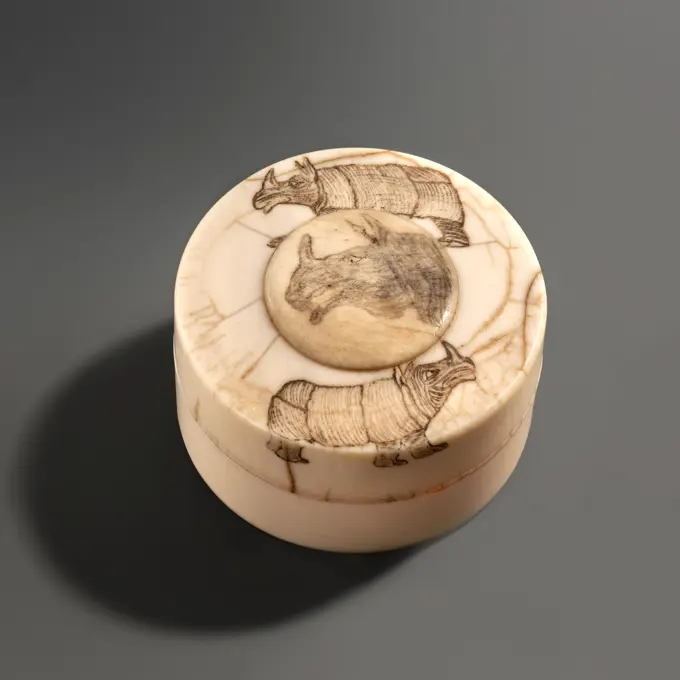
Dąbek, Teresa and Wacław - collection, Dąbek, Wacław, Dar (provenance), Puzdra, Japanese artBoarding Node from the wreck of the East Indians Hollandia, Anonymous, 1700 - in Or Before 1743  Boordeknoop. Stud; (1) squashed, circular, flat top, relieved flower-head motif eroded, lead-filled (1.8d, 1.1h). Netherlands copper (metal)   SecondPendant 2000-1500 B.C. Chinese This collection of largely ethnographic jewelry includes examples from cultures in South America, North America, Europe, Asia, and Africa and dates from the Pre-Columbian period to the twentieth century. Owned by renowned art collector and fashion enthusiast Muriel Kallis Newman, the collection represents her knowledge and appreciation of a wide range of jewelry design and making traditions. Numerous items in her collection are composite artifacts made from various cultures and time periods reappropriated as modern jewelry creations by or for Muriel. It is important to note that Newman wore many of the pieces in the collection, interpreting them to suit and express her own singular, often avant-garde style.. Pendant 141705Rectangular Plaque 500-700 Frankish. Rectangular Plaque 465523 Frankish, Rectangular Plaque, 500700, Copper alloy, Overall: 1 1/16 x 3/4 x 3/8 in. (2.7 x 1.9 x 0.9 cm). The Metropolitan Museum of Art, New York. Gift of J. Pierpont Morgan, 1917 (17.193.204)Knob of Hairpin 100-500 Roman. Knob of Hairpin. Roman. 100-500. Gilt copper alloy. Metalwork-Copper alloyButton 8th-10th century The dot-in-circle motif recalls designs presumed to be of magical significance, most likely an abstract eye to ward off the evil-eye, which serves an apotropaic function. Easily reproduced with a tool and visible in many cultures and times, this symbol may have lost its meaning, and become simply a decorative pattern, or may have one that we have not yet discovered.. Button 449295Inkwell with LidUmbel Pendant ca. 1390-1353 B.C. New Kingdom. Umbel Pendant. ca. 1390-1353 B.C.. Faience. New Kingdom. From Egypt, Upper Egypt, Thebes, Malqata, Palace of Amenhotep III, MMA excavations, 1910-11. Dynasty 18BottleLid for a Teapot with Ruyi Motifs, c. 1893-1914. Seifū Yohei III (Japanese, 1851-1914). Porcelain with molded design and iron handles;Wijzer from the timepiece in the Stadstoren in Middelburg, Anonymous, 1600 - 1699 Wijzer from the timepiece in the Stadstoren in Middelburg. Partly old, partly of a later date. Remains of gold paint, a part has been broken down. Northern Netherlands (possibly)Netherlands (possibly) wood (plant material) Wijzer from the timepiece in the Stadstoren in Middelburg. Partly old, partly of a later date. Remains of gold paint, a part has been broken down. Northern Netherlands (possibly)Netherlands (possibly) wood (plant material)Bronze gold beater's block 4th-5th century A.D.  Roman. Bronze gold beater's block 248318Copper molded thimble with waffle pattern, thimble sewing kit soil find copper metal, cast Copper molded thimble with square wells in lines waffle pattern on the top with groove changing to the shaft with wheel punch and with blank board with two grooves archeology Rotterdam rail tunnel seamstress tailor sewing textile textile clothing needle and thread repair Soil discovery: railway tunnel Rotterdam.Proper Right Greave, c. 1560-1580. South Germany, 16th century. Steel, leather straps, brass rivets; overall: 31 cm (12 3/16 in.). This armor was developed for the joust-a sporting combat between two mounted contestants. Although all of the elements of this armor date from the same period, they are not all from the same suit. This armor is thus called "composed." It also shows the asymmetry of jousting armor. The participants rode along a wall-like barrier known as a "tilt" with their left sides facing one another. Consequently, armor on that side of the body had to be thicker. Note the large plate (grandguard) over the left shoulder for extra protection. Also, the breathing holes in the helmet were placed on the right side (farthest from an opponent's lance) to avoid injuries from splinters. The bracket attached to the right breastplate is called the lance-rest, a shock-absorbing support designed to accommodate the lance when "couched" under the right armpit.Old electric buege iron old electrical iron, Old IronUpper Arm Defense (Rerebrace). Culture: Italian. Dimensions: H. 7 1/4 in. (18.4 cm); W. 2 15/16 in. (7.5 cm); D. 4 1/2 in. (11.4 cm); Wt. 13.2 oz. (374.2 g). Date: ca. 1430-40. Museum: Metropolitan Museum of Art, New York, USA.Large Cutting Disc for Jade 20th century China. Large Cutting Disc for Jade. China. 20th century. Steel. HardstoneMirror, 794-1185. Japan, Heian period (794-1185). Bronze; diameter: 10 cm (3 15/16 in.).Pa. German Jar with Cover. Dated: c. 1937. Dimensions: overall: 50 x 38 cm (19 11/16 x 14 15/16 in.). Medium: gouache on paperboard. Museum: National Gallery of Art, Washington DC. Author: Max Soltmann.Old rusty charcol iron isolated on whiteSaucer. Dish of fire-digging suassa, with scalloped brace-shaped edge and in the middle a raised ring, within which a cup fits. The edge is blacked black, with three brought floral blooms and three cartouches (medallions) with embossed gold-hand decorations of branches with flowers and birds. On the bottom, around upright ring (with weld seam), black-wrapped belt with insurgent dash pattern; Insinned gilded relief of branches with leaves, flowers and birds. Inside upright ring inserted image of an opened flower. The bottom of the dish is smooth, gold-plated.Copper pressed thimble with rectangular wells, thimble sewing kit soil found brass gold metal, pressed Copper pressed thimble with rectangular wells punched one by one with right rotating spiral with groove on the board archeology seamstress tailor sewing textile machining clothing needle and thread repair Rotterdam Soil discovery Rotterdam.Willem Frederik George Lodewijk, Erfprins der Nederlanden , Leonhard Posch (attributed to), 1816  Plaquette on wear eye. Front: breastpiece man to the left. Reverse: inscription: "Kronprinz v. Holland"; In negative breastpiece: signature  .l Berlin iron (metal) castingPrsentoir ". GRS covered. Paris, Muse Cernuschi. Prs. Asian art, extreme-East art, Vietnamese art, ceramic, dishesFish-shaped palette with the remains of green pigment ca. 3650-3300 B.C. Predynastic, Naqada II. Fish-shaped palette with the remains of green pigment 547526Carnavalet museum, medal collection Right level unbalanced to the left.AMULETO ROMANO S I D C. Location: NATIONAL MUSEUM OF ARCHAEOLOGY. NEAPEL. ITALIA.Stijgbeugel, Yoshikuni (possibly), 1700 - 1800 One of a few (cf.Mak 131b); Iron with a floralistic decor and an inscription inlaid with silver. Japan iron (metal). silver (metal) forging / inlay (process) One of a few (cf.Mak 131b); Iron with a floralistic decor and an inscription inlaid with silver. Japan iron (metal). silver (metal) forging / inlay (process)Sword Guard (Tsuba) 19th century Inscribed by Honj Yoshitane Japanese Honj Yoshitane is chiefly known as a masterful engraver of sword blades, but he also decorated some sword fittings, such as this tsuba. It features a design of a fisherman caught in a squall.. Sword Guard (Tsuba). Japanese. 19th century. Iron, gold, copper. Sword Furniture-TsubaPolishing wheel for jade 20th century China These wheels are made of soft materials and are used for polishing works of jade. They are first smeared with a paste made of fine abrasives and water, and then mounted on a spinning shaft driven by foot treadles. This setup frees both of the craftsmans hands to manipulate the jade.. Polishing wheel for jade. China. 20th century. Stone. HardstoneCaster, c. 1720. Andrew Tyler (American, 1692-1741). Silver; with handle: 8.5 x 6.7 cm (3 3/8 x 2 5/8 in.). A caster was used to spread a finely ground substance, probably pepper.Lantern (USA); tin, brass, glass, cotton webbingCandlestick Base first half 14th century. Candlestick Base 452212Earthenware ointment jar, cylindrical, on standing base, transparent white glazed, ointment jar pot holder soil find ceramic earthenware glaze tin glaze, hand turned baked 2x glazed earthenware ointment jar cylindrical on stand foot. Shallow constriction under the top edge Round slightly upright upper edge Standing surface with light soul. White and translucent glazed so that the color of the underlying earthenware shines through the glazing layer Glaze untidy and gloomy. Delftware archeology health care indigenous pottery packing pharmacy store sell medicine drug craftWater Filter 10th-12th century. Water Filter 447423Terra Cotta Pot. Dated: c. 1936. Dimensions: overall: 35.8 x 26.2 cm (14 1/8 x 10 5/16 in.) Original IAD Object: 14" high; 13 1/2" in diameter. Medium: watercolor and graphite on paper. Museum: National Gallery of Art, Washington DC. Author: Cecily Edwards.Bottle cap with narrowed neck with screw thread, cap closure part ground find lead metal, cast Part of lead cap with threaded closure of bottle of archeology Rotterdam City Triangle Newport close transporting keep packaging Soil discovery Rotterdam Nieuwe Haven 1st cesspool (round).Foedraal belonging to a belt, Alphonse L.E. Mosselman, in or before c. 1860 case A black oval fedal with gold print. Side broken. Brussels foedraal: cardboardDish early 16th century German. Dish. German. early 16th century. Brass. Metalwork-BrassPEBETERO DE BRONCE CON MANGO - EMIRATO - SIGLO VIII-IX. Location: MUSEO ARQUEOLOGICO-COLECCION. CORDOBA. SPAIN.Spindle Whorl 10th-early 16th century Mexican. Spindle Whorl 307708Vase fragment ca. 600-550 B.C. Greek, Laconian. Vase fragment 251777 Greek, Laconian, Vase fragment, ca. 600550 B.C., Terracotta, 1 3/4  2 5/16  3/16 in. (4.5  5.9  0.5 cm). The Metropolitan Museum of Art, New York. Gift of A. J. B. Wace, 1924 (24.195.211)Button or Bead 9th-10th century The dot-in-circle motif recalls designs presumed to be of magical significance, most likely an abstract eye to ward off the evil-eye, which serves an apotropaic function. Easily reproduced with a tool and visible in many cultures and times, this symbol may have lost its meaning, and become simply a decorative pattern, or may have one that we have not yet discovered.. Button or Bead 449236Button or Bead or Spindle Whorl 8th-10th century The dot-in-circle motif recalls designs presumed to be of magical significance, most likely an abstract eye to ward off the evil-eye, which serves an apotropaic function. Easily reproduced with a tool and visible in many cultures and times, this symbol may have lost its meaning, and become simply a decorative pattern, or may have one that we have not yet discovered.. Button or Bead or Spindle Whorl 450053Vessel lid ca. 3rd-7th century A.D. Sasanian. Vessel lid 323018Seal with knob in the shape of a wheel. Culture: China. Dimensions: H. 2 3/4 in. (7 cm); W. 1 5/8 in. (4.2 cm); D. 1 5/8 in. (4.2 cm). Date: dated 1424.Symbolic of teaching, the wheel is a standard motif in Buddhist art. The Chinese inscription on the top of this seal gives the date and indicates that it was commissioned for a Tibetan monk, whose name can be transliterated as Yangshidangpu. The seal on the bottom reads jing xie jie lu, or study the law (Buddhism) with diligence. Museum: Metropolitan Museum of Art, New York, USA.Squarish Disk with Rounded Corners 3500 BCE-2500 BCE China. Jade .Partial remains of a gilded bronze divine headdress, with only the solar disc and horns surviving, from Napata. Dated 8th Century BC Breviarium, front cover. 1454. Book covers, girdle books, bindings (gathered matter components). Spencer CollectionIvory spindle whorl ca. 2900-1450 B.C. Minoan This object may also have served as a pendant or finial.. Ivory spindle whorl. Minoan. ca. 2900-1450 B.C.. Ivory . Early Minoan II-Late Minoan IStone Mortar with Pestle on white backgroundSword Guard (Tsuba) ca. 1615-1868 Japanese A tsuba is a sword guard and part of a sword mounting. It is mounted between the swords blade and grip to protect the users hands.. Sword Guard (Tsuba) 33436Pigpen, glazed terracotta model from a funerary collection, China. Chinese Civilisation, Eastern Han Dynasty, 1st-3rd century.Wickerwork shield, called Po, decorated with a head of a tiger. Carried by the elite of the troops or tiger soldiers. Ca.1850, Vietnam. Naval Museum. Madrid. Spain.Detailed and colorful image of labradorite mineralSaucer, 1800s. Wedgwood Factory (British). Black basalt; diameter: 13.7 cm (5 3/8 in.).Bowl with Cover 5th-7th century Korea. Bowl with Cover. Korea. 5th-7th century. High-fired pottery; proto-porcelain. Three Kingdoms period (57 B.C.-A.D. 676). CeramicsBase for Carved Tusk with Chinese Immortal, c. 1868-1912. Japan, possibly Meiji period (1868-1912). Wood; overall: 5.7 cm (2 1/4 in.).Basement of dark green marble. Basement of dark green marble. Together with a shaft, forms the base for a bust of Mr. M.P. Voûte.Pasteipot, 1500 - 1599 A bronze oval pot to bake pie, standing on 4 legs. The lid, at the same height as the pot, shows from above the shape of the pie bar.  bronze (metal) A bronze oval pot to bake pie, standing on 4 legs. The lid, at the same height as the pot, shows from above the shape of the pie bar.  bronze (metal)Terracotta fragment of a kylix (drinking cup) second quarter 5th century B.C. Attributed to the Painter of London E 80 Interior, youth with himation draped over left shoulder, leaning on a stick, with his right hand on hip and his left hand over a laver; to the left, a rock; Obverse, sandals in field, two youths at a goal post, the one on the left wears a himation, the one on the right is nude, behind him a youth with himation, whose right arm is extended; he is holding a stick in his right hand; Reverse, sandals in field, youth with himation, leaning on a stick, youth scraping his left forearm with a strigil, aryballos in field, goal post, youth with himation and stick. Terracotta fragment of a kylix (drinking cup). Greek, Attic. second quarter 5th century B.C.. Terracotta; red-figure. Classical. VasesTournament Helm (Kolbenturnierhelm). Culture: German. Dimensions: H. 19 5/8 in. (49.8 cm); W. 10 1/2 in. (26.7 cm); D. 14 1/8 in. (35.9 cm); Wt. 12 lb. 10 oz. (5727 g). Date: 1450-1500.This extremely rare helmet was intended for the tournament fought by groups of mounted combatants armed with clubs (Kolben) or blunted swords. The helmet is formed from an iron framework covered by canvas and gesso impressed with a floral design based on textile patterns. Due to the fragile nature of the raised gesso decoration, very few of these helmets survive. At the rear is the coat of arms of the von Stein family, which here appears as three black wolf traps on a white shield. Museum: Metropolitan Museum of Art, New York, USA.Plate.   Maker: John Danforth, American, 1741-1799Clog 12th century. Clog 451454Palette in the Form of a Donkey. Egypt, circa 4000 - 3000 BCE. Tools and Equipment; palettes. SchistSpindle Whorl A.D.1-500 Peruvian; north coast (). Spindle Whorl 308853Bell, anonymous, 1400 - 1499 Cattle of bronze. Java bronze (metal) Cattle of bronze. Java bronze (metal)BITACORA DE BARCO DE LA GUERRA CIVIL CON IMPACTO. Location: EXPOSICION DE LA GUERRA CIVIL ESPAÑOLA. MADRID. SPAIN.Ceramic Lucerne with Wild Boar., Iberian period three hundred and fifty to fifty BC, Huesca museum, Aragon community, Spain.Swallowtail Hafted Ax with Chevron Design 500 B.C.-A.D. 300 Indonesia. Swallowtail Hafted Ax with Chevron Design. Indonesia. 500 B.C.-A.D. 300. Bronze. Bronze and Iron Age period. MetalworkPottery vase, Apulia, Italy. Daunia Civilization, 4th Century BC.Brigandine Backplate 1400-1450 Italian This is part of a large find of medieval armor discovered in 1840 in the ruins of the fortress of Chalcis, on the Greek island of Euboea (then a Venetian colony called Negroponte). The fortress had been captured and destroyed by the Turks in 1470. Now divided largely between the Ethnological Museum, Athens, and The Metropolitan Museum of Art, the Chalcis hoard contains many rare and unusual elements of fourteenth- and fifteenth-century armor. Of particular importance are the variety of headpieces and the many fragments of brigandines (armor for the torso constructed of small plates riveted to layers of fabric), some of which retain portions of their original velvet covering. The Chalcis armor provides a unique picture of the armament used in the Aegean, one of the easternmost military outposts of the Venetian empire.. Brigandine Backplate 27666Water Filter 10th-12th century. Water Filter. 10th-12th century. Earthenware. Attributed to Egypt. CeramicsSpindle Whorl 10th-early 16th century Mexican. Spindle Whorl 307690Sundial -Harness Ring. Greek; Thessaly. Date: 800 BC-600 BC. Dimensions: 0.5 × 3.3 × 3.3 cm (3/16 × 1 1/4 × 1 1/4 in.). Bronze. Origin: Thessaly. Museum: The Chicago Art Institute, Chicago, USA. Author: ANCIENT GREEK.Spindle Whorl, 700s - 900s. Iran, early Islamic period, 8th - 10th century. Bone, incised; overall: 0.8 x 1.2 x 1.2 cm (5/16 x 1/2 x 1/2 in.).Imitation Early Cycladic Violin-shaped Figure. UnknownTerracotta kylix (drinking cup). Culture: Greek, Attic. Dimensions: width 11 3/4in. (29.9cm); diameter 9in. (22.9cm). Date: mid-5th century B.C..Interior, Eros at a hermExterior, obverse and reverse, banquetersThe earliest herms were square stone pillars terminating in a bearded head of Hermes, the god of boundaries. They were introduced in Athens about 520 B.C by Hipparchos, the son of the tyrant Peisistratos, to mark points midway between the various Attic villages and the Athenian Agora. Soon herms stood before private houses and sanctuaries, as well. Museum: Metropolitan Museum of Art, New York, USA.Wax TabletFragmentsBlock.A 26 cm tweef high grenade block according to the regulations of 1865, with iron wire noose; The binding is made of rope, the block has an iron stocking and a hook.Cup of Nesikhonsu ca. 990-969 B.C. Third Intermediate Period This cup made of blue faience belonged to Nesikhonsu, the wife of the High Priest of Amun Pinedjem II. A hieroglyphic inscription names Nesikhonsu and gives her the title "Osiris, Great Leader of the First Music Troop of Amun" - a group of female musicians serving Amun-Re in his Karnak temple. It was one of 70 ritual cups that were used for libation rituals during Nesikhonsus funeral and buried within her tomb afterwards.Nesikhonsu was buried in the Theban Tomb no. 320 (TT 320) in Deir el-Bahari, otherwise known as the "Royal Cache." This mass burial also contained the bodies and funerary equipment of several family members, as well as more than fifty royal mummies from the New Kingdom, who had been re-buried following several tomb robberies in the Valley of Kings during the 21st Dynasty.. Cup of Nesikhonsu. ca. 990-969 B.C.. Faience. Third Intermediate Period. From Egypt; From Upper Egypt, Thebes, Deir el-Bahri, Royal CacheFragment ca. 1150-ca. 1250 European or Middle Eastern. Fragment 696631Black Seto Teabowl, known as "Iron Mallet" (Tettsui). Culture: Japan. Dimensions: H. 3 11/16 in. (9.3 cm); Diam. of rim: 4 3/4 in. (12 cm). Date: late 16th century.Some of the finest tea wares of the Momoyama period, including Black Seto (Seto-guro), were produced in the Mino kilns in Gifu Prefecture. Sen no Rikyu (1522-1591), the influential arbiter of the aesthetics of tea, preferred "imperfect," spontaneously potted ceramics and used them as the basis of a simple and austere wabi style. This teabowl was hand-sculpted using a spatula following its initial shaping on the wheel. The heavy black glaze was developed specifically to be used on cylindrical Mino bowls. It has a deep black, lacquerlike luster that was created by removing the bowl from the kiln at the peak of the firing process. As the teabowl was slightly under-fired, it has a mottled texture. This piece is said to have been one of Mrs. Burke's most treasured acquisitions. Museum: Metropolitan Museum of Art, New York, USA.Hammered Silver Arc Ornament 12th-15th century Chimú. Hammered Silver Arc Ornament 309057Cornelius Christoffels, Church Bell, 1940 Church BellBronze batillum (incense shovel) late 1st-early 2nd century A.D. Roman With four knobs on the under side of the blade.. Bronze batillum (incense shovel) 246907Frame Drum 19th century Shonshone / Shoshonean Native American. Frame Drum 501178Quirijn de Visser Willemszoon (1675 - 1732), Bronze bell, Quirijn de Visser, 1718, bell clock clock sound medium bronze paint, approx 15 kg cast Clock built from shoulder with ribbed decorated flank faussure (= transition from flank to striking ring) with ribbing ring with inscription. On top of the head broken suspension. On the outside remnants of red paint In Latin majusles poured into the slag ring: QUIRIN DE VISSER ME FECIT ROTERO DAMI ANNO 1718 (Quirin de Visser made me Rotterdam in 1718) with punctuations consisting of square flower (eight times). The letter 'N' is mirror image cast metal cast war Second World War communication sound The 1947 annual report states that it concerns one of the clocks returned from Germany.Hat ca. 1825 American. Hat 168588Chasse. Culture: French. Dimensions: Overall: 6 x 7 15/16 x 3 1/4 in. (15.2 x 20.2 x 8.2 cm). Date: late 12th-early 13th century. Museum: Metropolitan Museum of Art, New York, USA.Kylix showing ajumper.  Artist, manner of: Chaire Painter, Greek, Attic, active ca. 530-500 B.C.Canteen Factory productTerracotta oil lamps  Tamil Nadu  India Copyright: xMxAmirtham/DinodiaxPhotoxSandals ca. 1479-1425 B.C. New Kingdom. Sandals. ca. 1479-1425 B.C.. Sheet gold. New Kingdom. From Egypt, Upper Egypt, Thebes, Wadi Gabbanat el-Qurud, Wadi D, Tomb of the Three Foreign Wives of Thutmose III. Dynasty 18Deck Light, anonymous, c. 1821 portlight Round patent glass with a loose grid that can replace the glass. The brass flange is screwed on the deck with six screws, the glass in the bottom with the matte convex side upwards, and with a bayonet closure with six cams in the flange locked; Two brackets serve as handles. The cast iron grid is flat with six spokes. Glass (A), brass flange (B) and Rooster (C). United Kingdom brass (alloy). glass. cast ironCupBowl and ladle. Norway. Flakstad, Hamar k., Hedmark. 10th century. Historical Museum. Oslo. Norway.Przeszo Przyszoci unknownOld rusty gear Old rusty gear, isolated on white background Copyright: xZoonar.com/OleksandrxKostiuchenkox 4032211