Archaeological Lids and Mirrors

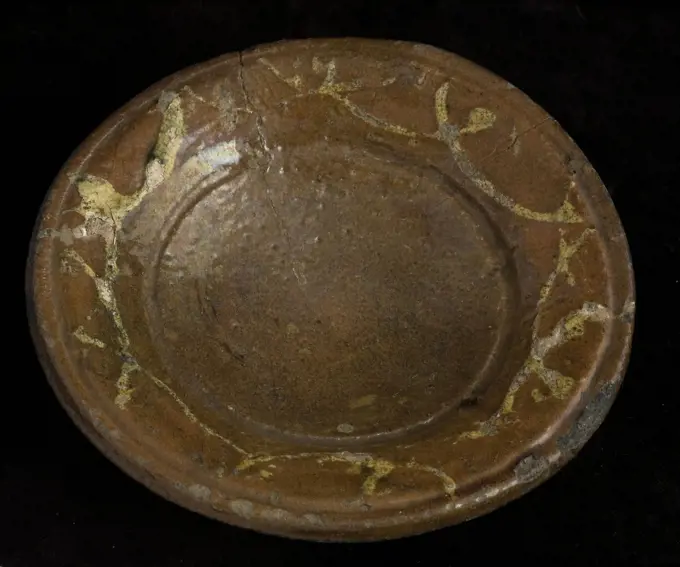
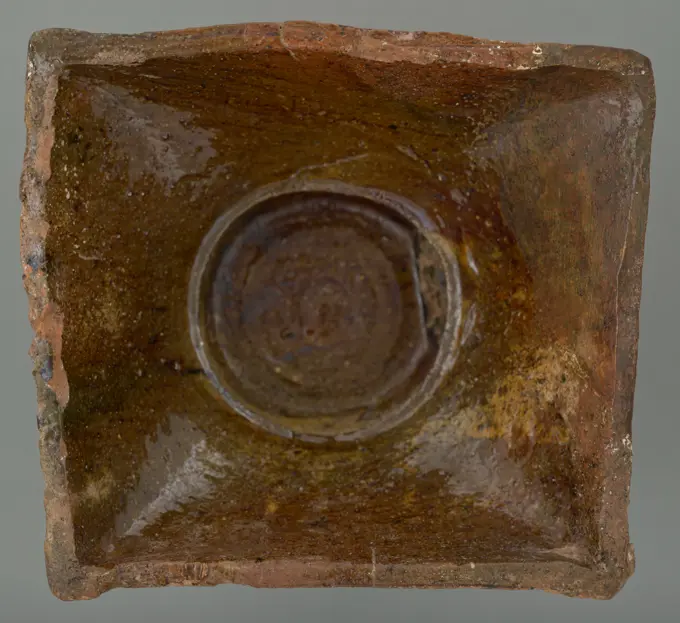
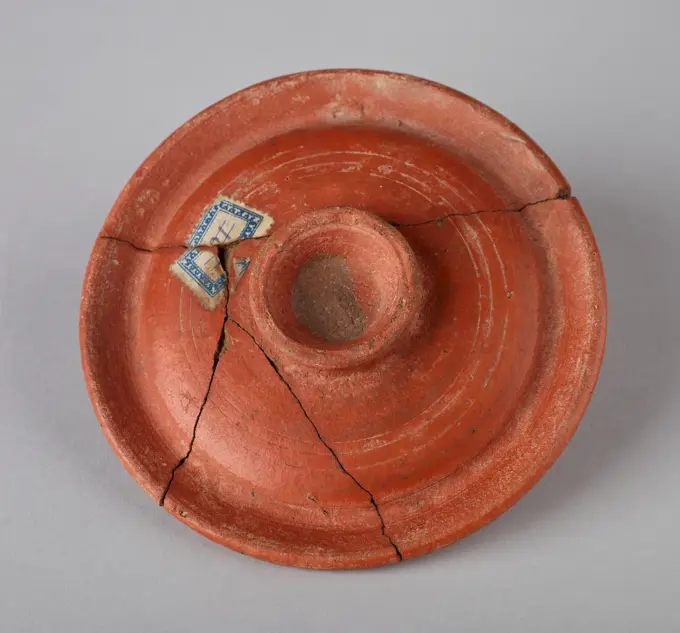
Historical lids and mirrors from different cultures, showcasing ancient designs and materials, linked to archaeological finds.

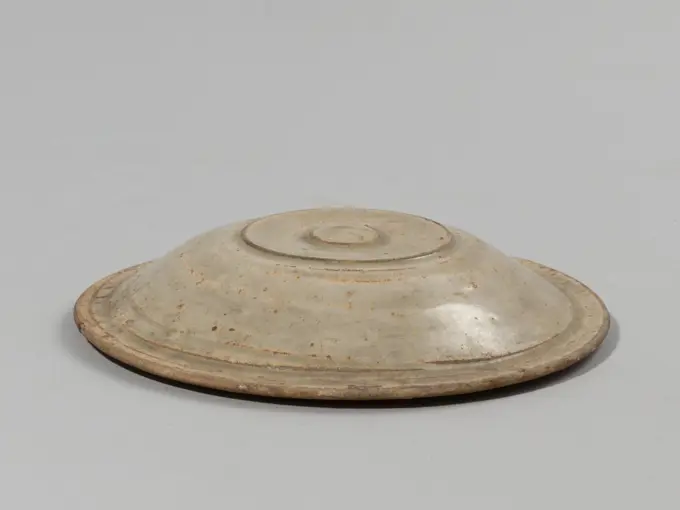
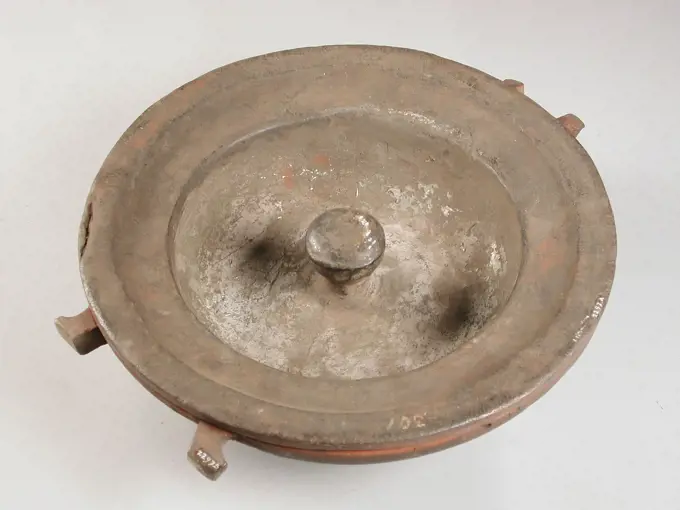
Lid, industrial white goods, high button with acorn, lid closure part soil find ceramic earthenware glaze lead glaze, Round lid with handle in the middle an upright tip ending in stylized acorn underside an edge and center underneath hollow Off white Fully glazed archeology Preserve Rotterdam railroad tunnel for storage of tableware Soil discovery: rail tunnel Rotterdam.
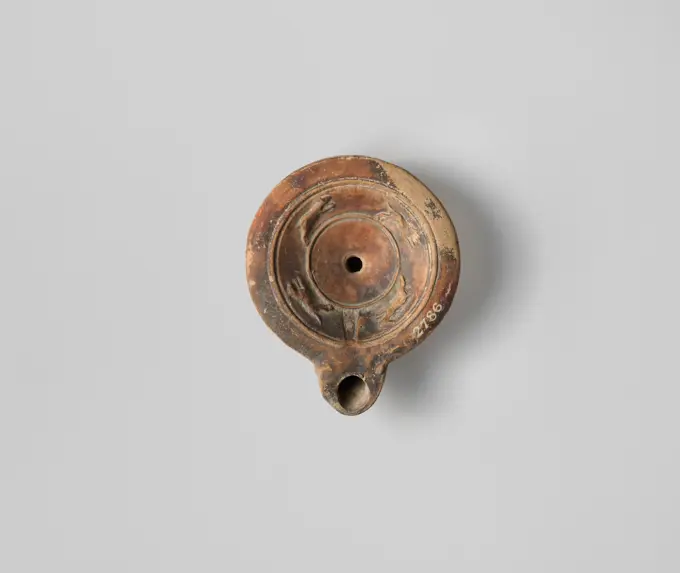
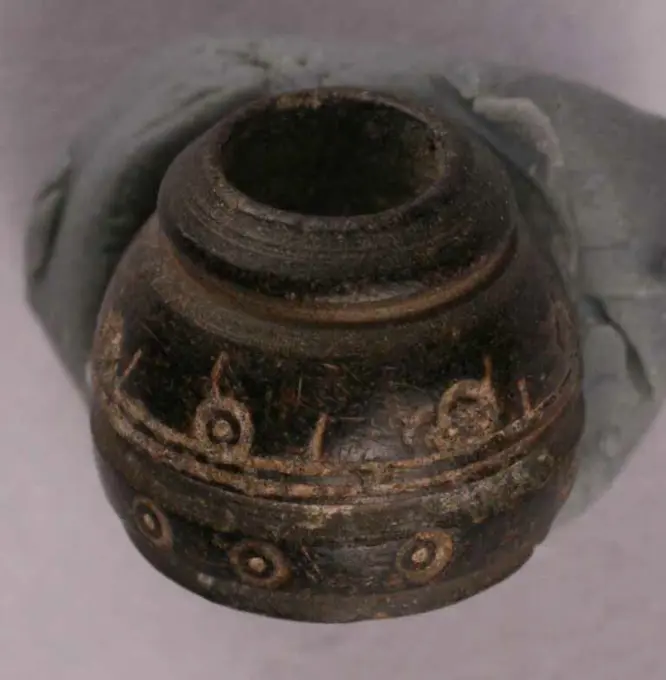
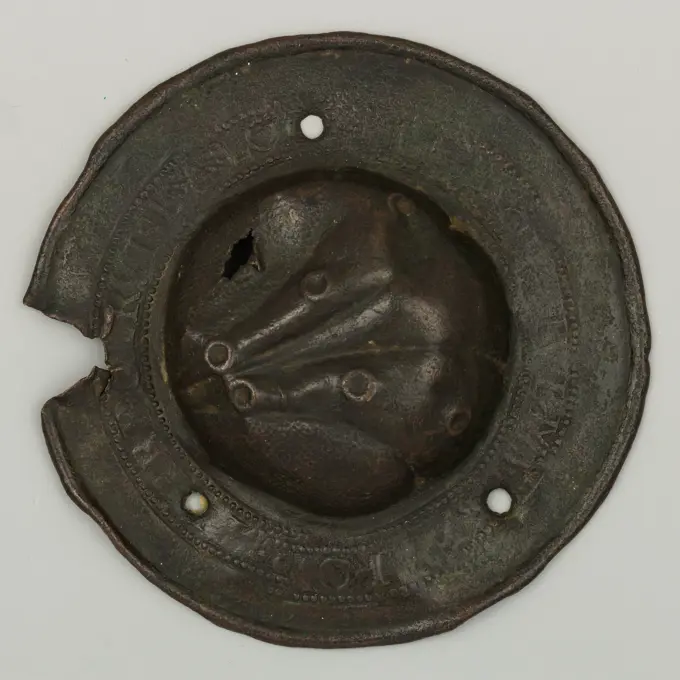
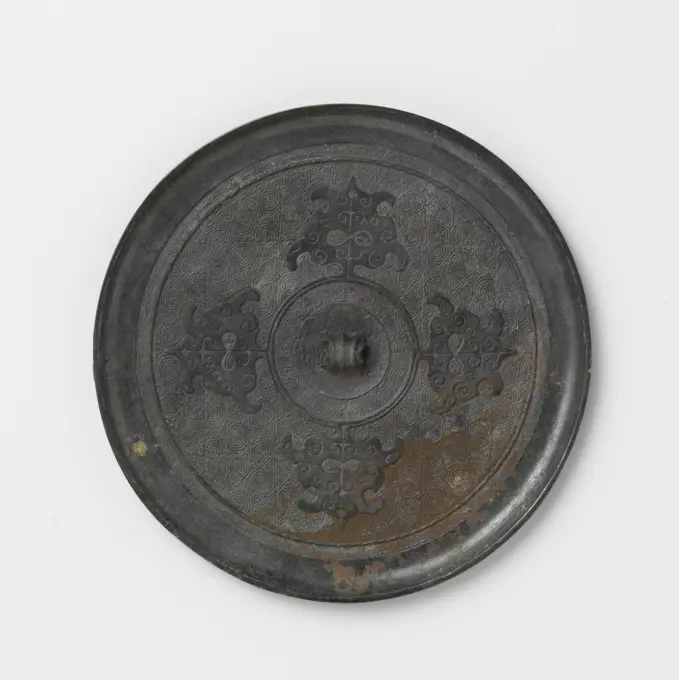
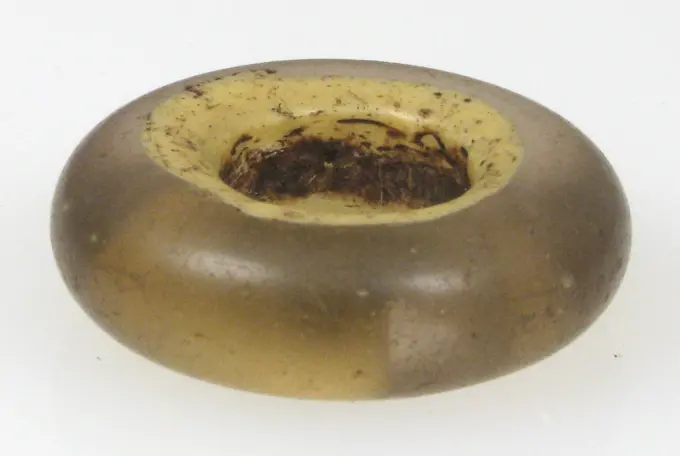
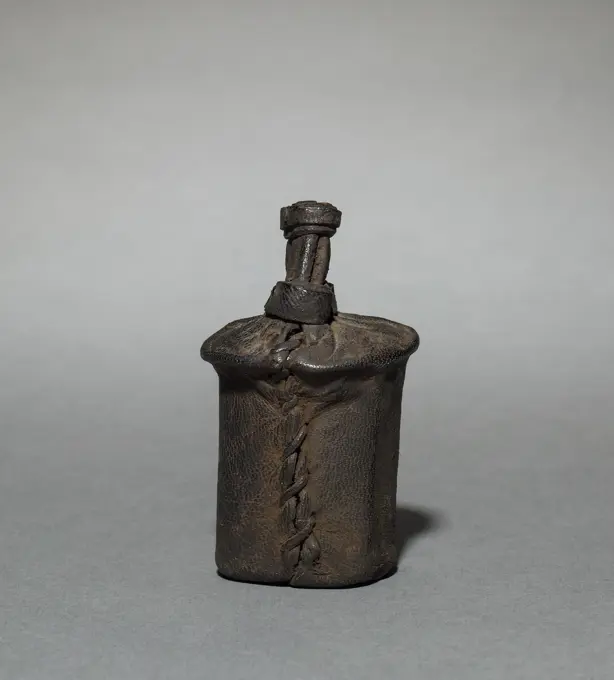
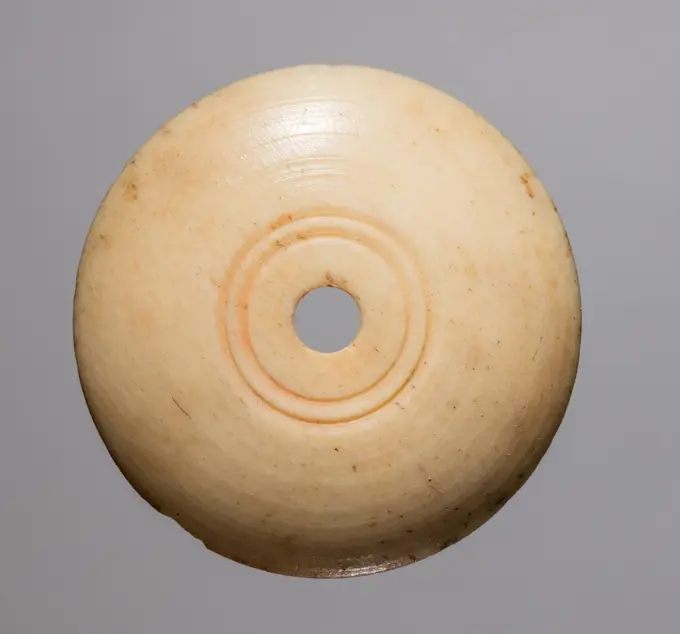
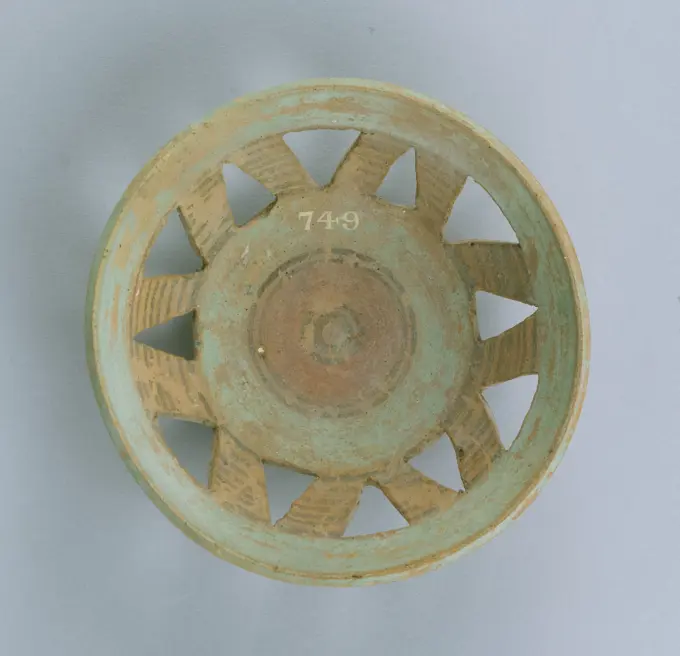
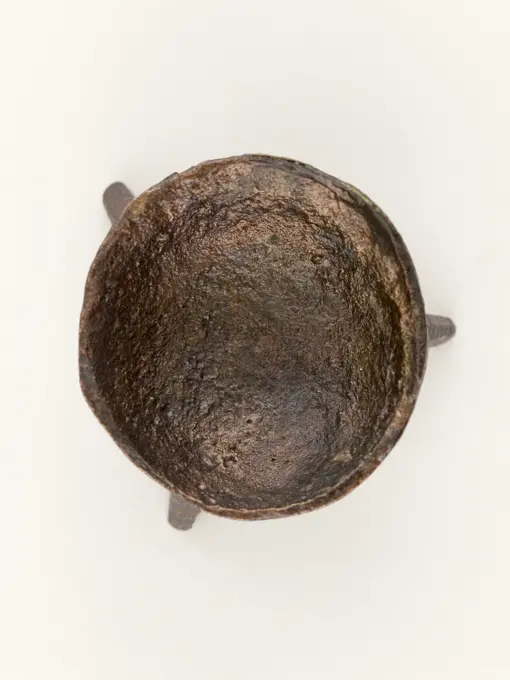
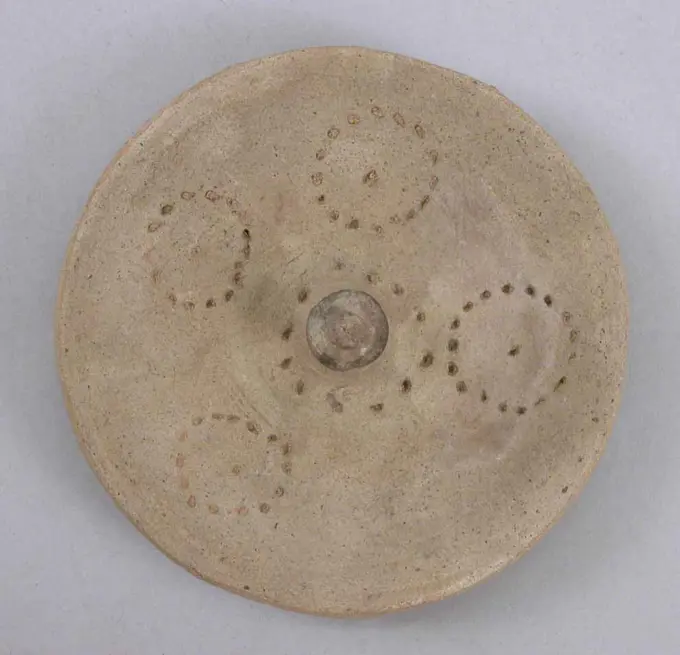
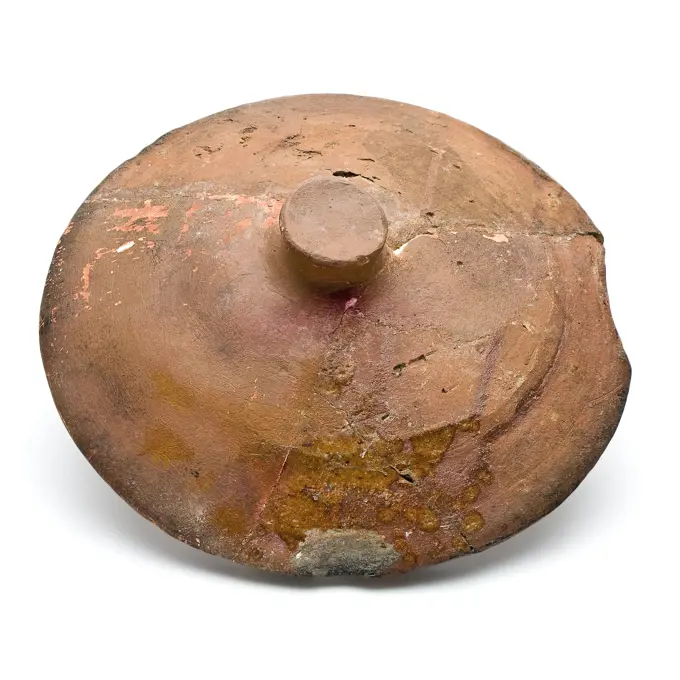
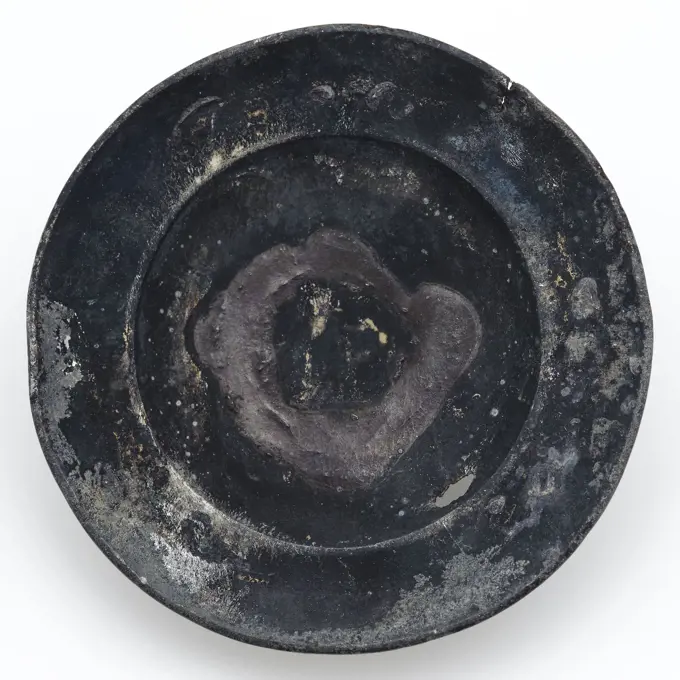
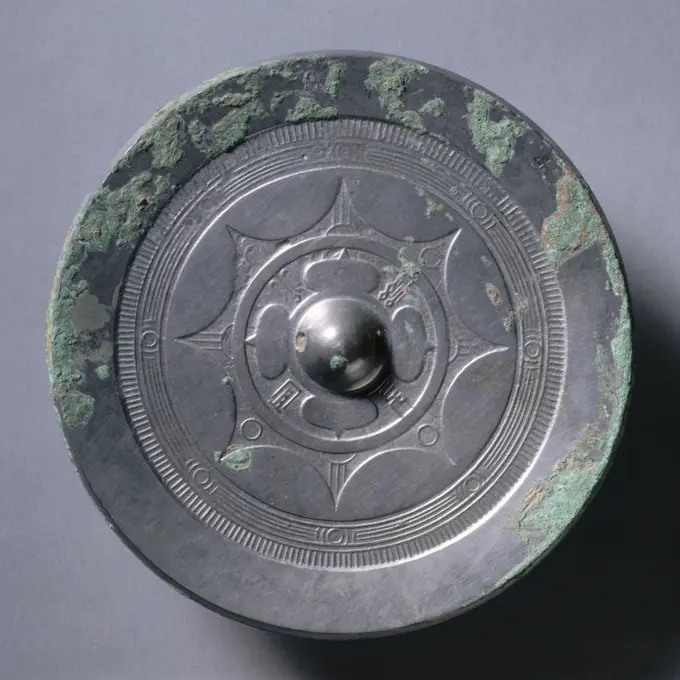
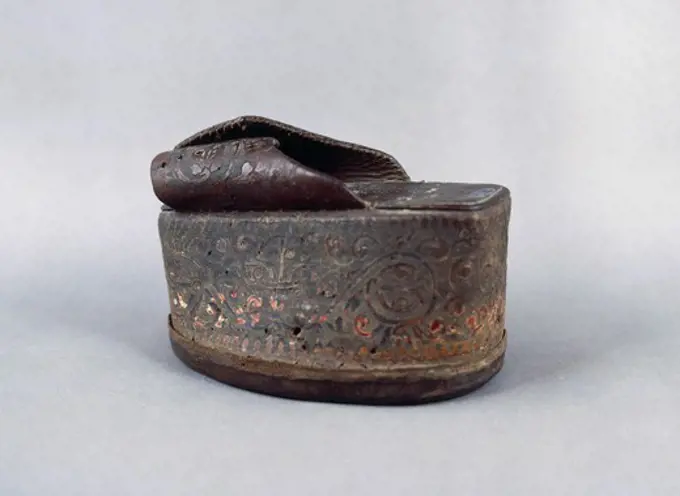
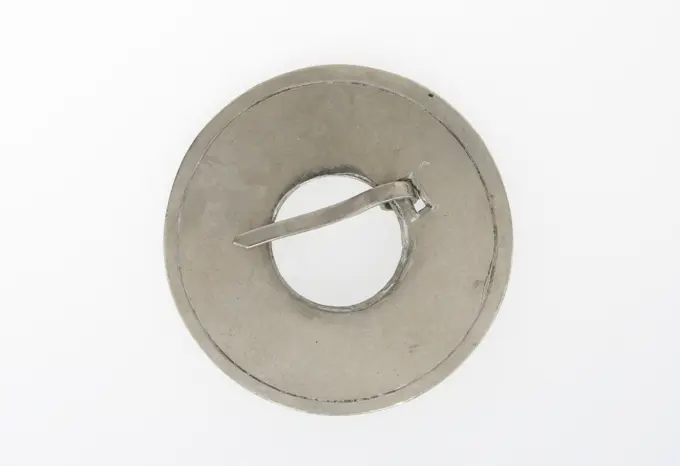
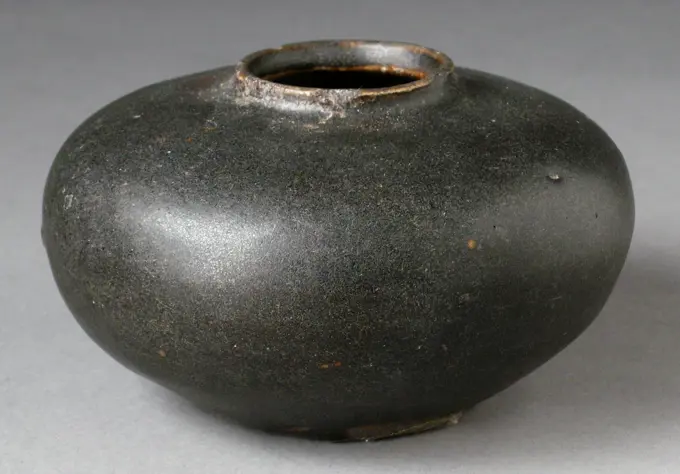
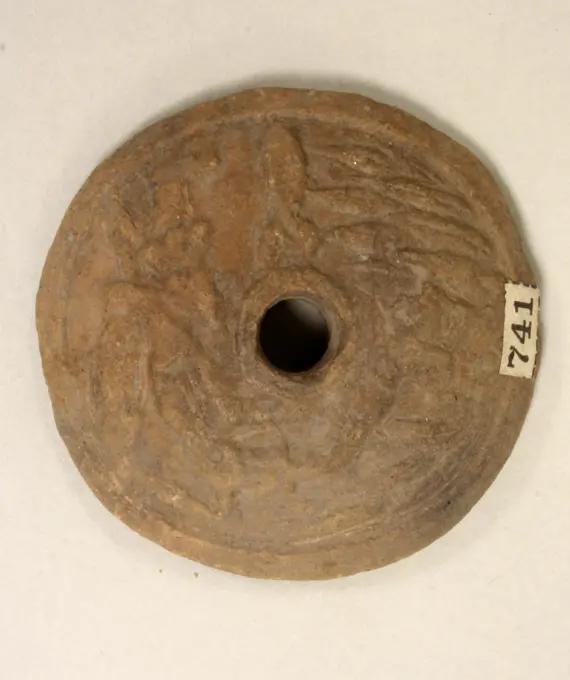
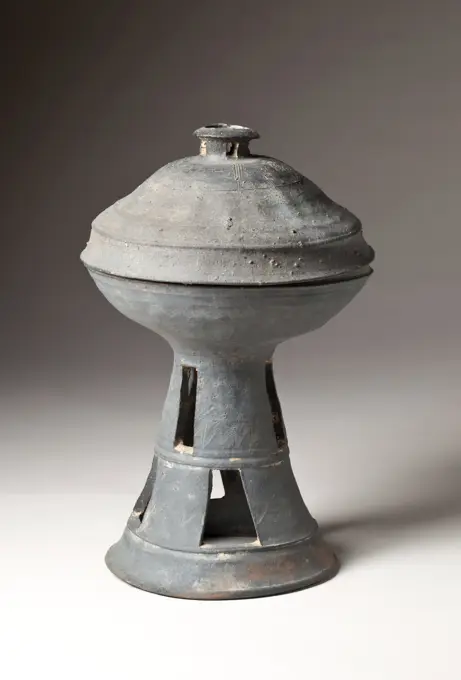
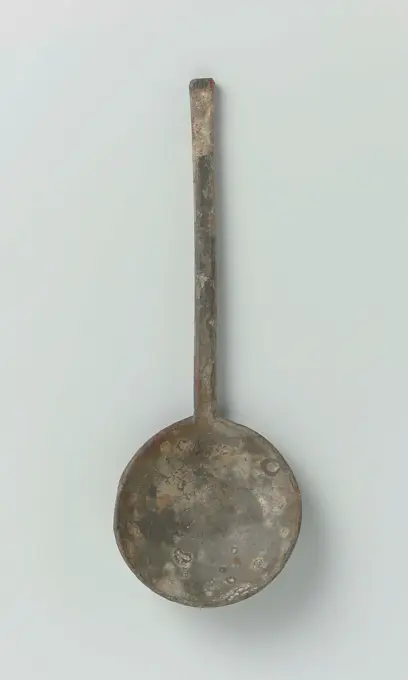
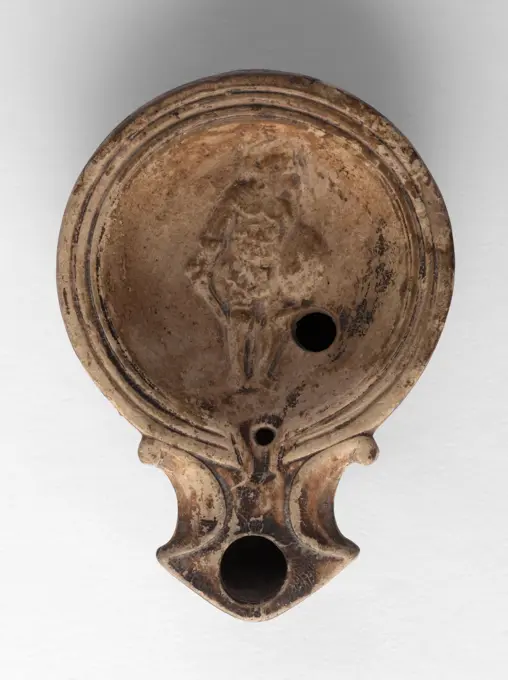
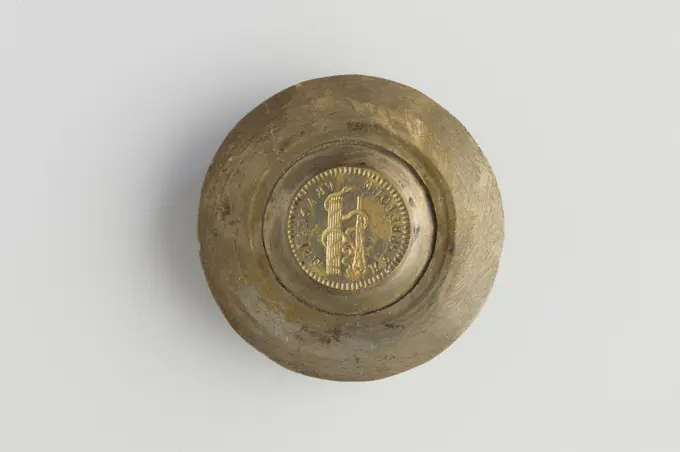
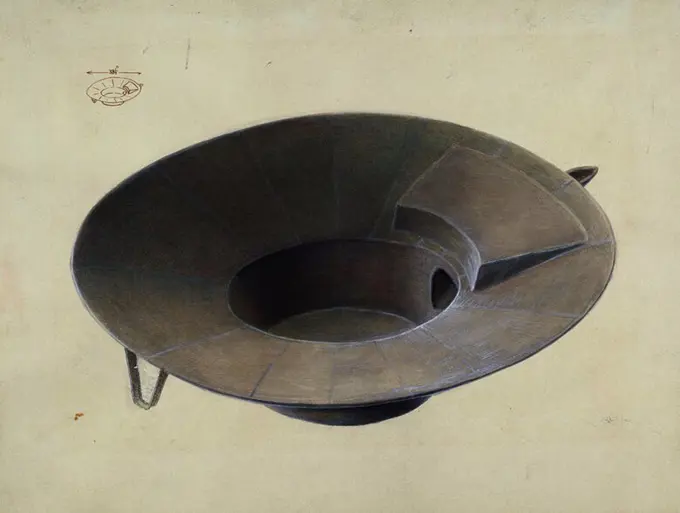
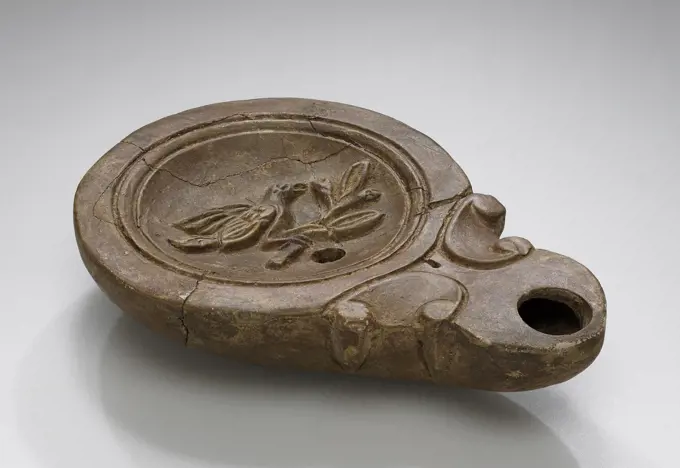
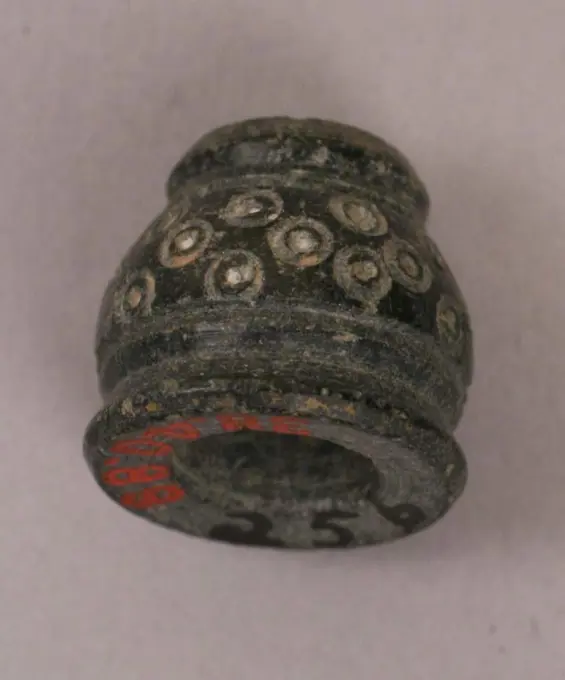
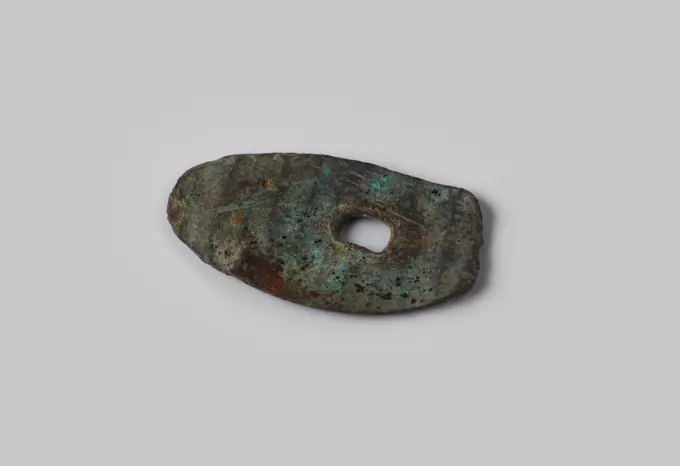
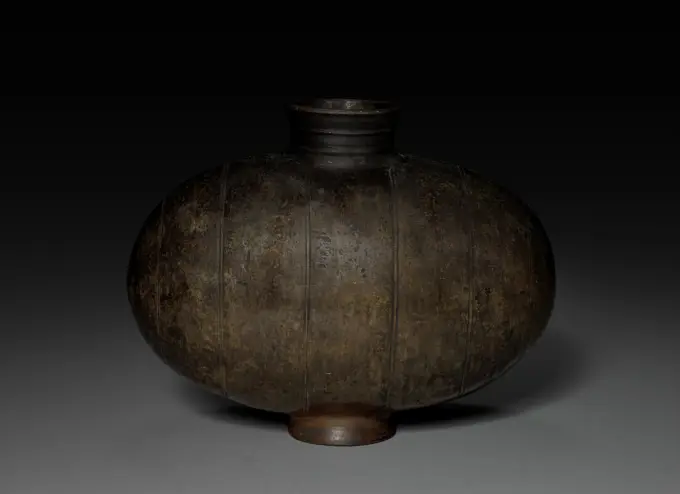
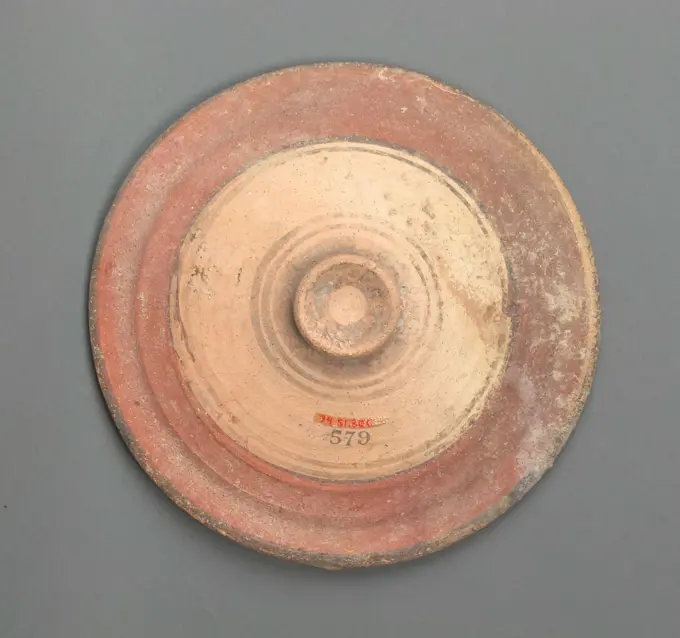
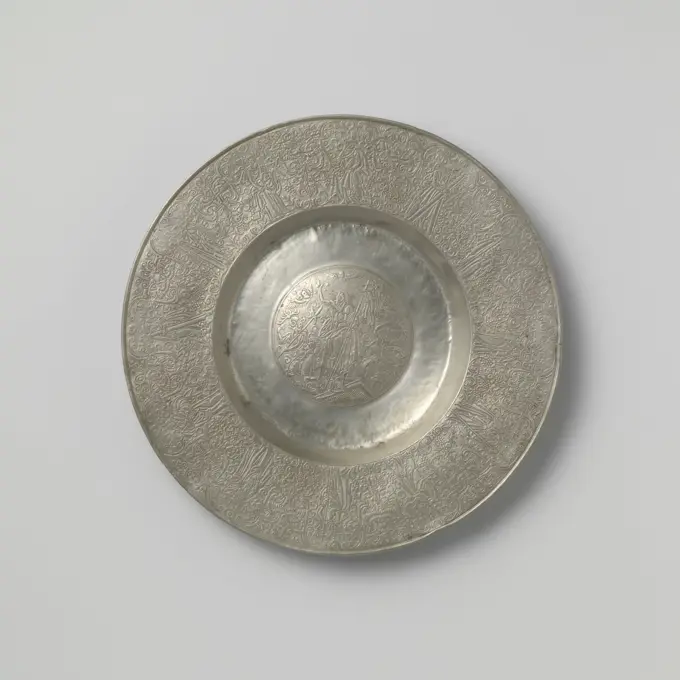
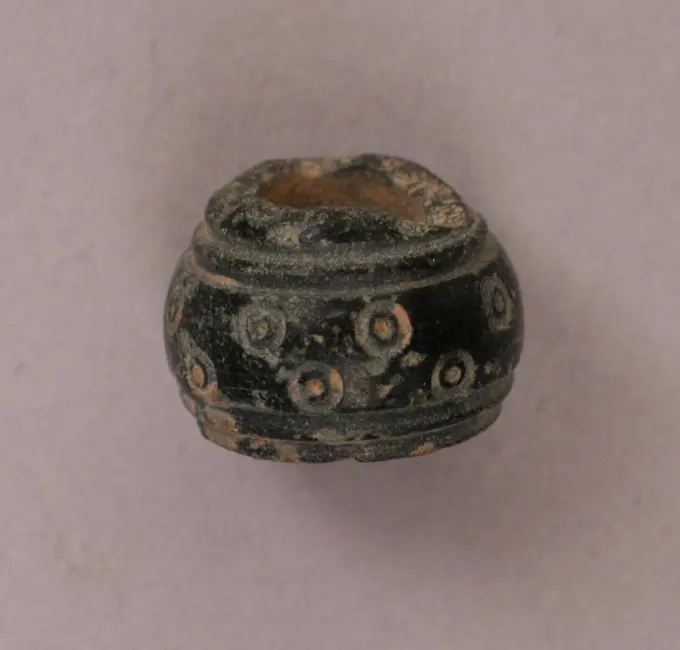
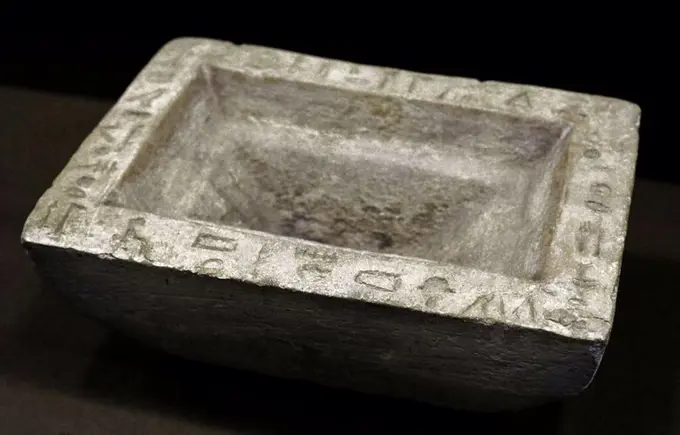
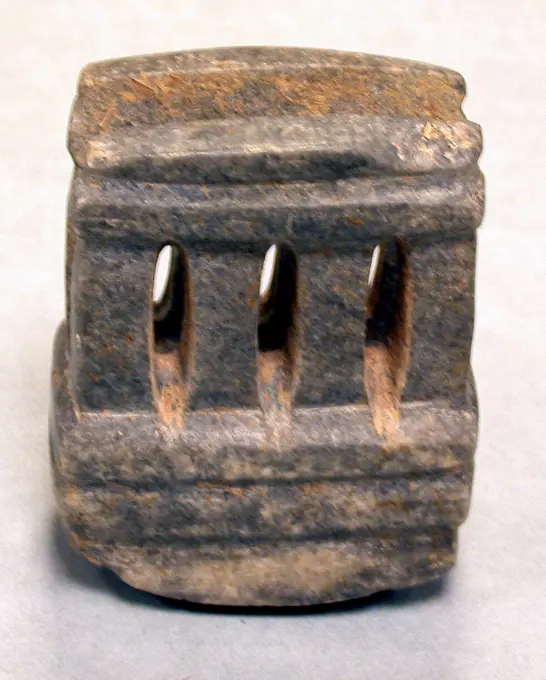
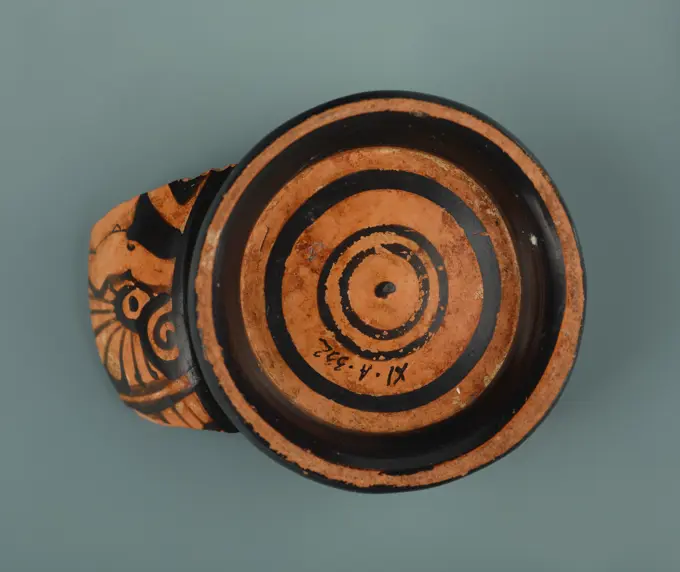
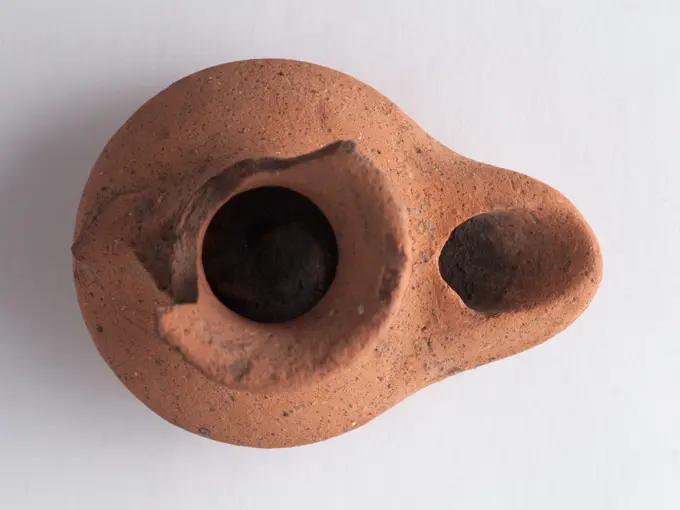
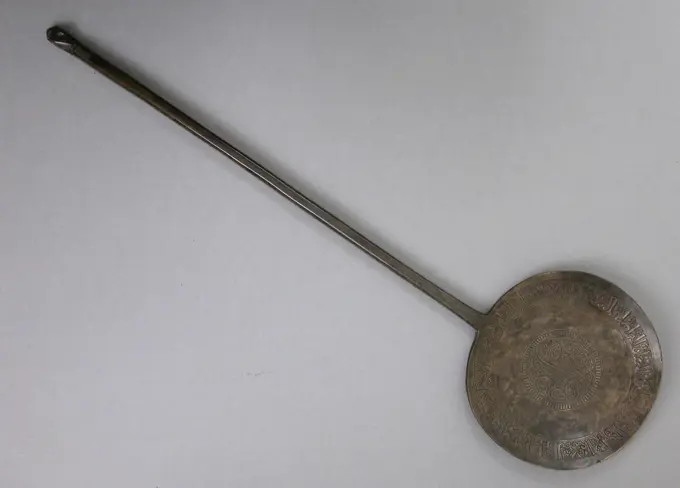
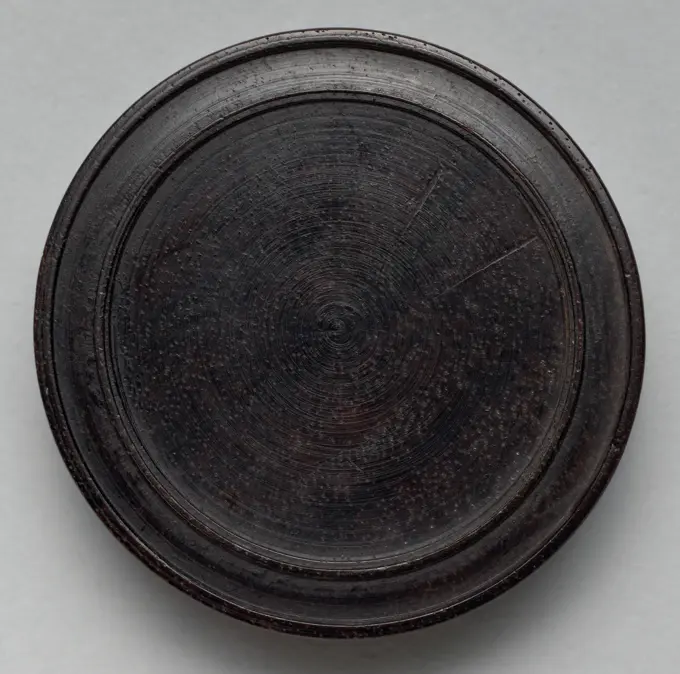
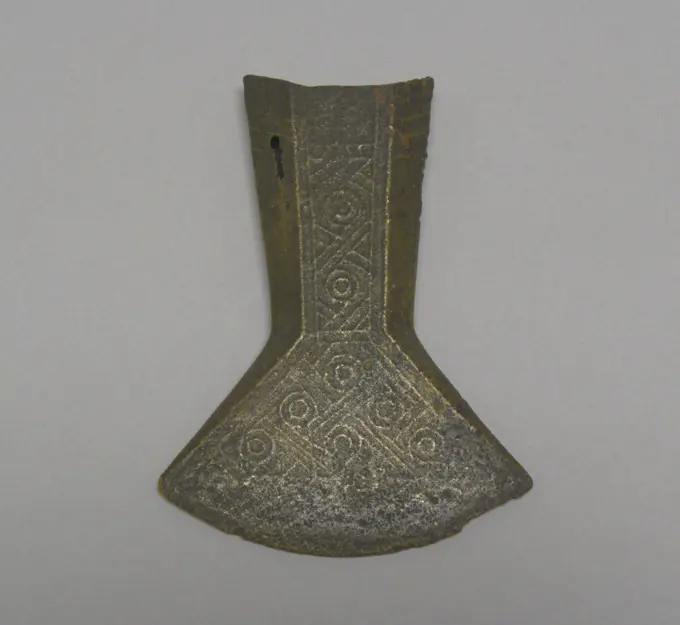
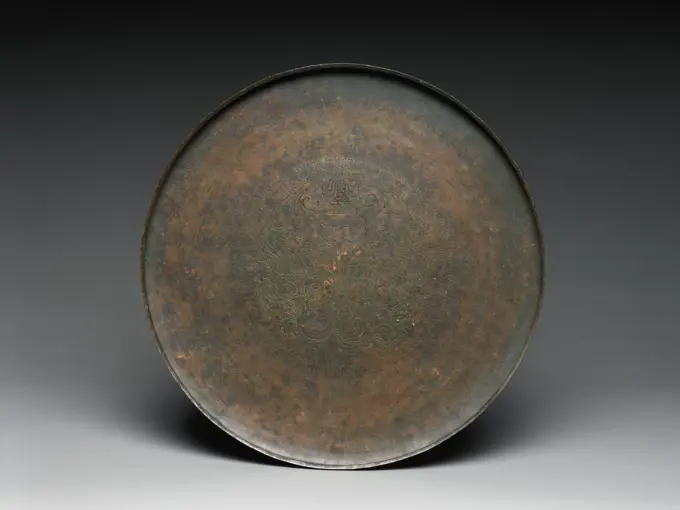
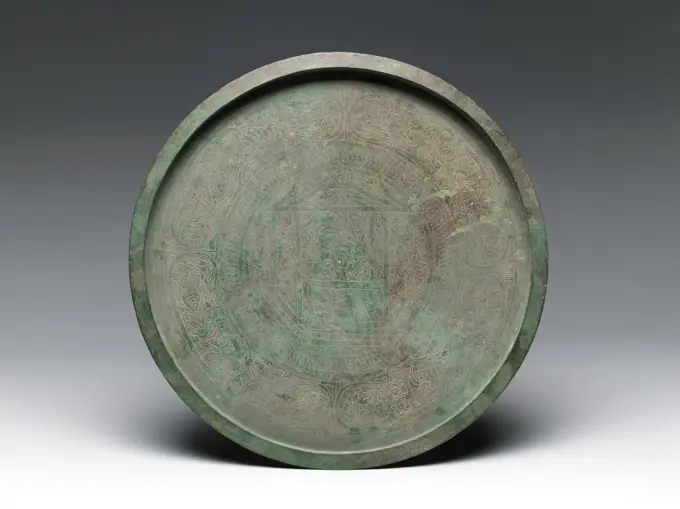
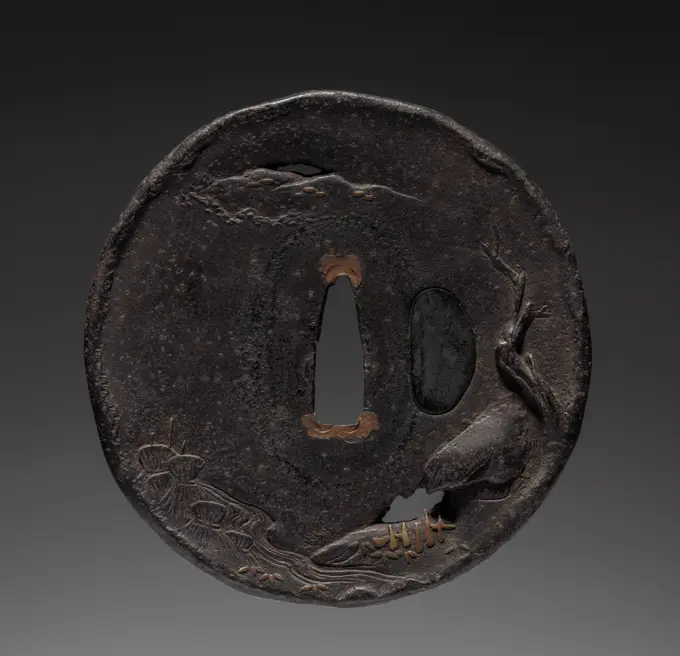
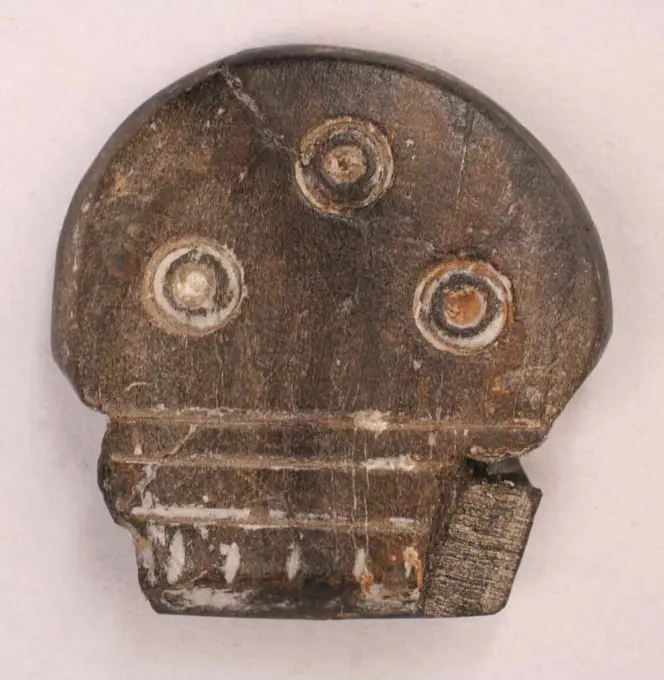
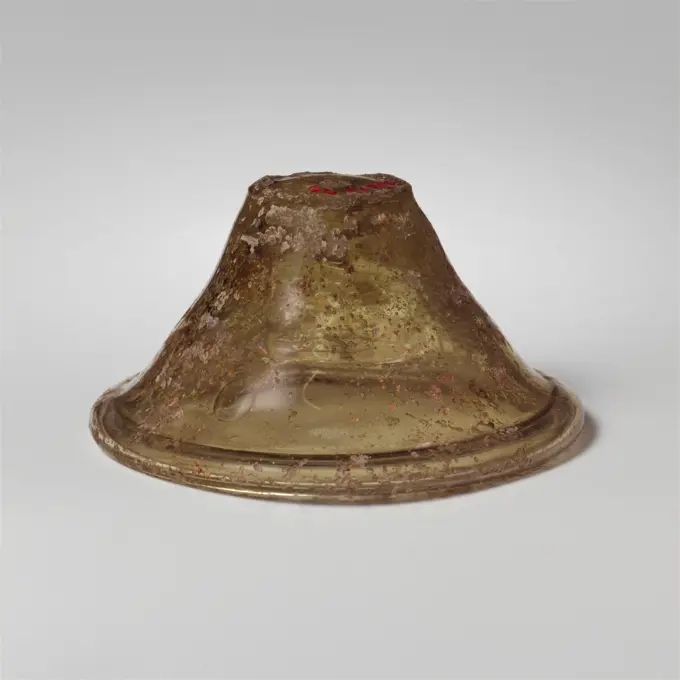
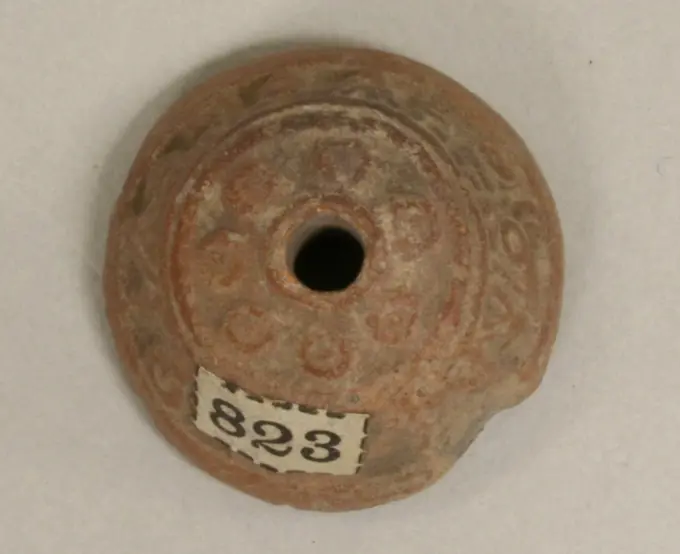
Lid, industrial white goods, high button with acorn, lid closure part soil find ceramic earthenware glaze lead glaze, Round lid with handle in the middle an upright tip ending in stylized acorn underside an edge and center underneath hollow Off white Fully glazed archeology Preserve Rotterdam railroad tunnel for storage of tableware Soil discovery: rail tunnel Rotterdam.Lid. Celadon coverage sandstone. Provenance: Vietnam. Paris, Cernuschi museum. 78819-29 Lid, archeological object, dishesMirror with eight-point design 4th-3rd century B.C. China. Mirror with eight-point design. China. 4th-3rd century B.C.. Cast bronze. Eastern Zhou dynasty, Warring States period (475-221 B.C.). MirrorsJan Dircksz Messchaert II, Two-piece bronze mold for large deep plate with initials I D M and 1697, mold casting tool tools equipment base metal bronze, and year 1697 Rotterdam tin tinker tin tin Meeuws Druy artisan Shapes are from the originally 18th century Rotterdam tinnegieter J Druy. The large molds that were not signed or dated were the property of the tinker guild and were rented to the small tin caster.Ring 4th-7th century Coptic. Ring 478916Jan van der Pol, Two-piece bronze mold for sign with initials I V D P and 1753, mold casting tool tools base metal bronze, and year 1753 Rotterdam tin foundry tin stainer Tin Meeuws Druy craft Shapes are from the originally 18th century Rotterdam tinnegieter J Druy. The large molds that were not signed or dated were the property of the tinker guild and were rented to the small tin caster.Two-piece bronze mold for shot glass, earlam, mold casting tool tools base metal bronze, twisted Two-piece bronze mold for pouring shot glass or earlamb with small low setting ring top, Rotterdam tin casting tin tin tableware Meeuws Druy craft Molds are from the originally 18th century Rotterdam tinnegieter J Druy. The large molds that were not signed or dated were the property of the tinker guild and were rented to the small tin caster.Earflare. Mexico or Guatemala, Maya, 600-900 CE. Stone. JadeiteTerracotta oil lamp 2nd century A.D. Roman Mold-made. Deep, concave discus: a single, small central filling hole, and, above a raised circle, a frieze in relief around upper half of discus depicting two hounds chasing two hares () in a clockwise direction, interrupted at front by a tapering channel to back on nozzle; a groove and raised line around edge of discus; plain, slightly convex-curving shoulder; rounded nozzle. Incised base ring, and flat base.Intact.. Terracotta oil lamp. Roman. 2nd century A.D.. Terracotta. Mid Imperial. TerracottasPlate ca. 1050-900 B.C. Cypriot. Plate. Cypriot. ca. 1050-900 B.C.. Terracotta. Iron Age. VasesSpindle Whorl 8th-10th century This object was excavated at Nishapur.Nishapur was a vital city in the early and middle Islamic periods, located along one of the main trajectories that connected Iran and West Asia Islamic lands with Central Asia and China. These itineraries are often referred to by the term Silk routes’ but were in fact crucial to the movement of constellations of materials and objects, as well as people and ideas. The diverse population of Nishapur and its surroundings, from the better-researched elite groups of merchants, land-owning aristocracy, and literates, to the less-known artisans, farmers, miners, and servants, were instrumental in adapting global cultural trends to create their own distinctive visual languages. This is seen in the material remains of everyday life in medieval Nishapur - from pots and pans to lighting devices, inkwells, textiles and trimmings, jewelry, games and toys, talismanic devices, weapons, coins, and architectural fragments.Nishapur loFragment (console of the altar cabinet); (possibly) belonging to the Retable of Soest. .Bit Boss first half 16th century French or South Netherlandish Bit bosses were ornamental elements decorating both sides of a horse bit. This boss, embossed on its center with a stylized scallop, bears stamped on its rim a proverb in French, partly illegible. It belongs to a large group of bosses, some inscribed with proverbs, produced in Northern France or in the Southern Netherlands during the 16th century.. Bit Boss. French or South Netherlandish. first half 16th century. Copper alloy. Equestrian Equipment-BitsBlack-Glaze Bowl with Inscription. UnknownMirror with three dragons, anonymous, -300 - -200 Decoration with four double bird dragon motifs on a stock of fine spirals. The patina is brownish. China bronze (metal) Decoration with four double bird dragon motifs on a stock of fine spirals. The patina is brownish. China bronze (metal)Bead 600-700 Frankish. Bead 465765 Frankish, Bead, 600700, Glass with yellow interior, Overall: 3/8 x 1 1/4 in. (1 x 3.2 cm). The Metropolitan Museum of Art, New York. Gift of J. Pierpont Morgan, 1917 (17.193.47)Miniature Bottle 11th-late 15th century Chimú or Chancay. Miniature Bottle 308936Stopper for Ten Nesting Wedding Baskets, c 1900s . Africa, Western Sudan, Burkina Faso, Lobi, 20th century (). Plant fiber and leather; diameter of base: 6.4 x 3.2 cm (2 1/2 x 1 1/4 in.).Spindle Whorl 9th-15th century Mexican. Spindle Whorl 315826Spindle Whorl, 700s - 900s. Iran, early Islamic period, 8th - 10th century. Bone, incised; overall: 0.4 x 2.9 x 2.9 cm (3/16 x 1 1/8 x 1 1/8 in.).Two-piece bronze mold for shovel with wooden handle, mold casting tool tools kit metal-bronze bronze 11.5 w 9.5, cast Two-piece bronze mold for pouring the bowl and part of handle of serving spoon with wooden handle with praise as transition from bake to tin stem with pin at the end where the wooden shank is attached top: 2834 178 Rotterdam tin tinker tin tin Meeuws Druy artisan Shapes are from the originally 18th century Rotterdam tinnegieter J Druy. The large molds that were not signed or dated were the property of the tinker guild and were rented to the small tin caster.Bowl 9th century. Bowl 449778Bowl 750-600 B.C. Cypriot Basket-shaped bowl with polychrome decoration.. Bowl. Cypriot. 750-600 B.C.. Terracotta. Cypro-Archaic I. VasesMiniature container on tripod. Copper alloy. Gallo-Roman. Paris, Carnavalet museum. 51465-14 Copper alloy, Gallo-Roman, Gallo-Roman time, miniature container, TreeLid 9th-10th century This object was excavated at Nishapur.Nishapur was a vital city in the early and middle Islamic periods, located along one of the main trajectories that connected Iran and West Asia Islamic lands with Central Asia and China. These itineraries are often referred to by the term Silk routes’ but were in fact crucial to the movement of constellations of materials and objects, as well as people and ideas. The diverse population of Nishapur and its surroundings, from the better-researched elite groups of merchants, land-owning aristocracy, and literates, to the less-known artisans, farmers, miners, and servants, were instrumental in adapting global cultural trends to create their own distinctive visual languages. This is seen in the material remains of everyday life in medieval Nishapur - from pots and pans to lighting devices, inkwells, textiles and trimmings, jewelry, games and toys, talismanic devices, weapons, coins, and architectural fragments.Nishapur lost its polEarthenware lid with knob as handle, red shard, bevelled edge, lid closure bottomfound ceramic pottery, handdrawn frying lid Red pottery knob as handle sparingly glazed. Curved lid with slight curvature. The edge is cut in at an angle. Part of the twinkling of the supplements has been released. Dent on the side of the cover edge archeology Capelle aan den IJssel House in Capelle castle indigenous pottery cooking kitchen storage utensils tableware Soil discovery: canal south side house in Capelle ± 1395-1500 Capelle aan den IJssel 1963.Small pewter dish, toys, wide flag and stand, dish crockery holder miniature toy relaxant soil find tin metal, cast pewter dish. Toys. Stand surface short side wall and wide flag Strange brown discolouration or addition in the mirror archeology Rotterdam rail tunnel indigenous tin child child's play game Soil discovery: trajectory rail tunnel Rotterdam.Round saucer of tin. Endedly tin dish with a wide border. The flat is vaulted.Olive lamp with a crater; Unknown Italian workshop; 2nd half of the first century CE. (69-00-00-100-00-00);Mirror with Quatrefoil, Concentric Circles, and Linked Arcs, AD 25-220. China, Eastern Han dynasty (25-220). Bronze; diameter: 15 cm (5 7/8 in.); overall: 1.2 cm (1/2 in.); rim: 0.5 cm (3/16 in.).Fashion, Spain, 16th century. Chapin, footwear in cork and leather of the time of Philip II.Brooch -Squat Jar. China, Khmeran, 13th-14th century. Furnishings; Serviceware. Wheel-thrown stoneware with brown glazeHoly water font with handle, holy water container liturgical vessel holder copper bronze, religionOintment jar ca. 1900-1800 B.C. Middle Kingdom. Ointment jar. ca. 1900-1800 B.C.. Blue paste. Middle Kingdom. From Egypt, Memphite Region, Lisht North, cemetery south of pyramid below House 4:2, Pit 444, MMA excavations, 1913-14. Dynasty 12Hammered Silver Tweezers 8th-mid-16th century Peru; north coast (). Hammered Silver Tweezers 309011Salt barrel of tin with insignia on the bottom. Tin salt barrel. At a wider stand ring the light concave vessel is decorated halfway with two profiled lines. The lip edge bends slightly further outside. The top is closed with a flat lid with a high, hollow button in the middle, which has a slightly thicker tire halfway. On the lid around the two profiled circles button. The lid is attached to the salt barrel's lip edge via a single-haired hinge. On the inside an insignial is applied to the bottom with a French lily in a cross and surrounding text in a circle shape.MoldingButton 8th-10th century The dot-in-circle motif recalls designs presumed to be of magical significance, most likely an abstract eye to ward off the evil-eye, which serves an apotropaic function. Easily reproduced with a tool and visible in many cultures and times, this symbol may have lost its meaning, and become simply a decorative pattern, or may have one that we have not yet discovered.. Button 449305Wooden Vaiselle found during excavations in the rue de Lutèce (island of the city) in 1986-1987. Small clear bowl, view from below. Around 1300. Paris, Carnavalet museum. 71124-26 Below, Ebrecher, Ecuelle Claire, Medievale Epoque, Archeological Excavations, Ile CITE, Contact, rue Lutece, dishesSpindle Whorl 10th-early 16th century Mexican. Spindle Whorl 307556Pedestal dish with cover, second half 5th century, Unknown Korean, 10 1/8 × 6 3/4 × 6 9/16 in. (25.72 × 17.15 × 16.67 cm), Stoneware with incised design of wavy lines, Korea, 5th century, Most clay tomb dishes from the Silla Kingdom feature incised geometric designs or wavy lines, both of which appear on tall base and cover of this pedestal dish. This dish was excavated at a site near Seongju, a regional center in the Silla Kingdom, now a rural area west of the city of Daegu.Lepel met ronde bak en een zeszijdige steel.Spoon with round bucket and a rattest cake at the bottom. Straight stem from hexagonal cross section. Equipped with quality brand.Bowl 14th-15th century. Bowl 445411Lamp. Coll. Liesville. Terracotta. High Empire. Gladiator. Paris, Carnavalet museum. Gladiator, high-Empire, oil lamp, terracottaGrahal-Manzara. Carnavalet 2013-2016 collection sites. Numismatics.Tin Bath Tub. Dated: c. 1937. Dimensions: overall: 22.3 x 29.6 cm (8 3/4 x 11 5/8 in.) Original IAD Object: 10 1/2" high; 38" in diameter; center well: 18" in diameter; outer flange: 12" wide; seat: 11 1/2" wide; 8 1/2" deep; outlet: 3" wide; brace: 8 1/2" high.. Medium: watercolor, gouache, and graphite on paper. Museum: National Gallery of Art, Washington DC. Author: Gordon Saltar.Lamp, North Africa; 1st - 4th century; Terracotta; 2.5 x 7.6 x 11 cm (1 x 3 x 4 5,16 in.)Carnavalet museum, Sceaux collectionWall hook or fitting in the form of fan and two horns, hook fitting soil find bronze copper metal, cast Flat metal scallop with tip on both sides. In this case, part of the bar (broken off). Possible strengthened hardware for wood archeology Rotterdam to mount railroad tunnel to hang up Soil discovery: trajectory Rotterdam rail tunnel.Ax 1500-500 B.C. India. Ax 50640CapitalBowl ca. 1050-900 B.C. Cypriot. Bowl. Cypriot. ca. 1050-900 B.C.. Terracotta. Iron Age. VasesSmall Circular Box, late 16th-early 17th century, 1 x 3-1/16 x 3-1/16 in. (2.5 x 7.8 x 7.8 cm), Black lacquer with mother-of-pearl inlay, China, 16th-17th century, This exquisite black container has faded with age to a muted brownish-black. The finely inlaid design illustrates Liu Hai, one of the Taoist Immortals, playing with his three-legged toad beneath a pine tree. A line of twisted or plaited silver wire forms a border around the top and is repeated above and below the diaper pattern on the sides. This wire technique is found as early as the fourteenth century. The shell inlay, commonly referred to as mother-of-pearl, is particularly well-crafted for such a small composition.A plate; Bigot, Aleksander (1862-1927); around 1900 (1890-00-00-1900-00-00);Bigot, Aleksander (1862-1927), Grohmann, Henryk (1862-1939)-collection, secession (style), infiltrate enamelJacob l'Admiral, Bankers' weight, stool weight with weight indication 18 M 3 34 O SCHEL: 300 and brands, stool weight weight bronze, gram Weight slightly conical with rounded lines around. Inscription in top 18 M3 34 0 and SCHEL: and 300 (top face) money currency weighBelly of a wine bottle from the wreck of the East Indians Hollandia, Anonymous, 1700 - in Or Before 1743  Incomplete wijnfles. Wine bottle, continental production, body, with vertical side; (1) eroded (7.5h, belly 14d, base 11d), tcs-kick-up. Netherlands .   SecondEarflare 500 BCE-1000 Oaxaca. Jadeite or serpentine .Shield Philippine, Moro 18th-19th century View more. Shield. Philippine, Moro. 18th-19th century. Wood, cane (rattan), pigment. ShieldsAker or copper thin-walled pot, pot holder soil found brass copper metal, hammered riveted Aker or copper thin walled pot with remnants of attachment for handle edge of bottom and wall with rivets Side wall is made up of several parts and even repaired repaired archaeology Rotterdam City Triangle Groenendaal underground pit cooking nutrition food preparation ketellapper coppersmith craft repair archaeological find in the soil Rotterdam underground pit Groenendaal (direction Blaak) 15-06-1977.Fragment earthenware candlestick, yellow, candlestick candlestick lighting fixture earth finding ceramics earthenware glaze lead glazing, Candle holder and part of the trunk of candlestick. In the candle holder two holes above each other and two pronounced surrounding edges Yellow glazed white shard. Only one hole is through and through archeology Rotterdam rail tunnel lighting illumination evening night Soil discovery: rail tunnel Rotterdam.Spindle Whorl A.D.1-500 Peruvian; north coast (). Spindle Whorl 308859Button 8th-10th century The dot-in-circle motif recalls designs presumed to be of magical significance, most likely an abstract eye to ward off the evil-eye, which serves an apotropaic function. Easily reproduced with a tool and visible in many cultures and times, this symbol may have lost its meaning, and become simply a decorative pattern, or may have one that we have not yet discovered.. Button 449303Fragment Suppling ring from the wreck of the East Indians Hollandia, Anonymous, 1700 - in Or Before 1743  Varied parts or fragments, washers; oval. sim. 80H164, flat, rectangular hole, bevelled outer rim. Netherlands copper (metal)   SecondCocoon Flask, 206 BC - AD 9. China, Western Han dynasty (202 BC-AD 9). Earthenware; diameter of mouth: 9.3 cm (3 11/16 in.); overall: 26.4 x 34.8 cm (10 3/8 x 13 11/16 in.).CosmeticPyxisHelmet 18th-19th century Chinese. Helmet 32078Lid of a bowl 600-480 B.C. Cypriot Cover of a bowl with knob and concentric bands of black and red.. Lid of a bowl. Cypriot. 600-480 B.C.. Terracotta. Cypro-Archaic II. VasesOrnamental dish from Tin with the presentation of the resurrection and the twelve apostles, Albrecht Preissensin, c. 1564 - Before c. 1598 Sier dish from Tin. The center of the flat is convex and contains a representation of the resurrection. The remaining part of the flat is undecorated and runs up to a wide edge with a sharp angle. The twelve apostles can be seen on this edge, separated by angel heads surrounded by ornament decorations. Nuremberg tin (metal) casting Sier dish from Tin. The center of the flat is convex and contains a representation of the resurrection. The remaining part of the flat is undecorated and runs up to a wide edge with a sharp angle. The twelve apostles can be seen on this edge, separated by angel heads surrounded by ornament decorations. Nuremberg tin (metal) castingButton or Bead 8th-10th century This object was excavated at Nishapur.Nishapur was a vital city in the early and middle Islamic periods, located along one of the main trajectories that connected Iran and West Asia Islamic lands with Central Asia and China. These itineraries are often referred to by the term Silk routes’ but were in fact crucial to the movement of constellations of materials and objects, as well as people and ideas. The diverse population of Nishapur and its surroundings, from the better-researched elite groups of merchants, land-owning aristocracy, and literates, to the less-known artisans, farmers, miners, and servants, were instrumental in adapting global cultural trends to create their own distinctive visual languages. This is seen in the material remains of everyday life in medieval Nishapur - from pots and pans to lighting devices, inkwells, textiles and trimmings, jewelry, games and toys, talismanic devices, weapons, coins, and architectural fragments.Nishapur lEgypt. Limestone altar. 18th century. Old Kingdom. The State Hermitage Museum. St. Petersburg. Russia.Stone Temple Model 1st-8th century Mezcala. Stone Temple Model. Mezcala. 1st-8th century. Stone. Mexico, Mesoamerica, Guerrero, Balsas River region. Stone-SculptureSpindle Whorl 10th-early 16th century Mexican. Spindle Whorl 307560Knob, brass, Repousse head with simple mouldings; threaded bolt on back., ca. 1795, metalwork, Decorative Arts, knob, knobAttic White-Ground Lekythos.Fragment of a VesselBronze Schijf from V.O.C. ship De 'Witte Leeuw', Before 1613  Bronze round disk or wheel with a round hole and 6 spokes in the middle. Presumably intended for the great coverage and the Kardeelblok of the East Indians De Witte Leeuw. With this heavy hoist, the large RA, to which the mainsail was attached, could be lifted or lowered.  bronze (metal)   Sint-HelenaAmber-colored Pyxis; Eastern Mediterranean or Italy; 1st century; Glass; 5.8 cm (2 5,16 in.)Spindle Whorl, 700s - 900s. Iran, early Islamic period, 8th - 10th century. Bone, incised; overall: 0.4 x 2.3 x 2.3 cm (3/16 x 7/8 x 7/8 in.).Oil lamp. Terracotta. Late Antiquity. Paris, Carnavalet museum. 50208-15 Late antique, oil lamp, terracotta, ancientMirror with Five Bells early 6th century Japan. Mirror with Five Bells. Japan. early 6th century. Bronze. Kofun period (ca. 300-710). MetalworkLong-Handled Spoon Inscribed in Arabic with Good Wishes 11th century Mahmud ibn Muhammad ibn Abi al-Hasan The most interesting and refined patterns of this utilitarian object are the decorative line and the Kufic inscription along the handle near the spoon. The calligraphy gives the name of the craftsman as "Mahmud ibn Muhammad ibn Abi al-Hasan, the engraver." The cup is shallow and worn at its edge suggesting that the spoon was used as a mixing utensil for a large cooking pot.. Long-Handled Spoon Inscribed in Arabic with Good Wishes 454112SIGILATA CLARA S IV-V. Location: MUSEO ARQUEOLOGICO-COLECCION. CORDOBA. SPANIEN.Vase 1 CE-100 CE Italy. Glass . Ancient RomanGaming Piece (obverse), c.1700. Martin Brunner (German, 1659-1725). Wood; diameter: 6.1 cm (2 3/8 in.); overall: 1.3 cm (1/2 in.).Earthenware salt bowl on three stand fins, with yellow sludge decor, salt bowl salt barrel tableware holder soil find ceramic earthenware glaze lead glaze clay, hand-turned glazed decorated fried lemonade Low dish on stand fins. Red shard glazed only at the top. Bowl shaped mirror and curled flag Decorated in sludge technique wreath of yellow arches on the flag Groove on the transition from flag to mirror archeology indigenous pottery salt condiment table serve serveBowlBell 1807 Russian. Bell 502338LidHafted Fan-Shaped Ax with Design of Lattice and Circles 500 B.C.-A.D. 300 Indonesia. Hafted Fan-Shaped Ax with Design of Lattice and Circles 53061Offering tray (talam) 12th-14th century Indonesia In medieval Javanese Hindu ritual, large metal offering trays were regularly employed for the preparation of ritual utensils and paraphernalia. The term used in Old Javanese is tahas, and they are referred to in modern Javanese and Indonesian as talam. Both variant terms can be sourced to the Tamil word for the same utensil, tattam. Fragmentary bronze trays of this type, together with other metal temple utensils, have been excavated from a mid-10th century shipwreck in the Java Sea in the past decade, affirming their antiquity. The traditions and ritual practices of Central Java (8th to 10th century) were largely preserved in the following centuries in the Hindu-Buddhist centres of East Java, up to the coming of Islam in the 15th century. This offering tray has an upright rim and engraved designs limited to a central medallion. The central motif is a conch shell (sankha) emerging from a foliate ground. Framing this central motif are thrOffering Tray (Talam) 13th-14th century Indonesia (Java). Offering Tray (Talam). Indonesia (Java). 13th-14th century. Copper. Eastern Javanese period. MetalworkSword Guard (Tsuba) with House and Rice Harvest, c. 1615-1868. Japan, possibly Edo period (1615-1868). Iron; diameter: 8 cm (3 1/8 in.).Jewelry probably 8th-12th century The dot-in-circle motif recalls designs presumed to be of magical significance, most likely an abstract eye to ward off the evil-eye, which serve an apotropaic function. Easily reproduced with a tool and visible in many cultures and times, this symbol may have lost its meaning, and become simply a decorative pattern, or may have one that we have not yet discovered.. Jewelry 450085Glass base 3rd-4th century A.D. Roman Translucent pale yellow greenTall conical base with tubular lower edge; traces of pontil scar around center of bottom.Complete, but broken off fragment of large footed vessel; pinprick and some large bubbles; pitting and iridescence.. Glass base 239885Stirrup. Culture: Central European. Dimensions: H. 6 1/2 in. (16.5 cm); W. 4 3/4 in. (12.1 cm); Wt. 14 oz. (396.89 g). Date: early 15th century.This stirrup, simply decorated with some moldings, belongs to a type documented in Central European regions, from Northern Italy to Germany. Museum: Metropolitan Museum of Art, New York, USA.A vessel with a embroidered bottom; Unknown Night -Tamanian workshop; approx. 2600 2350 BC ; Early period D Azira III (-2600-00-00--2350-00-00);Spindle Whorl 10th-early 16th century Mexican. Spindle Whorl 307669Stamp 5th-6th century Atlantic Watershed. Stamp 313378Iron weight of 1 kilogram