Archaeological Pottery Fragments

Ancient pottery shards including bowls and vases from various eras, highlighting historical artifacts and excavations.

Fragmentary Fibula. Unknown
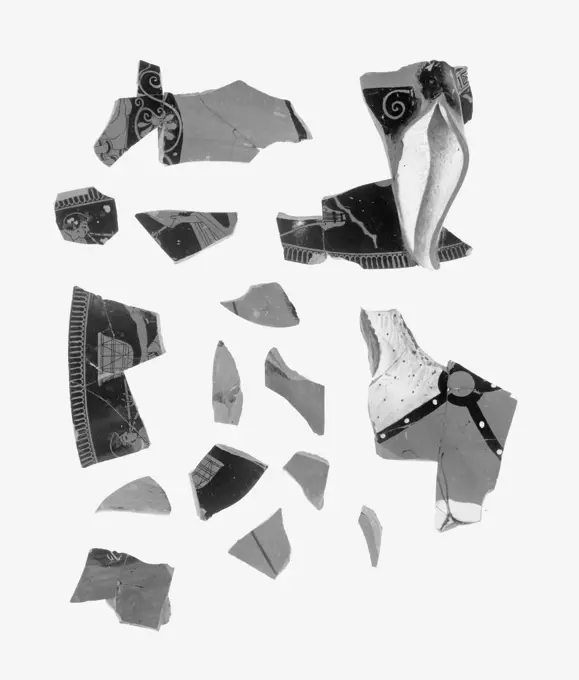
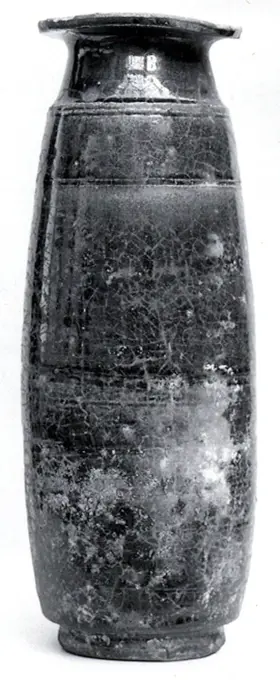
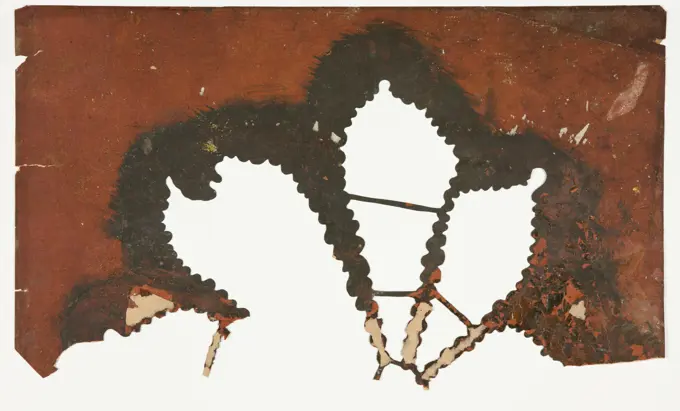
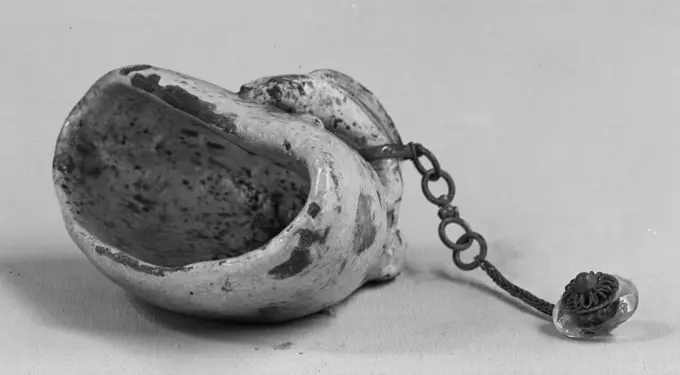
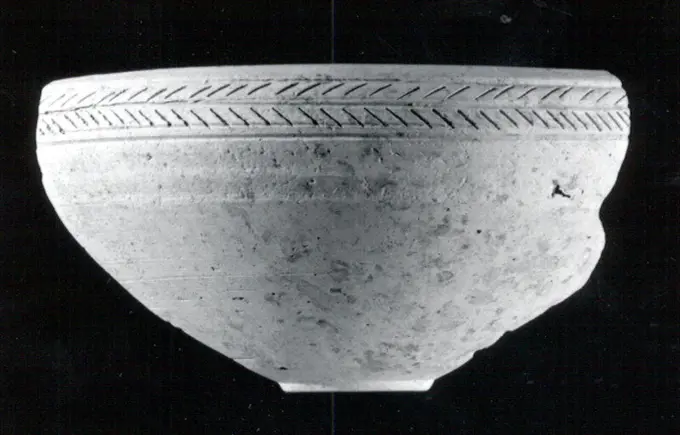
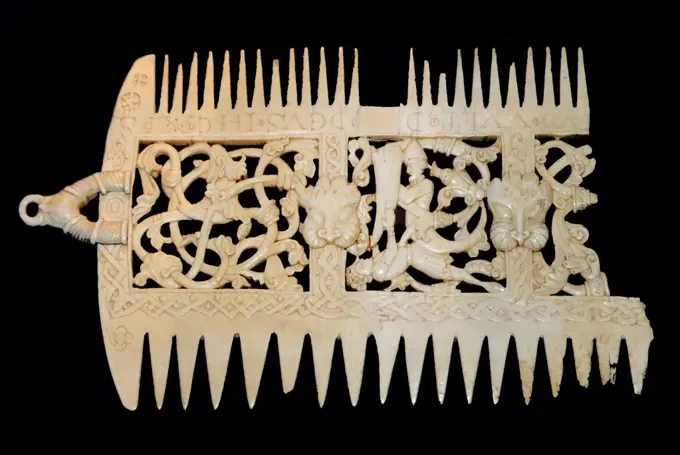
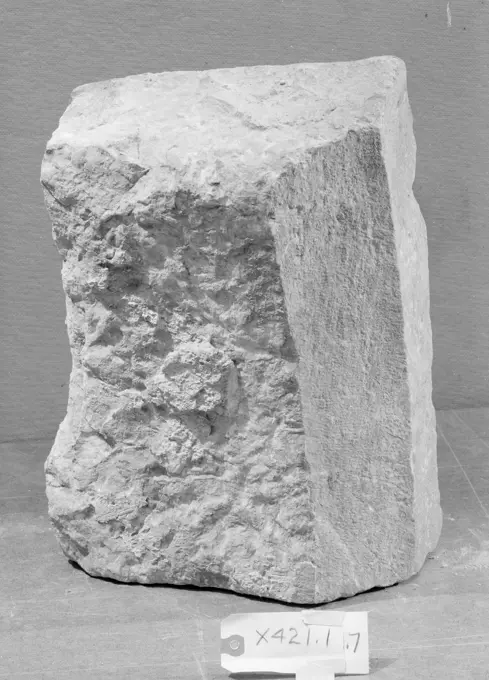
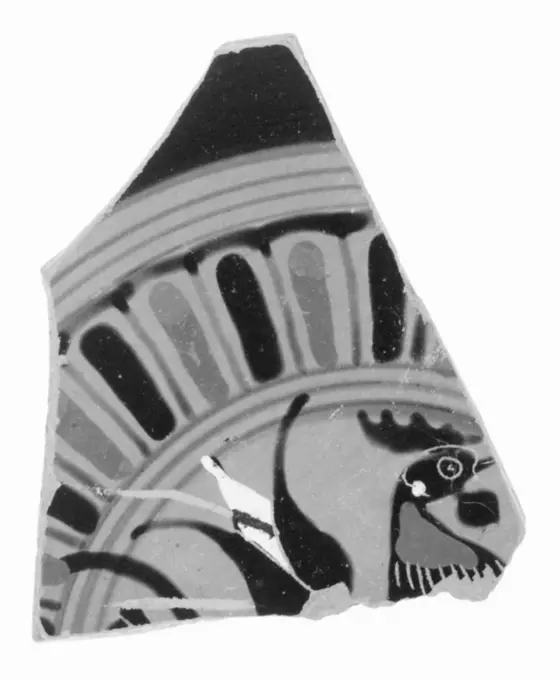
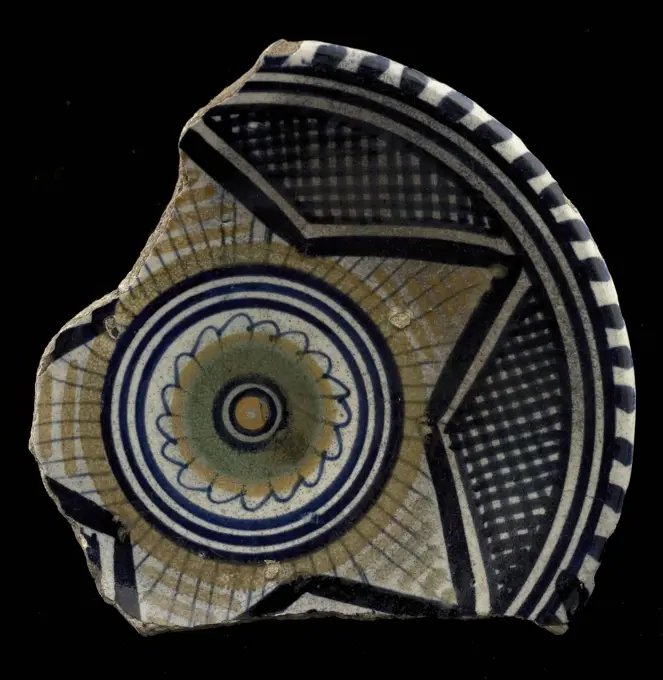
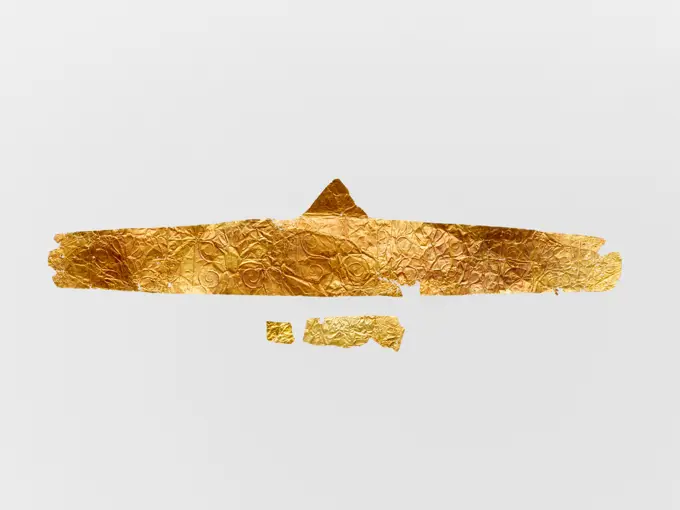
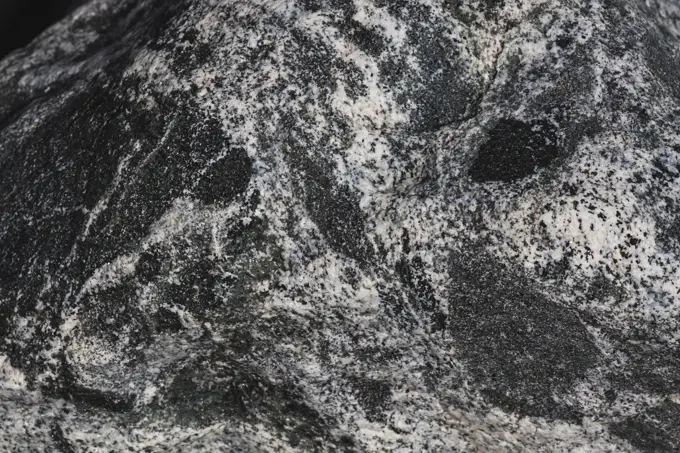
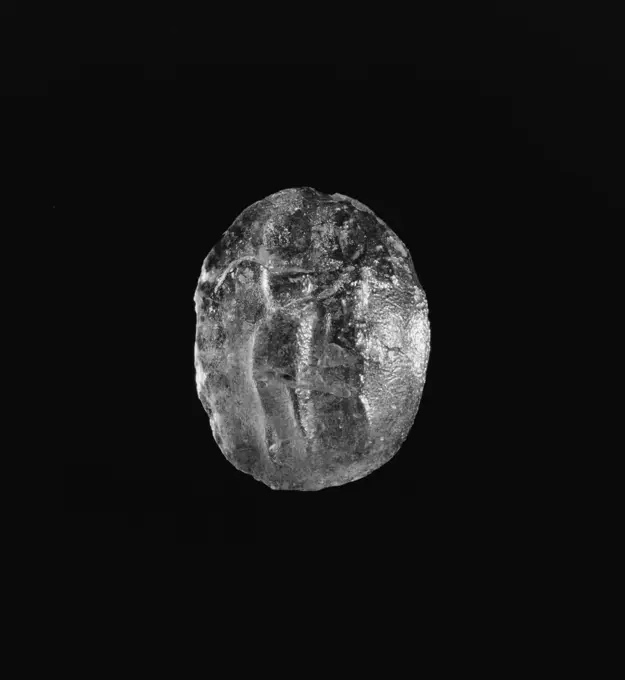
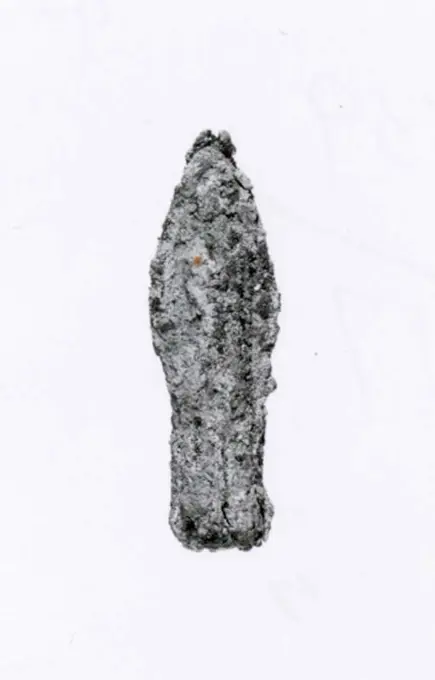
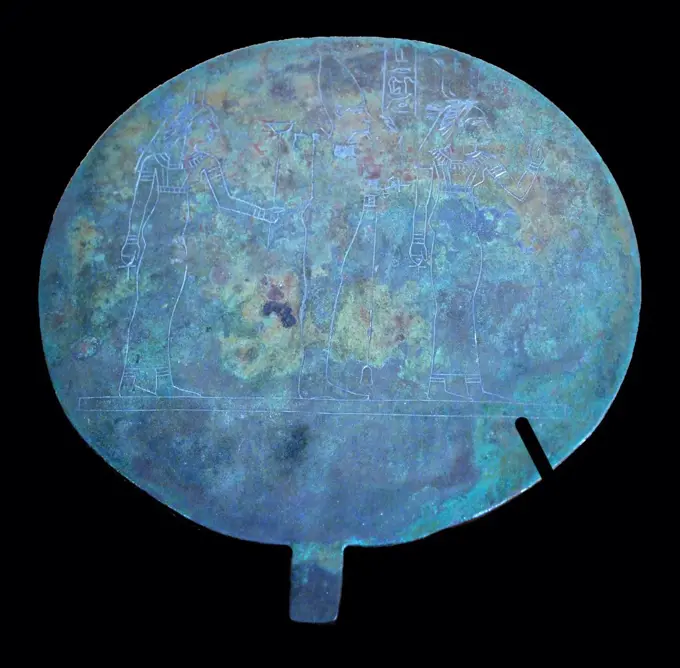
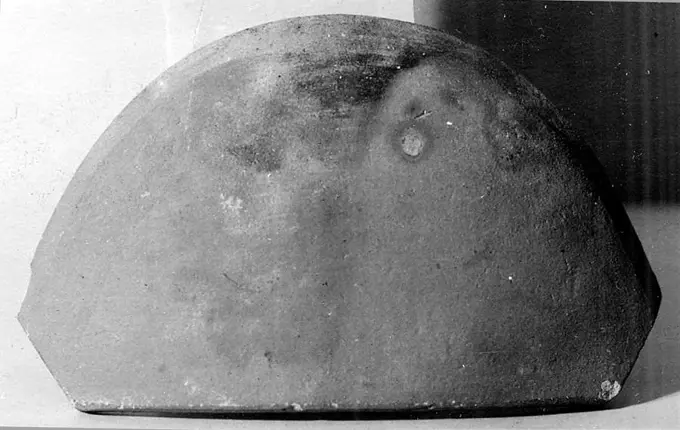
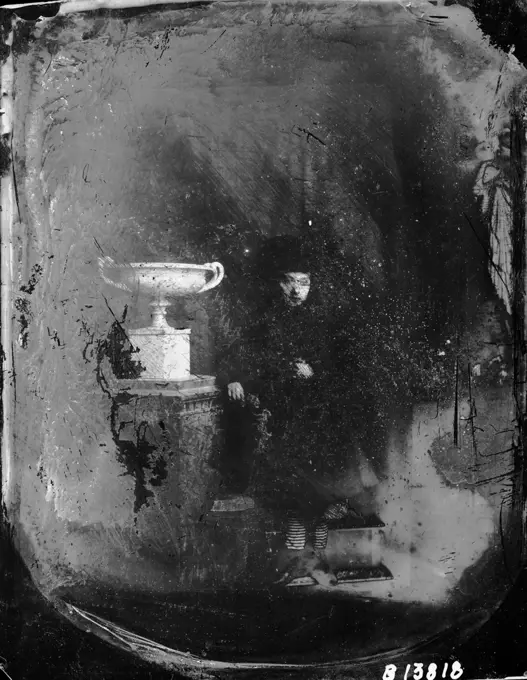
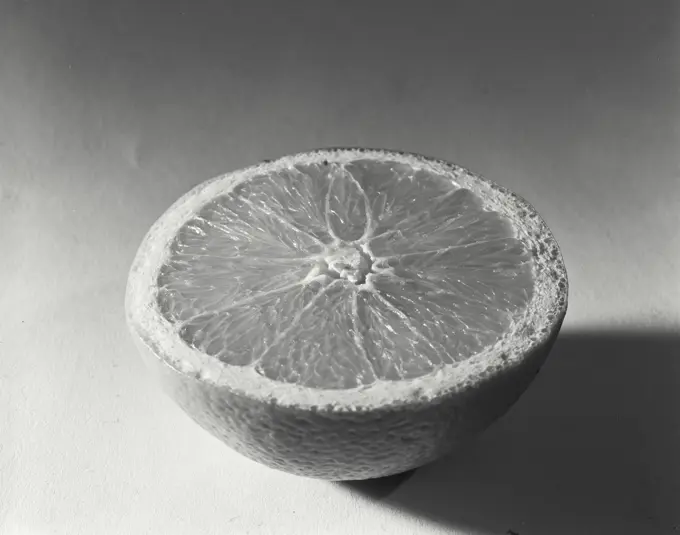
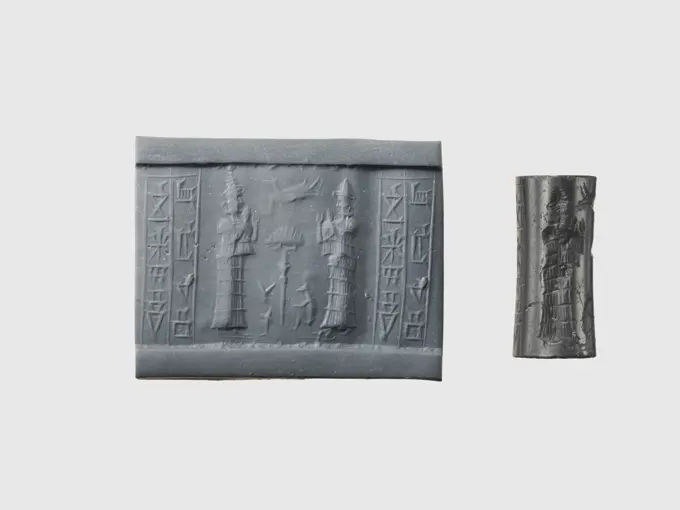
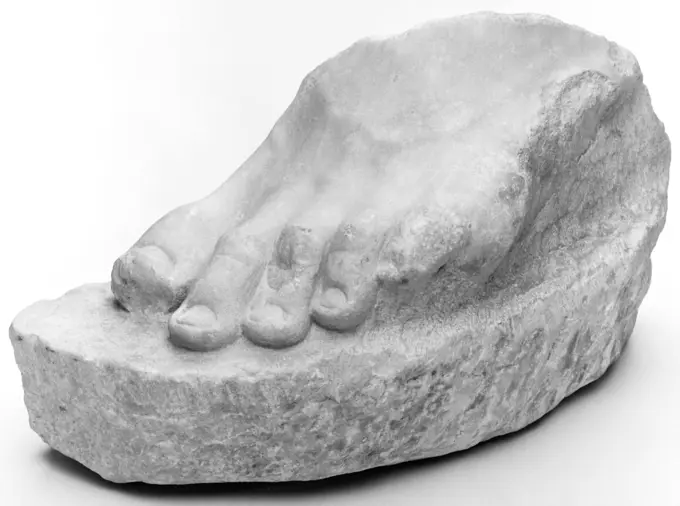
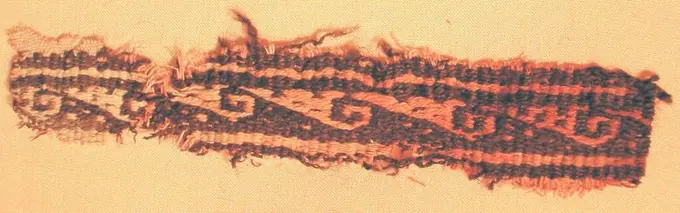
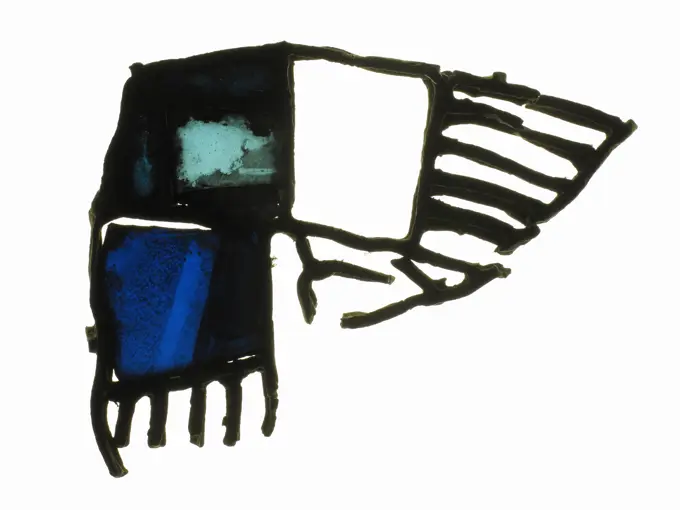
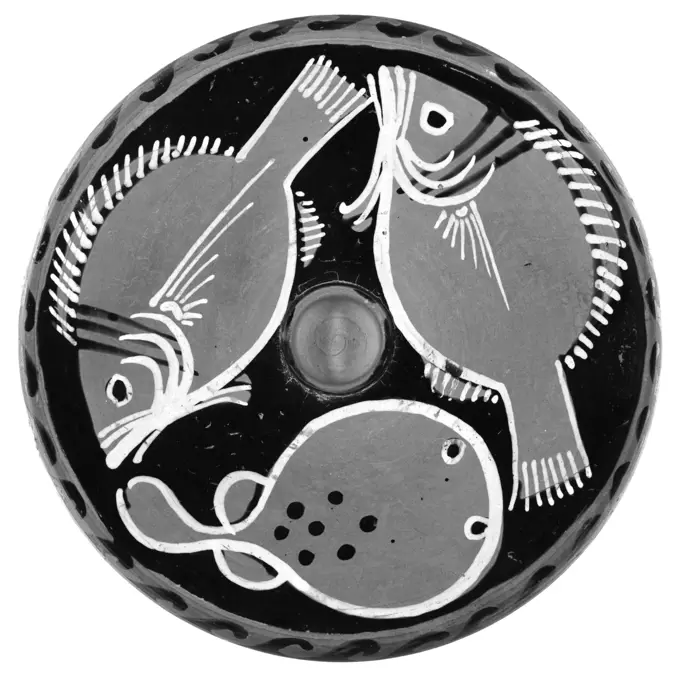
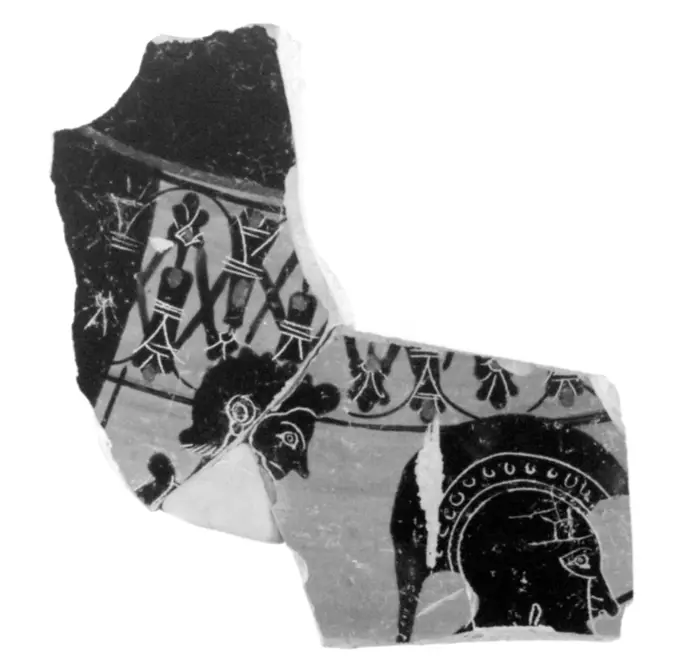
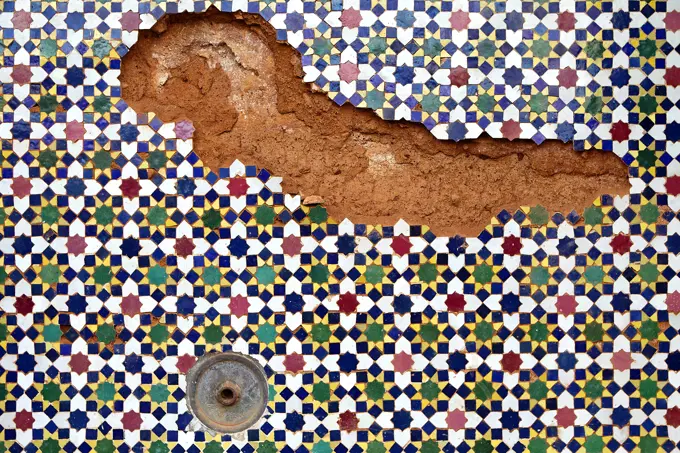
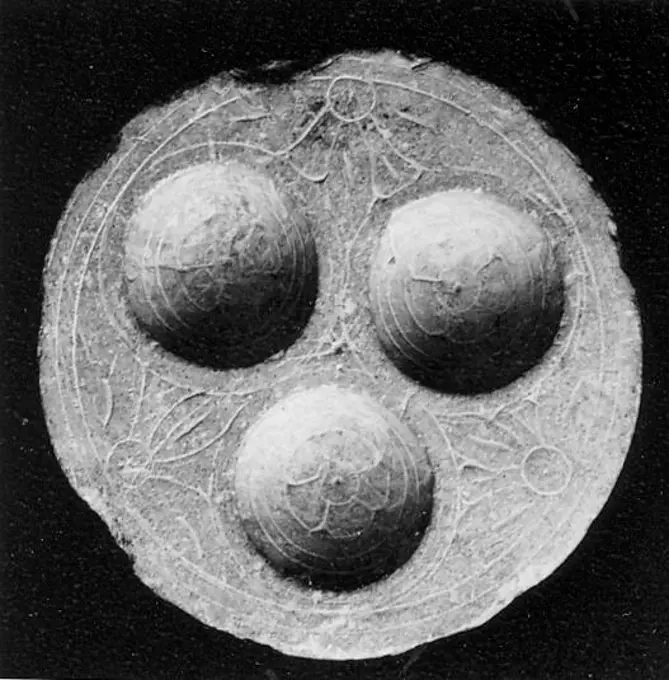
Blanket pack, patient partly wrapped, vintage engraved illustration.Raised relief fragment 664-610 B.C. Late Period, Saite see 23.3.468. Raised relief fragment. 664-610 B.C.. Limestone. Late Period, Saite. From Egypt, Upper Egypt, Thebes, Deir el-Bahri, Tomb of Nespekashuty (TT 312, MMA 509), 1st chamber W. wall; 3rd register, MMA excavations, 1922-23. Dynasty 26Fragment 18th century French. Fragment. French. 18th century. Wood. WoodworkAttic Red-Figure Mule's Head Rhyton Fragment. Attributed to the Brygos Painter (Greek (Attic), active about 490 - 470 B.C.)Cylindrical jar ca. 2nd century A.D. Parthian. Cylindrical jar 322514Two chestnut leaves. Patron for the polychrome of the House of the Medical Society in Krakow Wyspiały, Stanis Aw (1869 1907)Pilgrim's Cup 18th century Japan. Pilgrim's Cup. Japan. 18th century. Pottery covered with glaze; silver chain and glass netsuke (Kyoto ware). Edo period (1615-1868). CeramicsRenaissance ornamentCarpet Fragment 14th century. Carpet Fragment 448135Bowl rim sherd with incised decoration ca. late 3rd millennium B.C.. Bowl rim sherd with incised decoration. ca. late 3rd millennium B.C.. Ceramic. Early Bronze Age. Mesopotamia, Tell TayaTube ca. 9th-7th century B.C. Assyrian. Tube 324375English or Welsh medieval Comb used for the grooming of the priest during Mass to avoid the contamination of the consecrated bread and wine with stray hairs or lice. elephant ivory, About 1080-1100Glass Fragment. Culture: French. Dimensions: Overall: 2 3/4 x 2 3/4 in. (7 x 7 cm). Date: 16th century. Museum: Metropolitan Museum of Art, New York, USA.Mitre case of William of Wykeham. 1905. Artist: UnknownTextile Fragment 3rd-4th century. Textile Fragment 443237Block Fragment ca. 1130-40 French. Block Fragment. French. ca. 1130-40. Stone. Made in Roussillon, France. Sculpture-ArchitecturalCovered vase China. Covered vase 61963Attic Black-Figure Siana Cup Fragment. UnknownFragment of a Flag, anonymous, c. 1600 - c. 1700 flag Large fragment of a flag, in poor condition. It is a tricolor in horizontal jobs blue and white ()-blue. Indonesian Archipelago linen (material)  flag, colours (as symbol of the state, etc.) Dutch East Indies, TheCampania Caserta Capua Museo Campano24. Hutzel, Max 1960-1990 Medieval: Byzantine architectural fragments; parchment fragments with miniatures (12th century) from Montecassino; painted wooden crucifix (13th century); Carolingian crucifixes; Bishop's miter (11th century) of gold and silver damask; fresco (13th century). Post-medieval: Architecture (15th century). Formerly the Palazzo Antignano. Unusual Catalan/Moorish-style portal; Paintings on panel and canvas (15th-18th centuries); marble intarsia (16th century); marble sculpture: busts of Christ and Mary (17th century); sculpture of saints in marble and in wood (15th century); painted and gilded sculpture in wood; marble grave sculpture (16th century); sarcophagus with allegorical carvings; gold reliquary "Rosa d'Oro"; crucifix made of elephant tusk Specific Location: Pianterreno Antiquities: Italic sculpture (seated women holding babies); inscription. Photo campaign #1: 533 photos. Roman relief and sculpture; cinerary urns; Greek anAttic Red-Figure Cup Fragment. UnknownTextile fragments. UnknownFragment of the majolica dish, polychrome, in the middle rosette, outside of that star motif, plate crockery holder soil find ceramic earthenware glaze, baked underside covered with clear lead glaze. Italian Dutch decor Polychrome archeology Italy serving food decorateSweden, Blekinge, Blekinge, Karlskrona, Karlskrona, external marina (depicted, town).Sweden, Blekinge, Blekinge, Karlskrona, Karlskrona, External War Gogs (depicted, City)Furniture element () ca. 9th century B.C. Iran. Furniture element () 325786Gold diadem 4th century B.C. Cypriot The diadem was made for funerary use.. Gold diadem. Cypriot. 4th century B.C.. Gold. Classical. Gold and SilverHornblende granite rocks, CaliforniaDIADEMA DEL TESORO DE BEDOYA. Location: ARCHAEOLOGICAL MUSEUM. Pontevedra. SPAIN.Artist's dish China. Artist's dish. China. Nephrite, white with very light greenish tint. Qing dynasty (1644-1911), Qianlong period (1736-95). JadeCameo Gem. UnknownShards of signs from V.O.C. ship De 'Witte Leeuw', Before 1613 plate (dishes) Shards of signs from V.O.C. ship De 'Witte Leeuw'. Jingdezhen bone china (material)   Sint-HelenaStamp seal with griffin ca. late 3rd-early 2nd millennium B.C. Bactria-Margiana Archaeological Complex. Stamp seal with griffin 326873Decorative planks of wood used as bed boards. From the Congo.Fragment 12th-17th century () European. Fragment. European. 12th-17th century (). Pot-metal glass and vitreous paint. Glass-StainedNose ornament 10th-16th century Colombia (). Nose ornament 318304Attic Red-Figure Plastic Kantharos Fragment. UnknownSweden, Blekinge, Blekinge, Karlskrona, Karlskrona, external marina (depicted, town).Sweden, Blekinge, Blekinge, Karlskrona, Karlskrona, External War Gogs (depicted, City)Lazio Latina Sezze Antiquarium Comunale6. Hutzel, Max 1960-1990 German-born photographer and scholar Max Hutzel (1911-1988) photographed in Italy from the early 1960s until his death. The result of this project, referred to by Hutzel as Foto Arte Minore, is thorough documentation of art historical development in Italy up to the 18th century, including objects of the Etruscans and the Romans, as well as early Medieval, Romanesque, Gothic, Renaissance and Baroque monuments. Images are organized by geographic region in Italy, then by province, city, site complex and monument.Pyrite Dollar from Sparta, Illinois, USA, North AmericaKarte von Bahrain auf verwittertem Holz - Map of Bahrain on weathered wood Karte von Bahrain auf verwittertem Holz - Map of Bahrain on weathered wood Copyright: xZoonar.com/lantapixx 10010612Coin ca. 790. Coin. ca. 790. Copper. Excavated in Iran, Nishapur. CoinsDish 18th century China. Dish. China. 18th century. StonStoneware with flambé glaze (Shiwan ware). Qing dynasty (1644-1911). CeramicsAttic Red-Figure Statuette Kantharos Fragment. Attributed to Onesimos (Greek (Attic), active 500 - 480 B.C.)Wine Pot from 13-14th century Koryo (Goreyo) (Goreyo) Dynasty of Korea. Celadon glaze; modelled, incised and white slip decoration."50 Years of US Art" Exhibition. Photographs of Marshall Plan Programs, Exhibits, and PersonnelSamo (depicted - name).Samo (depicted - name)Dress border early 19th century French. Dress border 223152Collection Dutch Heidematschappij. development. undatedSeal 18th-19th century China. Seal 41064Arrowhead ca. 7th century B.C. Iran. Arrowhead 325181Bead ca. 9th century B.C. Iran. Bead 325207Daguerreotype plate with no image. UnknownStamp seal ca. 3rd-7th century A.D. Sasanian. Stamp seal. Sasanian. ca. 3rd-7th century A.D.. Rock crystal. Sasanian. IranMiddle Kingdom, Egyptian bronze mirror, found in a tomb 2040-1640 BCOld can, tin can, squashed, flattened by traffic, rusty, B-road, dusty, earthHalf-Moon Tile (Kawarake) 19th century Raku Tannyu Japanese. Half-Moon Tile (Kawarake) 53585 Artist: Raku Tannyu, Japanese, 17951854, Half-Moon Tile (Kawarake), 19th century, Earthenware (Raku ware), H. 4 1/2 (11.4 cm); W. 2 3/4 in. (7 cm). The Metropolitan Museum of Art, New York. Fletcher Fund, 1925 (25.215.55)Household item, scouring padShawl. Eastern India. Date: 1825-1845. Dimensions: . Blue cashmere with multicolor; all-over floral pattern. Origin: India. Museum: The Chicago Art Institute, Chicago, USA.Brooklyn Mine area, Old Dale District, Mojave Desert, CaliforniaSeal 19th century China. Seal 41891Stamp seal ca. 3rd-7th century A.D. Sasanian. Stamp seal. Sasanian. ca. 3rd-7th century A.D.. Meteoric iron. Sasanian. Iran or MesopotamiaBowl Statue, in the background a woman Probably from the 1850sPaul Kruger wih Hat and Pipe, South African Coin defaced by Anglo-Boer War POW'sVintage Photograph. Closeup of half orange with no seeds.Sweden, Blekinge, Blekinge, Karlskrona, Karlskrona, external marina (depicted, town).Sweden, Blekinge, Blekinge, Karlskrona, Karlskrona, External War Gogs (depicted, City)Cylinder seal ca. first half 2nd millennium B.C. Babylonian. Cylinder seal. Babylonian. ca. first half 2nd millennium B.C.. Hematite. late Old Babylonian. MesopotamiaDefendant Coleman's Exhibit D.  Central Plains Region (Kansas City, MO). Photographic Print.Fragment of a Sculpture: Foot. UnknownCollection Dutch Heidematschappij. Details pants soil bowl. undated. BrakelCampania Caserta Capua Museo Campano92. Hutzel, Max 1960-1990 Medieval: Byzantine architectural fragments; parchment fragments with miniatures (12th century) from Montecassino; painted wooden crucifix (13th century); Carolingian crucifixes; Bishop's miter (11th century) of gold and silver damask; fresco (13th century). Post-medieval: Architecture (15th century). Formerly the Palazzo Antignano. Unusual Catalan/Moorish-style portal; Paintings on panel and canvas (15th-18th centuries); marble intarsia (16th century); marble sculpture: busts of Christ and Mary (17th century); sculpture of saints in marble and in wood (15th century); painted and gilded sculpture in wood; marble grave sculpture (16th century); sarcophagus with allegorical carvings; gold reliquary "Rosa d'Oro"; crucifix made of elephant tusk Specific Location: Pianterreno Antiquities: Italic sculpture (seated women holding babies); inscription. Photo campaign #1: 533 photos. Roman relief and sculpture; cinerary urns; Greek anFragment. Peru, north coast, Culebra Valley, La Capilla. Date: 1000-1476. Dimensions: 30.5 × 2.5 cm (12 × 1 in.). Origin: Peru. Museum: The Chicago Art Institute, Chicago, USA.Brush holder China. Brush holder. China. Nephrite, white with light greenish tint. Qing dynasty (1644-1911), Qianlong period (1736-95). JadeGlass Fragment 15th century British. Glass Fragment 466546Stamp seal ca. 3rd-7th century A.D. Sasanian. Stamp seal. Sasanian. ca. 3rd-7th century A.D.. Agate. Sasanian. Iran or MesopotamiaSIN TITULO. Author: TXOMIN BADIOLA. Location: PRIVATE COLLECTION. MADRID. SPAIN.Campanian Fish Plate. Attributed to the Three Stripe Painter (South Italian (Campanian), active about 340 - 320 B.C.)Sealing ca. 1981-1640 B.C. Middle Kingdom. Sealing 560492Attic Black-Figure Belly Amphora Fragment (comprised of 2 joined fragments). UnknownMorocco, Rabat, Kasbah area OudayasDish with Three Bowl-Shaped Receptacles ca. 1st century Pakistan (ancient region of Gandhara). Dish with Three Bowl-Shaped Receptacles 38660top view monochrome paint brush strokes surface_3. top view monochrome paint brush strokes surface_2Stamp seal ca. late 3rd-early 2nd millennium B.C. Bactria-Margiana Archaeological Complex. Stamp seal 326849Shop online grunge conceptStamp seal (scaraboid) with animal 9th - 7th century B.C. Neo-Assyrian or Phoenician. Stamp seal (scaraboid) with animal. Neo-Assyrian or Phoenician. 9th - 7th century B.C.. Serpentine, black (). Iron Age II. Levant or SyriaRattle 19th century Native American (Zuni) Rattle made from a warty gourd.. Rattle 501225Hot water platter early 19th century Chinese, for American market. Hot water platter 201344Heads Greek ancient sculpture, mystic. Vector hand drawn illustrations of antique classic statues in trendy bohemian style. Heads Greek ancient sculpture, mystic. hand drawn illustrations of antique statues in trendy bohemian style