Architectural and Textile Artifacts

Collection of historical architectural fragments and textiles, displaying various artistic styles and cultural significance.
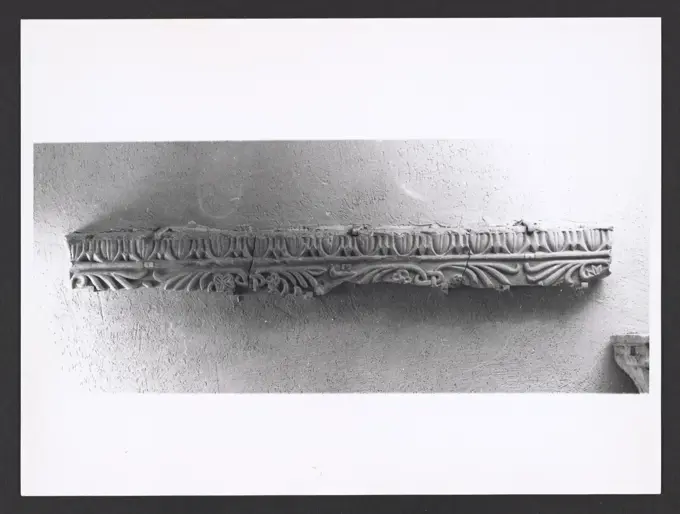
Campania Caserta Capua Museo Campano2. Hutzel, Max 1960-1990 Medieval: Byzantine architectural fragments; parchment fragments with miniatures (12th century) from Montecassino; painted wooden crucifix (13th century); Carolingian crucifixes; Bishop's miter (11th century) of gold and silver damask; fresco (13th century). Post-medieval: Architecture (15th century). Formerly the Palazzo Antignano. Unusual Catalan/Moorish-style portal; Paintings on panel and canvas (15th-18th centuries); marble intarsia (16th century); marble sculpture: busts of Christ and Mary (17th century); sculpture of saints in marble and in wood (15th century); painted and gilded sculpture in wood; marble grave sculpture (16th century); sarcophagus with allegorical carvings; gold reliquary "Rosa d'Oro"; crucifix made of elephant tusk Specific Location: Pianterreno Antiquities: Italic sculpture (seated women holding babies); inscription. Photo campaign #1: 533 photos. Roman relief and sculpture; cinerary urns; Greek and
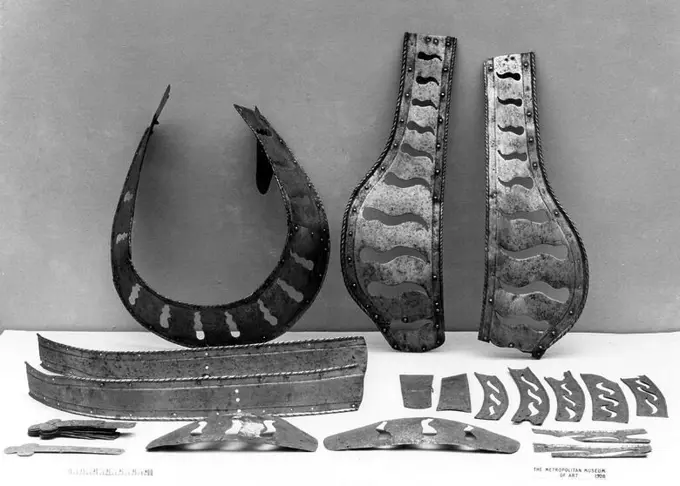
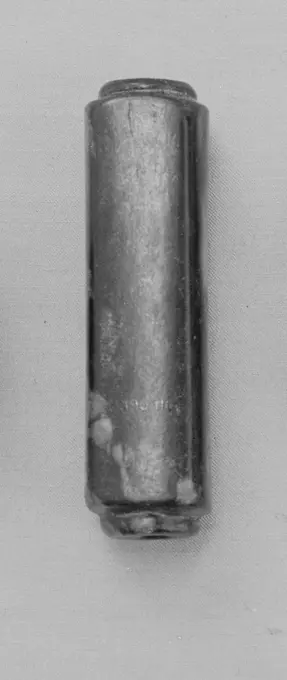
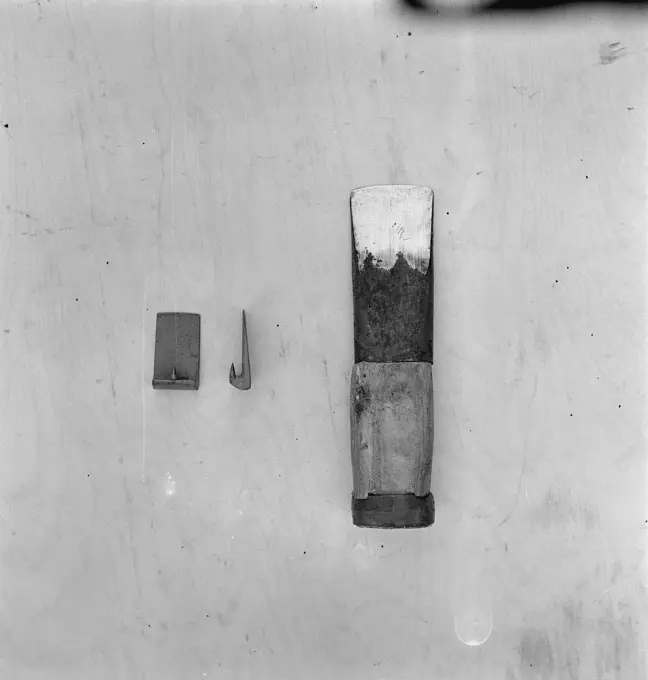
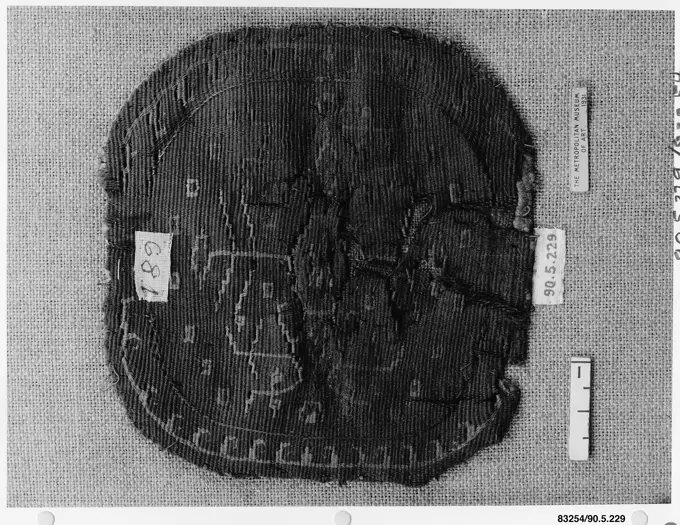
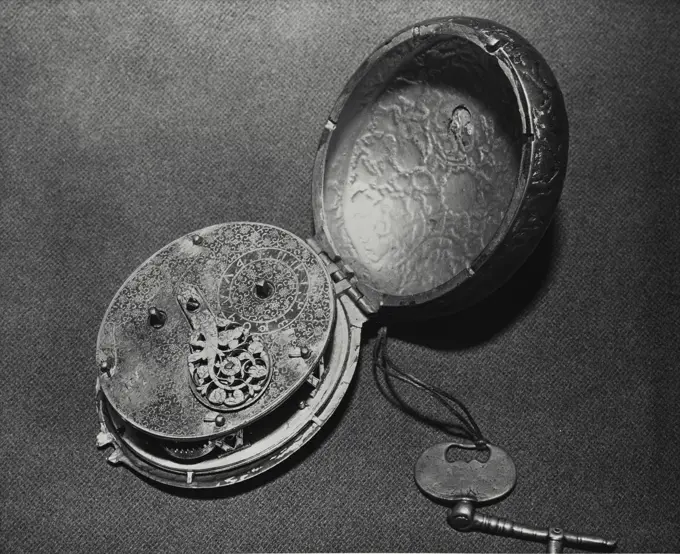
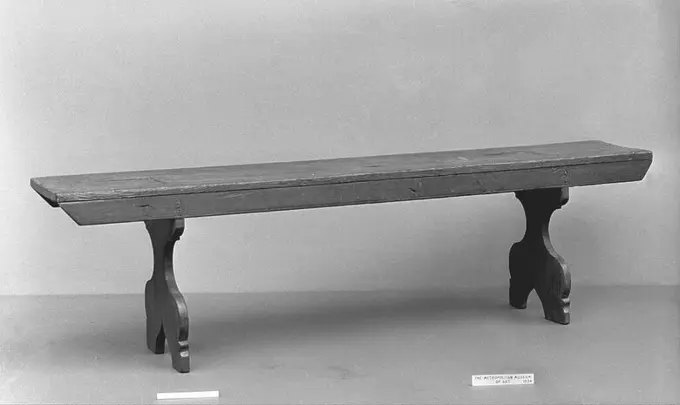
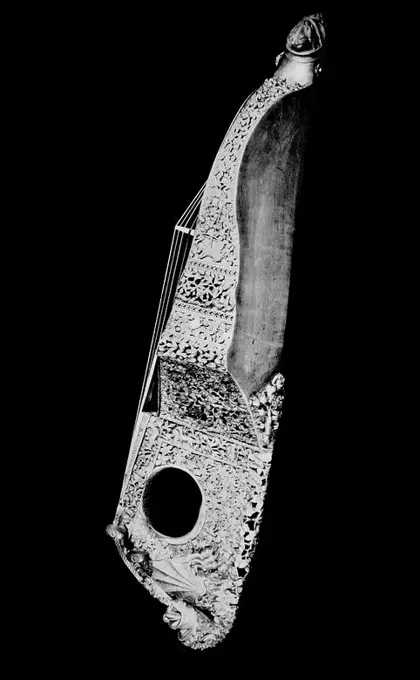
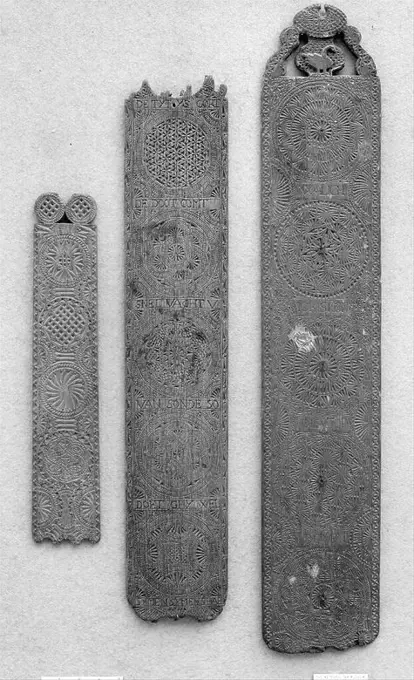
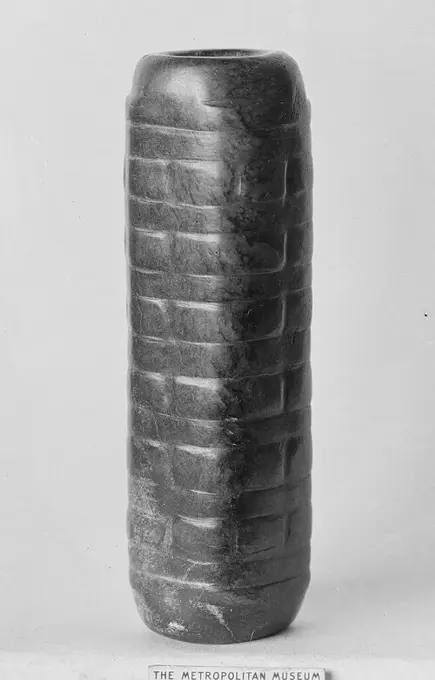
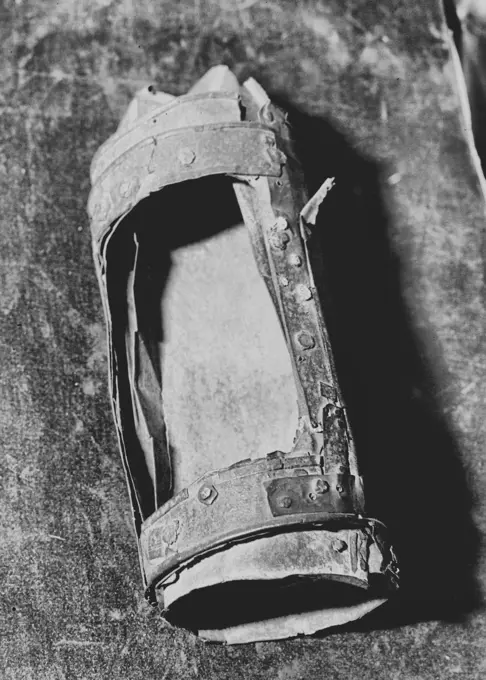
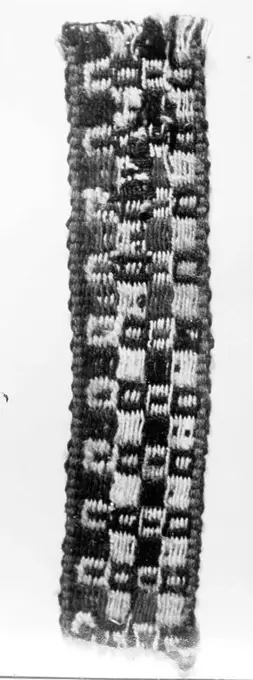
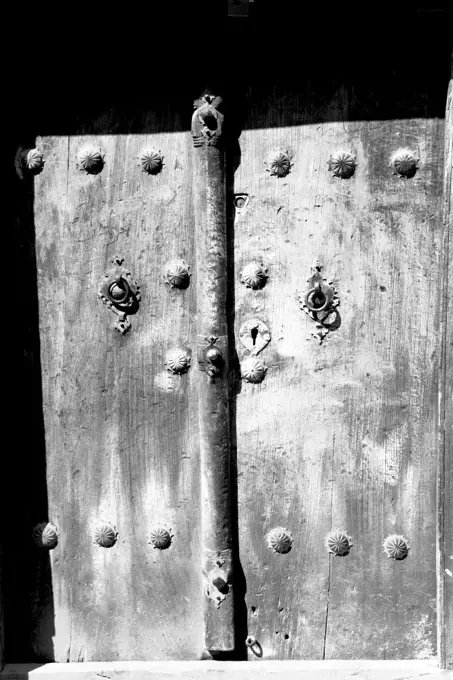
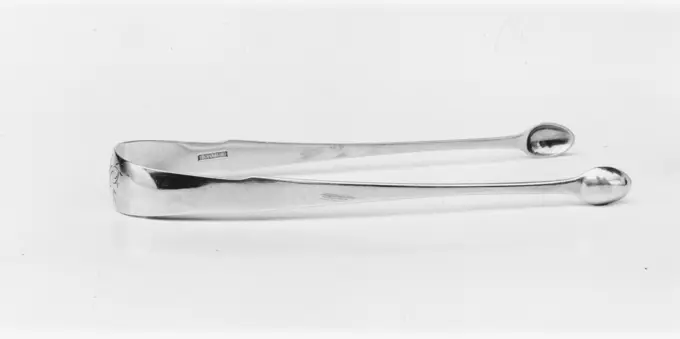
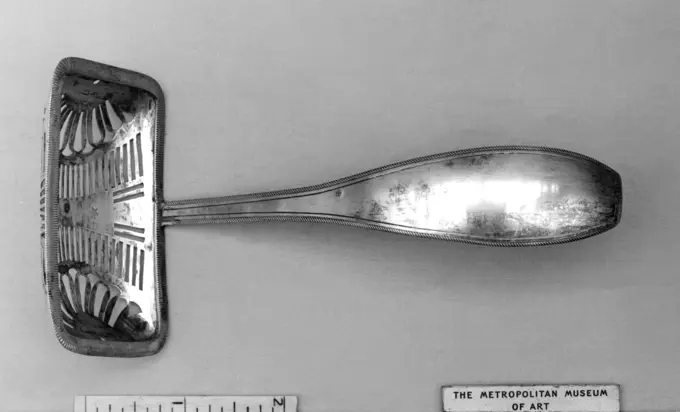
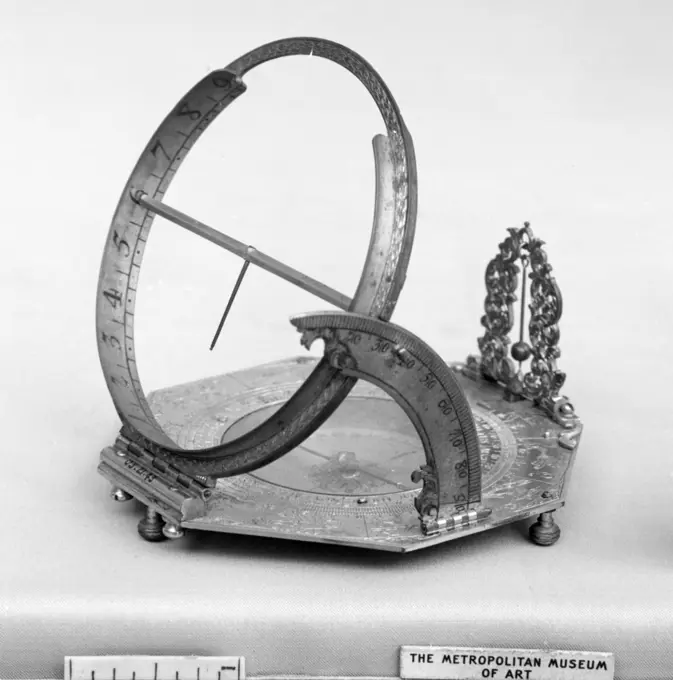
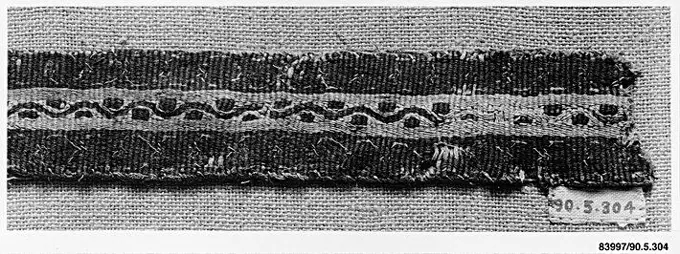
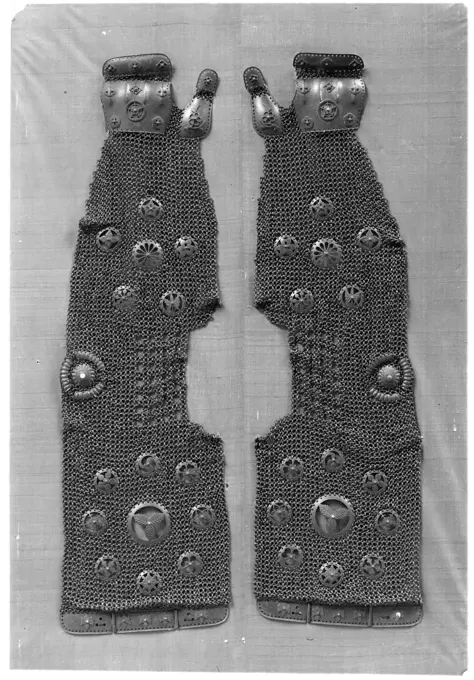
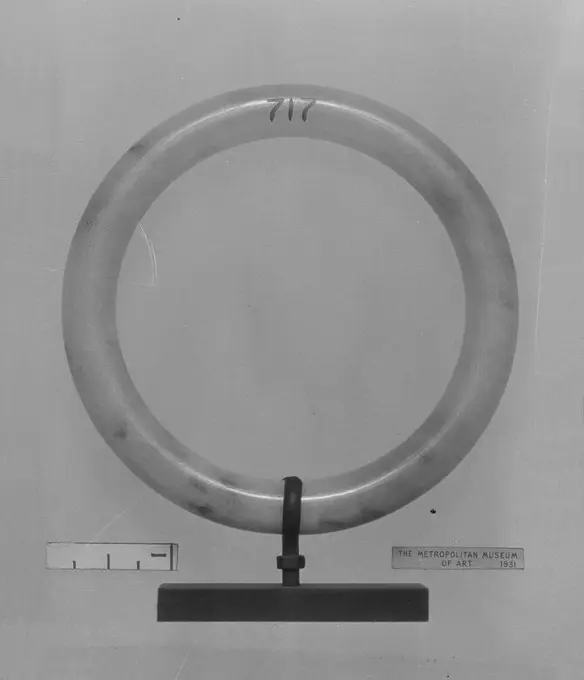
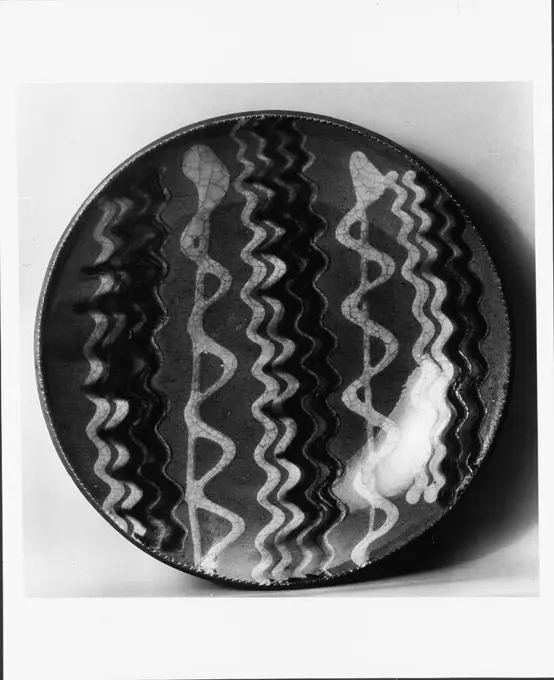
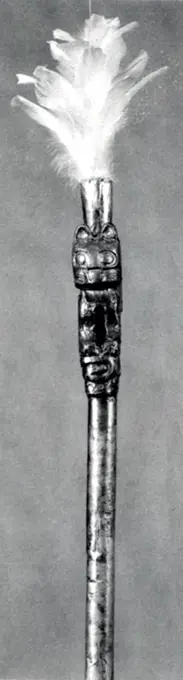
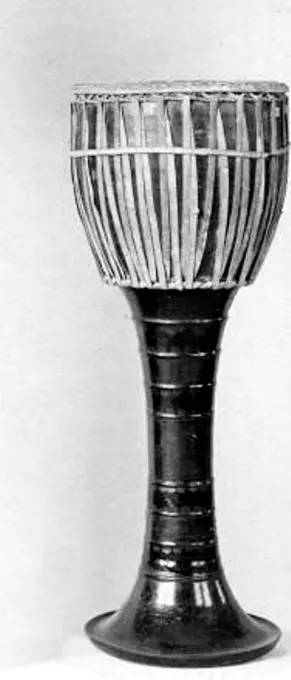
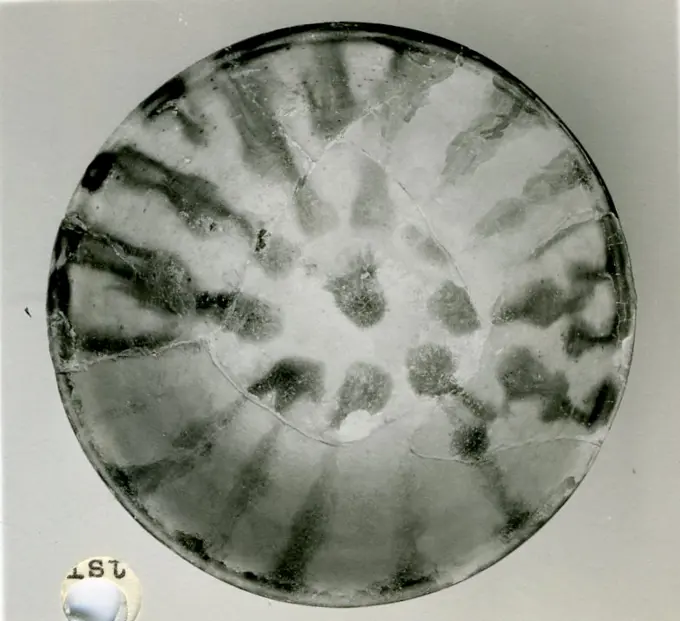
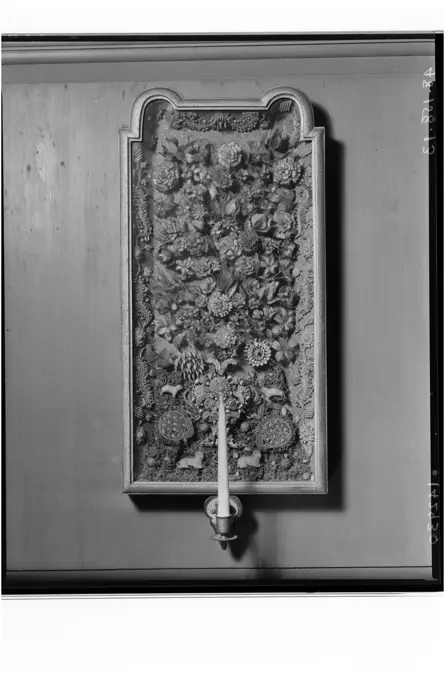
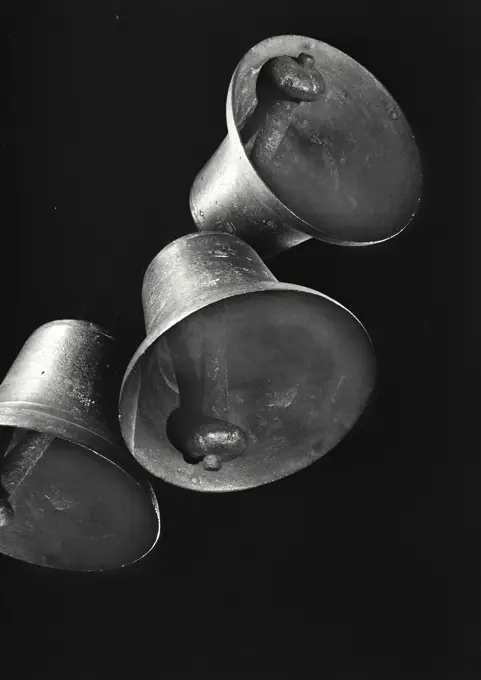
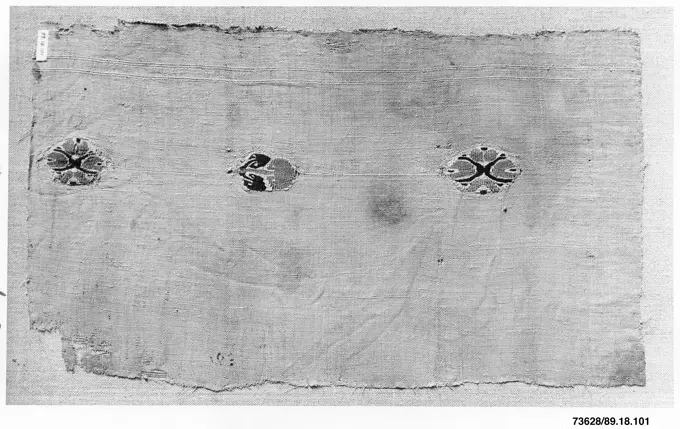
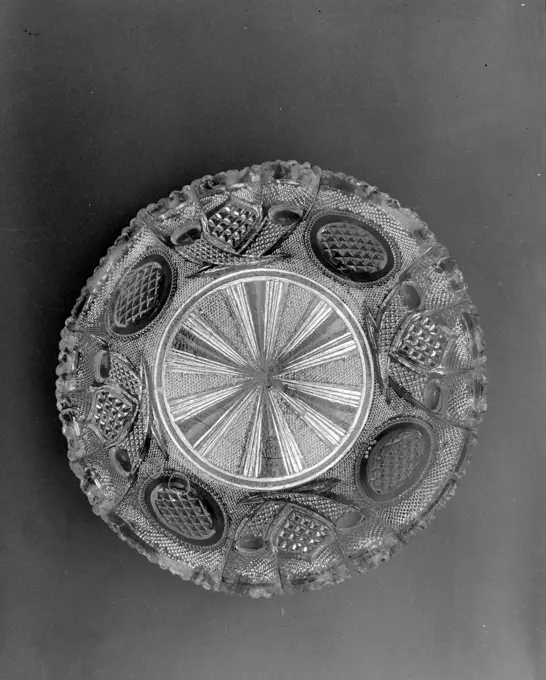
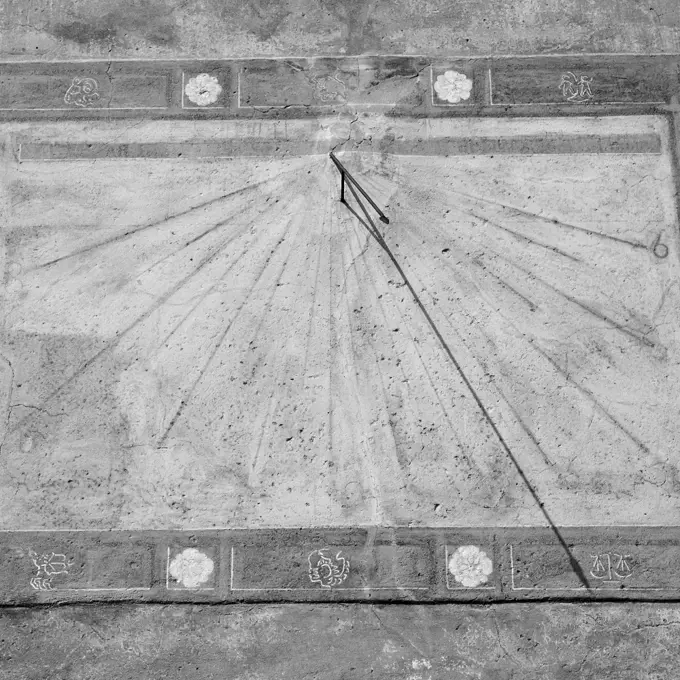
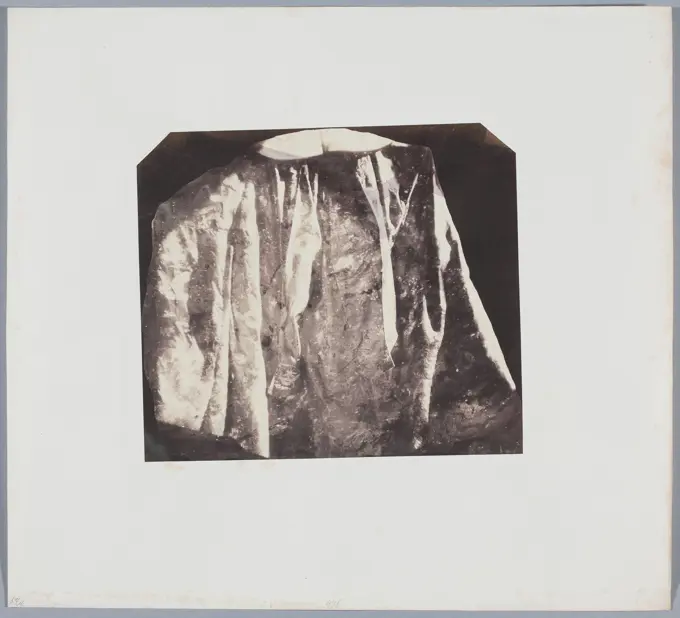
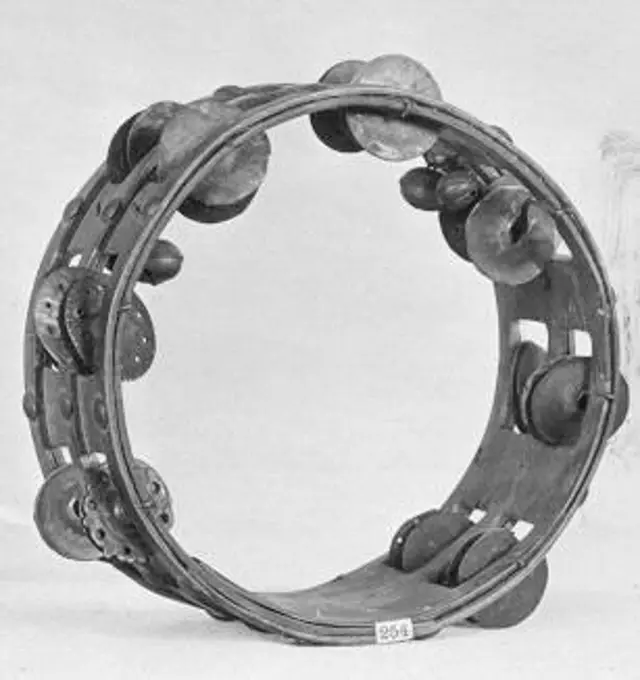
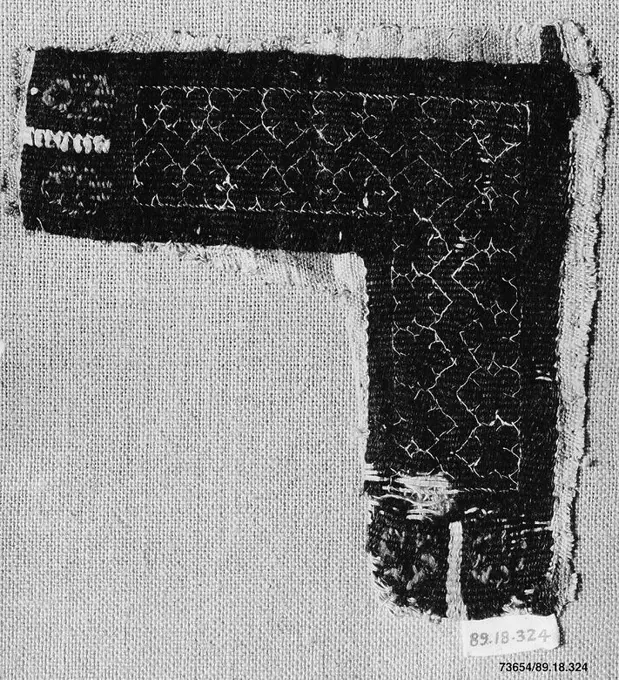
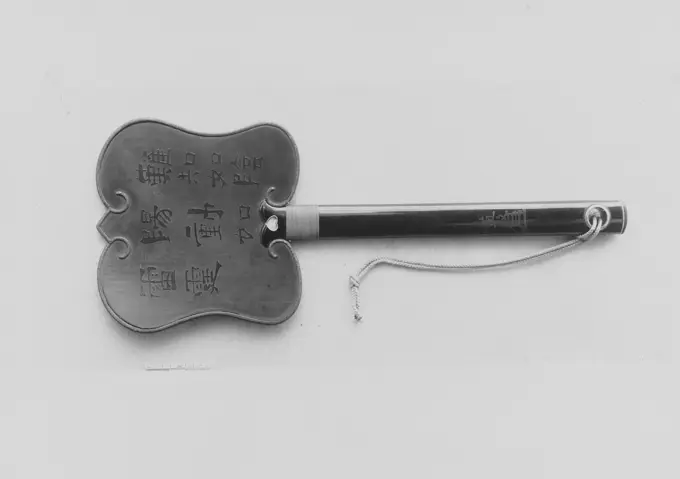
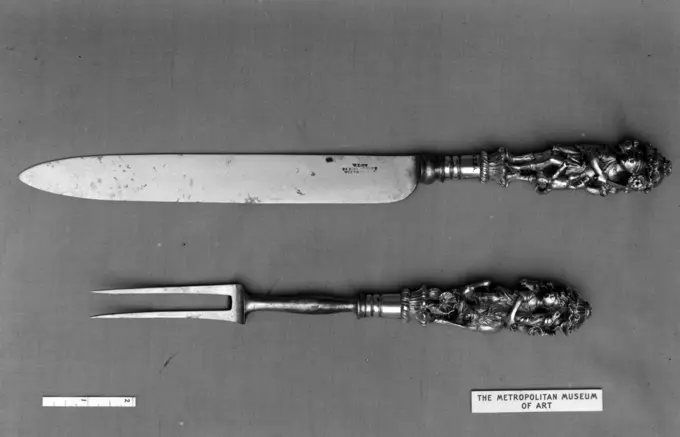
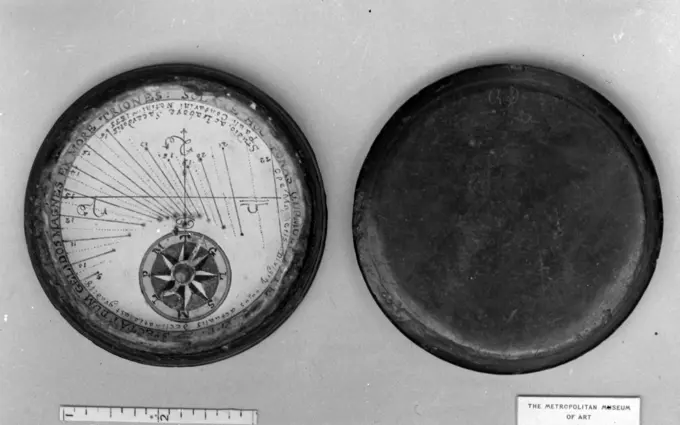
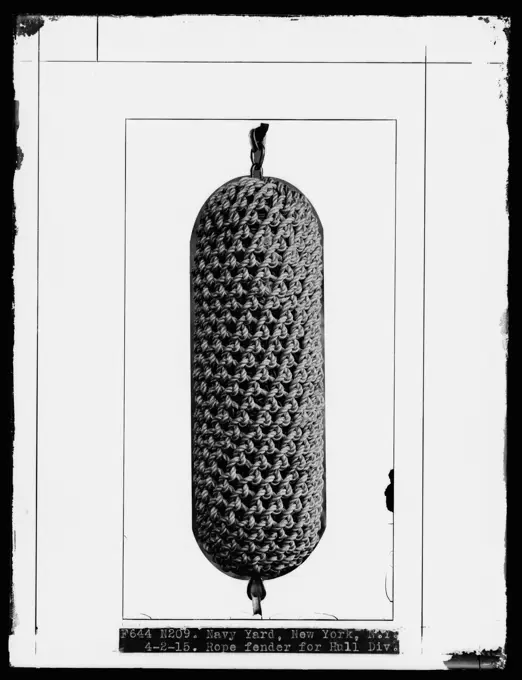
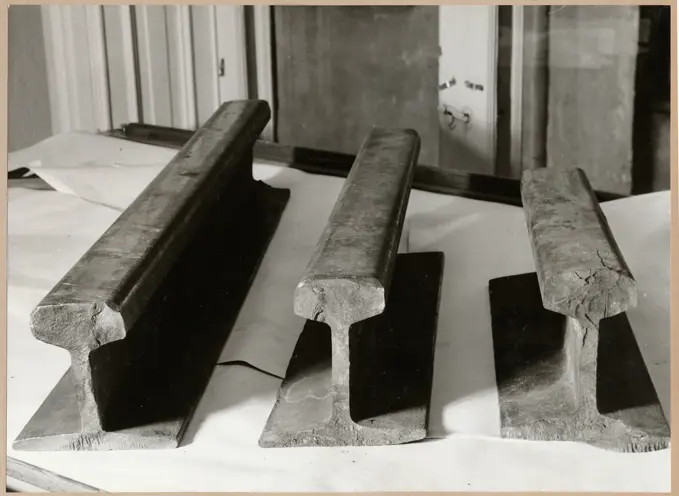
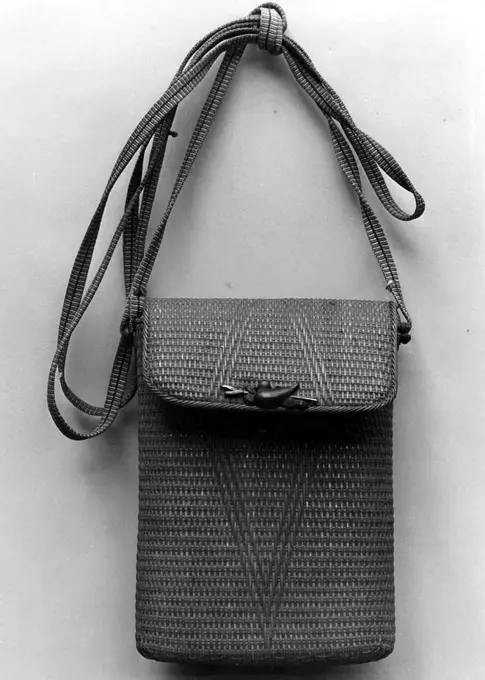
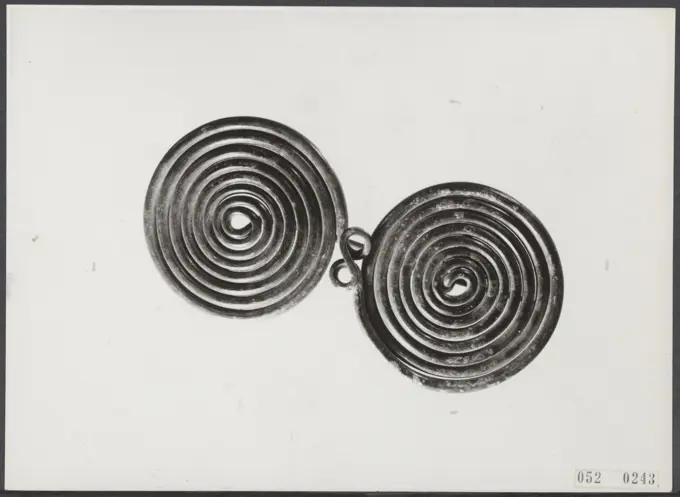
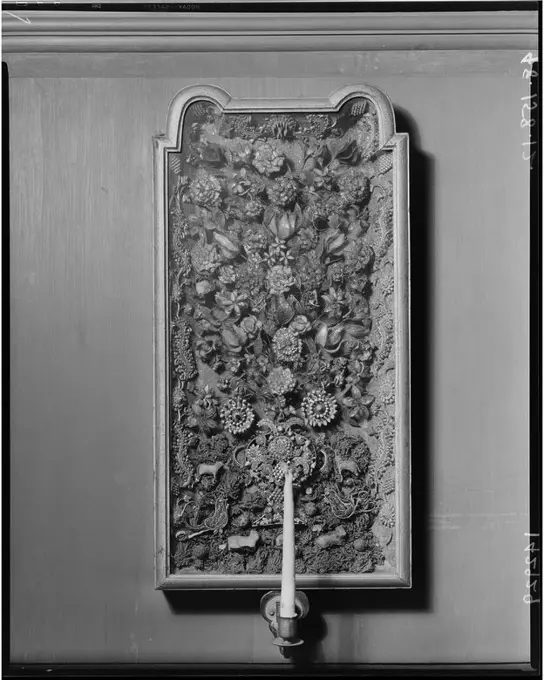
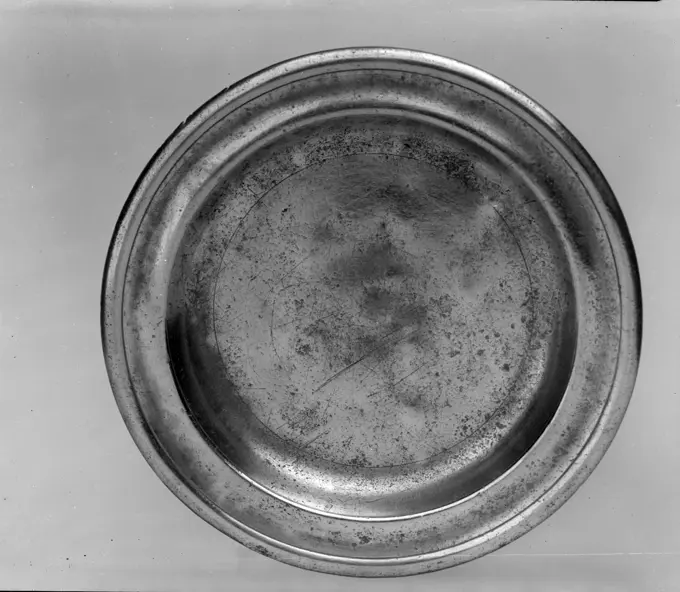
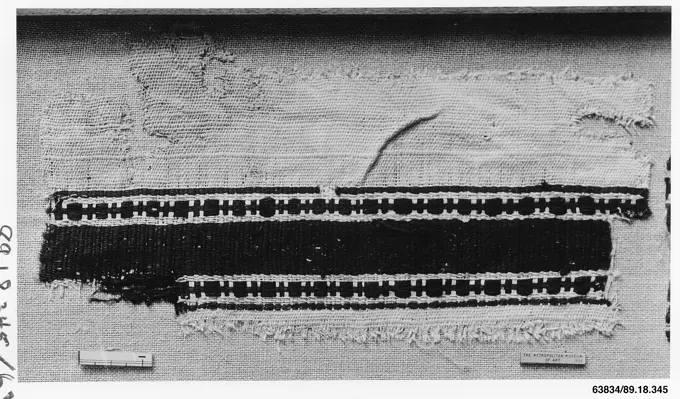
Campania Caserta Capua Museo Campano2. Hutzel, Max 1960-1990 Medieval: Byzantine architectural fragments; parchment fragments with miniatures (12th century) from Montecassino; painted wooden crucifix (13th century); Carolingian crucifixes; Bishop's miter (11th century) of gold and silver damask; fresco (13th century). Post-medieval: Architecture (15th century). Formerly the Palazzo Antignano. Unusual Catalan/Moorish-style portal; Paintings on panel and canvas (15th-18th centuries); marble intarsia (16th century); marble sculpture: busts of Christ and Mary (17th century); sculpture of saints in marble and in wood (15th century); painted and gilded sculpture in wood; marble grave sculpture (16th century); sarcophagus with allegorical carvings; gold reliquary "Rosa d'Oro"; crucifix made of elephant tusk Specific Location: Pianterreno Antiquities: Italic sculpture (seated women holding babies); inscription. Photo campaign #1: 533 photos. Roman relief and sculpture; cinerary urns; Greek andTextile Fragment 3rd-4th century. Textile Fragment 443558Sweden, Blekinge, Blekinge, Karlskrona, Karlskrona, external marina (depicted, town).Sweden, Blekinge, Blekinge, Karlskrona, Karlskrona, External War Gogs (depicted, City)Sweden, Blekinge, Blekinge, Karlskrona, Karlskrona, external marina (depicted, town).Sweden, Blekinge, Blekinge, Karlskrona, Karlskrona, External War Gogs (depicted, City)Horse Armor. Culture: German. Date: 16th century. Museum: Metropolitan Museum of Art, New York, USA.Hu Hu 19th century Chinese. Hu Hu. Chinese. 19th century. Wood, snakeskin, fabric, glue, bamboo, horsehair. China. Chordophone-Lute-bowed-unfrettedTextile Fragment 3rd-4th century. Textile Fragment 443891Bead in the Shape of a Signet China. Bead in the Shape of a Signet. China. Jade. Han dynasty (206 B.C.-A.D. 220). JadeCollection Dutch Heidematschappij. tools. undatedTextile Fragment 4th-6th century. Textile Fragment 447599Fragment British mid-19th century View more. Fragment. British. mid-19th century. Bobbin lace. Textiles-LacesSweden, Blekinge, Blekinge, Karlskrona, Karlskrona, external marina (depicted, town).Sweden, Blekinge, Blekinge, Karlskrona, Karlskrona, External War Gogs (depicted, City)Textile Fragment 5th century. Textile Fragment 443715Sweden, Blekinge, Blekinge, Karlskrona, Karlskrona, external marina (depicted, town).Sweden, Blekinge, Blekinge, Karlskrona, Karlskrona, External War Gogs (depicted, City)Inner anthropoid coffin of Hapiankhtifi. Dimensions: l. 174.7 cm (68 3/4 in). Dynasty: Dynasty 12. Date: ca. 1981-1802 B.C.. Museum: Metropolitan Museum of Art, New York, USA.An Arabic watch from the James Arthur Collection, New York University, 1663Labor Inspectorate Photo Collection. 9x12 jumped amant tinder (photo Lord de Groot). undatedBench. Culture: American. Dimensions: 19 3/4 x 71 x 13 in. (50.2 x 180.3 x 33 cm). Date: 1740-80. Museum: Metropolitan Museum of Art, New York, USA.Hanging vase 1840 Japan. Hanging vase. Japan. 1840. Porcelain decorated in blue; balustrade glazed to resemble pinebark; (Koto ware). Edo period (1615-1868). CeramicsBorder Tile 1881 J. and J. G. Low Art Tile Works. Border Tile 576libre. Location: -Sin documentar.Mus饠de Cluny (Cluny Museum) A metal chastity belt from the 16th century.   Mangle-board. Culture: Dutch. Dimensions: 27 × 5 1/16 in. (68.6 × 12.9 cm). Date: 18th century. Museum: Metropolitan Museum of Art, New York, USA.Tambourin 18th century French This type of instrument is commonly found in the Provence region of France and often called a 'tambourin de Provence.' It is commonly played by a musician who wears the drum on a strap hanging from the player's left arm and elbow. The player strikes the drum head with a beater held in the right hand, and plays a little pipe with their left hand. Technical description: The drum shell is made of two pieces of wood fitted together horizonally and painted black, rope tension, originally with twelve leather tugs (seven missing). Wood rims, painted black, with twelve drilled holes through which the rope passes. A hook, hole in the shell, and two holes in the rim are aligned vertically with snare marks on the drumhead, indicating that at one point there was a snare strainer mounted vertically, parallel to the shell. Calfskin heads. Marks on the bottom head indicating there were at least two snares on this drum at one point during its history. Opposite the straineSweden, Blekinge, Blekinge, Karlskrona, Karlskrona, external marina (depicted, town).Sweden, Blekinge, Blekinge, Karlskrona, Karlskrona, External War Gogs (depicted, City)Sweden, Blekinge, Blekinge, Karlskrona, Karlskrona, external marina (depicted, town).Sweden, Blekinge, Blekinge, Karlskrona, Karlskrona, External War Gogs (depicted, City)Collection Dutch Heidematschappij. Gloves. undatedGusle 19th century Bulgarian. Gusle 501107Sweden, Blekinge, Blekinge, Karlskrona, Karlskrona, external marina (depicted, town).Sweden, Blekinge, Blekinge, Karlskrona, Karlskrona, External War Gogs (depicted, City)Miniature beaker early 19th century German. Miniature beaker. German. early 19th century. Glass. GlassTube: Emblem of Earth. Culture: China. Dimensions: H. 3 in. (7.6 cm); W. 13/16 in. (21. cm); D. 13/16 in. (2.1 cm). Museum: Metropolitan Museum of Art, New York, USA.Pair of clappers ca. 1802-1450 B.C. Late Middle Kingdom-Early New Kingdom. Pair of clappers. ca. 1802-1450 B.C.. Wood. Late Middle Kingdom-Early New Kingdom. From Egypt, Memphite Region, Lisht North, Cemetery, Deposit south of so-called "faience factory", MMA excavations. Dynasty 13-18, earlyColumn with base possibly 16th century Italian. Column with base. Italian. possibly 16th century. Porphyry column and marble base. Sculpture-ArchitecturalTreasures Of Oxford On Shot. -- Guy Fawkes' Lantern, one of the exhibits on view at the Goldsmiths Hall, which has been lent by the Ashmolean Museum.An exhibition of historic Treasures of oxford opened today at the Goldsmiths Hall, Foster Lane, London E.C.2. This exhibition is organized by the orshipful Company of Goldsmiths and the Oxford Society. May 20, 1953. (Photo by Fox Photos).Band. Provincial Inca; Possibly Ocoña Valley, south coast, Peru. Date: 1476-1532. Dimensions: 14.6 x 3.2 cm (5 3/4 x 1 1/4 in.). Origin: Peru. Museum: The Chicago Art Institute, Chicago, USA.blur in iran antique door entrance and      decorative handle for backgroundMachine parts for corral treatment.Sweden, Blekinge, Blekinge, Karlskrona, Karlskrona, External War Gogs (depicted, City)Fragment. Dimensions: 2 3/16 in. high 1 3/4 in. wide (5.5 cm high 4.5 cm wide). Date: 4th-5th century. Museum: Metropolitan Museum of Art, New York, USA.Tongs ca. 1800 Joel Sayre. Tongs. American. ca. 1800. Silver. Made in New York, New York, United StatesThree crowns (depicted - name).Three crowns (depicted - name)Axial pump wheels (No. 1740-1741 motives collected on a negative).Mirror Case 18th-19th century China. Mirror Case 68775Sugar sifter 1835 Dutch. Sugar sifter 188068 Dutch, Sugar sifter, 1835, Silver, 5 1/2 in. (14 cm). The Metropolitan Museum of Art, New York. Gift of Mrs. Samuel P. Avery, 1897 (97.2.33)Platter German 19th centuryPortable equatorial sundial ca. 1721-26 Johann Mathias Willebrand. Portable equatorial sundial 188851Sweden, Blekinge, Blekinge, Karlskrona, Karlskrona, external marina (depicted, town).Sweden, Blekinge, Blekinge, Karlskrona, Karlskrona, External War Gogs (depicted, City)Attic Red-Figure Oinochoe Fragment. UnknownCapital (one of a pair). Culture: French. Dimensions: Overall: 3 1/8 × 5 1/2 in. (7.9 × 14 cm). Date: 18th century. Museum: Metropolitan Museum of Art, New York, USA.Shoe Made 1501-1600 England. Leather .Textile Fragment 3rd-4th century. Textile Fragment 443790Dish in the shape of a chrysanthemum flower (one of two) 19th century China. Dish in the shape of a chrysanthemum flower (one of two). China. 19th century. Jade (nephrite). Qing dynasty (1644-1911). JadeCollection Dutch Heidematschappij. Gloves. undatedPiece 17th century Italian. Piece 218595Cabinets, details. >>Console table probably late 17th century French. Console table. French. probably late 17th century. Languedoc marble. Sculpture-ArchitecturalCrescent (Market)Aqua-Colored Glass Bracelet China. Aqua-Colored Glass Bracelet 44309Lazio Roma Subiaco Monastery of S. Scolastica Archaeological Museum0. Hutzel, Max 1960-1990 Antiquities: Views of antiquities in museum, including sarcophagi, plates, vases, coins. General Notes: Hutzel guide says we have negatives, but we cannot find them. German-born photographer and scholar Max Hutzel (1911-1988) photographed in Italy from the early 1960s until his death. The result of this project, referred to by Hutzel as Foto Arte Minore, is thorough documentation of art historical development in Italy up to the 18th century, including objects of the Etruscans and the Romans, as well as early Medieval, Romanesque, Gothic, Renaissance and Baroque monuments. Images are organized by geographic region in Italy, then by province, city, site complex and monument.Pair of Sleeves (Kot) 18th century Japanese. Pair of Sleeves (Kot). Japanese. 18th century. Chainmail. Armor Parts-Arms & ShouldersArmlet. Culture: China. Dimensions: H. 3 9/16 in. (9 cm); W. 3/8 in. (1 cm). Date: 1796-1875. Museum: Metropolitan Museum of Art, New York, USA.Plate. Culture: American. Dimensions: Diam. 8 5/8 in. (21.9 cm). Date: 1800-80. Museum: Metropolitan Museum of Art, New York, USA.Tomb Post 15th-16th century Inca. Tomb Post 310668Ozi late 19th century Burmese Long-stemmed goblet drums of Myanmar were most popular during the reign of King Mindon (1853-78) shortly before this instrument was made. Carved from a single piece of wood and fitted with a deerskin head having a central pasa (blackened tuning paste), this drum is found in a variety of sizes. It is usually suspended either diagonally across the players chest or hanging to the left side.. Ozi 500820Floor tile ca. 1600 Dutch. Floor tile 196288Covered Bowl 1800-1830 American. Covered Bowl. American. 1800-1830. Free-blown glass. Probably made in New Jersey, United StatesFragment of a Shoulder Band. Dimensions: 4 1/8 in. high 3 1/16 in. wide (10.5 cm high 7.7 cm wide). Date: 5th-6th century. Museum: Metropolitan Museum of Art, New York, USA.Textile Fragment 4th-5th century. Textile Fragment 443239Decorated Walrus Tusk 1825-50. Decorated Walrus Tusk. 1825-50. Walrus ivoryBowl late 8th-first half 9th century. Bowl. late 8th-first half 9th century. Earthenware; white slip with polychrome slip decoration under transparent greenish glaze. Excavated in Iran, Nishapur. Attributed to Iran, Nishapur. CeramicsQuillwork Sconce 1720-40 Eunice Deering A fragile form of handiwork, quillwork consists of narrow strips of paper rolled into tiny scrolls and glued, one against the other, within a shadow-box frame to form a design. In this case, sconces for candles were attached to the front of each frame, and the glittering mica-covered quillwork magnified and reflected the candlelight. This sconce and its mate (48.158.12) was made by Eunice Deering of Kittery, Maine and is still in its original frame.. Quillwork Sconce. American. 1720-40. Paper, glass, shells, silver, copper wire. Made in Kittery, Maine, United StatesVintage photograph. Three ringing bells on stark black backdropTextile Fragment 5th-6th century. Textile Fragment 443306Bulletin board for the Somerville School done by the Somerville Woodcarvers , Bulletin boards. The Massachusetts WPA Federal Art Project Photograph CollectionDish 1830-50 American. Dish. American. 1830-50. Lacy pressed glass. Made in New England, United Statesin italy sundial and gnomon antique historical medieval decoration wallCapital detail 18th century French. Capital detail. French. 18th century. Wood, gilt. WoodworkMiniature Loving-Cup China. Miniature Loving-Cup. China. Nephrite, white with light greenish tint. Ming dynasty (1368-1644). JadeAnefo photo collection. Hie Holland England / Anefo London series. Studio photo: pick-up pins. 1941. BritainElement of clothing (p Ashcz, cape From the collection of minutes Institut, Liegnitz; Bititski, Ludwig (1830-1902); 1854- (1854-00-00-1854-00-00); Warsaw; photographic / photographic print; products from W Dziekien / paper / photo paper / salt paper, products from Wzkien / Paper; Photographic Print: height 18.7 cm, width 21.5 cm, sub -pod Adka: height: height. 34.2 cm, width 37.7 cm; di 41972/35 MNW; all rights reservations.Legnica (Dolnośląskie Voivodeship), minutes of Institut (Legnica), artistic crafts, fabricsSweden, Blekinge, Blekinge, Karlskrona, Karlskrona, external marina (depicted, town).Sweden, Blekinge, Blekinge, Karlskrona, Karlskrona, External War Gogs (depicted, City)Pandeiro early 19th century Portuguese. Pandeiro. Portuguese. early 19th century. Metal. Madeira, Portugal. Idiophone-Shaken-jingleFragment. Dimensions: 4 13/16 in. high 1 11/16 in. wide (12.2 cm high 4.3 cm wide). Date: 3rd-4th century. Museum: Metropolitan Museum of Art, New York, USA.Scabbard ornament China. Scabbard ornament. China. Jade. Han dynasty (206 B.C.-A.D. 220). JadeStainless steel pump housing for axial pumps.Textile Fragment 3rd-4th centuryFlat War Fan (Uchiwa) 17th century Japanese. Flat War Fan (Uchiwa) 22487Fragment of a Shoulder Band 4th century. Fragment of a Shoulder Band 443883Fragment of a Shoulder Band 5th-6th century. Fragment of a Shoulder Band 444108Anefo photo collection. Mr Smulders (glass boxes). March 10, 1950Carving knife and fork mid-19th century British, probably London. Carving knife and fork. British, probably London. mid-19th century. Steel, silver-gilt. Metalwork-SteelCompass dial 1835 Paulo Contarini. Compass dial. Italian. 1835. Wood; paper, ink, paint; metal. HorologyRope Fender for Hull Division. Glass Plate Negatives of the Construction and Repair of Buildings, Facilities, and Vessels at the New York Navy Yard.Detail picture of rails in rail.Basket Inrō Japan. Basket Inrō 58513Elsevier photo collection. Series: Utensils prehistoric time Smantpeld (FIBULA). Bronze time (Nijmegen), modern ornament pin eye wire wrapped. undatedBurmese music instruments, image filter vintaged on black and whiteBlueshucspop of ceramic, Martin Rulech Jun, In , Foufgraphs, Josechmann , ArtistQuillwork Sconce. Culture: American. Dimensions: 30 x 14 in. (76.2 x 35.6 cm). Maker: Eunice Deering. Date: 1720-40.A fragile form of handiwork, quillwork consists of narrow strips of paper rolled into tiny scrolls and glued, one against the other, within a shadow-box frame to form a design. In this case, sconces for candles were attached to the front of each frame, and the glittering mica-covered quillwork magnified and reflected the candlelight. This sconce and its mate (48.158.13) was made by Eunice Deering of Kittery, Maine and is still in its original frame. Museum: Metropolitan Museum of Art, New York, USA.Sweden, Blekinge, Blekinge, Karlskrona, Karlskrona, external marina (depicted, town).Sweden, Blekinge, Blekinge, Karlskrona, Karlskrona, External War Gogs (depicted, City)Plate 1758-90 Jacob Whitmore. Plate. American. 1758-90. Pewter. Made in Middletown, Connecticut, United States