Architectural Photography of Italy

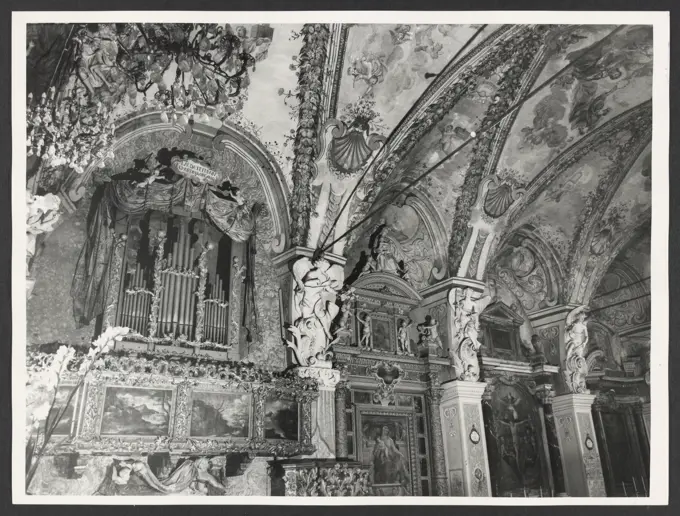
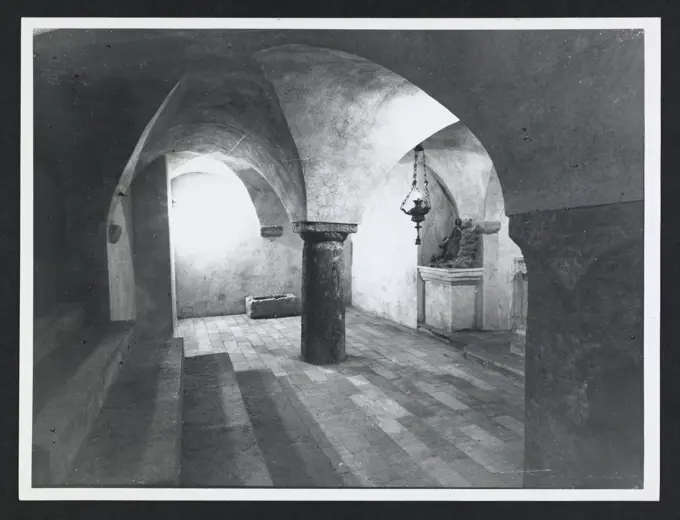
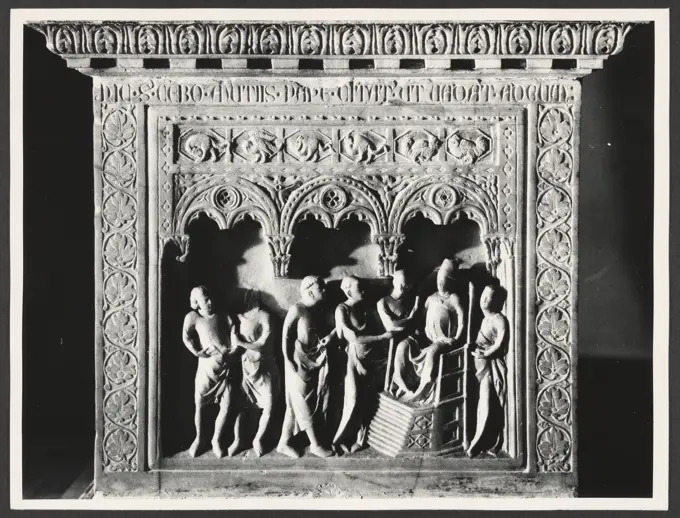
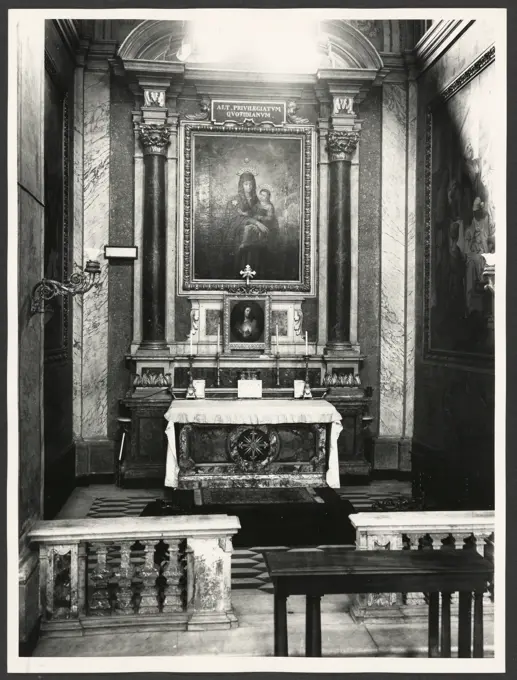
Black and white images capturing intricate details of historic Italian churches and sculptures, showcasing Baroque and Gothic architectural elements.

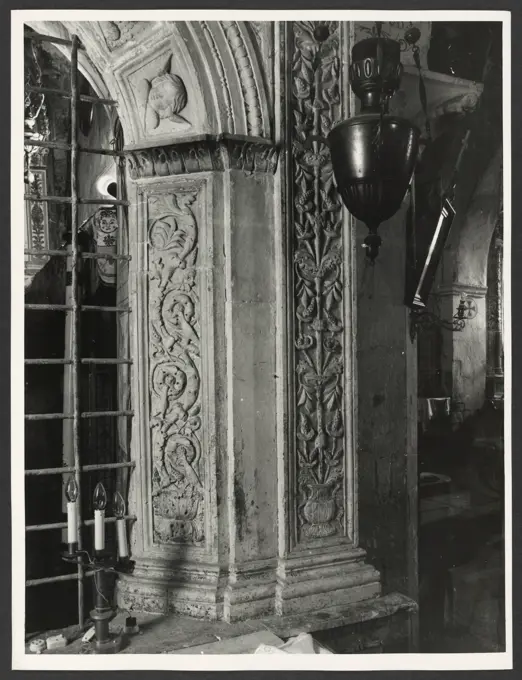
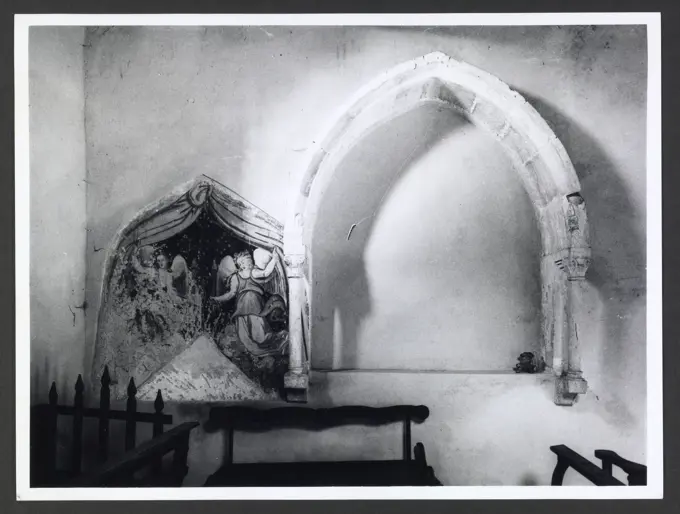
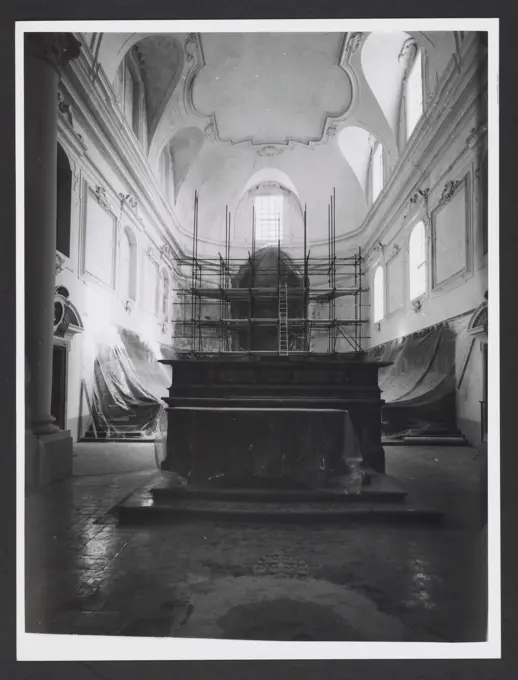
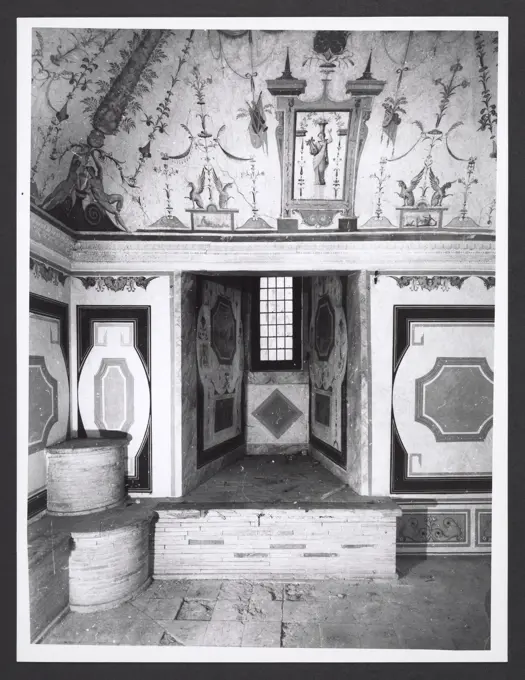
Lazio Roma Subiaco S. Francesco9. Hutzel, Max 1960-1990 Exterior views of 14th c. church portals, facade and cloister. Interior views of simple francescan nave, altars, chapels, and refectory, with comprehensive coverage of panel paintings and frescoes. German-born photographer and scholar Max Hutzel (1911-1988) photographed in Italy from the early 1960s until his death. The result of this project, referred to by Hutzel as Foto Arte Minore, is thorough documentation of art historical development in Italy up to the 18th century, including objects of the Etruscans and the Romans, as well as early Medieval, Romanesque, Gothic, Renaissance and Baroque monuments. Images are organized by geographic region in Italy, then by province, city, site complex and monument.
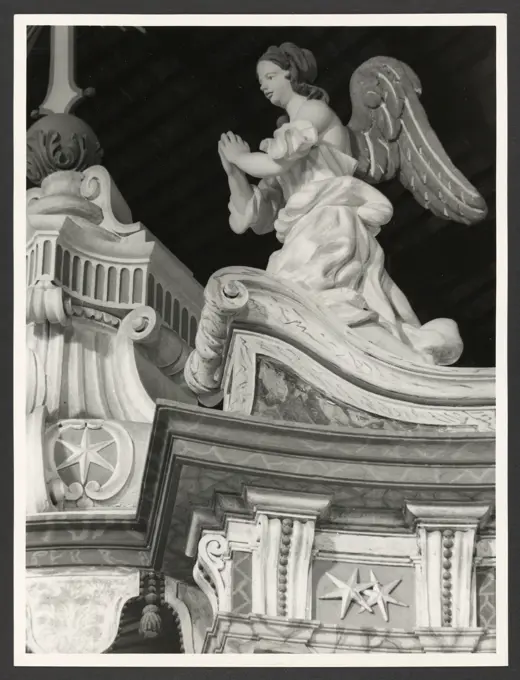
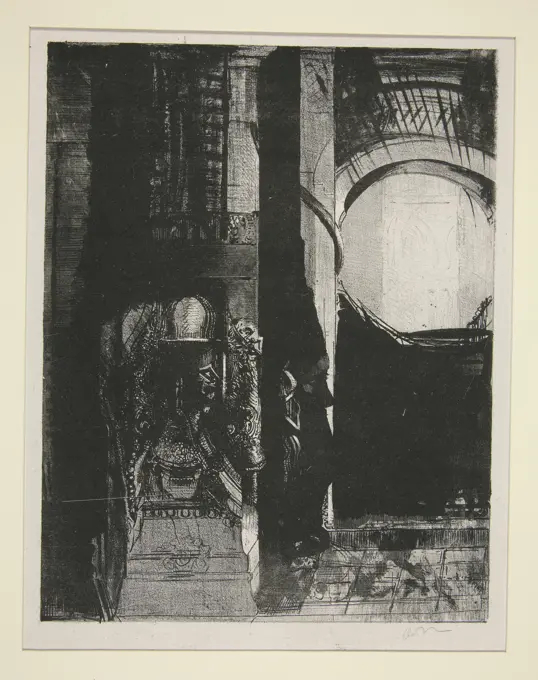
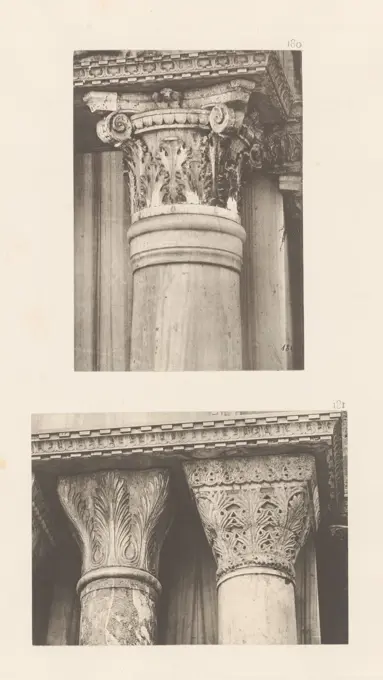
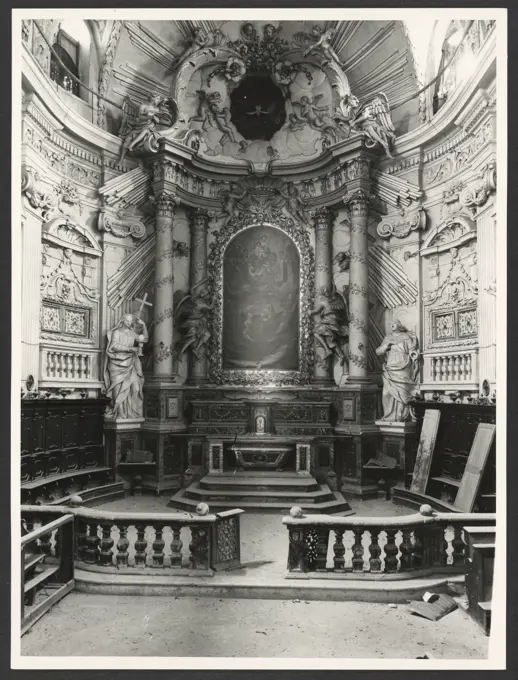
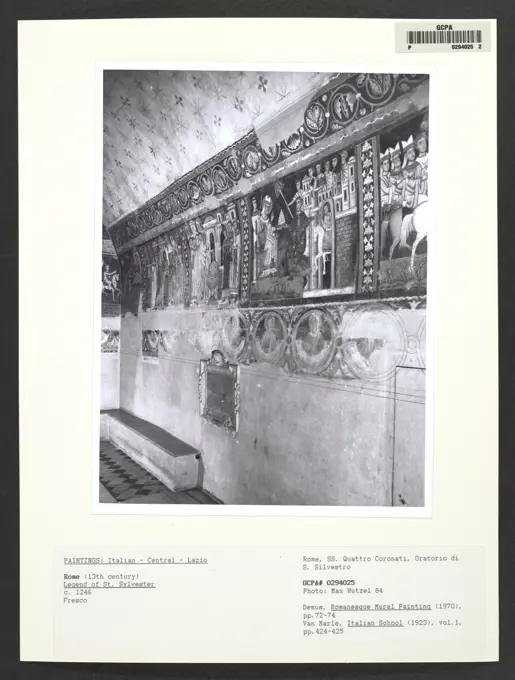
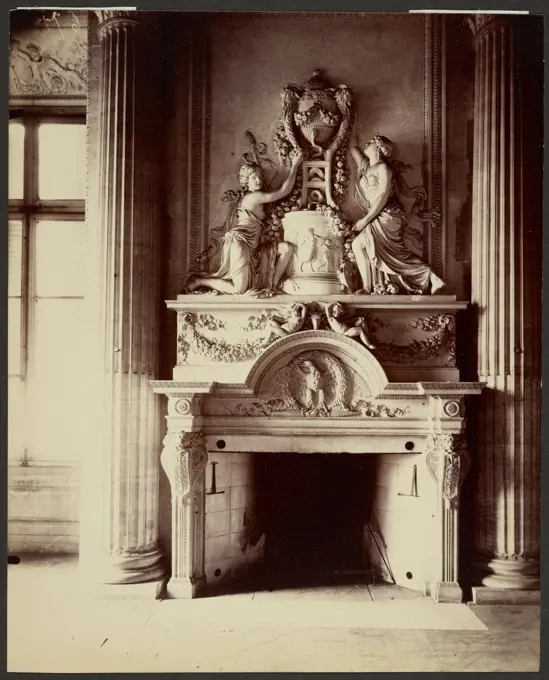
Lazio Frosinone Ferentino S. Francesco. Hutzel, Max 1960-1990 Post-medieval: Altar painting German-born photographer and scholar Max Hutzel (1911-1988) photographed in Italy from the early 1960s until his death. The result of this project, referred to by Hutzel as Foto Arte Minore, is thorough documentation of art historical development in Italy up to the 18th century, including objects of the Etruscans and the Romans, as well as early Medieval, Romanesque, Gothic, Renaissance and Baroque monuments. Images are organized by geographic region in Italy, then by province, city, site complex and monument.Lazio Roma Montecelio S. Giovanni Evangelista9. Hutzel, Max 1960-1990 Post-medieval: Architecture, architectural sculpture, painting, sculpture. Church remodeled by Filippo Leto in 1710 with a facade of two orders and two campanili. Within the lateral altars of the church are paintings by the artist Ludwig Stern (1709-77), depicting S. Louis, the Miracle of S. Nicholas of Bari, the Education of the Virgin, and Ss. Cecilia and Valeriano. German-born photographer and scholar Max Hutzel (1911-1988) photographed in Italy from the early 1960s until his death. The result of this project, referred to by Hutzel as Foto Arte Minore, is thorough documentation of art historical development in Italy up to the 18th century, including objects of the Etruscans and the Romans, as well as early Medieval, Romanesque, Gothic, Renaissance and Baroque monuments. Images are organized by geographic region in Italy, then by province, city, site complex and monument.Abruzzo Teramo Tossicia S. Antonio Abate5. Hutzel, Max 1960-1990 Exterior views of church and portal dated 1471 with its symbols of the Evangelists, the Archangel Gabriel, an Annunciation and S. Antonio Abbate. Additionally there are exterior photos of other architectural details. There are no photos of the interior. German-born photographer and scholar Max Hutzel (1911-1988) photographed in Italy from the early 1960s until his death. The result of this project, referred to by Hutzel as Foto Arte Minore, is thorough documentation of art historical development in Italy up to the 18th century, including objects of the Etruscans and the Romans, as well as early Medieval, Romanesque, Gothic, Renaissance and Baroque monuments. Images are organized by geographic region in Italy, then by province, city, site complex and monument.Lazio Viterbo Tuscania S. Maria del Riposo5. Hutzel, Max 1960-1990 Post-medieval: Renaissance architecture (1495) with sculpted portal (1522); paintings on panel and canvas; sculpture (ceramic); 15th-16th century frescos; sculpture in wood; architectural sculpture. Views of the adjacent cloister of the Convento Francescano. German-born photographer and scholar Max Hutzel (1911-1988) photographed in Italy from the early 1960s until his death. The result of this project, referred to by Hutzel as Foto Arte Minore, is thorough documentation of art historical development in Italy up to the 18th century, including objects of the Etruscans and the Romans, as well as early Medieval, Romanesque, Gothic, Renaissance and Baroque monuments. Images are organized by geographic region in Italy, then by province, city, site complex and monument.Lazio Roma Rome S. Croce in Gerusalemme38. Hutzel, Max 1960-1990 Medieval: Cosmati pavement, architecture (facade). Post-medieval: Architecture, architectural sculpture, sculpture, frescoes: "Leggenda della Santa Croce," Antoniazzo Romano (attr) & "S. Elena sale al cielo," Corrado Giaquinto; mosaic ceiling in Cappella di S. Elena; coats-of-arms German-born photographer and scholar Max Hutzel (1911-1988) photographed in Italy from the early 1960s until his death. The result of this project, referred to by Hutzel as Foto Arte Minore, is thorough documentation of art historical development in Italy up to the 18th century, including objects of the Etruscans and the Romans, as well as early Medieval, Romanesque, Gothic, Renaissance and Baroque monuments. Images are organized by geographic region in Italy, then by province, city, site complex and monument.Lazio Roma Rome S. Andrea al Quirinale1. Hutzel, Max 1960-1990 Post-medieval: Architecture, architectural sculpture, sculpture, painting, frescoes, stucco, coffers Object Notes: Bernini defined this as his best work, begun in 1658 and finished in 1671. Located on via XX Settembre German-born photographer and scholar Max Hutzel (1911-1988) photographed in Italy from the early 1960s until his death. The result of this project, referred to by Hutzel as Foto Arte Minore, is thorough documentation of art historical development in Italy up to the 18th century, including objects of the Etruscans and the Romans, as well as early Medieval, Romanesque, Gothic, Renaissance and Baroque monuments. Images are organized by geographic region in Italy, then by province, city, site complex and monument.Abruzzo L'Aquila Castelvecchio Subequo S. Francesco. Hutzel, Max 1960-1990 Interior and exterior views of the church architecture. Large fresco cycle (late 14th-early 15th centuries) of the life of S. Francis. Other photos depict the interior church decoration: the 17th century wood altar and nave sculptures as well as numerous 15th-16th century paintings. German-born photographer and scholar Max Hutzel (1911-1988) photographed in Italy from the early 1960s until his death. The result of this project, referred to by Hutzel as Foto Arte Minore, is thorough documentation of art historical development in Italy up to the 18th century, including objects of the Etruscans and the Romans, as well as early Medieval, Romanesque, Gothic, Renaissance and Baroque monuments. Images are organized by geographic region in Italy, then by province, city, site complex and monument.Et partout ce sont des colonnes de basalteLa lumière tombe des voûtes (And Everywhere Are Columns of BasaltThe Light Falls from the Vaults), from the series La Tentation de Saint-Antoine (The Temptation of Saint Anthony). Artist: Odilon Redon, French, 1840-1916Umbria Terni Stroncone S. Francesco4. Hutzel, Max 1960-1990 German-born photographer and scholar Max Hutzel (1911-1988) photographed in Italy from the early 1960s until his death. The result of this project, referred to by Hutzel as Foto Arte Minore, is thorough documentation of art historical development in Italy up to the 18th century, including objects of the Etruscans and the Romans, as well as early Medieval, Romanesque, Gothic, Renaissance and Baroque monuments. Images are organized by geographic region in Italy, then by province, city, site complex and monument.Jacobi, CH, Venice, Ongania, Ferdinand, Two images of Corinthian capitals from the San Marco in Venice, recto - printed, These prints are part of a cover with 51 prints on 29 sheets and 1 text sheet., photomechanical print, photographs, photographically illustrated books, 126, 180, 181, 181., height 394 mm, width 311 mm, photographer, 1879 - 1884, paper, collotype, cliché makerMarches Pesaro Fossombrone S. Filippo. Hutzel, Max 1960-1990 Post-medieval: Baroque architecture (c.1608-1613): unfinished exterior and very highly decorated interior; paintings on canvas; wooden sculpture German-born photographer and scholar Max Hutzel (1911-1988) photographed in Italy from the early 1960s until his death. The result of this project, referred to by Hutzel as Foto Arte Minore, is thorough documentation of art historical development in Italy up to the 18th century, including objects of the Etruscans and the Romans, as well as early Medieval, Romanesque, Gothic, Renaissance and Baroque monuments. Images are organized by geographic region in Italy, then by province, city, site complex and monument.Lazio Frosinone Arpino S. Andrea Apostolo5. Hutzel, Max 1960-1990 Medieval: 13th century architecture. Post-medieval: 16th century architecture (1533 remodel), architectural sculpture, sculpture, fresco painting, painting on panel, stucco, church furnishings. German-born photographer and scholar Max Hutzel (1911-1988) photographed in Italy from the early 1960s until his death. The result of this project, referred to by Hutzel as Foto Arte Minore, is thorough documentation of art historical development in Italy up to the 18th century, including objects of the Etruscans and the Romans, as well as early Medieval, Romanesque, Gothic, Renaissance and Baroque monuments. Images are organized by geographic region in Italy, then by province, city, site complex and monument.Campania Caserta San Prisco S. Prisco8. Hutzel, Max 1960-1990 Medieval: 6th century mosaics. Post-medieval: 18th century architecture, architectural sculpture and decoration; baldacchino; wooden organ; paintings on canvas; frescos German-born photographer and scholar Max Hutzel (1911-1988) photographed in Italy from the early 1960s until his death. The result of this project, referred to by Hutzel as Foto Arte Minore, is thorough documentation of art historical development in Italy up to the 18th century, including objects of the Etruscans and the Romans, as well as early Medieval, Romanesque, Gothic, Renaissance and Baroque monuments. Images are organized by geographic region in Italy, then by province, city, site complex and monument.Roma, Monumento a Francesco Tornabuoni, Santa Maria sopra Minerva. UnknownLazio Rieti Rieti S. Maria Assunta, Duomo, e Palazzo Vescovile56. Hutzel, Max 1960-1990 Medieval: Duomo, architecture (12-13th, 15th centuries). Post-medieval: Duomo and Palazzo Vescovado: Architecture, sculpture, frescoes, painting, architectural sculpture, metalwork, vestments General Notes: Hutzel combines two sites here, with no indication as to which photos or negatives belong to either site. Sites are catalogued separately in Medieval section, and entered thus in database. It is uncertain as to whether this includes objects from the Museo del Tesoro del Duomo. Hutzel photo campaign notes are undated. There is a note that there are no prints for 69-129. German-born photographer and scholar Max Hutzel (1911-1988) photographed in Italy from the early 1960s until his death. The result of this project, referred to by Hutzel as Foto Arte Minore, is thorough documentation of art historical development in Italy up to the 18th century, including objects of the Etruscans and the Romans, asLazio Viterbo Bagnaia Villa Lante03. Hutzel, Max 1960-1990 German-born photographer and scholar Max Hutzel (1911-1988) photographed in Italy from the early 1960s until his death. The result of this project, referred to by Hutzel as Foto Arte Minore, is thorough documentation of art historical development in Italy up to the 18th century, including objects of the Etruscans and the Romans, as well as early Medieval, Romanesque, Gothic, Renaissance and Baroque monuments. Images are organized by geographic region in Italy, then by province, city, site complex and monument.Lazio Viterbo Bomarzo S. Maria, Parish church1. Hutzel, Max 1960-1990 Post-medieval: Architecture (16th century), frescoes (16th century), antique fragments, sculpture. Coverage is of interior and exterior of church, including paintings, frescoes, architectural details. German-born photographer and scholar Max Hutzel (1911-1988) photographed in Italy from the early 1960s until his death. The result of this project, referred to by Hutzel as Foto Arte Minore, is thorough documentation of art historical development in Italy up to the 18th century, including objects of the Etruscans and the Romans, as well as early Medieval, Romanesque, Gothic, Renaissance and Baroque monuments. Images are organized by geographic region in Italy, then by province, city, site complex and monument.Lazio Viterbo Tuscania S. Maria della Rosa. Hutzel, Max 1960-1990 German-born photographer and scholar Max Hutzel (1911-1988) photographed in Italy from the early 1960s until his death. The result of this project, referred to by Hutzel as Foto Arte Minore, is thorough documentation of art historical development in Italy up to the 18th century, including objects of the Etruscans and the Romans, as well as early Medieval, Romanesque, Gothic, Renaissance and Baroque monuments. Images are organized by geographic region in Italy, then by province, city, site complex and monument.Lazio Roma Rome SS. Quattro Coronati8. Hutzel, Max 1960-1990 Exterior and cloister views of 12th c. church stored in Medieval section. Interior views of nave, altar, apse fresco, ciborium, holy water font, wall paintings. Many views of 13th c. frescoes in Oratorio di S. Silvestro and several views of the adjoining chapel. General Notes: Views of Oratorio frescoes processed by Paintings section now stored with Hutzel collection. German-born photographer and scholar Max Hutzel (1911-1988) photographed in Italy from the early 1960s until his death. The result of this project, referred to by Hutzel as Foto Arte Minore, is thorough documentation of art historical development in Italy up to the 18th century, including objects of the Etruscans and the Romans, as well as early Medieval, Romanesque, Gothic, Renaissance and Baroque monuments. Images are organized by geographic region in Italy, then by province, city, site complex and monument.Lazio Roma Frascati Chiesa del Gesu2. Hutzel, Max 1960-1990 Views of facade, altars, painting and sculpture. German-born photographer and scholar Max Hutzel (1911-1988) photographed in Italy from the early 1960s until his death. The result of this project, referred to by Hutzel as Foto Arte Minore, is thorough documentation of art historical development in Italy up to the 18th century, including objects of the Etruscans and the Romans, as well as early Medieval, Romanesque, Gothic, Renaissance and Baroque monuments. Images are organized by geographic region in Italy, then by province, city, site complex and monument.Lazio Roma Rome S. Paolo7. Hutzel, Max 1960-1990 Medieval: Architecture, architectural sculpture fragments, tomb sculpture fragments, sculptural fragments, inscribed tomb markers, sculpture, fresco painting, mosaics Specific Location: Basilica Antiquities: Architectural sculpture fragments, tomb sculpture fragments, sculpture fragments General Notes: the "tomb markers" need to be sorted and catalogued German-born photographer and scholar Max Hutzel (1911-1988) photographed in Italy from the early 1960s until his death. The result of this project, referred to by Hutzel as Foto Arte Minore, is thorough documentation of art historical development in Italy up to the 18th century, including objects of the Etruscans and the Romans, as well as early Medieval, Romanesque, Gothic, Renaissance and Baroque monuments. Images are organized by geographic region in Italy, then by province, city, site complex and monument.Basilicata Matera Matera Chiesa del Purgatorio3. Hutzel, Max 1960-1990 Post-medieval: Built 1747, architecture, architectural sculpture, painting German-born photographer and scholar Max Hutzel (1911-1988) photographed in Italy from the early 1960s until his death. The result of this project, referred to by Hutzel as Foto Arte Minore, is thorough documentation of art historical development in Italy up to the 18th century, including objects of the Etruscans and the Romans, as well as early Medieval, Romanesque, Gothic, Renaissance and Baroque monuments. Images are organized by geographic region in Italy, then by province, city, site complex and monument.Lazio Roma Manziana Parrocchiale. Hutzel, Max 1960-1990 Post-medieval: Architecture, sculpture, painting. Wall and ceiling paintings, statue of Virgin and Child. Object Notes: No mention of this church in TCI. German-born photographer and scholar Max Hutzel (1911-1988) photographed in Italy from the early 1960s until his death. The result of this project, referred to by Hutzel as Foto Arte Minore, is thorough documentation of art historical development in Italy up to the 18th century, including objects of the Etruscans and the Romans, as well as early Medieval, Romanesque, Gothic, Renaissance and Baroque monuments. Images are organized by geographic region in Italy, then by province, city, site complex and monument.Lamentation. unknown c. 1500-1525 Tapestry Dimensions: H 72" x W 82" Tapestry Materials/Techniques: wool; silk; metallic thread (gold); metallic thread (silver) Culture: Southern Netherlands Weaving Center: unknown Ownership History: French & Co. purchased from American Art Association, Anderson Galleries (new York) 11/23/1933 (Thomas Fortune Ryan sale); sold to Dr. P. P. Preston Pope Satterwhite 1/31/1938 SS 39269. French & Co. received from P. P. Satterwhite, n.d.; returned 9/7/1944 SS 75128. Christ, without crown of thorns, is supported by Virgin Mary; others present, including SS. Nicodemus & Joseph of Arimathaea (on L); Holy women (at R); landscape in background (BRD) garlands of foliage, flowers, fruit & bunches of grapes Possibly woven in Brussels (Cavallo). Tapestry in mounted gilt frame (Dimitrova). French & Co. stock sheet in archive, 39269 French & Co. stock sheet in archive, 75128 Göbel, Wandteppiche I:2 (1923), pl.370 Hunter, Practical book of Tapestries (1925), n.p.Emilia-Romagna Ferrara Pomposa Abbazia di Pomposa, Museo30. Hutzel, Max 1960-1990 Medieval: Fragments: capitals (Byzantine, 6th century), also capitals carved with human faces; marble friezes (10th century, later inscriptions); cornices, (with spolia) 11-12th centuries; ciborium; frescos. Post-medieval: Terracotta statuary, "neo-classical" (Hutzel); frescos: Bolognese, 14th century Antiquities: Amphora; grave monuments German-born photographer and scholar Max Hutzel (1911-1988) photographed in Italy from the early 1960s until his death. The result of this project, referred to by Hutzel as Foto Arte Minore, is thorough documentation of art historical development in Italy up to the 18th century, including objects of the Etruscans and the Romans, as well as early Medieval, Romanesque, Gothic, Renaissance and Baroque monuments. Images are organized by geographic region in Italy, then by province, city, site complex and monument.Lazio Latina Bassiano S. Nicola4. Hutzel, Max 1960-1990 German-born photographer and scholar Max Hutzel (1911-1988) photographed in Italy from the early 1960s until his death. The result of this project, referred to by Hutzel as Foto Arte Minore, is thorough documentation of art historical development in Italy up to the 18th century, including objects of the Etruscans and the Romans, as well as early Medieval, Romanesque, Gothic, Renaissance and Baroque monuments. Images are organized by geographic region in Italy, then by province, city, site complex and monument.Château de Maisons-Lafitte. Eugène Atget, photographer (French, 1857 - 1927) 1910 Elaborately sculpted chimney piece. (Verso, print) in pencil in the artist's hand: titled and numbered "6711";Marches Macerata Mevale Pieve6. Hutzel, Max 1960-1990 Parish church dating from the 13th century with interior decoration dating until the 16th century. Mevale is the home of the Angelucci family, who were artists and woodworkers in the 15th and 16th centuries. The interior frescoes include a Last Judgment (1601), a Trinity (1560), Apostles in the Oratorium, a Madonna of the Rosary (1571), and a chivalric tournament (15th cent.). A Pieta in the lunette in the Oratorium is believed to have been painted by Perugino, in whose workshop one of the Angelucci worked. There is also a Madonna in the Byzantine style, dating from the 13th century. The confessional is used as well for a chancel, the work of Ancanio Poggini (1580). Object Notes: Hutzel photo campaign date: September 26, 1983. Negs. of columns and stone lion may belong to another site. German-born photographer and scholar Max Hutzel (1911-1988) photographed in Italy from the early 1960s until his death. The result of this project, rTuscany Grosseto Massa Marittima S. Cerbono (Duomo)52. Hutzel, Max 1960-1990 Medieval: Architecture, architectural sculpture (13th-early 14th century); Fresco (14th century); Panels/Crucifix (14th century); pascal candle; sculpture including the Arca di S. Cerbone; architectural relief (c. 1267); Tabernacle (mid-14th century). Post-medieval: Paintings, fresco (14th century), sculpture Antiquities: Relief German-born photographer and scholar Max Hutzel (1911-1988) photographed in Italy from the early 1960s until his death. The result of this project, referred to by Hutzel as Foto Arte Minore, is thorough documentation of art historical development in Italy up to the 18th century, including objects of the Etruscans and the Romans, as well as early Medieval, Romanesque, Gothic, Renaissance and Baroque monuments. Images are organized by geographic region in Italy, then by province, city, site complex and monument.Lazio Roma Rome S. Stefano del Cacco3. Hutzel, Max 1960-1990 Post-medieval: Architecture, sculpture, painting, frescoes, reliquary objects, high reliefs, iconostasis (15th century). Minor church found in vicinity of Piazza Argentina. Small basilica of early middle ages, enclosed by Baroque palaces. basilica of early middle ages, enclosed by Baroque palaces. Oratorium, small museum with Roman and early medieval sculpture of 9th century basilica is found. Photos show restoration process of retrieved statues from copper iconostasis which was stolen about 40 years ago and rediscovered in the early 1960's. German-born photographer and scholar Max Hutzel (1911-1988) photographed in Italy from the early 1960s until his death. The result of this project, referred to by Hutzel as Foto Arte Minore, is thorough documentation of art historical development in Italy up to the 18th century, including objects of the Etruscans and the Romans, as well as early Medieval, Romanesque, Gothic, Renaissance aSarcophage dit 'd'Alexandre' , Antiquities, Sarcophagi, Alexander Sarcophagus Sidon, Lebanon. Nicholas Catsimpoolas CollectionCampania Caserta Carditello Plazzo Reale3. Hutzel, Max 1960-1990 German-born photographer and scholar Max Hutzel (1911-1988) photographed in Italy from the early 1960s until his death. The result of this project, referred to by Hutzel as Foto Arte Minore, is thorough documentation of art historical development in Italy up to the 18th century, including objects of the Etruscans and the Romans, as well as early Medieval, Romanesque, Gothic, Renaissance and Baroque monuments. Images are organized by geographic region in Italy, then by province, city, site complex and monument.Lazio Roma Subiaco S. Francesco4. Hutzel, Max 1960-1990 Exterior views of 14th c. church portals, facade and cloister. Interior views of simple francescan nave, altars, chapels, and refectory, with comprehensive coverage of panel paintings and frescoes. German-born photographer and scholar Max Hutzel (1911-1988) photographed in Italy from the early 1960s until his death. The result of this project, referred to by Hutzel as Foto Arte Minore, is thorough documentation of art historical development in Italy up to the 18th century, including objects of the Etruscans and the Romans, as well as early Medieval, Romanesque, Gothic, Renaissance and Baroque monuments. Images are organized by geographic region in Italy, then by province, city, site complex and monument.Lazio Roma Subiaco Sacro Speco4. Hutzel, Max 1960-1990 Exterior views (Medieval core collection). Interior views of monument, with extensive coverage of 14th c. frescoes of the Sienese school in the upper church and many views of the rock cut chapels of the lower church, including Sacro Speco, where young S. Benedetto lived for three years in solitude; Cappella di S. Gregorio Magno, adorned with 13th c. Byzantine frescoes; Scala Santa and Cappella della Madonna, both decorated with Sienese school frescoes, and Grotta dei Pastori, with 8th c. Byzantine fresco. _ German-born photographer and scholar Max Hutzel (1911-1988) photographed in Italy from the early 1960s until his death. The result of this project, referred to by Hutzel as Foto Arte Minore, is thorough documentation of art historical development in Italy up to the 18th century, including objects of the Etruscans and the Romans, as well as early Medieval, Romanesque, Gothic, Renaissance and Baroque monuments. Images are organizeAbruzzo L'Aquila L'Aquila Palazzo Fiori. Hutzel, Max 1960-1990 Post-medieval: Architecture, architectural sculpture German-born photographer and scholar Max Hutzel (1911-1988) photographed in Italy from the early 1960s until his death. The result of this project, referred to by Hutzel as Foto Arte Minore, is thorough documentation of art historical development in Italy up to the 18th century, including objects of the Etruscans and the Romans, as well as early Medieval, Romanesque, Gothic, Renaissance and Baroque monuments. Images are organized by geographic region in Italy, then by province, city, site complex and monument.Abruzzo L'Aquila Caporciano S. Pietro in Valle5. Hutzel, Max 1960-1990 Post-medieval: Architecture, architectural sculpture (12th century) Ciborium, sarcofagus, altar with frescos, stoup (12th cent.) German-born photographer and scholar Max Hutzel (1911-1988) photographed in Italy from the early 1960s until his death. The result of this project, referred to by Hutzel as Foto Arte Minore, is thorough documentation of art historical development in Italy up to the 18th century, including objects of the Etruscans and the Romans, as well as early Medieval, Romanesque, Gothic, Renaissance and Baroque monuments. Images are organized by geographic region in Italy, then by province, city, site complex and monument.Abruzzo L'Aquila Vittorito S. Michele Arcangelo4. Hutzel, Max 1960-1990 Medieval: Fragments of relief sculpture Post-medieval: 15th century architecture and architectural sculpture; frescos; ciborium German-born photographer and scholar Max Hutzel (1911-1988) photographed in Italy from the early 1960s until his death. The result of this project, referred to by Hutzel as Foto Arte Minore, is thorough documentation of art historical development in Italy up to the 18th century, including objects of the Etruscans and the Romans, as well as early Medieval, Romanesque, Gothic, Renaissance and Baroque monuments. Images are organized by geographic region in Italy, then by province, city, site complex and monument.Umbria Perugia Norcia S. Agostino2. Hutzel, Max 1960-1990 Three prints of the exterior; the rest of the coverage is of the interior nave, altar, choir, crucifix, paintings, frescoes, and sacristy. Other prints form part of the numerical sequence for S. Agostino, even though the two monuments have never been part of the same complex. Coverage is primarily of the carved wood ceiling and the sculpture embedded in it. German-born photographer and scholar Max Hutzel (1911-1988) photographed in Italy from the early 1960s until his death. The result of this project, referred to by Hutzel as Foto Arte Minore, is thorough documentation of art historical development in Italy up to the 18th century, including objects of the Etruscans and the Romans, as well as early Medieval, Romanesque, Gothic, Renaissance and Baroque monuments. Images are organized by geographic region in Italy, then by province, city, site complex and monument.Lazio Viterbo Bagnaia Villa Lante. Hutzel, Max 1960-1990 German-born photographer and scholar Max Hutzel (1911-1988) photographed in Italy from the early 1960s until his death. The result of this project, referred to by Hutzel as Foto Arte Minore, is thorough documentation of art historical development in Italy up to the 18th century, including objects of the Etruscans and the Romans, as well as early Medieval, Romanesque, Gothic, Renaissance and Baroque monuments. Images are organized by geographic region in Italy, then by province, city, site complex and monument.Marches Urbino Palazzo Ducale, Galleria Nazionale delle Marche8. Hutzel, Max 1960-1990 Post-medieval: First floor: Polyptychs, triptychs, crucifixes, panel paintings, sculpture, frescoes now housed in Museo; stucco decoration in private chapels Object Notes: See also Urbino, Museo Albani. With both sites the negs arrived separately from the prints, yet all negs were labelled as Urbino, Palazzo Ducale, making it difficult to match some negatives to their prints. German-born photographer and scholar Max Hutzel (1911-1988) photographed in Italy from the early 1960s until his death. The result of this project, referred to by Hutzel as Foto Arte Minore, is thorough documentation of art historical development in Italy up to the 18th century, including objects of the Etruscans and the Romans, as well as early Medieval, Romanesque, Gothic, Renaissance and Baroque monuments. Images are organized by geographic region in Italy, then by province, city, site complex and monument.Abruzzo Pescara Penne S. Domenico6. Hutzel, Max 1960-1990 Post-medieval: Architecture, architectural sculpture (13-17th century), sculpture. Also views of Piazza Luca da Penne German-born photographer and scholar Max Hutzel (1911-1988) photographed in Italy from the early 1960s until his death. The result of this project, referred to by Hutzel as Foto Arte Minore, is thorough documentation of art historical development in Italy up to the 18th century, including objects of the Etruscans and the Romans, as well as early Medieval, Romanesque, Gothic, Renaissance and Baroque monuments. Images are organized by geographic region in Italy, then by province, city, site complex and monument.Abruzzo L'Aquila Sulmona Badia Morronese. Hutzel, Max 1960-1990 Views of baroque interior under restoration. Most views are of fresco cycles from the life of Christ (14th century). All the prints in the Medieval section are views of the tomb of Restaino Caldora-Cantelmo (1412) in the gothic chapel, Cappella Caldora. S. Spirito German-born photographer and scholar Max Hutzel (1911-1988) photographed in Italy from the early 1960s until his death. The result of this project, referred to by Hutzel as Foto Arte Minore, is thorough documentation of art historical development in Italy up to the 18th century, including objects of the Etruscans and the Romans, as well as early Medieval, Romanesque, Gothic, Renaissance and Baroque monuments. Images are organized by geographic region in Italy, then by province, city, site complex and monument.Lazio Viterbo Caprarola Palazzo Farnese83. Hutzel, Max 1960-1990 German-born photographer and scholar Max Hutzel (1911-1988) photographed in Italy from the early 1960s until his death. The result of this project, referred to by Hutzel as Foto Arte Minore, is thorough documentation of art historical development in Italy up to the 18th century, including objects of the Etruscans and the Romans, as well as early Medieval, Romanesque, Gothic, Renaissance and Baroque monuments. Images are organized by geographic region in Italy, then by province, city, site complex and monument.Marches Ascoli Piceno Offida S. Maria della Rocca5. Hutzel, Max 1960-1990 Medieval: Architecture and architectural sculpture; frescos (13th and 14th century). Post-medieval: Frescos (15th century); painted ceramic sculpture. Several views of the imposing Romanesque exterior, and extensive coverage of the frescoes located in the crypt and the main altar. General Notes: Prints 20, 22, and 56 have no matching negatives. German-born photographer and scholar Max Hutzel (1911-1988) photographed in Italy from the early 1960s until his death. The result of this project, referred to by Hutzel as Foto Arte Minore, is thorough documentation of art historical development in Italy up to the 18th century, including objects of the Etruscans and the Romans, as well as early Medieval, Romanesque, Gothic, Renaissance and Baroque monuments. Images are organized by geographic region in Italy, then by province, city, site complex and monument.Emilia-Romagna Ferrara Pomposa Abbazia di Pomposa, Museo21. Hutzel, Max 1960-1990 Medieval: Fragments: capitals (Byzantine, 6th century), also capitals carved with human faces; marble friezes (10th century, later inscriptions); cornices, (with spolia) 11-12th centuries; ciborium; frescos. Post-medieval: Terracotta statuary, "neo-classical" (Hutzel); frescos: Bolognese, 14th century Antiquities: Amphora; grave monuments German-born photographer and scholar Max Hutzel (1911-1988) photographed in Italy from the early 1960s until his death. The result of this project, referred to by Hutzel as Foto Arte Minore, is thorough documentation of art historical development in Italy up to the 18th century, including objects of the Etruscans and the Romans, as well as early Medieval, Romanesque, Gothic, Renaissance and Baroque monuments. Images are organized by geographic region in Italy, then by province, city, site complex and monument.Lazio Viterbo Caprarola Palazzo Farnese159. Hutzel, Max 1960-1990 German-born photographer and scholar Max Hutzel (1911-1988) photographed in Italy from the early 1960s until his death. The result of this project, referred to by Hutzel as Foto Arte Minore, is thorough documentation of art historical development in Italy up to the 18th century, including objects of the Etruscans and the Romans, as well as early Medieval, Romanesque, Gothic, Renaissance and Baroque monuments. Images are organized by geographic region in Italy, then by province, city, site complex and monument.Abruzzo L'Aquila L'Aquila Museo Nazionale d'Abruzzo31. Hutzel, Max 1960-1990 Tabernacle from S. Maria delle Grotte in Fossa with scenes of the Presentation at the Temple, the Flagellation, the Annunciation, and the Betrayal by Judas. Museo Nazionale housed in Castle: several exterior views (The Archeological Museum is one gallery (Sala IV) of the Museo). Remaining views of museum collection, including paintings, processional crosses, reliquaries, chalices, ceramics, textiles, manuscripts, and a number of eighth century Abruzzan Madonna sculptures. Works from the church Madonna del Soccorso also stored in Museo. Museo Nazionale d'Abruzzo Roman inscriptions, sculpture and relief German-born photographer and scholar Max Hutzel (1911-1988) photographed in Italy from the early 1960s until his death. The result of this project, referred to by Hutzel as Foto Arte Minore, is thorough documentation of art historical development in Italy up to the 18th century, including objects of the EtruscansCampania Caserta Caserta Palazzo Reale89. Hutzel, Max 1960-1990 Post-medieval: Architecture & architectural sculpture, sculpture, statues, paintings, frescoes, stuccoes, furnishings & decorative art General Notes: Discrepancy in number of prints & negatives. Hutzel notes 824 prints & negatives. Negatives for 1-62 of one batch seem to be missing (would make a total of 824) German-born photographer and scholar Max Hutzel (1911-1988) photographed in Italy from the early 1960s until his death. The result of this project, referred to by Hutzel as Foto Arte Minore, is thorough documentation of art historical development in Italy up to the 18th century, including objects of the Etruscans and the Romans, as well as early Medieval, Romanesque, Gothic, Renaissance and Baroque monuments. Images are organized by geographic region in Italy, then by province, city, site complex and monument.Abruzzo L'Aquila L'Aquila S. Giuseppe1. Hutzel, Max 1960-1990 Medieval: Architectural sculpture, tomb of Camponeschi family (15th century). Post-medieval: Architecture, architectural sculpture, tomb of Camponeschi family One exterior view and four interior apse views. Views of Camponeschi monument. German-born photographer and scholar Max Hutzel (1911-1988) photographed in Italy from the early 1960s until his death. The result of this project, referred to by Hutzel as Foto Arte Minore, is thorough documentation of art historical development in Italy up to the 18th century, including objects of the Etruscans and the Romans, as well as early Medieval, Romanesque, Gothic, Renaissance and Baroque monuments. Images are organized by geographic region in Italy, then by province, city, site complex and monument.Sarcophagus, Imperial Ottoman Museum, Constantinople , Antiquities, Sarcophagi, Lycian Sarcophagus Sidon, Lebanon. Nicholas Catsimpoolas CollectionAbruzzo Teramo Tossicia S. Maria Assunta4. Hutzel, Max 1960-1990 External views of church and facade with its carved human heads, although in most part rather rustic. Photos of late Renaissance interior (1570) with its curved moldings and ornamentation in the time between the Renaissance and Baroque. It is not as ornate as later Baroque interiors. There are details of a painting of the Assumption, the pulpit and the ornate high altar of wood decorated with gold. There are also a few photos of restoration taking place. German-born photographer and scholar Max Hutzel (1911-1988) photographed in Italy from the early 1960s until his death. The result of this project, referred to by Hutzel as Foto Arte Minore, is thorough documentation of art historical development in Italy up to the 18th century, including objects of the Etruscans and the Romans, as well as early Medieval, Romanesque, Gothic, Renaissance and Baroque monuments. Images are organized by geographic region in Italy, then by proLazio Roma Rome Palazzo del Commendatore0. Hutzel, Max 1960-1990 Post-medieval: Architecture, architectural sculpture, sculpture, fresco painting. Object Notes: The palazzo is the seat of the president of the hospital of Borgo S. Spirito; built inbetween 1567-71 after design of Nanni di Baccio Bigio; linear facade; fantastic clock of 1827. Hospital was founded in 1198 by Pope Inncenzo III. Frescoes in salons, c. 1,000 square meters. 53 negatives have already been filed away. German-born photographer and scholar Max Hutzel (1911-1988) photographed in Italy from the early 1960s until his death. The result of this project, referred to by Hutzel as Foto Arte Minore, is thorough documentation of art historical development in Italy up to the 18th century, including objects of the Etruscans and the Romans, as well as early Medieval, Romanesque, Gothic, Renaissance and Baroque monuments. Images are organized by geographic region in Italy, then by province, city, site complex and monument.Lazio Roma Rome S. Caterina da Siena6. Hutzel, Max 1960-1990 Post-medieval: Church by Soria dates from 1638-40. Sculpture, frescoes, painting, architectural sculpture, architecture, stucco German-born photographer and scholar Max Hutzel (1911-1988) photographed in Italy from the early 1960s until his death. The result of this project, referred to by Hutzel as Foto Arte Minore, is thorough documentation of art historical development in Italy up to the 18th century, including objects of the Etruscans and the Romans, as well as early Medieval, Romanesque, Gothic, Renaissance and Baroque monuments. Images are organized by geographic region in Italy, then by province, city, site complex and monument.Umbria Perugia Trevi Collegio Etiopico Pontificio3. Hutzel, Max 1960-1990 The three exterior views of the Renaissance building (16th century) include the Carrara coat-of-arms and a plaque above the portal which indicate that this collegio was formerly the Palazzo Carrara and later also the residence of Cardinal Johannes Hais. Most views, however, are of the frescoed ceilings by Zuccari and Pietro da Cortona. Subjects include landscapes, allegorical figures, Apocryphal and Old Testament stories (Susanna and the Elders, Samson and Delilah, Joseph and Potiphar's wife, Daniel), saints, landscapes, putti, and illusionistic frames. German-born photographer and scholar Max Hutzel (1911-1988) photographed in Italy from the early 1960s until his death. The result of this project, referred to by Hutzel as Foto Arte Minore, is thorough documentation of art historical development in Italy up to the 18th century, including objects of the Etruscans and the Romans, as well as early Medieval, RomanesqAbruzzo L'Aquila L'Aquila S. Pietro di Coppito8. Hutzel, Max 1960-1990 Medieval: Architecture, architectural sculpture (13-14th century), panel painting, frescoes, sculpture. Two exterior views and views of interior both before and after 1971 restoration. German-born photographer and scholar Max Hutzel (1911-1988) photographed in Italy from the early 1960s until his death. The result of this project, referred to by Hutzel as Foto Arte Minore, is thorough documentation of art historical development in Italy up to the 18th century, including objects of the Etruscans and the Romans, as well as early Medieval, Romanesque, Gothic, Renaissance and Baroque monuments. Images are organized by geographic region in Italy, then by province, city, site complex and monument.Abruzzo L'Aquila Trasacco SS. Rufino e Cesidio64. Hutzel, Max 1960-1990 The original monument was destroyed in 936, rebuilt, modified throughout the 16th century (with an addition to the nave in 1618), and restored in 1969. Exterior views include the bell tower and general building facades. Most views focus on the architectural sculpture of the Portale delle Donne and the Portale degli Uomini. Interior views in the Medieval core collection focus on a statue of St. Catherine in an aedicule (15th century); an ambo lecturn (pluteus) decorated with the four symbols of the Evangelists (c. 1267); a statue of the Virgin and Child under a sculpted baldachin on the entrance wall of the oratory (14th century) and the main altar composed of sarcophagus fragments of lions and peacocks in low-relief (8th-10th centuries). A baptismal font and possibly bas-reliefs (immured spolia) in the Oratory. Interior views in the Hutzel collection include: the altar statue of S. Cesidio, frescoes of the AnnunciaLazio Viterbo Fabrica di Roma S. Silvestro, Collegiate church. Hutzel, Max 1960-1990 Post-medieval: Architecture (second half 16th century); frescos; tabernacle German-born photographer and scholar Max Hutzel (1911-1988) photographed in Italy from the early 1960s until his death. The result of this project, referred to by Hutzel as Foto Arte Minore, is thorough documentation of art historical development in Italy up to the 18th century, including objects of the Etruscans and the Romans, as well as early Medieval, Romanesque, Gothic, Renaissance and Baroque monuments. Images are organized by geographic region in Italy, then by province, city, site complex and monument.Campania Caserta Carditello Plazzo Reale50. Hutzel, Max 1960-1990 German-born photographer and scholar Max Hutzel (1911-1988) photographed in Italy from the early 1960s until his death. The result of this project, referred to by Hutzel as Foto Arte Minore, is thorough documentation of art historical development in Italy up to the 18th century, including objects of the Etruscans and the Romans, as well as early Medieval, Romanesque, Gothic, Renaissance and Baroque monuments. Images are organized by geographic region in Italy, then by province, city, site complex and monument.Umbria Terni Collescipoli S. Maria Maggiore4. Hutzel, Max 1960-1990 Post-medieval: Architecture, architectural sculpture (15th century); Baroque interior (c. 1688); frescoes (c. 1690). In sacristy treasury: metalwork (13-16th century) Object Notes: Hutzel photo campaign date: February 6, 1986. General Notes: Re material in treasury, Hutzel refers reader to Terni-Narni Catalogue Should treasury be noted in location field German-born photographer and scholar Max Hutzel (1911-1988) photographed in Italy from the early 1960s until his death. The result of this project, referred to by Hutzel as Foto Arte Minore, is thorough documentation of art historical development in Italy up to the 18th century, including objects of the Etruscans and the Romans, as well as early Medieval, Romanesque, Gothic, Renaissance and Baroque monuments. Images are organized by geographic region in Italy, then by province, city, site complex and monument.Lazio Viterbo Bagnaia Villa Lante082. Hutzel, Max 1960-1990 German-born photographer and scholar Max Hutzel (1911-1988) photographed in Italy from the early 1960s until his death. The result of this project, referred to by Hutzel as Foto Arte Minore, is thorough documentation of art historical development in Italy up to the 18th century, including objects of the Etruscans and the Romans, as well as early Medieval, Romanesque, Gothic, Renaissance and Baroque monuments. Images are organized by geographic region in Italy, then by province, city, site complex and monument.Maser, Italy Frescoes of the Villa Barbaro , 1918 - Italy - Fernand Cuville - (March -August) (French - Maser , Italie Fresques de la Villa Barbaro). Inner view, painted decor, painting, legend , myth, villa, Renaissance, Habitat , Architecture , Art, Italy, MASER, freshes of the Villa Giaconelli at ItalyMusée de Delphes. La Colone des danseuses reconstituée. Δελφοί , Sculpture, Columns, Antiquities, Reconstructions. Nicholas Catsimpoolas CollectionLazio Frosinone Boville Ernica S. Pietro Ispano6. Hutzel, Max 1960-1990 Medieval: Palaeochristian sarcophagus from 4th century, with relief of Nativity and Adoration of the Magi. Mosaic by Giotto. Post-medieval: Architecture, sculpture, frescoes. Structure of romanesque origin, but renovated in the 16th-17th centuries. Statues in niches of S. Peter and S. Paul, by Andrea Bregno. Marble relief of the Holy Family in the manner of Bregno (end 15th century). Frescoes from the end of the 16th century. General Notes: There were two sets of prints now integrated into a single sequence. German-born photographer and scholar Max Hutzel (1911-1988) photographed in Italy from the early 1960s until his death. The result of this project, referred to by Hutzel as Foto Arte Minore, is thorough documentation of art historical development in Italy up to the 18th century, including objects of the Etruscans and the Romans, as well as early Medieval, Romanesque, Gothic, Renaissance and Baroque monuments. ITuscany Grosseto Massa Marittima S. Cerbono (Duomo)81. Hutzel, Max 1960-1990 Medieval: Architecture, architectural sculpture (13th-early 14th century); Fresco (14th century); Panels/Crucifix (14th century); pascal candle; sculpture including the Arca di S. Cerbone; architectural relief (c. 1267); Tabernacle (mid-14th century). Post-medieval: Paintings, fresco (14th century), sculpture Antiquities: Relief German-born photographer and scholar Max Hutzel (1911-1988) photographed in Italy from the early 1960s until his death. The result of this project, referred to by Hutzel as Foto Arte Minore, is thorough documentation of art historical development in Italy up to the 18th century, including objects of the Etruscans and the Romans, as well as early Medieval, Romanesque, Gothic, Renaissance and Baroque monuments. Images are organized by geographic region in Italy, then by province, city, site complex and monument.Lazio Vatican City Casino di Pio IV3. Hutzel, Max 1960-1990 Exterior views including the piazza, fountain and facade of il grande Casino and il piccolo Casino; interior views of fountains, statues, mosaics, a cupola and ceiling. German-born photographer and scholar Max Hutzel (1911-1988) photographed in Italy from the early 1960s until his death. The result of this project, referred to by Hutzel as Foto Arte Minore, is thorough documentation of art historical development in Italy up to the 18th century, including objects of the Etruscans and the Romans, as well as early Medieval, Romanesque, Gothic, Renaissance and Baroque monuments. Images are organized by geographic region in Italy, then by province, city, site complex and monument.Marches Ancona Sassoferrato Pinacoteca2. Hutzel, Max 1960-1990 Two coats-of-arms (of Sassoferrato and the Bishop Aldobrandini; a polyptych of saints Anthony, Sebastian, Roch and Martin; the Madonna of Sassoferrato; a portrait of Sentinensi; ceramic fragments (15th-16th centuries); a renaissance ciborium, a mosaic of St. Demetrius in a wood and silver frame (10th-11th centuries); an Umbrian processional cross (15th century); a wooden statue of the Madonna di Loreto; reliquaries; a saint's wooden shoe; an ivory diptych; silver medallions (13th century) and various paintings. Antiquities: A Roman altar, gravestone, urn and torso. (1st-3rd centuries). Object Notes: Hutzel photo campaign date: March 17, 1983 German-born photographer and scholar Max Hutzel (1911-1988) photographed in Italy from the early 1960s until his death. The result of this project, referred to by Hutzel as Foto Arte Minore, is thorough documentation of art historical development in Italy up to the 18th century, includiAbruzzo Teramo Tossicia S. Teresa extra Moenia6. Hutzel, Max 1960-1990 Renaissance monument outside of town similar to the funerary chapels found in necropoli. Exterior views of facade and architectural details as well as shots of the altar with its ornate grotesque carvings. German-born photographer and scholar Max Hutzel (1911-1988) photographed in Italy from the early 1960s until his death. The result of this project, referred to by Hutzel as Foto Arte Minore, is thorough documentation of art historical development in Italy up to the 18th century, including objects of the Etruscans and the Romans, as well as early Medieval, Romanesque, Gothic, Renaissance and Baroque monuments. Images are organized by geographic region in Italy, then by province, city, site complex and monument.Campania Caserta Marcianise Chiesa dell' Annunziata8. Hutzel, Max 1960-1990 German-born photographer and scholar Max Hutzel (1911-1988) photographed in Italy from the early 1960s until his death. The result of this project, referred to by Hutzel as Foto Arte Minore, is thorough documentation of art historical development in Italy up to the 18th century, including objects of the Etruscans and the Romans, as well as early Medieval, Romanesque, Gothic, Renaissance and Baroque monuments. Images are organized by geographic region in Italy, then by province, city, site complex and monument.Lazio Roma Rome S. Spirito in Sassia2. Hutzel, Max 1960-1990 Post-medieval: Architecture, architectural sculpture, sculpture, painting, frescoes, stucco, coffers. Object Notes: Medieval building on this foundation was venerated by Saxon pilgrims (from which it derives its name) arriving from Great Britain. Church was almost completed in 1544; facade was added about 1585 by Mascherino. Located on Borgo San Spirito. German-born photographer and scholar Max Hutzel (1911-1988) photographed in Italy from the early 1960s until his death. The result of this project, referred to by Hutzel as Foto Arte Minore, is thorough documentation of art historical development in Italy up to the 18th century, including objects of the Etruscans and the Romans, as well as early Medieval, Romanesque, Gothic, Renaissance and Baroque monuments. Images are organized by geographic region in Italy, then by province, city, site complex and monument.Lazio Roma Rome S. Cecilia in Trastevere08. Hutzel, Max 1960-1990 Medieval: Architectural sculpture, architectural fragments, sculptural fragments, sculpture, mosaics, floor tiling. Post-medieval: Painting, frescoes, architectural sculpture, sculpture, architecture, stucco, marble, gilding Antiquities: Mosaics, architectural fragments Object Notes: Built over an already existing church of the 5th century by Pope S. Pasquale I in the 9th century. Suffered damaged and plundering; rebuilt in 1110. Completely redone in 15th century, 17th century and 18th century. Styles from 10th-present century are existent here. German-born photographer and scholar Max Hutzel (1911-1988) photographed in Italy from the early 1960s until his death. The result of this project, referred to by Hutzel as Foto Arte Minore, is thorough documentation of art historical development in Italy up to the 18th century, including objects of the Etruscans and the Romans, as well as early Medieval, Romanesque, Gothic, RenaLazio Roma Rome S. Giuseppe dei Falegnami5. Hutzel, Max 1960-1990 Post-medieval: Architecture, architectural sculpture, sculpture, painting, frescoes, reliefs Connected with Carcero Mamertino where St. Peter was imprisoned before his Crucifixion German-born photographer and scholar Max Hutzel (1911-1988) photographed in Italy from the early 1960s until his death. The result of this project, referred to by Hutzel as Foto Arte Minore, is thorough documentation of art historical development in Italy up to the 18th century, including objects of the Etruscans and the Romans, as well as early Medieval, Romanesque, Gothic, Renaissance and Baroque monuments. Images are organized by geographic region in Italy, then by province, city, site complex and monument.Lazio Viterbo Bagnaia Villa Lante. Hutzel, Max 1960-1990 German-born photographer and scholar Max Hutzel (1911-1988) photographed in Italy from the early 1960s until his death. The result of this project, referred to by Hutzel as Foto Arte Minore, is thorough documentation of art historical development in Italy up to the 18th century, including objects of the Etruscans and the Romans, as well as early Medieval, Romanesque, Gothic, Renaissance and Baroque monuments. Images are organized by geographic region in Italy, then by province, city, site complex and monument.Border fragments made into four4-fold screen. unknown c. 1625-1675 Tapestry Materials/Techniques: unknown Culture: Flemish Weaving Center: Brussels Ownership History: French & Co. (L & R of center panels) plinths with shell & ribbon motif supporting 2 cherubim holding up basket of flowers; (L of center & R R panels) plinths with laurel & ribbon motif supporting large urns filled with flowers 4 lower sections of side borders from 2 or more tapestries, mounted on 4-fold screen. French & Co. stock sheet missing from archive, 3933Lazio Roma Rome Episcopal Complex (S. Giovanni in Laterano, Baptistery, Cathedral, Cloister)3. Hutzel, Max 1960-1990 Exterior views of 5th c. baptistery, restored in the 17th c. Interior views of baptismal urn (16th c.), carved walls, ceiling and wall painting; of mosaics and bronze doors in Cappella del Battista; of altar and mosaics in Cappella di S. Venanzio; of mosaic and statue in Cappella di S. Giovanni Evangelista. Architecture, architectural sculpture, sculpture, sculptural fragments, fresco painting, painting, coffering, tiling, stucco. Views 756-886 are of the cathedral. Medieval: Architecture, architectural sculpture, sculptural fragments, architectural fragments, tombstones, mosaics, sculpture, fresco painting, sculptural relief. Object Notes: Hutzel includes guidebook in German on the site. prints matched to negs General Notes: Views 756 thru 886 are of the Baptistery. German-born photographer and scholar Max Hutzel (1911-1988) photographed in Italy from the early 1960s unLazio Viterbo Viterbo Palazzo Comunale3. Hutzel, Max 1960-1990 Exterior views of Renaissance palazzo portico, portal fresco, courtyard with fountain and view of SS. Trinita. Interior views of Sala Regia o Erculea, decorated with frescoes by Croce and Sala del Consiglia. Antiquities: Sarcophagi in courtyard. German-born photographer and scholar Max Hutzel (1911-1988) photographed in Italy from the early 1960s until his death. The result of this project, referred to by Hutzel as Foto Arte Minore, is thorough documentation of art historical development in Italy up to the 18th century, including objects of the Etruscans and the Romans, as well as early Medieval, Romanesque, Gothic, Renaissance and Baroque monuments. Images are organized by geographic region in Italy, then by province, city, site complex and monument.Umbria Terni Narni S. Giovenale, Cathedral22. Hutzel, Max 1960-1990 Medieval: Architectural sculpture, cosmati pavement, wall painting, mosaic (12th century). Post-medieval: 1982 & 1986 photos Architecture, architectural sculpture (17th century); painting, frescoes (17-18th century); sculpture, tombstones (16-18th century); metalwork, processional cross, candlestick, reliquary, chalice (16-17th century) General Notes: Site comprises two separate photo campaigns. Bibliographic material sent, now in Center Library German-born photographer and scholar Max Hutzel (1911-1988) photographed in Italy from the early 1960s until his death. The result of this project, referred to by Hutzel as Foto Arte Minore, is thorough documentation of art historical development in Italy up to the 18th century, including objects of the Etruscans and the Romans, as well as early Medieval, Romanesque, Gothic, Renaissance and Baroque monuments. Images are organized by geographic region in Italy, then by province,Lazio Roma Rome S. Onofrio6. Hutzel, Max 1960-1990 Post-medieval: Architecture, sculpture, architectural sculpture, painting, frescoes. Object Notes: Erected in 1419 by Forca Palena, in style of Quattrocento. In the convent, Torquato Tasso died in 1595 on the vigil of his coronation on the Campidoglio. Located in Gianicolo. German-born photographer and scholar Max Hutzel (1911-1988) photographed in Italy from the early 1960s until his death. The result of this project, referred to by Hutzel as Foto Arte Minore, is thorough documentation of art historical development in Italy up to the 18th century, including objects of the Etruscans and the Romans, as well as early Medieval, Romanesque, Gothic, Renaissance and Baroque monuments. Images are organized by geographic region in Italy, then by province, city, site complex and monument.Campania Caserta Roccamonfina Santuario di Maria SS. dei Lattani06. Hutzel, Max 1960-1990 Medieval: Architecture, architectural sculpture (15th century). Post-medieval: Architecture, architectural sculpture, frescoes, painting German-born photographer and scholar Max Hutzel (1911-1988) photographed in Italy from the early 1960s until his death. The result of this project, referred to by Hutzel as Foto Arte Minore, is thorough documentation of art historical development in Italy up to the 18th century, including objects of the Etruscans and the Romans, as well as early Medieval, Romanesque, Gothic, Renaissance and Baroque monuments. Images are organized by geographic region in Italy, then by province, city, site complex and monument.Abruzzo L'Aquila Castelvecchio Subequo S. Francesco5. Hutzel, Max 1960-1990 Interior and exterior views of the church architecture. Large fresco cycle (late 14th-early 15th centuries) of the life of S. Francis. Other photos depict the interior church decoration: the 17th century wood altar and nave sculptures as well as numerous 15th-16th century paintings. German-born photographer and scholar Max Hutzel (1911-1988) photographed in Italy from the early 1960s until his death. The result of this project, referred to by Hutzel as Foto Arte Minore, is thorough documentation of art historical development in Italy up to the 18th century, including objects of the Etruscans and the Romans, as well as early Medieval, Romanesque, Gothic, Renaissance and Baroque monuments. Images are organized by geographic region in Italy, then by province, city, site complex and monument.Lazio Roma Rome S. Girolamo degli Illirici8. Hutzel, Max 1960-1990 Post-medieval: Architecture, architectural sculpture, sculpture, painting, fresco Object Notes: Constructed under Sisto V in 1588 by Longhi. German-born photographer and scholar Max Hutzel (1911-1988) photographed in Italy from the early 1960s until his death. The result of this project, referred to by Hutzel as Foto Arte Minore, is thorough documentation of art historical development in Italy up to the 18th century, including objects of the Etruscans and the Romans, as well as early Medieval, Romanesque, Gothic, Renaissance and Baroque monuments. Images are organized by geographic region in Italy, then by province, city, site complex and monument.Lazio Roma Rome S. Maria in Vallicella64. Hutzel, Max 1960-1990 Views of 16th church's facade by Fausto Rughesi(1605). Views of interior nave, altars, sacristy, and collection in private rooms. Extensive coverage of frescoes and paintings. Three views of an embroidery with a depiction of the Assumption of the Virgin. General Notes: Views of Oratorio dei Filippini are filed separately, but retain H-numbers within this monument's numerical sequence. German-born photographer and scholar Max Hutzel (1911-1988) photographed in Italy from the early 1960s until his death. The result of this project, referred to by Hutzel as Foto Arte Minore, is thorough documentation of art historical development in Italy up to the 18th century, including objects of the Etruscans and the Romans, as well as early Medieval, Romanesque, Gothic, Renaissance and Baroque monuments. Images are organized by geographic region in Italy, then by province, city, site complex and monument.Umbria Terni Stroncone Palazzo Comunale, Museo. Hutzel, Max 1960-1990 German-born photographer and scholar Max Hutzel (1911-1988) photographed in Italy from the early 1960s until his death. The result of this project, referred to by Hutzel as Foto Arte Minore, is thorough documentation of art historical development in Italy up to the 18th century, including objects of the Etruscans and the Romans, as well as early Medieval, Romanesque, Gothic, Renaissance and Baroque monuments. Images are organized by geographic region in Italy, then by province, city, site complex and monument.Campania Caserta Teano Cathedral05. Hutzel, Max 1960-1990 Medieval: Built 1116, remodelled by Andrea Vaccaro in 1630, restored in years following damage in second world war. Includes re-used Roman capitals. Architecture, architectural sculpture; sculpture including painted wooded crucifix (c.1330-31) and pulpit (13th century) with mosaic and relief. The Cripta di S. Paride acts as a small museum containing roman, medieval, and modern marble. Post-medieval: Choir stall (MCMLVII); paintings by Francesco de Mura in the Cappella di S. Paride; marble fragments from the Cripta di S. Paride Antiquities: spolia Object Notes: Originally dedicated to S. Terenziano, now dedicated to S. Clemente German-born photographer and scholar Max Hutzel (1911-1988) photographed in Italy from the early 1960s until his death. The result of this project, referred to by Hutzel as Foto Arte Minore, is thorough documentation of art historical development in Italy up to the 18th century, including objects of the EtCampania Caserta Marcianise Chiesa dell' Annunziata9. Hutzel, Max 1960-1990 German-born photographer and scholar Max Hutzel (1911-1988) photographed in Italy from the early 1960s until his death. The result of this project, referred to by Hutzel as Foto Arte Minore, is thorough documentation of art historical development in Italy up to the 18th century, including objects of the Etruscans and the Romans, as well as early Medieval, Romanesque, Gothic, Renaissance and Baroque monuments. Images are organized by geographic region in Italy, then by province, city, site complex and monument.Lazio Rieti Rieti S. Maria Assunta, Duomo, e Palazzo Vescovile5. Hutzel, Max 1960-1990 Medieval: Duomo, architecture (12-13th, 15th centuries). Post-medieval: Duomo and Palazzo Vescovado: Architecture, sculpture, frescoes, painting, architectural sculpture, metalwork, vestments General Notes: Hutzel combines two sites here, with no indication as to which photos or negatives belong to either site. Sites are catalogued separately in Medieval section, and entered thus in database. It is uncertain as to whether this includes objects from the Museo del Tesoro del Duomo. Hutzel photo campaign notes are undated. There is a note that there are no prints for 69-129. German-born photographer and scholar Max Hutzel (1911-1988) photographed in Italy from the early 1960s until his death. The result of this project, referred to by Hutzel as Foto Arte Minore, is thorough documentation of art historical development in Italy up to the 18th century, including objects of the Etruscans and the Romans, as Lazio Roma Rome S. Maria d'Aracoeli0. Hutzel, Max 1960-1990 Medieval: Architecture, sculpture, mosaics, tomb sculpture, fresco painting. Post-medieval: Painting, sculpture, sculptural relief, tomb sculpture, stucco decoration Antiquities: Interior columns German-born photographer and scholar Max Hutzel (1911-1988) photographed in Italy from the early 1960s until his death. The result of this project, referred to by Hutzel as Foto Arte Minore, is thorough documentation of art historical development in Italy up to the 18th century, including objects of the Etruscans and the Romans, as well as early Medieval, Romanesque, Gothic, Renaissance and Baroque monuments. Images are organized by geographic region in Italy, then by province, city, site complex and monument.Lazio Rieti Poggio Nativo S. Paolo6. Hutzel, Max 1960-1990 Post-medieval: Architecture (with elements of original Medieval structure remaining), cosmati style decoration, stucco decoration, paintings on canvas, fresco, sculpture German-born photographer and scholar Max Hutzel (1911-1988) photographed in Italy from the early 1960s until his death. The result of this project, referred to by Hutzel as Foto Arte Minore, is thorough documentation of art historical development in Italy up to the 18th century, including objects of the Etruscans and the Romans, as well as early Medieval, Romanesque, Gothic, Renaissance and Baroque monuments. Images are organized by geographic region in Italy, then by province, city, site complex and monument.Ball at Barcelona. Coypel, Charles-Antoine (French, 1694-1752) (author of design) painter Audran, Claude III (French, 1658-1734) (author of design, alentour) painter Belin de Fontenay (French, 1653-1715) (author of design, alentour) painter Desportes, Alexandre-François (French, 1661-1743) (author of design, alentour) painter Audran, Michel (French, b.1701-d.1771) (workshop) weaver 1746-1748 Tapestry Dimensions: H 3.6 x W 5.50 m Tapestry Materials/Techniques: wool & silk Culture: French Weaving Center: Paris Ownership History: Woven for Infante Don Philippe, Duke of Parma. Italy, Piedmont, Torino, Turin, Palazzo reale. Inscriptions: Woven signature in lower field, right: AUDRAN (not visible in photograph) Inscriptions: Inscription on cartouche: DOM QUICHOTTE / ESTANT A BARCELONNE / DANSE AU BAL QUE LUY DONNE / DON ANTONIO (not visible in photograph) At ball, don Quixote dances with 2 women (center), Sancho dances alone (R), & man plays guitar (L); scene enclosed by picture-frame decoraLazio Roma Rome Episcopal Complex (S. Giovanni in Laterano, Baptistery, Cathedral, Cloister)67. Hutzel, Max 1960-1990 Exterior views of 5th c. baptistery, restored in the 17th c. Interior views of baptismal urn (16th c.), carved walls, ceiling and wall painting; of mosaics and bronze doors in Cappella del Battista; of altar and mosaics in Cappella di S. Venanzio; of mosaic and statue in Cappella di S. Giovanni Evangelista. Architecture, architectural sculpture, sculpture, sculptural fragments, fresco painting, painting, coffering, tiling, stucco. Views 756-886 are of the cathedral. Medieval: Architecture, architectural sculpture, sculptural fragments, architectural fragments, tombstones, mosaics, sculpture, fresco painting, sculptural relief. Object Notes: Hutzel includes guidebook in German on the site. prints matched to negs General Notes: Views 756 thru 886 are of the Baptistery. German-born photographer and scholar Max Hutzel (1911-1988) photographed in Italy from the early 1960s uLazio Viterbo Castel Sant'Elia S. Elia6. Hutzel, Max 1960-1990 Exterior photos of views, the facade, the portal and many architeectural details. Interior views of nave, with its carved pulpit with details and its ciborium/baldacchino with details. There are many photos of Byzantine, Romanesque and early Renaissance style paintings. Sculpturally, there are photos of capitals, architectural details and inscriptions. Object Notes: Hutzel photo campaign notes: September 9, 1983 German-born photographer and scholar Max Hutzel (1911-1988) photographed in Italy from the early 1960s until his death. The result of this project, referred to by Hutzel as Foto Arte Minore, is thorough documentation of art historical development in Italy up to the 18th century, including objects of the Etruscans and the Romans, as well as early Medieval, Romanesque, Gothic, Renaissance and Baroque monuments. Images are organized by geographic region in Italy, then by province, city, site complex and monument.Campania Salerno Padula Monastery of S. Lorenzo06. Hutzel, Max 1960-1990 There are views of a number of antiquities. Their specific location within the monastery is unknown. There are two views of the tomb of Tommaso Sanseverino and one view of a statue. There are views of the altar, the frescoed ceiling and statues in niches. niches. Views are of the ceiling, paintings, and statues in niches. There are views of the loggia and its balustrade. There are two views of the ceiling fresco. There are views of the fountain, portico, columns and capitals. There are views of the votive cross, loggia, and landscaping. There are views of the cloister, the fountain, and the loggia. There are views of the colonnade, the floor, and frescoes. There are general views of the cloister, the fountain, and the columns. There are interior views of the church altar, the valuted, frescoed ceiling, and comprehensive coverage of the two choir stalls. There are exterior views of the carved wooden door. There areAbruzzo Teramo Atri S. Reparata. Hutzel, Max 1960-1990 Two views of the exterior and several views of interior altars and paintings. This church forms part of the S. Maria Assunta Episcopal complex, located at the end of the right flank of the cathedral. German-born photographer and scholar Max Hutzel (1911-1988) photographed in Italy from the early 1960s until his death. The result of this project, referred to by Hutzel as Foto Arte Minore, is thorough documentation of art historical development in Italy up to the 18th century, including objects of the Etruscans and the Romans, as well as early Medieval, Romanesque, Gothic, Renaissance and Baroque monuments. Images are organized by geographic region in Italy, then by province, city, site complex and monument.Lazio Latina Bassiano S. Erasmo. Hutzel, Max 1960-1990 Exterior photos of facade and courtyard. Interior photos show views and details. The major artifact is a horizontal wooden crucifix in front of the altar. Additional photos of paintings and baptismal font. Object Notes: Hutzel photo campaign is undated. German-born photographer and scholar Max Hutzel (1911-1988) photographed in Italy from the early 1960s until his death. The result of this project, referred to by Hutzel as Foto Arte Minore, is thorough documentation of art historical development in Italy up to the 18th century, including objects of the Etruscans and the Romans, as well as early Medieval, Romanesque, Gothic, Renaissance and Baroque monuments. Images are organized by geographic region in Italy, then by province, city, site complex and monument.Lazio Latina Sermoneta Castello Caetani7. Hutzel, Max 1960-1990 Post-medieval: Views of other architectural structures in proximity; architecture, architectural sculpture (17th century) interiors include furniture, wall paintings (16th century), sculpture German-born photographer and scholar Max Hutzel (1911-1988) photographed in Italy from the early 1960s until his death. The result of this project, referred to by Hutzel as Foto Arte Minore, is thorough documentation of art historical development in Italy up to the 18th century, including objects of the Etruscans and the Romans, as well as early Medieval, Romanesque, Gothic, Renaissance and Baroque monuments. Images are organized by geographic region in Italy, then by province, city, site complex and monument.Lazio Roma Grottaferrata S. Maria4. Hutzel, Max 1960-1990 Medieval: Baptismal urn (10-11th centuries); architecture, architectural sculpture (11th century and later). Post-medieval: Architecture, architectural sculpture, frescoes, mosaic, pavement Antiquities: Fragments of friezes and inscriptions Object Notes: Contains: Cappella S. Nilo. There are two sets of prints and negatives and some prints are filed in Medieval German-born photographer and scholar Max Hutzel (1911-1988) photographed in Italy from the early 1960s until his death. The result of this project, referred to by Hutzel as Foto Arte Minore, is thorough documentation of art historical development in Italy up to the 18th century, including objects of the Etruscans and the Romans, as well as early Medieval, Romanesque, Gothic, Renaissance and Baroque monuments. Images are organized by geographic region in Italy, then by province, city, site complex and monument.Tuscany Siena Asciano Museo di Arte Sacra0. Hutzel, Max 1960-1990 German-born photographer and scholar Max Hutzel (1911-1988) photographed in Italy from the early 1960s until his death. The result of this project, referred to by Hutzel as Foto Arte Minore, is thorough documentation of art historical development in Italy up to the 18th century, including objects of the Etruscans and the Romans, as well as early Medieval, Romanesque, Gothic, Renaissance and Baroque monuments. Images are organized by geographic region in Italy, then by province, city, site complex and monument.Lazio Rieti Leonessa S. Giuseppe da Leonessa. Hutzel, Max 1960-1990 Post-medieval: Architecture, architectural sculpture (18th century), double-domed Baroque interior with frescoes, wall paintings, sculpture and a reliquary of Saint Joseph German-born photographer and scholar Max Hutzel (1911-1988) photographed in Italy from the early 1960s until his death. The result of this project, referred to by Hutzel as Foto Arte Minore, is thorough documentation of art historical development in Italy up to the 18th century, including objects of the Etruscans and the Romans, as well as early Medieval, Romanesque, Gothic, Renaissance and Baroque monuments. Images are organized by geographic region in Italy, then by province, city, site complex and monument.Marches Macerata Tolentino S. Nicola da Tolentino. Hutzel, Max 1960-1990 Exterior views of this church focus on the portal (1435). The rest of the facade dates to the 18th century. Views of the arcaded cloister date to the 12th and 13th centuries. Most interior views are of the frescoes in the Augustinian Cappellone di S. Nicola that were executed between 1330 and 1348. These frescoes are of scenes from the life of Christ and S. Nicola. On the ceiling, the Evangelists are paired with various saints. Object Notes: Hutzel photo campaign date: December 27, 1984. See xeroxes attached to Hutzel's notes. German-born photographer and scholar Max Hutzel (1911-1988) photographed in Italy from the early 1960s until his death. The result of this project, referred to by Hutzel as Foto Arte Minore, is thorough documentation of art historical development in Italy up to the 18th century, including objects of the Etruscans and the Romans, as well as early Medieval, Romanesque, Gothic, Renaissance and Umbria Perugia Perugia Convent S. Pietro7. Hutzel, Max 1960-1990 Interior views with emphasis on paintings and sculpture; extensive views of illuminated manuscripts (negatives not printed). General Notes: There are no prints assigned H-#s 43-57. German-born photographer and scholar Max Hutzel (1911-1988) photographed in Italy from the early 1960s until his death. The result of this project, referred to by Hutzel as Foto Arte Minore, is thorough documentation of art historical development in Italy up to the 18th century, including objects of the Etruscans and the Romans, as well as early Medieval, Romanesque, Gothic, Renaissance and Baroque monuments. Images are organized by geographic region in Italy, then by province, city, site complex and monument.Lazio Roma Rome S. Maria in Vallicella26. Hutzel, Max 1960-1990 Views of 16th church's facade by Fausto Rughesi(1605). Views of interior nave, altars, sacristy, and collection in private rooms. Extensive coverage of frescoes and paintings. Three views of an embroidery with a depiction of the Assumption of the Virgin. General Notes: Views of Oratorio dei Filippini are filed separately, but retain H-numbers within this monument's numerical sequence. German-born photographer and scholar Max Hutzel (1911-1988) photographed in Italy from the early 1960s until his death. The result of this project, referred to by Hutzel as Foto Arte Minore, is thorough documentation of art historical development in Italy up to the 18th century, including objects of the Etruscans and the Romans, as well as early Medieval, Romanesque, Gothic, Renaissance and Baroque monuments. Images are organized by geographic region in Italy, then by province, city, site complex and monument.