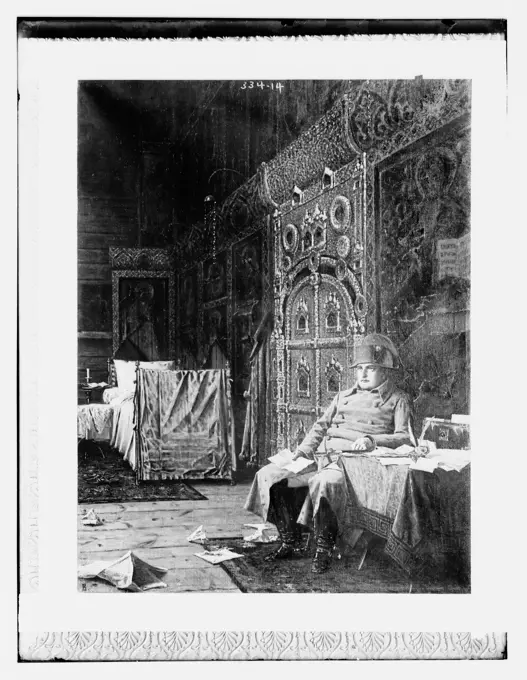
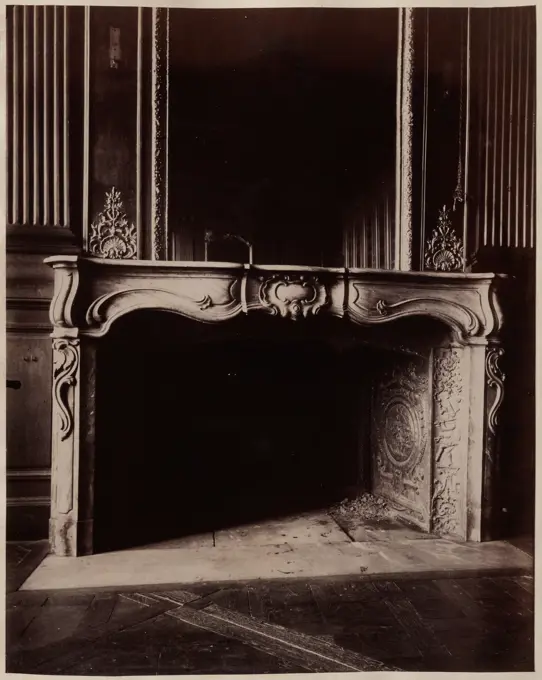
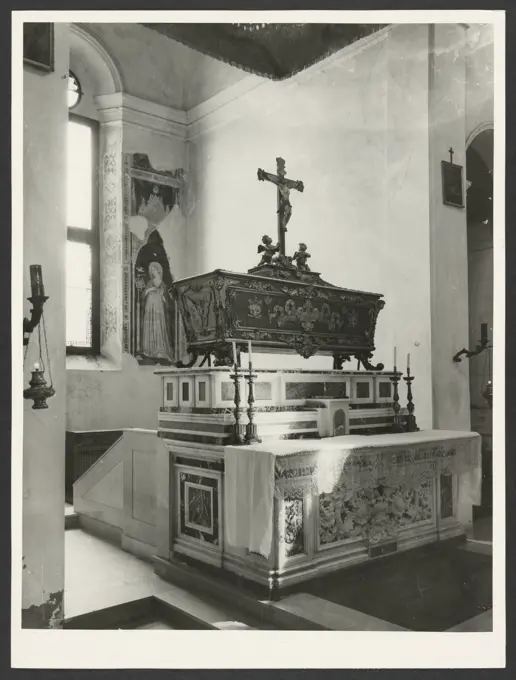
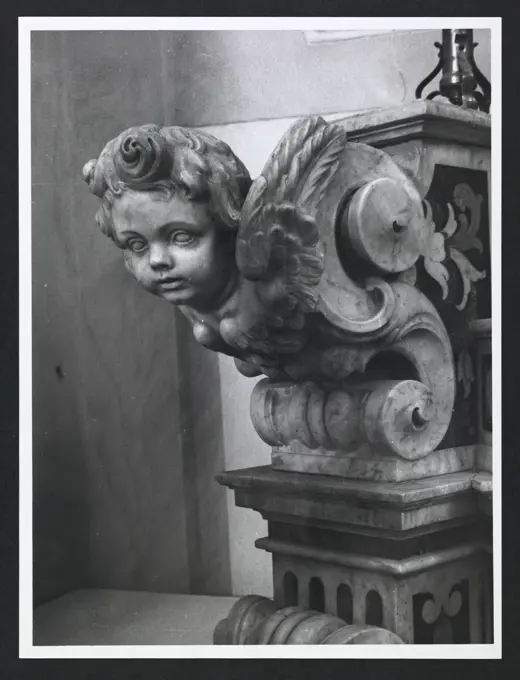
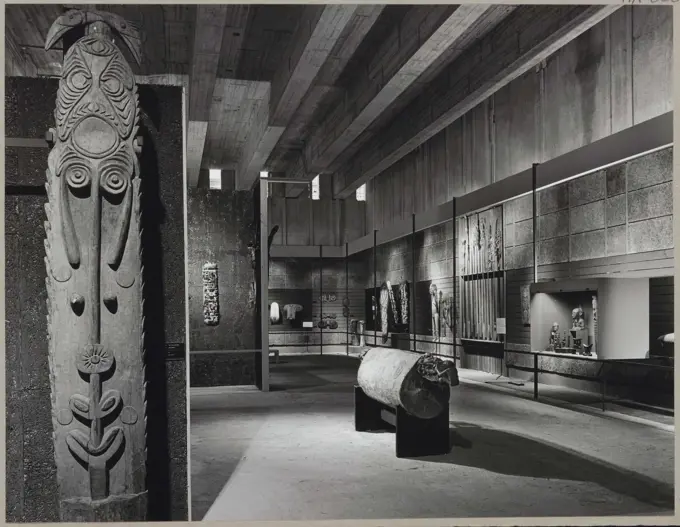
Architectural Photography of Italy

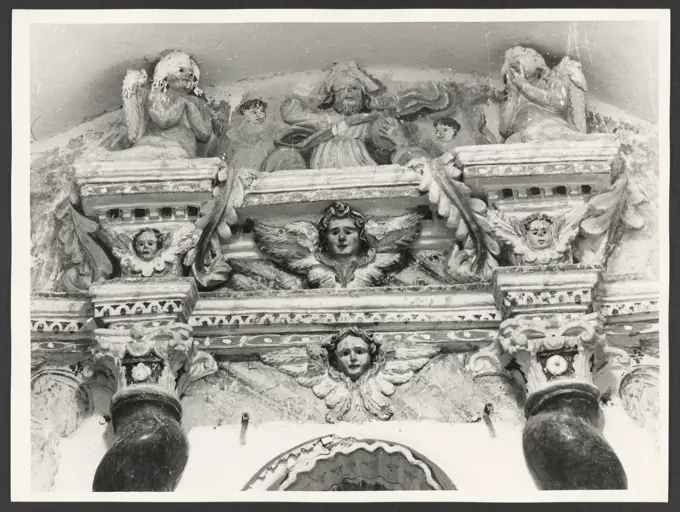
Black and white images capturing intricate details of historic Italian churches and sculptures, showcasing Baroque and Gothic architectural elements.

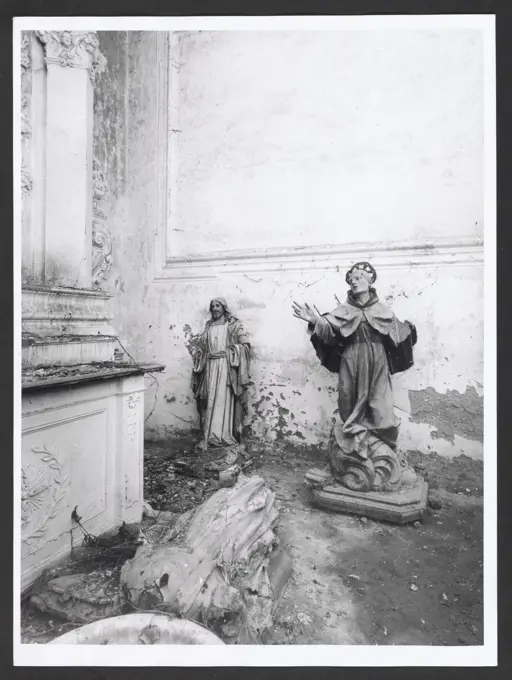
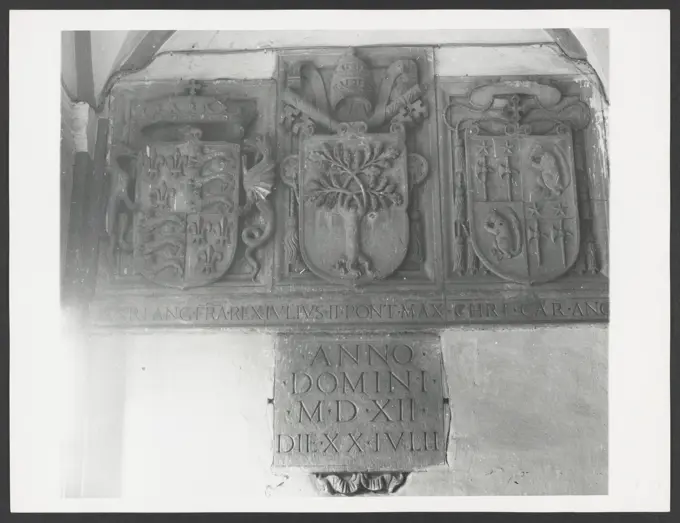
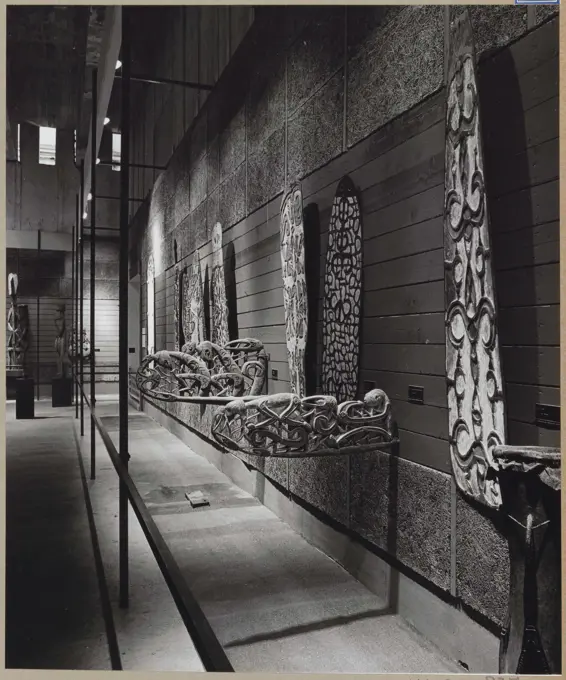
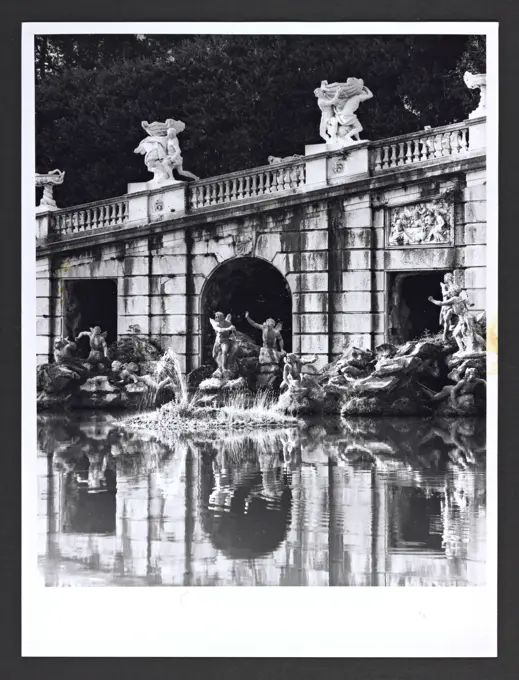
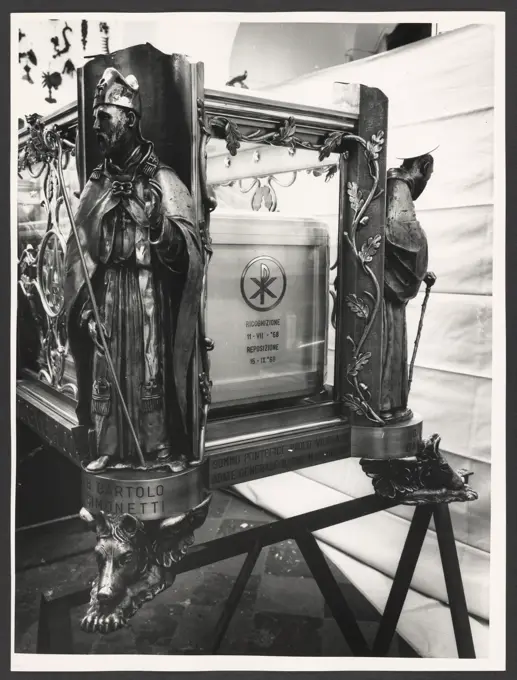
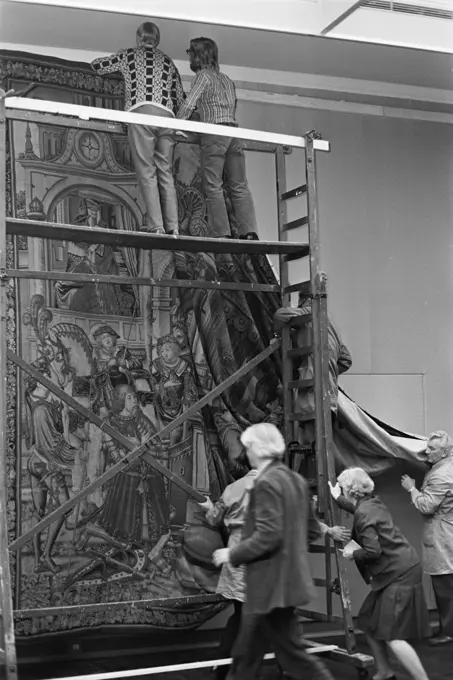
Lazio Roma Subiaco S. Francesco9. Hutzel, Max 1960-1990 Exterior views of 14th c. church portals, facade and cloister. Interior views of simple francescan nave, altars, chapels, and refectory, with comprehensive coverage of panel paintings and frescoes. German-born photographer and scholar Max Hutzel (1911-1988) photographed in Italy from the early 1960s until his death. The result of this project, referred to by Hutzel as Foto Arte Minore, is thorough documentation of art historical development in Italy up to the 18th century, including objects of the Etruscans and the Romans, as well as early Medieval, Romanesque, Gothic, Renaissance and Baroque monuments. Images are organized by geographic region in Italy, then by province, city, site complex and monument.
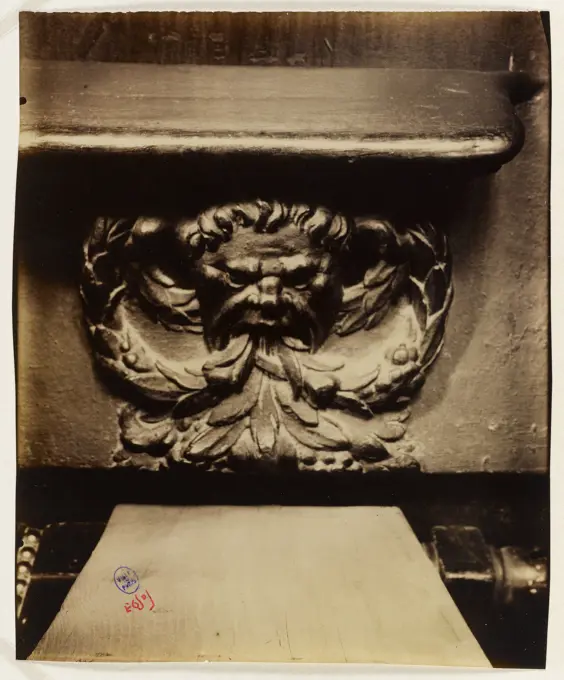
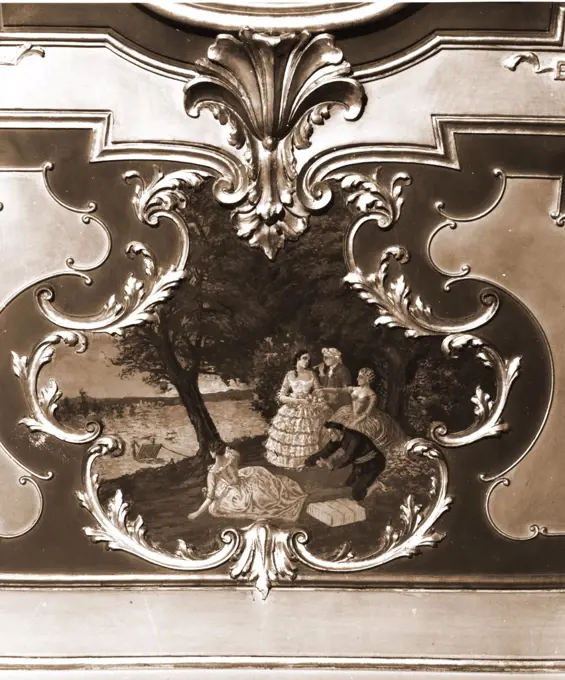
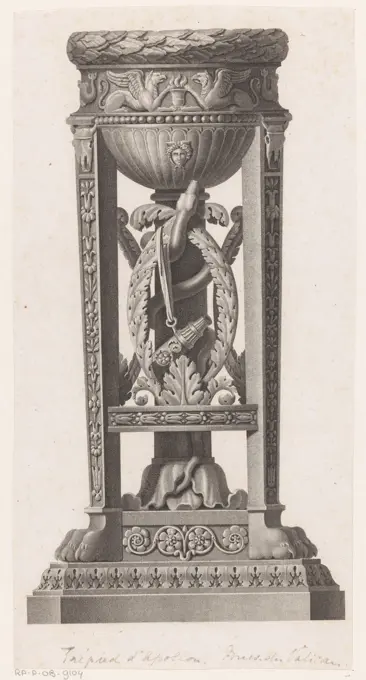
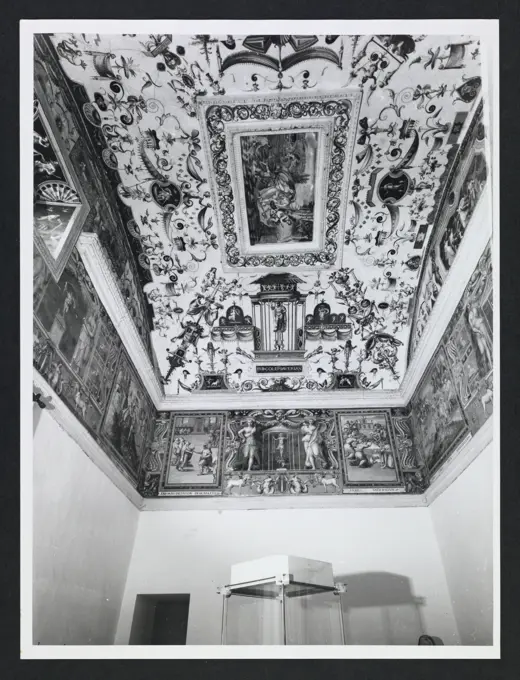
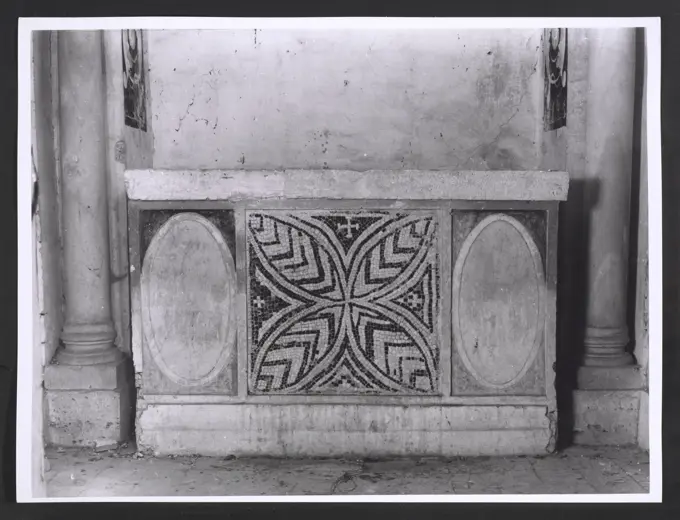
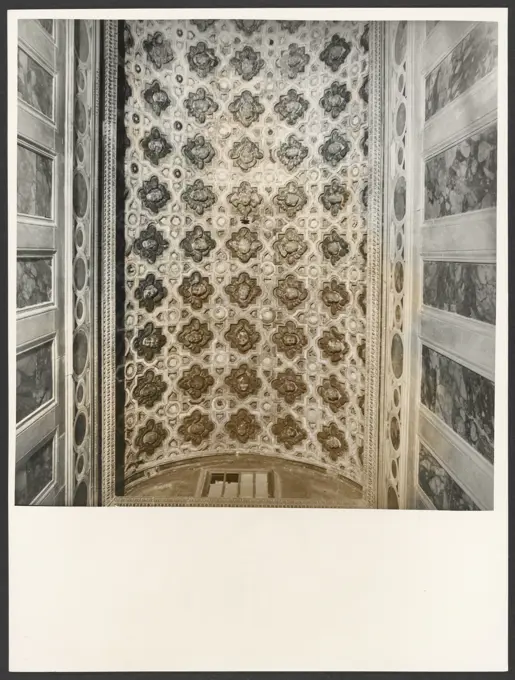
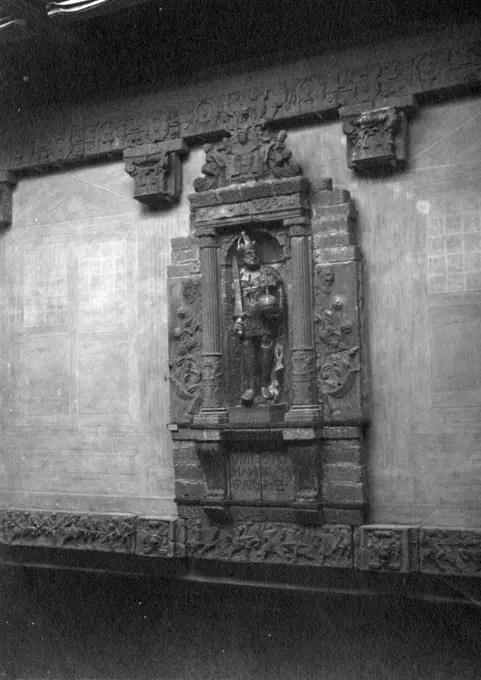
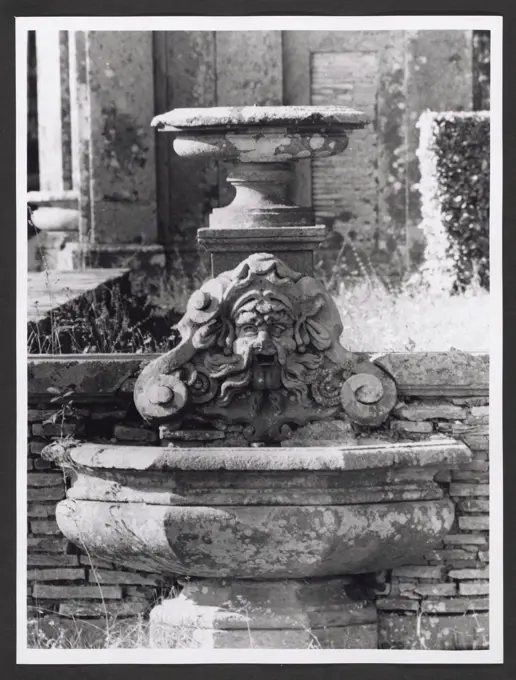
Campania Caserta Capua Chiesa dell'Annunziata6. Hutzel, Max 1960-1990 Medieval: Architecture, sculpture. Post-medieval: Architecture, architectural sculpture, sculpture, painting, stucco, decorative arts (furniture, woodworking, tapestry, metalworking), marble Object Notes: constructed from 1531 to 1574, earlier church from c.1285-1309. Renaissance appearance with modifications of the 17th and 18th centuries. No information provided by Hutzel. See guidebook included in shipment of photographs, pp. 33-34. German-born photographer and scholar Max Hutzel (1911-1988) photographed in Italy from the early 1960s until his death. The result of this project, referred to by Hutzel as Foto Arte Minore, is thorough documentation of art historical development in Italy up to the 18th century, including objects of the Etruscans and the Romans, as well as early Medieval, Romanesque, Gothic, Renaissance and Baroque monuments. Images are organized by geographic region in Italy, then by province, city, sEmilia-Romagna Ferrara Ferrara Palazzina di Marfisa8. Hutzel, Max 1960-1990 Post-medieval: Extensive coverage of both interior and exterior, including views of well with Este coat of arms; decorative frescos; wooden armoire, late 16th century Venetian; paintings on canvas; fireplace with carved mantlepiece, Lombard school, 16th century; sculpture, 16th century Venetian () and Lombard; carved wooden cassone, Northern Italian, 15th century; ceiling and wall paintings: and one panel painting German-born photographer and scholar Max Hutzel (1911-1988) photographed in Italy from the early 1960s until his death. The result of this project, referred to by Hutzel as Foto Arte Minore, is thorough documentation of art historical development in Italy up to the 18th century, including objects of the Etruscans and the Romans, as well as early Medieval, Romanesque, Gothic, Renaissance and Baroque monuments. Images are organized by geographic region in Italy, then by province, city, site complex and Cuvier fountain, vintage engraved illustration. Paris - Auguste VITU  1890.Abruzzo L'Aquila L'Aquila Palazzo Centi1. Hutzel, Max 1960-1990 Post-medieval: Architecture, architectural sculpture, frescoes, paintings, decorative arts (Baroque) German-born photographer and scholar Max Hutzel (1911-1988) photographed in Italy from the early 1960s until his death. The result of this project, referred to by Hutzel as Foto Arte Minore, is thorough documentation of art historical development in Italy up to the 18th century, including objects of the Etruscans and the Romans, as well as early Medieval, Romanesque, Gothic, Renaissance and Baroque monuments. Images are organized by geographic region in Italy, then by province, city, site complex and monument.Umbria Perugia Spello Palazzo Comunale3. Hutzel, Max 1960-1990 Exterior views of this Romanesque-Gothic structure (13th-14th centuries) include a courtyard with a well, a wooden loggia, and the frescoed cross-vault of a portico. Views of the interior focus on two rooms. The baroque room is decorated with a ceiling fresco (18th century) of landscapes, nude figures holding portrait-shields of eminent citizens, and a balustrade. What Hutzel calls the "Zucarri Salon" or "Pinacoteca" is filled with religious paintings, frescoes, marble busts, crucifixes, a German sculpture of the Pieta (15th century), and a diptych by Petruccioli. German-born photographer and scholar Max Hutzel (1911-1988) photographed in Italy from the early 1960s until his death. The result of this project, referred to by Hutzel as Foto Arte Minore, is thorough documentation of art historical development in Italy up to the 18th century, including objects of the Etruscans and the Romans, as well as early Medieval, RomanesqMarches Pesaro e Urbino Cagli S. Francesco5. Hutzel, Max 1960-1990 Post-medieval: 14th century architecture, 14th century fresco, paintings on canvas, carved wooden altars, tapestry Object Notes: See medieval for exterior views German-born photographer and scholar Max Hutzel (1911-1988) photographed in Italy from the early 1960s until his death. The result of this project, referred to by Hutzel as Foto Arte Minore, is thorough documentation of art historical development in Italy up to the 18th century, including objects of the Etruscans and the Romans, as well as early Medieval, Romanesque, Gothic, Renaissance and Baroque monuments. Images are organized by geographic region in Italy, then by province, city, site complex and monument.Lazio Roma Rome S. Onofrio9. Hutzel, Max 1960-1990 Post-medieval: Architecture, sculpture, architectural sculpture, painting, frescoes. Object Notes: Erected in 1419 by Forca Palena, in style of Quattrocento. In the convent, Torquato Tasso died in 1595 on the vigil of his coronation on the Campidoglio. Located in Gianicolo. German-born photographer and scholar Max Hutzel (1911-1988) photographed in Italy from the early 1960s until his death. The result of this project, referred to by Hutzel as Foto Arte Minore, is thorough documentation of art historical development in Italy up to the 18th century, including objects of the Etruscans and the Romans, as well as early Medieval, Romanesque, Gothic, Renaissance and Baroque monuments. Images are organized by geographic region in Italy, then by province, city, site complex and monument.Lazio Rieti Rieti S. Ruffo6. Hutzel, Max 1960-1990 Post-medieval: Architecture, architectural sculpture, painting, stucco decoration. The church was originally built in 1141, but was completely redesigned in 1746, with a Baroque facade and marble and gilded stucco interior. In a side chapel is the painting the Guardian Angel, attributed to Giovanni Antonio Galli (called lo Spadarino). German-born photographer and scholar Max Hutzel (1911-1988) photographed in Italy from the early 1960s until his death. The result of this project, referred to by Hutzel as Foto Arte Minore, is thorough documentation of art historical development in Italy up to the 18th century, including objects of the Etruscans and the Romans, as well as early Medieval, Romanesque, Gothic, Renaissance and Baroque monuments. Images are organized by geographic region in Italy, then by province, city, site complex and monument.Umbria Terni Amelia S. Giovanni Decollato. Hutzel, Max 1960-1990 Post-medieval: Original church built 1210, destroyed by earthquake. A palace built on original site in 15th century. According to Hutzel a charitable Christian brotherhood used original rooms as a hospice until 1876. Baroque interior, frescoes attributed to Federico Zuccari, painting, sculpture. One view of exterior. Object Notes: Hutzel photo campaign date: October 9, 1983. German-born photographer and scholar Max Hutzel (1911-1988) photographed in Italy from the early 1960s until his death. The result of this project, referred to by Hutzel as Foto Arte Minore, is thorough documentation of art historical development in Italy up to the 18th century, including objects of the Etruscans and the Romans, as well as early Medieval, Romanesque, Gothic, Renaissance and Baroque monuments. Images are organized by geographic region in Italy, then by province, city, site complex and monument.BAS-RELIEF OF THE MISERICORDE, MASK Spitting a garland, Church Saint-Gervais-Saint-Protais, 4th arrondissement, Paris Bas-relief of mercy, mask spitting a garland, Saint-Gervais-Saint-Protais church, Paris (�tes arrested), 1904. Photography of Eugene Atget (1857-1927).Lazio Roma Rome Villa Borghese Casino Borghese3. Hutzel, Max 1960-1990 General views of the park gardens, views of the facade of Casino Borghese, and views of the interior museum and gallery, with several views of Bernini's "Il Ratto di Proserpina." Owner: Galleria Borghese and Museo Borghese German-born photographer and scholar Max Hutzel (1911-1988) photographed in Italy from the early 1960s until his death. The result of this project, referred to by Hutzel as Foto Arte Minore, is thorough documentation of art historical development in Italy up to the 18th century, including objects of the Etruscans and the Romans, as well as early Medieval, Romanesque, Gothic, Renaissance and Baroque monuments. Images are organized by geographic region in Italy, then by province, city, site complex and monument.Campania Caserta Capua S. Caterina4. Hutzel, Max 1960-1990 The church, constructed in 1383, has a 17th century facade. To the left of the church is a cloister which dates to the Late Renaissance. Hutzel photos include both exterior and interior views. The interiors include frescoes, the cloister a crucifix and architectural details. German-born photographer and scholar Max Hutzel (1911-1988) photographed in Italy from the early 1960s until his death. The result of this project, referred to by Hutzel as Foto Arte Minore, is thorough documentation of art historical development in Italy up to the 18th century, including objects of the Etruscans and the Romans, as well as early Medieval, Romanesque, Gothic, Renaissance and Baroque monuments. Images are organized by geographic region in Italy, then by province, city, site complex and monument.Lazio Rieti Cantalupo in Sabina S. Biagio. Hutzel, Max 1960-1990 Post-medieval: Architecture, architectural sculpture, sculpture, painting, tabernacle. S. Biagio is a Baroque church with an interior space in the shape of an oval with 4 lateral chapels. Antiquities: Sculpture. A baptismal font has been created from a re-used Roman funerary urn. German-born photographer and scholar Max Hutzel (1911-1988) photographed in Italy from the early 1960s until his death. The result of this project, referred to by Hutzel as Foto Arte Minore, is thorough documentation of art historical development in Italy up to the 18th century, including objects of the Etruscans and the Romans, as well as early Medieval, Romanesque, Gothic, Renaissance and Baroque monuments. Images are organized by geographic region in Italy, then by province, city, site complex and monument.Campania Napoli Naples S. Lorenzo Maggiore67. Hutzel, Max 1960-1990 Medieval: Sculpture, architecture, architectural sculpture (including Roman spolia) 13-14th century Chapter house; sarcophagi, gravestones; wall painting. Fragment of mosaic; sculptural fragments in the Sala Capitolare. Post-medieval: Architecture, architectural sculpture, ceiling painting fresco cycle; prints depicting Venice c. 1845 (4), sculpture; life-size creche figures dressed in original Neapolitan costume Church restored in 1882, 1926, 1944; excavations under the transept undertaken between 1958-1962, and in the cloister in 1976, have revealed remains of a Roman macellum (market), street, and the paleochristian basilica of the 6th c. AD. Antiquities: Pottery: black-glazed, archaic banded, domestic wares, bucchero; architectural terracottas, statuettes, lamps, sculpture fragments Object Notes: 3 color negatives with no prints at the end. General Notes: Most objects/paintings/frescoes unidentified. Three batches Marches Pesaro e Urbino Urbania S. Caterina. Hutzel, Max 1960-1990 Post-medieval: Manneristic 16th century (1522) architecture. Interior is decorated extensively with stucco work and frescos, wooden sculpture (16th century), and paintings on canvas. German-born photographer and scholar Max Hutzel (1911-1988) photographed in Italy from the early 1960s until his death. The result of this project, referred to by Hutzel as Foto Arte Minore, is thorough documentation of art historical development in Italy up to the 18th century, including objects of the Etruscans and the Romans, as well as early Medieval, Romanesque, Gothic, Renaissance and Baroque monuments. Images are organized by geographic region in Italy, then by province, city, site complex and monument.Lazio Roma Rome S. Lorenzo in Panisperna. Hutzel, Max 1960-1990 Post-medieval: Architecture, architectural sculpture, sculptural relief, sculpture, painting, fresco Antiquities: Sculptural fragments Object Notes: Antique structure (c. 3rd-4th century) erected on site where tradition places the martyrdom of S. Lorenzo. Building dates from late 16th century in style of Counter-Reformation after a probable project by Francesco da Volterra. German-born photographer and scholar Max Hutzel (1911-1988) photographed in Italy from the early 1960s until his death. The result of this project, referred to by Hutzel as Foto Arte Minore, is thorough documentation of art historical development in Italy up to the 18th century, including objects of the Etruscans and the Romans, as well as early Medieval, Romanesque, Gothic, Renaissance and Baroque monuments. Images are organized by geographic region in Italy, then by province, city, site complex and monument.Abruzzo, L'Aquila, L'Aquila, Palazzo Centi, Italy, 20th century, photo, photography, EuropeLazio Viterbo Bagnaia Villa Lante48. Hutzel, Max 1960-1990 German-born photographer and scholar Max Hutzel (1911-1988) photographed in Italy from the early 1960s until his death. The result of this project, referred to by Hutzel as Foto Arte Minore, is thorough documentation of art historical development in Italy up to the 18th century, including objects of the Etruscans and the Romans, as well as early Medieval, Romanesque, Gothic, Renaissance and Baroque monuments. Images are organized by geographic region in Italy, then by province, city, site complex and monument.Print (France)Tripod from Apollo; Trépied d'Apollon, Museum Du Vatican; Fragmens et orders d'Architecture Dessinés a Rome, d'après l'Antique. Design for a tripod of Apollo on lion's legs. Decorated with floral motifs and a Frisian with griffins. The bowl rests on a pedestal decorated with acanthus leaves and a hose.Consoles de chaque coté des oeils-de-boeuf au-dessus des baies de la loggia; Louis-Émile Durandelle (French, 1839 - 1917); Paris, France; about 1875; Albumen silver printUmbria Perugia Citta della Pieve S. Maria della Mercede. Hutzel, Max 1960-1990 One view of the 17th century facade of the church; interior views show details of a fesco by Perugino. Object Notes: Hutzel shot this campaign in 1982 German-born photographer and scholar Max Hutzel (1911-1988) photographed in Italy from the early 1960s until his death. The result of this project, referred to by Hutzel as Foto Arte Minore, is thorough documentation of art historical development in Italy up to the 18th century, including objects of the Etruscans and the Romans, as well as early Medieval, Romanesque, Gothic, Renaissance and Baroque monuments. Images are organized by geographic region in Italy, then by province, city, site complex and monument.Campania Caserta Carinola Cathedral4. Hutzel, Max 1960-1990 Medieval: 11th c. architecture, architectural sculpture, sculpture, mosaics, cosmati tiling, fresco paintings. Post-medieval: Fresco painting, paintings, sculpture Antiquities: Sculpture, sculptural relief German-born photographer and scholar Max Hutzel (1911-1988) photographed in Italy from the early 1960s until his death. The result of this project, referred to by Hutzel as Foto Arte Minore, is thorough documentation of art historical development in Italy up to the 18th century, including objects of the Etruscans and the Romans, as well as early Medieval, Romanesque, Gothic, Renaissance and Baroque monuments. Images are organized by geographic region in Italy, then by province, city, site complex and monument.Umbria Terni Narni S. Margherita. Hutzel, Max 1960-1990 Post-medieval: 1987, 73 photos Architecture (late 15th century), frescoes 1982, 28 photos Architecture, frescoes, painting, sculpture German-born photographer and scholar Max Hutzel (1911-1988) photographed in Italy from the early 1960s until his death. The result of this project, referred to by Hutzel as Foto Arte Minore, is thorough documentation of art historical development in Italy up to the 18th century, including objects of the Etruscans and the Romans, as well as early Medieval, Romanesque, Gothic, Renaissance and Baroque monuments. Images are organized by geographic region in Italy, then by province, city, site complex and monument.Campania Caserta Caserta Palazzo Reale85. Hutzel, Max 1960-1990 Post-medieval: Architecture & architectural sculpture, sculpture, statues, paintings, frescoes, stuccoes, furnishings & decorative art General Notes: Discrepancy in number of prints & negatives. Hutzel notes 824 prints & negatives. Negatives for 1-62 of one batch seem to be missing (would make a total of 824) German-born photographer and scholar Max Hutzel (1911-1988) photographed in Italy from the early 1960s until his death. The result of this project, referred to by Hutzel as Foto Arte Minore, is thorough documentation of art historical development in Italy up to the 18th century, including objects of the Etruscans and the Romans, as well as early Medieval, Romanesque, Gothic, Renaissance and Baroque monuments. Images are organized by geographic region in Italy, then by province, city, site complex and monument.Umbria Perugia Bevagna S. Agostino7. Hutzel, Max 1960-1990 German-born photographer and scholar Max Hutzel (1911-1988) photographed in Italy from the early 1960s until his death. The result of this project, referred to by Hutzel as Foto Arte Minore, is thorough documentation of art historical development in Italy up to the 18th century, including objects of the Etruscans and the Romans, as well as early Medieval, Romanesque, Gothic, Renaissance and Baroque monuments. Images are organized by geographic region in Italy, then by province, city, site complex and monument.Lazio Roma Grottaferrata Museo7. Hutzel, Max 1960-1990 German-born photographer and scholar Max Hutzel (1911-1988) photographed in Italy from the early 1960s until his death. The result of this project, referred to by Hutzel as Foto Arte Minore, is thorough documentation of art historical development in Italy up to the 18th century, including objects of the Etruscans and the Romans, as well as early Medieval, Romanesque, Gothic, Renaissance and Baroque monuments. Images are organized by geographic region in Italy, then by province, city, site complex and monument.Lazio Viterbo Nepi Oratorio di S. Biagio6. Hutzel, Max 1960-1990 Medieval: Architecture, architectural sculpture, portal contains Roman spolia; ambo, altar (1170); cofanetto (12th century). Post-medieval: Frescoes (14-15th century). Viewsn of damaged frescoes and small crypt. Antiquities: Holy water font with Roman spolia German-born photographer and scholar Max Hutzel (1911-1988) photographed in Italy from the early 1960s until his death. The result of this project, referred to by Hutzel as Foto Arte Minore, is thorough documentation of art historical development in Italy up to the 18th century, including objects of the Etruscans and the Romans, as well as early Medieval, Romanesque, Gothic, Renaissance and Baroque monuments. Images are organized by geographic region in Italy, then by province, city, site complex and monument.Lazio Roma Grottaferrata S. Maria1. Hutzel, Max 1960-1990 Medieval: Baptismal urn (10-11th centuries); architecture, architectural sculpture (11th century and later). Post-medieval: Architecture, architectural sculpture, frescoes, mosaic, pavement Antiquities: Fragments of friezes and inscriptions Object Notes: Contains: Cappella S. Nilo. There are two sets of prints and negatives and some prints are filed in Medieval German-born photographer and scholar Max Hutzel (1911-1988) photographed in Italy from the early 1960s until his death. The result of this project, referred to by Hutzel as Foto Arte Minore, is thorough documentation of art historical development in Italy up to the 18th century, including objects of the Etruscans and the Romans, as well as early Medieval, Romanesque, Gothic, Renaissance and Baroque monuments. Images are organized by geographic region in Italy, then by province, city, site complex and monument.Lazio Roma Rome S. Andrea della Valle. Hutzel, Max 1960-1990 Post-medieval: Architecture, frescoes, stucco, painting, sculpture, architectural sculpture, sculptural relief Object Notes: Exhibiting the passage from Counter-Reformation to Baroque, it is one of the most vast churches in Rome (the most vast with one nave), and its cupola, which measures 80 meters in heighth is the heighest after that of S. Peter's. Construction was initiated in 1591 by Olivieri, the cupola was completed in 1625 by Maderno. German-born photographer and scholar Max Hutzel (1911-1988) photographed in Italy from the early 1960s until his death. The result of this project, referred to by Hutzel as Foto Arte Minore, is thorough documentation of art historical development in Italy up to the 18th century, including objects of the Etruscans and the Romans, as well as early Medieval, Romanesque, Gothic, Renaissance and Baroque monuments. Images are organized by geographic region in Italy, then by province, city, sitLazio Viterbo Vetralla S. Francesco. Hutzel, Max 1960-1990 Specific Location: Archeo General Notes: Medieval (62 photos of S. Francesco) Hutzel nos. 44-97, 109-116; one of Archeo Hutzel no. 127 German-born photographer and scholar Max Hutzel (1911-1988) photographed in Italy from the early 1960s until his death. The result of this project, referred to by Hutzel as Foto Arte Minore, is thorough documentation of art historical development in Italy up to the 18th century, including objects of the Etruscans and the Romans, as well as early Medieval, Romanesque, Gothic, Renaissance and Baroque monuments. Images are organized by geographic region in Italy, then by province, city, site complex and monument.Lazio Roma Rome Palazzo Lante. Hutzel, Max 1960-1990 Post-medieval: Architecture, courtyard views, architectural sculpture; painting (ceiling and wall frescoes), sculptural reliefs. Object Notes: Palace was commissioned by Pope Leone X of the Medici at beginning of 16th century. After World War II, palace was taken over by city of Rome and in 1955, restoration began, finishing in c. 1958. Located on Piazza S. Eustachio. German-born photographer and scholar Max Hutzel (1911-1988) photographed in Italy from the early 1960s until his death. The result of this project, referred to by Hutzel as Foto Arte Minore, is thorough documentation of art historical development in Italy up to the 18th century, including objects of the Etruscans and the Romans, as well as early Medieval, Romanesque, Gothic, Renaissance and Baroque monuments. Images are organized by geographic region in Italy, then by province, city, site complex and monument.Sardinia Oristano Ghilarza S. Palmerio4. Hutzel, Max 1960-1990 Medieval: Archaic Romanesque architecture and architectural sculpture (begun 12th century) with simple form using alternate light and dark stones. Post-medieval: Sculpture; paintings; crucifix German-born photographer and scholar Max Hutzel (1911-1988) photographed in Italy from the early 1960s until his death. The result of this project, referred to by Hutzel as Foto Arte Minore, is thorough documentation of art historical development in Italy up to the 18th century, including objects of the Etruscans and the Romans, as well as early Medieval, Romanesque, Gothic, Renaissance and Baroque monuments. Images are organized by geographic region in Italy, then by province, city, site complex and monument.Umbria Perugia Foligno Monastery of S. Anna0. Hutzel, Max 1960-1990 Post-medieval: 15th and 16th century frescos Object Notes: Contains two sets of duplicate photographs General Notes: also known as monstero delle Contesse German-born photographer and scholar Max Hutzel (1911-1988) photographed in Italy from the early 1960s until his death. The result of this project, referred to by Hutzel as Foto Arte Minore, is thorough documentation of art historical development in Italy up to the 18th century, including objects of the Etruscans and the Romans, as well as early Medieval, Romanesque, Gothic, Renaissance and Baroque monuments. Images are organized by geographic region in Italy, then by province, city, site complex and monument.Lazio Viterbo Caprarola Palazzo Farnese15. Hutzel, Max 1960-1990 German-born photographer and scholar Max Hutzel (1911-1988) photographed in Italy from the early 1960s until his death. The result of this project, referred to by Hutzel as Foto Arte Minore, is thorough documentation of art historical development in Italy up to the 18th century, including objects of the Etruscans and the Romans, as well as early Medieval, Romanesque, Gothic, Renaissance and Baroque monuments. Images are organized by geographic region in Italy, then by province, city, site complex and monument.Abruzzo L'Aquila Celano S. Giovanni Battista7. Hutzel, Max 1960-1990 Romanesque church begun in the 14th century. Exterior is covered in the local reddish stone. Exterior views of portal, rose window and sculptural details. Photos of the interior include general views in the Medieval core collection and details of frescoes in the Hutzel collection. There are frescoes in the vaults and on the arches. Scenes include evangelists and saints. There is also a painted Last Judgment. Objects of interest include a wooden ciborium and confessional stalls. There is also wooden statuary over the high altar from the 17th cent. German-born photographer and scholar Max Hutzel (1911-1988) photographed in Italy from the early 1960s until his death. The result of this project, referred to by Hutzel as Foto Arte Minore, is thorough documentation of art historical development in Italy up to the 18th century, including objects of the Etruscans and the Romans, as well as early Medieval, Romanesque, Gothic, Lazio Viterbo Civita Castellana Rocca8. Hutzel, Max 1960-1990 Exterior views, including the portals and courtyard, and many views of the frescoes adorning the courtyard portico. Antiquities: Views of a Roman sarcophagus in negative only. German-born photographer and scholar Max Hutzel (1911-1988) photographed in Italy from the early 1960s until his death. The result of this project, referred to by Hutzel as Foto Arte Minore, is thorough documentation of art historical development in Italy up to the 18th century, including objects of the Etruscans and the Romans, as well as early Medieval, Romanesque, Gothic, Renaissance and Baroque monuments. Images are organized by geographic region in Italy, then by province, city, site complex and monument.Lazio Viterbo Bagnaia Villa Lante000. Hutzel, Max 1960-1990 German-born photographer and scholar Max Hutzel (1911-1988) photographed in Italy from the early 1960s until his death. The result of this project, referred to by Hutzel as Foto Arte Minore, is thorough documentation of art historical development in Italy up to the 18th century, including objects of the Etruscans and the Romans, as well as early Medieval, Romanesque, Gothic, Renaissance and Baroque monuments. Images are organized by geographic region in Italy, then by province, city, site complex and monument.Lazio Roma Rome SS. Giovanni e Paolo. Hutzel, Max 1960-1990 Views of basement level christian tomb (confessio) with frescoes and of oratory with altar. Views of apse frescoes in current, ground level basilica, paintings from cappella di S. Paolo alla Croce, and collection of papal portraits from the octagonal vestibule preceding sacristy. Views of sculpture in cloister garden. Antiquities: Views of basement level remains of roman palazzo with second and third century frescoes decorating former triclinium, tablinium, ninfeo, and oratorium. Sarcophagus and fragments in cloister garden. Object Notes: Church museum has separate file and record. German-born photographer and scholar Max Hutzel (1911-1988) photographed in Italy from the early 1960s until his death. The result of this project, referred to by Hutzel as Foto Arte Minore, is thorough documentation of art historical development in Italy up to the 18th century, including objects of the Etruscans and the Romans, as well as early MedStrasbourg: Grave monument in the parish church. .Umbria Terni Taizzano S. Angelo in Massa3. Hutzel, Max 1960-1990 This 16th century church was built over a 9th-10th century Roman villa. Views of the exterior include 12th century walls and a renaissance portico. Interior views include an altar with mosaic inlay; a chapel dedicated to the Cardinal Cesi and baroque cupola both frescoed by Braidi. Also views of Ottonian period side walls patterned with ceramic tile and brick (9th or 10th century) which Hutzel describes in his notes as the discovery of the year. Object Notes: Hutzel photo campaign date: October 1985. German-born photographer and scholar Max Hutzel (1911-1988) photographed in Italy from the early 1960s until his death. The result of this project, referred to by Hutzel as Foto Arte Minore, is thorough documentation of art historical development in Italy up to the 18th century, including objects of the Etruscans and the Romans, as well as early Medieval, Romanesque, Gothic, Renaissance and Baroque monuments. Images are organLazio Frosinone Ausonia Santuario di S. Maria del Piano5. Hutzel, Max 1960-1990 General Notes: INCOMPLETE RECORD--NEGATIVES PROCESSED, PRINTS FILED German-born photographer and scholar Max Hutzel (1911-1988) photographed in Italy from the early 1960s until his death. The result of this project, referred to by Hutzel as Foto Arte Minore, is thorough documentation of art historical development in Italy up to the 18th century, including objects of the Etruscans and the Romans, as well as early Medieval, Romanesque, Gothic, Renaissance and Baroque monuments. Images are organized by geographic region in Italy, then by province, city, site complex and monument.NapoleonLazio Roma Velletri Museo Civico di Velletri00. Hutzel, Max 1960-1990 Medieval: Marble tondo of the depositon, early christian sarcophagus. Antiquities: Roman;statue of Athena, male and female sculpture fragments- heads, torsos, marble cinerary urn; cippi with inscriptions inscriptions, altars, sarcofagi, sarcofagus with scenes of the feats of Herakles. Etruscan; votive objects, heads, legs feet, eyes, uterus, intestine , animals; bronze objects Architectural sculpture and fragments; relief of procession pottery fragments, lamps; brickstamps. Object Notes: The Museo Civico is housed in the Palazzo Comunale. There are two Hutzel photo campaign notes, one undated and the other November 9, 1985. German-born photographer and scholar Max Hutzel (1911-1988) photographed in Italy from the early 1960s until his death. The result of this project, referred to by Hutzel as Foto Arte Minore, is thorough documentation of art historical development in Italy up to the 18th century, including objects Camera Work: In Sure and Certain Hope, 1904. Frederick H. Evans (British, 1853-1943). Photogravure;Abruzzo L'Aquila Celano S. Giovanni Battista2. Hutzel, Max 1960-1990 Romanesque church begun in the 14th century. Exterior is covered in the local reddish stone. Exterior views of portal, rose window and sculptural details. Photos of the interior include general views in the Medieval core collection and details of frescoes in the Hutzel collection. There are frescoes in the vaults and on the arches. Scenes include evangelists and saints. There is also a painted Last Judgment. Objects of interest include a wooden ciborium and confessional stalls. There is also wooden statuary over the high altar from the 17th cent. German-born photographer and scholar Max Hutzel (1911-1988) photographed in Italy from the early 1960s until his death. The result of this project, referred to by Hutzel as Foto Arte Minore, is thorough documentation of art historical development in Italy up to the 18th century, including objects of the Etruscans and the Romans, as well as early Medieval, Romanesque, Gothic, Umbria Perugia Spello Palazzo Comunale7. Hutzel, Max 1960-1990 Exterior views of this Romanesque-Gothic structure (13th-14th centuries) include a courtyard with a well, a wooden loggia, and the frescoed cross-vault of a portico. Views of the interior focus on two rooms. The baroque room is decorated with a ceiling fresco (18th century) of landscapes, nude figures holding portrait-shields of eminent citizens, and a balustrade. What Hutzel calls the "Zucarri Salon" or "Pinacoteca" is filled with religious paintings, frescoes, marble busts, crucifixes, a German sculpture of the Pieta (15th century), and a diptych by Petruccioli. German-born photographer and scholar Max Hutzel (1911-1988) photographed in Italy from the early 1960s until his death. The result of this project, referred to by Hutzel as Foto Arte Minore, is thorough documentation of art historical development in Italy up to the 18th century, including objects of the Etruscans and the Romans, as well as early Medieval, RomanesqCampania Caserta Caserta Palazzo Reale51. Hutzel, Max 1960-1990 Post-medieval: Architecture & architectural sculpture, sculpture, statues, paintings, frescoes, stuccoes, furnishings & decorative art General Notes: Discrepancy in number of prints & negatives. Hutzel notes 824 prints & negatives. Negatives for 1-62 of one batch seem to be missing (would make a total of 824) German-born photographer and scholar Max Hutzel (1911-1988) photographed in Italy from the early 1960s until his death. The result of this project, referred to by Hutzel as Foto Arte Minore, is thorough documentation of art historical development in Italy up to the 18th century, including objects of the Etruscans and the Romans, as well as early Medieval, Romanesque, Gothic, Renaissance and Baroque monuments. Images are organized by geographic region in Italy, then by province, city, site complex and monument.The Greenhouse (Winter Garden), Carrier-BELLE SculpturesAtget, Eugène (Jean Eugène Auguste Atget, dit) (n.1857-02-12-D.1927-08-04), fireplace of the Hôtel de Lauzun, 17 quai d'Anjou, 4th arrondissement, Paris. (Dummy title), 1905. Draw on albumin paper. Carnavalet museum, history of Paris.Umbria Perugia Bevagna SS. Domenico e Giacomo6. Hutzel, Max 1960-1990 German-born photographer and scholar Max Hutzel (1911-1988) photographed in Italy from the early 1960s until his death. The result of this project, referred to by Hutzel as Foto Arte Minore, is thorough documentation of art historical development in Italy up to the 18th century, including objects of the Etruscans and the Romans, as well as early Medieval, Romanesque, Gothic, Renaissance and Baroque monuments. Images are organized by geographic region in Italy, then by province, city, site complex and monument.Campania Caserta Teano Cathedral08. Hutzel, Max 1960-1990 Medieval: Built 1116, remodelled by Andrea Vaccaro in 1630, restored in years following damage in second world war. Includes re-used Roman capitals. Architecture, architectural sculpture; sculpture including painted wooded crucifix (c.1330-31) and pulpit (13th century) with mosaic and relief. The Cripta di S. Paride acts as a small museum containing roman, medieval, and modern marble. Post-medieval: Choir stall (MCMLVII); paintings by Francesco de Mura in the Cappella di S. Paride; marble fragments from the Cripta di S. Paride Antiquities: spolia Object Notes: Originally dedicated to S. Terenziano, now dedicated to S. Clemente German-born photographer and scholar Max Hutzel (1911-1988) photographed in Italy from the early 1960s until his death. The result of this project, referred to by Hutzel as Foto Arte Minore, is thorough documentation of art historical development in Italy up to the 18th century, including objects of the EtLazio Roma Rome S. Stefano del Cacco6. Hutzel, Max 1960-1990 Post-medieval: Architecture, sculpture, painting, frescoes, reliquary objects, high reliefs, iconostasis (15th century). Minor church found in vicinity of Piazza Argentina. Small basilica of early middle ages, enclosed by Baroque palaces. basilica of early middle ages, enclosed by Baroque palaces. Oratorium, small museum with Roman and early medieval sculpture of 9th century basilica is found. Photos show restoration process of retrieved statues from copper iconostasis which was stolen about 40 years ago and rediscovered in the early 1960's. German-born photographer and scholar Max Hutzel (1911-1988) photographed in Italy from the early 1960s until his death. The result of this project, referred to by Hutzel as Foto Arte Minore, is thorough documentation of art historical development in Italy up to the 18th century, including objects of the Etruscans and the Romans, as well as early Medieval, Romanesque, Gothic, Renaissance aLazio Roma Montecelio S. Giovanni Evangelista0. Hutzel, Max 1960-1990 Post-medieval: Architecture, architectural sculpture, painting, sculpture. Church remodeled by Filippo Leto in 1710 with a facade of two orders and two campanili. Within the lateral altars of the church are paintings by the artist Ludwig Stern (1709-77), depicting S. Louis, the Miracle of S. Nicholas of Bari, the Education of the Virgin, and Ss. Cecilia and Valeriano. German-born photographer and scholar Max Hutzel (1911-1988) photographed in Italy from the early 1960s until his death. The result of this project, referred to by Hutzel as Foto Arte Minore, is thorough documentation of art historical development in Italy up to the 18th century, including objects of the Etruscans and the Romans, as well as early Medieval, Romanesque, Gothic, Renaissance and Baroque monuments. Images are organized by geographic region in Italy, then by province, city, site complex and monument.Marches Ancona Sassoferrato Pinacoteca1. Hutzel, Max 1960-1990 Two coats-of-arms (of Sassoferrato and the Bishop Aldobrandini; a polyptych of saints Anthony, Sebastian, Roch and Martin; the Madonna of Sassoferrato; a portrait of Sentinensi; ceramic fragments (15th-16th centuries); a renaissance ciborium, a mosaic of St. Demetrius in a wood and silver frame (10th-11th centuries); an Umbrian processional cross (15th century); a wooden statue of the Madonna di Loreto; reliquaries; a saint's wooden shoe; an ivory diptych; silver medallions (13th century) and various paintings. Antiquities: A Roman altar, gravestone, urn and torso. (1st-3rd centuries). Object Notes: Hutzel photo campaign date: March 17, 1983 German-born photographer and scholar Max Hutzel (1911-1988) photographed in Italy from the early 1960s until his death. The result of this project, referred to by Hutzel as Foto Arte Minore, is thorough documentation of art historical development in Italy up to the 18th century, includiUmbria Perugia Trevi S. Maria di Pietrarossa8. Hutzel, Max 1960-1990 German-born photographer and scholar Max Hutzel (1911-1988) photographed in Italy from the early 1960s until his death. The result of this project, referred to by Hutzel as Foto Arte Minore, is thorough documentation of art historical development in Italy up to the 18th century, including objects of the Etruscans and the Romans, as well as early Medieval, Romanesque, Gothic, Renaissance and Baroque monuments. Images are organized by geographic region in Italy, then by province, city, site complex and monument.Madrid. For the Martyrs of the Homeland, project of the monument that will be inaugurated at the end of the summer of 1907, in the west park.Lazio Roma Rome S. Maria in Vescovio4. Hutzel, Max 1960-1990 German-born photographer and scholar Max Hutzel (1911-1988) photographed in Italy from the early 1960s until his death. The result of this project, referred to by Hutzel as Foto Arte Minore, is thorough documentation of art historical development in Italy up to the 18th century, including objects of the Etruscans and the Romans, as well as early Medieval, Romanesque, Gothic, Renaissance and Baroque monuments. Images are organized by geographic region in Italy, then by province, city, site complex and monument.Capital (one of a series). Culture: Italian, Rome. Dimensions: Overall: 17 × 21 × 20 in. (43.2 × 53.3 × 50.8 cm). Date: second half 15th century. Museum: Metropolitan Museum of Art, New York, USA.Ornamental Sculpture from the Paris Opera House (Arch Detail). Dated: 1865. Dimensions: sheet (trimmed to image): 28.2 x 37.9 cm (11 1/8 x 14 15/16 in.) support: 44.7 x 62.8 cm (17 5/8 x 24 3/4 in.) overall: 55.9 x 71.1 cm (22 x 28 in.). Medium: albumen print from collodion negative mounted on paperboard. Museum: National Gallery of Art, Washington DC. Author: Louis-Émile Durandelle.Campania Caserta Sessa Aurunca S. Pietro (Duomo)28. Hutzel, Max 1960-1990 Medieval: Architecture (c. 1103), architectural sculpture, pavement (12th century), pascal candle, baptismal font with re-used Roman fragments. Post-medieval: Frescoes (13th century) Baroque interior (c. 1758), sculpture Object Notes: Site restored 1980 German-born photographer and scholar Max Hutzel (1911-1988) photographed in Italy from the early 1960s until his death. The result of this project, referred to by Hutzel as Foto Arte Minore, is thorough documentation of art historical development in Italy up to the 18th century, including objects of the Etruscans and the Romans, as well as early Medieval, Romanesque, Gothic, Renaissance and Baroque monuments. Images are organized by geographic region in Italy, then by province, city, site complex and monument.View from the House of Henry Briscoe Thomas, Baltimore ca. 1841 American A highly engaging work with seemingly abundant clues to its subject embedded in a meticulously detailed composition, this drawing continues to baffle scholars. The sheet is captivating: stippled overall and enhanced with sgraffito (a scratching technique to reveal the white of the paper), the architectural interior was delineated with the aid of a rule, while the sheer draperies and distant landscape were drawn freehand. The artist apparently overlooked no tiny feature that fell within his observation. The deceptively informative title and the approximate execution date passed down with the drawing through the family of the donor. Yet every attempt to attach the meticulously rendered scene to the Briscoe family has failed.. View from the House of Henry Briscoe Thomas, Baltimore 13016Napoli Museo illeg Marmi. UnknownBlancard, Hippolyte (1843 - D.1924), Exhibition of 1889. Porte of the Russian exhibition, 7th arrondissement, Paris. (Dummy title), 1889. Platinum draw. Carnavalet museum, history of Paris.Lazio Roma Monterotondo Palazzo del Municipio3. Hutzel, Max 1960-1990 Post-medieval: Frescoes 14th,16th,17th century); Sculpture 17th century; architectural sculpture 15-16th century. Comprehensive coverage of frescoes, and also of exterior flanks, courtyard, columns and fountain. Antiquities: Sarcophagus, 3rd c. A.D. German-born photographer and scholar Max Hutzel (1911-1988) photographed in Italy from the early 1960s until his death. The result of this project, referred to by Hutzel as Foto Arte Minore, is thorough documentation of art historical development in Italy up to the 18th century, including objects of the Etruscans and the Romans, as well as early Medieval, Romanesque, Gothic, Renaissance and Baroque monuments. Images are organized by geographic region in Italy, then by province, city, site complex and monument.Interieur du Tombeau Nakht Antonio Beato (Italian and British, ca. 1825-ca.1903). Interieur du Tombeau Nakht, 19th century. Albumen silver photograph, image/sheet: 10 3/8 x 7 15/16 in. (26.4 x 20.2 cm).   Photography 19th centuryUmbria Perugia Spoleto S. Brizio8. Hutzel, Max 1960-1990 Medieval: Architecture, architectural sculpture, sculptural fragments. Post-medieval: Painting, fresco painting Object Notes: Surrounded by walls of the 1200's; the parish of the 12th century has the form of a basilica with 3 naved apses, presbytery and crypt with 4 naves under columns. A Roman sarcophagus, according to tradition, was used as a sepulchre of S. Brizio. Also included are antique materials, frescoes of the 15th and 16th centuries, ciborium in stone from the 16th century, and painted panel of 1547. No information provided by Hutzel, see TCI, Umbria, p.347. German-born photographer and scholar Max Hutzel (1911-1988) photographed in Italy from the early 1960s until his death. The result of this project, referred to by Hutzel as Foto Arte Minore, is thorough documentation of art historical development in Italy up to the 18th century, including objects of the Etruscans and the Romans, as well as early Medieval, RomanesquTioladino, 1900-1926, by Samuel Hurst Seager. Gift of S. Hurst Seager, 1926.Marches Urbino Palazzo Ducale, Galleria Nazionale delle Marche76. Hutzel, Max 1960-1990 Post-medieval: First floor: Polyptychs, triptychs, crucifixes, panel paintings, sculpture, frescoes now housed in Museo; stucco decoration in private chapels Object Notes: See also Urbino, Museo Albani. With both sites the negs arrived separately from the prints, yet all negs were labelled as Urbino, Palazzo Ducale, making it difficult to match some negatives to their prints. German-born photographer and scholar Max Hutzel (1911-1988) photographed in Italy from the early 1960s until his death. The result of this project, referred to by Hutzel as Foto Arte Minore, is thorough documentation of art historical development in Italy up to the 18th century, including objects of the Etruscans and the Romans, as well as early Medieval, Romanesque, Gothic, Renaissance and Baroque monuments. Images are organized by geographic region in Italy, then by province, city, site complex and monument.Interior of the Centraal Museum (Agnietenstraat 1) in Utrecht: Zolder floor with image of the façade decoration with image of Keizer Karel from the collection of the Stedelijk Museum of Antiquities.CHIMENEA Y ESPEJO CON APLIQUES EN BRONCE DORADO - ESTILO JORGE II - ROCOCO. Location: OSTERLEY PARK. LONDON. ENGLAND.Basilicata Matera Matera Duomo45. Hutzel, Max 1960-1990 Medieval: Architecture, architectural sculpture (1268-70). Post-medieval: Architectural sculpture; interior remodelled in 1627 and in 1776 includes sculpture, painting, frescoes, choir stall German-born photographer and scholar Max Hutzel (1911-1988) photographed in Italy from the early 1960s until his death. The result of this project, referred to by Hutzel as Foto Arte Minore, is thorough documentation of art historical development in Italy up to the 18th century, including objects of the Etruscans and the Romans, as well as early Medieval, Romanesque, Gothic, Renaissance and Baroque monuments. Images are organized by geographic region in Italy, then by province, city, site complex and monument.Lazio Viterbo Caprarola Palazzo Farnese79. Hutzel, Max 1960-1990 German-born photographer and scholar Max Hutzel (1911-1988) photographed in Italy from the early 1960s until his death. The result of this project, referred to by Hutzel as Foto Arte Minore, is thorough documentation of art historical development in Italy up to the 18th century, including objects of the Etruscans and the Romans, as well as early Medieval, Romanesque, Gothic, Renaissance and Baroque monuments. Images are organized by geographic region in Italy, then by province, city, site complex and monument.Abruzzo Pescara Penne Cathedral. Hutzel, Max 1960-1990 Romanesque church on site of Roman ruins. Cathedral now has Renaissance side door, and 14th century bell tower. Facade reconstructed in 1955. Several views of the 12th century altar, reconstructed after WWII bombing, of the 13th century crucifix, and of gold statue of S. Massimo from 1762. German-born photographer and scholar Max Hutzel (1911-1988) photographed in Italy from the early 1960s until his death. The result of this project, referred to by Hutzel as Foto Arte Minore, is thorough documentation of art historical development in Italy up to the 18th century, including objects of the Etruscans and the Romans, as well as early Medieval, Romanesque, Gothic, Renaissance and Baroque monuments. Images are organized by geographic region in Italy, then by province, city, site complex and monument.Lazio Roma Rome Museo degli Strumenti Musicali7. Hutzel, Max 1960-1990 German-born photographer and scholar Max Hutzel (1911-1988) photographed in Italy from the early 1960s until his death. The result of this project, referred to by Hutzel as Foto Arte Minore, is thorough documentation of art historical development in Italy up to the 18th century, including objects of the Etruscans and the Romans, as well as early Medieval, Romanesque, Gothic, Renaissance and Baroque monuments. Images are organized by geographic region in Italy, then by province, city, site complex and monument.Lazio Viterbo Bagnaia Villa Lante17. Hutzel, Max 1960-1990 German-born photographer and scholar Max Hutzel (1911-1988) photographed in Italy from the early 1960s until his death. The result of this project, referred to by Hutzel as Foto Arte Minore, is thorough documentation of art historical development in Italy up to the 18th century, including objects of the Etruscans and the Romans, as well as early Medieval, Romanesque, Gothic, Renaissance and Baroque monuments. Images are organized by geographic region in Italy, then by province, city, site complex and monument.Paris (VIIIE arr.), France The exhibition of decorative arts, earthenware fountain of the Pavillon de la Great-Bretagne , 1925 - International Exhibition of Modern Decorative and Industrial Arts Paris (French - Paris ( VIIIe arr. ) , France L' exposition des arts décoratifs , Fontaine en faïence du pavillon de la Grande-Bretagne). Statue, stele, sculpture, decorative arts, architectural inscription, statuary registration, fountain, exhibition, exhibition of decorative arts, sculpted decor, medallion, ephemeral architecture, Art , Inscription , information , Habitat , Architecture, France, Paris, Exhibition of decorative arts, British section, earthenware fountainTuscany Siena Poggibonsi S. Lucchese39. Hutzel, Max 1960-1990 German-born photographer and scholar Max Hutzel (1911-1988) photographed in Italy from the early 1960s until his death. The result of this project, referred to by Hutzel as Foto Arte Minore, is thorough documentation of art historical development in Italy up to the 18th century, including objects of the Etruscans and the Romans, as well as early Medieval, Romanesque, Gothic, Renaissance and Baroque monuments. Images are organized by geographic region in Italy, then by province, city, site complex and monument.Loir-et-Cher (), France , 1909 - Center of France - Auguste Léon - (June) (French - Loir-et-Cher (  ) , France). Inner view, sculpture, Middle Ages, Habitat , Architecture , Art12/31/1949. Carmen Altarpiece, Reconstructed on Santander Street, next to the missing coal shutter Approximate date.Gallery of statues. Vatican museums. 1959King Astyages places Harpagos in command of his army. Moy, Jan (Netherlandish (before 1600) - Flanders, act. ca.1525) (workshop, attr.) weaver c. 1535-1550 Tapestry Dimensions: H 14'1" x W 15'3" Tapestry Materials/Techniques: wool (warp: 5/cm); wool & silk: (weft) Culture: Flemish Weaving Center: Brussels Ownership History: Barberini coll., Rome. Charles M. Ffoulke coll.; sold to museum in 1905-1906. United States, Massachusetts, Boston, Isabella Stewart Gardner Museum, accno. T19w18-s. Inscriptions: City mark on lower guard, left visible on GCPA 0240864:0240865; weaver mark on right guard, bottom visible on GCPA 0240864:0240865 Astyages or Cyrus extends arm out (R, foreground); Harpagos appointed by Astyages as commander of army (L, foreground); 2 courtiers stand nearby (L, middle ground); man & boy entering scene (L, middle ground); approaching cavalry (L, background); castle & bridge (R, background) (BRD) bunches of flowers & fruit on laurel-covered central rod, bunches of flowers iDelft, Gemeentelandshuis. Oude Delft WZ No. 167. Corbels, Corbels of the Gemeentelandshuis on the Oude Delft in Delft decorated with fantasy creatures, verso - printed, photograph, photo, photos, Delft. Early 16th century., recto - printed, 16, The right of reproduction of these photos is reserved by the Publisher., height 115 mm, width 155 mm, photographer, 1900 - 1904, cardboard, photographic paper, photo paper, gelatin silver print, gelatin silver print developmentSoanes Museum, 1900-1926, France, by Samuel Hurst Seager. Gift of S. Hurst Seager, 1926.Lazio Roma Rome Palazzo Rondanini. Hutzel, Max 1960-1990 Post-medieval: Architecture, sculpture, sculptural relief, stucco, painting, frescoes, mosaics, decorative arts (furniture, goldwork, clocks, etc. Object Notes: The palace was later called "Sanseverino" and is now the location of the Banca dell'Agricultura. The building dates from 1744-8. It was the former residence of Giuseppe Cesari (Cavaliere d'Arpino). German-born photographer and scholar Max Hutzel (1911-1988) photographed in Italy from the early 1960s until his death. The result of this project, referred to by Hutzel as Foto Arte Minore, is thorough documentation of art historical development in Italy up to the 18th century, including objects of the Etruscans and the Romans, as well as early Medieval, Romanesque, Gothic, Renaissance and Baroque monuments. Images are organized by geographic region in Italy, then by province, city, site complex and monument.Emilia-Romagna Ferrara Ferrara S. Francesco4. Hutzel, Max 1960-1990 Medieval: Sculpture, tomb monuments. Post-medieval: Architecture, architectural sculpture, sculpture, ceramics, frescoes, painting Specific Location: Via Savonarola Object Notes: Ferrarese Franciscan Archive was burned by soldiers in 1494; Founding date today is set at 1227. General Notes: Includes second set of 17 post-med photos with same numbering system. These have been labeled "B". German-born photographer and scholar Max Hutzel (1911-1988) photographed in Italy from the early 1960s until his death. The result of this project, referred to by Hutzel as Foto Arte Minore, is thorough documentation of art historical development in Italy up to the 18th century, including objects of the Etruscans and the Romans, as well as early Medieval, Romanesque, Gothic, Renaissance and Baroque monuments. Images are organized by geographic region in Italy, then by province, city, site complex and monument.Wall with various wooden objects; Exhibition Papua art in the Rijksmuseum. .Campania Caserta Caserta Palazzo Reale33. Hutzel, Max 1960-1990 Post-medieval: Architecture & architectural sculpture, sculpture, statues, paintings, frescoes, stuccoes, furnishings & decorative art General Notes: Discrepancy in number of prints & negatives. Hutzel notes 824 prints & negatives. Negatives for 1-62 of one batch seem to be missing (would make a total of 824) German-born photographer and scholar Max Hutzel (1911-1988) photographed in Italy from the early 1960s until his death. The result of this project, referred to by Hutzel as Foto Arte Minore, is thorough documentation of art historical development in Italy up to the 18th century, including objects of the Etruscans and the Romans, as well as early Medieval, Romanesque, Gothic, Renaissance and Baroque monuments. Images are organized by geographic region in Italy, then by province, city, site complex and monument.Lazio Roma Rome S. Stefano del Cacco8. Hutzel, Max 1960-1990 Post-medieval: Architecture, sculpture, painting, frescoes, reliquary objects, high reliefs, iconostasis (15th century). Minor church found in vicinity of Piazza Argentina. Small basilica of early middle ages, enclosed by Baroque palaces. basilica of early middle ages, enclosed by Baroque palaces. Oratorium, small museum with Roman and early medieval sculpture of 9th century basilica is found. Photos show restoration process of retrieved statues from copper iconostasis which was stolen about 40 years ago and rediscovered in the early 1960's. German-born photographer and scholar Max Hutzel (1911-1988) photographed in Italy from the early 1960s until his death. The result of this project, referred to by Hutzel as Foto Arte Minore, is thorough documentation of art historical development in Italy up to the 18th century, including objects of the Etruscans and the Romans, as well as early Medieval, Romanesque, Gothic, Renaissance aAnefo photo collection. David and Bathseba, ten Brussels tapestries are hung in Rijksmuseum. December 20, 1972Drawing, Altar Dedicated to a Virgin Martyr St. Lucy?; Architect: Unknown (Italian); Italy; pen and black ink, brush and watercolor, over black chalk; ruled border in pen and black ink, pink wash on thick paper, joined at center ; 44.3 x 65.3 cm (17 7/16 x 25 11/16 in.) Mat: 55.9 x 71.1 cm (22 x 28 in.)Madrid. Museo del Prado. Sala de esculturas.Space with various objects; Exhibition Papua art in the Rijksmuseum. A ceremonial pole in the foreground on the left.