Artifacts and Fragments

A selection of diverse historical fragments including a hand sculpture, a cooking pot hook, and bronze arrowheads from different periods.
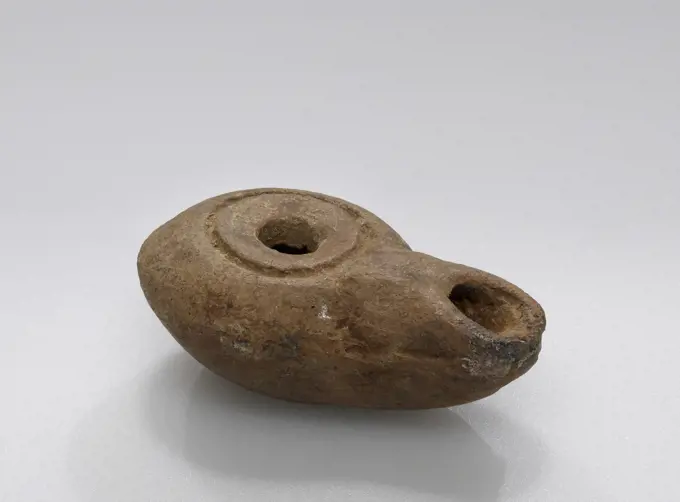
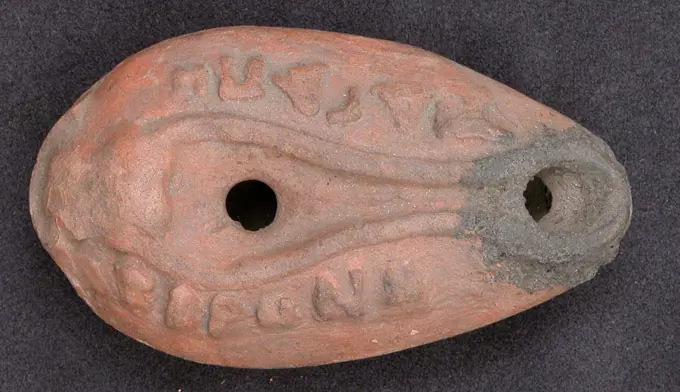
Lamp, South Anatolia, Anatolia; 4th - 3rd century B.C; Terracotta; 1.5 × 2.2 × 3.8 cm (9,16 × 7,8 × 1 1,2 in.)
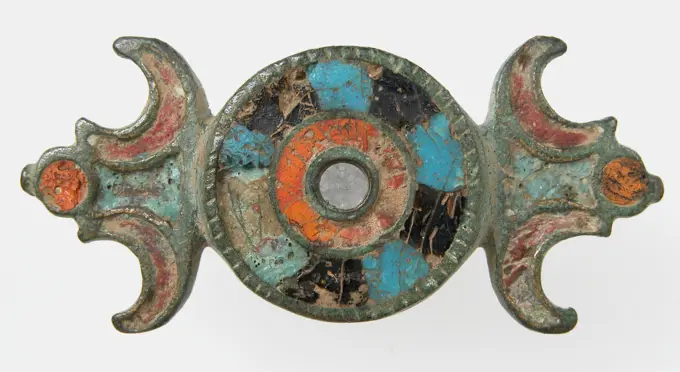
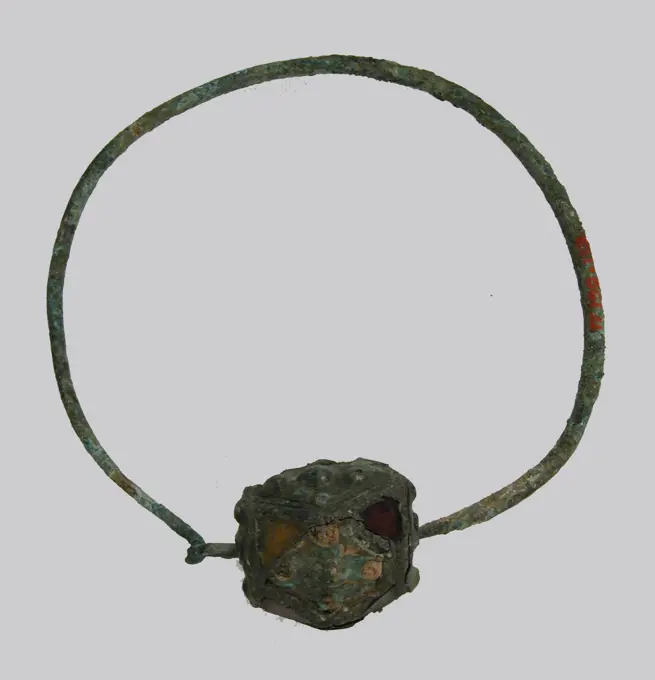
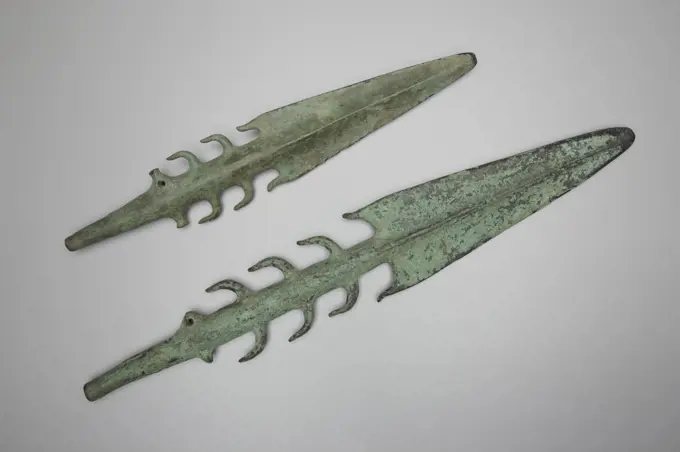
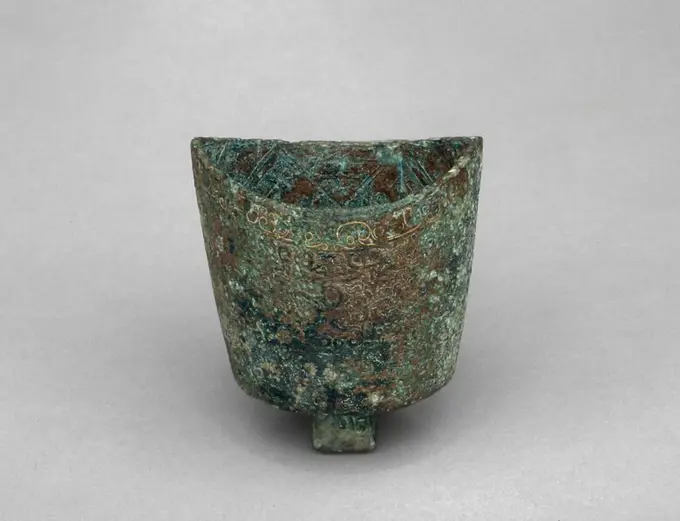
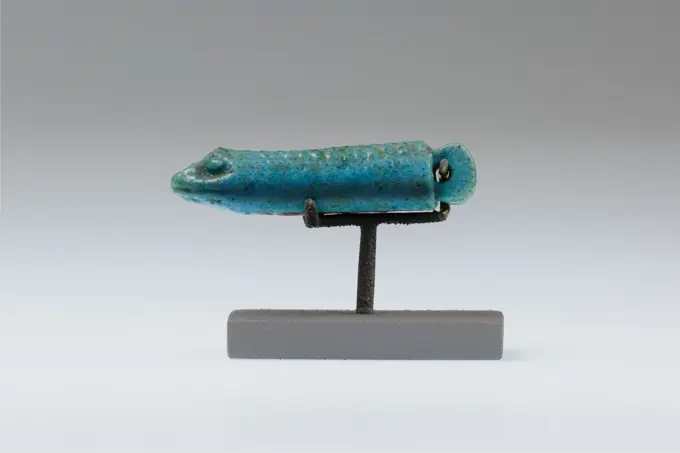
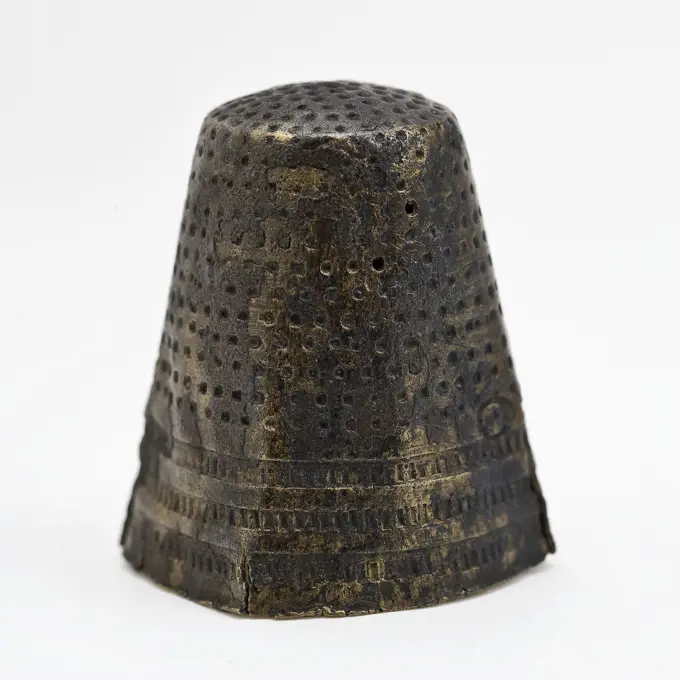
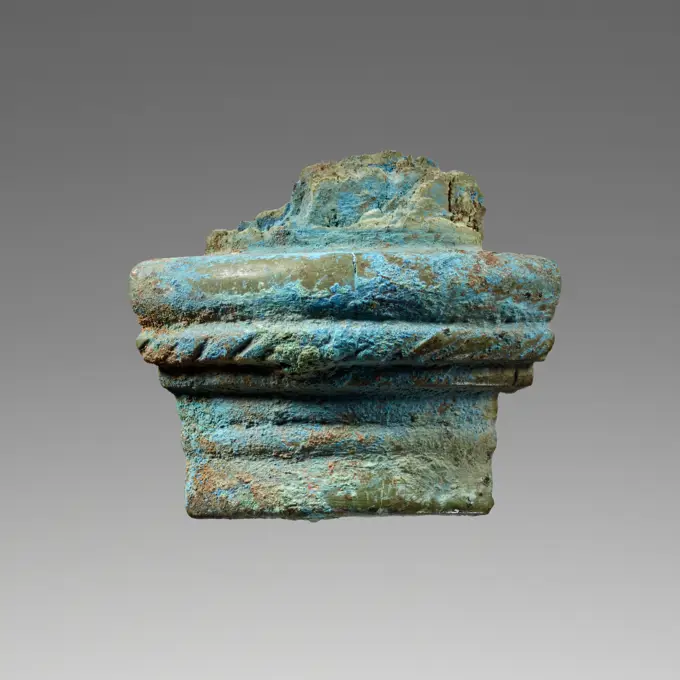
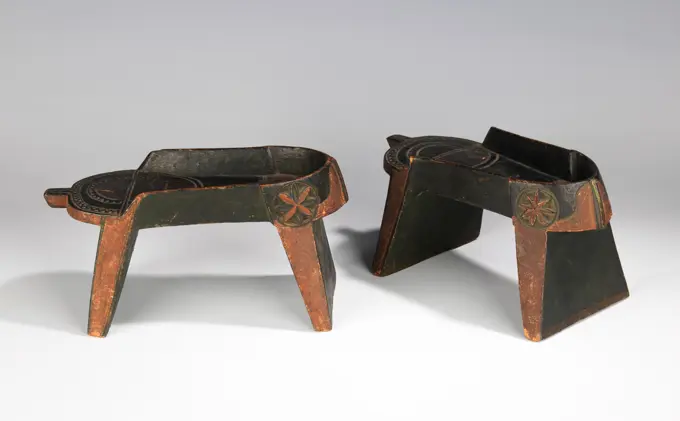
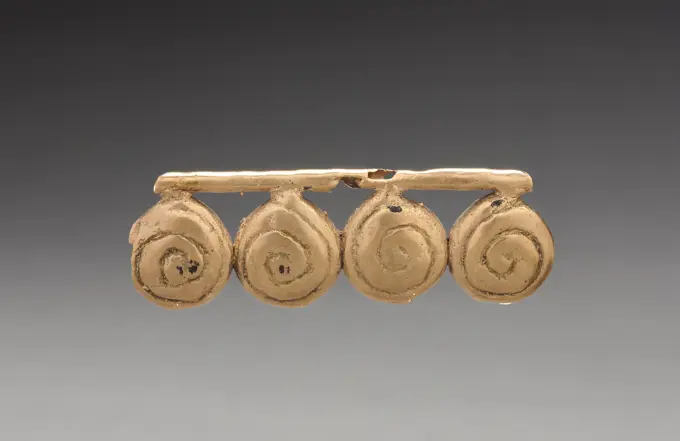
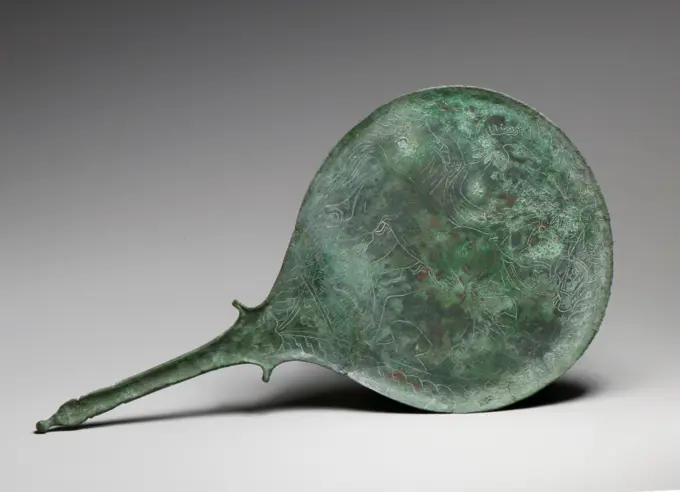
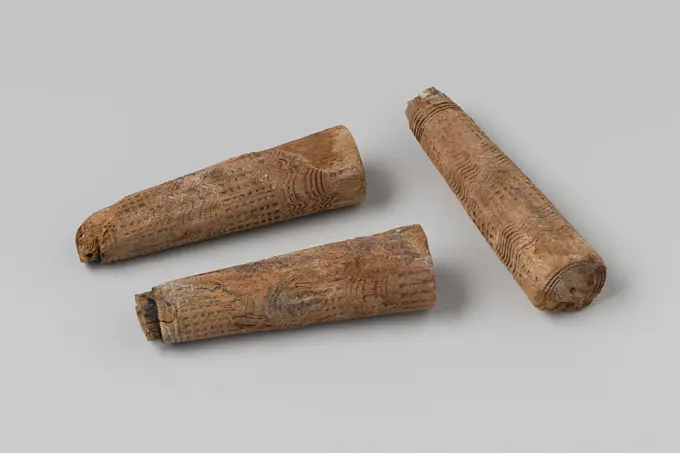
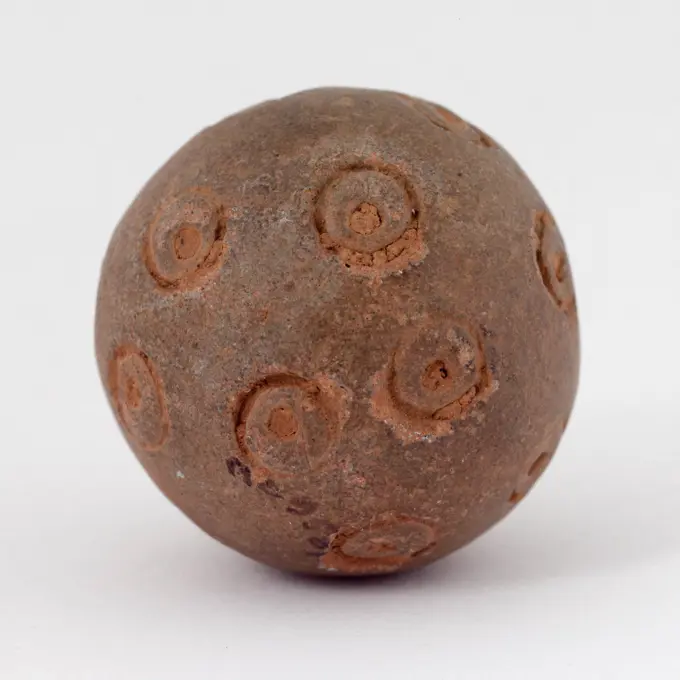
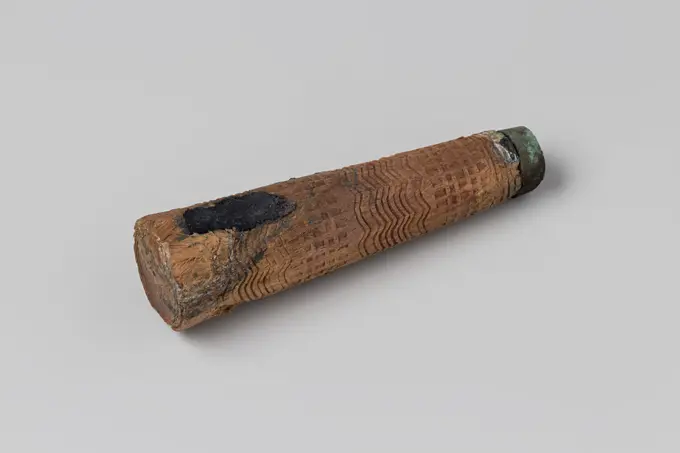
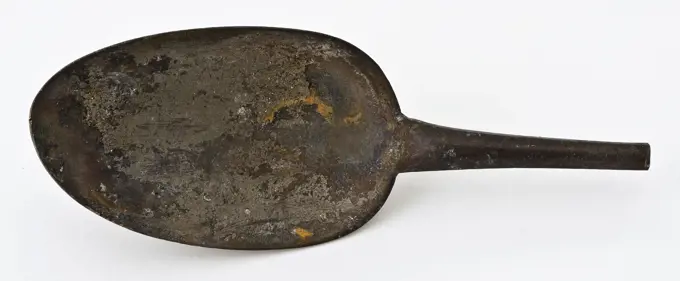
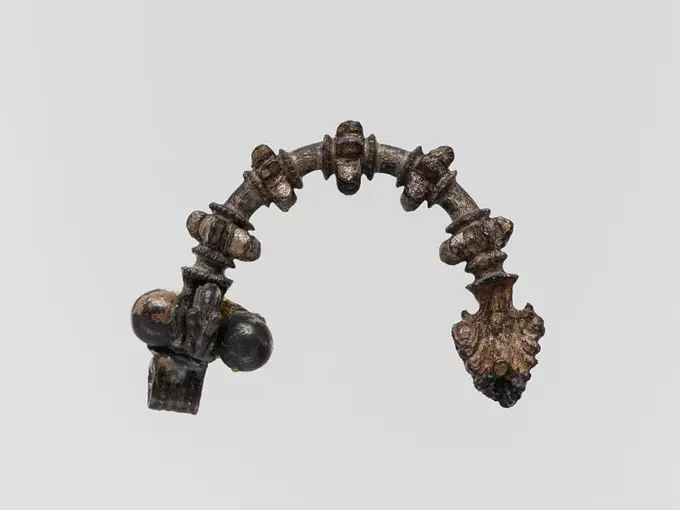
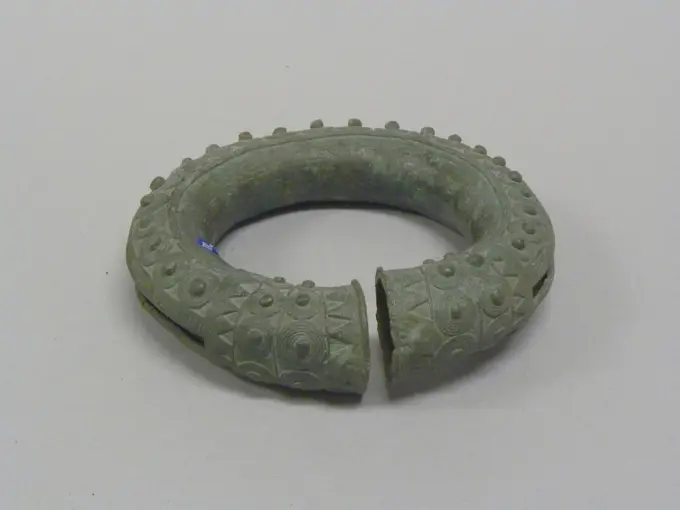
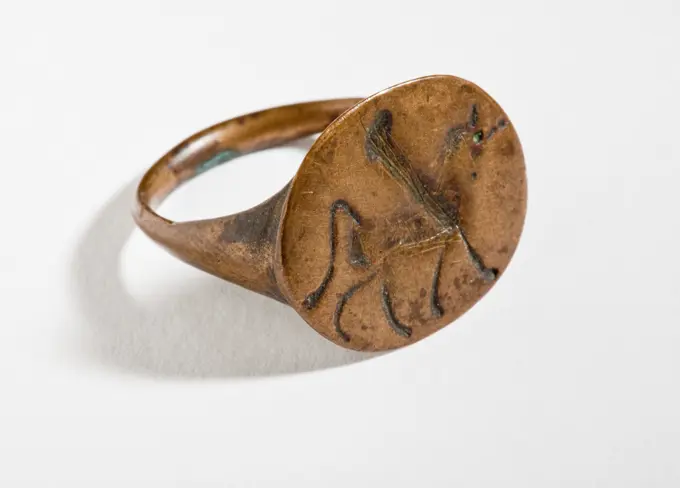
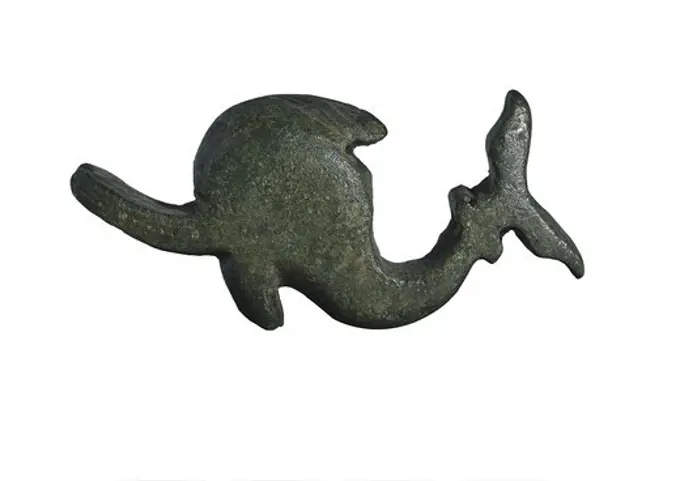
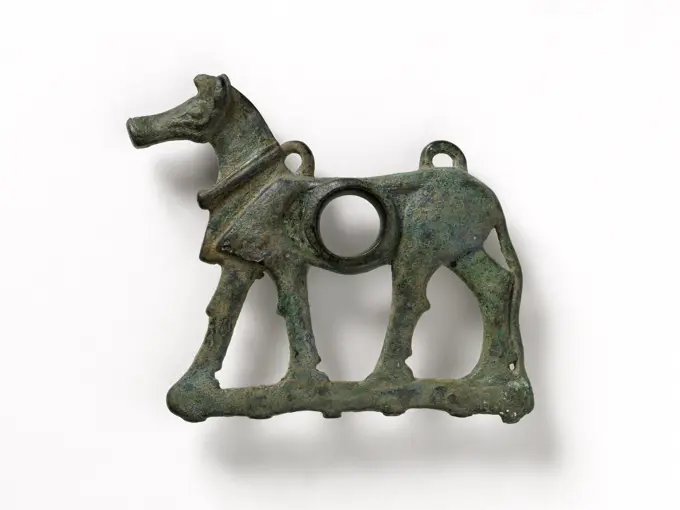
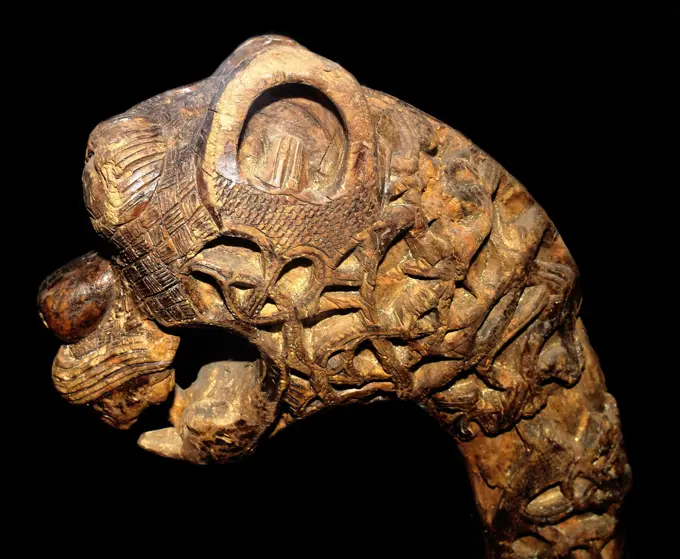
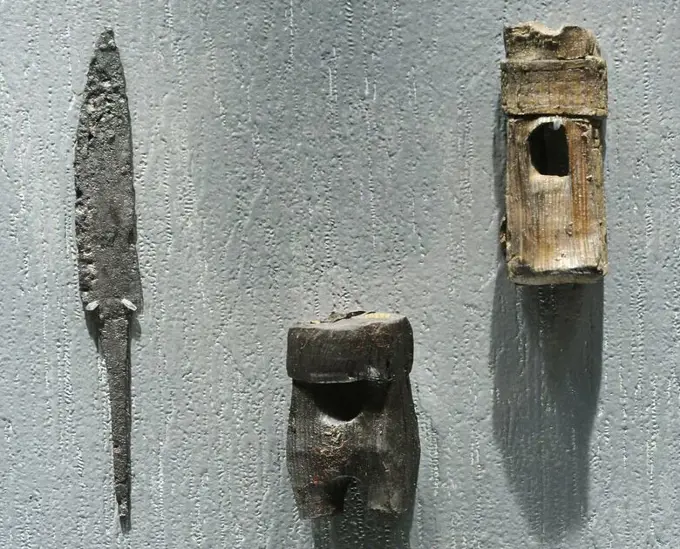
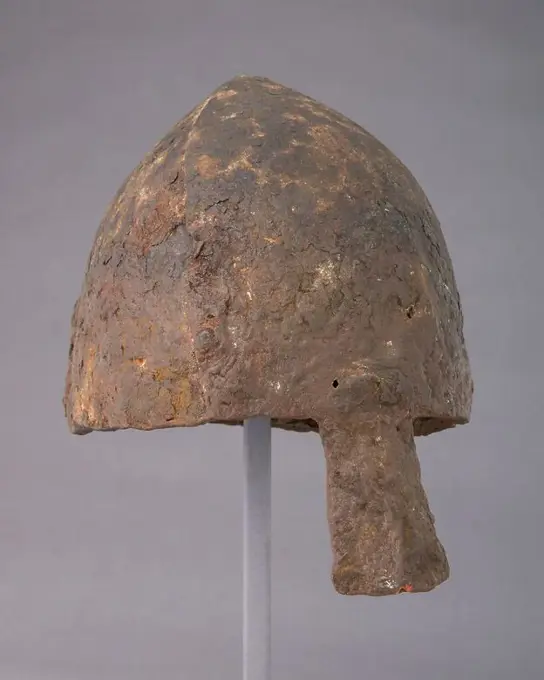
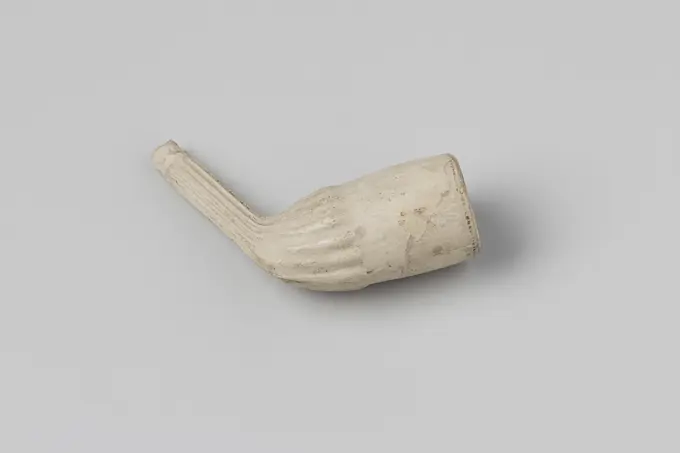
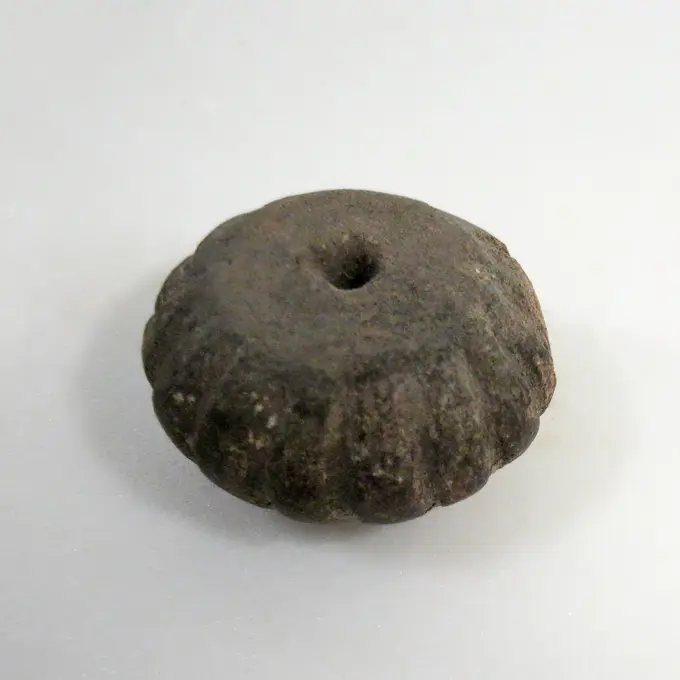
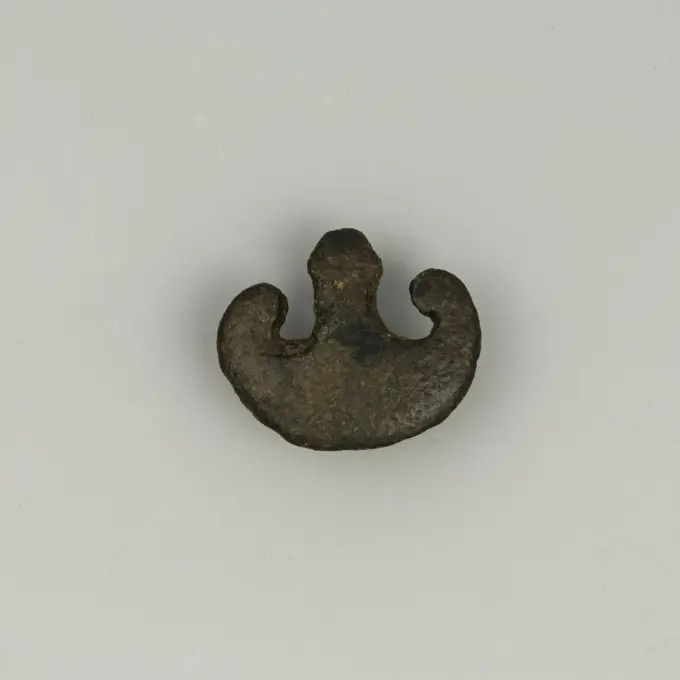
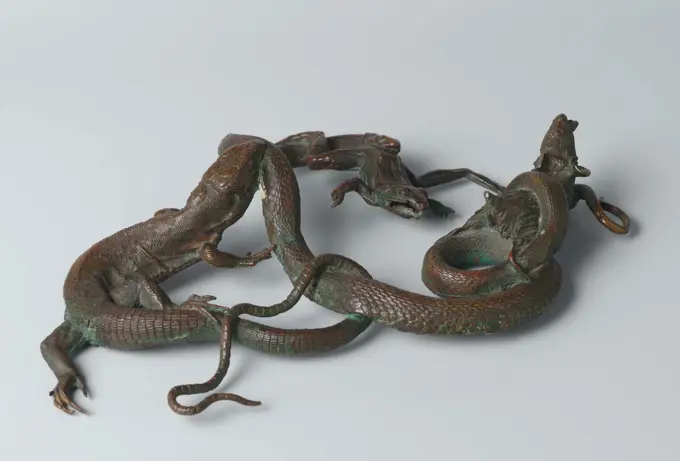
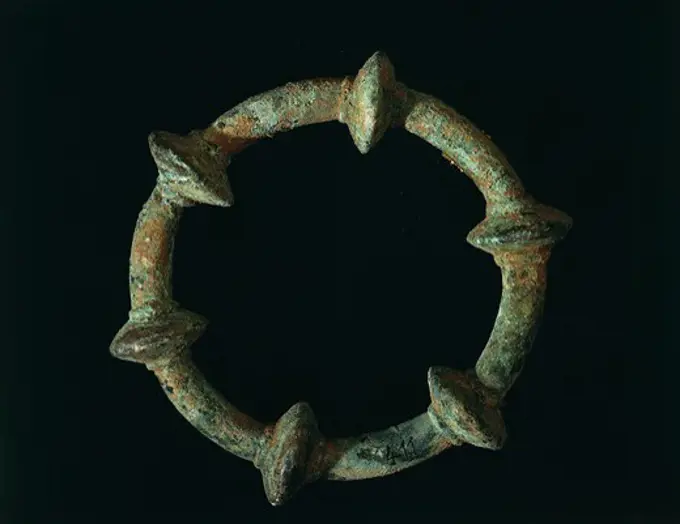
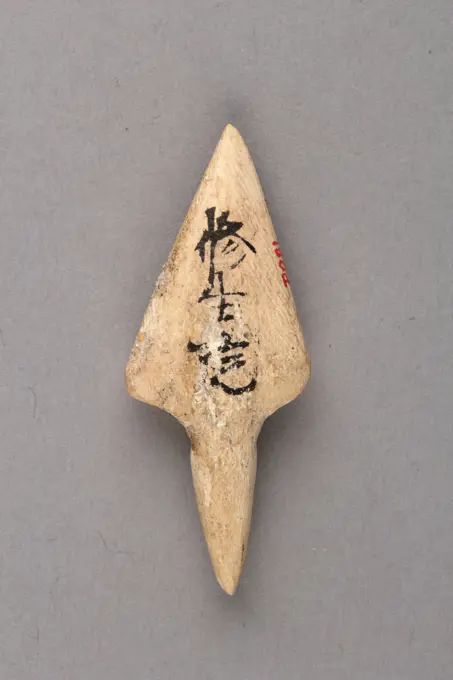
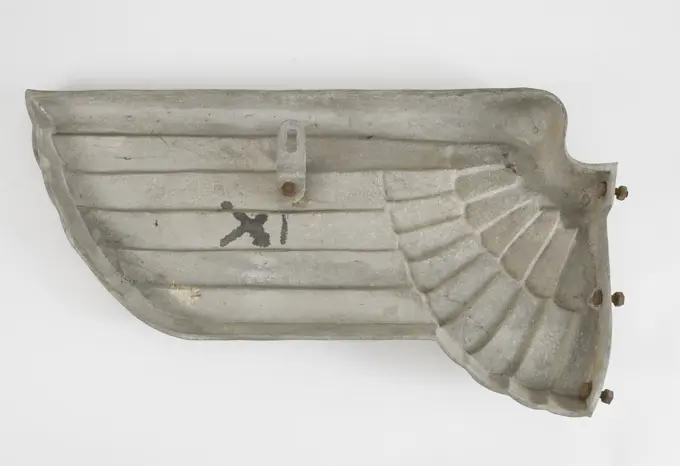
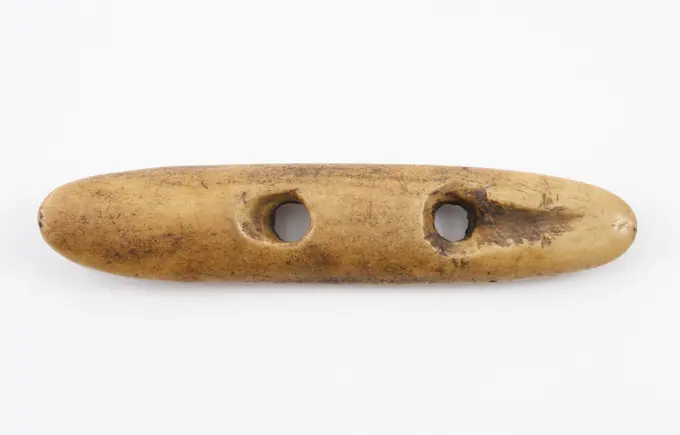
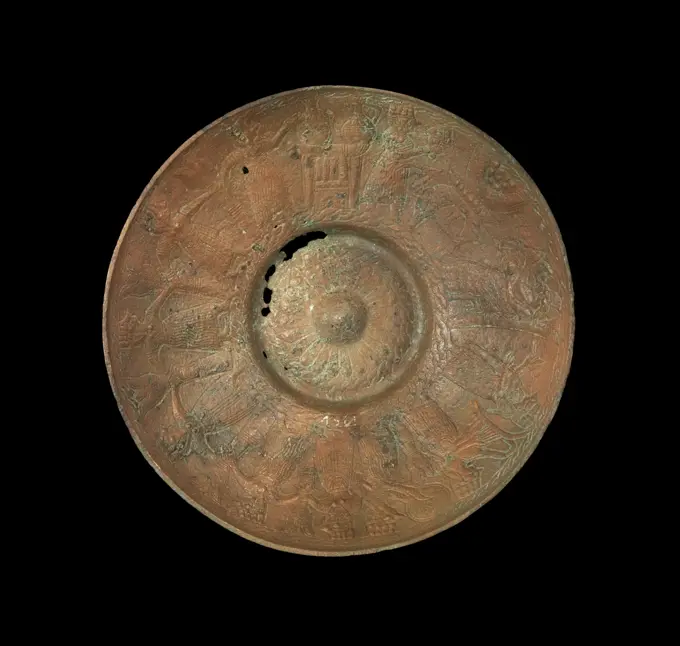
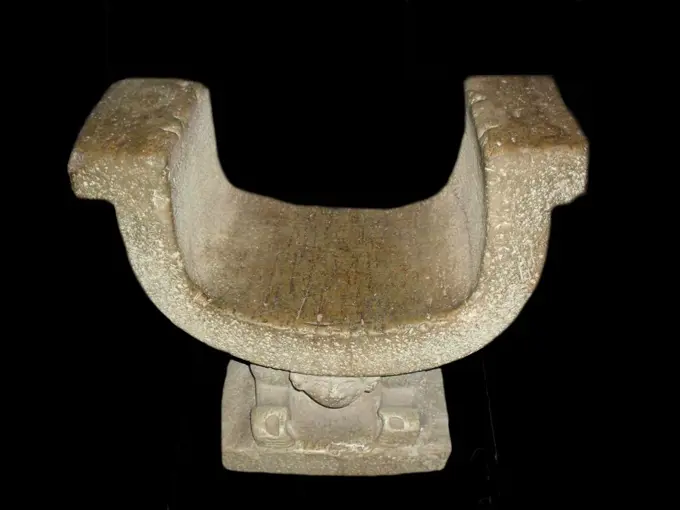
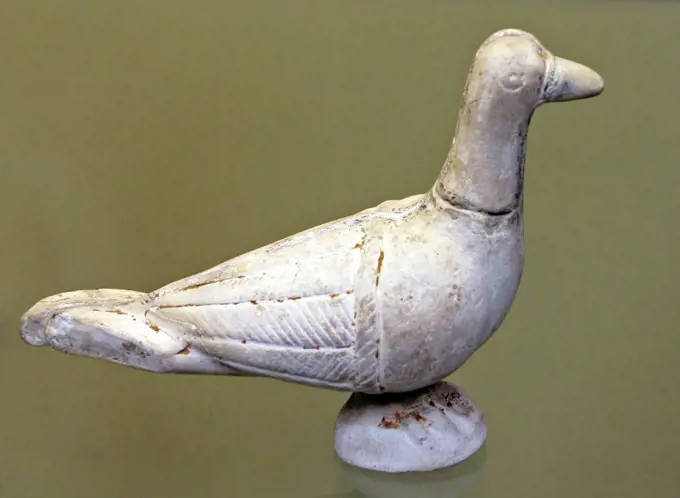
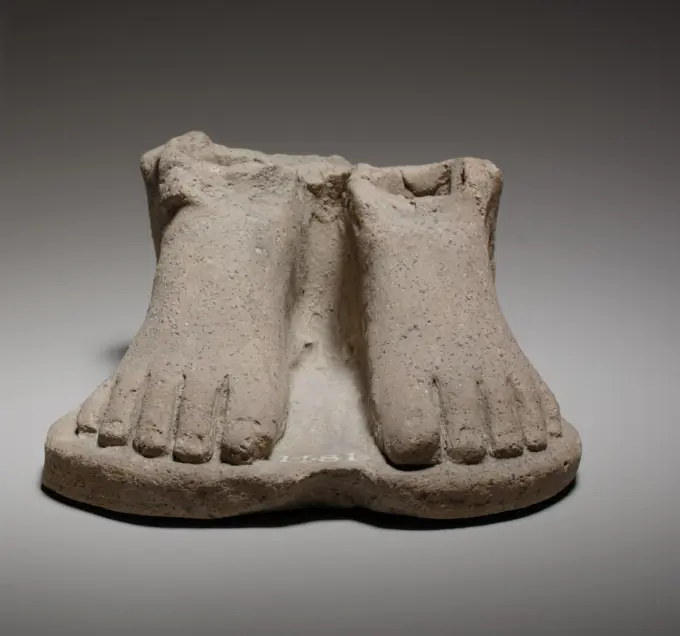
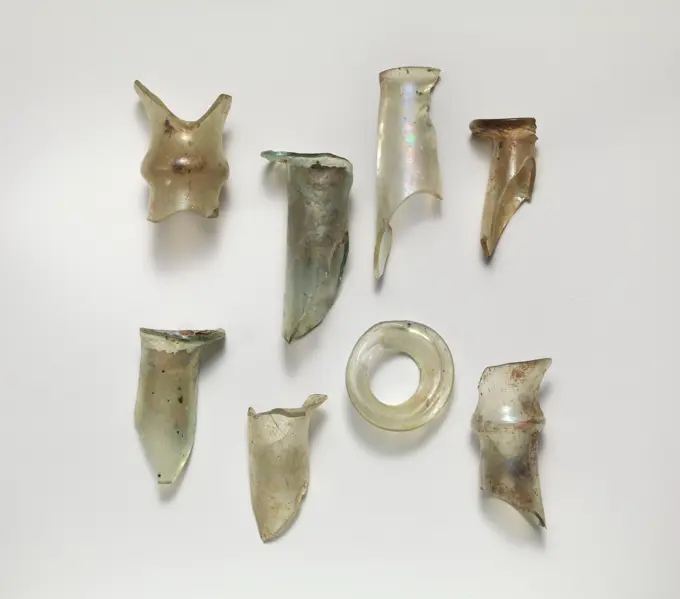
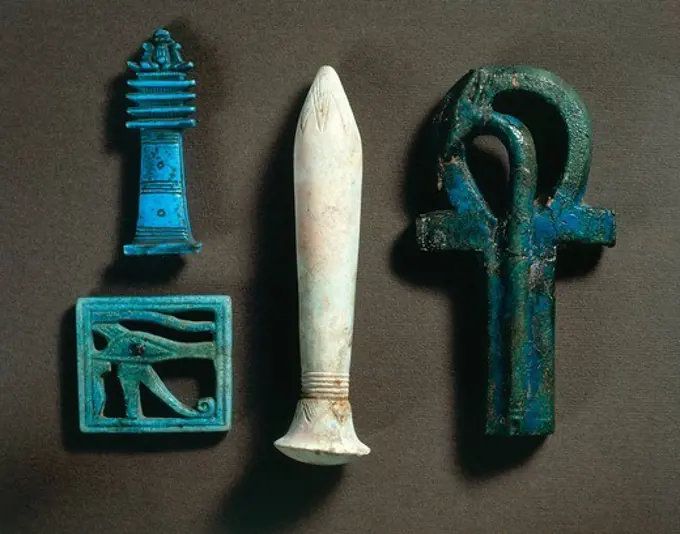
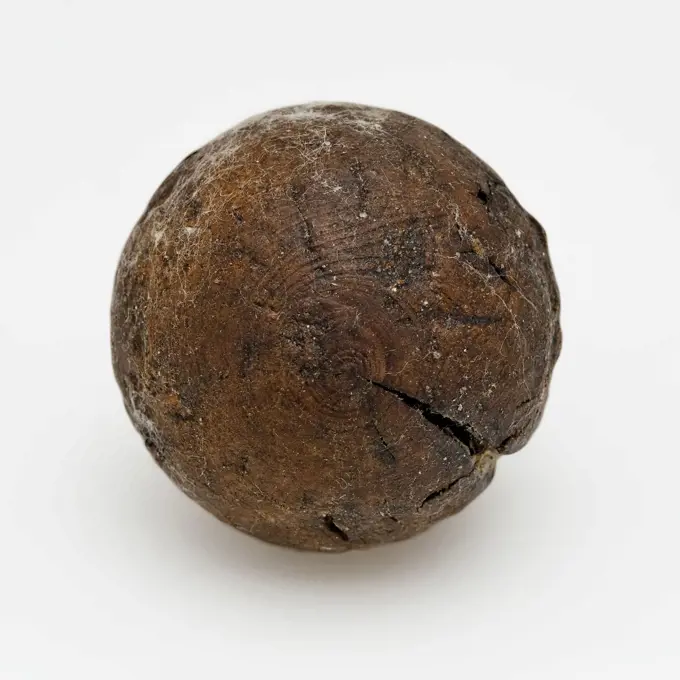
Button or Bead 9th-10th century The dot-in-circle motif recalls designs presumed to be of magical significance, most likely an abstract eye to ward off the evil-eye, which serves an apotropaic function. Easily reproduced with a tool and visible in many cultures and times, this symbol may have lost its meaning, and become simply a decorative pattern, or may have one that we have not yet discovered.. Button or Bead 449288Mordant 15th-16th century German. Mordant. German. 15th-16th century. Steel gilt. Miscellaneous-Buckles & OrnamentLotus ornament 30 B.C.-A.D. 364 Roman Period. Lotus ornament. 30 B.C.-A.D. 364. Copper alloy. Roman Period. From EgyptLACRIMATORIO ROMANO-FIOLA.Crescent-Shaped Ax Head (Chandrasa) with Decorated Socket ca. 500 B.C.-A.D. 300 Indonesia. Crescent-Shaped Ax Head (Chandrasa) with Decorated Socket. Indonesia. ca. 500 B.C.-A.D. 300. Bronze. Bronze and Iron Age period. MetalworkLamp 1st century B.C.-1st century A.D.. Lamp. 1st century B.C.-1st century A.D.. Earthenware; molded. CeramicsBone spindle whorl ca. 1600-1050 B.C. Cypriot With circles.. Bone spindle whorl. Cypriot. ca. 1600-1050 B.C.. Bone. Late Bronze AgeBrooch 1st-2nd century () Roman. Brooch. Roman. 1st-2nd century (). Champlevé enamel, bronze. Enamels-ChamplevéBracelet. Culture: Djenné peoples. Dimensions: Diameter 3-1/3 inches. Date: 14th century (). Museum: Metropolitan Museum of Art, New York, USA.Pole Top Ornament. Iran, no date. Architecture; Architectural Elements. BronzeEarring 6th-7th century Frankish. Earring 465168 Frankish, Earring, 6th7th century, Copper alloy, glass paste, garnet (), Overall: 2 3/4 x 2 11/16 x 3/4 in. (7 x 6.9 x 1.9 cm) bead: 13/16 x 3/4 in. (2.1 x 1.9 cm). The Metropolitan Museum of Art, New York. Gift of J. Pierpont Morgan, 1917 (17.192.113)Bovine Mask with Capped Horns, 14th-10th Century BC. China, Shang dynasty (c.1600-c.1046 BC) - Western Zhou dynasty (c.1046-771 BC). Jade ; overall: 1.9 cm (3/4 in.).HarpoonTip, ca. 1500-500 B.C.E., Bronze, 2 × 11 7/8 in. (5.1 × 30.2cm), India, Indian, Tools andEquipmentWooden object from v.O.C.-ship the 'white lion'. Wooden object. Possible button of curtain rod. Consisting of a tapered part and a sphere with a button on it, connected by a ring, carved everything from one piece. On the bottom a hole and in the sphere a hole.Bell (Duo). China. Date: 400 BC-301 BC. Dimensions: H. 8.2 cm (3.2 in.). Bronze inlaid with gold. Origin: China. Museum: The Chicago Art Institute, Chicago, USA.Lowest Lame of Long Tasset 1500-1600 Germany. Steel .Rohre pipes, 18th century, Arkeologi Museoa, aqueologico museum, Bilbao, Bizkaia, Pais Vasco, Spain Copyright: xZoonar.com/Tolox 22845597Bell Possibly Borneo n. d.Muiltje van blauw leer, versierd met zilverdraad.Muil, blue leather, decorated with silver thread in flower pattern. Heel and lining of white leather. Model: Wide rounded forefoot and high malted heel, ending in trapezoidal sole. Some stupid stars on the sole.Model harpoon ca. 2650 B.C. Early Dynastic Period. Model harpoon 547429Menqebit (snake's head) amulet 664-332 B.C. Late Period. Menqebit (snake's head) amulet. 664-332 B.C.. Faience. Late Period. From Egypt. Dynasty 26-29Bottle American 1800-1900Face Beaker. Culture: Chimú. Dimensions: Overall: 5 1/2 x 4 1/4 in. (13.97 x 10.8 cm)Other: 4 1/4 in. (10.8 cm). Date: 12th-15th century. Museum: Metropolitan Museum of Art, New York, USA.Mesopotamian. Assyrian Empire, Iraq. Two copper alloy swords. From Ur. 1500 BC. British Museum. London. GBR.Kohl Flask 7th-8th century. Kohl Flask 452783Decorative object, anonymous, -500 --200 Ornament in cream-colored jade; Probably tail fragment from a fabeldier. China jade (rock) Ornament in cream-colored jade; Probably tail fragment from a fabeldier. China jade (rock)Copper pressed thimble with decorated collar, thimble sewing kit soil find copper brass, cap, opening, pressed Copper pressed thimble with right rotating spiral continuous continuous from shank to flat top edge decorated with three rows of vertical stripes with mark circle with vertical bar topside board above board: circle with vertical bar or I archeology Rotterdam City triangle Schielandshuis Korte Hoogstraat sewing textile processing needle and thread restore clothing seamstress tailor Soil discovery: Gallery garden Schielandshuis 1985.Fragment of an Ivory Handle or Staff. UnknownTerracotta body and neck fragment of a jug ca. 2100-1800 B.C. Minoan From Knossos, CreteFragment with molded decoration.. Terracotta body and neck fragment of a jug. Minoan. ca. 2100-1800 B.C.. Terracotta; Wave Barbotine ware, Dark-on-light style. Middle Minoan I. VasesScarab with Wings from Bead Net Third Intermediate Period-Late Period ca. 1070-525 B.C. View more. Scarab with Wings from Bead Net. ca. 1070-525 B.C.. Blue Faience. Third Intermediate Period-Late Period. From Egypt, Upper Egypt, Thebes, Khokha, Tomb of Roma (TT MMA 835), MMA excavations. Dynasty 21-26Bottom of musketmaat. Bottom of musketmaat belonging to NG-NM-7708-1-1Horn-Shaped Drinking Cup. Culture: Korea. Dimensions: H. 9 1/4 in. (23.5 cm). Date: 5th century. Museum: Metropolitan Museum of Art, New York, USA.Loden role from the wreck of the East Indiesman 't flying heart. Two loden pictures rolled into tubes. Black-gray in color. Roll or lead.Pattens 19th century Norwegian Pattens and similar elevated soles are common to the dress of numerous regions, be they the Turkish kab-kab, Japanese geta, Korean rain clog, or Venetian chopine. Typically, this type of footwear is utilitarian, and by consequence is often discarded when no longer useable. This surviving pair of pattens features particularly attractive and well executed decorative detailing, which probably helped to secure their preservation. The traditional eight-pointed star is used in many cultures, but is a dominant motif in Norwegian design, representing the sun and founded in pagan beliefs.. Pattens 156380Animal Ornament. Culture: Moche (Loma Negra). Dimensions: L. 4 1/4 in. (10.7 cm). Date: 390-450. Museum: Metropolitan Museum of Art, New York, USA.Linked Shells Pendant, c. 900-1550. Central Colombia, Muisca Style, 10th-16th century. Cast gold; overall: 2.4 x 7.2 x 0.6 cm (15/16 x 2 13/16 x 1/4 in.).Copper molded thimble with waffle pattern, thimble sewing kit soil find copper metal, cast Copper molded thimble with square wells in lines waffle pattern on the top with groove changing into the shaft with wheel punch and with blank board with two grooves archeology Rotterdam rail tunnel seamstress tailor sewing textile textile clothing needle and thread repair Soil discovery: railway tunnel Rotterdam.Bronze mirror ca. 330-300 B.C. Praenestine Two-horse chariot driven by a womanMost Praenestine mirrors have a distinctive pear-shaped disc, unlike the circular discs of mirrors produced in Etruria. In this example, a product of the same workshops that made the cistae in this case, the female figure driving a chariot is probably Thesan (Greek: Eos), the Etruscan goddess of the dawn.. Bronze mirror 253640 Praenestine, Bronze mirror, ca. 330300 B.C., Bronze, Other: 7 1/8 x 13 1/2 in. (18.1 x 34.3 cm). The Metropolitan Museum of Art, New York. Bequest of W. Gedney Beatty, 1941 (41.160.406)Knife lifting out of the wreck of the East India hollandia.knife, handle, cylindrical: tapering; ID. NG 1979-403H, Ferrules, ID. NG 1980-27H426.Vase ". Terracotta. Vietnam-Xe-Xive s. Paris, Cernuschi museum. 72361-24 Vietnamese object, terracotta, vaseTorque, 13 3/4 x 14 x 3 in. (34.93 x 35.56 x 7.62 cm), Silver, ChinaBall ". Terracotta. China, Hunan, Changsha. Paris, Cernuschi museum. Asian art, Chinese art, ball, Chinese ceramic, container, container, terracottaButton or Bead or Spindle Whorl 9th-10th century. Button or Bead or Spindle Whorl 450049THIMBLES (EXHIBITION THE SCIENTIFIC LEGACY OF AL-ANDALUS) (LOCATION: NATIONAL ARCHEOLOGICAL MUSEUM).Knife lift from the wreck of the East Indiesman Hollandia.knife, Handle, Cylindrical: tapering; ID. NG 1979-403H, Ferrule, ID. NG 1980-27H426.Spoon with elongated, oval bowl and hexagonal handle, spoon cutlery soil find tin metal, cast Oval tray double-faced hexagonal steel archeology Rotterdam railroad tunnel food Soil discovery: railway tunnel Rotterdam.Amphoriskos (Container for Oil). Ancient Mediterranean. Date: 600 BC-401 BC. Dimensions: 5.7 × 2.9 × 2.5 cm (2 1/4 × 1 1/8 × 1 in.). Glass. Origin: Mediterranean Region. Museum: The Chicago Art Institute, FLORENCIA, USA.Amulet of the God Anubis wearing Atef Crown 664 BCE-332 BCE Egypt. Faience . Ancient EgyptianBangle 300 B.C.-A.D. 400 Thailand. Bangle. Thailand. 300 B.C.-A.D. 400. Bronze. Late period. JewelrySilver fibula (fibula). Culture: Greek. Dimensions: Other: 1 9/16 in. (4 cm). Date: 5th-4th century B.C..This type of fibula, with projecting flanges, is particularly associated with Northern Greece. Museum: Metropolitan Museum of Art, New York, USA.Gaming Piece possibly 8th-12th century The dot-in-circle motif recalls designs presumed to be of magical significance, most likely an abstract eye to ward off the evil-eye, which serves an apotropaic function. Easily reproduced with a tool and visible in many cultures and times, this symbol may have lost its meaning, and become simply a decorative pattern, or may have one that we have not yet discovered.. Gaming Piece. possibly 8th-12th century. Glass. Attributed to Eastern Islamic lands. Gaming piecesHollow Anklet with Designs of Bosses and Chevrons 300 B.C.-A.D. 300 Thailand. Hollow Anklet with Designs of Bosses and Chevrons 53343 Thailand, Hollow Anklet with Designs of Bosses and Chevrons, 300 B.C.A.D. 300, Bronze, Diam. 5 1/8 in. (13 cm). The Metropolitan Museum of Art, New York. Samuel Eilenberg Collection, Bequest of Samuel Eilenberg, 1998 (2001.433.301)Finger Ring. Western Iran, circa 550-330 B.C.. Jewelry and Adornments; rings. Bronze, castPetrified Mushroom   Dolphin. Roman art. Sculpture on bronze. SPAIN. CATALONIA. BARCELONA. Barcelona. Archaeology Museum of Catalonia.Sixteen beads ca. 9th century B.C. Iran. Sixteen beads 326179Fish Ornament 11th-12th century Peru; central coast (). Fish Ornament 308827Plaque the mors. Luristan. 1000-750 av. J-c. Paris, Museum Causori. 35175-8 Iron age, horse, jaw, animal, plateHammered Silver Collar Ornament () 8th-mid-16th century Peru; north coast (). Hammered Silver Collar Ornament () 309060Excavation of Oseberg Viking age ship discovered in a large burial mound at the Oseberg farm near Tønsberg in Vestfold County, Norway began in 1903. The Oseberg ship dated from 834 AD, was pulled ashore and used as a burial ship for the two ladies. That site also contained numerous richly decorated objects in wood. The characteristic motif of the style is gripping beasts. The gripping beast motif is what clearly distinguishes the early Viking art from the styles that preceded it.Scancinavia. Boat-builders. Knife. Hilme, Nord-Aurdal k., Oppland. Viking Age. 2 fairleads for rigging ropes. Gokstad, Sandefjord k., Vestfold, 9th century. Historical Museum. Oslo. Norway.Early Helmet. Culture: probably French or British. Dimensions: H. 11 1/4 in. (28.6 cm); W. 7 1/2 in. (19.1 cm); D. 9 1/2 in. (24.1 cm); Wt. 2 lb. 14.3 oz. (1312.6 g). Date: 12th century. Museum: Metropolitan Museum of Art, New York, USA.Fragment tobacco pipe. Fragment tobacco pipe with floral fashed motif. Of the excavations at the Hofstede Arentsburg 1827-1831 under the supervision of professor Reuvens.Spindle Whorl, one of sixteen, 15th century, 5/8 x 1 1/4 in. (1.59 x 3.18 cm), Stone, Mexico, 15th centuryLoden role from the wreck of the East Indiesman 't flying heart. To tubularly loden pictures. Black-gray and silver gray in color. Roll or lead.Boss and Nail 15th-16th century European. Boss and Nail. European. 15th-16th century. Iron. Metalwork-IronBeads, 19. Dimensions: Diameter (largest diameter): 9/16 in. (1.5 cm)Diameter (smallest diameter): 5/16 in. (0.8 cm). Museum: Metropolitan Museum of Art, New York, USA.Ring 3rd-2nd millennium B.C.. Ring 324893Horse Tack Ornament 2nd-3rd century Roman-German This small bronze element, shaped as a pelta shield, decorated the horse tack of a German-Roman rider, probably fighting in the Imperial army.The pelta was the traditional Thracian light infantry shield during Hellenistic times, and the shield of the legendary Amazons. During the Roman period it was used as an apotropaic ornament (a protection from the evil eye) and possibly a symbol of the warrior's virtues.. Horse Tack Ornament. Roman-German. 2nd-3rd century. Copper alloy. Equestrian Equipment-Horse TrappingsFragment sign from V.O.C. ship De 'Witte Leeuw', Anonymous, Before 1613 plate (dishes) Fragment sign from V.O.C. ship De 'Witte Leeuw', 50 present. Shatou porcelain   Sint-Helena. Ever since the 14th century Italian sculptors made casts of real animals, shells and plants. They thus manifested themselves as creators who replicated the work of God or Mother Nature in other materials. This cast is unusual because it consists of four different creatures: an emerald lizard, a dice snake, a frog and a mouse.Italic civilizations, Piceni, 6th century b.C. BraceletArrowhead Japan The Jōmon period is the earliest period in Japanese history, lasting from roughly 14,000 to 300 BCE. The Jōmon people were primarily hunter-gatherers, using arrowheads such as this one to hunt a variety of land animals. Archaeological evidence indicates that the Jōmon hunted over 60 species of mammal throughout the Japanese archipelago, including tanuki (Japanese raccoon dogs) and monkeys, both of which would likely be considered unpalatable in contemporary Japanese society.. Arrowhead 62262Terracotta model of a ship. Culture: Cypriot. Dimensions: H. 3 5/8 in. (9.19 cm). Date: 6th century B.C..Terracotta ship models from Cyprus are known from the early second millennium B.C. The quality of models and representations of the Archaic period may have been prompted by the intense and far-flung maritime activity of the Phoenicians. Museum: Metropolitan Museum of Art, New York, USA.Mint: Olbia, Coin fromOlbia, 425-300 B.C., Bronze, 1.44 g, 26mm, Made in Olbia, Sarmatia, Greek, 5th-4th century B.C., NumismaticsWriter's Water-Dropper, Koryo. Celadon Glaze; incised and white slip decoration, Koryo (Goreyo) (Goreyo) Dynasty, 12th centuryAnonymous, left wing of a large Nazi metal eagle (taken at the Rathaus - Ortskommandantur - Erstein siege by the Spahi Roger Marion) (title awarded), 1933, metal (steel/iron/aluminum), museum of The Liberation of Paris - Génér MuseumLamp ca. 600. Lamp 446618Four-piece bronze mold for top of chamber pot with initials IVDP and 1752, cast molding tool tools base metal bronze, and 1752 (Jan van der Pol) Rotterdam tin tinker tin tin Meeuws Druy artisan Shapes are from the originally 18th century Rotterdam tinnegieter J Druy. The large molds that were not signed or dated were the property of the tinker guild and were rented to the small tin caster.Toggle -Virgin lamps 1898, Middle EastGreat Basinet (Kolbenturnierhelm) Made 1840-1860 Germany. Steel .Petal-Shaped Bead, c. 1391-1353 BC. Egypt, New Kingdom, Dynasty 18, reign of Amenhotep III. Faience; overall: 3 x 1 cm (1 3/16 x 3/8 in.).Mask Yup'ik, Native American ca. 1900 Worn during dance ceremonies, this Yupik mask depicts the artists vision of the universe. The whimsical imagery combines elements drawn from the Arctic realms of earth, sky, and water, such as the face with a black paw motif, the finely rendered fingers of a human hand grasping a fish, the head of a bird, and the seal. The bent willow bow that frames the central image once held feathers or other adornments. View more. Mask. Yup'ik, Native American. ca. 1900. Wood, pigment, and vegetal fiber. Made in Alaska, United StatesBronze bowl 8th century B.C. Cypriot The repoussé and incised decoration represents a cult scene. A procession of dancers and three musicians approaches an enthroned goddess holding a large flower. The two offering tables before her bear a large bowl of fruit and containers for liquid offerings. A priestess stands between the tables.. Bronze bowl. Cypriot. 8th century B.C.. Bronze. BronzesPriestly stone chair or throne. Symbolises Mother Earth and rests upon a man, possibly a Shaman or priest. Ecuador, 500-1500ADTerracotta peacock. Roman, 2nd century AD. Said to be from the Marne, north-eat FranceHoard of Babylonian agricultural tools. Artist: UnknownFragment of the bottom of the bowl with side;  6,000 BC (-6000-00-00--5001-00-00);The collection of the ancient EastFeet on a plinth ca. 480-400 B.C. Cypriot The hollow mold-made feet resting on a plinth are from a relief figure of approximately three-fourths lifesize.. Feet on a plinth 241022Copper Tumi Pendant before 15th century Peruvian. Copper Tumi Pendant 315662Medicinal plant, bark from a Houpu Magnolia (Magnolia officinalis)Fragment European or Middle Eastern ca. 1150-ca. 1250 View more. Fragment. European or Middle Eastern. ca. 1150-ca. 1250. Glass, ceramic. Glass-VesselsFragment European or Middle Eastern ca. 1150-ca. 1250 View more. Fragment. European or Middle Eastern. ca. 1150-ca. 1250. Glass, ceramic. Glass-VesselsClose-up of basket exterior, UgandaBox, Opal matrix, diamonds, emeralds, gold, gilding, silver, Box, oblong with rounded ends; cut from opal matrix with applied gold serpent set with emeralds and diamonds., USA, ca. 1900, containers, Decorative Arts, BoxAmulets, Egyptian civilizationA small ring built into the wall of a hut is part of a dream ritual of the Bedik people, in Iwol village, Senegal, Africa.ARGOLLAS DE ADORNO PRIMITIVO. Location: MUSEO ARQUEOLOGICO-COLECCION. Sevilla. Seville. SPAIN.Wooden ball, round twisted ball, ball toy relaxant soil find wood, archeology Rotterdam Hillegersberg-Schiebroek Terwegge Stoopweg rail tunnel children's toys play flasks archaeological find in the soil Rotterdam found on the Stoopweg in the dump from the track of the rail tunnel.