Artifacts and Fragments

A selection of diverse historical fragments including a hand sculpture, a cooking pot hook, and bronze arrowheads from different periods.
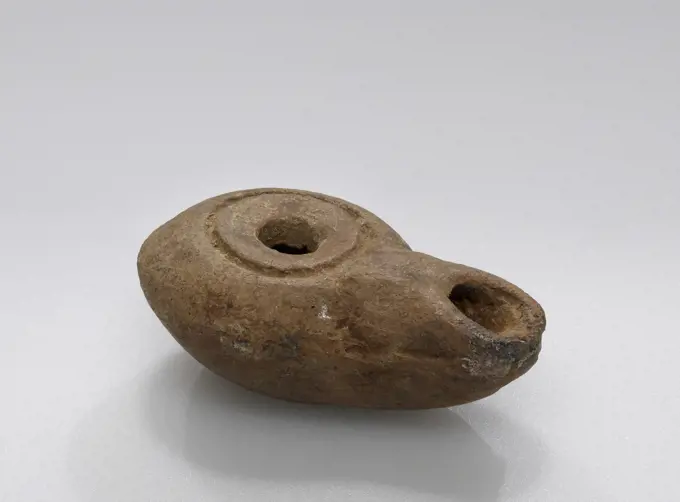
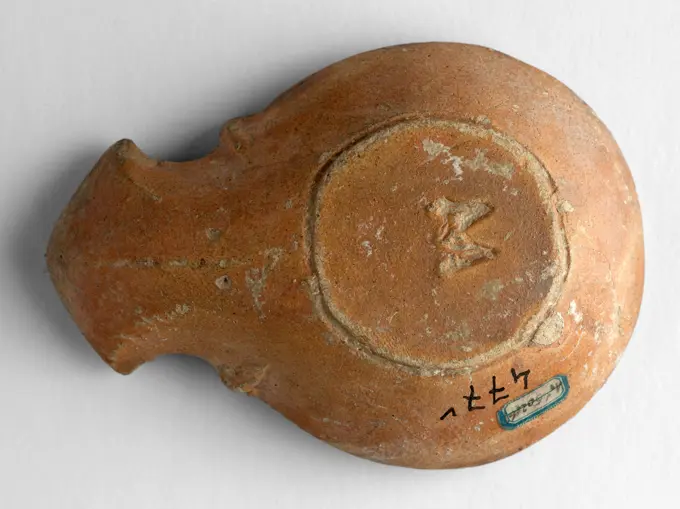
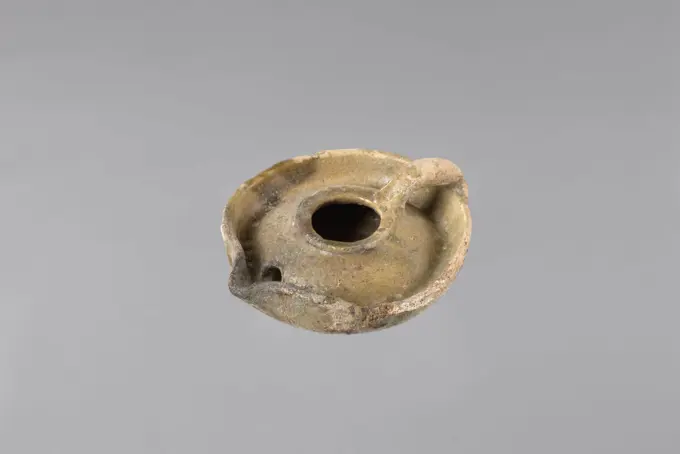
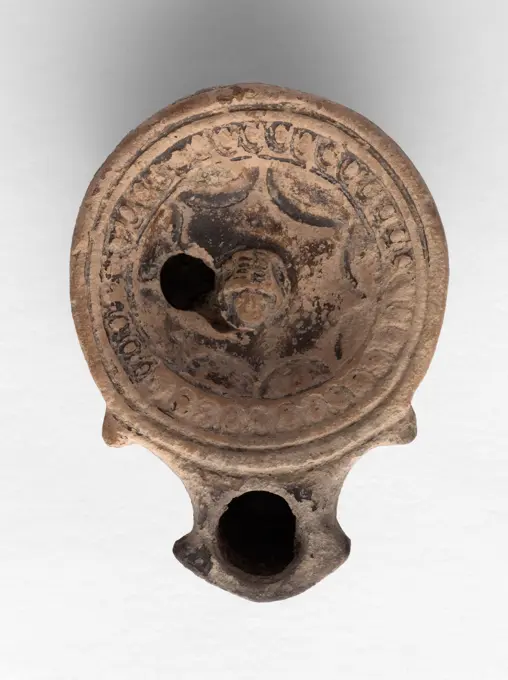
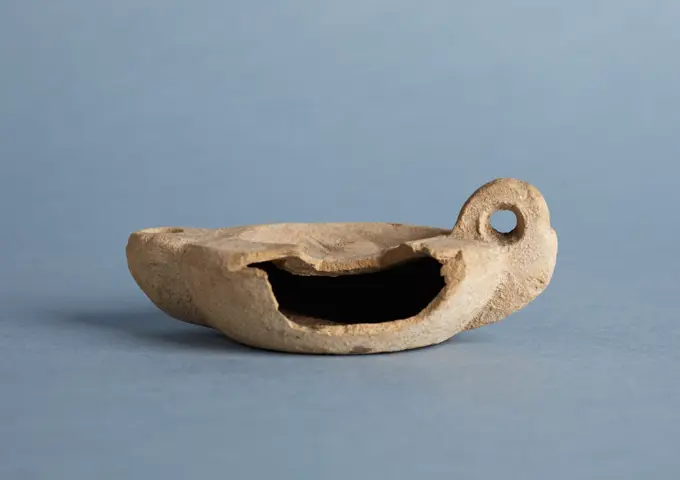
Lamp, South Anatolia, Anatolia; 4th - 3rd century B.C; Terracotta; 1.5 × 2.2 × 3.8 cm (9,16 × 7,8 × 1 1,2 in.)
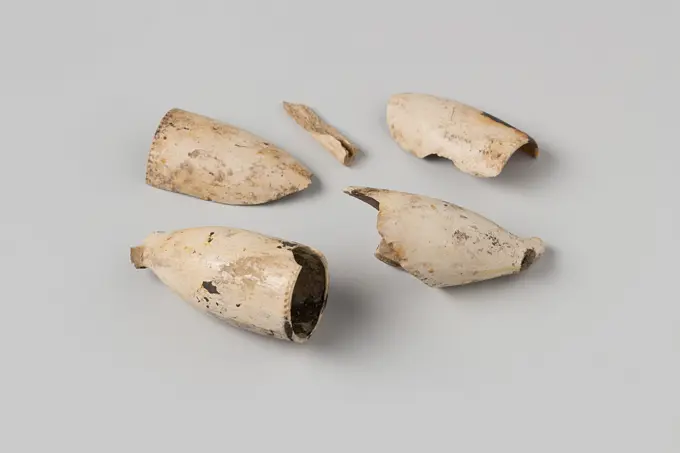
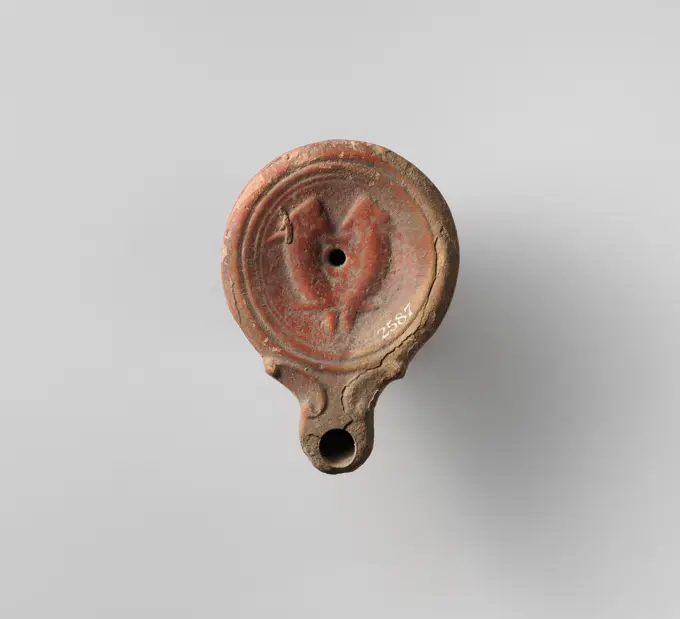
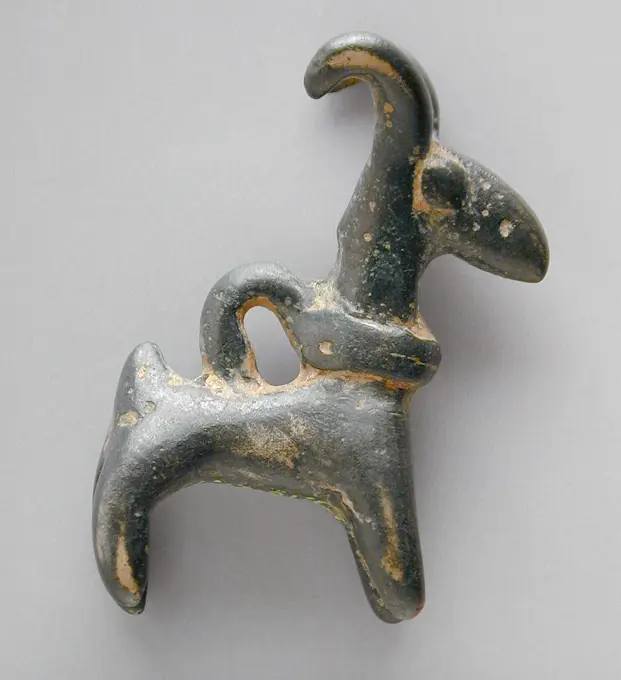
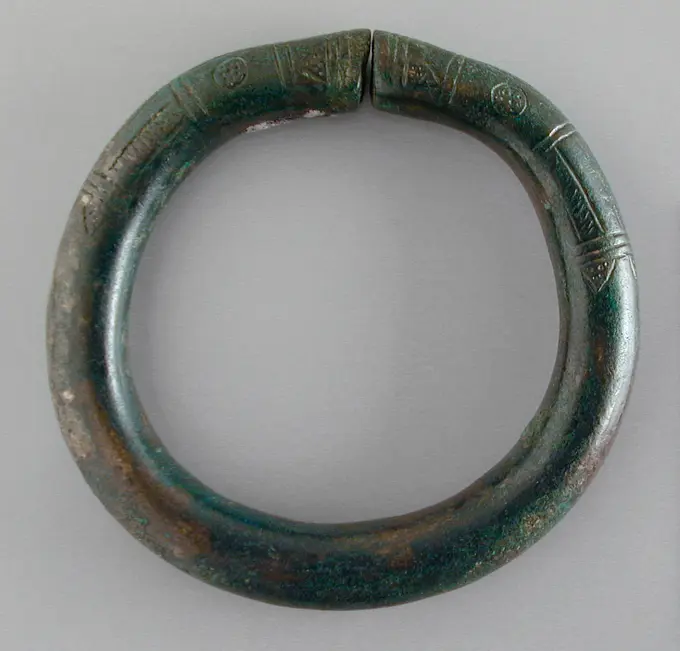
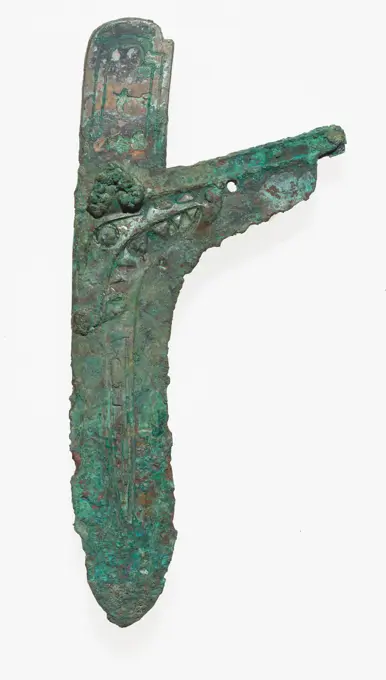
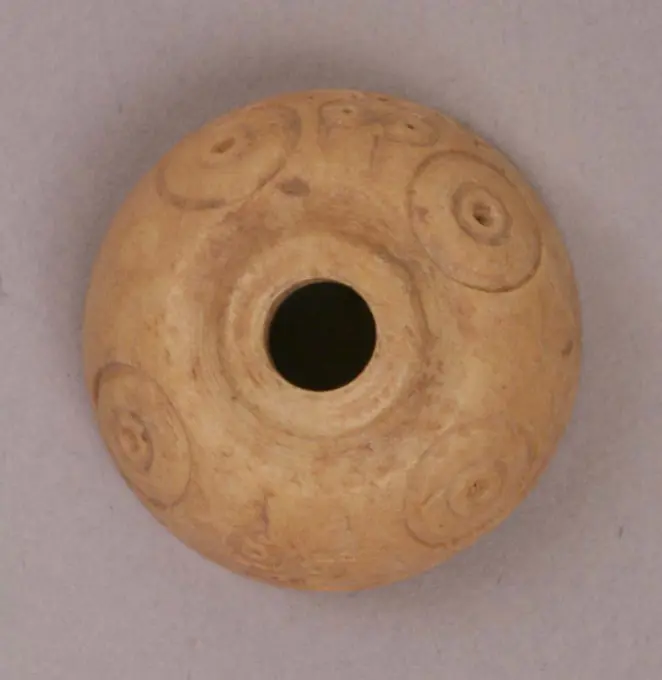
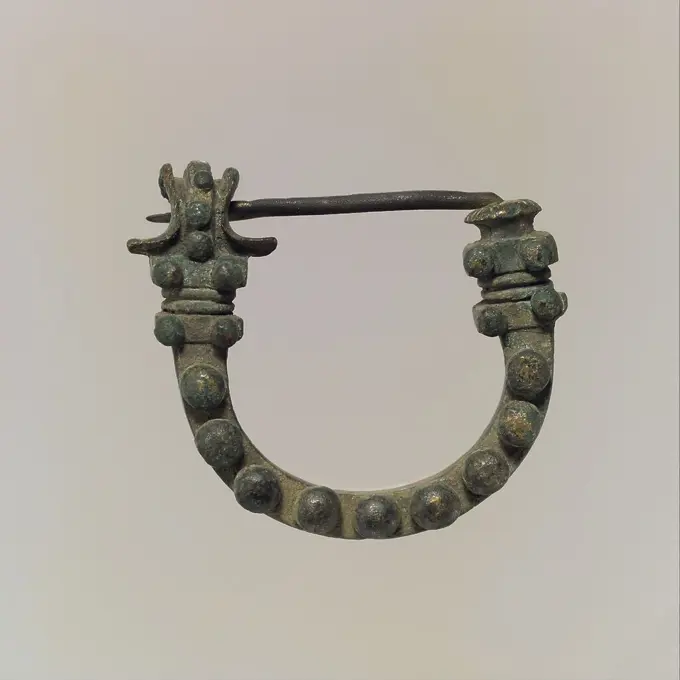
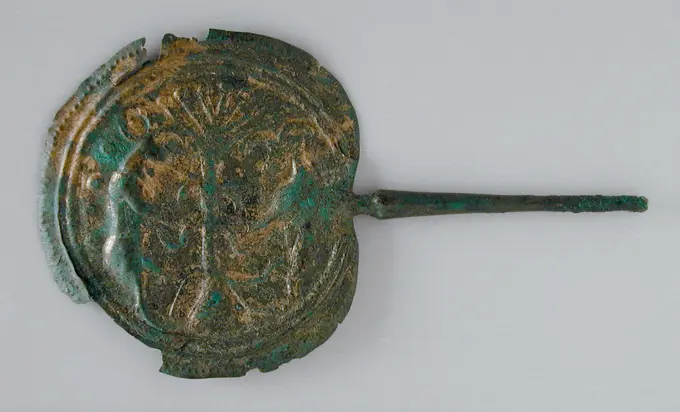
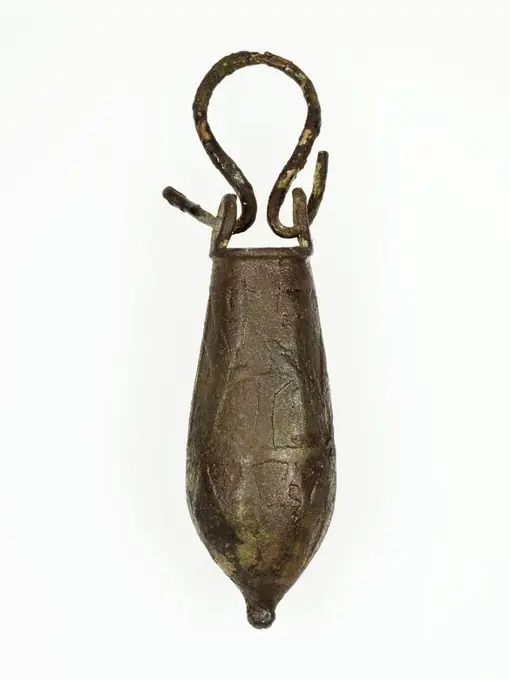
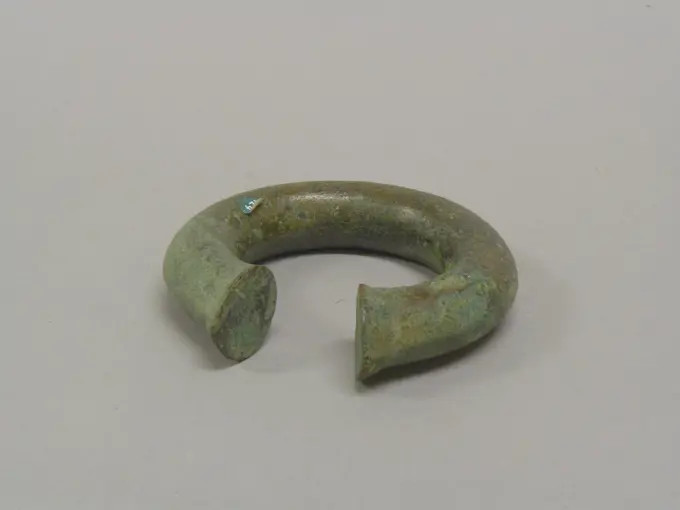
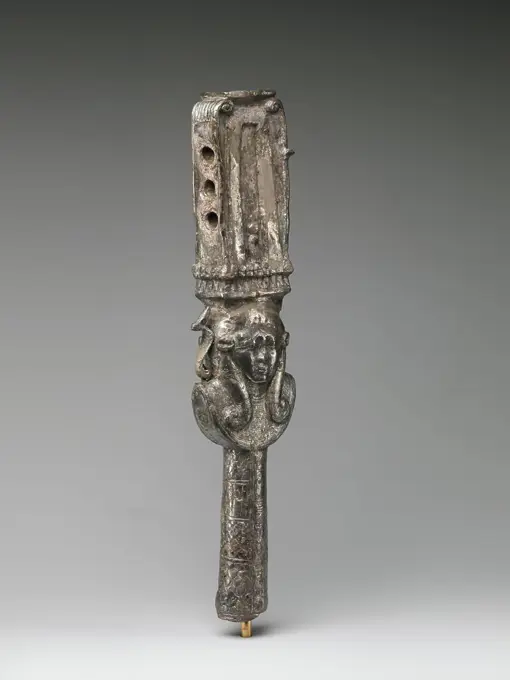
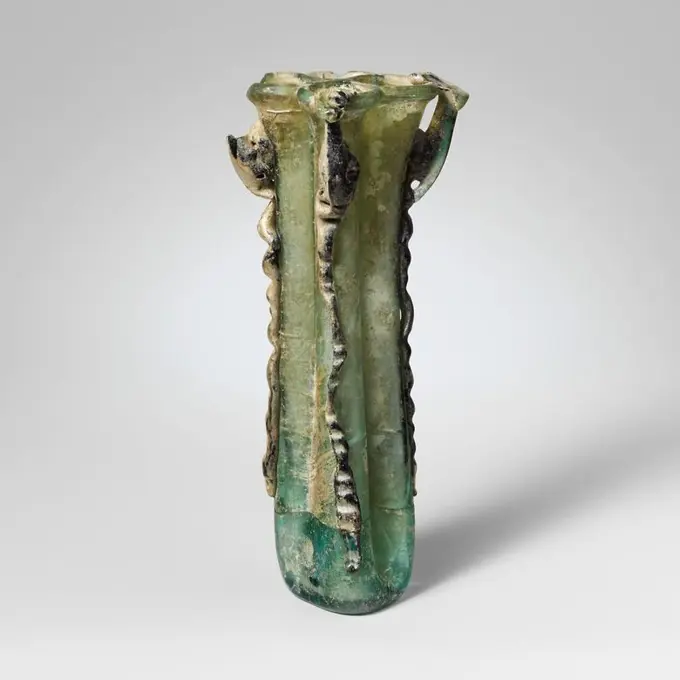
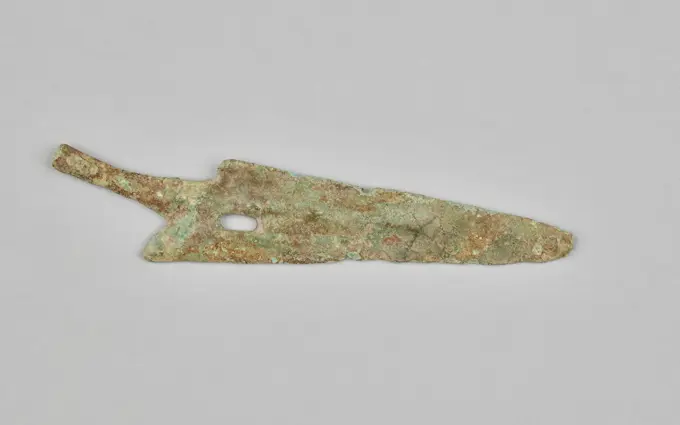
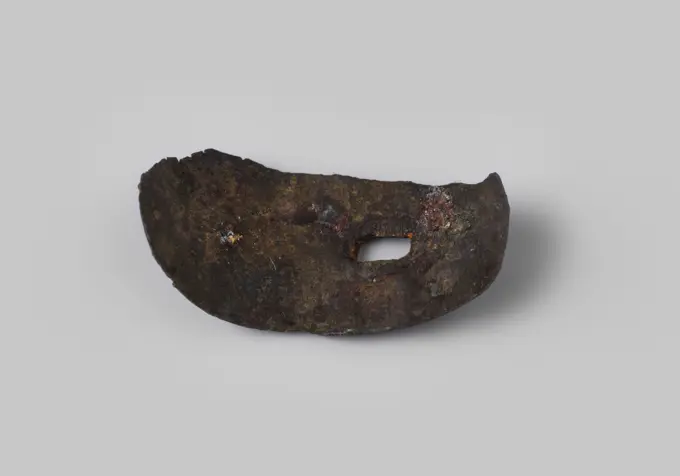
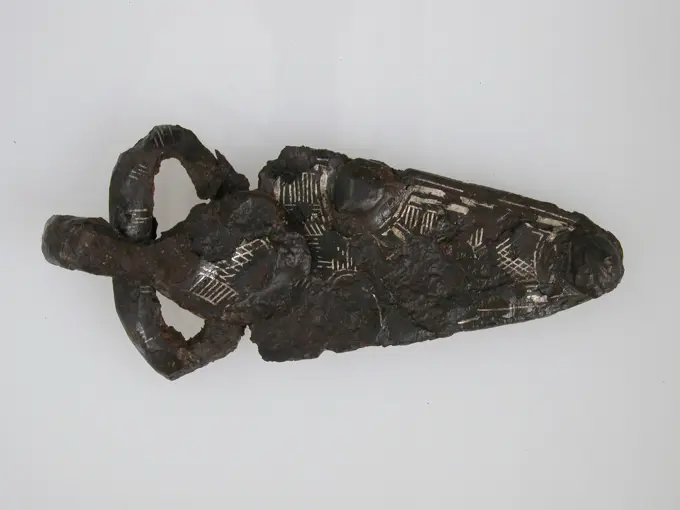
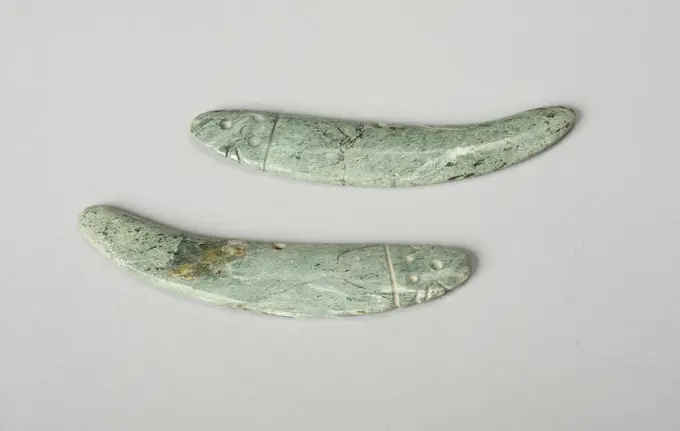
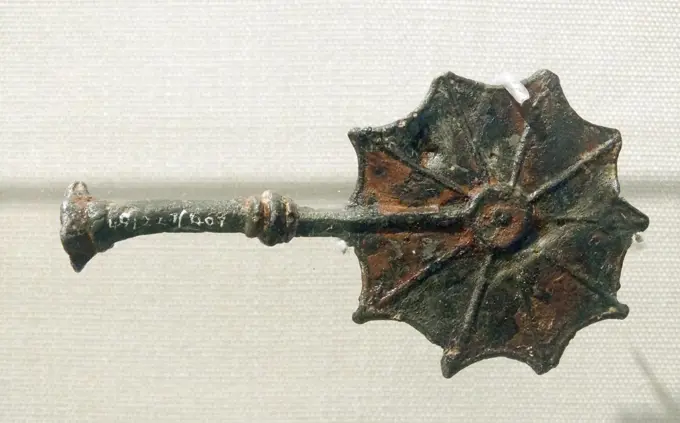
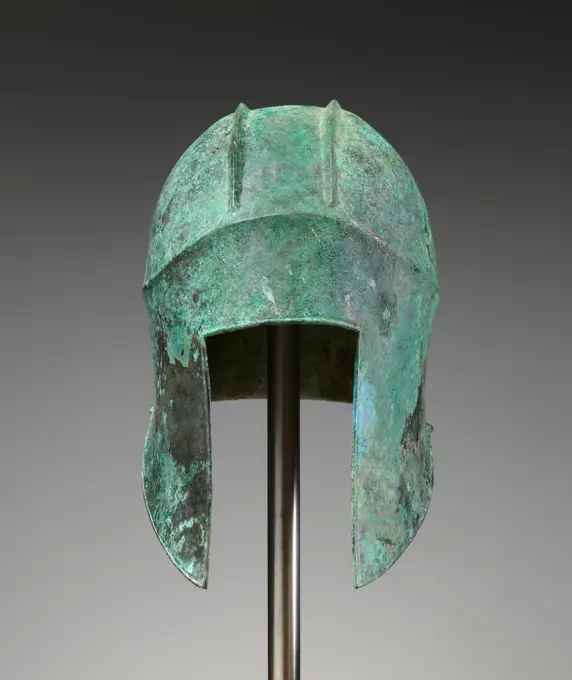
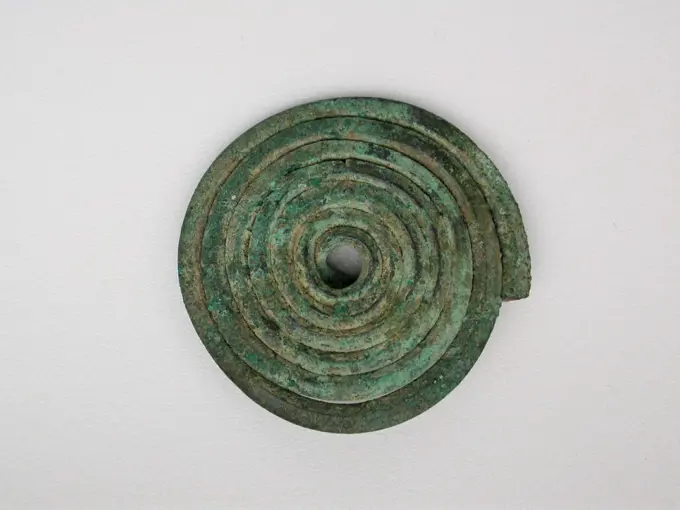
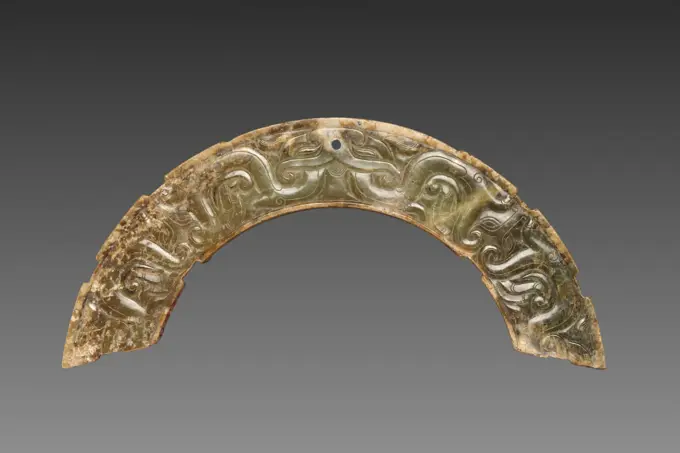
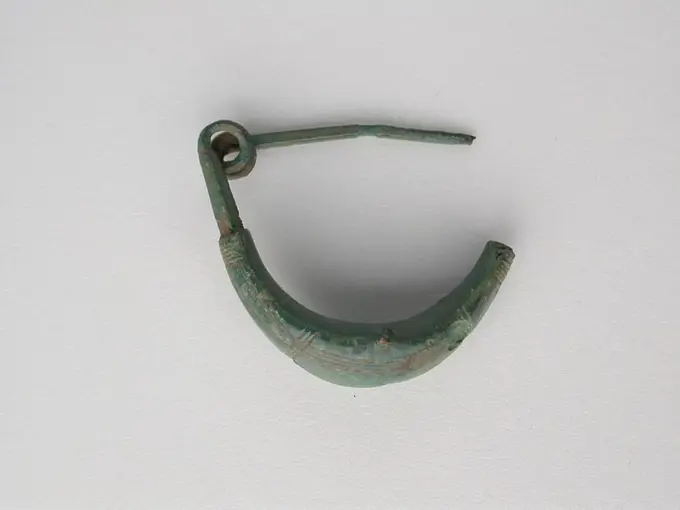
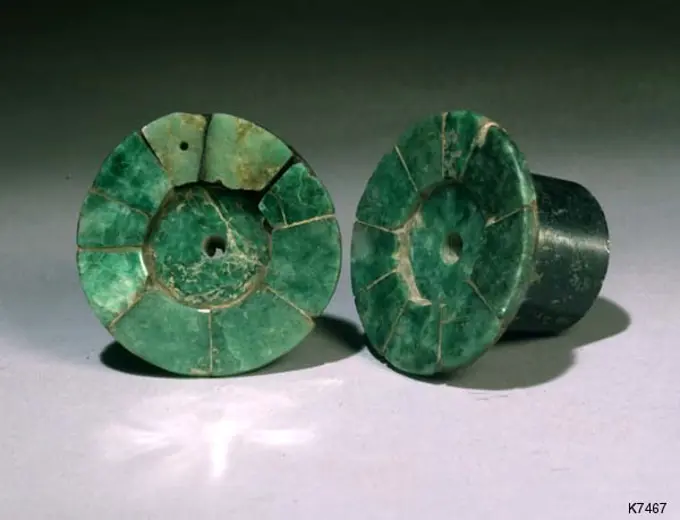
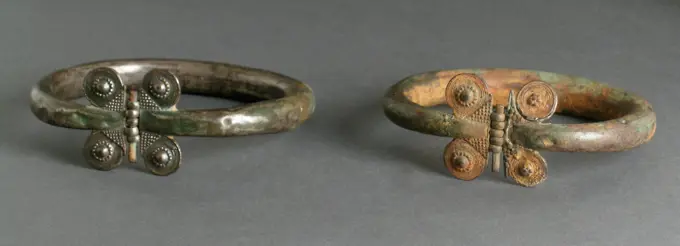
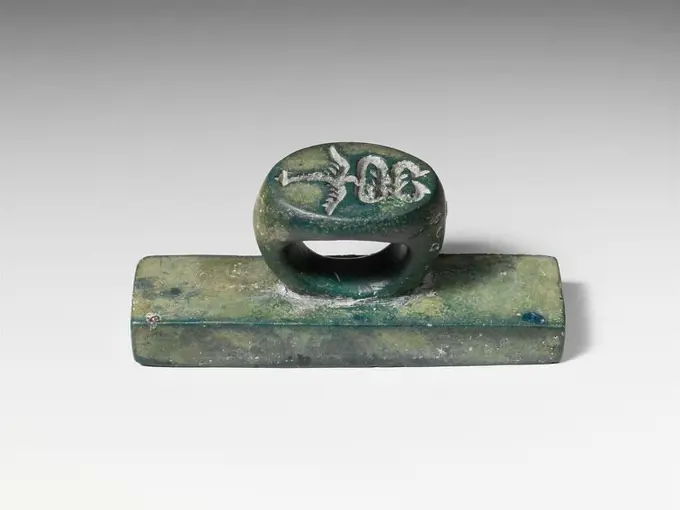
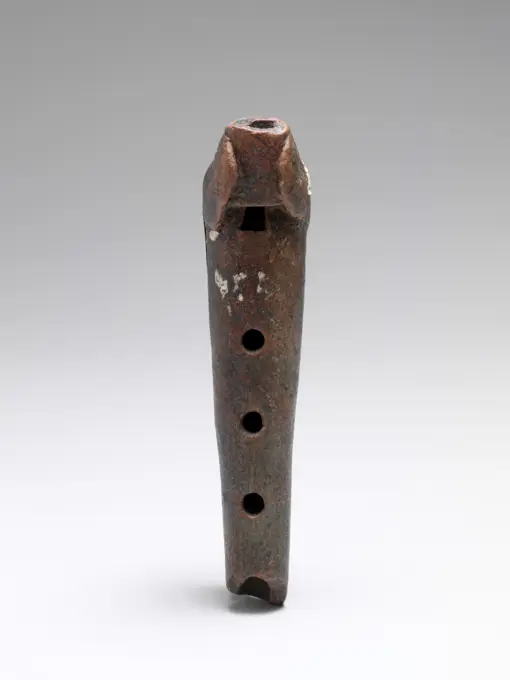
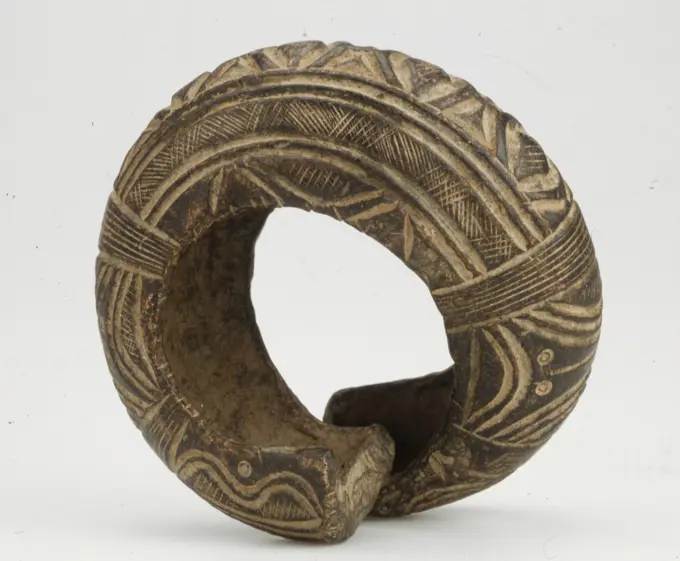
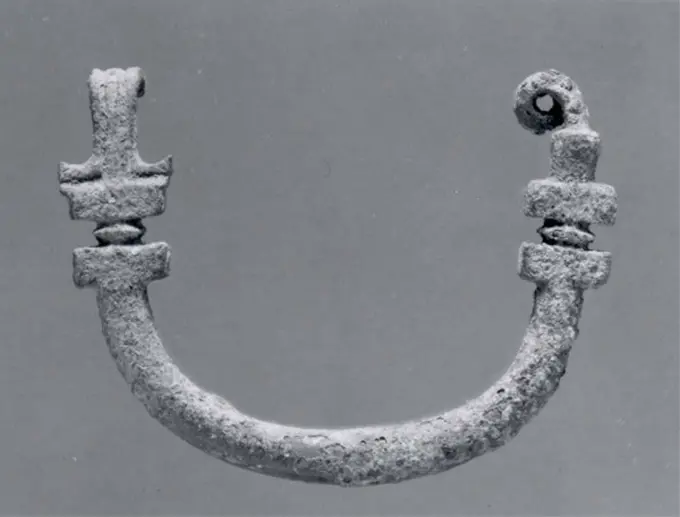
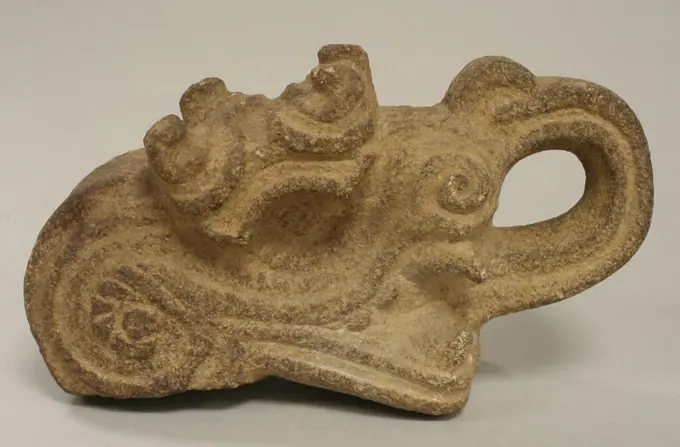
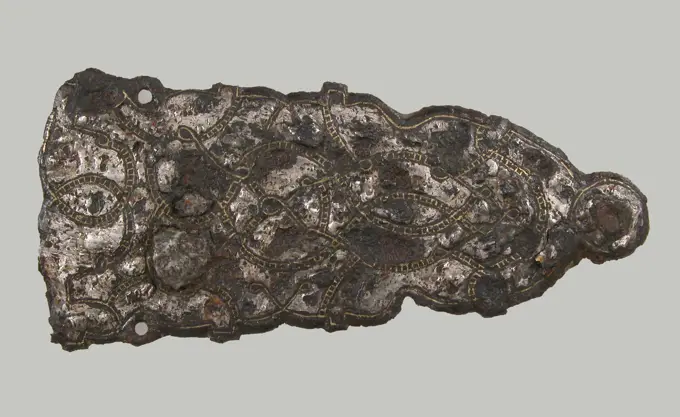
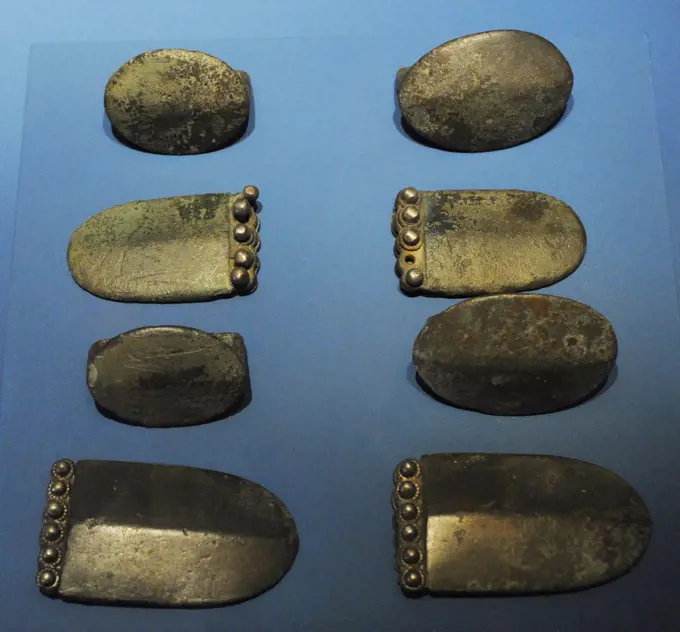
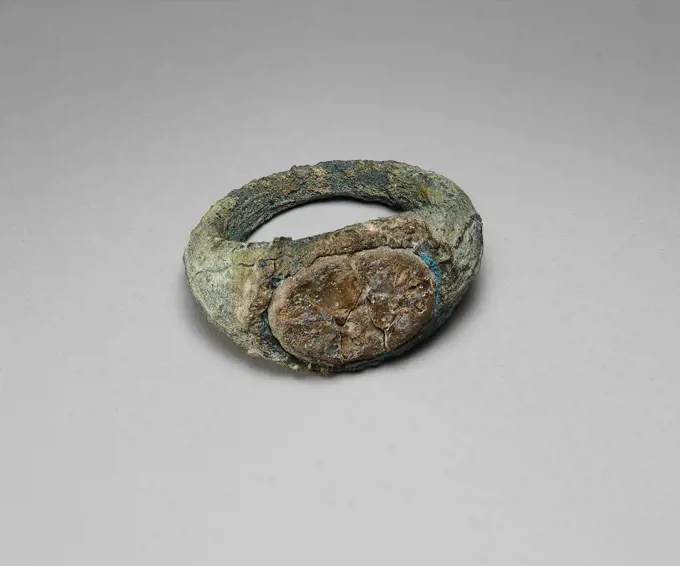
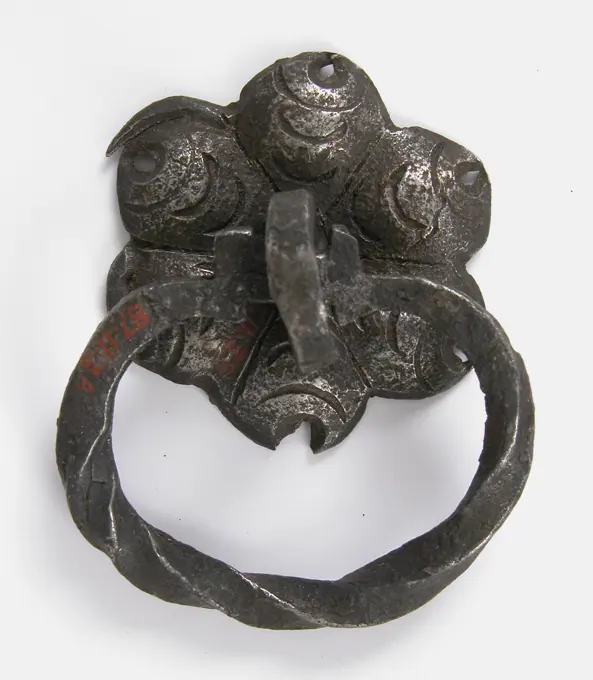
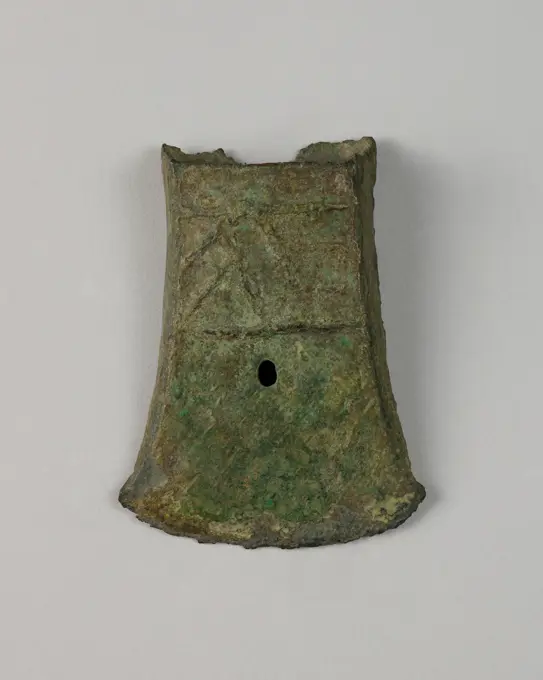
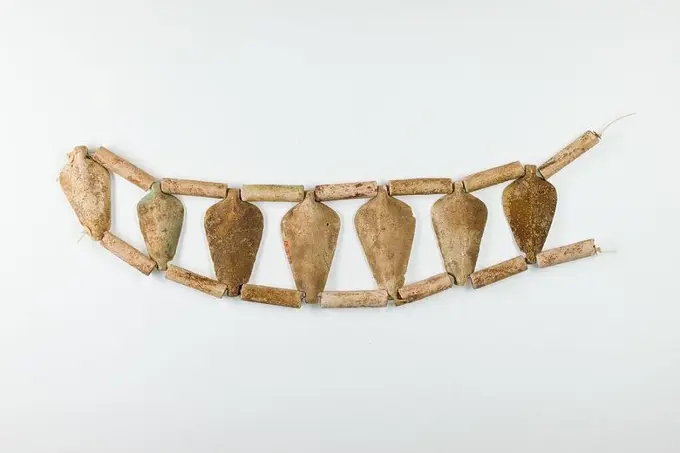
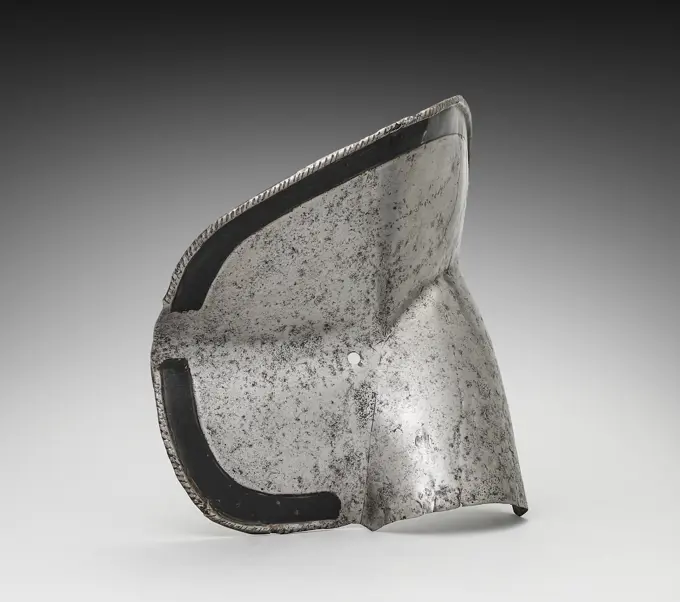
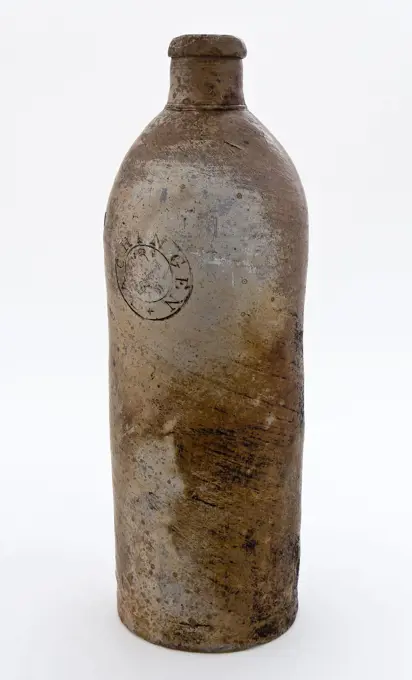
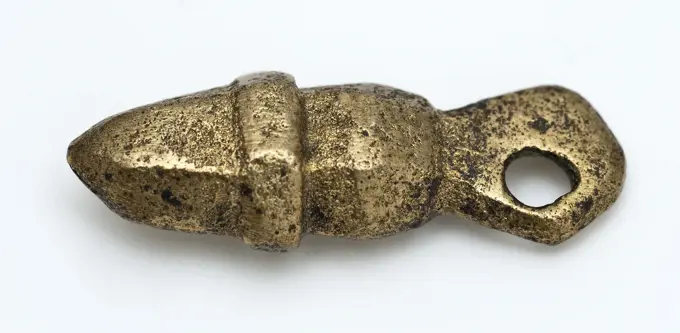
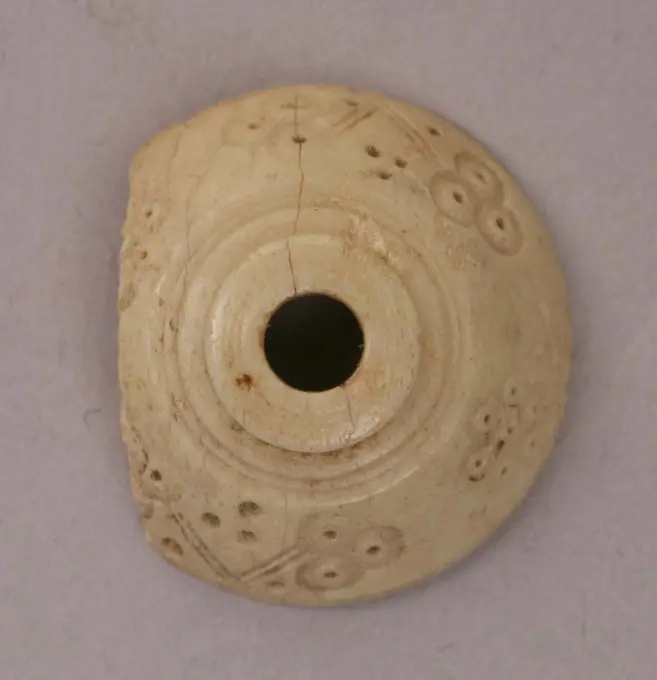
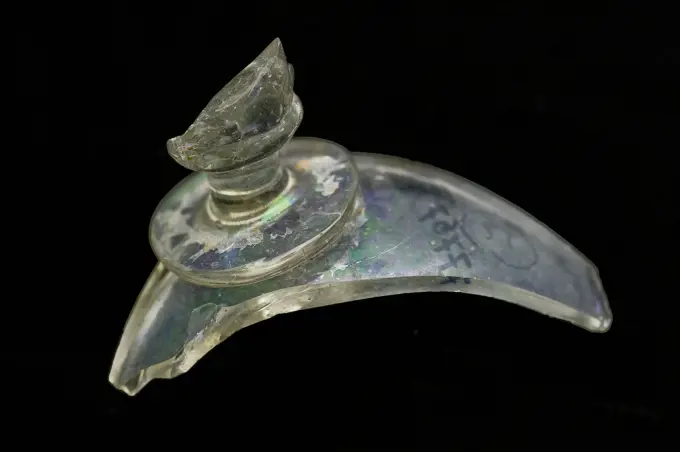
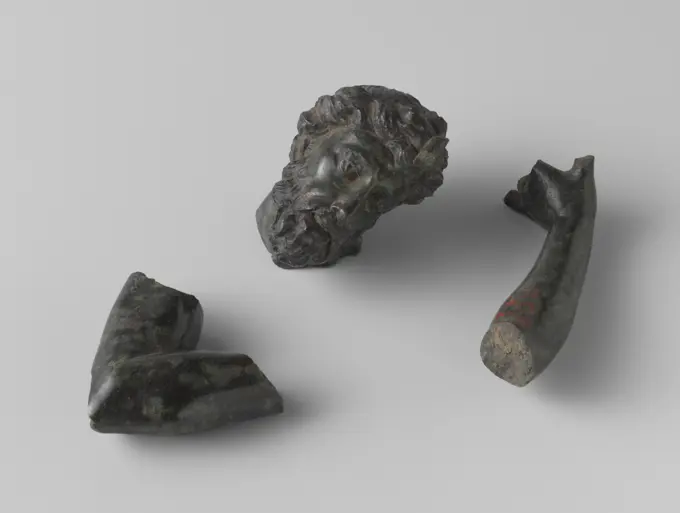
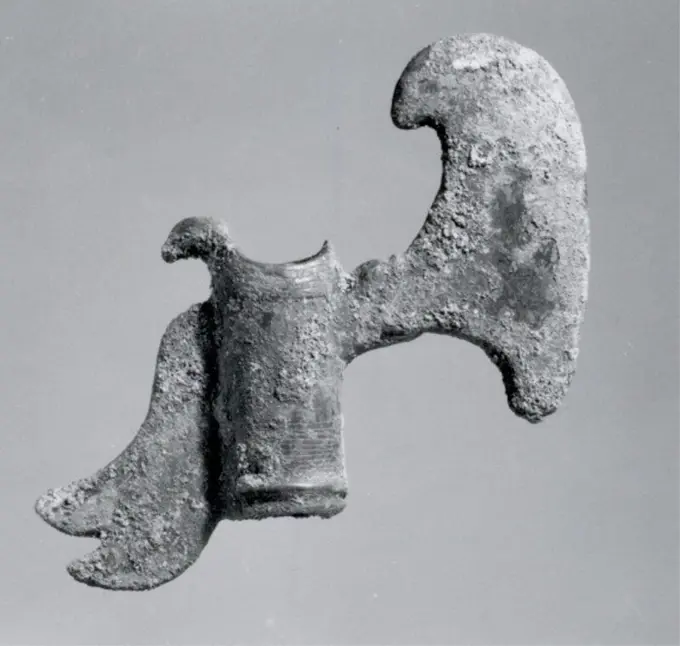
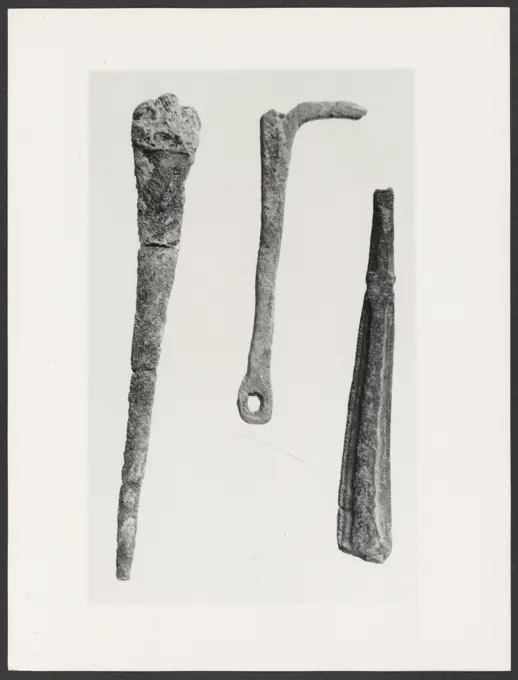
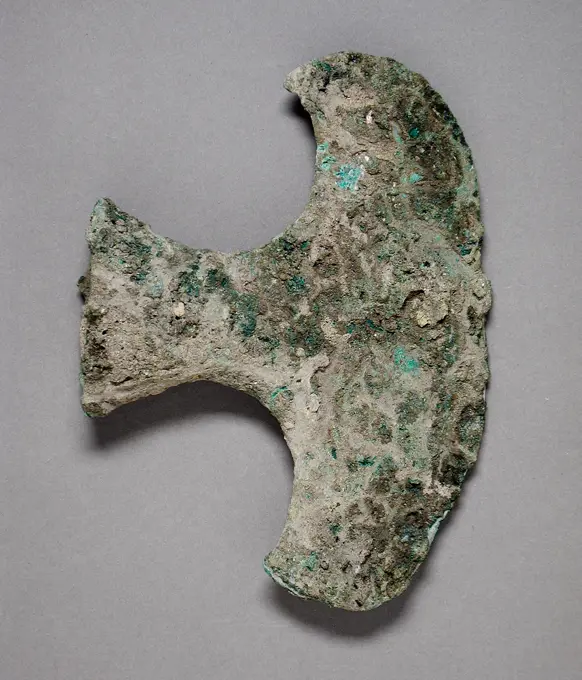
Button, flatted with decorative pattern. Button, round flat with pattern in the shape of a yarn braided knot. The decoration imitates a yarn braided knot.Pottery Whistle and Rattle. Culture: probably Costa Rican. Dimensions: L. 125 mm; H. 47 mm.; Wt. 163 g.. Date: 19th century. Museum: Metropolitan Museum of Art, New York, USA.Fragments Blowjob head and fragment pipes stem from the wreck of the East India Hollandia.Pipe, Bowl, Whole Market; Fragm, 1HSM1.Bracelet with pendant 3rd century A.D. Roman. Bracelet with pendant. Roman. 3rd century A.D.. Silver, gold. Late Imperial. Gold and SilverTerrocotta oil lamp 2nd half of 1st century A.D. Roman Loeschcke Type 4. Mold-made. Discus: two cuttlefish; a single central filling hole, and a band of lines and grooves around edge. Narrow, undecorated, sloping shoulder. Volutes flanking nozzle. Raised base ring and flat base.Complete but some surface losses around right side of shoulder and nozzle.. Terrocotta oil lamp. Roman. 2nd half of 1st century A.D.. Terracotta. Early Imperial. TerracottasFragment of a Bowl 14th-15th century. Fragment of a Bowl 446304Bronze knife ca. 1600-1050 B.C. Minoan Straight base with two rivets. The edges of the blade are nearly parallel.. Bronze knife 247626LampPendant. Iran, Luristan, Iron Age II-III, about 1000-650 B.C.. Jewelry and Adornments; pendants. Bronze, castFigure 19th century. Figure 447093Bracelet. Iran, Luristan, circa 1000-550 B.C.. Jewelry and Adornments; bracelets. BronzeDagger-axe (ge), 11th century BCE, 8 1/2 × 3 3/4 × 1 in., 0.4 lb. (21.59 × 9.53 × 2.54 cm, 0.2 kg), Bronze, China, 11th century BCEEmilia-Romagna Ferrara Ferrara Museo Civico di Schifanoia32. Hutzel, Max 1960-1990 General Notes: INCOMPLETE RECORD--NEGATIVES PROCESSED, PRINTS FILED German-born photographer and scholar Max Hutzel (1911-1988) photographed in Italy from the early 1960s until his death. The result of this project, referred to by Hutzel as Foto Arte Minore, is thorough documentation of art historical development in Italy up to the 18th century, including objects of the Etruscans and the Romans, as well as early Medieval, Romanesque, Gothic, Renaissance and Baroque monuments. Images are organized by geographic region in Italy, then by province, city, site complex and monument.Pair of womens shoes unknownButton or Bead 9th-10th century The dot-in-circle motif recalls designs presumed to be of magical significance, most likely an abstract eye to ward off the evil-eye, which serves an apotropaic function. Easily reproduced with a tool and visible in many cultures and times, this symbol may have lost its meaning, and become simply a decorative pattern, or may have one that we have not yet discovered.. Button or Bead 449250Fibula. Culture: Phrygian. Dimensions: 2.32 x 0.67 x 2.76 in. (5.89 x 1.7 x 7.01 cm). Date: ca. 8th-7th century B.C..Fibulae, ancient safety pins, had a long history in the ancient world, beginning in the late second millennium B.C. in Europe and Greece. The flat arc of this fibula is cast as a semicircle with the addition of hollow studs applied as decoration on the arc and its catch and terminals; the pin is added. This piece is one of the most characteristic of Phrygian fibulae of the second half of the eighth century B.C. Museum: Metropolitan Museum of Art, New York, USA.Neck of a Vessel 4th century Coptic. Neck of a Vessel 479201Jar ca. 3rd-7th century A.D. Sasanian. Jar. Sasanian. ca. 3rd-7th century A.D.. Ceramic. Sasanian. Iran, Qasr-i Abu NasrBuckle With circular rim and tongue fastened at one end by a sliding loop.. Buckle 246786Fragment of neck and mouth of abdominal bottle (with cork), belly bottle storage bottle wine bottle bottle holder soil find glass, free blown and shaped Fragment of neck and mouth of abdominal bottle in clear light green glass. Short (6.5 cm) rejuvenated (4.9 - 2.7 cm) neck with sharp all-round glass wire at about 0.5 cm under mouth archeology Gerdesiaweg underground pit Rotterdam Kralingen-Crooswijk Rubroek Soil discovery Metrobouw Gerdesiaweg 1975 - 1977.Disc - headed Pin. Iran, Luristan, circa 1000-650 B.C.. Jewelry and Adornments; pins. Bronze, hammeredKey 1st-3rd century Roman. Key 463359Two Chapes of Daggers dated 1270 possibly French, possibly German. Two Chapes of Daggers. possibly French, possibly German. dated 1270. Bronze. DaggersSitula. Dimensions: Height: 11.1 x Diam: 1.9 cm (4 3/8 x 3/4 in.). Date: 30 B.C.-A.D. 364. Museum: Metropolitan Museum of Art, New York, USA.Oil lamp. Terracotta. High Empire. Scroll spike, handless, turtle motif. Paris, Carnavalet museum. Beak, high-Empire, oil lamp, terracotta, voluteKey Handle 1st-7th century Roman. Key Handle 462893HorseshoeRing. Bronze, China, Han dynasty (206 BC AP.J.-C.). Paris, Cernuschi museum. Ring, Asian art, Chinese art, bronze, Asian civilization, Chinese civilization, Han dynastyOne from a Pair of Solid Open Bangles with Shaved Ends 300 B.C.-A.D. 300 Thailand. One from a Pair of Solid Open Bangles with Shaved Ends 53867Sistrum with a dedication referring to a king. Dimensions: H. 29.6 × W. 6.9 × D. 4.2 cm (11 5/8 × 2 11/16 × 1 5/8 in.). Dynasty: Ptolemaic Dynasty. Date: 332-30 B.C..The sistrum was a a sort of rattle, its rustling sound associated in particular with great female goddesses, for instance Tefnut, Hathor, Isis, or Bastet.Like all Egyptian sistra, this one has the emblem of Hathor/Bat, the frontal head of a female with cow ears, at the juncture of the upper part and the handle. Above the goddess's head, a naos or shrine forms the sound-box. The naos in this instance is not openwork, so that disks could not be strung between the sides of the naos as they usually were. Three holes are provided on each side for the crossbars, however, so possibly the movement of the crossbars within the soundbox created a desirable sound. Beneath the Hathor emblem are columns of inscription on either side of the handle. Although very difficult to deipher owning to pits and cracks, the insciption includes rGlass cosmetic flask with four compartments (kohl tube). Culture: Roman, Palestine. Dimensions: Overall: 6 1/2in. (16.5cm). Date: 4th-5th century A.D..Translucent blue green; handles and trails partly in same color, partly in deep translucent blue, appearing black.Everted tubular rim, folded over and in; body comprising four tubes, side by side in a rough square shape, made from a single inflated gather by pinching and folding sides vertically to make diaphragm; flat bottom with pontil scar; four handles, applied over tops of vertical trails, drawn up and out, and down, then turned inwards and dropped onto top edge of rim.Four trails, one on each tube, applied as a pad below rim, drawn down vertically, and trailed off on lower body, decorated with horizontal tooling indents.Broken and repaired around lower body, weathered chip in rim, and on breaks in tops of handles; pinprick bubbles and blowing striations; dulling, slight pitting, and iridescent weathering. Museum: Metropolitan MBell 4th century B.C. Cypriot. Bell 244507Oil lamp. unknown, craftsmanBracelet 500 B.C.-A.D. 300 Thailand. Bracelet 44534Brooch. Culture: European Bronze Age. Dimensions: Overall: 9 1/16 x 3 11/16 x 11/16 in. (23 x 9.3 x 1.8 cm). Date: 11th century B.C.. Museum: Metropolitan Museum of Art, New York, USA.Anonymous, Hallebarde blade (common name). Bronze. Cernuschi Museum, Asia Museum of Asia in the city of Paris.Fragment Suppling ring from the wreck of the East Indians Hollandia, Anonymous, 1700 - in Or Before 1743  Varied parts or fragments, washers; oval, curved, rectangular hole. Netherlands copper (metal)   SecondBelt Buckle Tongue 4th-7th century Frankish. Belt Buckle Tongue 469785Pair of Earrings 200 BCE-200 CE Colima. Stone . ColimaSword Guard, early 1700s. Japan, Edo period (1615-1868). Iron (Nara type); diameter: 6.7 cm (2 5/8 in.).Pendant. Unknown 1st-2nd century A.D. This pendant is made of gold glass mounted on a circular bronze setting. A bird perched on a twig decorates the pendant. The surface is weathered and cracked.Bronze lamp holder 6th century B.C. Cypriot. Bronze lamp holder 244521Round Plaque. Culture: Vicús. Dimensions: Diameter 3-1/8 in. (8 cm). Date: 3rd century B.C.-A.D. 2nd century. Museum: Metropolitan Museum of Art, New York, USA.Ampulla, religious badge worn by English, medieval Christian pilgrims in the 13th centuryHandle with Spirals. China, Eastern Zhou dynasty, 770-221 B.C.. Tools and Equipment. Cast bronzePrehistory, Italy, Bronze Age. Terramare culture. Decorated handle. From Emilia Romagna Region.Bronze helmet of Illyrian type 5th or early 4th century B.C. Greek The Illyrian helmet was a popular type in the Classical period. A similiar helmet with the elaborate plumed crest that was once attached between the ridges on the top appears on silver tetraobols of the Macedonian King Perdiccas II (ca. 454-413 B.C.).. Bronze helmet of Illyrian type. Greek. 5th or early 4th century B.C.. Bronze. Classical. BronzesPendantSpiral Fibula 800 BCE-700 BCE Thessaly. This precious bronze object is a votive, or devotional gift, made as an offering to the gods. They come in many forms, such as animals, beads and brooches. Many seem once to have been attached to something else. Votives were hung from sacred trees or placed in sanctuaries around Greece. Once a shrine was full, the votives were ceremonially buried to make room for more offerings.. Bronze . Ancient GreekArc-shaped Pendant with Animal Mask and Interlaced Animal Bands (Huang), 300-100 BC. China, Warring States period (475-221 BC) to Western Han dynasty (202 BC-AD 9). Jade (nephrite); overall: 12.8 cm (5 1/16 in.).Leech Fibula (Brooch). Greek; Thessaly. Date: 800 BC-700 BC. Dimensions: 4.2 × 5.1 × 2.0 cm (1 5/8 × 2 × 3/4 in.). Bronze. Origin: Thessaly. Museum: The Chicago Art Institute, Chicago, USA. Author: ANCIENT GREEK.Triangular riveted piece of batter with hook and remnant leather, fitting closure soil finding brass leather metal, whipped riveted Triangular fitting with corner hook on one side reverse side leather fragment fixed with three spikes with round head Hardware fittings Rotterdam rail tunnel adorn close Soil discovery: trajectory rail tunnel Rotterdam.Pair of EarspoolsGoudgalon for Broek from J.R. Thorbecke, Anonymous, c. 1850  Goudgalon for Broek belonging to the office of J.R. Thorbecke as Minister of the Interior. Netherlands textile materialsPair of Silver Bracelets. Eastern () Iran, first half of 11th century. Jewelry and Adornments; bracelets. Fabricated from sheet and decorated with granulationBronze stamp. Culture: Roman. Dimensions: Other: 3 7/16 in. (8.7 cm). Date: 1st century A.D..The inscription L*HER*FLO signifies Lucius Herennius Florus, the name of the owner of the villa at Boscoreale from which the Museum's frescoes come. The stamp was presumably his property and likely served as the official seal of the household used to mark provisions. On the ring in intaglio is a second seal in the form of a winged caduceus, the staff of Mercury, god of commerce. Many such bronze seals have been found in the excavations at the nearby towns of Pompeii and Herculaneum, although stamps with intaglio on both ring and plate are less common. Museum: Metropolitan Museum of Art, New York, USA.Bag with shards of red-baking earthenware from V.O.C.-ship De 'Witte Leeuw', Anonymous, Before 1613  Bag with shards of red-baking earthenware from V.O.C. ship De 'Witte Leeuw'  earthenware   Sint-HelenaFinger Grip before 16th century Mexican. Finger Grip 317416Animal head sherd ca. 9th century B.C. Iran. Animal head sherd 325058Nut from the wreck of the East Indians Hollandia, Anonymous, Before 1743  Nuts; id. 80H584, with hole. Netherlands copper (metal)   SecondNear East. Mesopotamia. Kudurru (boundary stone). Babylonia. Cassite Period (1550-1155 BC). Iraq. The State Hermitage Museum. Saint Petersburg. Russia.Battle dress ammunition pouch - Armée britanniquePottery Flute ca. 1200-1521 Mexican. Pottery Flute. Mexican. ca. 1200-1521. Clay. Pre-Columbian. Coatepec, Veracruz, Mexico. Aerophone-Whistle Flute-recorderTerracotta lamp in the form of an elephant's head 3rd century B.C. Greek, Sicilian The campaigns of Alexander the Great brought Greece into contact with animals from India and the East that the Greeks had not known of previously. The elephant became a popular representation on Hellenistic coins. With the Carthaginian influence on Sicily during the Punic Wars of the third century B.C., elephants, usually depicted as war animals, also became common in Sicilian art. Traces of the original black glaze can be seen on the surface of this lamp.. Terracotta lamp in the form of an elephant's head 252883 Greek, Sicilian, Terracotta lamp in the form of an elephant's head, 3rd century B.C., Terracotta, length 7 1/8 in. (18 cm). The Metropolitan Museum of Art, New York. Gift of Albert Gallatin, 1926 (26.212)Animal Ornament 6th-7th century Moche (Loma Negra). Animal Ornament. Moche (Loma Negra). 6th-7th century. Copper. Peru. Metal-OrnamentsLamp. Terracotta. High Empire. 8 branches rosette. Paris, Carnavalet museum. Branch, High Empire, lamp, oil lamp, rosette, terracottaSUBLIMADOR DE BRONCE. DETALLE. TARTESICO. (DEPOSITO: MUSEO ARQUEOLOGICO NACIONAL).Set of zoomorphic sconces. Caucasus. Av. J.-C. Paris, Cernuschi museum. 35406-16 Wall lamp, bronze, zoomorphic, animalBracelet, 18th century, 2 5/8 x 4 3/8 x 4 5/8 in. (6.67 x 11.11 x 11.75 cm), Bronze, Côte d'Ivoire, 18th centurySpindle Whorl, one of sixteen, 15th century, 1 1/4 x 1 3/8 in. (3.18 x 3.49 cm), Stone, Mexico, 15th centuryFibula ca. 8th-7th century B.C. Phrygian. Fibula 325946Fragments Lead from the wreck of the East Indians Hollandia, 1700 - in Or Before 1743 fragment Parts of artefacts; eroded fragments: materials; lead. Netherlands lead (metal)   SecondBracelet 11th-16th century Middle Niger civilization. Bracelet 318381Metate Fragment. Culture: Maya-Cocal. Dimensions: H.10 1/16 x W. 6in. (25.6 x 15.2cm). Date: 12th-14th century. Museum: Metropolitan Museum of Art, New York, USA.Terracotta oil lamp late 3rd century A.D. Roman, Egyptian () Frog Type. Mold-made. Carinated body. Small, shallow discus with a single filling hole at center, surrounded by two raised circular bands. Shoulder: stylized pattern of impressed dots arranged in two vertical rows and interrupted at sides by two vertical strokes. Nozzle top: ladder pattern. Undefined base; maker's mark: an impressed vertical palm frond.Intact.. Terracotta oil lamp 241437Belt Plate 7th century Frankish or Burgundian. Belt Plate. Frankish or Burgundian. 7th century. Iron, gold, silver and brass inlay. Made in Burgundy. Metalwork-IronGreece, Athens. Area of Kerameikos (Ceramicus). Replica of the funerary Stele of Hegeso, c. 410-400 BC. The original piece is located at the National Archaeological Museum of Athens. Bronze Finger Ring withStone, ca. 323 B.C.-A.D.256, Bronze, 2.2 × 2.6 cm (7/8 × 1in.), Yale-French Excavations atDura-Europos, Excavated in Dura-Europos, Syria, Syrian,Dura-Europos, Greco-Roman orParthian, JewelryHousehold effects, anonymous, c. 1590 - c. 1596  Skimmer to which a part of the stem with rivets have been attached (reconstructed). The skimmer has star -shaped holes with six points that have been applied in two rows.  iron (metal). copper (metal) forging  Nova Zembla. Saving HuysDoor Handle early 16th century German. Door Handle. German. early 16th century. Iron. Metalwork-IronFrance, Pyrenees, Isturitz, Reindeer horn carved into the shape of a felineHache blade (common name). Bronze. Cernuschi Museum, Asia Museum of Asia in the city of Paris.Karte von Acre auf rostigem Metall - Map of Acre on rusty metal Karte von Acre auf rostigem Metall - Map of Acre on rusty metal Copyright: xZoonar.com/lantapixx 14572701Necklace. Dimensions: l. 17.5 cm (6 7/8 in). Dynasty: Dynasty 12, early. Date: ca. 1950-1900 B.C.. Museum: Metropolitan Museum of Art, New York, USA.Gardbrace, c.1550-1570. Germany, 16th century. Iron, steel, leather and brass rivets; overall: 34.5 x 20 x 31.2 cm (13 9/16 x 7 7/8 x 12 5/16 in.).Ax 1500-500 B.C. India. Ax 50638Plate and Nail 15th-16th century European. Plate and Nail. European. 15th-16th century. Iron. Metalwork-IronAmulet of a Hare. Egyptian. Date: 700 BC-1 BC. Dimensions: 1 × 1.5 × .5 cm (3/8 × 9/16 × 3/16 in.). Faience. Origin: Egypt. Museum: The Chicago Art Institute, Chicago, USA. Author: Ancient Egyptian.Stoneware mineral pitcher, cylindrical with round shoulder, sausage ear and short neck, mineral water pitcher jar product packaging container soil find ceramic stoneware glaze salt glaze approx., hand turned glazed baked Stoneware mineral pitchers cylindrical with round shoulder short neck and sausage ear. Stand area with traces of deduction and soul. Glazed. Marked under the ear and marked on the front with medallion Medallion in the medallion: FACHINGEN in the midfield left clawing lion archeology Rotterdam Kralingen-Crooswijk Struisenburg Oostmaaslaan Boslaan Buizengat advertising indigenous pottery import drinking water drinking medicine packaging Soil discovery: Buizengat Oostmaaslaan Boslaan Rotterdam an old landfill of urban waste.Brass charm in the form of an acorn, charm jewelry clothing accessory clothing soil find copper brass metal, cast Acorn with eye Charm or charm The hanging hole is drilled noticeably far from the center. Was part of archaeological discipline in Rotterdam Kralingen-Crooswijk Struisenburg Oostmaaslaan Soil discovery: Oostmaaslaan on the site of the Schieland pumping station.Button or Bead 9th-10th century. Button or Bead. 9th-10th century. Bone; incised and inlaid with paint. Excavated in Iran, Nishapur. Ivories and BoneFinial. Western Inner Mongolia, 5th-4th century B.C.. Architecture; Architectural Elements. Bronze, castStem fragment with basic chalice of chalice, drinking glass drinking utensils tableware holder fragile ground find glass, w 4,6 free blown Stem fragment of goblet Part of the trunk ending in round glass plate on which the base of the goblet is attached Clear and colorless glass partly oily discolored by iris archeology Valckensteyn Poortugaal Albrandswaard drink wine serve beer serve serve Soil discovery: castle Valckensteyn in Poortugaal now Albrandswaard 1961-1962.Two fragments of foot of pass glass, drinking cup drinking vessel holder soil find glass forest glass, hand-blown glass application Two fragments of part foot of pass glass in clear light green glass (forest glass) Wide flat foot after 2, 0 cm rapidly rising to almost vertical shaft archeology Rotterdam railway tunnel drinking beer Soil discovery: rail tunnel Rotterdam.Two fragments arm and a men's head. .Axe head ca. early 2nd millennium B.C. Elamite. Axe head 325722Lazio Latina Sezze Antiquarium Comunale07. Hutzel, Max 1960-1990 German-born photographer and scholar Max Hutzel (1911-1988) photographed in Italy from the early 1960s until his death. The result of this project, referred to by Hutzel as Foto Arte Minore, is thorough documentation of art historical development in Italy up to the 18th century, including objects of the Etruscans and the Romans, as well as early Medieval, Romanesque, Gothic, Renaissance and Baroque monuments. Images are organized by geographic region in Italy, then by province, city, site complex and monument.Adze. Thailand, Ban Chiang culture, 300 B.C.-150 A.D.. Tools and Equipment; adzes. Copper alloyOil LampAJUAR DE INCINERACION DE LA NECROPOLIS DE LA OSERA: PUNZONES, AGUJAS, DADO DE HUESO Y FIBULA DE BRONCE EN OMEGA. HIERRO AJUAR. (DEPOSITO: MUSEO ARQUEOLOGICO NACIONAL).