Artifacts from Ancient Cultures

An array of ancient tools and decorative items including arrowheads, harpoons, and door knockers from different historical periods and regions.

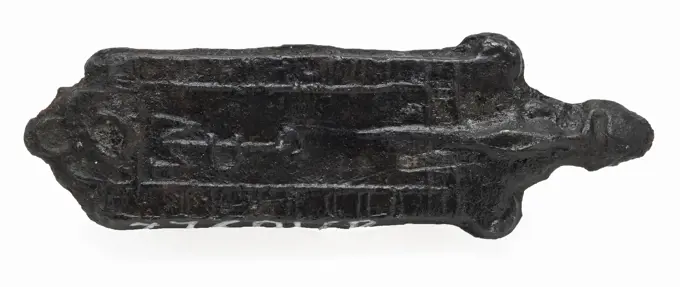
Can from the wreck of the East Indians Hollandia, Anonymous, 1700 - in or before 1743  Jug, id. 76-10H66, squashed, handle on lid missing, marks id. 76-10H66. Netherlands tin (metal)   Second
Can from the wreck of the East Indians Hollandia, Anonymous, 1700 - in or before 1743 Jug, id. 76-10H66, squashed, handle on lid missing, marks id. 76-10H66. Netherlands tin (metal) Second
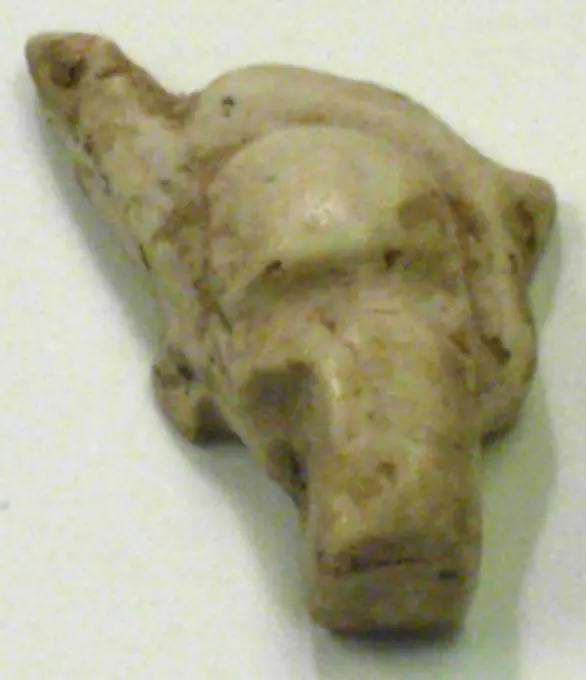
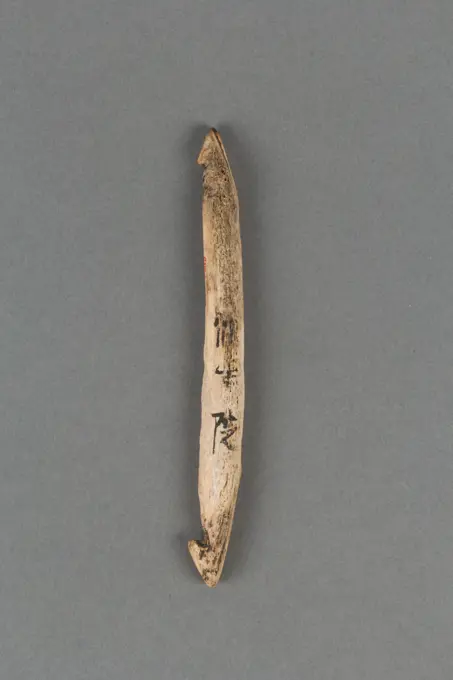
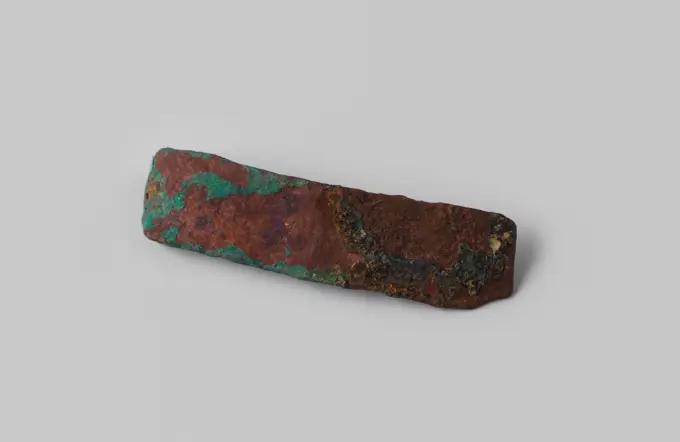
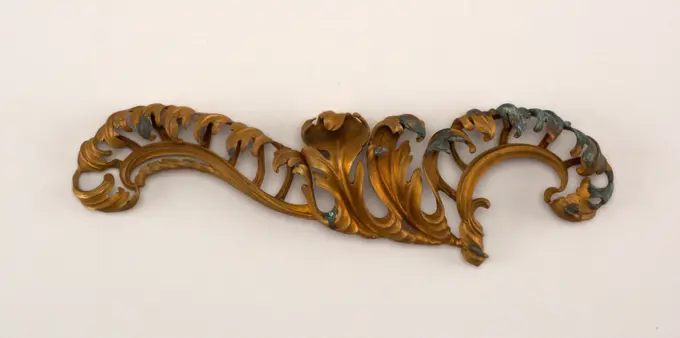
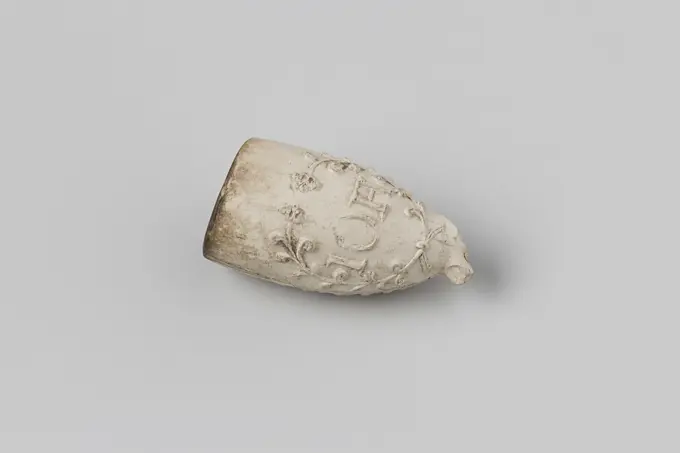
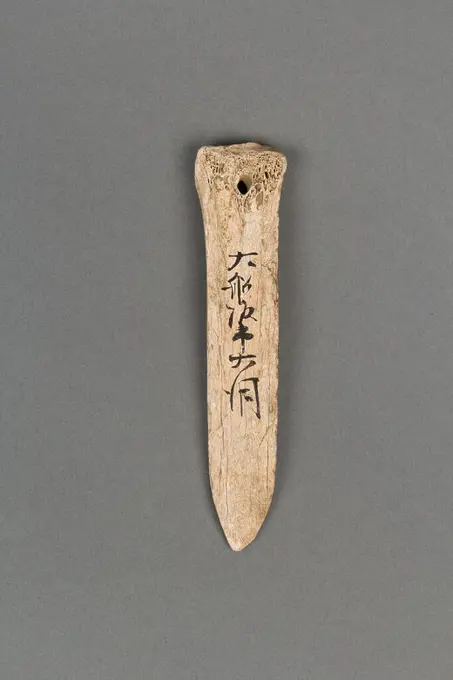
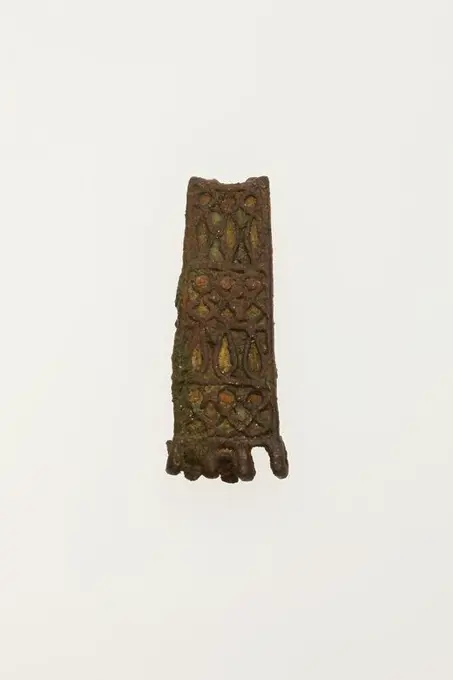
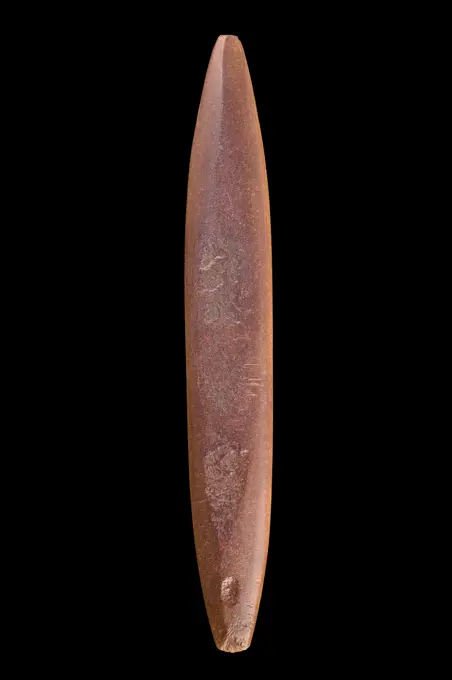
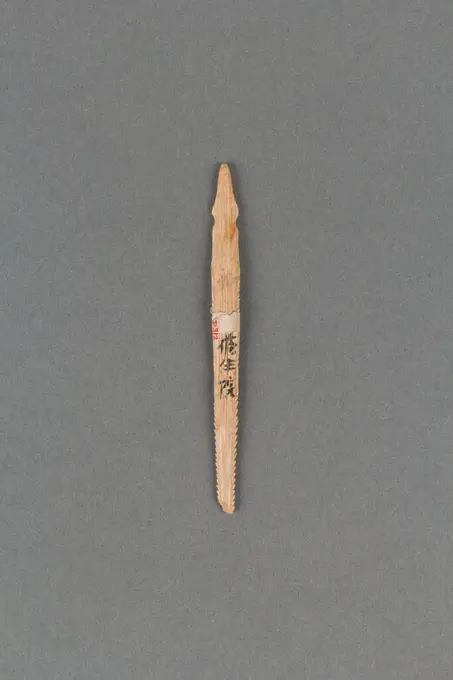
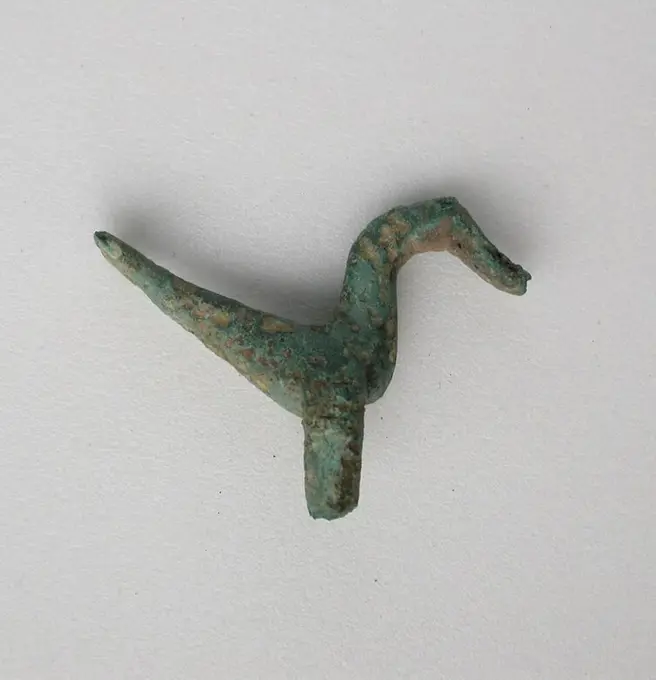
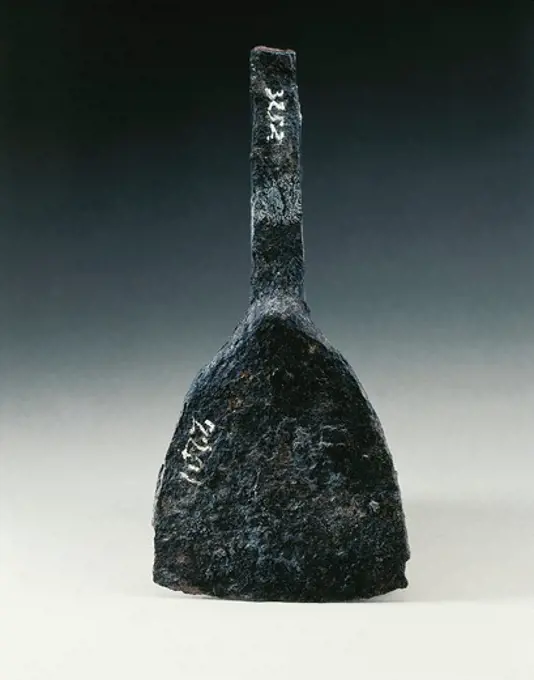
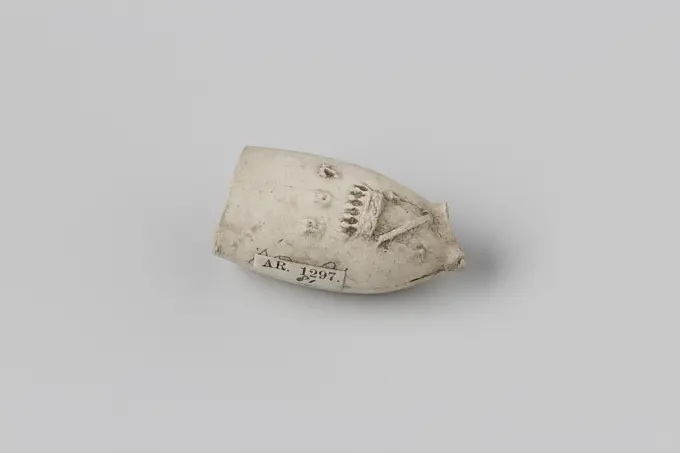
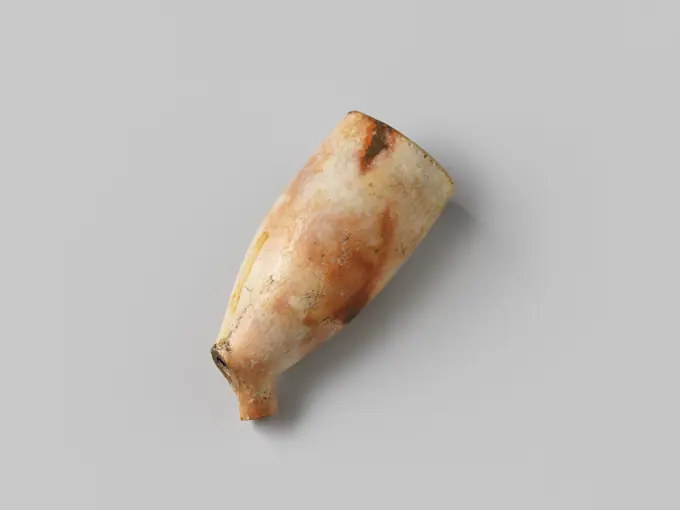
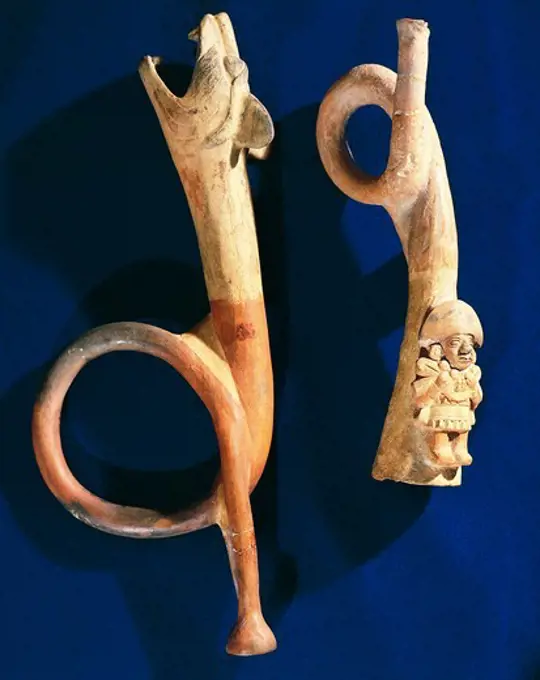
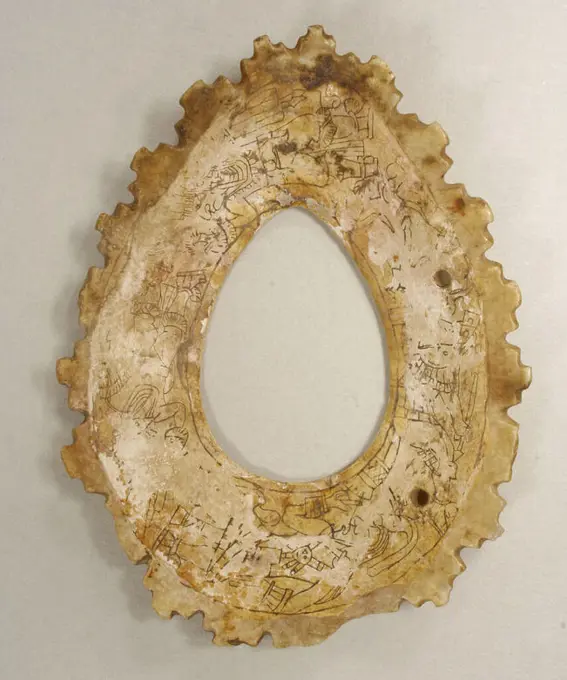
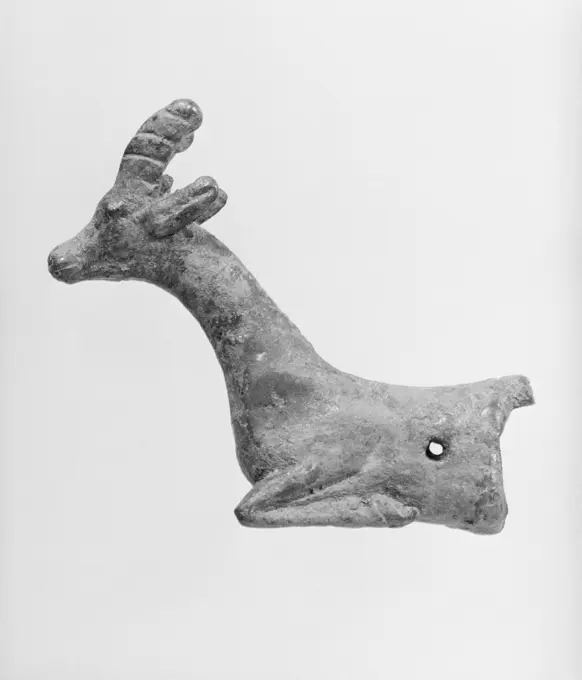
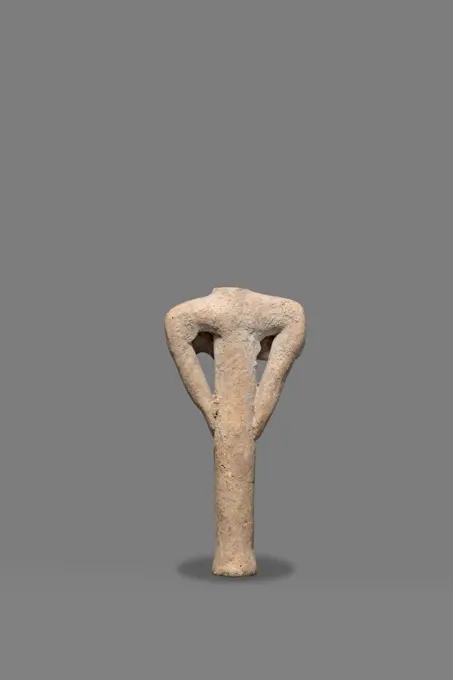
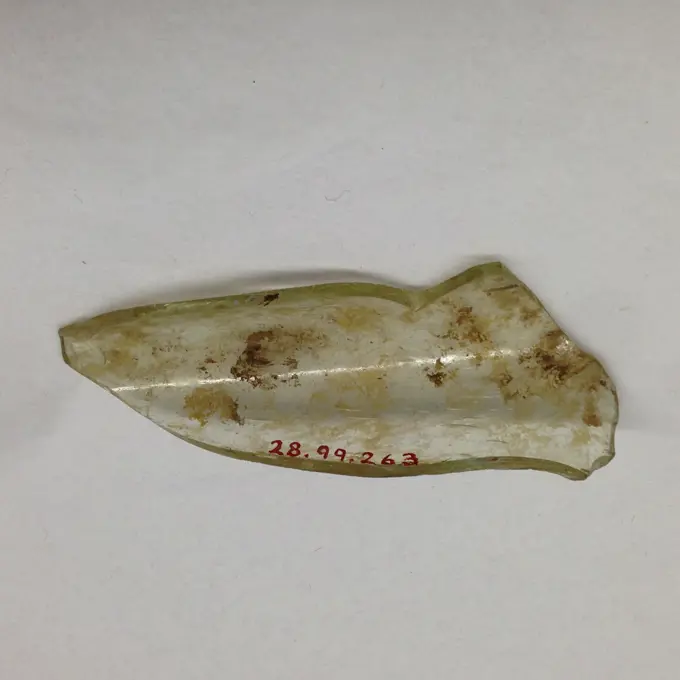
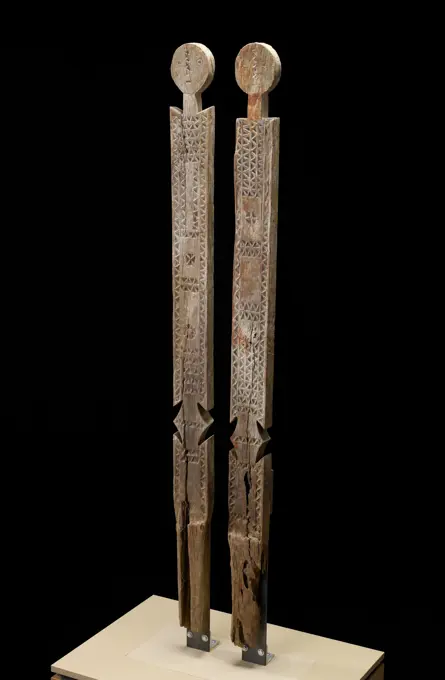
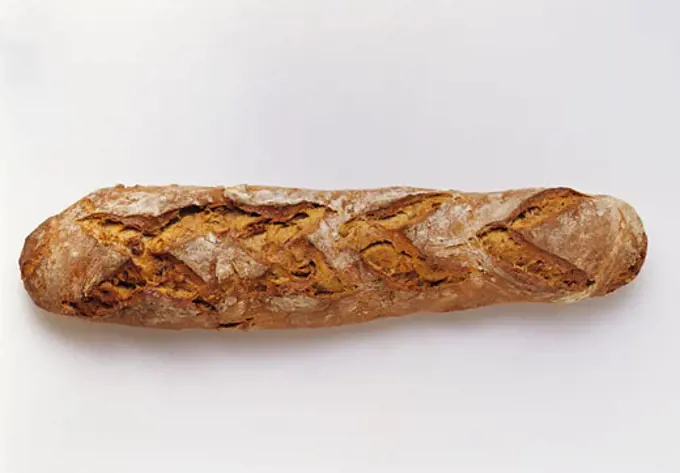
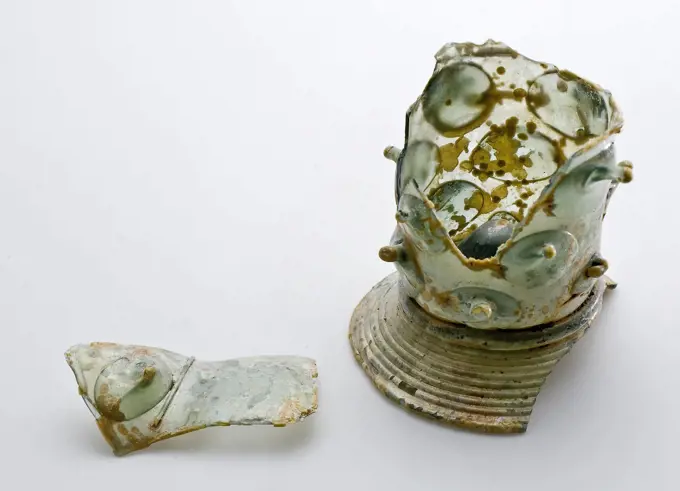
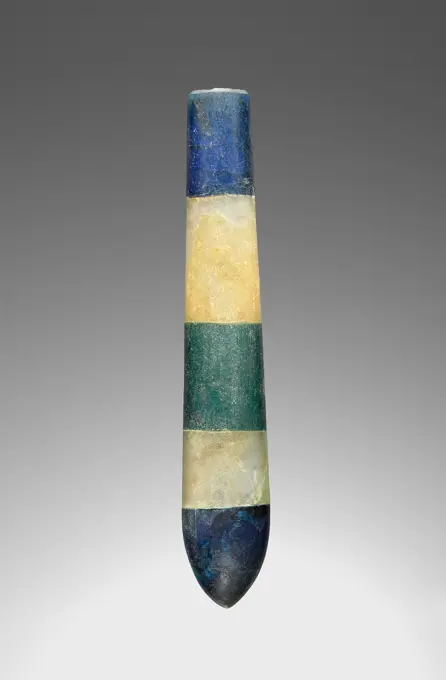
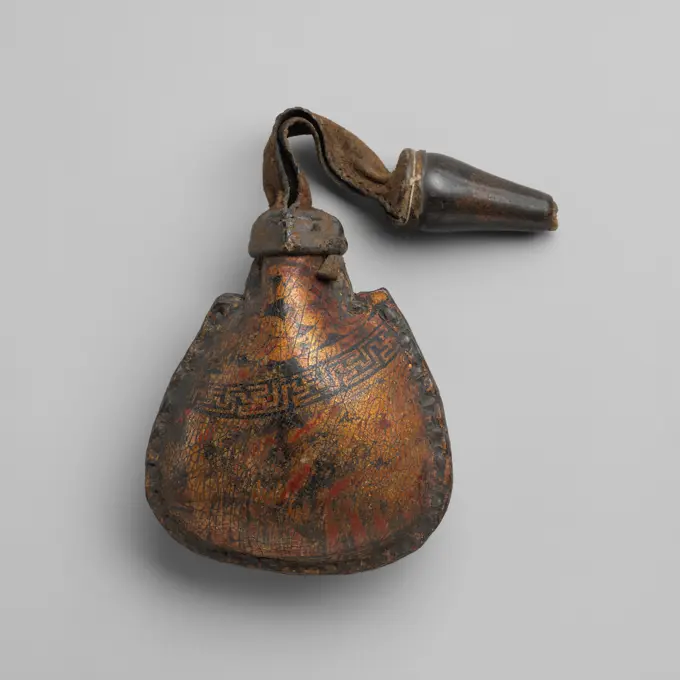
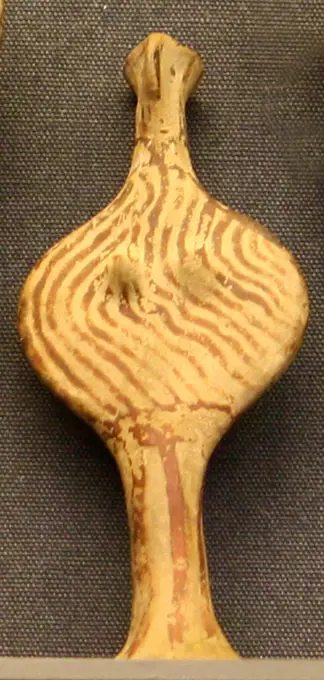
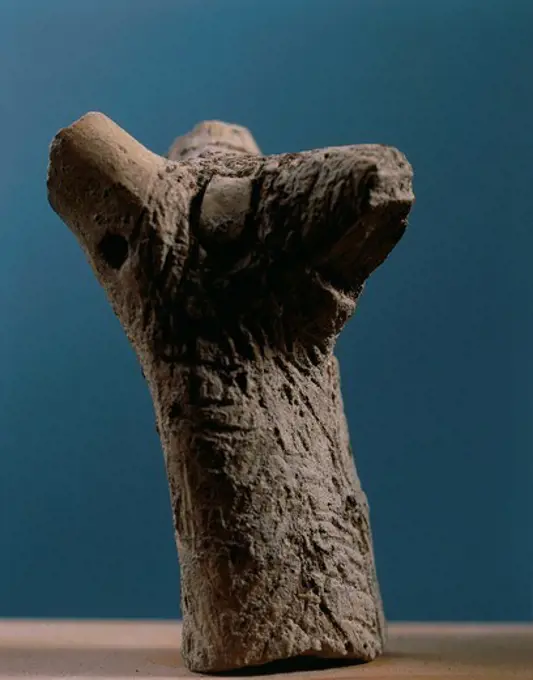
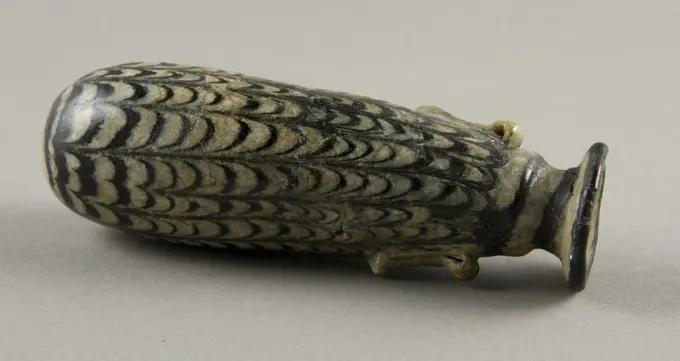
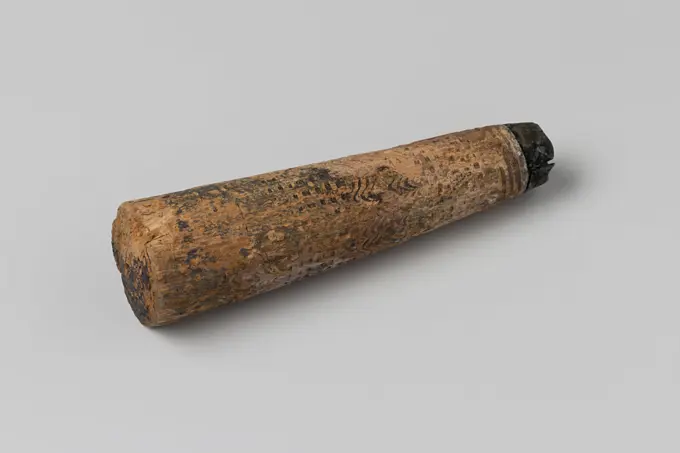
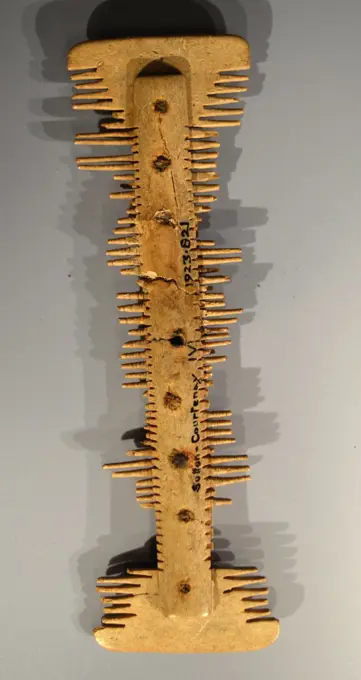
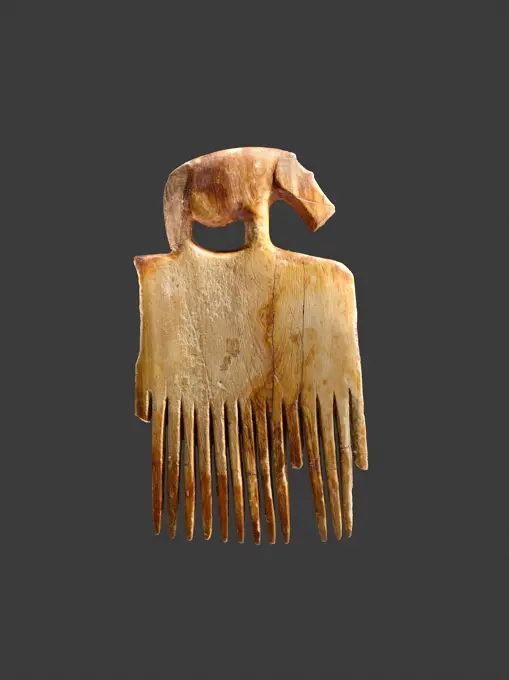
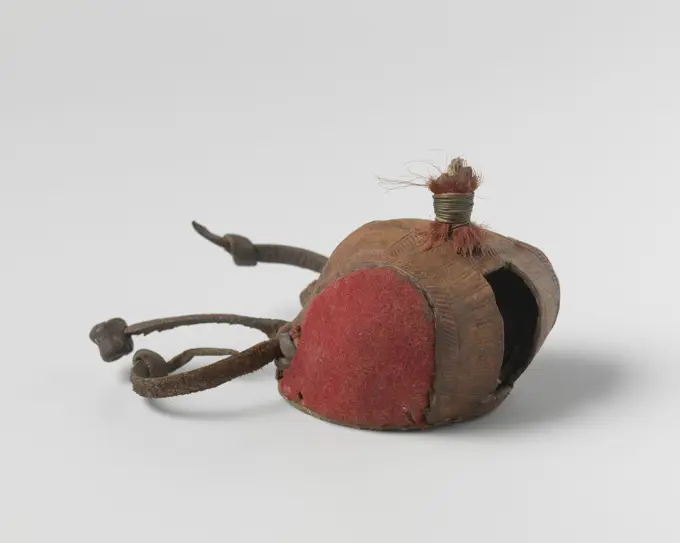
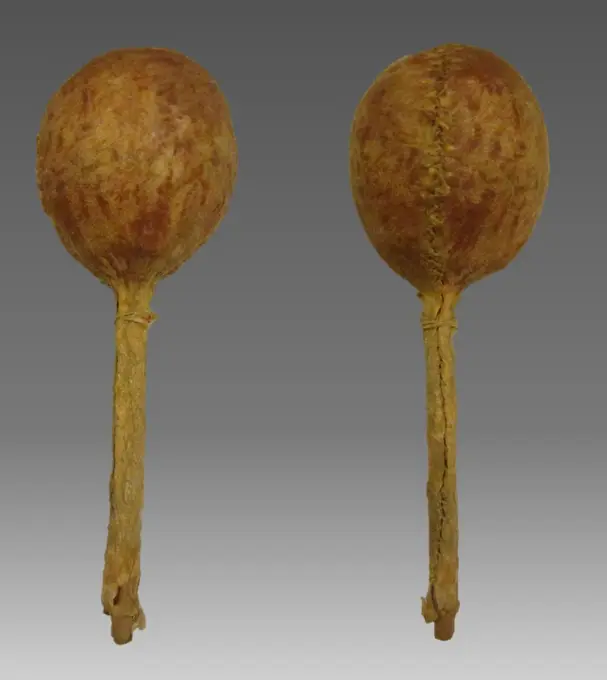
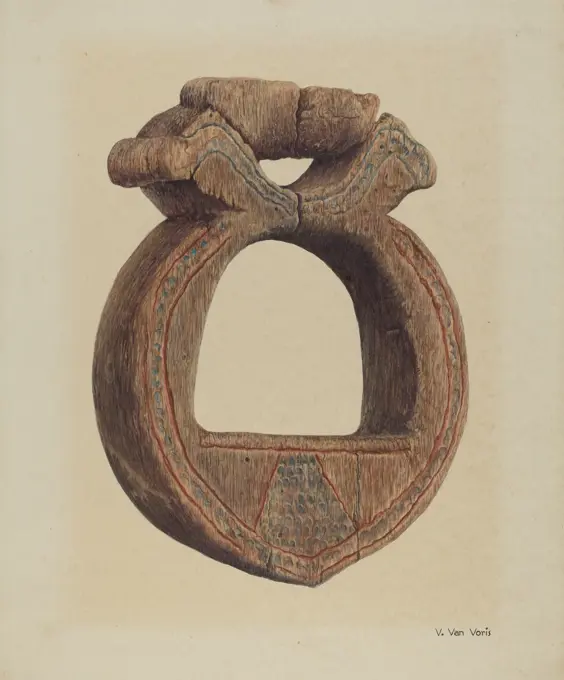
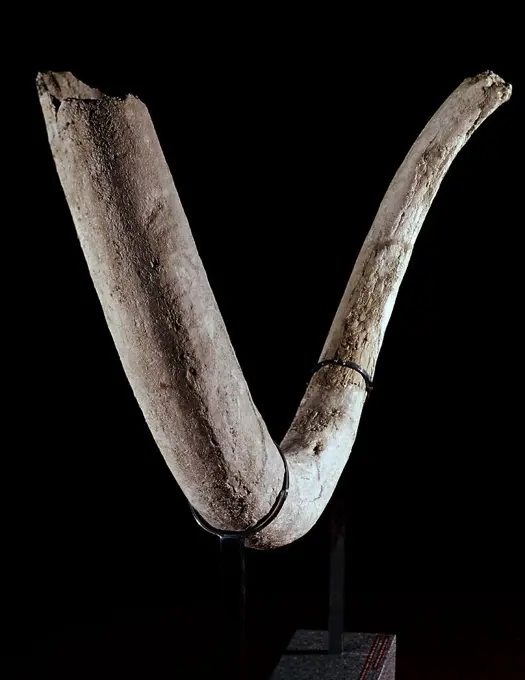
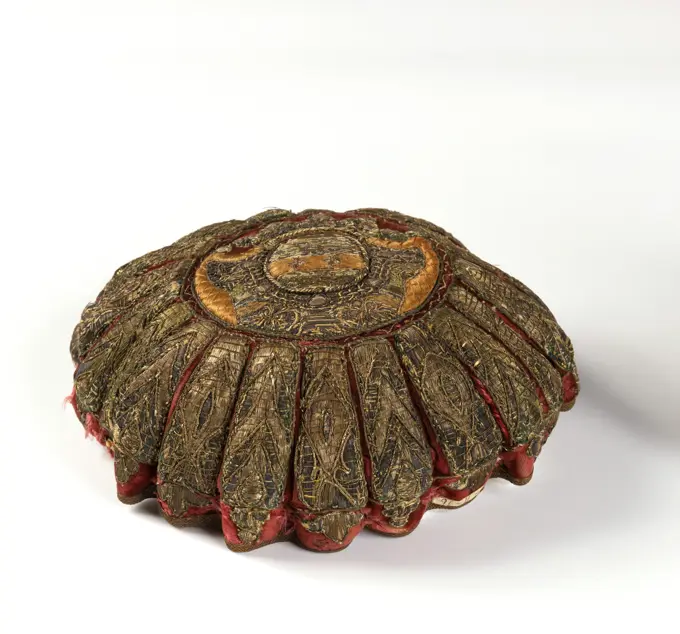
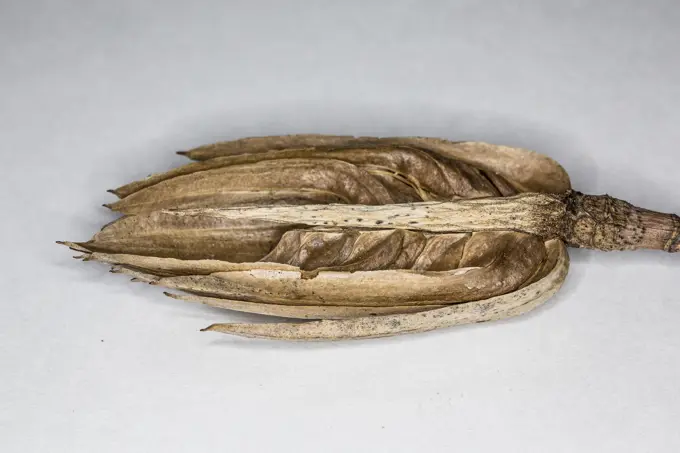
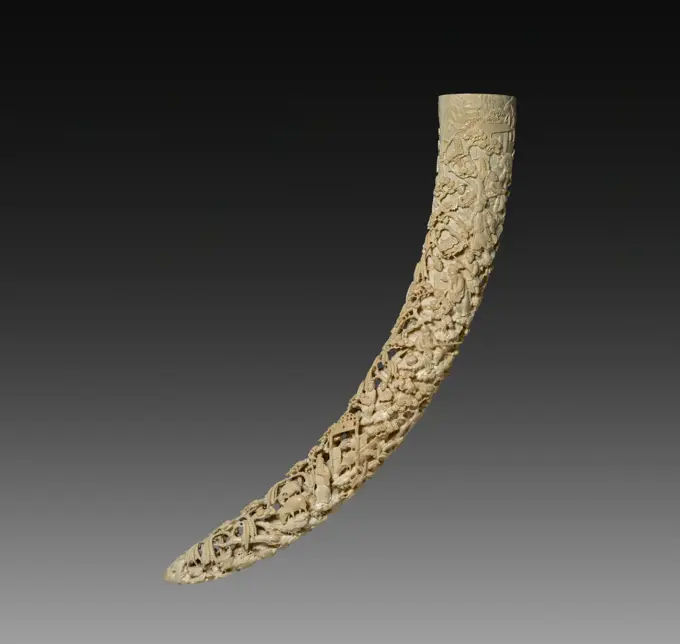
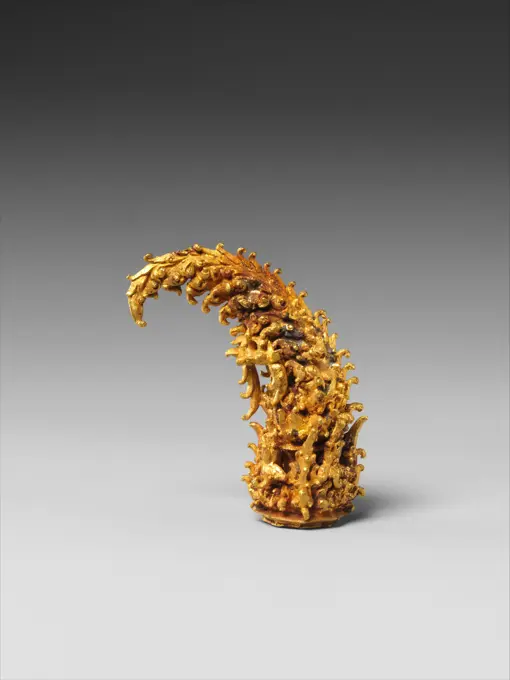
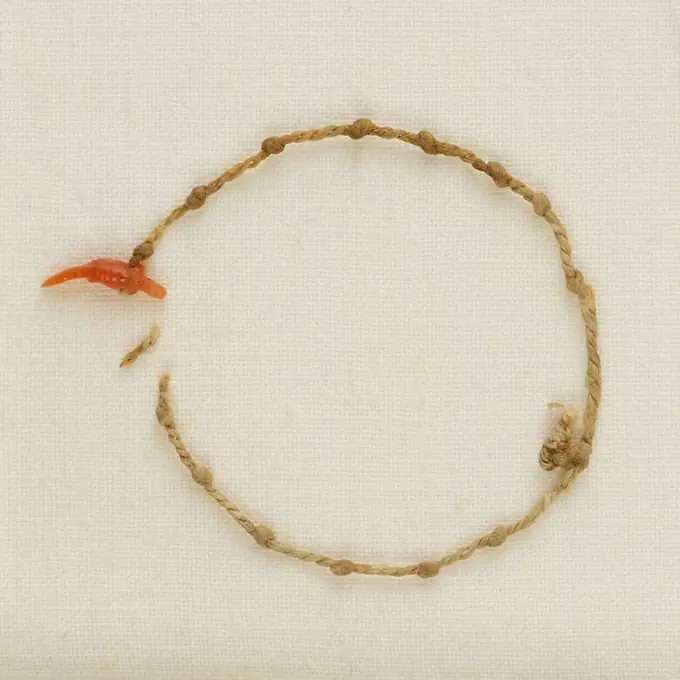
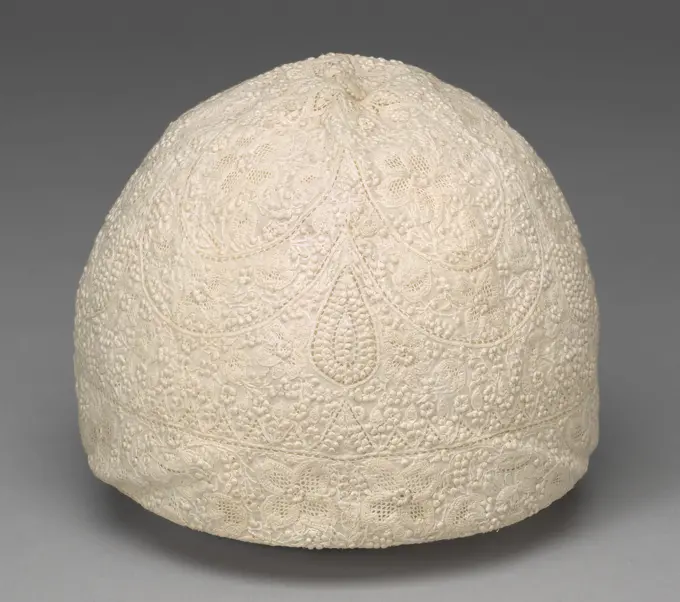
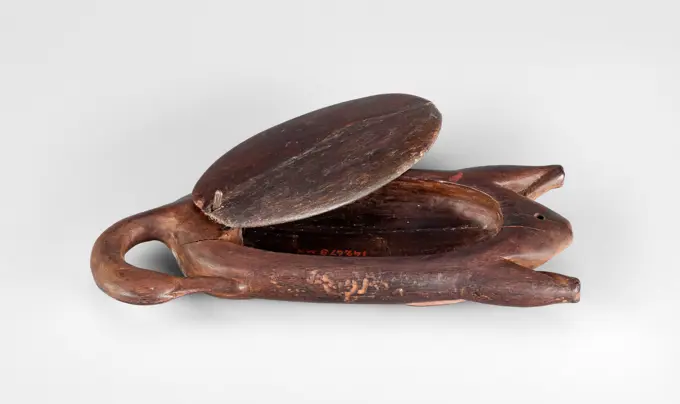
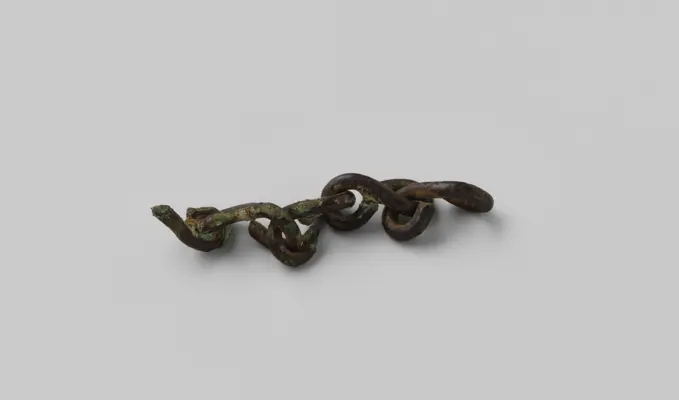
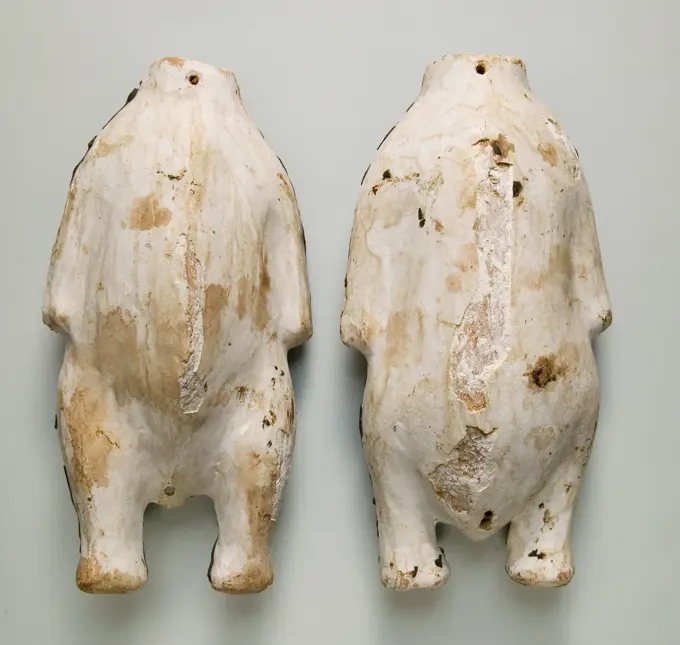
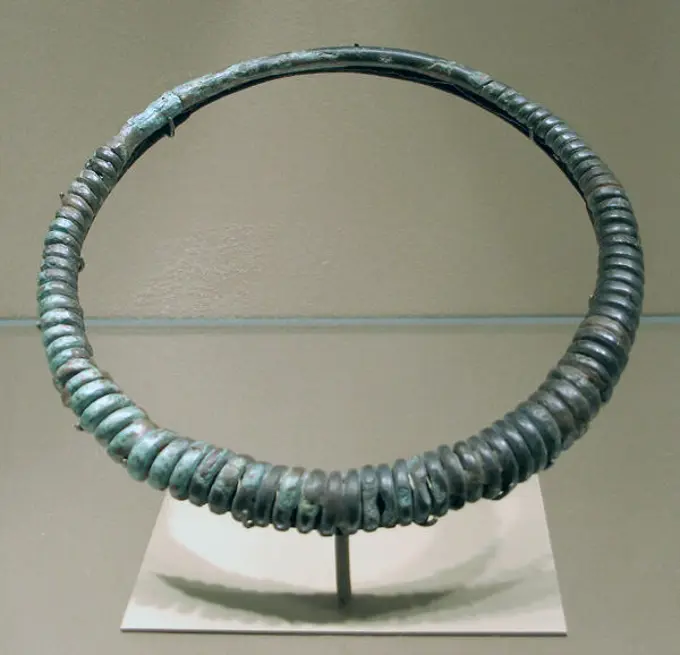
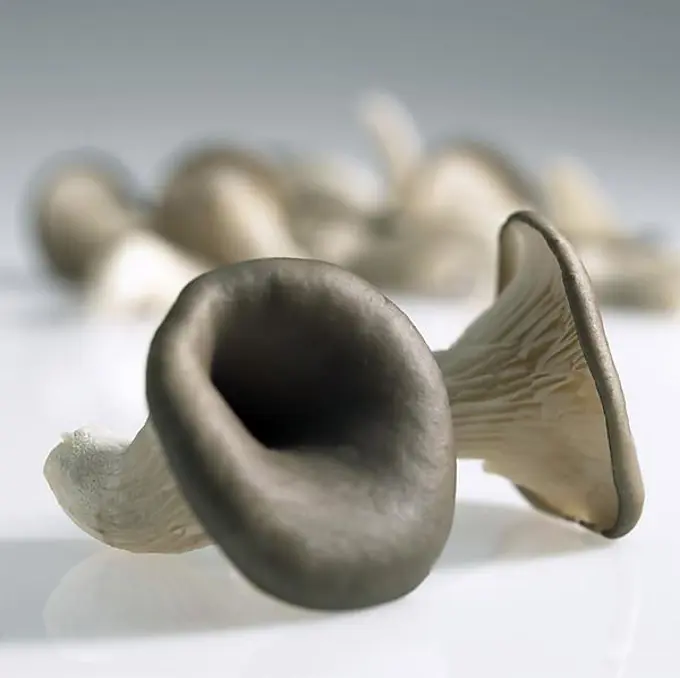
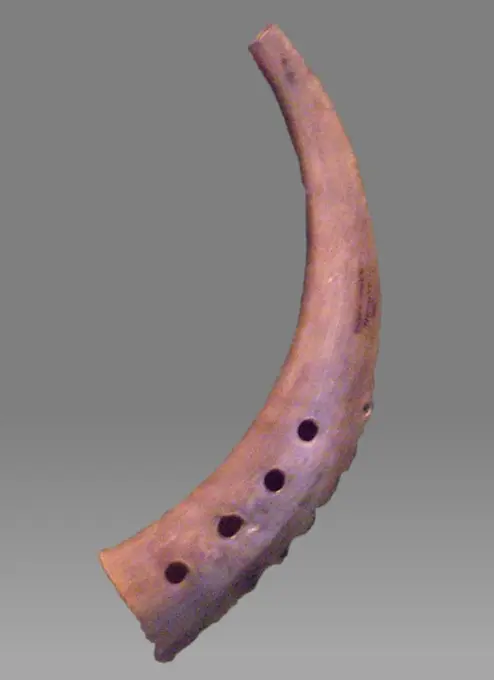
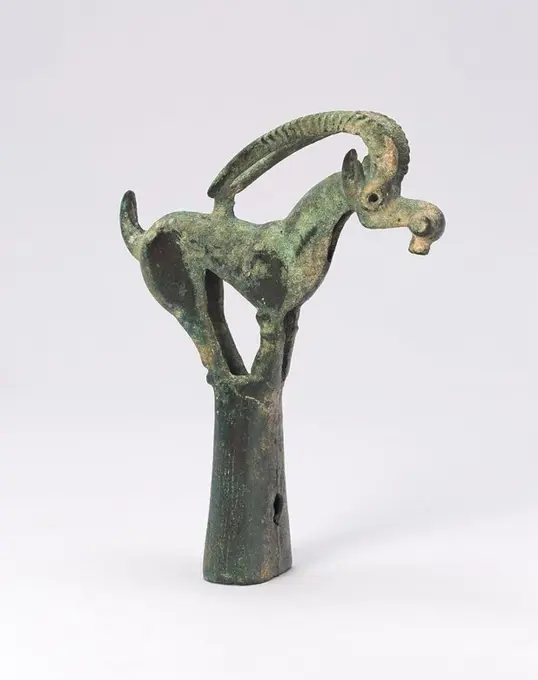
Pole Cap with Antelope. Eurasian steppes. Date: 599 BC-400 BC. Dimensions: 16.6 × 12.5 cm (6 1/2 × 4 15/16 in.). Bronze. Origin: Eurasia. Museum: The Chicago Art Institute, Chicago, USA.Fist or bundle amulet ca. 2150-1950 B.C. Late Old Kingdom-Early Middle Kingdom. Fist or bundle amulet 555604Cup and ball toy -Harpoon head Japan The Jmon period is the earliest period in Japanese history, lasting from roughly 14,000 to 300 BCE. The Jmon people were primarily hunter-gatherers, hunting land animals and gathering vegetables and nuts on the land as well as hunting and fishing at sea. Harpoon heads such as this one testify to the importance of seafood in the diets of some Jmon communities, especially those close to the sea. Fish bones found at Jmon archaeological sites indicate that the Jmon hunted fish not only close to the shore but also farther out in the open sea, where larger fish could be caught. There is even evidence that the Jmon ate pufferfish, a poisonous fish considered a delicacy in modern Japan.. Harpoon head. Japan. Bone. Final Jmon period (ca. 1000-300 B.C.). BoneExcerpt of copper from the wreck of the East Indians Hollandia, 1700 - in or before 1743 fragment Varied parts or fragments, strips and strip-shaped fragments; fragm. Netherlands copper (metal)   SecondVanilla bean podsFurniture Mounts; brassFragment pipe head.Fragment pipe head with the letters I oh enclosed by flower drinks on both sides. Of the excavations at the Hofstede Arentsburg 1827-1831 under the supervision of professor Reuvens.Shabti of Osiris 664 BCE-343 BCE Egypt. Faience . Ancient EgyptianMedical Pipe. UnknownArrowheads, needles, hooks and harpoons. Culture: Japan. Dimensions: W. 1 in. (2.5 cm); L. 4 3/8 in. (11.1 cm). Museum: Metropolitan Museum of Art, New York, USA.Flail attachment. Dimensions: H. 5.2 cm (2 1/16 in.); W. 2 cm (13/16 in.); D. 0.9 cm (3/8 in.). Date: 304 B.C.-A.D. 364.This fragment is probably from a flail, perhaps part of a large Osiris statuette or statue. The statue itself was probably made out of wood but then incorporated bronze elements like this fragment, a common technique for high prestige, large, and costly cult images. Because this type of mixed media construction was commonly used, pieces such as these, even in their fragmented state, provide excellent clues about the appearance of large-scale temple statuary made from organic materials, much of which is now degraded and lost. Traces of multi-colored glass inlay speak to the quality and craftsmanship of the original piece. Museum: Metropolitan Museum of Art, New York, USA.Flint labret. Mali, Neolithic. 8,5 cm.Arrowheads, needles, hooks and harpoons. Culture: Japan. Dimensions: W. 1/8 in. (.3 cm); L. 2 7/8 in. (7.3 cm). Museum: Metropolitan Museum of Art, New York, USA.Rusted old screw isolated on white backgroundBird with Flat Tail. Greek; Thessaly. Date: 800 BC-701 BC. Dimensions: 2.8 x 3.7 x 1.1 cm (1 1/8 x 1 1/2 x 7/16 in.). Bronze. Origin: Greece. Museum: The Chicago Art Institute, Chicago, USA. Author: ANCIENT GREEK.Double-Sided Comb 7th century Frankish. Double-Sided Comb 465813 Frankish, Double-Sided Comb, 7th century, Bone, iron pins, Overall: 6 7/16 x 2 1/8 x 11/16 in. (16.3 x 5.4 x 1.8 cm). The Metropolitan Museum of Art, New York. Gift of J. Pierpont Morgan, 1917 (17.193.86)Broad-edged iron chisel, from PompeiFragment pipe head. Fragment pipe head with a crown and the letters P S t and n pictured. Of the excavations at the Hofstede Arentsburg 1827-1831 under the supervision of professor Reuvens.Pijpenkop from the wreck of the East Indians Hollandia, Anonymous, 1700 - in Or Before 1743  Pipe, bowl, heelmark: fish, flounder; fragm, 2hsm1,6. Netherlands pipe clay   SecondVanilla pods isolated on the white backgroundPre-Inca civilization, Peru, Moche culture, Terracotta trumpetsWooden doll from sarcophagus of Crepereia TryphaenaOrnaments, 14. Culture: Greek, Laconian. Dimensions: Height: 1 1/4 in. (3.1 cm). Museum: Metropolitan Museum of Art, New York, USA.Pendant. Culture: Toltec. Dimensions: H. 3 11/16 x W. 2 13/16 x D. 1/2 in. (9.4 x 7.2 x 1.3 cm). Date: 10th-13th century. Museum: Metropolitan Museum of Art, New York, USA.Elongated fittings with private label, batter ground find tin metal, cast Oblong horseshoe Decorated on one side with curled flower tendrils on the other side private label consisting of an anagram of initials. brand: GDM or GPM archeology Rotterdam City Triangle Meent Binnenrotte features decorate Soil discovery Inner rotte corner Meent (next to café small well).Whetstone handle ca. early 1st millennium B.C. Iran. Whetstone handle. Iran. ca. early 1st millennium B.C.. Bronze. Iron Age II. Iran, probably from LuristanFigurka wotywna. unknown, authorCopper Atlatl Spear Thrower 2nd-7th century () Moche (). Copper Atlatl Spear Thrower 315225Fragment ca. 1150-ca. 1250 European or Middle Eastern. Fragment 695155Vigango, late 19th-early 20th century, 70 1/2 x 4 1/4 x 1 7/8 in. (179.1 x 10.8 x 4.8 cm), Wood, pigment, Kenya, 19th-20th century, This memorial figure honors a deceased relative, a male member of the Gohu Society. When a problem arose within the family or village, the spirit of a deceased relative who was a Gohu Society member would appear to a living relative in a dream. The spirit would mediate and remedy the problem by giving guidance to the dreamer. Two relatives would only appear when problems were severe.Terebra maculata shell from the wreck of the Dutch East India ship Witte Leeuw, before 1613  Shell from V.O.C. ship the 'Witte Leeuw'.  .   Sint-HelenaWhole Wheat BaguetteSide view of Angle shades (Phlogophora meticulosa) resting on dry twig against a white background, Liguria, ItalyTwo pieces of foot, soil, trunk and starter of roemer with sharply thorned buds, roemer wineglass drinking glass drinking utensils tableware holder soil find glass forest glass, hand-blown glass application Two fragments of foot bottom stem and starter chalice of roemer in clear green glass (forest glass) Foot made of all around eleven windings continuous smooth glass wire Under raised foot pontilmark Open cylindrical stem with three rows of five sharply thorned nipples one of which is missing. Narrow smooth glass wire imposed between the trunk and the goblet Mounted chalice runs cup-shaped from archeology Rotterdam rail tunnel drink Soil discovery: rail tunnel Rotterdam.Alabastron. UnknownPowder Flask possibly 16th-17th century Tibetan or Mongolian. Powder Flask 27766Terracotta female figures wearing a long skirt and a flat head-dress (polos). Made during various times between 1350-1200 BC. Found in Athens and Melos.Prehistory, Italy, Neolithic. Stentinello culture. Head of a wolf, or dog, from Stentinello necropolis, Sicily region.Ceramic fragment. Dimensions: Base D. 5.4 x D. 14 cm. Date: 8th-12th century. Museum: Metropolitan Museum of Art, New York, USA.green stone necklace, late neolithic, 4000-3000 BC, Evora museum, Evora, Alentejo, Portugal, Europe.Alabastron (Container for Scented Oil) 600 BCE-301 BCE Mediterranean Region. Initially affordable only among the wealthy, glass was used in ancient Rome as containers for oils, perfume, and tablewares. In the ancient Mediterranean world, scented oils, usually olive oil based, were generally used rather than alcohol-based perfumes. This vessel is called an ìalabastronî because objects of this shape were originally made of alabaster. Core-formed glass was made by dipping a removable core that gives the vessel its shape into a molten glass mixture. The pattern was created by trailing threads of glass mixture of different colors over the body of the vessel, then combing the threads with a pointed tool.. Glass, core-formed technique . Ancient MediterraneanRusted scissors Ancient rusted scissors archeological finding in a wrecked ship under the sea Copyright: xZoonar.com/ClaudioxDiviziax 7614202Knife lift from the wreck of the East Indiesman Hollandia.knife, Handle, Cylindrical: tapering; ID. NG 1979-403H.A blonde hair piece curled up in a netCornflower Pendant ca. 1390-1353 B.C. New Kingdom. Cornflower Pendant. ca. 1390-1353 B.C.. Faience. New Kingdom. From Egypt, Upper Egypt, Thebes, Malqata, Palace of Amenhotep III, MMA excavations, 1910-11. Dynasty 18Comb ca. 1295-1070 B.C. New Kingdom, Ramesside. Comb 551959Knife Sheath 18th-19th century Filipino. Knife Sheath. Filipino. 18th-19th century. Sulu Archipelago. KnivesFish Ornament. Culture: Peru; central coast (). Dimensions: L. 2 1/2 in. (6.4 cm). Date: 11th-12th century. Museum: Metropolitan Museum of Art, New York, USA.Leeds' work at Sutton Courtenay, Oxfordshire where the first archaeological excavation of an Anglo-Saxon settlement. From his work on typologies he suggested than an equal-armed brooch from the site was dated to the early-mid 400s, and was an import from Northern Germany. The brooch allowed Leeds to date the foundation of the settlement to some time in the later 400s.Tree bark with six portraits of unknown people, 1910 - 1950 photograph. bark (plant material)   metal. bark (plant material)  anonymous historical person portrayedPair of Earplugs. Thailand, Ban Chiang culture, circa 200 B.C.-200 A.D.. Jewelry and Adornments; earplugs. CalciteIncendiary Coil ( Crown of Fire ) 1500-1800 Austria. Pitch-covered material, match cord .Comb decorated with a hippo ca. 3900-3500 B.C. Predynastic, Late Naqada l-Naqada II. Comb decorated with a hippo 547234Mitten Gauntlet for the Right Hand Made 1530-1550 Augsburg. Steel and leather .Valkenkap, Anonymous, 1400 - 1700  Leather falcon hood with red -decorated sides. A stripe decoration has been applied to the middle part. The different pieces are put together with rope. At the front there is an opening for the beak; At the back there are two straps for putting on the cap. On the top is the start for a feather plume. Netherlands leather. cutting / sewingPiktouw in Kluwen-Vorm, Anonymous, c. 1590 - c. 1596 rope Piktouw in tangle-shape. The rope is paved.  rope   Nova Zembla. Saving HuysCaltrop. A foot hanger, old and corroded. Existing of four said arms, placed in a four surface.Pieces of rusty metalRattle 19th century Native American (Arapaho, probably). Rattle 501184Vera Van Voris, Wooden Stirrup, 1935 1942 Wooden StirrupA morelCOLUMBUS OF THE MAMMOST OF ORCASITAS (MADRID) - PALEOLITICO. Location: MUSEO ARQUEOLOGICO MUNICIPAL. MADRID. SPAIN.Gaming Purse (Italy); silk, metal thread; diam. x D: 20.3 x 7.6 cm (8 x 3 in.)Scanned close-up of weathered seashell.Tree fruit tree fruitInlay in the Shape of the Head of aVultureTusk, 1800s. China, 19th century. Ivory; overall: 62.2 cm (24 1/2 in.).Handle or Hinge. Egypt, Coptic Period (400 - 800 CE) or early Islamic Period (700 - 1200 CE). Tools and Equipment; handles. BronzePowderHorn. Engraver: William Hovey, American, 1749-1834Weapon Handle with Ganesha early 9th-14th century Indonesia (Java). Weapon Handle with Ganesha 40118Ear of one can be from the wreck of the East India Hollandia. Stoneware, rhenish, frechen-ware, jug; Fragm, Handle, SIM. NG 1978-9H172.Old rusty ax and stumpBracelet with a crocodile amulet. Dimensions: Diam. ca. 3.8 cm (1 1/2 in.). Dynasty: late Dynasty 21. Date: ca. 1000-945 B.C..Four bracelets of knotted two-ply linen cord were found around the left wrist of Henettawy's mummy. Strung on this one is a crocodile of carnelian. One of the most dangerous creatures in the Egyptian landscape, the crocodile was used for amuletic purposes, as it was thought magically to ward off evil. Museum: Metropolitan Museum of Art, New York, USA.Purse 16th century British. Purse 101686Bronze Necklace with Hanging Pendants, 8th Century BC. Northern Greece, 8th Century BC. Bronze; overall: 40.6 cm (16 in.).Frederic Amat / 'Item_9', 1999, Bronce, 39 x 25 x 18 cm. Museum: COLECCION PRIVADA.Broom. Dated: 1935/1942. Dimensions: overall: 42.3 x 36.1 cm (16 5/8 x 14 3/16 in.). Medium: watercolor and graphite on paper. Museum: National Gallery of Art, Washington DC. Author: Peter Antonelli.Fragment Ring -shaped object from the wreck of the East Indians Hollandia, Anonymous, 1700 - in Or Before 1743 fragment Varied parts or fragments, rings or ring-shaped fragments; fragm, id. 80H1. Netherlands copper (metal)   SecondCap Made 1801-1900 France. Cotton, plain weave; embroidered with cotton threads in chain, back, stem, pulled and buttonhole stitches; French knots; hemstitched .Beautiful toy in the form of mushroom, isolated on white background Beautiful toy in the form of mushroom, isolated on white background Copyright: xZoonar.com/OleksandrxKostiuchenkox 8911559Model of A Buoy, 's Rijks General Concrete Magazine, 1873 demonstration model Model of a buoy with a conical body with sharp ends and round of diameter. Like a barrel, she is composed of stuff and hoops. On top is an eye, as well as at the bottom of a long point in front of the anchor chain. Marked with crossed anchors. Model belongs to series of six buoys of different sizes. Scale 1:10 (archive). Enkhuizen wood (plant material). iron (metal)Fragment of a vessel. The fragment with a rib must be assigned to a shell. On a white background, several blue stripes pull through the shard that lie across the rib and fade at the ends. For the production, threads were placed on the white vessel body and merged the whole in a mold. Burgrimat of the elaborate manufacturing process and its fragility included glass of the luxury articles of antiquity.Shell Necklace. Culture: Venado Beach. Dimensions: H. 7 x W. 1 7/8 in. (17.8 x 4.8 cm). Date: 5th-10th century. Museum: Metropolitan Museum of Art, New York, USA.Pudełko toaletowe w kształcie kaczki. unknown, authorPearl Millet (Pennisetum sp) annual grass grown as grain and animal fodder, Sahel Desert, Mali, west AfricaGold pectoral, from Veraguas, PanamaLizard on Acorn Branch. Japan, 18th century. Costumes; Accessories. Wood with inlaysExcerpt of a chain, four links, from the wreck of the East Indians Hollandia, Anonymous, 1700 - in or before 1743 fragment. chain Varied parts or fragments, chains; fragm, links, of wire, figure-of-eight-shaped, twisted, with a horizontal and a vertical loop. Netherlands copper (metal)   SecondShoes 16th century British. Shoes 101684Amulet of the Lunar Crescent 1300 BCE Egypt. Glass ( ) . Ancient EgyptianFood Case Probably Containing a Preserved Pigeon ca. 1550-1479 B.C. New Kingdom During much of ancient Egyptian history, food and drink was placed in tombs to provide sustenance for the spirit of the deceased. In the late 17th and early 18th dynasties, foodstuffs were mummified and stored in boxes that echoed the shape of their contents. Carved in the shape of a pigeon, this container was plastered and painted white on the outside, with the interior coated with some sort of resin. Once the desiccated and linen-wrapped remains of a bird had been put inside, the two halves were stuck together and tied closed with a strip of linen. This was one of a large collection of "victual mummies," which included a variety of meats and fowl, found in and around a small shaft tomb high in the cliffs of the Theban massif. About 10 meters away, hidden beneath a large rock, was the re-burial of an 18th Dynasty royal child named Amenemhat (see 19.3.207a, b); these supplies for the afterlife may have beenWings, semi -round of red wool, presumably militia, anonymous, c. 1830  A dark red shoulder cover, lined with dark blue sheet. With holes that are partly stitched, the laces are missing. Probably militia. Netherlands wool. cloth   NetherlandsSilver Crab Ornament. Culture: Chimú (). Dimensions: D. 1 1/4 in. (3.2 cm). Date: 12th-15th century. Museum: Metropolitan Museum of Art, New York, USA.Part of a Buckle Loop ca. 100 B.C.-ca. 500 A.D. Ibero-Roman. Part of a Buckle Loop. Ibero-Roman. ca. 100 B.C.-ca. 500 A.D.. Bronze. Miscellaneous-Buckles & OrnamentAnnie B Johnston, Powder Horn, 1938 Powder HornTorque of Twisted Wire ca. 300 B.C.-A.D. 200 Thailand (Ban Chiang). Torque of Twisted Wire. Thailand (Ban Chiang). ca. 300 B.C.-A.D. 200. Bronze. Late period. MetalworkCytra (Salzburg type); Rudert, Henryk; before 1880 (1855-00-00-1880-00-00);Oyster mushroom, pleurotus sp, edible mushroom against white backgroundBukkehorn ca. 1883 Norwegian A folk instrument of goat's horn is used in Scandinavia found under the name bukkehorn or prillarhorn. Its fingerholes facilitate different pitches and melodic possibilities, it may be the archetype from which the cornettos were derived.. Bukkehorn. Norwegian. ca. 1883. Ram's horn. Norway. Aerophone-Lip Vibrated-horn