Artifacts from Shipwrecks

Fragments of artifacts from historical shipwrecks, including glass and buttons, showcasing the craftsmanship of past eras.
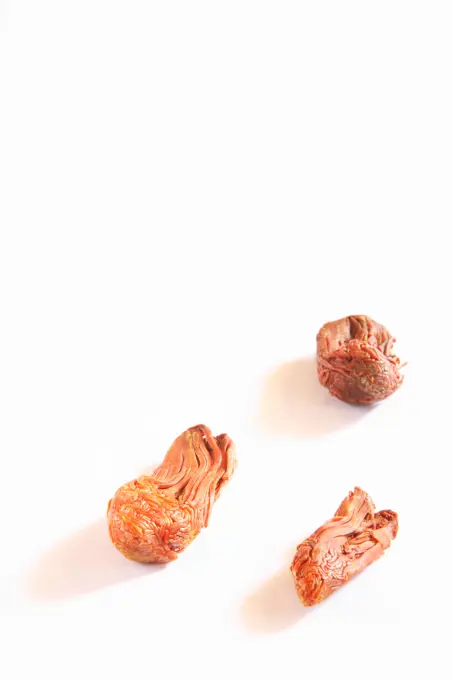
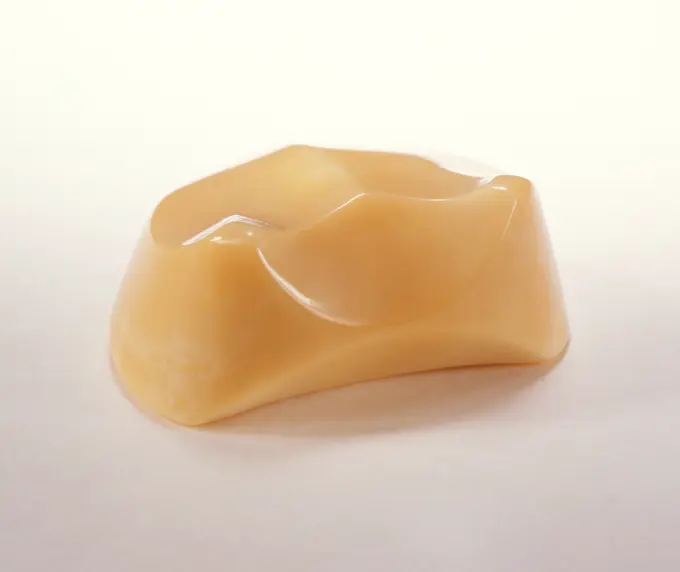
Indian spice, Mace Javitri Myristica fragrance on white background India Copyright: xNirmalaxMishra/DinodiaxPhotox
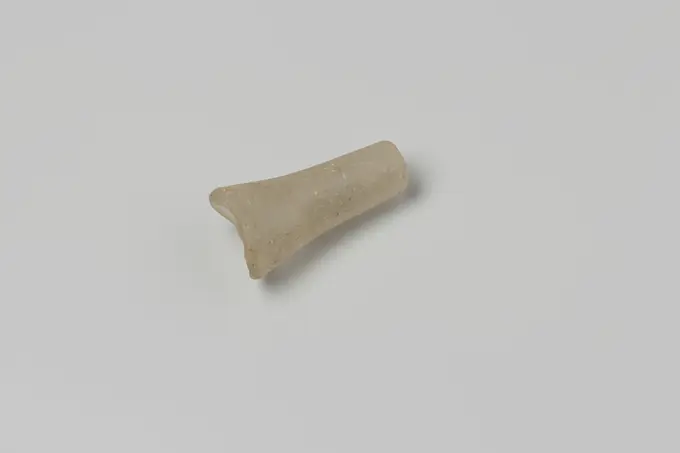
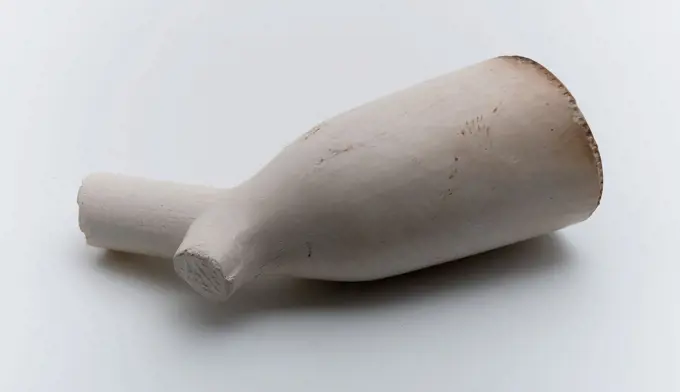
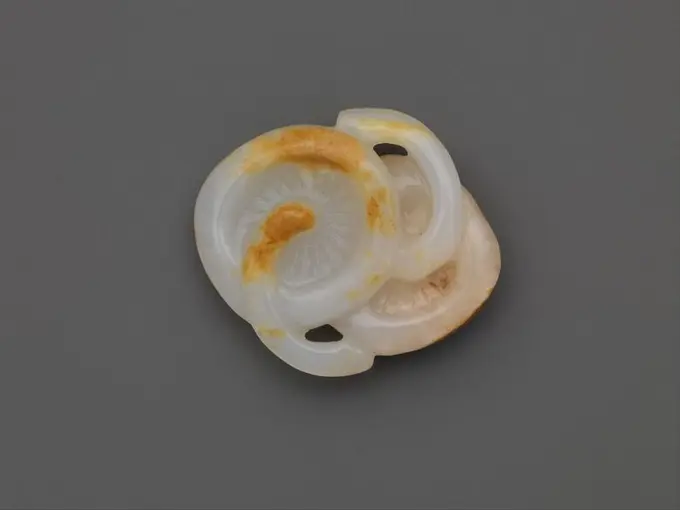
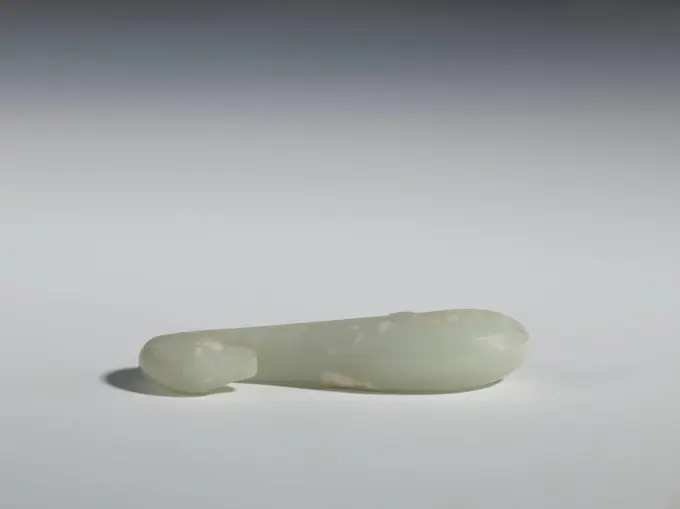
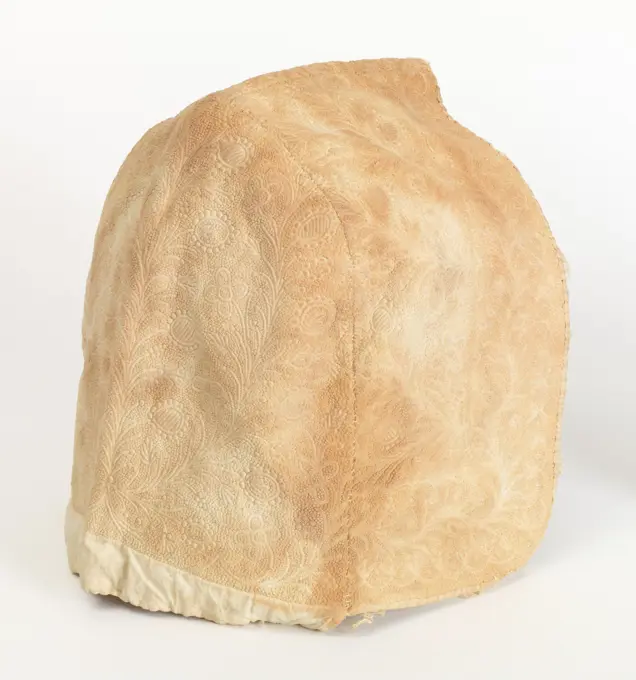
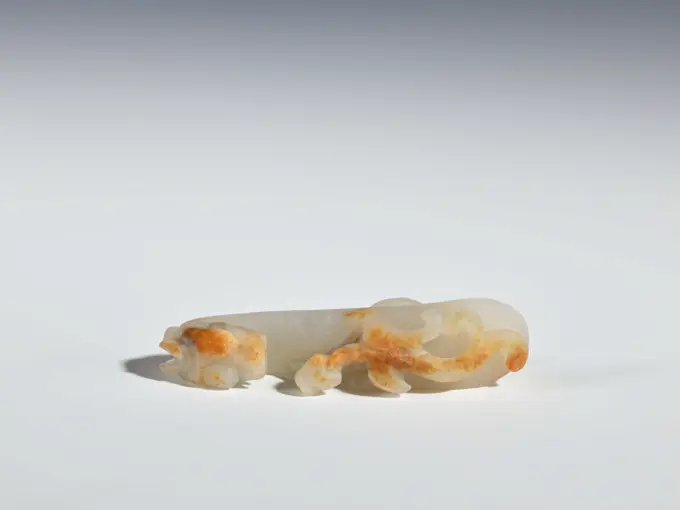
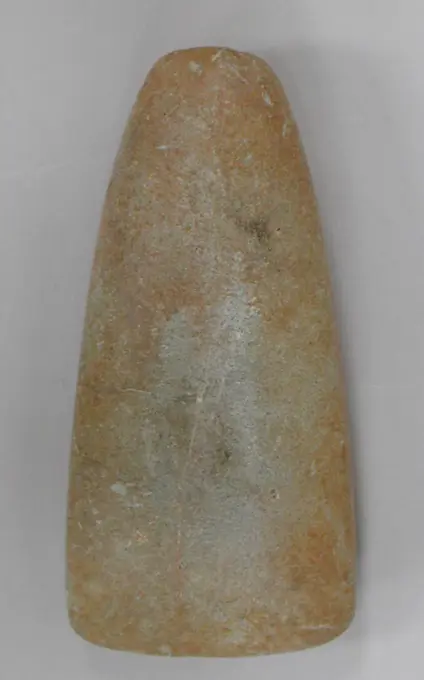
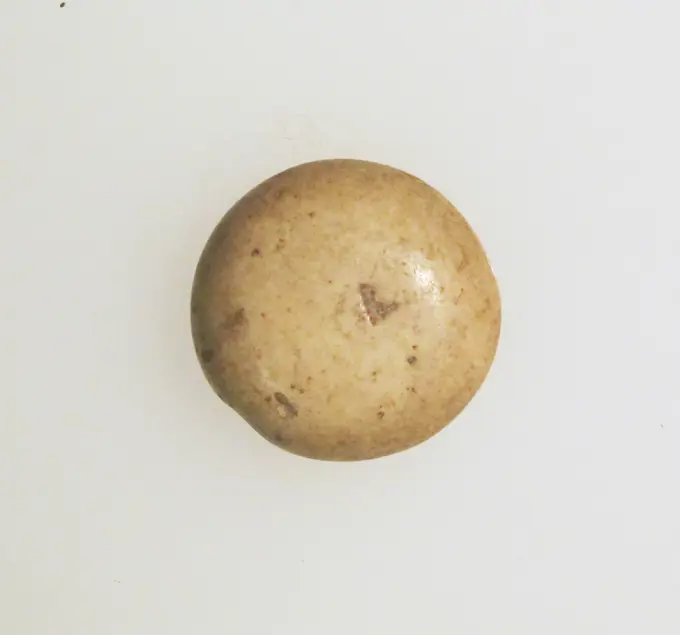
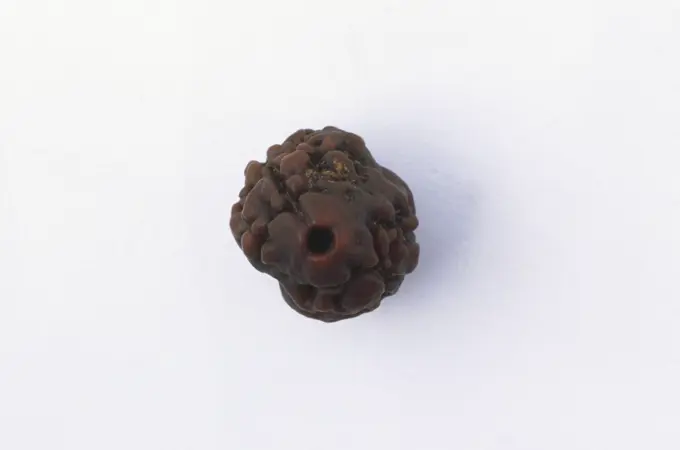
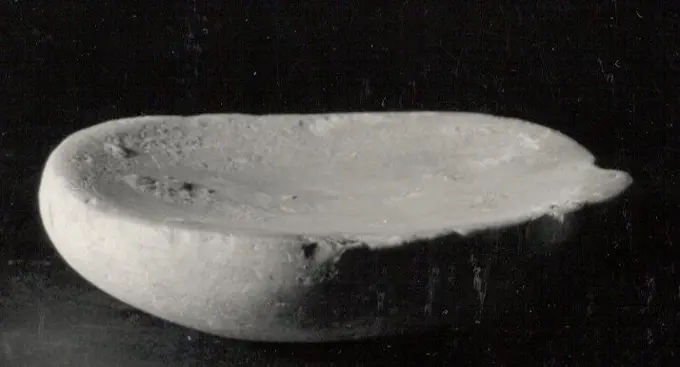
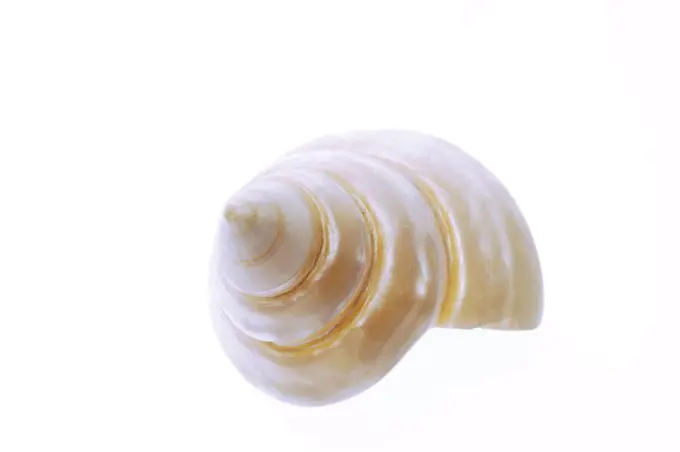
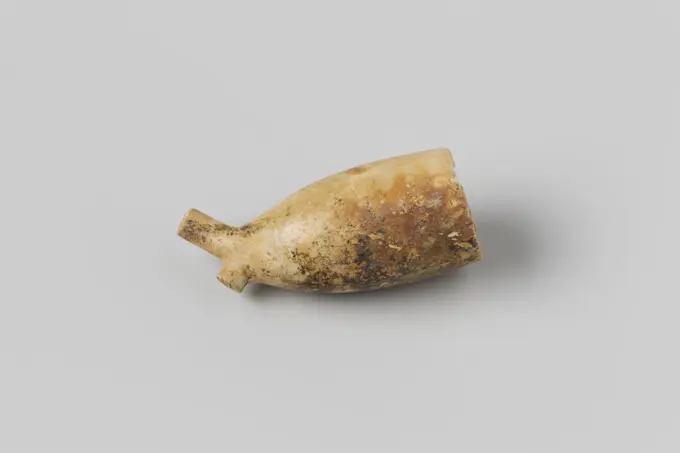
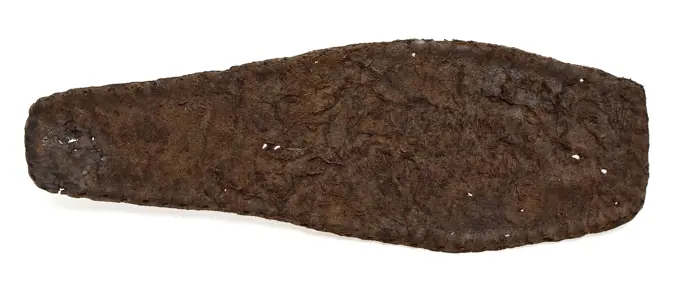
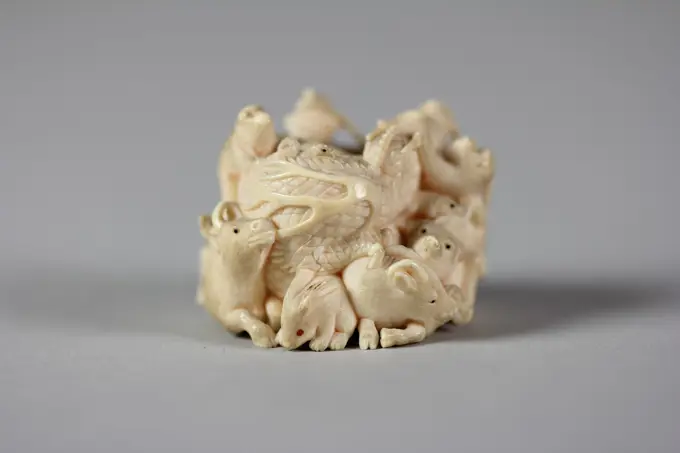
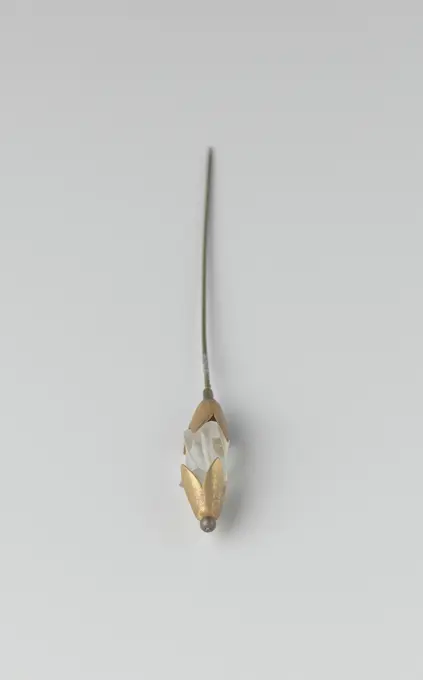
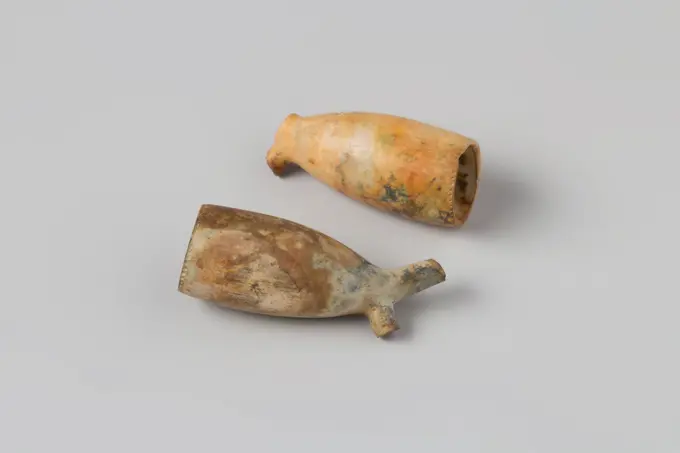
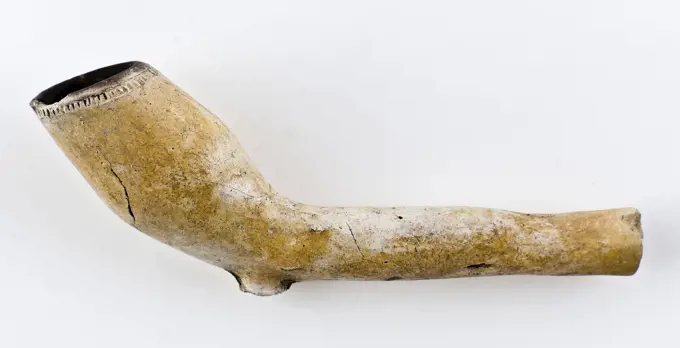
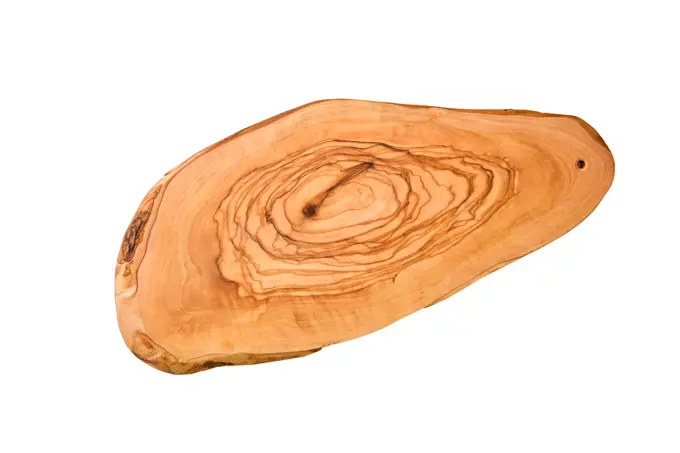
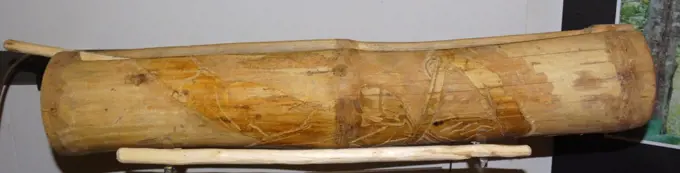
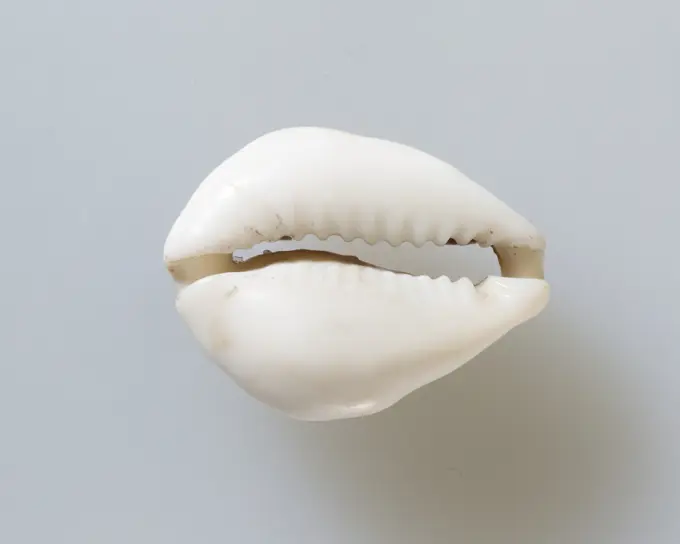
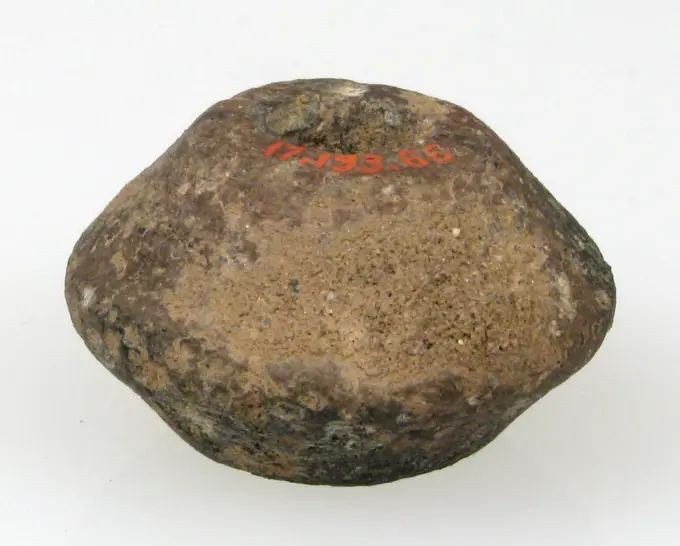
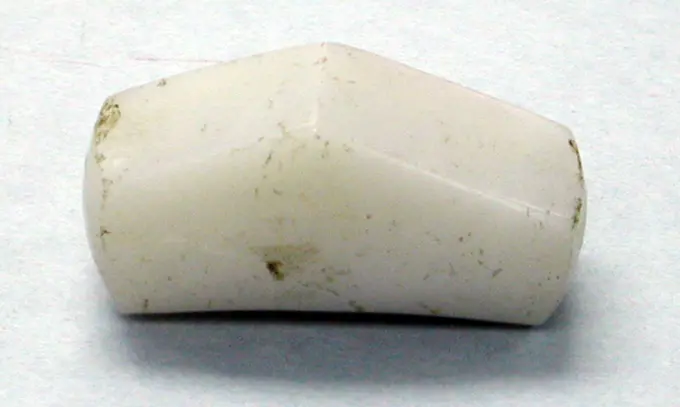
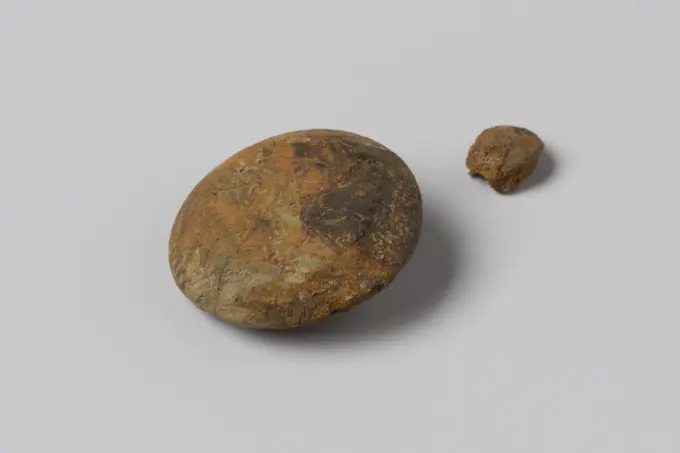
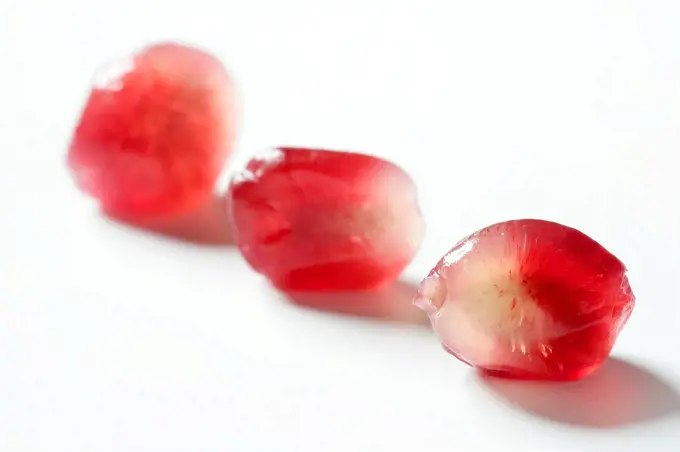
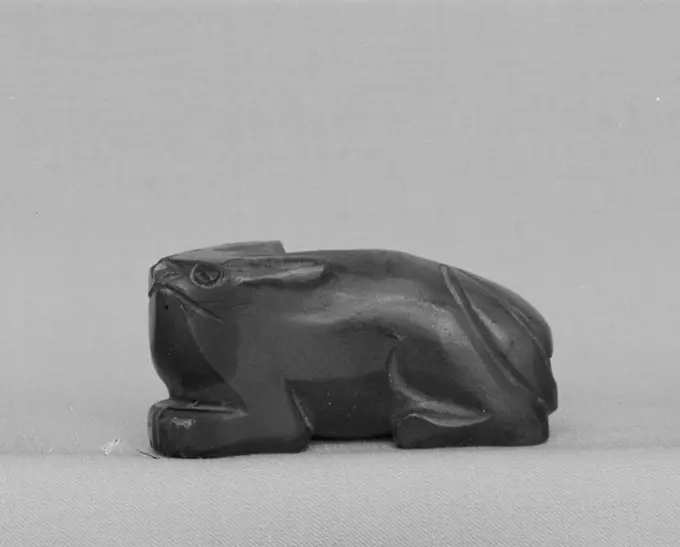
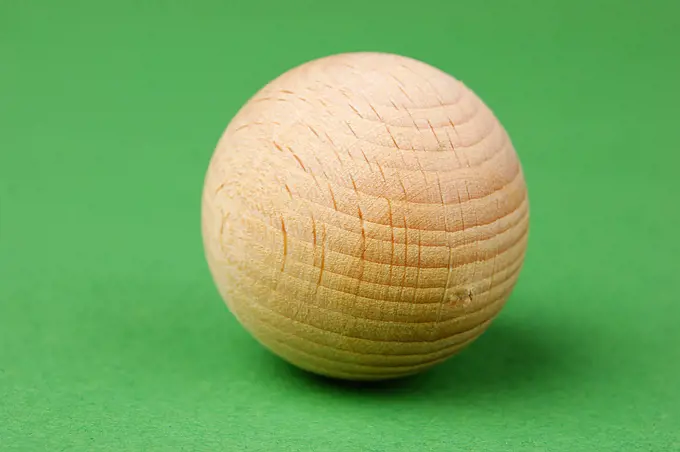
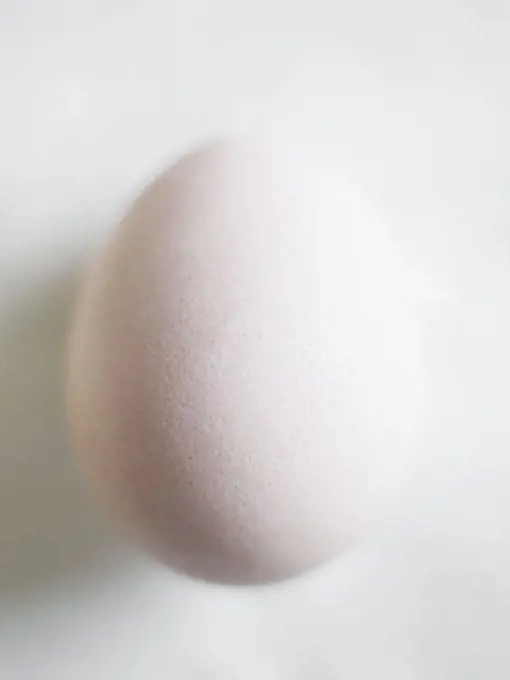
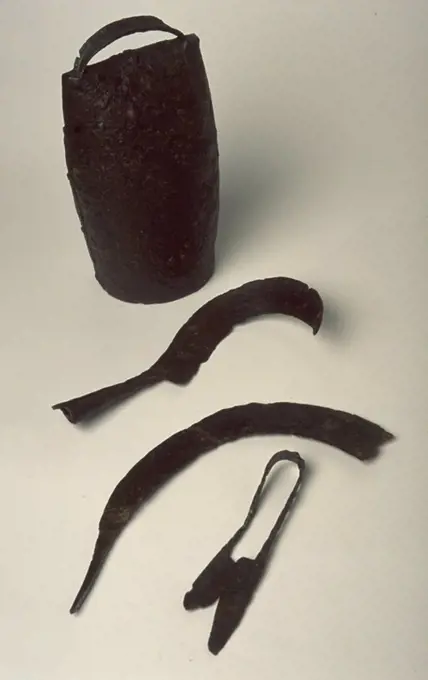
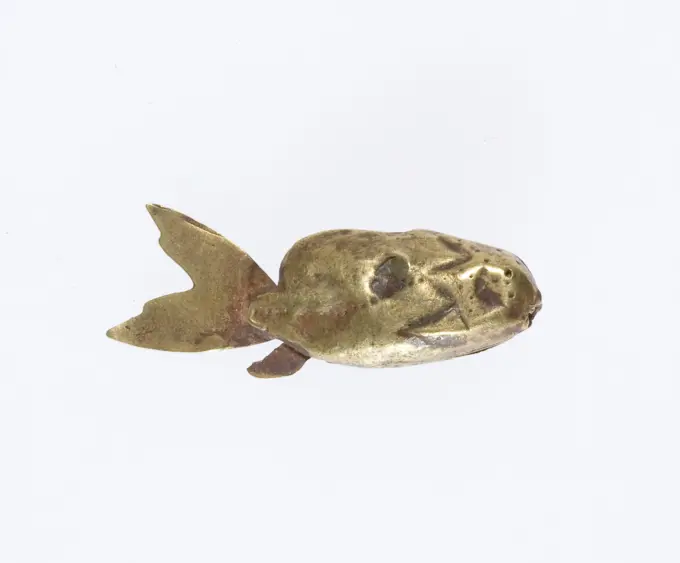
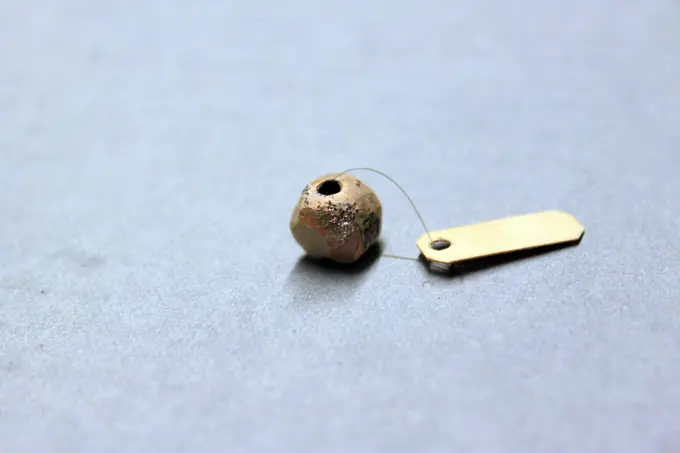
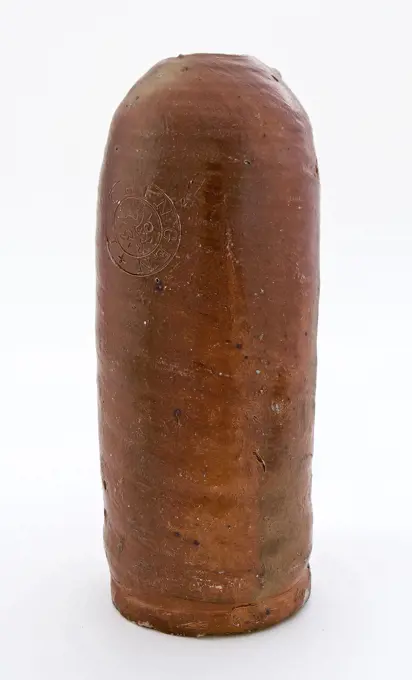
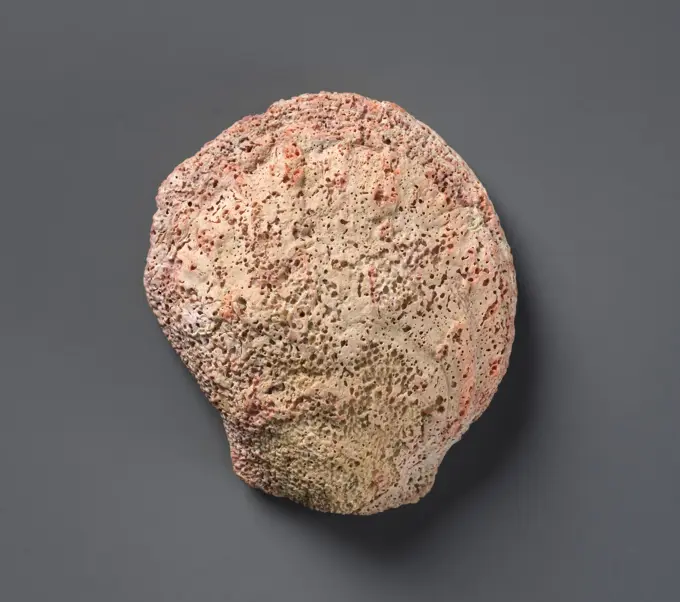
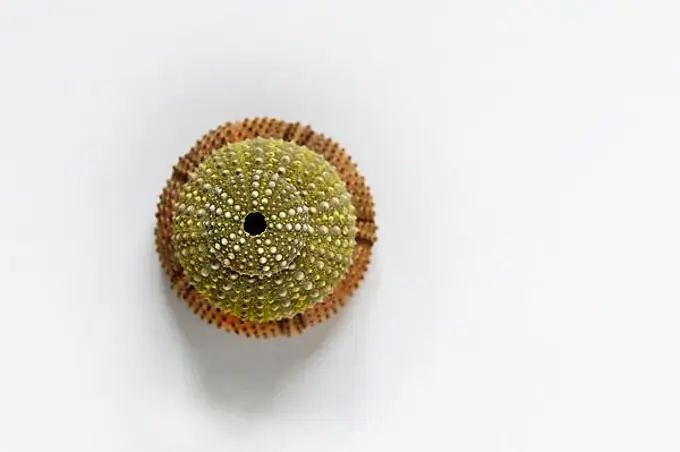
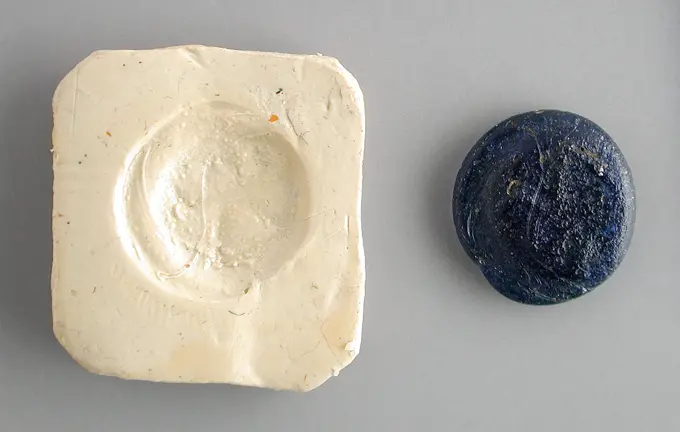
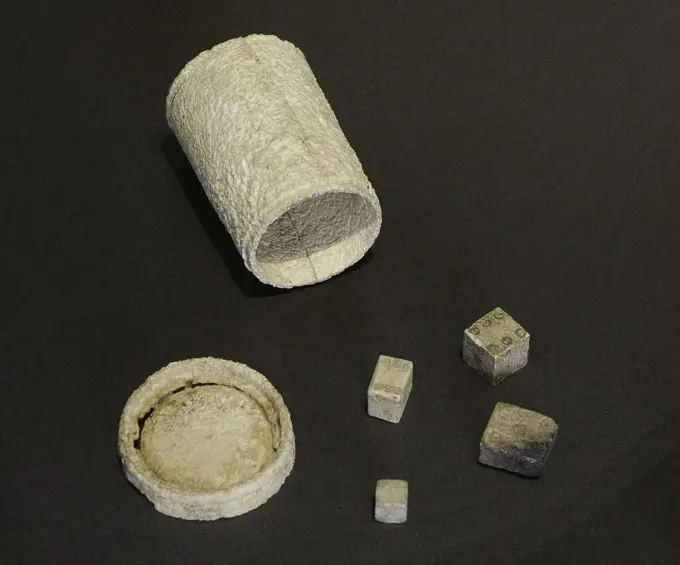
Button from the wreck of the East Indians Hollandia, Anonymous, 1700 - in or before 1743 button Knoop. (1) id. NG 1980-27H1239 (1.9d) Netherlands bone (material)   SecondFragment Balus -shaped stem of a flute glass from the wreck of the East Indians Hollandia, Anonymous, 1700 - in Or Before 1743 drinking glass Glass, stem glass, steel, baluster-shaped; fragment, solid, consisting of an inverted baluster below an annulated knop, both ends broken off. Netherlands glass   SecondStraight steel of glass from the wreck of the East Indieschief Hollandia. Glass, Voice Glass, votes, Plain; Fragm, ID. NG 1980-27H798.Button from the wreck of the East India hollandia.knoop. Button; (1) Slightly Conical Base, Loop-Shank, Separate Top, Flat, Flaved Rim, Hollow (1.5D).Indian spice, Mace Javitri Myristica fragrance on white background India Copyright: xNirmalaxMishra/DinodiaxPhotoxPipe head, white baking clay, pipe head soil found ceramic pipe earth h 3.5 (approx.) Pressed in mold pressed through pierced Pipes heads made of whitewashed clay different size and age various specimens have heel marks or markings on the boiler archeology Rotterdam Stadscentrum Stadsdriehoek Oudehaven indigenous pottery smoking tobacco room archaeological find in the soil Oude Haven Rotterdam 1980.Bowl;  around 2686- 2181 BC ; Old state (-2686-00-00--2181-00-00);Lingzhi Mushroom. Culture: China. Dimensions: W. 1 3/4 × L. 2 in. (4.4 × 5.1 cm). Date: 18th century. Museum: Metropolitan Museum of Art, New York, USA.boletus edulis mushrooms on over white backgroundFragment Baluster-shaped handle from a flute glass from the wreck of the East India Hollandia. Glass, voice glass, stem, baluster-shaped; Fragment, solid, consisting of an an inverted Baluster Below an annulated button, Both ends broken off.Waist clamp;  XVII-XVIII century (1601-00-00-1800-00-00);Cap; cotton embroidery on cotton foundationZapinka do pasa. unknown, craftsmanCelt before 16th century Maya () Greenstone axe heads, commonly known as “celts,” were some of the most important works of art across ancient Mesoamerica and Central America. Created from jadeite mined from the Motagua River Valley of southern Guatemala, or using local green stones from highland Mexico, celts were first created by the Olmec peoples of the Gulf Coast after 1000 B.C. The Olmec conceived of green celts as sprouts of maize and thus “planted” celts in dedicatory offerings, activating ceremonial spaces and perpetuating agricultural fertility. For the later Maya peoples, celts also served as dedicatory materials, but more so as adornments for the royal bodies of kings and queens. Often the celts would be thinned into celt-shaped plaques, strung together in pairs and triads in order to create belt assemblages that would have clinked with the sound of jades striking one another. Tombs from the Classic Period (ca. AD 250-900) contain celts of jadeite and various greenstones froCounter or gaming piece. Counter or gaming piece. Stone. Miscellaneous-StoneZapinka do pasa. unknown, craftsmanFiel of crockery from the wreck of the East Indieschief Hollandia. Vessel Part, Finial; Baluster with a conical button, broken off underoverneath.Button, flattened with decorative pattern, anonymous, c. 1590 - c. 1596 button Button, round flattened in shape with decorative pattern. The decoration imitates a knot braided with yarn. Amsterdam tin (metal)   Nova Zembla. Saving HuysTwo mukhi Rudraksha Price Rs.300 botanically Elaeocarpus Ganitrus Roxb, English Utrasum Copyright: xMxAmirtham/DinodiaxPhotoxMortar 7th-6th millennium B.C.. Mortar 327110Sea snail, top shell, Trochus PyramisAmulet, frog Third Intermediate Period-Late Period. Amulet, frog. Porphyry. Third Intermediate Period-Late Period. From EgyptWooden toll with iron tip, toll toy relaxant soil find wood iron wrought iron metal, twisted cut drilled forged Small wooden top with iron tip. Pear-shaped Very clear and pronounced wood grain over the body Originally round shape has been transformed into flat form archeology underground pit Rotterdam Stadscentrum Stadsdriehoek Groenendaal indigenous product play child spinning child's play Soil discovery of Groenendaal.Fragment Pijpenkop from the wreck of the East Indians Hollandia, Anonymous, 1700 - in Or Before 1743  Pipe, bowl, heelmark:crowned peat basket; fragment, 1hsm6. Netherlands pipe clay   Secondhazelnut or filbert nut isolated on white background cutoutFragment Tuimelaar from the wreck of the East Indians Hollandia, Anonymous, 1700 - in Or Before 1743 drinking glass Base, fragm, id. NG 1980-27H2057. Tumbler. Netherlands glass   SecondBead probably 8th-12th century. Bead. probably 8th-12th century. Stone (). Excavated in Iran, Nishapur. JewelryHOJA DE DORSO . PALEOLITICO. (DEPOSITO: MUSEO ARQUEOLOGICO NACIONAL).Oval seal stamp. unknown, craftsmanLeather sole of shoe, round heel, flat nose, tight sides, round sewing thread, shoe footwear clothing soil find leather, archeology underground pit Rotterdam City triangle Groenendaal Soil discovery: underground pit Groenendaal 11 September 1975 15th century cesspool.Netsuke of Group of Animals 19th century Japan. Netsuke of Group of Animals 60068Stylized Crab. Ono Ryōmin (Japan, active late 19th century). Japan, late 19th century. Costumes; Accessories. Whale toothBox China. Box 52585Metal hat pin with square block of glass with slanted sides, caught between two flower -shaped settlements, anonymous, c. 1900 - c. 1915 Metal hat pin with square block of glass with slanted sides, caught between two flower -shaped settings. Netherlands (possibly) pen: Metal. button: Glass forging / grinding Metal hat pin with square block of glass with slanted sides, caught between two flower -shaped settings. Netherlands (possibly) pen: Metal. button: Glass forging / grindingFragment; wood, carvedBlowers from the wreck of the East Indians Hollandia, Anonymous, 1700 - in Or Before 1743  Pipe, bowl, heelmark: fish, flounder; 2hsm1,5. Netherlands pipe clay   SecondWhole single salted pistachio nut on white backgroundPendant: Head of Acheloos 5th century B.C. Italic. Pendant: Head of Acheloos. Italic. 5th century B.C.. Amber. Classical. Miscellaneous-AmberCassowary egg from the wreck of the Dutch East India ship Witte Leeuw, before 1613 egg (material) Egg of a casuaris from V.O.C. ship the 'Witte Leeuw'. Large egg with a gray -white dish. southeast Asia egg (material)   Sint-HelenaFragment straight steel of glass from the wreck of the East Indians Hollandia, Anonymous, 1700 - in Or Before 1743 drinking glass Glass, stem glass, stems, plain; fragm, id. NG 1980-27H798. Netherlands glass   SecondShell pendant or bead. Date: ca. 3850-2960 B.C.. Museum: Metropolitan Museum of Art, New York, USA.side view of empty handful in palm in latex glove side view of empty handful in palm in latex glove isolated on white background Copyright: xZoonar.com/ValeryxVoennyyx 13189076Fragment European or Middle Eastern ca. 1150-ca. 1250Wooden sign or teljoor, plate crockery holder soil find oak wood, oval) sawn turned Flat wooden board or teljoor Probably oak. Slightly profiled outer edge archeology food serving tablePlakieta - wieczko. unknown, authorClose-up of brown, triangular colored pencil with wood textureRitual Stone (pulidor) 12th-8th century B.C. Olmec. Ritual Stone (pulidor) 316295White clay pipe, unnoticed, with pinched handle, clay pipe smoking equipment smoke floor pottery ceramics pottery, pressed finished baked white clay pipe unnoticed with pinched handle It is more common that stems are pinched over certain length This causes rows of bobbles partly horizontal partly vertical archeology smoking tobaccoOlive Holzschneidebrett, handgefertigte Holzschneidebrett isoliert auf weißem Hintergrund mit Clipping-Teil. Olive wooden cutting board, handmade wood cutting board isolated on white background with clipping part. LicenseRF Copyright: xZoonar.com/KatsiarynaxHuravax 23237095Excerpt bowl of a flute glass from the wreck of the East Indians Hollandia, Anonymous, 1700 - in Or Before 1743 drinking glass. bowl Glass, stem glass, bowl; fragment of base, circular, curved, plain with knop underneath, eroded. Netherlands glass   SecondRolling pinMaroon drum from St Elizabeth. Dated 2005Cowrie shell 332-30 BC Ptolemaic Period Cowries are known from the very earliest times in Egypt, but this shell - from a Ptolemaic burial at Akhmim - testifies to their continued significance through the millennia. The shell was found next to the head of a male mummy adorned with cartonnage ornaments and inside a wooden coffin. The back of the shell has been ground away, so that the shell can lie flat when strung so possibly it was originally worn as a diadem or necklace.Cowrie shells, originating usually from the Red Sea, were widely valued as amulets in the ancient world. Their resemblance to the female vulva and alternatively to a squinting eye is thought to underlie a magical association with fertility and with protection from the evil eye, respectively. Generally they are known from female burials in Egypt, but they can also accompany males.. Cowrie shell. 332-30 BC. Shell. Ptolemaic Period. From Egypt; Possibly from Northern Upper Egypt, Akhmim (Khemmis, Panopolis)Lemon fruit button button;  XVIII-XIX century (1701-00-00-1900-00-00);Ring 2300 B.C.-A.D. 1492 Indigenous American (Pre-Columbian) This collection of largely ethnographic jewelry includes examples from cultures in South America, North America, Europe, Asia, and Africa and dates from the Pre-Columbian period to the twentieth century. Owned by renowned art collector and fashion enthusiast Muriel Kallis Newman, the collection represents her knowledge and appreciation of a wide range of jewelry design and making traditions. Numerous items in her collection are composite artifacts made from various cultures and time periods reappropriated as modern jewelry creations by or for Muriel. It is important to note that Newman wore many of the pieces in the collection, interpreting them to suit and express her own singular, often avant-garde style.. Ring 141707Bead 500-600 Frankish. Bead 465788 Frankish, Bead, 500600, Stone, Overall: 11/16 x 1 1/8 in. (1.7 x 2.8 cm). The Metropolitan Museum of Art, New York. Gift of J. Pierpont Morgan, 1917 (17.193.66)Red pointed cabbageRing probably 19th century Chinese This collection of largely ethnographic jewelry includes examples from cultures in South America, North America, Europe, Asia, and Africa and dates from the Pre-Columbian period to the twentieth century. Owned by renowned art collector and fashion enthusiast Muriel Kallis Newman, the collection represents her knowledge and appreciation of a wide range of jewelry design and making traditions. Numerous items in her collection are composite artifacts made from various cultures and time periods reappropriated as modern jewelry creations by or for Muriel. It is important to note that Newman wore many of the pieces in the collection, interpreting them to suit and express her own singular, often avant-garde style.. Ring. Chinese. probably 19th century. jadeAmulet of a Claw. Egyptian. Date: 1550 BC-664 BC. Dimensions: 3.2 × 1 × 1 cm (1 1/4 × 3/8 × 3/8 in.). Agate. Origin: Egypt. Museum: The Chicago Art Institute, Chicago, USA. Author: Ancient Egyptian.Red-brown brick from V.O.C. ship De 'Witte Leeuw', Anonymous, 1613 brick (clay product) Brick. With yellow and white attack and ranger.  brick (clay product)Vessel Made 2494 BCE-2160 BCE Egypt. Calcite . Ancient EgyptianChinese dwarf quail (Synoicus chinensis, Coturnix chinensis), egg, quail egg on white backgroundA set of white sunflower seeds. Isolated on a white background A set of white sunflower seeds. Isolated on a white background. Copyright: xZoonar.com/AlekseyxButenkovx 18546873coarse pink Himalayan salt. coarse crystals of pink  Himalayan salt in a round bowl against ceramic tile background, top view with a copy spacetumbled Prasiolite gemstone on white marble macro shooting of natural mineral rock specimen - tumbled Prasiolite green quartz gemstone on white marble background Copyright: xZoonar.com/ValeryxVoennyyx 11947444hazelnuts isolated on whiteBrown champignon mushroom isolated on white background cutoutMushroomsGlass bead ca. 2nd-4th century A.D. Roman Brown glass bead with plastic yellow threads.. Glass bead. Roman. ca. 2nd-4th century A.D.. Glass. Imperial. GlassStone Pulidor before 16th century Mexican. Stone Pulidor. Mexican. before 16th century. Stone. Mexico, Mesoamerica. Stone-ImplementsButton from the wreck of the East Indians Hollandia, Anonymous, 1700 - in or before 1743 button Button. A piece has been broken down. (1) Flat, wide ordered rim, plain (2.3d, 0.5t) Netherlands bone (material)   SecondPlate 12th century. Plate 450087Pair of shoes, anonymous, c. 1815 Shoe made of white satin. Low, without heels, straight nose, with two sides of ankle tires. Around the entry a tunnel with cord that is attracted and tied on the front foot. Lined with cotton. On the sole in pressed 37 30. Gauche on the white glacé insole in green writing letters. Netherlands whole: Silk. insole: Goatskin. Lining: Cotton (textile) Shoe made of white satin. Low, without heels, straight nose, with two sides of ankle tires. Around the entry a tunnel with cord that is attracted and tied on the front foot. Lined with cotton. On the sole in pressed 37 30. Gauche on the white glacé insole in green writing letters. Netherlands whole: Silk. insole: Goatskin. Lining: Cotton (textile)Pig pin with flat elongated triangular bud of mother-of-pearl on a steel pen. Hat Pin with flat Elongated Triangular Bud or Mother-of-Pearl on a stem pen.BeadMiniature Round Basket, late 1800s-early 1900s. California, Pomo, late 19th-early 20th century. Plant materials; diameter: 0.8 cm (5/16 in.).Armchair upholstery. unknown, authorGrenade grain macro detail in vivid redFragment of mold Bodhisattva. Head of a bodhisattva; highly prepared hairdresser; A dimple at the place of the urna.Beads 8th-13th century. Beads. 8th-13th century. Glass. Excavated in Iran, Nishapur. GlassGirdle Pendant: Rabbit China. Girdle Pendant: Rabbit 42925Ivory box on which Gebroeders de Witt are depicted, Anonymous, 1650 - 1700 box Ivory box with lid; On the double portrait of two men in succession (Cornelis and Johan de Witt), breast pieces to the right in profile, in circle, cut -all -sliced (wavy); Lid lightly rising. Box on the outside with 'braid' cut (also bottom); Completely reminds of needle basket (also with regard to form). Smooth inside. Inscription; On the lid: 'De Her Corn and Joh de Wit'. North Netherlands ivory cutting historical personswooden geometric shapes on a green backgroundA pink eggAJUAR FUNERARIO: HERRAMIENTAS DE PASTOREO HOZ PODADERA, CENCERRO. S.IV VISIGODO.(DEPOSITO: MUSEO ARQUEOLOGICO NACIONAL).Amulet, fish ca. 1981-1550 B.C. Middle Kingdom-Second Intermediate Period. Amulet, fish. ca. 1981-1550 B.C.. Gold. Middle Kingdom-Second Intermediate Period. From Egypt. Dynasty 12-17Beads 8th-13th century. Beads. 8th-13th century. Glass; drilled. Excavated in Iran, Nishapur. GlassCarnavalet museum, tokens collectionGolden honey dripping with wooden dipper. Golden honey dripping with wooden dipper. Copyright: xZoonar.com/SeksakxKerdkannox 7466930Stoneware mineral pitcher, cylindrical with round shoulder, sausage ear and short neck, mineral water pitcher jar product packaging container soil find ceramic stoneware glaze salt glaze approx., hand turned glazed baked Stoneware mineral pitchers cylindrical with round shoulder short neck and sausage ear. Stand area with traces of deduction and soul. Glazed. Marked under the ear and marked on the front with medallion Medallion in the medallion: FACHINGEN in the midfield left clawing lion archeology Rotterdam Kralingen-Crooswijk Struisenburg Oostmaaslaan Boslaan Buizengat advertising indigenous pottery import drinking water drinking medicine packaging Soil discovery: Buizengat Oostmaaslaan Boslaan Rotterdam an old landfill of urban waste.Fragment Pijpenkop with piece of stem from the wreck of the East Indians Hollandia, Anonymous, 1700 - in Or Before 1743  Pipe, bowl, heelmark: fish, flounder; fragm, 2hsm1,5. Netherlands pipe clay   SecondScallop shell ca. 2600-2500 B.C.. Scallop shell. ca. 2600-2500 B.C.. Shell. Early Dynastic IIIa. Mesopotamia, NippurCDK FUJIKAWA SHUNZOHat of wite tulle with embroidered mushes, trimmed along the edge with tufts of cream narrow side, anonymous, c. 1885 - c. 1900 Baby hat from Tulle with embroidered mushes. Netherlands satin. silk embroidering Baby hat from Tulle with embroidered mushes. Netherlands satin. silk embroideringGelBlade - in the sickle;  4-3 thousand BC (-4000-00-00--2001-00-00);The collection of the ancient EastSea urchin skeletons from the MediterraneanRing Stone probably 8th-12th century. Ring Stone. probably 8th-12th century. Glass (). Found Iran, Nishapur. JewelryIntaglio. Eastern Mediterranean, Graeco-Roman or Gnostic, 332 B.C.E.-C.E.395. Tools and Equipment; seals. GlassShaker and dice. 1st century AD. Bone. From Andalusia, Spain. National Archaeological Museum. Madrid. Spain.