Artifacts from Shipwrecks

Eroded fragments and materials recovered from shipwrecks, including copper artifacts and clay bricks, highlighting maritime history.
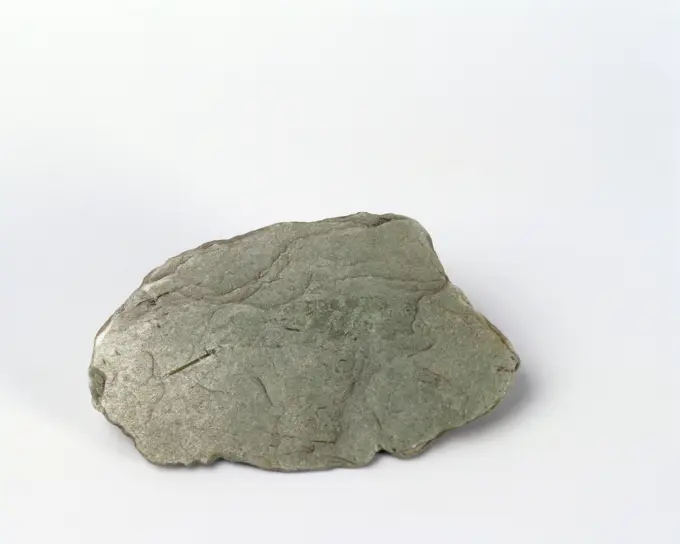
Metamorphic rock , schist
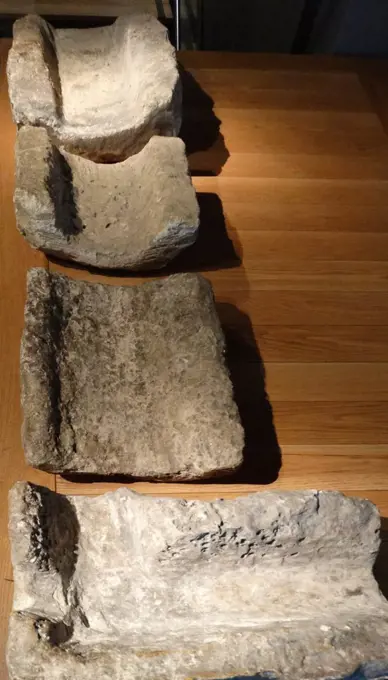
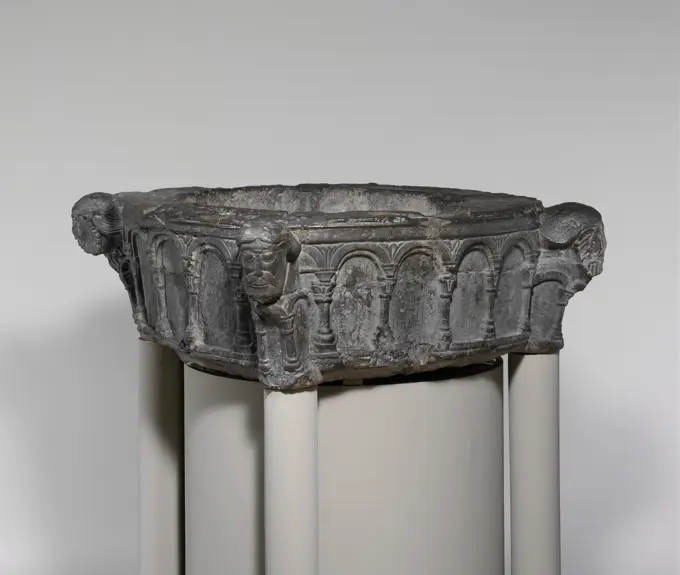
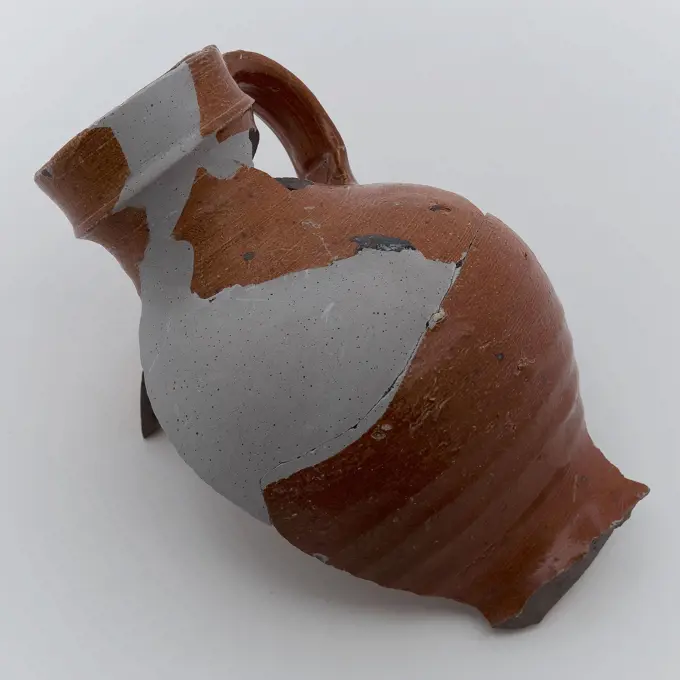
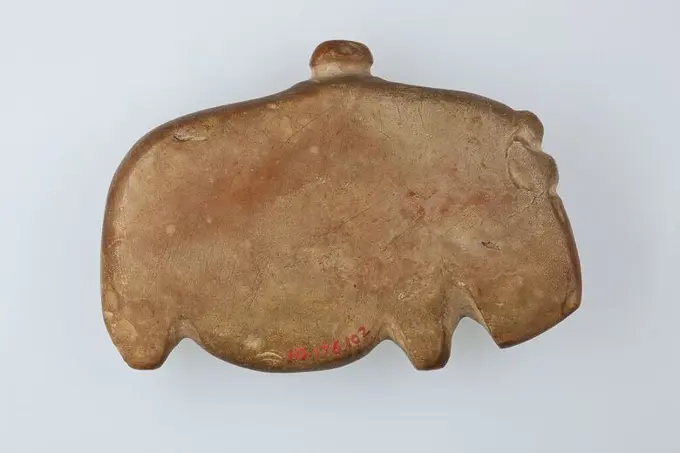
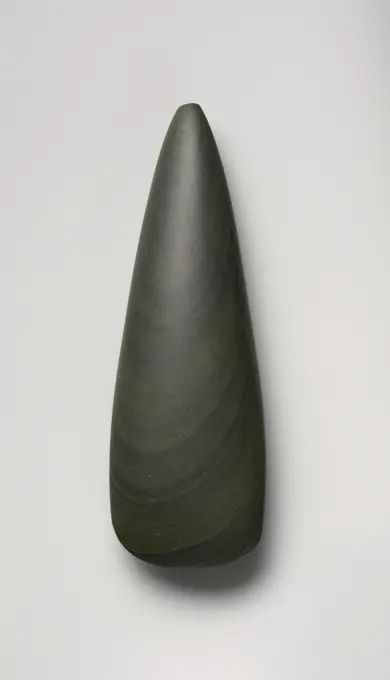
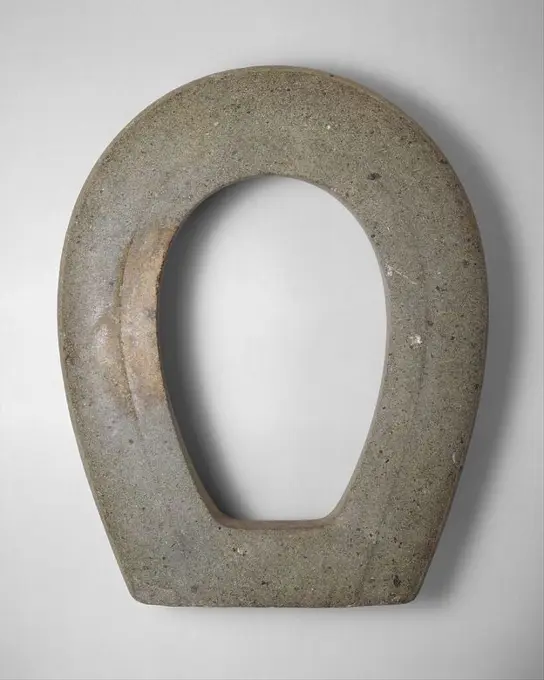
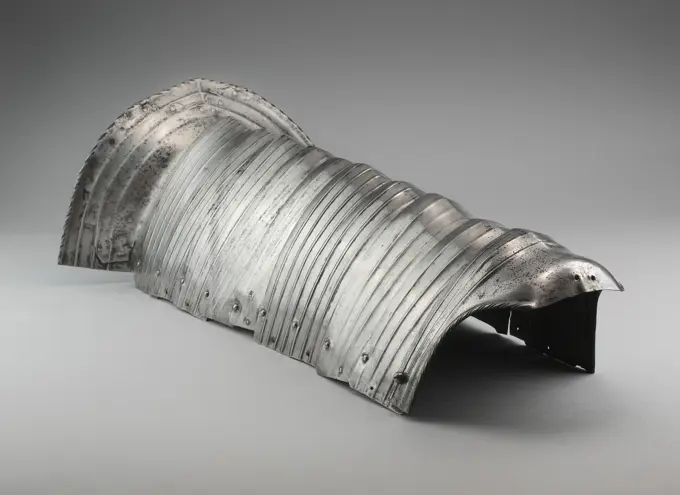
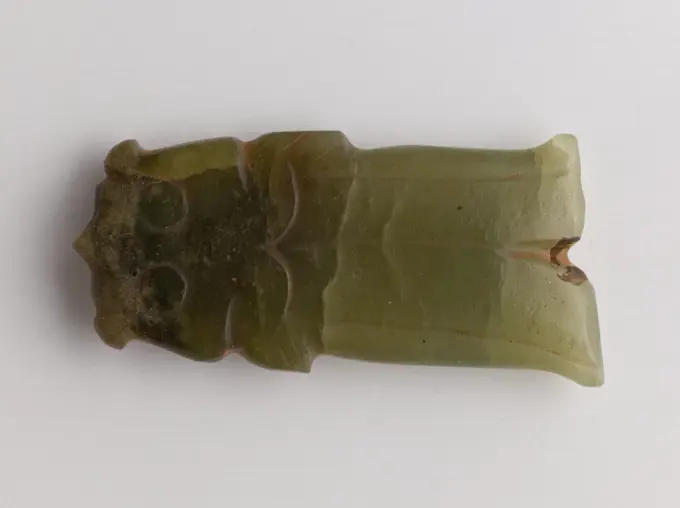
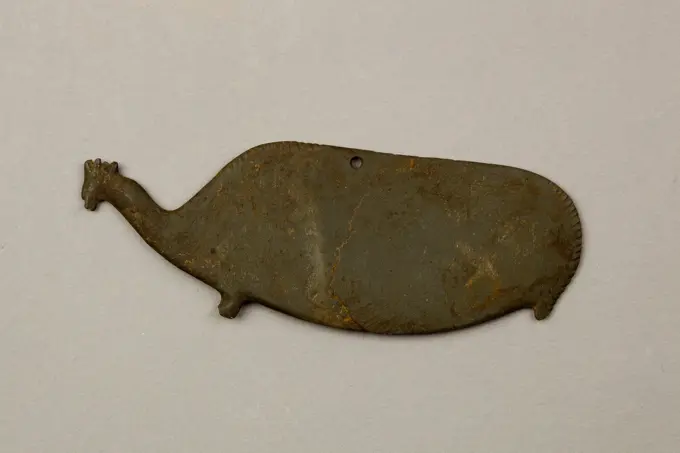
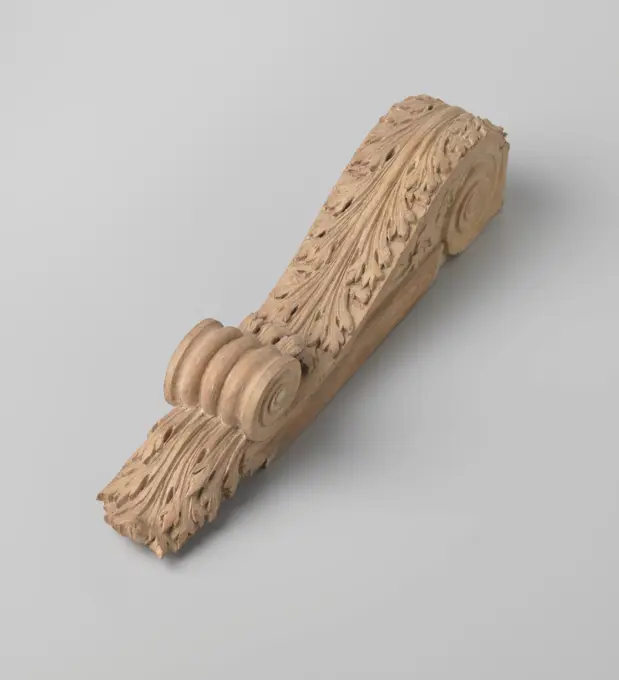
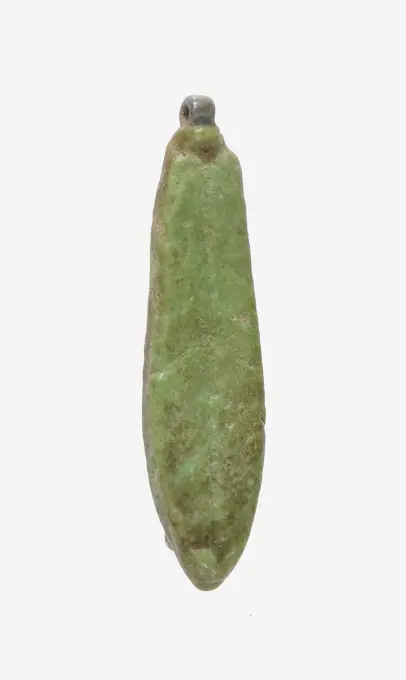
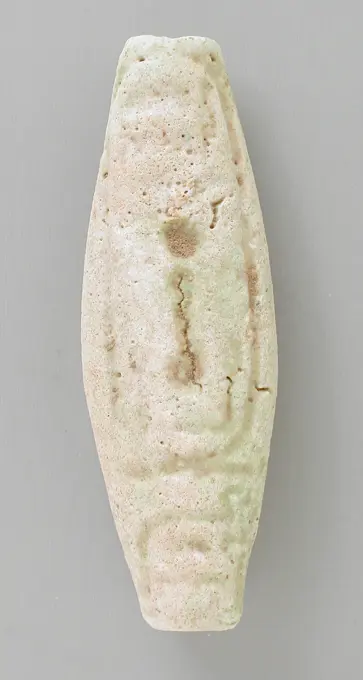
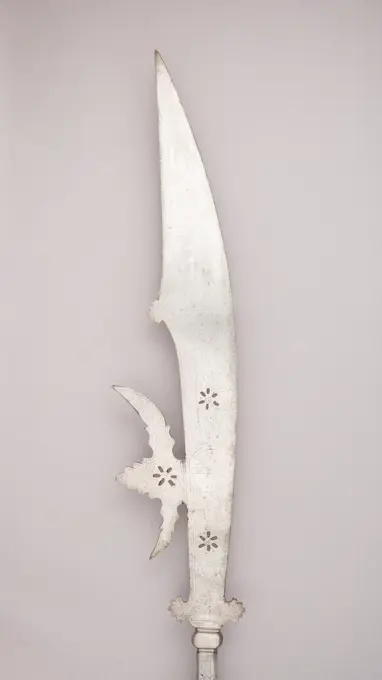
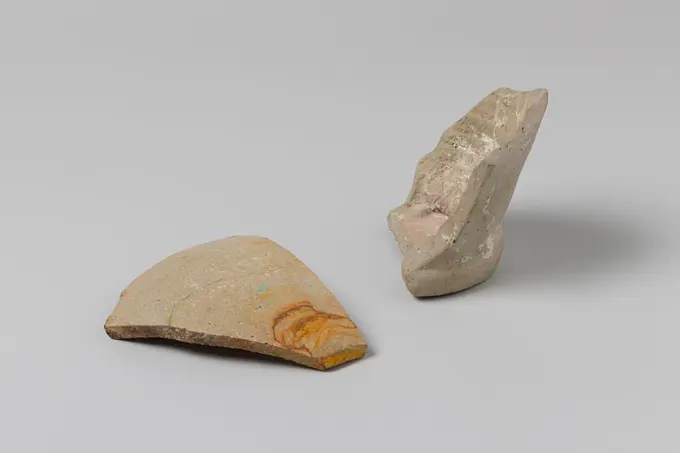
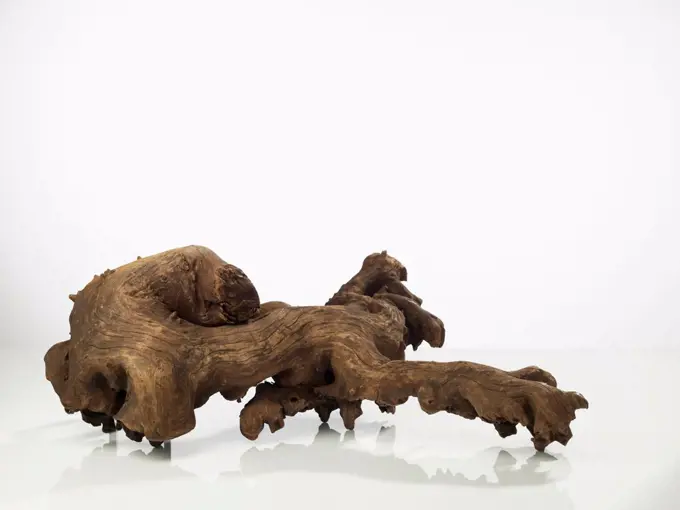
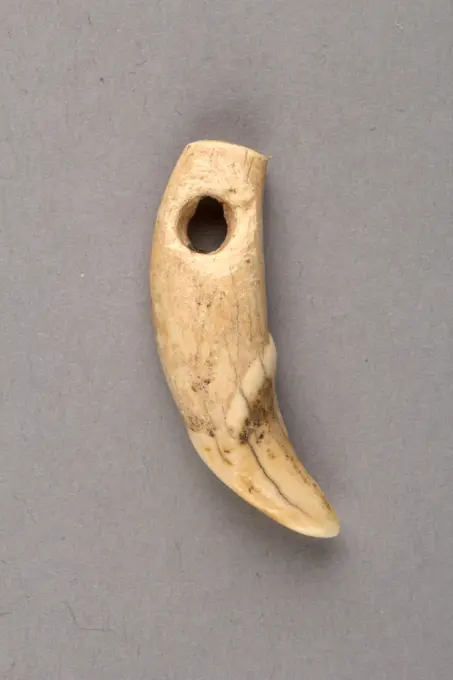
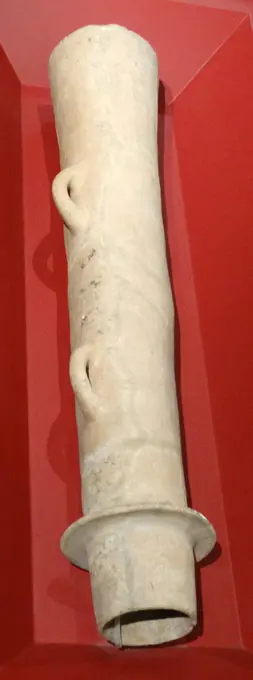
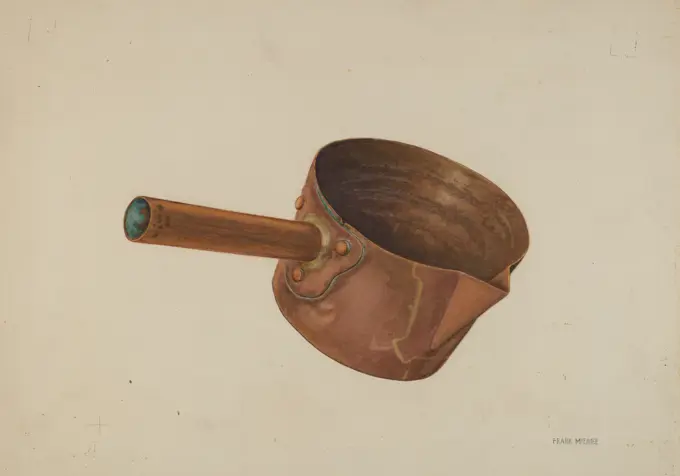
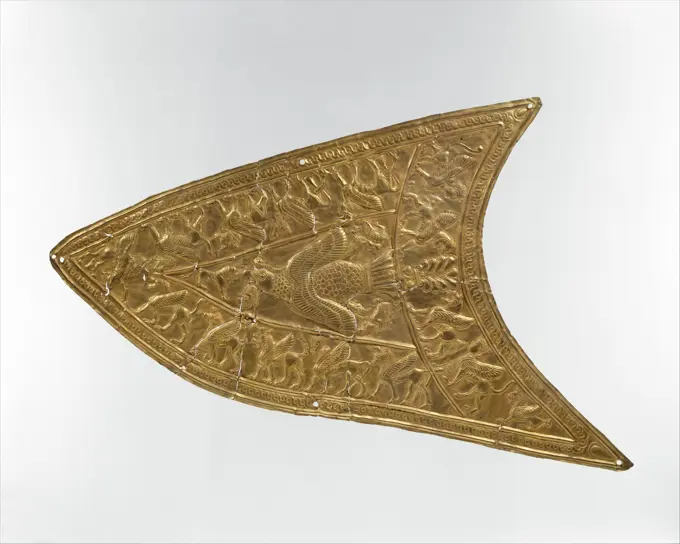
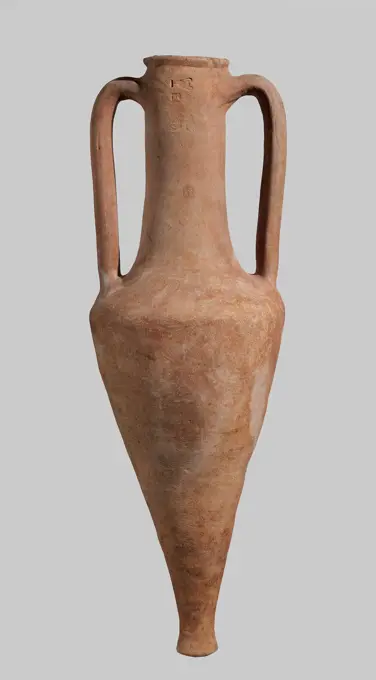
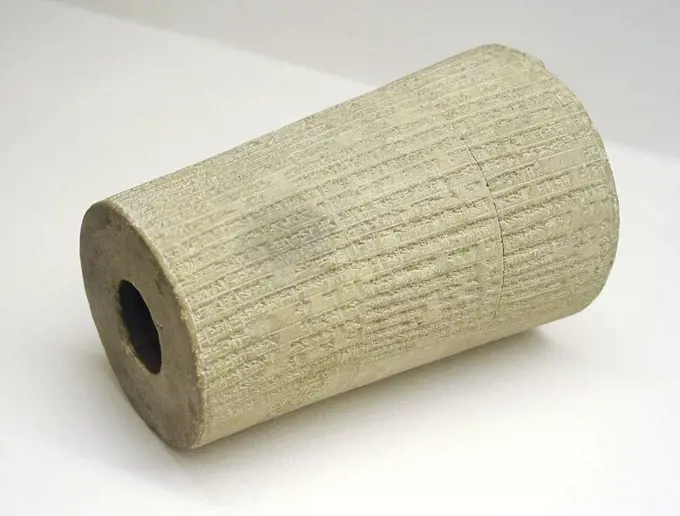
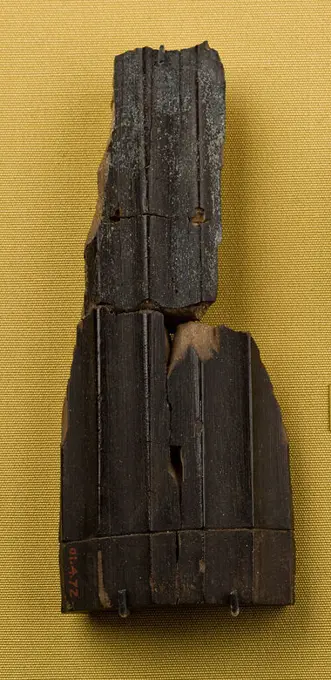
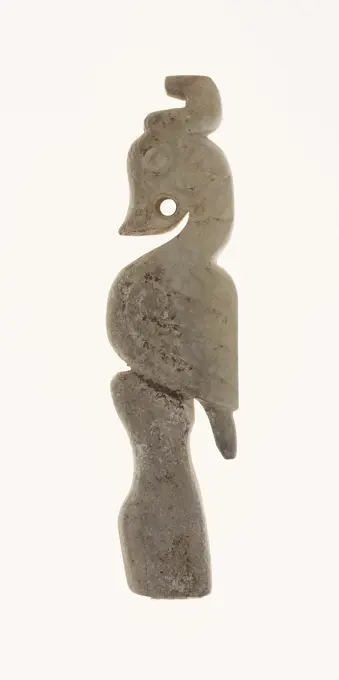
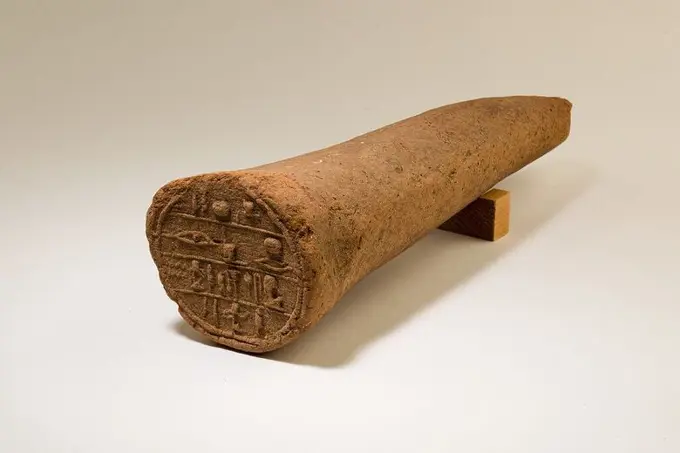
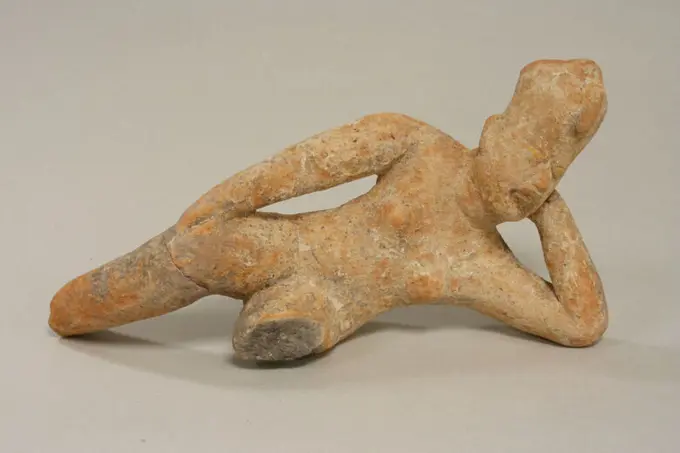
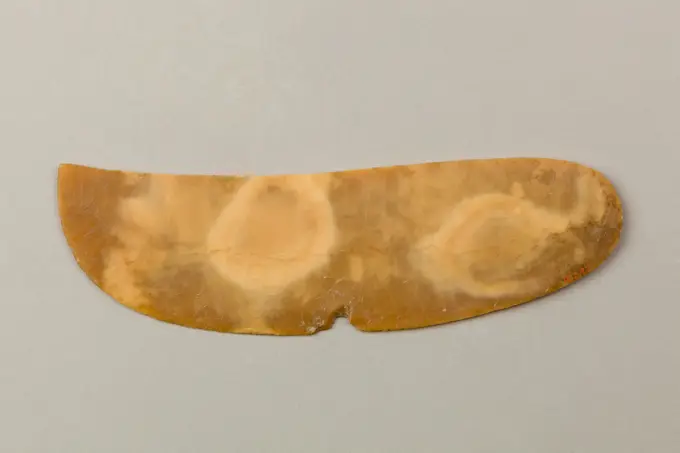
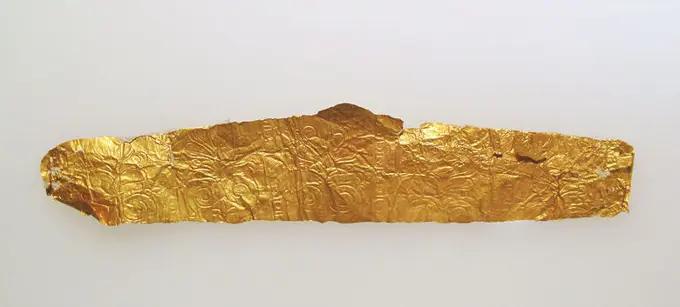
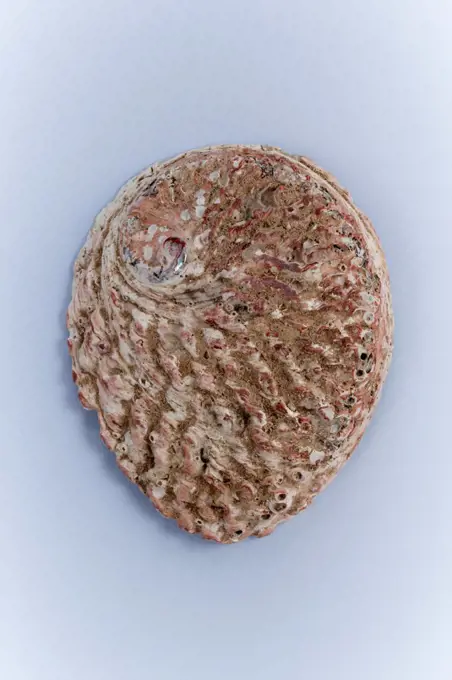
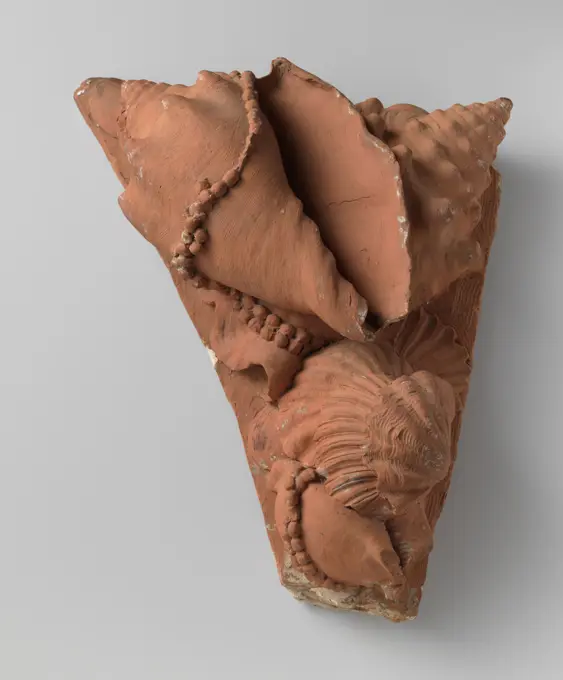
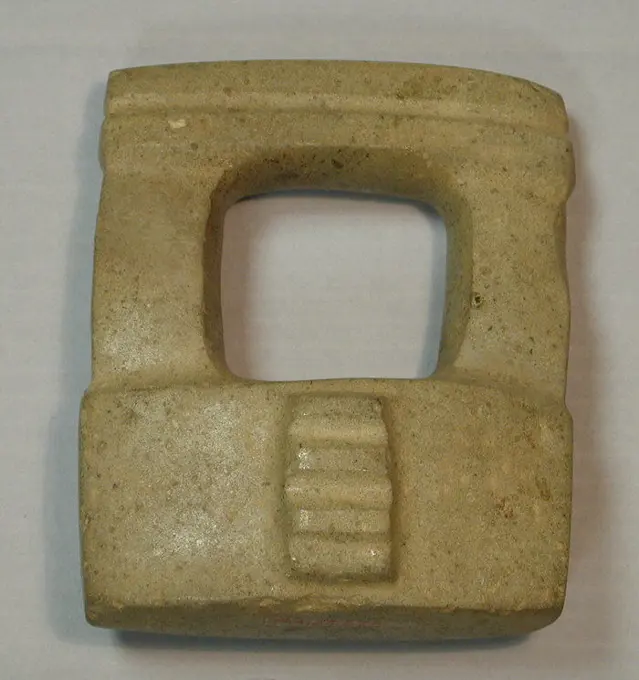
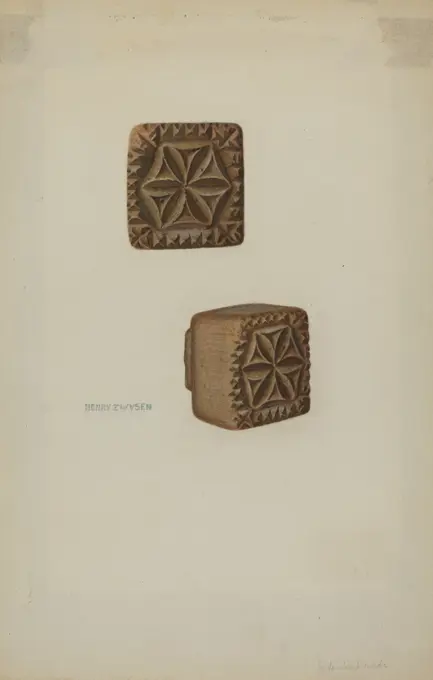
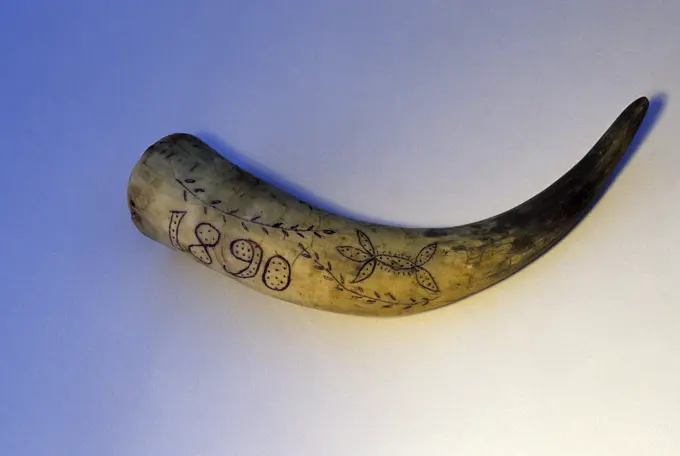
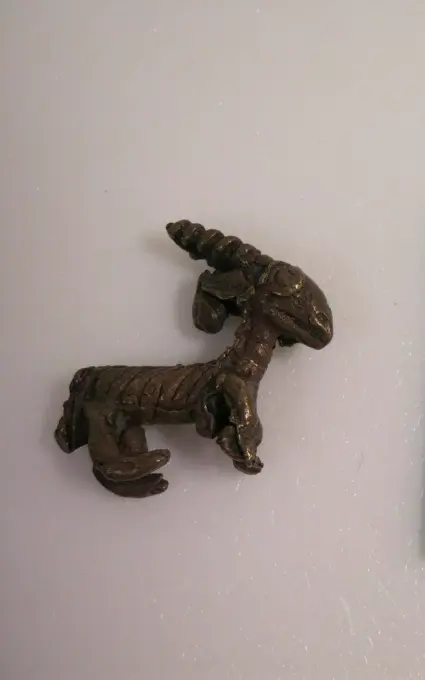
Bracket (Italy); wood, carved and gildedGlass Fragment 4th-early 5th century Coptic. Glass Fragment 479119drainage channel from the Roman Baths in Bath, Somerset, England date from 60-70 AD and the bathing complex was gradually built up over the next 300 yearsRoman Empire, Gracjan (367 383); Thessalonica 367 375 c.; bronze (AE3) Gracjan, ThessalonicaBaptismal Font ca. 1155-70 South Netherlandish This large font is central to the legend of a holy woman named Christina (1150-1224), whose story was recorded by Thomas of Cantimpré, a famous thirteenth-century Dominican author. Troubled by an evil spirit as she passed the village church in Wellen, Christina reputedly jumped into this font. She emerged from the water having achieved newfound exemplary behavior and thereafter was known as Christina the Astonishing. Stone baptismal fonts from the Meuse Valley were exported throughout northern Europe. The four projecting heads on this example, each slightly different from the other, probably represent the Four Rivers of Paradise.. Baptismal Font 471263AlabastronShards of a basement bottle from the wreck of the East Indians Hollandia, Anonymous, 1700 - in Or Before 1743  Typologically not identifiable, base, fragm. Netherlands .   SecondTwo fragments of small stoneware jug, brown, jug crockery holder soil find ceramic stoneware clay engobe glaze salt glaze, h 7.0 ( without gypsum) hand-turned glazed fried Fragments of stoneware jug pinched on foot Belly model Rotating bindings Whole brown salt glaze and smeared with ferrous engobe Circumferential ridge around the neck Gray shard Completed with gray plaster archeology Rotterdam City center Stadsdriehoek Groenendaal underground pit indigenous pottery import pouring drink store underground pit Groenendaal from cesspool Rotterdam.Ceremonial drinking vessel, 13th century BCE, 3 3/4 x 9 3/8 x 5 1/8 in. (9.5 x 23.8 x 13 cm), Earthenware, Mexico, 13th century BCEFigurine of a hippo made for suspension. Dimensions: L: 8.2 cm (3 1/4 in.); H: 5.7 cm (2 3/16 in.); W: 1.7cm (11/16 in.). Date: ca. 3650-3100 B.C.. Museum: Metropolitan Museum of Art, New York, USA.Rib from a Groined Ceiling. Culture: French or German. Dimensions: Overall: 18 x 13 1/8 x 14 1/4 in. (45.7 x 33.3 x 36.2 cm). Date: 13th century. Museum: Metropolitan Museum of Art, New York, USA.Rock isolated on white made in 3d softwareFragment Pijpenkop from the wreck of the East Indians Hollandia, Anonymous, 1700 - in Or Before 1743  Pipe, bowl, whole market illegible; fragment. Netherlands pipe clay   SecondPILLOWS - 1996-1997. Author: JOSE MARIA SICILIA. Location: PRIVATE COLLECTION.Fragment of a Black-Glaze Kantharos with Mask of Dionysos (part of 81.AE.195.A). UnknownCeltiberian plaque with hunting scene on horseback, La Custodia, Viana, Museum of Navarra, Pamplona, Navarra,Spain.Findlinge mit geometrischer Dekoration Findlinge mit geometrischer Dekoration Copyright: xZoonar.com/BartomeuxBalaguerxRotgerx 22556710MountPendant: Female Animal (Lioness); Italy; 500 - 480 B.C; Amber; 23 × 23 × 55 mm (7,8 × 7,8 × 2 3,16 in.)Louis XIV. Corrugated copper plate on which the bust of Louis XIV.Ceremonial Axe 7th-15th century Taíno The most numerous category of polished stone sculpture emerging from the Taíno world of the ancestral Caribbean islands are ceremonial axes and blades, which take many forms and may have been an important medium of exchange. Ceremonial blades made of different types of greenstone, both local and imported, have been recovered in large numbers. These axes, known as petaloid celts for their resemblance to flower petals, could have served as dedicatory offerings, which have a long history on the Caribbean mainland in Mesoamerica.. Ceremonial Axe. Taíno. 7th-15th century. Greenstone. Dominican Republic, Caribbean. Stone-ImplementsFish Pendant 1300 BCE-900 BCE China. Jade .Light green medicine bottle, medicine bottle bottle holder soil find glass, free blown conical soul straight body angular shoulder narrow neck with wide ring as mouth archeology health care package pharmacyArte Edad Antigua. Tesoro de Perotito: brazalete de cinco vueltas espiraliforme y con cabeza de serpiente. Museum: MUSEO ARQUEOLOGICO, MADRID, SPAIN.Closed Yoke. Culture: Veracruz. Dimensions: H. 20 1/2 x W. 16 in. (52.1 x 40.6 cm). Date: 4th-7th century.In Mesoamerican art, ballplayers are identified by the thick belt worn around the waist. Referred to as a yoke, the name is derived from the similarity of the shape to that of the equipment used to manage work animals. Although a tradition of open-ended, elaborately carved stone yoke sculptures endured in parts of Mesoamerica for centuries, the earliest yokes are believed to be those of closed shape and smooth polished surface with no relief ornamentation. A flattened raised ridge surrounding the central opening of this yoke is its only surface elaboration. Later yokes are carved with imagery relating to sacrifice. Figures identified as earth monsters, for whom the sacrifices may have been intended, are among them. The shape of this yoke, with its space in the center, and as it is seen in this photograph, suggest a connection to the theme by its resemblance to a cave opening, as aChavín nailed head Chavín culture 900 BC-200 BC Perú.Musketball from the wreck of the East India. The flying heart. The musketball is brown-black in color, small and round.Tassel 17th century Italian. Tassel. Italian. 17th century. Linen. Textiles-TrimmingsPen vintage clean paper sheet on wooden board vertical viewChalcolithic period. Skull of Homo sapiens impregnated with dye (ocher). La Sonseca (Laborcillas, Granada province, Andalusia). National Archaeological Museum. Madrid. Spain.Karte von Katar auf rostigem Metall - Map of Qatar on rusty metal Karte von Katar auf rostigem Metall - Map of Qatar on rusty metal Copyright: xZoonar.com/lantapixx 11893816COLOSO DE RAMSES II -CARA-. Location: MUSEO. MENFIS. EGYPT.Fragment of low leather shoe, consisting of heel, side with lacing holes, shoe footwear clothing soil finding leather, Rotterdam archeologyAmph. Menas;  around 610 - 650 CE (610-00-00-610-00-00);Daszewski, Wiktor A. (1936-), Daszewski, Wiktor A. (1936-)-collection, gift (provenance)Crinet 1501-1600 France. Steel .Figure from a Burial Vessel, 15 3/4 x 8 1/2 x 8 1/2 in. (40 x 21.6 x 21.6 cm), Terra cotta, NigeriaBrochure. Jade, China, Han dynasty (206 BC AP.J.-C.). Paris, Cernuschi museum. Asian art, Chinese art, han dynasty, jade, brochure, platePalette ca. 3850-2960 B.C. Predynastic Period. Palette 547524Copper alloy swords, which were standard equipment of Assyrian soldiers. Dated 16th Century BCStaff Head 6th-7th century Moche (Loma Negra). Staff Head 313475S-Volute belonging to a porch, Anonymous, 1687 S-Volute belonging to a porch. Northern Netherlands wood (plant material). oak (wood). linden S-Volute belonging to a porch. Northern Netherlands wood (plant material). oak (wood). lindenLeaf Pendant ca. 1390-1353 B.C. New Kingdom. Leaf Pendant. ca. 1390-1353 B.C.. Faience. New Kingdom. From Egypt, Upper Egypt, Thebes, Malqata, Palace of Amenhotep III, MMA excavations, 1910-11. Dynasty 18Fragment of earthenware dish with decoration in sludge technology, on stand, dish bowl tableware holder soil find ceramic earthenware clay glaze lead glaze, hand-turned glazed fried lemonade Fragment of earthenware dish decorated in sludge technology on stand ring Fully glazed. Decoration consists of brown shrubs on yellow ground. Red shard. Partially restored restoration is not repainted archeology Rotterdam Stadscentrum Stadsdriehoek Mariniersweg indigenous pottery serving table room kitchen food Soil discovery: Mariniersweg Rotterdam.Molded Faience Amuletic Tube with Throne Name of Shabaka. Egypt, Late Period, 25th Dynasty, reign of Shabaka (712 - 698 BCE). Jewelry and Adornments; amulets. FaienceFauchard ca. 1575 Italian. Fauchard 26795Shabti of Painedjem I ca. 1070-1032 B.C. Third Intermediate Period. Shabti of Painedjem I. ca. 1070-1032 B.C.. Blue faience. Third Intermediate Period. Probably from Egypt, Upper Egypt, Thebes, Southern Asasif, Royal Cache, Tomb of Inhapy (TT 320). Dynasty 21Shards of a can from the wreck of the East India Hollandia.Stoneware, Rhenish, Westerwald, Jug; Fragm: Fragm or base; Fragm or body, sim. NG 1980-27H2615.Brick from the wreck of the East Indians Hollandia, Anonymous, 1700 - in or before 1743 brick (clay product) Constructional elements, brick; sim. NG 1980-27H1009, eroded. Netherlands brick (clay product)   SecondFragmento de alabastro, procedente del yacimiento arqueológico de Can Modolell. Museu de Mataró.Copper pressed thimble, thimble sewing kit soil find copper metal, pressed Copper pressed thimble with holes in the shaft with board archeology Rotterdam railway tunnel seamstress tailor sewing textile processing clothing needle and thread repair Soil discovery: trajectory rail tunnel Rotterdam.Weights pharmacy balance from the wreck of the East Indians Hollandia, Anonymous, 1700 - in Or Before 1743 weight Tools and instruments, medical, apothecaries' weight; drachms, eroded and scruples. Netherlands copper (metal)   SecondTree root on white backgroundBody ornament Japan By the Middle Jōmon period, the food supply in Japan had stabilized enough that the Jōmon people could focus their activities more on crafts and spiritual life. This led to the development of a wide variety of body ornaments, including necklaces and hairpins, some of which feature very elaborate designs. It is speculated that body ornamentation may have served a religious or spiritual purpose, but it may also have represented social rank and status.. Body ornament 62258Drain pipes; palace at Knossos; Crete 1800-1400 BCArm Fragment 4th-7th century Coptic. Arm Fragment 478549Przeszo Przyszoci unknownVase fragment Roman Bear.. Vase fragment 250424Pinangnut from V.O.C. ship De 'Witte Leeuw', Before 1613 nut (plant material) Pinangnut from V.O.C. ship De 'Witte Leeuw'.  nut (plant material)   Sint-HelenaFlask. Roman; Levant or Syria. Date: 201 AD-300 AD. Dimensions: 14 × 5.7 × 5.7 cm (5 1/2 × 2 1/4 × 2 1/4 in.). Glass, blown technique. Origin: Syria. Museum: The Chicago Art Institute, Chicago, USA. Author: ANCIENT ROMAN.Blowjob from the wreck of the East Indieschief Hollandia. Pipe, Bowl, Healmar: Tobacco's Brazier; No HSM.Magical wand of protection carved from ivory dating from the New KingdomAtum as a human-headed cobra surmounting a box for an animal mummy 664-30 B.C. Late Period-Ptolemaic Period. Atum as a human-headed cobra surmounting a box for an animal mummy 570728Oil lamp, Roman period, 5th century, Evora Museum, Evora, Alentejo, Portugal, Europe.Frank McEntee, Copper Candy Ladle, c 1938 Copper Candy LadleTerracotta rim and upper body fragment with concentric circles (or spiral) and bands ca. 1400-1200 B.C. Minoan Dark lines and concentric circles on light ground.. Terracotta rim and upper body fragment with concentric circles (or spiral) and bands. Minoan. ca. 1400-1200 B.C.. Terracotta; Fine dark-on-light ware. Late Minoan III. VasesBrass weights for measuring gold. 19th cent. from Ghana.Fragment of a Plate 100 BCE-100 CE Roman Empire. In ancient Rome, there was a high demand for colorful glass that could dazzle banquet guests alongside the expensive silver and gold serving wares meant to impress. Fragments like this one would have once been a part of larger mosaic dishes. The mosaic pattern was made by sagging molten glass into bowl-shaped molds, a technique used on many of these fragments is similar to millefiori, ìthousand flowersî in Italian, a modern glass-making method in which tiny rods of colored glass are bundled together, wrapped in a sheet of glass, fused, and then thinly sliced to reveal swirls of a flower-like patterns. They were arranged side by side, sometimes together with bits of colored glass, and fused together with heat.. Glass, mosaic glass technique . Ancient RomanNarrow flint blade; its elongated form suggsts that it was made for display rather than practical use.Plaque with a bird of prey and winged beasts ca. 8th-7th century B.C. Iran This finely worked plaque decorated in the technique of repoussé is made up of a number of joining fragments. In the center a griffin bird is shown in flight, its body and wings depicted as seen from above. In its talons the bird grasps two creatures while below its beak is the head of a bearded man. A lion with its mouth open confronts the bird. Three bands showing composite creatures such as winged lions and bulls decorate the perimeter of the object. A guilloche pattern frames the whole object. Almost triangular in shape, this object, with curved sides, probably was originally attached to the shoulder of a garment and may have served as ceremonial armor.In 1947 a treasure was reputedly found at a mound near the village of Ziwiye in northwestern Iran. Objects attributed to Ziwiye are stylistically similar to Assyrian art of the eighth and seventh centuries B.C. as well as to the art of contemporary Syria, UrarTransport amphora with a stamp; Filinos; 360-350 BC (-360-00-00--350-00-00);Text in Greek, Wiesiołow, Wasyl Wasylewicz, Dar, Prints stampsDouble bitted iron axe, from Pompeimushrooms on the kitchen tableMesopotamia. Neo-Babylonian Empire. Clay cone with an inscription of Nebuchadnezzar II (630-562 BC) deposited in the foundation of Lugal-Marad temple in the town of Marad. The text reports that in the course of works, the inscription of Naram-Suen of Agade (2236-2200 BC), the original founder of the temple had been found. The State Hermitage Museum. Saint Petersburg. Russia.Fragment of burned ivory furniture. Dimensions: H: 9.6 cm (3 3/4 in.); W: 4 cm (1 9/16 in.). Dynasty: Dynasty 1. Reign: reign of Djer. Date: ca. 3100-2900 B.C.. Museum: Metropolitan Museum of Art, New York, USA.Pijpenkop from the wreck of the East Indians Hollandia, Anonymous, 1700 - in Or Before 1743  Pipe, bowl, heelmark: tobacco's brazier; no hsm. Netherlands pipe clay   SecondBird Pendant 1300 BCE-900 BCE China. Jade .Funerary Cone of the Inspector of Scribes Ineni. Dimensions: L. 25.7 cm (10 1/8 in); diam. 7.4 cm (2 15/16 in). Dynasty: Dynasty 18. Date: ca. 1550-1295 B.C.. Museum: Metropolitan Museum of Art, New York, USA.Reclining Ceramic Figure. Culture: Olmec. Dimensions: Length 9-1/8 in.. Date: 12th-9th century B.C.. Museum: Metropolitan Museum of Art, New York, USA.Right forearm with Aten cartouches ca. 1353-1336 B.C. New Kingdom, Amarna Period. Right forearm with Aten cartouches 549845Vase fragment ca. 3000-2000 B.C. Aegean. Vase fragment 253306 Aegean, Vase fragment, ca. 30002000 B.C., Terracotta, Other: 3/4in. (1.9cm). The Metropolitan Museum of Art, New York. Anonymous Gift, 1930 (30.119.101)Sheet, linen mark, fine spin, medium weave ca. 1492-1473 B.C. New Kingdom. Sheet, linen mark, fine spin, medium weave 548988Detailed and colorful image of lava stoneTerracotta fragments of kylikes (drinking cups) 5th century B.C. Greek, Attic Left halves of six kylix handles. Terracotta fragments of kylikes (drinking cups) 676774SteleRipple-Flaked Knife ca. 3850-2960 B.C. Predynastic Period. Ripple-Flaked Knife 576349Farm bell;  horse. 18th century (1790-00-00-1800-00-00);Fragment of red earthenware, partly glazed, fragment crockery holder kitchen utensils earthenware ceramics earthenware glaze lead glaze w 6.5, hand molded hand turned glazed fried Fragments of red pottery Frying pans jugs pots of grass and bottom of small jug Spicy or only partly glazed with lead glaze archeology Rotterdam Stadscentrum Stadsdriehoek Hoogstraat indigenous pottery water washing cooking nutrition food preparation handicraft pottery Soil discovery Hoogstraat Rotterdam 15 June 1983.Pinangnut from V.O.C. ship De 'Witte Leeuw', Before 1613 nut (plant material) Pinangnut from V.O.C. ship De 'Witte Leeuw'.  nut (plant material)   Sint-HelenaFrontlet of gold leaf. Dimensions: Other: 1 1/8 × 5 3/16 in. (2.8 × 13.2 cm). Museum: Metropolitan Museum of Art, New York, USA.Close up of abalone clamModel for a Spandrel Ornament with Ten Shells and a String of Pearls, for the Amsterdam Town Hall (now Royal Palace) at Dam Square, Artus Quellinus (I) (workshop of), 1650 - 1651 The swing filling consists of a dozen shells. They differ in shape, kind and size and are placed over each other; A pearl cord runs between the shells. Amsterdam terracotta (clay material) The swing filling consists of a dozen shells. They differ in shape, kind and size and are placed over each other; A pearl cord runs between the shells. Amsterdam terracotta (clay material)Stone Temple Model 1st-8th century Mezcala. Stone Temple Model. Mezcala. 1st-8th century. Stone. Mexico, Mesoamerica, Guerrero, Balsas River region. Stone-SculptureHenry Zwysen, Pa German Butter Mold, c 1941 Pa. German Butter MoldCree cow horn rattle decorated with scrimshaw dating back to 1890. (PR)Knife lift from the wreck of the East Indiesman Hollandia.knife, Handle, Cylindrical: tapering; ID. NG 1979-403H, eroded.Goldweight Antelope, 19th-20th century, 1 1/4 x 1/4 x 1 1/4 in. (3.18 x 0.64 x 3.18 cm), Brass, Ghana, 19th-20th centuryESCULTURA. Author: PELLO IRAZU MENDICIBAL 1963/. Location: GALERIA SOLEDAD LORENZO. MADRID. SPAIN.RECIPIENTE DE CERAMICA PROCEDENTE DE LA NECROPOLIS DE LAS ESPERILLAS (SANTA CRUZ DE LA ZARZA, TOLEDO). EN EL MUSEO DE SANTA CRUZ.Fish Matchsafe; Made by B. Neresheimer & Söhne; Agent: Berthold Müller & Son; England; silver; 3.8 x 7.5 x 1 cm (1 1/2 x 2 15/16 x 3/8 in. )Miniature figurine, 1500 BCE, 1 1/16 in. (2.7 cm), Earthenware, Mexico, Pre-Classic