Artifacts from Shipwrecks

Eroded fragments and materials recovered from shipwrecks, including copper artifacts and clay bricks, highlighting maritime history.
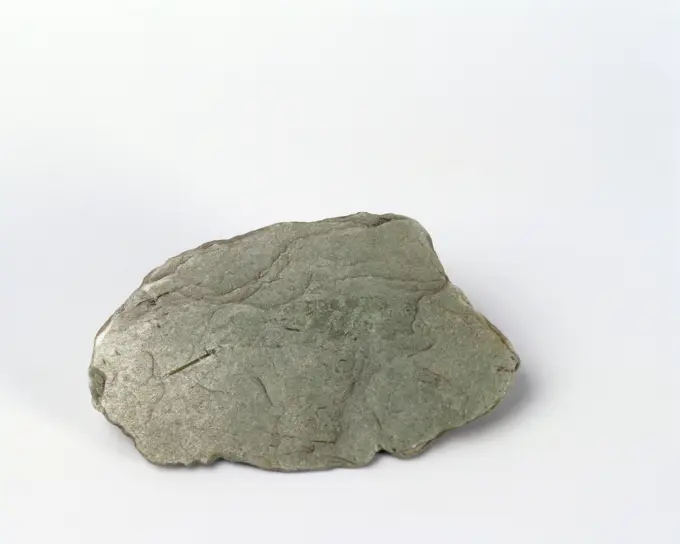
Metamorphic rock , schist
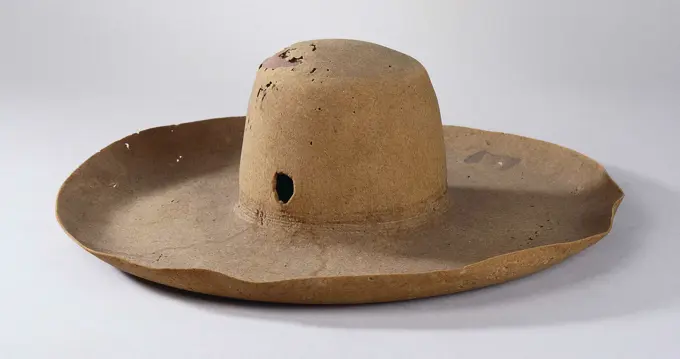
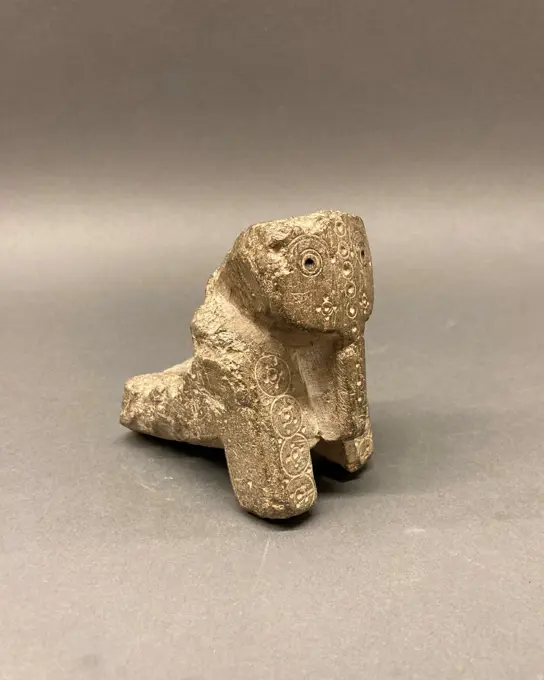
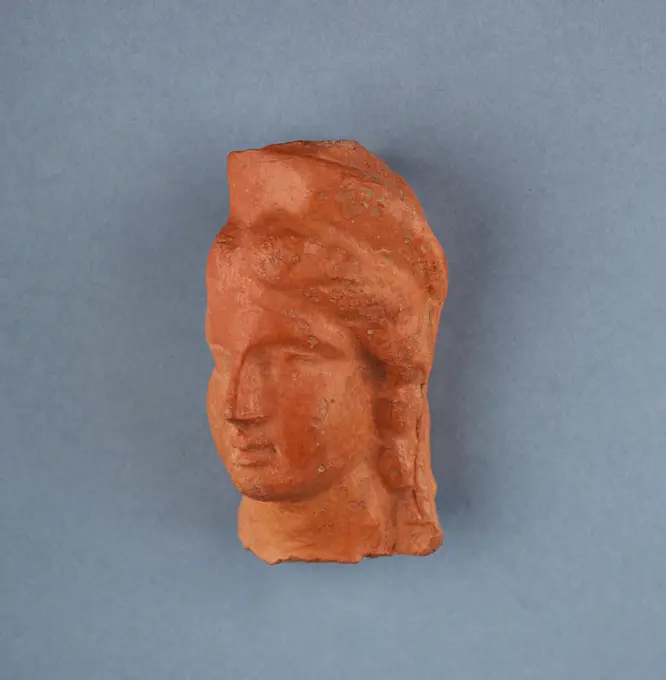
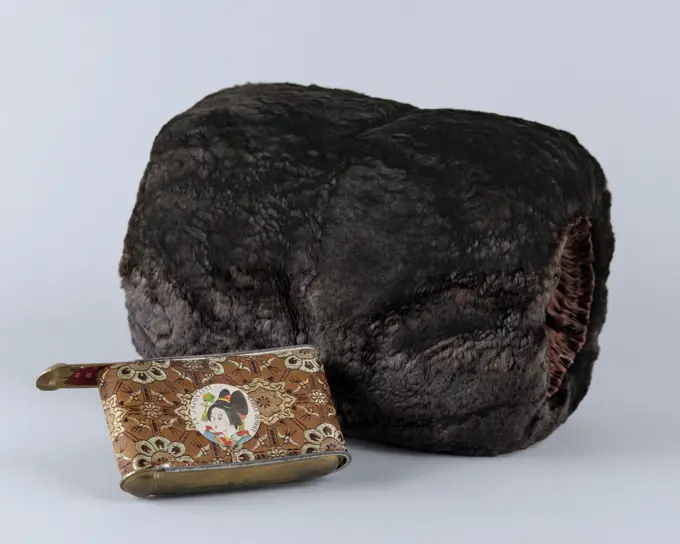
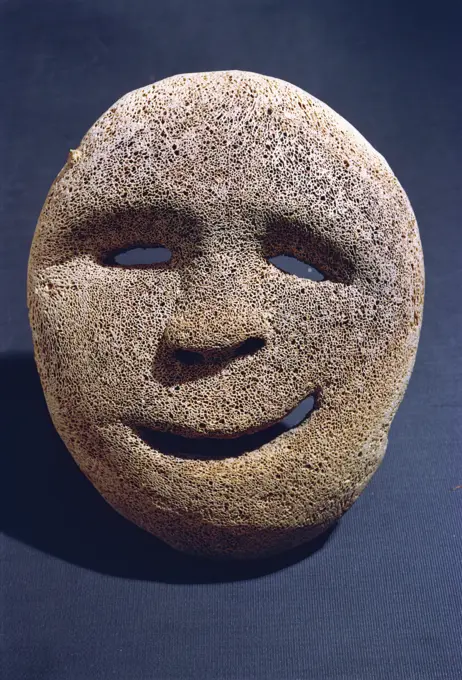
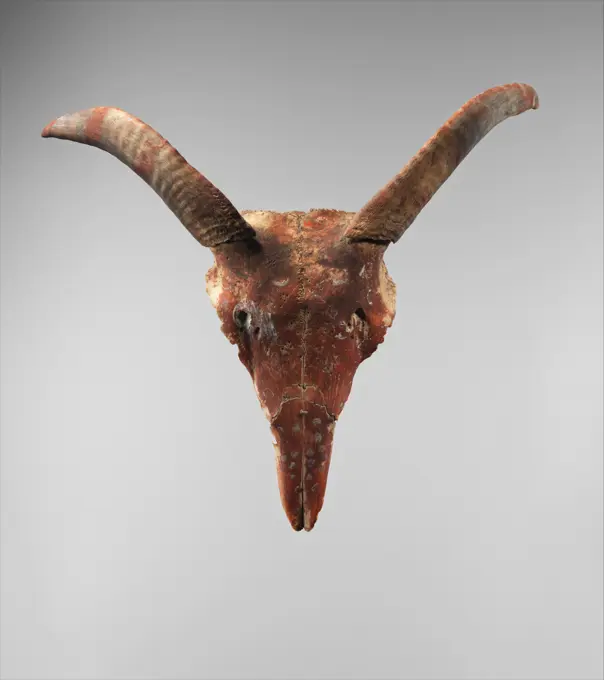
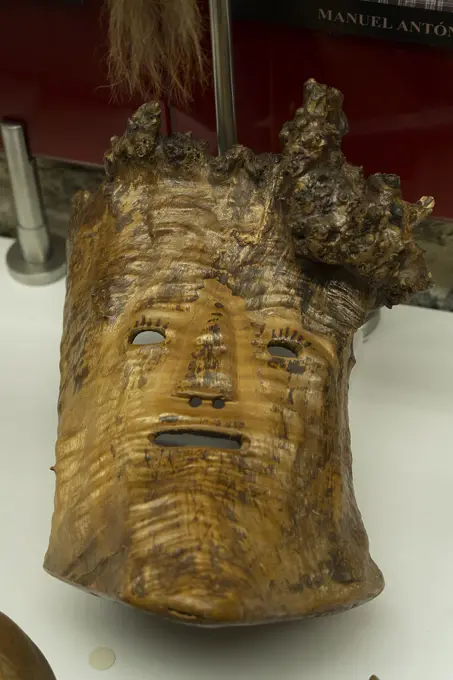
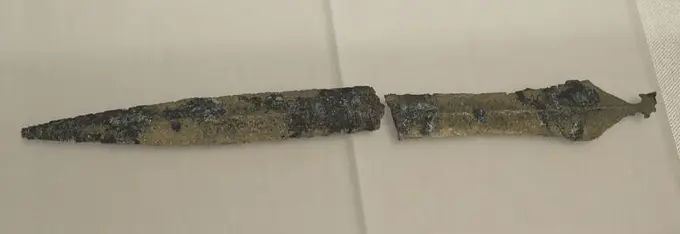
Sword or dagger, ca. 1000 BC. Bronze. From Ponte da Pasaxe (La Corua province, Galicia, Spain). Archaeological and History Museum (San Anton Castle). A Corua, Galicia, Spain.Knee sock, light brown, the collar is knitted in the opposite stitch and there is a decorative seam from the board to the heel, anonymous, c. 1650 - c. 1700  Kniekous, light brown, the collar is knitted in the opposite stitch and there is a decorative seam from the board to the heel. The rest of the middle line was handled by hand in Tricot stitch. This stocking has been worn for a long time. First they tried to stop the holes with coarse light brown, brown and dark brown threads. When this was no longer possible, five repair pieces were sewn up. Of these, three are woven in solid/flat binding and one in keperbinding and a piece of felt has been used. These pieces have a red/brown color. Given the differences, no few with NG-2006-110-18-B forms.  wool knitting  Spitsbergen. Svalbard. Zeeuwsche UytkyckPie Crust Crimper. Dated: c. 1937. Dimensions: overall: 27.8 x 22.9 cm (10 15/16 x 9 in.). Medium: watercolor and graphite on paperboard. Museum: National Gallery of Art, Washington DC. Author: Samuel O. Klein.Bullet rod. A stick bubbles.Hat of Ernst Casimir I.In 1632 Ernst Casimir inspected the trenches during the Siege of Roermond. He was shot in the head while dismounting from his horse and died from his injury three hours later. This is the hat with the fatal bullet hole. Ernst Casimir did not live to see the Dutch troops seize Roermond.Islamic press for the production of olive oil, 11th-12th century, Gilena Museum Collection, Ecomuseum/Arqueodromo Molino de La Casería, province of Seville, Spain.Anglo-Saxon sandstone shaft from a cross. From Lowther, Cumbria, England, reputedly from the churchyard. Late 8th to early 9th century AD.Anonymous, Schutzbrille Mit Tragetasche (German protective glasses in their case) (title awarded), 1939, metal, glass, Paris Liberation Museum - General Leclerc Museum - Jean Moulin Museum.@-Zeichen aus BetonPrehistory. Bronze Age. Rock carving from Jaegersborg Dyrehave north of Copenhagen, 1100-700 BC. On A sun image is depicted on a stand on a ship. National Museum of Denmark. Copenhaguen.Drum, ca.1850. From Vietnam. Drum sometimes called "dai co". It used to hang from a wooden lectern that held it upright like a gong. The use of these drums used to be religious or playful, accompanying traditional operas. Naval Museum. Madrid. Spain.Ojime 19th century Japan. Ojime 74110idol plate, schist, 3600-2500 BC, Gruta/Lapa de Galinha, Santarém, Portugal, Huelva Museum, Huelva, Andalusia, Spain.Pakenhout candy form in the form of a man in nineteenth -century costume, Anonymous, 1800 - 1900 Pakenhout's candy form in the form of a man in nineteenth-century costume. Netherlands pear (wood) Pakenhout's candy form in the form of a man in nineteenth-century costume. Netherlands pear (wood)Possibly a Lamp 8th-13th century This object was excavated at Nishapur.Nishapur was a vital city in the early and middle Islamic periods, located along one of the main trajectories that connected Iran and West Asia Islamic lands with Central Asia and China. These itineraries are often referred to by the term Silk routes but were in fact crucial to the movement of constellations of materials and objects, as well as people and ideas. The diverse population of Nishapur and its surroundings, from the better-researched elite groups of merchants, land-owning aristocracy, and literates, to the less-known artisans, farmers, miners, and servants, were instrumental in adapting global cultural trends to create their own distinctive visual languages. This is seen in the material remains of everyday life in medieval Nishapur - from pots and pans to lighting devices, inkwells, textiles and trimmings, jewelry, games and toys, talismanic devices, weapons, coins, and architectural fragments.Nishapur loFragment of Woman's HeadArtifacts recovered from the wreck of USS Cumberland, a Union Navy sloop-of-war, are pictured here in careful storage at the Hampton Roads Naval Museums artifact storage facility onboard Naval Station Norfolk. USS Cumberland, a sloop-of-war in the Union Navy, sank on March 8, 1862 during a battle with the Confederate ironclad ram CSS Virginia. The museum is the repository for artifacts recovered from the Cumberland.Jug 9th-10th century. Jug. 9th-10th century. Earthenware; slip covered and unglazed. Excavated in Iran, Nishapur. CeramicsHigh angle close up of homemade bar of soap on brown paper.Anonymous (not scratched). Sleeve, otter fur. 1900-1901 brown silk satin lining; The Japanese, pantry heater, metal box covered with a brown flap fabric with flowering (satin armor and taffeta), with geometric patterns and stylized almond and gold stylized birds, 1900-1901. Galliera, fashion museum of the city of Paris. 78698-10 Fashion accessory, 1900, metal box, pierne heater, otter fur, haute couture, Japanese, sleeve, female mode, female model, flower motif, portrait, fabricEskimo whale bone mask, Portland Museum, Portland, Oregon, United States of America, North AmericaBucranium ca. 1640-1550 B.C. Second Intermediate Period. Bucranium 559401Typical artisan mask for traditional masquerade celebration, Iberian Museum of Masks and Costume, Braganza (Bragança),Trás-os-Montes and Alto Douro, Portugal.