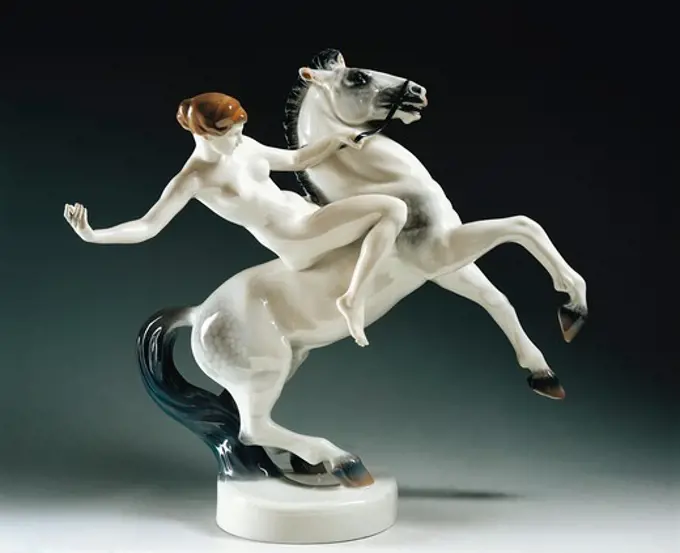
Artistic Animal Sculptures

Unique zoomorphic vases and figurines crafted from various materials, showcasing intricate designs and historical artistic styles from different cultures.
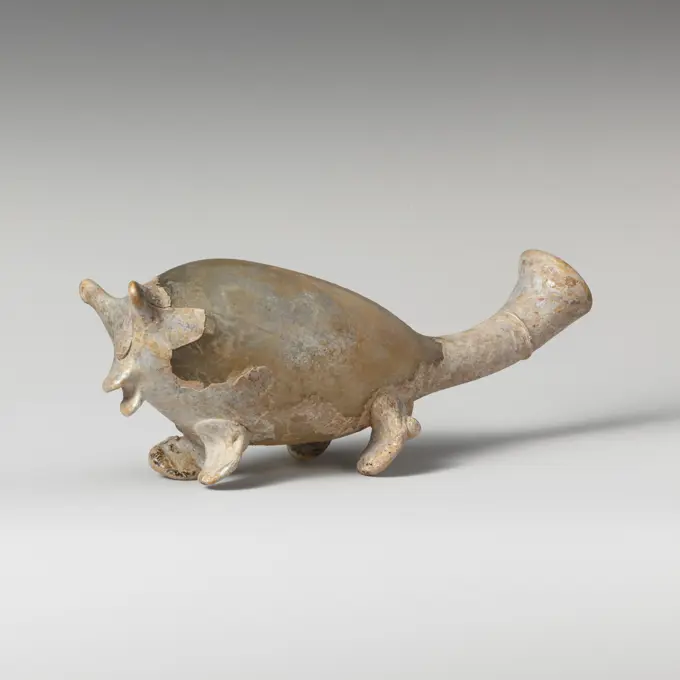
Glass bottle in the shape of an animal ca. 3rd century A.D. Roman Colorless with yellowish tinge; trail and applied feet in same glass.Thick rim, folded over and in, with flattened upper lip; tubular neck, turned upwards; elongated ovoid body; pontil pad on bottom between ears and mouth; four broad pads applied in pairs on underside of body, tooled and pinched to look like feet.Single trail wound once around neck; around bottom, side pinched out to form two ears and projecting mouth.Intact; many pinprick bubbles and blowing striations; dulling, pitting, thick creamy weathering, and iridescence.The animal is probably to be identified as a mouse.. Glass bottle in the shape of an animal 256724
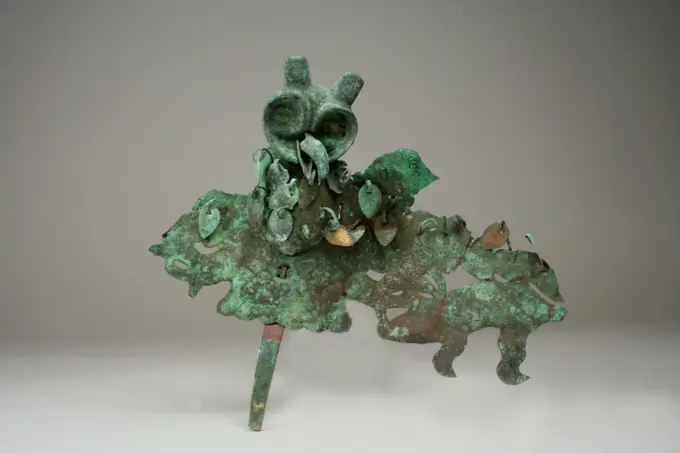
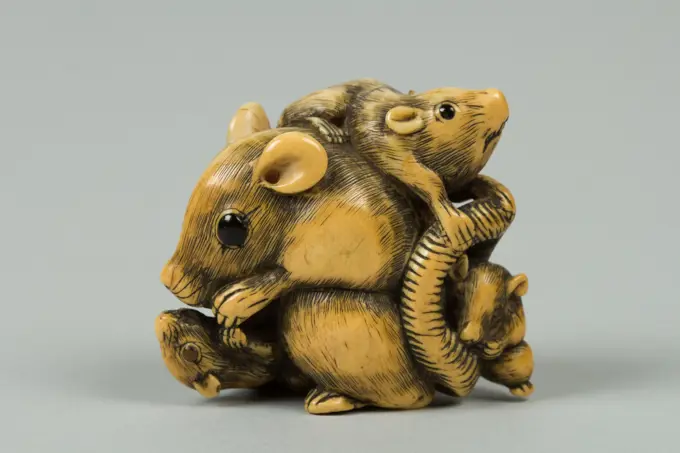
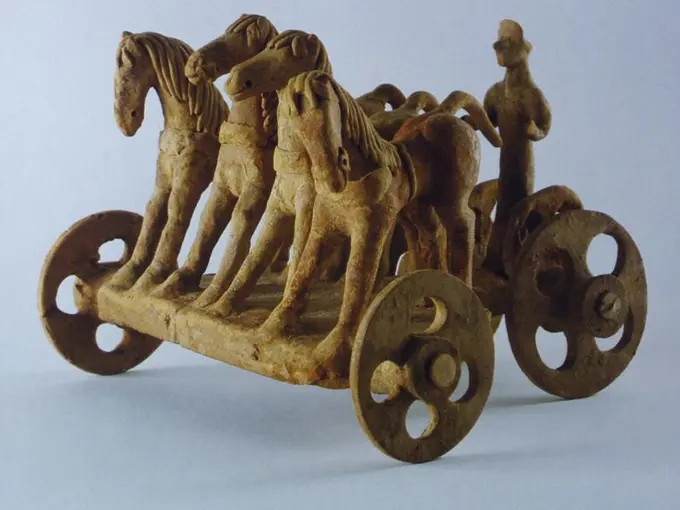
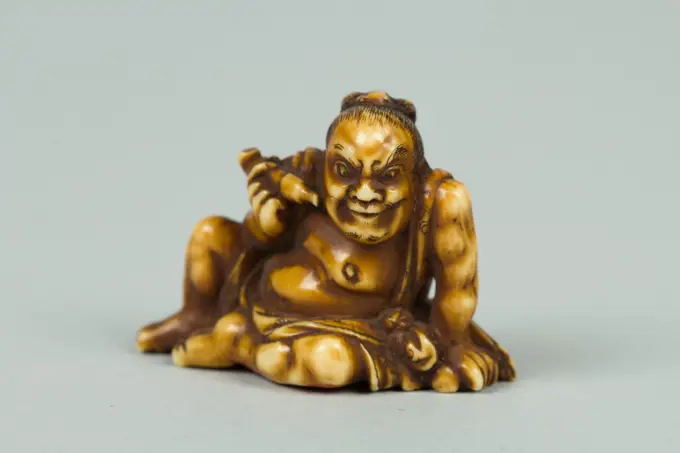
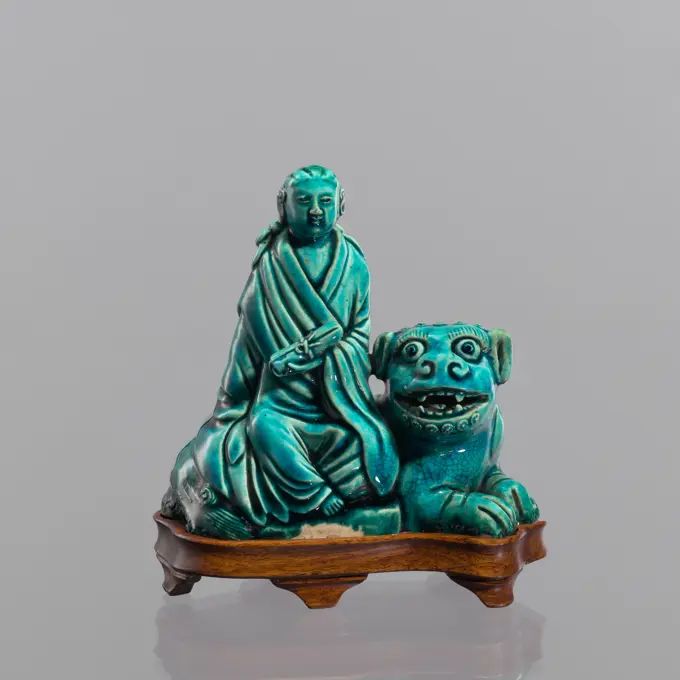
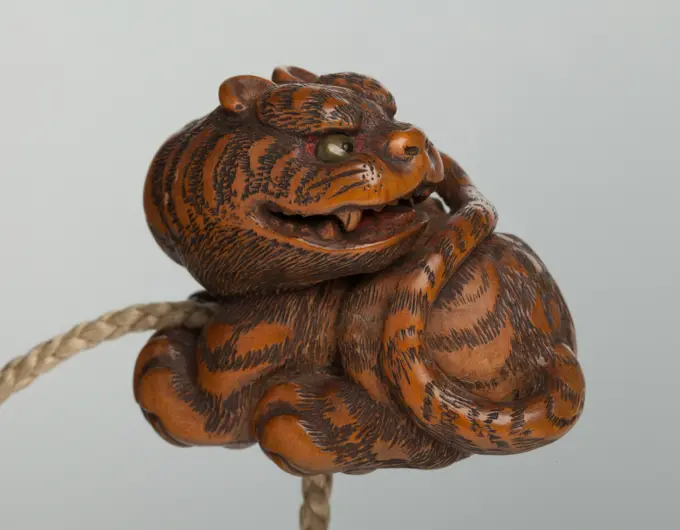
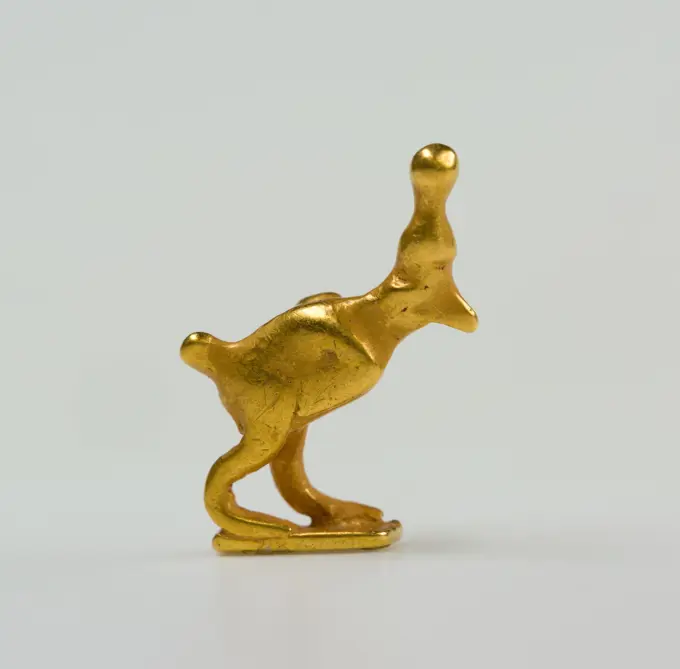
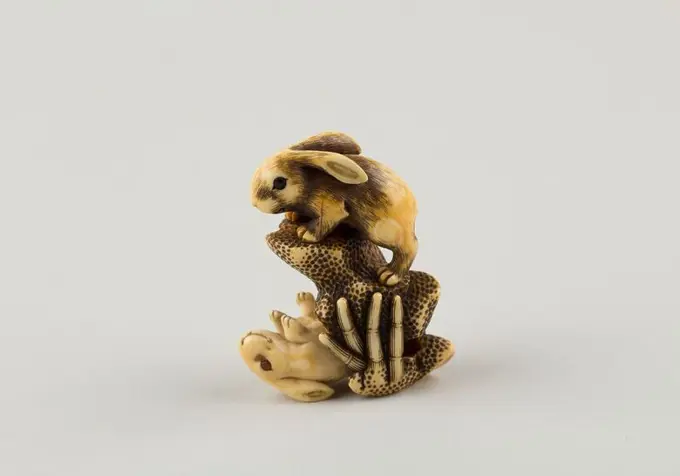
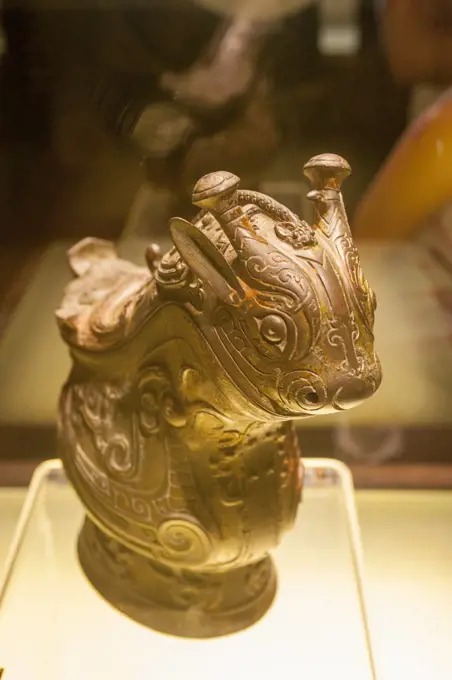
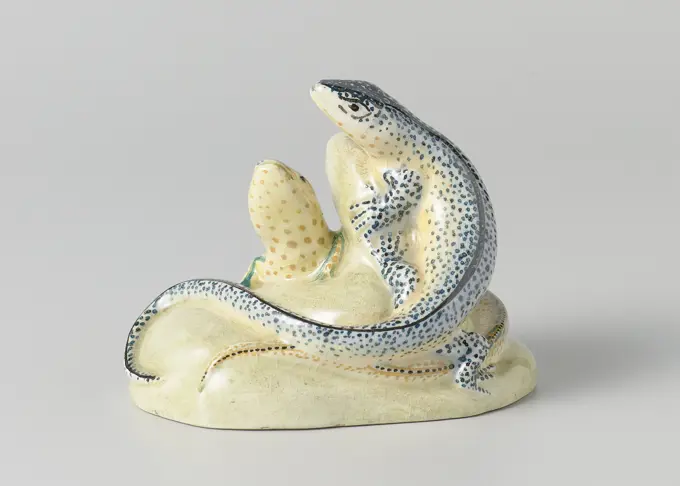
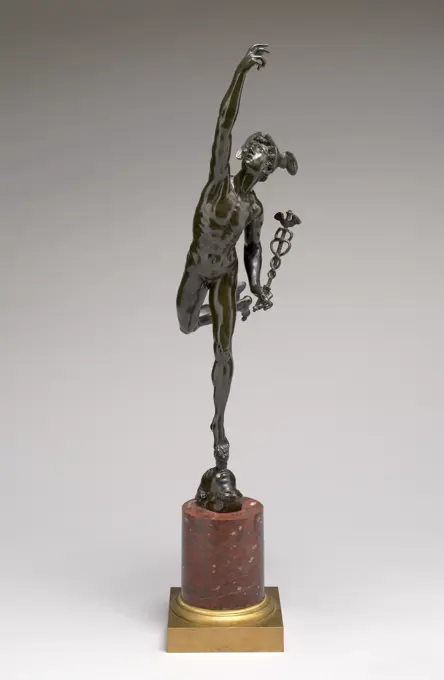
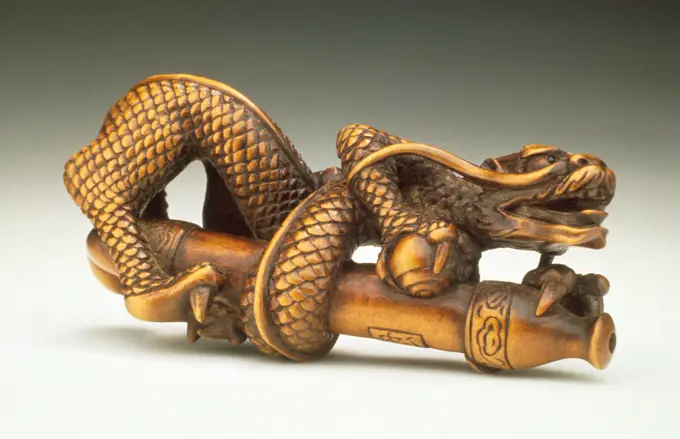
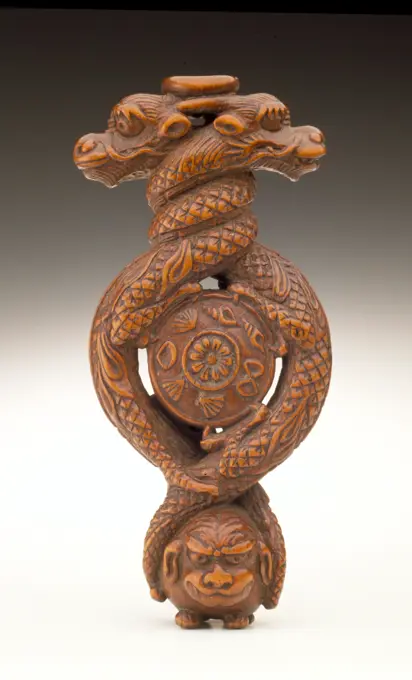
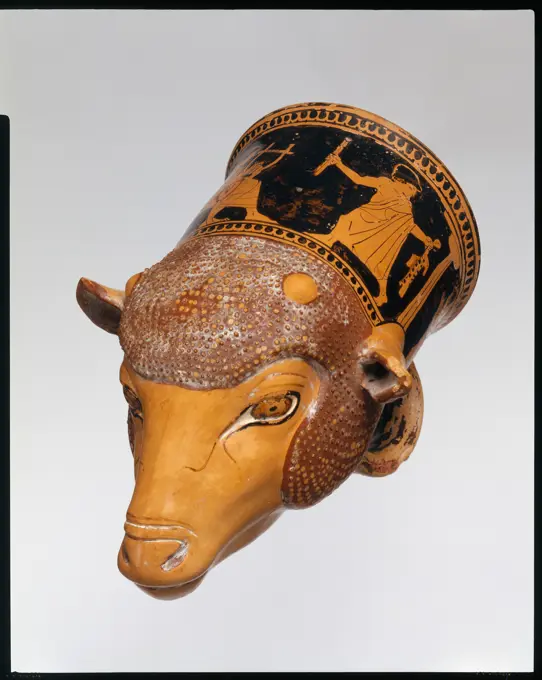
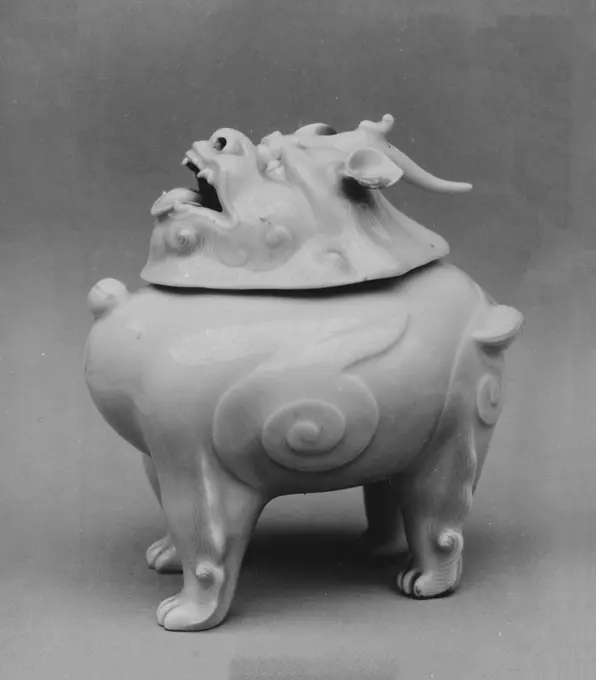
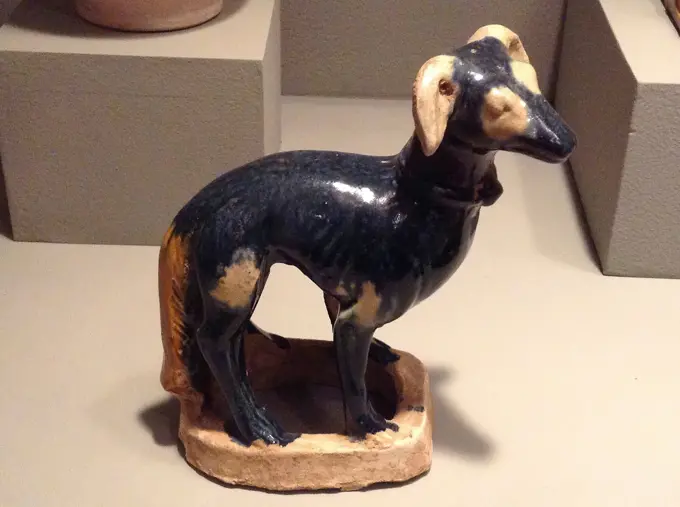
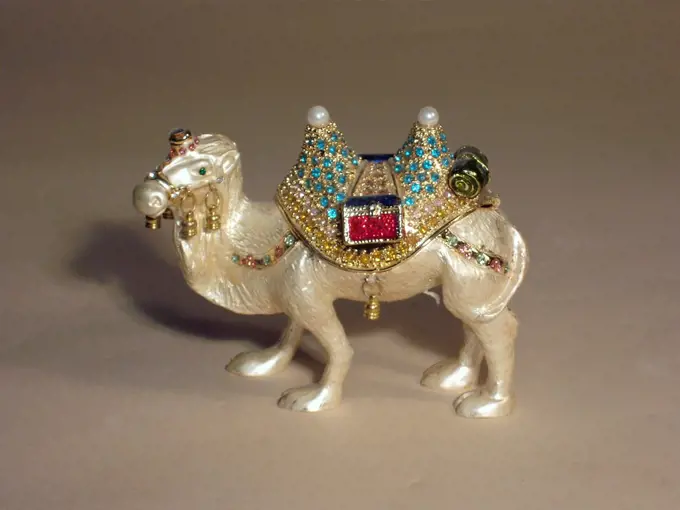
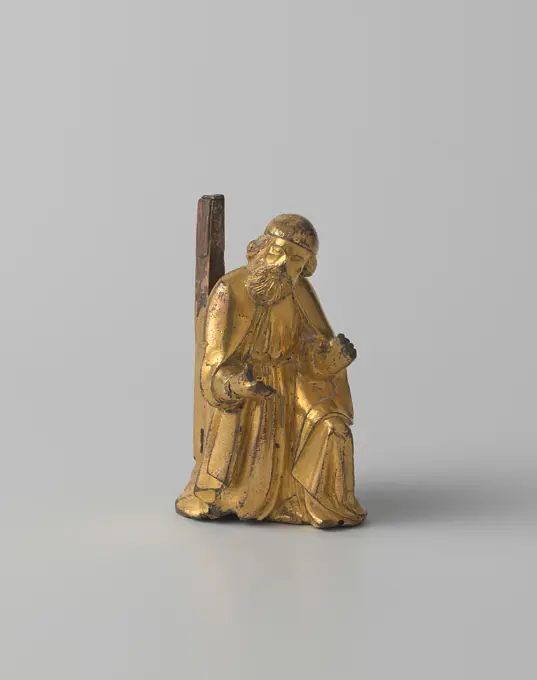
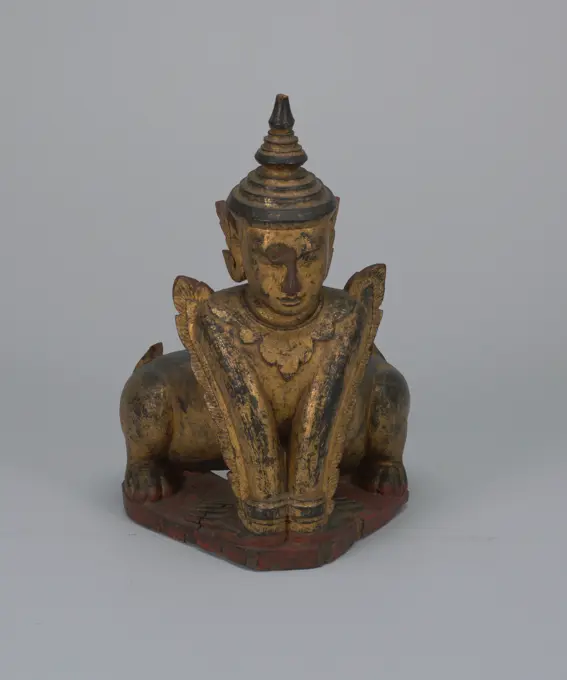
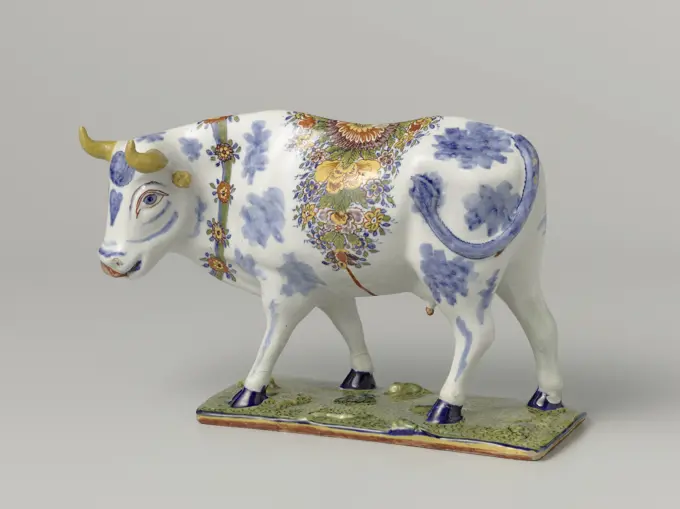
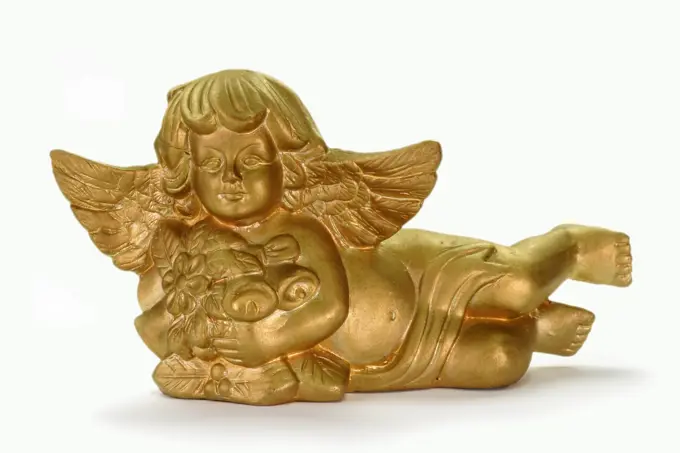
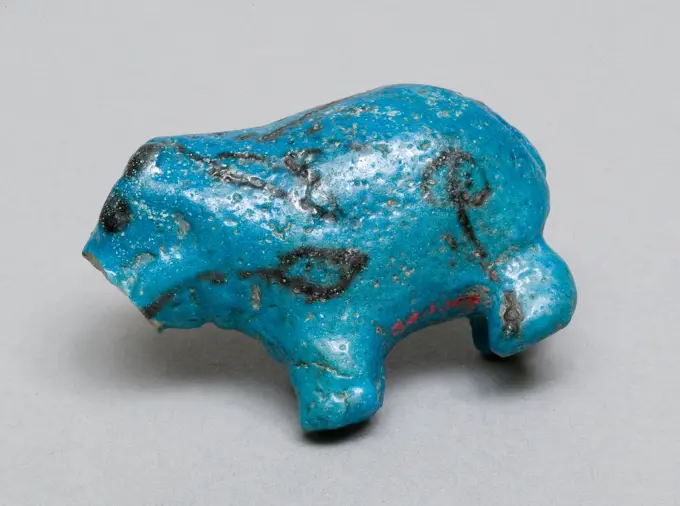
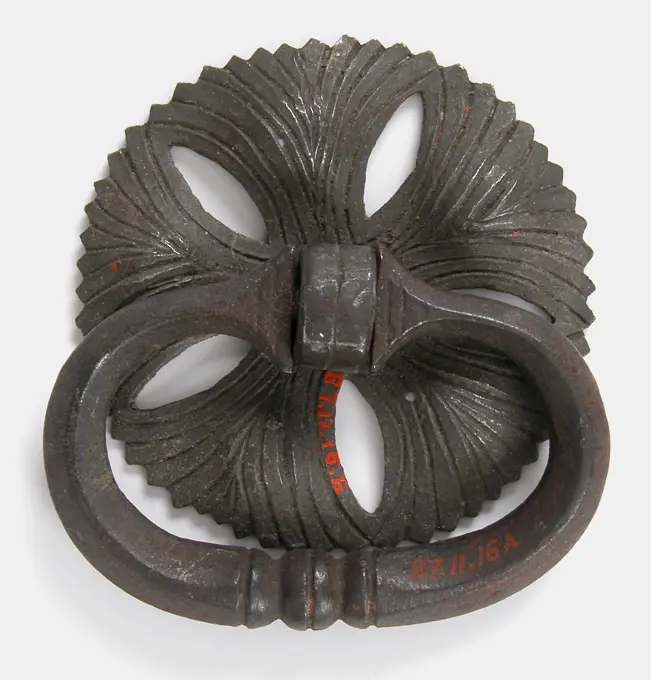
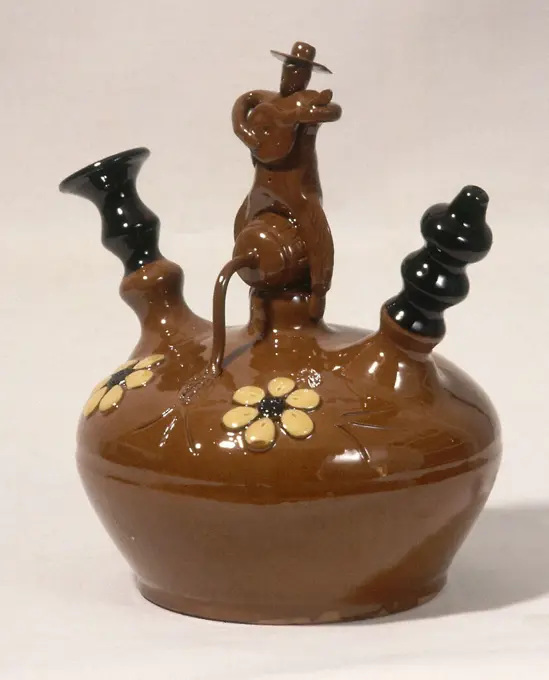
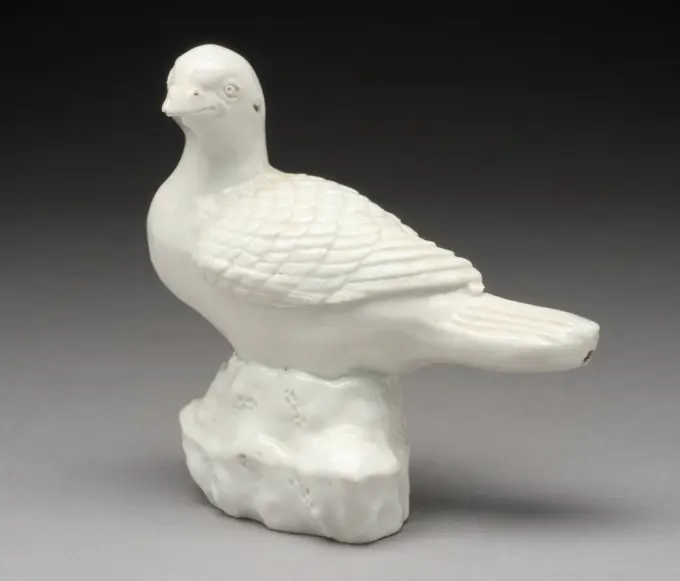
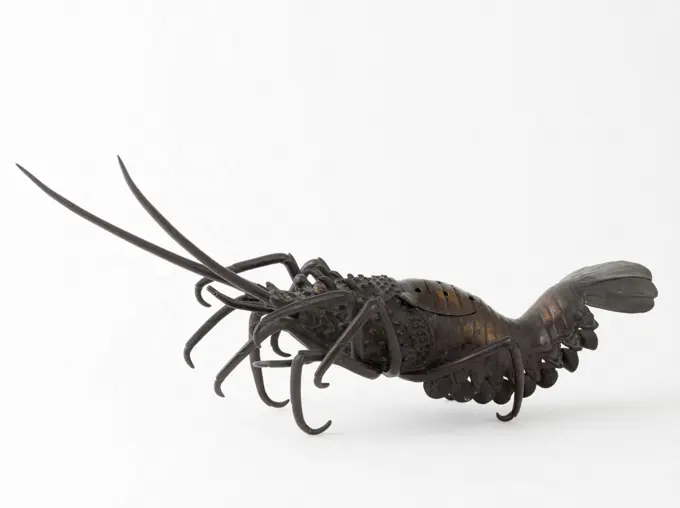
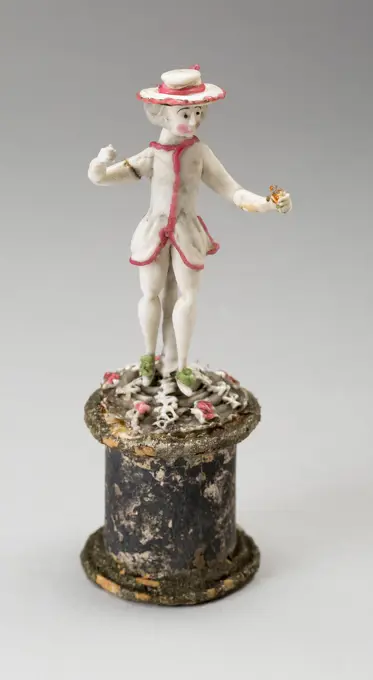
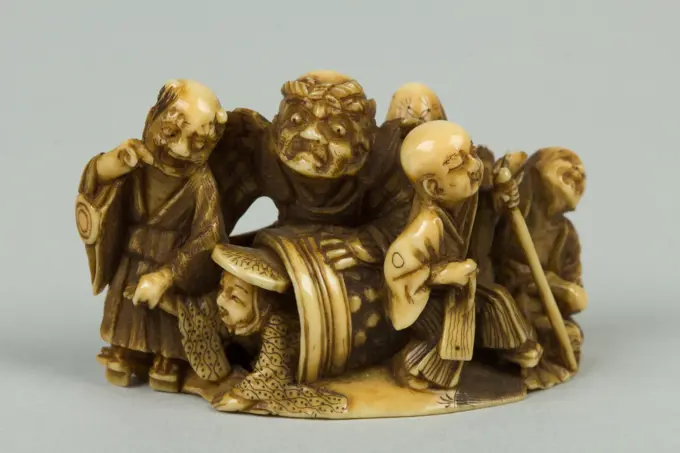
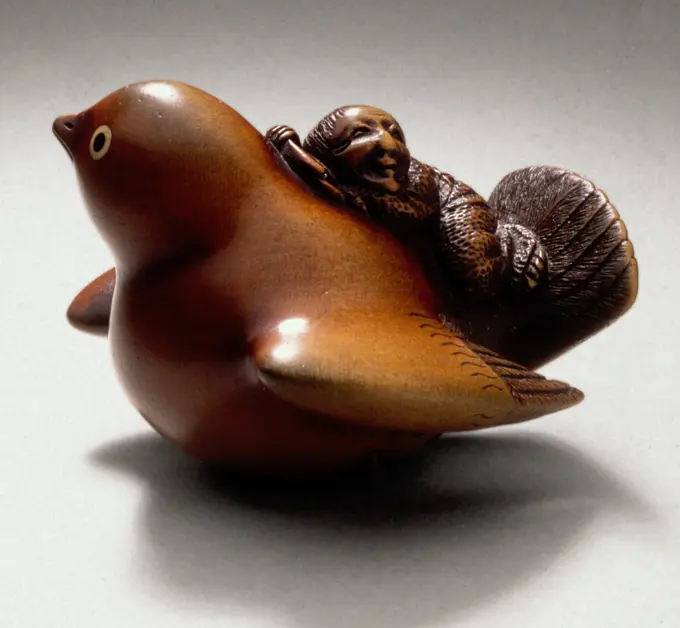
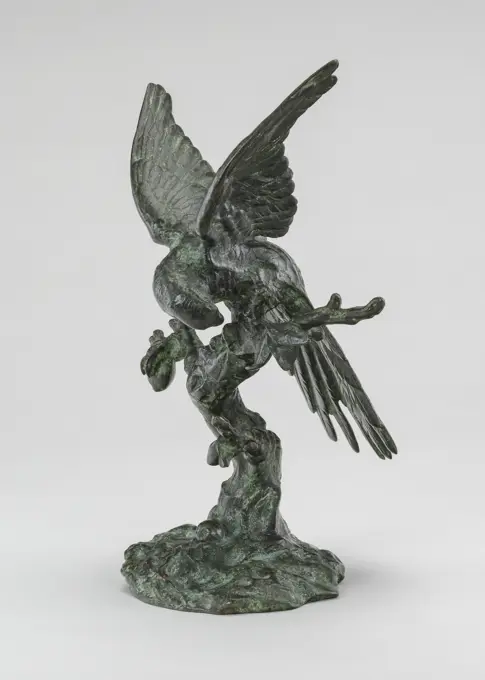
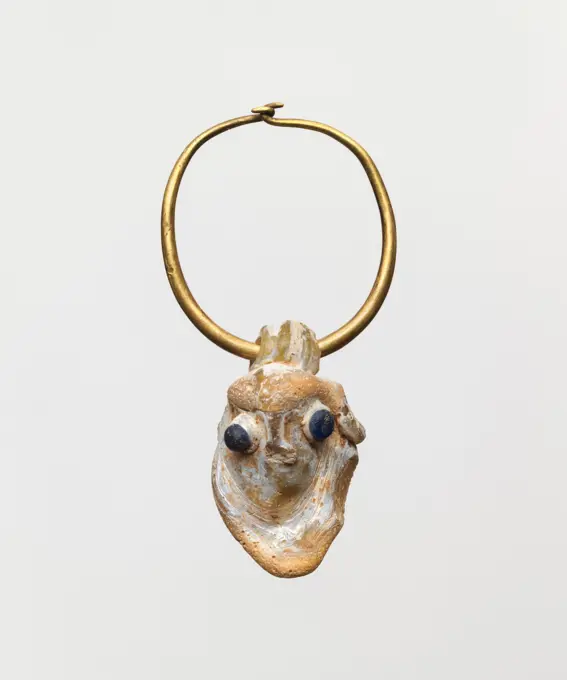
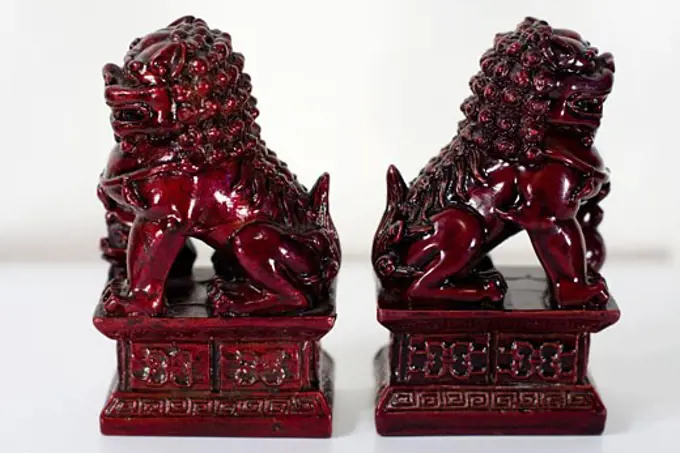
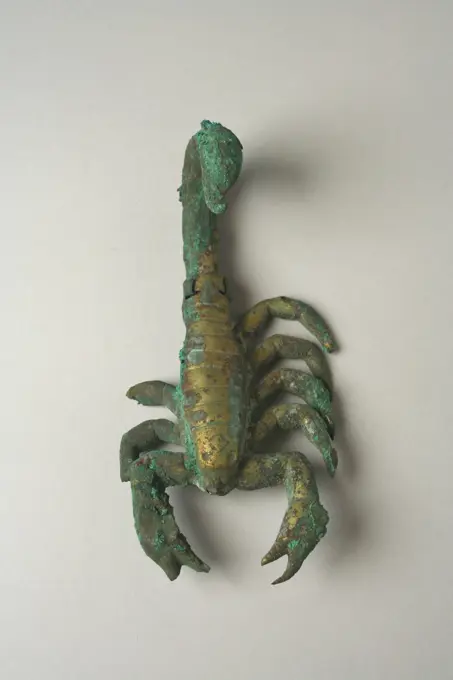
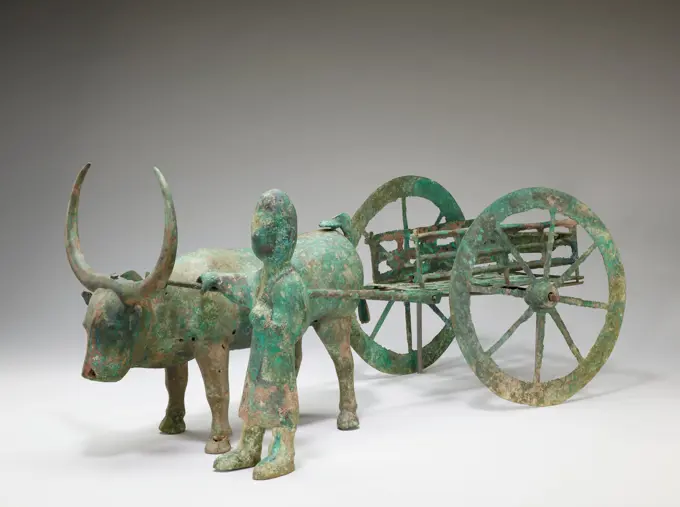
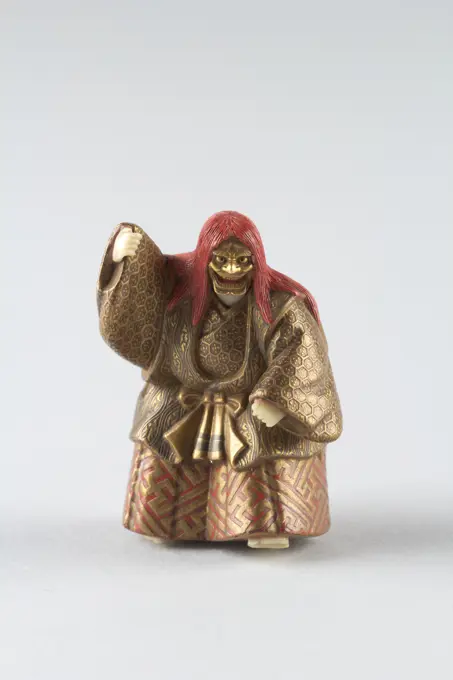
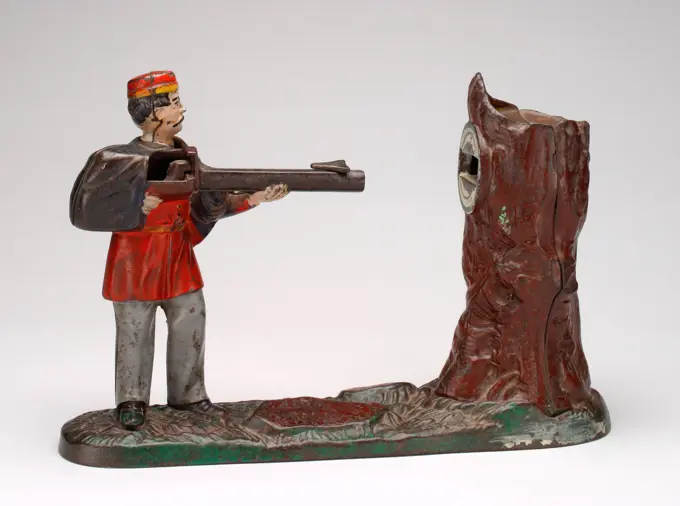
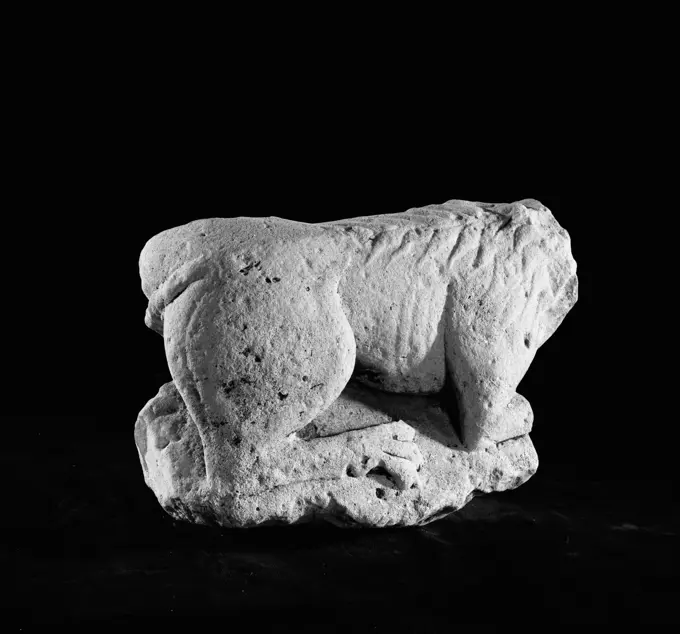
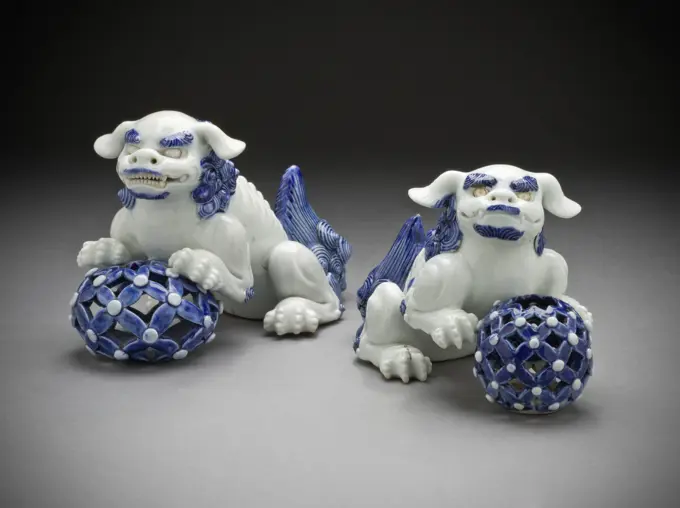
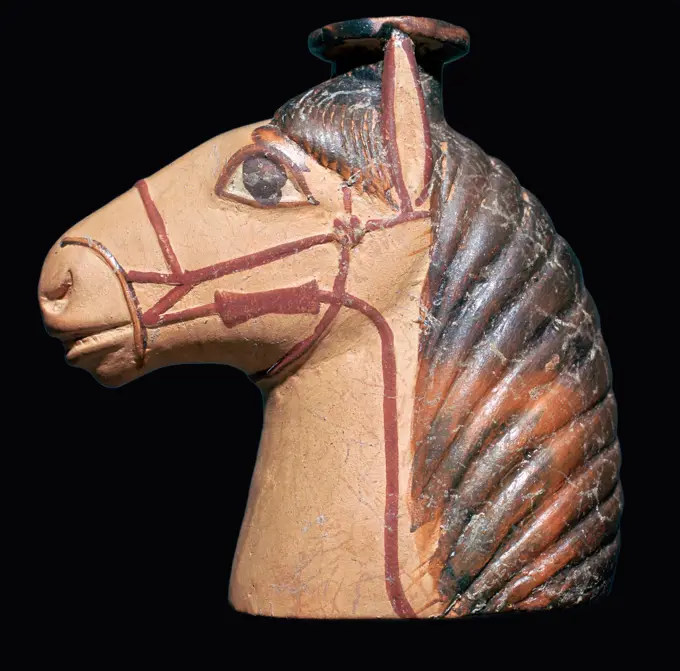
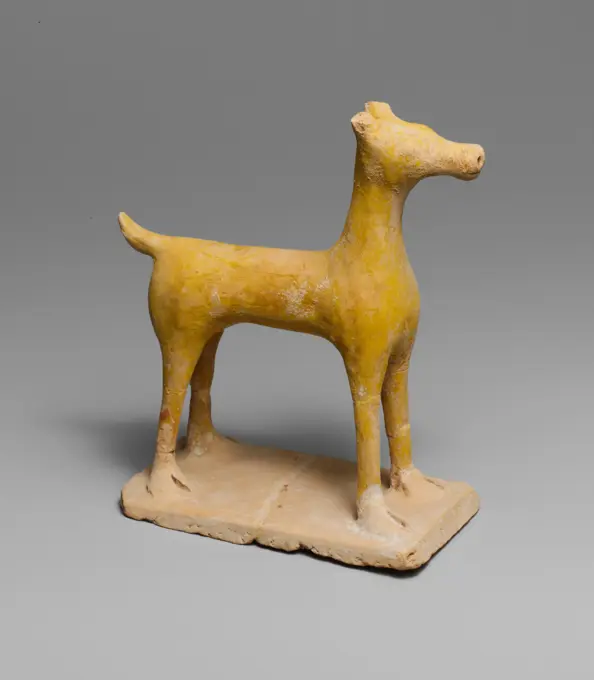
Terracotta statuette of a deer 1st quarter of the 5th century B.C. Greek, Boeotian The base and feet are modern restorations.. Terracotta statuette of a deer 254822 Greek, Boeotian, Terracotta statuette of a deer, 1st quarter of the 5th century B.C., Terracotta, H. 5 5/8 in. (14.3 cm) Plinth: 4 1/8 x 2 1/8 in. (10.5 x 5.4 cm). The Metropolitan Museum of Art, New York. Rogers Fund, 1955 (55.11.8)Owl Ornament 6th-7th century Moche (Loma Negra). Owl Ornament 313471Netsuke of Group of Mice 19th century Japan. Netsuke of Group of Mice. Japan. 19th century. Ivory. Edo (1615-1868) or Meiji period (1868-1912). NetsukeNetsuke of Monkey on a Mushroom 18th century Japan. Netsuke of Monkey on a Mushroom. Japan. 18th century. Ivory. Edo period (1615-1868). NetsukeGoat with rider. Image of unforded faience. On a rectangular pedestal with beveled corners is a goat with a man with a hat on the back. The left rear leg of the goat is placed before the right hinter leg.CARRO DE CABALLOS CON AURIGA-GRECIA/BOECIA- 600/550 D.C- TERRACOTA. Location: MENIL COLECCION. HOUSTON-TEXAS.Ivory and Bronze Lid with a Crouching Lion. UnknownJapanese Rat on a Cushion Netsuke,  Meiji Period, 1868 - 1912Pilgrim's Badge 14th-16th century French. Pilgrim's Badge. French. 14th-16th century. Lead. Metalwork-LeadCrab 6th-7th century Moche (Loma Negra). Crab 314483Can in the form of a mooded monkey, Gebr. Tichelaar, c. 1900 - c. 1925 Can of blue and yellow painted faience in the form of a monkey. The monkey wears a hat and the hat is the lid. The tail of the monkey is the handle and its yellow mouth the pour. On the belly of the monkey there is a spell: "Kees den Aap ...". The jug is marked. Makkum earthenware. tin glaze. Can of blue and yellow painted faience in the form of a monkey. The monkey wears a hat and the hat is the lid. The tail of the monkey is the handle and its yellow mouth the pour. On the belly of the monkey there is a spell: "Kees den Aap ...". The jug is marked. Makkum earthenware. tin glaze.Netsuke 19th century Japan. Netsuke. Japan. 19th century. Ivory. Edo (1615-1868) or Meiji period (1868-1912). NetsukeAmulet of a Cobra 1070 BCE-656 BCE Egypt. Faience . Ancient EgyptianARhat on the lion on the base;  XVII/18th century () (1662-00-00-1722-00-00);Faience aryballos (perfume vase) in the form of a hedgehog. Culture: East Greek. Dimensions: 4 3/8 x 3 1/4 x 7 in. (11.1 x 8.3 x 17.8 cm). Date: ca. 550-500 B.C.. Museum: Metropolitan Museum of Art, New York, USA.CDK TANAKA, MINKO (1735 1816)Standing Cup and Cover, 1800-1900. This is a well made example of an ornamental cup and cover which has been turned from sycamore. The decoration is built up from a number of carvings which were then glued and dowelled together... Purchased from Edward H Pinto, 1965.. .Quail chick amulet. Dimensions: H. 1.6 cm (5/8 in.); W. 1 cm (3/8 in.); D. 0.5 cm (3/16 in.). Dynasty: Dynasty 12-17. Date: ca. 1981-1550 B.C.. Museum: Metropolitan Museum of Art, New York, USA.Figure of a rearing cobra with feline head Late Period - Ptolemaic Period 664-30 B.C. This unusual figure takes the form of a rearing serpent with a feline head. The hooding cobra, or uraeus (ancient Egyptian iaret) is well-known in pharaonic art, often used to represent protective goddesses ready to spit fire and venom at the enemies of Egypt and of the cosmic order. The feline head, whose rounded ears suggest a lion or lioness, also associates the figure with fierce goddesses such as Wadjet (who is often depicted as a cobra), Sakhmet, or Bastet. This composite creature is rare in bronze or copper alloy, but is not uncommon in the amuletic repertoire (see 10.130.1952).Based on two-dimensional representations of similar feline-headed serpents, a more specific context for this piece may also be suggested: This could be one of a group of four lioness-headed snake deities who are shown in several temple reliefs protecting the god Osiris. In these reliefs, Osiris is embodied by the "AbydosQuail chick amulet ca. 1981-1550 B.C. Middle Kingdom-Second Intermediate Period. Quail chick amulet 556125Doe 1815-1825 Staffordshire. Lead-glazed earthenware, polychrome enamels .Netsuke of Two Rabbits and a Rock. Artist: Mitsuharu. Culture: Japan. Dimensions: H. 1 7/8 in. (4.8 cm); w. 7/8 in. (2.2 cm). Date: 18th century. Museum: Metropolitan Museum of Art, New York, USA.A wine vessel from the 13th Century BC in the bronze exhibit at the Shanghai Museum, a museum of ancient Chinese art, situated on the Peoples Square in the Huangpu District of Shanghai, China.Recumbent lion from a bracelet ca. 1878-1805 B.C. Middle Kingdom. Recumbent lion from a bracelet. ca. 1878-1805 B.C.. Gold. Middle Kingdom. Probably from Memphite Region, Dahshur, de Morgan excavations, 1894-95; From Egypt. Dynasty 12, lateFurniture fitting "Amor transporting time";  1st half XIX W (1800-00-00-1849-00-00);Fibula Cypriot. Fibula 244436Hand carved wooden sculpture of lovers isolated on white backgroundTeapot in the form of a Rooster. Germany. Date: 1700-1725. Dimensions: 11.3 x 17.2 cm (4 7/16 x 6 3/4 in.). Tin-glazed earthenware (faience). Origin: Germany. Museum: The Chicago Art Institute, Chicago, USA.Group of two lizards on rock, tile and Fayencefabriek Amphora, c. 1910 Group of two lizards on a rock, of earthenware. Painted in blue, yellow, green, and black. Rock and soil yellow -green. Marked: Amphora Holland 45-1 R in black. Oegstgeest earthenware Group of two lizards on a rock, of earthenware. Painted in blue, yellow, green, and black. Rock and soil yellow -green. Marked: Amphora Holland 45-1 R in black. Oegstgeest earthenwareConsole -shaped étagère with scalloped cover plate, worn by a sculpted dancer, anonymous, c. 1700 - c. 1800 Console -shaped étagère from polychromed Lindehout. The cover plate sculpted on the front is supported by a sculpted black dancer, with the head forward and the elbows directed backwards; Supporting the hands against the wall and the man is on a draped cloth. The left leg is highly lifted. The silvered garter and the black cardigan with the gilded belt are decorated with tenders. The vest closes at the front with three knots. Gilded pointed mules. See: BK-19957-6-A. Venice wood (plant material). linden. pine (wood). gilding (material) marbled paper / gilding Console -shaped étagère from polychromed Lindehout. The cover plate sculpted on the front is supported by a sculpted black dancer, with the head forward and the elbows directed backwards; Supporting the hands against the wall and the man is on a draped cloth. The left leg is highly lifted. The silvered garter and the black caFrench 19th Century, Mercury, 19th century MercuryFigure of angel with coat of arms, part candle crown, anonymous, 1475 - 1500 The figure is part of a candle crown and consists of the following cast parts: the angel, the two hands, the two wings and the coat of arms. The hands are sounded. The wings are placed in slots. The kneeled angel holds a white coat of arms. The figure is hollow and has an opening at the top. Southern Netherlands brass (alloy) casting The figure is part of a candle crown and consists of the following cast parts: the angel, the two hands, the two wings and the coat of arms. The hands are sounded. The wings are placed in slots. The kneeled angel holds a white coat of arms. The figure is hollow and has an opening at the top. Southern Netherlands brass (alloy) castingPipe-Smoke Dragon. Shūzan (Japan, active mid-19th century). Japan, mid-19th century. Costumes; costume. Wood with inlaysRaoul Du Bois, Hobby Horse Toy, 1935 1942 Hobby Horse ToyChinese GongTerracotta rhyton (vase for libations or drinking) ca. 460 B.C. Attributed to the Painter of London E 100 Youths with lyre and double flutesThe vase is in the form of the head of a lamb, and the artists have taken great pains to render the short, tightly curled wool, the projecting ears and undeveloped horns, and especially the beautiful large eyes. The scene of the cuff may well depict youths at school. One must wonder whether the combination of a lamb and schoolboys is intentional.. Terracotta rhyton (vase for libations or drinking) 254200Pendant. Northwestern Iran, circa 1350-800 B.C.. Jewelry and Adornments; pendants. Bronze, castFoundation Deposit Bound Ox 780 BCE-343 BCE Egypt. Glass . Ancient EgyptianApulian Ram Head Rhyton. Associated with the Iliupersis Painter (Greek (Apulian), active about 375 - 350 B.C.)Covered censer In form of Shishi 1780 Japan. Covered censer In form of Shishi. Japan. 1780. White porcelain, boldly chiseled (Hirado ware). Edo period (1615-1868). CeramicsCat Head Egyptian Art Female musician with harp China late 7th century Ensembles featuring female musicians often served as a musical bridge between elite and popular culture. As expert musicians, they were often musical innovators. Here, a small ensemble is shown (23.180.4-.7), clapping and playing the pipa, tongbo (small copper cymbals), and konghou (harp). The pipa is played in its original position, like an Arabic lute; its silk strings are plucked with a triangular plectrum. The construction and playing style resemble those of the biwa, a Japanese lute derived from the pipa. Today, the biwa maintains the use of a triangular plectrum, the West Asian plectrum guard, and the C-shaped sound holes seen on the instrument played by the musician here as well as on the jade belt featured in this case. The Chinese playing style changed during the chaotic Later Tang period (921-36), when the plectrum was discarded. The angular konghou harp, introduced at the end of the Han dynasty, was in decline at this time andBottle ca. 1834 French. Bottle 195501Tomb Figure Representing a Standing Dog, 618-906, 6 1/2 in. (16.51 cm), White earthenware with three-color glaze, China, 7th-10th centuryThree-Sectional Altar Group: Cylindrical Carving with Phoenix, 1644-1911. China, Qing dynasty (1644-1911). Jade; overall: 21.4 x 8 x 4.5 cm (8 7/16 x 3 1/8 x 1 3/4 in.); with base: 24.2 cm (9 1/2 in.); cylinder: 15.8 x 8 x 4.5 cm (6 1/4 x 3 1/8 x 1 3/4 in.).Two-humped camel ornament made in modern Tibet.Haniwa (funerary statuette) representing a bear, Kofun period, terracottaKneeled mans figure. The molded and subsequently added figures are opposed to posture (from head, arms and legs). Their clothing consists of piping, cloak and hood. Hair and beard cover the neck whole. They have a reinforcement at the rear, in which a rectangular hole is saved and in which the original pin is still present at Nr. BK-16925-B.Manokthiha (Myanmar (formerly known as Burma)); carved, painted, gilt woodDecorative object; cow, anonymous, 1730 - 1770 Animal figure of Faience, representing a cow. Multicolored painted with flowers. Delft . Animal figure of Faience, representing a cow. Multicolored painted with flowers. Delft .Scroll Pot, 17th century, 16 3/4 x 19 1/4 x 15 3/4 in. (42.5 x 48.9 x 40 cm) (irregular), Root wood, China, 17th centuryCup probably 1658 Jan de Grebber. Cup 193545Roof Tile China 19th centuryGoldener Engel Golden Angel Goldener Engel auf hellem Hintergrund Decorativ golden angel on bright background Copyright: xZoonar.com/Teamarbeitx 200297Yaksha General Holding a Mongoose 1701-1800 Tibet. Gilt copper .Hippopotamus figurine ca. 1981-1640 B.C. Middle Kingdom. Hippopotamus figurine. ca. 1981-1640 B.C.. Faience, blue glaze. Middle Kingdom. From Egypt, Memphite Region, Lisht South, tomb west of the tomb of Senwosretankh, debris, MMA excavations, 1933-34. Dynasty 12-13Door Handle 15th century German. Door Handle 468797Tulip Vase Vase; Designed by Josef Mendes Da Costa; Netherlands; stoneware; 11 x 11 cm (4 5/16 x 4 5/16 in.)BOTIJO DEL BORRACHO PINTADO Y VIDRIADO. Location: ALFARERIA. CASATEJADA. CACERES. SPAIN.Pigeon-shaped Figurine. Japan, mid-19th century. Ceramics. Hirado Mikawachi ware; porcelain with clear glazeLobster. Bronze. China. Paris, Cernuschi museum. Chinese art, bronze, crustace, lobsterCandlestick (one of a pair) ca. 1760-65 Chelsea Porcelain Manufactory. Candlestick (one of a pair). British, Chelsea. ca. 1760-65. Soft-paste porcelain. Chelsea Porcelain Manufactory (British, 1745-1784, Gold Anchor Period, 1759-69). Ceramics-PorcelainFrog figurine, frog wearing crown holding a pearlInuit stone sculpture, Iqaluit, Frobisher Bay, Baffin Island, Nunavut, Canada, detail, object, North AmericaMan Holding a Ball 1750-1799 France. Glass; lampwork (verre de Nevers), metal armature .Boy with arms stretched up, Meissener Porzellan Manufaktur, 1740 - 1760 Porcelain boy figure with arms stretched up, standing on a pedestal with purple-like red rocaille ornaments. The hair of the child are gray -colored as well as the eyebrows and eyes. Float porcelain Porcelain boy figure with arms stretched up, standing on a pedestal with purple-like red rocaille ornaments. The hair of the child are gray -colored as well as the eyebrows and eyes. Float porcelainAmulet - związany byk ofiarny. unknown, authorNetsuke with Group of Six Men 19th century Japan. Netsuke with Group of Six Men. Japan. 19th century. Ivory. Edo (1615-1868) or Meiji period (1868-1912). NetsukeTongue-Cut Sparrow. Hidemasa (Japan, active early 19th century). Japan, early 19th century. Costumes; Accessories. Wood with double inlaysAntoine Louis Barye, Parakeet Seated on a Tree, model nd, cast c 1845 1874 Parakeet Seated on a TreeAntoine-Louis Bare (1795-1875). "Milan taking a hare". Before 1874. Museum of Fine Arts of the City of Paris, Petit Palais. Statuette, 19th XIXth 19th 19th 19th 19th century, animalOld woman figurine Isolated figurine of an old woman against a white background Copyright: xZoonar.com/YannxPoirierx 12344344Gold earring with a glass pendant in the form of a demonic mask 1st half of the 5th century B.C. Phoenician or Carthaginian Translucent colorless with greenish tinge, cobalt blue, opaque yellow and white.Hollow at back from rod, forming protruding face with rounded forehead and broad, flat beard extending downward; above, added colorless trail as suspension ring.Yellow outline to head, forming line across brow and around beard; colorless ears applied at sides; bulging eyes outlined in white with blue pupils.End of nose and proper right ear missing, and large, weathered chip on proper left side of face; pitting and iridescent weathering.Large gold hoop, circular in section, tapering towards ends fastened in a hook and loop.These pendants were used as protective amulets to ward off evil. Similar pendants are frequently represented on Cypriot votive statues and figurines, particularly "temple boys.". Gold earring with a glass pendant in the form of a demonic mask. Phoenician or CarthaginiDog 1700-1799 France. Glass; lampwork (verre de Nevers), metal armature .Chinese lions; Figurines of lions believed to have mythic protective powers in Chinese mythologyScorpion 6th-7th century Moche (Loma Negra). Scorpion 314463Cart with Ox and Farmer, 1st century, Overall length: 69cm, Bronze, China, 1st century, Cast nearly two-thousand years ago, this bronze oxcart would have been placed in an upper-class tomb to serve as an auspicious emblem of plentiful harvests through all eternity. For centuries, the Chinese have associated agriculture and the noble work of farmers with peace and prosperity. A tomb object like this would have ensured prosperity for the afterlife.Figure of a Lion China. Figure of a Lion. China. Porcelain with famille verte. Qing dynasty (1644-1911), Kangxi period (1662-1722). CeramicsCarved hand sculpture from Thailand against orange wall.Purse. Culture: China. Dimensions: 5 5/8 x 5 3/8 x 1 in. (14.3 x 13.7 x 2.5 cm). Date: 8th-9th century. Museum: Metropolitan Museum of Art, New York, USA.Setter (setting right). Dated: model c. 1840/1845. Dimensions: overall: 10.2 × 7.6 × 19.7 cm (4 × 3 × 7 3/4 in.). Medium: bronze. Museum: National Gallery of Art, Washington DC. Author: PIERRE-JULES MENE.A figurine from a monkey band, organist K trader, Jan Joachim, Miśnia (Meissen)Netsuke of Noh Dancer 19th century Japan. Netsuke of Noh Dancer. Japan. 19th century. Ivory and lacquer. Edo (1615-1868) or Meiji period (1868-1912). NetsukeCreedmoor' mechanical bank, c. 1877, James H. Bowen; Manufacturer: J. & E. Stevens Company, Cromwell, Connecticut, 1843-1950s, American, active c. 1877-1906, 6 3/4 x 10 3/16 x 2 11/16 in. (17.15 x 25.88 x 6.83 cm), Iron, pigment, 19th centuryFragment of a stone tympanum that remains only the Lion of Saint Marc without head, proven unknown, end of the XIIth century - beginning of the 13th century (Cat. 184) Anonymous. Fragment of a stone tympanum that remains only the Lion of St. Mark without head, unknown provenance, late 12th century - early 13th century (Cat. 184). Pierre.Chimney Ornament Little Red Riding Hood 1825-1835 Staffordshire. Glazed earthenware with polychrome enamel decoration . Staffordshire PotteriesPair of Okimono in the Form of Chinese Lions on Pierced Balls. Japan, 19th century. Ceramics. Hirado ware; porcelain with white and blue glazesSeated Chinese Figure, c. 1730. Meissen Porcelain Factory (German). Porcelain; overall: 11.8 x 10 cm (4 5/8 x 3 15/16 in.).Antoine-Louis Bare (1795-1875). "Suede". Brown brown brown. Around 1865. Museum of Fine Arts of the City of Paris, Petit Palais. Statuette, 19th XIXth 19th 19th 19th 19th century, animalPuppet (Wayang Klitik) possibly ofEmbanA Seal with Phoenix-shaped handle made of copper, Korea, Joseon Dynasty (1392-1910)Netsuke of Seated Dog (one of a pair) late 19th-early 20th century Japan. Netsuke of Seated Dog (one of a pair) 59626Seated Tibetan Mastiffs, statuettes, Chinese ArtCow with milk star, on green pedestal, anonymous, c. 1750 - c. 1780 Image of Faience. There is an undecorated cow on a green pedestal. On the right side of the cow is a man who milks the cow. The man is wearing a three -pointed stitch. Delft Earthenware. Tin Glaze. pedestal: Image of Faience. There is an undecorated cow on a green pedestal. On the right side of the cow is a man who milks the cow. The man is wearing a three -pointed stitch. Delft Earthenware. Tin Glaze. pedestal:FaaMence horse, the Porceleijne dish, c. 1760 - c. 1780 Animal figure of Faience, representing a rigged horse. Delft . Animal figure of Faience, representing a rigged horse. Delft .Terracotta scent bottle in the shape of a horse's head. Artist: UnknownRhyton, black steatite libation vessel inlaid with rock crystal, jasper and mother-of-pearl, in shape of bull's head, from Palace of Knossos, Crete, GreeceCeramic girl riding horseRoerdomp, Meissener Porzellan Manufaktur, c. 1750 Figure of painted porcelain. The figure represents a Roerdomp, standing on an irregular round pedestal, leaned against a thick bunch of water plants painted in green. The springs are painted in various shades of brown, black and yellow. The top of the head is black. The figure is marked. Float porcelain Figure of painted porcelain. The figure represents a Roerdomp, standing on an irregular round pedestal, leaned against a thick bunch of water plants painted in green. The springs are painted in various shades of brown, black and yellow. The top of the head is black. The figure is marked. Float porcelainHerring Dish 1735-1745 Delft. Tin-glazed earthenware (Delftware) . Dirk van den Bergh