Artistic Ceramics and Bowls

A collection of decorative ceramic vessels and bowls with intricate designs, reflecting various cultural influences and historical periods.

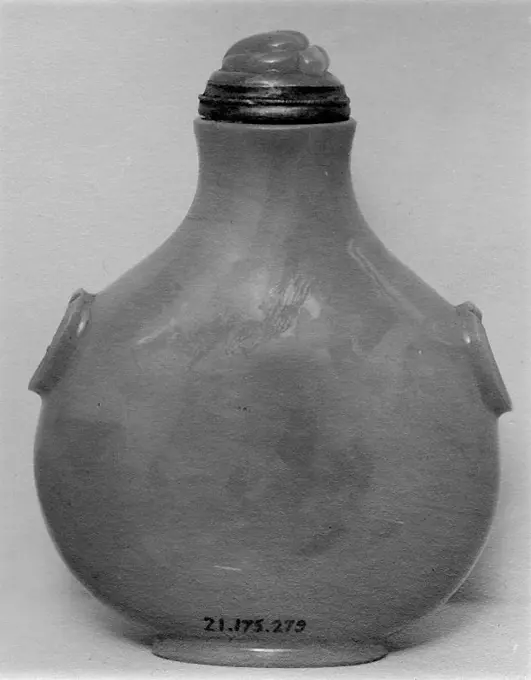
Bottle China. Bottle. China. Porcelain with peachbloom glaze. Qing dynasty (1644-1911), Kangxi period (1662-1722). Ceramics
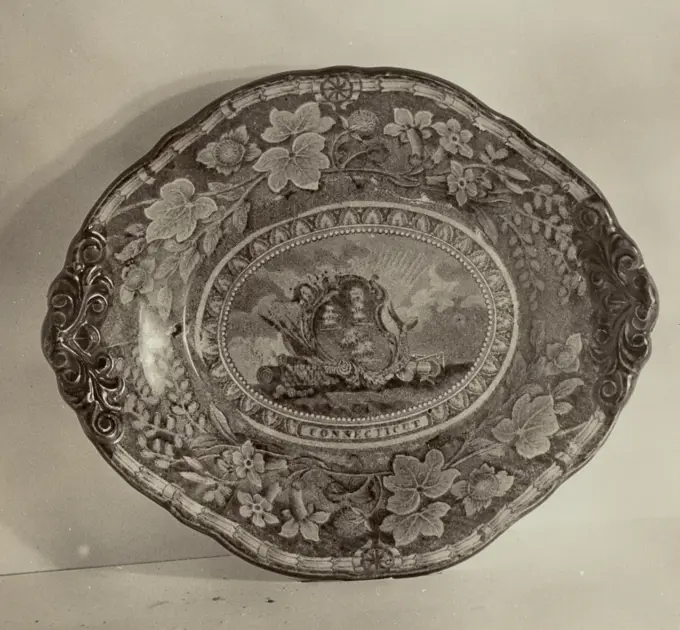
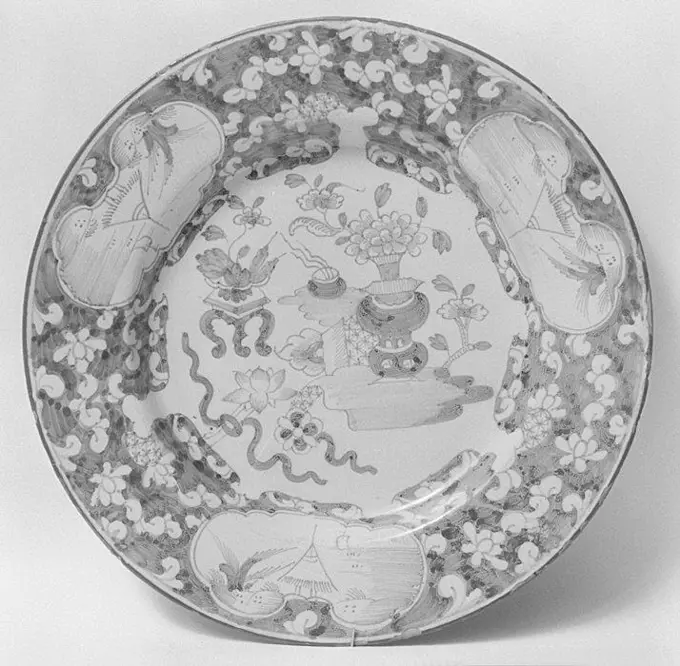
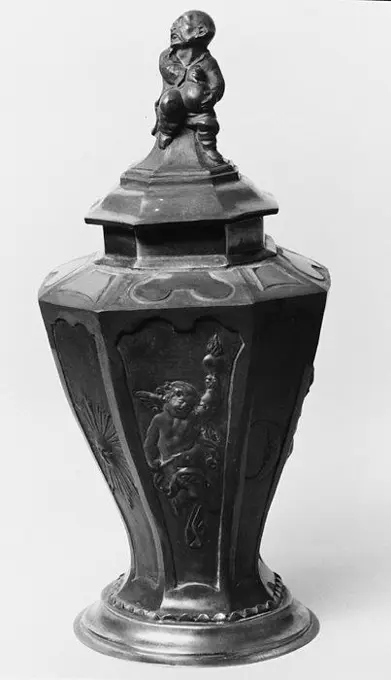
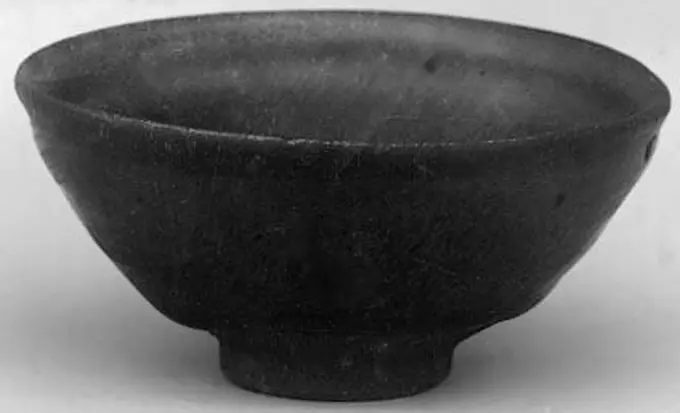
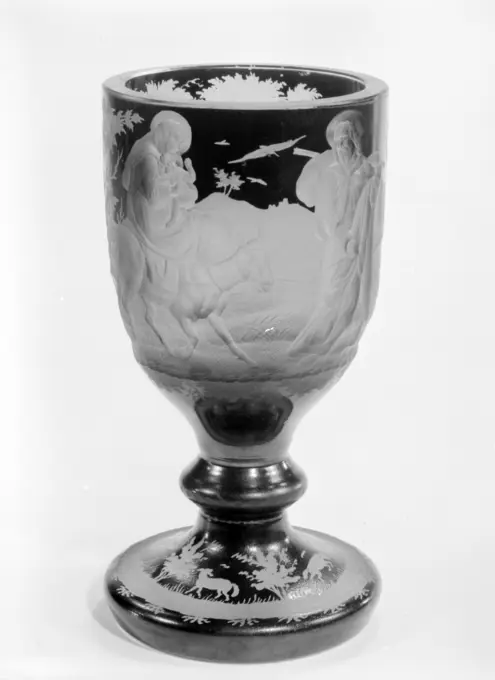
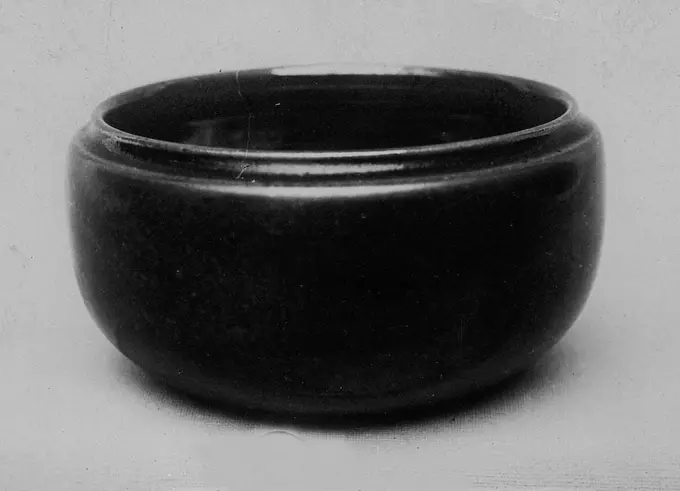
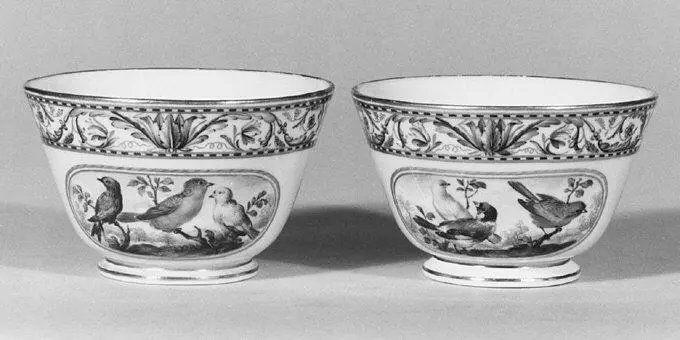
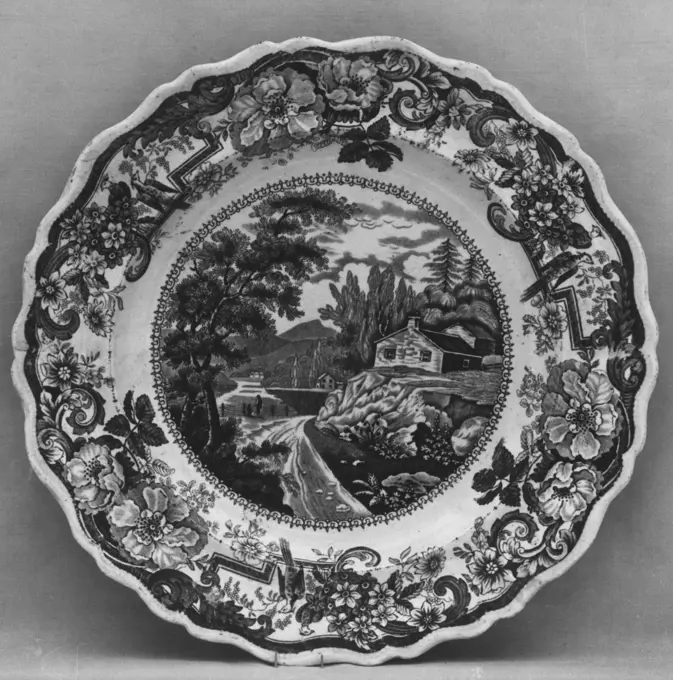
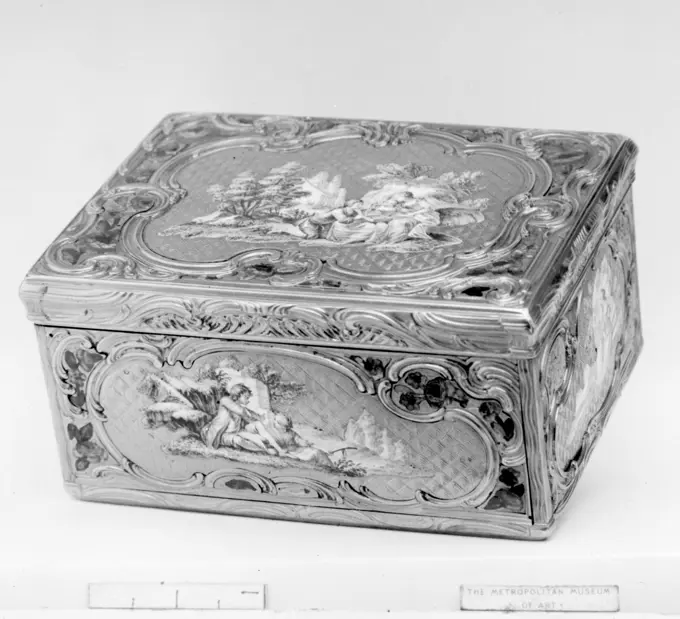
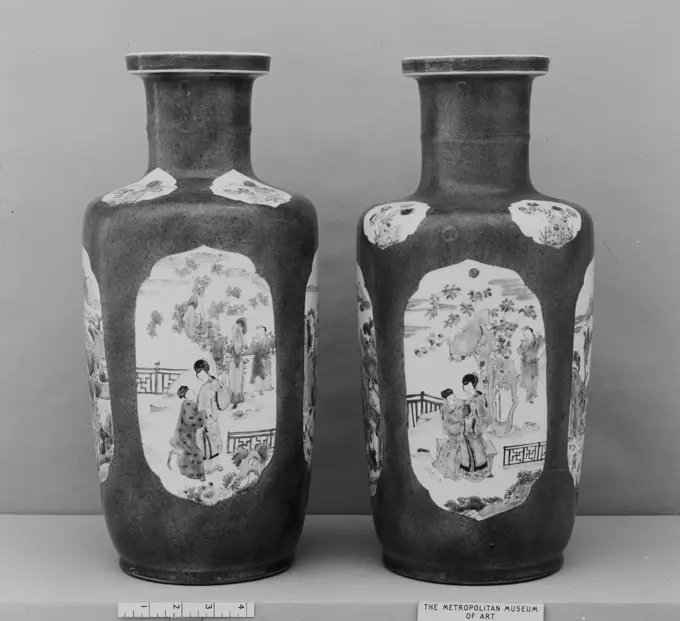
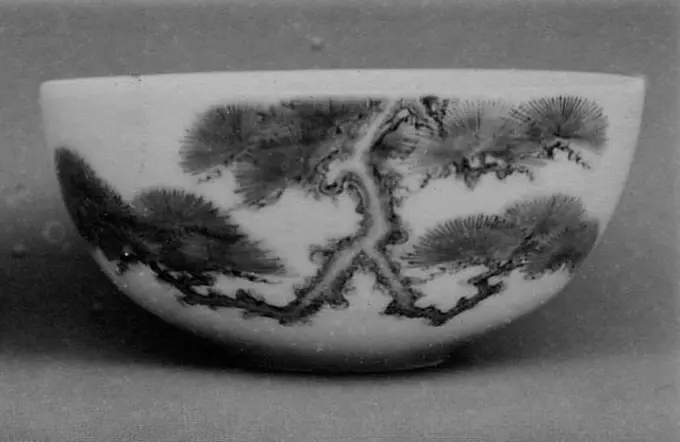
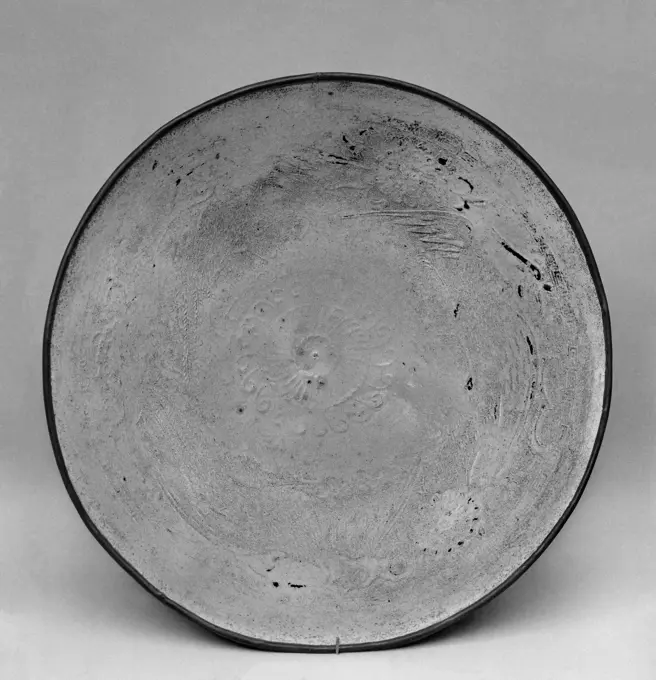
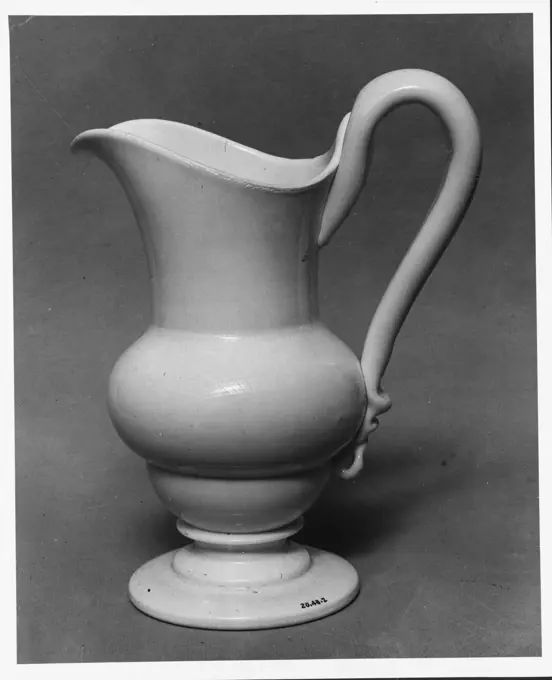
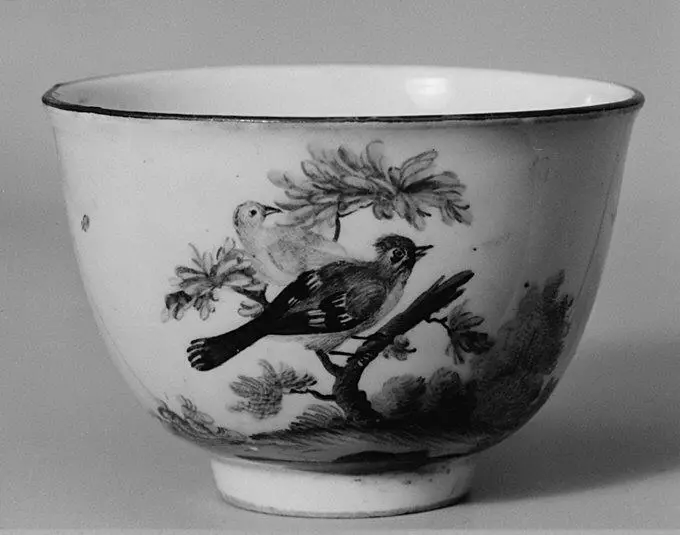
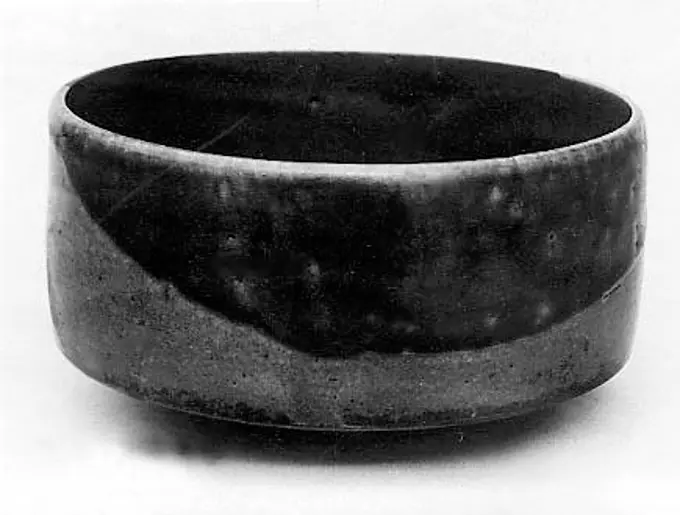
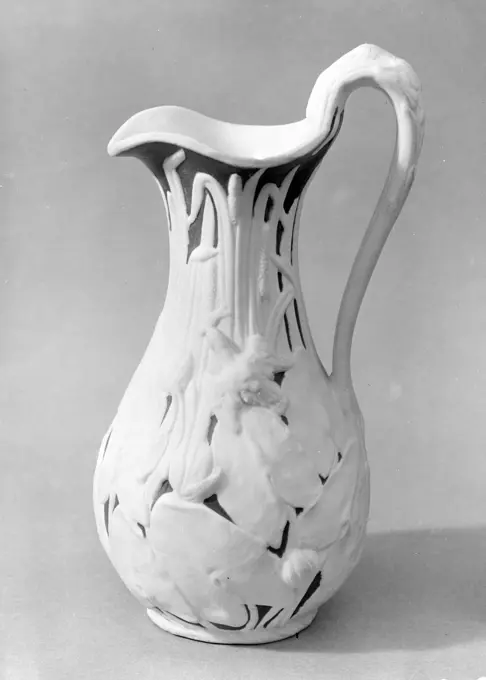
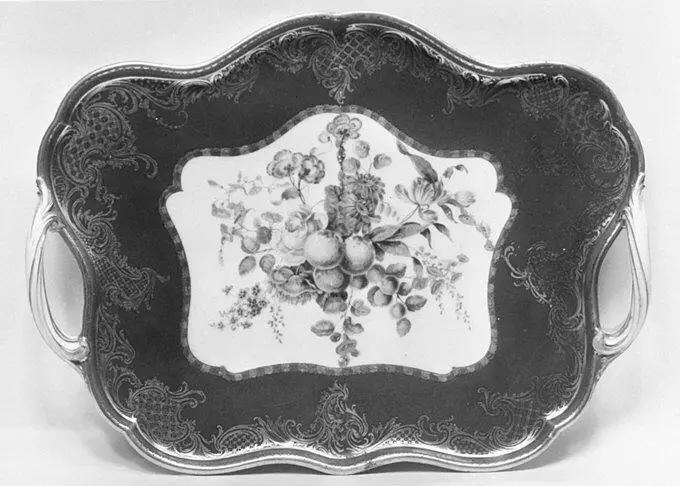
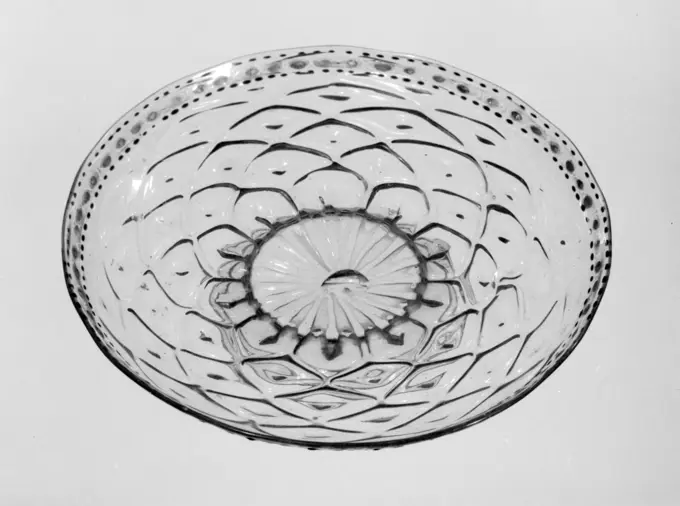
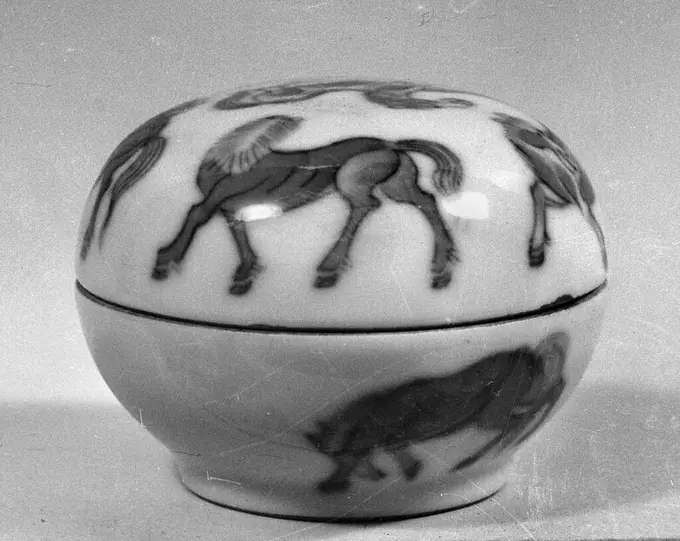
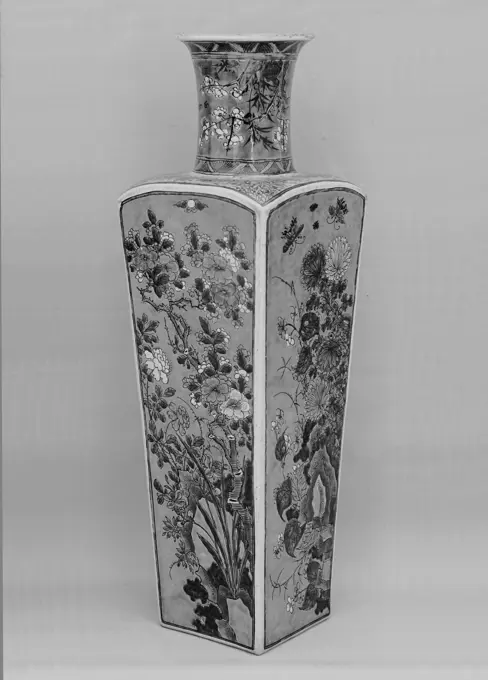
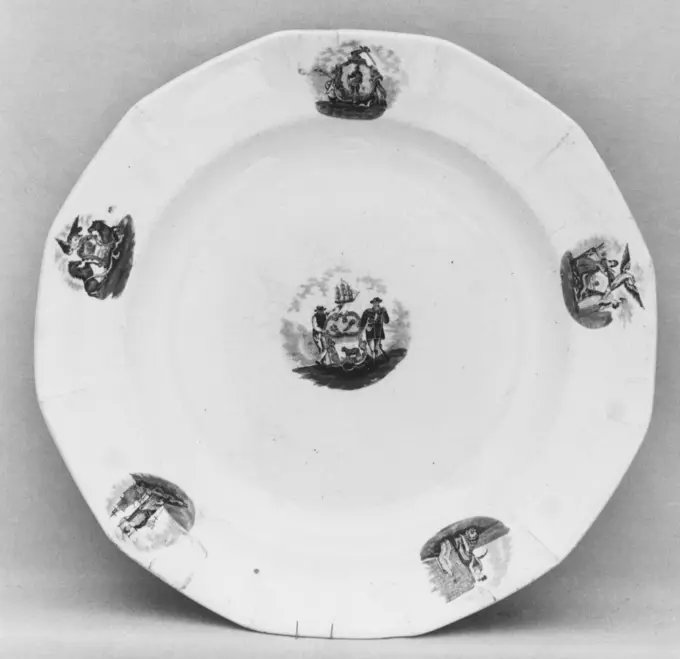
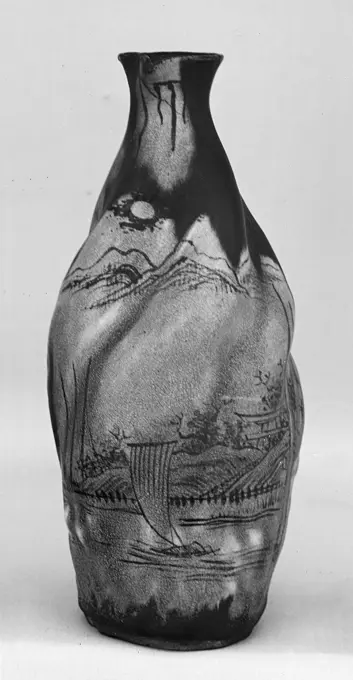
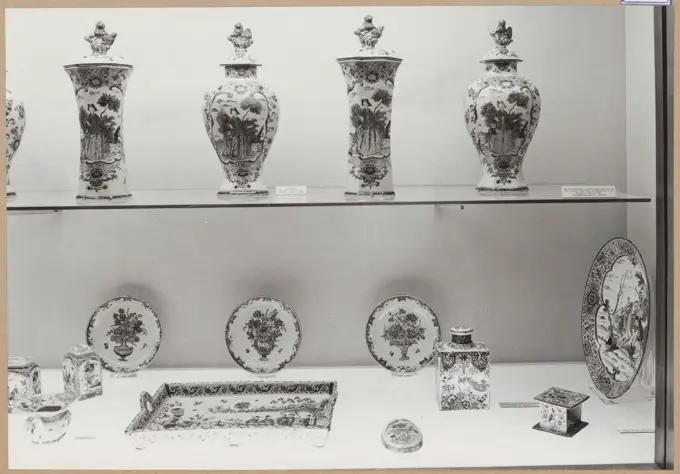
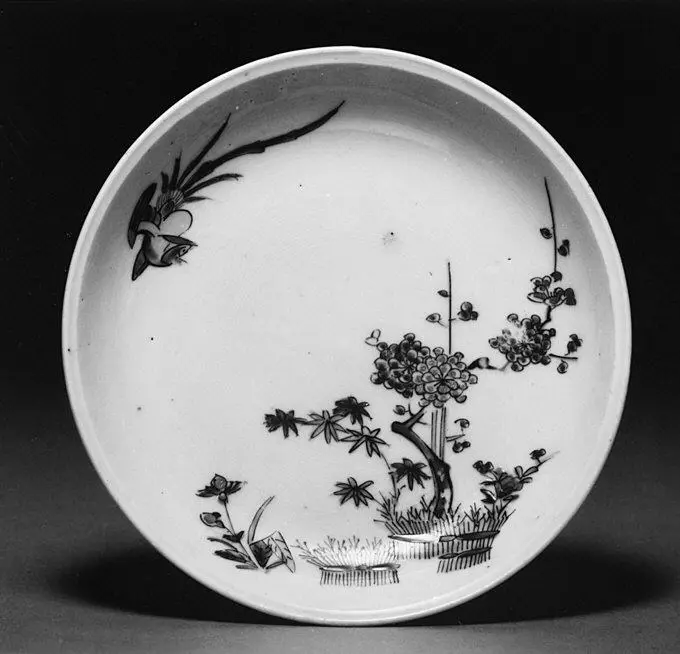
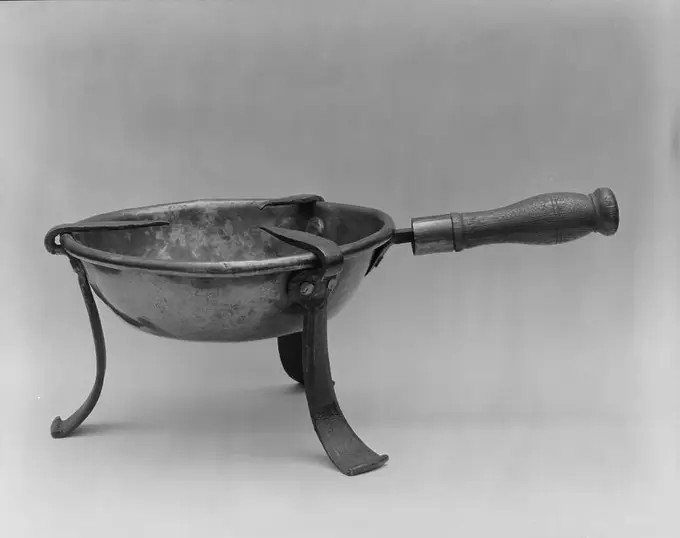
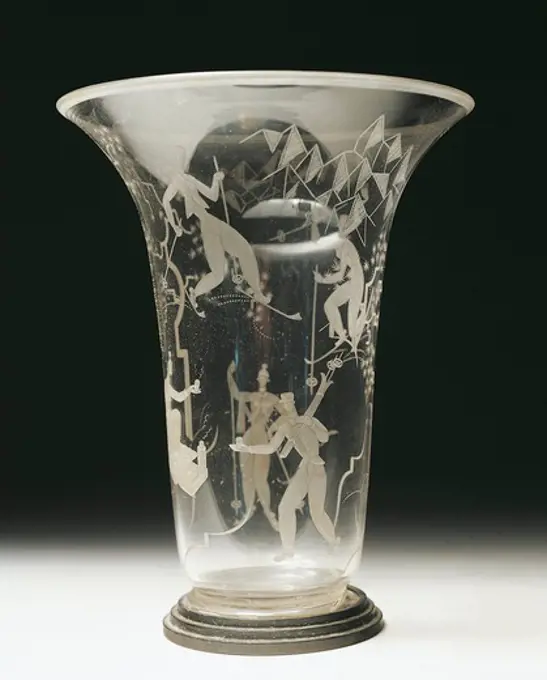
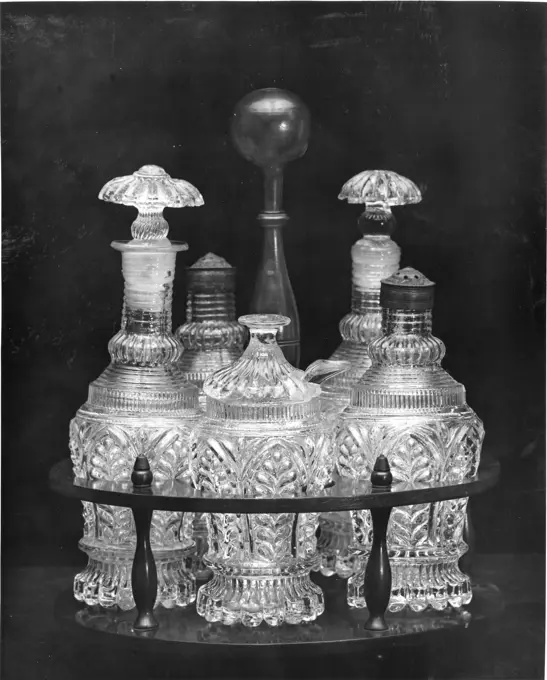
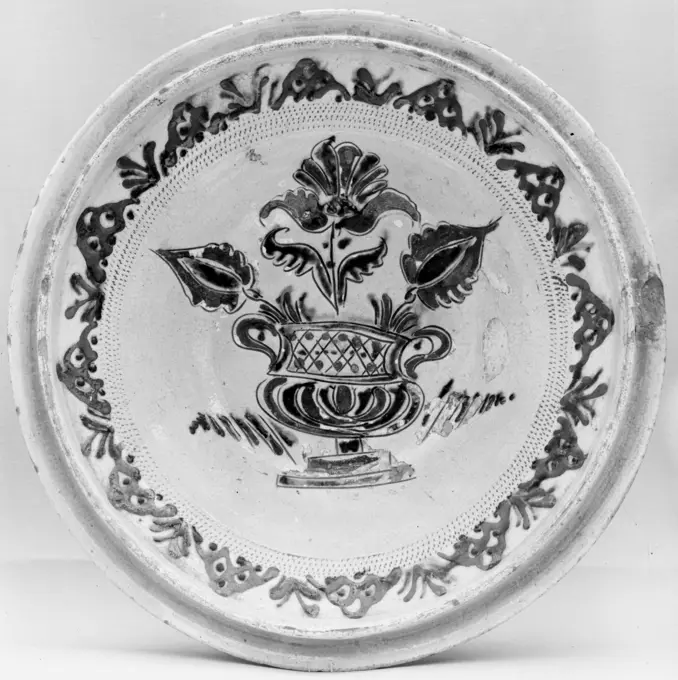
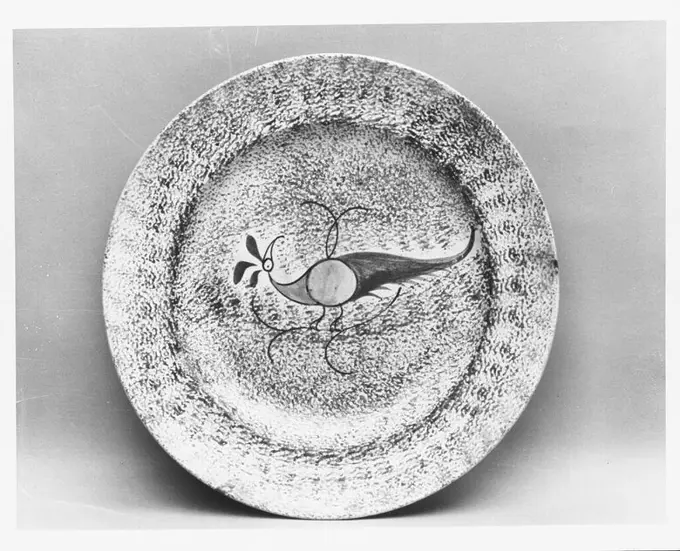
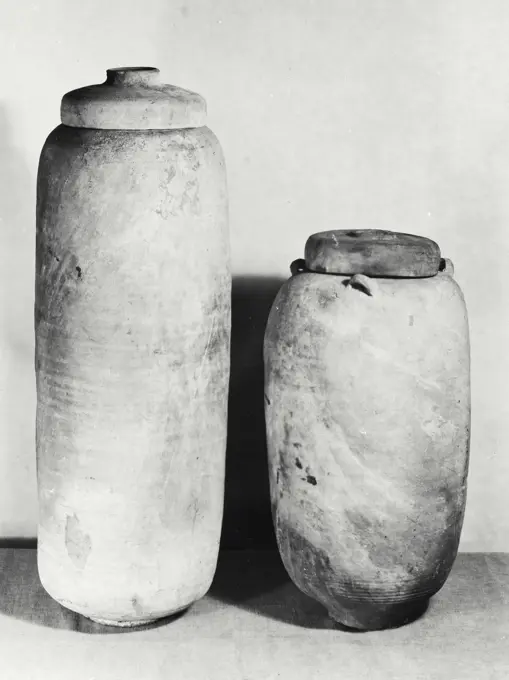
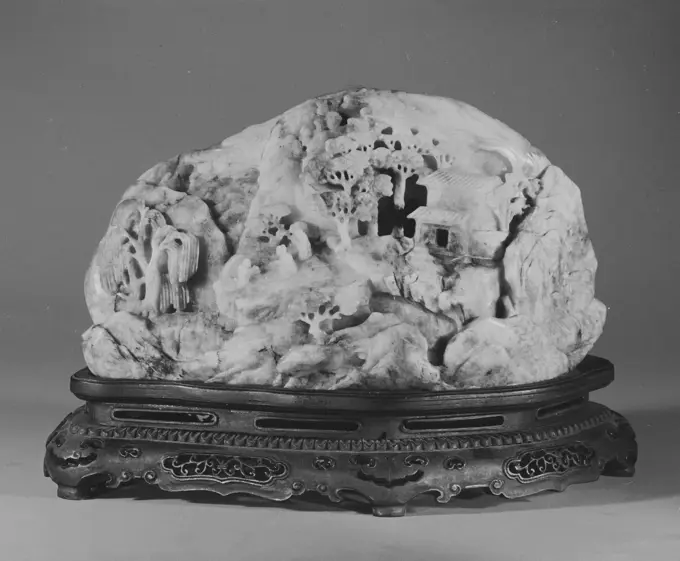
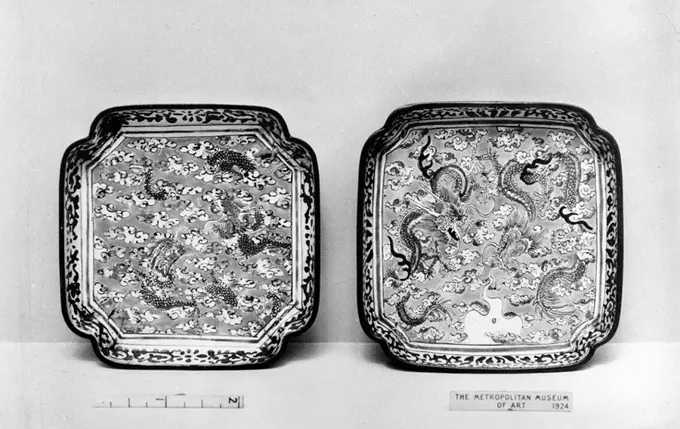
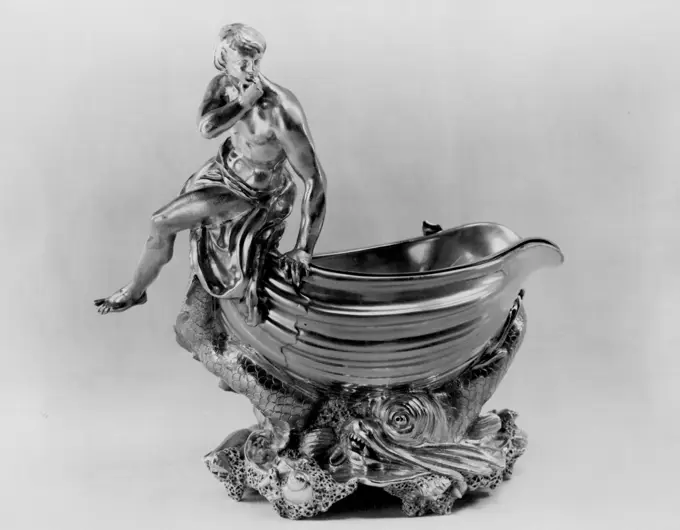
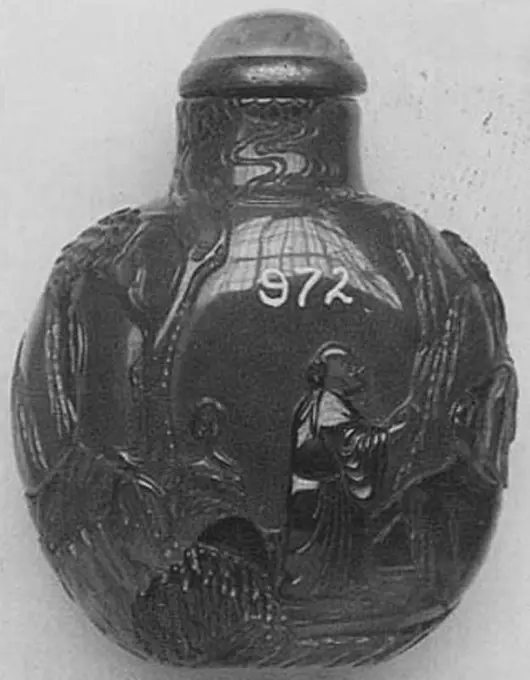
Snuff Bottle late 18th century China. Snuff Bottle 41528Jar 17th century () China. Jar. China. 17th century (). Pottery; Martaban type. CeramicsTankard 18th century Dutch, Delft. Tankard 207984Powder Jar 1830-70 American. Powder Jar. American. 1830-70. Parian porcelain. Probably made in Bennington, Vermont, United StatesJar late 18th century Japan. Jar. Japan. late 18th century. Pottery covered with glaze (Kyoto ware). Edo period (1615-1868). CeramicsCovered Jar. Culture: China. Dimensions: H. 2 1/4 in. (5.7 cm); Diam. 2 1/8 in. (5.4 cm). Date: late 18th-19th century. Museum: Metropolitan Museum of Art, New York, USA.Helmut Hiatt, Platter  Connecticut Arms, c 1936 Platter - Connecticut ArmsShouldered jar. Dimensions: H. 17.1 cm (6 3/4 in.). Dynasty: Dynasty 6. Date: ca. 2323-2150 B.C.. Museum: Metropolitan Museum of Art, New York, USA.Plate ca. 1750 Joseph Flower Long after the mastery of polychrome enameling, blue and white continued to hold the imagination. A mélange of Kangxi-period motifs decorated this relatively late plate.. Plate 196563Hinged Box in the Form of a Tortoise ca. 13th century Indonesia (Java). Hinged Box in the Form of a Tortoise 37707Vase with cover ca. 1715 German, Plaue-on-Havel. Vase with cover 200895Bowl 18th century Japan. Bowl. Japan. 18th century. Pottery with designs inlaid in the paste and covered with transparent glaze (Yatsushiro ware). Edo period (1615-1868). CeramicsPair of vases late 18th century Chinese with French mounts. Pair of vases. Chinese with French mounts. late 18th century. Porcelain; gilt-bronze mounts. Metalwork-Gilt BronzeWine Glass 1780-1825 American or British. Wine Glass 9896Teabowl 19th century Japan. Teabowl. Japan. 19th century. Clay covered with a Tenmoku glaze (Seto ware). Edo (1615-1868) or Meiji period (1868-1912). CeramicsGoblet second quarter 19th century Bohemian. Goblet. Bohemian. second quarter 19th century. Glass. GlassCushion late 19th century China. Cushion 70295Pierre Jurando, Cake Basket, 1798-1809, silver.Bowl (part of a service) 1760-70 Chinese, for Continental European market. Bowl (part of a service) 201109Creamer 1830-40 American. Creamer. American. 1830-40. Lacy pressed glass. Made in New England, United StatesPlatter 1771-72 Edme-Pierre Balzac. Platter 200187Tea Jar 1700 Japan. Tea Jar 62770Saucer (part of a service) ca. 1780-85 Meissen Manufactory German. Saucer (part of a service) 209387Plate ca. 1823-ca. 1834 James and Ralph Clews British. Plate 6114Vase. Culture: China. Dimensions: H. 4 1/2 in. (11.4 cm). Date: 18th century. Museum: Metropolitan Museum of Art, New York, USA.Teapot China. Teapot 52708Snuffbox 1750-51 Possibly by Joseph Vallayer In eighteenth-century Europe, Paris led the production of high-quality luxury goods. Parisian goldsmiths made a wide range of small, personal articles such as snuffboxes; étuis to hold sealing wax, tweezers, or utensils for sewing; souvenirs, which contained thin ivory tablets for note taking; and shuttles for knotting lace. Gold snuffboxes and boxes decorated with portrait miniatures were prized and frequently given as royal gifts, often to ambassadors or members of the court in lieu of cash payments for their services. Coveted and admired, these boxes were produced from a variety of materials. The best were skillfully made of gold and embellished with diamonds, enameled decoration, lacquer, and other luxurious materials. By the middle of the century, the taking of snuff had become an entrenched social ritual, and the snuffbox, too, had become an important social prop. Snuffboxes were considered highly fashionable accessories, with some merVase China. Vase. China. Porcelain painted in famille verte enamels. Qing dynasty (1644-1911), Kangxi period (1662-1722). CeramicsCream jug ca. 1760 British, Staffordshire. Cream jug. British, Staffordshire. ca. 1760. Salt-glazed stoneware. Ceramics-PotteryBowl 1820 Japan. Bowl. Japan. 1820. White porcelain decorated with blue under the glaze (Hirado ware). Edo period (1615-1868). CeramicsBowl with birds and flowers late 16th-early 17th century China. Bowl with birds and flowers. China. late 16th-early 17th century. Porcelain with mold-impressed decoration (Ding-type ware). Ming dynasty (1368-1644). CeramicsStanding cup with cover ca. 1745-50 German, Silesia. Standing cup with cover. German, Silesia. ca. 1745-50. Glass. GlassMug 1770-1820. Mug 5294Saucer Manufactory Meissen Manufactory German Factory director Marcolini Period 18th-19th century View more. Saucer. German, Meissen. 18th-19th century. Hard-paste porcelain. Ceramics-PorcelainSnuff Bottle 19th century China. Snuff Bottle 41750Pitcher 1845-70 Jersey Glass Company of George Dummer. Pitcher 5816Vase (one of a pair) ca. 1740 Meissen Manufactory German The theme of hunters and the hunt was popular in German ceramics. This vase and its mate (64.101.143a, b) combine both two- and three-dimensional representation of the subject.. Vase (one of a pair). German, Meissen. ca. 1740. Hard-paste porcelain; gilt-bronze mounts. Ceramics-PorcelainCup (part of a service) ca. 1770 Frankenthal Porcelain Manufactory. Cup (part of a service) 196947Teabowl 19th century Japan. Teabowl 62619Pitcher 1830-70 American. Pitcher. American. 1830-70. Parian porcelain. Probably made in Bennington, Vermont, United StatesSpill Vase 1830-70 American. Spill Vase. American. 1830-70. Parian porcelain. Probably made in Bennington, Vermont, United StatesVase China. Vase. China. Porcelain. early Ming dynasty (1368-1644). CeramicsSnuff Bottle China. Snuff Bottle 41283Dish 17th century Swiss. Dish. Swiss. 17th century. Pewter. Metalwork-PewterTray (part of a service) 1759-60 Sèvres Manufactory French Small tea services, often intended for just two people, were produced in large quantities at the Sèvres factory. Both the number of surviving services and the factory's extensive archives indicate that tea wares were not only popular but also an important source of revenue for the factory. This set (37.20.5-.9) is missing its sugar bowl and a cup and saucer, but it is notable nevertheless for its lavish gilding.Jeffrey H. Munger, 2006. Tray (part of a service) 197834Dish first half 16th century Spanish The form of twisted gadroon is a late survival of Gothic style.. Dish. Spanish. first half 16th century. Silver gilt. Metalwork-SilverVase. Culture: China. Dimensions: H. 10 3/4 in. (27.3 cm). Museum: Metropolitan Museum of Art, New York, USA.Jug ca. 1760 British. Jug. British. ca. 1760. Earthenware. Made in EnglandTazza 16th century Italian, Venice (Murano) During the Renaissance, Venetian glassmakers, working on the island of Murano, were celebrated across Europe for their fine and sparkling work. Called cristallo” emulating the clarity of rock crystal, in the hands of the most skilled glassblowers the medium could be delightfully manipulated, variously stretched paper-thin flat, or playfully twisted, or blown into molds with spectacular patterns.. Tazza. Italian, Venice (Murano). 16th century. Glass. GlassDish first half 17th century or later Manner of Bernard Palissy French. Dish 201625Saucer Manufactory Sèvres Manufactory French Decorator Jean-Baptiste Tandart French 1767Ewer first half 17th century Italian, Venice (Murano). Ewer. Italian, Venice (Murano). first half 17th century. Glass. GlassCampania Caserta Carditello Plazzo Reale76. Hutzel, Max 1960-1990 German-born photographer and scholar Max Hutzel (1911-1988) photographed in Italy from the early 1960s until his death. The result of this project, referred to by Hutzel as Foto Arte Minore, is thorough documentation of art historical development in Italy up to the 18th century, including objects of the Etruscans and the Romans, as well as early Medieval, Romanesque, Gothic, Renaissance and Baroque monuments. Images are organized by geographic region in Italy, then by province, city, site complex and monument.Covered Box. Culture: China. Dimensions: H. 1 3/8 in. (3.5 cm); Diam. 1 7/8 in. (4.8 cm). Museum: Metropolitan Museum of Art, New York, USA.Vase with Flowers of the Four Seasons 19th century China. Vase with Flowers of the Four Seasons. China. 19th century. Porcelain painted with colored enamels on the biscuit (Jingdezhen ware). Qing dynasty (1644-1911). CeramicsPitcher 1700-1800 American. Pitcher. American. 1700-1800. Free-blown blue glass. Made in United StatesLong-neck vase 18th century China. Long-neck vase. China. 18th century. Porcelain with powder blue glaze (Jingdezhen ware). Qing dynasty (1644-1911). CeramicsSaltCovered bowl with Thai mythical figures 19th century China. Covered bowl with Thai mythical figures 46201Plate ca. 1834-ca. 1851 Mellor, Venables & Co.. Plate. British (American market). ca. 1834-ca. 1851. Earthenware, transfer-printed. Made in Staffordshire, Stoke-on-Trent, EnglandCeramics black-and-white negatives, gelatin silver negativesBottle ca. 1790 Japan. Bottle. Japan. ca. 1790. Pottery decorated in colors (Meppotani ware). Edo period (1615-1868). CeramicsStand ca. 1740 Meissen Manufactory German. Stand 188551 Factory: Meissen Manufactory, German, 1710present, Stand, ca. 1740, Hard-paste porcelain, Diameter: 6 7/8 in. (17.5 cm). The Metropolitan Museum of Art, New York. Gift of W. B. Osgood Field, 1902 (02.5.36)Soba cup late 17th-early 18th century Japan. Soba cup 45347Saucer first half 18th century possibly French. Saucer. possibly French. first half 18th century. Glass. GlassShowcase with objects of ceramics; Halls of crafts July 1962..Saucer 1700-1750 Japanese, for European market The gift of the Hans Syz Collection in 1995 endowed the Museum with nearly three hundred examples of European and Asian ceramics meticulously acquired by Swiss-born collector Dr. Syz (1894-1991) to chart the migration of models and patterns from East to West. Documenting a continuous process of influence and adaptation, these pieces provide a discriminating review of the nuances of stylistic change resulting from three centuries of trade.. Saucer 208342Cup. Culture: China. Dimensions: H. 2 in. (5.1 cm); Diam. 2 7/8 in. (7.3 cm). Date: early 18th century. Museum: Metropolitan Museum of Art, New York, USA.Cup and saucer ca. 1765 Meissen Manufactory German. Cup and saucer 199233Brazier. Dimensions: 6 1/4 x 16 1/2 in. (15.9 x 41.9 cm). Date: 1700-1800. Museum: Metropolitan Museum of Art, New York, USA.Small oval box with cover (one of a pair) 1755-57 Johann Martin Satzger I. Small oval box with cover (one of a pair) 206224Platter 1800-1830 Chinese. Platter. Chinese. 1800-1830. Porcelain. Made in ChinaSkiers, vase by Guido Balsamo Stella (1882-1941)Coffee cup (part of a service) ca. 1780-85 Meissen Manufactory German. Coffee cup (part of a service) 209381Ojime 18th century Japan. Ojime. Japan. 18th century. Gold. OjimeSquare-sided Alabastron. UnknownBologna cutting feed, vintage engraving. Bologna cutting feed, vintage engraved illustration. Magasin Pittoresque 1852. Copyright: xZoonar.com/PatrickxGuenettex 10673744Hat Stand China. Hat Stand 40692Small Vase 1820 Zenshiro Japanese. Small Vase 63071Dish 1750 Japan. Dish. Japan. 1750. White porcelain decorated with blue under the glaze, polychrome enamels and gold (Arita ware). Edo period (1615-1868). CeramicsPlate (assiette à palmes) (1 of 102) (part of a service) 1786 Sèvres Manufactory French. Plate (assiette à palmes) (1 of 102) (part of a service). French, Sèvres. 1786. Soft-paste porcelain. Ceramics-PorcelainCruet stand withbottles£9,000 Gold Service Off To North America British Masterpiece Of Modern Craftsmanship. The gold service which is going on a tour of 25 cities in the U.S.A. and Canada, they heavy gold tray can be clearly seen with its exquisite phasing. Flying to North America under armed escort on Thursday (August 17th) is one of the most valuable consignments of gold ever to leave this country. While the amount involved (400 ounces) is not unprecedented, the from it is taking - that of an 18 carat gold seven piece Tea and Coffee Service considered to be a masterpiece of modern craftsmanship. August 15, 1950. (Photo by Fox Photos).Covered vase. Culture: China. Dimensions: H. 6 1/2 in. (16.5 cm). Museum: Metropolitan Museum of Art, New York, USA.Hat Stand (One of a Pair) 18th century China The spherical part of each hatstand is decorated in colorful cloisonné enamel with a floral scroll and two auspicious motifs: peaches, associated with longevity, and bats, associated with good fortune. The globes, which have perforated lids, are hollow and would have been filled with scent.. Hat Stand (One of a Pair). China. 18th century. Cloisonné enamel tops on wood bases. Qing dynasty (1644-1911). CloisonnéPlate 18th century German. Plate 191173Boat. Culture: China. Dimensions: H. 1 3/4 in. (4.4 cm); L. 3 3/4 in. (9.5 cm). Date: 19th century. Museum: Metropolitan Museum of Art, New York, USA.Oval tray ca. 1750 Probably by Starace. Oval tray 205816Saucer ca. 1830 possibly Russian. Saucer. possibly Russian. ca. 1830. Glass. GlassDisplay of glazed pottery , Bowls Tableware, Vases. The Massachusetts WPA Federal Art Project Photograph CollectionPlate. Culture: British. Dimensions: Diam. 8 1/8 in. (20.6 cm). Date: 1800-1830. Museum: Metropolitan Museum of Art, New York, USA.Close-up of two jars that contained the Dead Sea ScrollsMountain 19th century China. Mountain. China. 19th century. Jade. JadeDish ca. 1821-ca. 1846 Enoch Wood & Sons British This blue and white transfer-printed earthenware vegetable dish features an interior view and four exterior views of the mountain range known as the Hudson Highlands overlooking the Hudson River in New York.. Dish 3318Teapot 1790 Rantei Japanese. Teapot. Rantei (Japanese,). Japan. 1790. Clay, unglazed, decorated with white and red enamels and gold (Kyoto ware). Edo period (1615-1868). CeramicsSquare Dish 19th century China. Square Dish 40822Royal Plate on show in London: Historic Exhibits From Buckingham Palace and Windsor Castle.This gilt sauce-boat (one of a pair from a set of four) is also a Nicholas Sprimont from the Frederick Prince of Wales service. The shell shapes are supported on large dolphins with seated figure of Venus and, as here, Adonis. Nine inches high, the sauce-boats were made in 1743 and 1744. July 28, 1954.Snuff bottle with stopper 18th-19th century China. Snuff bottle with stopper 41149Pitcher 1860-80 American. Pitcher 5664Glass Dish with an Engraving of the Raising of Lazarus 4th-5th century Late Roman Glass vessels engraved with narrative scenes were a specialty of the Rhine River region. They were used as drinking vessels and often buried with their owner. This bowl depicts Christs raising of Lazarus from the dead, as is evident from the burial wrappings on the figure and the tomb door, which Christ cast aside. It was found in a Christian sarcophagus in Sicily along with several coins, testimony to the export of these vessels as far away as the Mediterranean Sea.. Glass Dish with an Engraving of the Raising of Lazarus 464457