Artistic Ceramics and Bowls

A collection of decorative ceramic vessels and bowls with intricate designs, reflecting various cultural influences and historical periods.

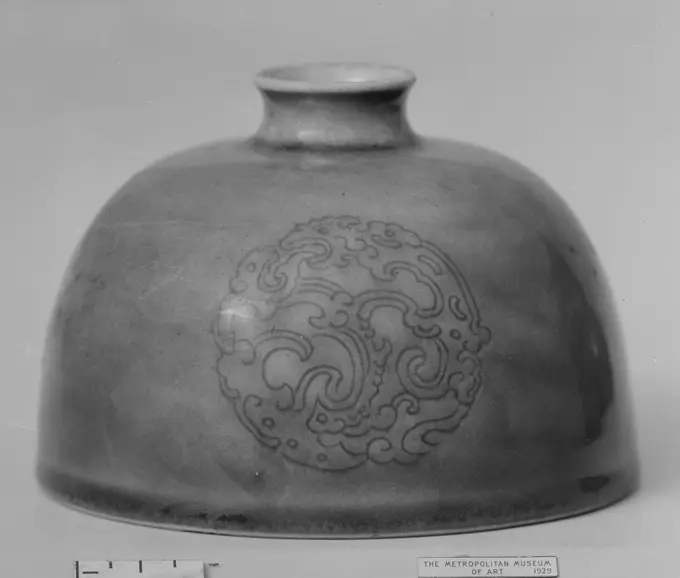
Bottle China. Bottle. China. Porcelain with peachbloom glaze. Qing dynasty (1644-1911), Kangxi period (1662-1722). Ceramics
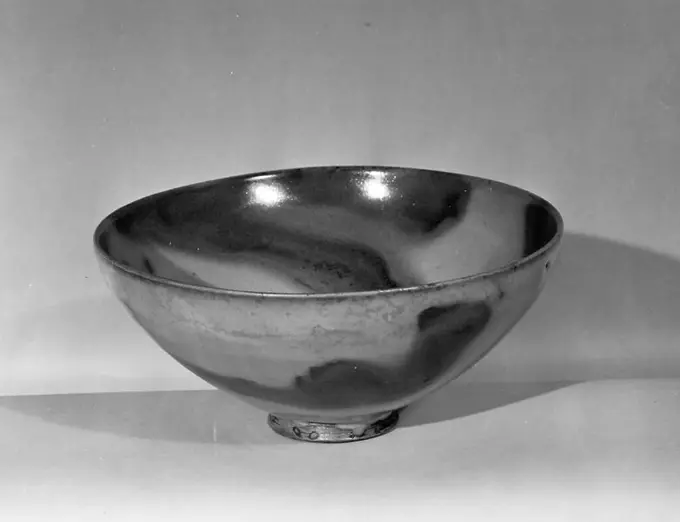
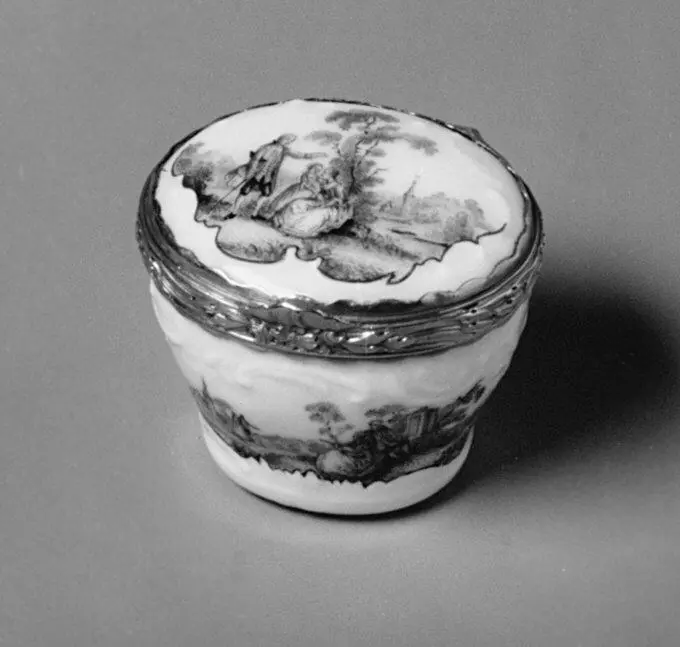
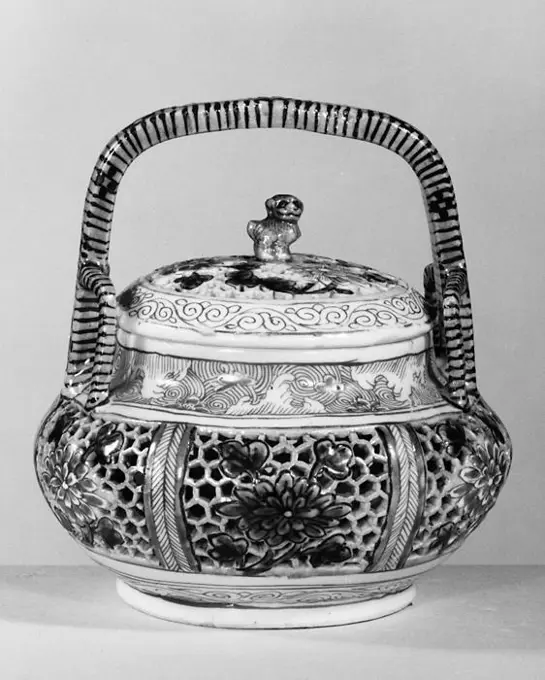
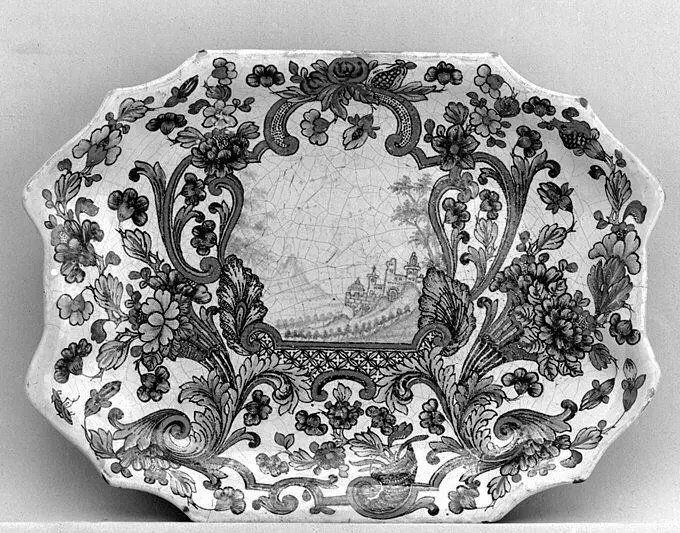
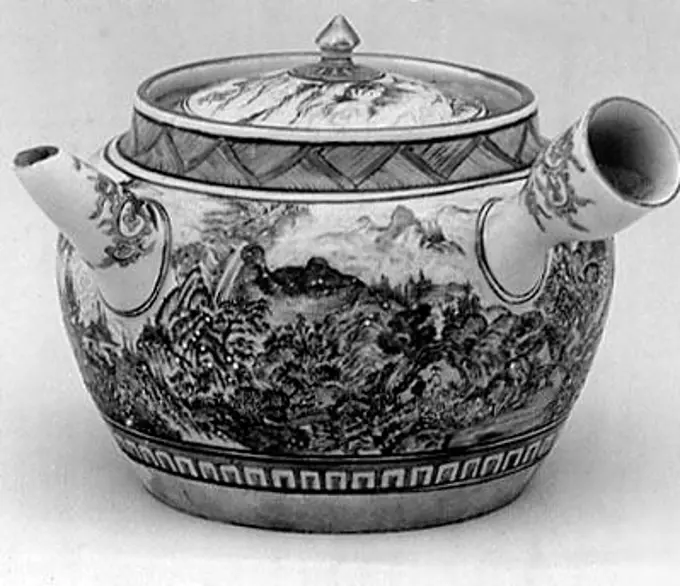
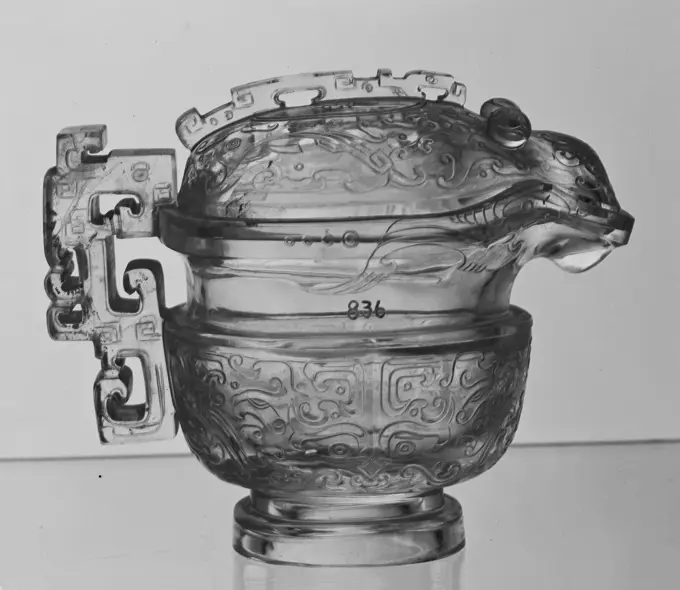
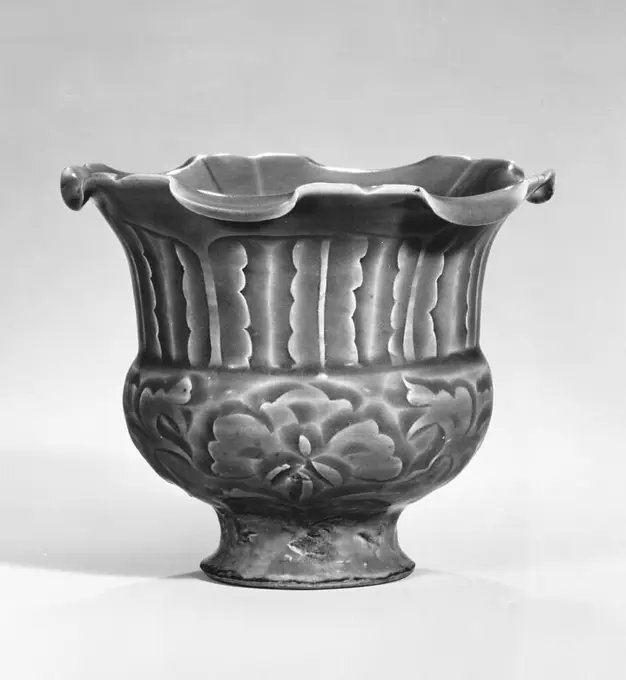
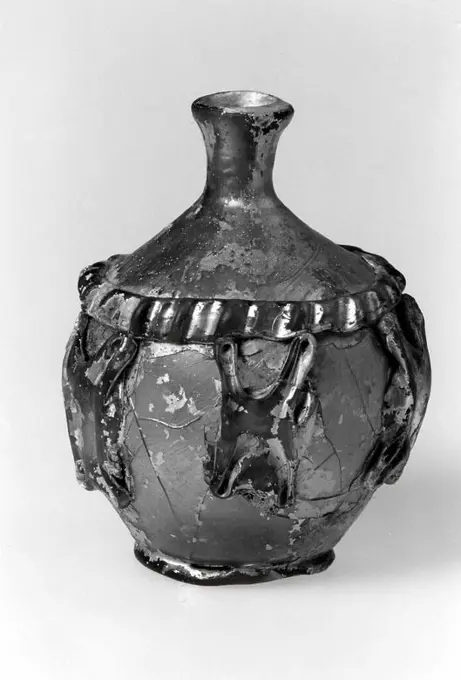
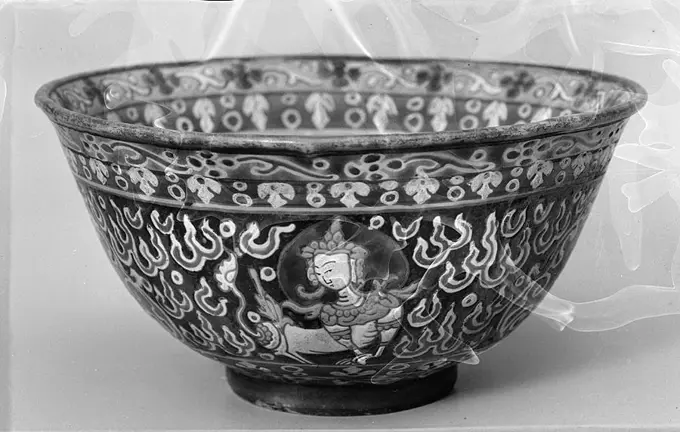
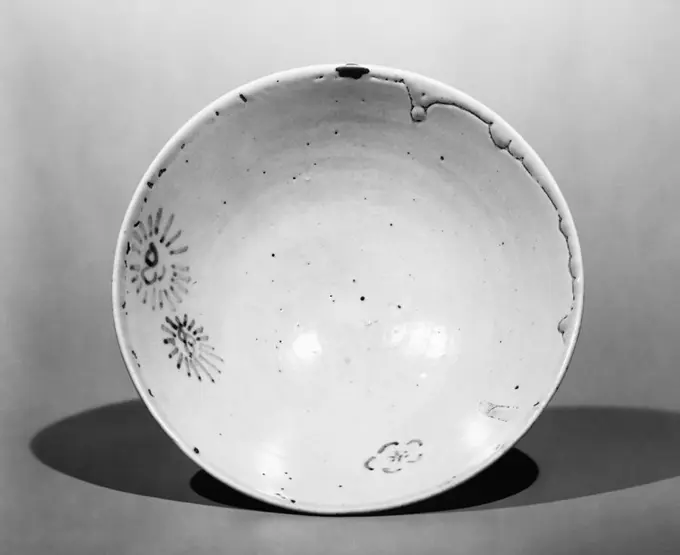
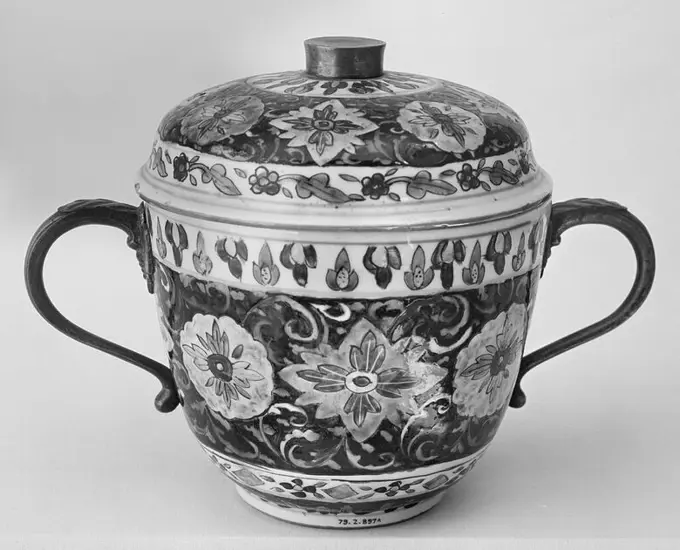
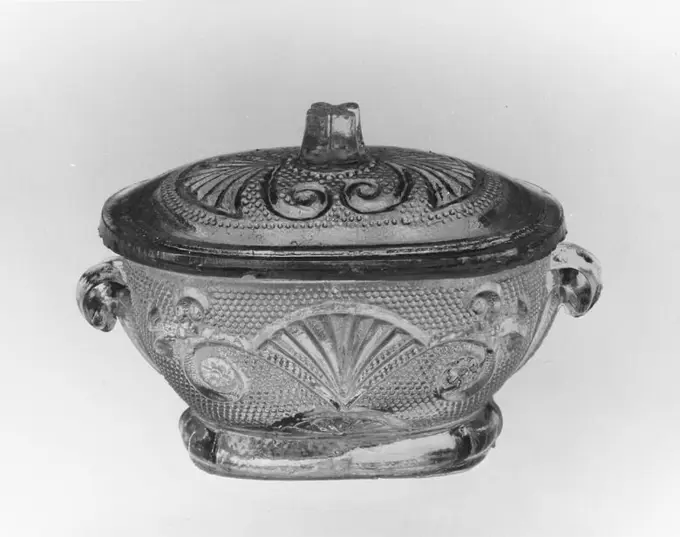
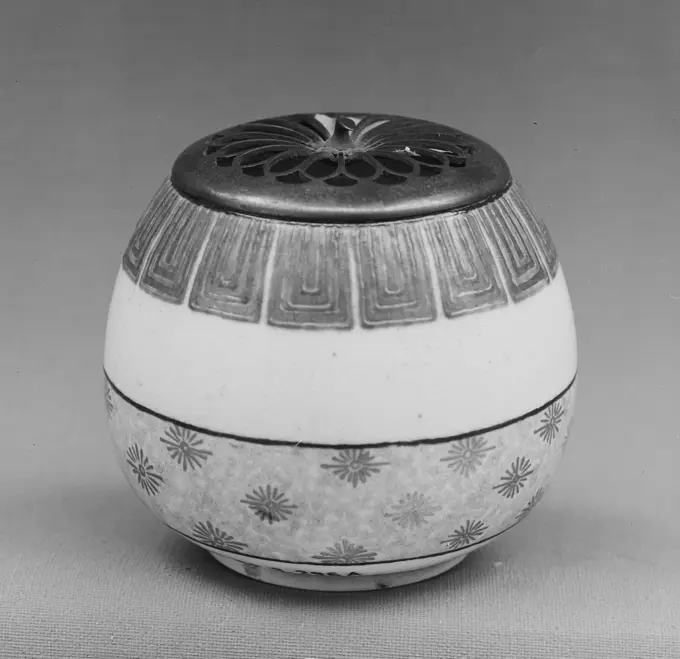
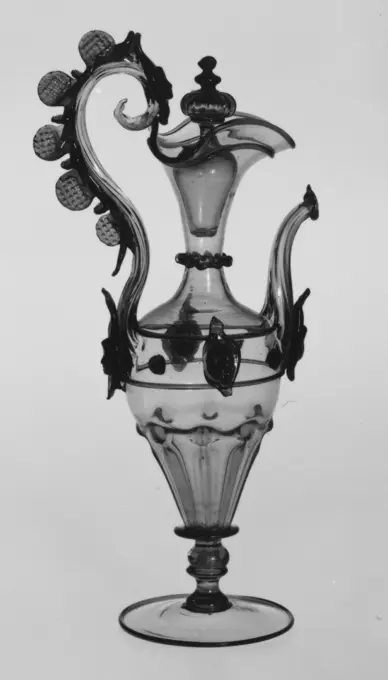
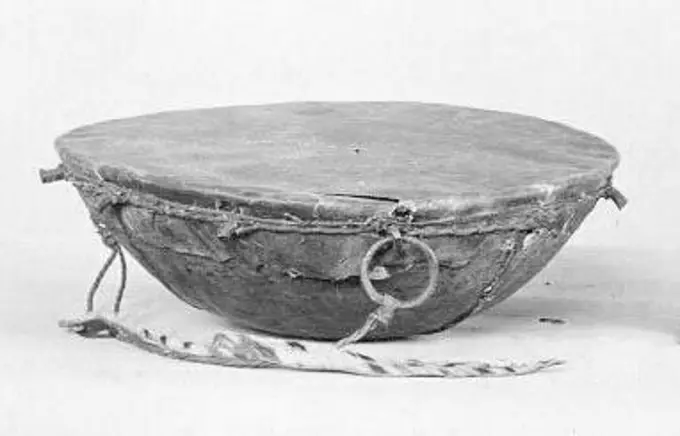
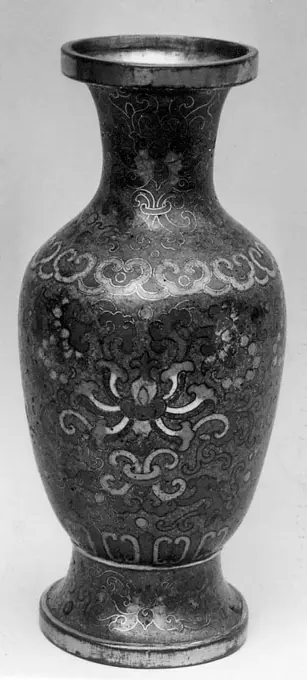
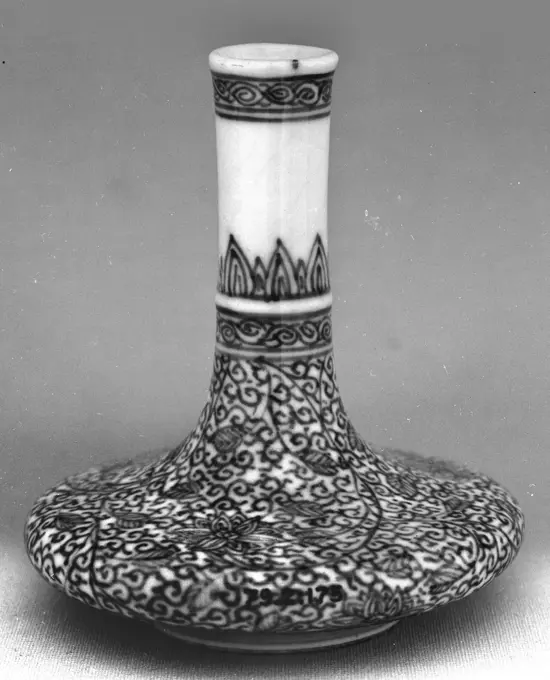
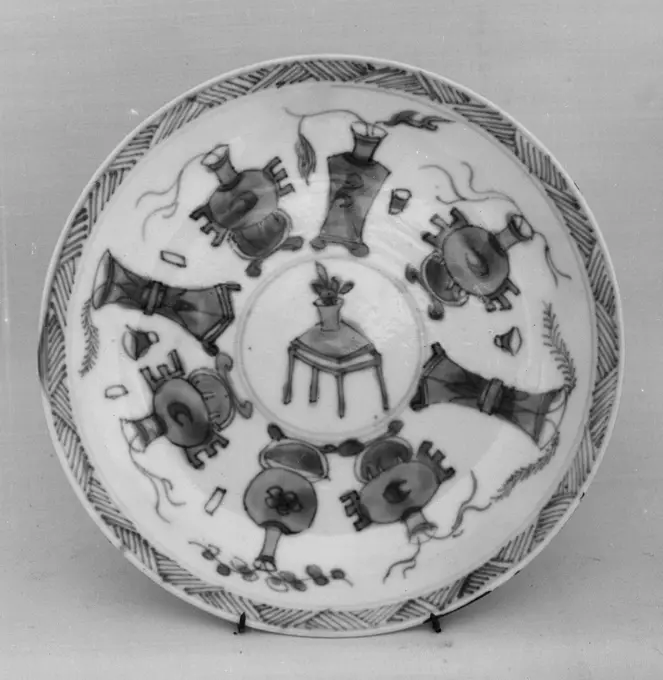
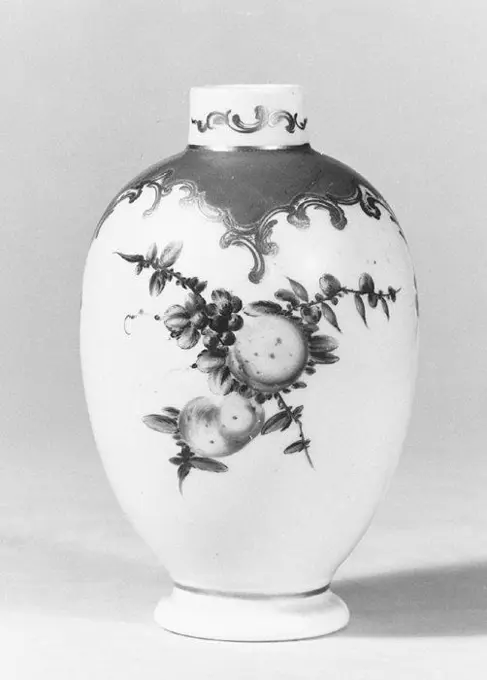
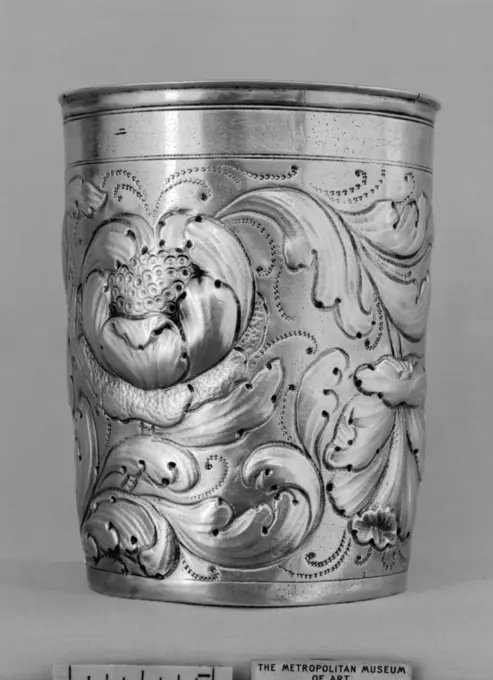
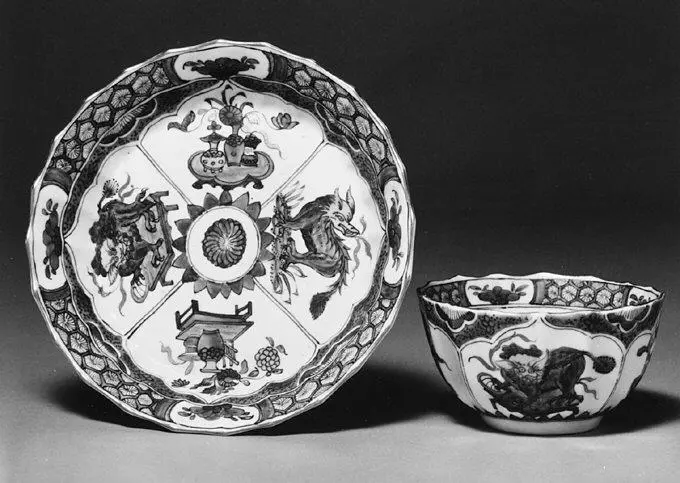
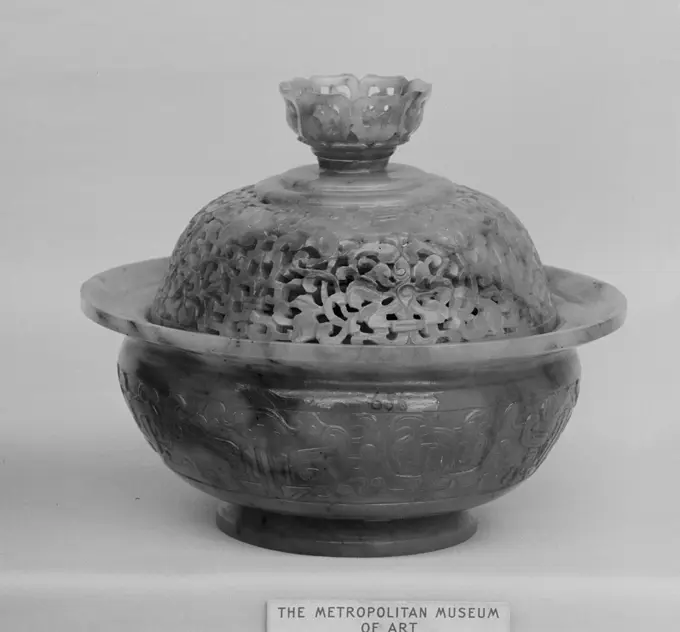
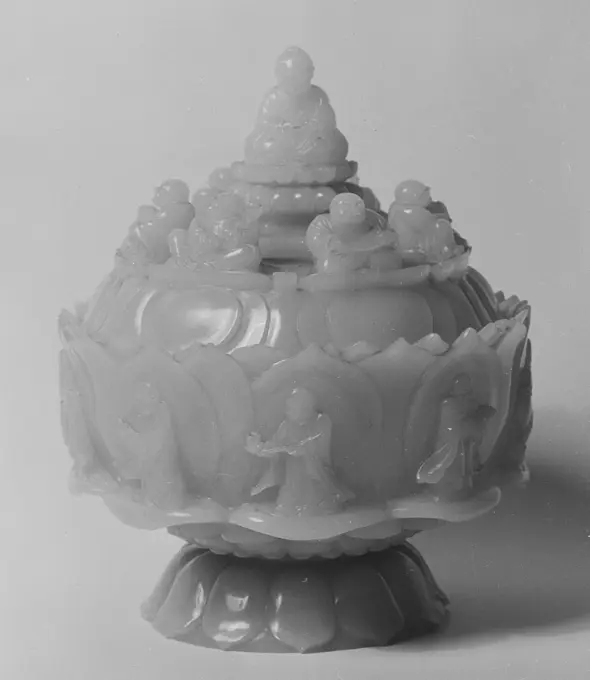
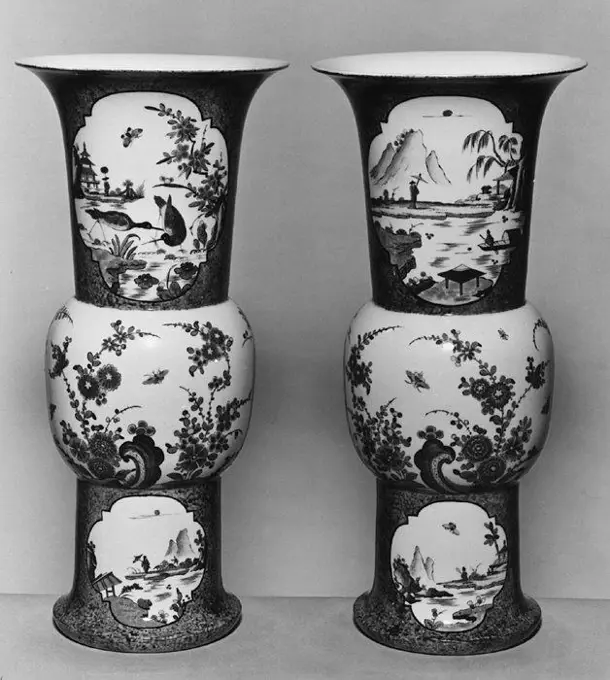
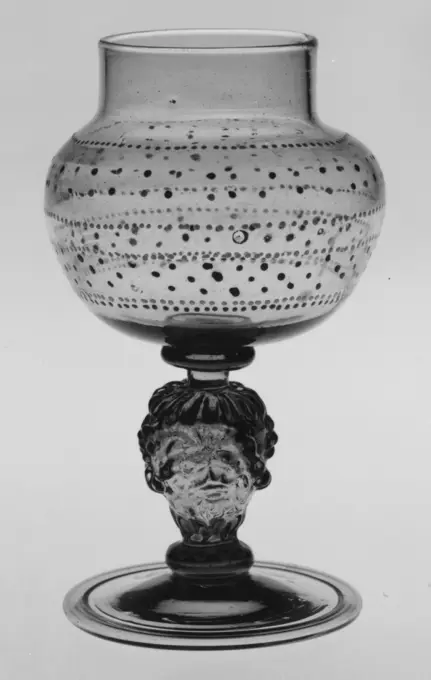
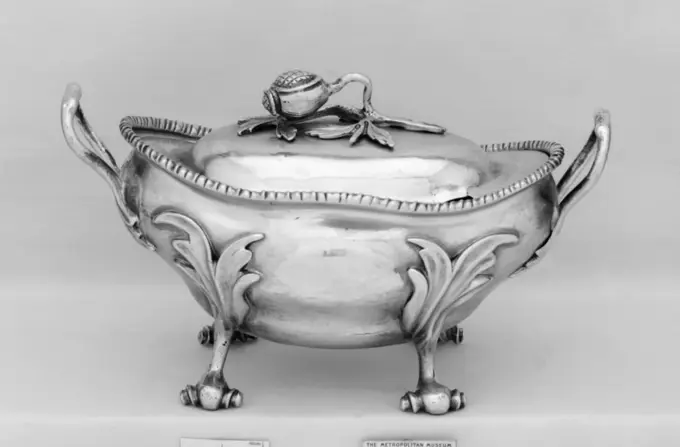
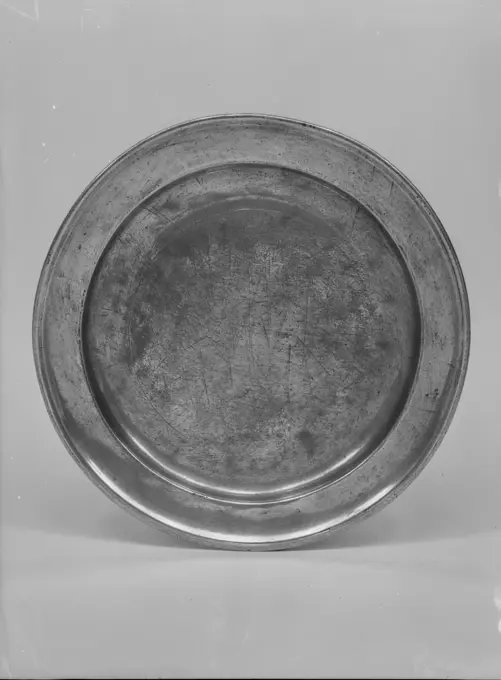
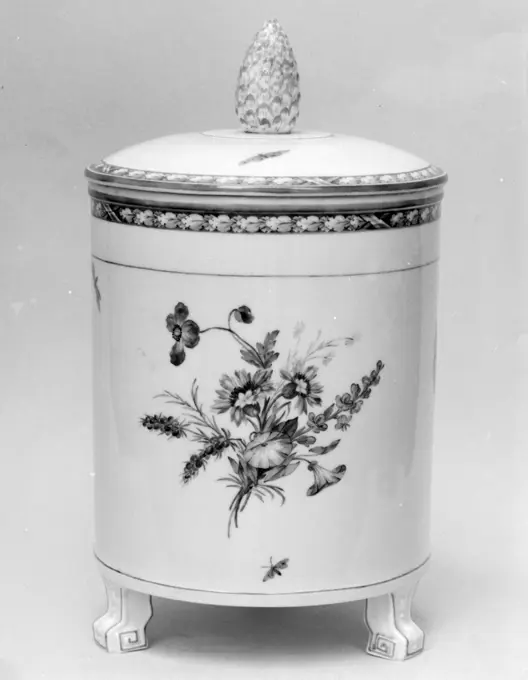
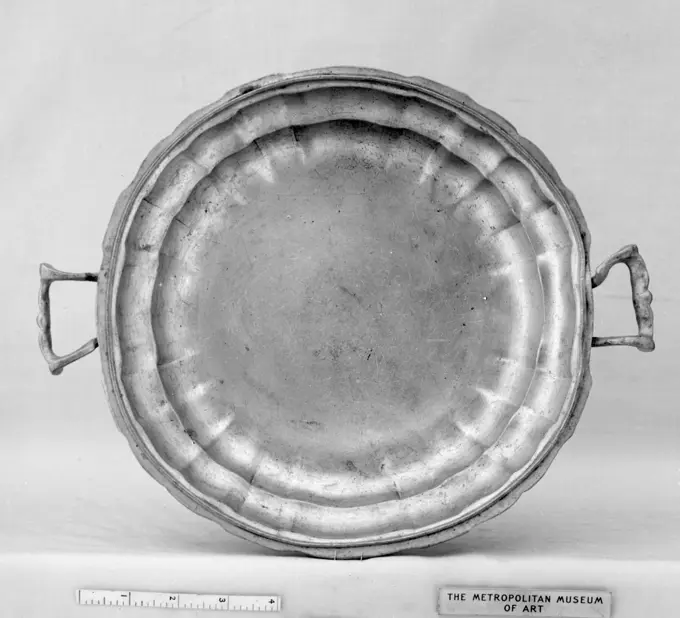
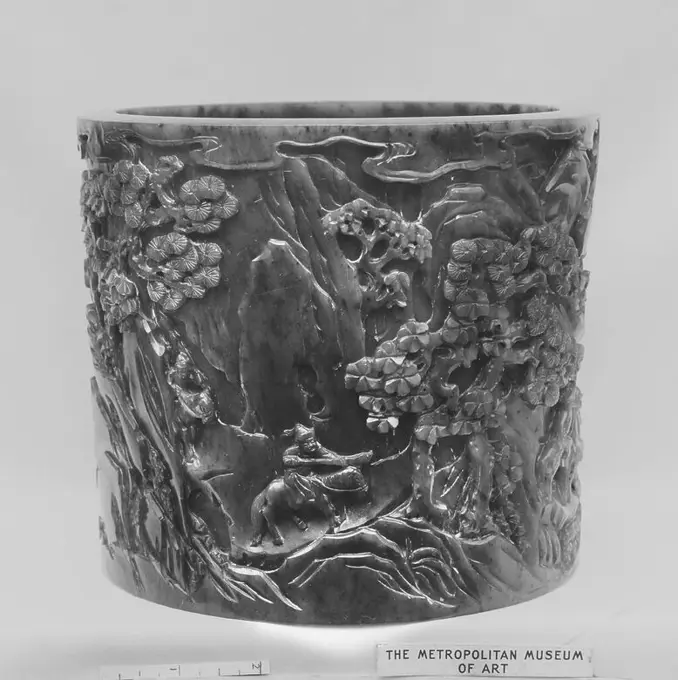
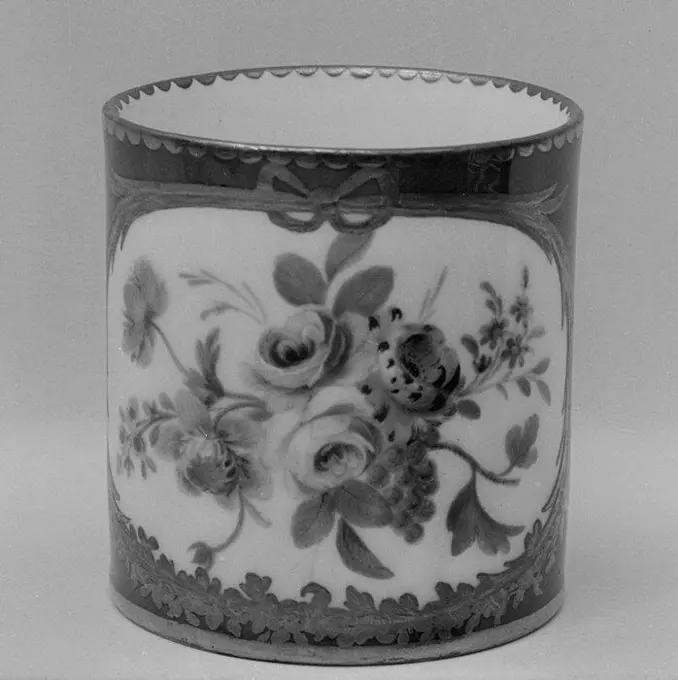
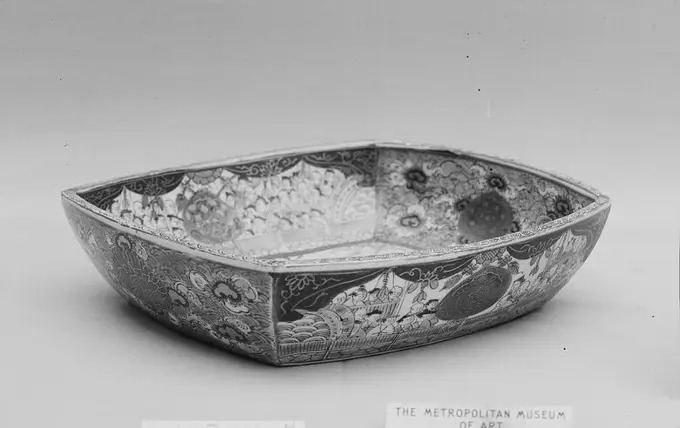
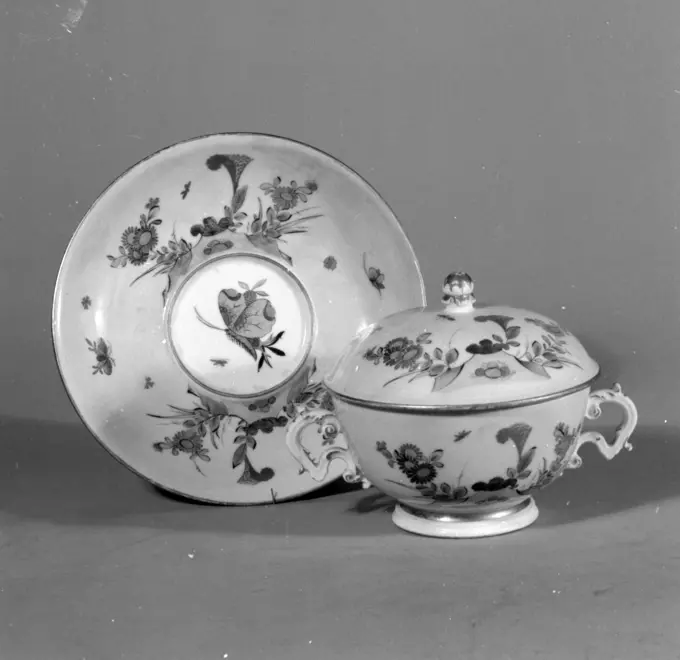
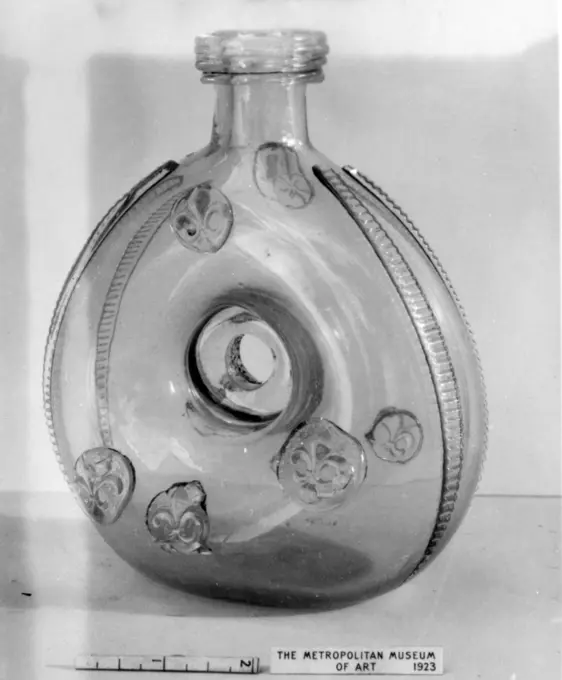
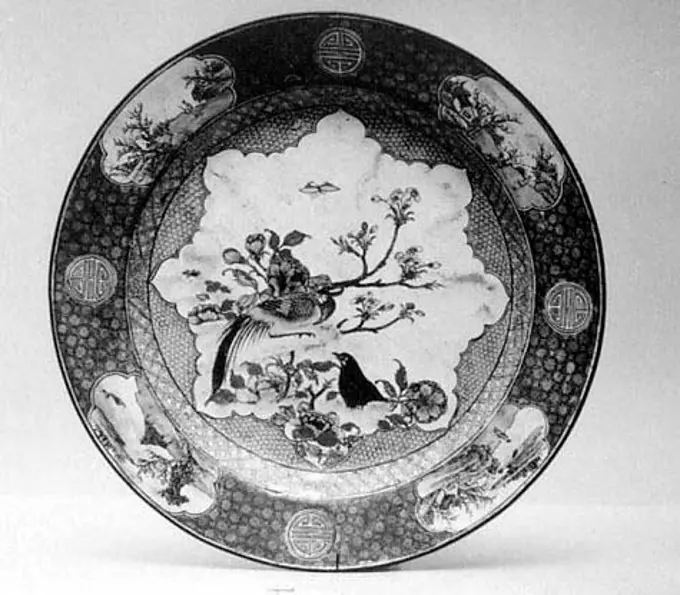
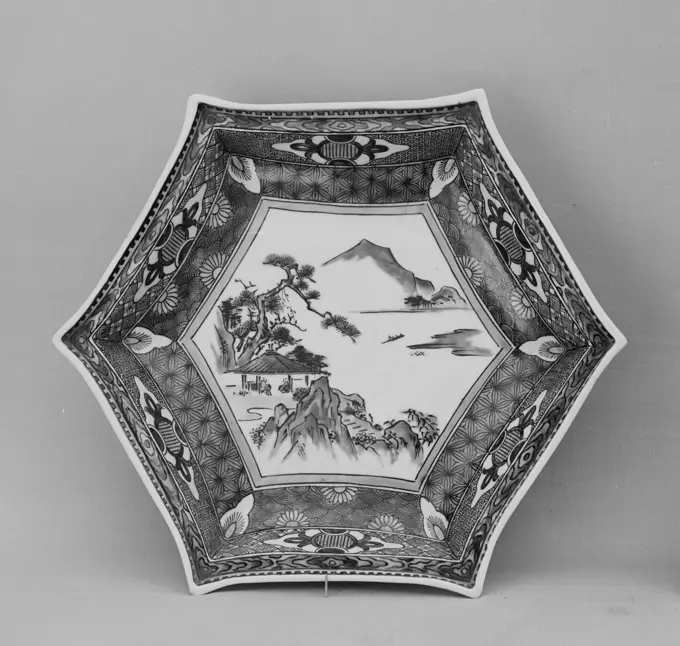
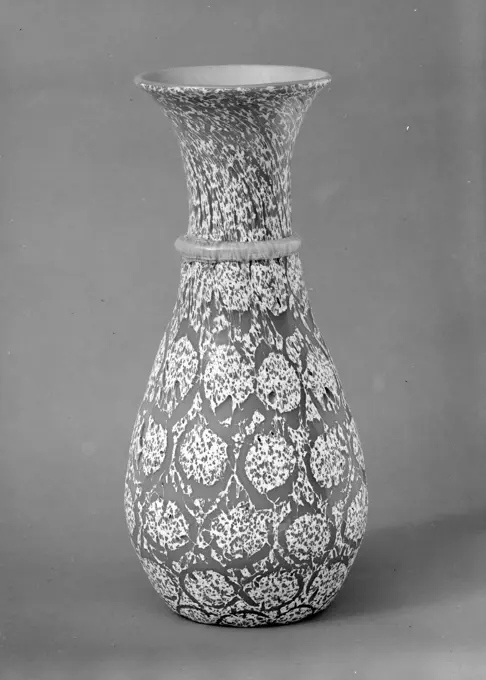
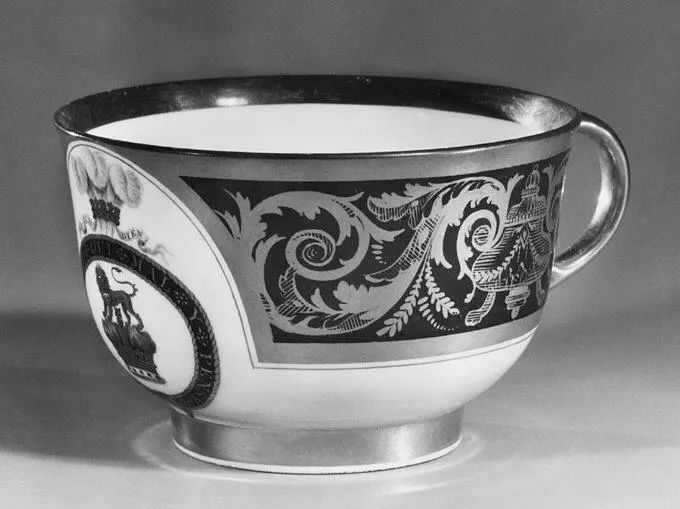
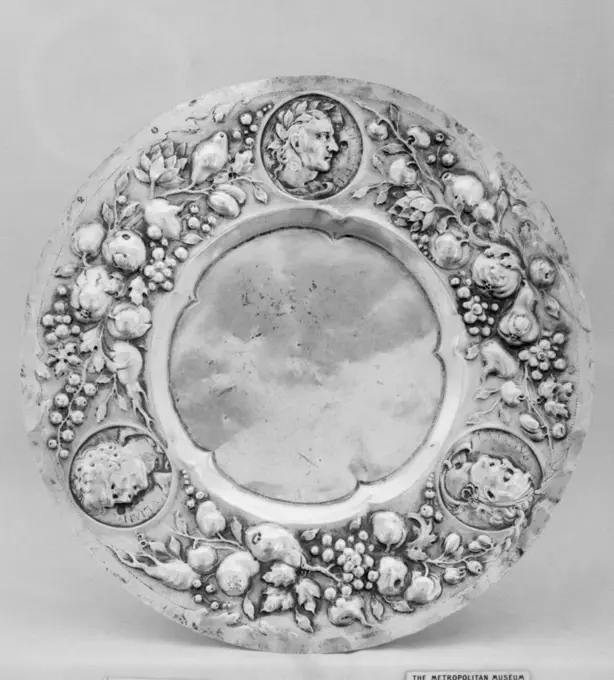
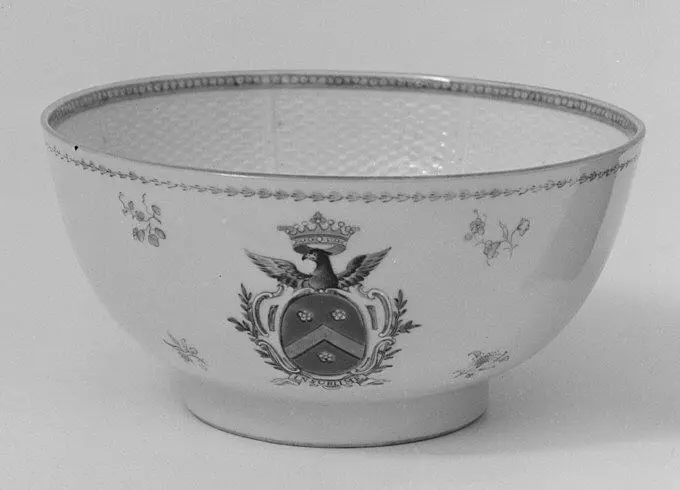
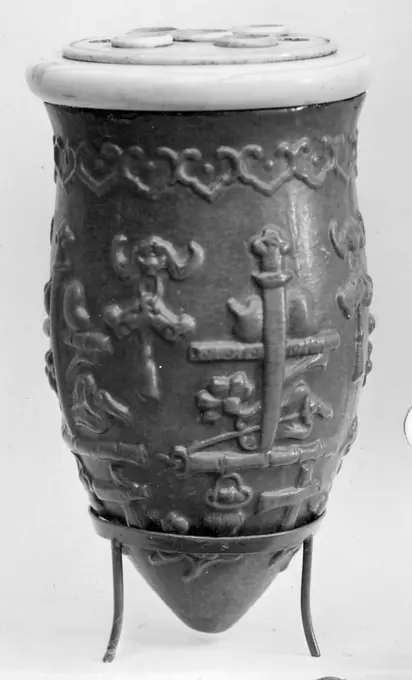
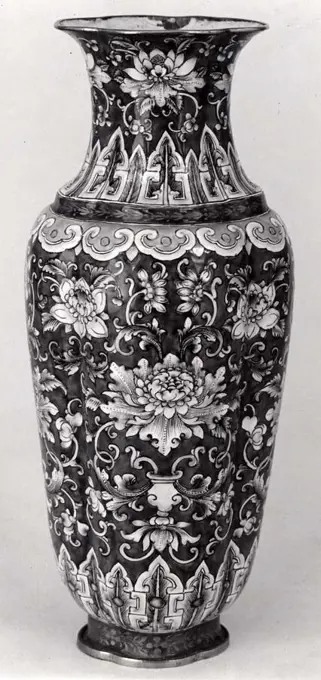
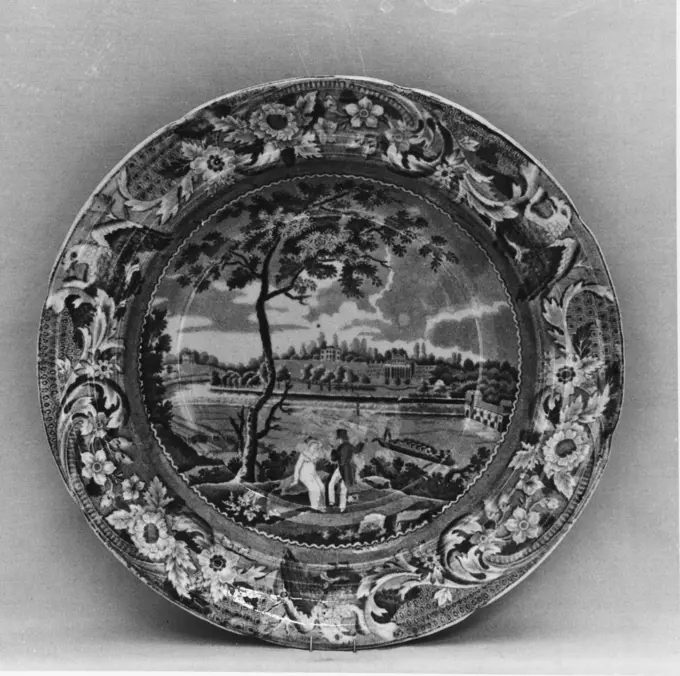
Covered Bowl. Culture: China. Dimensions: H. 8 5/8 in. (21.9 cm); Diam. 7 1/4 in. (18.4 cm). Date: late 18th-19th century. Museum: Metropolitan Museum of Art, New York, USA.Drinking vessel. Culture: Thailand. Dimensions: H. 6 in. (15.2 cm); L. with spout 6 in. (15.2 cm); Diam. 4 3/4 in. (12.1 cm). Date: 14th-15th century. Museum: Metropolitan Museum of Art, New York, USA.Bowl (one of a pair). Culture: China. Dimensions: H. 3 7/8 in. (9.8 cm); Diam. 8 3/4 in. (22.2 cm). Date: 12th-13th century.Like this piece, most Jun wares were fired twice to get the effect of the thick, soft blue glaze. Purple splashes are produced by adding copper oxide to the glaze. Museum: Metropolitan Museum of Art, New York, USA.Thimble case ca. 1760 Meissen Manufactory German. Thimble case. German, Meissen. ca. 1760. Hard-paste porcelain, gold. Ceramics-PorcelainJar China. Jar. China. Porcelain. Qing dynasty (1644-1911), Kangxi period (1662-1722). CeramicsBottle China. Bottle. China. Porcelain with peachbloom glaze. Qing dynasty (1644-1911), Kangxi period (1662-1722). CeramicsBasket China. Basket 50794Plateau ca. 1750 French, Rouen Faience, or tin-glazed and enameled earthenware, first emerged in France during the sixteenth century, reaching widespread usage among elite patrons during the seventeenth and early eighteenth centuries, prior to the establishment of soft-paste porcelain factories. Although characterized as more provincial in style than porcelain, French faience was used at the court of Louis XIV as part of elaborate meals and displays, with large-scale vessels incorporated into the Baroque garden designs of Versailles. Earlier examples of French faience attest to the strong influence of maiolica artists from Italy. Later works demonstrate the ways in which cities such as Nevers, Rouen, Lyon, Moustiers, and Marseille developed innovative vessel shapes and decorative motifs prized among collectors throughout Europe. While faience can be created from a wide mixture of clays, it is foremost distinguished by the milky opaque white color achieved by the addition of tin oxide tHearth Jar 1750-90 Chinese. Hearth Jar 4270Covered bowl with Thai mythical figures 19th century China. Covered bowl with Thai mythical figures 46202Bowl (part of a service) late 18th-early 19th century Chinese, for American market. Bowl (part of a service) 201122Incense burner 18th-19th century Japan. Incense burner. Japan. 18th-19th century. Pottery; design painted in overglaze blue, white, green and gold; separate metal lid Kiyomizu ware). Edo period (1615-1868). CeramicsVase China. Vase. China. Stoneware with black decoration under turquoise glaze (Cizhou-type ware). Yuan dynasty (1271-1368). CeramicsTeabowl 19th century Japan. Teabowl 62661Tankard ca. 1740 Vienna. Tankard 203201Sugar bowl with cover ca. 1800-1810 Chinese, probably for American market. Sugar bowl with cover. Chinese, probably for American market. ca. 1800-1810. Hard-paste porcelain. Ceramics-Porcelain-ExportSacrificial Vessel with Cover 18th century China. Sacrificial Vessel with Cover. China. 18th century. Rock crystal. HardstoneCovered bowl with Thai celestial beings 19th century China. Covered bowl with Thai celestial beings 46289Jar with Peony Scroll. Culture: China. Dimensions: Diam. 5 1/4 in. (13.3 cm). Date: 11th-12th century.Also known as "northern celadon," Yaozhou wares were produced in numerous kilns centered in Shaanxi Province. Museum: Metropolitan Museum of Art, New York, USA.Vase with birds and flowers late 17th-early 18th century China. Vase with birds and flowers. China. late 17th-early 18th century. Porcelain painted in overglaze polychrome enamels (Jingdezhen ware). Qing dynasty (1644-1911), Kangxi period (1662-1722). CeramicsFlask. Culture: Islamic. Dimensions: H. 8.5 cm; diam. of rim 1.9 cm; diam. of body 6.6 cm. Date: 7th-9th century. Museum: Metropolitan Museum of Art, New York, USA.Vase 19th century Italian, Venice (Murano). Vase. Italian, Venice (Murano). 19th century. Glass. GlassBowl with Thai celestial beings 19th century China. Bowl with Thai celestial beings 46279Bottle 1700 Japan. Bottle. Japan. 1700. White porcelain with slip relief; decorated with blue under the glaze, polychrome enamels (Arita ware). Edo period (1615-1868). CeramicsBowl Japan. Bowl 52240Covered Tureen. Culture: China. Dimensions: H. 7 in. (17.8 cm); Diam. 5 7/8 in. (14.9 cm). Date: first half of the 19th century. Museum: Metropolitan Museum of Art, New York, USA.Covered Toy Tureen. Culture: American. Dimensions: 2 x 3 1/16 x 1 7/8 in. (5.1 x 7.8 x 4.8 cm). Maker: Probably Boston & Sandwich Glass Company (American, 1825-1888, Sandwich, Massachusetts). Date: ca. 1835-50. Museum: Metropolitan Museum of Art, New York, USA.Incense Burner 1800 Japan. Incense Burner. Japan. 1800. Clay covered with a crackled glaze and decorated with enamels and gold (Satsuma ware). Edo period (1615-1868). CeramicsJar 18th century China. Jar. China. 18th century. Porcelain with crackled green glaze (Jingdezhen ware). Qing dynasty (1644-1911). CeramicsCruet and Stopper late 19th century probably Antonio Salviati Italian. Cruet and Stopper 460885Dish (one of a pair) ca. 1770 Worcester factory. Dish (one of a pair) 199047Bowl 1780 Japan. Bowl 52487Coffeepot ca. 1713-20 Meissen Manufactory German. Coffeepot 199133Tab'l Shamee late 19th century Egyptian. Tab'l Shamee. Egyptian. late 19th century. Metal, skin. Egypt. Membranophone-single-headed / kettle drumVase China. Vase 40734Teapot with Cover 19th century China. Teapot with Cover. China. 19th century. Painted enamel. Qing dynasty (1644-1911). EnamelsSherd with rooster inprofile.  Artist: Kleophrades Painter, Greek, Attic, ca. 505-475 B.C.Wedding Cup. Culture: China. Dimensions: H. 2 5/16 in. (5.9 cm); L. 4 1/16 in. (10.3 cm). Date: early 17th century. Museum: Metropolitan Museum of Art, New York, USA.Minature vase with floral patterns early 18th century China. Minature vase with floral patterns. China. early 18th century. Porcelain painted in underglaze cobalt blue (Jingdezhen ware). Qing dynasty (1644-1911). CeramicsBowl China. Bowl. China. Porcelain painted in overglaze famille rose enamels. Qing dynasty (1644-1911), Yongzheng mark and period (1723-35). CeramicsSaucer late 17th-early 18th century China. Saucer. China. late 17th-early 18th century. Porcelain painted in underglaze blue. Qing dynasty (1644-1911), Kangxi period (1662-1722). CeramicsSnuff Bottle China. Snuff Bottle 41766Tea cup 1760-70 Chinese, possibly for Continental European market. Tea cup 201281Water Coupe. Culture: China. Dimensions: H. 3 1/4 in. (8.3 cm); Diam. 5 in. (12.7 cm). Museum: Metropolitan Museum of Art, New York, USA.Tea caddy (part of a service) ca. 1770 Worcester factory. Tea caddy (part of a service) 206131Bowl. Culture: Japan. Dimensions: Diam. 3 3/4 in. (9.5 cm). Date: 18th century. Museum: Metropolitan Museum of Art, New York, USA.Jar and cover 1780 Japan. Jar and cover. Japan. 1780. Porcelain decorated with enamels (Arita ware, Imari type). Edo period (1615-1868). CeramicsPlate (one of a pair). Culture: Japan. Dimensions: Diam. 16 in. (40.6 cm). Date: 18th century. Museum: Metropolitan Museum of Art, New York, USA.Beaker late 17th century Matthäus Schmidt. Beaker. German, Augsburg. late 17th century. Silver gilt. Metalwork-SilverTeabowl and saucer ca. 1770 Worcester factory The gift of the Hans Syz Collection in 1995 endowed the Museum with nearly three hundred examples of European and Asian ceramics meticulously acquired by Swiss-born collector Dr. Syz (1894-1991) to chart the migration of models and patterns from East to West. Documenting a continuous process of influence and adaptation, these pieces provide a discriminating review of the nuances of stylistic change resulting from three centuries of trade.. Teabowl and saucer 208393Beaker 1720 Esaias Busch III. Beaker 206168Incense burner with cover China. Incense burner with cover 43962Saucer (part of a coffee service) early 19th century Nymphenburg Porcelain Manufactory. Saucer (part of a coffee service) 186250Cup 17th century Japan. Cup 52373Cups (6) (part of a service) late 18th or early 19th century Lowestoft The tea service (67.192.1a, b-.16) is an example of "Mandarin" porcelain, painting done in imitation of Chinese export ware with figures in pink, red and blue. It was a style taken from Chinese drawings and used at the Bristol and Worcester factories as well.. Cups (6) (part of a service) 204801Lotus bowl with Buddha and arhats China. Lotus bowl with Buddha and arhats. China. Jade (nephrite). Qing dynasty (1644-1911), Qianlong period (1736-95). JadeBucket. Culture: Japan. Dimensions: H. 5 3/8 in. (13.7 cm); Diam. 5 1/2 in. (14 cm). Date: 1840. Museum: Metropolitan Museum of Art, New York, USA.Vase (one of a pair) ca. 1730 Meissen Manufactory German. Vase (one of a pair). German, Meissen. ca. 1730. Hard-paste porcelain. Ceramics-PorcelainGoblet late 16th century Façon de Venise, probably Bohemian. Goblet 460729Plate (one of a pair) 1750-55 Imperial Porcelain Manufactory. Plate (one of a pair). Austrian, Vienna. 1750-55. Hard-paste porcelain. Ceramics-PorcelainSauce-tureen 1767-68 British, London. Sauce-tureen 192105Sauceboat ca. 1760 British, Staffordshire. Sauceboat 197581Plate. Culture: China. Dimensions: H. 1 3/16 in. (3 cm); Diam. 8 5/8 in. (21.9 cm). Museum: Metropolitan Museum of Art, New York, USA.Water Coupe China. Water Coupe. China. Porcelain with incised decoration under peachbloom glaze. Qing dynasty (1644-1911), Kangxi mark and period (1662-1722). CeramicsPlate 1776-93 David Melville. Plate. American. 1776-93. Pewter. Made in Newport, Rhode Island, United StatesJar with cover (one of a pair) ca. 1775 Royal Porcelain Manufactory, Berlin. Jar with cover (one of a pair). German, Berlin. ca. 1775. Hard-paste porcelain. Royal Porcelain Manufactory, Berlin (German, founded 1763). Ceramics-PorcelainCream jug ca. 1755 British, Staffordshire. Cream jug 197571Dish 1800-1815 Chinese. Dish. Chinese. 1800-1815. Porcelain. Made in ChinaCovered Jar. Culture: Dutch. Designer: Designed by Justus Brouwer (Dutch, active 1739-1775). Dimensions: H. 15 1/2 in. (39.4 cm). Manufacturer: Manufactured by The Porcelain Axe. Date: 1739-75. Museum: Metropolitan Museum of Art, New York, USA.Teabowl. Culture: Japan. Dimensions: H. 3 in. (7.6 cm); Diam. 5 3/4 in. (14.6 cm). Date: late 17th century. Museum: Metropolitan Museum of Art, New York, USA.Dish 18th century German. Dish. German. 18th century. Pewter. Metalwork-PewterBrush holder. Culture: China. Dimensions: H. 6 1/4 in. (15.9 cm); W. 6 7/8 in. (17.5 cm). Date: 18th century. Museum: Metropolitan Museum of Art, New York, USA.Vase. Culture: China. Dimensions: H. 13 in. (33 cm); Diam. 8 3/4 in. (22.2 cm). Museum: Metropolitan Museum of Art, New York, USA.Standing bowl European late 19th century View more. Standing bowl. European. late 19th century. Bronze. Sculpture-BronzeCup (gobelet litron) (one of nine) (part of a service) 1786 Sèvres Manufactory French. Cup (gobelet litron) (one of nine) (part of a service) 197849Square Dish. Culture: Japan. Dimensions: H. 2 1/8 in. (5.4 cm); W. 7 1/2 in. (19.1 cm). Date: 1780. Museum: Metropolitan Museum of Art, New York, USA.Cup China. Cup 40922Porringer with cover and stand 1735-40 Meissen Manufactory German. Porringer with cover and stand. German, Meissen. 1735-40. Hard-paste porcelain. Ceramics-PorcelainLazio Roma Rome SS. Giovanni e Paolo, Museum23. Hutzel, Max 1960-1990 Medieval: Ceramic fragments, sculptural fragments, fresco fragments, inscribed tomb markers. Houses one of the best collections of Malagan medieval ceramics for casting wall monuments, copies of which are housed in campanile. Specific Location: Museum Antiquities: Ceramic fragments, sculptural fragments, architectural fragments Object Notes: Basilica has separate record and is filed separately. German-born photographer and scholar Max Hutzel (1911-1988) photographed in Italy from the early 1960s until his death. The result of this project, referred to by Hutzel as Foto Arte Minore, is thorough documentation of art historical development in Italy up to the 18th century, including objects of the Etruscans and the Romans, as well as early Medieval, Romanesque, Gothic, Renaissance and Baroque monuments. Images are organized by geographic region in Italy, then by province, city, site complex and monument.Pilgrim bottle 18th century French, Nevers or Centre. Pilgrim bottle. French, Nevers or Centre. 18th century. Glass. GlassCandlestick from a Set Five-Piece Altar Set (Wugong) China. Candlestick from a Set Five-Piece Altar Set (Wugong). China. Porcelain. Qing dynasty (1644-1911), Daoguang period (1821-50). CeramicsPlate China. Plate 40884Goblet late 16th century Flemish, Liège. Goblet. Flemish, Liège. late 16th century. Glass. GlassHexagonal Dish 1865 Japan. Hexagonal Dish. Japan. 1865. White porcelain decorated with blue under the glaze, iron red and gold, green, yellow and violet enamels (Hizen ware, Kutani type). Edo period (1615-1868). CeramicsVase. Culture: Dutch. Designer: Designed by Justus Brouwer (Dutch, active 1739-1775). Dimensions: H. 10 3/8 in. (26.4 cm). Manufacturer: Manufactured by The Porcelain Axe. Date: 1739-75. Museum: Metropolitan Museum of Art, New York, USA.Vase 1884-86 Reading Artistic Glass Works. Vase. American. 1884-86. Free-blown pink, white and opalescent glass. Made in Reading, Pennsylvania, United StatesCup and saucer ca. 1807-13 Worcester factory The cup and saucer are from a breakfast service made for George, Prince of Wales, regent during the illness of George III, who later reigned as George IV (1820-30). The cup and saucer are enameled and gilded with the Prince's crest, encircled by the Order of the Garter, and ensigned by his badge of three ostrich feathers within a prince's coronet and the motton "Ich Dien" (I serve).. Cup and saucer 205115Covered Wine Pot 19th century China. Covered Wine Pot 40957Ladle Etruscan 4th quarter of the 7th-mid 6th century BCE Loop handle with a stamped relief. View more. Ladle. Etruscan. 4th quarter of the 7th-mid 6th century BCE. Terracotta; bucchero. Orientalizing/ Archaic. VasesPlate 1690 German, Augsburg. Plate 187206Plate ca. 1730-50 China. Plate. China. ca. 1730-50. Porcelain painted in overglaze famille rose enamels and gilt. Qing dynasty (1644-1911). CeramicsTankard 1724 Meissen Manufactory German. Tankard 203184Bowl (part of a service) 1770-85 Chinese, probably for Swedish market. Bowl (part of a service) 201178Cricket cage 18th-19th century China. Cricket cage 60719Basin (part of a set) 18th century Flemish. Basin (part of a set) 189059 Flemish, Basin (part of a set), 18th century, Pewter, Overall: 2  14 1/2  10 3/4 in. (5.1  36.8  27.3 cm). The Metropolitan Museum of Art, New York. Rogers Fund, 1906 (06.713)Vase 18th century China. Vase 42144Plate ca. 1824-ca. 1836 Joseph Stubbs. Plate. British (American market). ca. 1824-ca. 1836. Earthenware, transfer-printed. Made in Staffordshire, Stoke-on-Trent, EnglandJar with Cover. Culture: China. Dimensions: H. 25 in. (63.5 cm). Museum: Metropolitan Museum of Art, New York, USA.Bottle ca. 1750 Japan. Bottle 63108Vase with Garden Scene 18th century China In the eighteenth century, the kilns at Jingdezhen began to use a new material to produce porcelains. Called huashi, or slippery stone,” in Chinese, this expensive material is termed soft paste” in Western writing. Its appearance in China may reflect an awareness of European experimentation with different materials to produce porcelain-like clay bodies.. Vase with Garden Scene 50033