Artistic Ceramics

A collection of ceramic vessels, including cups and jars, showcasing intricate designs and historical significance in muted tones.
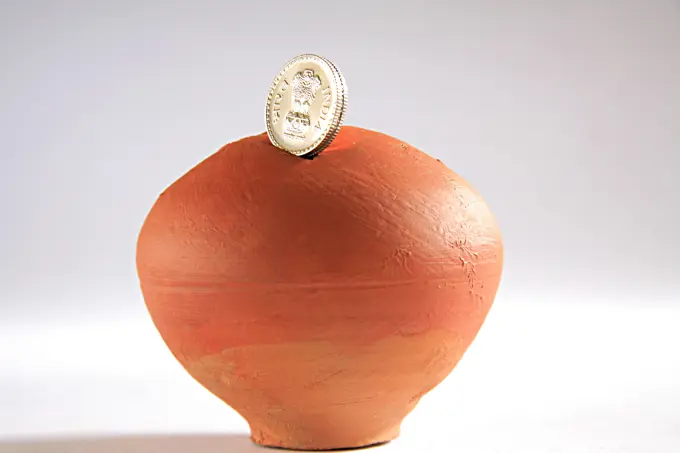
Concept, gullak clay bag or box for keeping wealth with coin on white background India Copyright: xNirmalaxMishra/DinodiaxPhotox
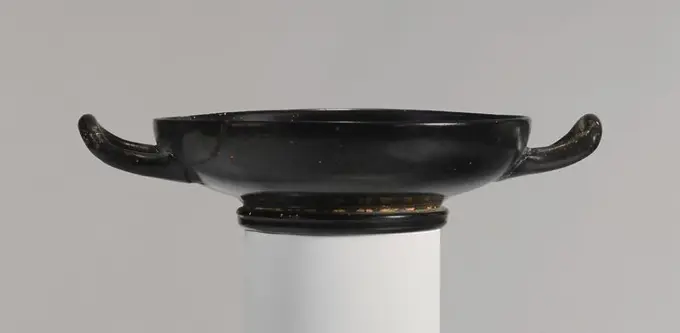
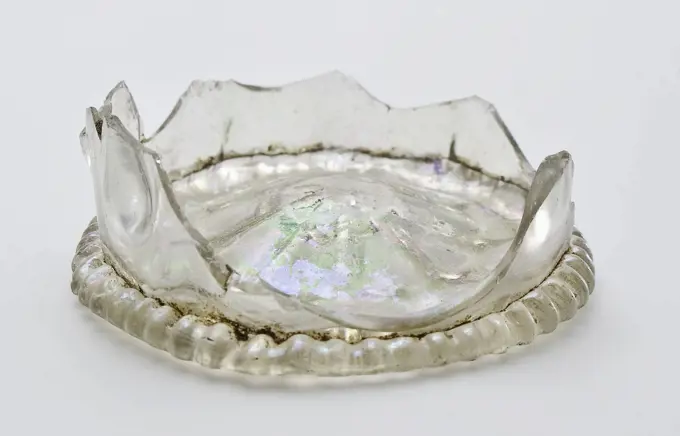
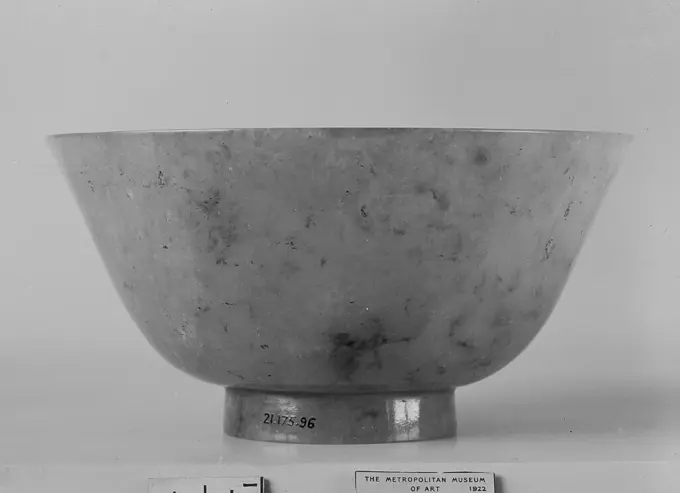
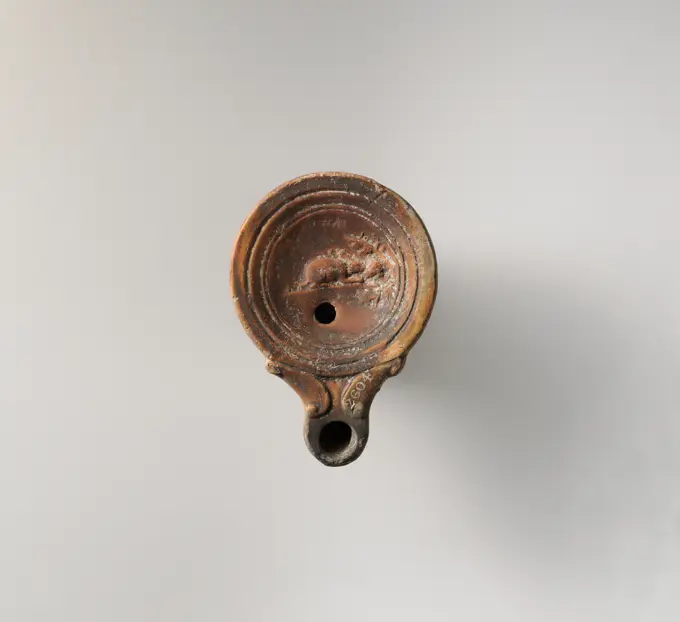
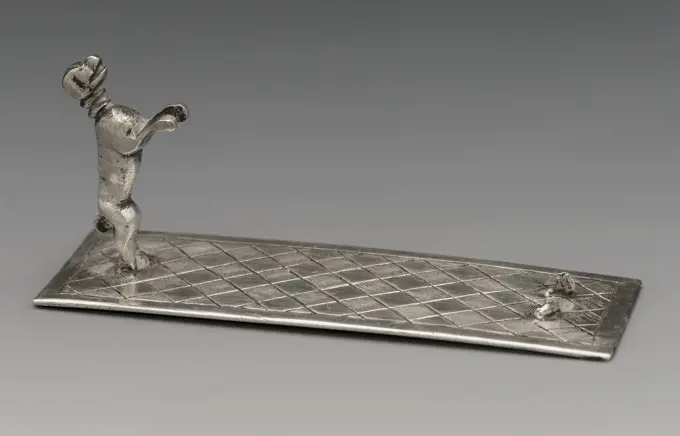
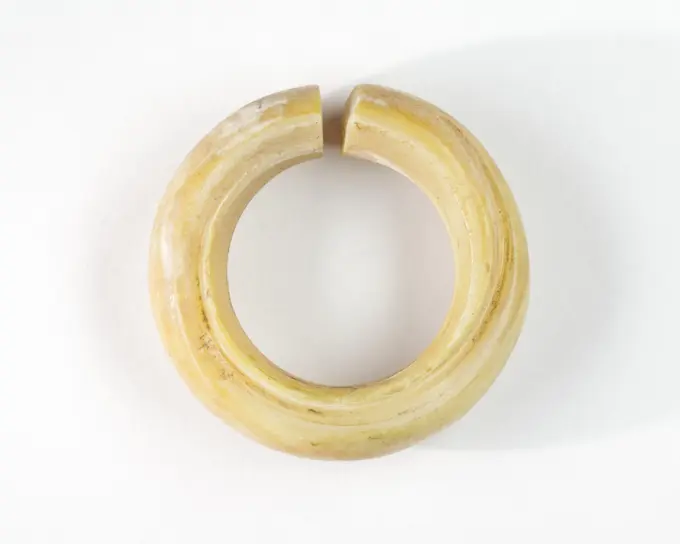
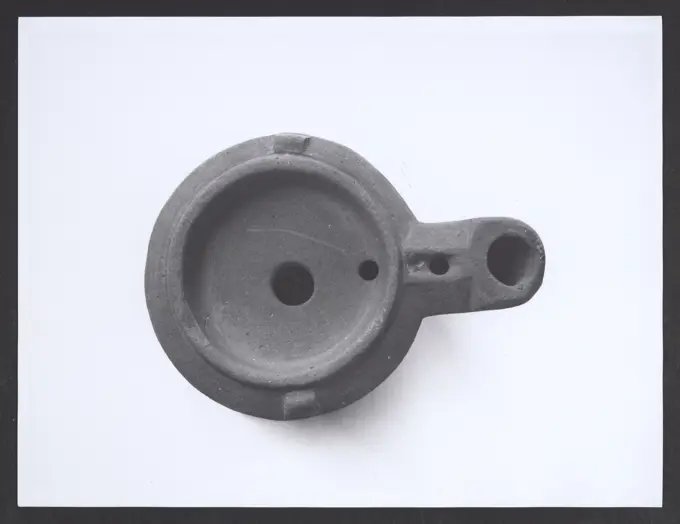
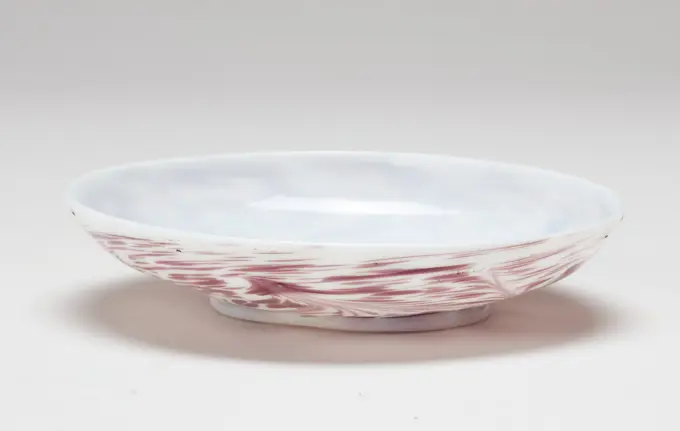
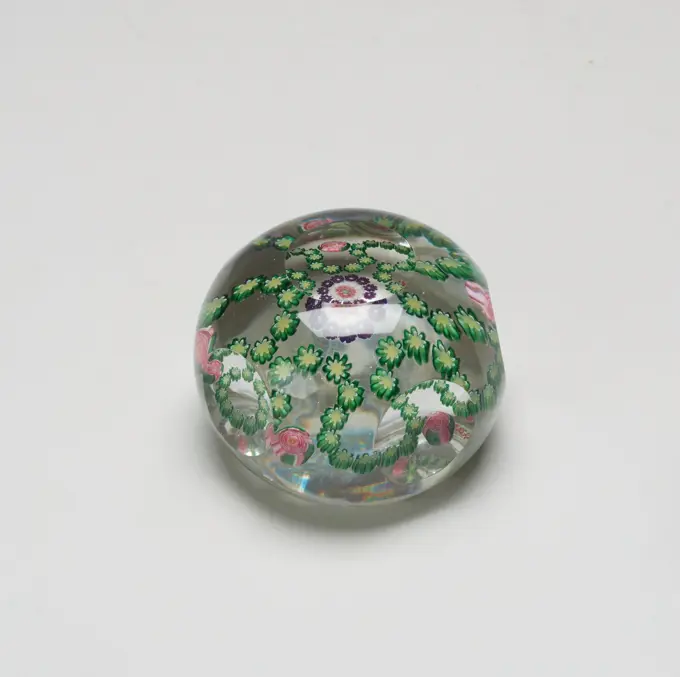
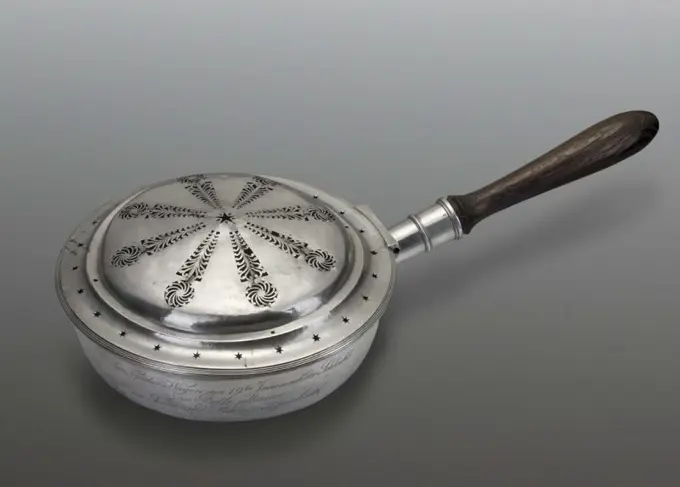
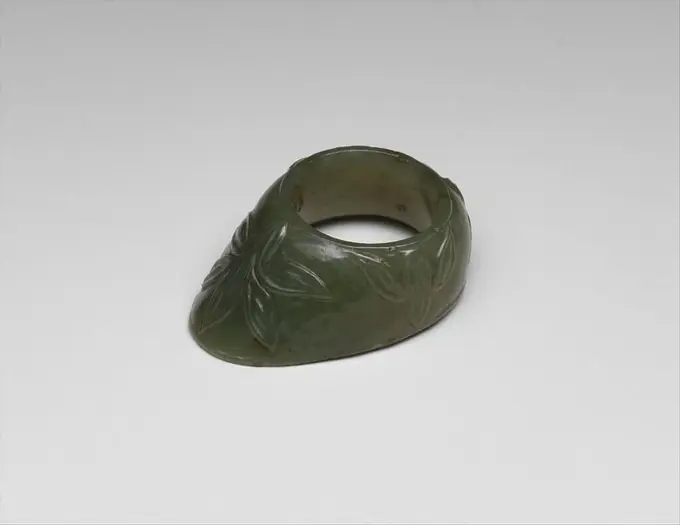
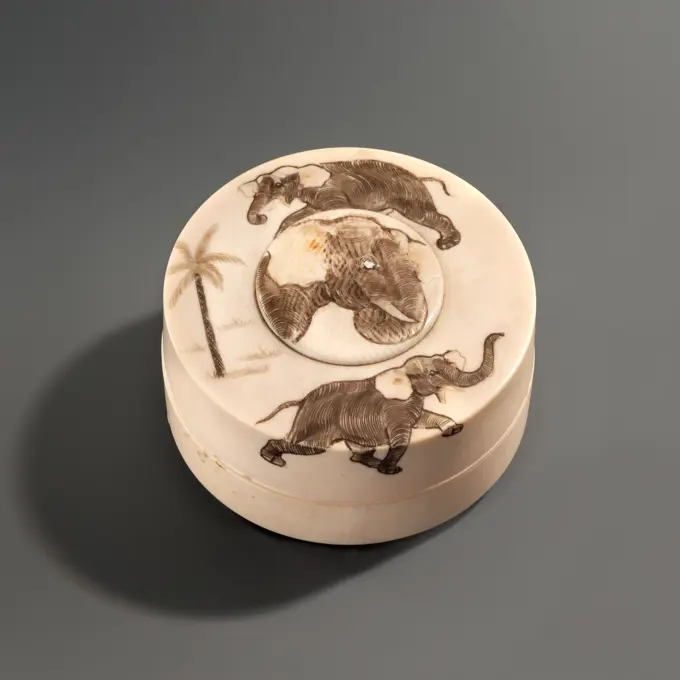
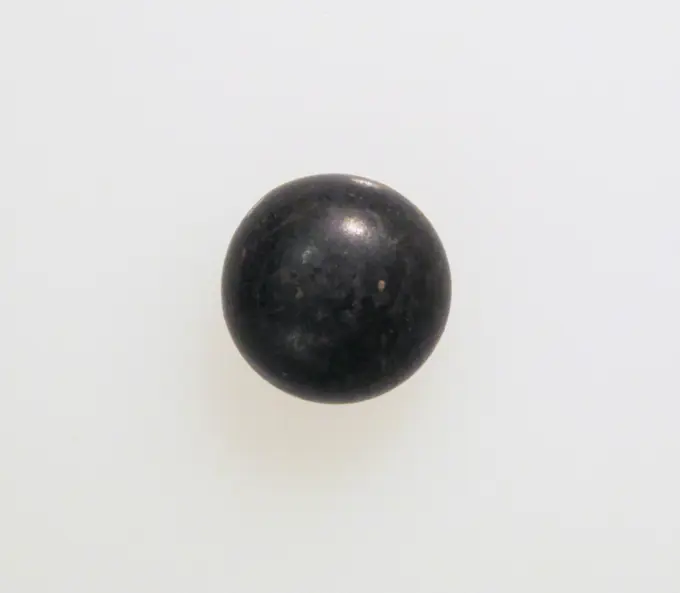
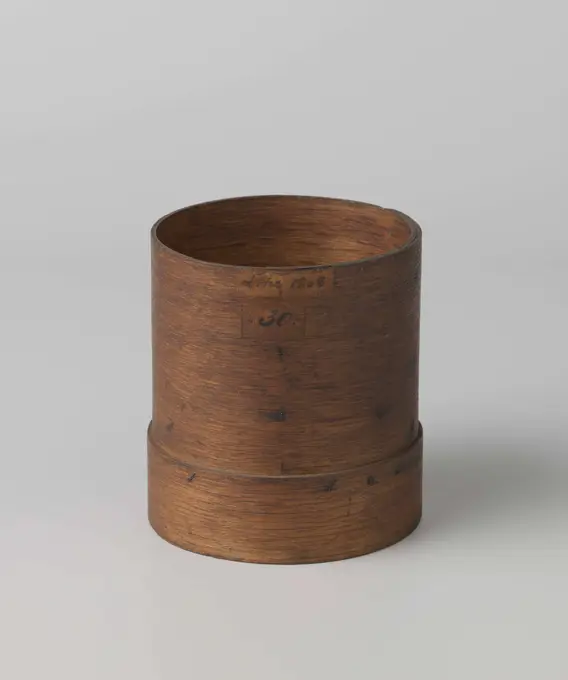
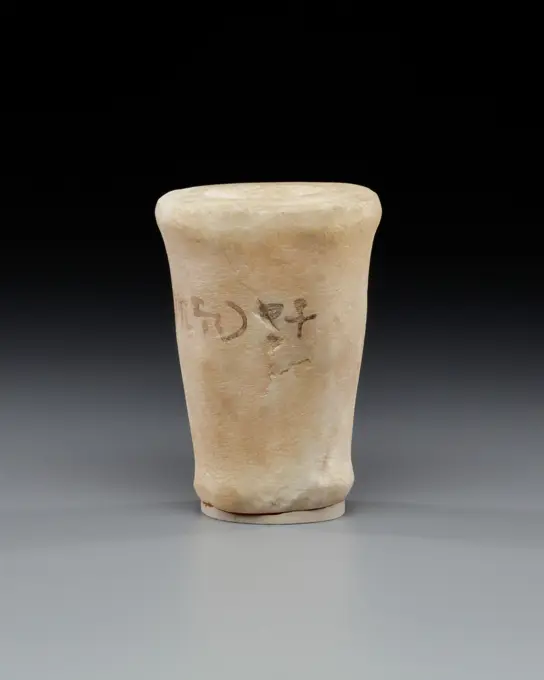
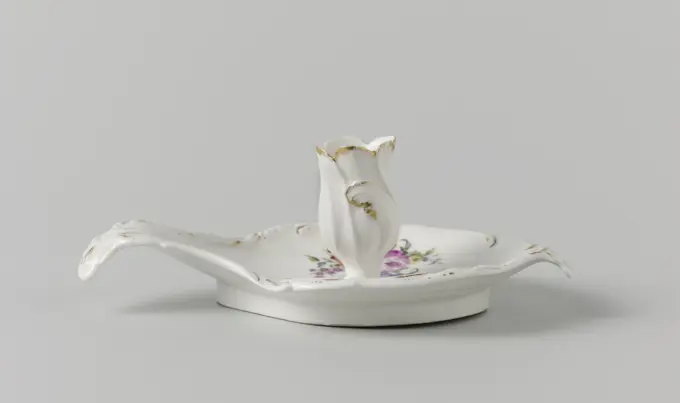
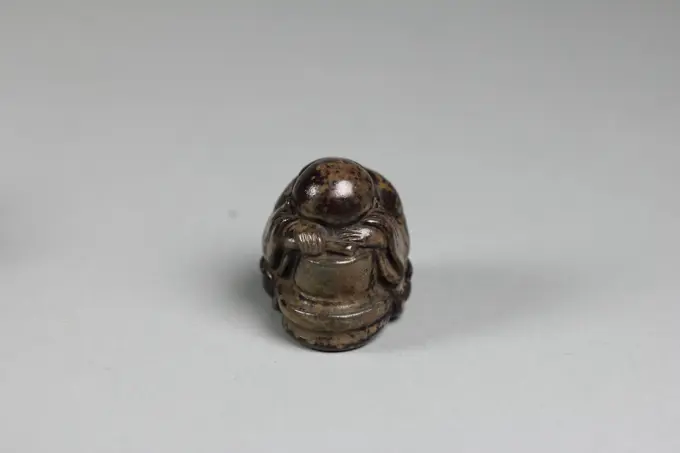
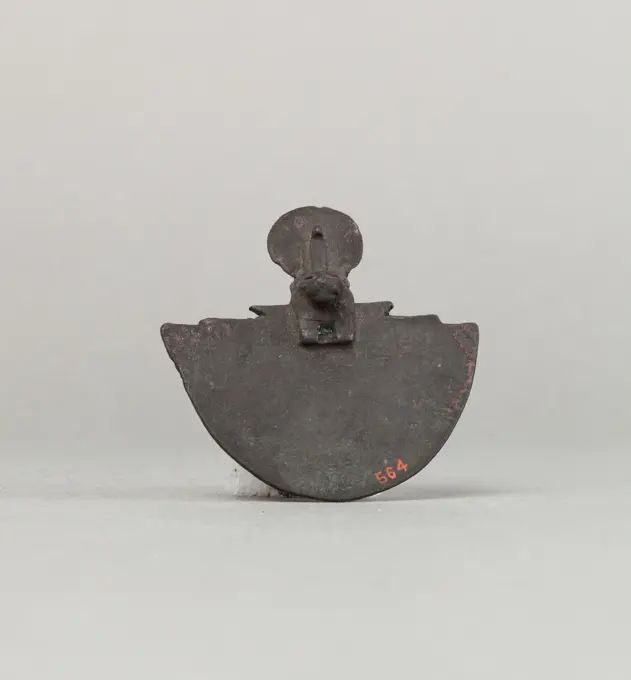
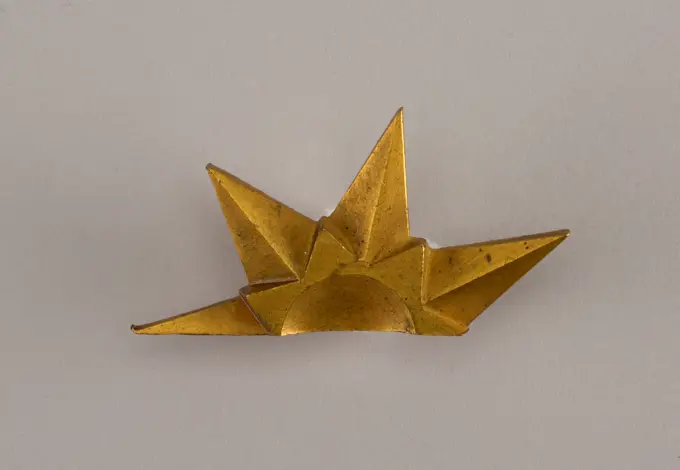
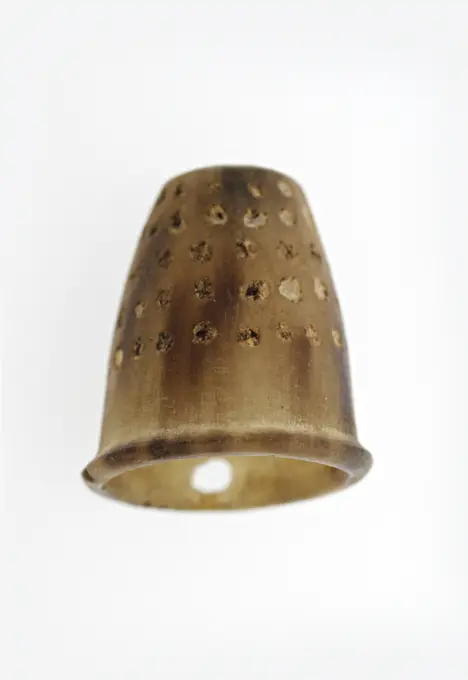
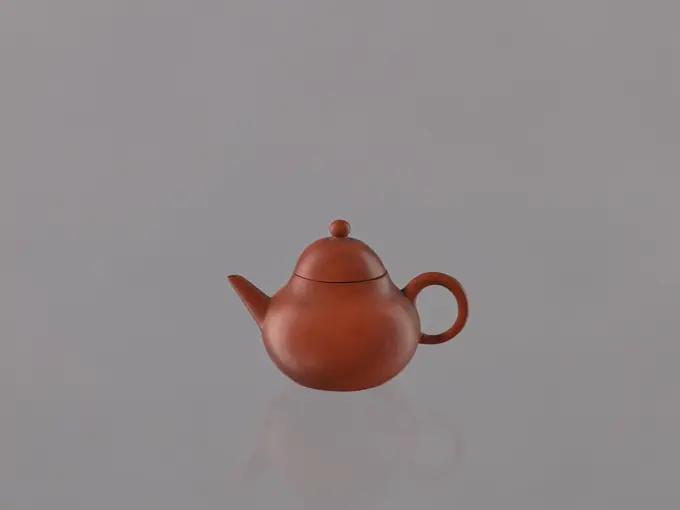
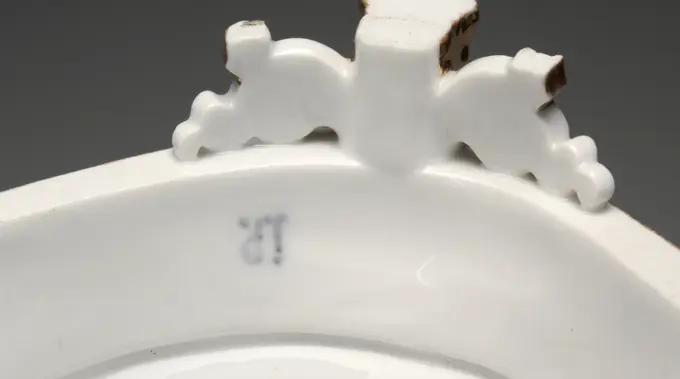
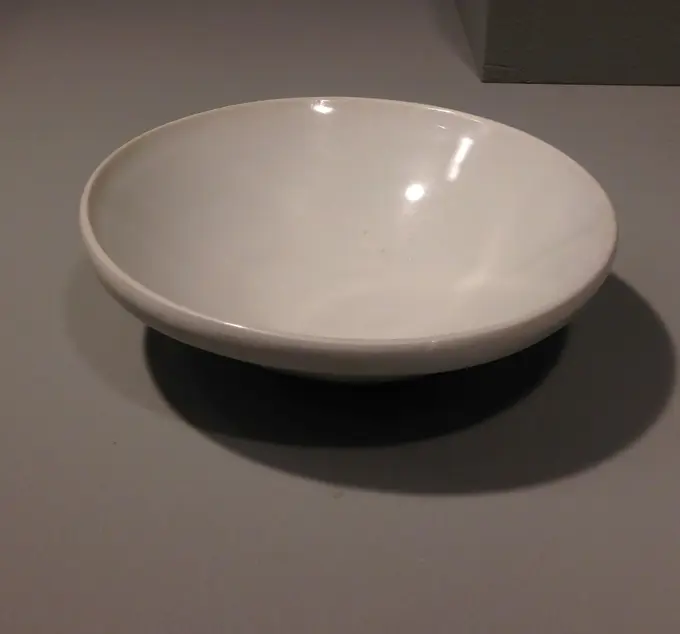
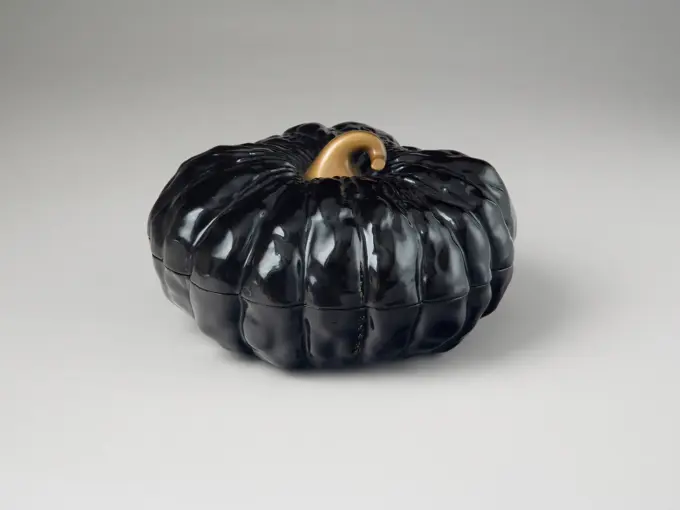
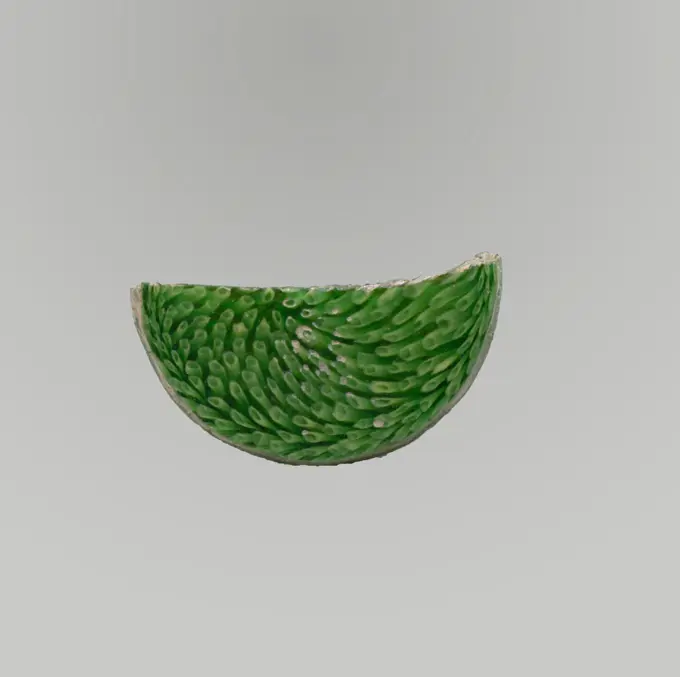
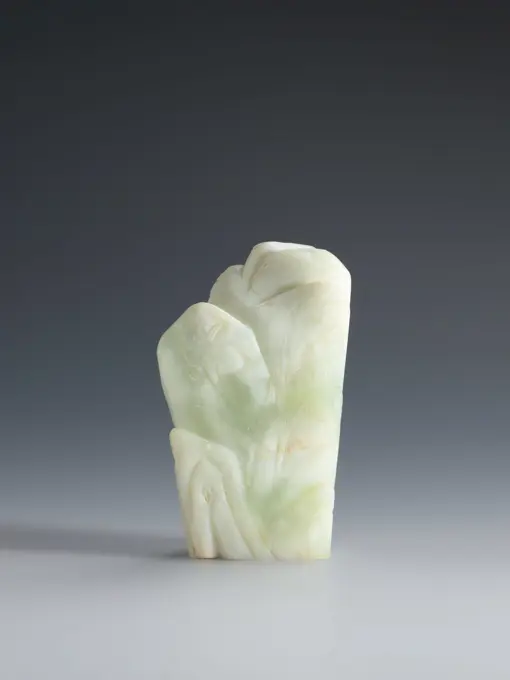
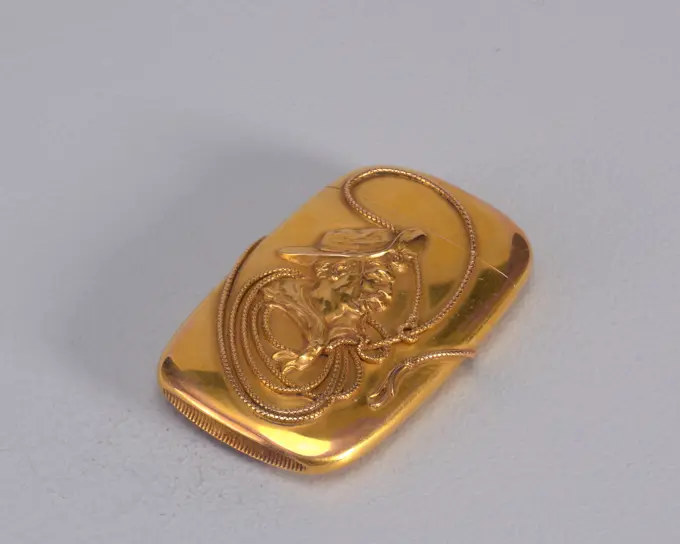
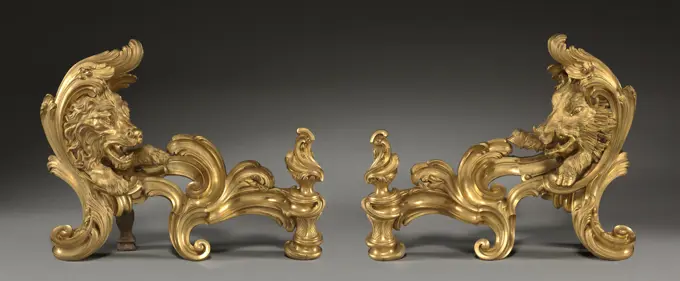
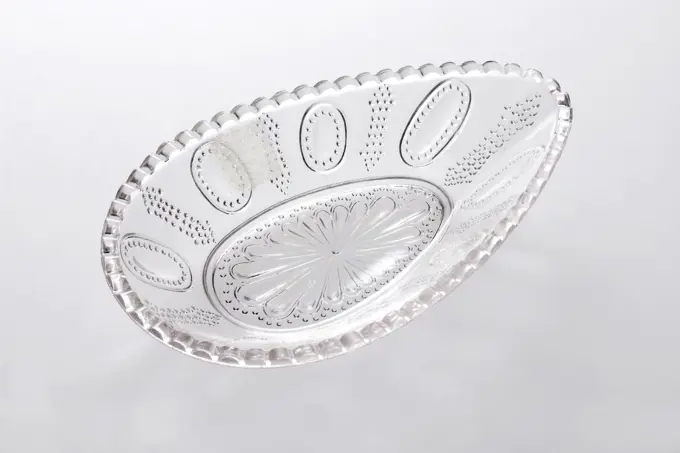
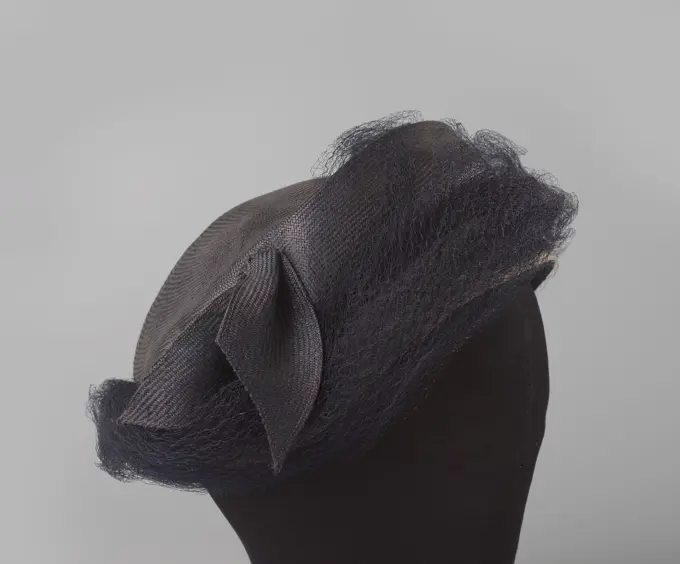
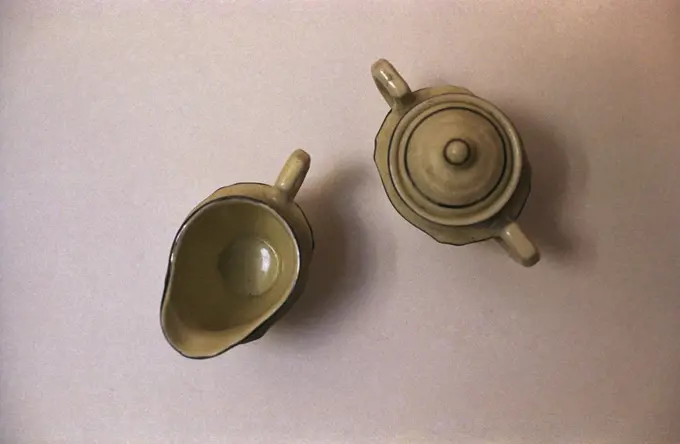
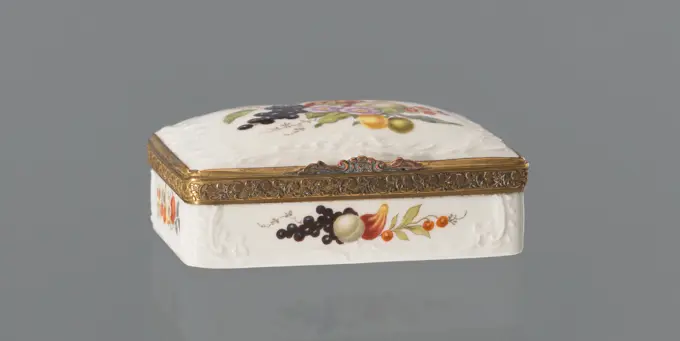
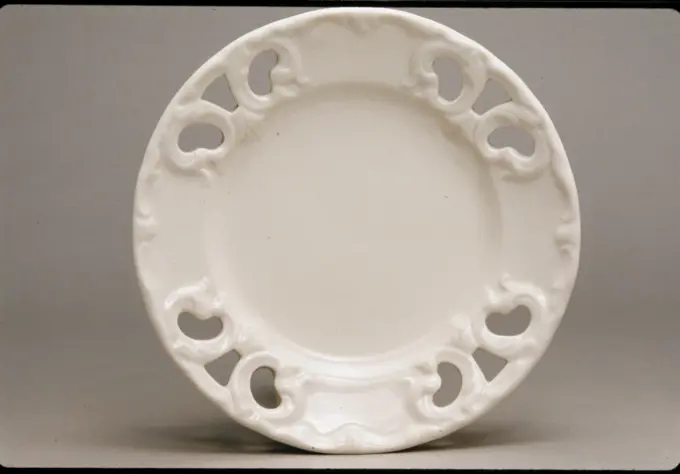
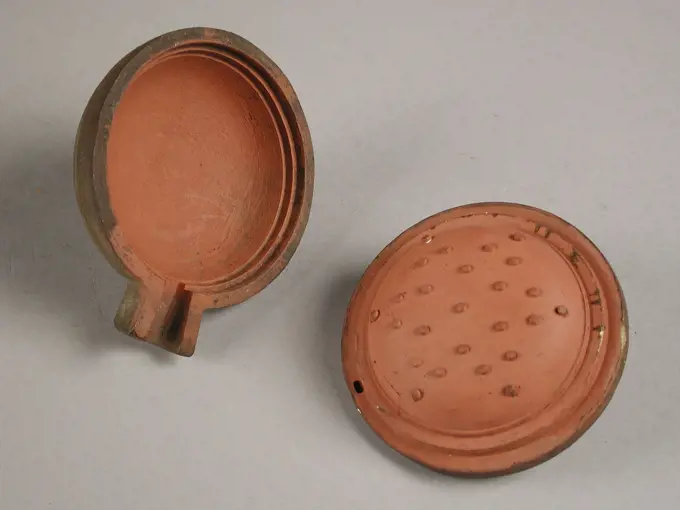
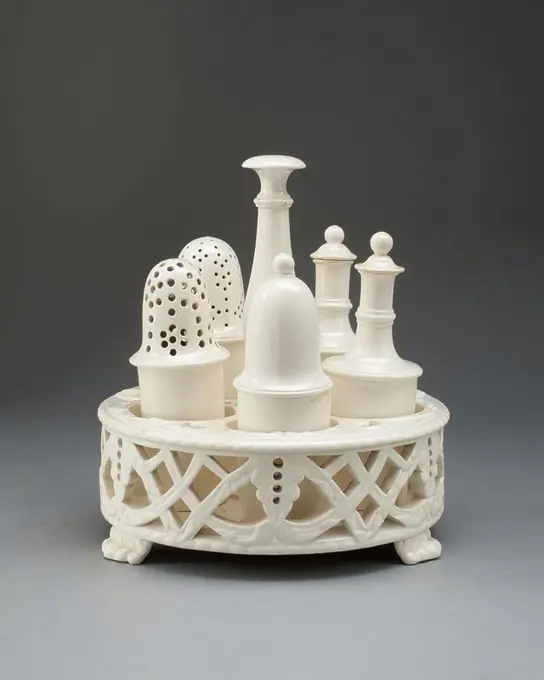
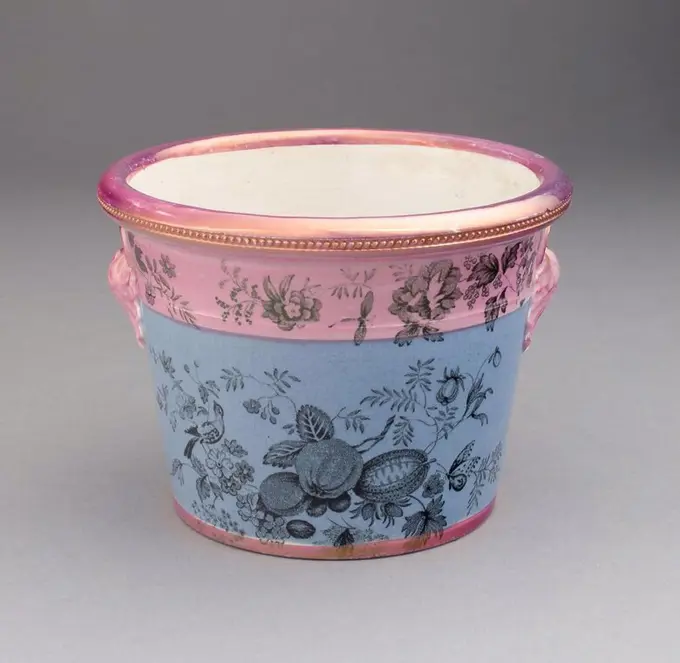
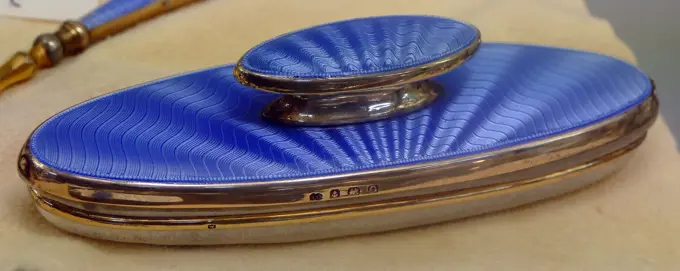
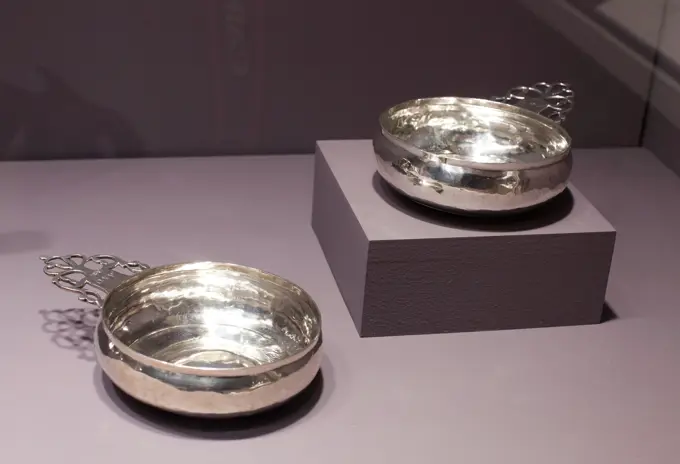
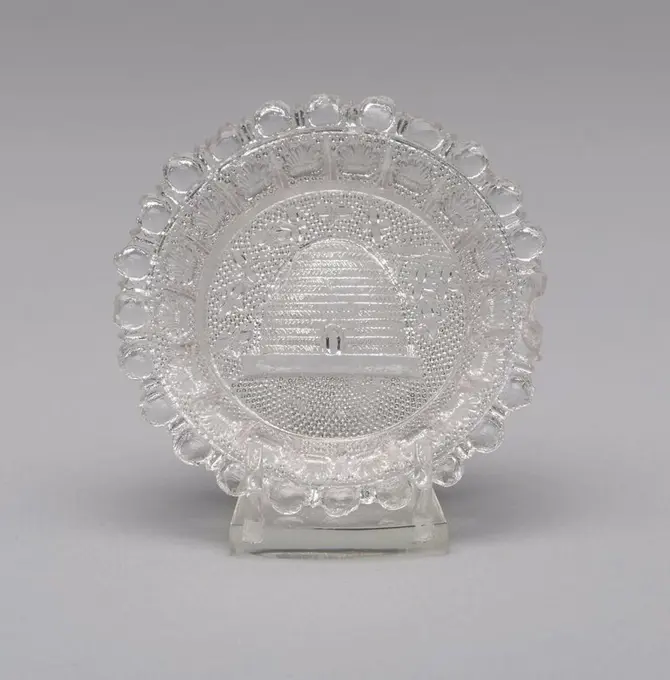
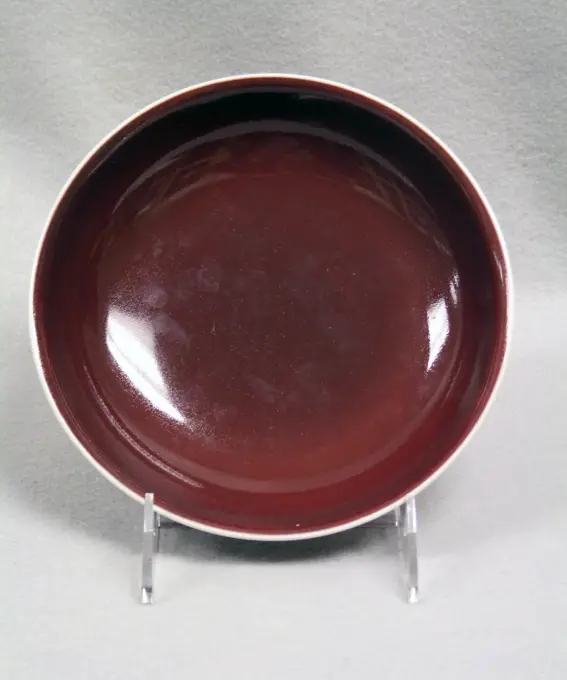
Dish China. Dish. China. Porcelain with a copper-red glaze. Qing dynasty (1644-1911), Qianlong mark and period (1736-95). CeramicsCylindrical seals with geometric patterns. Dated 4000 B.C.Terracotta stemless kylix (drinking cup). Culture: Greek, Attic. Dimensions: H. 2 3/8 in. (6.1 cm); diameter 6 in. (15.3 cm); width with handles 8 9/16 in. (21.8 cm). Date: 5th century B.C..Perhaps because the skyphos performed a similar function, stemless cups began only at the end of the sixth century B.C. and became popular during the second quarter of the fifth. They continued into the fourth century B.C., particularly in black-glazed examples. Museum: Metropolitan Museum of Art, New York, USA.Waste Bowl (part of a set). Gorham Manufacturing Company; American, founded 1831; Providence, Rhode Island. Date: 1876. Dimensions: 9.5 × 11.4 × 7.6 cm (3 3/4 × 4 1/2 × 3 in.). Silver. Origin: Providence. Museum: The Chicago Art Institute, Chicago, USA.Fragment of stand ring, bottom and part wall of nodule cup, mug drinking glass drinking utensils tableware holder soil find glass, free blown and shaped Fragment of stand ring bottom and part wall of knobbeaker in clear colorless glass. The stand ring is an all-round serrated glass wire. The bottom is slightly raised has pontilemark and star-shaped pattern in ten rays that continue over the calyx. The chalice is cylindrical. The lump pattern on the wall was first blown into the mold and then free-blown archeology Rotterdam rail tunnel drink Soil discovery: rail tunnel Rotterdam.. Stew of faience. Blue painted with flowers.Bowl. Culture: China. Dimensions: H. 2 7/8 in. (7.3 cm); W. 5 3/4 in. (14.6 cm). Date: 18th century. Museum: Metropolitan Museum of Art, New York, USA.Coffee pot from a coffee and tea set, c. 1930, Unknown Italian, 7 x 6 x 6 in. (17.78 x 15.24 x 15.24 cm), Silver, Italy, Art Deco, Italian designs of the interwar years are notable for innovative, unadorned forms, often suggesting a streamlined dynamism. Unsurprising, since it was the Italian poet Marinetti who, as early as 1909, published the Futurist manifesto that heralded the machine, urban life, and speed as the visual expressions of a new reality.Terracotta oil lamp ca. A.D. 40-100 Roman Loeschcke Type 4. Mold-made. Deep, concave discus: hare facing right eating from a bunch of grapes on vine that spreads above and below the ground line; a single filling hole at center below; bands of lines and grooves around discus. Volutes flanking nozzle, with large wick hole. Raised base. Incised base ring, and slightly concave base.Intact.. Terracotta oil lamp. Roman. ca. A.D. 40-100. Terracotta. Early Imperial. TerracottasSilversmith: Carel Boogaert II, Silver miniature dog on surface, doll toy miniature toy silver miniature 2,9 g 7,0 d 2,6 molded Dog standing on hind legs flat flat city mark: three crosses under crown play home interior Rotterdam G.W. Citizen Gerardus Willem Burger (Rotterdam 1856 - Doorn 1916), among others, municipal councilor in Rotterdam from 1903 to 1916.Penannular Earring ca. 1550-1295 B.C. New Kingdom. Penannular Earring. ca. 1550-1295 B.C.. Shell. New Kingdom. From Egypt; Probably from Northern Upper Egypt, Deir el-Ballas. Dynasty 18Emilia-Romagna Ferrara Ferrara Museo Civico di Schifanoia90. Hutzel, Max 1960-1990 General Notes: INCOMPLETE RECORD--NEGATIVES PROCESSED, PRINTS FILED German-born photographer and scholar Max Hutzel (1911-1988) photographed in Italy from the early 1960s until his death. The result of this project, referred to by Hutzel as Foto Arte Minore, is thorough documentation of art historical development in Italy up to the 18th century, including objects of the Etruscans and the Romans, as well as early Medieval, Romanesque, Gothic, Renaissance and Baroque monuments. Images are organized by geographic region in Italy, then by province, city, site complex and monument.Saucer, 18th century, 1 1/8 x 4 7/8 x 4 7/8 in. (2.9 x 12.38 x 12.38 cm), Glass, Switzerland, 18th centuryPaperweight, 19th century, Clichy Glass Works, 1 7/8 x 2 7/8 x 2 7/8in. (4.8 x 7.3 x 7.3cm), Glass, France, 19th centuryWaza from the cover; Veuve Perrin (1748-1803); around 1760-1770 (1755-00-00-1765-00-00);Sugar bowl with earthenware lid, Neale & Palmer (Hanley), c. 1790 - c. 1825 Cup -shaped sugar bowl with pottery lid, black basalt. The sugar bowl has a ribbed, curved lid with a button in the form of a grieving woman. The bottom edge of the pot is ribbed, above that a silver -colored leaf vessel runs. Hanley earthenware Cup -shaped sugar bowl with pottery lid, black basalt. The sugar bowl has a ribbed, curved lid with a button in the form of a grieving woman. The bottom edge of the pot is ribbed, above that a silver -colored leaf vessel runs. Hanley earthenwareBed warmer from Napoleon's carriage. Genu, Marie-Joseph-Gabriel (fl. 1788-1811), goldsmithArcher's Ring. Culture: Indian. Dimensions: L. 1 3/4 in. (4.4 cm); W. 1 1/4 in. (3.2 cm); Wt. 0.8 oz. (22.7 g). Date: 17th-18th century.Bows and arrows were used for hunting quit-footed game at close range or over long distances. In Indian archery, the thumb hooks around the bowstring to draw the bow. Archer's rings were worn to protect the inside of the thumb. They could have also been worn as a costume accessory, elaborately decorated with fine inlays to convey rank and social status. Museum: Metropolitan Museum of Art, New York, USA.Game Piece with Inscription. Egypt, 1st Dynasty (circa 3050 - 2850 BCE) (inscription likely modern). Tools and Equipment; marbles. MarbleTwo salt-cellars with satyrs, Adam van Vianen (I), 1622 Salt vessel made of driven silver. Triangular with satyr figures on the corners. Netherlands silver (metal) Salt vessel made of driven silver. Triangular with satyr figures on the corners. Netherlands silver (metal)Oval hat box of cardboard, covered with light gray or light blue paper that is trimmed on the lid with a brown piping, Maud & Nano, in or after 1942 Oval hat box of cardboard, covered with light gray or light blue paper that is trimmed on the lid with a brown piping. Maud et nano. Paris Cardboard. upholstery: paper. Lint: Linen (Material) Oval hat box of cardboard, covered with light gray or light blue paper that is trimmed on the lid with a brown piping. Maud et nano. Paris Cardboard. upholstery: paper. Lint: Linen (Material)Seal ring. Copper signet ring. Round seal on which a horseshoe, hammer and pincers and initials. Digen in Vierlingsbeek () In Limburg.tableware, kitchen utensil and dishes concept - close up of ceramic bowls on black table. close up of ceramic bowls on black tableDar (provenance), Japanese (culture), Puzdra, Japanese artCan of tuna on white backgroundCovered Box Japan 19th centuryPinhead 1st century B.C.-5th century A.D. Roman. Pinhead. Roman. 1st century B.C.-5th century A.D.. Glass. GlassTance partner of 1 liter. Span tanage of 1 liter.. Soap van silver, round with wearing eye, decorated with two groove lines.Model Ointment Jar from a Foundation Deposit ca. 1479-1425 B.C. New Kingdom This model ointment is from one of the foundation deposits that were placed in front of the entrance of KV 42 in the Valley of the Kings. The inscription identifies the tomb's owner as Queen Hatshepsut-Merytre, principal wife of Thutmose III, whose tomb was located nearby. The inscription painted on the side begins with the title King's Great Wife (principal queen) followed by her name, bracketed by an abbreviated cartouche, and ends with the statement "May She Live". Another model ointment jar and a model dish from the KV 42 foundation deposits are also in the collection.For a more complete discussion of KV 42 and its contents, see the Curatorial Interpretation below.. Model Ointment Jar from a Foundation Deposit. ca. 1479-1425 B.C.. Travertine (Egyptian alabaster), paint. New Kingdom. From Egypt, Upper Egypt, Thebes, Valley of the Kings, Tomb of Queen Hatshepsut-Merytre, KV 42, foundation deposit, Carter/CarnChamber Candlestick, Manufactuur Oud-Loosdrecht, c. 1774 - c. 1778 Blaker from porcelain. Leaf -shaped with gold -painted rocailles in relief. Painted with two multicolored flower bouquets and a few straw flowers. Loosdrecht porcelain Blaker from porcelain. Leaf -shaped with gold -painted rocailles in relief. Painted with two multicolored flower bouquets and a few straw flowers. Loosdrecht porcelainBeaker with Ruyi Head Handles. Culture: China. Dimensions: H. 8 1/4 in. (21 cm); H. (with stand) 9 3/4 in. (24.8 cm); W. 4 in. (10.2 cm). Date: 18th century. Museum: Metropolitan Museum of Art, New York, USA.Ceramic bowl india may 2011 India Copyright: xNirmalaxMishra/DinodiaxPhotoxRibbon of cream -colored mesh of 15 meters, c. 1900 - c. 1915 Ribbon of cream -colored mesh for 15 meters. Nijmegenfrance silk. Ribbon of cream -colored mesh for 15 meters. Nijmegenfrance silk.Netsuke of of a Priestling Asleep over a Stonemill 18th century Japan. Netsuke of of a Priestling Asleep over a Stonemill. Japan. 18th century. Pottery covered with a mottled black and yellow glaze.. Edo period (1615-1868). NetsukeAegis of Bastet / Sakhmet 664-30 BC Late Period-Ptolemaic Period The aegis is an object that comprises the bust of a deity with a broad collar below it. Broad collars are generally accompanied by a menat, a counterpoise that hangs at the back of the neck, balancing the weight of the heavy, elaborate collar on the chest. Although this piece only shows the deitys head and broad collar, it represents the aegis-menat combination, which was not only a personal adornment but also played an important role in cult. It was a protective symbol and was used in rituals and festivals; the head allowed the deity to inhabit the ritual instrument and thus take part in the ceremonies. In this case, a lion-headed goddess is represented wearing a sun disk. These types of ritual objects are most closely associated with goddesses, especially Bastet, who may be shown here in her leonine form. This aegis has a large suspension loop at the back, possibly for use as an amulet. It also could have been held by Roll with white ribbon with one frayed silk and three light blue horizontal stripes, c. 1930 Roll with white ribbon with one frayed side and three light blue horizontal stripes. Nijmegenfrance textile materials. cardboard. paper Roll with white ribbon with one frayed side and three light blue horizontal stripes. Nijmegenfrance textile materials. cardboard. paperTop view of porcelain dishes handmade on a gray marble table with space under text. Traditional decorative ceramic handcrafted.. Traditional souvenir clay handmade colorful plate and bowl on a gray concrete background with place under text. Flat layNew Mexico, Santa Fe. American Indian Art Morning Star Gallery Canyon Road Santa Fe, New Mexico.Cup decorated with warts and studs, on three bol feet, anonymous, c. 1675 - c. 1699 Cup of clear colorless glass decorated with warts and studs, on three blue bol feet. Amsterdam (possibly) glass Cup of clear colorless glass decorated with warts and studs, on three blue bol feet. Amsterdam (possibly) glassMount; bronze, giltThimble -Earringgreen square saucer on dark brown table one green square saucer on dark brown table Copyright: xZoonar.com/ValeryxVoennyyx 9790836Dessert Fork (France); Manufactured by Charles Victor Gibert (French); silver, gilt and enameled silver; L x W x D: 17.9 x 2.6 x 1.9 cm (7 1/16 x 1 x 3/4 in.)Dirty coloured used sponge, close upJapon strip of application side with hanging flowers, anonymous, c. 1820 - c. 1840 Japon strip of natural -colored application side, needle side applied on mechanical tulle. An edge of round scallops is formed by an enclosed row of large flowers that, to the right, depend on small flower branches. Loos above that, a narrow edge of a wavy branch with smaller similar flowers runs. The upper part consists of a stock of unadorned tulle. Two narrower strips have the same and a reduced pattern. Brussels linen (material) Japon strip of natural -colored application side, needle side applied on mechanical tulle. An edge of round scallops is formed by an enclosed row of large flowers that, to the right, depend on small flower branches. Loos above that, a narrow edge of a wavy branch with smaller similar flowers runs. The upper part consists of a stock of unadorned tulle. Two narrower strips have the same and a reduced pattern. Brussels linen (material)Earring, 1800s. Burma. Glass; diameter: 2.1 cm (13/16 in.).Teapot;  19th century (1801-00-00-1900-00-00);Ice Cream Pail, c. 1840. Factory of Jacob-Petit (French, 1830-1865). Gilt porcelain; overall: 42.5 x 27.3 x 27 cm (16 3/4 x 10 3/4 x 10 5/8 in.).Beaker with Five Dragons China. Beaker with Five Dragons. China. Nephrite, white with light greenish tint. Qing dynasty (1644-1911), Kangxi period (1662-1722). JadeSmall Dish, 9th century, 1-5/8 x 5-7/16 x 5-7/16 in. (4.1 x 13.8 x 13.8 cm), Xing ware Porcelaneous stoneware with clear glaze, China, 9th century, White stoneware with a glazed surface made its appearance in the northern dynasties (420-589). The production of high-fired white stoneware was a major achievement; it broke away from the stereotypical celadon preceding it, helped create the taste for fine porcelain, and set the stage for overglaze painted stoneware. In the Sui Tang period (6th-7th centuries), white stoneware achieved renown in north China where it was originally produced.Jar. Culture: Japan. Dimensions: H. 2 1/2 in. (6.4 cm); Diam. 2 5/8 in. (6.7 cm). Date: ca. 1640. Museum: Metropolitan Museum of Art, New York, USA.Gourd shaped box, 1857, Sano Chokan, 3 7/8 × 6 5/8 × 6 1/2 in. (9.84 × 16.83 × 16.51 cm), Black lacquer with sprinkled gold, Japan, 19th centuryGlass mosaic bowl fragment late 1st century B.C.-early 1st century A.D. Roman Base fragment.Translucent turquoise blue appearing green and opaque yellow.Outsplayed, integral base ring with flat bottom edge; underside of bottom slightly convex.Mosaic pattern formed from sections of a single cane in a green ground with numerous small yellow circles, each surrounding a central green rod.Polished interior of bottom with outer edge ground flat to side of base ring; pitting and weathering of surface bubbles on interior; dulling, pitting, and creamy brown weathering on base ring, exterior of bottom, and broken edge.Part of the flat bottom of a bowl with low base ring on exterior.. Glass mosaic bowl fragment. Roman. late 1st century B.C.-early 1st century A.D.. Glass; cast. Early Imperial. GlassEkranik na podstawce. unknown, sculptorMingqi turtle ". Terracotta. Han dynasty (206 BC at 220 AD). Paris, Cernuschi museum. 157345-11 Asian art, Chinese art, han dynasty, mingqi turtle, terracottaIncised HoopRingPlanets-manager. Cornalet Collection Sites 2013-2016. Numismatic.Cowboy and Lasso Matchsafe; Manufactured by Shreve & Co.; USA; gold; 6 x 3.7 x .8 cm (2 3/8 x 1 7/16 x 5/16 in. )Baluster with stabbed C and S-Voluten, Anonymous, c. 1740 - c. 1760 S-shaped baluster with stabbed C and S-Voluten with rocaille shells. Northern Netherlands wood (plant material) S-shaped baluster with stabbed C and S-Voluten with rocaille shells. Northern Netherlands wood (plant material)Appel, anonymous, c. 1750 - c. 1780 Apple of Faïence. Multicolored painted. Delft . Apple of Faïence. Multicolored painted. Delft .Seal stamp - ink pot; lid carved with the figurine of the karashishi lion with a sphere. unknown, handcraftsmanPair of Andirons (Chenets), 1752. Jacques Caffieri (French, 1678-1755). Gilt bronze; overall: 44.2 x 54.6 x 14 cm (17 3/8 x 21 1/2 x 5 1/2 in.).Board of linen decorated with English embroidery, WWE A. Eicheler & Cordes, c. 1885 - c. 1915 Signed and glossed linen, decorated with English embroidery. High, closed with closure in the middle of the button holes. Button hole in the middle. Returned board decorated with a narrow intermediate creature with fils-tirés and cross-placed founded, round perforations. Address in the inside of the board: WWE A. Eichler & Cordes. Cologne whole: Linen (Material) Signed and glossed linen, decorated with English embroidery. High, closed with closure in the middle of the button holes. Button hole in the middle. Returned board decorated with a narrow intermediate creature with fils-tirés and cross-placed founded, round perforations. Address in the inside of the board: WWE A. Eichler & Cordes. Cologne whole: Linen (Material)Bottle 17th-18th century. Bottle 447606Tilt Top Table. Dated: c. 1937. Dimensions: overall: 38.1 x 25.5 cm (15 x 10 1/16 in.) Original IAD Object: none given. Medium: watercolor, colored pencil, graphite and heightening on paperboard. Museum: National Gallery of Art, Washington DC. Author: Dorothy Handy.Sword-Hilt Collar and Pommel (Fuchigashira). Culture: Japanese. Dimensions: Fuchi (a); H. 1 1/2 in. (3.8 cm); Wt. 0.8 oz. (22.7 g); kashira (b); H. 1 5/16 in. (3.3 cm); Wt. 0.5 oz. (14.2 g). Date: ca. 1615-1868. Museum: Metropolitan Museum of Art, New York, USA.Covered Circular Box with Floral Medallion, Serrated Leaves, and Lotus Petals. China. Date: 900 AD-999 AD. Dimensions: H. 4.8 cm (1 7/8 in.); diam. 11.7 cm (4 5/8 in.). Porcelain with underglaze molded carved decoration. Origin: China. Museum: The Chicago Art Institute, Chicago, USA.Beautiful retro light lamp decor glowing, stock photoCandy dish - 101 pattern Burlington Glass Works Burlington Glass WorksDark blue straw hat, fine, smooth straw, with white edge and voile, création paris, c. 1950 Dark blue straw hat, fine, smooth straw, with white edge. Ducked toque as a ball with a small, slightly downset edge, like a Pod valve, covered with white rip ribbon. On the right is a dual strikeind made of straw straw. Wreath of very spacious Voile voile, laid in loose folds, almost completely covers the white front edge. Address: Création Paris. Paris whole:. edge:. Dark blue straw hat, fine, smooth straw, with white edge. Ducked toque as a ball with a small, slightly downset edge, like a Pod valve, covered with white rip ribbon. On the right is a dual strikeind made of straw straw. Wreath of very spacious Voile voile, laid in loose folds, almost completely covers the white front edge. Address: Création Paris. Paris whole:. edge:.Antique Creamer and Sugar BowlSet of stoneware plates and bowlsSnuffer (can); Koenigliche Porzellan Manufaktur (KPM; Berlin; 1763-1918); around 1765-1770 (1760-00-00-1770-00-00);Terracotta sculpture of the legendry artist  Himmat Shah  Indian Art  Master piece  Clay  for editorial use only  Jaipur  Rajasthan  India Copyright: xRavixShekhar/DinodiaxPhotoxMouseSymbol photo for electricity costs, socket with 3 euro coins, studio photography with black backgroundSage;  19th century (1801-00-00-1900-00-00);Evening banner ". Transparent tubes and rhinestones; Flower patterns. Around 1925. Galliera, fashion museum of the city of Paris. 74720-3 Fashion accessory, year 20, crazy years, headband, jewelry, hairstyle, haute couture, female fashion, pearl, greenhouse, rhinestones, evening outfit, transparentFigure of Pan Twardowski. Szafran, Tadeusz (1886-1955), ceramist, Ćmielów (fabryka fajansu i porcelany ; 1804-), factoryFili Anka, Spodek; Bleras et sauvage (couples; Malnia; Ca 1812-1830); 1815-1820 (1815-00-00-1815-00-00);Paper and crumbs of a muffinAnonymous / 'Male bust with laurel wreath'. Late XVI - Early XVII century. Agate. Museum: Museo del Prado, Madrid, España.Marble podium with golden leaves on the white background. Podium for product, cosmetic presentation. Creative mock up. Pedestal or platform for beauty products. Minimalist design, horizontal view.. Marble podium with golden leaves on the white background. Podium for product, cosmetic presentation. Creative mock up. Pedestal or platform for beauty products.Plate 1854-57 American Porcelain Manufacturing Company. Plate. American Porcelain Manufacturing Company (1854-1857). American. 1854-57. Porcelain. Incense box of stoneware, partially covered with a gray glaze. The box is in the shape of a kingfisher on a cylindrical stump. BIZEN.Two-piece bronze mold for top of spreader, mold casting tool tools kit metal_metal bronze, cast turned Two-piece bronze shape for the top of pepper spreader with pins at the bottom for the spreading top: 2834 74 Rotterdam tin casting tin tin dinnerware Meeuws Druy craft Molds come from the originally 18th century Rotterdam tinnegieter J Druy. The large molds that were not signed or dated were the property of the tinker guild and were rented to the small tin caster.Cruet. Wedgwood Manufactory; England, founded 1759. Date: 1780-1790. Dimensions: 18.4 × 17.5 × 17.5 cm (7 1/4 × 6 7/8 × 6 7/8 in.). Lead-glazed earthenware (creamware). Origin: Burslem. Museum: The Chicago Art Institute, Chicago, USA.Flower Pot. England, Staffordshire. Date: 1810-1820. Dimensions: H. 10.2 cm (4 in.). Lead-glazed earthenware with lustre decoration. Origin: Staffordshire. Museum: The Chicago Art Institute, Chicago, USA. Author: Staffordshire Potteries.Stone Ink Palette, 18th century, 13/16 x 4-1/2 x 2 in. (2.1 x 11.4 x 5.1 cm), Tuan stone, China, 18th century, This rare, stone object likely served as a type of ink palette used by an artist to brush escess ink out of his brush before applying it to the paper or silk. It would have been prized for the natural green vein running straight down its middle.Silver art deco Compaq with blue enamel, English 1938Tray. Dimensions: H. 1 1/2 in. (3.8 cm)Diam. 30 1/4 in. (76.8 cm). Date: late 13th-early 14th century.This tray has concentric bands of decoration around a central Sun disk. Included in the bands are personifications of the six planets and the twelve signs of the Zodiac, coursing animals, and an inscription (the titles of a Mamluk official) with medallions containing a falconer, polo players, and seated musicians.In the Arabic tradition, the constellation of Sagittarius was known as al-rami, "the archer," while the corresponding Zodiac sign was known as al-qaws, "the bow." As a result, representations of the Zodiac sign, a centaur shooting an arrow from his bow, combine aspects of the two. The image of the centaur here also has the upper body of the mythical beast, which can be interpreted as an image of Jupiter, Sagittarius' Planetary Lord. Museum: Metropolitan Museum of Art, New York, USA.Porringer, one of a pair, c. 1725-1730, John Burt, American, 1691-1745, 2 x 8 3/8 x 5 3/4in. (5.1 x 21.3 x 14.6cm), Silver, United States, 18th centuryCup plate. American; Midwest. Date: 1830-1835. Dimensions: diam. 8.1 cm (3 3/16 in.). Pressed glass. Origin: Midwest. Museum: The Chicago Art Institute, Chicago, USA.Pion 8, Saar de Swart, 1923 - 1925 Male figure with beard and pointed hat. sculptor: Capricaster: Naples bronze (metal). patina: cuprous oxide casting Male figure with beard and pointed hat. sculptor: Capricaster: Naples bronze (metal). patina: cuprous oxide castingPair of miniature saltcellars ca. 1727 R. G.. Pair of miniature saltcellars. British, London. ca. 1727. Silver. Metalwork-Silver-MiniatureSailor hat Royal Navy ca. 1870-1880, Willem Pauwels & Zn., C. 1870 - c. 1880 hat Oval headdress of black lacquered felt, left and right remnants of loops. Interior linen with black stamp on the bottom: w p () Z and black stamp: 9442 (= weapon number of the creature). On one side inside, remnant of brown leather storm tape. The Hague felt (textile). textile materials. leather lacquering  NetherlandsConsole with cut ornament, anonymous, c. 1400 - c. 1950 A sliced oak console. Netherlands oak (wood) A sliced oak console. Netherlands oak (wood)Salt and PepperShakers.  Designer Charles Sheeler, American, 1883-1965 Manufacturer: Revere Copper and Brass Incorporated, American, founded 1801