Artistic Ceramics

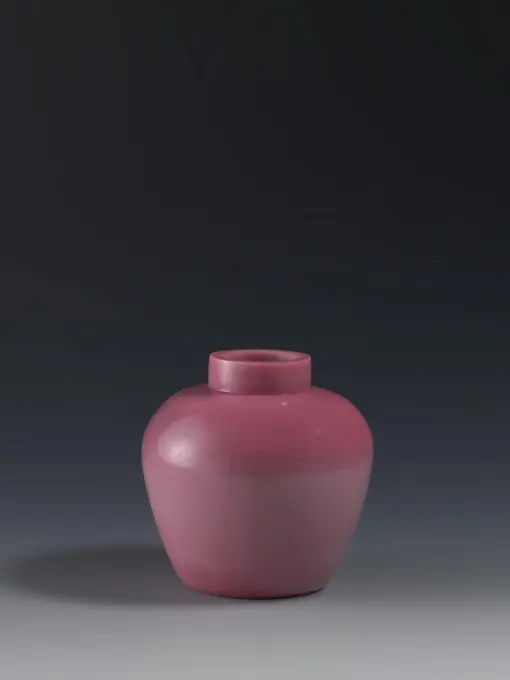
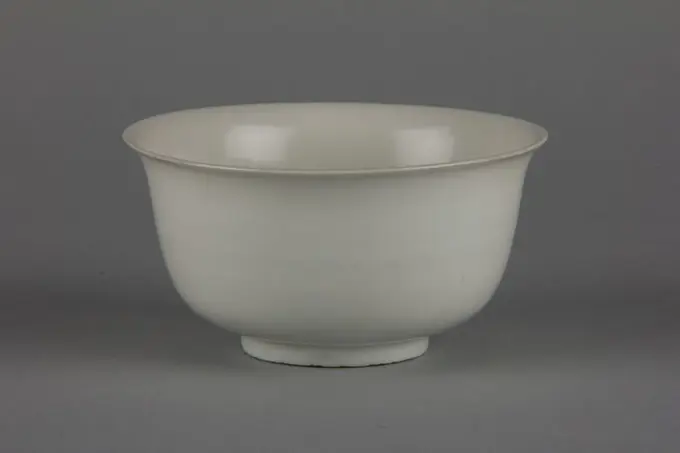
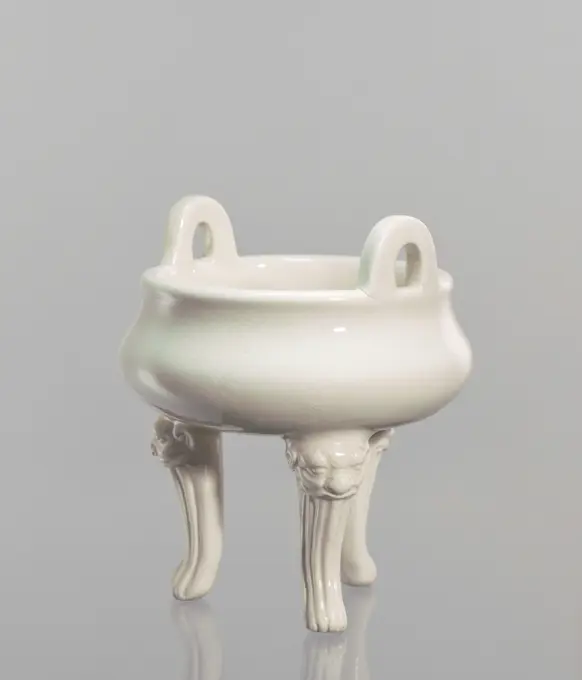
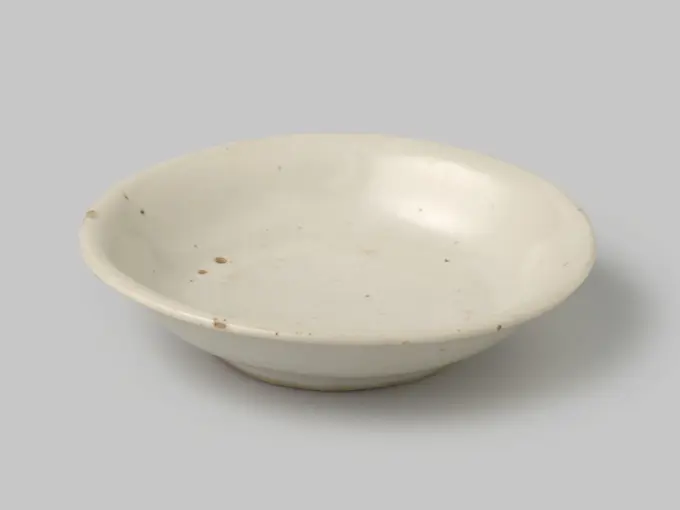
A collection of ceramic vessels, including cups and jars, showcasing intricate designs and historical significance in muted tones.
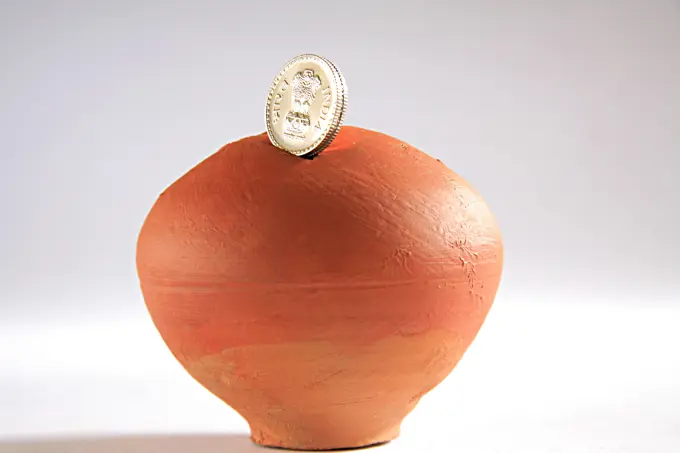
Concept, gullak clay bag or box for keeping wealth with coin on white background India Copyright: xNirmalaxMishra/DinodiaxPhotox
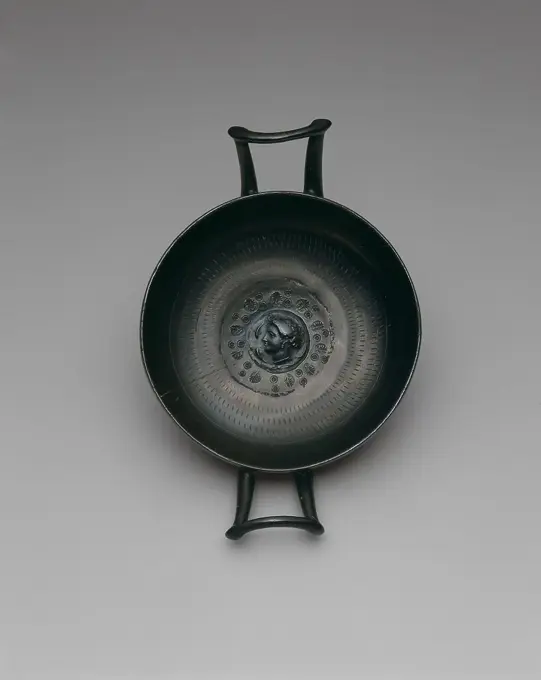
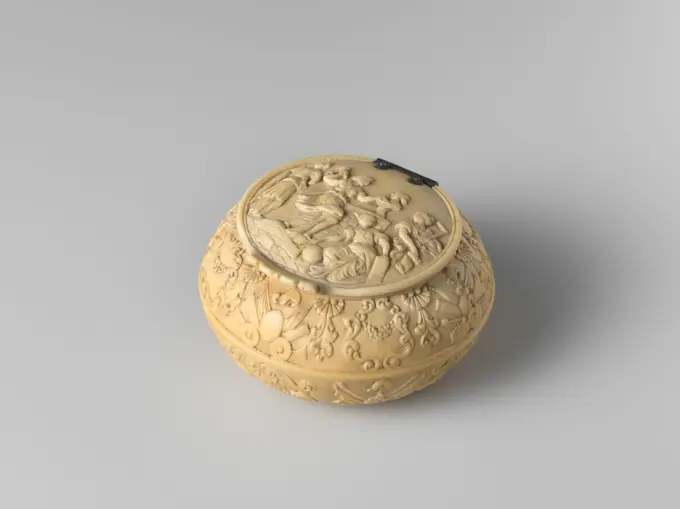
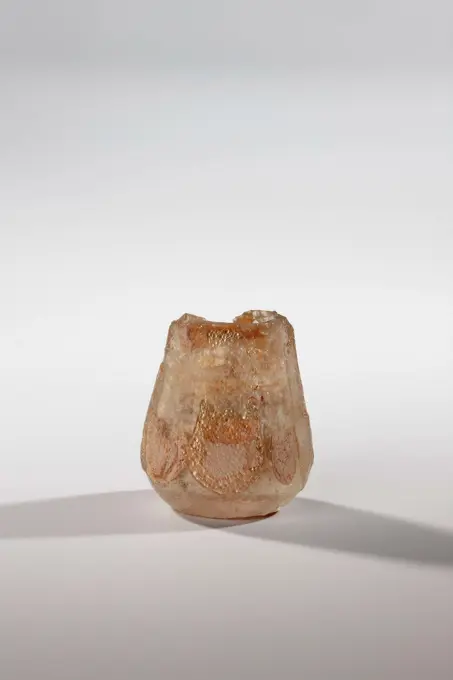
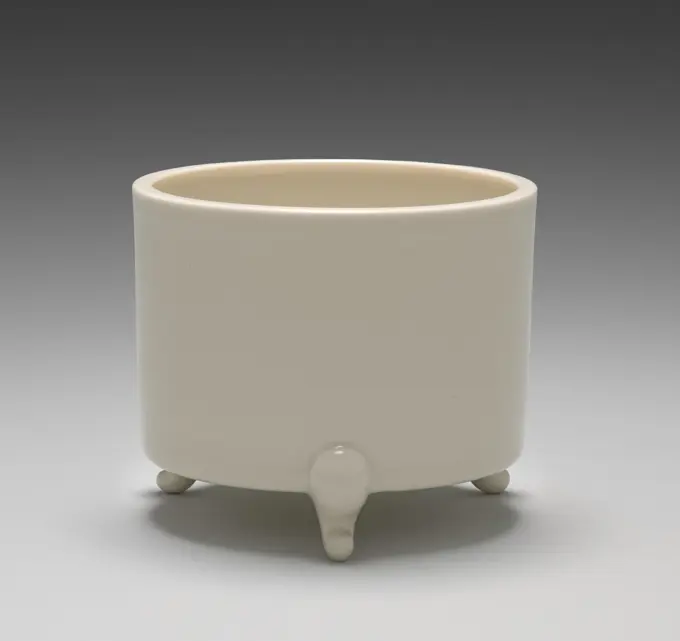
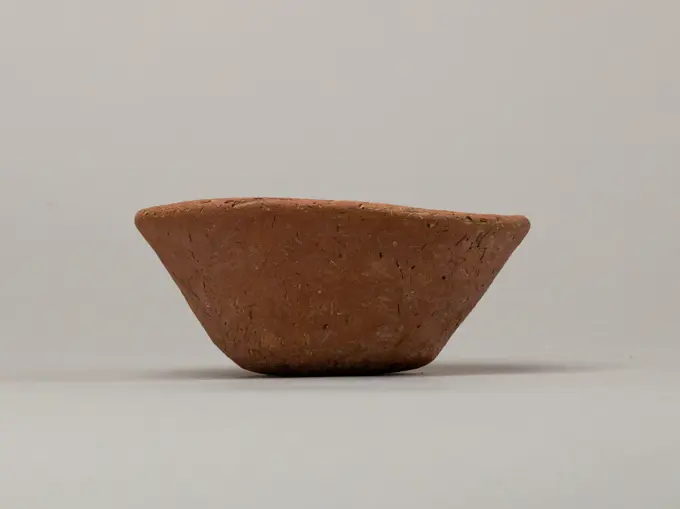
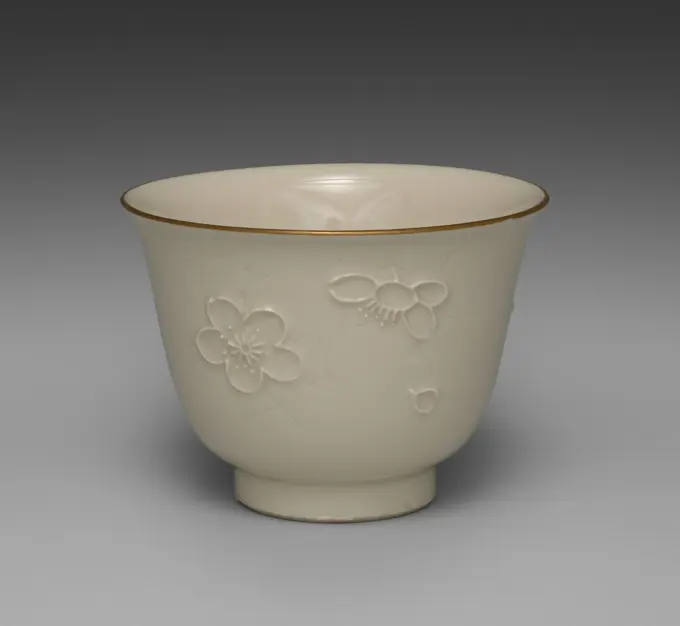
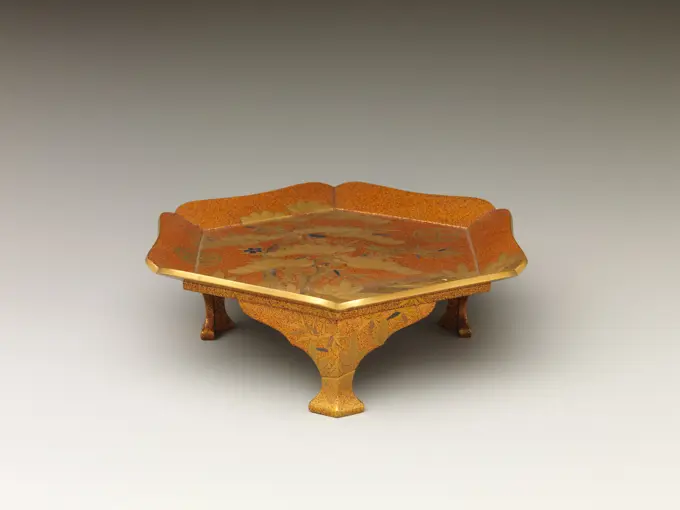
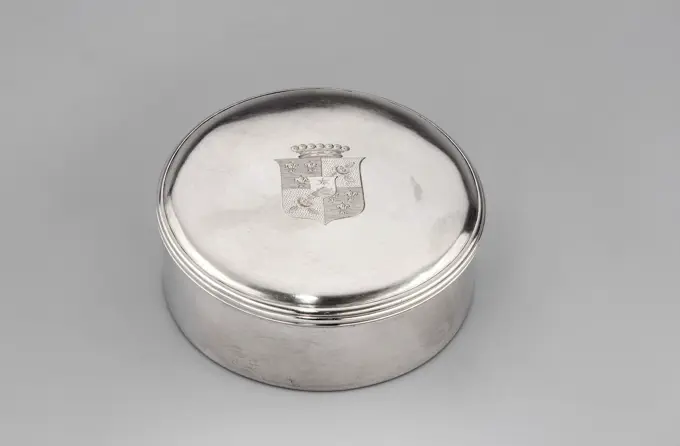
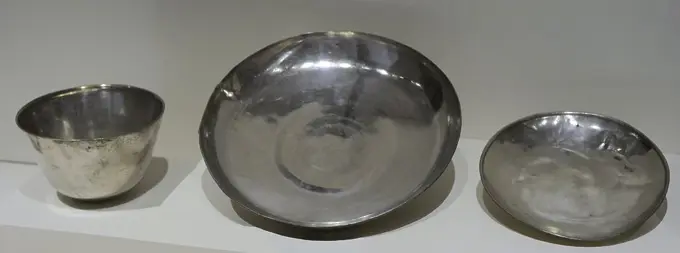
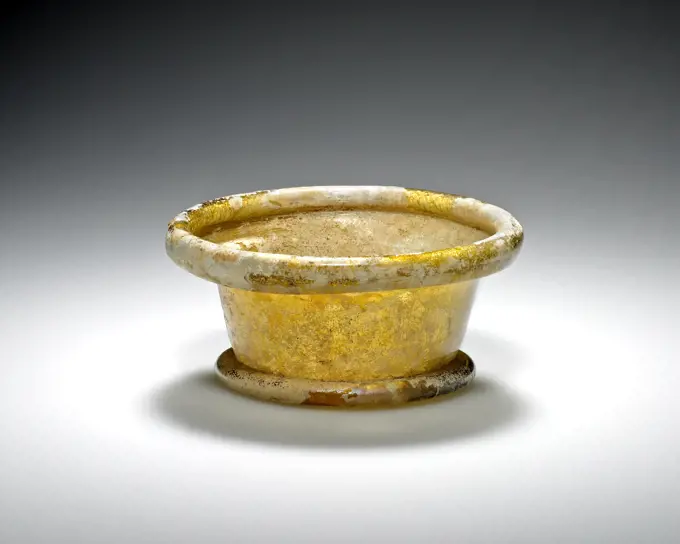
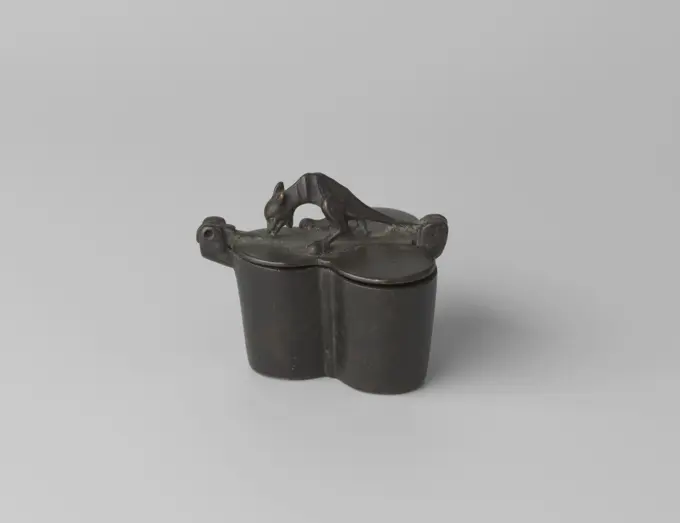
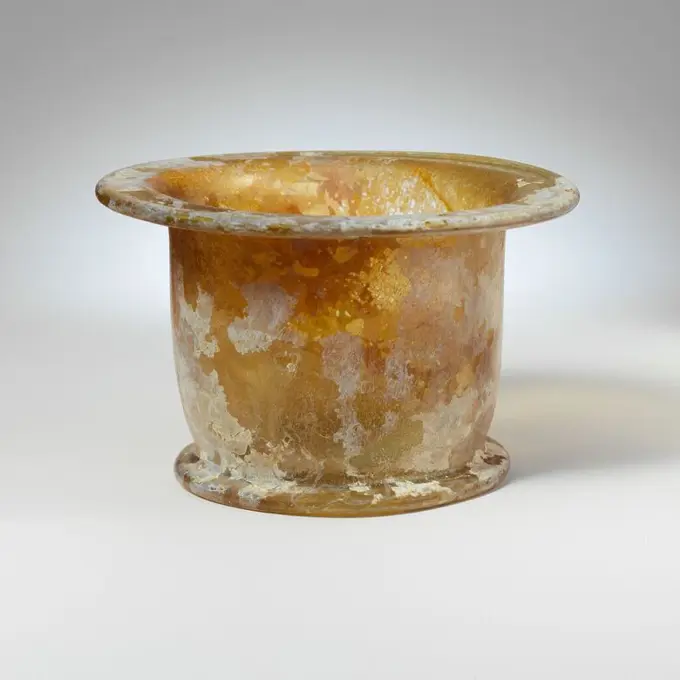
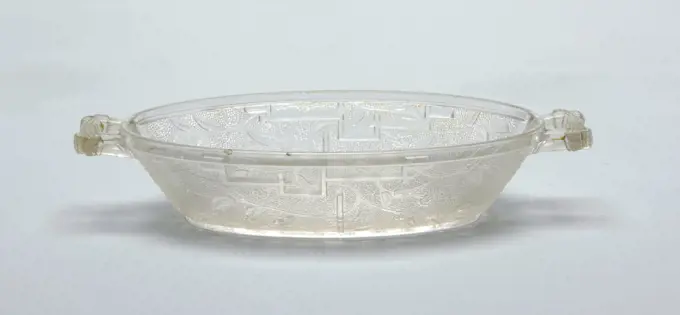
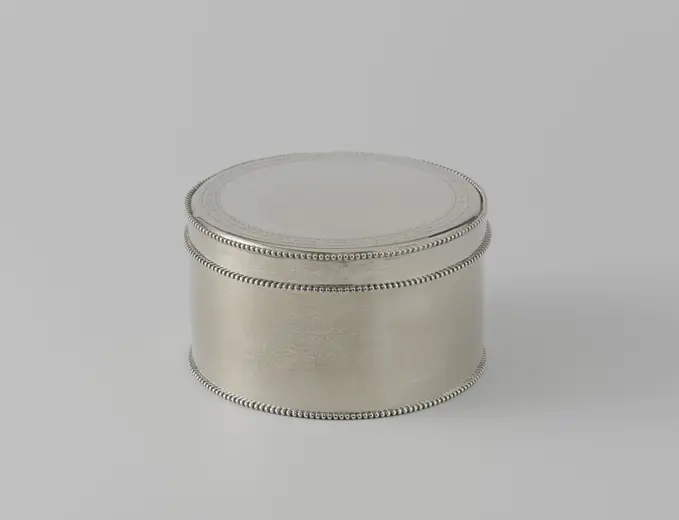
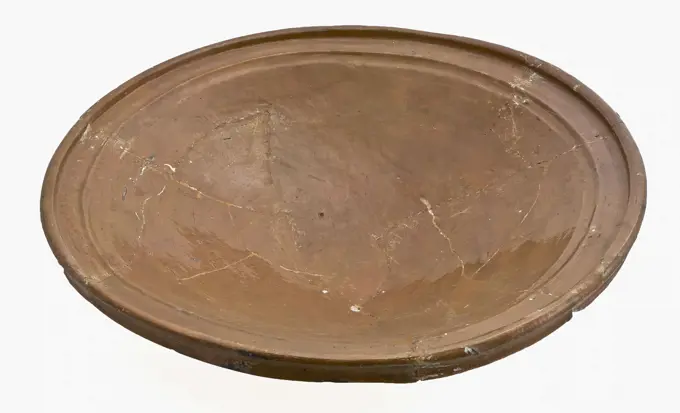
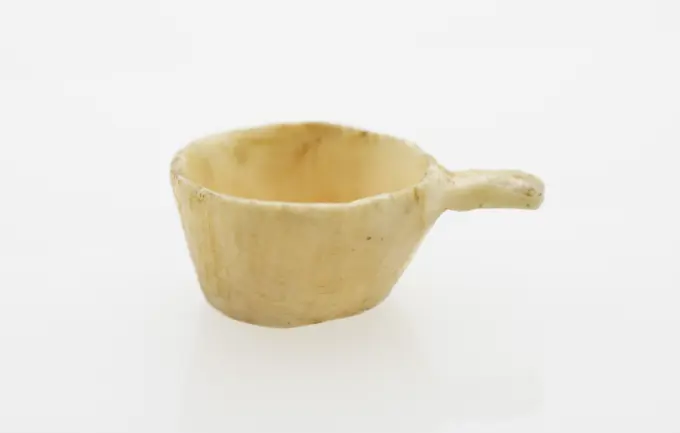
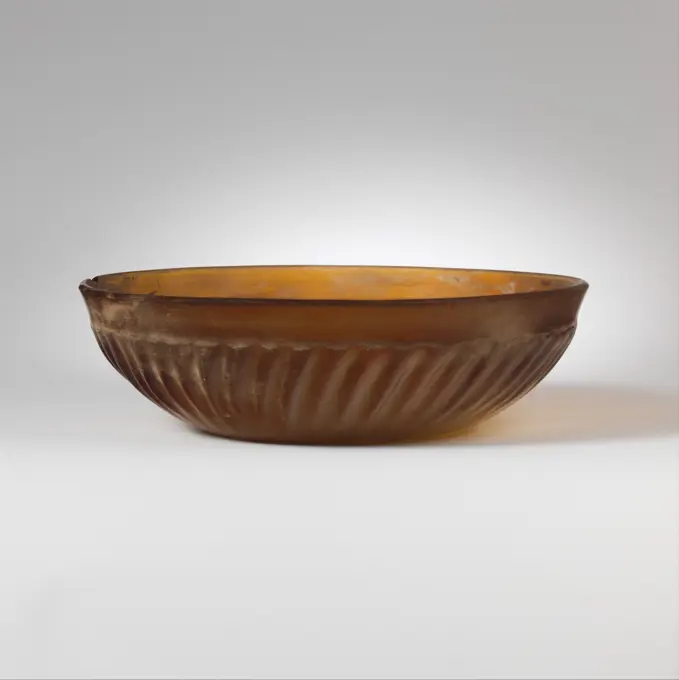
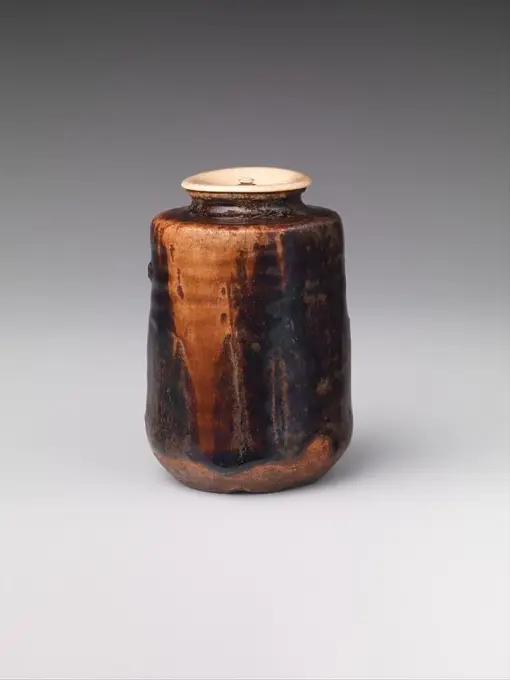
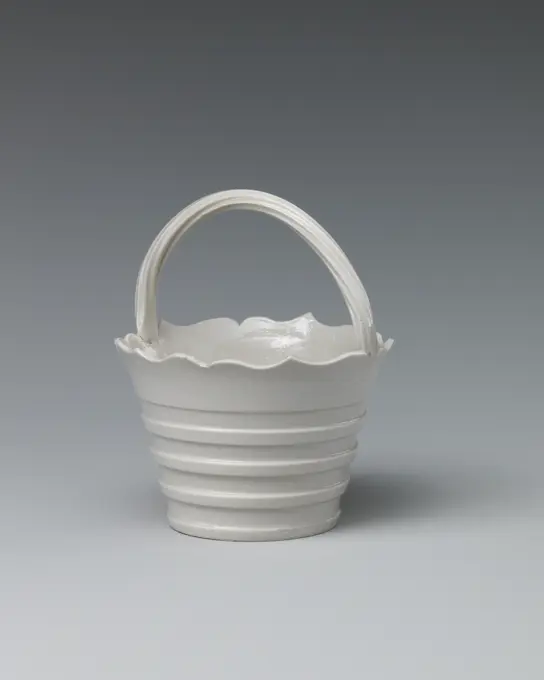
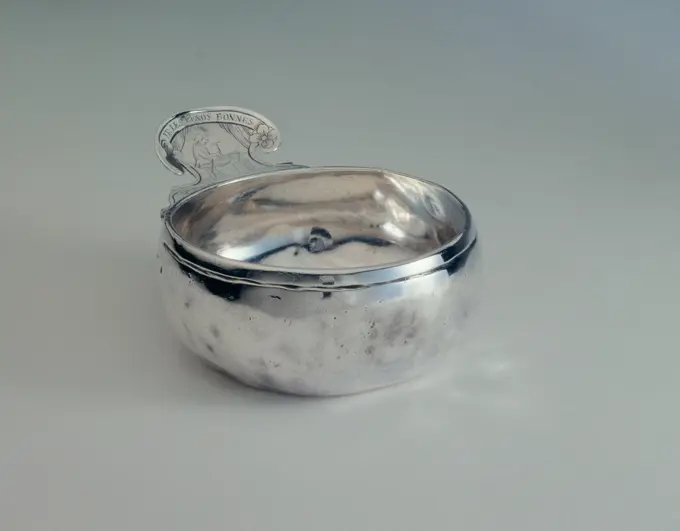
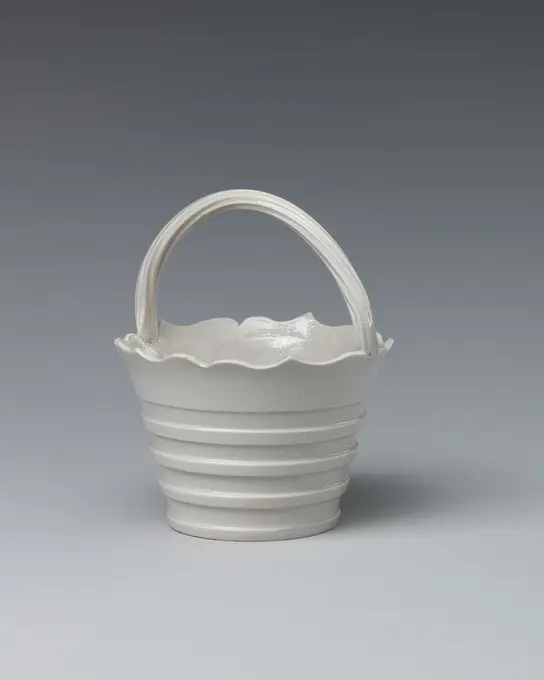
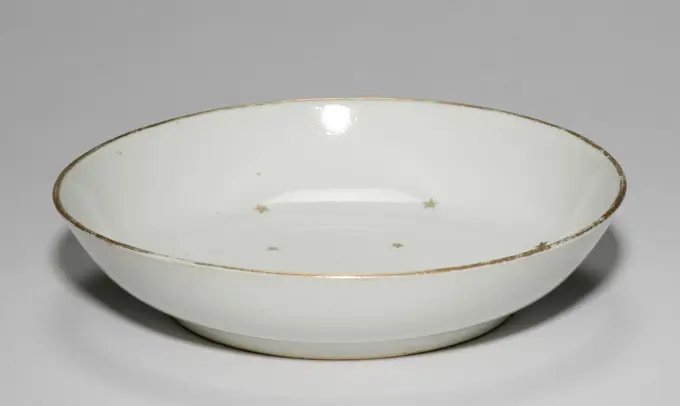
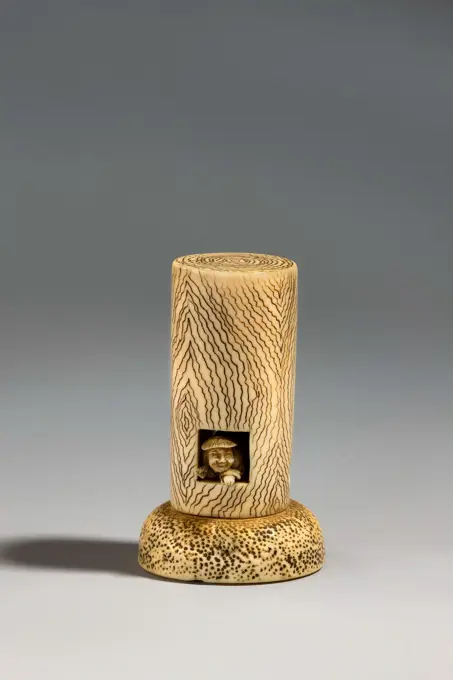
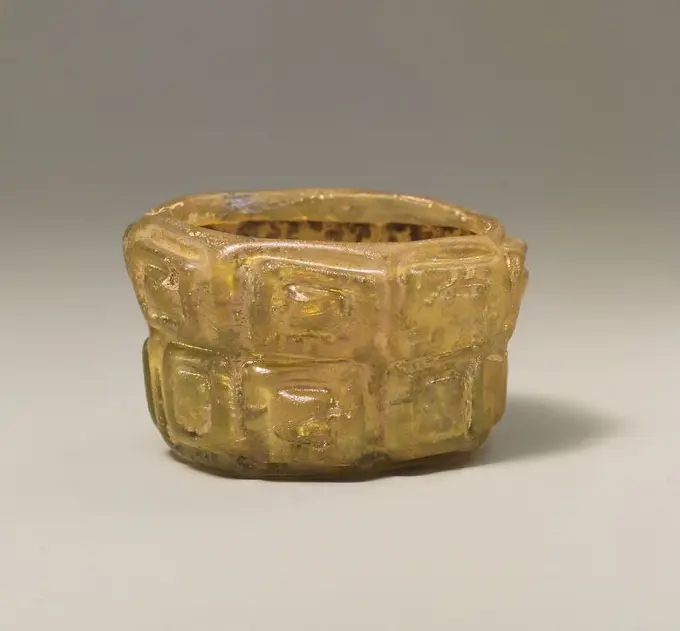
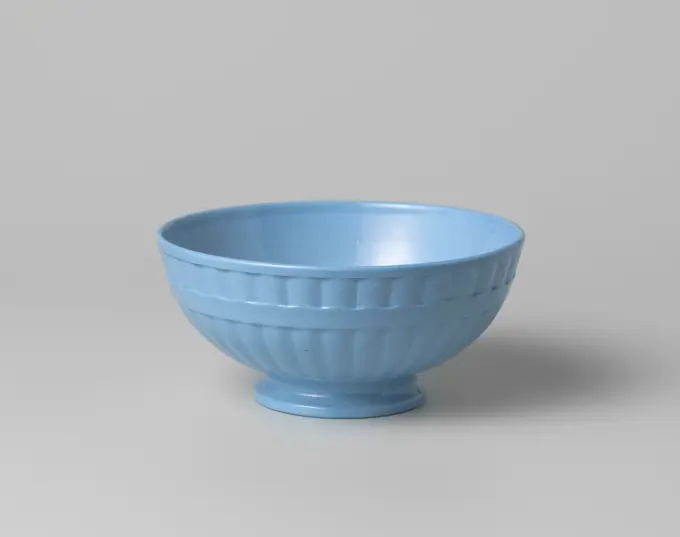
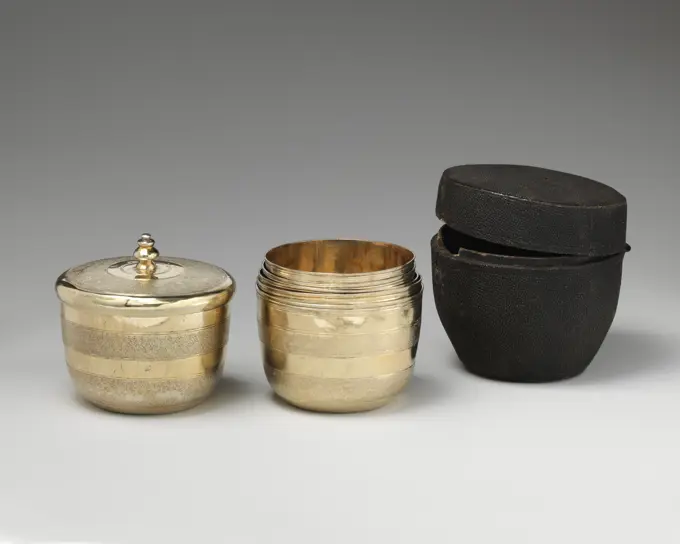
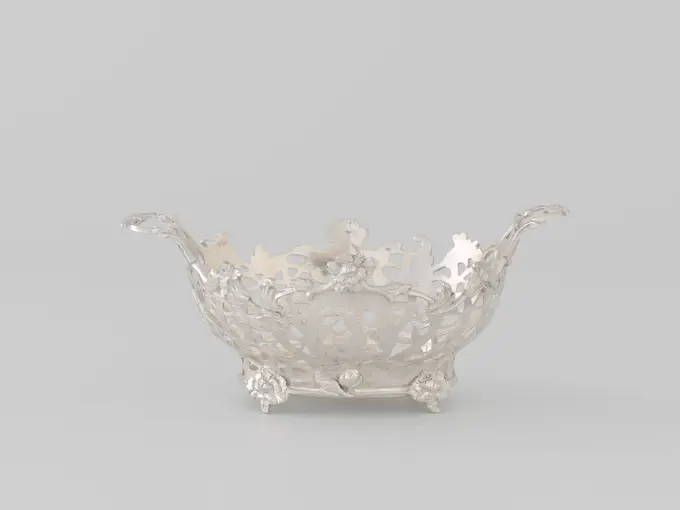
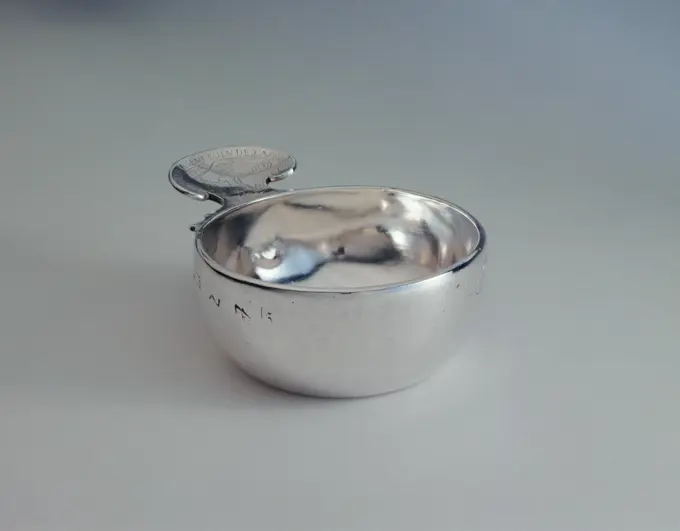
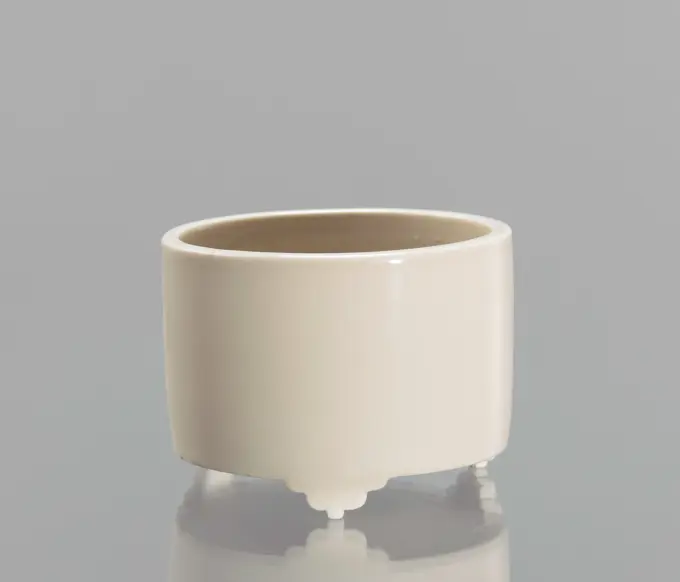
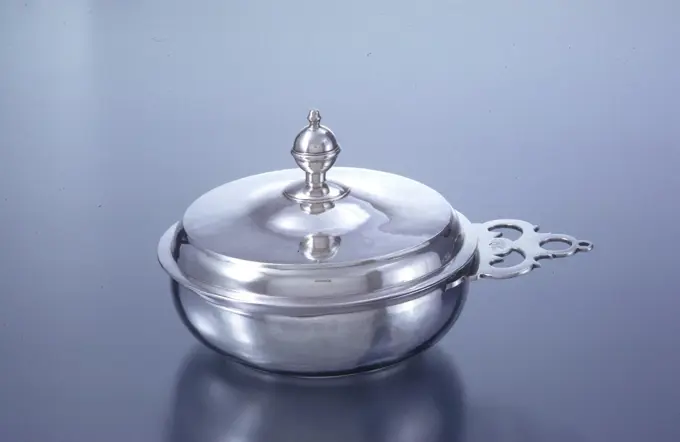
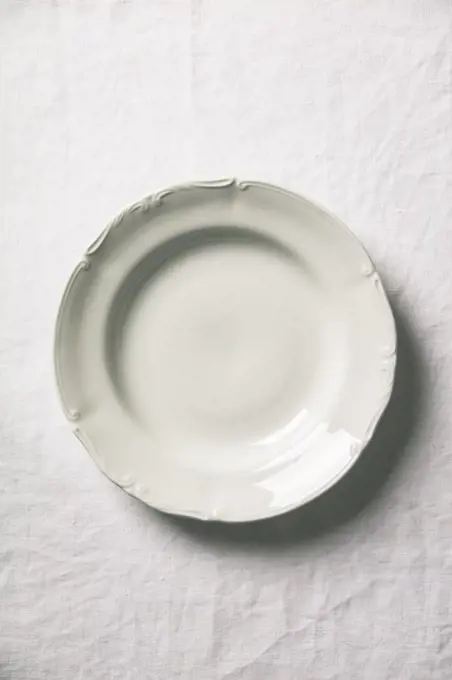
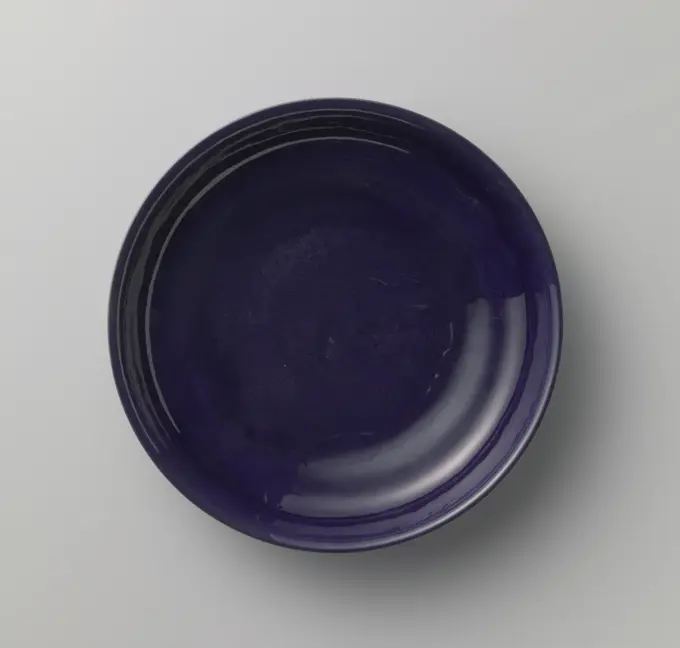
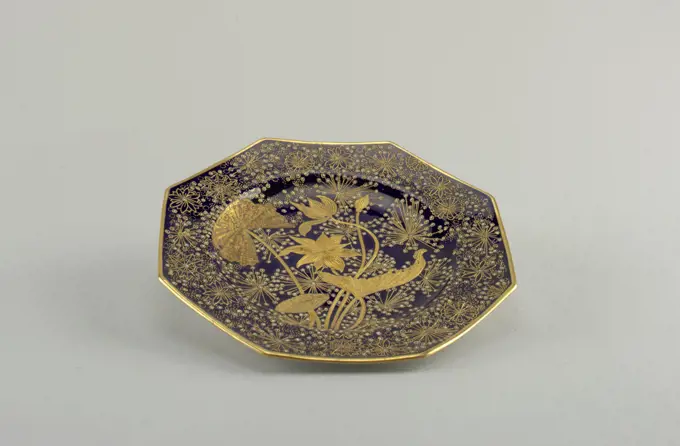
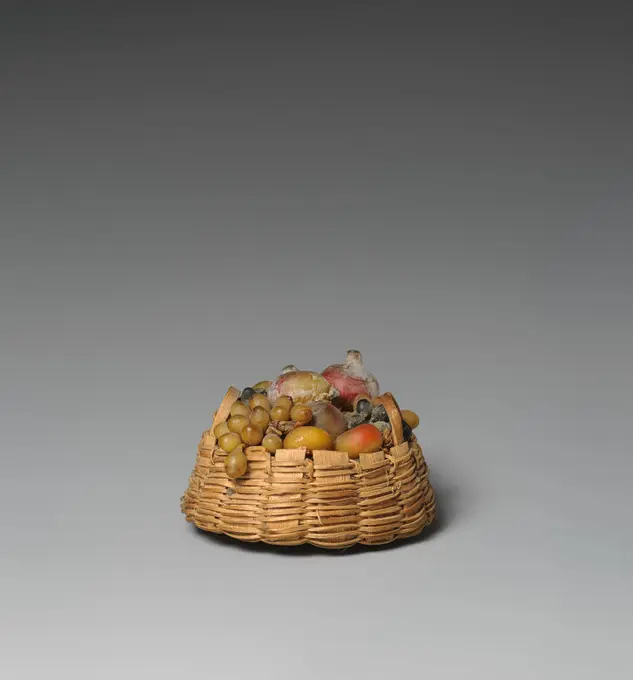
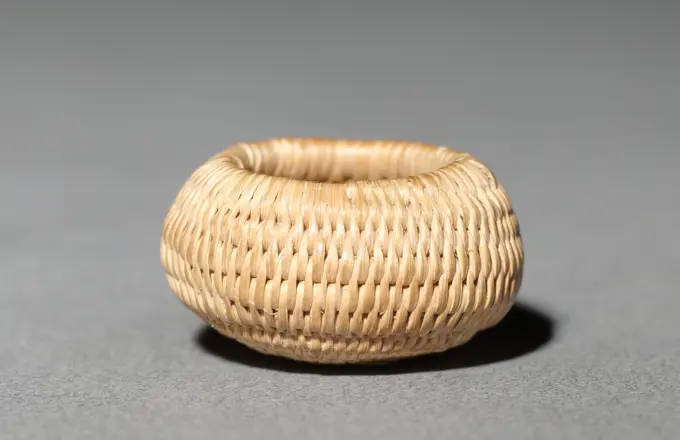
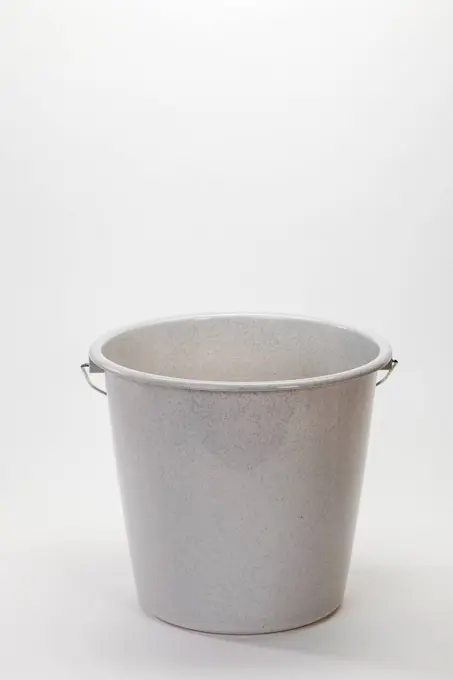
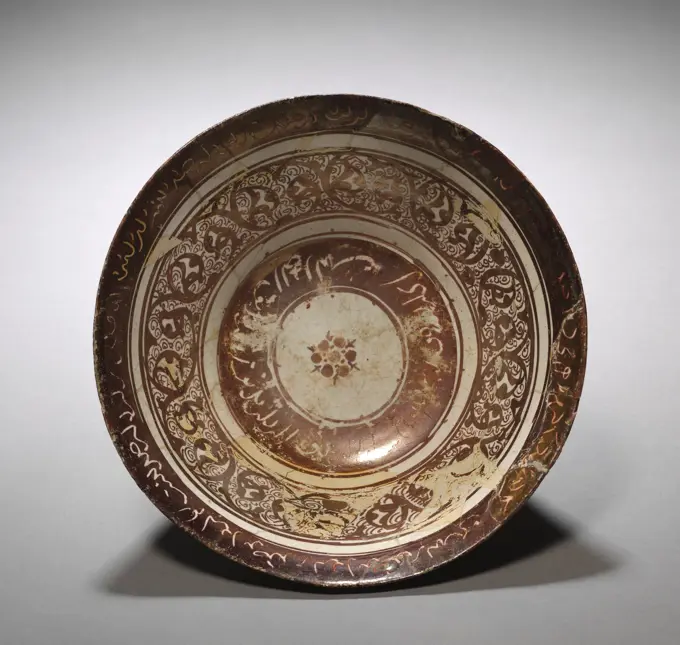
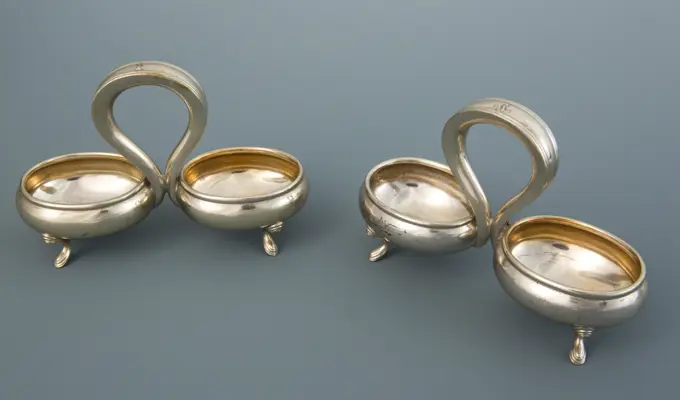
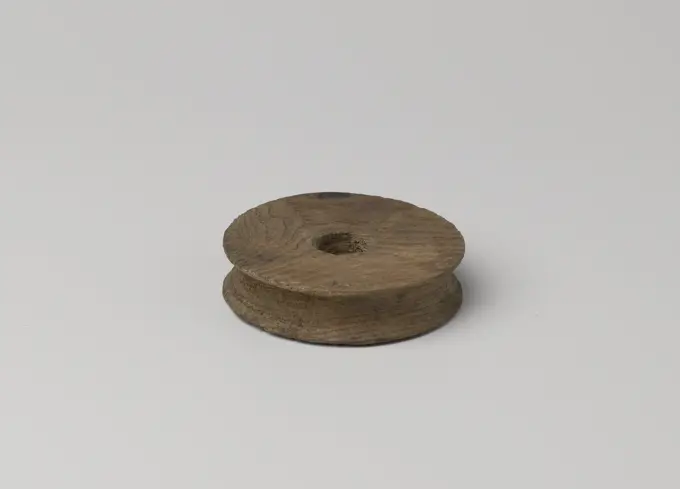
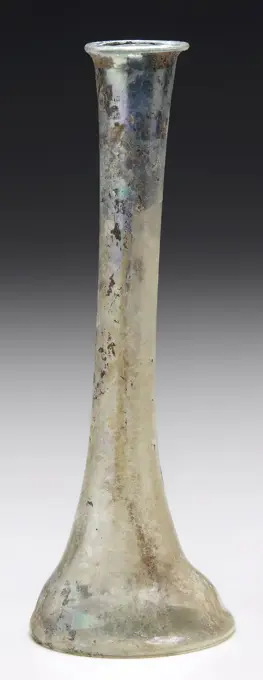
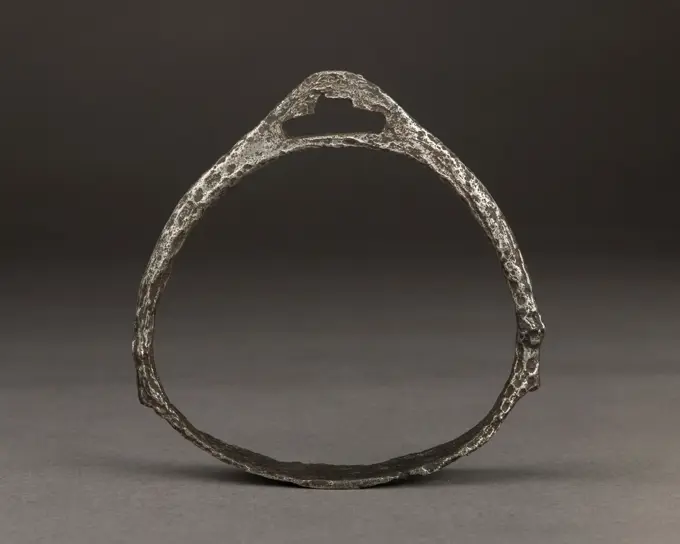
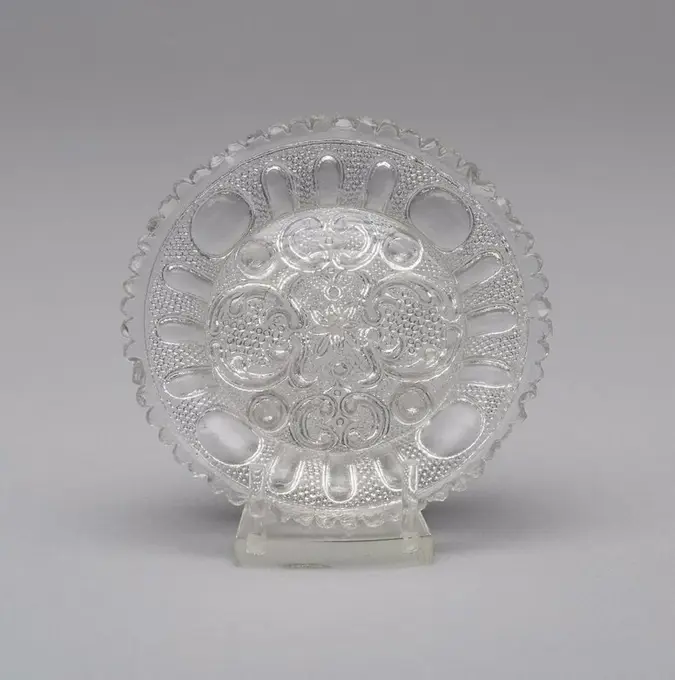
One from a Set of Five Soba Cups with Chrysanthemum Design 1615-1868 Japan. One from a Set of Five Soba Cups with Chrysanthemum Design 63743Roll with cream silk satin ribbon, c. 1925 Roll with cream silk satin ribbon. Nijmegenmaker: France silk Roll with cream silk satin ribbon. Nijmegenmaker: France silkStemless Kylix (Drinking Cup). Greek; Campania, Italy. Date: 300 BC-200 BC. Dimensions: 6.8 × 19 × 12.9 cm (2 5/8 × 7 1/2 × 5 1/8 in.). Terra-cotta, Calenian relief ware. Origin: Cales. Museum: The Chicago Art Institute, FLORENCIA, USA. Author: ANCIENT GREEK.Button of a dagger with representation of St. Maarten on horseback, Anonymous, c. 1500 - c. 1525 The object is probably composed of two parts: the plate and the edge downwards. In the round plate, a performance is engraved from the H. Martinus on horseback, busy cutting off a piece of his cloak for the beggar, who stands behind him on the right. On the left, a beggar kneels who stops a NAP. Two banderollen are engraved in the serrated edge with the words devm and time and the following four weapons: first a climbing lion; Second a standing sword, a cross and four six -pointed stars; Third a pole with three six -pointed stars on top of each other; celebrated a double eagle with a shield with a crossbar on the chest. In the edge, some of which are missing, three holes were drilled to confirm the button on the dagger. Northern Netherlands brass (alloy) casting The object is probably composed of two parts: the plate and the edge downwards. In the round plate, a performance is engraved fromWine tasting scale, smooth, with vaulted soil, Wijnand Warneke (attributed to), 1778 The round, bowl -shaped bowl rests on a straight -walled position ring. The vaulted inside has a round elevation in the middle. The space between this elevation and the soil applied within the stand ring is curved soil is hollow. The bottom is not only soldered along the outer edge but also attached with a screw. On the bottom of the bottom, a monogram, probably from the letters TPDL, is engraved. Amsterdam silver (metal) The round, bowl -shaped bowl rests on a straight -walled position ring. The vaulted inside has a round elevation in the middle. The space between this elevation and the soil applied within the stand ring is curved soil is hollow. The bottom is not only soldered along the outer edge but also attached with a screw. On the bottom of the bottom, a monogram, probably from the letters TPDL, is engraved. Amsterdam silver (metal)Tabaksdoos, anonymous, 1740 - 1760 Round box with flattened spherical shape, and round lid with gold -plated silver hinge. The outside is horizontally divided into two Frisians, on which alternating cartouches and weapon trophies with guns, banners, harnesses and drums. The cartouches in the lower zone contain a small representation of a sailing ship (under the hinge), a country house, a walled fortress by the sea, and a landscape with houses; The cartouches are filled with identical garlands in the top zone. Between each cartouche and trophy, a shell motif with a hanging and a stylized hanging leaf motif is always placed. The underside wears a coat of arms with a helmet sign, representing a climbing lion with a slanted bar on which three stars (Nuyts family). The whole is placed in a wreath of shells and garlands. The lid is decorated with a performance of four classic women, personifications of the free arts: in the middle sculptura that chops a bust, bottom right architectura (a womVial. unknown, craftsmanIncense Burner, c. 1893-1914. Seifū Yohei III (Japanese, 1851-1914). Porcelain with creamy white glaze and molded design;Ginger vessel;  nineteenth century (1846-00-00-1855-00-00);Concept, gullak clay bag or box for keeping wealth with coin on white background India Copyright: xNirmalaxMishra/DinodiaxPhotoxSpool-Shaped Gaming Piece, Tomb of Neferkhawet ca. 1504-1447 B.C. New Kingdom A family tomb, established by a man named Neferkhawet, was excavated by the Egyptian Expedition of the Metropolitan Museum of Art in 1935. One of the last people buried in the tomb was a woman whose name was not recorded on any of the objects in the tomb. Inside her coffin was an incomplete set of gaming pieces, five spool-shaped like this one and five conical. These would have been used to play the games senet and 20-squares. No trace of an accompanying game box was recorded by the excavators. The coffin itself was badly damaged by rot and insects, so remains of a wooden game box may have been indistinguishable from the coffin.The five conical game pieces are quite uniform in shape, size, and color. Four of the spool-shaped pieces are also quite similar, but this oneis different enough that it may have been a replacement piece.. Spool-Shaped Gaming Piece, Tomb of Neferkhawet. ca. 1504-1447 B.C.. Faience. NewPatch Box ca. 1694-1726/27 Probably John Windover. Patch Box 5545Legged Box with Design of Bush Clover along a Stream 18th century Japan. Legged Box with Design of Bush Clover along a Stream. Japan. 18th century. Gold and silver maki-e on black lacquer. Edo period (1615-1868). LacquerCup. Culture: China. Dimensions: H. 1 3/4 in. (4.4 cm); Diam. 3 3/4 in. (9.5 cm). Museum: Metropolitan Museum of Art, New York, USA.Ding-type censer. unknown, craftsmanSaucer-dish with a translucent white glaze, anonymous, c. 1600 - c. 1699 Porcelain bowl, covered with a translucent white enamel. A chip in the edge. China porcelain. glaze vitrification Porcelain bowl, covered with a translucent white enamel. A chip in the edge. China porcelain. glaze vitrificationStamp of iron for the manufacture of Livreikknopen with the coat of arms of the Bijleveld family, Anonymous, c. 1880 Stamp of iron for the manufacture of Livreikknots of copper with the weapon of the Bijleveld family. Marked: Run Pope Run. Europe iron (metal) Stamp of iron for the manufacture of Livreikknots of copper with the weapon of the Bijleveld family. Marked: Run Pope Run. Europe iron (metal)Rough ware bowl ca. 3850-2960 B.C. Predynastic Period. Rough ware bowl. ca. 3850-2960 B.C.. Pottery. Predynastic Period. From Egypt, Northern Upper Egypt, Abadiya, Cemetery B, Tomb B97, EEF excavations 1898-99Toilet dish. Nast, Ludwik - wdowa Julia (Warszawa ; firma złotnicza ; fl. ca 1839-ca 1855), goldsmithDrinking Cup from Dining Set with Plum Blossoms and Cracked-Ice, c. 1875-78. Seifū Yohei II (Japanese, 1844-1878). Porcelain with molded designs; overall: 6.7 x 9.3 cm (2 5/8 x 3 11/16 in.).Tray with Design of Pine, Bamboo, and Cherry Blossom 19th century Japan. Tray with Design of Pine, Bamboo, and Cherry Blossom 57883Toilet can. Cattle, Robert & Barber, James (York ; firma złotnicza ; fl. 1807-1812), goldsmiths companyBowl and pateras. Late 5th century, early 4th century BC. Iberian Culture. Silver. From Vallejo de las Vi-as, Abengibre (Albacete province, Castile-La Mancha, Spain). National Archaeological Museum. Madrid. Spain.Magic gemma with the performance of Anubis and Izida and HarpokratesCzarka  dark yellow enamel unknownBowl; Eastern Mediterranean; 1st century; Glass; 8 x 5.7 cm (3 1,8 x 2 1,4 in.)Chrismatorium with dragon, anonymous, c. 1200 - c. 1400 The object is cast and citized in two pieces: the keg and the lid. The keg consists of three together -shaped ampoules. The three cutting lines of the raised surfaces are marked by a rib. The three -lobe lid is attached to the rear hinged and has a pin closure at the front. On the lid there is a dragon with two legs and claws, the head with two ears and opened mouth down. The tail turns into the hinge. Behind the legs there is a round opening under the tail, perhaps to confirm the chain of the pin, both of which are missing. On the three lobes of the lid are resp. The letters I, O and C engraved. Germany copper (metal). bronze (metal) casting The object is cast and citized in two pieces: the keg and the lid. The keg consists of three together -shaped ampoules. The three cutting lines of the raised surfaces are marked by a rib. The three -lobe lid is attached to the rear hinged and has a pin closure at the front. On the lid there iGlass cup. Culture: Roman. Dimensions: Height: 2 9/16 in. (6.5 cm)Diam.: 4 1/8 x 2 7/8 x 3 in. (10.5 x 7.3 x 7.6 cm). Date: 2nd-3rd century A.D..ColorlessBroad, horizontal, tubular rim, folded out, down, and in; cylindrical body with slightly convex sides, then tooled into tubular, integral, flaring base ring; deep groove between base ring and slightly concave bottom with large circular pontil mark.Intact, but one crack from rim slanting down side to base ring; a few pinprick bubbles; pitting, dulling, and patches of white and yellow brown iridescent weathering. Museum: Metropolitan Museum of Art, New York, USA.Dish, pressed glass, Of clear glass, the tapering oval form with simple slightly squared handles; outer surface of body molded with Japanese-inspired decoration of open flowers and flowing stems and leaves and fret work on a pebble-textured ground; underside of bottom with a regular pattern of squares., ca. 1880, glasswares, Decorative Arts, DishMiault, Henry (n.1881-12-31-d.). Petit Palais, Museum of Fine Arts of the City of Paris.Beaker 13th-14th century. Beaker 448453Monteith; pewterPair of biscuit containers, Diederik Willem Rethmeyer, 1791 The bunch of drums consists of a round (BK-14423) and a rectangular copy (BK-14422), both with a hinged lid. The straight wall of the drum is on the bottom, the also straight wall of the lid along the top and top decorated with a pearl list. The upper frame surrounds the slightly raised top of the lid, which is decorated along the edge with a ribbons -lined ribbons with rosettes, waved with dots decorated edges. Amsterdam silver (metal) The bunch of drums consists of a round (BK-14423) and a rectangular copy (BK-14422), both with a hinged lid. The straight wall of the drum is on the bottom, the also straight wall of the lid along the top and top decorated with a pearl list. The upper frame surrounds the slightly raised top of the lid, which is decorated along the edge with a ribbons -lined ribbons with rosettes, waved with dots decorated edges. Amsterdam silver (metal)Pottery dish on three fins, large and bowl-shaped, dish bowl tableware holder soil find ceramic earthenware glaze lead glaze, hand turned glazed fried Deep bowl of red earthenware brown lead glaze three fins of which two restoration in plaster. Groove and ridge on the transition from mirror to flag archeology Valckensteyn Poortugaal Albrandswaard indigenous pottery kitchen nutrition food cooking food preparation Soil discovery: canal at kitchen castle Valckensteyn at Poortugaal now Albrandswaard 1961.Miniature scoop -Beaker. Culture: Hungarian, Nagyszeben. Dimensions: Overall: 6 x 4 in. (15.3 x 10.2 cm). Maker: Michael Gunterdt (active 1636-59). Date: 1638.The laurel-framed armorial device on this beaker depicts two laurel-crowned warriors holding ribbons inscribed Justitia and flanked by the initials GL and the date 1638. Heraldic signs or emblems were an essential part of the life of the region's aristocracy. A title of nobility bestowed by a sovereign testified to a person's accomplishments and glorious ancestry as well as the might of those who were allowed to display them. Usually engraved, arms had to be easily recognizable. They were often highlighted by a cartouche or playfully encircled by ornamental patterns. Arms could also be a hidden surprise: if they were applied inside a beaker, they would be visible only when a guest emptied his cup. If applied to the underside of the vessel, the arms would only be revealed to spectators while someone was drinking.LiteratureElemér Koszeghy. <i>MaWitte Jade, Anonymous, c. 1700 - c. 1800 Witte Jade head. China jade (rock) Witte Jade head. China jade (rock)Glass ribbed bowl late 1st century B.C.-mid-1st century A.D. Roman Translucent honey brown.Outsplayed rim, with almost pointed edge and concave band sloping inward below; side curving in downwards; concave bottom.On interior, fine horizontal groove on inner edge of rim, two concentric grooves around bottom and small, broader circle at center; on exterior, fifty-one slightly slanting ribs of varying length and width, with tops ground off, arranged around bulging middle section of body.Intact, except for one small chip and crack in rim; some internal strain cracks; few bubbles; dulling on interior and around band below rim on exterior, and one patch of encrusted limy weathering on lower side and bottom, elsewhere small patches of iridescent brownish weathering.Rotary grinding marks on interior and plain band around top of sides on exterior.. Glass ribbed bowl 249438Tea jar. Culture: Japan. Dimensions: H. 3 5/8 in. (9.2 cm); Diam. 2 1/2 in. (6.4 cm). Date: ca. 1500. Museum: Metropolitan Museum of Art, New York, USA.The tea is placed in one corner of the picture on the black table.Spoonbox of lead, model. Spoonbox of lead in the shape of a shell. Model for a garbage or a small scale.Vase (Sweden); Manufactured by Rorstrand (Sweden); Height: 16 cm (6 5/16 in.)Empty brown colored ceramic plate on dark textured concrete background. kitchen utensilsPail ca. 1740 British, Staffordshire. Pail. British, Staffordshire. ca. 1740. Salt-glazed stoneware. Ceramics-PotteryVincent Busnel. "Taste-vin". Money. 1780. Museum of Fine Arts of the City of Paris, Petit Palais. 74384-28 Silver, silverware, bottleneck, TastevinPail. Culture: British, Staffordshire. Dimensions: 3 1/4 × 2 1/2 in. (8.3 × 6.4 cm). Date: ca. 1740. Museum: Metropolitan Museum of Art, New York, USA.Vase And Stand (China); eggshell porcelain; (Vase) H x diam.: 7 x 5 cm (2 3/4 x 1 15/16 in.) (Stand) H x diam.: 2.1 x 3.2 cm (13/16 x 1 1/4 in.)Saucer, 1800s. China, Chinese Export, 19th century. Porcelain; diameter: 15.4 cm (6 1/16 in.).Box (France); rock crystal, gilt metal; 2.7 x 7.1 x 4.8 cm (1 1/16 x 2 13/16 x 1 7/8 in. )Miniature Tray Tray; Probably Du Paquier Porcelain Manufactory; Austria; porcelain, goldMiniature sculpture in the form of a pillar with a drillhole through which a smiling man squeezes; netsuke. Masanao (fl. ca 1830-1890)Cup. Dimensions: H. 1 1/2 in. (3.8 cm)Diam. 2 1/4 in. (5.7 cm). Date: 9th-10th century. Museum: Metropolitan Museum of Art, New York, USA.Bowl, blue, with scalloped wall, interrupted by a smooth horizontal band. Bowl of earthenware, bluestone. The scalloped wall is interrupted by a smooth horizontal tire.Bowl with Rounded Sides and a Band or Scroll Work. Bowl of soft-paste porcelain (Pte tendre), covered with a creamy glaze. Around the edge two rigged decorative tires, one with arcing and one with curling work. Glaze is slightly cracked. Monochromes.Planets-manager. Cornalet Collection Sites 2013-2016. Numismatic.Set of six nesting beakers with case 1688/89 P. H., London Such nests of beakers were rare in England. The idea is borrowed from the German sixteenth-century Monatsbecher, frequently decorated with scenes of the Labors of the Months.. Set of six nesting beakers with case. British, London. 1688/89. Beakers: gilded silver; case: shagreen. Metalwork-SilverMand, Johannes Horstman (attributed to), 1772 The oval, flat bottom is won in the profiled lower edge, which is interrupted in the four corners by the legs in the form of cast flowers and in the middle of the two long sides through a flower branch. The vaulted wall is completely open with engraved motifs. A pattern of vertical tires is wound along top and bottom with double ribbons; A flower garland runs over the middle. In the middle of both long sides is an oval medallion with a laurel wreath as a border within which a sitting angel; In the middle of the two short sides, the same medallion, now with a vase, is hung on a bow. The cast top edge is made up of flower branches. The cast ears, formed by C-Voluten, are decorated with flowers. Engraved on the underside of the bottom: IVH. Amsterdam silver (metal) The oval, flat bottom is won in the profiled lower edge, which is interrupted in the four corners by the legs in the form of cast flowers and in the middle of the two long sides thrBrush Washer With a Red Glaze. Penseel bowl of porcelain with a flat-pressed spherical body, covered with a monochrome red glaze. The edge is white. On the underside inside the foot ring, a translucent glaze with the four-character mark of Emperor Xuande. Monochromes.Sample of Iron, anonymous, 1876 sample Iron sample in the shape of a thick hexagonal tube, the inside. This piece came from the Centennial Exhibition in Philadelphia in 1876. United States of America (possibly) iron (metal)  Centennial Exhibition PhiladelphiaAntoine II Lagenet. "Taste-vin". Money. 1733. Museum of Fine Arts of the City of Paris, Petit Palais. 74384-19 Silver, silverware, bottleneck, TastevinGame - Backgammon Draught - 1 of Set, in Original Cases, 1600-1700. Pinto Collection - Purchased from Edward H Pinto, 1965.. This backgammon games piece is one of a set of 28 games pieces which were made in the town of Eger in southern Germany in the 17th century. The disc is turned from sycamore. The portrait on the face has been built up from pieces of wood which were glued together and then carved to make a relief marquetry known as Eger work.Cricket box late 19th-early 20th century Wang Tonghe Chinese. Cricket box 60754Carnavalet museum, medal collectionCenser. unknown, craftsmanCoveredporringer.   Maker: John Brevoort, American, active ca. 1742 - 1764copa decorada con motivos geomericos, siglo I a.C. Procedente de Numancia, museo Numantino de Soria, Soria, Comunidad Autónoma de Castilla, Spain, Europe.Sauskom, William Shaw, 1754 Oval sauce bowl of silver. The Bolle Vat ends at the top in an outstanding scalloped edge, which turns on a short side into the wide peat. On the other hand, the ear built up from C-Voluten is placed. On one side an engraved weapon with meaning: Galea Spes Salutis. On the other side an engraved helmet sign. London silver (metal) Oval sauce bowl of silver. The Bolle Vat ends at the top in an outstanding scalloped edge, which turns on a short side into the wide peat. On the other hand, the ear built up from C-Voluten is placed. On one side an engraved weapon with meaning: Galea Spes Salutis. On the other side an engraved helmet sign. London silver (metal)Cup with deer and flower branches, anonymous, c. 1700 Soil and stand ring optically blown in star -shaped ribs. Funnel -shaped chalice, on which in white, black and blue two deer on a grassy ground between flower branches. Middle glass glassblowing Soil and stand ring optically blown in star -shaped ribs. Funnel -shaped chalice, on which in white, black and blue two deer on a grassy ground between flower branches. Middle glass glassblowingEmpty soup plate on white linen tableclothStemless Kylix. UnknownSaucer-dish with incised pearl chasing dragons between clouds and flames, anonymous, c. 1700 Scale of porcelain, covered with a monochrome dark blue glaze. The bowl is covered at the front and back with entered pearl, five-clawy dragons between clouds and flames. Within the foot ring a translucent glaze with the six-character brand of Keizer Kangxi in a double circle. Monochrome. China porcelain. glaze engraving / vitrification Scale of porcelain, covered with a monochrome dark blue glaze. The bowl is covered at the front and back with entered pearl, five-clawy dragons between clouds and flames. Within the foot ring a translucent glaze with the six-character brand of Keizer Kangxi in a double circle. Monochrome. China porcelain. glaze engraving / vitrificationSharp of red -baking earthenware, with blue glaze at the front, with a painting of a flower in stylized shape, in brown, white, orange and yellow, and stripes in blue, brown and yellow, anonymous, 1600 - 1650  Northern Netherlands earthenware. glaze majolica  Northern Netherlands earthenware. glaze majolicaModels of shot bundles (grapeshot), anonymous, c. 1750 - c. 1800 scale model A bullet bundle or grape. Linen bag with bullets or scrap on a wooden disc. Netherlands wood (plant material). linen (material). iron (metal)Saltcellar 1870-90 Challinor, Taylor and Company. Saltcellar 7085Sword-Hilt Collar (Fuchi) ca. 1615-1868 Japanese A fuchi is a collar that is mounted at the base of the grip of a sword hilt, usually made as part of a set with a matching kashira (pommel cap).. Sword-Hilt Collar (Fuchi). Japanese. ca. 1615-1868. Copper-silver alloy (shibuichi), silver, gold. Sword Furniture-Fuchi-KashiraGlass ribbed bowl 1st century B.C. Greek, Eastern Mediterranean Translucent yellow green.Outsplayed rim, with upright rounded edge and plain inward-sloping band below; convex side curving in downwards; concave bottom.On interior, a single broad horizontal groove at junction of rim and side; on exterior, forty-three short, unevely-spaced ribs of varying length and width, arranged around bulging middle section of body, occasionally flanked by vertical tooling marks.Intact; some internal strain cracks; some pinprick and a few large bubbles; dulling on interior and around band below rim on exterior, and some small patches of iridescent brownish weathering.Rotary grinding marks on interior.Greenish cup with cut bands inside.. Glass ribbed bowl. Greek, Eastern Mediterranean. 1st century B.C.. Glass; cast, tooled, and cut. Late Hellenistic. GlassPlate, Faience Manufacturing Company, American, 1881-1892, Glazed and gilt porcelain, Octagonal shape with gold-banded edge. Heavily guilded, incised water plants in center, with space-filling floral and leaf forms of gold, with enamel color dots and smaller gold dots. Porcelain with blue underglaze decoration and overglaze enamelling and gilding., 1886-1890, ceramics, Decorative Arts, plate, plateRound basket of fruit. Culture: Italian. Dimensions: Overall (confirmed): 1 1/2 × 2 1/4 × 2 1/4 in. (3.8 × 5.7 × 5.7 cm). Date: second half 18th-mid-19th century.The practice of using crèche figures to restage religious events reached the height of its complexity and artistic excellence in eighteenth-century Naples, and the Metropolitan Museum of Art's group of Neapolitan crèche is one of the finest and most complete survivals of the art form. The ensemble consists of characters traditional to eighteenth-century Italian Christmas holiday customs. The Nativity, featuring the holy family, shepherds and their flocks, and a host of angels and cherubs is joined by the procession of the three Magi and colorful peasants, townspeople, and animals. The figures have articulated bodies of tow and wire with polychromed terracotta heads, and are all in partially distressed condition.These vibrant characters are further brought to life by a wide-ranging set of cloth, embroidery, leather, wicker, wSand box. Czechy, creatorMiniature Basket, Before 1923. America, Native North American, Southwest, Arizona, Akimel O'odham (Pima), Unassigned. overall: 1.2 x 1.9 cm (1/2 x 3/4 in.).Miniature offering on a lotus -shaped piedetal (usual name), 1400. Covered sandstone. Cernuschi Museum, Asia Museum of Asia in the city of Paris.Grey empty plaster bucket, white background,Covered Box. China, 13th-14th century. Furnishings; Accessories. Stoneware with white glazeBowl, early 1200s. Iran, Kashan, Seljuq period of Iran (1037-1194). Fritware with luster-painted design; overall: 9.8 x 21.5 cm (3 7/8 x 8 7/16 in.).Sauce Boat; tin-glazed earthenware ("cream ware")Leerer Keramikteller auf einem monochromen braunen Hintergrund Empty ceramic plate on a monochrome brown background. Empty plate with cutlery on a dining table LicenseRF Copyright: xZoonar.com/TetianaxChernykovax 23278977Two salt walkersVaseArt Nouveau inkwell. unknown, authorEénschijfsblok, anonymous, c. 1590 - c. 1596 block Disc from a single -disc block.  wood (plant material) cutting  Nova Zembla. Saving HuysVessel, 1st-5th century, 5 in. (12.7 cm), Glass, Roman / Near Eastern, 1st-5th centuryValve of a fire hose from the wreck of the East Indians Hollandia, Anonymous, 1700 - in or before 1743  Fire engine, firehose, valve; fragm of valve seating, id. NG 1979-189H1197, hinge-pivot missing. Netherlands copper (metal)   SecondBi; Brown Jade disk, Anonymous, -206 - 220  China jade (rock)  China jade (rock)Basket -shaped vase;  19th/20th century (1891-00-00-1910-00-00);Lobble cup on legs, anonymous, c. 1550 - c. 1700 Small lump cup of Opaak white glass with inserted soil, cylindrical body with a relief of horizontal bubble tires, standing on three blue legs in the form of burrs. Low Countries opaque white glass glassblowing Small lump cup of Opaak white glass with inserted soil, cylindrical body with a relief of horizontal bubble tires, standing on three blue legs in the form of burrs. Low Countries opaque white glass glassblowingDinner plate - St. Johns Stone Chinaware Company (founded 1873) St. Johns Stone Chinaware Company (founded 1873)Brush Washer, 16th-17th century, 2 x 10 1/2 in. (5.08 x 26.67 cm), Pale green nephrite with brown markings, China, 16th-17th century, Vessels distinguished by soft, natural forms and high relief carvings are characteristic of the Ming period (1368-1644). Waterpots, brush holders, and other necessary utensils of the scholar's table often took the form of a lotus, citrus fruit, or as here, ling-chih, an auspicious fungus meant to prolong life. Plants and animals symbolic of good fortune, long used as decorative themes in Chinese art, were immensely popular during the Ming dynasty. This vessel has two water receptacles; since gradated tones of ink are used in Chinese painting and calligraphy, a variety of containers are necessary to wash brushes and dilute ink explaining the double bowl in this washer.Beautiful empty white ceramic gravy boat on a textured concrete background. Kitchen utensil itemStirrup 10th-11th century West Slavic This simple stirrup of Slavic type is said to have been found on the site of Dolkheim, today in Northern Poland.Horses had great importance in Slavic society, in both its social and religious aspects. Equestrian equipment, like stirrups, spurs and bits, are regularly found in their burials, even after their Christianization, among the goods warriors wanted to bring with them to the afterlife. The elite would sometimes even be accompanied by sacrificed horses, a meaningful practice at that time, considering the high economic value of horses.. Stirrup. West Slavic. 10th-11th century. Iron. Dolkheim, East Prussia. Equestrian Equipment-StirrupsCup plate. American; Midwest. Date: 1830-1835. Dimensions: diam. 8.7 cm (3 7/16 in.). Pressed glass. Origin: Midwest. Museum: The Chicago Art Institute, Chicago, USA.