Artistic Decorative Boxes

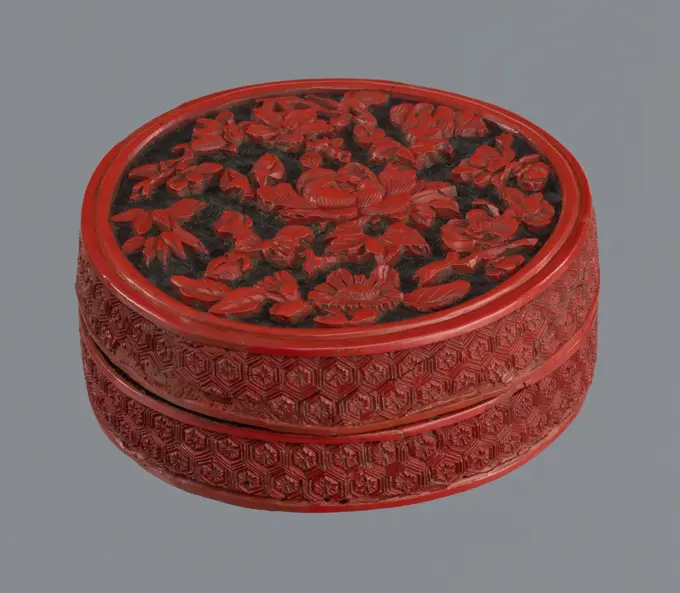
An array of ornate boxes from different materials and periods, featuring intricate designs, highlighting craftsmanship and cultural significance.

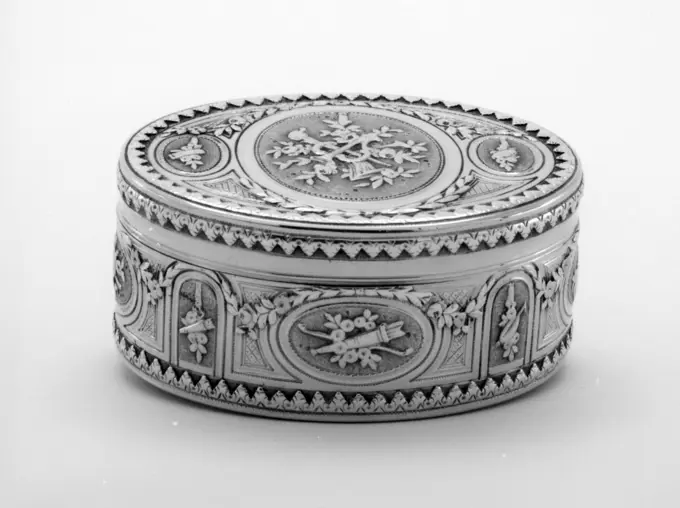
Box, chased, engraved and partially nielloed and gilt raised and cast silver, Oval box with hinged cover; niello decoration, on box alternating panels with trophies and architectural ornament on top. Victory presenting a scroll to a warrior, on bottom, trophies, flags and scrolls; gilt lined., Velikji Ustug, Russia, ca. 1760, metalwork, Decorative Arts, Box
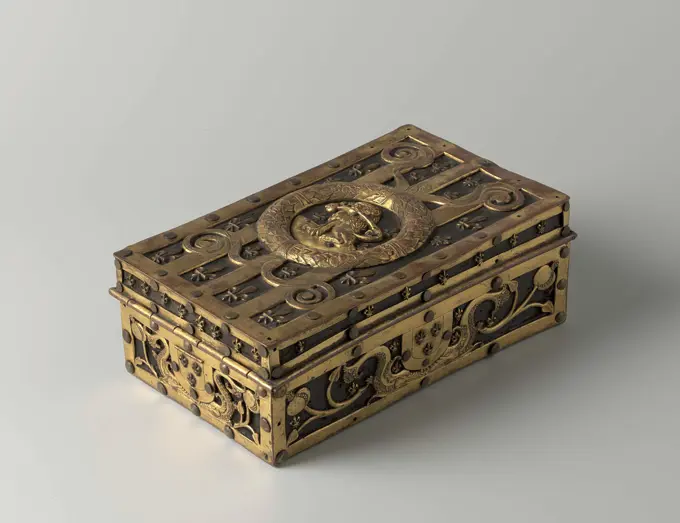
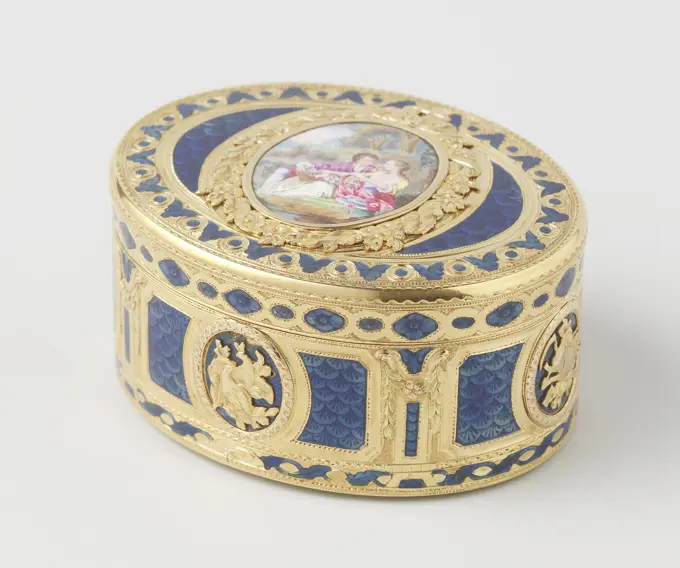
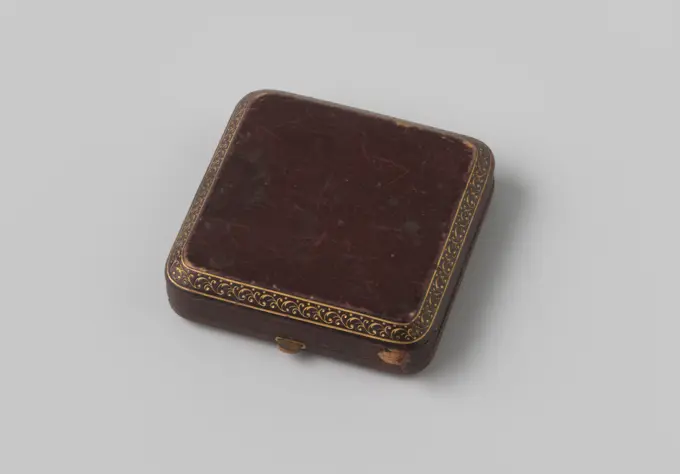
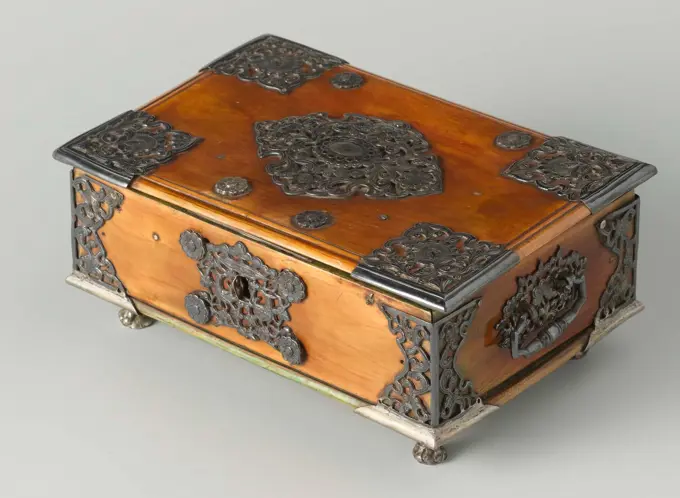
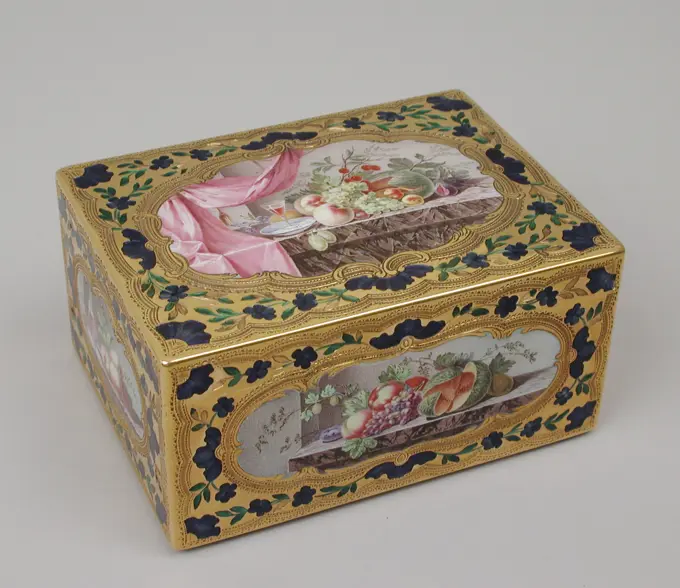
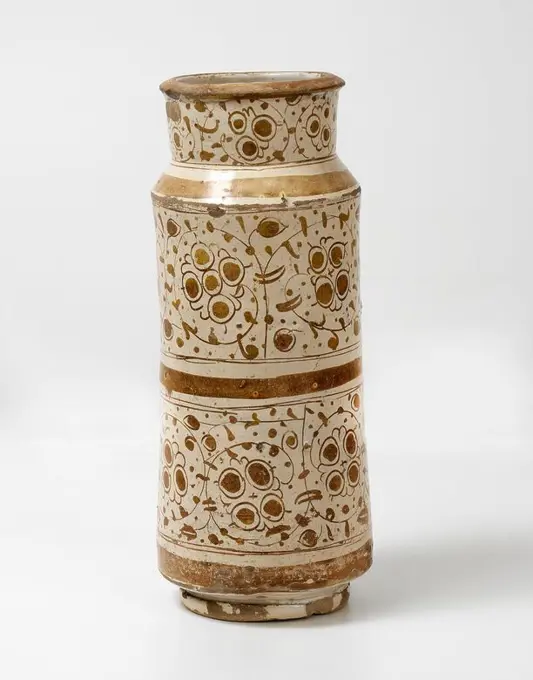
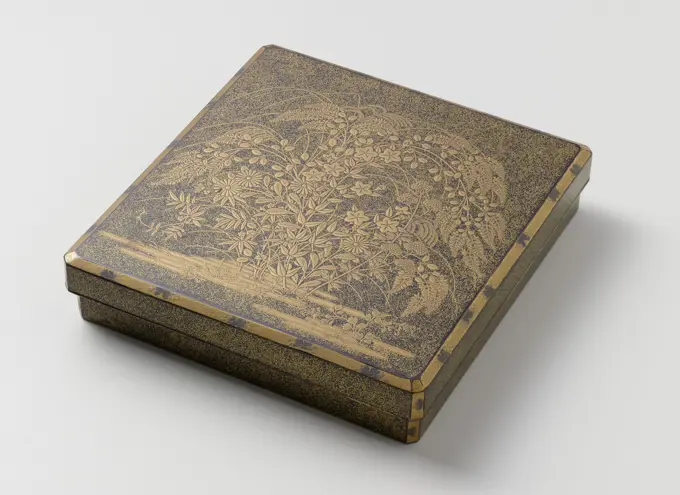
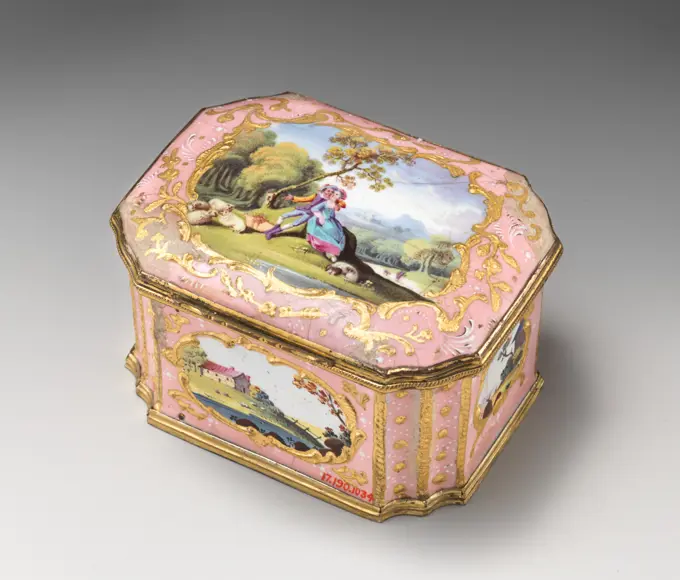
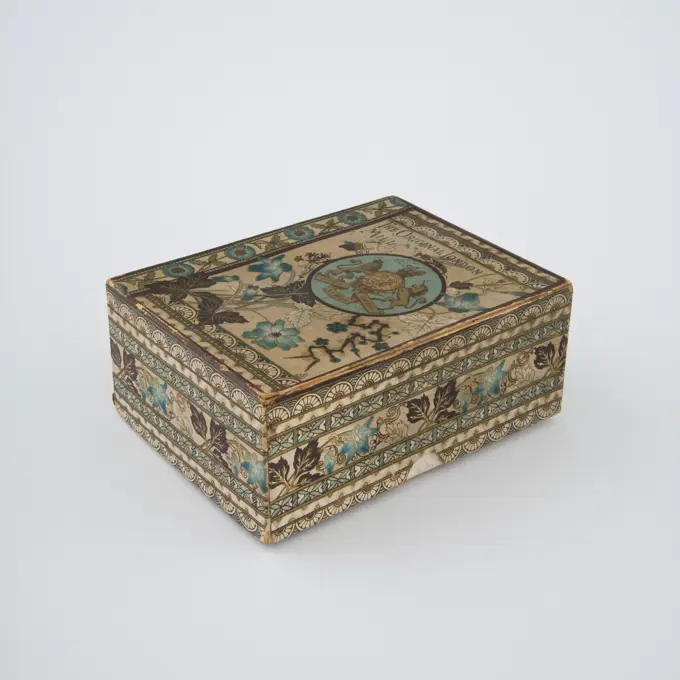
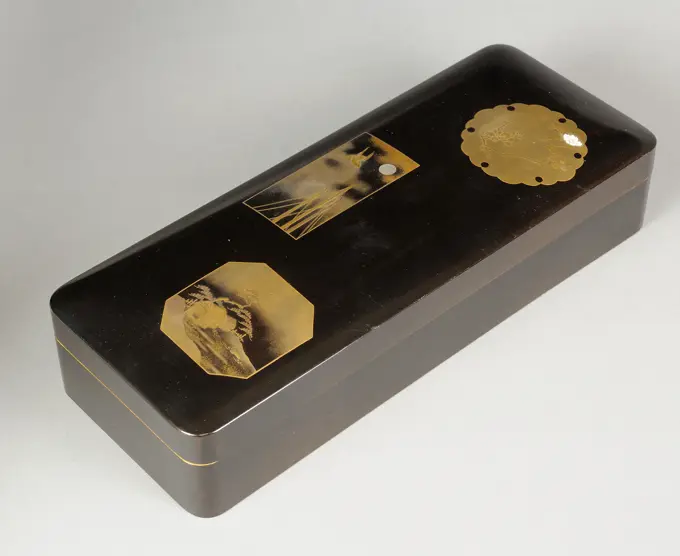
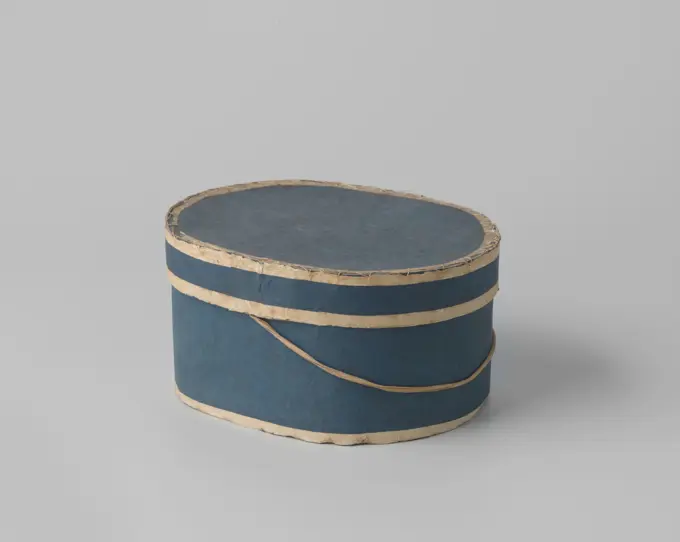
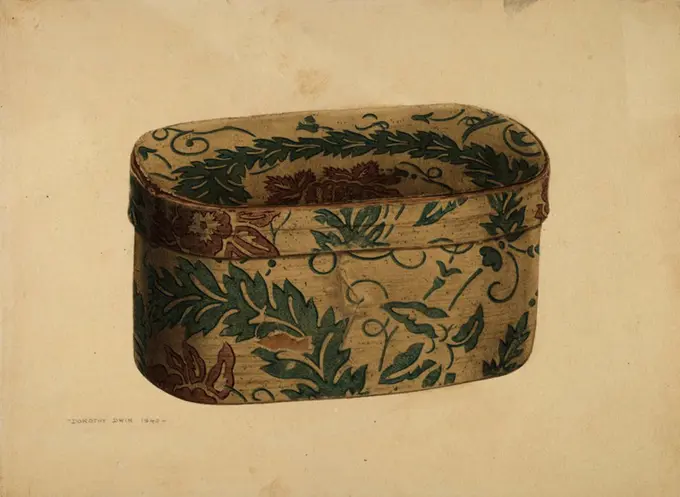
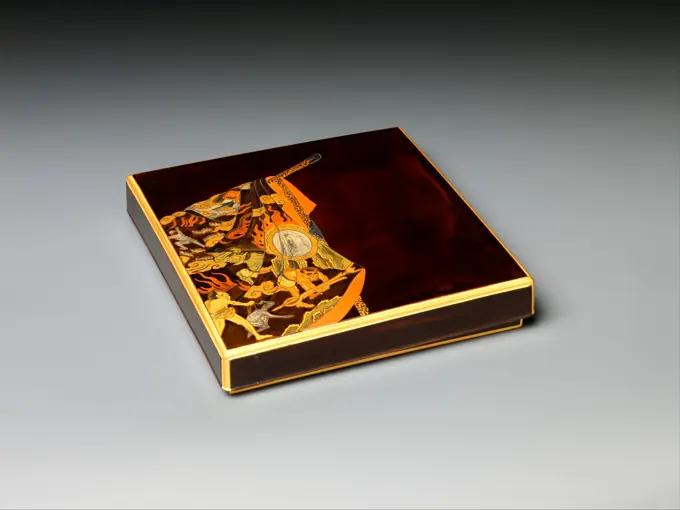
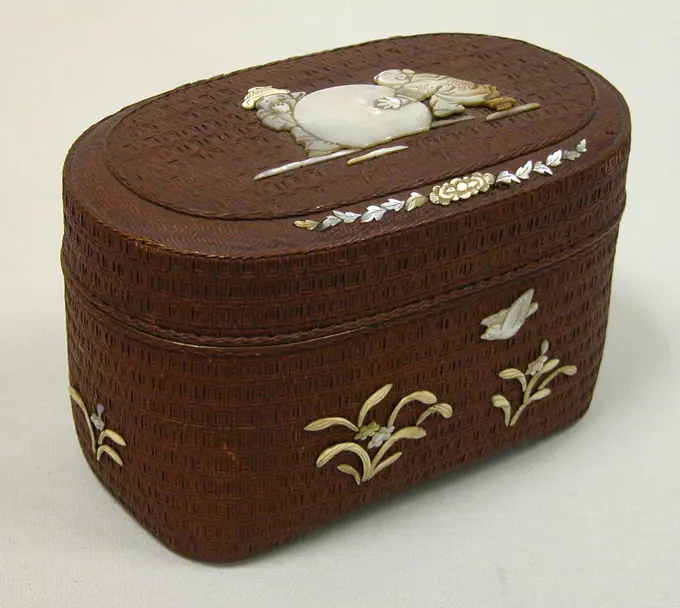
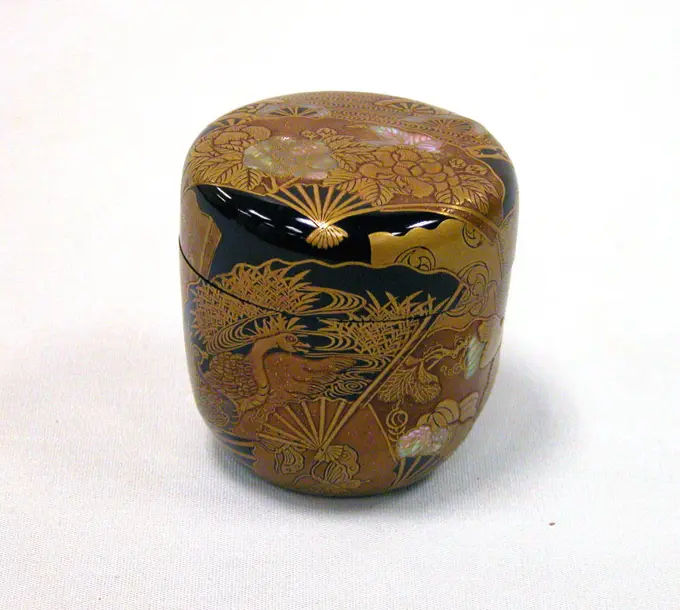
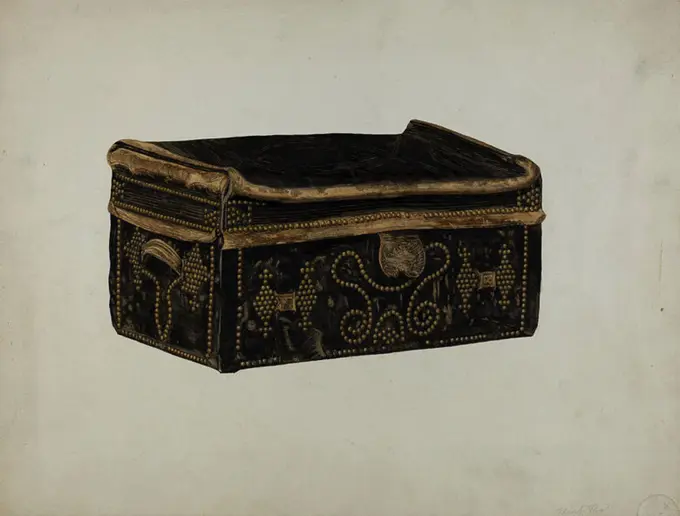
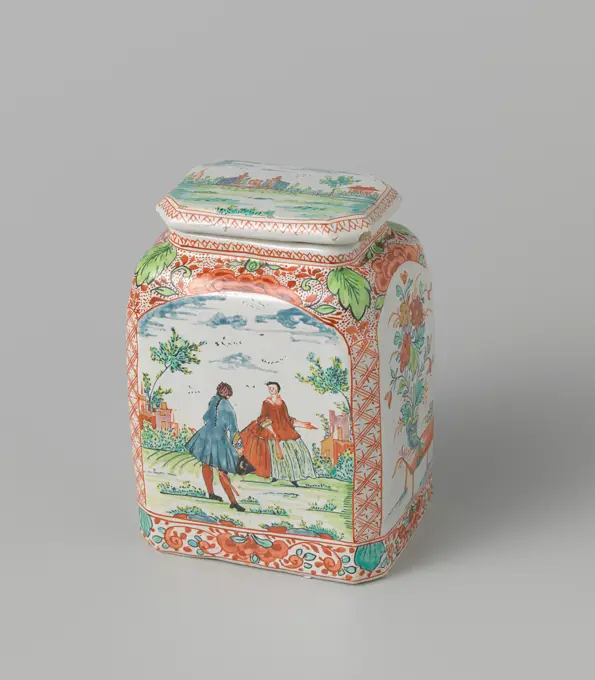
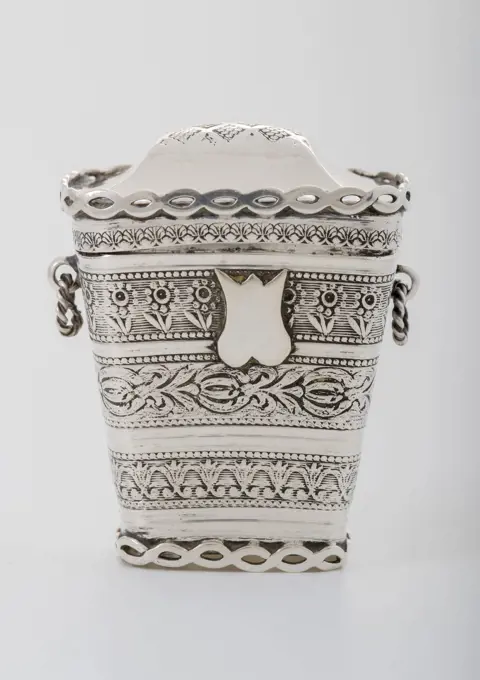
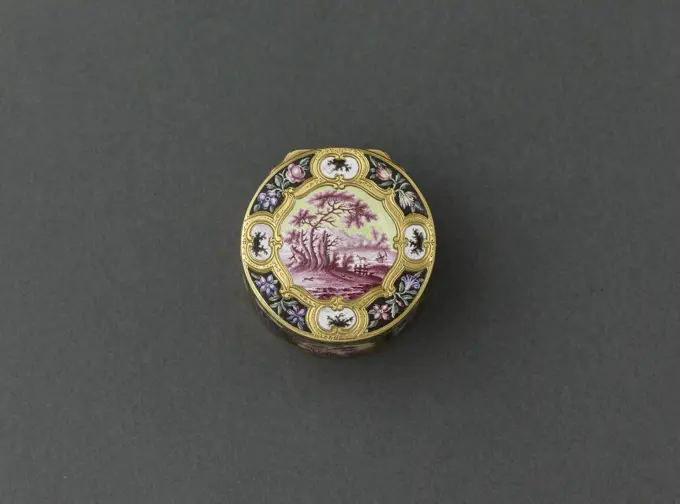
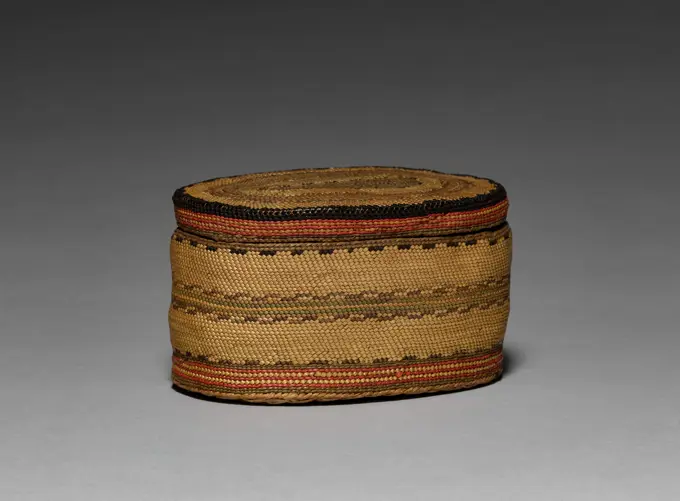
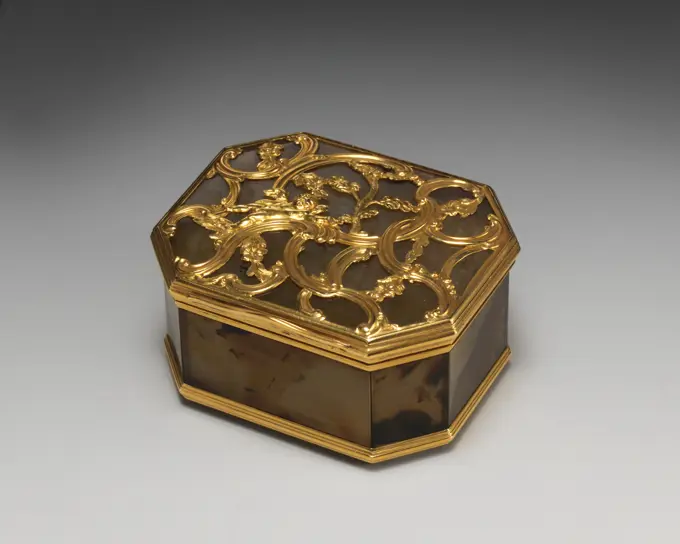
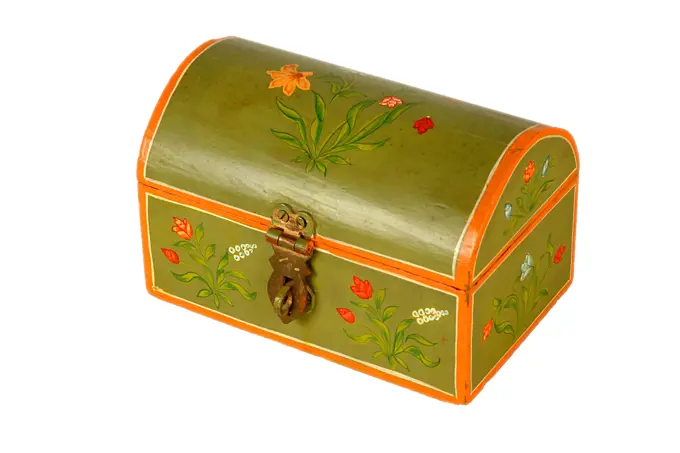
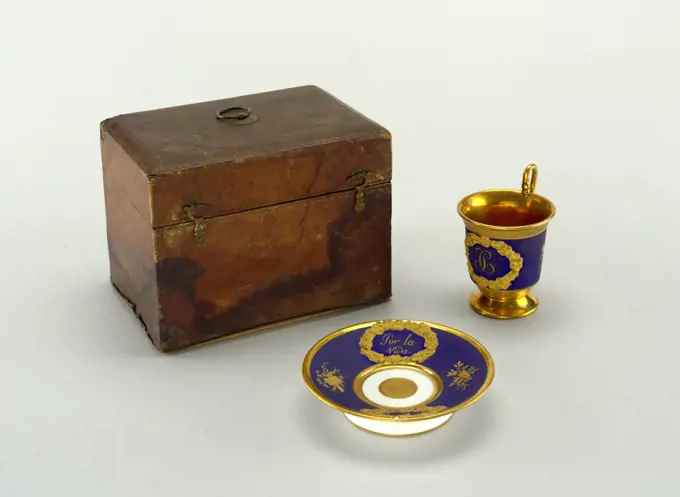
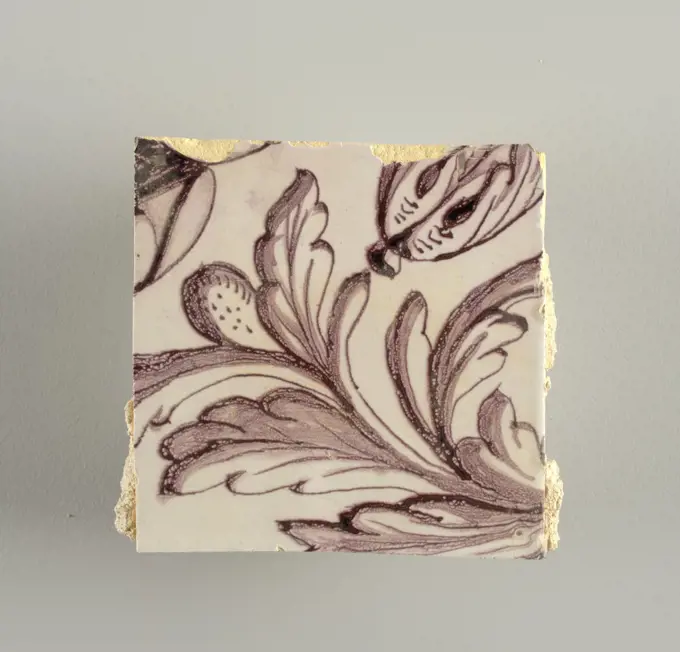
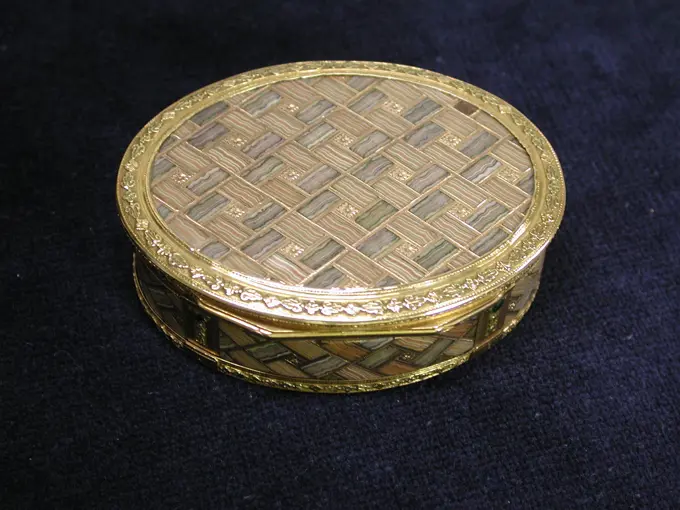
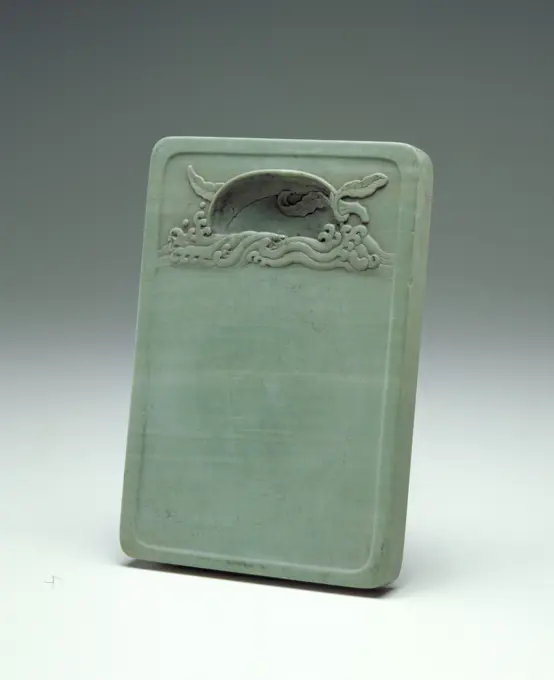
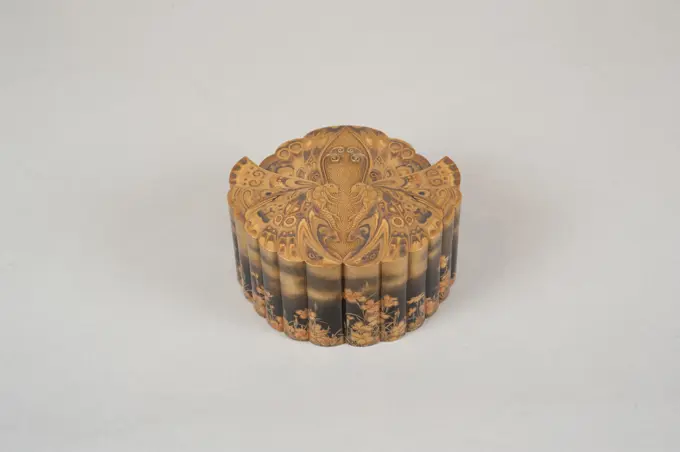
Box in Shape of Butterfly with Design of Wild Pinks on Side 19th century Japan. Box in Shape of Butterfly with Design of Wild Pinks on Side 58133Sugar bowl (box). Malcz, Karol (1797-1867), goldsmithIncense box (kôgô) with a cover; Yabu, Meizan (1853-1934); End of the 19th century (1891-00-00-1900-00-00);Box, oval, from braided stroink with amor between leaf drinks and on inside lid Venus and amor. Box, oval, from braided straw with amor between leaf refints and on inside lid Venus and amor on a terrace. A pomegranate on the underside.Box, chased, engraved and partially nielloed and gilt raised and cast silver, Oval box with hinged cover; niello decoration, on box alternating panels with trophies and architectural ornament on top. Victory presenting a scroll to a warrior, on bottom, trophies, flags and scrolls; gilt lined., Velikji Ustug, Russia, ca. 1760, metalwork, Decorative Arts, BoxWooden box with copper frame .. elongated square wooden casket, mounted with heavy gold-plated copper tires, between which sheets. At the top between the lilien tires, in the middle of a heavy laurel wreath, within which a driven sitting lion with a grenade in the mouth. On the silk shrapnet branches and dolphins, between the arms of France (three lilien). On the front the weapon as a lock plate. It is opened if one slides down the lower nail.Sugar bowl. Götz, Józef (fl. 1760-lat 90.XVIII), goldsmithLetter Box (Fumibako) with Design of Cherry Blossom and Maple Leaf 18th century Japan. Letter Box (Fumibako) with Design of Cherry Blossom and Maple Leaf. Japan. 18th century. Polished lacquer with sprinkled gold and gold lacquer, mounted with silver rings. Edo period (1615-1868). LacquerToilet can; Comyns & Sons (London; company z Otnicz; Fl. 1859-1953); 1898/99 (1898-00-00-1899-00-00);Snuffbox, Vincent Brend, c. 1767 - c. 1768 Gold snuff box, oval, with a love couple in email on the lid. Around the wall in blue email, imposed gold reliefs with trophies and birds. Paris gold (metal). Gold snuff box, oval, with a love couple in email on the lid. Around the wall in blue email, imposed gold reliefs with trophies and birds. Paris gold (metal).Kist Decorated with Kerfsnee Ornaments including a vase with tulip, Anonymous, 1700 - 1799 Chest, decorated with notchy ornaments. The rear tire shows a plain field on which remnants of green paint and a vase with tulip on both ends. The coffin rests on small ebben wooden glans -shaped legs. Internal three courses. The lock is missing. Netherlands wood (plant material). ebony (wood) Chest, decorated with notchy ornaments. The rear tire shows a plain field on which remnants of green paint and a vase with tulip on both ends. The coffin rests on small ebben wooden glans -shaped legs. Internal three courses. The lock is missing. Netherlands wood (plant material). ebony (wood)Casket early 18th century French Cream-colored straw was twisted into strings used to embroider the reddish-brown background of flat straw on a canvas foundation. The flaming hearts and lovebirds on the lid may indicate that the casket served as a wedding gift. The interior has parquetry of brightly colored straw.. Casket 187265 French, Casket, early 18th century, Straw on wood, canvas, marbled paper, linen () thread, Overall (confirmed): 3 3/4  7 7/16  5 3/8 in. (9.5  18.9  13.7 cm). The Metropolitan Museum of Art, New York. Edward C. Moore Collection, Bequest of Edward C. Moore, 1891 (91.1.915)Box with Two Compartments, Shaped horn with gold piqué, Barrel-shaped blond horn box with hinged lid at each end and center wall dividing it into two compartments. Relief bands encircle box which is decorated with gold piqué posé in patterns of vine leaves, branches, C-scrolls; in gold piqué point are tendrils, draperwork, rays, stippling; gold rims, hinges, and thumbpieces., France, early 18th century, containers, Decorative Arts, Box with Two CompartmentsPod box van Leer, 1891 box Square brown leather box with cut closure, top -printed decoration on top; Inside covered with green velvet, on covered inside lid name of the supplier (C.J. Begeer). Corning with Prijscenning NG-2014-22-1. Utrecht leather. velvet (fabric weave). cardboardBetel box.Betel (from the Piper 'betel' pepper plant) is a mild stimulant that is chewed throughout the whole of Asia. The custom was also practised by women of Eurasian origin. In Asia, European men generally smoked it in their pipes. Betel boxes contained the paraphernalia and ingredients needed for rolling a betel chewing quid: areca nuts, ginger gum, limestone chalk and betel leaves.Snip box of gold, oval, on the lid in an oval medallion musical instruments and flowers, René-Jean Lemoyne, c. 1782 - c. 1783  Snuif box in three colors of gold, oval, with a ciseled Louis XVI ornament along the edges. On the lid in an oval medallion with musical instruments and flowers. Paris gold (metal)Snuffbox 1757-58 Jean Formey In eighteenth-century Europe, Paris led the production of high-quality luxury goods. Parisian goldsmiths made a wide range of small, personal articles such as snuffboxes; étuis to hold sealing wax, tweezers, or utensils for sewing; souvenirs, which contained thin ivory tablets for note taking; and shuttles for knotting lace. Gold snuffboxes and boxes decorated with portrait miniatures were prized and frequently given as royal gifts, often to ambassadors or members of the court in lieu of cash payments for their services. Coveted and admired, these boxes were produced from a variety of materials. The best were skillfully made of gold and embellished with diamonds, enameled decoration, lacquer, and other luxurious materials. By the middle of the century, the taking of snuff had become an entrenched social ritual, and the snuffbox, too, had become an important social prop. Snuffboxes were considered highly fashionable accessories, with some merchants advertisiTurtle chest with copper frame, anonymous, c. 1700 - c. 1725 Case of turtle with copper frame and handle. A lid with ditto button inside.  chest:. frame: copper (metal) Case of turtle with copper frame and handle. A lid with ditto button inside.  chest:. frame: copper (metal)Pharmacy pot, 1420-1440, Ceramic (decorated with metallic reflections and overlapping borders), of Manises or Paterna, Valencia, Height: 30,9 cm. Museum: Museo Fundación Francisco Godia, Barcelona, Cataluña, España.Anonymous / 'Case for two heliotrope oval platters and two heliotrope jugs with spout'. 1650 - 1711. Leather, Wood, Metal, Cloth. Museum: Museo del Prado, Madrid, España.Cloud-Shaped Pillow with Peony Scroll. China. Date: 1035-1065. Dimensions: 8.8 × 20.1 × 14.6 cm (3 7/16 × 7 15/16 × 5 3/4 in.). Cizhou ware; slip-coated stoneware with underglaze incised decoration and stamped "fish-roe" ground. Origin: China. Museum: The Chicago Art Institute, Chicago, USA.Writing box, anonymous, 1600 - 1699 On the inside and outside lid "the seven autumn plants" in gold against black stock. Japan wood (plant material). lacquer (coating) On the inside and outside lid "the seven autumn plants" in gold against black stock. Japan wood (plant material). lacquer (coating)Casket. Kinkôzan, Sôbei VII (1867-1927), ceramistSnuffbox ca. 1760-1800 British, Staffordshire. Snuffbox. British, Staffordshire. ca. 1760-1800. Enameled copper. Enamels-PaintedStationery boxLetter Box 19th century Japan. Letter Box 57632Flower Brick Made 1745-1755 London. Tin-glazed earthenware .Casket. This casket exudes an air of luxury in every way. Its sides are faced with steel plates ornamented with a pattern of strapwork and foliage scrolls. The plates are set within finely worked gilt bronze mounts. The front opens, revealing nine little drawers of various sizes that were probably meant to hold jewellery or other small precious objects.Oval hat box of cardboard, covered with dark blue paper with white piping, anonymous, c. 1850 - c. 1900 Oval hat box of cardboard, covered with dark blue paper with white piping. With two stricks of linen. West-Europa Box: Cardboard. upholstery: paper. Striklint: Linen (Material) sewing Oval hat box of cardboard, covered with dark blue paper with white piping. With two stricks of linen. West-Europa Box: Cardboard. upholstery: paper. Striklint: Linen (Material) sewingTobacco box from the wreck of the East India Hollandia. Tobacco Box; Box with member, Oval, Flat, Domed, Molded Rim, Both Sides Engraved with Scenes of the Prodigal Son (Inscriptions: Member De Verkeere Soon, Underside alert), Applied Five-Lugged Hinge.Hat of light blue silk, embroidered with black beads and colored flowers with sequins, anonymous, c. 1700 - c. 1800 Cap made of light blue silk, embroidered with black beads and colored flowers with sequins, black border and tires. Friesland whole: Silk. whole: Wool. Decoration: Coral (Material) embroidering Cap made of light blue silk, embroidered with black beads and colored flowers with sequins, black border and tires. Friesland whole: Silk. whole: Wool. Decoration: Coral (Material) embroideringContainer(Abal-Abal)Bandbox. Dated: 1940. Dimensions: overall: 22.1 x 30.2 cm (8 11/16 x 11 7/8 in.) Original IAD Object: 4" high; 8" long; 5 1/4" wide. Medium: watercolor, gouache, and graphite on paperboard. Museum: National Gallery of Art, Washington DC. Author: Dorothy Dwin.Stoneware covered jar in the form of bear with coat of arms in its claws, lid jar pot holder soil find model ceramic stoneware clay engobe glaze salt glaze, hand turned hand shaped carved glazed baked Stoneware pot in the shape of an upright seated bear gray shard brown engobe and brindled salt glaze hairs indicated by horizontal gouged With both forelegs, the bear holds round weapon medallion in front of his stomach, hanging on cord around his neck, with tail traces at the back on the underside. The coat of arms has two wide horizontal bars fantasy weapon archeology import pottery store preserve drink wine beer serve heraldryBrass design fitting on antique wooden box, Jodhpur, Rajasthan, India Copyright: xSafatxAli/DinodiaxPhotox. During the 17th and 18th centuries, Ceylon was renowned for its small, splendidly carved objects in wood and ivory. Wherease the large flowers derive in part from indigenous Asian decorative motifs, they were adapted to suit the taste of Dutch patrons. This little chest is comparable to the one depicted in the lap of one of the Cnoll daughters in the family portrait on view above.Tile Wall Facing (Netherlands); tin-glazed earthenware, underglazeEgg Warming Rack (France); painted tôleMoneyBank.   Maker: Elizabeth Herr, active 1875-97Document Box with Illustrated Books 19th century Japan This large box for calligraphy paper (ryōshi-bako) forms a set with the writing box of the same design. Writing boxes and document boxes were often prepared in pairs; sometimes a writing table completed the set. The open book on the front of the lid reveals a scene from The Gatehouse,” chapter 16 of The Tale of Genji, with a procession of court carriages and elegant courtiers on their way to Ishiyama. On the right side of the box is a scene from Ise Stories, while the inside is decorated with bamboo and chrysanthemums, representing endurance and longevity, respectively.. Document Box with Illustrated Books. Japan. 19th century. Lacquered wood with gold and silver hiramaki-e, togidashimaki-e on nashiji ground. Meiji period (1868-1912). LacquerStrip of black machining tulle with scoops on one side and a bright motif of flowers and volutes, Gustav Schnitzler, c. 1925 Strip black machine tulle with scoops on one side and a bright motif of flowers and volutes, on the softboard. Nijmegen . Strip black machine tulle with scoops on one side and a bright motif of flowers and volutes, on the softboard. Nijmegen .Church cope. unknown, authorRooketui, , c. 1800 - c. 1900 Learning case, decorated with an embroidered dragon; lock of brass in the form of a dragon; On the case a seven cords consisting of (silver) Necklace with two wide connecting links (in the form of dragons) and a round button of leg. Japan leather. textile materials. silver (metal). brass (alloy) Learning case, decorated with an embroidered dragon; lock of brass in the form of a dragon; On the case a seven cords consisting of (silver) Necklace with two wide connecting links (in the form of dragons) and a round button of leg. Japan leather. textile materials. silver (metal). brass (alloy)Model of A Fire Hearth For Steam Engines, Rijkswerf Rotterdam, 1844 demonstration model Model of an interior for mechanical heating of a boiler; A container with movable bottom, operated by a handle with right on a gear, is filled with coal through a small door; The soil is raised and the coal is brought in from below to the grid; By two movable parts of the grid, operated with a lever and prevents a relapse with a ram on a gear quadrant, some of the contents of the container are always scooped up. Scale 1:10 (derived). model maker: Rotterdamafter design by: United Kingdom wood (plant material). brass (alloy). Oval golden box with a braid mosaic of bandagate and nozzle. On the lid a enlarged picture and a festoon from rubies and diamonds.Art Nouveau small casket. Karkainen, Emilia (fl. ca 1890-1900), authorNotebook. Notebook. Square bottle of porcelain, painted on the glaze in blue, red, green, yellow, brown, black and gold. On every wall two birds (O.A. Crane) on or with a flowering tree at a rock, of which one of the "three friends of the winter" (pine, bamboo, prunus) and on the fourth a chrysanthemum on three sides. On the shoulder flower drinks with a bird. Old label on the bottom with 'Collection Westendorp / 139'. Inscription on the bottom with 'A'. A few cracks in the wall; The neck has been ground. Arita, Kakiemon.Pouch for percussion caps. Small leather bag, lined with black-brown fur. The flap is closed with a tongue through a strap; At the rear two loops for the belt.Inro, black paint with a bridge in the fog and pine trees in Makie, Anonymous, 1700 - 1800 Five -part Inro, covered with black paint with pine trees and a bridge with two lanterns in the fog in Makie. The inside is nasi. Japan whole: Wood (plant material). whole: Lacquer (coating). whole: Gold (Metal) lacquering Five -part Inro, covered with black paint with pine trees and a bridge with two lanterns in the fog in Makie. The inside is nasi. Japan whole: Wood (plant material). whole: Lacquer (coating). whole: Gold (Metal) lacqueringPineapple, Hannah Davis, 1784 - 1863, Block-printed paper on wood support; lined with newsprint, Wooden bandbox covered in wallpaper with pineapple pattern. Coloring of exposed areas much faded, better preserved paper sample with vivid coloring around rim. Turquoise-green background (light blue in exposed areas) with background fill of deep pink dots (white in exposed areas), white trailing leaves and flowers, bold repeating pattern of cluster of three pineapples in white and pinks with green leaves. Lined with newsprint: 'Christian Panoply'. Paper label inside lid: 'Warranted/ Nailed/ Bandboxes/ Made by/ Hannah Davis'., Jaffrey, New Hampshire, USA, 1840, Wallcoverings, Bandbox, BandboxBox And Cover (Japan); lacquered woodBlack-lacquered Box with Auspicious Designs. Korea, Joseon dynasty (1392-1910), 19th century. Furnishings; Accessories. Brown lacquer on wood core with mother-of-pearl inlay and brass fittings. Snuff box, round, from Battersea Émail, with a flower decoration in relief on the vaulted lid on a purple tissue fabric.Writing Box (Suzuribako) with Hell Courtesans Robe ca. 1850-70 Japan This small writing box merges two popular pictorial subjects: the “Whose Sleeves?” (Tagasode) composition and the Hell Courtesan (Jigoku Dayū). On the courtesans robe draped over a lacquer kimono rack, we see various demons and Emma-Ō, one of the Ten Kings of Hell, with his scowling red face and bulging eyes. According to local legends, the Hell Courtesan, from the port of Sakai, is said to have attained enlightenment with the help of the Zen monk Ikkyū (1394-1481).. Writing Box (Suzuribako) with Hell Courtesans Robe 57980Basket Box with Design of Two Chinese Children and Snowball 19th century Japan. Basket Box with Design of Two Chinese Children and Snowball. Japan. 19th century. Lacquered basket with mother-of-pearl and ivory. Edo period (1615-1868). LacquerPlejerko with a cover;  19th century (1801-00-00-1900-00-00);Snuffbox ca. 1770 Catherine Kedjeström. Snuffbox 200421Writing Box (Suzuribako) with Design of Fans 17th century Japan. Writing Box (Suzuribako) with Design of Fans 57936Tile wall facing, Tin-glazed earthenware, underglaze, Horizontal rectangle. Thirty tiles wide and twenty-three tiles high with opening for fireplace eleven tiles wide and ten high. Foliage arabesques disposed about three vertical axes from which are emphazised by urns at center and right, and at left by the figure of a standing woman carrying an infant on her arm and accompanied by two children., Possibly Rotterdam, Holland, Possibly Delft, Netherlands, ca. 1725, tiles, Decorative Arts, Tile wall facingSquare box, 18th century, 3 3/4 x 5 5/8 x 5 5/8 in. (9.53 x 14.29 x 14.29 cm), Huang hua-li hardwood, China, 18th centuryTea box 19th century Japan. Tea box 57901Multicolored coached tea bus with lid of faïence. Square tea bus with lid, multicolored painted with a couple in 18th century costume in a landscape.Box ca. 1728-30 Meissen Manufactory German The fan-shaped boxes of Japanese lacquer in the collection of Augustus the Strong (1670-1733), elector of Saxony and king of Poland, were copied at the Meissen porcelain manufactory and displayed in the Throne Room at the electors Japanese Palace in Dresden.. Box. German, Meissen. ca. 1728-30. Hard-paste porcelain. Ceramics-PorcelainOld pottery objects pillowPicture frame, gilded metal, glass, Of upright rectangular form, the gilded metal surface cut in the grapevine pattern overlaid on a panel of pearly-hued Favrile glass; oval well in center for picture, clear glass oval panel inset in well. Rigid, hinged gilt-wire support on reverse., New York, New York, USA, 1900-10, metalwork, Decorative Arts, Picture frameBox -Trunk. Dated: c. 1939. Dimensions: overall: 26.8 x 35.6 cm (10 9/16 x 14 in.) Original IAD Object: 28" long; 16" wide; 14 1/2" high. Medium: watercolor, graphite, and pen and ink on paper. Museum: National Gallery of Art, Washington DC. Author: Albert Pratt.Ivory snuff box, on which two flying angels carry a heart, anonymous, c. 1700 - c. 1800 Ivory snuff box, on which two flying angels carry a heart. Furthermore, garlands and palm branches stipped and filled with gold. A chapel has been cut from below. Copper frame.  ivory. gold (metal). copper (metal) Ivory snuff box, on which two flying angels carry a heart. Furthermore, garlands and palm branches stipped and filled with gold. A chapel has been cut from below. Copper frame.  ivory. gold (metal). copper (metal)BrushPot, late 16th-early 17thcentury, Huanghuali wood, 8 1/8 × 8 in. (20.6 × 20.3cm), China, Chinese, Ming dynasty(1368-1644), Containers -WoodArt painting on wooden box, Jodhpur, Rajasthan, India Copyright: xSafatxAli/DinodiaxPhotoxGunmetal and Decorative Band Matchsafe; gun metal, gold; 4.8 x 4 x .9 cm (1 7/8 x 1 9/16 x 3/8 in. )TabakierkaBox, high and square, anonymous, 1700 - 1800 Box, high and square. Black outside with gold -plated landscapes on the edges and on the lid. A bowl and five heart -shaped boxes, salvokate with shades inside. Japan lacquer (coating). gilding Box, high and square. Black outside with gold -plated landscapes on the edges and on the lid. A bowl and five heart -shaped boxes, salvokate with shades inside. Japan lacquer (coating). gildingSnuffbox 1774-75 French, Paris In eighteenth-century Europe, Paris led the production of high-quality luxury goods. Parisian goldsmiths made a wide range of small, personal articles such as snuffboxes; étuis to hold sealing wax, tweezers, or utensils for sewing; souvenirs, which contained thin ivory tablets for note taking; and shuttles for knotting lace. Gold snuffboxes and boxes decorated with portrait miniatures were prized and frequently given as royal gifts, often to ambassadors or members of the court in lieu of cash payments for their services. Coveted and admired, these boxes were produced from a variety of materials. The best were skillfully made of gold and embellished with diamonds, enameled decoration, lacquer, and other luxurious materials. By the middle of the century, the taking of snuff had become an entrenched social ritual, and the snuffbox, too, had become an important social prop. Snuffboxes were considered highly fashionable accessories, with some merchants advertiCap (India); wool, silkMulticolored coiled tea bus from Faïence. Square tea bus, multicolored painted with a couple in 18th century costume in a landscape.Lacquer Box, c. 1890. House of Fabergé (Russian, 1842-1918), Factory N. Lukutin (Russian). Lacquer, papier-mché, gold, diamonds; overall: 1.8 x 14.5 x 5 cm (11/16 x 5 11/16 x 1 15/16 in.).Silversmith: A. Graves Kooiman, Silver lodger box with sponge, capelin box silver sponge holder, forced die-cut Rectangular base form widening upwards Hinged lid four-sided upwards. On both short sides applied eyelets with ring Inside: sponge: Stored bottom: saveBasket 19th century Japan. Basket. Japan. 19th century. Bamboo. Edo (1615-1868) or Meiji period (1868-1912). BasketrykitchenModel of a Buoy. Block model and waterline model of a buoy or Zeeton, which shows how a floating ton looks like.Jean FORMEY (1754-1791). Small round and enameled gold round box. Decor of landscapes in pink shades on a yellow background and flowers on a brown-black background. 1755-1756. Paris, Cognacq-Jay museum. 56057-1 Box, pink camaieu, decor, emaille, flower, brown-black background, yellow background, gold chisel, goldenry, landscape, small box, roundOval lid made of chip, covered on the outside with imitation wood paper and on the inside with marble paper, anonymous, c. 1800 - c. 1899 Oval box of chip consisting of flat lid (A) and deep box (B), covered on the outside with imitation wood paper and on the inside with marble paper. Netherlands wood (plant material). paper marbled paper Oval box of chip consisting of flat lid (A) and deep box (B), covered on the outside with imitation wood paper and on the inside with marble paper. Netherlands wood (plant material). paper marbled paperBox -Lidded Bowl, c 1900- 1925. Northwest Coast, Vancouver Island, early 20th century. Twined grass; overall: 5.5 x 10.8 cm (2 3/16 x 4 1/4 in.).Cigarette box. Chlebnikow (Moskwa i Petersburg ; wytwórnia złotnicza ; 1840-1918), factoryCDK unknownTable Clock, Jan Janse Boekelts, c. 1600 - c. 1625 Table clock of gilded copper, caught in an oak with turtle-glued cupboard with profiled plinth and cover list, openwork walls, a valve on the bottom and a glass plate on top. The square clock rests on spherical feet; Balm holes are applied on two corners with openwork decorations with a vase, leaf vines and a bird. The dial shows engraved flowers, a silver hour and minute ring with a small hand guide and engraved fruits with leaf work. Signature on the bottom. Haarlem copper (metal). oak (wood). glass. silver (metal) engraving / gilding Table clock of gilded copper, caught in an oak with turtle-glued cupboard with profiled plinth and cover list, openwork walls, a valve on the bottom and a glass plate on top. The square clock rests on spherical feet; Balm holes are applied on two corners with openwork decorations with a vase, leaf vines and a bird. The dial shows engraved flowers, a silver hour and minute ring with a small hand guide anBox ca. 1760-70 British. Box. British. ca. 1760-70. Agate, gold. Metalwork-Gold and PlatinumTile/tile fragment, Glazed earthenware, Spain or Italy, 17th century, tiles, Decorative Arts, Tile/tile fragment. Manufacturing former loose ruderecht, c. 1778-1782Hard-Paste Porcelain, CopperInkstoneRoll with lilac ribbon with one frayed silk and three black horizontal stripes, c. 1930 Roll with lilac ribbon with one frayed silk and three black horizontal stripes. Nijmegenfrance textile materials. cardboard. paper Roll with lilac ribbon with one frayed silk and three black horizontal stripes. Nijmegenfrance textile materials. cardboard. paperSavings Bank' still bank, c. 1930, 4 1/16 x 2 3/4 x 2 7/8 in. (10.32 x 6.99 x 7.3 cm), Glass, United States, 20th centuryArt painting on antique wooden box, Jodhpur, Rajasthan, India Copyright: xSafatxAli/DinodiaxPhotoxTraveling case with cup and saucer, Stamped and dyed leather adhered to wood, cast brass (case); enameled, glazed and gilt porcelain, blown and engraved glass, Cup with flaring rim, high loop handle terminating in a serpent's head, with high foot. Ornamented with trophies and initials 'T.C.' in raised floral wreath. Foliate bands near rim and base of cup. Saucer decorated with trophies and raised floral wreaths, one with inscription 'Por la vida', the other with pair of blazing hearts. At center of bowl, circular medallion with five-pointed star. Rectangular leather-covered case with hinged lid; circular metal ring at top and metal closures at front. See also glass beaker, 1931-41-8., Madrid, Spain, ca. 1800, containers, Decorative Arts, Traveling case with cup and saucerTile wall facing, Tin-glazed earthenware, underglaze, Horizontal rectangle. Thirty tiles wide and twenty-three tiles high with opening for fireplace eleven tiles wide and ten high. Foliage arabesques disposed about three vertical axes from which are emphazised by urns at center and right, and at left by the figure of a standing woman carrying an infant on her arm and accompanied by two children., Possibly Rotterdam, Holland, Possibly Delft, Netherlands, ca. 1725, tiles, Decorative Arts, Tile wall facingSnuffbox 1784-86 French, Paris In eighteenth-century Europe, Paris led the production of high-quality luxury goods. Parisian goldsmiths made a wide range of small, personal articles such as snuffboxes; étuis to hold sealing wax, tweezers, or utensils for sewing; souvenirs, which contained thin ivory tablets for note taking; and shuttles for knotting lace. Gold snuffboxes and boxes decorated with portrait miniatures were prized and frequently given as royal gifts, often to ambassadors or members of the court in lieu of cash payments for their services. Coveted and admired, these boxes were produced from a variety of materials. The best were skillfully made of gold and embellished with diamonds, enameled decoration, lacquer, and other luxurious materials. By the middle of the century, the taking of snuff had become an entrenched social ritual, and the snuffbox, too, had become an important social prop. Snuffboxes were considered highly fashionable accessories, with some merchants advertiImperial Ink Stone, 1662-1722, K'ang-hsi Workshops, 7/16 x 4 3/16 x 6 1/8 in. (1.11 x 10.64 x 15.56 cm), Sung-hua stone, China, 17th-18th century, Sung-hua stone from Chi-lin, with its typical green tone, was reserved almost exclusively for imperial use during the K'ang-hsi (1662-1723), Yung-cheng (1723-35), and Ch'ien-lung (1736-95) periods. The reverse of this horizontally striated ink stone has a brief engraved couplet written in the hand of the K'ang-hsi emperor. It reads: 'used in tranquility this inkstone will last many lifetimes.' The poem is followed by two rectangular seals of the K'ang-hsi emperor. The obverse is carved in relief with the design of a leafy peach floating upon waves. The peach is carved out as the 'water pool' for the ink to collect in. The two most noteworthy carvers of ink stones in the K'ang-hsi imperial ateliers were Chin Tien-yang and Ku Kung-wang, one of whom likely carved this fine stone. It was customary for imperial artisans to remain anonymous, and a