Artistic Decorative Elements

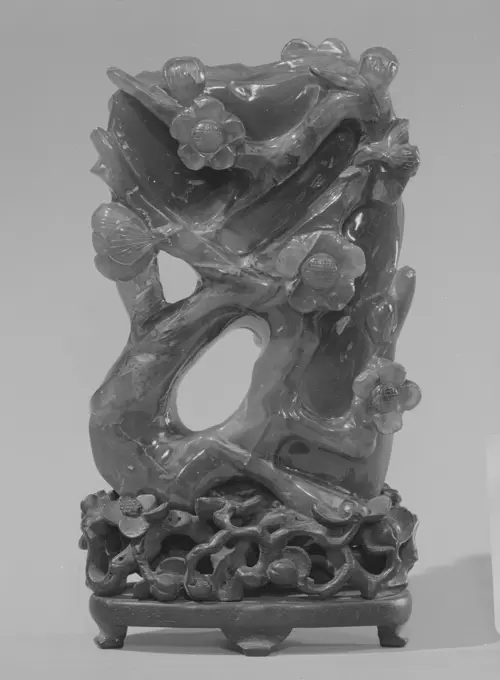
Elegant decorative items including jade sheaths and metal mounts, showcasing intricate designs and craftsmanship from various cultures.

Top light with cut monogram amidst vines with leaves, in new frame, cutting window surface light wood carving sculpture visual material wood paint, d 5.0
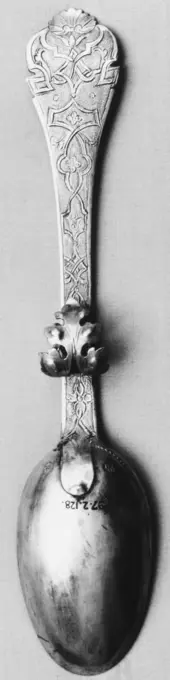
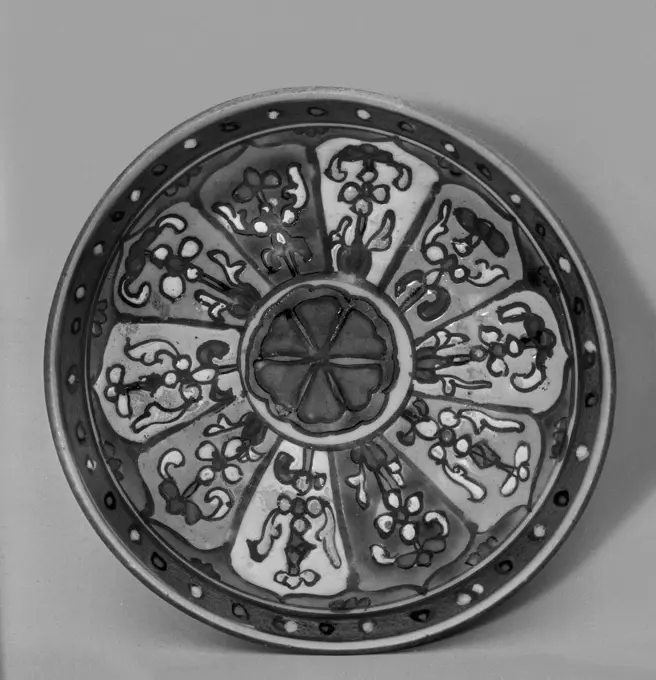
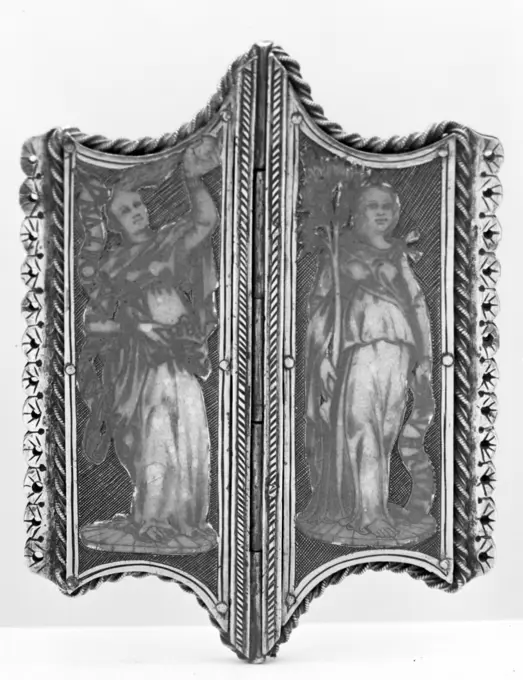
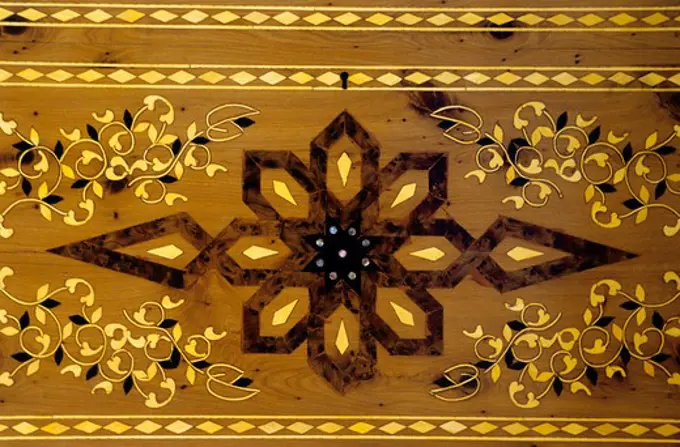
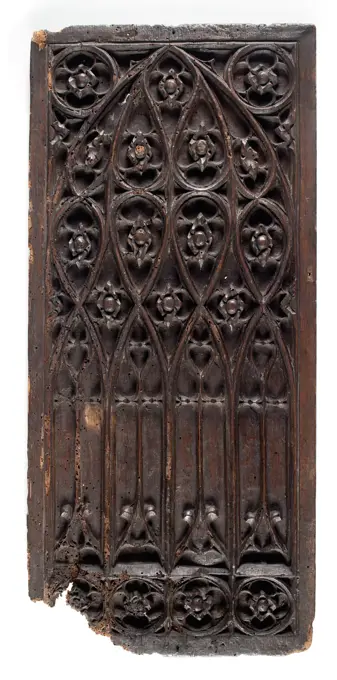
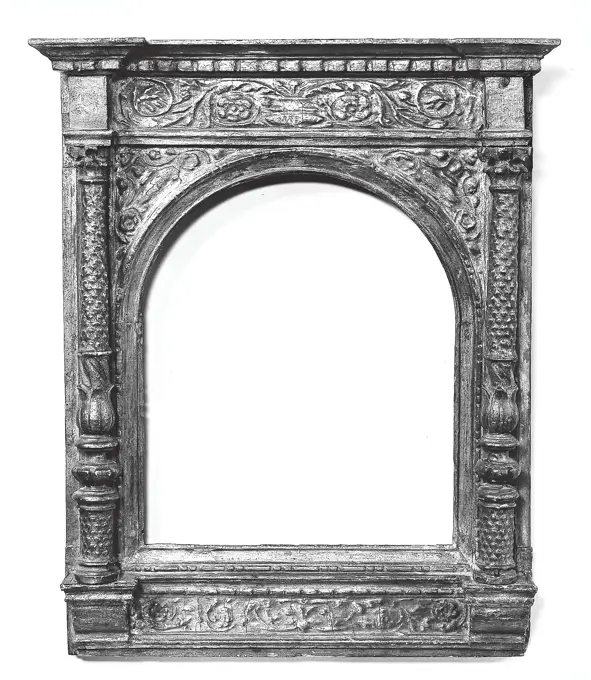
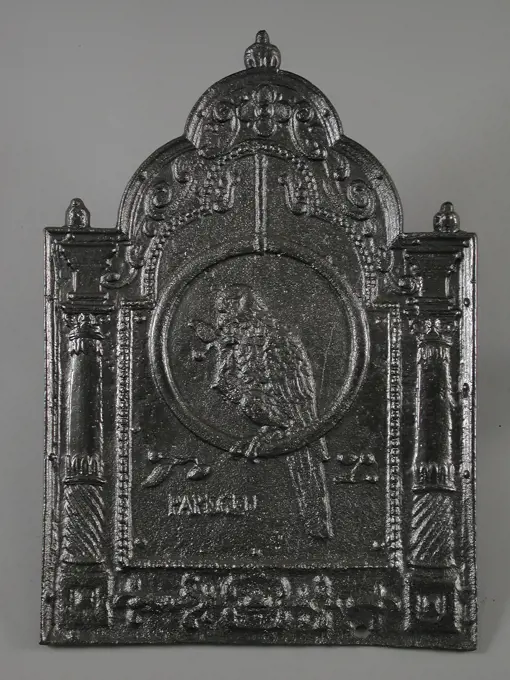
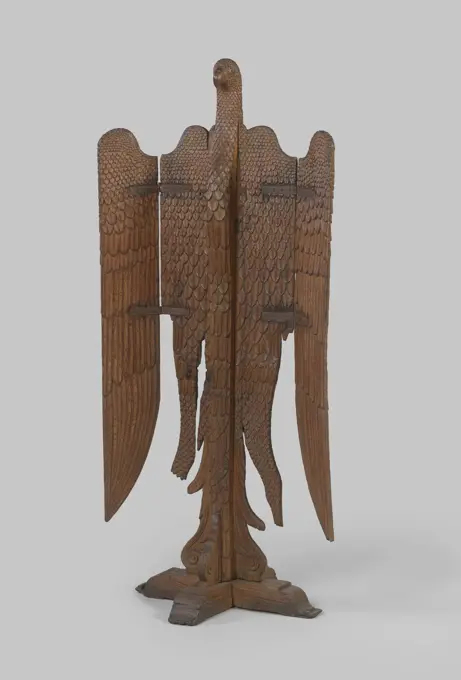
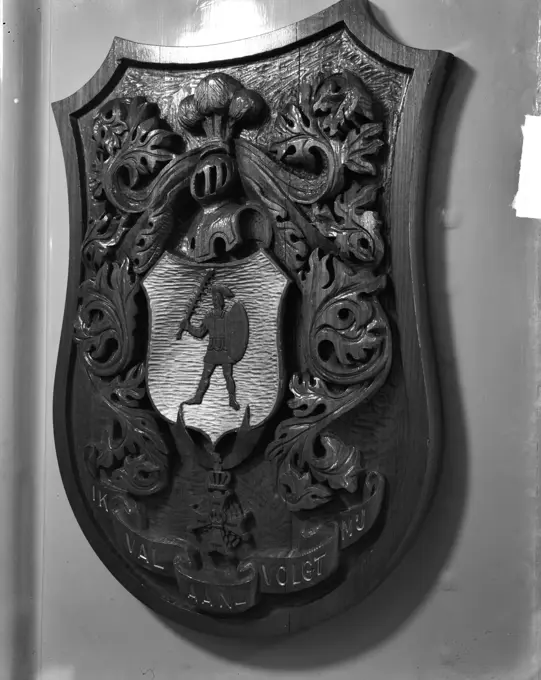
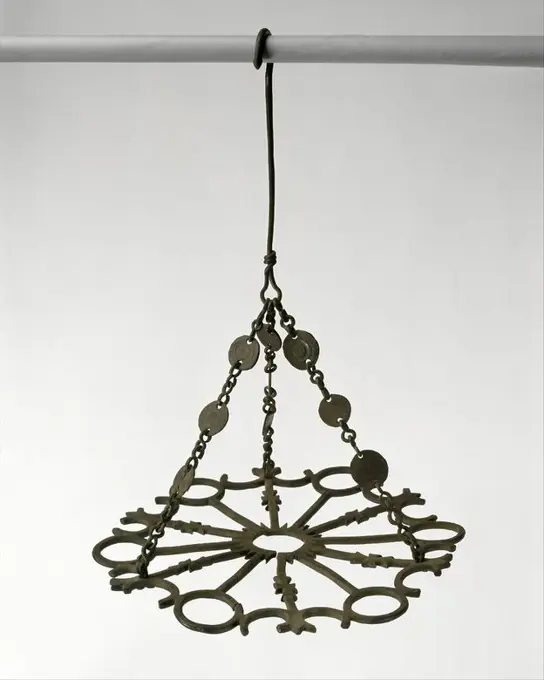
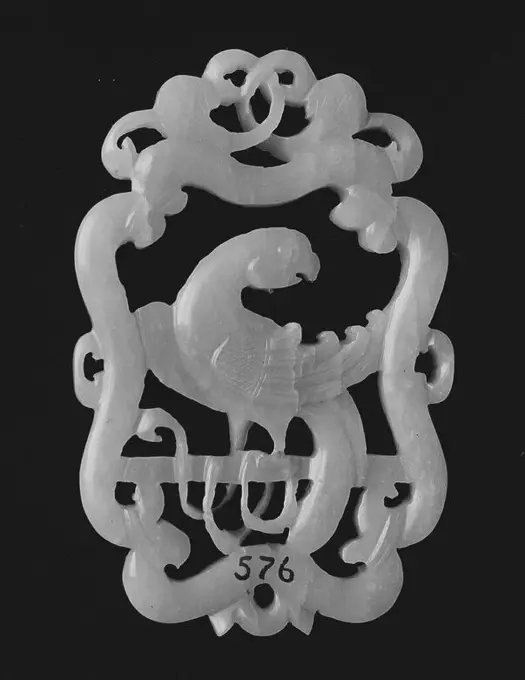
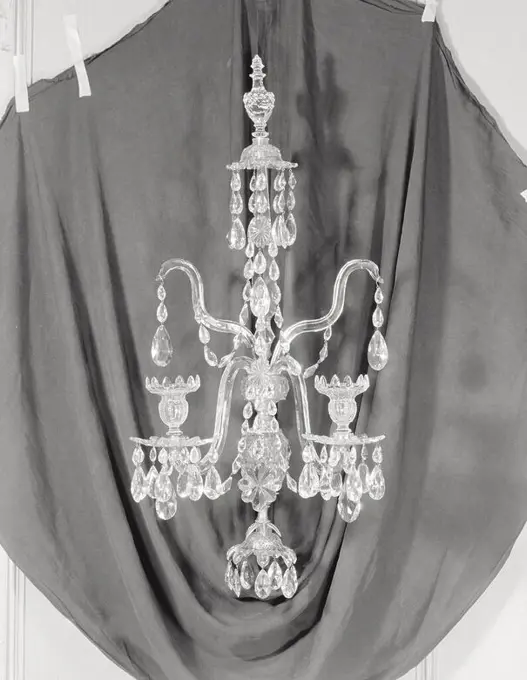
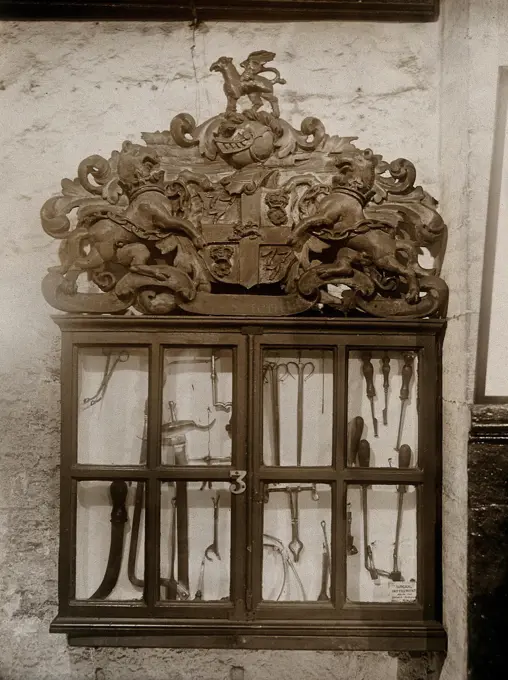
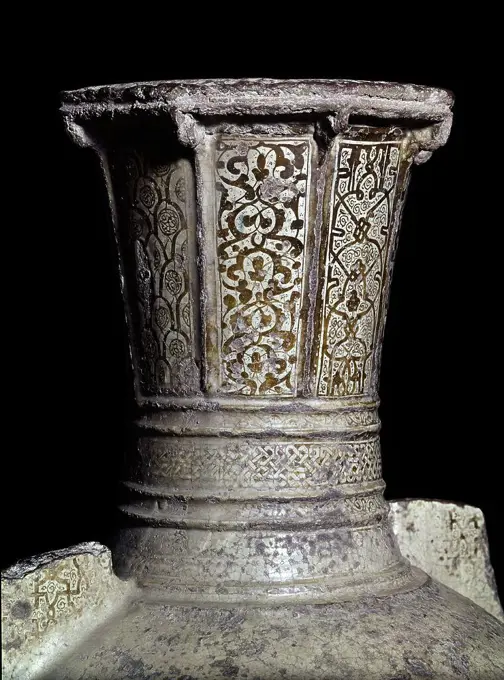
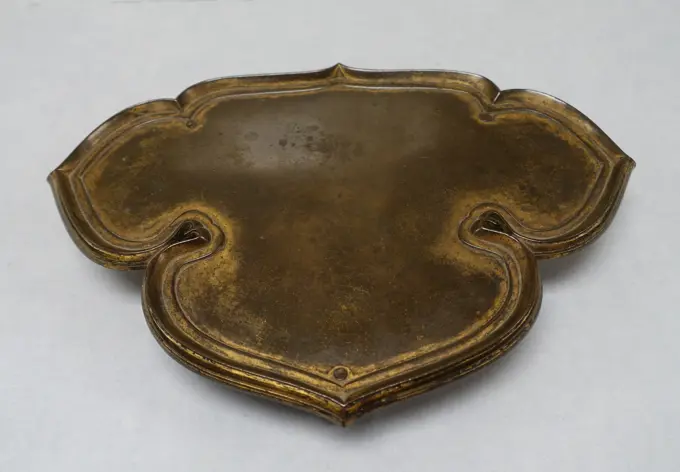
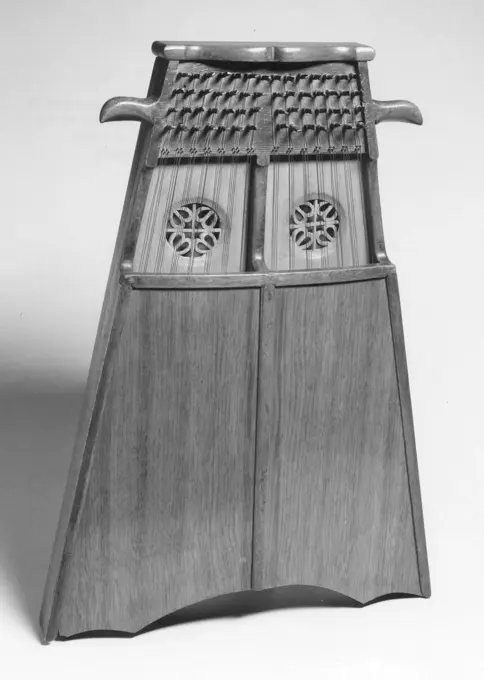
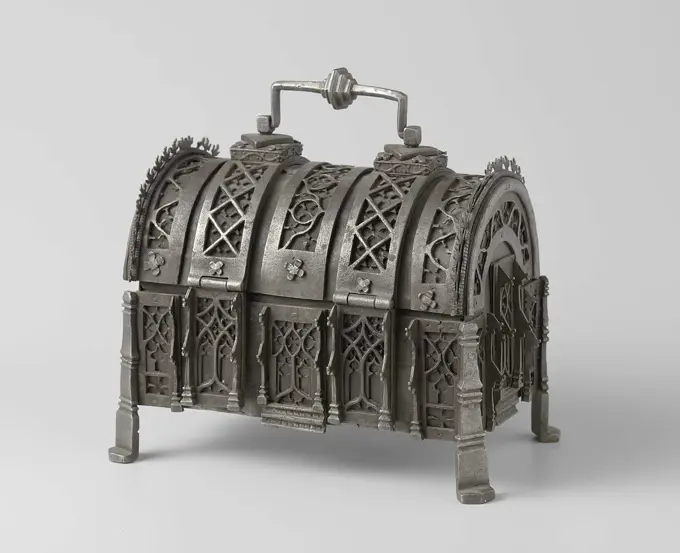
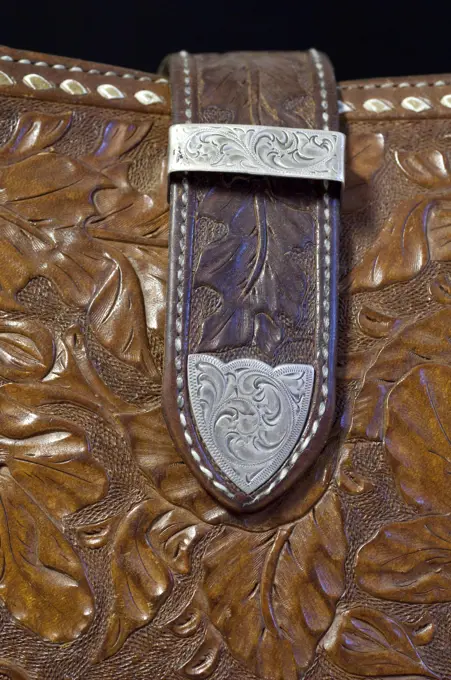
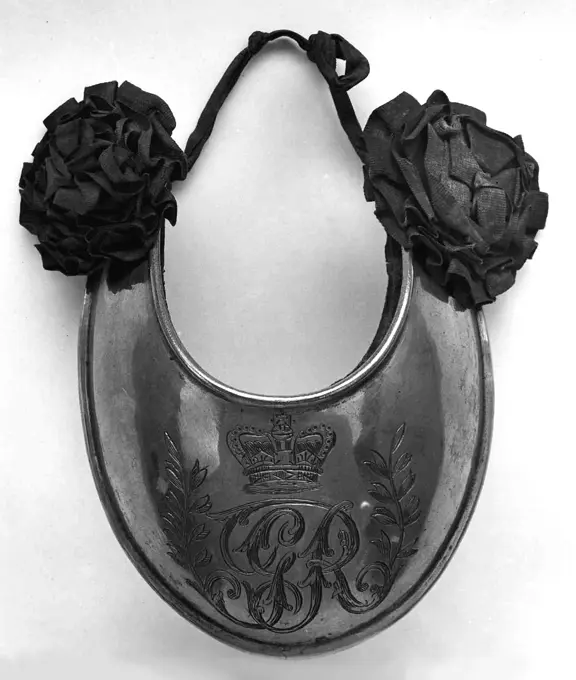
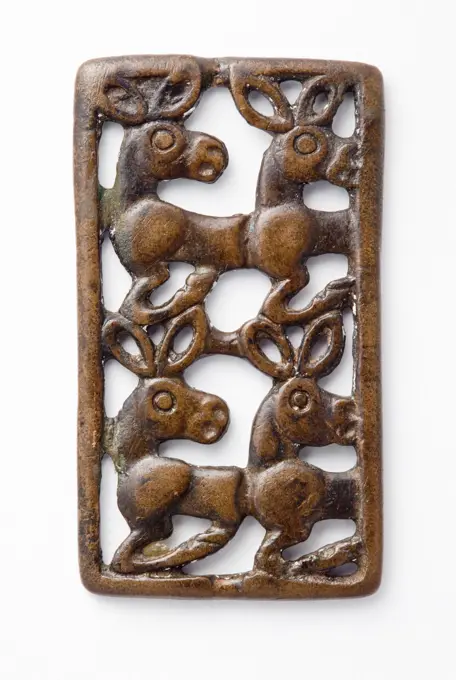
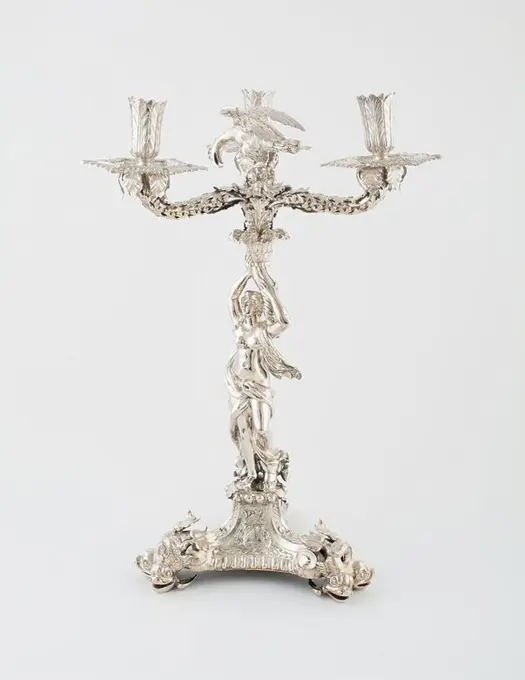
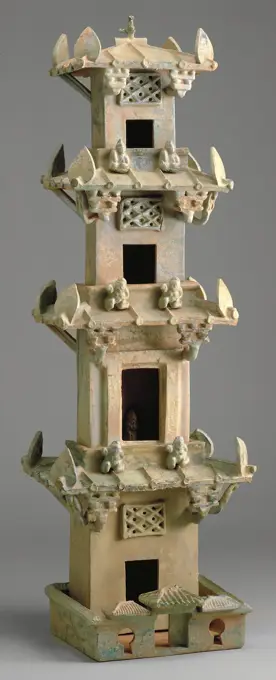
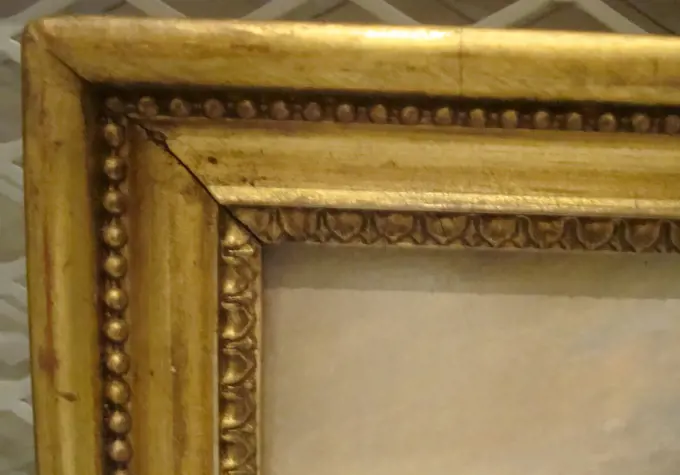
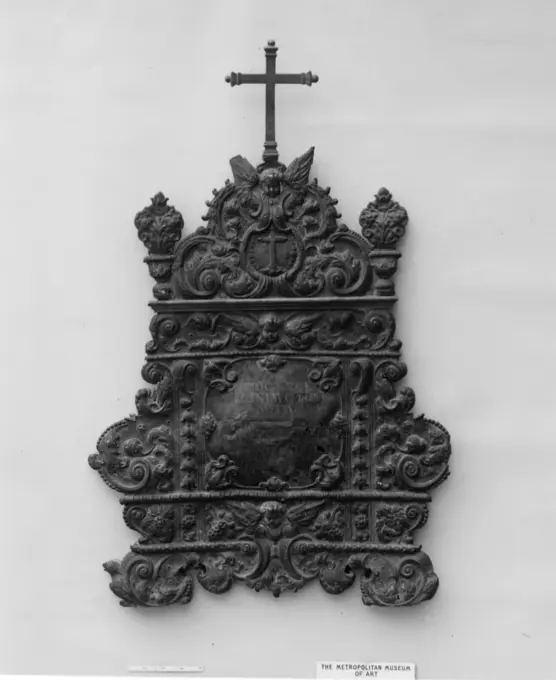
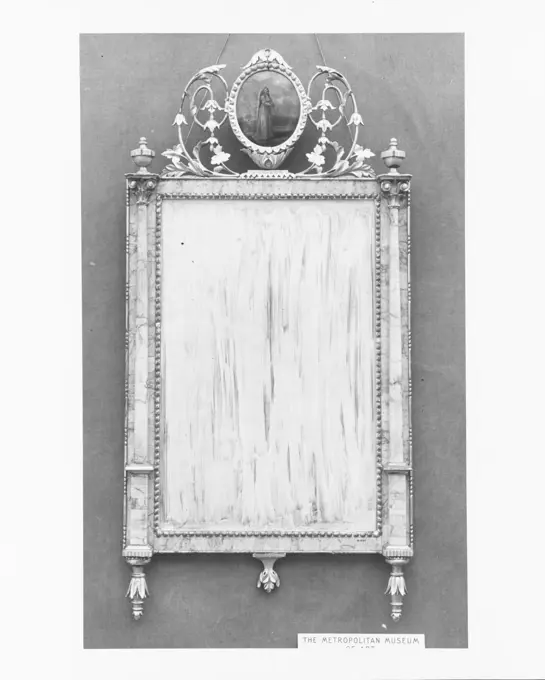
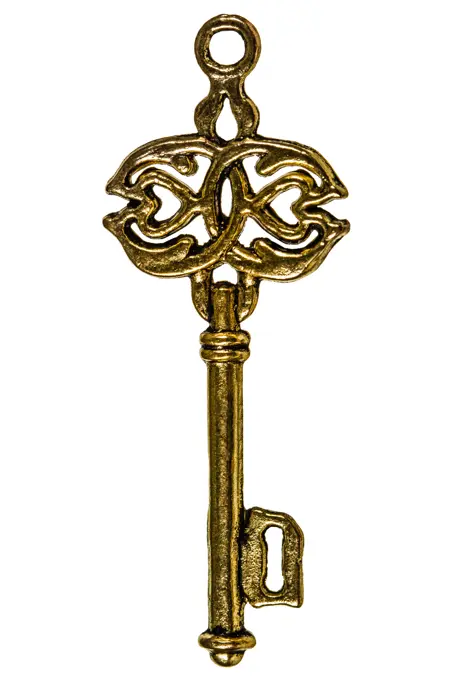
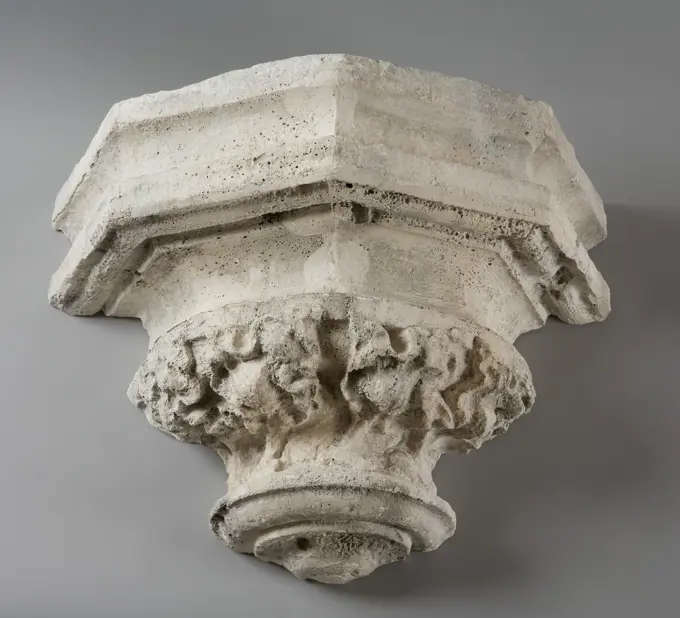
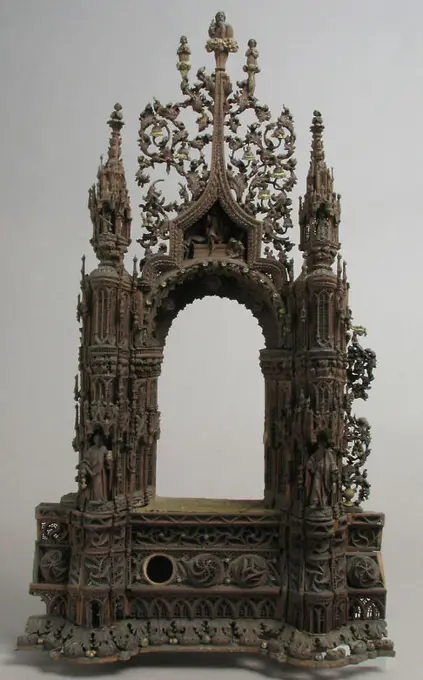
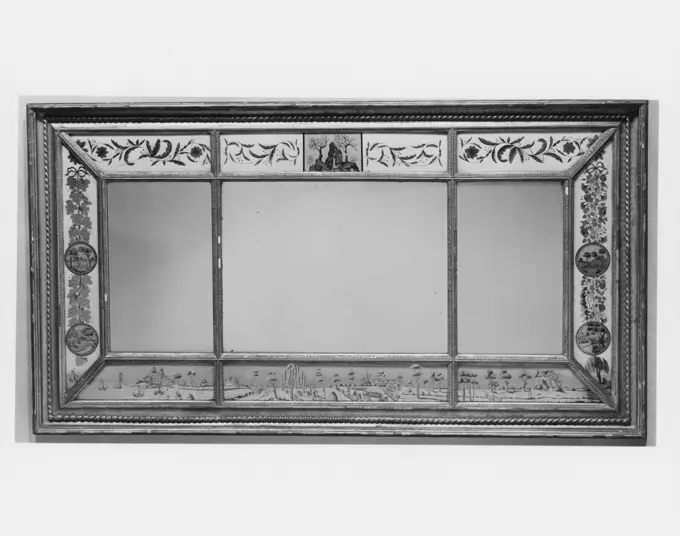
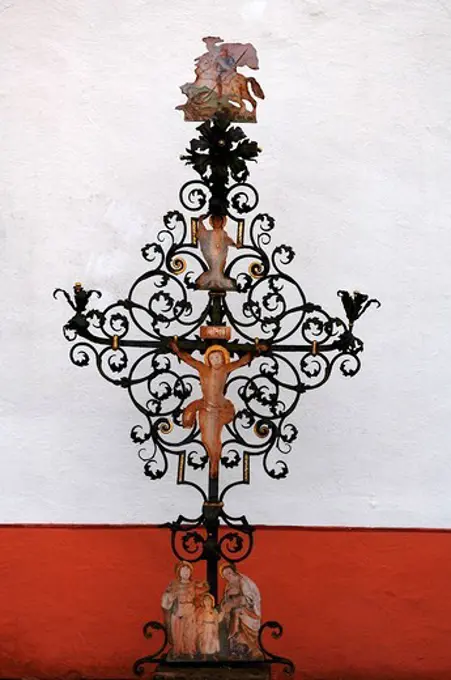
Overmantel Looking Glass 1810-20 American. Overmantel Looking Glass 5483Split-top spoon late 18th century German, Nuremberg. Split-top spoon 188162 German, Nuremberg, Split-top spoon, late 18th century, Silver, 8 1/4 in. (21.0 cm). The Metropolitan Museum of Art, New York. Gift of Mrs. Samuel P. Avery, 1897 (97.2.128)Dish with floral pattern 19th century China. Dish with floral pattern. China. 19th century. Porcelain painted in overglaze polychrome enamels (Bencharong ware for Thai market). Qing dynasty (1644-1911). CeramicsSixteenth or seventeenth-century-style ornamental hinge 16th-17th century style Italian. Sixteenth or seventeenth-century-style ornamental hinge. Italian. 16th-17th century style. Silver gilt and niello. Metalwork-SilverMorocco, Essaouira, Inlaid WoodFurniture panel. unknown, authorTabernacle frame early 16th century Italian, Venice. Tabernacle frame. Italian, Venice. early 16th century. Pine and poplar. FramesOrnato, trovato ad Ostia. Roma (327). Dos fragmentos de frisos clásicos con bajorelieves figurativos, vaso ceremonial, leones alados y decoración floral.Fireback parrot in ring, PAPEGEY, hob plate cast iron, cast Rectangular hob with bow In the middle parrot with branch with berries. Around broad border with twisted pilasters between frame and pearl necklace Under the parrot: Papegey residential environment interior heating Zandstraat Rotterdam City Triangle Originating from house on Zandstraat Rotterdam.MountFrieze 16th century French. Frieze. French. 16th century. Wood in 6 sections plus multiple broken pieces. Woodwork-ArchitecturalKey Cupboard. Culture: American. Dimensions: 15 x 8 1/4 x 5 1/2 in. (38.1 x 21 x 14 cm). Date: ca. 1800. Museum: Metropolitan Museum of Art, New York, USA.Expandable Eikenhout screen in the form of an eagle, anonymous, 1600 Expandable Eikenhout screen in the form of an eagle. Northern Netherlands (possibly) wood (plant material). oak (wood) Expandable Eikenhout screen in the form of an eagle. Northern Netherlands (possibly) wood (plant material). oak (wood)Anefo photo collection. Coat of arms of the HR. Ms. "Karel Doorman". undatedOrnament; linenTen fragments attached to panel., 1700 - 1900   wood (plant material)   wood (plant material)Polycandelon with Crosses. Culture: Byzantine. Dimensions: Ht. with chain 14 in. (35.5cm)Diam. of plate: 10 7/16 (26.5cm). Date: 500-700.Round flat hanging lamps, or polycandela, were lit by oil-filled glass vessels hung from the round holes in their designs. Paul the Silentiary in 563 described the effect of huge hanging lamps that lit the great church of Hagia Sophia in Constantinople: "Thus is everything clothed in beauty...no words are sufficient to describe the illumination in the evening: you might say that some nocturnal sun filled the majestic church with light.". Museum: Metropolitan Museum of Art, New York, USA.Historic illustration, tablet 9, title Hexacoralla, Brain Coral, name Maeandrina, Lephohelia profilera, Oculinidae family, Ernst Haeckel, Kunstformen der Natur, "Art Forms in Nature"Panel 15th century French. Panel 463931 French, Panel, 15th century, Oak, Overall: 76 x 25 3/4 x 2 1/8 in., 41lb. (193 x 65.4 x 5.4 cm, 18.6kg). The Metropolitan Museum of Art, New York. Gift of J. Pierpont Morgan, 1916 (16.32.63)Lock plate made of iron. .Door knockerPendant. Culture: China. Dimensions: H. 2 13/16 in. (7.1 cm); W. 1 13/16 in. (4.6 cm); D. 1/4 in. (0.7 cm). Museum: Metropolitan Museum of Art, New York, USA.Loop. Decor engraved with scrolls and small flowers.Pair of sconces. Culture: British. Dimensions: Overall (each): 32 × 17 in. (81.3 × 43.2 cm). Date: ca. 1785. Museum: Metropolitan Museum of Art, New York, USA.Baluster 17th-18th century China. Baluster. China. 17th-18th century. Marble. SculptureThe Barber Surgeons' Guild of Newcastle: surgical instruments in a display case bearing the Guild's coat of arms. Photograph, ca. 1900.CUELLO DE JARRON ARABE. Location: ALHAMBRA-MUSEO-CERAMICA, GRANADA, SPAIN.Pair of andirons ca. 1785 French. Pair of andirons 205479Three-Footed Stand (Kongōban) for Buddhist Ritual Implements 13th century Japan For Esoteric Buddhist ritual prayer and incantations, a set of vajra pestles (kongōsho) and a bell (kongōrei) would be placed upon this bronze stand. The curved, leg-like supports are called cat feet” in Japanese. The oldest known kongōban tray in Japan is believed to be the one preserved at Tōji Temple in Kyoto, which was brought back from China in the ninth century by the monk Kūkai, founder of the Shingon Buddhist sect in Japan.. Three-Footed Stand (Kongōban) for Buddhist Ritual Implements. Japan. 13th century. Gilt bronze. Kamakura period (1185-1333). Metalworkold london door in england and wood ancien abstract hinged Mercury Barometer. Dated: c. 1940. Dimensions: overall: 40.8 x 30.5 cm (16 1/16 x 12 in.). Medium: watercolor, graphite, and pen and ink on paper. Museum: National Gallery of Art, Washington DC. Author: Ray Price.Mirror. unknown, creatorBell Harp mid-18th century John Simcock. Bell Harp 505465Van 'Van' tobacco with violet ', c. 1740 - C. 1780  Crowned coat of arms with French lilies in a rococo list.  copper (metal) etching. Iron coffin with curved lid and supporting four legs. With double lock and handle. The keys are missing.Heng Girdle-Pendant Headpiece, 480-221 BCE, 2 1/2 x 5 x 3/16 in. (6.35 x 12.7 x 0.48 cm), Mottled grey jade, China, 5th-3rd century BCEBasement with lion, basement ornament building component sandstone stone, sculpted Rectangular base with lion in the middle.Ancient wrought-iron cross at the Buergeln Castle, built around 1762, Schliengen, Baden-Wuerttemberg, Germany, EuropeBadge issues for the construction and maintenance of war cemeteries on November 2, 1917 unknownModel of the organ in the Lutheran Church at the Stroomarkt in Amsterdam, before the fire in 1823, anonymous, c. 1710 Model of the organ in the Lutheran Church on the Stroompartkt in Amsterdam, from before the fire of 1823. Four collection boxes were found in the organ, which are the same inv.no. have received, as well as a rectangular wooden container with drawer. Northern Netherlands wood (plant material). oak (wood). linden. lead (metal). paint (coating) Model of the organ in the Lutheran Church on the Stroompartkt in Amsterdam, from before the fire of 1823. Four collection boxes were found in the organ, which are the same inv.no. have received, as well as a rectangular wooden container with drawer. Northern Netherlands wood (plant material). oak (wood). linden. lead (metal). paint (coating)Vase 19th century China. Vase. China. 19th century. Carnelian. Hardstonestove plate with creation of Eva and birth Christ, Philipp Soldan, c. 1525 - c. 1575 Stove plate made of cast iron, divided into two zones. Two medallions in the upper zone, separated from each other by a decorated pillar. The left medallion shows the creation of Eva with centrally the display of God, crowned and with a long cloak. Eva is on the ground to the right. The background is decorated with trees and animals, including deer and birds. The four corners are placed in the swallings around the medallion. The judge medallion shows the birth of Christ with central Mary, dressed in a long cloak. To the right of that Christ is in a crib with an angel next to it. In the background a building with Joseph on the right and a few more figures in a doorway. The lower half shows David on a pedestal on a pedestal with a harp and head of Goliath in his hands. Immediately to the left a medallion with a female bust surrounded by several putti. The far left is an opening, in which the door in fronDetail of hand-tooled leather western purse, sterling silver tip and keeper with buck-stitching trimvintage iron frame vintage iron frame on the wall Copyright: xZoonar.com/OxanaxRishnyakx 4359773Officer's Gorget late 18th century British This gorget is engraved with the crowned royal cipher GR for Georgius Rex (King George), flanked by two olive branches.. Officer's Gorget 22632Plaque (Four Donkeys). Western Inner Mongolia or Northern China, 5th-4th century B.C.. Sculpture; plaques. Bronzewooden sign isolatePair of ornaments early 19th century French. Pair of ornaments. French. early 19th century. Elm, carved and gilded. WoodworkTripod Candelabrum. Probably London, England. Date: 1675-1685. Dimensions: H. 45.7 cm (18 in.). Silver. Origin: London. Museum: The Chicago Art Institute, Chicago, USA.Metal objects made in Cyprus.. Cyprus was well known for metal objects, organic products such as oils, clay and glass vessels. The lives of the island's ancient inhabitants are known almost entirely through the objects they produce.Residential building Zum goldenen Helm, cantilevered oak staircase, railings with picture cartouches. Depictions of putti at the clothmaker's: The transportPendant;  1st half XIXW. (1801-00-00-1850-00-00);Han Temple, 1st century BCE - 1st century CE, 12 3/4 x 11 3/4 x 10 1/4 in. (32.4 x 29.8 x 26 cm) (top with finial), Earthenware, China, 1st century BCE - 1st century CEBritish, Neoclassical frame, Unknown framemaker, 1st quarter of 19th century, Wood and compo, original oil and water gildingLooking Glass. Dimensions: 41 x 21 in. (104.1 x 53.3 cm). Date: 1780-1800. Museum: Metropolitan Museum of Art, New York, USA.Detail of a decorative table with vaseAtemberaubendes Gold-Barock-Ornament: Exquisites Vintage-Design für luxuriöse Dekoration Atemberaubendes Gold-Barock-Ornament: Exquisites Vintage-Design für luxuriöse Dekoration Copyright: xZoonar.com/GallóxGusztávx 22873232Set of four corner ornaments 18th century French. Set of four corner ornaments. French. 18th century. Gilt bronze. Metalwork-Gilt BronzePlaque (Sacring tablet) 18th century Portuguese. Plaque (Sacring tablet). Portuguese. 18th century. Silver on wood backing. Metalwork-SilverTabernacle frame. Culture: Italian, Venice. Dimensions: Overall: 29 1/2 x 23 1/2. Date: early 16th century. Museum: Metropolitan Museum of Art, New York, USA.lanzarote  spain canarias brass brown knocker in a   closed wood  church door and white wall abstract 
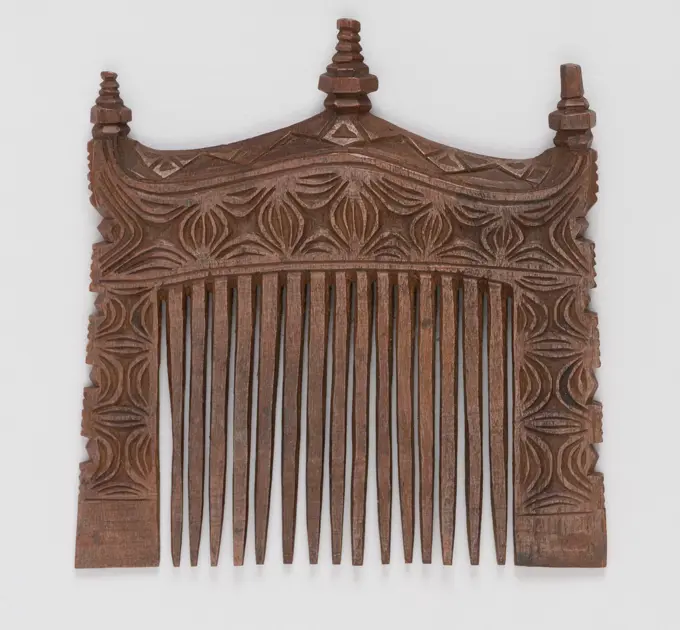
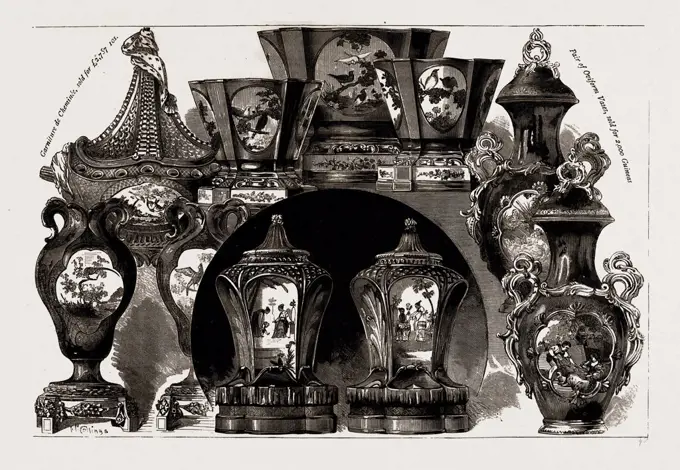
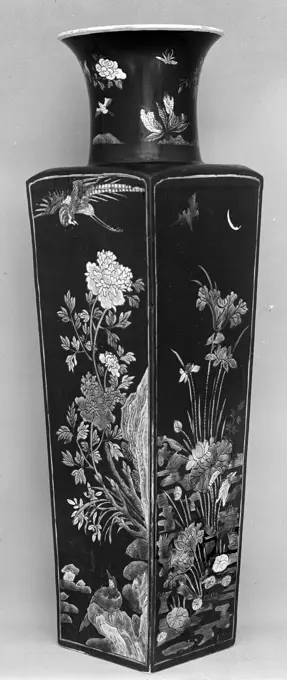
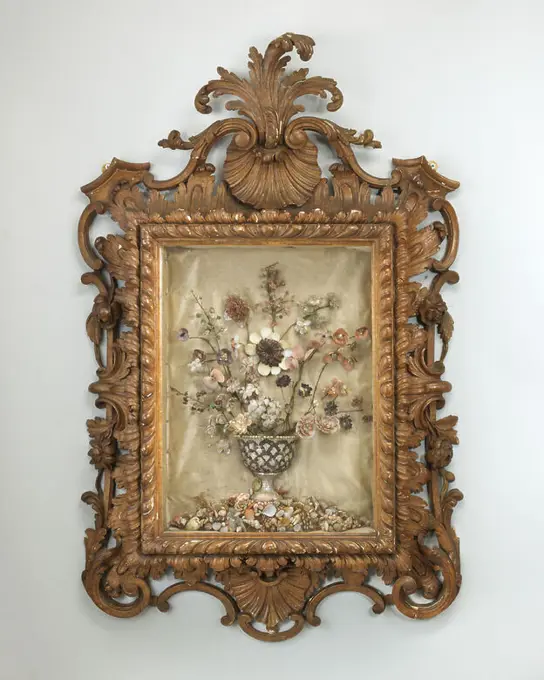
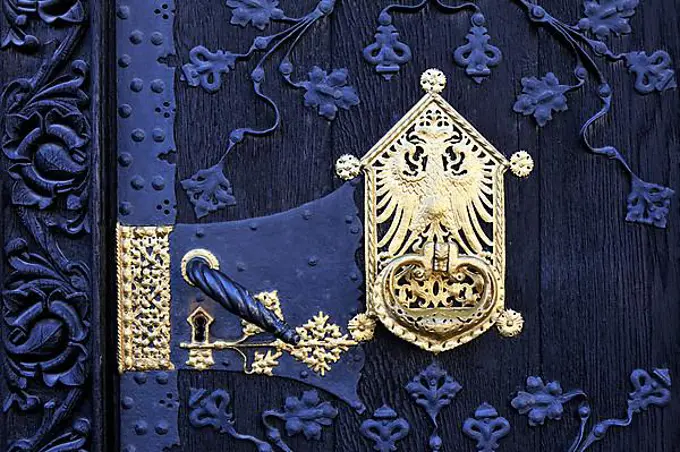
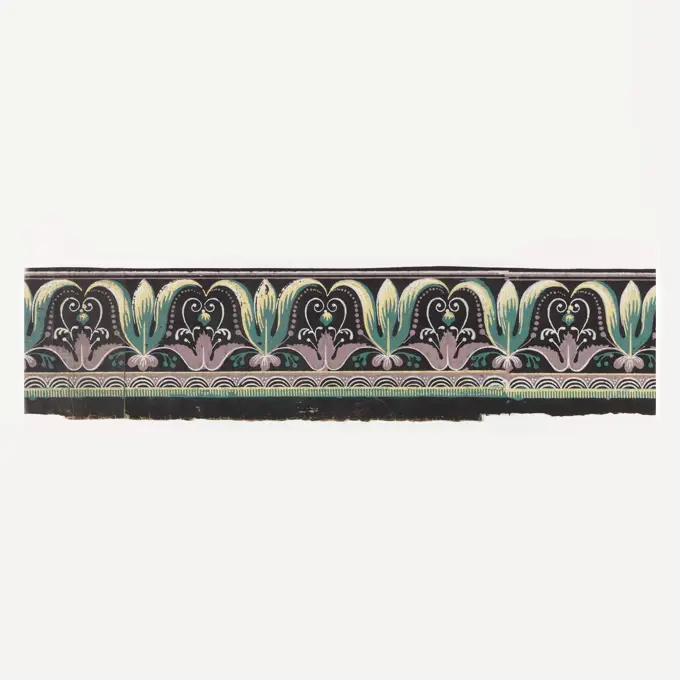
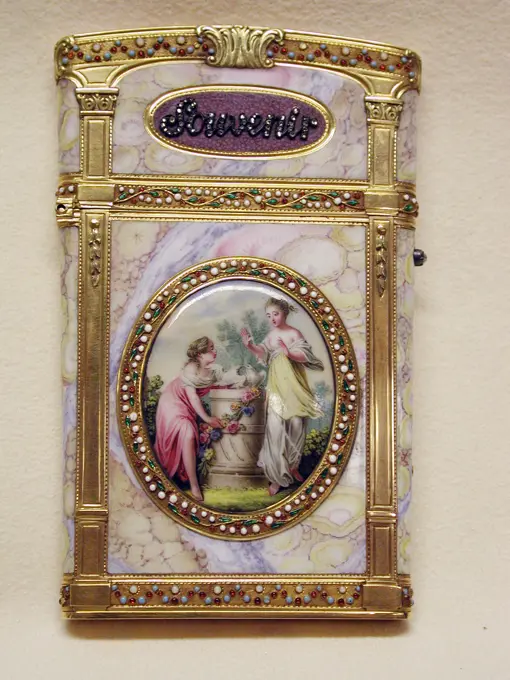
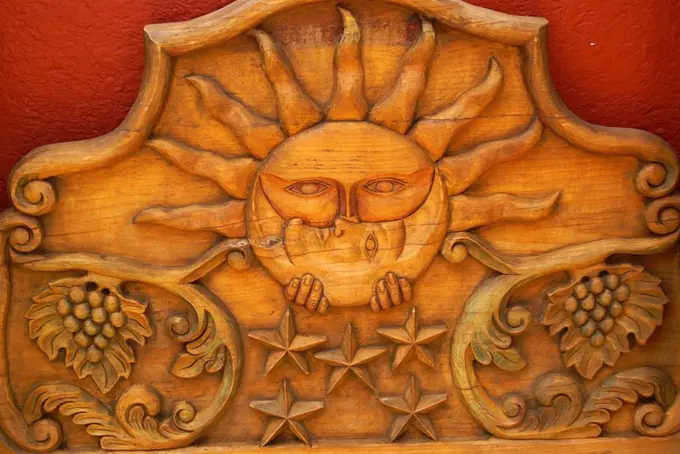
Looking Glass 1780-1800. Looking Glass 4851Panel or cupboard door with cut heads and profil in medallions., Anonymous, 1500 - 1600 Oak panel or cupboard door with iron batter, decorated with two carved medallions with heads in profile. See also: BK-NM-10914-A. Northern Netherlands (possibly)Netherlands (possibly) wood (plant material). oak (wood). iron (metal) Oak panel or cupboard door with iron batter, decorated with two carved medallions with heads in profile. See also: BK-NM-10914-A. Northern Netherlands (possibly)Netherlands (possibly) wood (plant material). oak (wood). iron (metal)Molding from BattellChapel. Architect: Russell Sturgis, Jr., American, 1836-1909BOTIJO DE FILIGRANA VIDRIADO Y DECORADO EN BLANCO HACIENDO EL TIPICO BORDADO. Location: ALFARERIA. SPAIN.CombSALE OF OLD PORCELAIN BELONGING TO THE LATE EARL OF DUDLEY, 1886: A Pair of Vases, A Set of Three Eventail JardinieresTable screen China. Table screen. China. Nephrite. Ming dynasty (1368-1644). JadeClose up of rustic old door in Spoleto, Italy.PictureFramevintage iron frame vintage iron frame on the wall Copyright: xZoonar.com/OxanaxRishnyakx 4431497Large Cinerarium; Roman Empire; 10 - 25; Marble; 41.5 × 66.5 × 44 cm, 127.0072 kg (16 5,16 × 26 3,16 × 17 5,16 in., 280.0001 lb.);Square vase with birds and flowers 19th century China. Square vase with birds and flowers. China. 19th century. Porcelain painted in polychrome enamels over black ground (Jingdezhen ware, famille noire). Qing dynasty (1644-1911). Ceramicsred wood ornament on concrete made in 3dPair of framed shellworks. Culture: British. Dimensions: Each: 32 × 20 in. (81.3 × 50.8 cm). Date: ca. 1760. Museum: Metropolitan Museum of Art, New York, USA.Golden door knocker and door handle, historic city hall, Frankfurt am Main, Hesse, Germany, EuropeWall pocket, c. 1730, 2 7/8 x 8 1/8 x 6 7/16 in. (7.3 x 20.64 x 16.35 cm), Tin glazed ceramic, England, 18th centurySilver-gilt horse trappings. Found in Rome, at the foot of the Esquiline Hill. Dated late AD 300s.British, Empire frame, Unknown framemaker, 1st half of 19th century, Wood and compo, sucessive later oil gildings over original gildingBorder (France); block-printed on handmade paper; a) Overall: 86.5 x 14.5 cm (34 1/16 x 5 11/16 in.) b) Overall: 88 x 12.5 cm (34 5/8 x 4 15/16 in.)Collar stone with year 1995; Set up South Wing. .arrows shields and spears king s symbol, sarvatbhadra building, city palace, rajasthan, india Copyright: xNitinxKelvalkar/DinodiaxPhotoxTwo knife handles, Michiel le Blon, 1597 - c. 1626Metal on black curtain Metal on black silk curtain Copyright: xZoonar.com/OxanaxRishnyakx 4384589Roll Back The Centuries - The history of a country is written in many hands - in the ambitious seals of political treaties, in the agony of war, in the songs of its poets - and no less in the halls of its museums. British museums in particulars are rich in memories of the pact. Here under prim glass cases, or ranged against sober walls are a thousand keys to unlock the halls of history. You hold in your hand a piece of bronze - a trifle like a pin, rushlight that has lit dim corridors through the ages - and a thousand years roll back in a flash. Living men and women once handled these homely objects - lived by them in their homes - used the quaint sand box to dry ink of their love letters, set the cumberance mousetraps in Tudor halls or garrets. May 29, 1946. (Photo by Mirror Features).Papua New Guinea, Milne Bay Province, Kuiawa Island, aka Kuyau. Traditional hand carved wooden bowl with shell inlay.Key, decorative element, isolated on white background Key, decorative element, isolated on white background Copyright: xZoonar.com/OleksandrxKostiuchenkox 9749947A bracket from the figure of St. Stanisława (doublet from the MNK I G 13) western facade, Wawel Cathedral, Krakowline in morocco africa old tile and colorated floor ceramic abstractSouvenir 1780-81 Probably by Barthélemy Pillieux In eighteenth-century Europe, Paris led the production of high-quality luxury goods. Parisian goldsmiths made a wide range of small, personal articles such as snuffboxes; étuis to hold sealing wax, tweezers, or utensils for sewing; souvenirs, which contained thin ivory tablets for note taking; and shuttles for knotting lace. Gold snuffboxes and boxes decorated with portrait miniatures were prized and frequently given as royal gifts, often to ambassadors or members of the court in lieu of cash payments for their services. Coveted and admired, these boxes were produced from a variety of materials. The best were skillfully made of gold and embellished with diamonds, enameled decoration, lacquer, and other luxurious materials. By the middle of the century, the taking of snuff had become an entrenched social ritual, and the snuffbox, too, had become an important social prop. Snuffboxes were considered highly fashionable accessories, with someShrine. Culture: Italian. Dimensions: Overall: 19 3/4 x 11 5/8 x 4 1/8 in. (50.1 x 29.5 x 10.4 cm). Date: 15th century. Museum: Metropolitan Museum of Art, New York, USA.A decorated column in the Mangkunegaran Palace, which is still a royal residence and was built in 1757 in the center of Solo, a city on Java, Indonesia.spider in wood - 3d madeVintage keyholes collection isolated on white backgroundExample of Ottoman art patterns applied on metalsgold face  abstract  house door    in italy   lombardy   column  the milano old         closed nail rustyFamily Radio  John Newcomb, Ink drawing, 1976New Deal needlework designed and executed by Eleanor B. Roosevelt. Date 19400101Talla de madera. Mercado deTzintzuntzan. Estado de Micchoacán.Mexico.Pen Box 19th century. Pen Box 445236