Artistic Decorative Elements

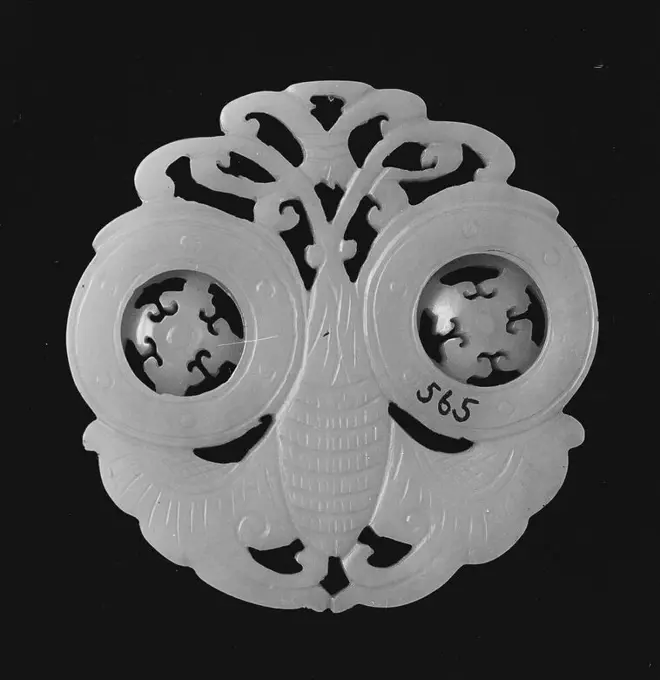
Elegant decorative items including jade sheaths and metal mounts, showcasing intricate designs and craftsmanship from various cultures.

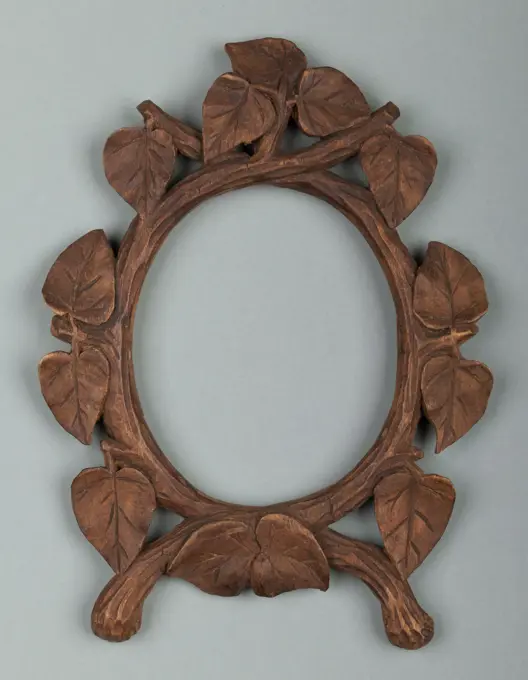
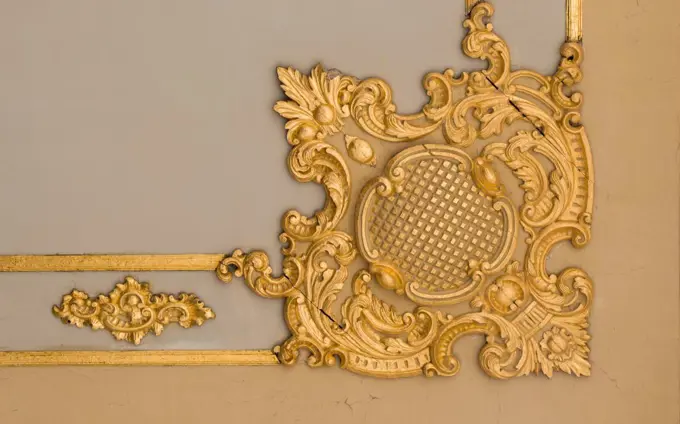
Top light with cut monogram amidst vines with leaves, in new frame, cutting window surface light wood carving sculpture visual material wood paint, d 5.0
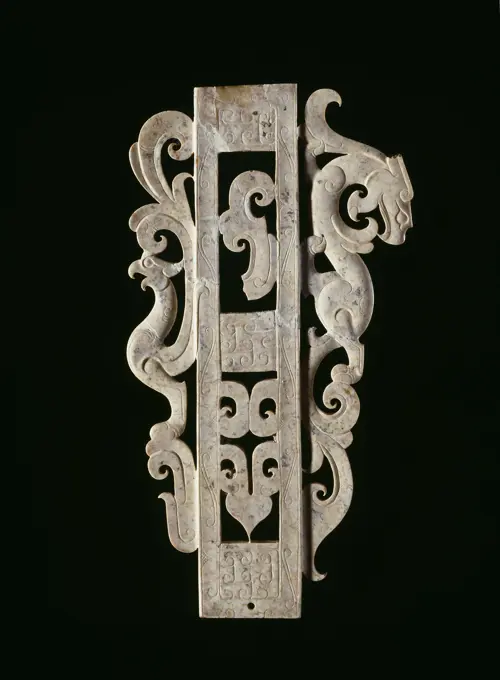
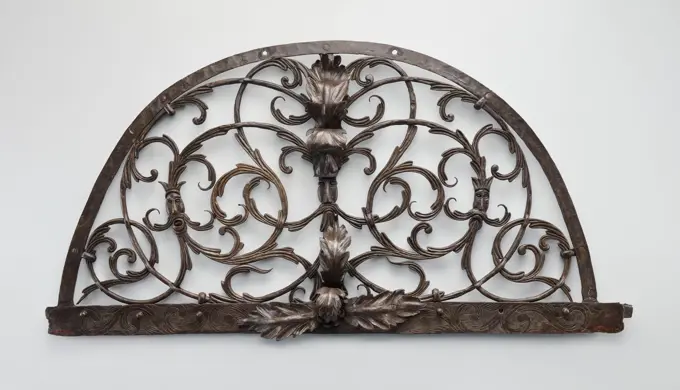
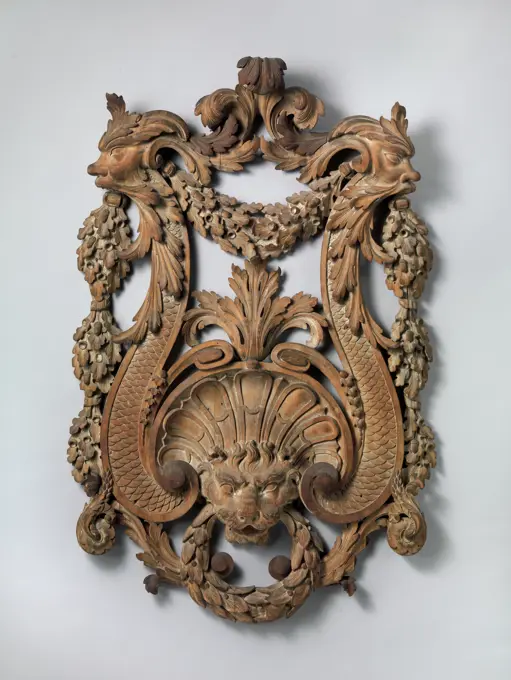
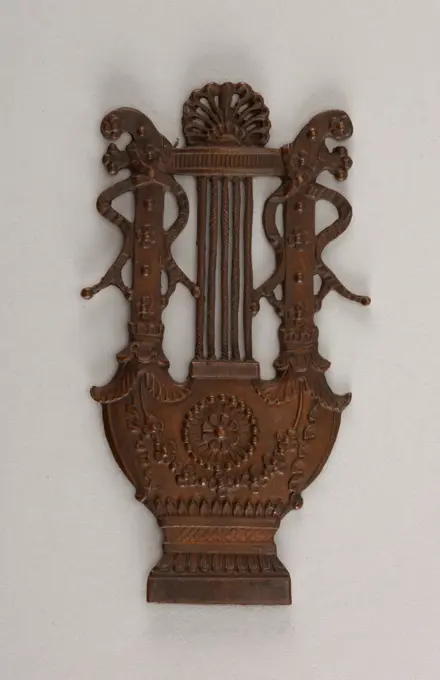
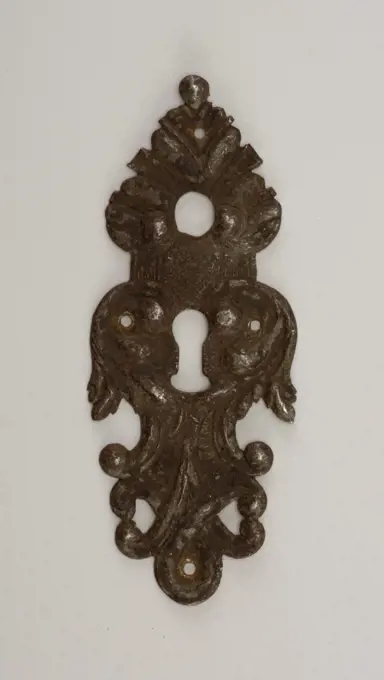
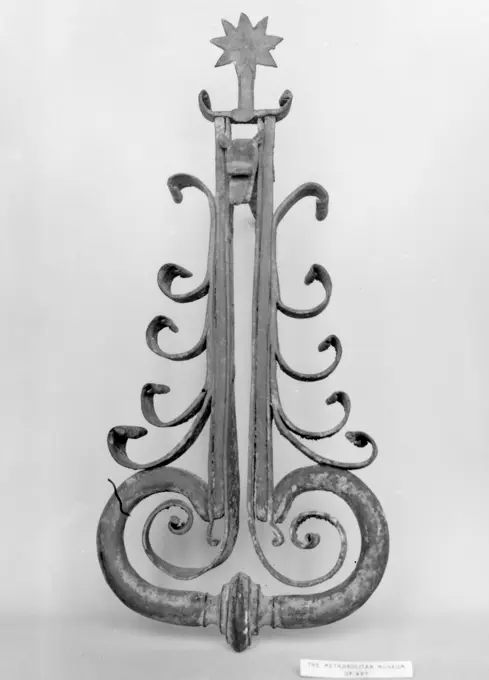
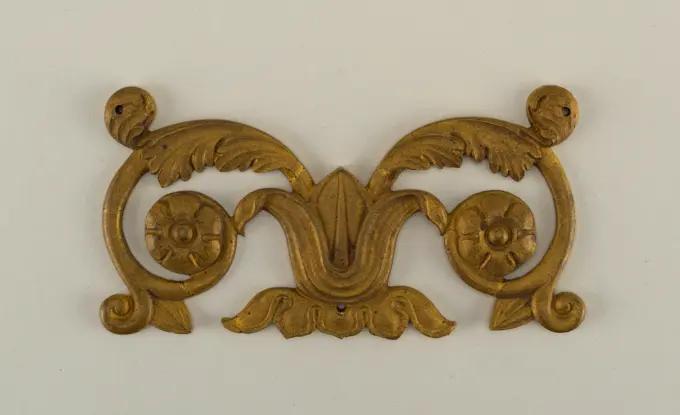
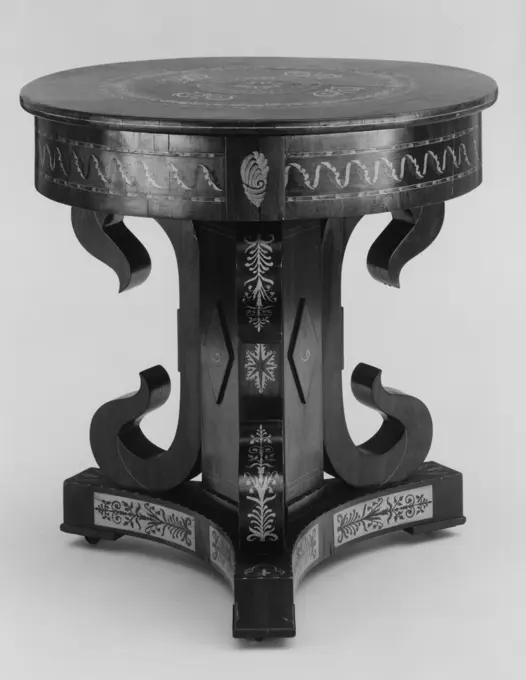
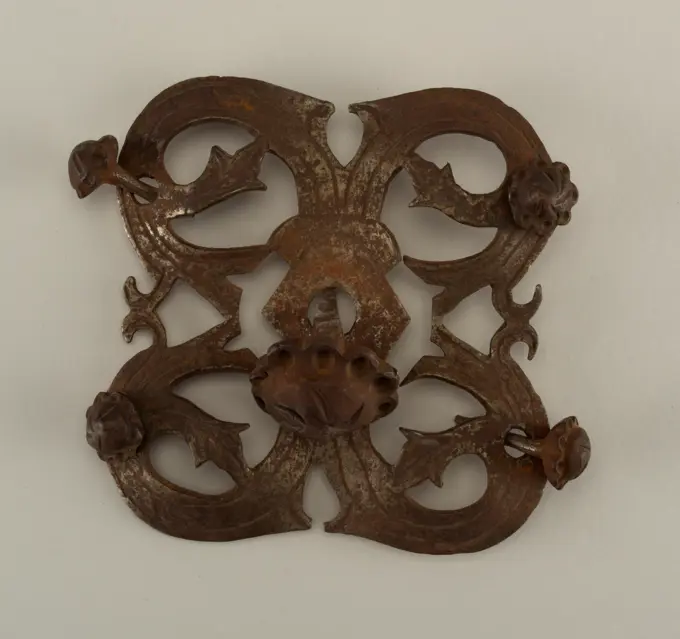
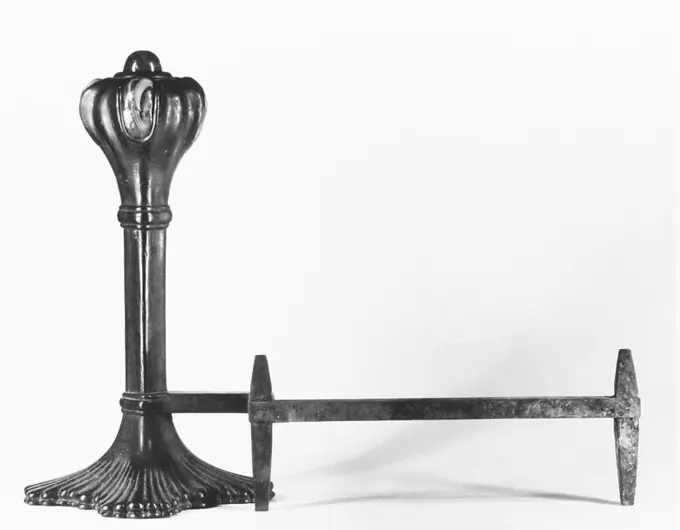
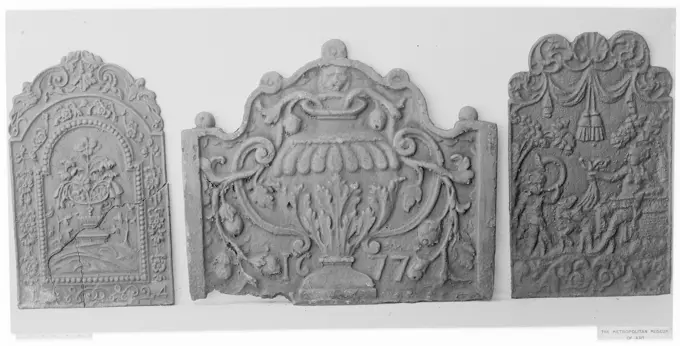
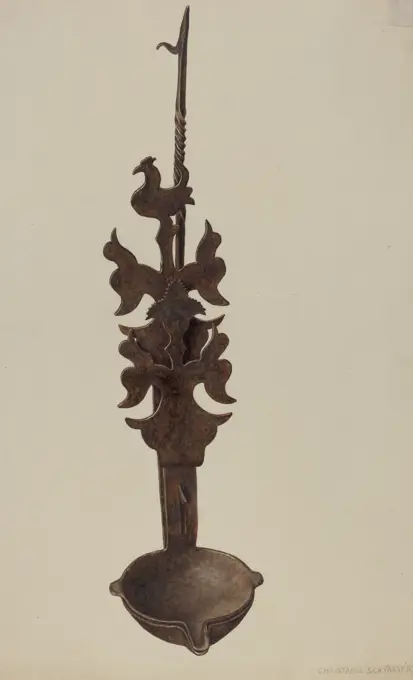
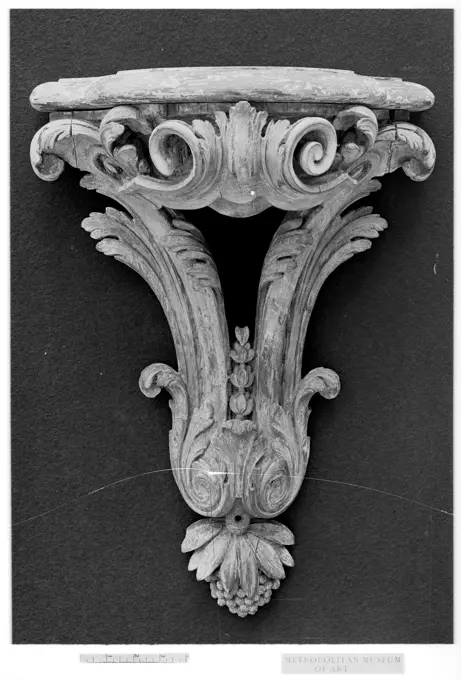
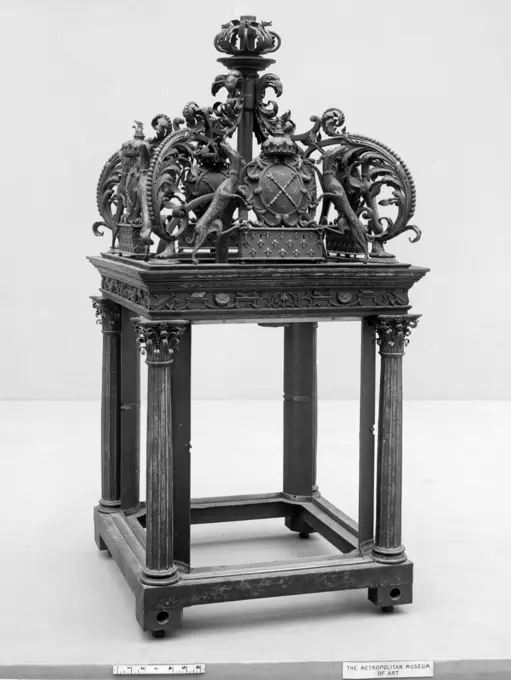
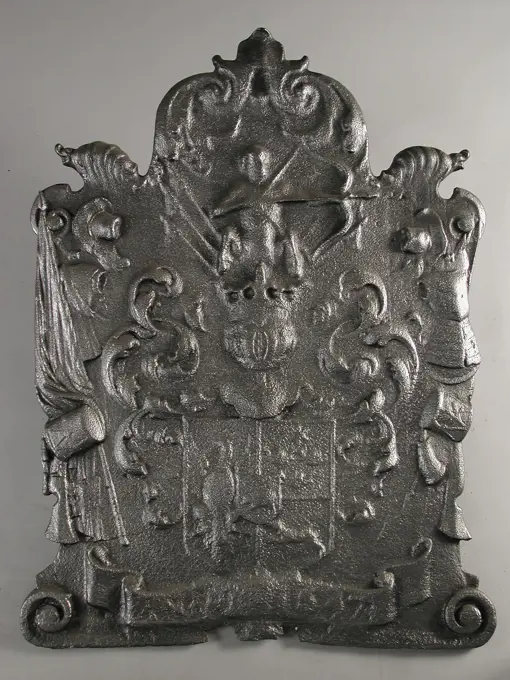
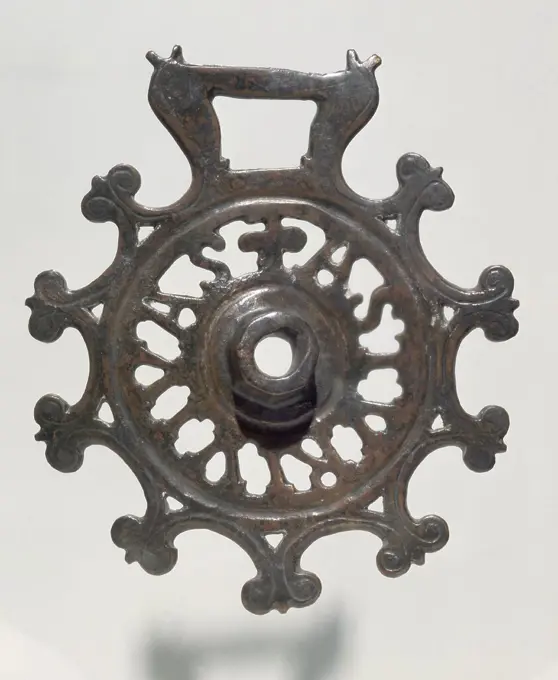
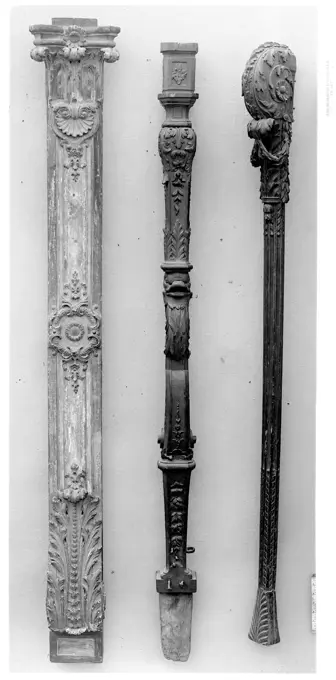
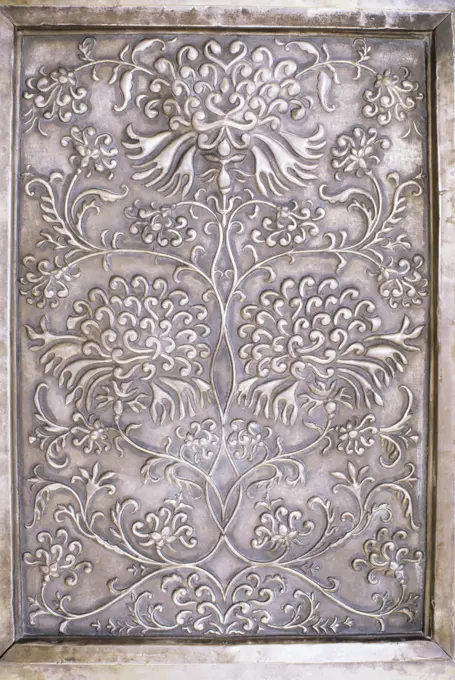
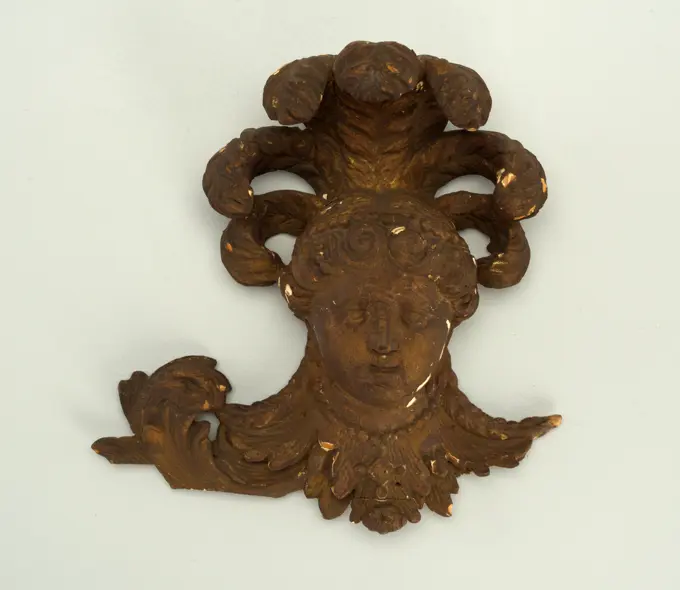
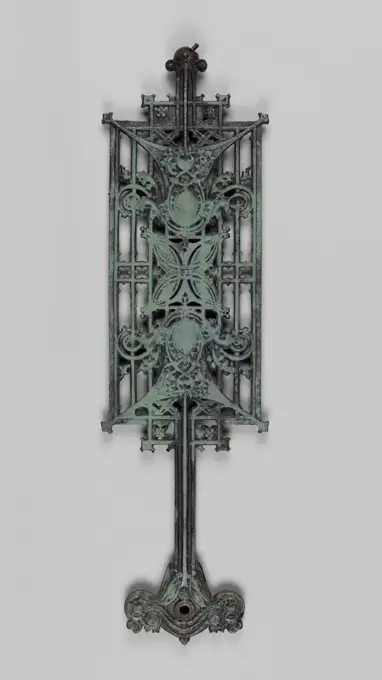
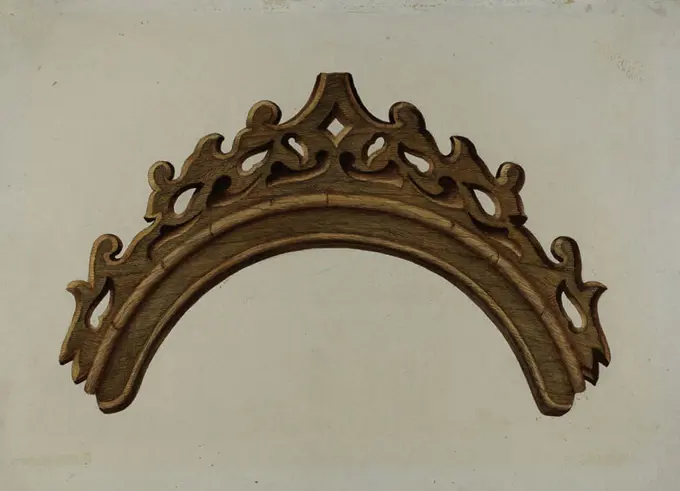
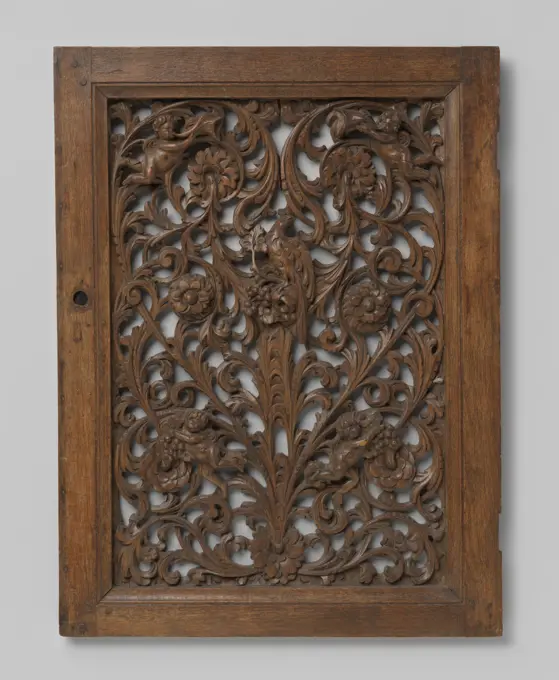
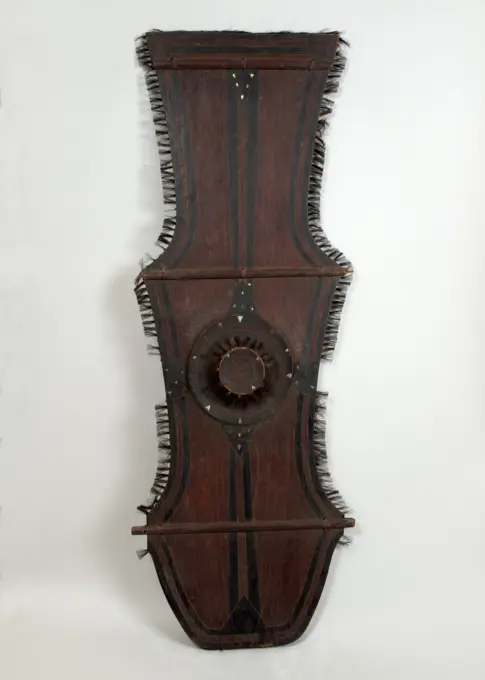
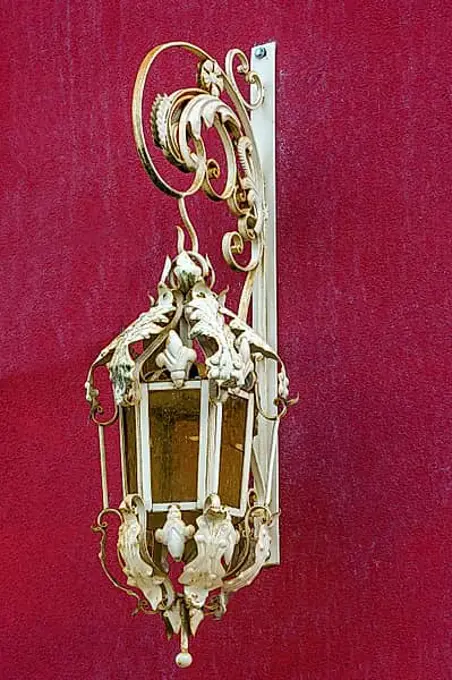
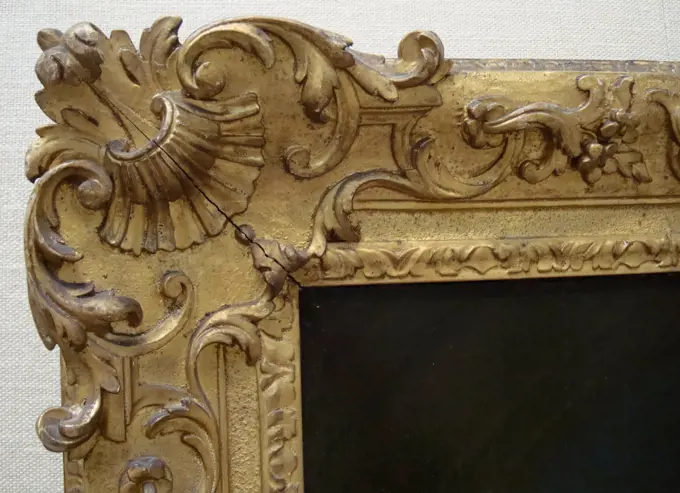
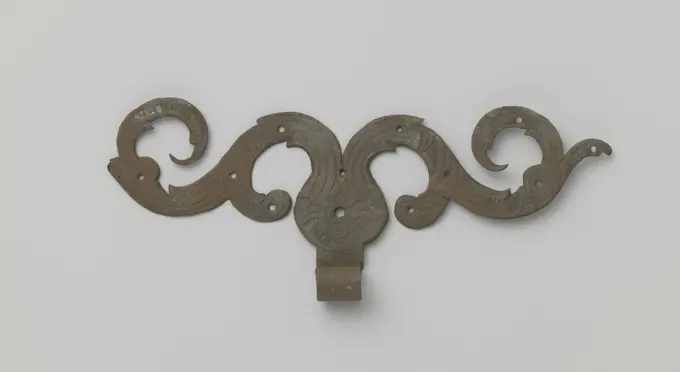
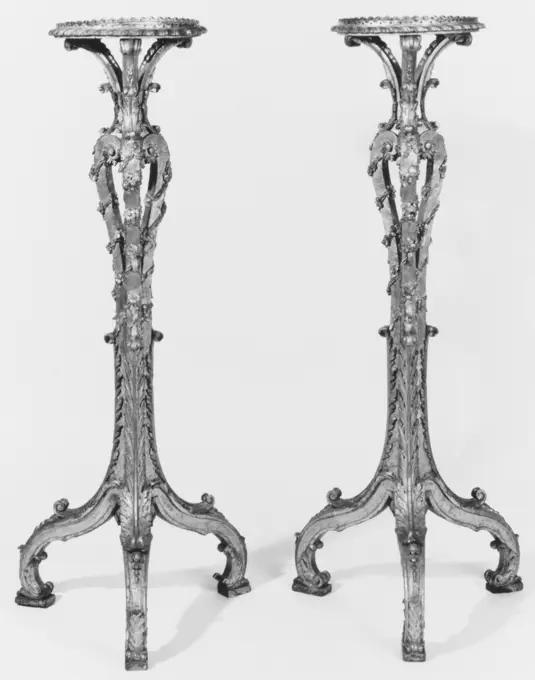
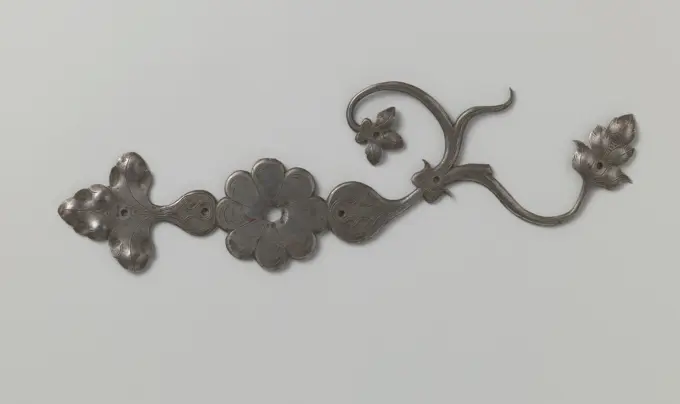
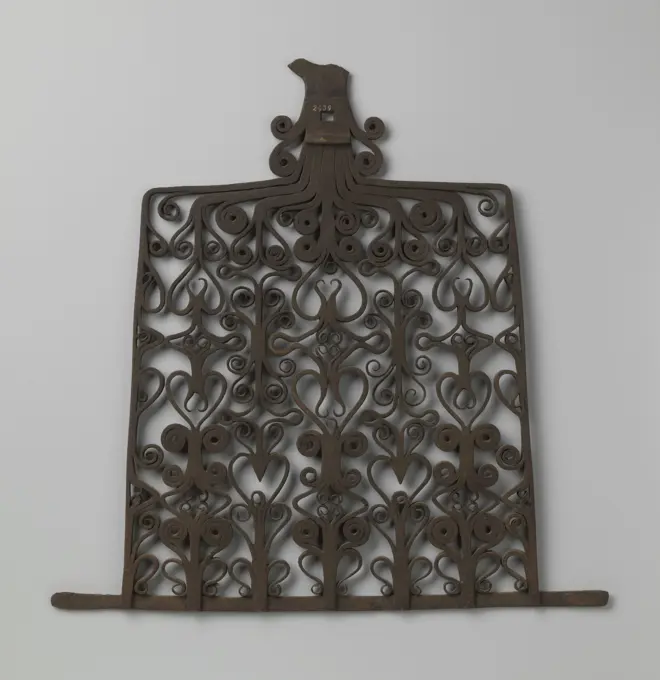
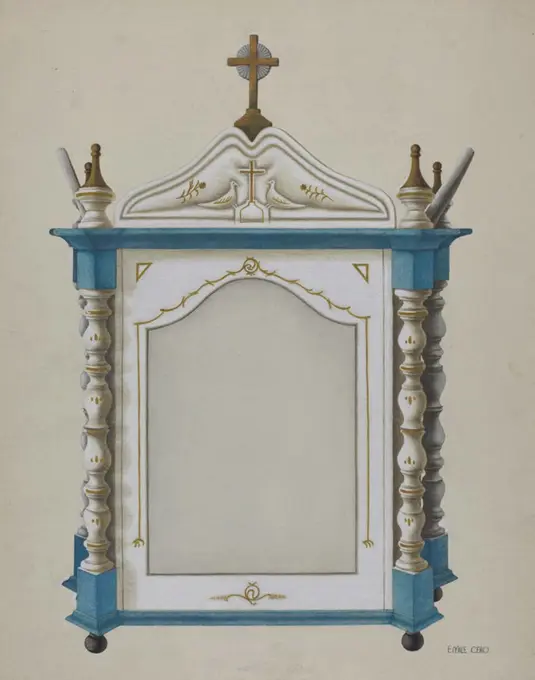
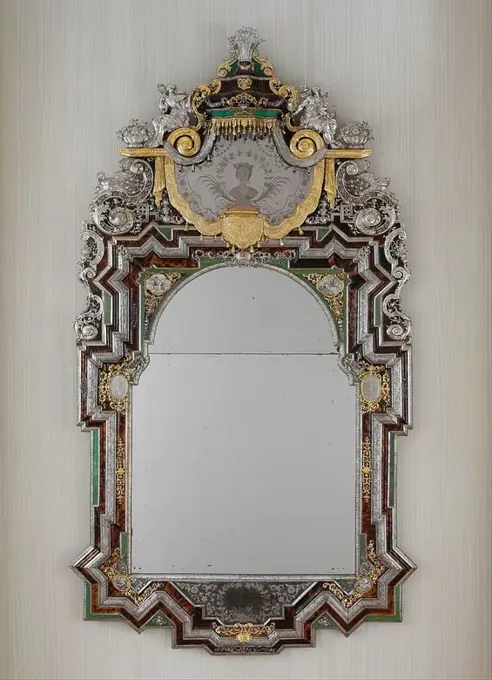
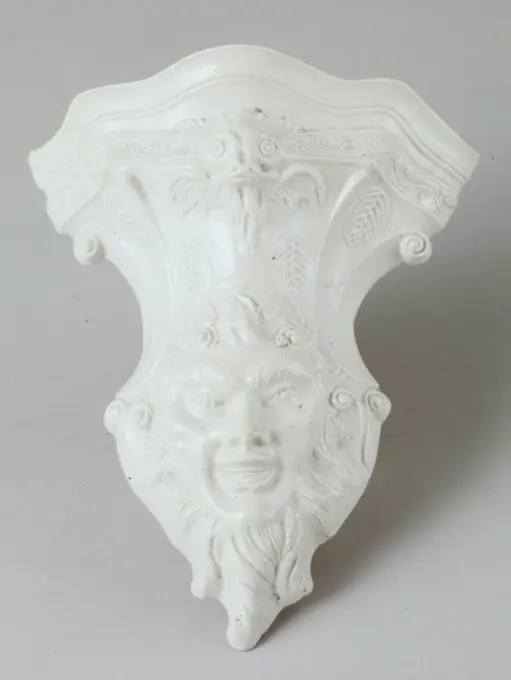
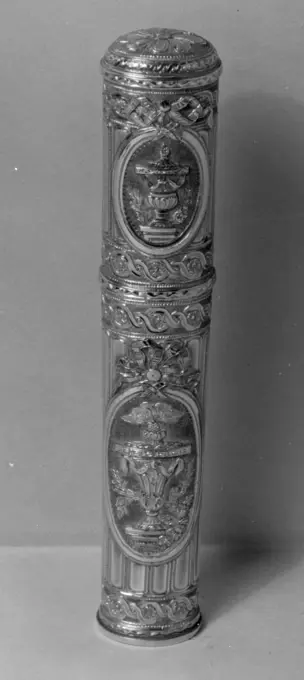
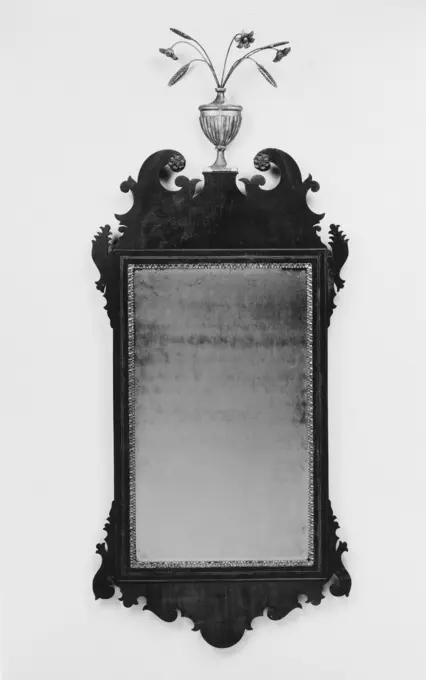
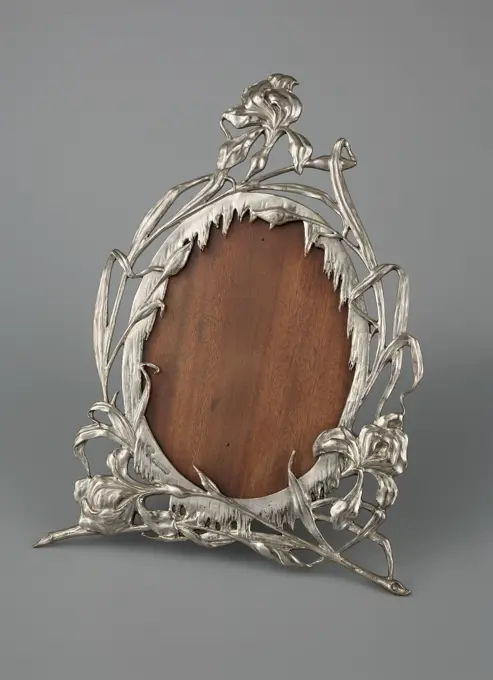
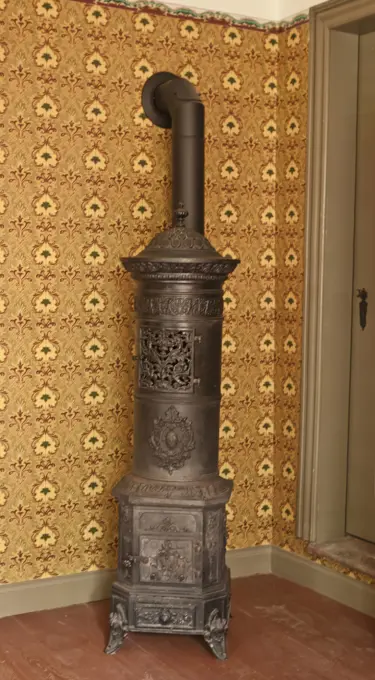
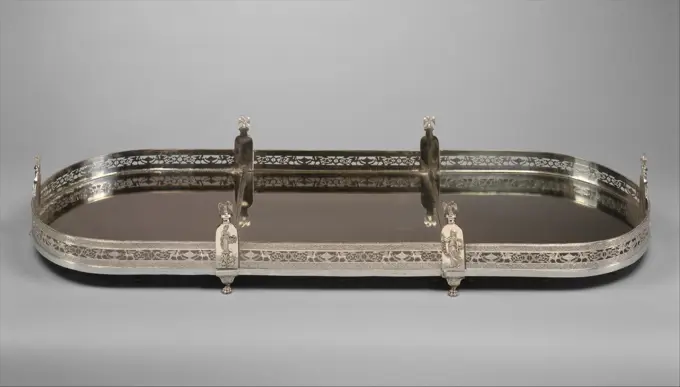
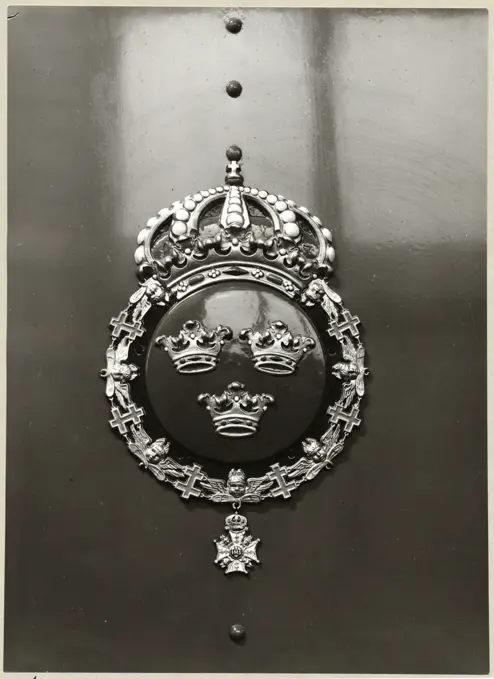
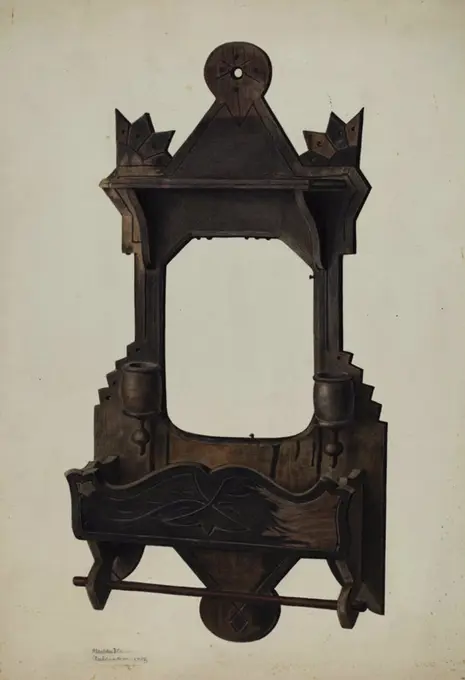
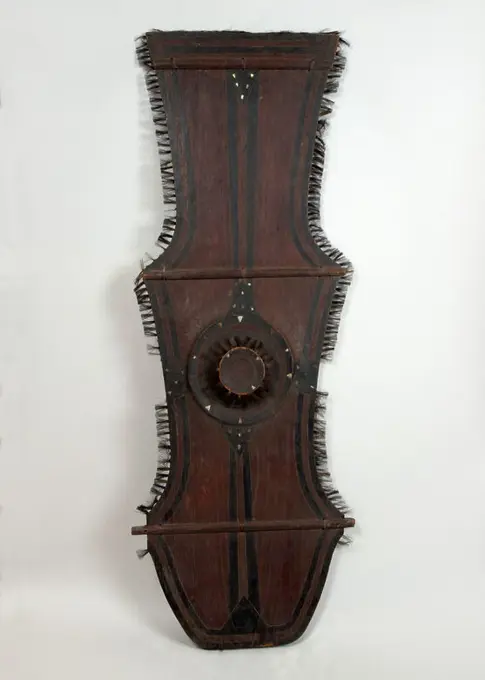
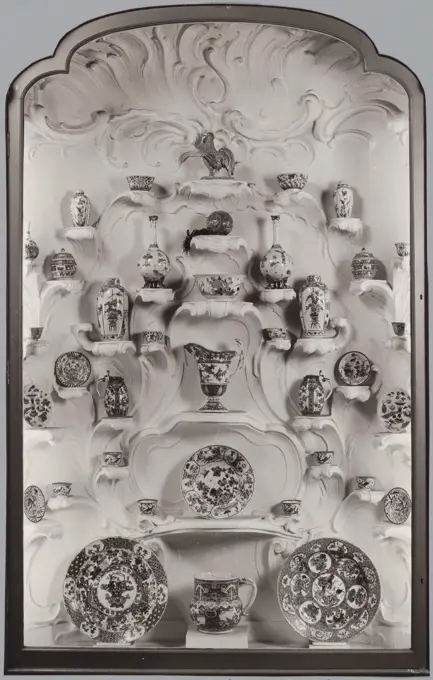
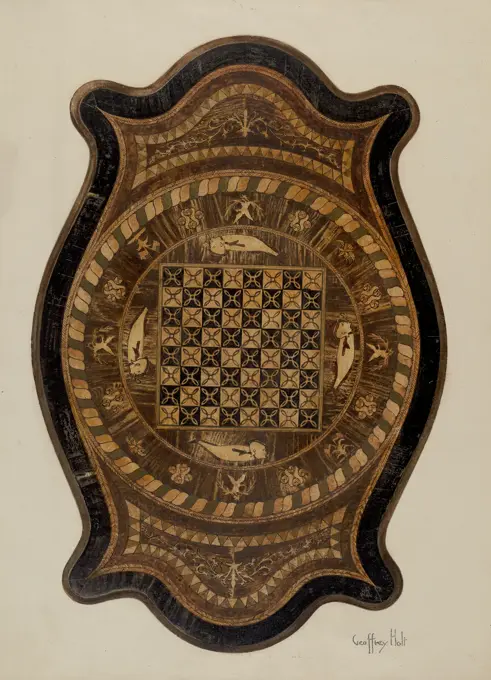
Door Ornaments. Culture: European. Dimensions: L. 14- 1/2, W. 5- 3/4 in.. Date: 13th-14th century. Museum: Metropolitan Museum of Art, New York, USA.Sheath with Bird and Feline or Dragon 300 BCE-100 BCE China. Artists of Chinaís late Bronze Age achieved both technical mastery and visual sophistication in elegant objects like this jade sheath, designed to fit a small blade. Its fluid contours and subtle surface modeling are remarkable because they were achieved by slowly grinding down, drilling, and polishing the stone.. Jade .MountTop light with cut monogram amidst vines with leaves, in new frame, cutting window surface light wood carving sculpture visual material wood paint, d 5.0Grille - above the door;  2 after. XVII W (1650-00-00-1700-00-00);Door batter with double cut. Door batter with double cut of iron. The plate is a closed square in the middle and has opened decorations on the top and bottom. The bottom has two semicircle forms with a reverse French lily. The top has two c-volutes on their side and is crowned with a French lily with a small French lily above it. The double cut is applied to the square center plate.Uithang arm, gave. Mannheimer. ,, 1700 - 1725 An iron sign consisting of a vertical and a horizontal four -sided rod perpendicularly placed on it, the ends of which are provided with profiled buttons. At the end of the horizontal rod a profiled bronze candle holder (). The uneven corner spaces that are otdoed are filled in a reduced bent s and c-volutes from which leaves, fruits and a palm with sprouts. Coming from the collection of Dr. F. Mannheimer. Italy iron (metal). bronze (metal) An iron sign consisting of a vertical and a horizontal four -sided rod perpendicularly placed on it, the ends of which are provided with profiled buttons. At the end of the horizontal rod a profiled bronze candle holder (). The uneven corner spaces that are otdoed are filled in a reduced bent s and c-volutes from which leaves, fruits and a palm with sprouts. Coming from the collection of Dr. F. Mannheimer. Italy iron (metal). bronze (metal)Wall light ca. 1730-40 British. Wall light 189370 British, Wall light, ca. 173040, Limewood, 35  23 in. (88.9  58.4 cm). The Metropolitan Museum of Art, New York. Gift of J. Pierpont Morgan, 1906 (07.225.90)Frame Industry school in. JózefMountEscutcheon, Tin, Pierced and repoussé plate with acanthus and palmette design., France, ca. 1700, metalwork, Decorative Arts, EscutcheonKnocker 17th century Spanish, Catalonia. Knocker 194615MountCoffer lock and key ca. 1680-1700 French. Coffer lock and key. French. ca. 1680-1700. Steel, iron. Metalwork-IronSewing Table 1865-75 Attributed to Peter Glass. Sewing Table 10008Decorative Door Boss And Nail; wrought iron; a) H x W: 1.7 × 11.5 cm (11/16 × 4 1/2 in.) b) H x W: 4.5 × 3.6 cm (1 3/4 × 1 7/16 in.) c to d) H x W: 3.6 × 1.7 cm (1 7/16 × 11/16 in.)Andiron. Culture: American. Designer: Designed by Louis Comfort Tiffany (American, New York 1848-1933 New York). Dimensions: 25 x 15 x 35 in. (63.5 x 38.1 x 88.9 cm). Maker: Tiffany Glass and Decorating Company (American, 1892-1902). Date: 1894.In 1894, Emily Johnston de Forest and her husband, Robert W. de Forest, who served as president of The Metropolitan Museum of Art from 1913 to 1931, renovated their New York residence at Seven Washington Square and commissioned Louis C. Tiffany to decorate the interior of the library addition. Tiffany was a close friend and distant relative of de Forest, whose brother Lockwood de Forest was a former partner in one of Tiffany's early design businesses. Intended for the library, this pair of andirons is inset with bold Favrile glass ornaments in swirling green and amber, complementing the color scheme of the elaborate mosaic and stone fireplace facing that framed them. Museum: Metropolitan Museum of Art, New York, USA.Grill. Culture: Spanish. Dimensions: Overall: 19 x 10 3/16 x 1 1/4 in. (48.3 x 25.8 x 3.2 cm). Date: 12th-13th century. Museum: Metropolitan Museum of Art, New York, USA.Panel ca. 1730 British. Panel 196880Frame for two photographs Industry school in. JózefPortion of fireback 1677 British or Dutch. Portion of fireback. British or Dutch. 1677. Iron. Metalwork-IronWooden skylight with carved stylized flower, complete with glass, cutting window surface light wood carving sculpture sculpture wood glass paintFrame Industry school in. JózefBracketChristabel Scrymser, Lamp, 1935 1942 LampConsole late 17th-early 18th century French. Console. French. late 17th-early 18th century. Lime wood, carved and painted (); marble top (). Woodwork-FurnitureDoor knockerFurniture Mounts; brassShooter from a wall anchor of a house in Arnhem, Anonymous, c. 1400 - c. 1950 Wrought iron shooter from a wall anchor of a house in Arnhem. unknown iron (metal) Wrought iron shooter from a wall anchor of a house in Arnhem. unknown iron (metal)Balcony grille, Wrought iron, France, ca. 1700, metalwork, Decorative Arts, Balcony grilleLantern second half 19th century French The arms are those of the Locksmiths Company of Paris.. Lantern 188875Cartouche bearing coat of arms, embroidered  the Abdank coat of arms unknownHorse Trapping with Hanuman. Thailand, circa 18th century. Tools and Equipment; horse trappings. Copper alloyOrnamental fence of the De Voorst house, Daniël Marot (I), c. 1675 - c. 1700 Wrought iron decorative fence of the entry fence of Huize De Voorst. Warnsveld iron (metal) forging / gilding  House De Voorst Wrought iron decorative fence of the entry fence of Huize De Voorst. Warnsveld iron (metal) forging / gilding  House De VoorstLectern, 1707. Italy. Wood and gesso; overall: 167.7 x 48.3 cm (66 x 19 in.). Lecterns of this type were used in Roman Catholic churches and monastery chapels to hold the Bible, from which a priest would read the lessons of scripture and at some points during the liturgy, guide the participants in prayer. The high degree of decoration was achieved by applying plaster gesso to the wooden base allowing for elaborate carving in the same way that a picture frame is worked. Sometimes lecterns bearing the arms of a pope or cardinal like this one were gifts to mark the visit or favor of that official.Sword Guard (Tsuba). Culture: Japanese. Dimensions: Diam. 3 in. (7.6 cm); thickness 3/16 in. (0.5 cm); Wt. 2.5 oz. (70.9 g). Date: ca. 1615-1868. Museum: Metropolitan Museum of Art, New York, USA.List, 1880 - 1900 frame   wood (plant material). glass. cardboard. metalFireback with crowned coat of arms, centaur and ribbon with date 1647, fire place, cast Rectangular with volutes on the corners and on the arch at the top. On the top corners two shells In the middle the crowned coat of arms of Joan Huydecoper Above the crown an archery centaur. At the bottom text ribbon with date Around the weapon leaf decoration at the edges military equipment: kuras musket drums flag and such On text ribbon at the bottom (badly readable): ANNO 1647 living environment interior heating heraldryCAMA DE BOCADO DE CABALLO EN BRONCE-PROCD ASTURIAS. Location: MUSEO ROMANO. OLMEDA. PALENCIA. SPAIN.. A tinned double cut, with lock plate.Pilaster late 17th-early 18th century French. Pilaster. French. late 17th-early 18th century. Wood, traces of paint and gilding. WoodworkDetail of decorative raised metal work, Devi Garh Fort Palace Hotel, Devi Garh, near Udaipur, Rajasthan state, India, AsiaMagnus S Fossum, Shelf (Corner Bracket), c 1937 Shelf (Corner Bracket)Fragment, Cresting; wood, carved and gildedBit Boss first half 17th century probably Netherlandish The domed center of this ornamental boss is adorned with radiating ribs in openwork, circled by a rim composed of a frieze of palmettes.This object belongs to a large group of bosses using a series of rims and centers combined in different ways. The exact center of production of these bosses is still unclear. If the motifs used are Italian, the scale of the production and the process of combining a series of rims and center recalls contemporary German practices. Some of them, however, are identical or very similar to bosses seen in several early 17th-century Netherlandish paintings, a likely origin for the manufacture of these objects.. Bit Boss. probably Netherlandish. first half 17th century. Copper alloy. Equestrian Equipment-BitsOrnate tomb door in the Pere Lachaise cemetery in Paris Ornate tomb door in the Pere Lachaise cemetery in Paris Copyright: xZoonar.com/ZvonimirxAtletix 20570834Baluster with Panel designed for the Schlesinger and Mayer Store (now Carson, Pirie, Scott and Company), 1899-1904. George Grant Elmslie (American, 1871-1952). Cast iron; overall: 89.2 x 25.1 cm (35 1/8 x 9 7/8 in.).Detail of Confessional. Dated: c. 1940. Dimensions: overall: 23.7 x 31.6 cm (9 5/16 x 12 7/16 in.) Original IAD Object: 2'9 1/2"wide; 20"high; 2"deep. Medium: watercolor, colored pencil, and graphite on paper. Museum: National Gallery of Art, Washington DC. Author: Harry Mann Waddell.Panel with open -worked symmetrical ornament of acanthus vranks with flowers and putti and in the middle an eagle on flower, c. 1650 - c. 1699 Mirrored to BK-KOG-1419-B. Enkhuizen wood (plant material) Mirrored to BK-KOG-1419-B. Enkhuizen wood (plant material)Mirror ca. 1765 British. Mirror 204557Shield 18th-19th century Philippine, Bagobo. Shield. Philippine, Bagobo. 18th-19th century. Wood, shell, hair (human or animal), pigment. Shieldsmetal grey   morocco in    africa the old wood  facade home and rusty safe padlock Illustration of a wrought iron candle standard. Dated 18th CenturyTorenkruis, from the NH Church in Geertruidenberg ,, in Or Before 1881 A forged iron cross from the tower of the Reformed Church in Geertruidenberg. Geertruidenberg iron (metal) forging A forged iron cross from the tower of the Reformed Church in Geertruidenberg. Geertruidenberg iron (metal) forgingWhite wrought-iron lantern on a ror wall, Allgaeu, Swabia, Bavaria, Germany, EuropeBritish, Régence style frame, Unknown framemaker, mid-18th century, Carved wood, later oil gilding over original oil and water gilding, punched ground and sanded friezeTile ca. 1660 Swiss, Winterthur. Tile. Swiss, Winterthur. ca. 1660. Earthenware. Ceramics-PotteryMedallion. Culture: China. Dimensions: H. 2 11/16 in. (6.8 cm); W. 1/4 in. (0.6 cm). Museum: Metropolitan Museum of Art, New York, USA.Deurhengsel, c. 1400 - c. 1950   metal   metalFine example of Ottoman art patterns in viewSword Guard (Tsuba) early 17th century Japanese A tsuba is a sword guard and part of a sword mounting. It is mounted between the swords blade and grip to protect the users hands.. Sword Guard (Tsuba) 26427Pole top, 9th-5th century BCE, 7 3/8 x 2 1/8in. (18.7 x 5.4cm), Bronze, Persia (Iran), 9th-5th century BCETile Fragment second half 13th century. Tile Fragment 453325Loop.Pair of tripod candlestands (torchères) ca. 1740 Design possibly inspired by François de Cuvilliés the Younger German These torchères may have been inspired by Francois de Cuvillié's (1695-1768) more elaborate designs from his Livre d'Ornements, published in Munich about 1745-46.. Pair of tripod candlestands (torchères) 205728Wall Decoration, 1715-1725. France, Regency Period, 18th Century. Wood; overall: 32.4 x 24.8 cm (12 3/4 x 9 3/4 in.).Arching of iron, semi -circular and wedged in oak window., 1600 - 1699 A forged iron bow filling, very richly worked and encased in an oak, semi -circular window.  iron (metal). wood (plant material) forging A forged iron bow filling, very richly worked and encased in an oak, semi -circular window.  iron (metal). wood (plant material) forgingBaltzer Johannes (1862-1940), Ornament (09.09.1882): View. Pencil watercolor on the box, 41.1 x 55.8 cm (including scan edges) Baltzer Johannes  (1862-1940): OrnamentElizabeth Fairchild, Towel Rack, c 1938 Towel RackBatter decorated with flowers, anonymous, 1600 - 1800 Satter of Iron. Central is an eight -leaf flower with a three -leaf on one side. On the other side, an onion-shaped start in four tendrils, two of which have a flower at the end. West-Europa iron (metal). tin (metal) forging / engraving Satter of Iron. Central is an eight -leaf flower with a three -leaf on one side. On the other side, an onion-shaped start in four tendrils, two of which have a flower at the end. West-Europa iron (metal). tin (metal) forging / engravingRoast of iron, c. 1400 - c. 1950 An iron beaten grid. A part of the stem is missing.  iron (metal) An iron beaten grid. A part of the stem is missing.  iron (metal)Shrine. Dated: c. 1938. Dimensions: overall: 35.3 x 27.9 cm (13 7/8 x 11 in.) Original IAD Object: 37 1/2"high (incl. cross); 28"wide, front; 31"wide, back. Medium: watercolor, gouache, colored pencil, and graphite on paperboard. Museum: National Gallery of Art, Washington DC. Author: Emile Cero.Mirror. Culture: German, Augsburg. Dimensions: Overall: 78 7/8 × 39 3/4 in. (200.3 × 101 cm). Silversmith: Johann Valentin Gevers (German, ca. 1662-1732); Medallions possibly by Johann Andreas Thelot (German, 1655-1734). Date: ca. 1710.This sumptuous mirror beautifully evokes the wealth of silver furnishings at the Versailles of Louis XIV (1638-1715) and, to a lesser extent, at other European Baroque palaces.1 Well documented in contemporary descriptions, the 167 pieces of silver furniture in Louis's state rooms, as counted by a Swedish architect, Nicodemus Tessin the Younger (1654-1728), were mostly made at the Manufacture Royale des Meubles de la Couronne at the Hôtel des Gobelins, in Paris.2 Symbolizing the glory and magnificence of the Sun King, this opulent furniture astonished and dazzled all who saw it. Foreign rulers sought to emulate the example set by Louis, and long after his silver furniture had been melted down to pay for his military campaigns, similar costly pieces Folding armchair second half 16th century Italian, Venice. Folding armchair 192764Objects from the Roman silver hoard known as the Capheaton treasure. Dated 2nd Century ADDetail, Side of Confessional. Dated: 1937. Dimensions: overall: 35.7 x 26.7 cm (14 1/16 x 10 1/2 in.) Original IAD Object: 11 3/4" x 5 1/2" x 1/2". Medium: watercolor, colored pencil, and graphite on paper. Museum: National Gallery of Art, Washington DC. Author: William Kieckhofel.Broche, anonymous, c. 1820 - c. 1840 A brooch of black iron, Fer de Berlin. Consisting of a rosette with three trailers, fully open. Germany (possibly) iron (metal). casting A brooch of black iron, Fer de Berlin. Consisting of a rosette with three trailers, fully open. Germany (possibly) iron (metal). castingMirror;  beginning of the 18th century (1700-00-00-1710-00-00);Oak gilded and painted oval quay frame with cut ornamentation., Anonymous, c. 1685 - c. 1699 oval wooden frame with cut ornamentation Northern Netherlands (possibly)Netherlands (possibly) wood (plant material). oak (wood). paint (coating). gold leaf cutting / painting / gilding oval wooden frame with cut ornamentation Northern Netherlands (possibly)Netherlands (possibly) wood (plant material). oak (wood). paint (coating). gold leaf cutting / painting / gildingArm board. Arm board of oak with monogram of Arent Pauw. Three Andreaskruisjen van Amsterdam, crown in the middle, eagle and peacock upstairs on the corners.Wall Pocket, c. 1760, 9 1/2 x 7 1/2in. (24.1 x 19cm), Porcelain, salt glaze, England, 18th centuryÉtui 1764-65 French, Paris In eighteenth-century Europe, Paris led the production of high-quality luxury goods. Parisian goldsmiths made a wide range of small, personal articles such as snuffboxes; étuis to hold sealing wax, tweezers, or utensils for sewing; souvenirs, which contained thin ivory tablets for note taking; and shuttles for knotting lace. Gold snuffboxes and boxes decorated with portrait miniatures were prized and frequently given as royal gifts, often to ambassadors or members of the court in lieu of cash payments for their services. Coveted and admired, these boxes were produced from a variety of materials. The best were skillfully made of gold and embellished with diamonds, enameled decoration, lacquer, and other luxurious materials. By the middle of the century, the taking of snuff had become an entrenched social ritual, and the snuffbox, too, had become an important social prop. Snuffboxes were considered highly fashionable accessories, with some merchants advertisingPattern of flower carved on wood backgroundLooking Glass 1795-1800 James Stokes The backboard of this looking glass retains a label from the shop of James Stokes. Stokes was a merchant who sold looking glasses made by local Philadelphia cabinetmakers at the dry goods store he established at the corner of Front and High Street in 1791.. Looking Glass 14933Art Nouveau photo frame; Hempel, brothers (Warsaw; Wytwórnia Z Otnicz; 1894-1944), Rembowski, Jan (1879-1923); the beginning of the 20th century (1899-00-00-1904-00-00);Partage Plus, irises, flowers, secession (style), purchase (provenance)Door, laid with rosewood, door building part wood iron, ornaments and hinges) sawn planed Oak panel door Hollandse Renaissance The door is decorated with frames and laid rosewood wood close living environment interior renaissanceOld Stove Previously you had to heat with cast-iron stoves and wood Copyright: xZoonar.com/HaraldxSchottnerx 7648831Pier Table 1830-50 American or British. Pier Table 5639Console Thin;  19th century (1801-00-00-1900-00-00);Plateau ca. 1825 John W. Forbes American In the early nineteenth century, it was the height of fashion to decorate the center of the dining table with a large, mirrored plateau designed to hold ornaments or accessories of service. This splendid example is one of only two such American plateaux knownboth marked by Forbes and similar in design.. Plateau 14792The king's emblem on his wagon.Double-Leaf Doors, 1790s. Pierre Rousseau (French, 1751-1829). Oil on wood; framed: 407.7 x 166.4 x 12.7 cm (160 1/2 x 65 1/2 x 5 in.); unframed: 274 x 63 cm (107 7/8 x 24 13/16 in.).Comb Wall Case. Dated: 1938. Dimensions: overall: 35.5 x 24.3 cm (14 x 9 9/16 in.) Original IAD Object: 24 1/4"high; 11"wide. Medium: watercolor, colored pencil, and graphite on paper. Museum: National Gallery of Art, Washington DC. Author: Alexander Anderson.Design for a Knife Handle Showing Faith, Willem du Tielt, Flemish, active 1610 - 1653, Engraving and etching on off-white laid paper, Faith is shown in an ovoid, holding a cross and a book; medallion as in 1946-33-1 at top. Ornament as in 1946-33-1., Netherlands, 1600-1625, metalwork, Print, PrintFooted vase late 19th-early 20th century possibly Antonio Salviati Italian. Footed vase 461266Example of Ottoman art patterns applied on metalsShield. Culture: Philippine, Bagobo. Dimensions: H. 47 1/8 in. (119.7 cm); W. 17 1/4 in. (43.8 cm); D. 3 3/4 in. (9.5 cm); Wt. 4 lb. 13.9 oz. (2208.4 g). Date: 18th-19th century. Museum: Metropolitan Museum of Art, New York, USA.Display cabinet in Louis XV style with Chinese porcelain standing on volutes, at the top is a roantje; Stairwell Drucker extension, before restoration, October 1981 ..Mirror frame 16th century Italian, Florence. Mirror frame. Italian, Florence. 16th century. Wood. Woodwork-FurnitureGeoffrey Holt, Marquetry Table  Showing Inlay Top, 1937 Marquetry Table: Showing Inlay Top