Artistic Decorative Objects

Unique decorative objects including seashells, flowers, and paperweights, showcasing elegance and artistic detail against neutral backgrounds.
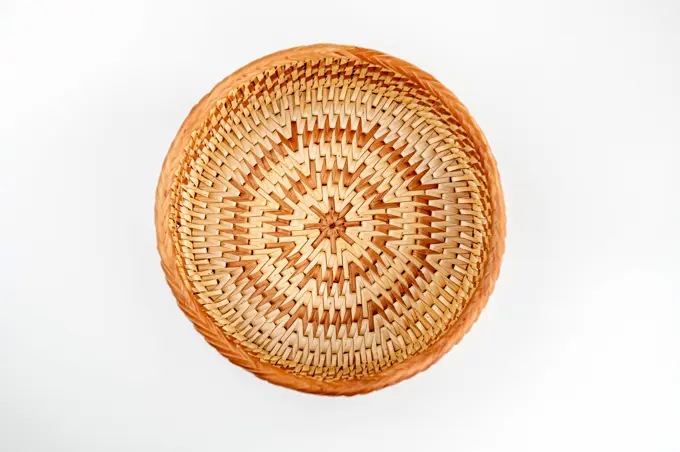
Wicker basket with lid on white background. The basket is made of natural materials. Top view Wicker basket with lid on white background. The basket is made of natural materials. Top view Copyright: xZoonar.com/Photographer:xAskoldsxBerowskisx 23045321
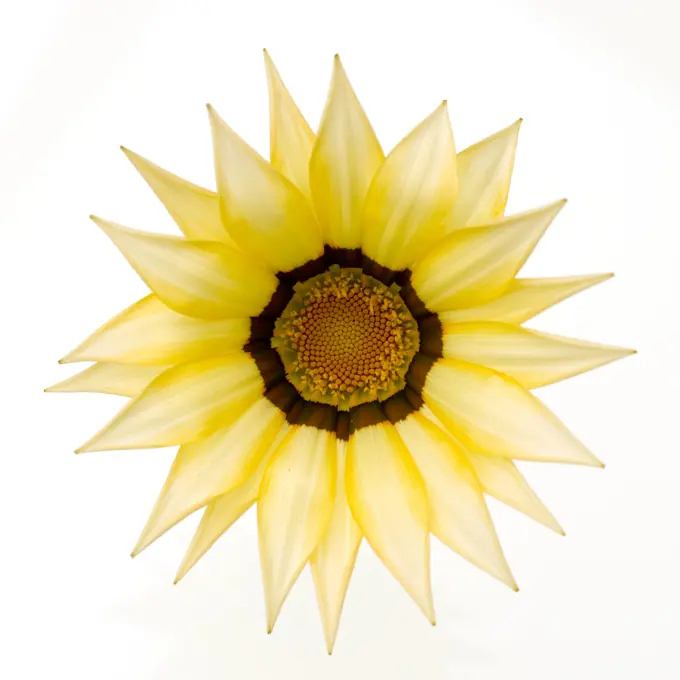
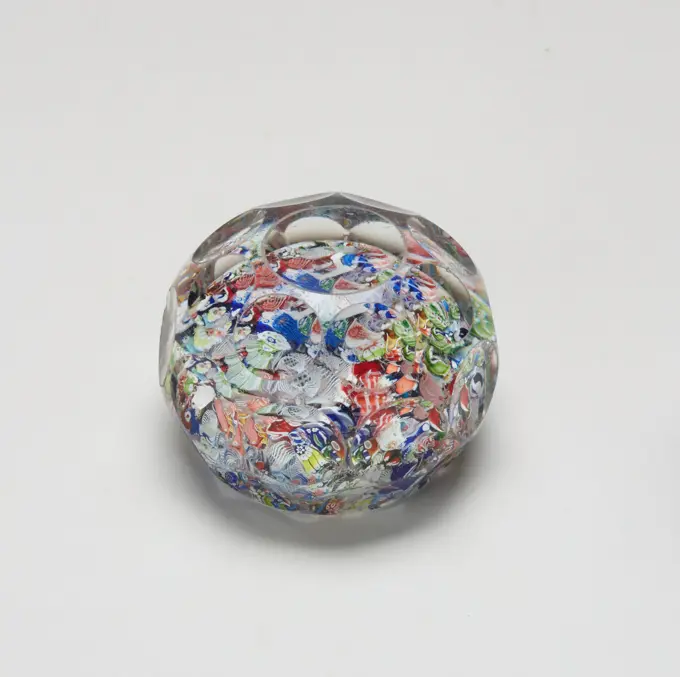
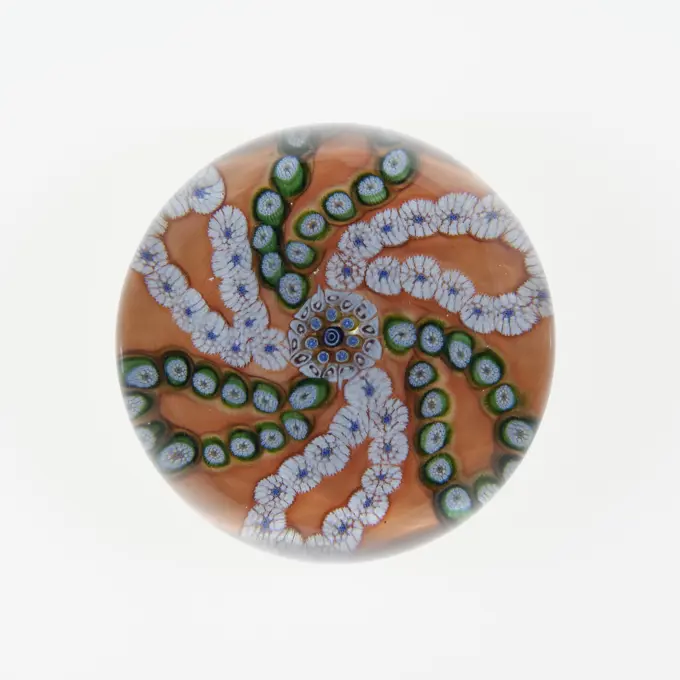
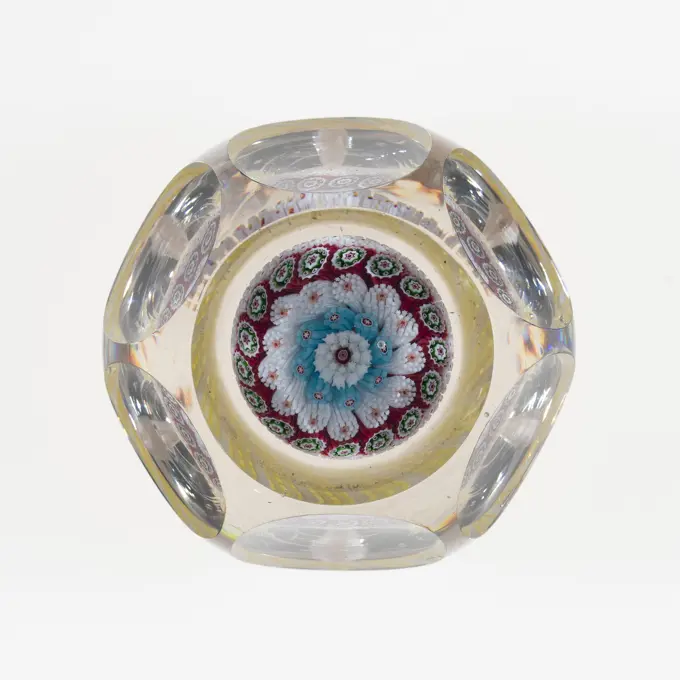
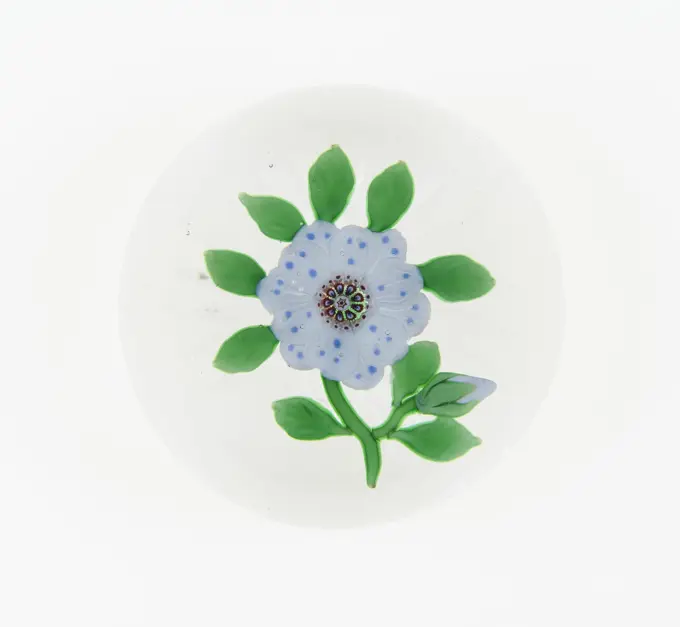
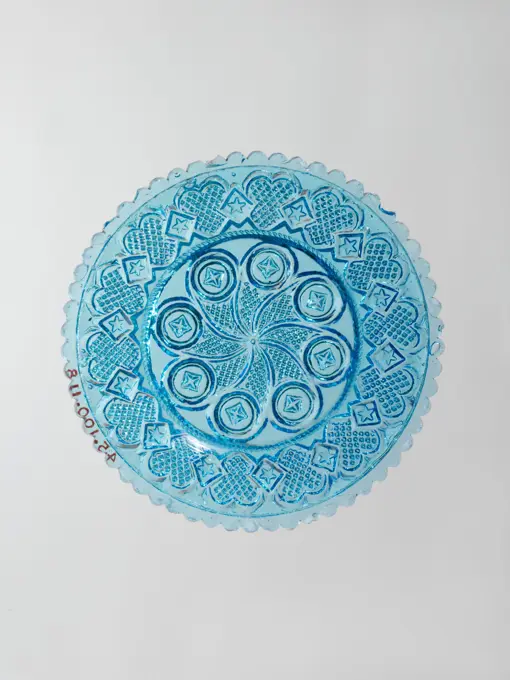
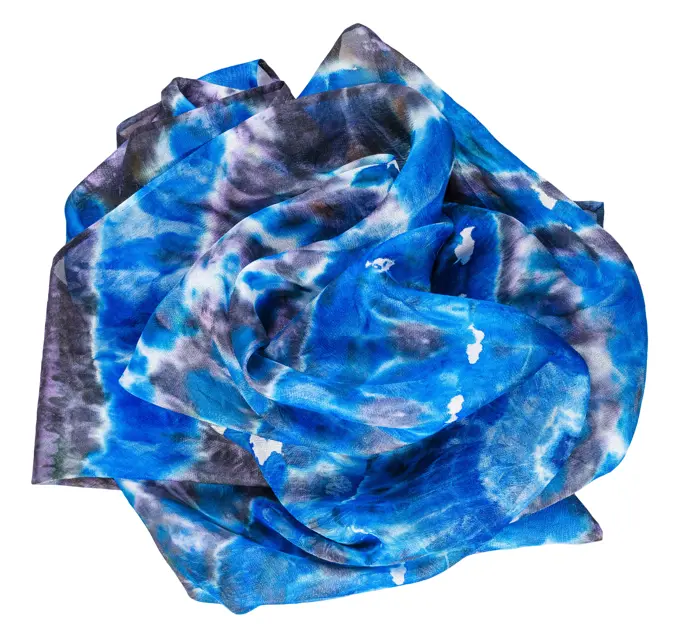
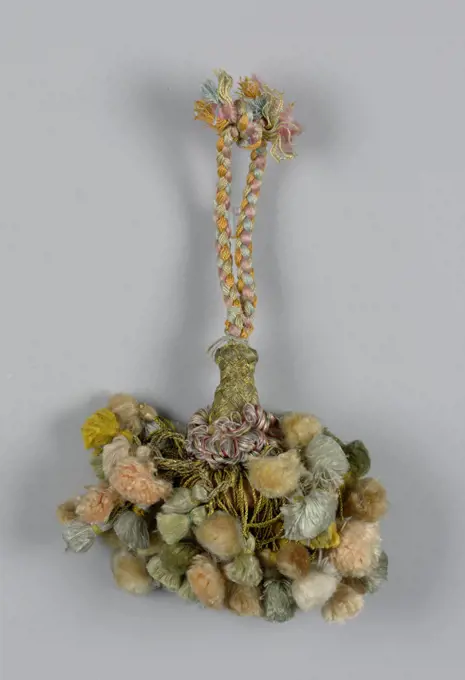
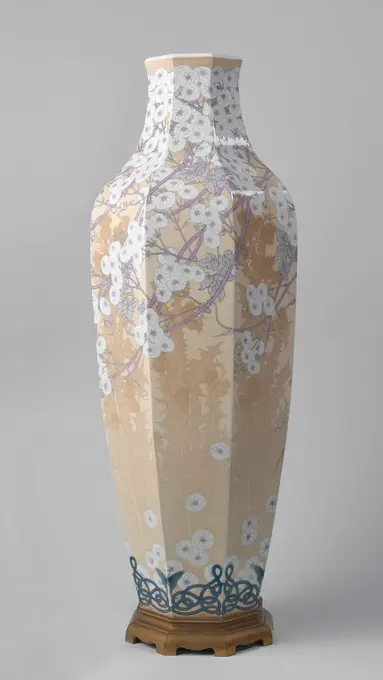
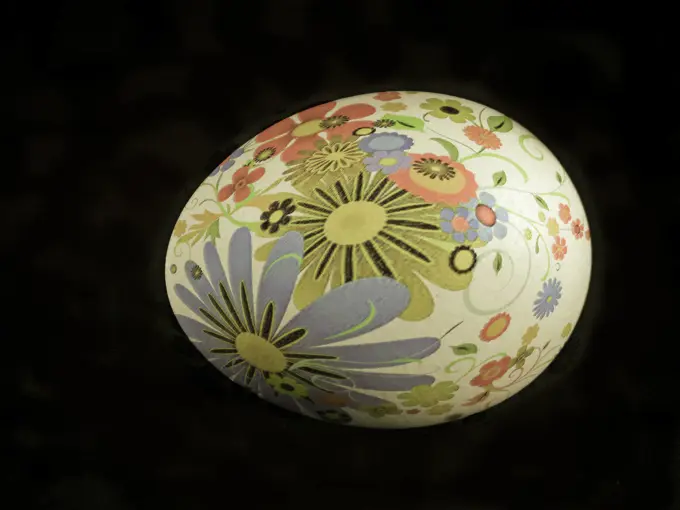
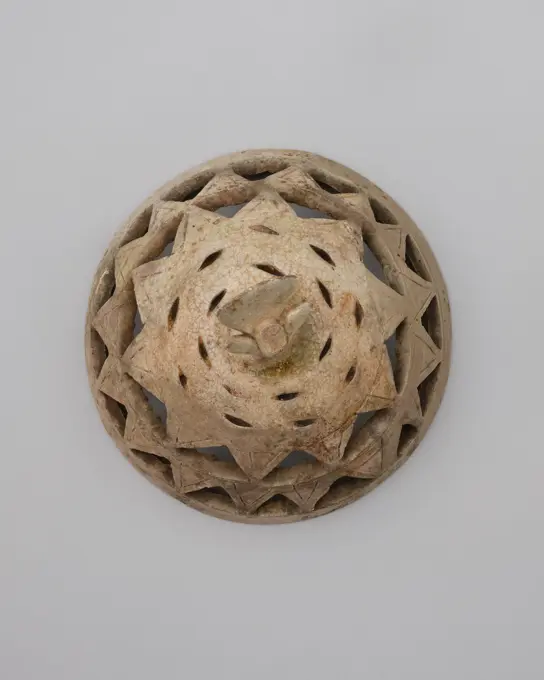
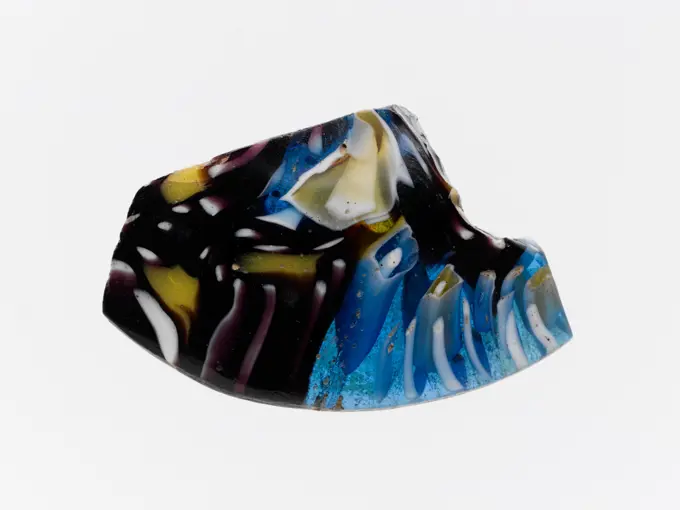
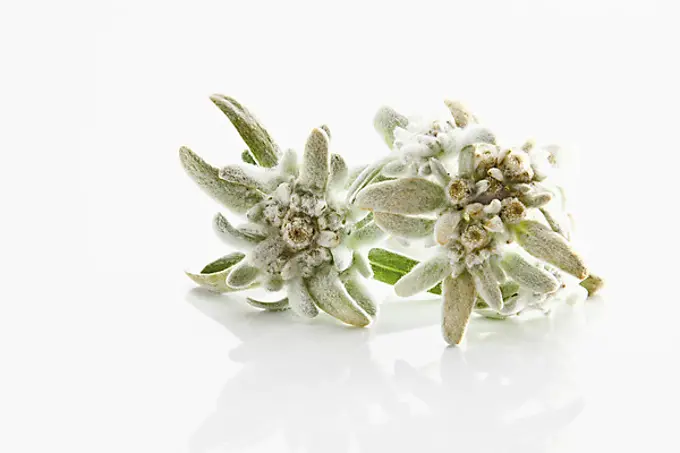
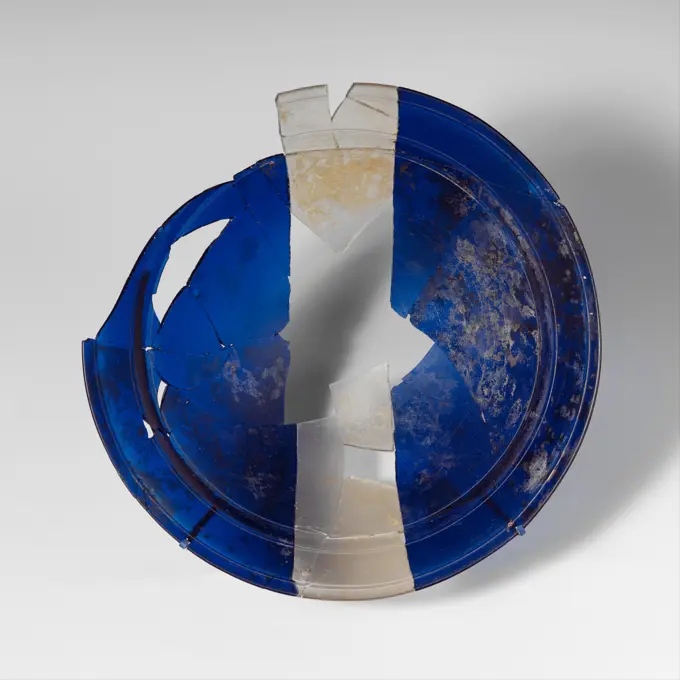
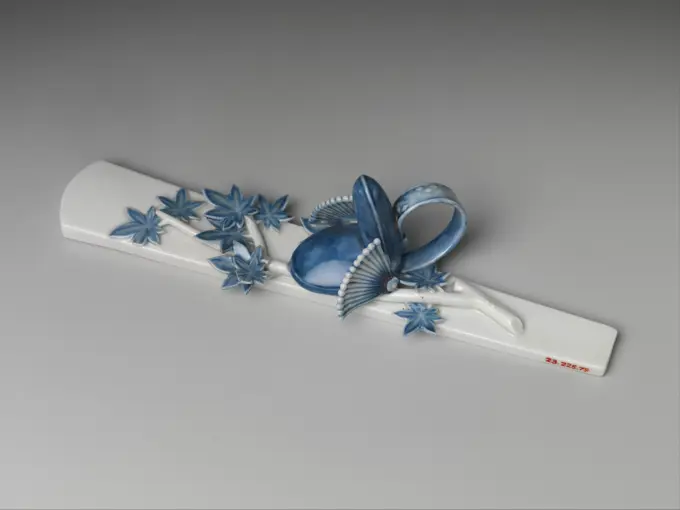
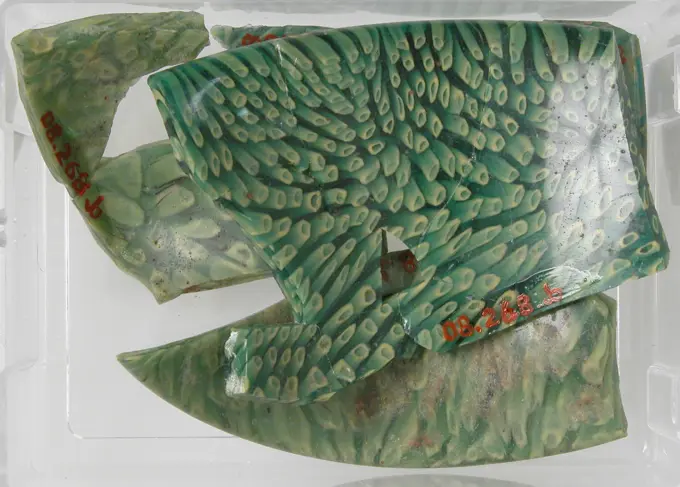
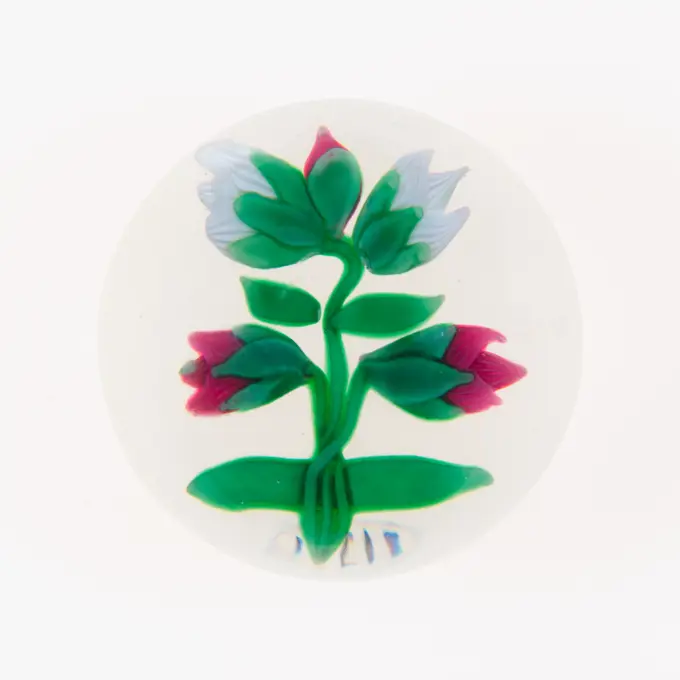
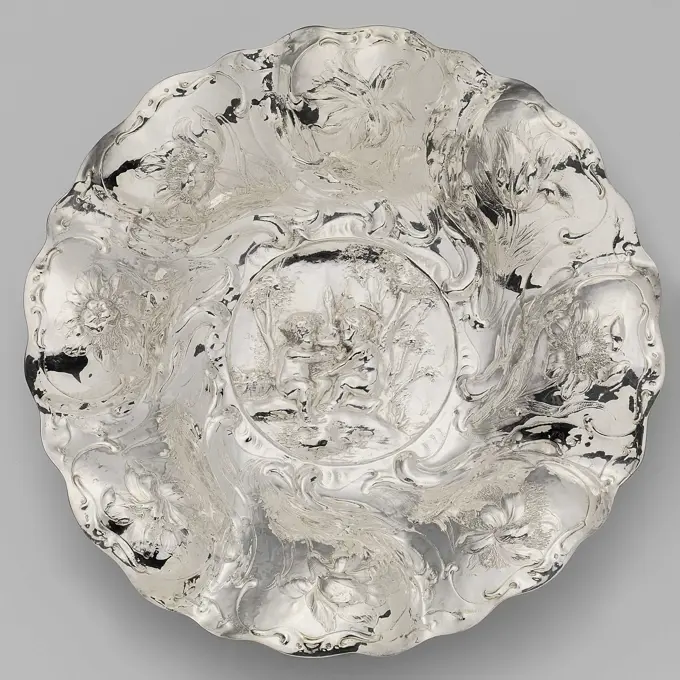
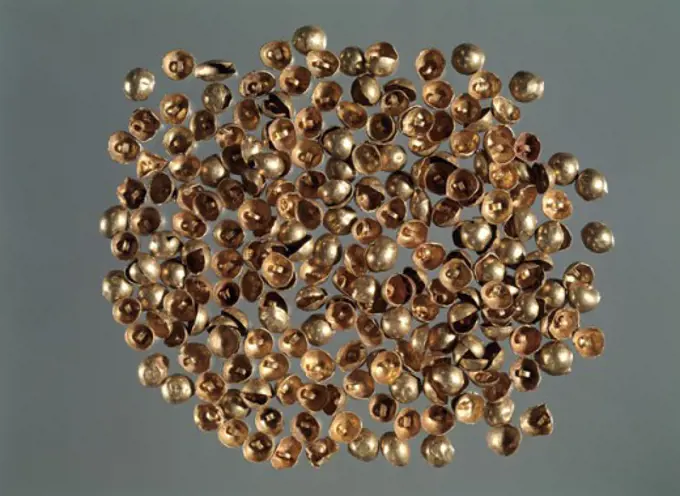
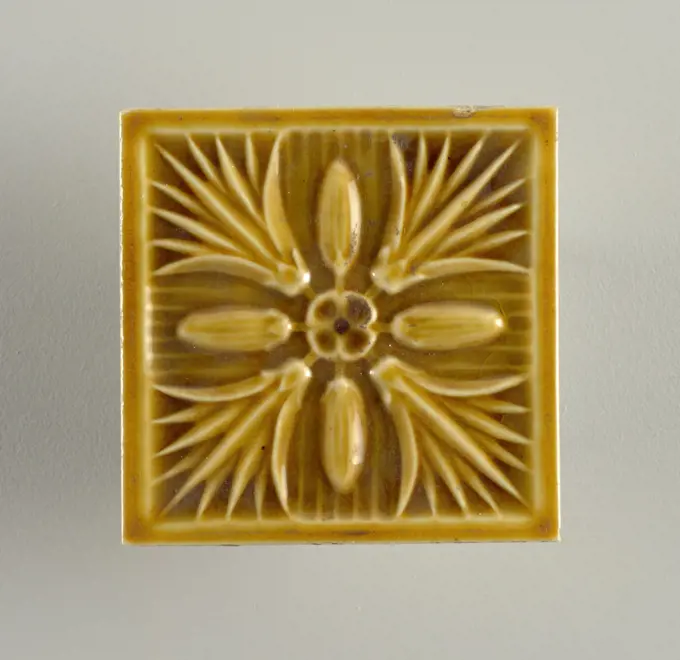
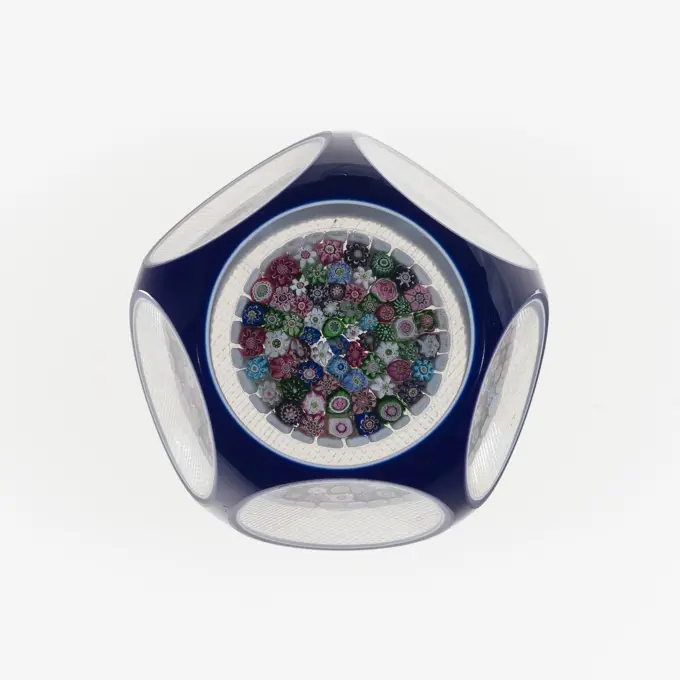
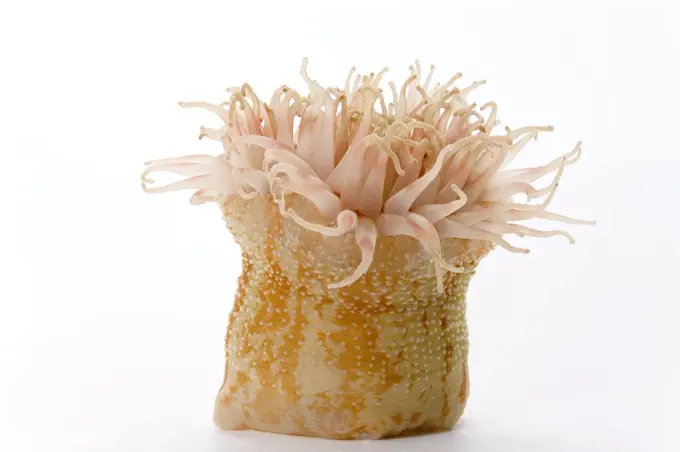
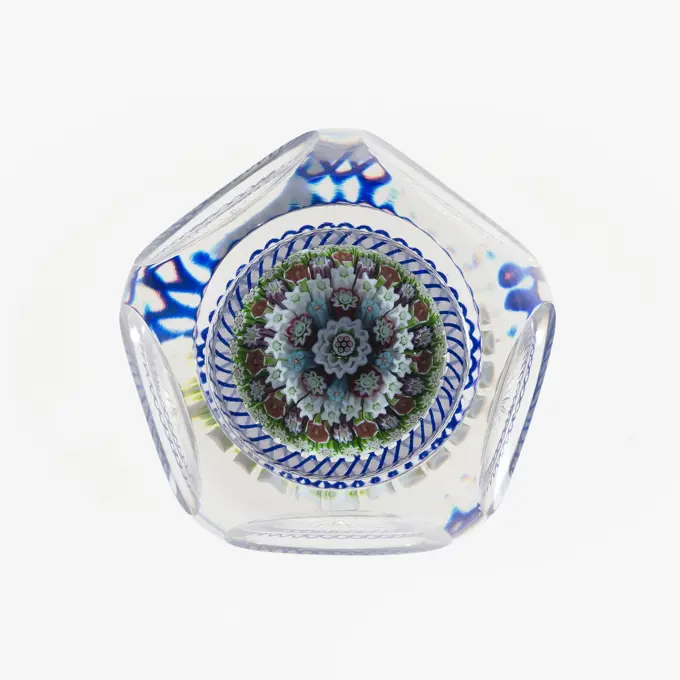
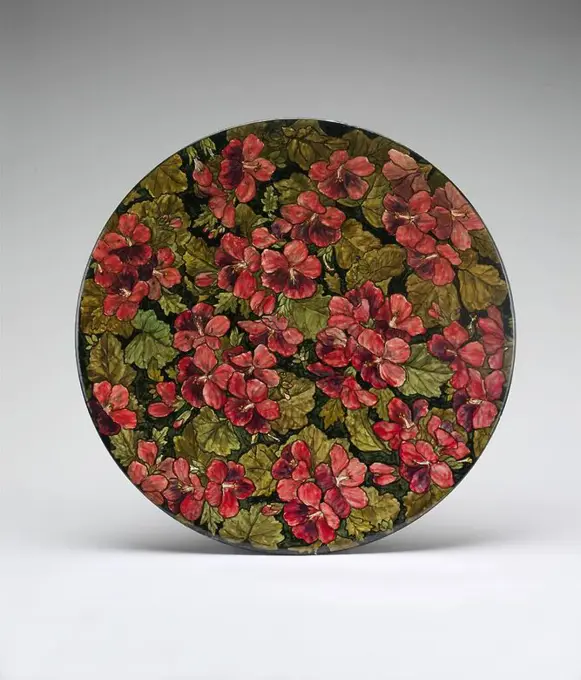
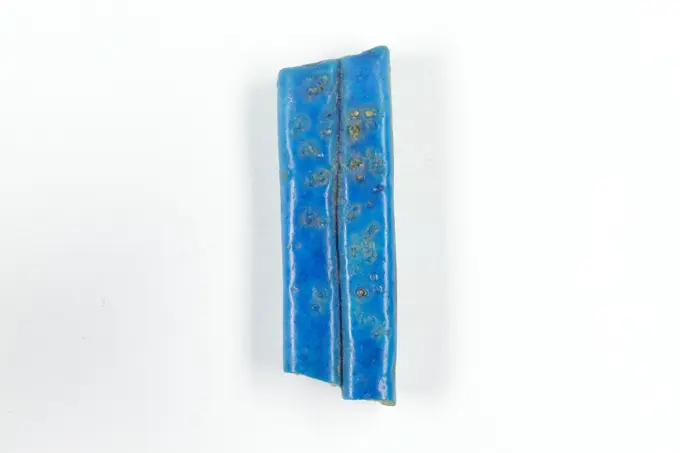
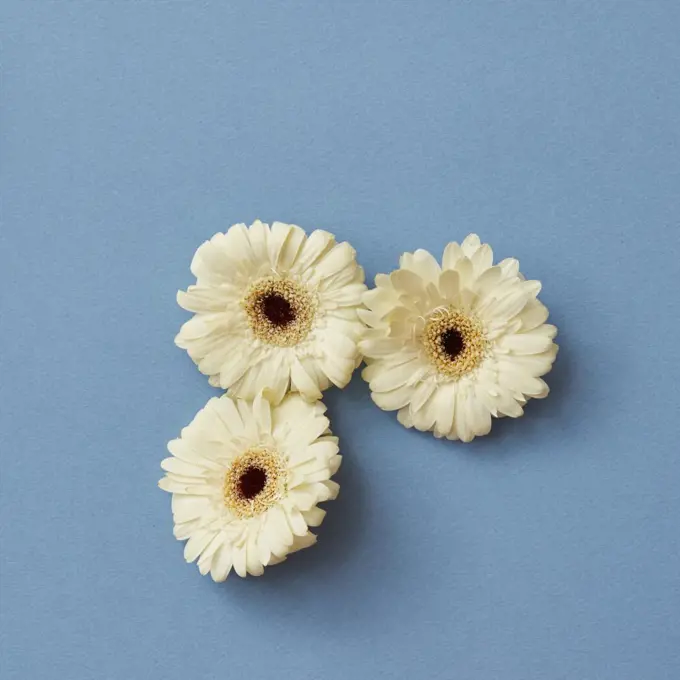
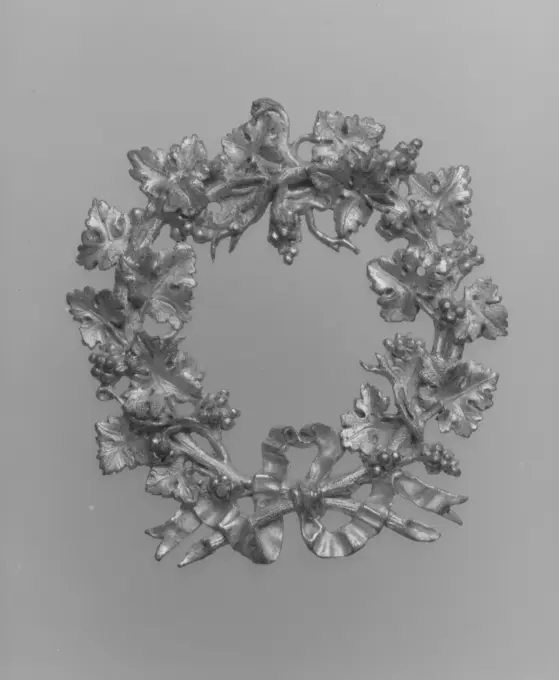
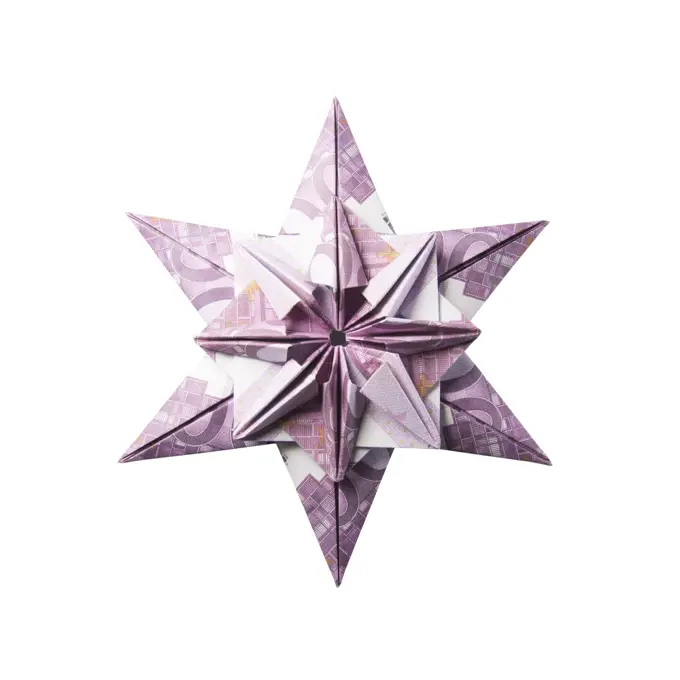
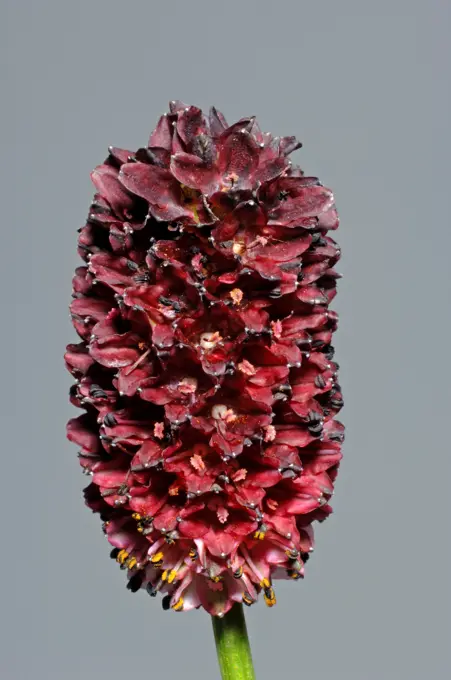
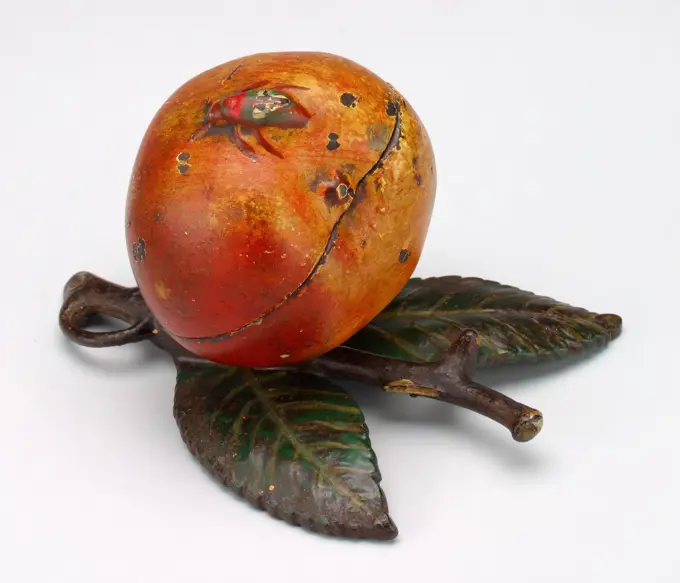
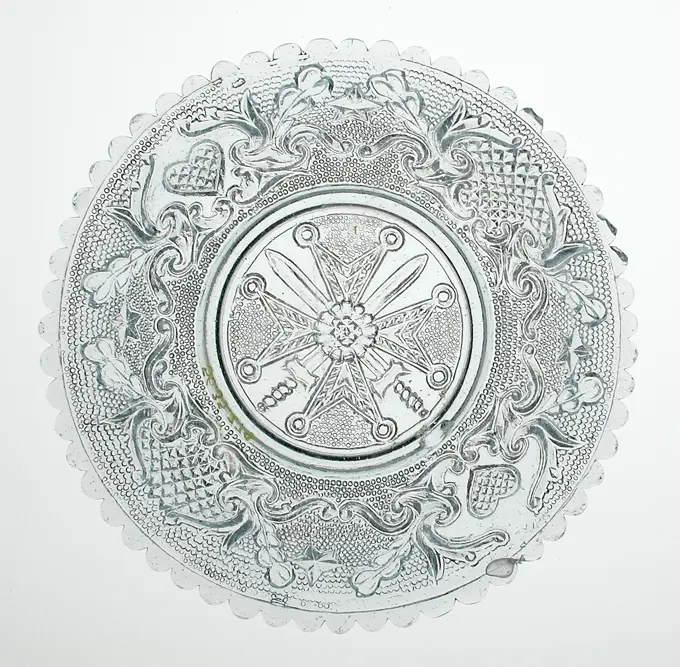
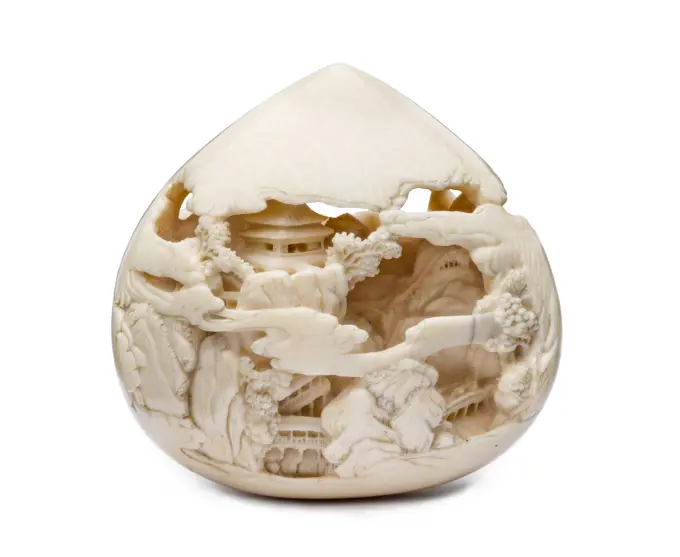
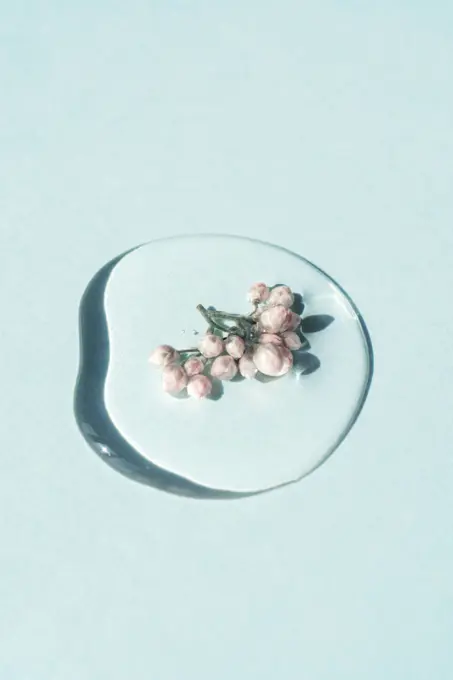
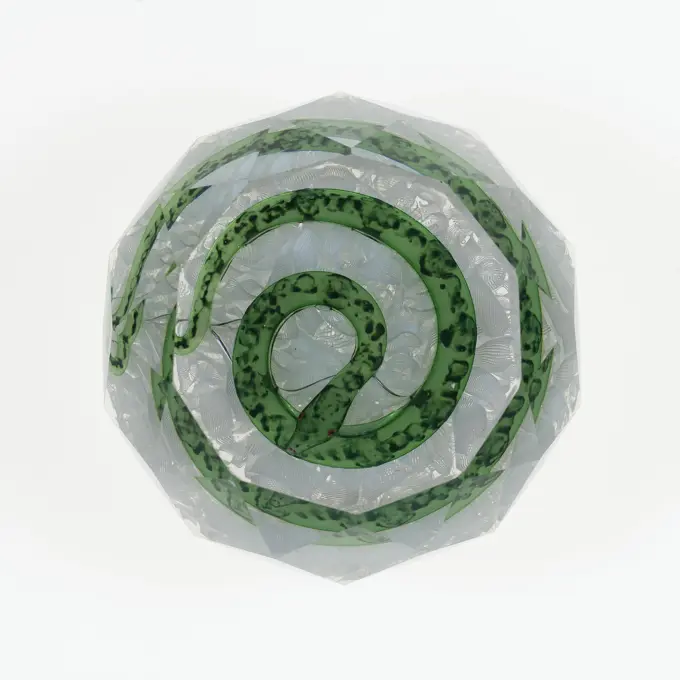
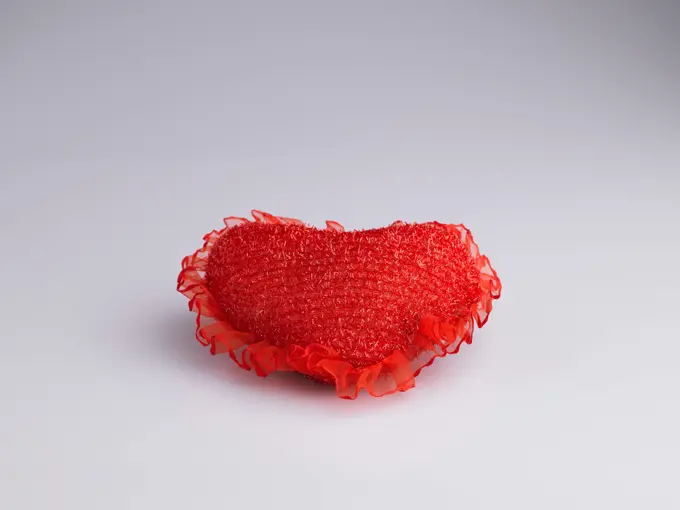
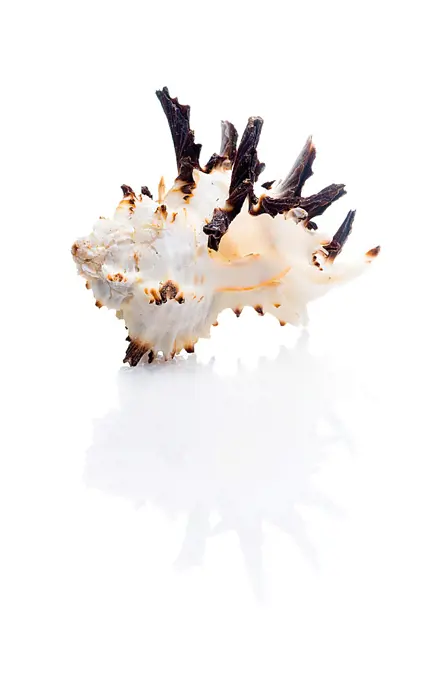
isolated seashellGazania Flower - on white background (Asterceae)Paperweight, c. 1850, Saint Louis Glass Works, 2 1/4 x 3 x 3 in. (5.72 x 7.62 x 7.62 cm), Glass, France, 19th centuryPaperweight 1840-1865 France. Glass . Compagnie de Saint Louissparkling silvery christmas ball over black backgroundPaperweight Made 1840-1865 . This paperweight uses a traditional glass-making technique called millefiori to great effect. Italian for ìone thousand flowers,î millefiori was first developed in fifteenth-century Venice. In the nineteenth century, French glassmakers revived the technique with a cultural twist. Arranged to evoke traditional French gardens such as the Tuileries in Paris, paperweights like this example brought a little of this landscaping magic indoors.From the late 1840s to early 1860s, French manufacturers of fine glass and crystalósuch as Baccarat (Alsace), Clichy (Paris), and Saint-Louis (Lorraine)ócatered to the vast public enthusiasm for beautiful yet functional desk accessories. Paperweights, which were designed to secure loose papers against drafts, were among their most popular products.. Glass . Baccarat Glassworkspencil shavings pencil shavings of different colors on white Copyright: xZoonar.com/FelixxFurox 6069735Lidded Pyxis; perhaps Italy; 1st century; Glass; 5.1 × 5.7 cm (2 × 2 1,4 in.)Paperweight 1800-1899 Lunéville. Technological improvements to optical scientific instruments in the mid-nineteenth century spurred a veritable obsession across Europe with identifying and classifying the natural world. Amateur botanists were eager to collect and preserve floral specimens, which they intently researched and catalogued. In response to this broad appeal, French glassmakers made paperweights that portrayed the very botanical subjects that were so enthusiastically sought. Many weights represented specimens with horticultural correctness, but others were entirely fanciful creations. Paperweights like this example speak to the periodís fascination with taxonomic systems.From the late 1840s to early 1860s, French manufacturers of fine glass and crystalósuch as Baccarat (Alsace), Clichy (Paris), and Saint-Louis (Lorraine)ócatered to the vast public enthusiasm for beautiful yet functional desk accessories. Paperweights, which were designed to secure loose papers against drafts,Wicker basket with lid on white background. The basket is made of natural materials. Top view Wicker basket with lid on white background. The basket is made of natural materials. Top view Copyright: xZoonar.com/Photographer:xAskoldsxBerowskisx 23045321Paperweight 1801-1900 Clichy. The colorful geometric clusters embedded in this paperweight reflect the nineteenth-century European fascination with optical effects. Sir David Brewster invented the kaleidoscope in 1815, and its colorful and changing patterns brought great visual entertainment. Paperweights such as this example reformed this childlike pastime for a sophisticated adult audience. Depicted in glass were tiny glittering flowers, small black and blue cameos of figures, and even miniature bottlecaps. These were delicately arranged within the orb for the observant eye to discover.From the late 1840s to early 1860s, French manufacturers of fine glass and crystalósuch as Baccarat (Alsace), Clichy (Paris), and Saint-Louis (Lorraine)ócatered to the vast public enthusiasm for beautiful yet functional desk accessories. Paperweights, which were designed to secure loose papers against drafts, were among their most popular products.. Glass . Clichy GlasshousePaperweight 1845-1855 Lunéville. Glass, sulphide . Baccarat GlassworksPaperweight 1843-1860 Lunéville. Technological improvements to optical scientific instruments in the mid-nineteenth century spurred a veritable obsession across Europe with identifying and classifying the natural world. Amateur botanists were eager to collect and preserve floral specimens, which they intently researched and catalogued. In response to this broad appeal, French glassmakers made paperweights that portrayed the very botanical subjects that were so enthusiastically sought. Many weights represented specimens with horticultural correctness, but others were entirely fanciful creations. Paperweights like this example speak to the periodís fascination with taxonomic systems.From the late 1840s to early 1860s, French manufacturers of fine glass and crystalósuch as Baccarat (Alsace), Clichy (Paris), and Saint-Louis (Lorraine)ócatered to the vast public enthusiasm for beautiful yet functional desk accessories. Paperweights, which were designed to secure loose papers against drafts,Wedding crown and matching corsage of WAS orange blossom, cotton and paper, Anonymous, 1898 Wedding crown and matching corsage of orange blossom of wax, cotton and paper. Model wedding crown: small flower feast from which a double pendulum with flower buds hangs, which was incorporated into the hair. Egypte (possibly) Flowers: wax. Leaves: Cotton (textile). Steel: Metal thread. Steel: Paper   Singapore Wedding crown and matching corsage of orange blossom of wax, cotton and paper. Model wedding crown: small flower feast from which a double pendulum with flower buds hangs, which was incorporated into the hair. Egypte (possibly) Flowers: wax. Leaves: Cotton (textile). Steel: Metal thread. Steel: Paper   SingaporeCup plate 1825-60. Cup plate. 1825-60. Pressed glass. Made in United StatesPaperweight 1843-1860 France. Technological improvements to optical scientific instruments in the mid-nineteenth century spurred a veritable obsession across Europe with identifying and classifying the natural world. Amateur botanists were eager to collect and preserve floral specimens, which they intently researched and catalogued. In response to this broad appeal, French glassmakers made paperweights that portrayed the very botanical subjects that were so enthusiastically sought. Many weights represented specimens with horticultural correctness, but others were entirely fanciful creations. Paperweights like this example speak to the periodís fascination with taxonomic systems.From the late 1840s to early 1860s, French manufacturers of fine glass and crystalósuch as Baccarat (Alsace), Clichy (Paris), and Saint-Louis (Lorraine)ócatered to the vast public enthusiasm for beautiful yet functional desk accessories. Paperweights, which were designed to secure loose papers against drafts, wecrumpled silk scarf with abstract blue pattern crumpled silk scarf with abstract blue pattern hand painted in nodular technique isolated on white background ,property released Copyright: xZoonar.com/ValeryxVoennyyx 10387352 ,model released, Symbolfoto ,property releasedTassel, Medium: silk, metal threads, wooden core, Skirt of gilt threads, twisted and looped and each supporting a small tassel. Collar of looped and colored silks. Head is vase-shaped and wrapped with gilt threads. Cord of braided pink, blue, yellow, and gold threads., Spain, 18th century, trimmings, TasselChristmas decorative Brown leaf isolated on white background.Vase.The Sèvres porcelain factory (1738) always tried to keep up with the times. By attracting modern artists, it ensured a supply of fresh, contemporary designs. This impressively tall vase is a fine example of innovations at Sèvres. The ornamentation of white and purple clematis with ochre-coloured thistles and the butterflies on the decora-tive railing at bottom reflect the influence of Japanese art, which was then extremely popular.Beautiful Feminine Flower Florist Wedding Frame OrnamentPaperweight 1843-1860 Saint-Louis. Technological improvements to optical scientific instruments in the mid-nineteenth century spurred a veritable obsession across Europe with identifying and classifying the natural world. Amateur botanists were eager to collect and preserve floral specimens, which they intently researched and catalogued. In response to this broad appeal, French glassmakers made paperweights that portrayed the very botanical subjects that were so enthusiastically sought. Many weights represented specimens with horticultural correctness, but others were entirely fanciful creations. Paperweights like this example speak to the periodís fascination with taxonomic systems.From the late 1840s to early 1860s, French manufacturers of fine glass and crystalósuch as Baccarat (Alsace), Clichy (Paris), and Saint-Louis (Lorraine)ócatered to the vast public enthusiasm for beautiful yet functional desk accessories. Paperweights, which were designed to secure loose papers against draftCircular Pendant 200 BCE-200 CE Western Mexico. Figures and jewelry made of spondylus (spiny oyster) shell developed as a specialization in what are today the Mexican states of Colima and Jalisco. Like greenstone, jade, and colorful feathers, this bright orange shell was a luxury item sought by maritime merchants from Ecuador and Central America, who found it in warm Pacific waters as far north as the West Mexican coast. As emblems of authority and status, exotic materials were displayed by rulers during ceremonial events. Spondylus-shell jewelry carved with symbolic designs found in West Mexican tombs indicates the high esteem in which this valued material was held.. Spondylus shell . ColimaEaster Egg Easter Egg Copyright: xZoonar.com/YogeshxMorex 5478341Terrine of multi-colored padded faience, in the form of a grape food, with lid and underfa. Terrine of pottery in the shape of a grape food on a leaf, the upper surface of which is green and painted blue. The bottom surface is white and equipped with three low legs. The loose lid of the aubergine-colored terrine has a branch of green leaves and a large grape as a button. Labeled under the terrine and in the lid in underglaze blue and under the dish.Studio shot of Silver Ribbon on white backgroundDish Japan. Dish 52293Blue chrysanthemum, isolated on a white backgroundBurning-to-parfum cover. White proto-Grès with ivory covered. Cernuschi Museum, Asia Museum of Asia in the city of Paris.Glass mosaic base ring fragment late 1st century B.C.-early 1st century A.D. Roman Part of the base ring of a large bowl.. Glass mosaic base ring fragment. Roman. late 1st century B.C.-early 1st century A.D.. Glass; cast. Early Imperial. GlassCorsage, violet velvet orchid, with short handle. Flower coring, violet velvet orchid, with short stalk.Star Cookie CuttersGlass mosaic carinated bowl fragment. Culture: Roman. Dimensions: 1 7/8 × 1 9/16 × 1/16 in. (4.7 × 3.9 × 0.2 cm). Date: late 1st century B.C.-early 1st century A.D..Translucent purple, turquoise blue appearing green, and honey yellow, opaque white and yellow.Body fragment of deep carinated bowl with part of upper, shallow carinated curve and larger section of lower curved side turning in towards the bottom.Mosaic pattern formed from polygonal sections of three canes: one in a purple ground with a white circle and central yellow rod comprising a tiny spiral, another in a yellow ground with a white spiral and a central blue rod containing a tiny yellow spiral, and the third in a blue ground with a yellow spiral and a central white rod.Polished exterior; pitting of surface bubbles on exterior; some dulling, pitting, and some polishing on interior; slight weathering on jagged edges. Some horizontal tooling marks below carination on exterior. Museum: Metropolitan Museum of Art, New YorkBath bead with marigold, cutout, objectEdelweiss (Leontopodium alpinum nivale subsp. Alpinum Basionym Leontopodium)Large ornamental comb of yellow-brown flamed tortoise, ten long curved teeth, fan-shaped leaves above it with engraved lines, hair comb ornamental comb hair decoration hair accessory turtle metal, woman dressing her hair adorn marry marriageGlass bowl in blue and colorless bands 1st century B.C. Greek Translucent cobalt blue and colorless.Plain rounded rim; slightly convex side tapering diagonally downward; convex bottom.Two large segments of blue fused to either side of a broad central strip of colorless glass. On interior, a band below rim, comprising a narrow horizontal groove and a ridge, undercut below, and further down side a broader band comprising a narrow groove, followed below by a broader groove, a central slightly raised plain band, undercut below, and finally another narrow groove. Broken and repaired, with several large areas missing, especially on rim and bottom; pinprick bubbles; dulling, pitting, and iridescent creamy weathering.Rotary grinding marks on interior and exterior.Very few bicolored glass vessels survive from antiquity. Apart from this bowl, most examples are slender alabastra (perfume vases). All appear to be in the same combination of translucent cobalt blue and colorless glass, and it is likPaperweight (Bunchin) with Maple Branch and Bugaku Hat from An Imperial Celebration of Autumn Foliage” (Momiji no ga), Chapter 7 of The Tale of Genji second half 18th century Japan. Paperweight (Bunchin) with Maple Branch and Bugaku Hat from An Imperial Celebration of Autumn Foliage” (Momiji no ga), Chapter 7 of The Tale of Genji 44922Glass Fragments 4th-early 5th century Coptic. Glass Fragments 477110Paperweight 1801-1900 France. Technological improvements to optical scientific instruments in the mid-nineteenth century spurred a veritable obsession across Europe with identifying and classifying the natural world. Amateur botanists were eager to collect and preserve floral specimens, which they intently researched and catalogued. In response to this broad appeal, French glassmakers made paperweights that portrayed the very botanical subjects that were so enthusiastically sought. Many weights represented specimens with horticultural correctness, but others were entirely fanciful creations. Paperweights like this example speak to the periodís fascination with taxonomic systems.From the late 1840s to early 1860s, French manufacturers of fine glass and crystalósuch as Baccarat (Alsace), Clichy (Paris), and Saint-Louis (Lorraine)ócatered to the vast public enthusiasm for beautiful yet functional desk accessories. Paperweights, which were designed to secure loose papers against drafts, weCard case 1860 British, London. Card case 207431Sunflower sketch, hand drawing, vector illustration. The round, vaulted scale rests on a stand ring and has a wide edge, made up of eight swagging cleans with soft, squaringly frames. Every kner is driven with a large flower. From the middle of his clockwise three times a garden anemone, a trumpetnarcis, a tulip, twice a garden anemone and a lily. In midfield is a scene of two in a landscape sitting boys who drink together from a bowl.Bactrian Gold: Semispherical Plaquettes Artist Unknown Kabul Museum, Afghanistan Salted crispsTile, J. & J. G. Low Art Tile Works, 1877 - 1883, Glazed stoneware, Molded, square tile of white clay, reverse has imprinted inscribed: J & J.G. Low Patent Art Tile Works/ Chelsea, Mass. U.S.A./ copyright 1881 J & JG Low'. - set within a double line frame. Tile face ornamented with eight piece figure made up of central rosetted and radiating lotus blossoms and buds, plain frame outside of the tile; mustard brown, crackle glaze., Chelsea, Massachusetts, USA, late 19th century, tiles, Decorative Arts, TileColourful bow isolated on the whitePaperweight 1843-1860 Birmingham. Glass . George Bacchus & SonsSausage slices levitate on a white background Sausage slices levitate on a white background. Copyright: xZoonar.com/AlekseyxButenkovx 16617995Tropical black and gold leaves on white background vector. Beautiful botanical design element, golden tropic jungle leaves, exotic hibiscus flower. Wedding ceremony invitation card, holiday sale. Tropical black and gold leaves on dark backgroundPaperweight 1840-1860 Clichy. The colorful geometric clusters embedded in this paperweight reflect the nineteenth-century European fascination with optical effects. Sir David Brewster invented the kaleidoscope in 1815, and its colorful and changing patterns brought great visual entertainment. Paperweights such as this example reformed this childlike pastime for a sophisticated adult audience. Depicted in glass were tiny glittering flowers, small black and blue cameos of figures, and even miniature bottlecaps. These were delicately arranged within the orb for the observant eye to discover.From the late 1840s to early 1860s, French manufacturers of fine glass and crystalósuch as Baccarat (Alsace), Clichy (Paris), and Saint-Louis (Lorraine)ócatered to the vast public enthusiasm for beautiful yet functional desk accessories. Paperweights, which were designed to secure loose papers against drafts, were among their most popular products.. Glass . Clichy GlasshouseDahlia Anemone (Utincina felina) body diameter approximately eight centimeters, North Sea, Helgoland, Germany, sequence 3 of 5Paperweight 1840-1865 Baccarat. Glass . Baccarat GlassworksPlaque. Culture: American. Dimensions: Diam. 16 in. (40.6 cm). Maker: John Bennett (1840-1907). Date: 1879. Museum: Metropolitan Museum of Art, New York, USA.Paperweight 1840-1865 Baccarat. Glass . Baccarat GlassworksDouble Bead ca. 1550-1295 B.C. New Kingdom. Double Bead. ca. 1550-1295 B.C.. Faience. New Kingdom. From Egypt; Probably from Northern Upper Egypt, Deir el-Ballas. Dynasty 18An artificial water Lilly isolated on a white backgroundA minimalistic composition of three white gerberas on a blue background. The figure from the game Tetris. Flat lay.. A minimalistic composition of white gerberas isolated on a blue paper background,The Holy Quran in a heart shaped cage on a white backgroundWreath 18th century French. Wreath. French. 18th century. Gilt bronze. Metalwork-Gilt BronzeMix of colorful paintWatercolor wedding wreath with blue flowers and  leaves.Italian pasta fettuccine nest isolated on white backgroundNew Year´s ornamentPlate; wood, turned, painted, gildedtop view of norway maple tree isolated on white background. 3d illustrationbunch of grapes isolated on white backgroundHandmade Christmas balls, Italian tradition, made of fabric and cordPaperweight. Saint-Louis; France, founded 1767. Date: 1848. Dimensions: Diam. 7.6 cm (3 in.). Glass. Origin: France. Museum: The Chicago Art Institute, Chicago, USA. Author: Compagnie de Saint Louis.Close-up of a decorative pottery bowl in unique patternMoney Origami snowflake. snowflake origami made of banknotes on a white background. HandmadeComb, anonymous, c. 1800 - c. 1830 Hair comb of blonde turtle and horn with highly raised richly cut back, leaf and flower vines, crowned with pinnacles. Nine teeth, of which seven with metal points. France whole:. whole: Horn (Animal Material). Points: Metal sawing / filing / polishing Hair comb of blonde turtle and horn with highly raised richly cut back, leaf and flower vines, crowned with pinnacles. Nine teeth, of which seven with metal points. France whole:. whole: Horn (Animal Material). Points: Metal sawing / filing / polishingDEU, 2008: Great Burnet (Sanguisorba officinalis), flower, studio picture.Dried devil nutsApple' still bank, 1882, Kyser & Rex Company, Philadelphia, c. 1879-1898, 4 5/8 x 4 1/8 x 5 3/16 in. (11.75 x 10.48 x 13.18 cm), Iron, pigment, 19th centuryGreen blank paper with green leaves on white background. Sheet of paper with leavesSeed capsule from dried poppyPaperweight 1875-1900 United States. Glass . Whitall Tatum Glass Company (Manufacturer)Set of beautiful hand drawn flower and leaf doodle . Clip art element for decoration, wall, postcard, template.Sauce Dish. Boston and Sandwich Glass Factory (United States, Massachusetts, Sandwich, 1825-1888). United States, circa early 1830s. Furnishings; Serviceware. Pressed glassPaper cut origami of flower, colorful blossom ornament with shadow, 3d view of floral symbol, greeting or poster decorated by bouquet, festive vector. Poster Decorated by Bouquet, Flower Origami Vectortumbled round cabochon of labradorite gemstone macro shooting - tumbled round cabochon of labradorite mineral gemstone isolated on white background Copyright: xZoonar.com/ValeryxVoennyyx 8880412old column in the africa sky history and natureUSA, Colorado, Fort Collins. Borosilicate marble close-up.Bellkotatsu low table japanese style and pillow on white background.3D renderingBuddhist Jewel of Wisdom Carved with the Isle of the ImmortalsA drop of cosmetic gel or water with flowers. Perfect for demonstrating the consistency of your gel or serum.Paperweight 1840-1865 France. Glass . Compagnie de Saint LouisAshtray in the shell; Bell & Willmott (London; company z Otnicz; Fl. 1893-1908); 1903/04 (1903-00-00-1904-00-00);Bull's Eye Glass Pane, early 19th century, Dia.5-5/8 x W.3/8 in., glass, United States, 19th centuryBROCHE CON FORMA DE ESTRELLA PROCEDENTE DE ESTADOS UNIDOS - 1985/2005 - BISUTERIA - DISEÑO DE IRADJ MOINI. Location: PRIVATE COLLECTION.NUEVA LUZ PARA LOS OJOS - 2005 - ACRILICO/TELA - 250x200 -FOTOMONTAJE PINTADO. Author: GALINDO JORGE 1965/. Location: GALERIA SOLEDAD LORENZO, MADRID, SPAIN.Red color heart shape cushion on white background Copyright: xVirenxDesai/DinodiaxPhotoxPaperweight 1840-1865 Baccarat. This paperweight uses a traditional glass-making technique called millefiori to great effect. Italian for ìone thousand flowers,î millefiori was first developed in fifteenth-century Venice. In the nineteenth century, French glassmakers revived the technique with a cultural twist. Arranged to evoke traditional French gardens such as the Tuileries in Paris, paperweights like this example brought a little of this landscaping magic indoors.From the late 1840s to early 1860s, French manufacturers of fine glass and crystalósuch as Baccarat (Alsace), Clichy (Paris), and Saint-Louis (Lorraine)ócatered to the vast public enthusiasm for beautiful yet functional desk accessories. Paperweights, which were designed to secure loose papers against drafts, were among their most popular products.. Glass . Baccarat Glassworksblackberry  isolated on white backgroundArtists palette with multiple colors on a white Christmas wicker iron deer Christmas wicker iron deer with lights ,model released, Symbolfoto Copyright: xZoonar.com/NataliiaxxSdobnikovax 6695703 ,model released, Symbolfoto ,property releasedEntangled Twigs of Leaves Ivory wall plaque of beautiful twigs of leaves on dark blue background Copyright: xZoonar.com/MahanteshxCxMorabadx 16855252gold apple on gold background