Artistic Figurines

A variety of decorative figurines made from ceramics and porcelain, depicting historical or mythological themes, often with intricate designs and vibrant colors.
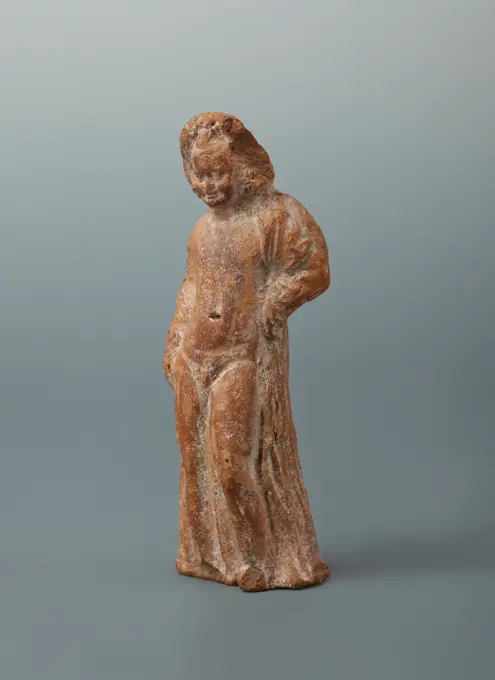
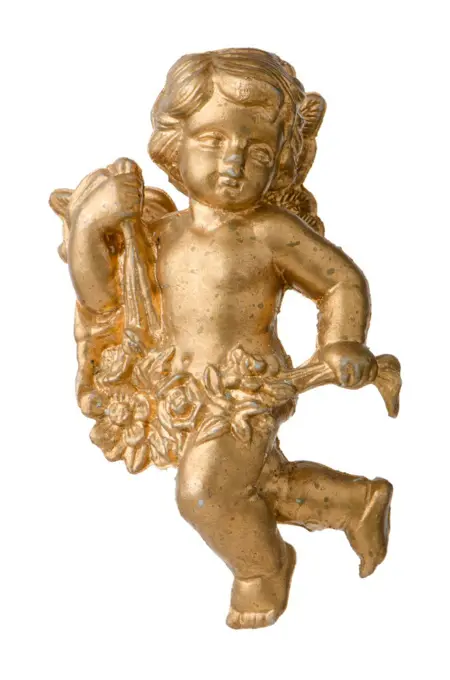
Figurine of Eros
Figurine of Eros
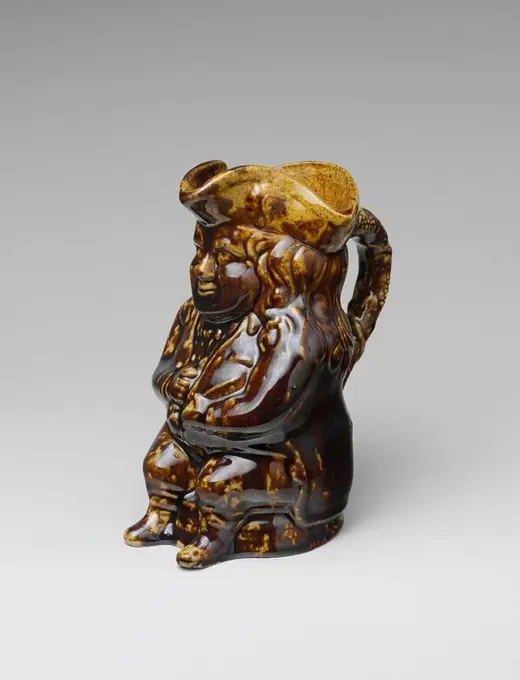
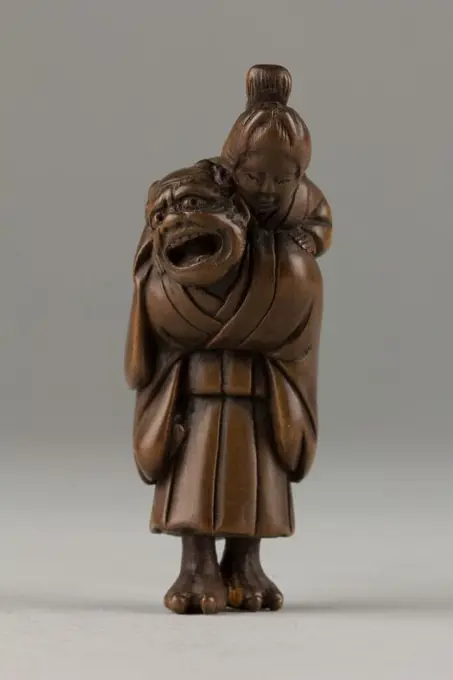
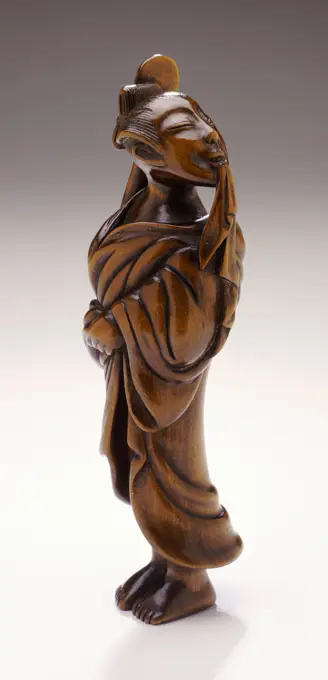
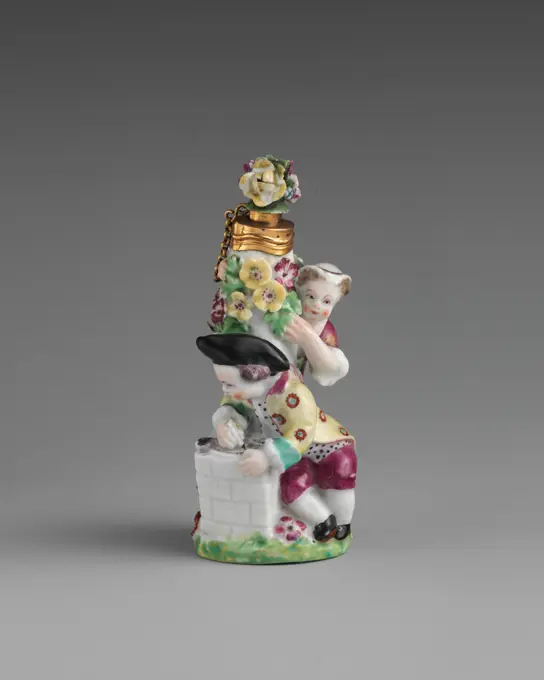
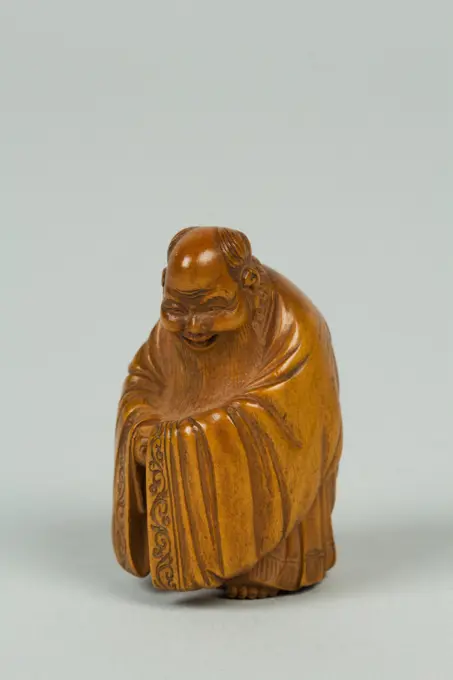
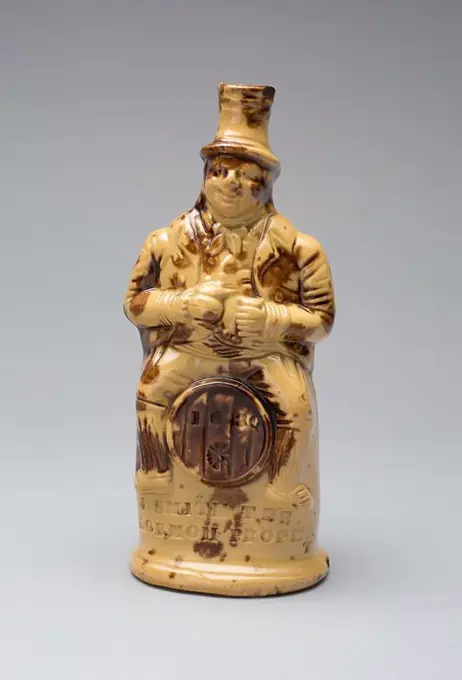
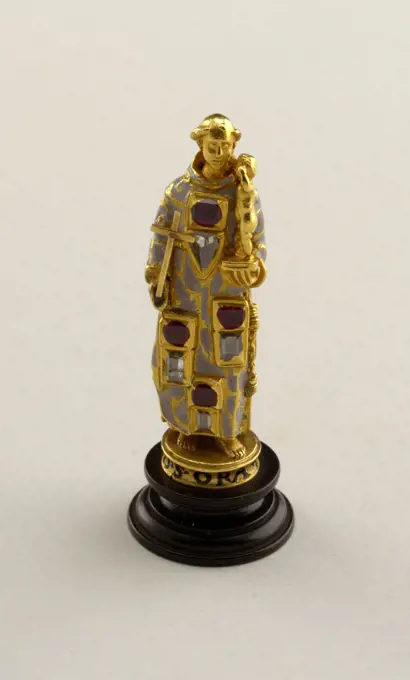
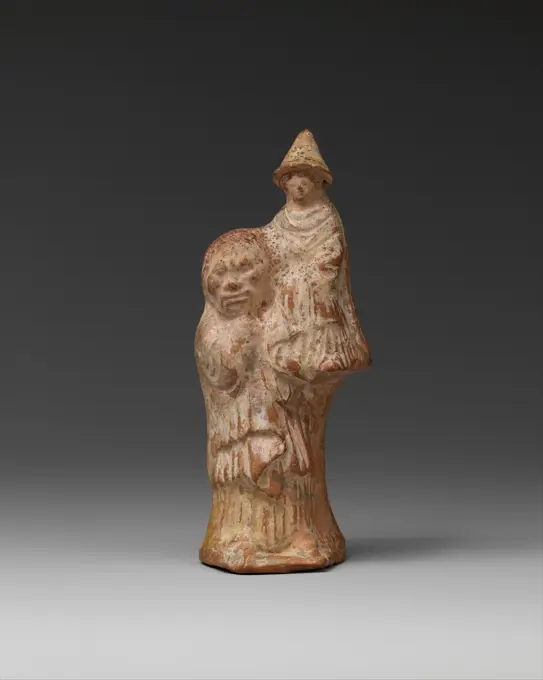
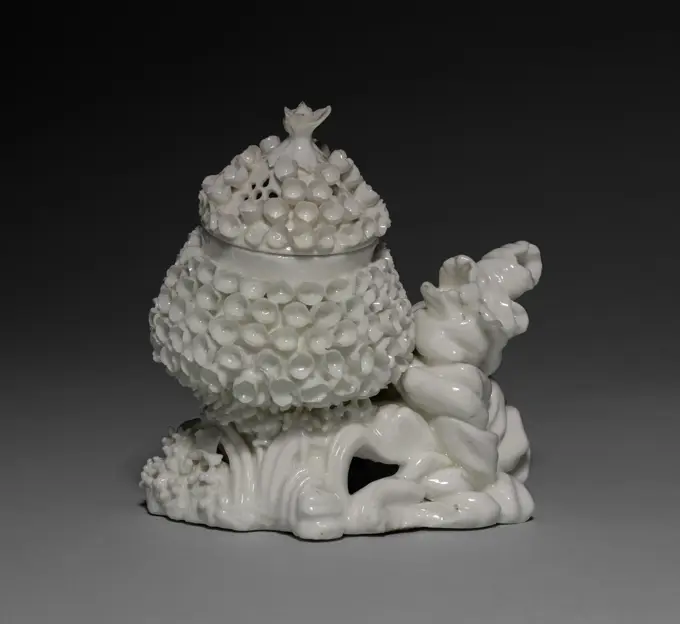
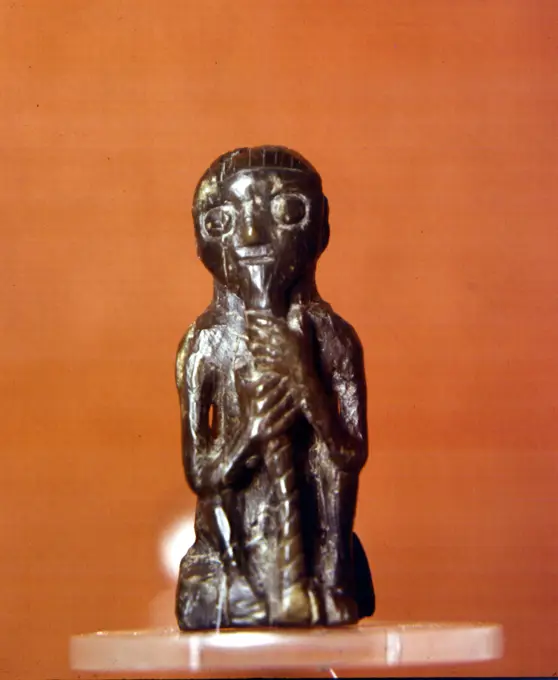
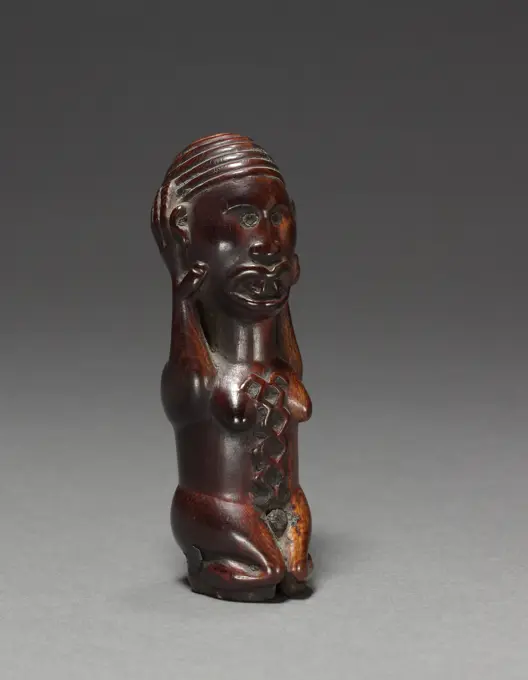
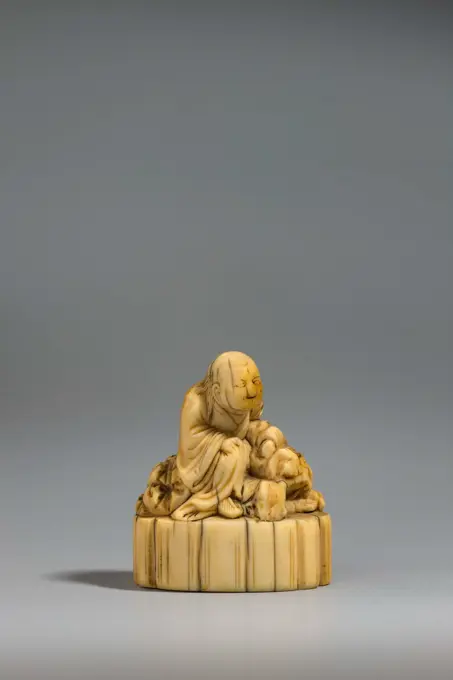
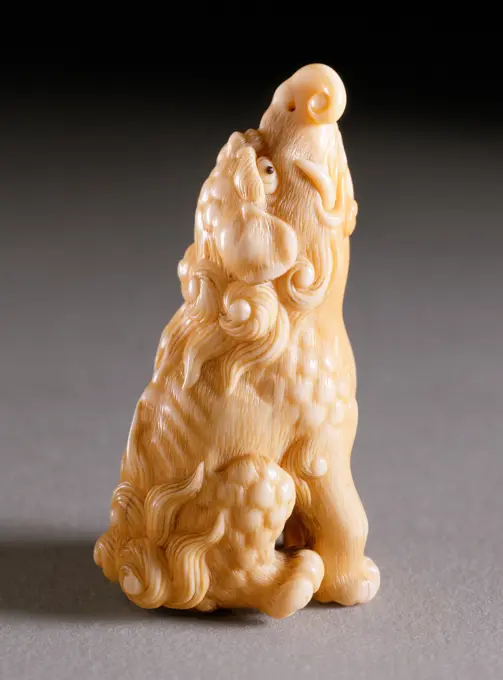
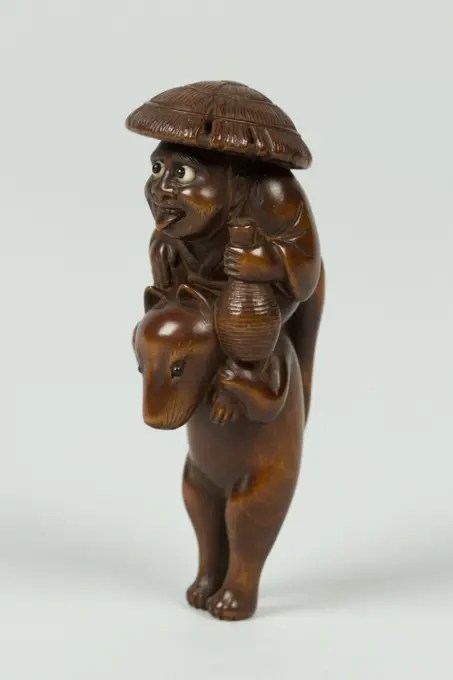
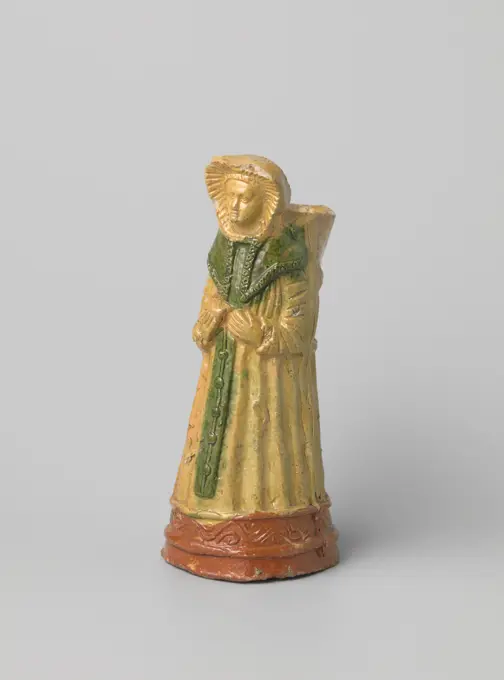
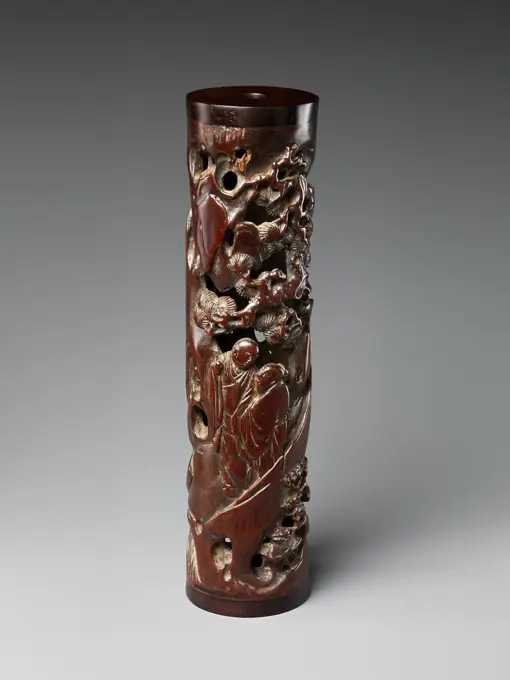
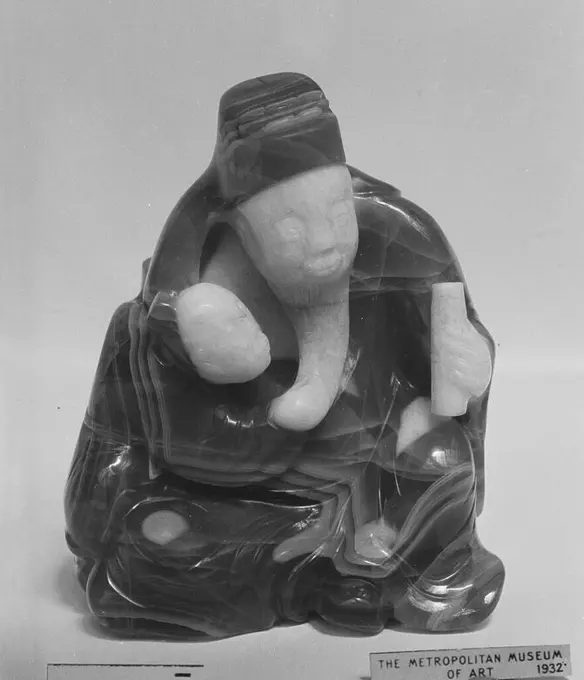
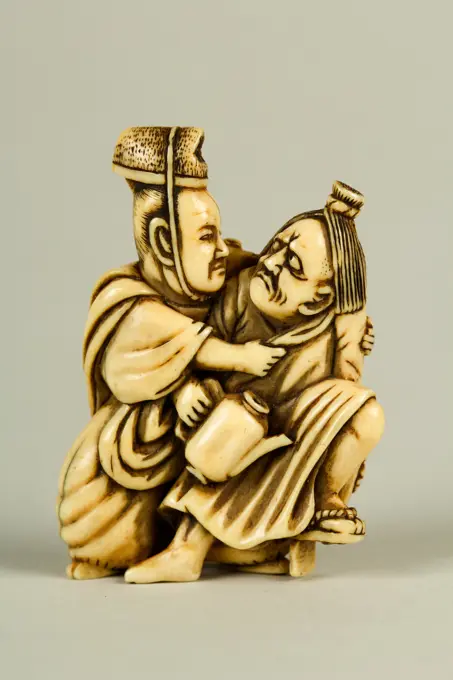
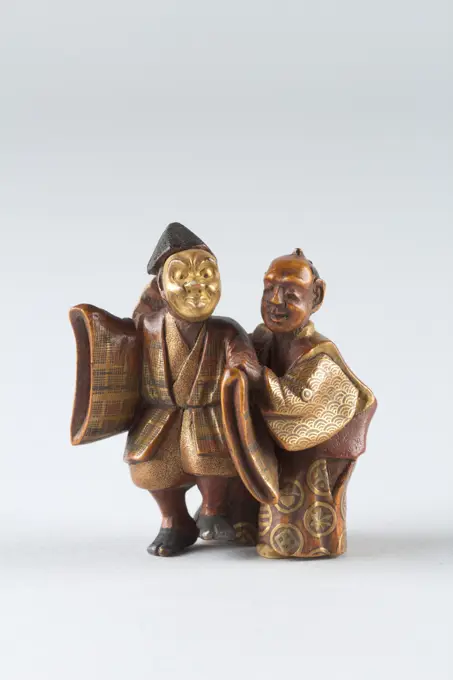
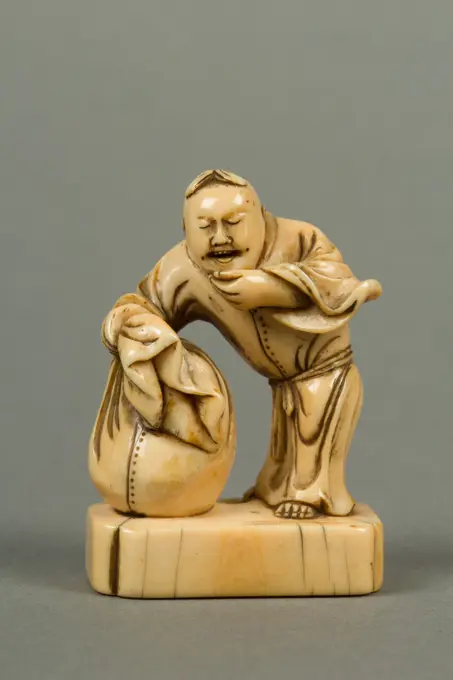
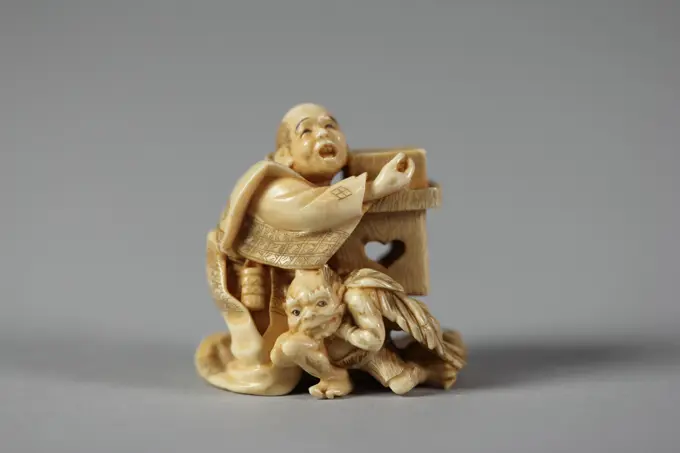
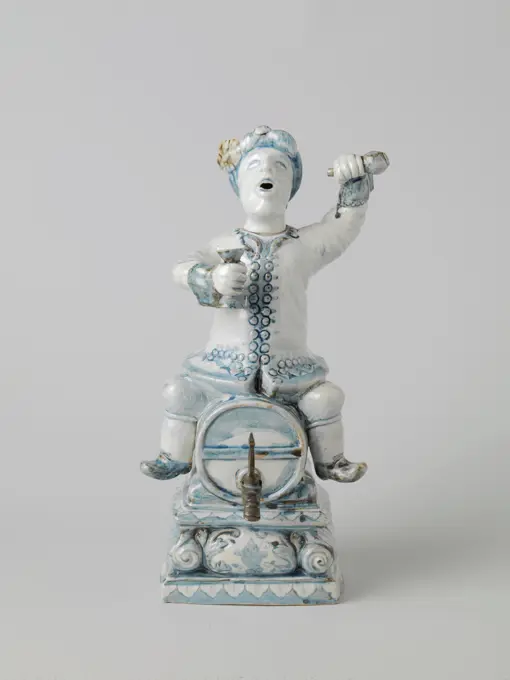
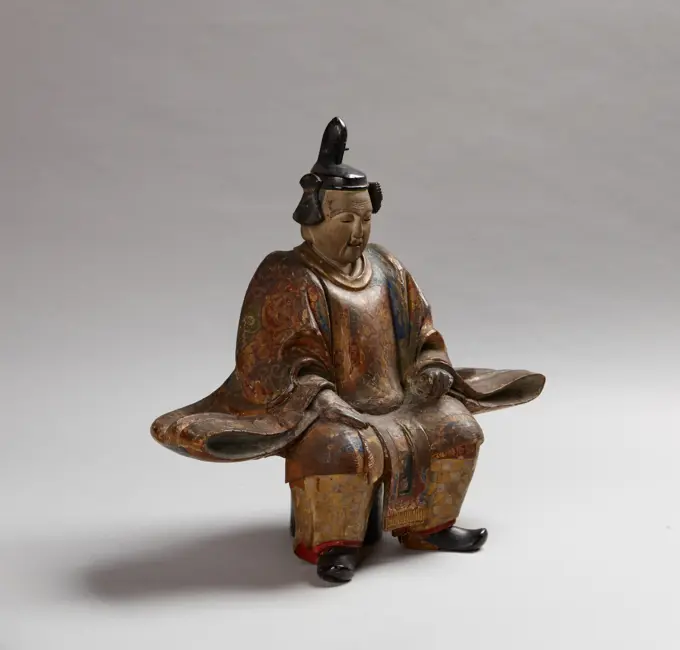
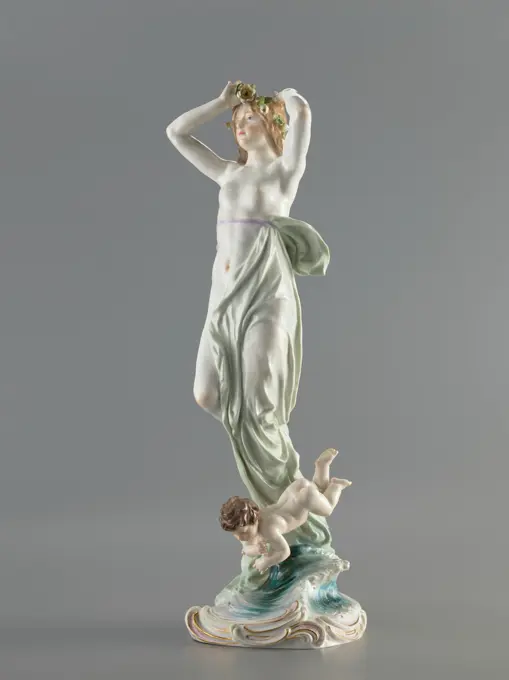
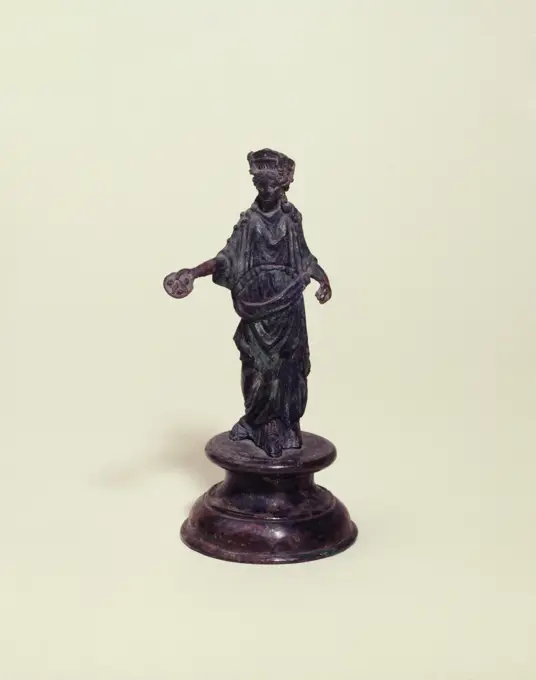
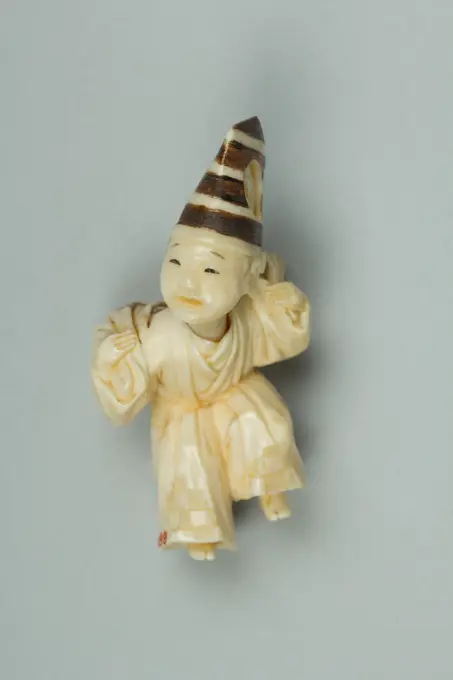
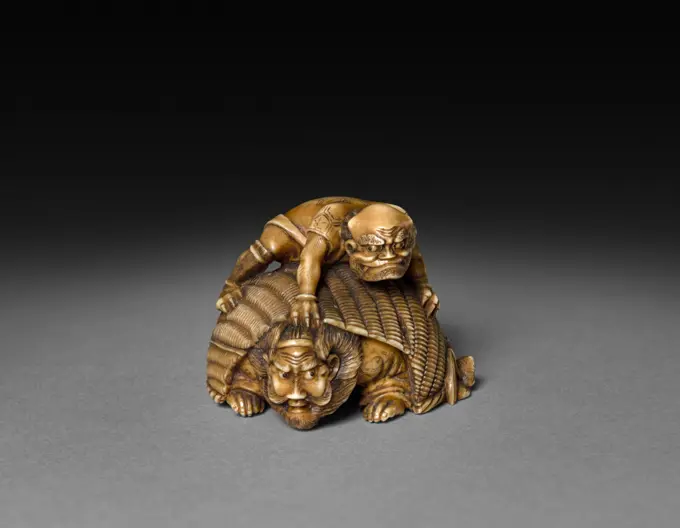
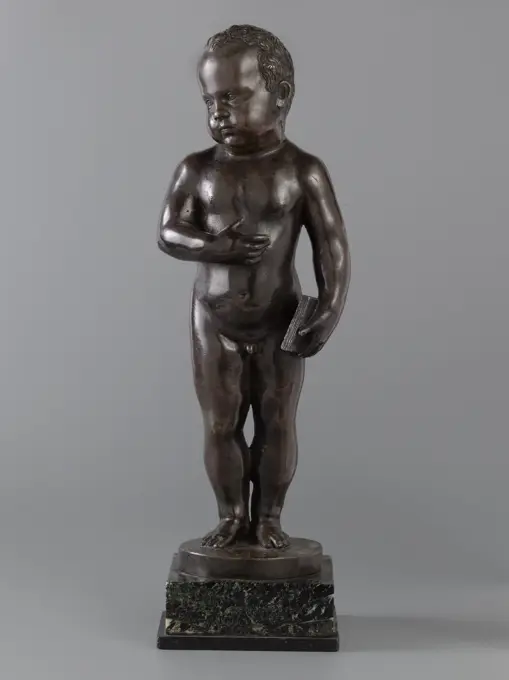
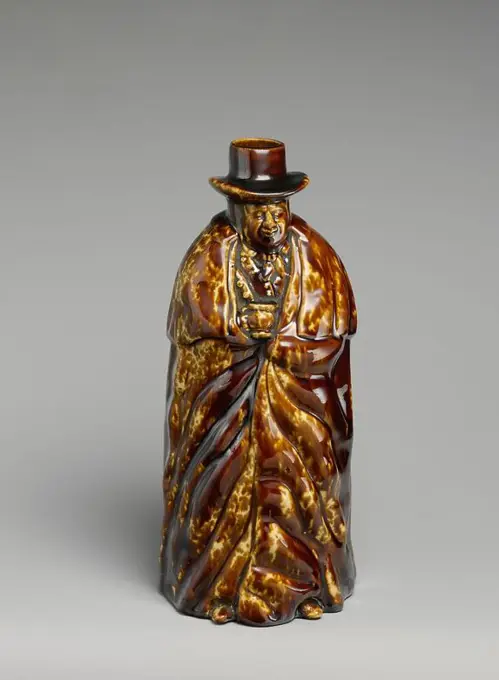
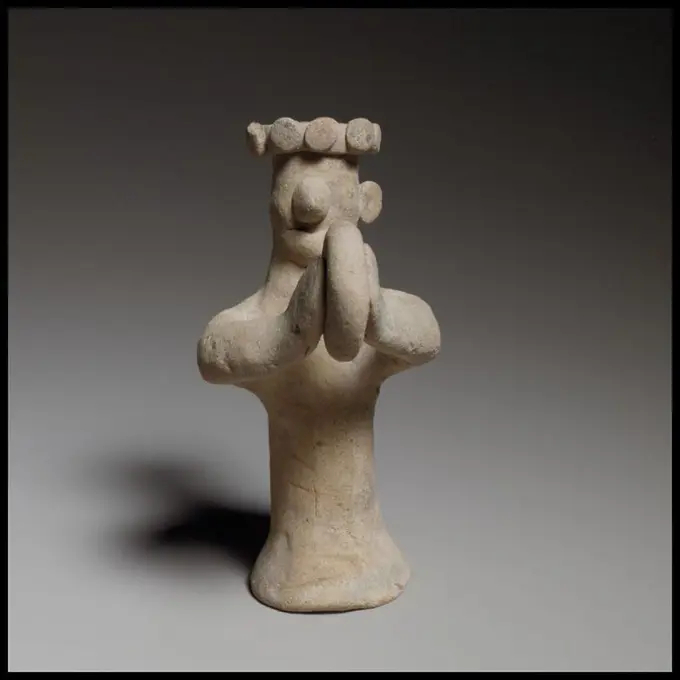
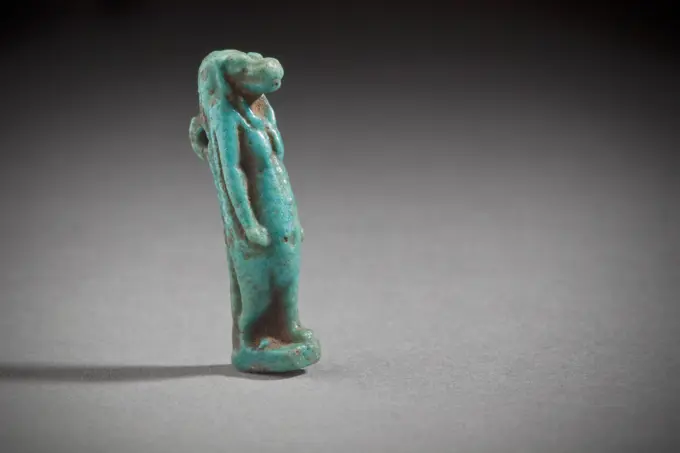
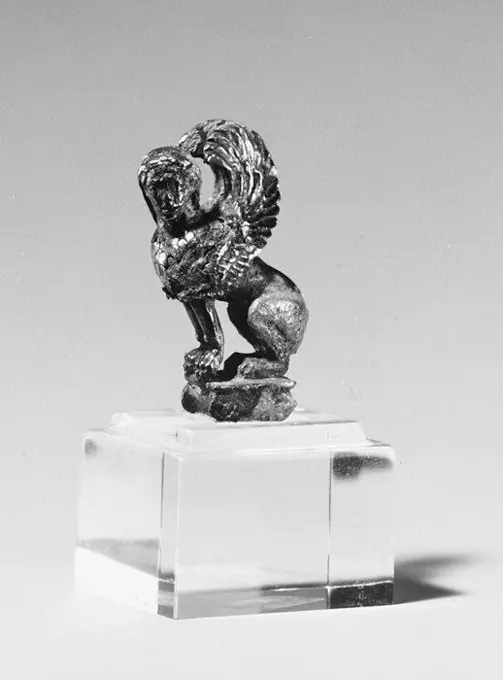
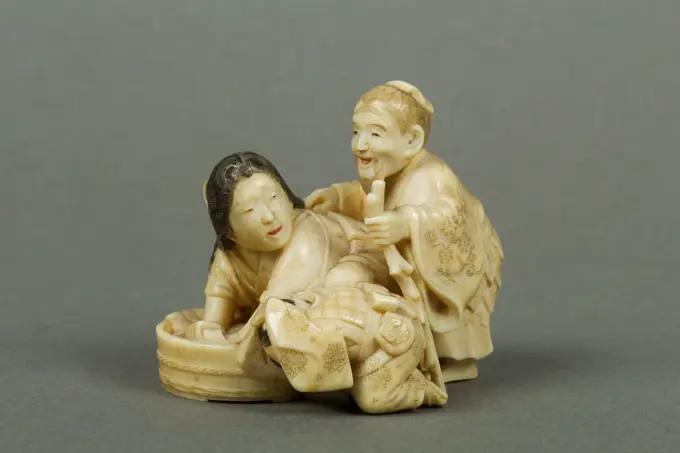
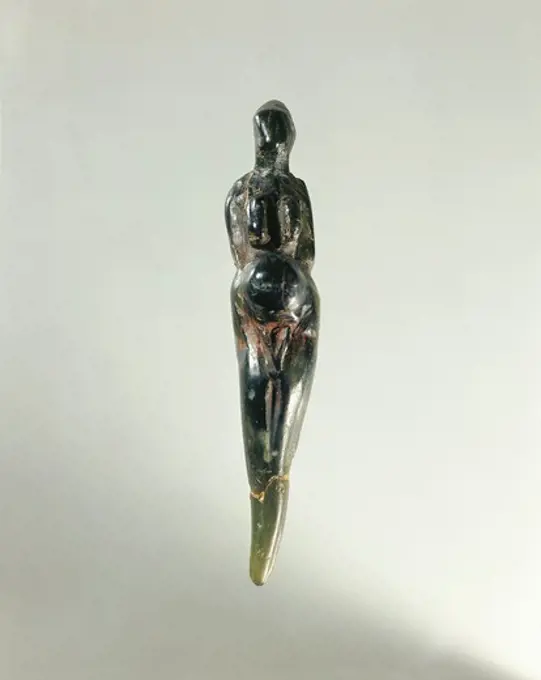
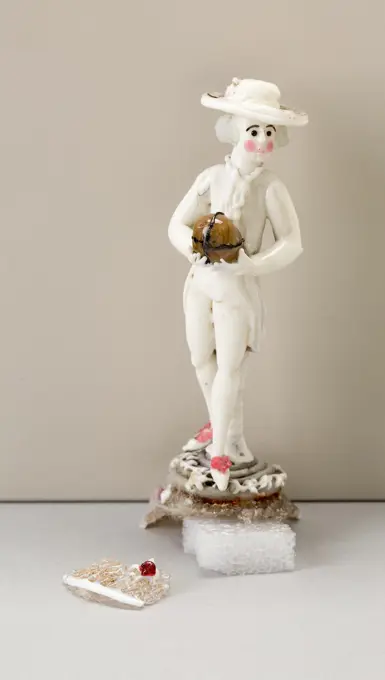
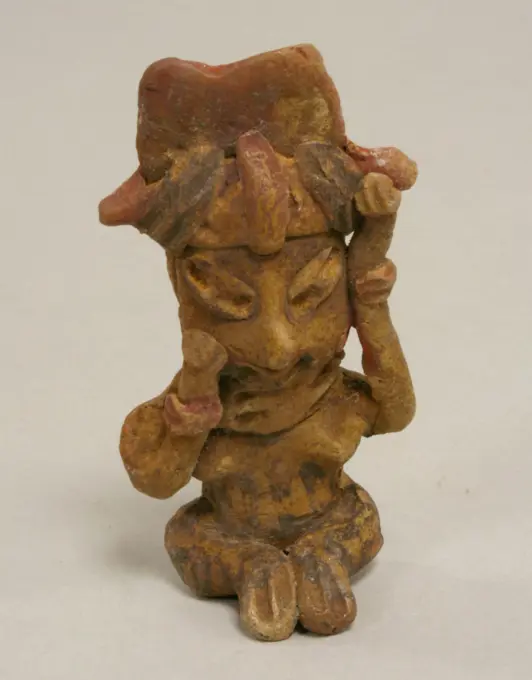
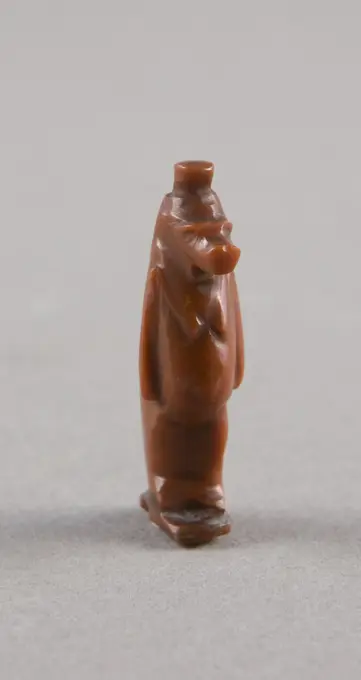
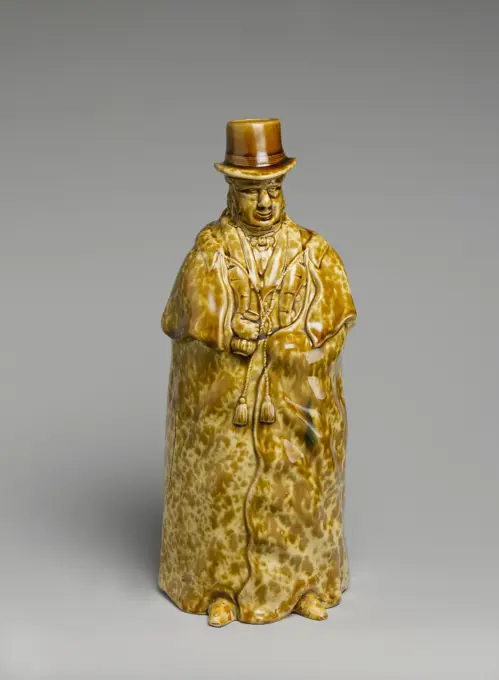
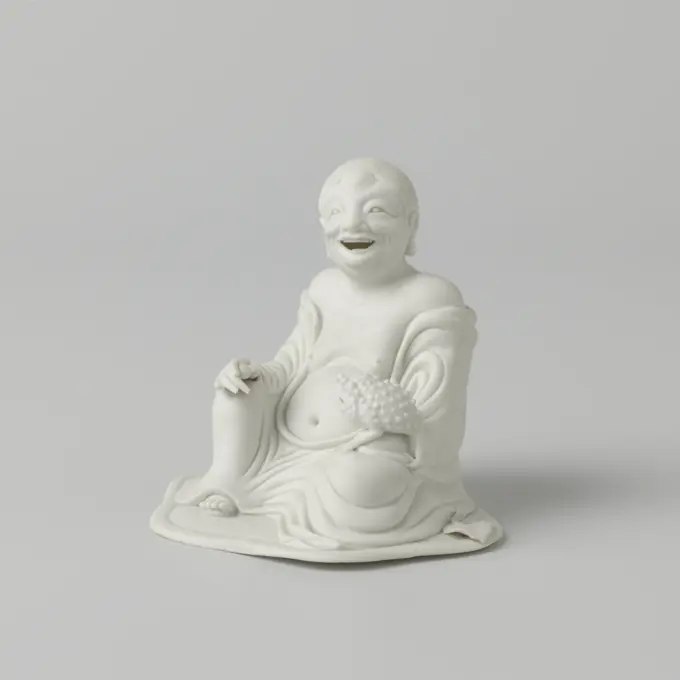
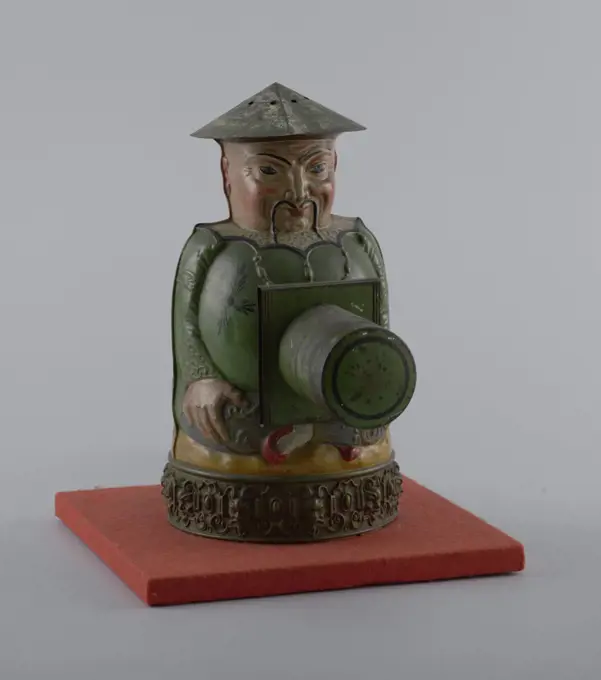
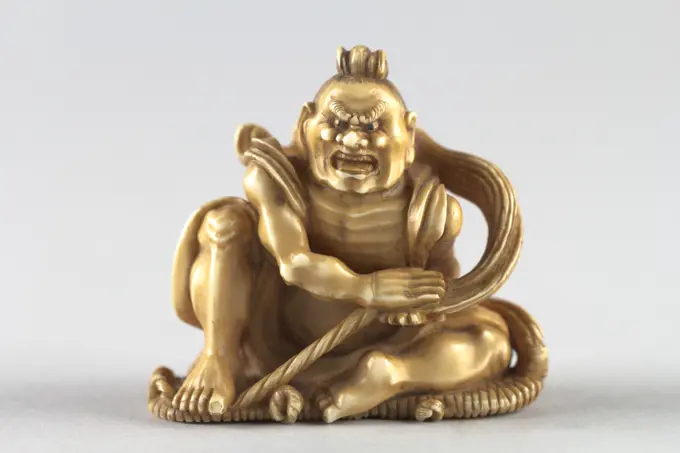
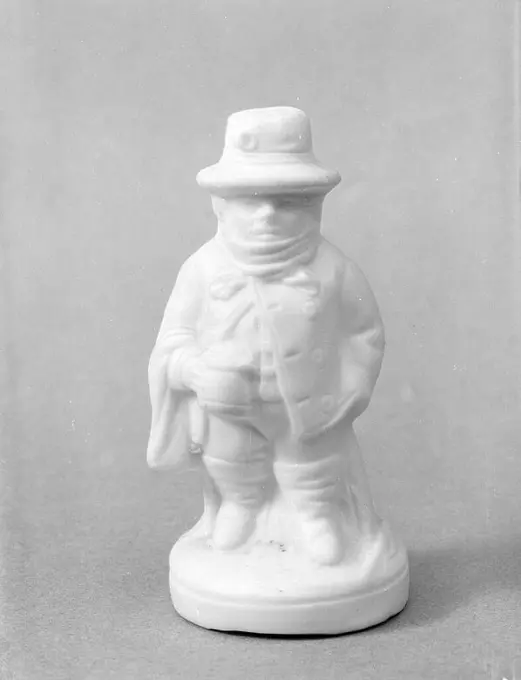
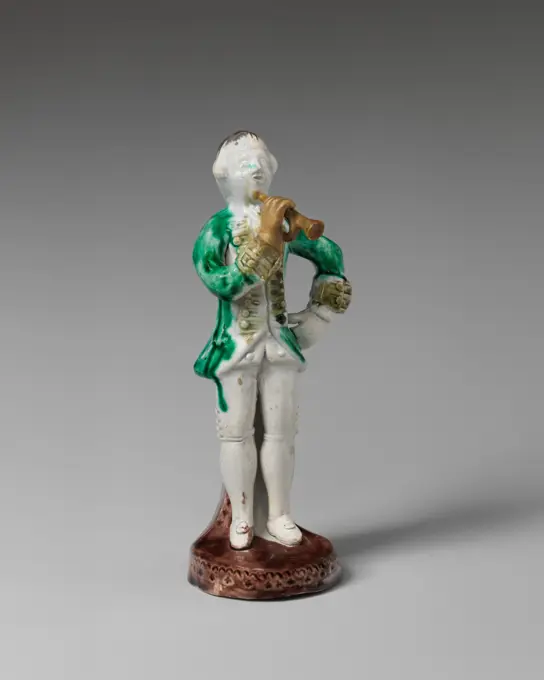
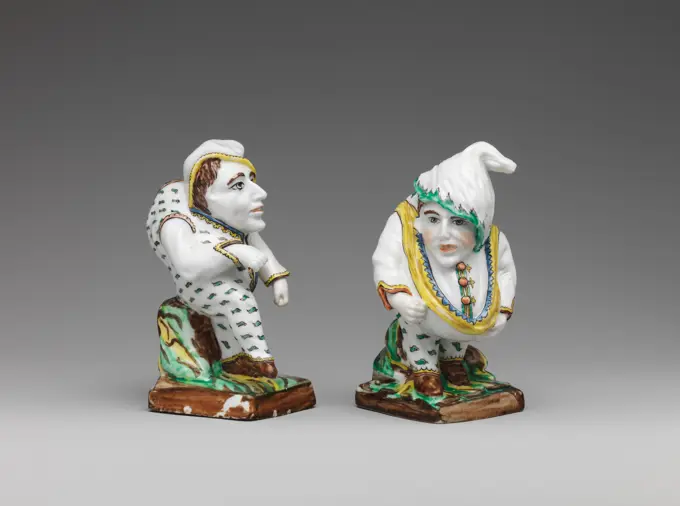
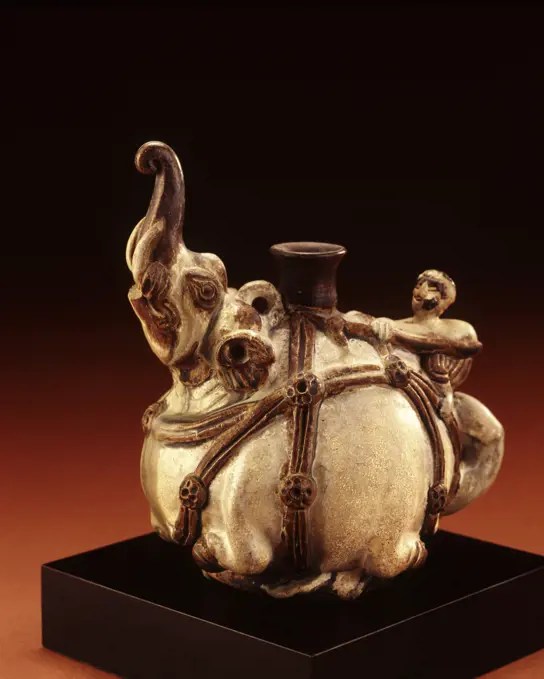
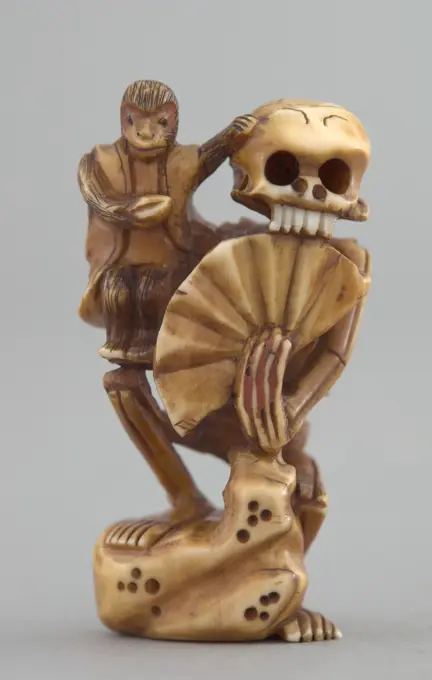
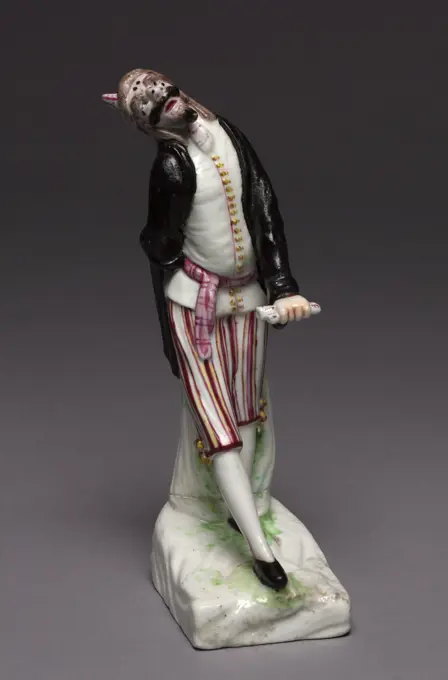
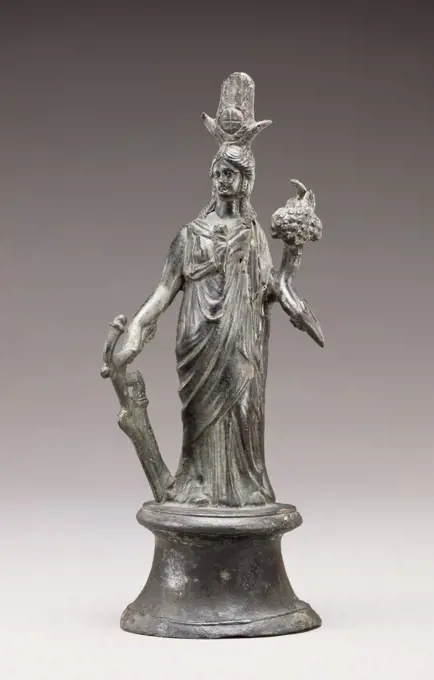
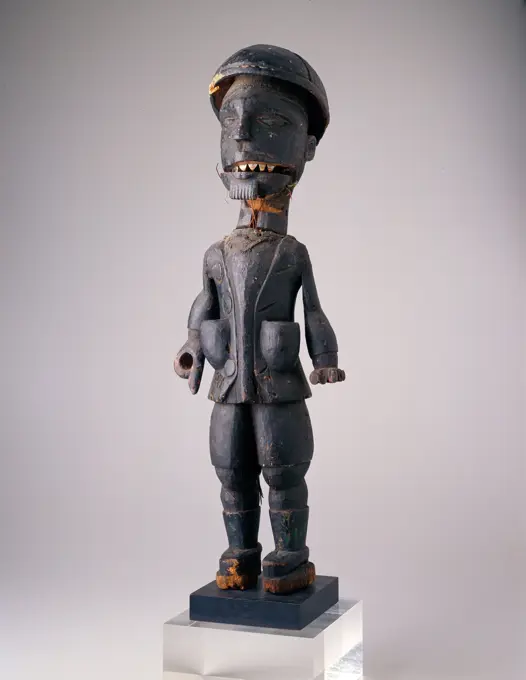
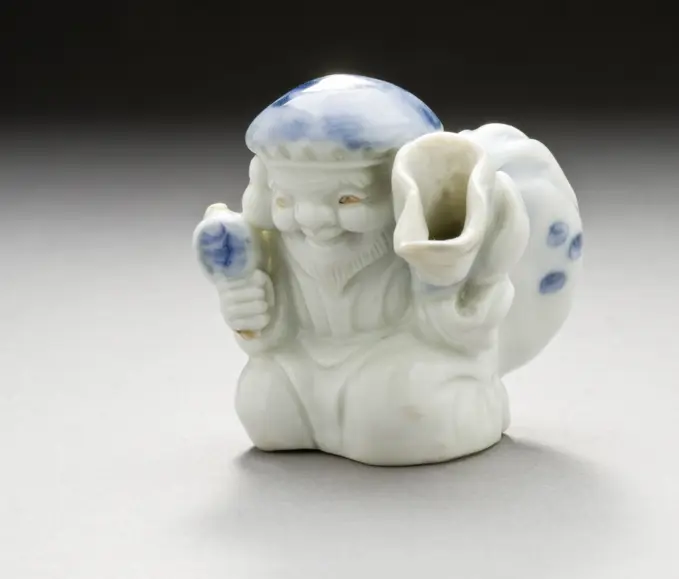
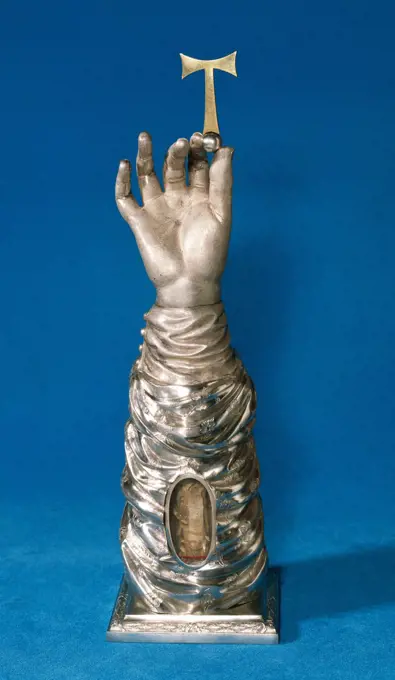
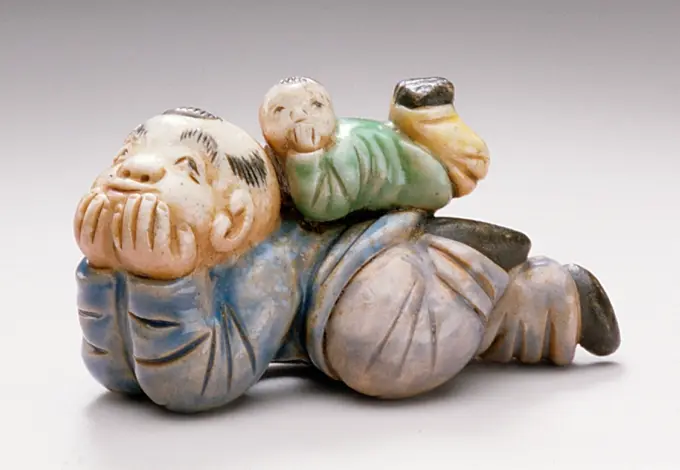
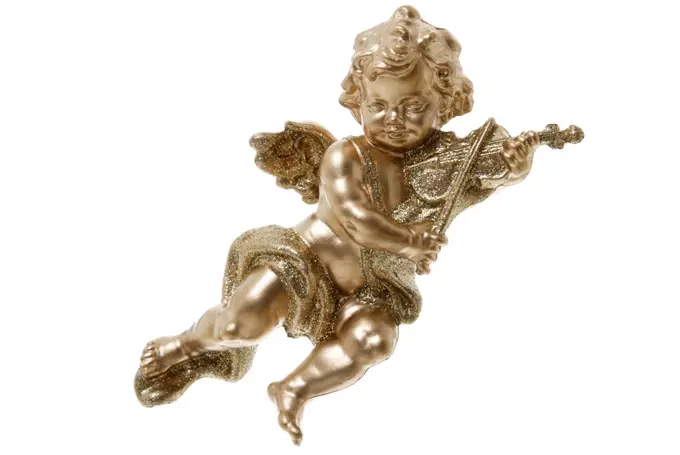
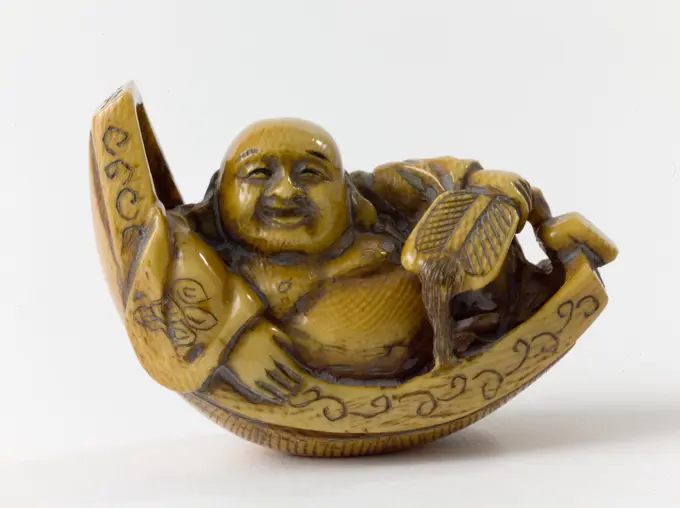
Figurine of ErosCupid and devil in a group ca. 1765 Chelsea Porcelain Manufactory. Cupid and devil in a group. British, Chelsea. ca. 1765. Soft-paste porcelain. Chelsea Porcelain Manufactory (British, 1745-1784, Gold Anchor Period, 1759-69). Ceramics-PorcelainToby Jug. Culture: American. Designer: Designed by Daniel Greatbatch (active 1838-ca. 1861). Dimensions: 6 1/4 x 5 in. (15.9 x 12.7 cm). Manufacturer: Manufactured by United States Pottery Company (1852-58). Date: 1849-58. Museum: Metropolitan Museum of Art, New York, USA.Netsuke of Demon Carrying a Woman on His Shoulders. Culture: Japan. Dimensions: H. 2 3/8 in. (6 cm); W. 7/8 in. (2.2 cm); D. 1 in. (2.5 cm). Date: 19th century. Museum: Metropolitan Museum of Art, New York, USA.Gardener and boy in a group ca. 1765 Chelsea Porcelain Manufactory. Gardener and boy in a group. British, Chelsea. ca. 1765. Soft-paste porcelain. Chelsea Porcelain Manufactory (British, 1745-1784, Transitional (Brown Anchor) Period, ca. 1758-1759). Ceramics-PorcelainAfter the Bath. Japan, 19th century. Costumes; Accessories. WoodFigure of A Woman with a Rabbit and Fungus. Image of porcelain on octagonal pedestal, covered with a translucent white glaze. A woman with its right hand raised with an object; For her a rabbit and a mushroom; Pedestal with flower drinks in boxes. Blanc De Chine.Boy letter-writer and girl in group ca. 1759 Chelsea Porcelain Manufactory. Boy letter-writer and girl in group. British, Chelsea. ca. 1759. Soft-paste porcelain. Chelsea Porcelain Manufactory (British, 1745-1784, Gold Anchor Period, 1759-69). Ceramics-PorcelainNetsuke late 18th century Japan. Netsuke. Japan. late 18th century. Wood. Edo period (1615-1868). NetsukeBottle. American; Possibly Ohio. Date: 1820-1840. Dimensions: h. 23.1 cm (9 1/8 in.). Earthenware. Origin: United States. Museum: The Chicago Art Institute, Chicago, USA.St. Antonius of Padua, Gold, colored stones, enamel, wood pedestal, Italy or Spain, 1600-1650, jewelry, Decorative Arts, Pendant, PendantTerracotta statuette of an old nurse and a child 4th century B.C. Greek, Boeotian or Attic The nurse carries the child on her shoulder.. Terracotta statuette of an old nurse and a child 253554 Greek, Boeotian or Attic, Terracotta statuette of an old nurse and a child, 4th century B.C., Terracotta, H. 3 in. (7.59 cm). The Metropolitan Museum of Art, New York. Fletcher Fund, 1938 (38.11.1)Standing Official Made 618 CE-907 CE China. Earthenware with three color (sancai) lead glazes .Potpourri Vase with Cover, c. 1750. Vincennes Porcelain Factory (France, 1740-56). Soft-paste porcelain; overall: 17.2 x 15.9 x 10.5 cm (6 3/4 x 6 1/4 x 4 1/8 in.).Gardener; Koenigliche Porcellain Fabrique, Meissen (1710-1763), Kaendler, Johann Joachim (1706-1775), Reinicke, Peter (1715-1768); approx. 1760 (1755-00-00-1765-00-00);Walrus ivory figure of Freyr, Lund. Sweden. VIKING.Female Figurine or Finial, late 1800s-early 1900s. Central Africa, Democratic Republic of the Congo (most likely), Cabinda, or Republic of the Congo, Kongo people. Ivory and iron; overall: 11 x 4 x 4 cm (4 5/16 x 1 9/16 x 1 9/16 in.).Netsuke in the shape of seal stamp with the figurine of a Chinese sage sitting on a rock. unknown, sculptorSeal Made 1750-1770 Chelsea. Soft-paste porcelain, polychrome enamels and gilding; hardstone and metal mount . Chelsea Porcelain FactoryBaku: Monster that Eats Nightmares. Japan, 18th century. Costumes; Accessories. Ivory with staining, sumi, inlaysButton - li bai on the base;  19th century (1801-00-00-1900-00-00);Netsuke of Boy Sitting on the Shoulders of an Animal 18th century Japan. Netsuke of Boy Sitting on the Shoulders of an Animal. Japan. 18th century. Wood; inlaid eyes. Edo period (1615-1868). NetsukeMonnikbeker, anonymous, c. 1600 - c. 1610 Cup of lead glaze pottery, in the form of a nun. The cup is covered with green and yellow lead glaze. The hood on the back forms the cup. A rank ornament runs along the bottom edge of the rug. Netherlands earthenware. lead glaze Cup of lead glaze pottery, in the form of a nun. The cup is covered with green and yellow lead glaze. The hood on the back forms the cup. A rank ornament runs along the bottom edge of the rug. Netherlands earthenware. lead glazeIncense holder with scholars in a landscape. Artist: Zhu Sansong (active ca. 1573-1619). Culture: China. Dimensions: Overall (including new wooden ends) H. 7 in. (17.8 cm). Date: late 16th-early 17th century.The ubiquitous motif of scholars enjoying a remote landscape is elegantly carved on the surface of this incense holder. The openwork decoration facilitates the release of fragrance from incense sticks burning inside. Museum: Metropolitan Museum of Art, New York, USA.Priest 1775-1825 France. Glass; lampwork (verre de Nevers), metal armature .Zodiac Figure: Rooster 18th century China. Zodiac Figure: Rooster. China. 18th century. Porcelain, in the biscuit and with turquoise and aubergine glazes. Qing dynasty (1644-1911). CeramicsFigure. Culture: China. Dimensions: H. 4 1/4 in. (10.8 cm). Museum: Metropolitan Museum of Art, New York, USA.Seal Korea. Seal 57455Netsuke of Two Male Figures 19th century Japan. Netsuke of Two Male Figures 60295Netsuke of Two Noh Dancers 19th century Japan. Netsuke of Two Noh Dancers. Japan. 19th century. Lacquer. Edo (1615-1868) or Meiji period (1868-1912). NetsukeNetsuke of Man with a Bag, Standing on a Block 19th century Japan. Netsuke of Man with a Bag, Standing on a Block. Japan. 19th century. Ivory. Edo (1615-1868) or Meiji period (1868-1912). NetsukeNetsuke 19th century Japan. Netsuke 60199Snuffbox or patchbox ca. 1751-54 Saint James's Factory. Snuffbox or patchbox 207229Scent Bottle, 1800s. Manner of Meissen Porcelain Factory (German). Porcelain with gilt metal mounts; overall: 7.2 x 3.1 cm (2 13/16 x 1 1/4 in.).Spirit keg in the shape of a Dutchman sitting astride a barrel, anonymous, c. 1750 Jeneverbank of porcelain, painted in under -glaze blue. The jug is sitting on a barrel in the form of a jolly Dutch man, a bottle of persistent in his raised left hand and a glass in his other hand. The head is separate from the body and serves as a cap; A suspended hat on the head. In the front of the barrel is a hole made for a brass tap. The barrel rests on a pedestal with with volute ornaments in European style; The pedestal is decorated with leaf vines. Blue White. Japan (possibly) porcelain. glaze. cobalt (mineral) painting / vitrification Jeneverbank of porcelain, painted in under -glaze blue. The jug is sitting on a barrel in the form of a jolly Dutch man, a bottle of persistent in his raised left hand and a glass in his other hand. The head is separate from the body and serves as a cap; A suspended hat on the head. In the front of the barrel is a hole made for a brass tap. The barrel rests on a Figurine  Seated zuishin  the guardian shintoistic deity unknownFigurine: nymph with putt; Koenigliche Porcellain Fabrique, Meissen (1710-1763); 2.Pendant on pedestal with cupid. Hairdressing cupid on a pedestal. The figure shooting with arrow and bow is enamelled and occupied with rubies, and was originally intended as a hanger. A large, eight-sided sharpened topaz is placed in the middle of the pedestal.Anonymous. "Tutela. Tyché de Ville". Metal, bronze, green patina, 2nd century. Museum of Fine Arts of the City of Paris, Petit Palais. 99931-11 Antiquity, bronze, ieme iie II 2nd 2nd 2nd century, metal, green patina, ancientCandelabra 15th century () German (). Candelabra 462731Netsuke 19th century Japan. Netsuke. Japan. 19th century. Ivory inlaid with mother-of-pearl and coral. Edo (1615-1868) or Meiji period (1868-1912). NetsukeTwo children with a bird's socket (figurine); Koenigliche Porzellan Manufaktur (KPM; Berlin; 1763-1918); around 1775 (1770-00-00-1780-00-00);Female figure of Faience, Anonymous, 1720 - 1740 Representing a Chinese woman, multi -colored painted. Berlin (possibly)Ansbach (possibly) . Representing a Chinese woman, multi -colored painted. Berlin (possibly)Ansbach (possibly) .Chinese, Statuette, 19th century, hard-paste porcelain.Figure of A Seated Woman. Image of porcelain on hexagonal pedestal, painted on biscuit in green, yellow, eggplant and black. The image presents a seated woman in a floral robe. The hexagonal pedestal is decorated on the front with napkin with a medallion with a flower, on the back two loose flowers and a window. Email sur biscuit with famille verte colors.Demon Covering Shoki, early to mid-1800s. Japan, Edo period (1615-1868). Ivory; overall: 3.2 cm (1 1/4 in.).Knaap ,, 1500 - 1525  North-Italy bronze (metal)  North-Italy bronze (metal)Angel plastic statue of an gold angel isolated on white background.Bottle. Culture: American. Designer: Probably designed by Daniel Greatbatch (active 1838-ca. 1861). Dimensions: H. 10 3/4 in. (27.3 cm). Manufacturer: Manufactured by Lyman, Fenton & Co. (1849-52). Date: 1849-58. Museum: Metropolitan Museum of Art, New York, USA.Standing tambourine player. Culture: Cypriot. Dimensions: H. 3 3/4 in. (9.5 cm). Date: ca. 600-480 B.C..The figurine, of uncertain gender, is handmade and solid. The cylindrical body flares to a concave base. The arms are bent forward, the hands supporting a tambourine between them. Museum: Metropolitan Museum of Art, New York, USA.Taweret Amulet. Egypt, Late Period to Ptolemaic Period (724 - 30 BCE). Jewelry and Adornments; amulets. blue faienceBa-bird amulet. Dimensions: l. 1.7 cm (11/16 in.) × h. 2.1 cm (13/16 in.). Dynasty: Dynasty 26-29. Date: 664-380 B.C.. Museum: Metropolitan Museum of Art, New York, USA.Silver statuette of a sphinx with gilding 5th century B.C. Greek Gilded silver sphinx perched upon an Ionic capital with head turned to the left.. Silver statuette of a sphinx with gilding 256232Crippled Beggar ca. 1450-1500 Netherlandish. Crippled Beggar 479672Gold Weight: Chief with Attendant. Culture: Yoruba peoples. Dimensions: Height 3-3/8 in.. Date: 19th century. Museum: Metropolitan Museum of Art, New York, USA.A couple with a birdcage underneath a tree, Wilhelm Caspar Wegely, c. 1752 - c. 1757 Image of porcelain in the form of a young pair sitting under a tree. The woman has a bird cage on her lap, which contains a bird. The man sits next to her on the floor and is about to put a second bird back in the cage. Marked on the foot with a W and on the bottom with 2/90/23. Berlin porcelain. glaze vitrification Image of porcelain in the form of a young pair sitting under a tree. The woman has a bird cage on her lap, which contains a bird. The man sits next to her on the floor and is about to put a second bird back in the cage. Marked on the foot with a W and on the bottom with 2/90/23. Berlin porcelain. glaze vitrificationGuéridon, Anonymous, c. 1690 - C. 1740 Guéridon in the form of a naked boy or putto with a lend towel, who carries a round tray with raised arms on his head. On an open-up pedestal that is decorated with lush leaf and flower arrangements. Indonesia teak (wood). ironwood Guéridon in the form of a naked boy or putto with a lend towel, who carries a round tray with raised arms on his head. On an open-up pedestal that is decorated with lush leaf and flower arrangements. Indonesia teak (wood). ironwoodNetsuke 19th century Japan. Netsuke. Japan. 19th century. Ivory. Edo (1615-1868) or Meiji period (1868-1912). NetsukeItaly, Liguria, Venus of Grimaldi, green steatite figurine from Balzi Rossi caves. Glass; lampwork (verre de Nevers), metal armature .Harlequin and the Quack Doctor ca. 1745 Meissen Manufactory German. Harlequin and the Quack Doctor 206023Figure 3rd century B.C.-A.D. 4th century Chupicuaro. Figure 313194. On the fleshy, just a helmet covered head cover, to which a Gouda pipe is attached. It is dressed in a jam with knots, above which a slippery, pleated collar; On the shoulder rock edge. From his right shoulder, the jacket runs diagonally down to the right; A role sticks tobacco between the mantle and tube. The headdress shows linear decorations and is largely located.Key 1st-2nd century Roman. Key 462962Amulet of the Goddess Taweret (Thoeris) 664 BCE-343 BCE Egypt. Stone . Ancient EgyptianChess set, anonymous, c. 1550 The figures are each on a ground, placed on a twisted and profiled pedestal, on which a fleurons fence. The black king sits with the gestured head slightly to the right on a prancing horse, the front pents rest on a dragon, whose tail is turned around the hoof of the left hind leg. In the lifted left hand, the king holds the toom, that he also has the right hand, in which he also keeps a scepter. He is sitting on a Schabrak, wears a crown on a beret with a spring, as if he was hunting; Furthermore, a paltrok over a shirt with split sleeves and boots with traces, stabbed in the stirrups. A sable hangs from his waist on his left side. A chain, reminiscent of the Golden Fleece, hangs around his neck (Karel V). The horse's tail is tied. The white queen is sitting with both legs on the left side of the mule, the right forbone of which rests on the head of a horizontal dog. She sees in the direction of the falcon on her left hand, holds the check with the right Figure Represing Spring, porcelain manufacturer Frankenthal, c. 1765 - c. 1770 Image of porcelain, painted on the glaze in email colors and gold. The image, representing the spring, shows a man who has a bowl with bunches of grapes and offers a bunch to a woman with a basket full of fruit. The pedestal is decorated with rocailles. Marked on the underside with the crowned CT including VIII and SZ. Frankenthal porcelain. glaze. gold (metal) painting / gilding / vitrification Image of porcelain, painted on the glaze in email colors and gold. The image, representing the spring, shows a man who has a bowl with bunches of grapes and offers a bunch to a woman with a basket full of fruit. The pedestal is decorated with rocailles. Marked on the underside with the crowned CT including VIII and SZ. Frankenthal porcelain. glaze. gold (metal) painting / gilding / vitrificationDoll of a boy 11th-12th century China. Doll of a boy. China. 11th-12th century. Glazed stoneware. Song dynasty (960-1279). Tomb PotteryDuster 1880s American. Duster. American. 1880s. cottonBottle ca. 1849-58 Probably designed by Daniel Greatbatch British. Bottle 645Frustrated Rat Catcher. Ittan (Japan, circa 1820-1877). Japan, mid-19th century. Costumes; Accessories. WoodFigure of a seated Liu Hai with his toad, Minggao. Jiang, c. 1675 - c. 1699 Image of ungloss porcelain on a flat pedestal. Sitting image of Liu Hai, laughing with bare chest and belly; His path is sitting on his left knee and he holds a pearl in his right hand. Marked on the underside with the four-character brand manufacturer's brand of Jiang Minggao. Two fingers broken down. Biscuit. China porcelain Image of ungloss porcelain on a flat pedestal. Sitting image of Liu Hai, laughing with bare chest and belly; His path is sitting on his left knee and he holds a pearl in his right hand. Marked on the underside with the four-character brand manufacturer's brand of Jiang Minggao. Two fingers broken down. Biscuit. China porcelainMagic lantern, Tôle (painted tin), a) Figure of a seated figure in blue-gray trousers and green coat, on circular plinth decorated with masks and shells. Threaded circular opening on belly. b) conical pierced hat. c) tube with square slide holder. d) upainted projector tube, lens missing. e) circular slightly domed cover., France, 1850-1900, metalwork, Decorative Arts, Magic lanternHarlequin family ca. 1738-40 Meissen Manufactory German. Harlequin family 207177FigurineJurōjin Mounted on His Stag. Keisuke (Japan, active late 19th-early 20th century). Japan, late 19th century. Costumes; Accessories. Painted woodNetsuke of a Demon 19th century Japan. Netsuke of a Demon. Japan. 19th century. Ivory. Edo (1615-1868) or Meiji period (1868-1912). NetsukeFigure of a Coachman. Culture: American. Dimensions: 3 7/8 x 2 x 1 7/8 in. (9.8 x 5.1 x 4.8 cm). Date: 1830-70. Museum: Metropolitan Museum of Art, New York, USA.Bugler in military dress ca. 1750 Style of Astbury-Whieldon. Bugler in military dress. British, Staffordshire. ca. 1750. Lead-glazed earthenware. Ceramics-PotteryDwarf (one of a pair) ca. 1740-45 Villeroy The Villeroy factory produced a limited number of figures, and most if not all of these fall into two main categories: depictions of Chinese” figures, most of whom are boys;[1 or of dwarfs, some of whom are also hunchbacks. While it may seem surprising today, the figures of dwarfs made by the factory appear to have been more popular than the chinoiserie figures, given the variety of models of dwarfs produced [2 and the number of surviving examples. Some of the dwarflike figures made at Villeroy cannot be easily classified as either dwarfs or hunch-backs, but the obviously unusual proportions of the figures and their facial features indicate that the depictions were intended to represent those with some type of physical deformity.[3As was true of most of the production at Villeroy, a tin glaze has been used for these two dwarfs, and each figure bears the letters D.V., a mark now commonly interpreted as that of the Villeroy factory (see 54.1Sawankalok water vessel featuring an elephant.Thailand.Przeszo Przyszoci unknownNachtwacht, Arnoldus van Geffen, 1769 On a plate is a man with a knee pants and a hat. In his right hand, he holds a raised stick. Probably a bird or a star has been stuck on the stick. A ZIG-Zag line is engraved along the edge of the plate. The image is marked: stk. = Amsterdam, Jrl. = K (1769), Mt. = Arnoldus van Geffen and a crowned V in a shield. Amsterdam silver (metal) On a plate is a man with a knee pants and a hat. In his right hand, he holds a raised stick. Probably a bird or a star has been stuck on the stick. A ZIG-Zag line is engraved along the edge of the plate. The image is marked: stk. = Amsterdam, Jrl. = K (1769), Mt. = Arnoldus van Geffen and a crowned V in a shield. Amsterdam silver (metal)Figure of Pantalone, c. 1755. Mennecy- Villeroy Factory (French). Soft-paste porcelain with enamel decoration; overall: 20 x 7 x 9.9 cm (7 7/8 x 2 3/4 x 3 7/8 in.).Chess figurine Mennecy VilleroyModel for a chatelaine, anonymous, c. 1750 - c. 1775 Red buyer model for a mold of a chatelaine. The show a tambourine, an open book, a burning torch, a tube with arrows, two birds and flowers. The whole is caught in a rococo ornament, formed by two large, inside C-Voluten. The underside is scalloped and the top flows into a few C-Voluten. Amsterdam copper (metal) cutting Red buyer model for a mold of a chatelaine. The show a tambourine, an open book, a burning torch, a tube with arrows, two birds and flowers. The whole is caught in a rococo ornament, formed by two large, inside C-Voluten. The underside is scalloped and the top flows into a few C-Voluten. Amsterdam copper (metal) cuttingStatuette of Isis-Fortuna; Unknown; Roman Empire; 2nd century; Bronze; Object: H:  19 cm (H:  7 1/2 in.)Figure, c. 1920, 33 1/4 x 8 x 8 in. (84.5 x 20.3 x 20.3 cm) (including attached wood and plexi mounts), Wood, cloth, plant fiber, pigment traces, Nigeria, 20th centuryChinese child with musical instrument late 18th century Japan. Chinese child with musical instrument 45825Toby Jug, vaso cerámico con forma de personaje sentado, siglo XX. Museu Comarcal de Vilafranca del Penedès.Water Dropper in the Form of Daikoku. Japan, 19th century. Ceramics. Hirado ware; porcelain with blue underglazePair of jumping horses. Delftware figurines were made to adorn tables and mantlepieces. Jumping horses were always popular subjects. The horses here jump over fences, which serves to support them.Reliquary arm of Saint Tecla. 18th century. Silver. By Francesc Pinto. Cathedral Treasury. Tarragona. Catalonia. Spain.Salt cellar in the shape of a putto. Weesper porseleinfabriekmodel attributed to Nicolas Gauron (1736-after 1775)Weesp, c. 1764hard-paste porcelainChinese Boys. Japan, mid-19th century. Costumes; Accessories. Hirado ware; porcelain with purple, green, brown, and black glazesLady on horseback ca. 1765-68 Derby Porcelain Manufactory. Lady on horseback. British, Chelsea-Derby. ca. 1765-68. Soft-paste porcelain. Derby Porcelain Manufactory (British, 1751-1785). Ceramics-PorcelainGolden putto playing violin, close upNetsuke. Hostei by boat. Japan. Ivory. Paris, Cernuschi museum. Clothing element, netsuke, dress object, traditional clothingPair of decorative bronzes with the figures of L'Etude and La Philosophie.Cameo (USA); shell, gold