Artistic Figurines and Collectibles

A selection of intricately designed figurines made from various materials, showcasing historical themes and craftsmanship, with detailed expressions and poses.
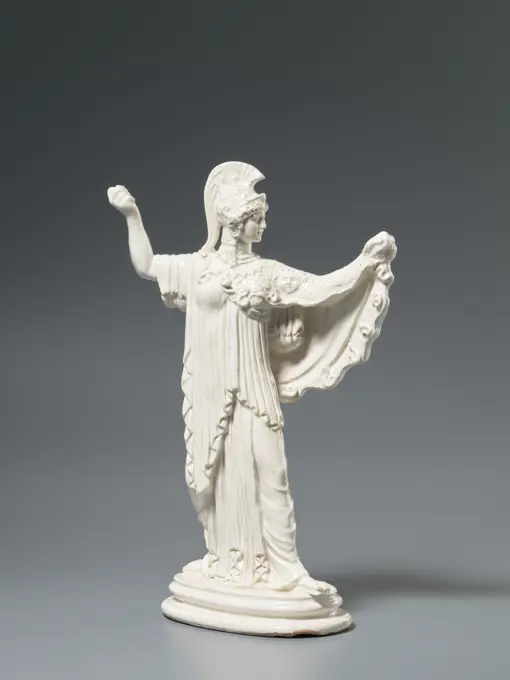
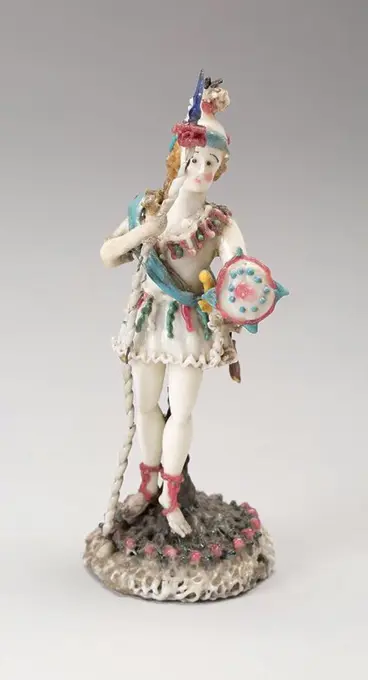
Figurine: Athena Promachos; unpredictable Lona Manufaktura; 1 19th century (1800-00-00-1825-00-00);
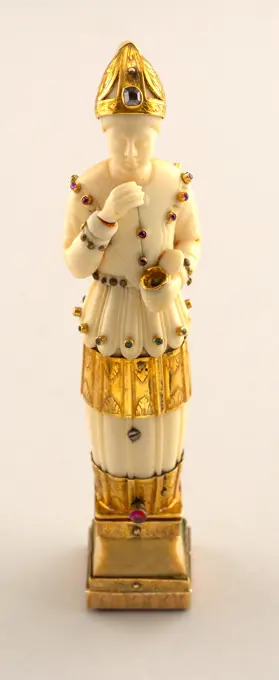
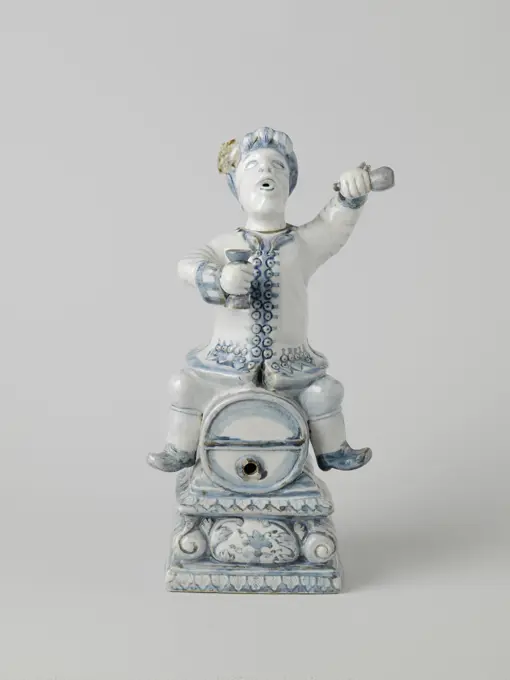
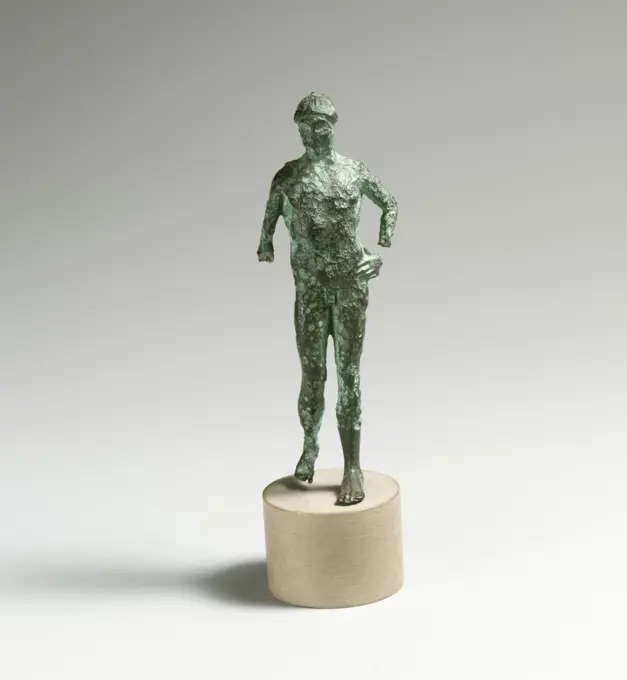
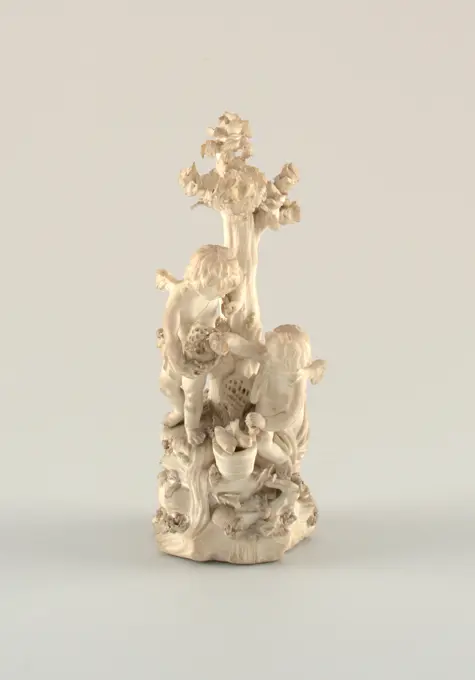
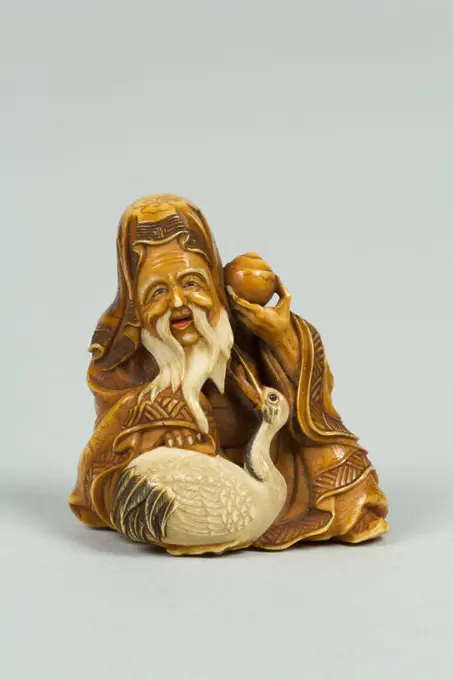
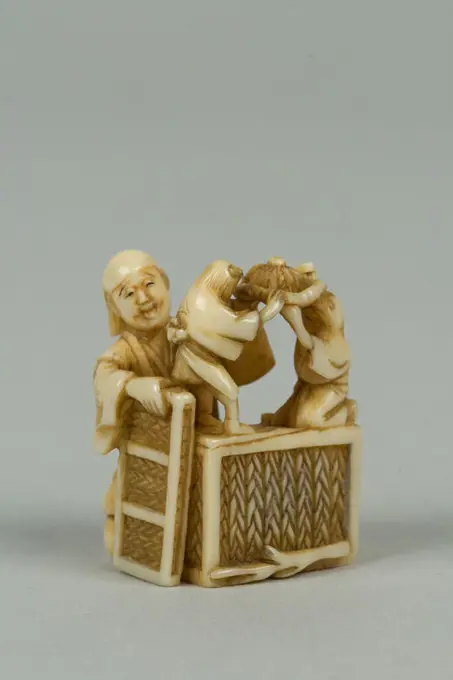
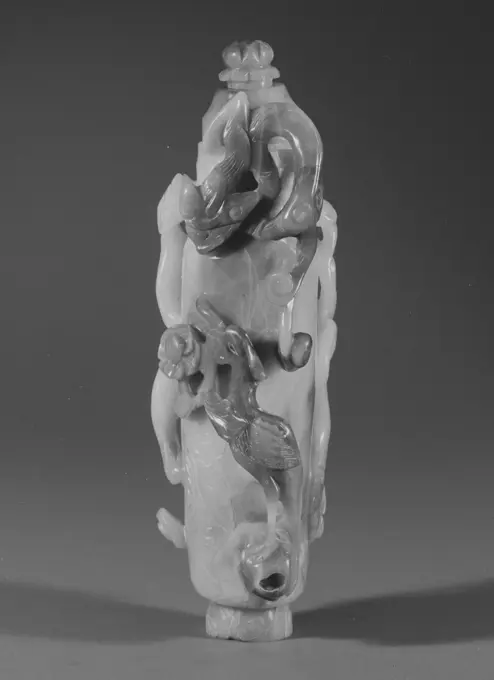
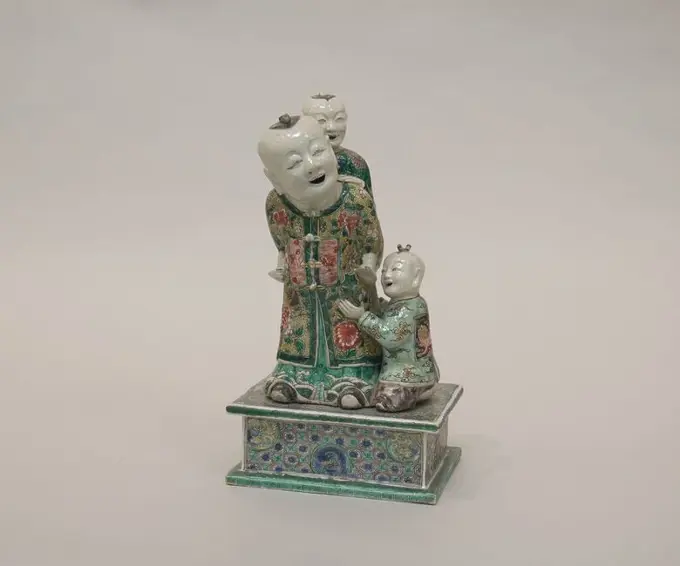
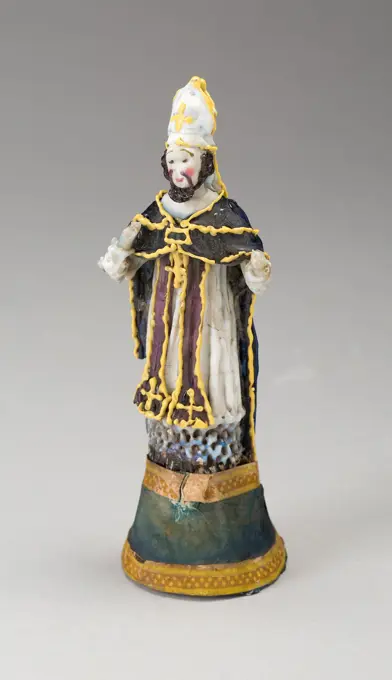
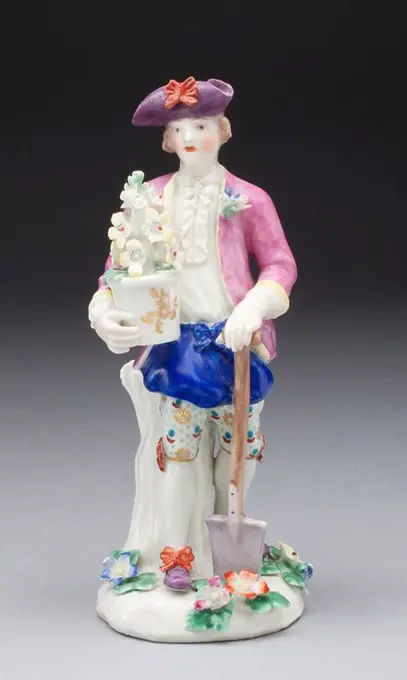
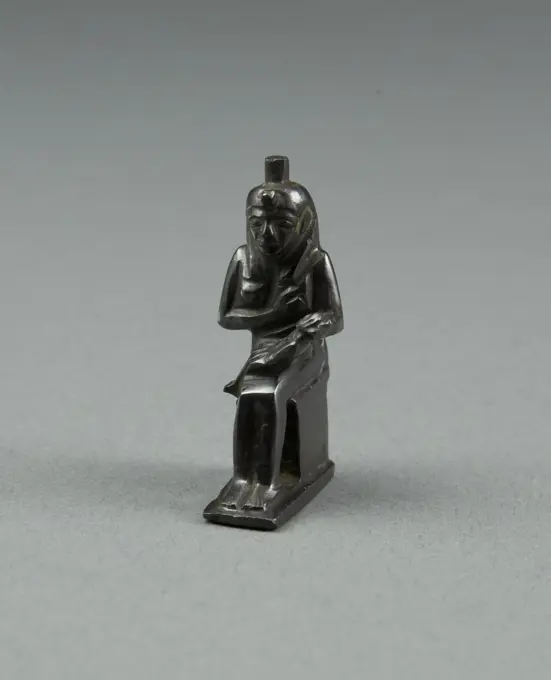
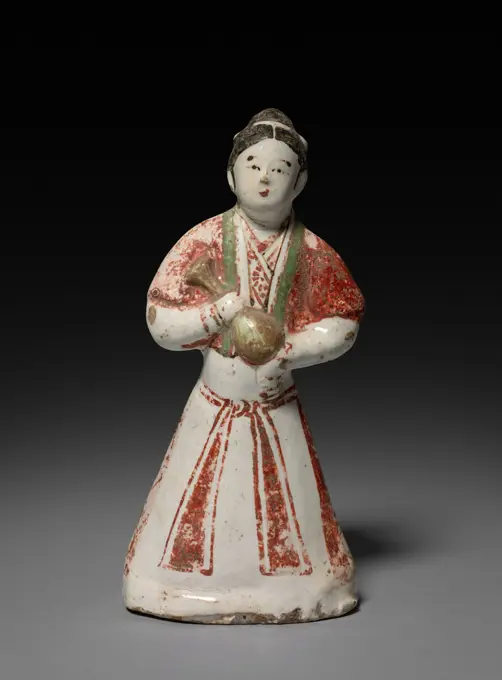
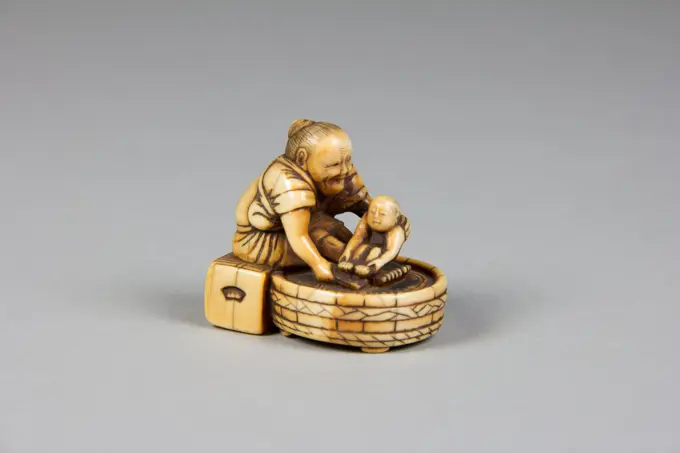
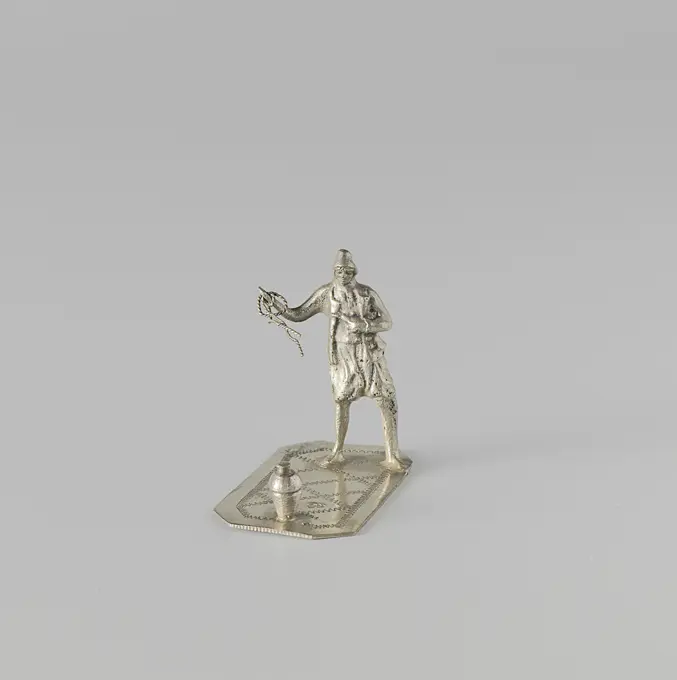
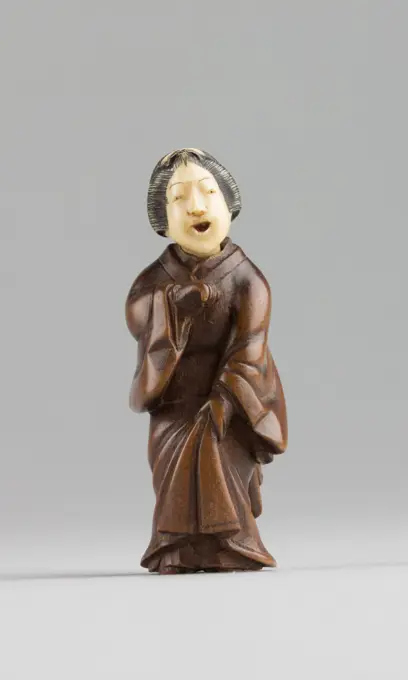
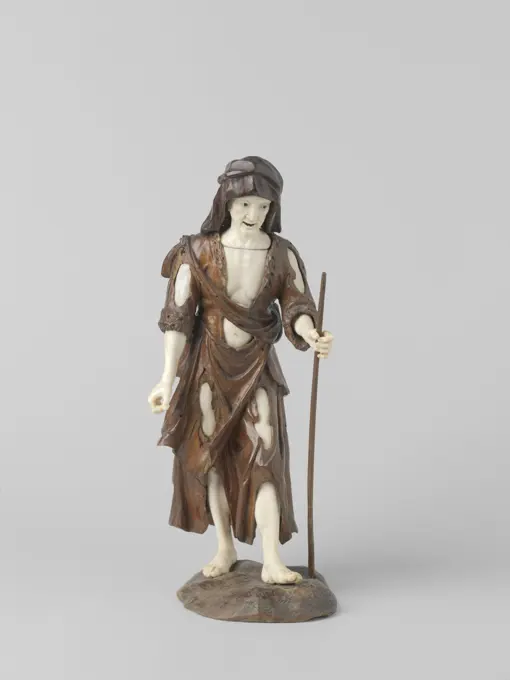
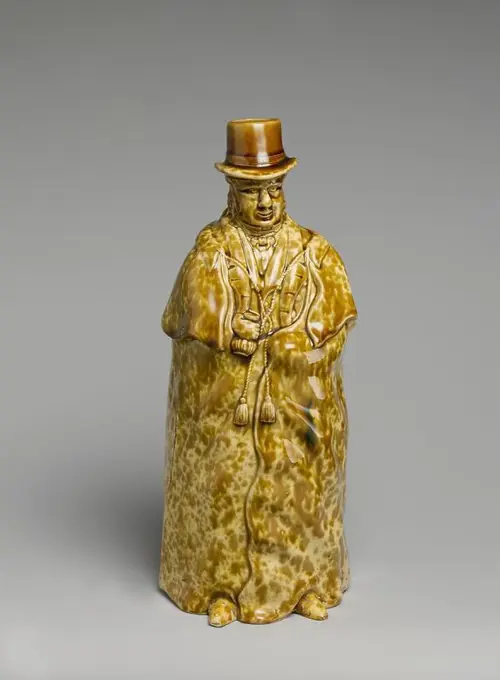
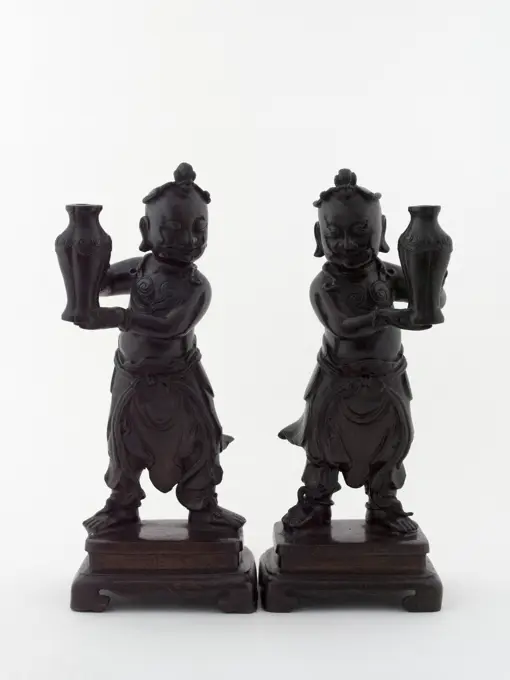
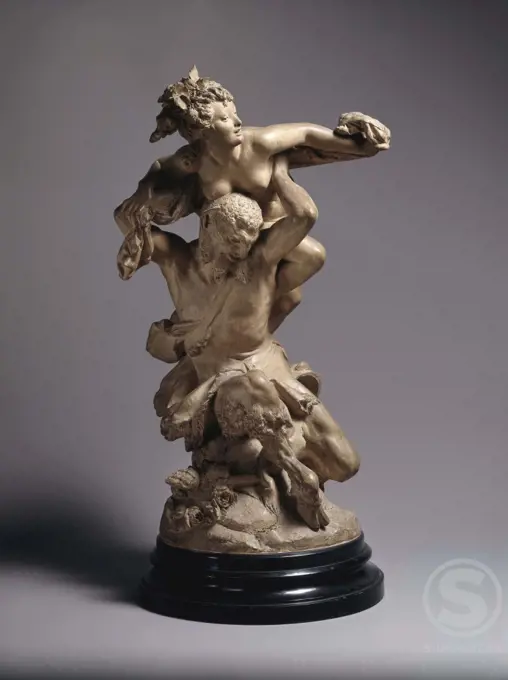
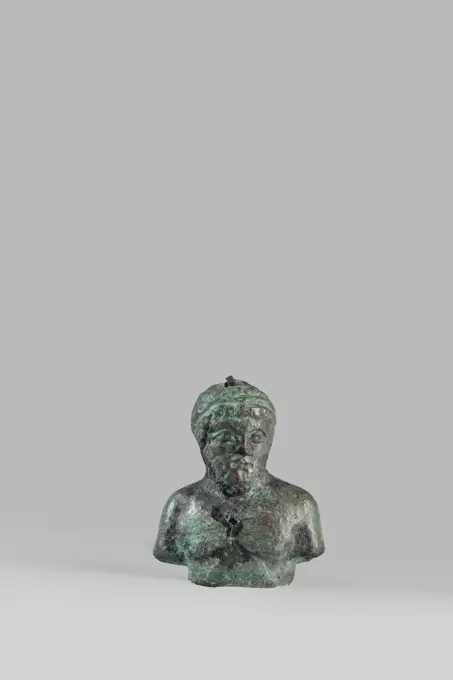
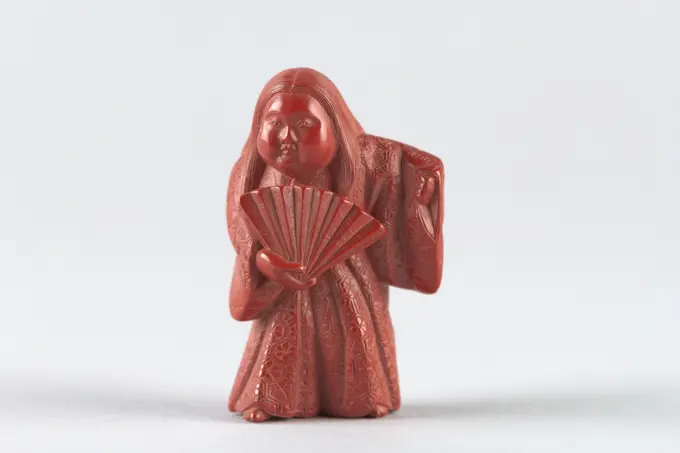
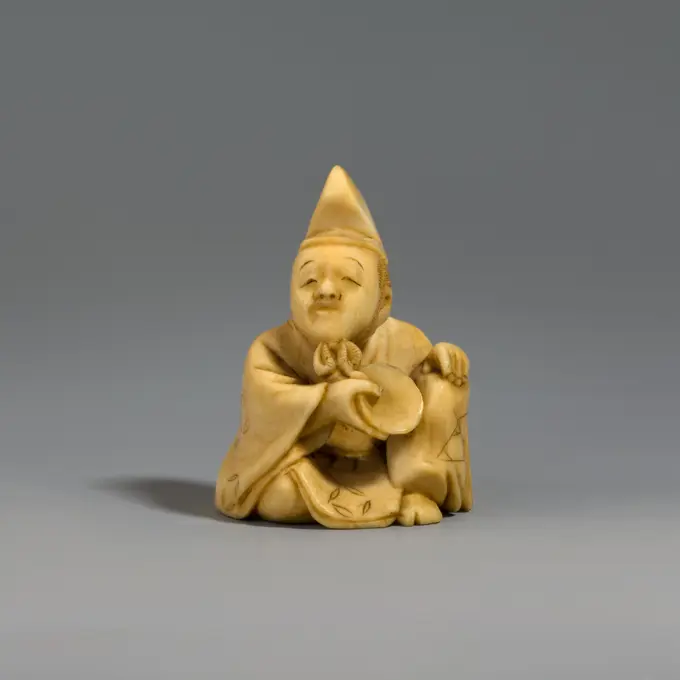
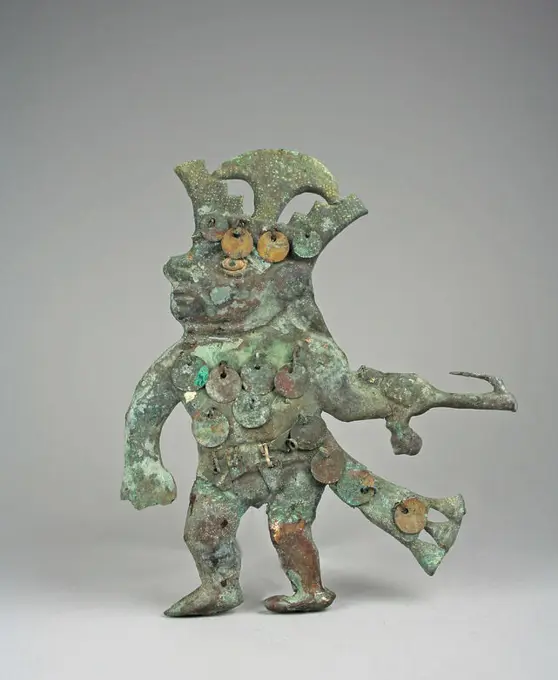
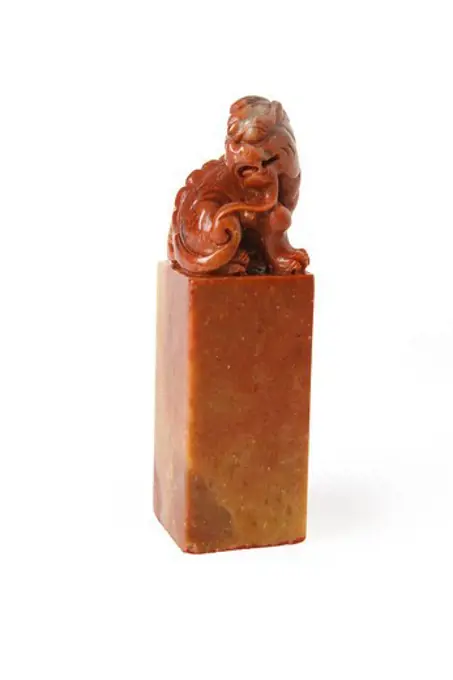
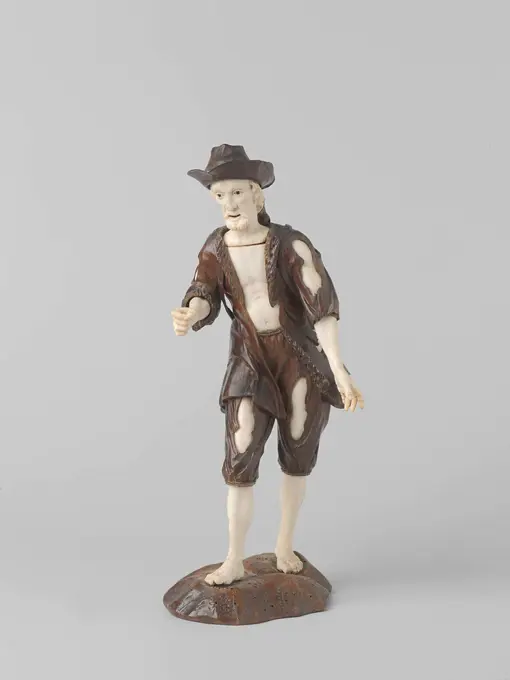
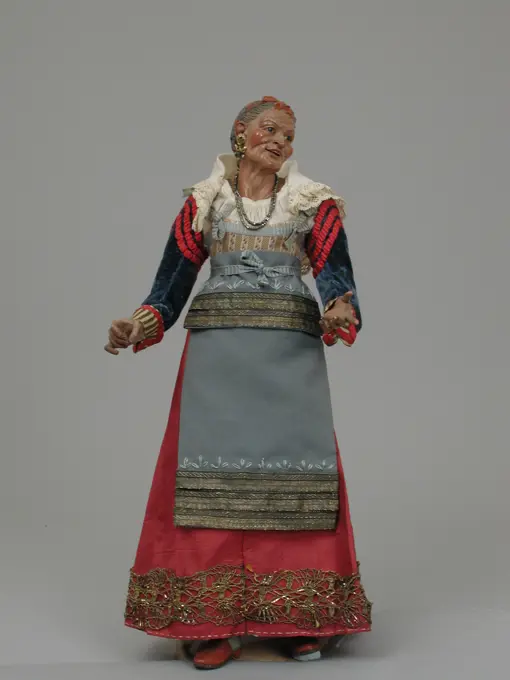
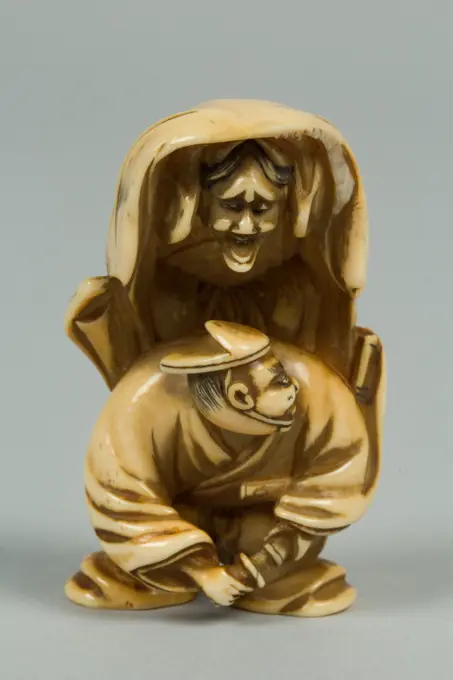
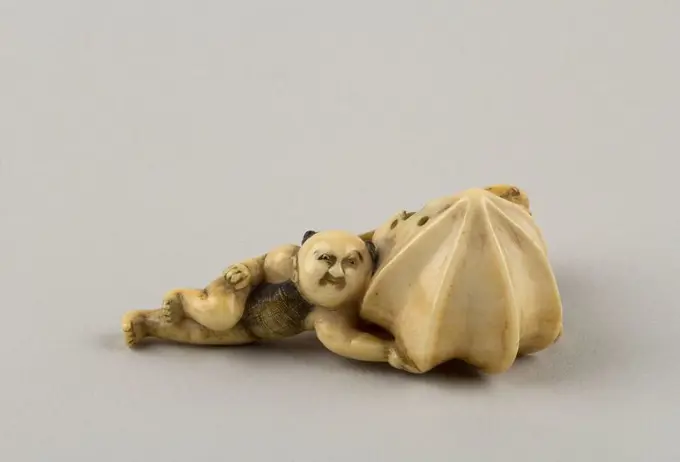
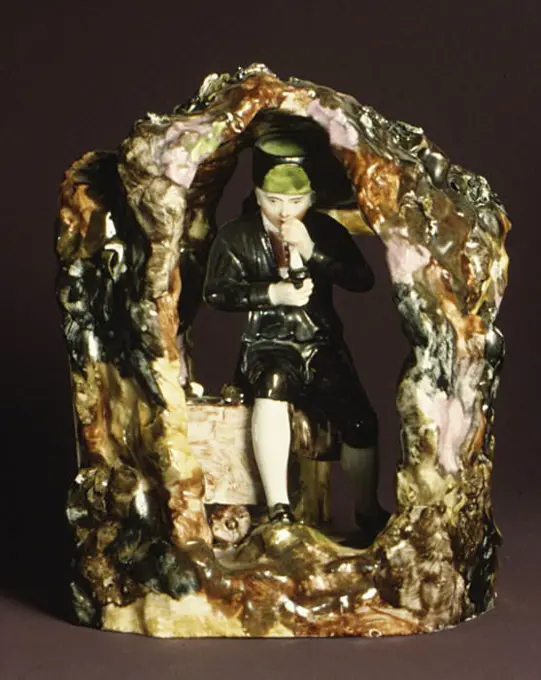
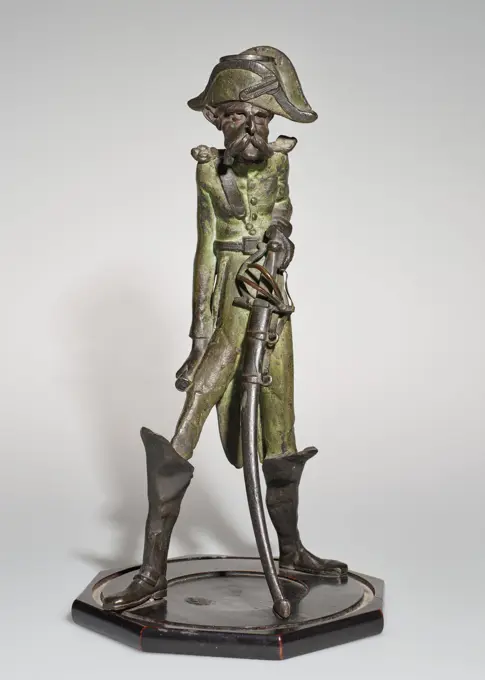
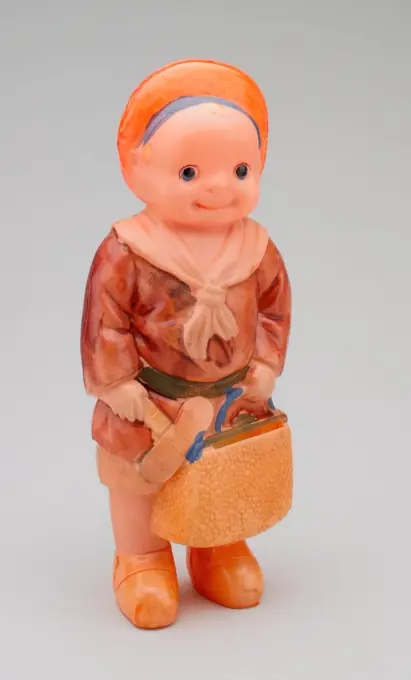
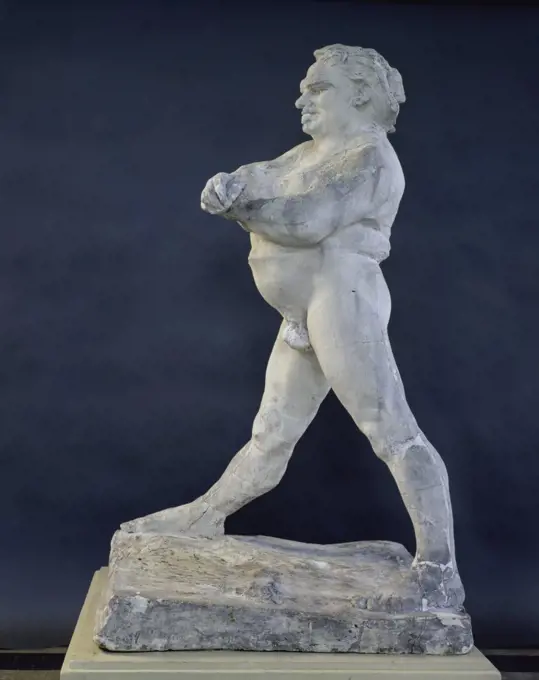
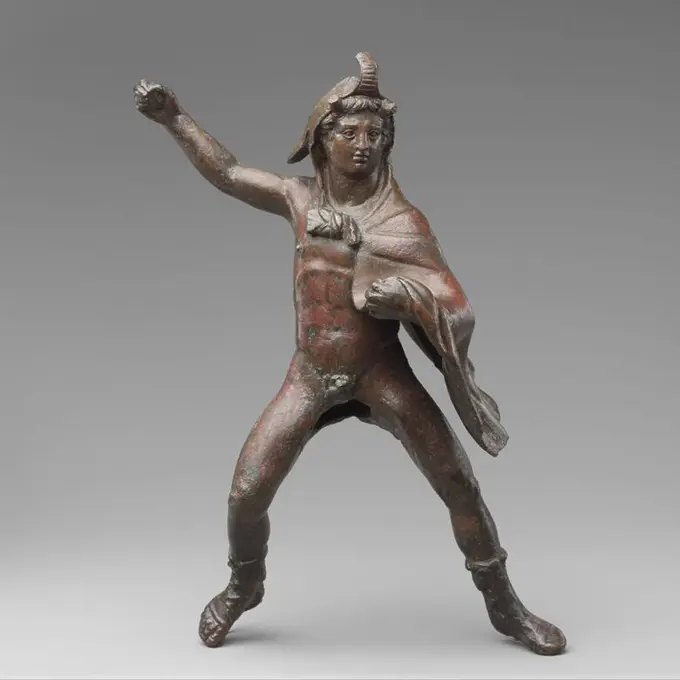
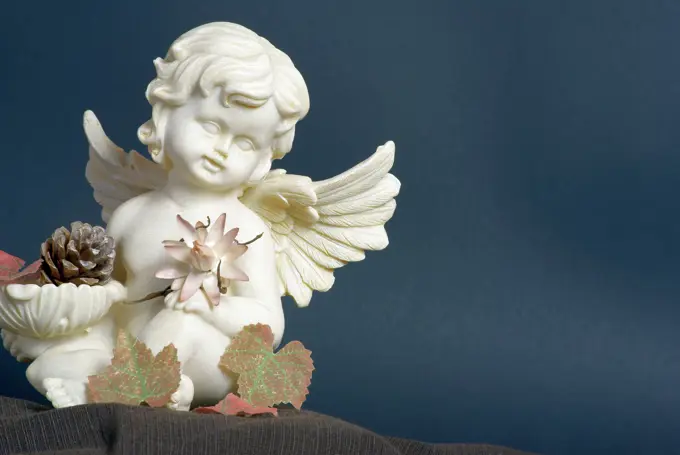
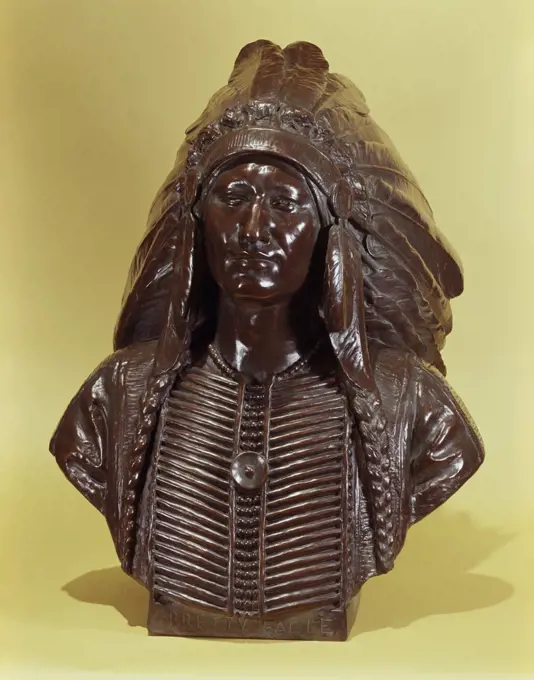
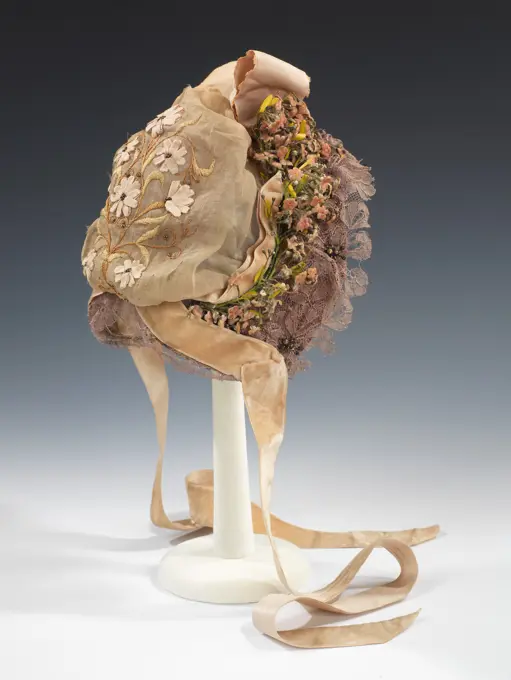
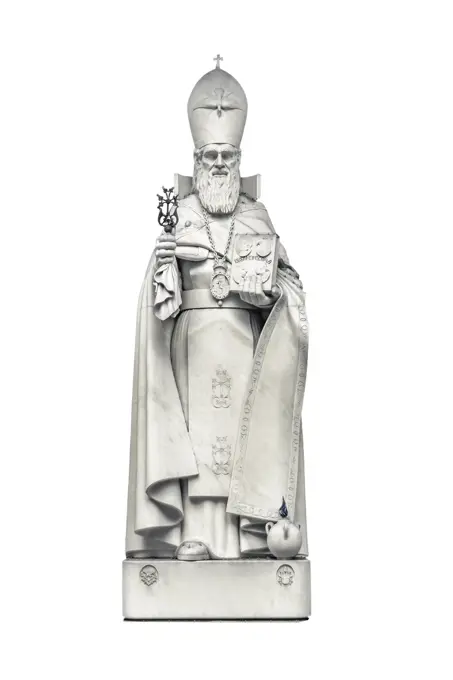
Chess figurine Mennecy VilleroyNetsuke,, 1700-1900 Imaging a actor who keeps a mask with a fierce grimace in his hands sitting with one knee. The player is almost bald. He has a wide collar on his neck and a bow hanging on his back. The player wears a spotted piece of clothing and has two holes in his back, which has been a cord. Japan ivory Imaging a actor who keeps a mask with a fierce grimace in his hands sitting with one knee. The player is almost bald. He has a wide collar on his neck and a bow hanging on his back. The player wears a spotted piece of clothing and has two holes in his back, which has been a cord. Japan ivoryFigurine: Athena Promachos; unpredictable Lona Manufaktura; 1 19th century (1800-00-00-1825-00-00);Figurka chłopca z ruyi - kadzielniczka. unknown, craftsmanBagpipe player of multicolored painted faïence. Faïence bagpipe player. Painted multi-colored.Seal (India); ivory, gold, stone, diamond, lapiz lazuli; Overall: 10.2 x 1.8 x 1.8 cm (4 x 11/16 x 11/16 in.); Bequest of Joan W. Leidesdorf; 1997-62-20Lady. Figure presenting a woman dressed in an open dress with falbalas and a cape with hood. Signature: W in underglazing blue and stamped 2/90/50. See Pendant: Inv. BK-1965-180-b.Harlequin with Bagpipes 1735-1745 Meissen. Hard-paste porcelain, polychrome enamels, and gilding . Meissen Porcelain Manufactory (Manufacturer)Norwegian Peasant (Bridegroom from Fanøe) ca. 1780 Royal Porcelain Manufactory Danish. Norwegian Peasant (Bridegroom from Fanøe) 207102Moor Met Kaketoe, Meissener Porcelain Manufaktur, 1922 Figure of painted porcelain. The image represents a sitting Moor with a cockatoe on his highly lifted right hand. The Moor leans against the trunk of a palm tree. The figure is marked. Float porcelain Figure of painted porcelain. The image represents a sitting Moor with a cockatoe on his highly lifted right hand. The Moor leans against the trunk of a palm tree. The figure is marked. Float porcelainSoldier. Nevers, France. Date: 1700-1750. Dimensions: H. 12.1 cm (4 3/4 in.). Glass; lampwork (verre de Nevers), metal armature. Origin: France. Museum: The Chicago Art Institute, Chicago, USA.Snuff Bottle, 19th century, 4 x 1 3/8in. (10.2 x 3.5cm), Ivory, China, 19th centurySpirit keg in the shape of a Dutchman sitting astride a barrel, anonymous, c. 1750 Jeneverbank of porcelain, painted in under -glaze blue. The jug is sitting on a barrel in the form of a jolly Dutch man, a bottle of persistent in his raised left hand and a glass in his other hand. The head is separate from the body and serves as a cap; A suspended hat on the head. At the front of the barrel, a hole has been made for a (missing) brass tap. The barrel rests on a pedestal with with volute ornaments in European style; The pedestal is decorated with leaf vines. Blue White. Japan (possibly) porcelain. glaze. cobalt (mineral) painting / vitrification Jeneverbank of porcelain, painted in under -glaze blue. The jug is sitting on a barrel in the form of a jolly Dutch man, a bottle of persistent in his raised left hand and a glass in his other hand. The head is separate from the body and serves as a cap; A suspended hat on the head. At the front of the barrel, a hole has been made for a (missing)Statuette of a youth 4th century B.C. Greek, Cypriot. Statuette of a youth 244460Cupids Fishing (Water), from a group called The Elements Figure Group; Model maker: John James Spangler (English); Made by Joseph Hill (England); Manufactured by Derby Porcelain Factory (England, GB, United Kingdom); unglazed (biscuit) porcelainNetsuke of Old Man and Stork. Culture: Japan. Dimensions: H. 1 5/8 in. (4.1 cm); W. 1 1/2 in. (3.8 cm). Date: 19th century. Museum: Metropolitan Museum of Art, New York, USA.Netsuke of Man Training Birds. Culture: Japan. Dimensions: H. 1 1/4 in. (3.2 cm); W. 1 1/8 in. (2.9 cm); D. 1 in. (2.5 cm). Date: 19th century. Museum: Metropolitan Museum of Art, New York, USA.Dutch Monkey Trainer. Japan, mid- to late 18th century. Costumes; Accessories. Ivory with staining, sumiPendant with St. George and The Dragon ca. 1470 Swiss or German. Pendant with St. George and The Dragon 465976Covered vase late 19th century China. Covered vase. China. late 19th century. Jade. JadeAmulet of the Seated Goddess Sekhmet. Egyptian. Date: 1050 BC-664 BC. Dimensions: 5.2 × 1.3 × 1.3 cm (2 1/16 × 1/2 × 1/2 in.). Ceramic. Origin: Egypt. Museum: The Chicago Art Institute, Chicago, USA. Author: Ancient Egyptian.Decorative object lid: man with bottle in hand, on tub. Lid of decorative object of multicolored painted faïence.Netsuke of Ghost and Man on His Knees 19th century Japan. Netsuke of Ghost and Man on His Knees 59094Netsuke of Old Man Carrying a Bag of ni (Demons) 19th century Japan. Netsuke of Old Man Carrying a Bag of ni (Demons). Japan. 19th century. Ivory, wood and metal. Edo (1615-1868) or Meiji period (1868-1912). NetsukeFigure from the Maria Church in Utrecht. Both relatively thin molded pieces (BK-NM-2806/07) are upper halves of presumably standing figures. They distinguish themselves by their mutually identical special clothing, of which no other examples are known. This costume is equipped with a kind of BEF () And is kept together by a knot at the height of the means. It forms one whole with the slightly pointed hood on the head. This is deposited by a tire, which has been placed on the rear of the cross and whose ends of spiral ending at the height of the wing-shaped turn on to the shoulders (even partially present at BK-NM-2806). On the band a decorative element () Is arranged in the middle of the head. The faces are oval and have clearly profiled eyes, eyebrows, nose mouth and chin. The ears and lure ends spiral. Instead of his left arm, BK-NM-2807 has a curved right ending protrusion. In addition, one and two holes with copper are closed in the trunk on the front and back, as well as a hole Knaap with grapes, anonymous, 1650 - 1700 On an oval ground, on which some vegetation, he is presented on foot with the right leg forward. He wears a grape ros in the right hand and holds a grape in the left at his open mouth. Ulm ivory On an oval ground, on which some vegetation, he is presented on foot with the right leg forward. He wears a grape ros in the right hand and holds a grape in the left at his open mouth. Ulm ivoryNetsuke of Man Training Birds 19th century Japan. Netsuke of Man Training Birds. Japan. 19th century. Ivory. Edo (1615-1868) or Meiji period (1868-1912). NetsukeNetsuke of Skeleton with a Beating a Drum. Culture: Japan. Dimensions: H. 1 3/8 in. (3.5 cm); W. 1 in. (2.5 cm); D. 1 3/8 in. (3.5 cm). Date: 18th century. Museum: Metropolitan Museum of Art, New York, USA.Figure of a seated boy, anonymous, c. 1573 - c. 1619 Image of porcelain, painted in under -glaze blue. A sitting boy (crazy). Glaze is missing on parts of the shoulders and face. Blue White. China porcelain. glaze. cobalt (mineral) painting / vitrification Image of porcelain, painted in under -glaze blue. A sitting boy (crazy). Glaze is missing on parts of the shoulders and face. Blue White. China porcelain. glaze. cobalt (mineral) painting / vitrificationBottle 1835-1855 Bohemia. Glass .Tensed Hand  (Main Crispe)  Auguste Rodin (1840-1917/French)  Muse Rodin, Paris Three Playing Children. Culture: China. Dimensions: H. with stand 11 1/2 in. (29.2 cm); W. 6 1/4 in. (15.9 cm); D. 4 1/2 in. (11.4 cm). Museum: Metropolitan Museum of Art, New York, USA.Bishop 1700-1750 France. Glass; lampwork (verre de Nevers), metal armature .White figurine covered by white clothGardener. Worcester Porcelain Factory; Worcester, England, founded 1751. Date: 1760-1770. Dimensions: H. 17.7 cm (6 15/16 in.). Soft-paste porcelain, polychrome enamels. Origin: Worcester. Museum: The Chicago Art Institute, Chicago, USA. Author: Worcester Royal Porcelain Company.Vase with dragons. Culture: China. Dimensions: H. 9 in. (22.9 cm); W. 4 3/4 in. (12 cm); D. 3 1/8 in. (8 cm). Date: 18th-19th century. Museum: Metropolitan Museum of Art, New York, USA.Amulet of the Goddess Isis Nursing the God Horus 747 BCE-656 BCE Egypt. Hematite . Ancient EgyptianLady Holding a Vase, 1100s-1200s. China, Northern Song dynasty (960-1127) - Jin dynasty (1115-1234). Stoneware with slip decoration, Cizhou ware; overall: 19.7 x 9.5 cm (7 3/4 x 3 3/4 in.).Seal Made 1750-1770 Chelsea. Soft-paste porcelain, polychrome enamels and gilding; hardstone and metal mount . Chelsea Porcelain FactoryDutch dancers ca. 1755 Chelsea Porcelain Manufactory. Dutch dancers. British, Chelsea. ca. 1755. Soft-paste porcelain. Chelsea Porcelain Manufactory (British, 1745-1784, Red Anchor Period, ca. 1753-58). Ceramics-PorcelainFigurine of a laughing and cheerful golden Buddha Figure of a Man late 18th century China. Figure of a Man 48568Netsuke of Old Woman Bathing Child in a Tub 18th-19th century Japan. Netsuke of Old Woman Bathing Child in a Tub 59875Man met tol, Gijsbert Barbiers (attributed to), c. 1822 - c. 1827 On an elongated plate is a man with a rope in his right hand. The man is wearing a knee pants and a southwester. For the man there is a toll on the plate. A diamond pattern is engraved in the plate. The image is marked with a dolphin and a master sign. Utrecht silver (metal) On an elongated plate is a man with a rope in his right hand. The man is wearing a knee pants and a southwester. For the man there is a toll on the plate. A diamond pattern is engraved in the plate. The image is marked with a dolphin and a master sign. Utrecht silver (metal)Netsuke of Female Figure 19th century Japan. Netsuke of Female Figure. Japan. 19th century. Wood, ivory. Edo (1615-1868) or Meiji period (1868-1912). NetsukeNapoleon Bonaparte (1769-1821), 1825-1875. Alexander Parkes (d. 1890).  Wax model for a silver statuette by Elkington & Co .Christmas tree ornament from Bavaria (woman in dirndl)Figure, Metal, enamel, gilt, gold, Metal figurine of bald-pated man with top knot holding bow and brown enamel violin with gold strings and edging. Enameled costume: green jacket with gray blet, royal blue waistcoat with gold buttons, light blue breeches, white stockings with red and yellow mottling, black shoes. Threaded pin on base of left foot. Traces of gilding on neck, throat and violin bow., Vienna, Austria, 1850-1900, miniatures, Decorative Arts, FigureNativity Figure Nativity Shepherd Boy with LambBegging figure with two sticks, Simon Troger (School of), After 1693 - Before 1768 Beggar with a walking stick in each hand. He carries jugs and pots on the back.  ivory Beggar with a walking stick in each hand. He carries jugs and pots on the back.  ivoryBottle. Culture: American. Designer: Probably designed by Daniel Greatbatch (active 1838-ca. 1861). Dimensions: H. 10 3/4 in. (27.3 cm). Manufacturer: Manufactured by Lyman, Fenton & Co. (1849-52). Date: ca. 1849-58. Museum: Metropolitan Museum of Art, New York, USA.Pair in push sled, anonymous, c. 1800 - c. 1900 Sledge containing a sitting woman. A man on skating stands behind the sled and pushes the sledge with his right hand. The sledge is engraved along the edges with a ZIG-Zag line. The image is marked with a sword and an unreadable brand. Netherlands silver (metal) Sledge containing a sitting woman. A man on skating stands behind the sled and pushes the sledge with his right hand. The sledge is engraved along the edges with a ZIG-Zag line. The image is marked with a sword and an unreadable brand. Netherlands silver (metal)Two children debut. Bronze. China. Paris, Cernuschi museum. 71127-26 Chinese art, bronze, standing, two, child, carry, base, vaseSodemash Carrying the Sign of the Ram, France, Paris, Musee du LouvreSnuff Bottle, 19th century, 3 1/2 x 1 1/2in. (8.9 x 3.8cm), Ivory, China, 19th centurySatyr and Nymph  Albert-Ernest Carrier-Belleuse (1824-1887/French)  Sculpture  Hermitage Museum, St. Petersburg with a bowl on water and groups Figuraln Stake;  End of the 19th century (1890-00-00-1900-00-00);KropielnicaKadzielinka; Wedgwood, Josiah (1730-1795); approx. 1800 (1800-00-00-1800-00-00);Odważnik wagi szalkowej w formie popiersia. unknown, authorCozzi Porcelain Factory, Small Sculpture, c. 1775, Hybrid paste porcelain.Henry Tomaszewski, Doll, c 1939 DollNetsuke of Noh Dancer 19th century Japan. Netsuke of Noh Dancer. Japan. 19th century. Red lacquer. Edo (1615-1868) or Meiji period (1868-1912). NetsukeSHOULO figurine;  18th century (1701-00-00-1800-00-00);SKRAZSZ 1204 MNW; unknown (sculptor); Japan; Manzai dancer; Netsuke; 19th century; sculpturing; Ivory; 4.35 x 3.1 x 3.2figurines, Japanese (culture), Netsuke, message (provenance), Japanese art, dancersProfile Warrior Ornament. Culture: Moche (Loma Negra). Dimensions: H. 7 1/2 x W. 6 5/16 in. (19.1 x 16 cm). Date: 390-450. Museum: Metropolitan Museum of Art, New York, USA.Close-up of sealAngel plastic statue of an gold angel isolated on white background.Doll from Russia,  1925-1992Mr. Twardowski;  Mielów (faience and porcelain factory; 1804-), Szafran, Tadeusz (1886-1955); 1927-1930 (1927-00-00-1927-00-00);Cover the shape of a hat, Gebr. Tichelaar, c. 1900 - c. 1925 Can of blue and yellow painted faience in the form of a monkey. The monkey wears a hat and the hat is the lid. The tail of the monkey is the handle and its yellow mouth the pour. On the belly of the monkey there is a spell: "Kees den Aap ...". The jug is marked. Makkum earthenware. tin glaze. Can of blue and yellow painted faience in the form of a monkey. The monkey wears a hat and the hat is the lid. The tail of the monkey is the handle and its yellow mouth the pour. On the belly of the monkey there is a spell: "Kees den Aap ...". The jug is marked. Makkum earthenware. tin glaze.Begging figure with bag on his back .. Beggar with a bag bound on his back. Probably missing stick in his hand.Old woman carrying a wire basket 18th century Italian, Naples. Old woman carrying a wire basket. Italian, Naples. 18th century. Polychromed wood and terracotta; silk, linen, straw, steel. CrècheNetsuke of Two Figures 19th century Japan. Netsuke of Two Figures. Japan. 19th century. Ivory. Edo (1615-1868) or Meiji period (1868-1912). NetsukeTwo Asian Women with Children, Meissener Porcelain Manufaktur, c. 1750 Group of painted porcelain. On an irregular oval pedestal is an Asian woman with two children. The woman holds a bird with a long tail on her right hand. On her right side is a boy with a bowl in his right hand. On her left side, a boy with a basket of fruits kneels on the knees. The image is marked. Float porcelain Group of painted porcelain. On an irregular oval pedestal is an Asian woman with two children. The woman holds a bird with a long tail on her right hand. On her right side is a boy with a bowl in his right hand. On her left side, a boy with a basket of fruits kneels on the knees. The image is marked. Float porcelainFigure of a standing man and woman with a fan, anonymous, c. 1700 - c. 1749 Image of porcelain of a standing man and woman on a pedestal, painted on biscuit in blue, red, celadongroen and black. The two are next to each other on the pedestal. The woman has a fan in her right hand, the man has an object in his right hand and wears a headgear. Heads, hands and feet are unglazed; The tip of the women's shoe is missing. Old label on the bottom with 'A.J. Spijer & Son Antiquaires Amsterdam '. Email sur Biscuit. China porcelain. glaze. painting / vitrification Image of porcelain of a standing man and woman on a pedestal, painted on biscuit in blue, red, celadongroen and black. The two are next to each other on the pedestal. The woman has a fan in her right hand, the man has an object in his right hand and wears a headgear. Heads, hands and feet are unglazed; The tip of the women's shoe is missing. Old label on the bottom with 'A.J. Spijer & Son Antiquaires Amsterdam '. Email sur Biscuit. ChiNetsuke of Demon and an Old Man with a Scroll. Culture: Japan. Dimensions: H. 1 1/2 in. (3.8 cm). Date: 19th century. Museum: Metropolitan Museum of Art, New York, USA.Columbine and Pantaloon ca. 1736 Meissen Manufactory German. Columbine and Pantaloon. After an engraving by François Joullain (French, Paris 1697-1778 Paris). German, Meissen. ca. 1736. Hard-paste porcelain. Ceramics-PorcelainDaikoku as a Raconteur. Jugetsu (Japan, active 19th century). Japan, 19th century. Costumes; Accessories. Ivory with staining, sumiFragmentary bronze statuette of boy wearing a mantle ca. 1st-2nd century A.D. Roman Upper part of a child wearing mantle.. Fragmentary bronze statuette of boy wearing a mantle. Roman. ca. 1st-2nd century A.D.. Bronze. Imperial. BronzesNetsuke of Boy Carrying a Branch of Fruit. Culture: Japan. Dimensions: H. 2 1/3 in. (5.9 cm); W. 2 in. (5.1 cm). Date: 19th century. Museum: Metropolitan Museum of Art, New York, USA.Miner ca. 1787 Royal Porcelain Manufactory Danish. Miner 207110Caricature Candlestick, one of a pair, c. 1830-1850, 13 1/2 x 5 3/4 x 4 1/4in. (34.3 x 14.6 x 10.8cm), Bronze, France, 19th centuryStanding child still bank, early-to-mid-20th century, 6 3/4 x 2 3/4 x 1 11/16 in. (17.15 x 6.99 x 4.29 cm), Celluloid, metal, Japan, 20th centuryNude Study of Balzac  (Etude se nu pour Balzac) 1893 Auguste Rodin (1840-1917/French) Muse Rodin, Paris black knight chess piece isolated on a white backgroundBassoon Player for the Monkey Band 1760-1770 Meissen. In 1733, the sculptor Johann Joachim Kndler became the chief modeler at the Meissen Porcelain Manufactory, a position he held until his death in 1775. Kndler, along with his assistant Peter Reinicke, devised novel and innovative forms and figures for Meissen porcelain. One of the most admired products of the factory were the monkey bands, witty examples of 18th-century singerie subjects in which monkeys literally ìapeî the behavior of supposedly more sophisticated humans.The first version of the monkey band was designed in 1753 and Madame de Pompadour, mistress of King Louis XV of France and a discerning patron of the arts, ordered a set at Christmas of that year. The group was so popular that it was reissued in the early 1760s. The Art Instituteís monkey band comes from this second edition.In addition to a conductor and two female singers, the orchestra consists of musicians playing wind, string, and percussion instruments. TherePilgrim's Badge 14th-16th century French. Pilgrim's Badge. French. 14th-16th century. Lead. Metalwork-LeadBronze statuette of a rider wearing an elephant skin. Culture: Greek. Dimensions: 9 3/4in. (24.8cm). Date: 3rd century B.C..As Alexander the Great is represented with a similar elephant skin on coins minted by Ptolemy I of Egypt, this statuette may represent Alexander as ruler of Egypt. This figure has also been identified as Demetrios I of Bactria, who is represented on coins wearing the scalp of an elephant in recognition of his conquests in India. Its monumental quality may signify that it reflects a famous large-scale equestrian statue. Museum: Metropolitan Museum of Art, New York, USA.Angel figure sitting on brown fabric sitting on brown fabric, angel figure, with flower and autumn decoration.Alcove ornament 1750 Japan. Alcove ornament. Japan. 1750. Faience decorated in enamels and glaze (Awata ware). Edo period (1615-1868). CeramicsAap. The porcelain factory at Meissen, near Dresden, was founded in 1709. It was the first European factory to produce true’ or hard-paste porcelain, like that known in China and Japan. The manufactory was owned by Augustus the Strong, Elector of Saxony and King of Poland. All the birds and animals in this display case were made for him. They were intended for his so-called Japanese Palace, the walls of which he wished to fill with porcelain.Three windmills for drawing water. Some types of miniature continued to be produced for ages. One such evergreen’ subject was the windmill placed above a well. These mills used wind power to draw up a bucket of water. While there is more than a century between the earliest and the latest, their form and decoration have remained virtually the same.JOYA EN ORO PERLAS Y PIEDRAS PRECIOSAS (FIGURA DE MUJER).Netsuke of Masked Figure 18th century Japan. Netsuke of Masked Figure 60424Netsuke of Dharma with a Small Boy. Culture: Japan. Dimensions: H. 1 1/8 in. (2.9 cm); W. 1 3/8 in. (3.5 cm); D. 1 in. (2.5 cm). Date: 19th century. Museum: Metropolitan Museum of Art, New York, USA.Chimney Ornament: Wedding. England, Staffordshire. Date: 1815-1825. Dimensions: 12 x 12.7 x 22.9 cm (8 1/4 x 5 x 9 in.). Glazed earthenware with polychrome enamel decoration. Origin: Staffordshire. Museum: The Chicago Art Institute, Chicago, USA. Author: Staffordshire Potteries.Pretty Eagle Cyrus by Edwin Dallin, 1861-1944Bonnet ca. 1885 French. Bonnet 156508Figures; glazed and gilt porcelainPope Sculpture Isolated Photo Front view shot pope statue isolated photo Copyright: xZoonar.com/DanielxFerreira-LeitesxCiccarinox 12031207