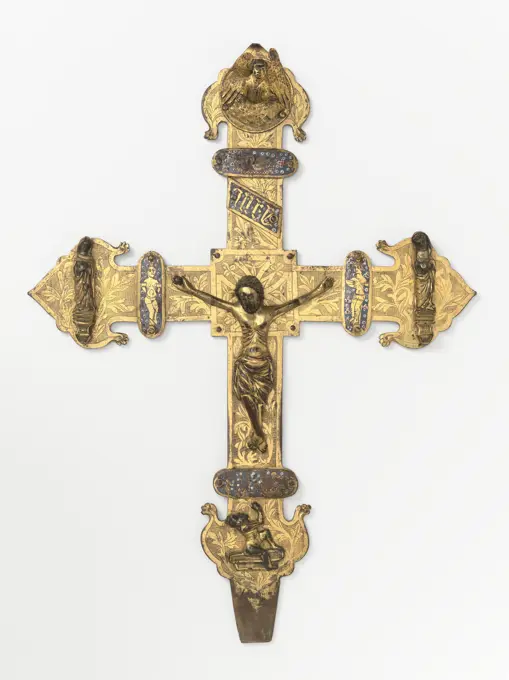
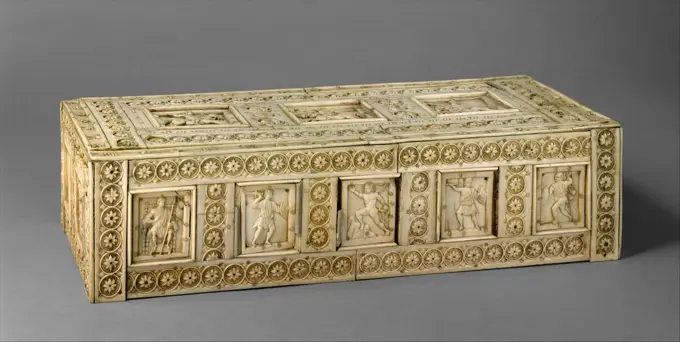
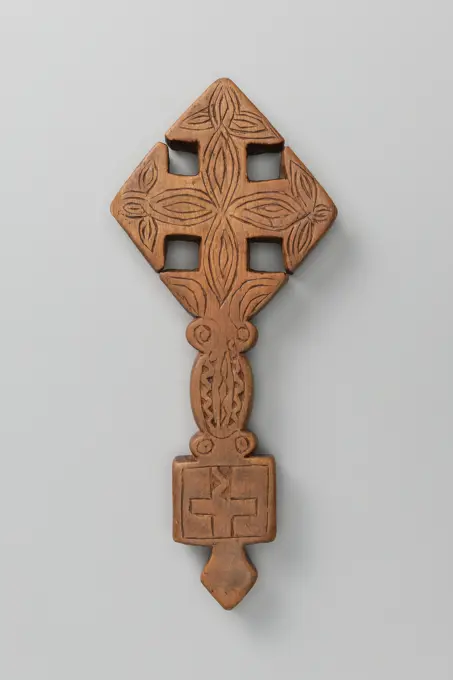
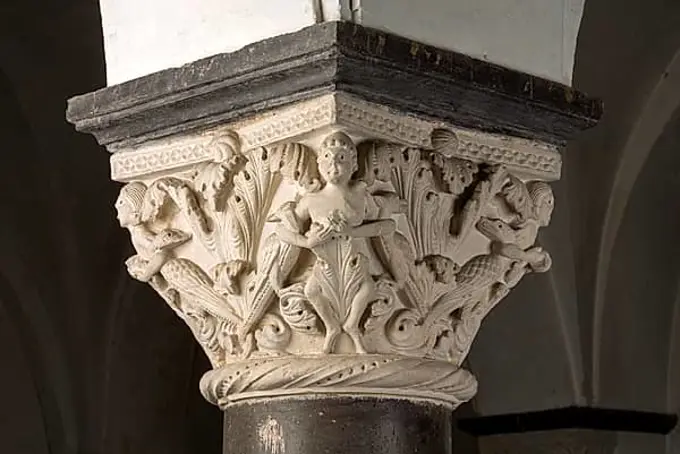
Artistic Fragments

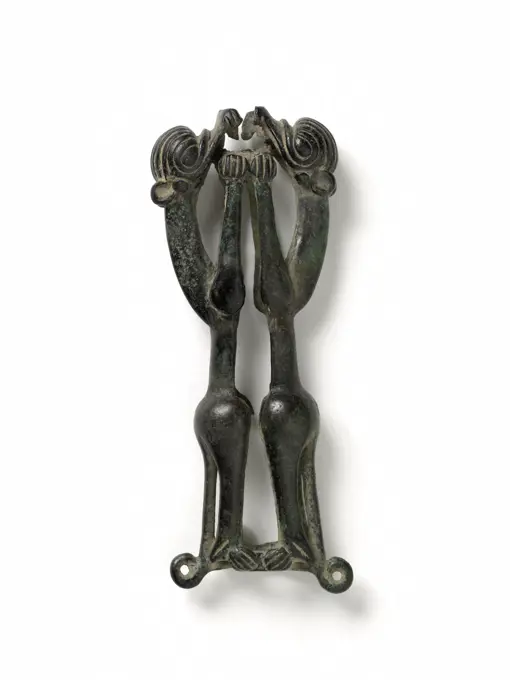
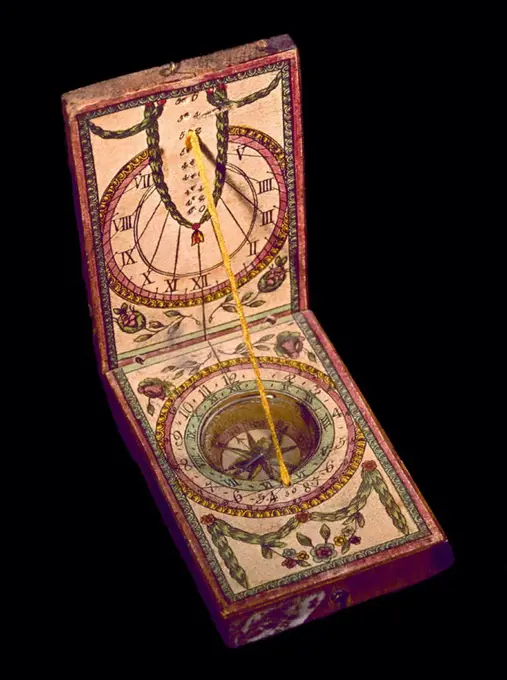
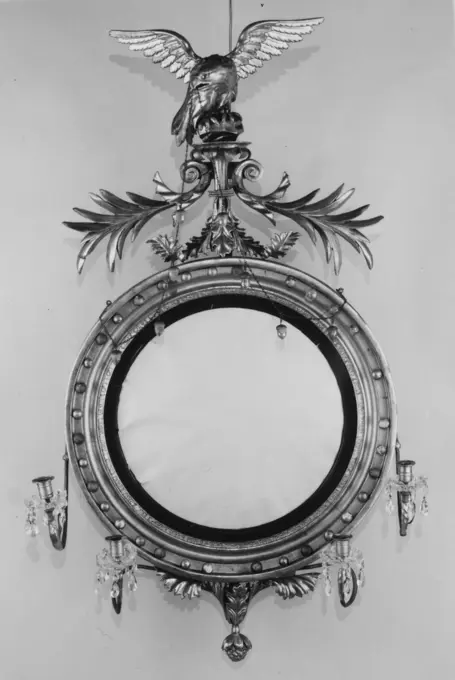
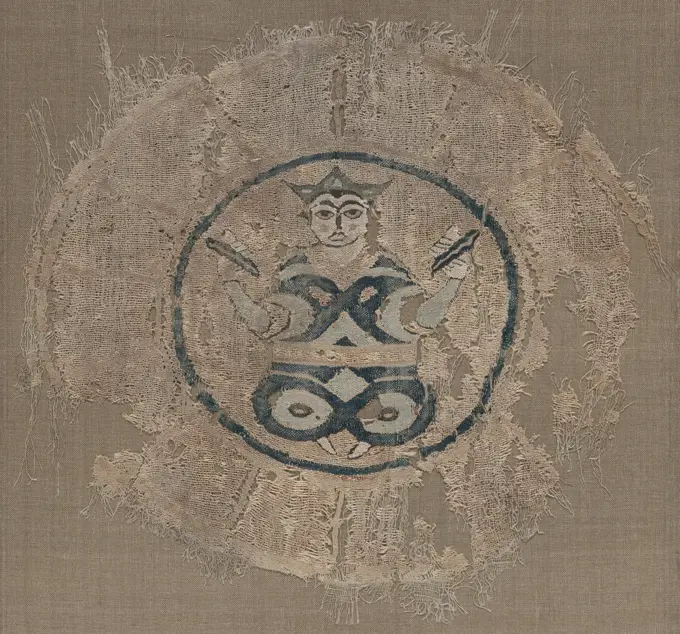
Beautifully carved and ornamental fragments from historical panels and artifacts, showcasing intricate details and craftsmanship.

Plate;  19th century (1801-00-00-1900-00-00);
Plate; 19th century (1801-00-00-1900-00-00);
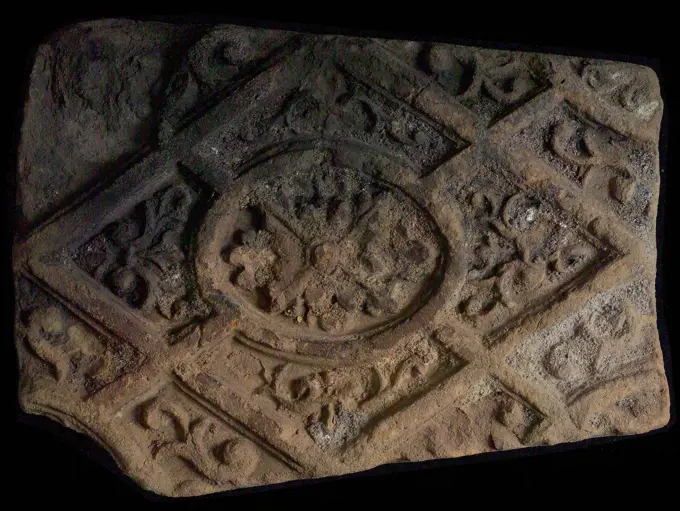
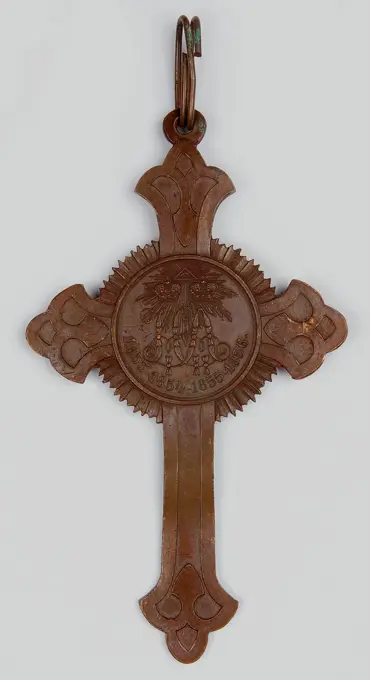
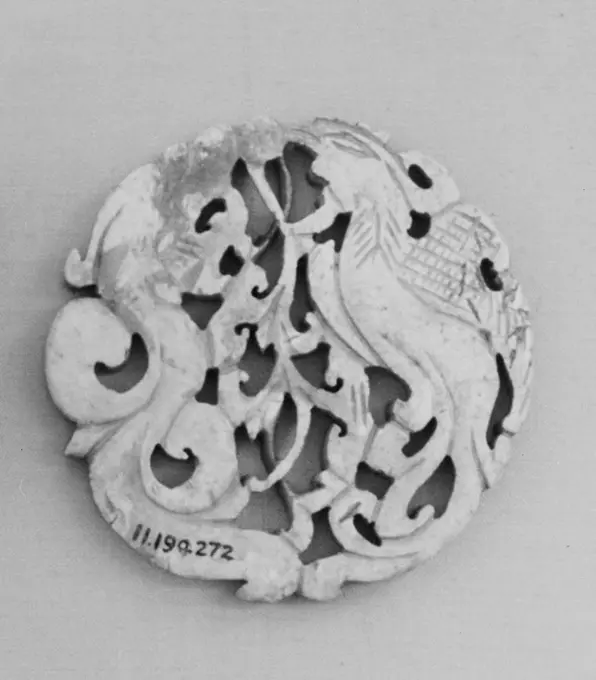
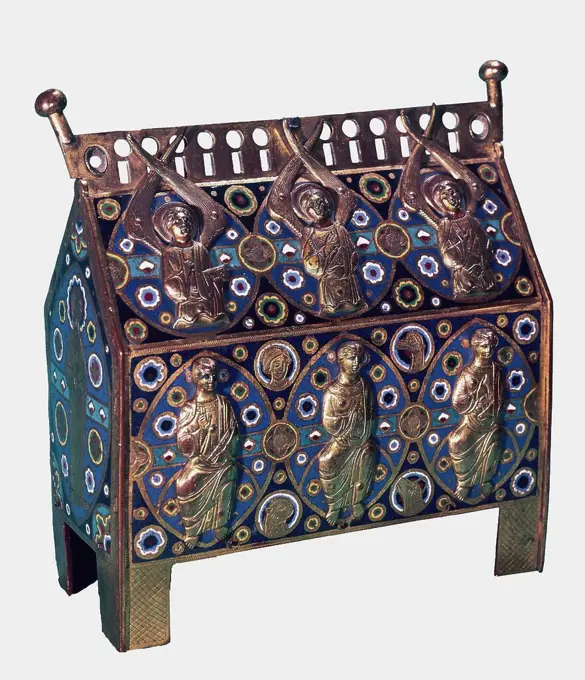
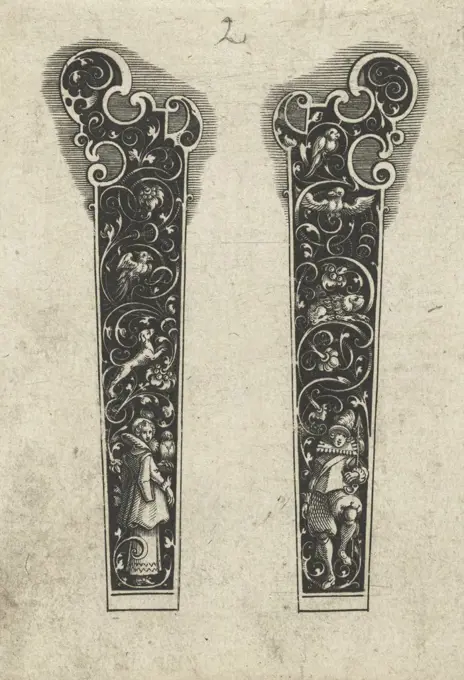
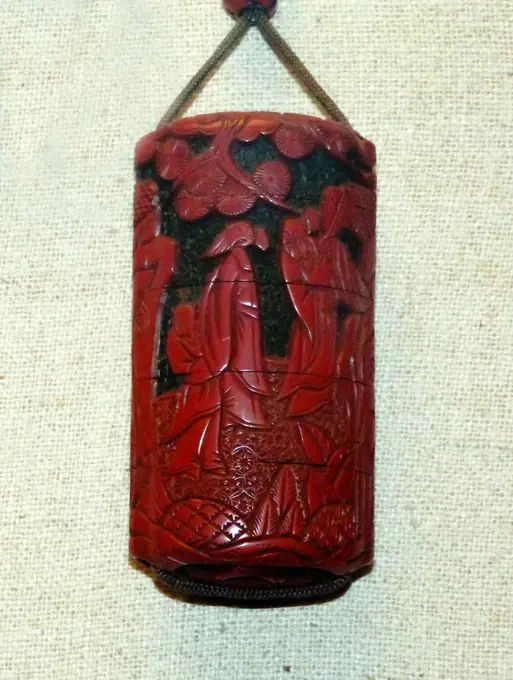
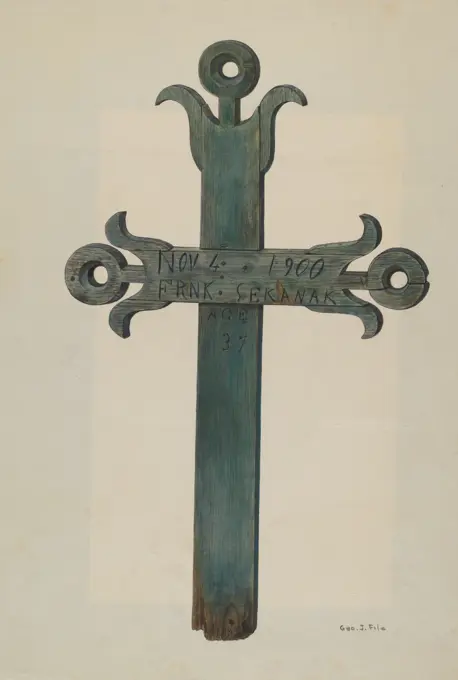
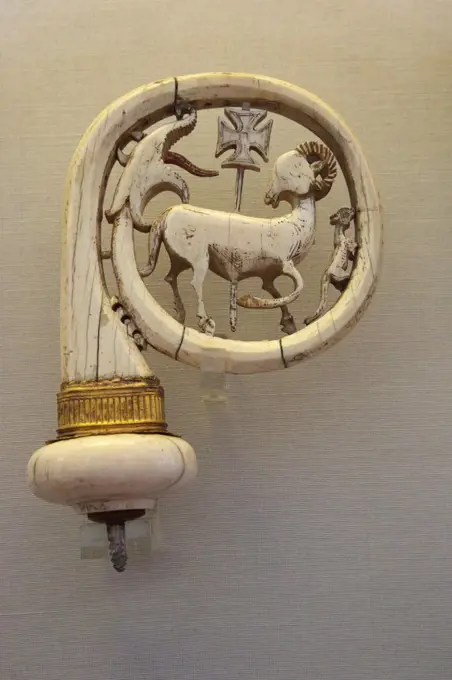
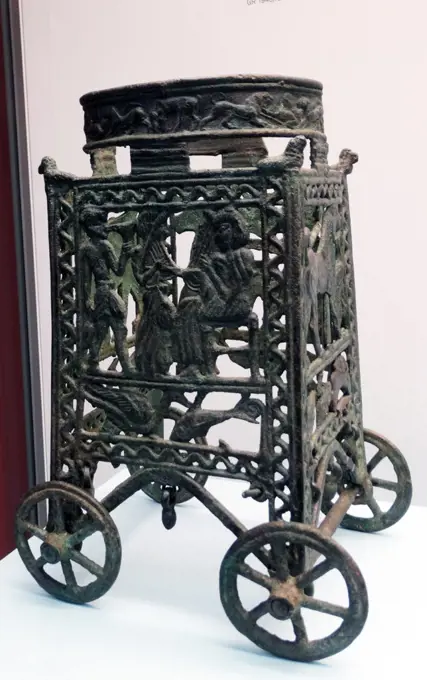
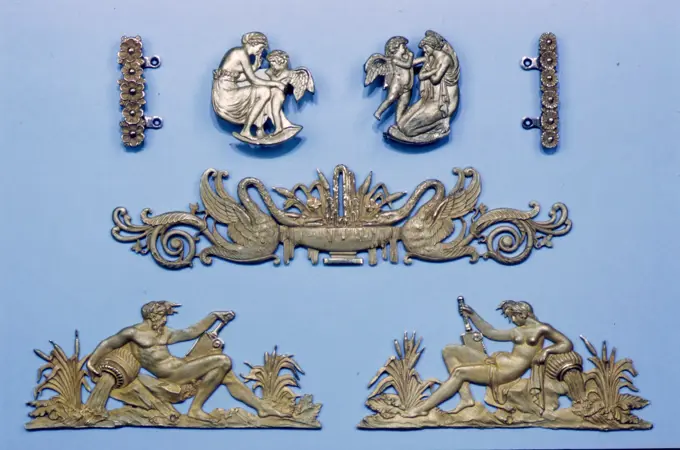
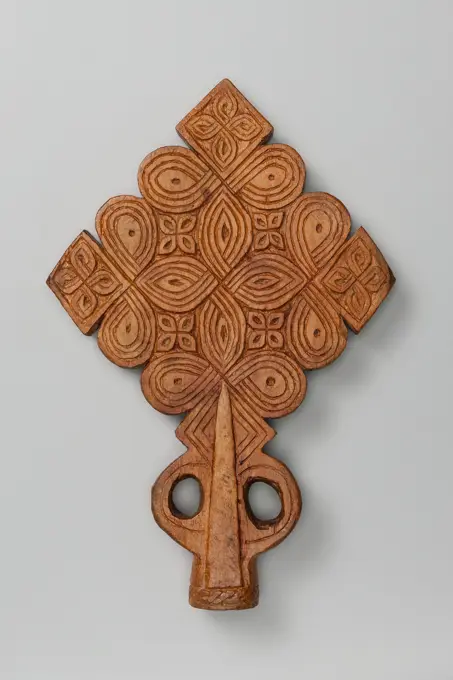
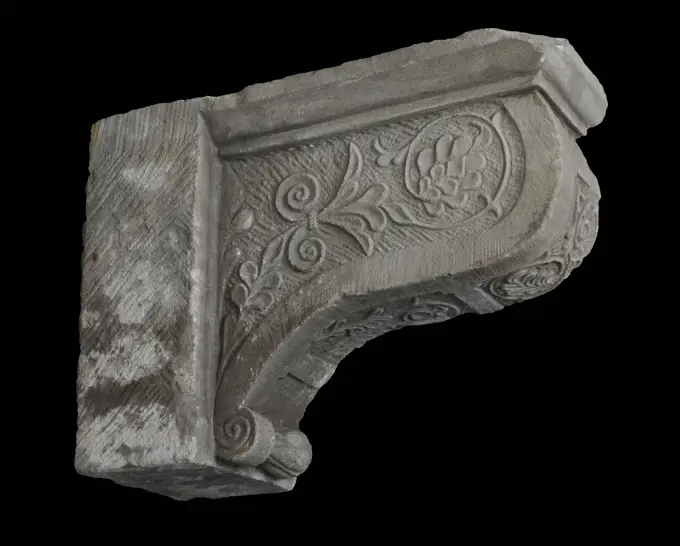
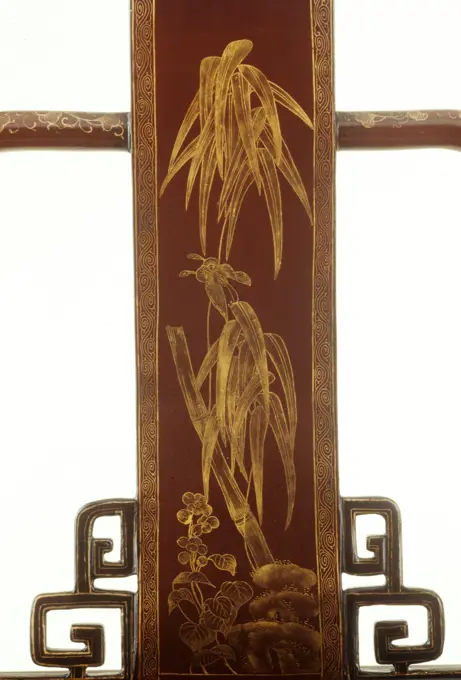
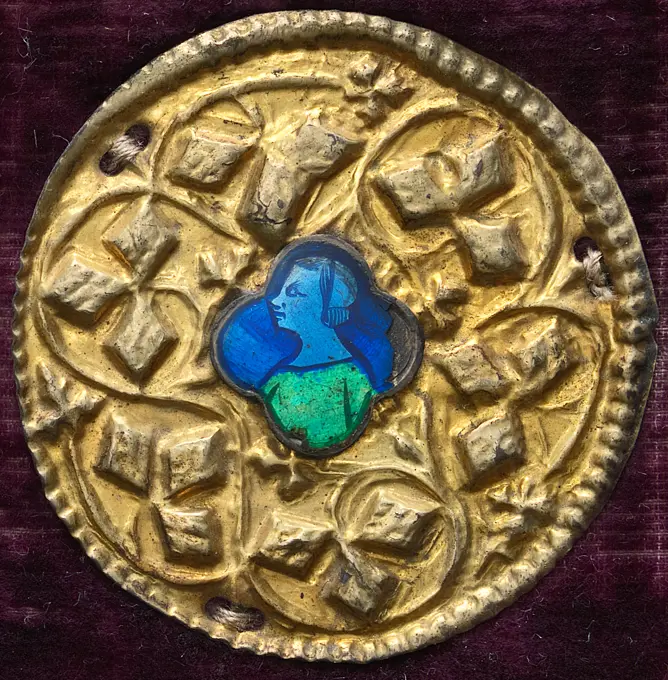
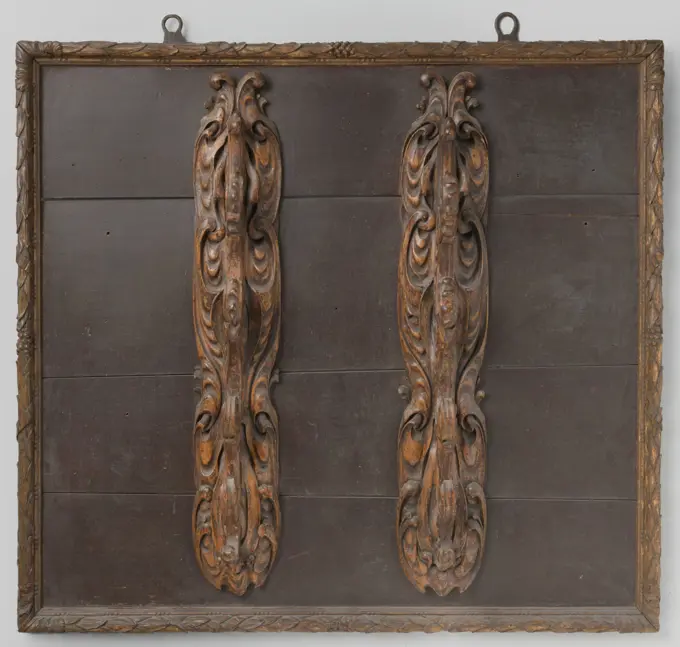
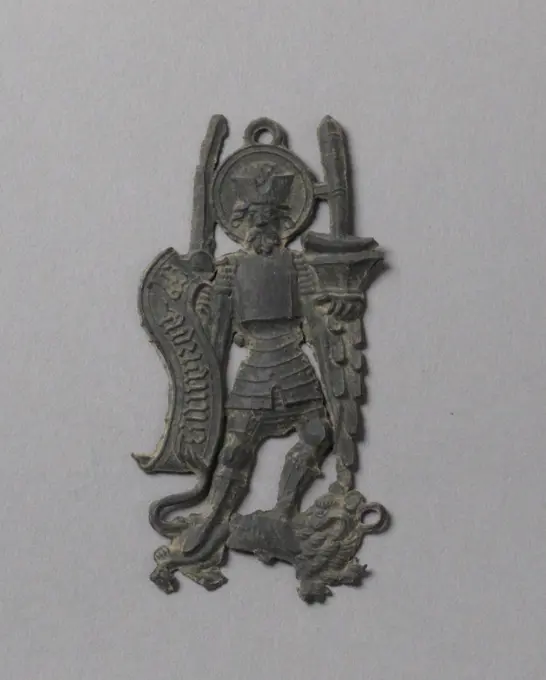
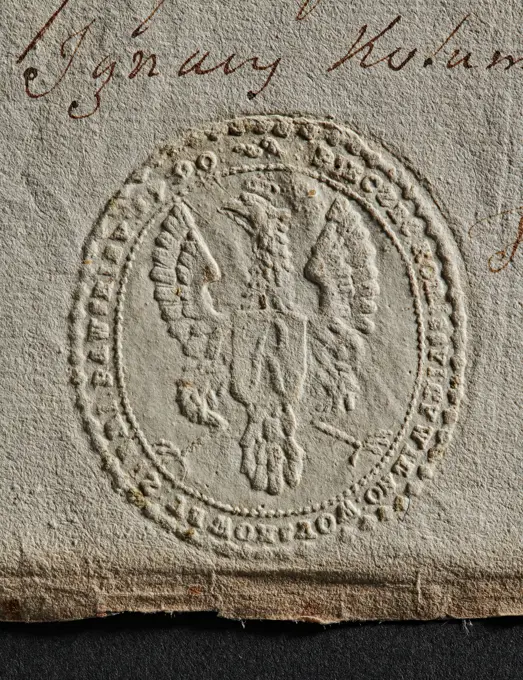
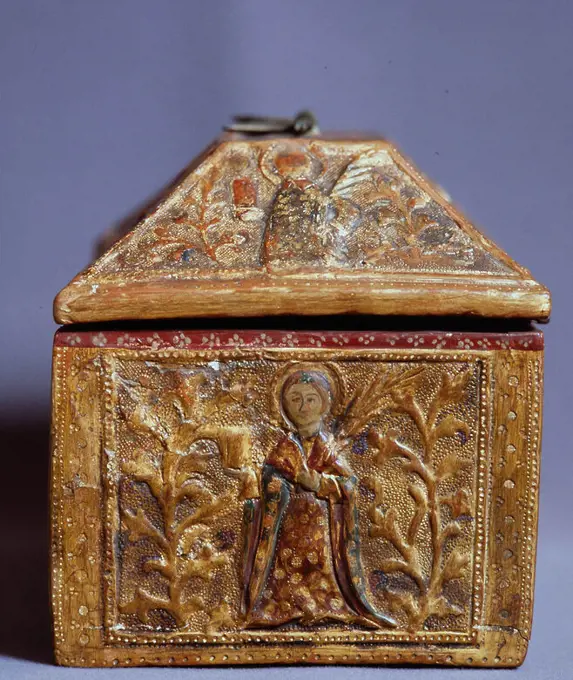
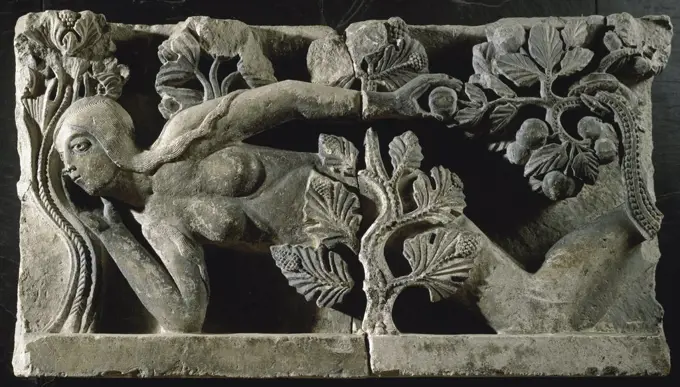
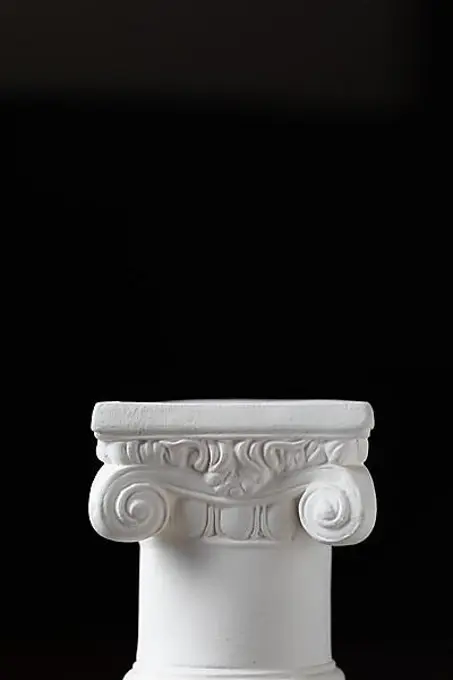
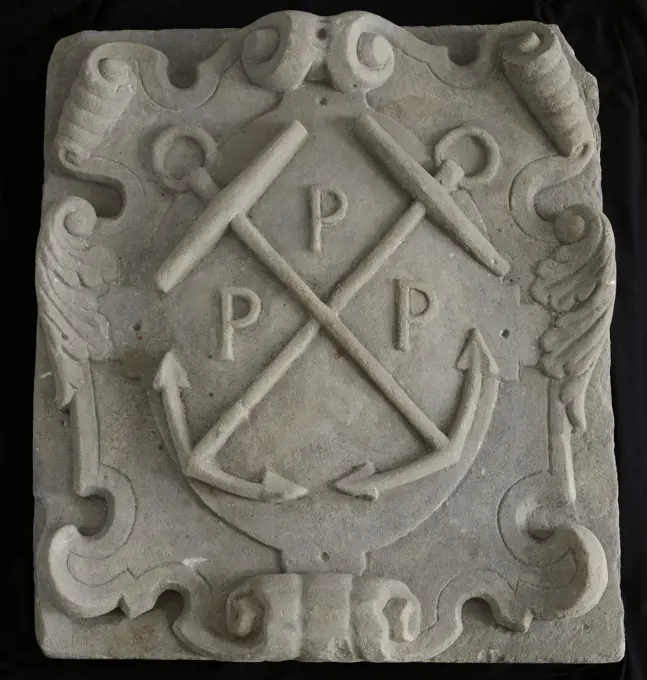
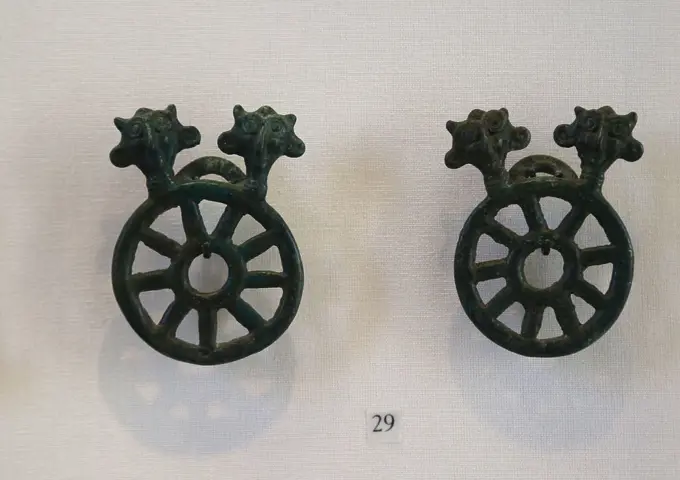
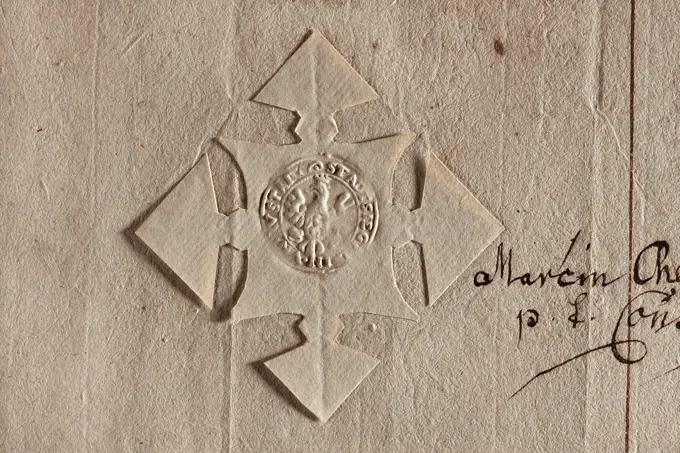
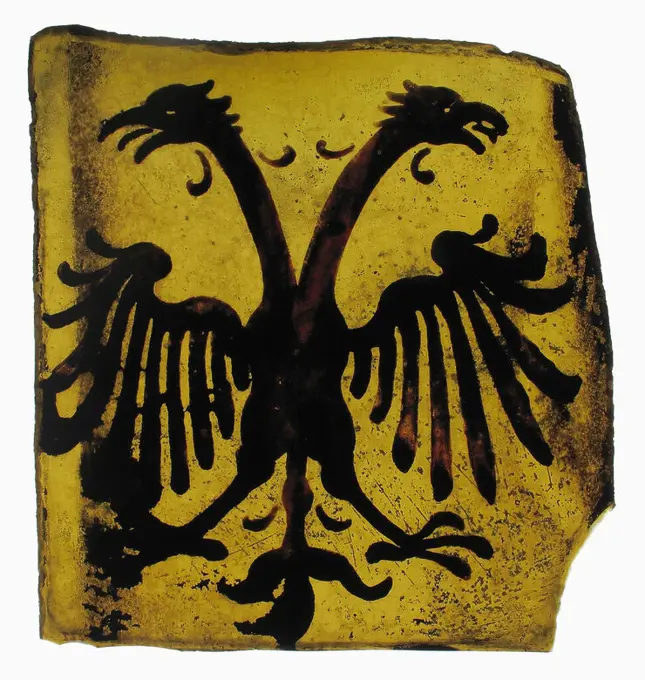
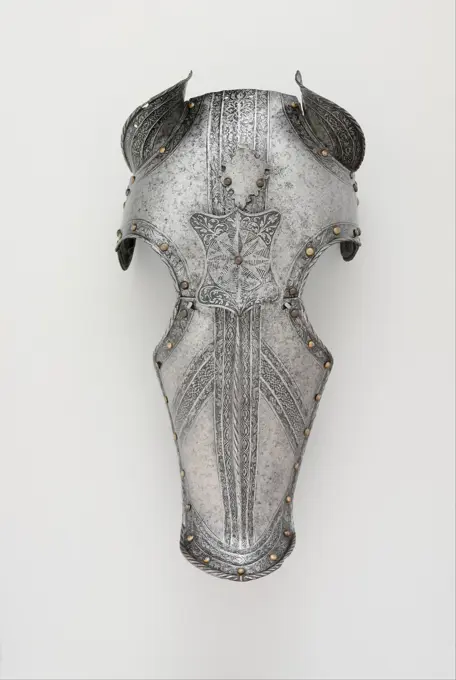
Shaffron (Horse's Head Defense) ca. 1545 German, Augsburg The shaffron consists of a two-part main plate, the upper one fitted with short sideplates and ear guards, with an escutcheon plate and plume-holder in the center; the poll plate is missing. The two halves of the main plate are currently attached by modern turning pins and thus are detachable, but they were initially rigidly joined by three rivets. The free edges have roped turns, and there is a low medial ridge on the upper main plate and a roped medial rib on the lower one. The left sideplate is modern, having been forged and etched by the Museum's armorer Leonard Heinrich in 1931. The escutcheon plate and plume-holder are probably associated.The decoration is composed of a wide recessed band of interlacing foliate arabesques on a plain, blackened ground framed on either side by a narrow recessed band filled with scrolling foliage on a dotted, blackened ground. Interspersed with the foliage is a variety of motifs that include Hearthstone, from Antwerp Belgium, without frame, with rosette in window, hearth fireplace component ceramics brick, baked Hearthstone of the Antwerp type without display of rosette in diamond-shaped frame with leaves as filling building history heating Rotterdam education Academy of Fine Arts and Technical Sciences Coolvest Dijkzigt GJ de Jonghweg City Triangle Blaak Academy of Fine Arts and Technical Sciences Rotterdam.Pilgrim's Badge 14th-16th century French. Pilgrim's Badge. French. 14th-16th century. Lead. Metalwork-LeadTrophy 18th century French. Trophy. French. 18th century. Carved and gilded wood. WoodworkBack part belonging to throne seat of King Willem II, Willem III and Wilhelmina, Gebroeders Horrix, 1842 - 1849  Embroidered original back cover of the throne seat of King Willem II, Willem III and Wilhelmina. The Hague velvet (fabric weave).   The HagueSalt 1830-45 American. Salt. American. 1830-45. Lacy pressed green glass. Made in New England, United StatesKrzyż upamiętniający wojnę krymską. nieznany warsztat rosyjski (1700-1970), factoryAppliqué for a Cope 16th century Russian. Appliqué for a Cope 173375Mangle-board 18th century Dutch. Mangle-board 191722Girdle ornament China. Girdle ornament 43057ARQUETA - ESMALTE DE LIMOGES - SIGLO XIII/XIV - COBRE, DORADO CINCELADO Y ESMALTE EXCAVADO - 20,5 x 23 cm. Author: TALLER DE LIMOGES. Location: MUSEO LAZARO GALDIANO-COLECCION. MADRID. SPAIN.Two knife handles, Michiel le Blon, 1597 - c. 1626Inro-Bead and Netsuke; carved lacquer; Chinese scholar and attendants; circa 1750-1850.George File, Wooden Cross, c 1940 Wooden CrossVinaigrette with Harbor Scene. Marked B&S; Birmingham, England. Date: 1846-1847. Dimensions: 5.1 × 3.8 cm (2 × 1 1/2 in.). Silver and silver gilt. Origin: Birmingham. Museum: The Chicago Art Institute, Chicago, USA.Russia, Saint Petersburg, State Hermitage Museum, Head of crozier, 12th century, italianBuckle Plaque in the Form of a Scholar on a HorseChrist Crowned with Thorns 17th century Spanish or Portuguese The small figure of the seated Christ is overwhelmed by the scale and vigorous design of the Indo-Portuguese version of an European architectural niche.. Christ Crowned with Thorns. Spanish or Portuguese. 17th century. Boxwood. Sculpture-MiniatureBliżej Kultury unknownHandCrossBanco presbiteral de Sant Climent de Taüll, siglos XIII-XIV, Madera tallada y calada.Stove Tile Made 1595-1605 Germany. Lead-glazed earthenware .bronze wheeled stand, designed to support a bowl or incense burner used in a ceremony or feast. decoration includes musicians and revellers, a hunting lion, a sphinx, a charioteer and other wildlife. Cyprus, 1250-1100 BC Bronze AgePipe Bowl. Dated: c. 1937. Dimensions: overall: 30.4 x 21.8 cm (11 15/16 x 8 9/16 in.) Original IAD Object: 5" high; 5 1/2" long. Medium: watercolor and graphite on paper. Museum: National Gallery of Art, Washington DC. Author: Carl Keksi.Furniture Hardware 1820-30 Henry Kellam Hancock. Furniture Hardware. 1820-30. Gilt brass. Possibly made in France; Possibly made in EnglandBell Głonka (coat of arms white eagle)  Zygmuntów tower, Wawel Cathedral, KrakowHindu ornamentCeltic ornamentKrzyż procesyjny. nieznany warsztat etiopski (1400-1970), authorStamp seal (scaraboid) with cultic scene late 8th - 7th century B.C. Assyrian. Stamp seal (scaraboid) with cultic scene 327102Console with leaf motifs, console construction element sandstone stone, sculpted Console with leaf motifs on the front and left side right.Fragments of a Bowl 10th century. Fragments of a Bowl 453624Processional Cross late 14th century Spanish. Processional Cross. Spanish. late 14th century. Champlevé enamel, copper-gilt. Enamels-ChamplevéOrnament French 18th century View more. Ornament. French. 18th century. Gilt bronze. Metalwork-Gilt BronzeFragment 16th century European. Fragment. European. 16th century. Pot-metal glass and vitreous paint. Glass-StainedCasket with Warriors and Mythological Figures 10th-11th century Byzantine Bone caskets, used by the Byzantines in their homes, were often decorated with themes from classical antiquity. In the Middle Ages many such caskets reached western Europe, where despite their non-Christian decoration they were used in churches as containers for relics.. Casket with Warriors and Mythological Figures 464237Krzyż ręczny. nieznany warsztat etiopski (1400-1970), authorCompass Card. The rose has a brass cap in the middle with hole for the pin at the bottom: turning the rose was improved by the materials used, while fluctuating was reduced by the increase of the rubbing surface of the ruby. The rose is badly damaged.Brauweiler near Pulheim, abbey church of St Nicholas, Benedictine chapel, 11th-12th century capitalPilgrim badge, Feather of Black Prince, 14th c.Chair, One of a Pair, 17th century, 41 1/4 x 24 x 18 in. (104.78 x 60.96 x 45.72 cm), Lacquer on softwood frames, China, 17th century, These lacquered armchairs with distinctive scrolled-crest back splat, slender construction, and gilt decoration reflect the fashion of the Qianlong period (1736-1795) toward increasingly elaborate forms. Fashioned from thin members, the chairs exhibit the light angular fretwork typical of middle Qing taste. The splats display stylized dragon medallions and bamboo leaves executed in gold lacquer on a reddish-brown ground.Card Case (possibly Hungary); stamped and stained leather, overlaid with cut and engraved patinated copper and mother of pearl inlayNorth Italian 14th Century, Costume Ornament with Profile Portrait, c 1380 1400 North Italian 14th Century, Costume Ornament with Profile Portrait, c. 1380/1400, repoussé silver, gilded, and translucent enamel, attached to a strip of velvet, Samuel H. Kress Collection 1961.9.192Stove plate, Elijah and the Ravens of Kingston”Pere Llopart / Sarcófago de plata de San Ermengol de Urgell, 1755. Museu Diocesà dUrgell.Medallion. Marie Alexandre Lucien Coudray (French, 1864-1932). Bronze; overall: 6.7 x 5.1 cm (2 5/8 x 2 in.).Vignette: feast Literary; PUC, Bronisław (Fl. 1867-1891); before 1890 (1860-00-00-1890-00-00);Wear rack with stabbed decoration in Louis XVIE style., Anonymous, c. 1650 - c. 1700 Rear rack of nuthout, formed by two vestical styles sculpted with lobe ornament, on which four volutes, in front of the guns, are applied perpendicularly. The styles are applied in pairs on rear plates, surrounded by Louis XVI lists. The rack shows remains of dark brown, perhaps later applied paint. See also: BK-1957-53-B. Northern Netherlands wood (plant material). walnut (hardwood). oak (wood). gilding (material) gilding Rear rack of nuthout, formed by two vestical styles sculpted with lobe ornament, on which four volutes, in front of the guns, are applied perpendicularly. The styles are applied in pairs on rear plates, surrounded by Louis XVI lists. The rack shows remains of dark brown, perhaps later applied paint. See also: BK-1957-53-B. Northern Netherlands wood (plant material). walnut (hardwood). oak (wood). gilding (material) gildingPilgrim's Badge representing Saint Adrian 1460-80 South Netherlandish Saint Adrian of Nicomedia was a former Roman soldier martyred for his Christian beliefs by having his limbs smashed on an anvil. His relics were translated to Geraardsbergen in 1175 thus establishing this foundation as an important pilgrimage site. Patron saint of soldiers, jailors, blacksmiths, and messengers, by the fourteenth century, Adrian was also considered a protector against the plague. In both badges here he is represented in full armor holding a sword in one hand and an anvil in the other. The apparent chronological separation in the making of the respective molds reveals developments in figurative, armor, and costume styles.. Pilgrim's Badge representing Saint Adrian 466290Handscreen (France); engraved and hand-colored paper leaf, turned wood handleIsrael - Capharnaum - Synagogue. Capital of Greek-Roman age, 2nd-3rd centuries. Detail, Star of Davidseal of the Civil-Military Order Commission of Rawa Land. Komisja Porządkowa Cywilno Wojskowa, signatoryCard Case with View of Oxford. Marked F. M.; Birmingham, England. Date: 1860-1861. Dimensions: 10.2 × 7.6 cm (4 × 3 in.). Silver. Origin: Birmingham. Museum: The Chicago Art Institute, Chicago, USA.Case (Inrō) with Design of Pottery Plaques ca. 1820 Japan. Case (Inrō) with Design of Pottery Plaques 58369Arqueta, siglo XV. Fundación Juan March.Fragment of Lintel: Eve Relief White ionic design column on dark backgroundOrnamental Window ca. 1180 French. Ornamental Window 466633Girandole after 1852 William F. Shaw. Girandole. American. after 1852. Gilt brass, marble, glass. Made in Boston, Massachusetts, United StatesTrencher (one of a set). Culture: British. Dimensions: Diameter: 5 in. (12.7 cm). Date: late 16th-early 17th century.Banquets usually ended with candied fruits or other sweetmeats served on such decorative "spice dishes" of silver or wood. The gold effects were achieved with yellow varnish over a layer of silver-leaf. The verses were written in Black Letter script, with elaborate capital letters in Lombardic script. The verses, either amusing or moralizing, were shared with the other diners. Museum: Metropolitan Museum of Art, New York, USA."Plaque from a Tantric Ritual Apron": Kirtimukha 17th century Tibet. "Plaque from a Tantric Ritual Apron": Kirtimukha. Tibet. 17th century. Bone. BoneWooden painted back plate of farm wagon, with image two gilded horses tied to tree, back crate wood carving sculpture footage wood paint goldMedieval ornamentExamples Of Granulated Gold Work, James Cromar Watt (Aberdeen, Scotland, 1862 - 1940)Taught. Two animals faced. LURISTAN. 1000-750 BC. Paris, Cernuschi museum. 35390-1 Face, Iron Age, Brand, AnimalOevre half of half sides with frontal sitting erot, Guirlande, weather and women's maskCompass and sundial. 15th century. Madrid, Naval Museum. Location: MUSEO NAVAL / MINISTERIO DE MARINA. MADRID. SPANIEN.Pair of consoles (consoles d'appliques). Culture: French. Dimensions: Overall (a): 10 1/2 × 10 3/4 × 4 3/4 in. (26.7 × 27.3 × 12.1 cm);Overall (b): 14 × 7 × 3 1/4 in. (35.6 × 17.8 × 8.3 cm). Date: first quarter 18th century. Museum: Metropolitan Museum of Art, New York, USA.Girandole 1815-20 American This girandole mirror and its mate (1974.363.1) were made for the Albany townhouse of Stephen Van Rensselaer IV (1786-1868). Popular during the Federal period, girandole mirrors were often surmounted by eagle finials. Their name derives from the candle arms that extend from the frame, allowing the candlelight to reflect off the convex mirror and illuminate an entire room.. Girandole 3978tile manufacturer Schiedamsedijk, Purple with yellow tile picture, Régence console, clock, tile picture material ceramics pottery glaze tin glaze, baked 2x glazed painted Three wide four high régenceInkpot with a Monk in a Pulpit, anonymous, c. 1380 - c. 1400 A five -sided ink jar, from a solid block of boxwood, formed as a gothic construction (pulpit) With buttresses on the corners, between which fields with semi -detached arch windows, Frisians of four passes and an rande of raised fleurons. The whole is on three lion's legs. At the top, a monk with tonsure sticks his head out of the pulpit and his arms, without hands. At the site of the missing hands there is an opening in each arm to insert the pen/goose spring. The whole has been eroded from the underside; There is a hole here to close the ink jar. Southern Netherlands boxwood (hardwood) cutting A five -sided ink jar, from a solid block of boxwood, formed as a gothic construction (pulpit) With buttresses on the corners, between which fields with semi -detached arch windows, Frisians of four passes and an rande of raised fleurons. The whole is on three lion's legs. At the top, a monk with tonsure sticks his head out of the pulChest late 15th century French. Chest 463802STRATY WOJENNE MNKRoundel with seated prince, 1000s. Egypt, Fatimid period. Plain weave with inwoven tapestry weave: linen, silk, and gold filé; overall: 16.5 x 17.2 cm (6 1/2 x 6 3/4 in.).Handscreen, Les Solitaires de Normandie; engraved, hand-colored and painted paper leaf, turned wood handle; 1927-17-14Enkolpion: Ukrzyżowanie i Matka Boska Orantka. nieznany warsztat rosyjski (1700-1970), factoryPhoto album (empty), Anonymous, 1860 - 1900  Photo album with 25 sheets with a passe-partout on either side for a carte-de-visiting.  cardboard. paper. leather. metalAdolphe Terris, Details of Ornamental Samples with Organic Patterns, c. 1868, cyanotype from wet-collodion-on-glass negative.Window probably 17th century. Window 453574Bliżej Kultury unknownTraveller's Shrine with Figure of Wenshu (Manjusri) on Lion dated 1880 China. Traveller's Shrine with Figure of Wenshu (Manjusri) on Lion 61777Vinaigrette with View of Abbotsford House 1835-1836 Birmingham. Silver and silver gilt . Taylor & Perry (firm) (Manufacturer)Capital ca. 1130-40 Catalan. Capital 470834Stove Plate 1765 Henry William Stiegel American, born Germany. Stove Plate. American. 1765. Iron. Made in Manheim, Pennsylvania, United StatesChair of Antipope Clement VII, 14th century, sacristy of St Peter's Church, Fondi, Lazio, Italy.Lazio Frosinone Veroli S. Andrea Apostolo, Cathedral8. Hutzel, Max 1960-1990 Views of metalwork objects housed in Treasury of S. Andrea Apostolo, including busts, reliquaries, crosses, polittico, boxes. Antiquities: relief sculpture; busts General Notes: Museum, which contains Treasury, is located in the last chapel of the right nave. Thirteen views of (non-metalwork) sculpture from Museum have been assigned numbers at end of Treasury sequence, but there are no negatives corresponding to these prints, nor is there authoritative evidence that these objects are housed in the Cathedral Museum. German-born photographer and scholar Max Hutzel (1911-1988) photographed in Italy from the early 1960s until his death. The result of this project, referred to by Hutzel as Foto Arte Minore, is thorough documentation of art historical development in Italy up to the 18th century, including objects of the Etruscans and the Romans, as well as early Medieval, Romanesque, Gothic, Renaissance and Baroque Facade stone with gun admiralty, crossed anchors and PPP, facing brick sculpture sculpture building component sandstone stone, approx 90 kg sculpted Rectangular facing brick in high relief with cartouche frame inside two anchors and PPP (the admiralty coat of arms). P P P (= Pro Patria Pugno (I fight for the fatherland)) Admiralty Pro Patria Pugno PPP Heraldry Rotterdam City Triangle Botersloot Originated from the artillery house of the Admiralty at the Botersloot.Aphotecary's cupboard. 18th cent. Polychrome pinewood. Monzon, middle Cinca, Huesca. Museum of World Cultures, Barcelona, Spain.Luristan art. Near east. Iran. Cheek plate. Bronze. 8th-7th century BC. Louvre Museum. Paris. France.BRONCE DE BONANZA-CADIZ-S I AC-LEY ROMANA. Location: MUSEO ARQUEOLOGICO NACIONAL-COLECCION. MADRID. SPAIN.Kargów town seal. Kargów, signatoryEagle with Cannon. Dated: c. 1939. Dimensions: overall: 32.8 x 44.1 cm (12 15/16 x 17 3/8 in.). Medium: watercolor and graphite on paper. Museum: National Gallery of Art, Washington DC. Author: Hazel Hyde.Glass Fragment. Culture: European. Dimensions: Overall: 5 3/4 x 6 inches (14.6 x 15.2 cm). Date: probably 15th century. Museum: Metropolitan Museum of Art, New York, USA.Spain, Asturias. Military industry. Trubia Weapon Factory. Panoramic of the "Fa´brica Nacional de Armas y Fundicio´n de Can~ones". Life drawing by J. Cuevas. Engraving by Vela. La Ilustracion Espan~ola y Americana, 1881. Stone cinerary urn of M. Pilius Eucarpus and his wife Pilia Philtata. Dated 1st Century ADGlass Fragment 13th century French. Glass Fragment. French. 13th century. glass, lead. Glass-StainedFang culture crosses, Equatorial Guinea, 1900-1950, wood and pigments, Anthropology National Museum, Madrid, SpainChromolithography on glass slide - Clown and circus animals, chromolithographic lantern slide, 1840-90  Ernst Plank  (1866-1985) Ernst Plank  (1866-1985)Chimney Ornament 1825-1850 Staffordshire. Glazed earthenware with polychrome enamel decoration .Silla. Detalle de madera. Juego de pelota. Barcelona. Author: PERE SANGLADA.