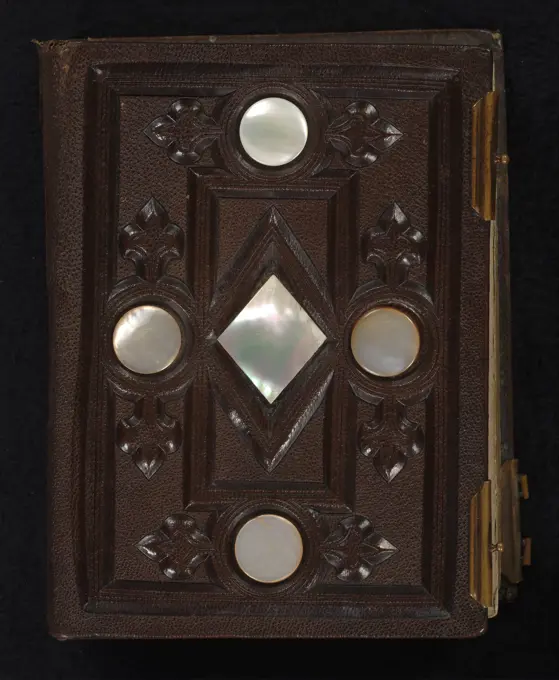
Artistic Fragments

Beautifully carved and ornamental fragments from historical panels and artifacts, showcasing intricate details and craftsmanship.

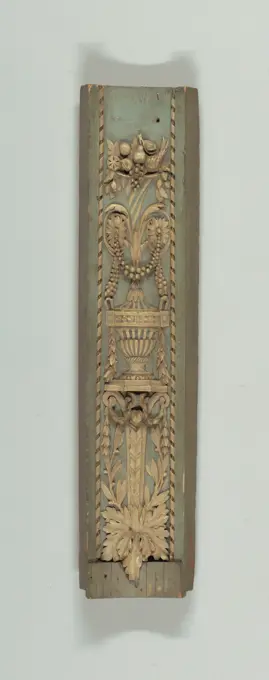
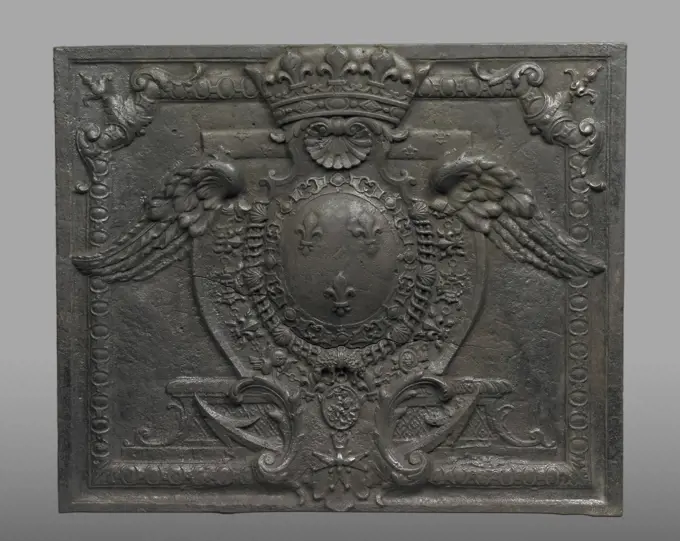
Plate;  19th century (1801-00-00-1900-00-00);
Plate; 19th century (1801-00-00-1900-00-00);
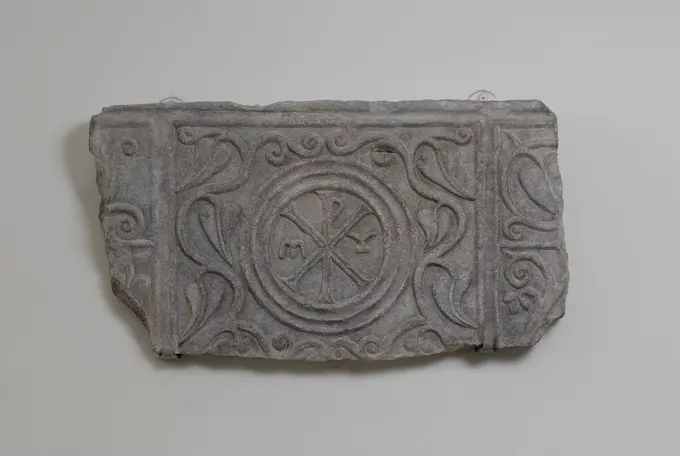
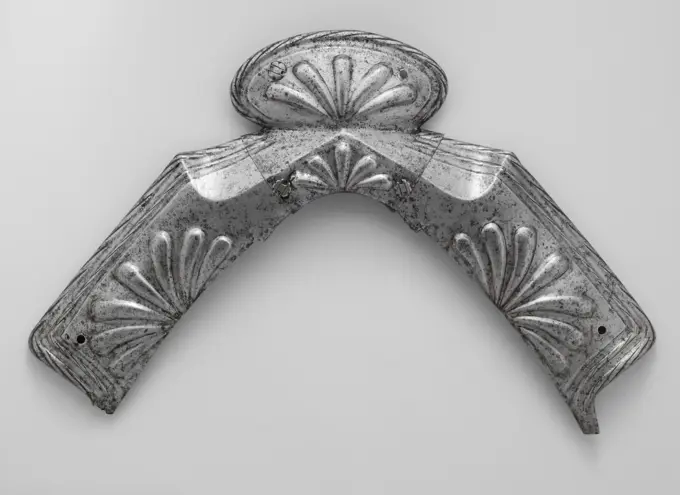
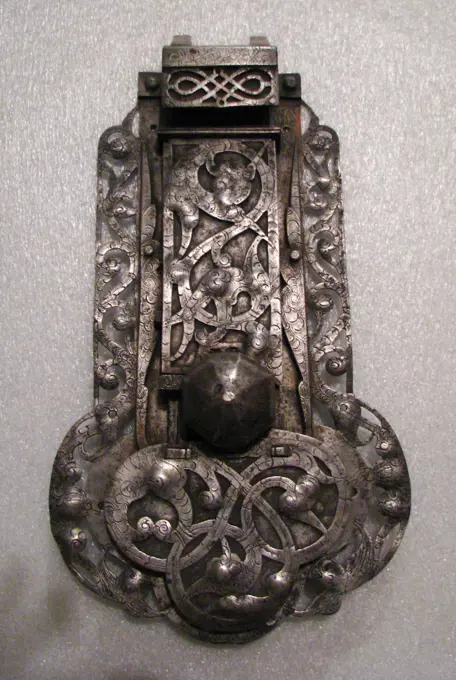
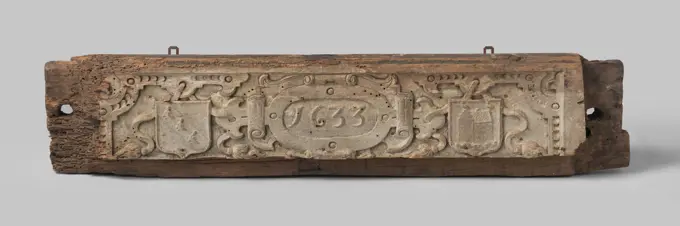
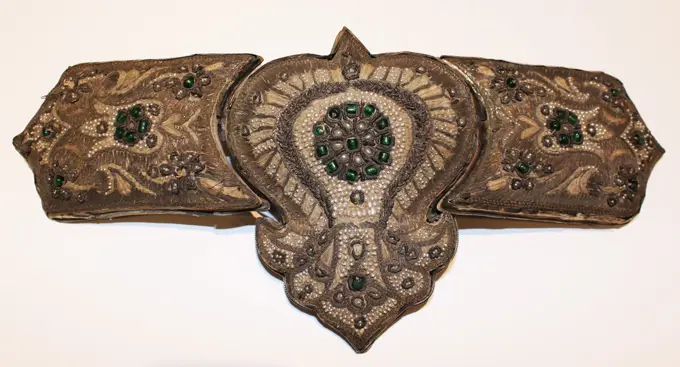
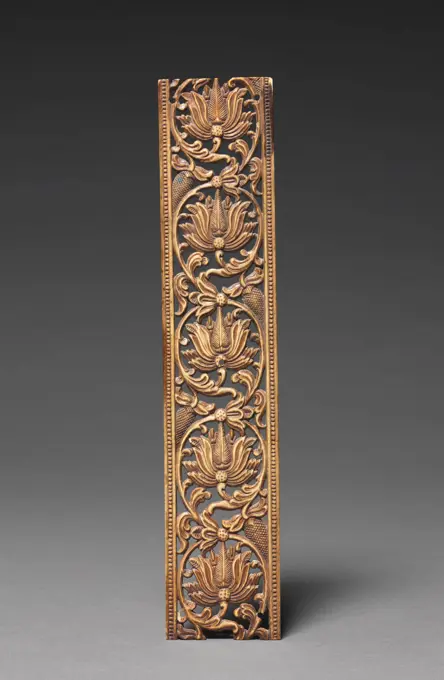
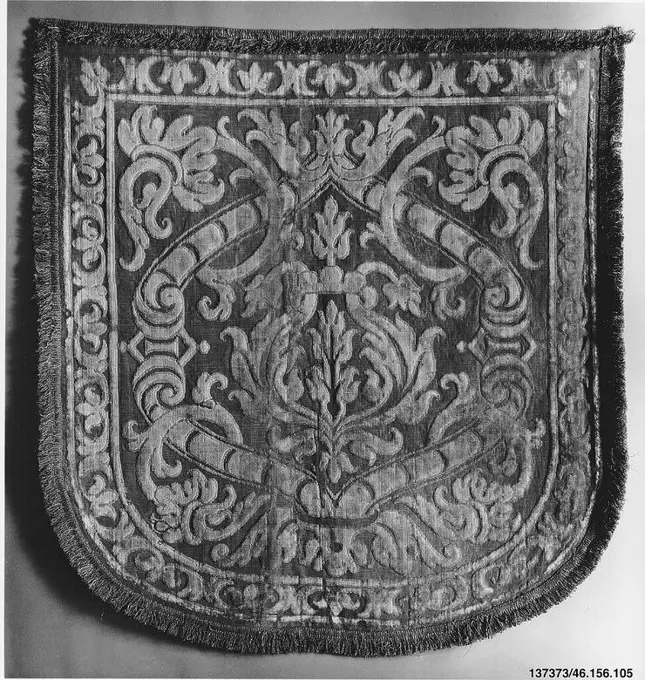
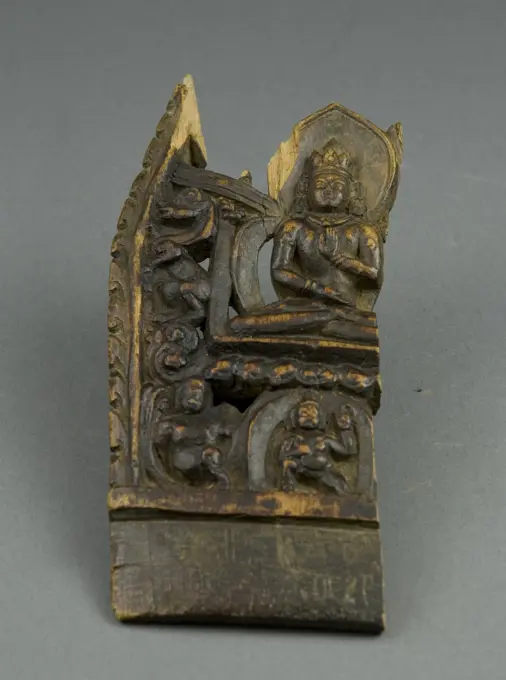
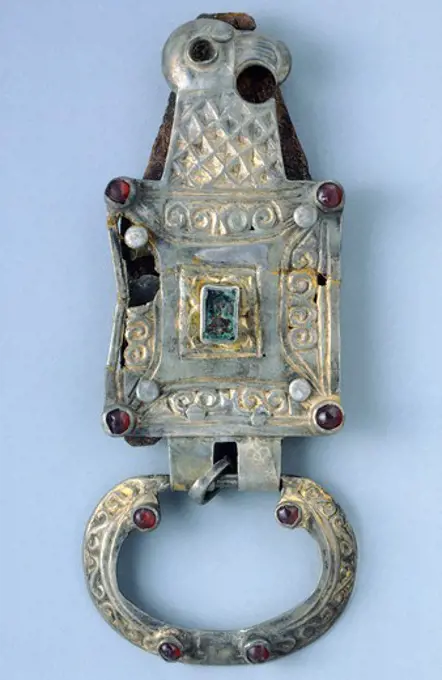
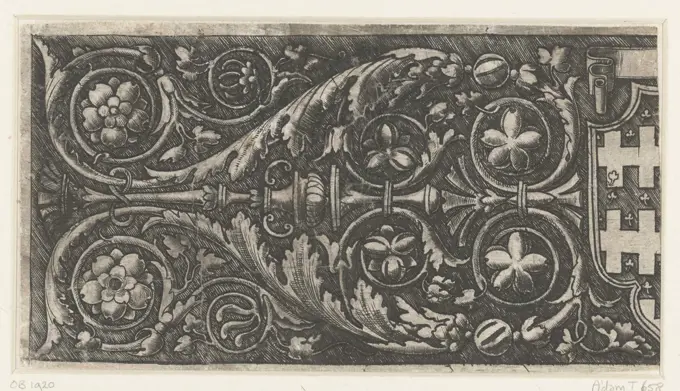
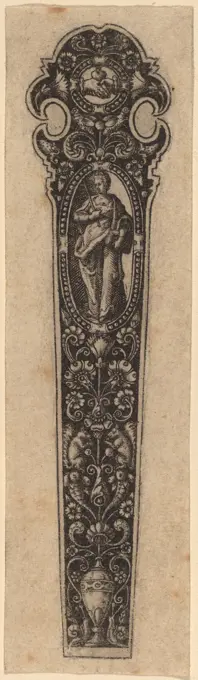
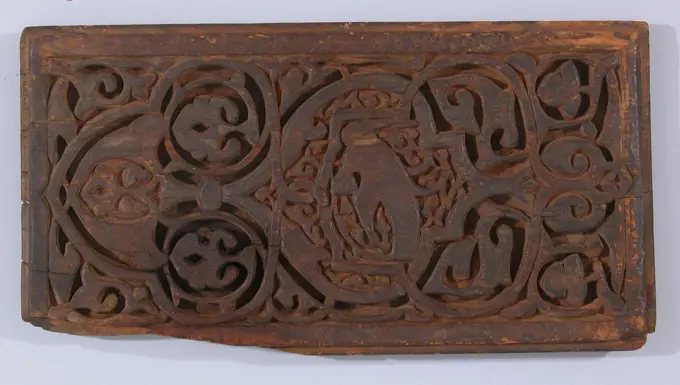
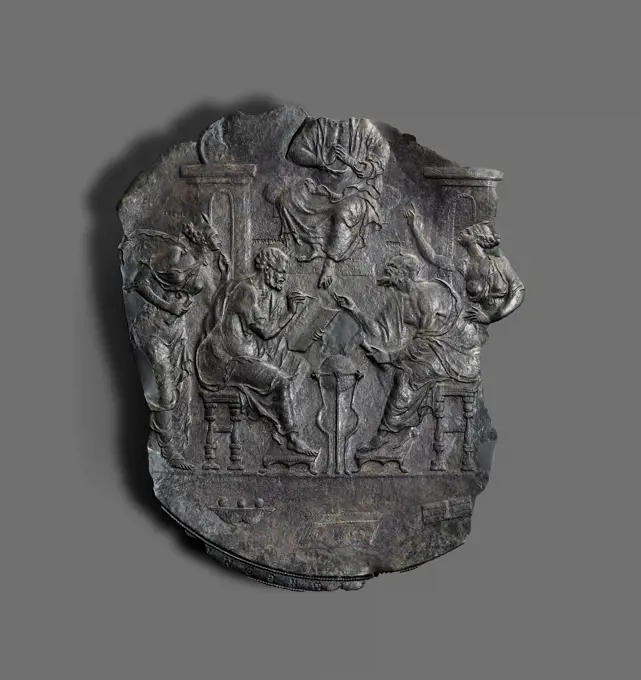
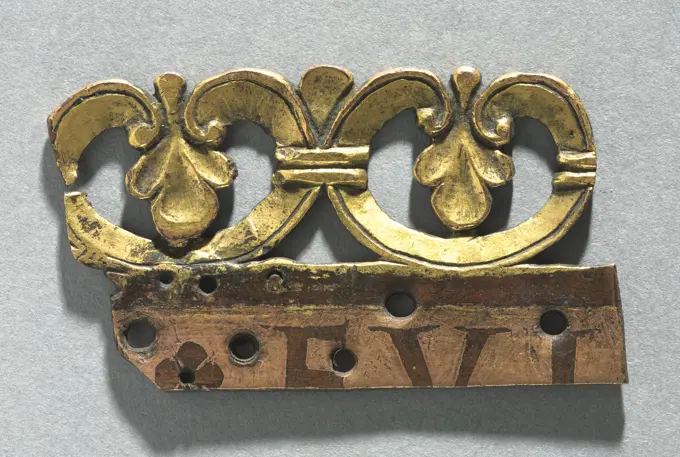
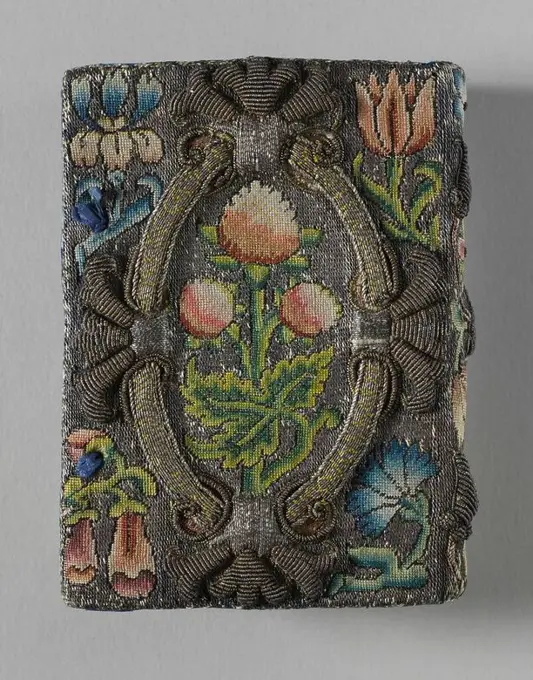
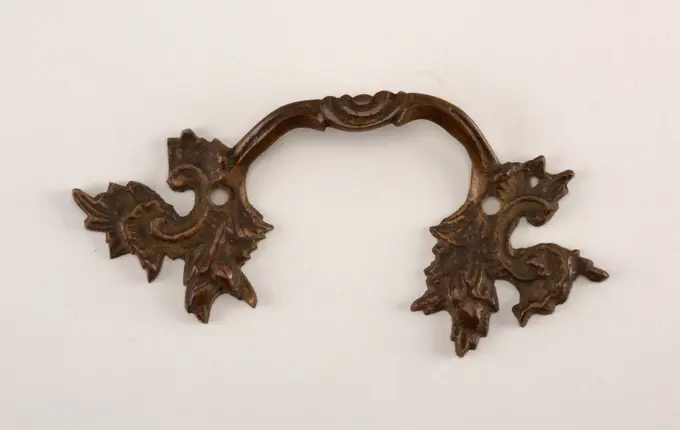
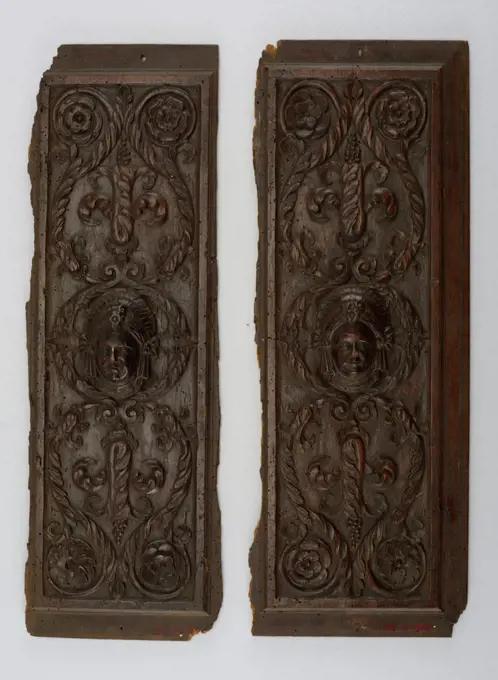
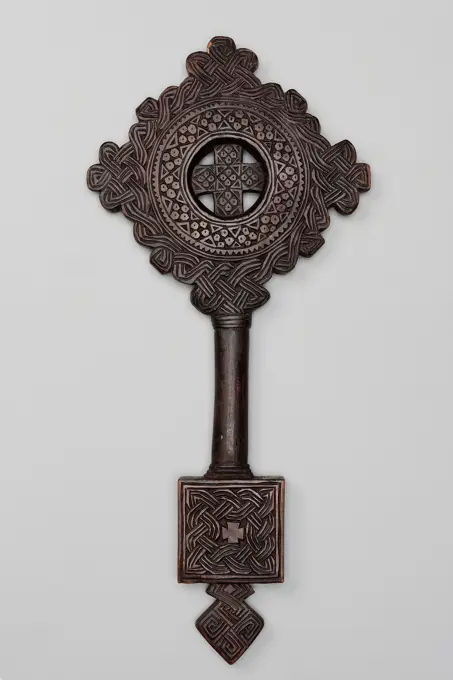
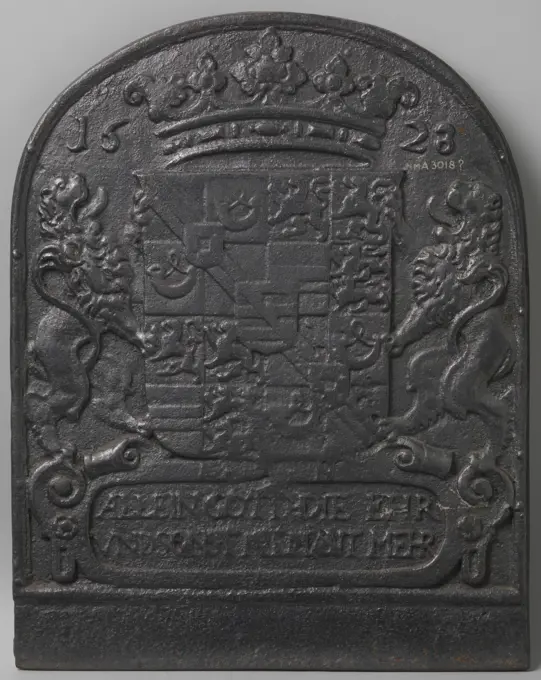
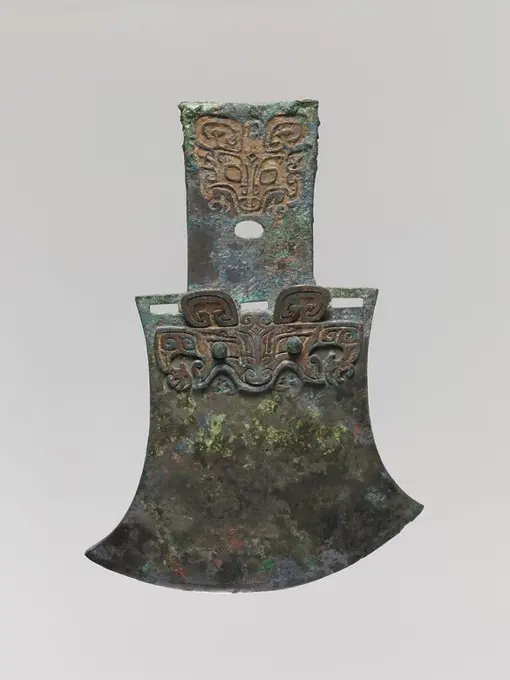
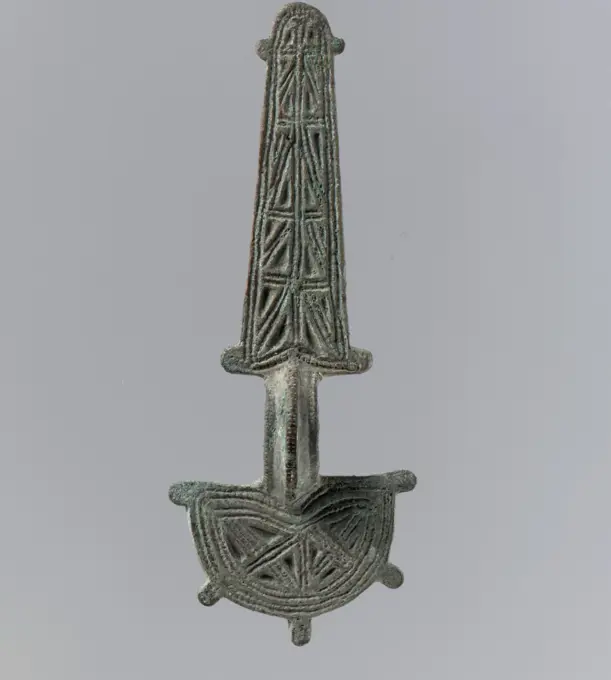
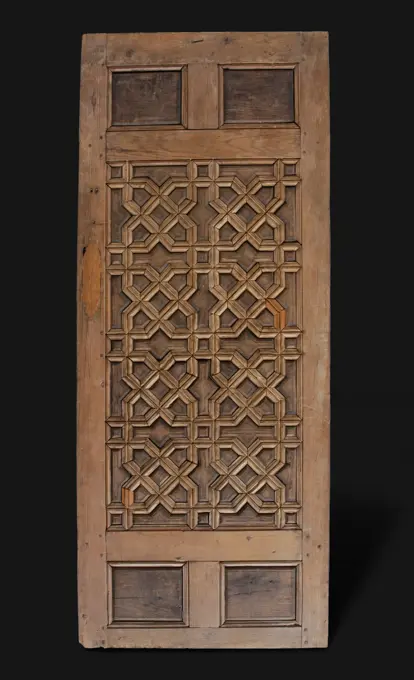
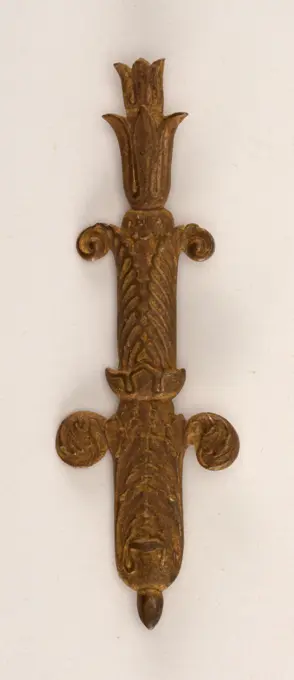
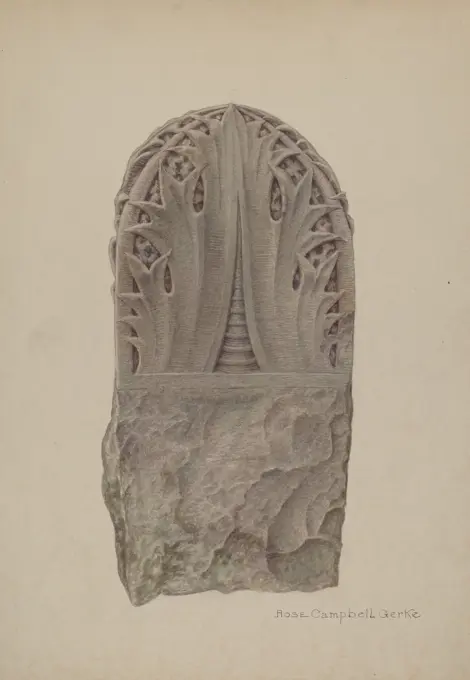
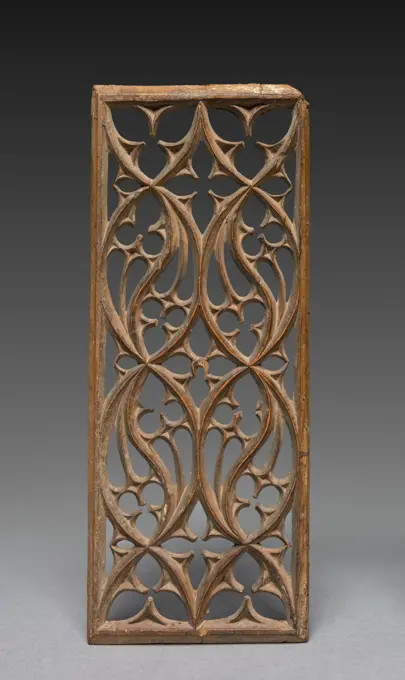
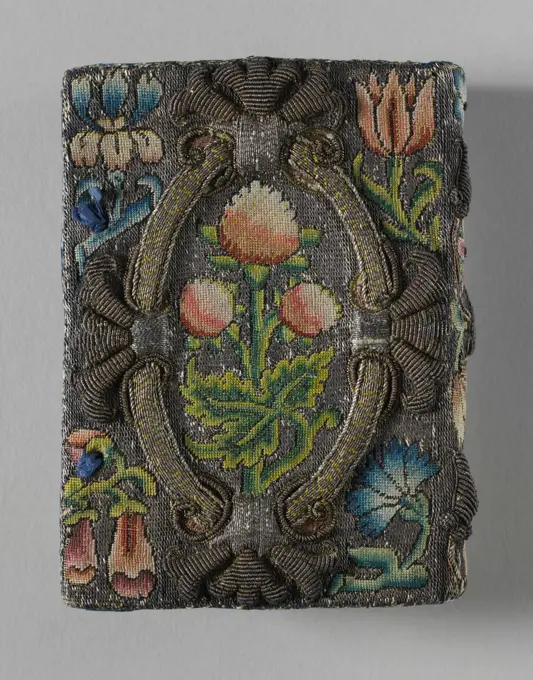
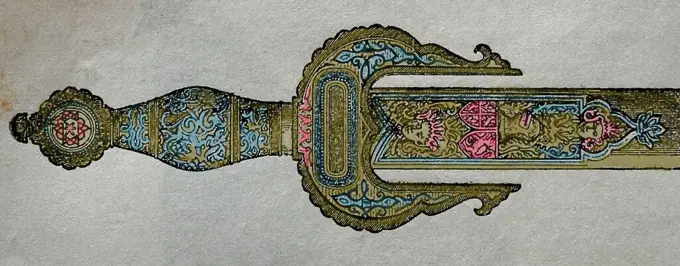
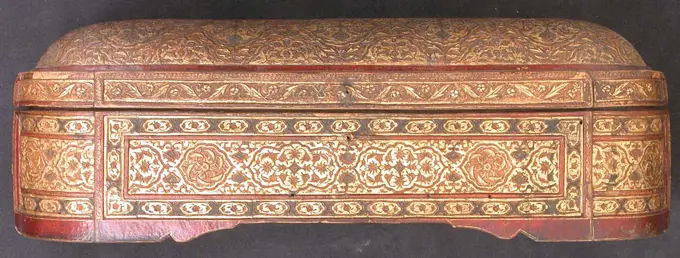
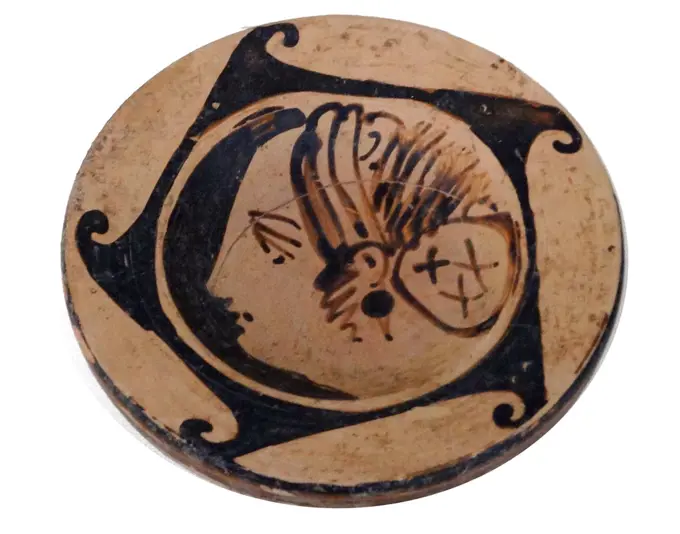
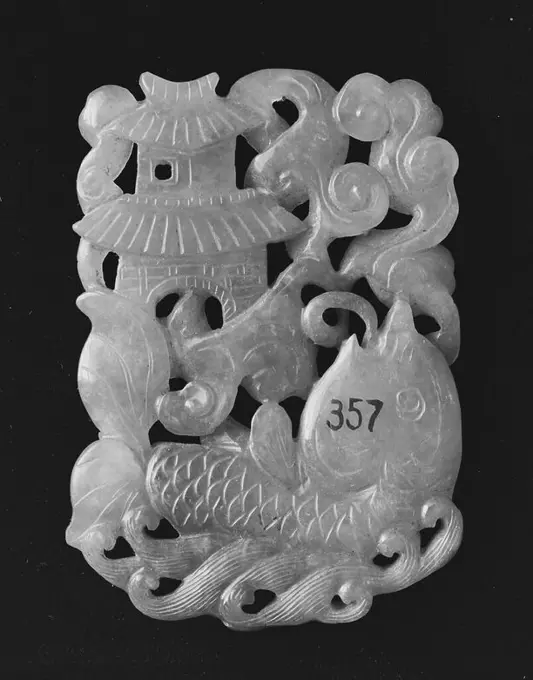
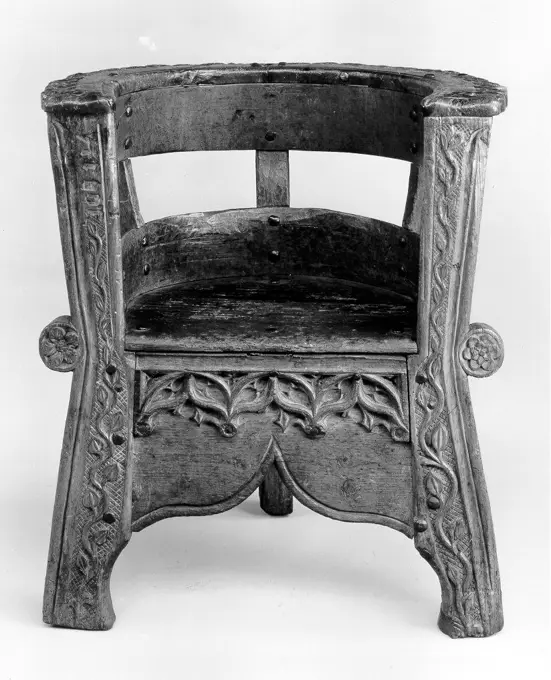
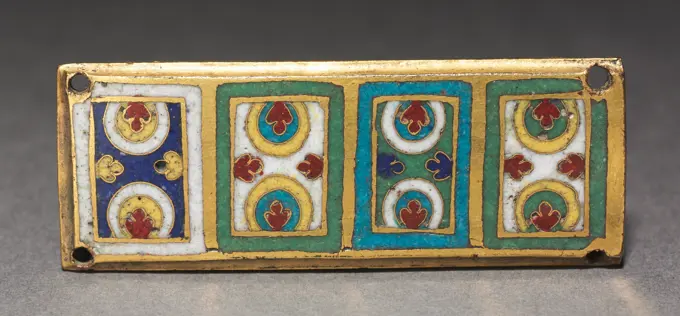
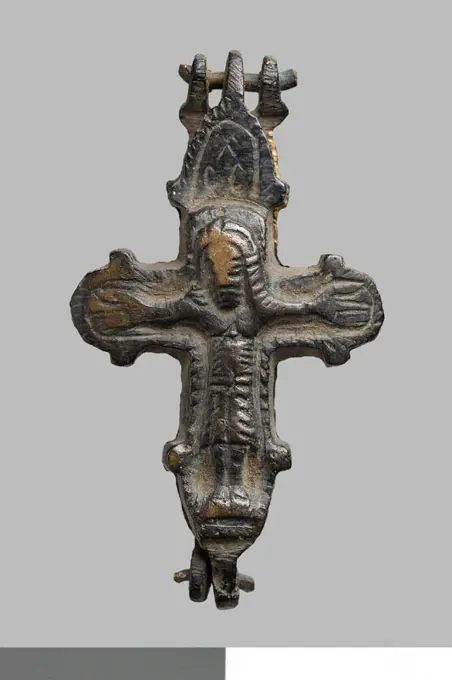
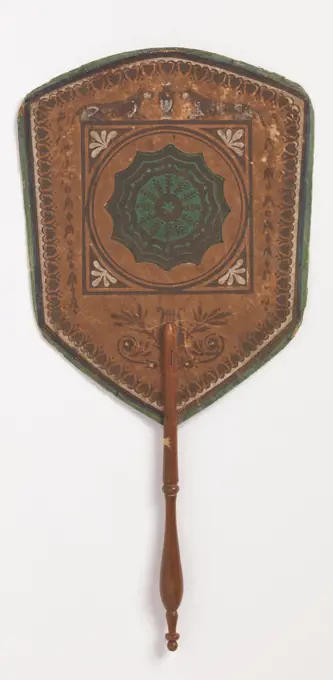
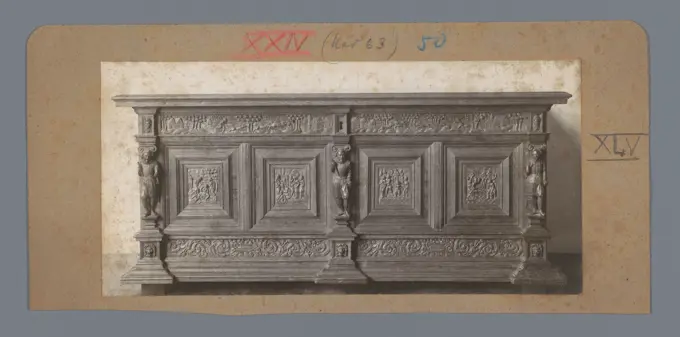
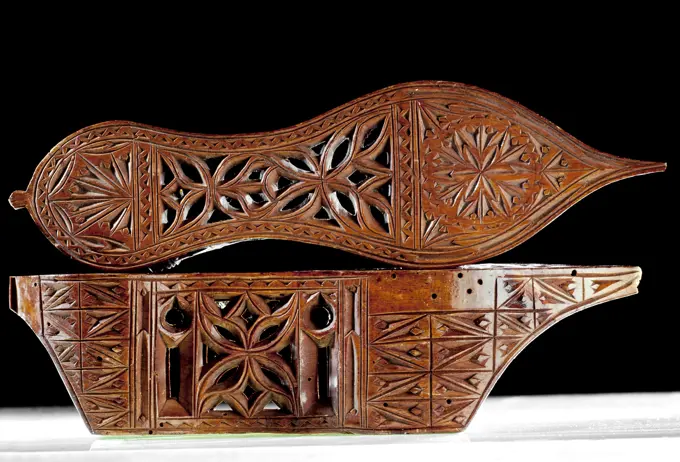
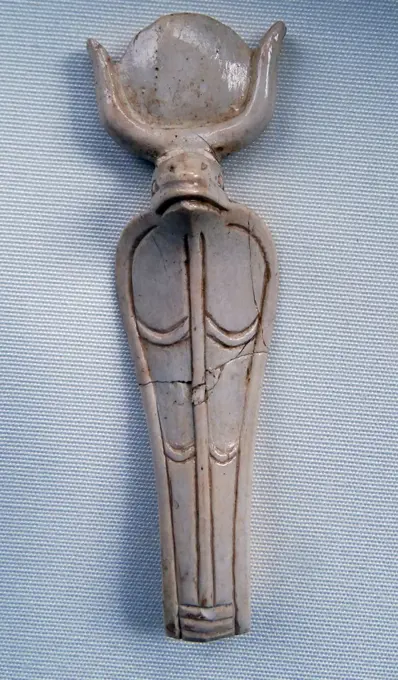
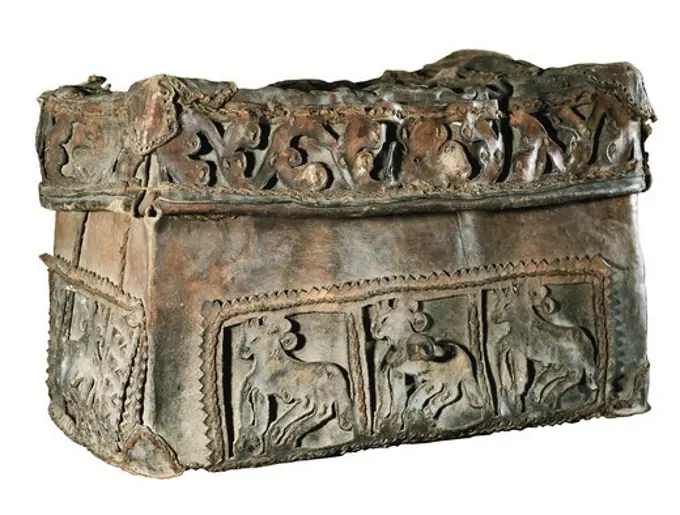
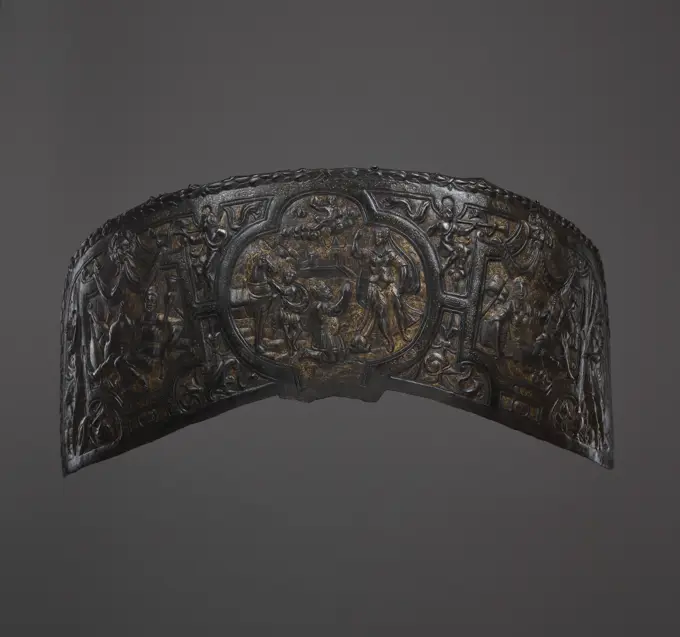
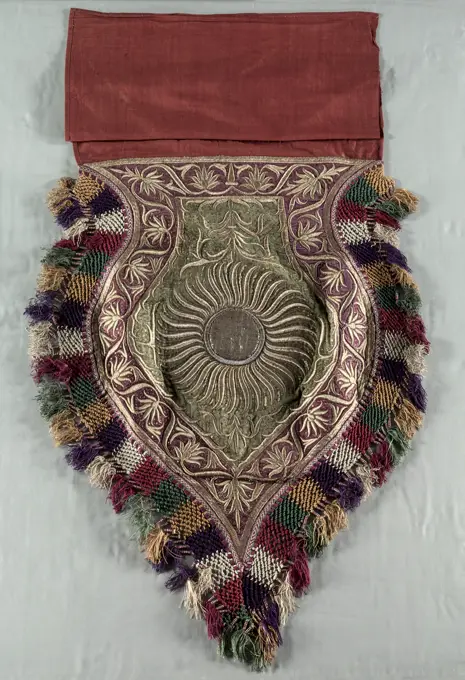
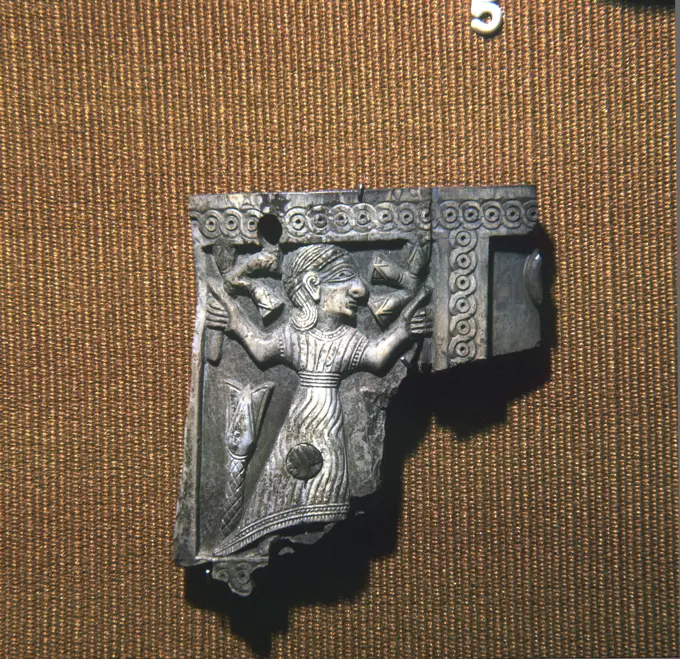
Fragment Of Paneling (France); wood (pine), carved and paintedScabbard slide 3rd century B.C. China. Scabbard slide 74535MountFragment of a Marble Sarcophagus. Culture: Frankish. Dimensions: Overall: 16 1/2 x 29 1/4 in. (41.9 x 74.3 cm). Date: 8th century ().The monogram of Christ along with the Greek letters alpha and omega, referring to Christ as the beginning and end of all things, were common motifs on Christian tombstones. This piece--like several others from this region--oddly displays the alpha and omega upside down, probably a mistake on the part of the non-Greek-speaking sculptor. Museum: Metropolitan Museum of Art, New York, USA.Plate;  19th century (1801-00-00-1900-00-00);Card 1800-1830 American. Card 1415Bronze HorseTrappingThree Pommel Plates of a Saddle ca. 1520-40 German This set of pommel plates represents a particular variation on a basic type that appears to have been fairly widespread, judging from the surviving numbers of comparative examples. This specific form is characterized by a central pommel plate consisting of a top piece in the shape of a flattened oval, beneath which there is a boxed or faceted base, with the facets merging into a chamfered recess that ends in a sharp, upward curve near the top of each sideplate. Additional examples of this particular type include two other pommel plates in the Metropolitan Museum (acc. nos. 14.25.1643, and 29.158.398).In a closely related and apparently more common variant, the pommel plate has a raised notch embossed at the center of its top edge, in addition to the other features described above. Examples of this type include the saddles belonging to two elaborate armors for man and horse made in Nuremberg for Ottheinrich (1502-1559), Count Palatine oRim lock 1580-1620 German or Swiss. Rim lock. German or Swiss. 1580-1620. Iron. Metalwork-IronInterieuronderdeel, anonymous, 1600 - 1650 Door calf with the year 1633 in a cartouche. The carving consists of rolling work. The cartouche is flanked by two coats of arms that are connected to the cartouche with a ribbon on foot. The left shield shows a diagonally running bar with three ducks; The right shield a house with front and rear facade, crowned by a duck. Oak . Northern Netherlands (possibly)Netherlands (possibly) wood (plant material). oak (wood) Door calf with the year 1633 in a cartouche. The carving consists of rolling work. The cartouche is flanked by two coats of arms that are connected to the cartouche with a ribbon on foot. The left shield shows a diagonally running bar with three ducks; The right shield a house with front and rear facade, crowned by a duck. Oak . Northern Netherlands (possibly)Netherlands (possibly) wood (plant material). oak (wood)Rasp made of palmhout with medallion portrait ,, 1700 Rasp made of palmhout. The back in low relief decorated with a medallion portrait of Louis XIV () Above profile portraits of a youthful royal couple. At the bottom of the French royal weapon surrounded by chains of the Order of St. Michel and of St. Esprit held by two angels. In the chains the letters H.R.S.L. At the top a cartouche with flower and leaf guirandes. Above a shell-shaped palm with motif surrounded by trophees. The iron grater is surrounded by a leaf edge with two birds having on the top; At the bottom of the weapon of a bastard branch of the Bourbons. France boxwood Rasp made of palmhout. The back in low relief decorated with a medallion portrait of Louis XIV () Above profile portraits of a youthful royal couple. At the bottom of the French royal weapon surrounded by chains of the Order of St. Michel and of St. Esprit held by two angels. In the chains the letters H.R.S.L. At the top a cartouche with flower and leaf guiFireback coat of arms Republic of the United Netherlands, fire place iron, cast Rectangular with arch at the top on which putti. In the middle the coat of arms of the Republic of the Seven United Netherlands with lion with sword and arrows Bundle around broad border with festoons between frame and pearl necklace heraldry living environment interior heating religionBatter, c. 1400 - c. 1950   iron (metal)   iron (metal)Buckle, 600s. Frankish, Migration period, 7th century. Bronze and silver overlay; overall: 18.6 cm (7 5/16 in.).Hood late 16th century Italian. Hood 227194Girdle Clasp 19th century. Girdle Clasp. 19th century. Silver, glass, pearl, and gold thread. Attributed to probably Cyprus or Turkey. JewelryPanel 13th-14th century. Panel 445042Cover of a Palm Leaf, 1700s. South India, 18th century. Ivory; overall: 26.4 x 5.4 cm (10 3/8 x 2 1/8 in.).Hood. Culture: Italian. Dimensions: 15 3/4 x 17in. (40 x 43.2cm). Date: late 16th century. Museum: Metropolitan Museum of Art, New York, USA.Fragment Depicting a Tathaghata 1101-1200 Western Tibet. Wood .Offering table 664-332 B.C. Late Period. Offering table 552696Buckle with plaque in the form of eagle head, Crimea. Gotho-Alanic Civilization, 4th-9th Century.Lying candelaber. Sheaves can be seen from the Kandelaber. On the right half of a weapon is visible.Design for a Knife Handle Showing Charity, Willem du Tielt, Flemish, active 1610 - 1653, Engraving and etching on off-white laid paper, Charity is shown in an ovoid, with two children; a pelican feeding her young is in the medallion at top. Ornament in the candelabra scheme rises from a flower basket at the bottom., Netherlands, 1600-1625, metalwork, Print, PrintPlaque (France); wood (oak), goldStar-Shaped Tile 13th century. Star-Shaped Tile 450369Theodor de Bry, Ornament for Knife Handle Ornament for Knife HandlePanel probably 12th century. Panel. probably 12th century. Wood; carved. Made in Egypt. WoodAgujas para hacer punto de madera. Museu Català de les Arts i Tradicions Populars.Plate with Relief Decoration; Eastern Mediterranean; 500-600; Silver; 45 x 28 cm, 2.5475 kg (17 11,16 x 11 in., 5.6162 lb.)Fragment of an Ornamental Crest from a Reliquary Shrine, c. 1165-1180. Mosan, Meuse Valley, Maastricht, Gothic period, 12th century. Gilded copper, émail brun (brown enamel); overall: 5.5 x 3 cm (2 3/16 x 1 3/16 in.).Double -sided gingerbread formThe Whole Booke of Davids Psalmes, with an embroidered cover. Culture: British. Dimensions: Overall: 4 3/4 x 3 1/2 in. (12.1 x 8.9 cm). Printer: Printed by T.C. for the Company of Stationers , London, 1635. Date: ca. 1635. Museum: Metropolitan Museum of Art, New York, USA.Fragment of embroidered fabric;  XVII/18th century (1690-00-00-1710-00-00);Klejman, Jakub (Warsaw - Antique - 1945-1950), embroidery, coats of arms, purchase (provenance)Drawer Pull; 1904-18-6Door, Walnut, carved, Two doors. In center of each, a woman's head in high relief. Above and below, in reverse position, arabesques of foliage in the shape of a lyre, prolonged at four corners of door to enclose four fleurons of diversified design., 1600-1625, Decorative Arts, DoorMorse 1591 Spanish. Morse 222926Krzyż ręczny. nieznany warsztat etiopski (1400-1970), authorFireplace with the weapon of the Prince of Orange. An iron chimney plate, from above hemisphere in which the weapon of the Prince of Orange. With inscription.Cassone first half 16th century Italian, Tuscany. Cassone. Italian, Tuscany. first half 16th century. Walnut, originally polychromed and gilded. Woodwork-FurnitureKeystone from the Chapterhouse of the Cistercian Monastery in Jędrzejów unknownDoor Knocker 15th-16th century European. Door Knocker. European. 15th-16th century. Iron. Metalwork-IronArms of Counts de Medici late 17th-early 18th century Italian, Florence. Arms of Counts de Medici. Italian, Florence. late 17th-early 18th century. Carved and gilded wood. WoodworkAxe. Culture: China. Dimensions: H. 9 13/16 in. (24.9 cm); W. 6 3/8 in. (16.2 cm). Date: 12th-11th century B.C.. Museum: Metropolitan Museum of Art, New York, USA.Two Plates late 15th century German. Two Plates. German. late 15th century. Iron. Metalwork-IronRim lock late 16th century German. Rim lock 187133 German, Rim lock, late 16th century, Iron, 9 3/4 x 6 3/4 in. (24.8 x 17.1 cm). The Metropolitan Museum of Art, New York. Gift of Henry G. Marquand, 1887 (87.11.726)Vargueño (Scrutoire) 17th century Spanish. Vargueño (Scrutoire) 196763Altar frontal 16th century () possibly Spanish. Altar frontal 213020Bow Brooch first half 6th century Visigothic. Bow Brooch 468183Door. Egypt, Syria or Iraq, 18th-19th century. Wood. WoodMountArm of a candle wreath. Candle arm corresponding to the candle arms associated with a candle wreath of three heights with maria chapel in the middle. The arm is bent twice and has five leaves. A fat catcher with candle holder can be placed at the end. The arm is equipped with a small, engraved French lily on the candle cover.Rose Campbell Gerke, Stone Gate Post, c 1939 Stone Gate PostPanel, late 1400s. France, 15th century. Walnut; overall: 6.8 x 16.9 cm (2 11/16 x 6 5/8 in.).The Whole Booke of Davids Psalmes, with an embroidered cover ca. 1635 Printed by T.C. for the Company of Stationers Listen to experts illuminate this artwork's story Listen Play or pause #405. Embroidery and Craftsmanship Supported by Bloomberg Philanthropies We're sorry, the transcript for this audio track is not available at this time. We are working to make it available as soon as possible.. The Whole Booke of Davids Psalmes, with an embroidered cover 228970Sword of Johnn of Austria (1547-1578). Military leader in the service of Philip II of Spain. Engraving, by History of Philip II, 1884.Mirror, 1615-1868. Japan, Edo period (1615-1868). Bronze; diameter: 9.3 cm (3 11/16 in.); overall: 20.7 cm (8 1/8 in.).Door, decorated with deep stabbed, partially opened ornament with weapon in which torture equipment Christ are incorporated, anonymous, c. 1500 Door of a cupboard of oak. The door is decorated with deep, partially opened ornament. The ornament consists of a coat of arms hung on belts with a crowned visor helmet, surrounded by curled thistle leaves. The armor figure proposes the injured hands and feet and the heart with the sponge on a lance, the cross with thorn crown and the lance. When the door was acquired, it was part of a largely modern cupboard. (See also inv.no. BK-KOG-605-A and -c) Northern Netherlands (possibly) wood (plant material). oak (wood) Door of a cupboard of oak. The door is decorated with deep, partially opened ornament. The ornament consists of a coat of arms hung on belts with a crowned visor helmet, surrounded by curled thistle leaves. The armor figure proposes the injured hands and feet and the heart with the sponge on a lance, the cross with thorn crown and the Coat of arms of oak, anonymous, 1650 - 1700 Sculpted weapon board of oak that shows a coat of arms, with the weapons of Haersma and Scheltinga on the left and the weapons of Glinstra and Bouricius on the right. The shield is surrounded by a cartouche with lobe ornament, a flower festival of which depends. Northern Netherlands wood (plant material). oak (wood) Sculpted weapon board of oak that shows a coat of arms, with the weapons of Haersma and Scheltinga on the left and the weapons of Glinstra and Bouricius on the right. The shield is surrounded by a cartouche with lobe ornament, a flower festival of which depends. Northern Netherlands wood (plant material). oak (wood)Pen Box ca. 1600 Objects like this pen box were typically displayed in open niches in reception rooms of upper-class Syrian residences during the Ottoman period. Pen Box 448939Stemmed dish from Central Italy. Dated 300 BCPendant. Culture: China. Dimensions: H. 2 5/8 in. (6.6 cm); W. 1 13/16 in. (4.6 cm); L. 1/4 in. (0.6 cm). Museum: Metropolitan Museum of Art, New York, USA.Coat of arms with weapon in four quarters, Anonymous, 1881  Oval wooden weapon board, which painted in the 1st and 4th fifteen minutes a double silver tilt row on red ground. The 2nd and 3rd quarter show a blue field, with a gold auger in the third (top right) and a red rose in the second.  panel  armorial bearing, heraldryChair 15th century North Italian. Chair 467696Wall arm, whose arms and candle holders are designed as flower branches, anonymous, c. 1700 - c. 1750 An iron forged altar bouquet. Painted with the original colors.  iron (metal) forging An iron forged altar bouquet. Painted with the original colors.  iron (metal) forgingFire Back; French; about 1703 - 1725; Cast iron; 80 x 96 cm, 131.5431 kg (31 1,2 x 37 13,16 in., 290 lb.); 2004.58Plaque from a Reliquary Shrine, c. 1170. Germany, Rhine Valley, Cologne, Romanesque period, 12th century. Gilded copper; champlevé and cloisonné enamel; overall: 2.7 x 7.2 cm (1 1/16 x 2 13/16 in.).Panel from walnut (from a cupboard) In the form of a standing rectangle. The exported field is embedded on three sides by a protected edge decorated with a braid band and relieves a candidalable ornament with symmetrical leaf drinks, on which two degree of birds in the upper.Rim lock 16th-17th century German. Rim lock 187134 German, Rim lock, 16th17th century, Iron, 8 1/4 x 5 3/4 in. (21 x 14.6 cm). The Metropolitan Museum of Art, New York. Gift of Henry G. Marquand, 1887 (87.11.728)Pendant China. Pendant. China. Jadeite. Ming dynasty (1368-1644). JadeChariot Axle Cuff, c. 1046-771 BC. China, Henan province, Western Zhou dynasty (c. 1046-771 BC). Bronze; overall: 9.5 cm (3 3/4 in.).Door handle or knocker 15th-16th century German. Door handle or knocker 468888Krzyż ręczny. nieznany warsztat etiopski (1400-1970), workshopMetal Ecclesiastical Object second half 19th century Anonymous, British, 19th century British. Metal Ecclesiastical Object 386663Pair of pilasters first half 16th century French. Pair of pilasters. French. first half 16th century. Carved oak. WoodworkMount; 1908-10-2Enkolpion. Nieznany warsztat ruski, factoryHandscreen, Stenciled and painted paper leaf with applied lithograph, turned wood handle, Handscreen with a hexagonal leaf, round center medallion of cupid, surrounded by hand-painted and stenciled borders in the neoclassical style., early 19th century, costume & accessories, HandscreenKist decorated with three men and narrative scenes (presumably) in the Rijksmuseum in Amsterdam, c. 1875 - c. 1900 photograph  Rijksmuseum Amsterdam photographic support  chest, cofferLock 16th century German The decoration of Gothic iron locks and keys was often elaborate and of the highest standard of workmanship. The motifs were frequently drawn from Gothic architecture, reproducing on a miniature scale complicated tracery patterns and even tiny statuettes. A number of these tiny locks were compound, with some of the mechanisms concealed from view, and required two or even three keys used in sequence to open them. It has been suggested that the greatly expanded use of locks on doors, or coffrets and other types of storage chests was a result of the increasing urbanization of life and the new emphasis on material wealth and private ownership which developed in the late Middle Ages.. Lock 468899Border, Block-printed on handmade paper, Against a striped background pattern, wide band of this two-band border design contains an oval escutcheon alternating with a cartouche which is formed by scalloped acanthus-leaf frame. Cartouche contains stemmed acorns flanking a rosette. The narrow band consists of classically-inspired acanthus cups enclosing half-hidden egg shapes. Bottom edge is dentilled., H# 541, France, 1800-1820, Wallcoverings, BorderStill-life, antique shoes, clogs inlaid with fig wood, from Syria or Jordan, 1850-1890.Ivory carving from NimrudOfficial mailbag used in the mail between the city of Quito and Cuenca (Ecuador). Made in leather. Sculpture. ECUADOR. PICHINCHA. Quito. Aurelio Espinosa Polit Ecuadorian Library.Przeszo Przyszoci Piccinino, Lucio (fl. 1575 1590), axes, Girolamo (fl. 1575 1590)Comb Fragment. Egypt, 10th-12th century. Tools and Equipment; combs. WoodDouble -sided gingerbread formNotebook with gold-piqué decorations on black lacquer and frame and tiled decorations of gold. Lock plate with diamonds. Notebook with gold-piqué decorations on black lacquer. Golden frame and submitted golden decorations. Diamonds on the lock plate.Plate Ceramic Horend with a chimney from the house of Dentz van Schaick, c. 1900 - c. 1905 The plate belongs to a chimney that is part of a paneling for the house of Mr Th.G. Dentz van Schaick on Frederiksplein in Amsterdam 50-52. The Hague earthenware The plate belongs to a chimney that is part of a paneling for the house of Mr Th.G. Dentz van Schaick on Frederiksplein in Amsterdam 50-52. The Hague earthenwareEmbroidered Fragment, 1700s or 1800s. India, 18th or 19th century. Embroidery; gold on velvet; overall: 111.8 x 94 cm (44 x 37 in.).Excerpt of an embroidery, anonymous, c. 1500 - c. 1600 Fragment of an embroidered praetexta or aurifries of a Dalmatics. The fragment consists of red satin on a linen lining. The embroidery has rinceaux of gold and silk in the colors yellow and green. The fragment is part of two fragments with invnrs. BK-NM-1239-B-2 and BK-NM-1239-B-3. Netherlands (possibly)Italy (possibly) satin. linen (material). silk embroidering Fragment of an embroidered praetexta or aurifries of a Dalmatics. The fragment consists of red satin on a linen lining. The embroidery has rinceaux of gold and silk in the colors yellow and green. The fragment is part of two fragments with invnrs. BK-NM-1239-B-2 and BK-NM-1239-B-3. Netherlands (possibly)Italy (possibly) satin. linen (material). silk embroideringFragment of a Cornice with Vines 3rd-12th century. Fragment of a Cornice with Vines 456078Asia, Lebanon. - Avail up to 100MB. Call for Details.Arm board with stork or crane bird. Oval wooden armboard. The weapon bears a stork or other Stelloper standing on one leg, the other raised in which a ball or potato is clamped, on a blue field.William Kieckhofel, Detail, Side of Confessional, 1937 Detail, Side of ConfessionalBatter. .English and Scottish photo album with 36 photos, anonymous, various manufacturers, 1860 - 1900  Photo album with a total of 36 photos on 48 pages. The album contains 35 cartes-de-visiting and a ferrotypie in with golden lines contaminated passe-partouts. Each page contains 1 passe-partout, but not all passe-partouts in the album are filled. Portrayed are portraits of unknown men, women and children and a face on a country house. The photos were taken by various photographers from the United Kingdom. The photographer is anonymous of 8 photos. United Kingdom cardboard. paper. photographic support. metal. leather. mother of pearl Triple Albumen / Ferrotyping historical persons. historical persons - BB - woman. child. villa Edinburgh. Belfast. Glasgow. United KingdomConsole, executed in Lodewijk-XIV style, Anonymous, c. 1400 - c. 1950 A pine console, executed in Louis XIV style. Netherlands wood (plant material). pine (wood). paint (coating) A pine console, executed in Louis XIV style. Netherlands wood (plant material). pine (wood). paint (coating)Louvre, Collection Sauvageot, Portable clock of the sixteenth century, vintage engraved illustration. Magasin Pittoresque 1858.Ottoman art example of Mother of Pearl inlays