Artistic Jewelry Pieces

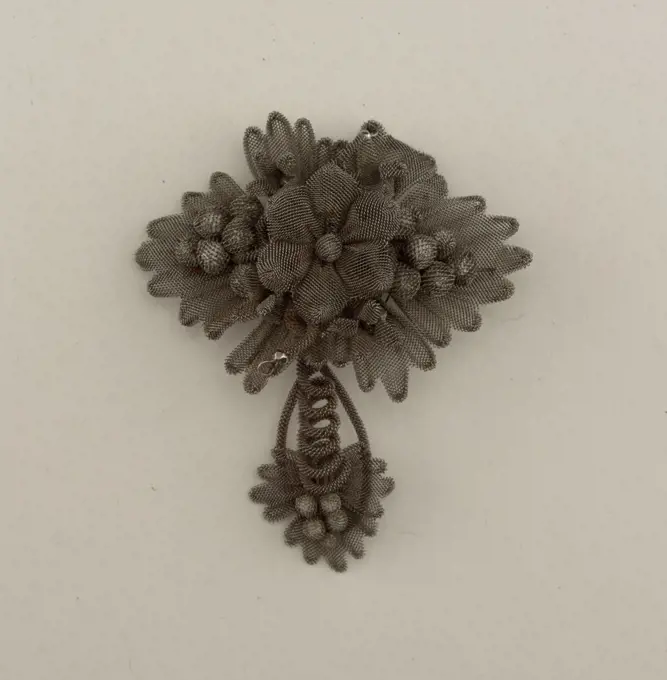
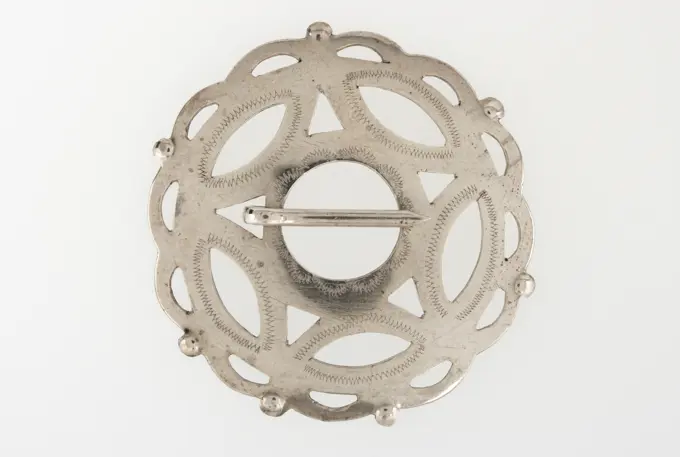
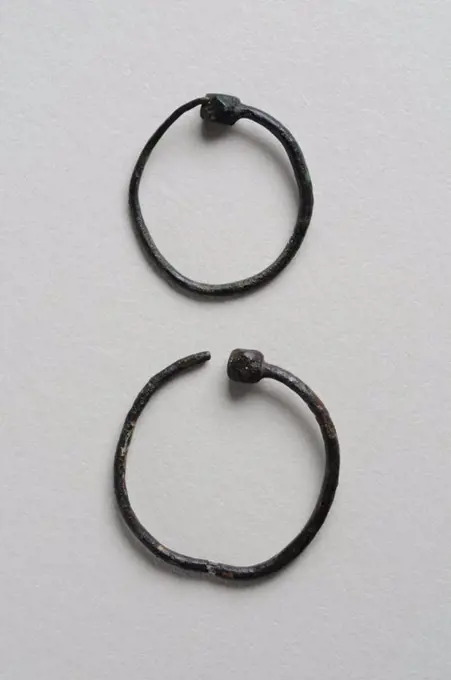
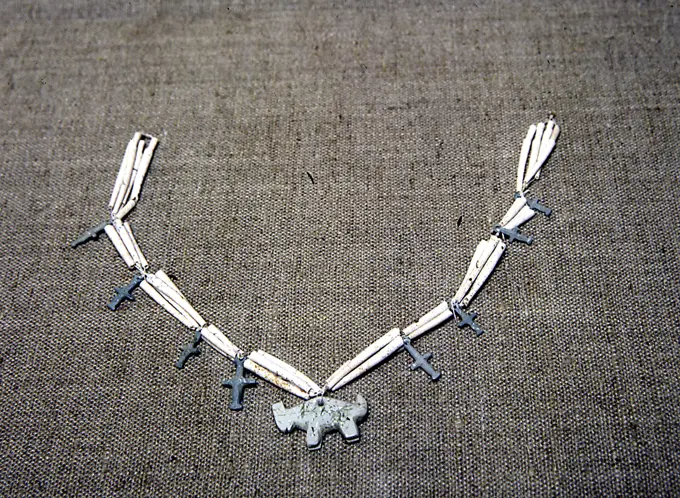
Intricate vintage jewelry items including ornate brooches, a tsuba, and a decorative vinaigrette, highlighting fine craftsmanship and historical significance.
correct symbol. close-up correct symbol. close-up Copyright: xZoonar.com/SerhiixPavlovx 1303801
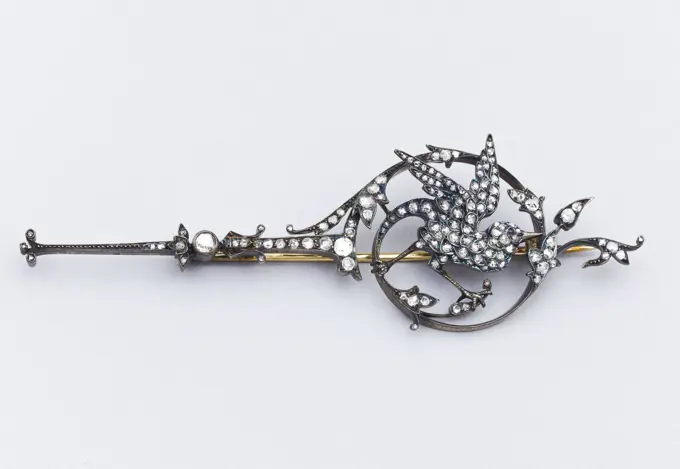
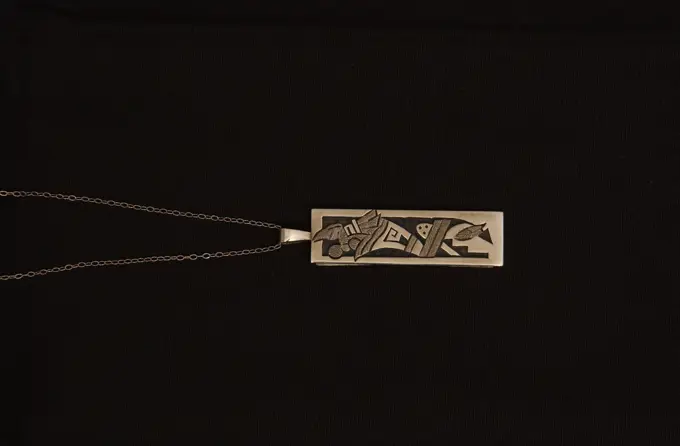
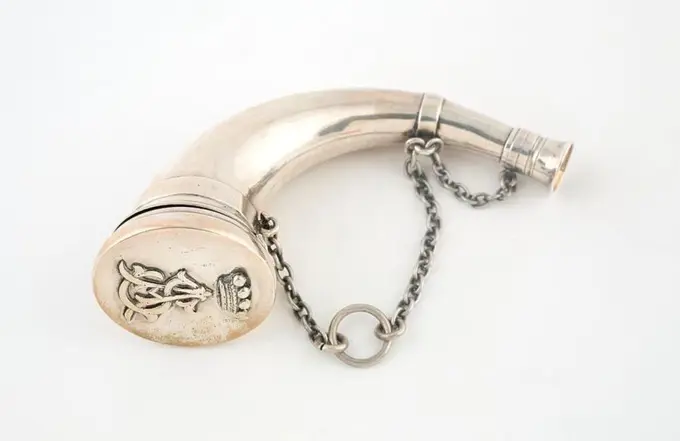
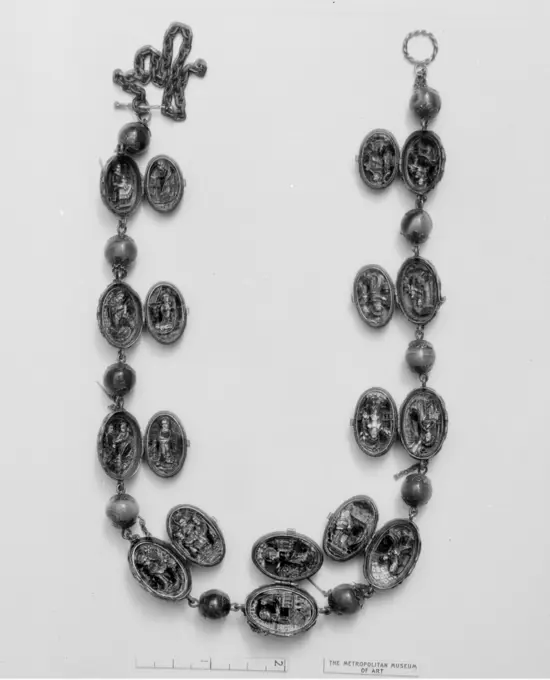
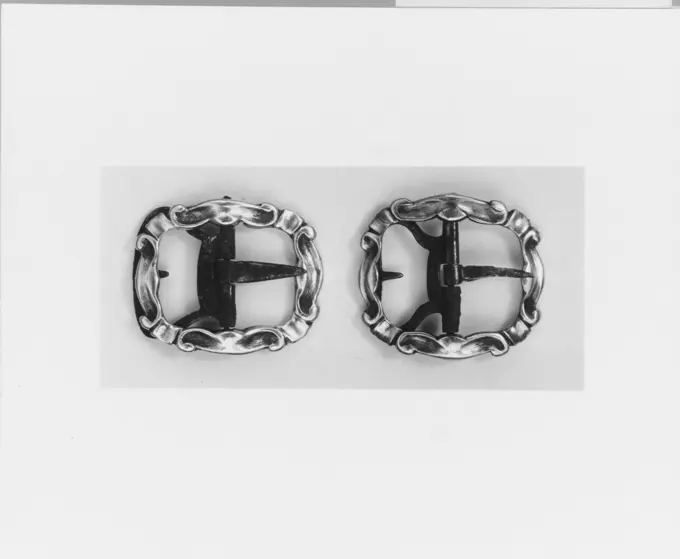
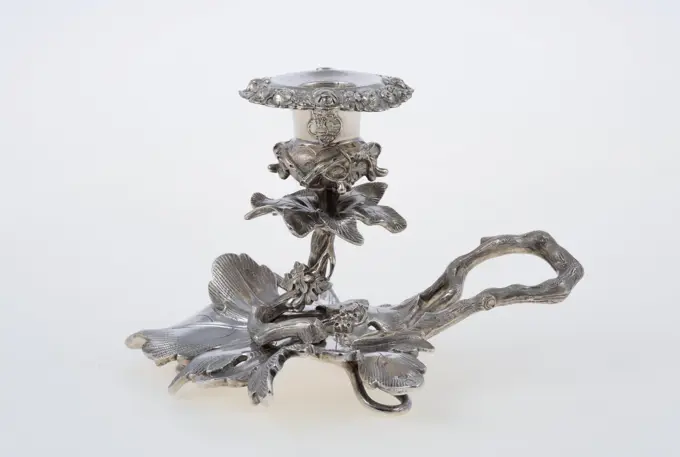
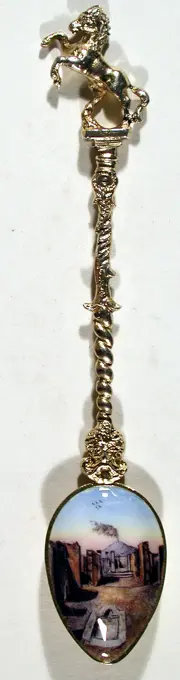
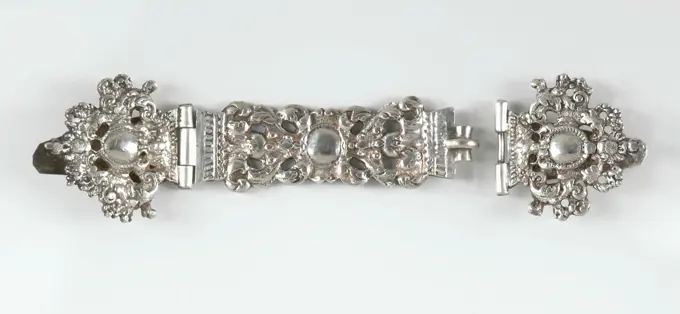
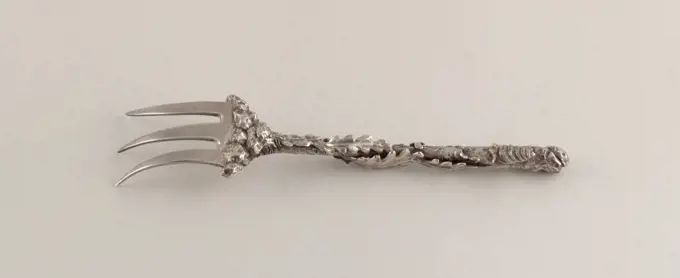
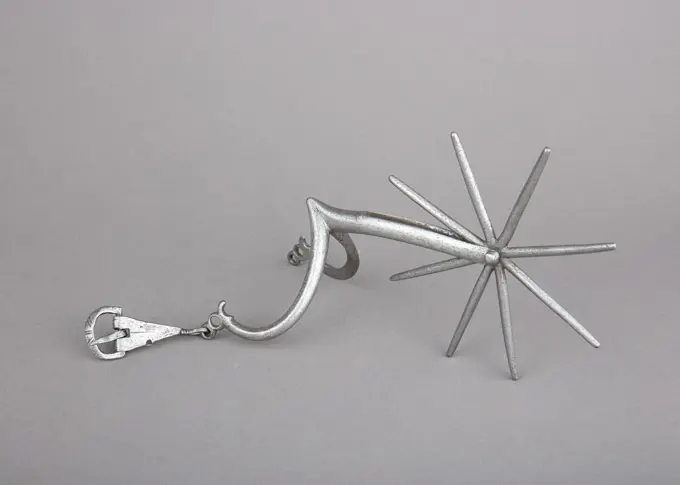
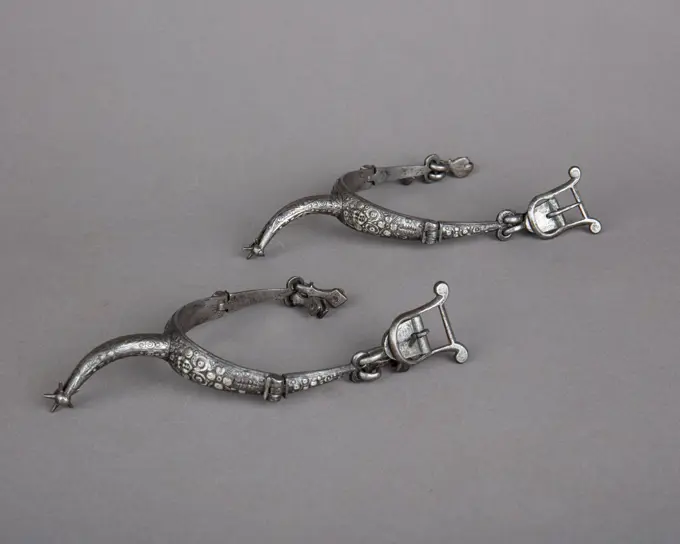
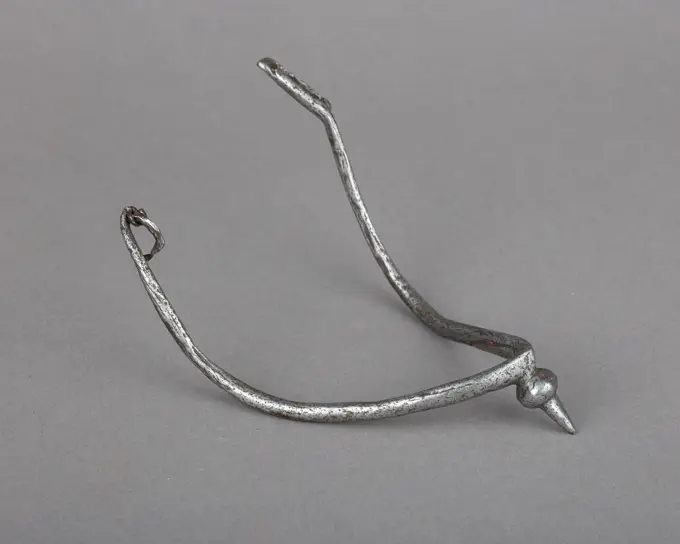
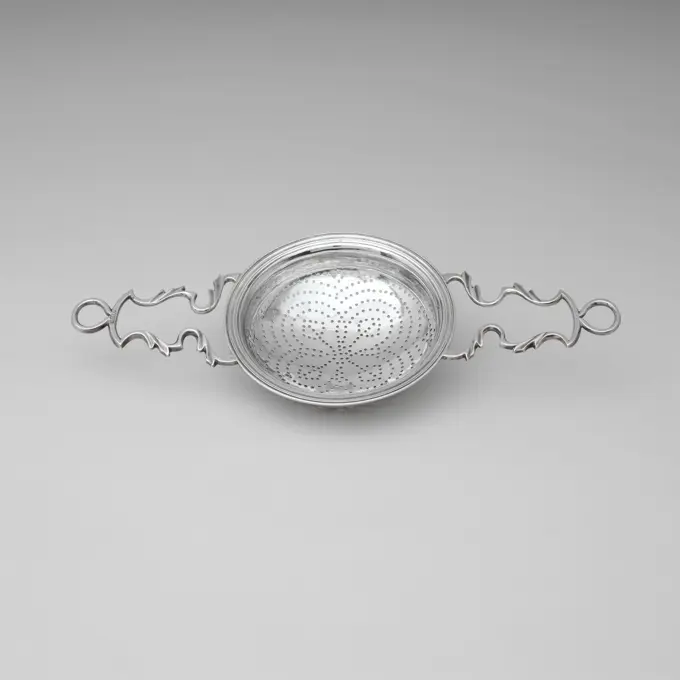
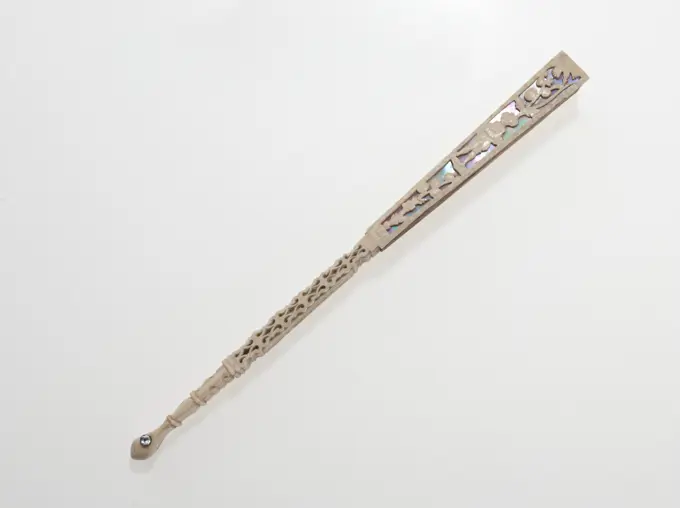
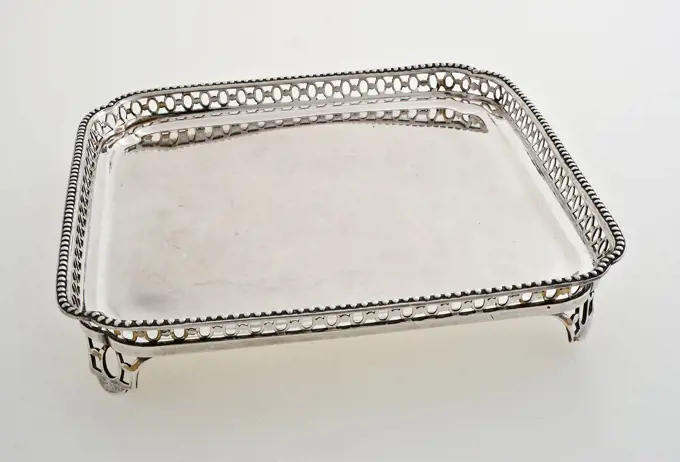
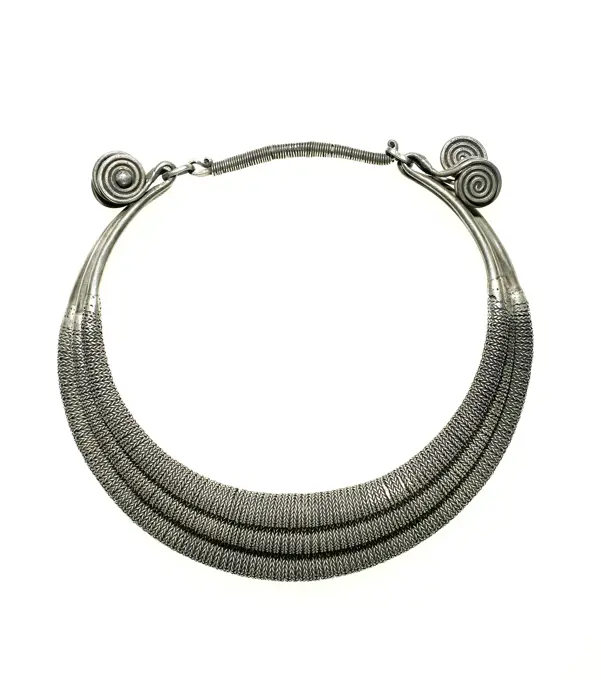
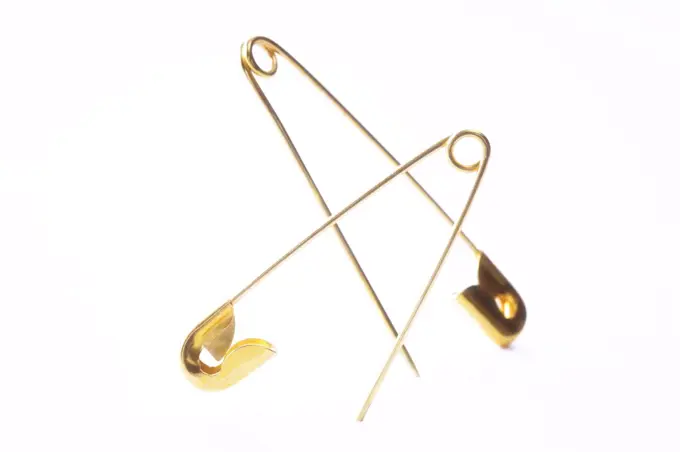
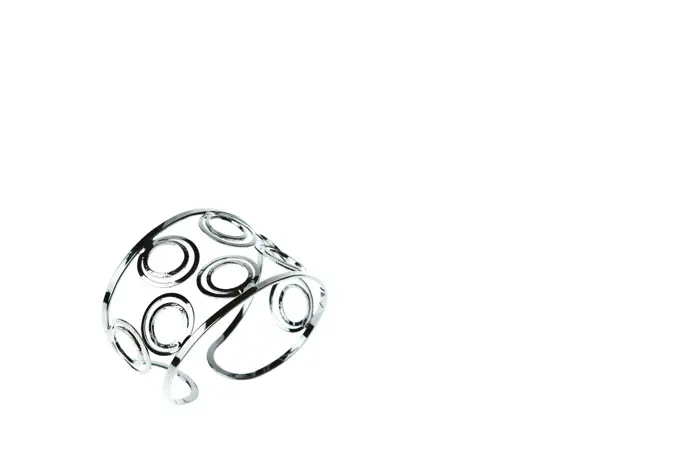
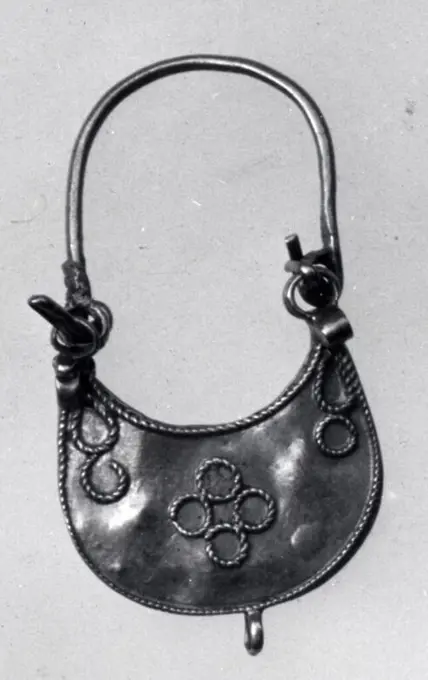
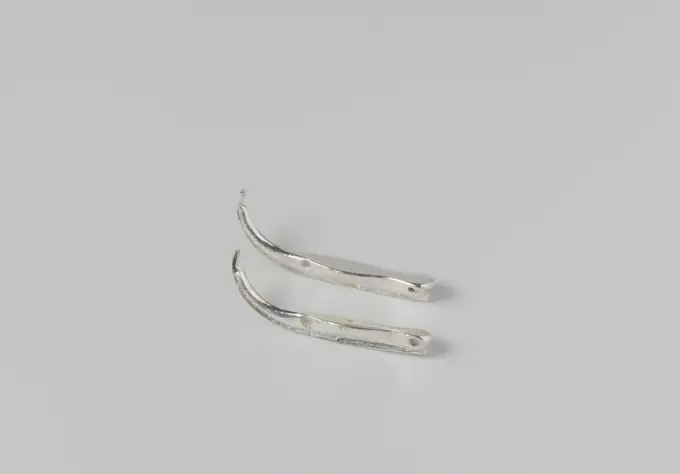
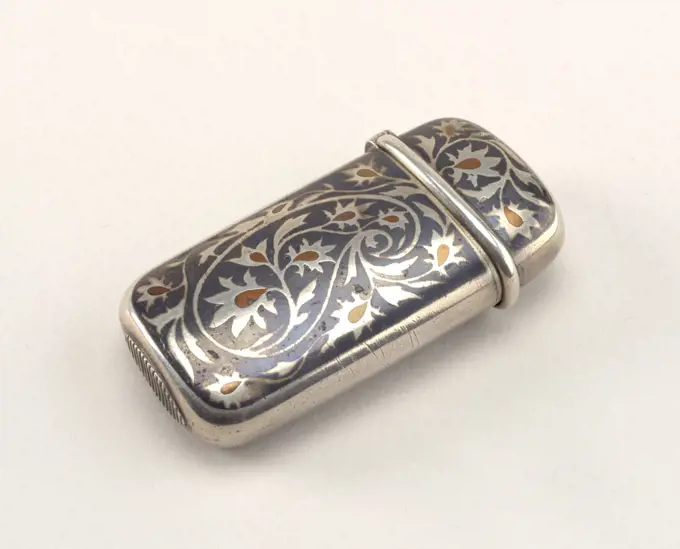
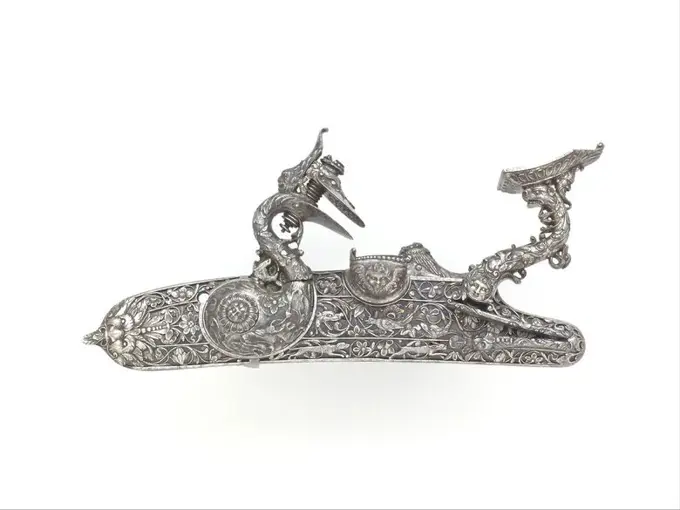
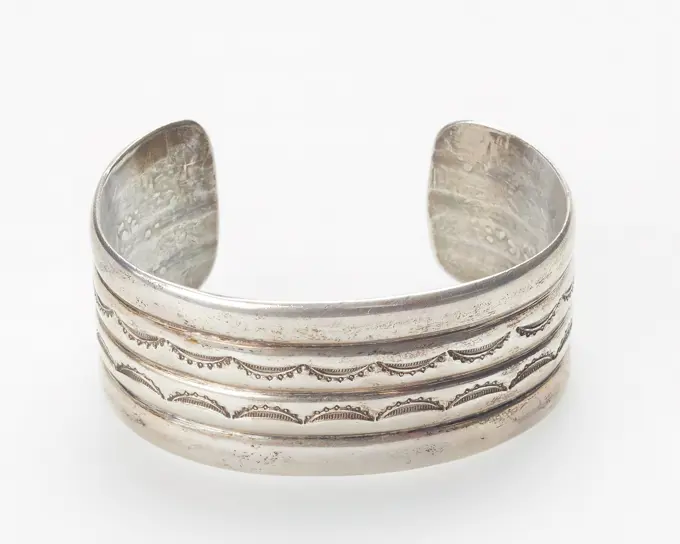
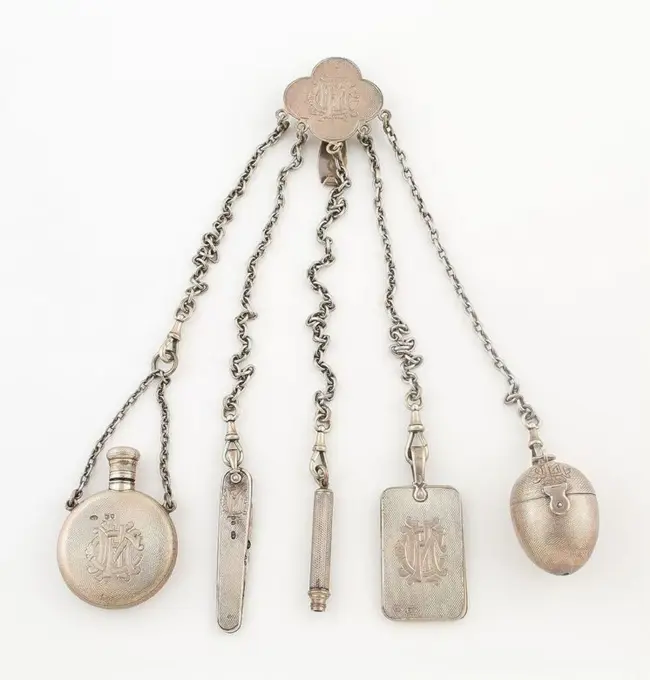
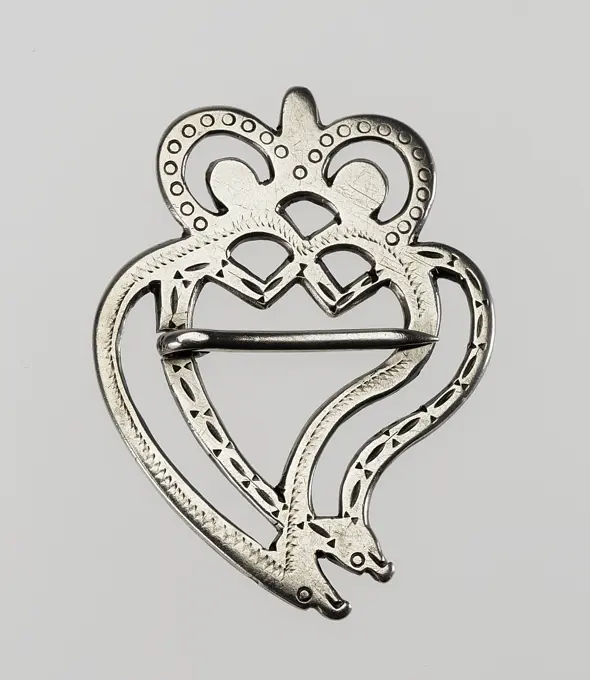
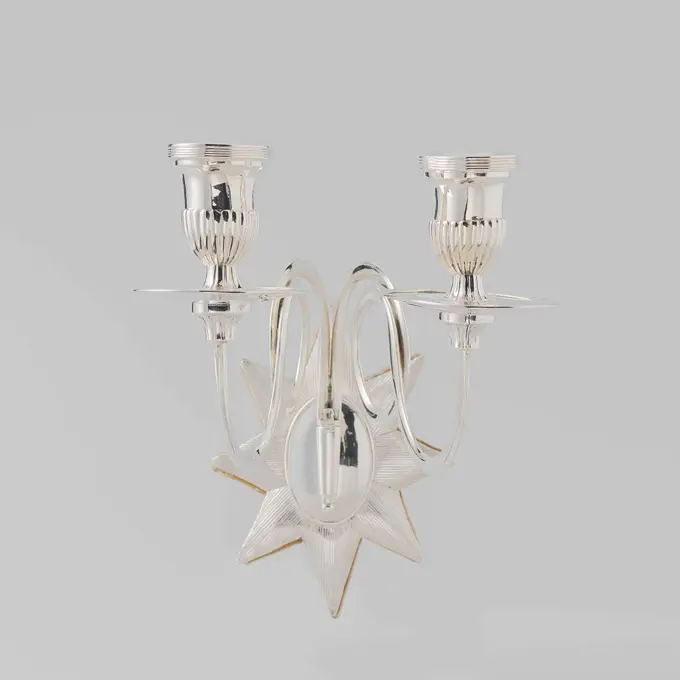
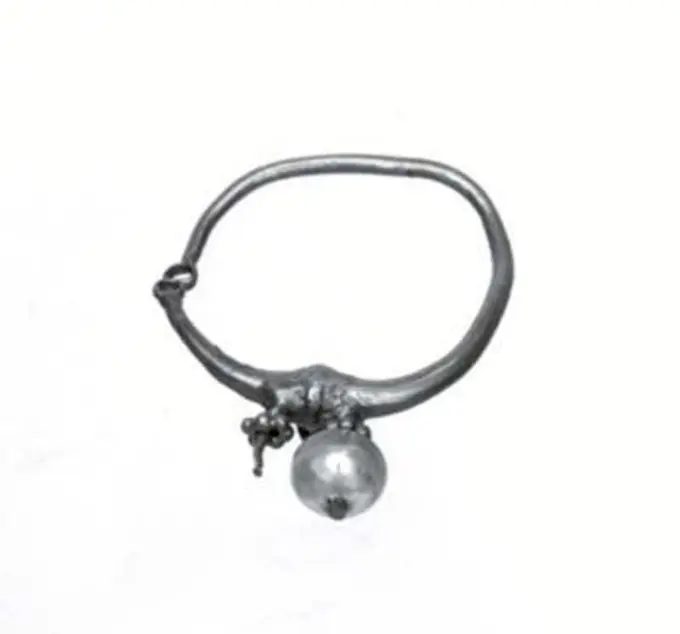
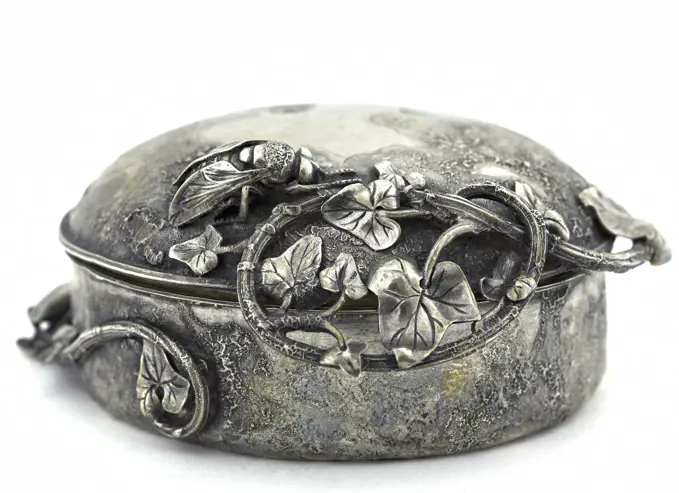
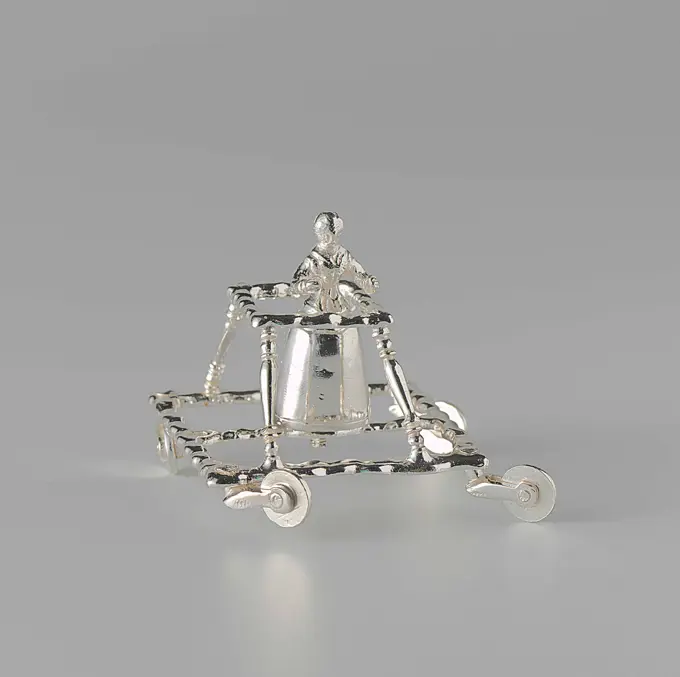
Tsuba type Namban  a circle of monkeys unknownRené-Jules Lalique (1860-1945). Bird spindle. Diamonds, silver setting, mounted on gold, cabochon ruby for the eye of the bird. Museum of Fine Arts of the City of Paris, Petit Palais. 78194-1 Fashion accessory, silver, art nouveau, jewelry, brooch, cabochon, diamond, joalry, climbing, bird, gold, ruby, crimpingBrooch -Jewelry from Indian Arts and Crafts Board displayVinaigrette in the Form of a Hunting Horn. Marked SM; London, England. Date: 1865-1876. Dimensions: 10.8 x 5.7 cm (4 1/4 x 2 1/4 in.). Silver and silver gilt. Origin: London. Museum: The Chicago Art Institute, Chicago, USA.correct symbol. close-up correct symbol. close-up Copyright: xZoonar.com/SerhiixPavlovx 1303801Brooch -Jewellery ring isolated on the white backgroundJewellery ring isolated on the white backgroundHelping hand in front of a light background and Cut.. Helping hand in front of a light background and CutMetal shackles isolated on the whiteJewelry on display standMaker: Marcus Merriman, 1762-1850, Porringer, Silver, 1 3/8 × 4 1/2 × 1 11/16 in., 123 g (3.5 × 11.4 × 4.3cm), Made in New Haven, Connecticut, American, 18thcentury, Containers -MetalsPocket watch and its chain form a question mark on white backgroundRosary probably third quarter 19th century European. Rosary. European. probably third quarter 19th century. Onyx, gold, enamel. Metalwork-Gold and PlatinumPocket watch and its chain form a question mark on white backgroundBrooch -Knee Buckle Marked by B.Brooch -Bu Uarek; Silver Products Factory K.F. Malcza (Warsaw; Sreber label; 1828-1864), Malcz, Karol (1797-1867); 1852 (1852-00-00-1852-00-00);Eiffel Tower model made of metal in chainsSouvenir spoon with view of excavation at Pompeii European late 19th centuryJewellery ring isolated on the white backgroundPendant necklace, 14 5/16 x 8 3/4 x 5/16 in. (36.35 x 22.23 x 0.79 cm), Silver, China. Book lock of silver, consisting of a clust and attachment piece, decorated with medallions and acanthus leaf. On the back the year 1754.Fork, Charles Victor Gibert, French, Silver, Trident shape, with marine algae and snail., ca. 1890, cutlery, Decorative Arts, ForkMatchsafe, late 19th century, containers, Decorative Arts, MatchsafeSnaphaunce Lock 17th century German. Snaphaunce Lock 32337Torc 4th-3rd century B.C. Celtic. Torc 464948 Celtic, Torc, 4th3rd century B.C., Copper alloy, Overall: 5 11/16 x 5 11/16 x 1 in. (14.5 x 14.4 x 2.5 cm). The Metropolitan Museum of Art, New York. Gift of J. Pierpont Morgan, 1917 (17.191.244)Torque, 10 x 9 x 1 1/2 in. (25.4 x 22.86 x 3.81 cm), Silver, China'Assyrian Head' pattern, Meriden Silver Plate Company, 1869-1898, silver plate, Handle with scrolled foliate ornament and antique style crowned female mask at tip; spade-shaped blade with scrolled foliate decoration, partially fluted., 1885-86, cutlery, Decorative Arts, server, serverRing isolated on white backgroundTwo Spanners.Service. 3dRowel Spur 16th century Hungarian This type of spur, with its large and impressive rowel, was popular among Hungarians in the 16th century. Its general shape is an evolution of late medieval spurs. The proportions of the rowel, rather impractical, mostly served the purpose of showing off the high social status of the rider. The buckle attached to one of the dragons head-shaped terminals does not originally belong to this spur.. Rowel Spur. Hungarian. 16th century. Iron alloy. Equestrian Equipment-SpursLoop 24 large stones mounted separately and enclosed in a conical shape, on a small narrow strip.Pair of Rowel Spurs second half 17th century German The bodies and necks of these spurs feature rich decoration of puttis heads, fruits and foliage inlaid with silver, on a background that originally was blackened. If this type of decoration was very popular in Germany in the first half of the 17th century, the shape of this spur is typical of examples made in the second half. This spur is therefore a rare late manifestation of this style.In the first half of the 17th century, the fashion trend for gentlemen was to wear boots and spurs even non-riding circumstances, including for dancing or walking around at court. Spurs became then more than equestrian tools, but pieces of male jewelry often enriched by the same goldsmiths also working on armor and weapons. Their decoration was sometimes intended to match the sword hilt and the general outfit and horse tack of their owner. These trendy accessories were also a significant mark of status for gentlemen, sometimes nonetheless copied by tPrick Spur 13th century German The prick spur was the first type of spur to be invented, and it consists of a goad or prick, more or less pointed, connected to side arms or a heel plate. The earliest spurs were probably simple thorns attached at the back of the heel, before they started to be made out of metal in antiquity. Prick spurs were the main type of spurs used in the Middle Ages until the mid-14th century, when they were supplanted by rowel spurs, which appeared in Europe a century before and with which they had cohabitated for a time. As a knights status was closely related to his horse, spurs became one of the symbols of chivalry, and one of the tokens given to him during his knighting.. Prick Spur. German. 13th century. Iron alloy. Equestrian Equipment-SpursJewellery ring isolated on the whiteEarrings ca. first half 1st millennium B.C. Iran. Earrings 326933Strainer ca. 1760-75 Benjamin Burt American. Strainer 7927Brooch -An engraving depicting a Nuremberg Egg, an early type of pocket watch: rear view, showing the verge escapement. Dated 16th centuryEVENTAIL. "Mythological scene, winged character and love". Watercolor on swan skin, ivory, mother -of -pearl. Paris, Carnavalet museum. 100087-31 Fashion accessory, EventailNose Ring, 20th Century. India. Silver; overall: 6.4 cm (2 1/2 in.).Silversmith: Rudolph Sondag, Square silver tray with raised edge and legs, tray top holder silver, sawn cast Square smooth leaf with slightly pivoting corners upright open edge with chain of oval set large pearl edge along top edge four openwork legs with oval bottom bottom (debossed) serveNecklace, 8 1/4 x 8 13/16 x 1 1/4 in. (20.96 x 22.38 x 3.18 cm), Silver, ChinaShoe Buckle 1770-1810. Shoe Buckle. 1770-1810. Silver plate on copperBlack cloth jacket with decoration of silver wire (a), with office chain (b), box (c) and can (d), anonymous boxWaffle iron, Arnoldus van Geffen, 1748 Waffle iron with rectangular irons and buds at the end of the stems. The irons are both decorated with a flower on the outside. The indoor sides of the irons are checked. The waffle iron is marked: stk. = Amsterdam, Jrl. = O (1748), Mt. = Arnoldus van Geffen and twice an ax. Amsterdam silver (metal) Waffle iron with rectangular irons and buds at the end of the stems. The irons are both decorated with a flower on the outside. The indoor sides of the irons are checked. The waffle iron is marked: stk. = Amsterdam, Jrl. = O (1748), Mt. = Arnoldus van Geffen and twice an ax. Amsterdam silver (metal)Golden safety pins, close-upBeauty fashion concept with earringsbracelets isolated on white backgroundEarring. Date: 11th-12th century. Museum: Metropolitan Museum of Art, New York, USA.Brooch -Brooch, Gold, steel wire, France, ca. 1830, jewelry, Decorative Arts, BroochBrooch -Shoe Buckles. United States, Second half of the 18th century. Costumes; Accessories. Silver and steelBronze earrings with polyhedral heads .BIG Diameter 2, 8 cm SMALL Diameter 2, 3 cm ( 6th - 7 th CE ) - Visigoth period, from the "Afflicted Necropolis - Villa del Val" - Archaeological site of Complutum in Alcalá de Henares ( Madrid ). SPAIN.Pair of Earrings, 2 1/4 x 2 3/8 x 3/8 in. (5.72 x 6.03 x 0.95 cm) (a)2 1/4 x 2 3/8 x 3/8 in. (5.72 x 6.03 x 0.95 cm) (b), Silver, ChinaStone and shell necklace. Chalcolithic. 3500-2500 BC. MESOPOTAMIA.Human skull transversal cross-section, top view on white background.ChainSkating, Hendrik van der Star (attributed to), c. 1660 Two skates with two holes each for a belt. The skates are marked: size = foot 106. Amsterdam silver (metal) Two skates with two holes each for a belt. The skates are marked: size = foot 106. Amsterdam silver (metal)Brooch -Loupe belonging to Prayer Noot, Anonymous, 1700 - 1799   silver (metal)   silver (metal)Rail of Berlin Silver, Anonymous, 1825 - 1832  Rail of Berlin Silver with swan halls and small, waveed gear. Netherlands German silverPaisley Decoration, Silver, copper, niello, Oblong, with rounded sides and corners, featuring silver, winding, flowered tendrils attached to larger, central, paisley motif, center of flower forms punctuated with copper, all on darker steely-gray ground; reverse features same decoration. Lid, hinged on side, has protruding, rounded lip running along its lower edge; initials, possibly YM, engraved on lid top. Small, oval shaped striker on bottom., New York, New York, USA, ca. 1880, containers, Decorative Arts, Matchsafe, MatchsafeDetached Flintlock alla Fiorentina. Culture: Italian, Bargi. Dimensions: H. 2 3/4 in. (7.0 cm); W. 5 3/4 in. (14.6 cm). Gunsmith: Sebastiano Cecchi, called Acquafresca (Italian, Bargi, 1619-1692); or Matteo Cecchi, called Acquafresca (Italian, Bargi, 1651-1738). Date: dated 1679.This lock is the earliest dated piece by the Acquafresca, father and son, who were celebrated gunsmiths and masters of chiseling and engraving steel. Their patrons included members of the Medici court in Florence. Museum: Metropolitan Museum of Art, New York, USA.Jewellery ring isolated on the white backgroundBracelet, c. 1950, 2 1/2 x 1 1/8 in. (6.35 x 2.86 cm), Silver, United States, 20th century"Palace of Electricity, St. Louis World's Fair" Matchsafe; Manufactured by James E. Blake Co.; USA; metal; 4.4 x 6.5 x 1 cm (1 3/4 x 2 9/16 x 3/8 in. )Jewellery ring isolated on the white backgroundEgg -shaped cufflink of silver, c. 1940 Egg -shaped cuff knot of silver with floral relief with mechanism. Jogjakarta silver (metal) Egg -shaped cuff knot of silver with floral relief with mechanism. Jogjakarta silver (metal)Cuckoo clockChatelaine. London, England. Date: 1882-1886. Dimensions: 35.6 cm (14 in.). Silver. Origin: London. Museum: The Chicago Art Institute, Chicago, USA.Tefillin (prayer container) box (one of a pair), early 20th century, 2-1/4 x 4 x 2-7/16 in. (5.7 x 10.2 x 6.2 cm), Silver, 20th centuryPair of Stirrups. Culture: German. Dimensions: Stirrup (b); H. 9 in. (22.9 cm); W. 4 7/8 in. (12.4 cm); D. 4 in. (10.2 cm); Wt. 15.7 oz. (445.1 g); stirrup (c); H. 9 in. (22.9 cm); W. 4 13/16 in. (12.2 cm); D. 4 in. (10.2 cm); Wt. 1 lb. 0.4 oz. (464.9 g). Date: second half 17th century.This type of chiseled and pierced decoration was used by the spur makers in eastern Germany in the 16th and 17th centuries. Despite their name, spur makers not only made spurs, but also all the small equestrian hardware like bits, stirrups, muzzles, cavessons or curry-combs, sometimes adorned with the same intricate decoration.The swivel suspension eye allowed the stirrup leather to stay flat against the horse's flank when the stirrup is in use, but it is more fragile than regular non-rotating systems. Museum: Metropolitan Museum of Art, New York, USA.Fake gold coins on a retro styled pocket watchCarpet beater Old worn Carpet beater isolated on white Copyright: xZoonar.com/J.xSandvikx 2824713Luckenbooth brooch -Funerary Wreath Greek ArtFob late 18th century British. Fob 102450Kozio Silver Products Factory K.F. Malcza (Warsaw; Sreber label; 1828-1864), Malcz, Karol (1797-1867); 1. PO. 19th century (1852-00-00-1860-00-00);Wall arm. Double wall of silver. The oval candle holder with a fat catcher is sitting in a loop-shaped arm. The two arms come out in the same point, on a star-shaped wall plate.Detailed but simple image of cookie cutterclockwork gears isolated on white backgroundEarring, One of a Pair 19th century These beautiful pendant earrings were worn as part of an ensemble of jewels, including necklaces, head and hair ornaments, bracelets and rings. The variety of gemstones in these jewels illustrate the plethora of goods available in Bukhara, an important site located along the silk road. Coral may have been sourced from as far as the Mediterranean Sea, India, or China. Seed pearls would have been fished from the region of the Persian Gulf. Here, beads of glass are used in place of precious gemstones, giving a vibrant, polychrome finish to these jewels.. Earring, One of a Pair 444685Earring ca. 3rd-7th century A.D. Sasanian. Earring. Sasanian. ca. 3rd-7th century A.D.. Gold. Sasanian. Iran, Qasr-i Abu Nasr. .Pair of gloves with cut-on cuffs, anonymous, c. 1950 - c. 1960 Left gloves from Muis gray nylon. Promoted fan -shaped caps. A semi -rounded seam on the hand in which a filled tire (rouleaux) anthracite -colored nylon is attached. This tire, with white loops into small compartments, runs further along the edge of the hood. On the hand and at the wrist, three anthracite nylon buttons are located on one side next to the band and three stuffed, stitched tires on the other side. West-Europa (possibly) whole: nylon Left gloves from Muis gray nylon. Promoted fan -shaped caps. A semi -rounded seam on the hand in which a filled tire (rouleaux) anthracite -colored nylon is attached. This tire, with white loops into small compartments, runs further along the edge of the hood. On the hand and at the wrist, three anthracite nylon buttons are located on one side next to the band and three stuffed, stitched tires on the other side. West-Europa (possibly) whole: nylonJewellery ring isolated on the white backgroundBrooch -Pair of Earrings, 5 3/8 x 3 5/8 x 1 3/4 in. (13.65 x 9.21 x 4.45 cm) (a)5 3/8 x 3 5/8 x 1 3/4 in. (13.65 x 9.21 x 4.45 cm) (b), Silver, ChinaMechanical retro styled pocket watch in viewShoe buckles late 18th century British. Shoe buckles 90156Dice Matchsafe; plated brass, glass, bone; 5.5 x 3.7 x 1.1 cm (2 3/16 x 1 7/16 x 7/16 in. )Clothing pin - Wedgwood & Bentley, 1769-1780 Wedgwood & Bentley, 1769-1780Broche, obra de Perecoll, siglo XX. Colección privada.Henri Husson / Adrien-Aurélien Hébrard. Box. Harted, pushed and chiseled silver, silver frog. 1909-1914. Museum of Fine Arts of the City of Paris, Petit Palais. 75295-12 Bee, hammer silver, box, chisel, leaf, silver frog, insect, regrowthGirl in walker. Loop rack on four wheels, four profiled bars and a children's figure in the middle. The children's figure is rotatable. The image has been labeled: STK. = Amsterdam, JRL. = B (1736), Mt. = Willem van Serbant and twice a crowned O.