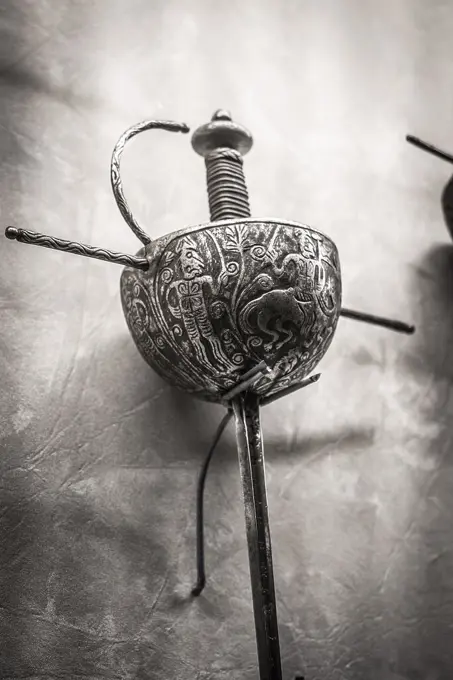
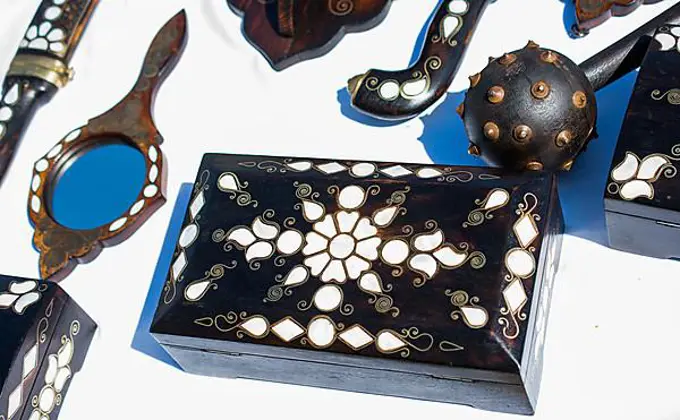
Artistic Metal Objects

A selection of beautifully detailed metal artifacts, including daggers, locks, and decorative pieces, representing historical craftsmanship.

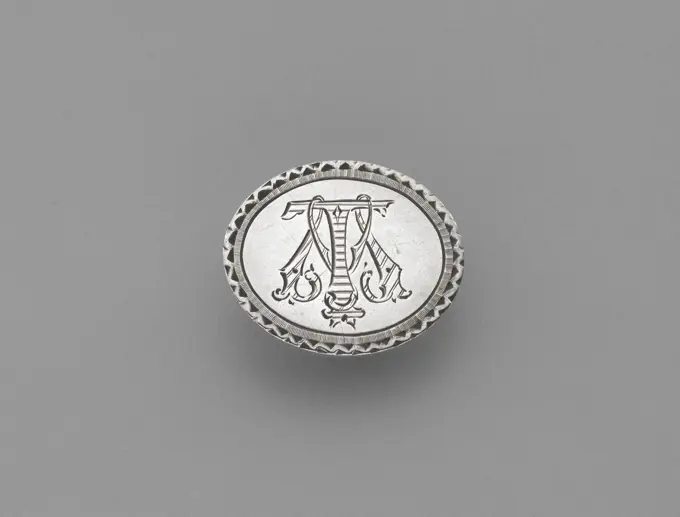
Book lock with ornament, Carel Koekebakker, 1753 Church book lock of silver, with ornament. Marked: Posthoorn Haarlem silver (metal) Church book lock of silver, with ornament. Marked: Posthoorn Haarlem silver (metal)
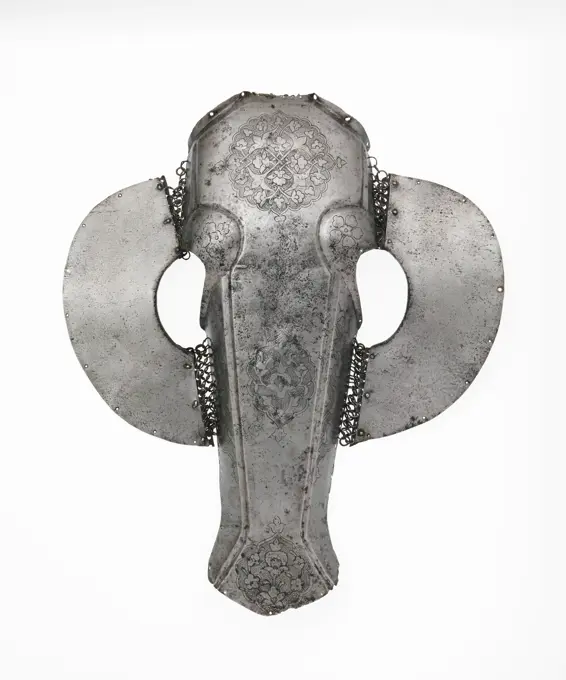
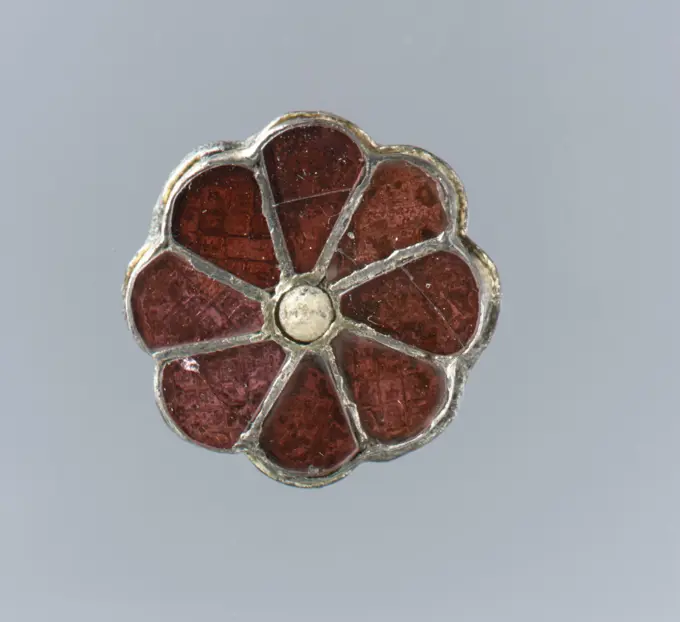
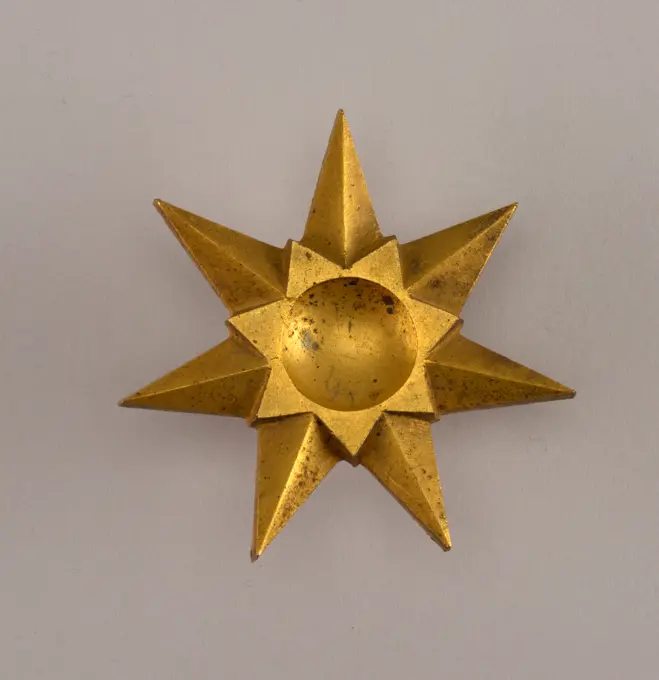
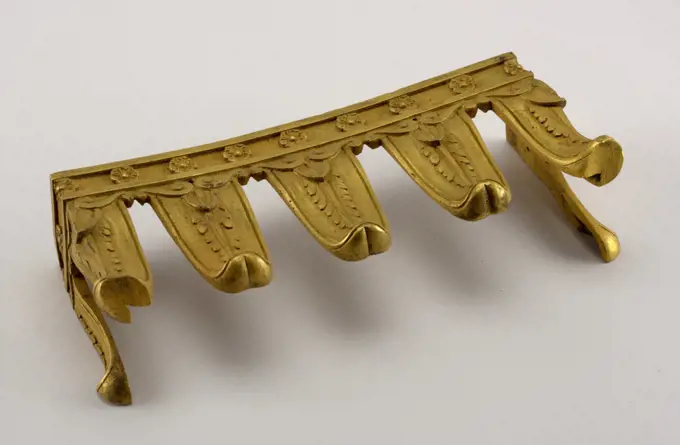
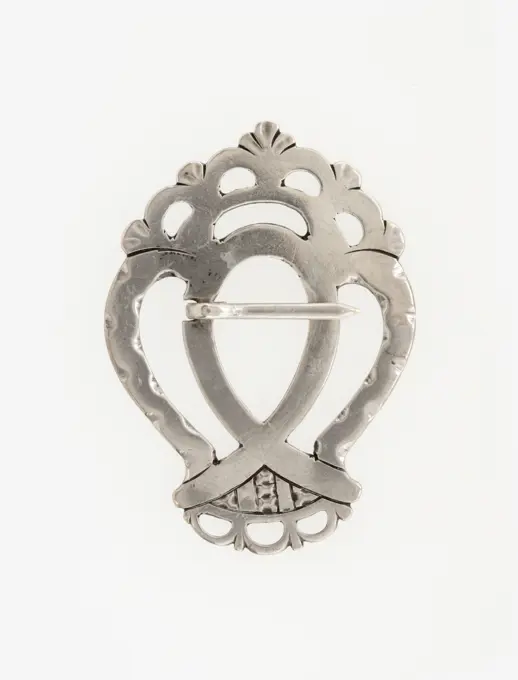
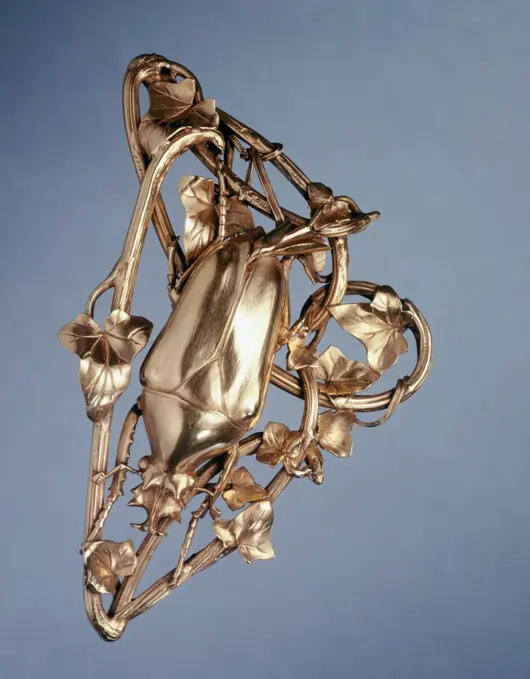
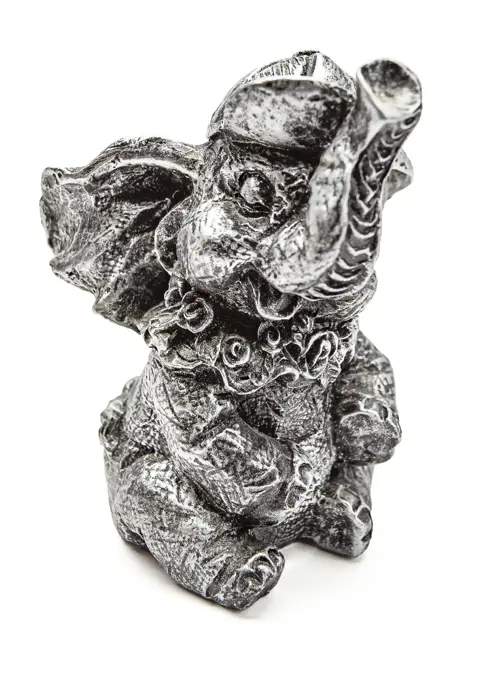
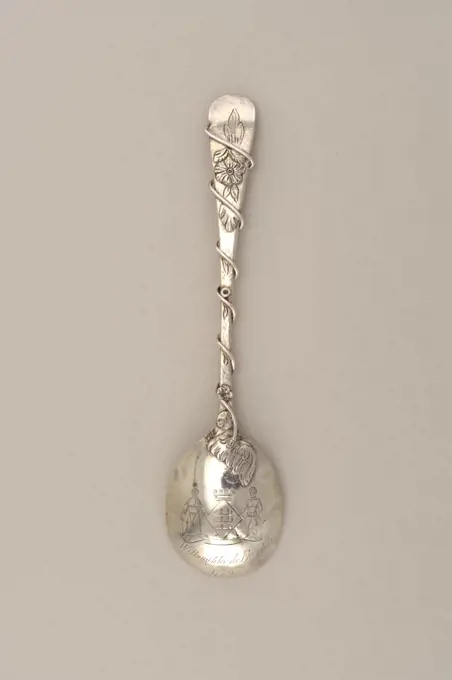
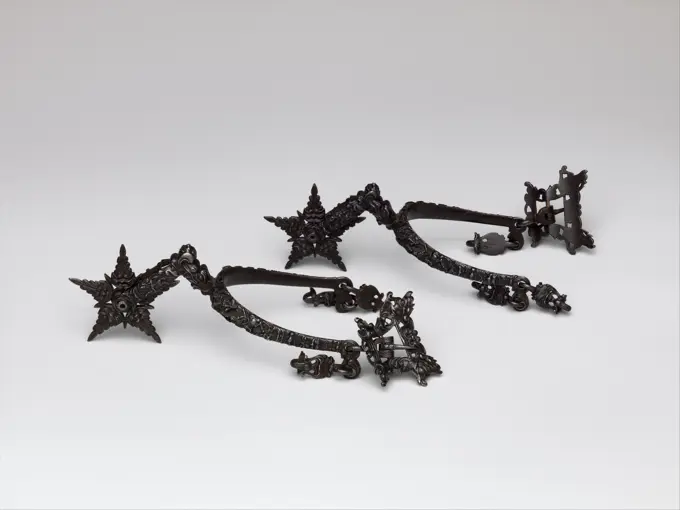
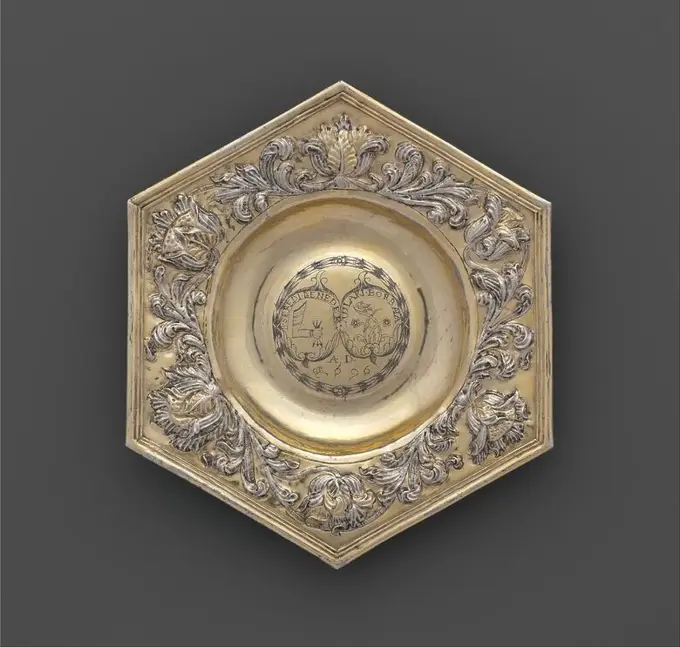
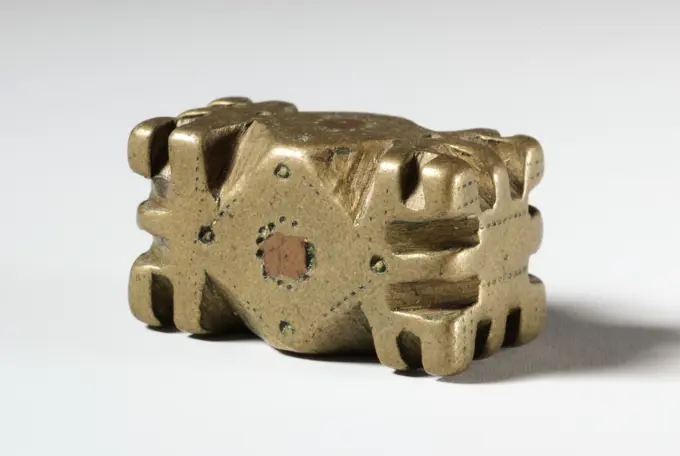
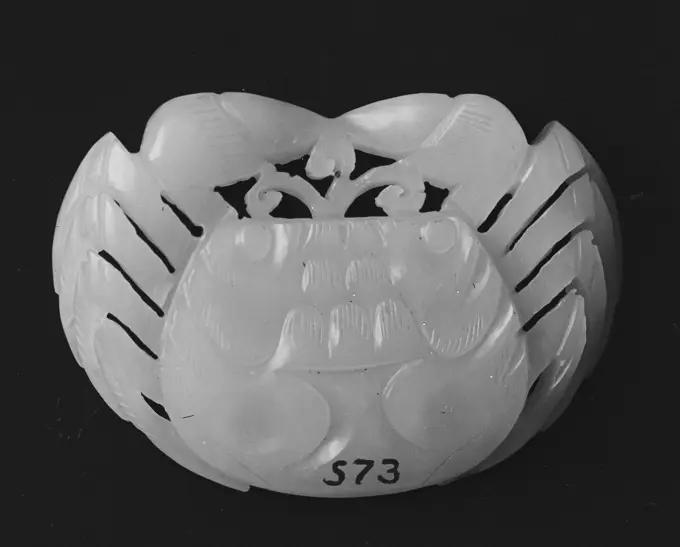
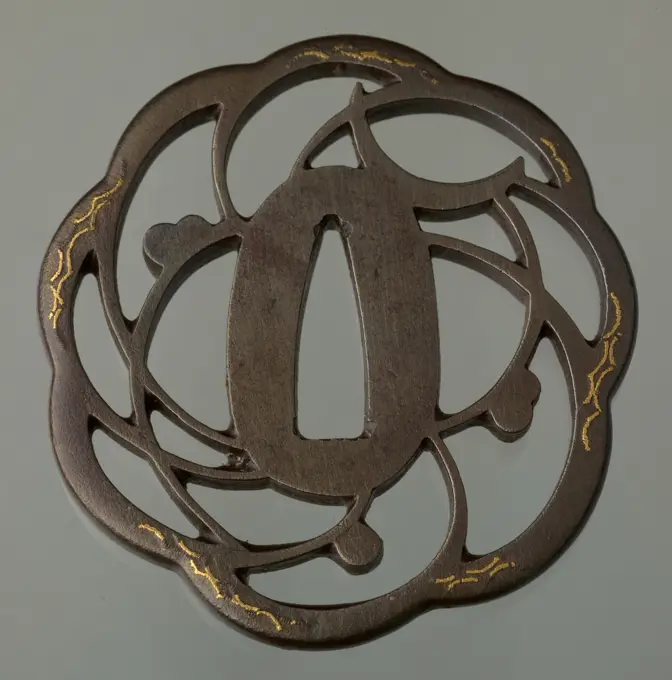
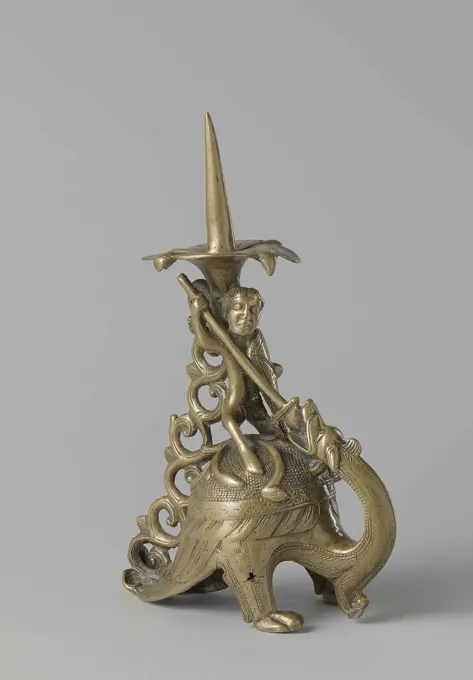
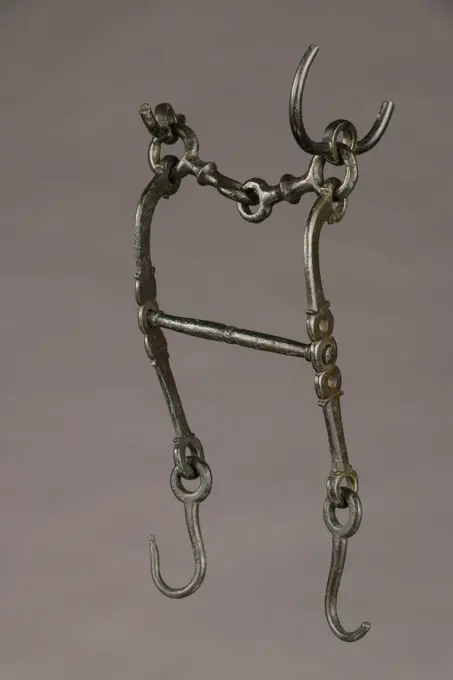
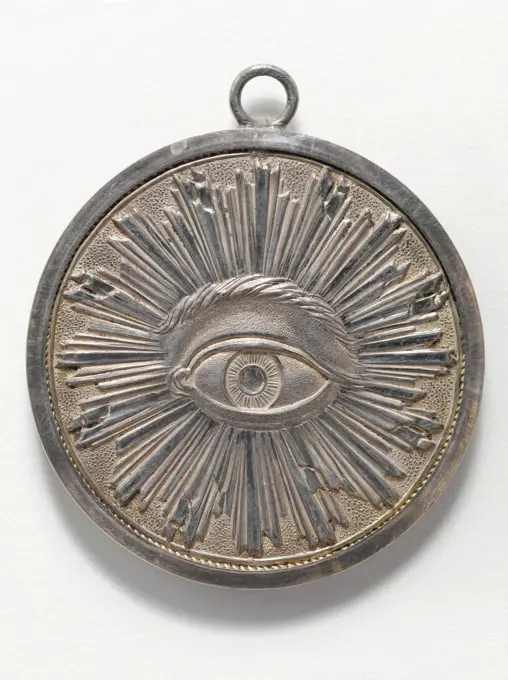
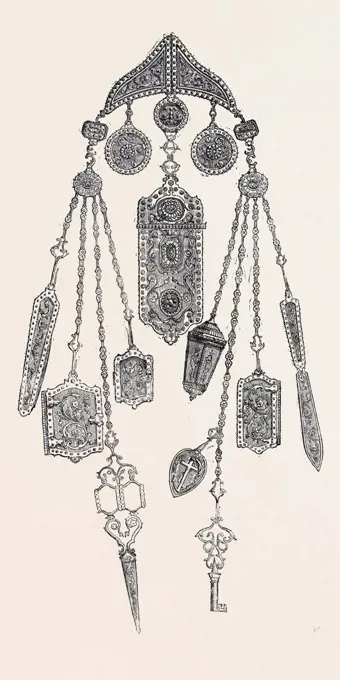
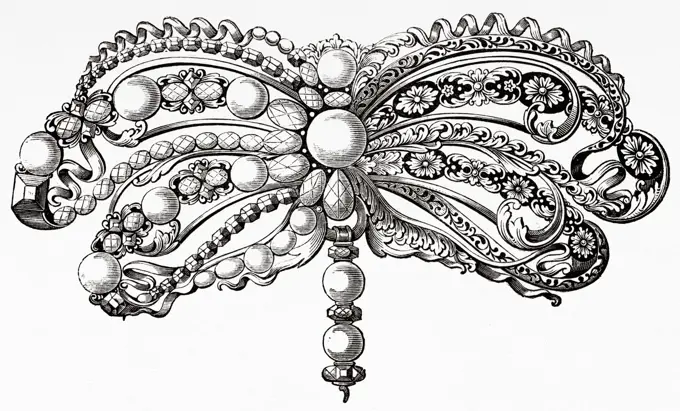
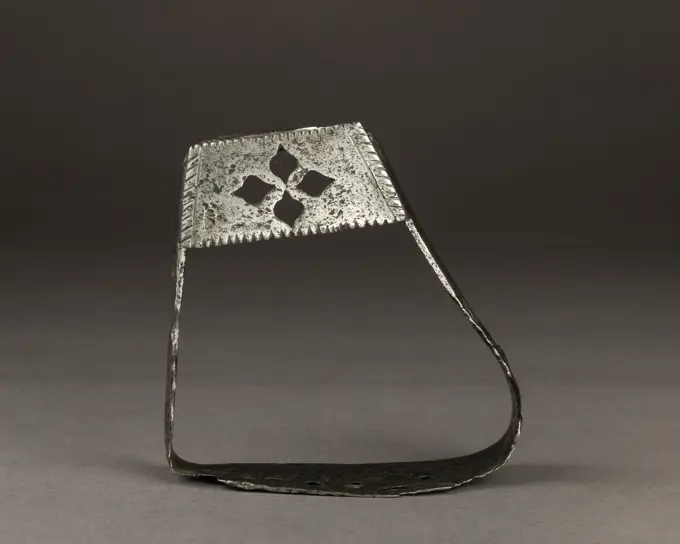
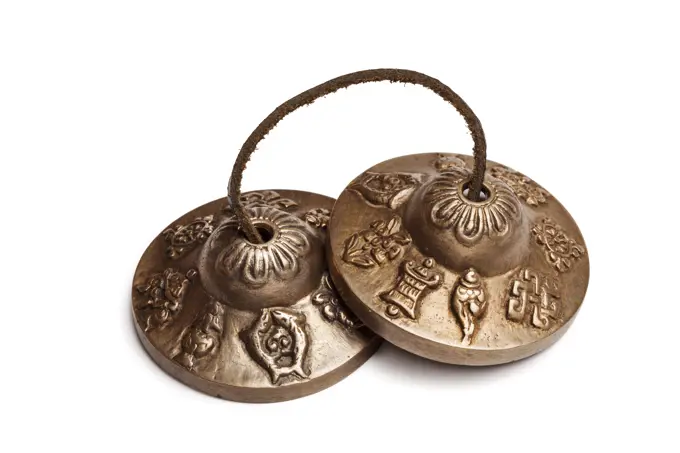
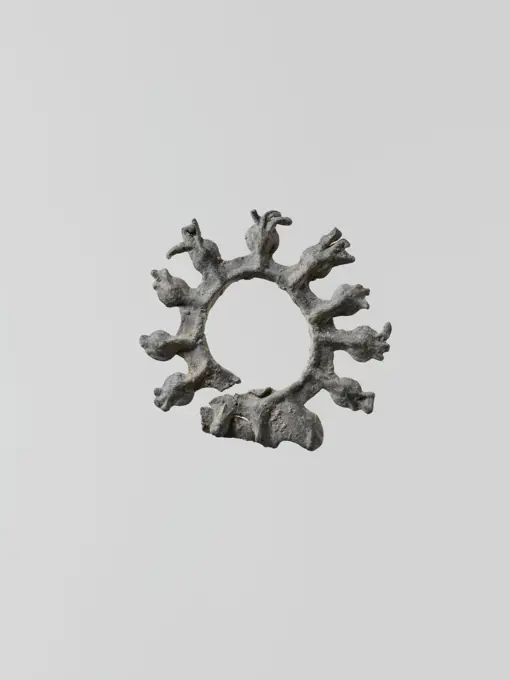
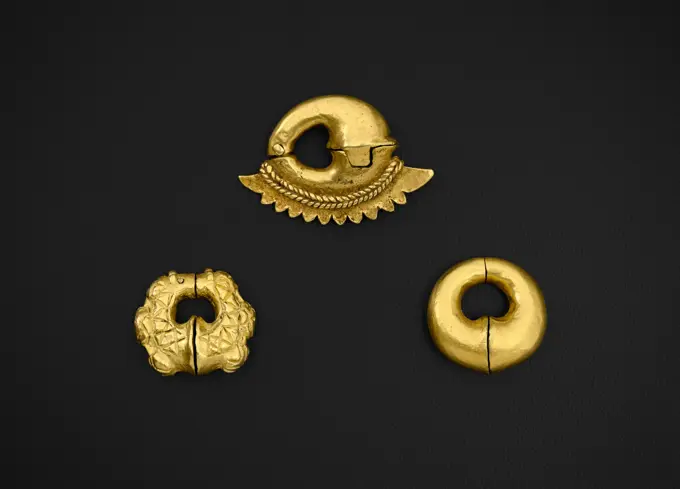
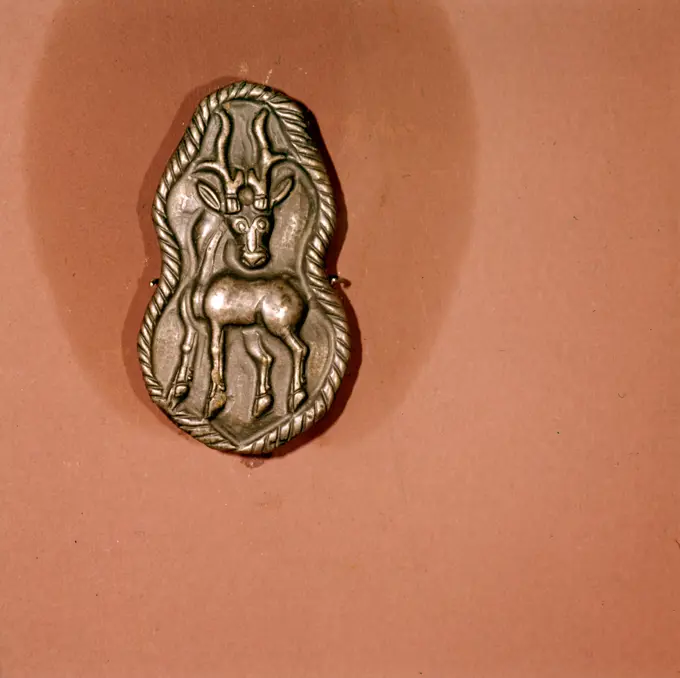
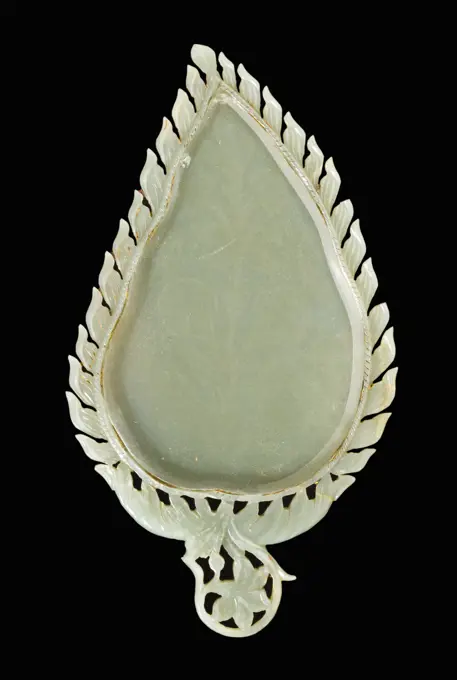
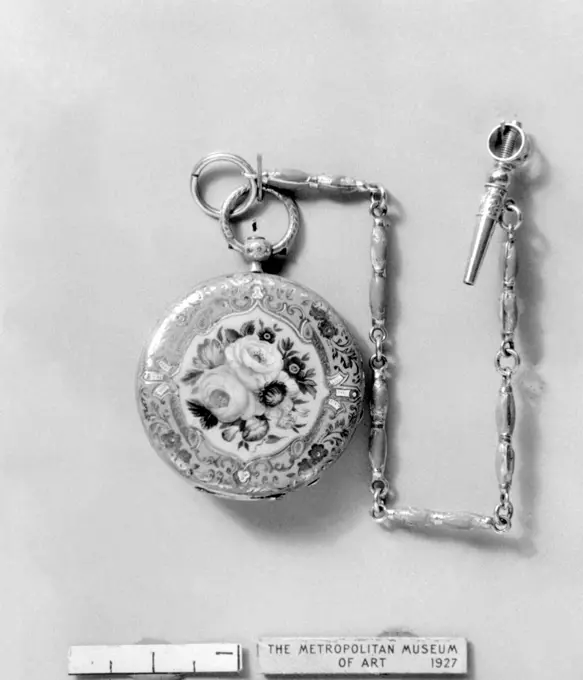
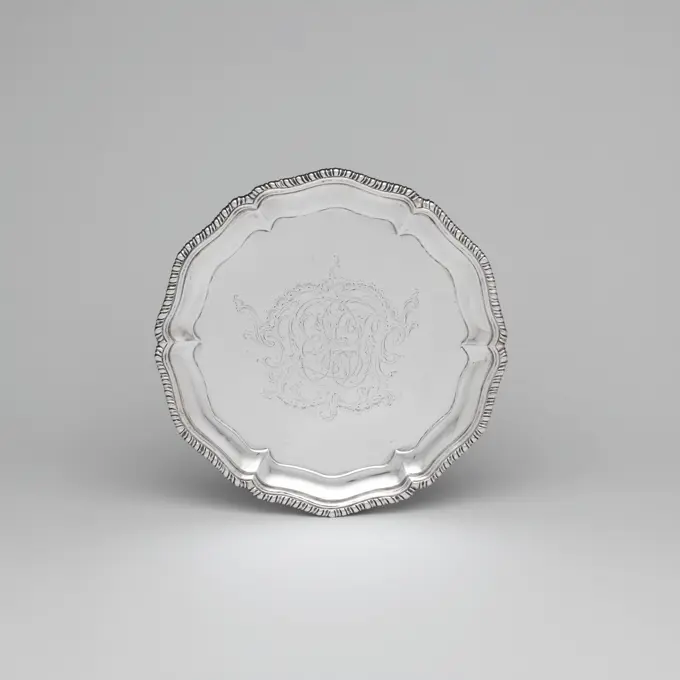
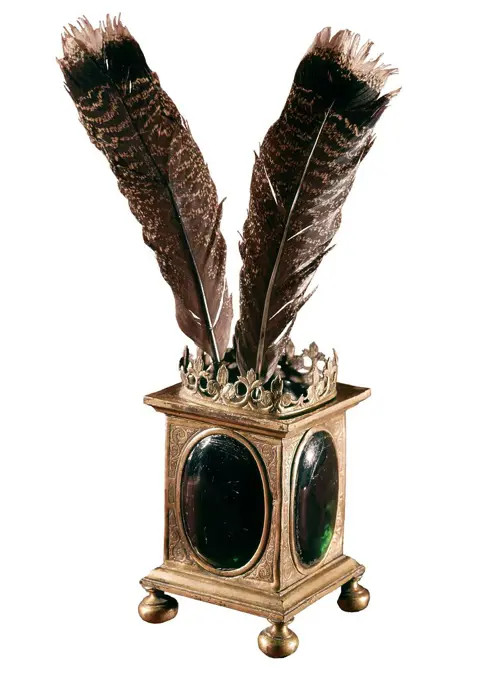
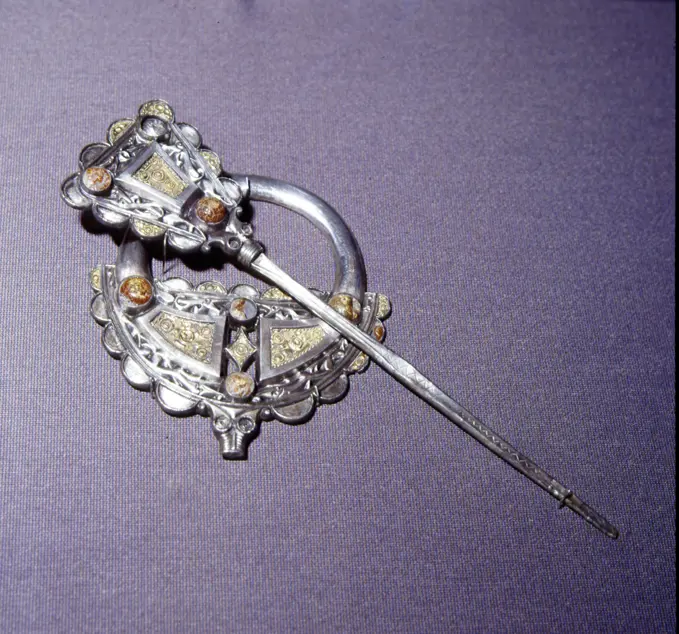
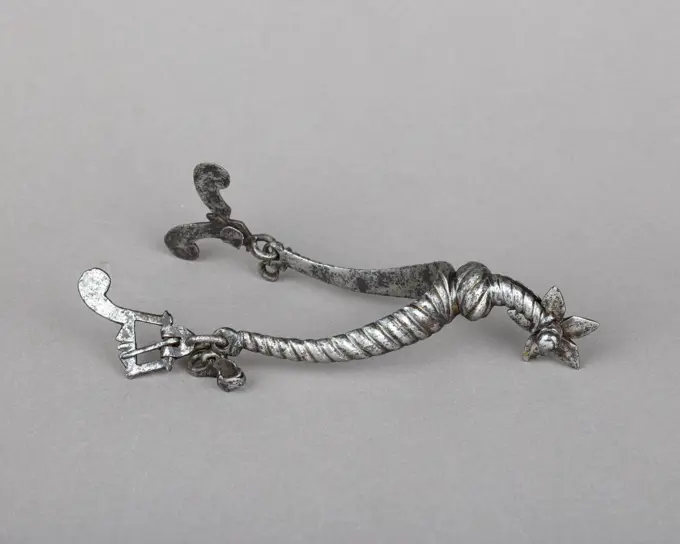
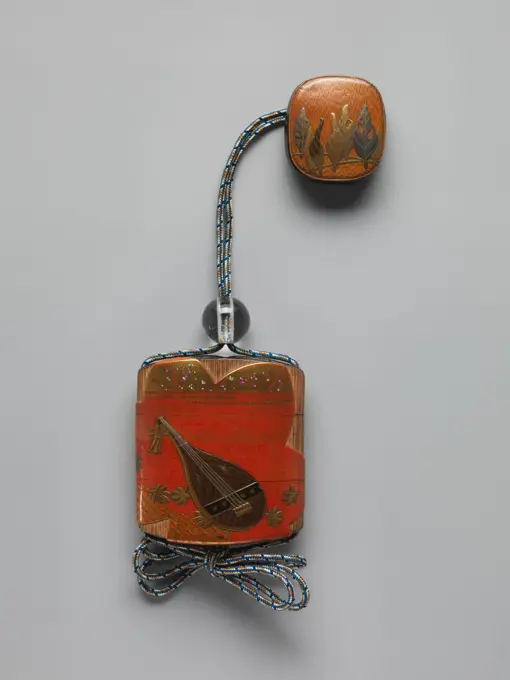
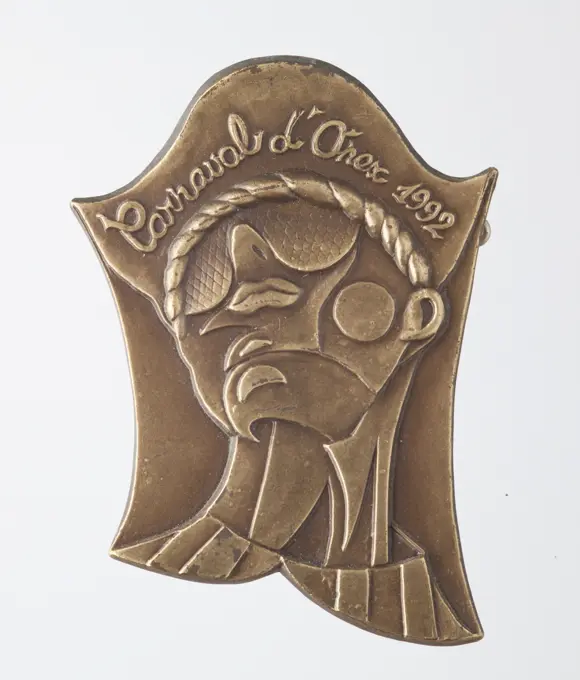
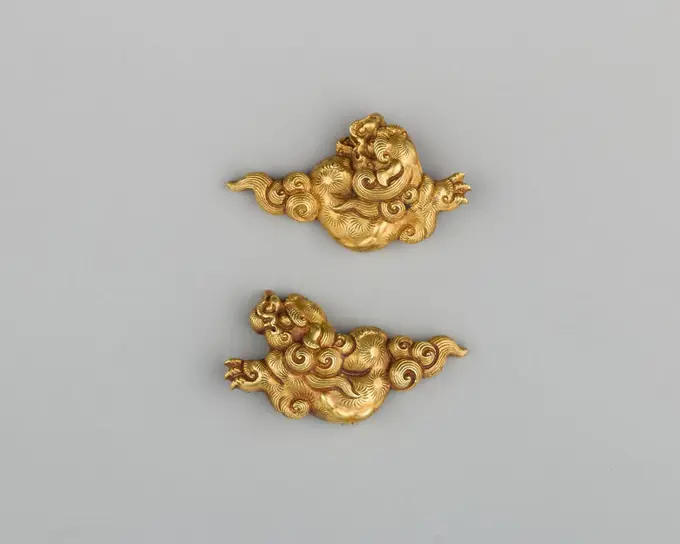
Pair of Sword-Grip Ornaments (Menuki). Culture: Japanese. Dimensions: L. of each 1 1/4 in. (3.2 cm); Wt. of each 0.3 oz. (8.5 g). Date: 18th century. Museum: Metropolitan Museum of Art, New York, USA.Armor for Man and Horse comprehensively ca. 1450-1550 Syrian, Iranian, and Turkish The horseman's armor and the horse bard, composed of elements from different sources, are associated here to provide a representation of the heavy cavalry as it is illustrated frequently in Persian miniatures of the fifteenth and sixteenth centuries. The armors are of distinctly Near Eastern type, composed of small steel plates connected by mail. Although the plates originally were polished mirror bright, armors for man and horse frequently were covered with colorful textiles.Among the associated pieces, the extremely tall conical helmet is noteworthy as an example of a type worn in Iran and Russia in the late fifteenth and early sixteenth centuries. Similar helmets depicted in miniature paintings often show a small pennon attached to the long finial. The shield, engraved with large cartouches enclosing floral arabesques, may have originated in fifteenth-century Iran. The ax, with its long, faceted steelRosette Brooch 6th century Frankish. Rosette Brooch 464837 Frankish, Rosette Brooch, 6th century, Silver-gilt, beaded filigree edging, garnets with patterned foil backing., Overall: 3/4 x 3/16 in. (1.9 x 0.4 cm). The Metropolitan Museum of Art, New York. Gift of J. Pierpont Morgan, 1917 (17.191.145)Key early 17th century Italian. Key 191464Candle holder. Baluster with a rotatable arm and two candle holders, from brass.Fragment goudgalon, 1800 - 1900 Fragment golden galon, decorated with garlands with flowers and a branch with leaves and flowers.  . Fragment golden galon, decorated with garlands with flowers and a branch with leaves and flowers.  .HandleShaffron Made 1570-1620 Augsburg. Steel and leather .Mount; bronze, giltSword Guard (Tsuba) ca. 1615-1868 Japanese A tsuba is a sword guard and part of a sword mounting. It is mounted between the swords blade and grip to protect the users hands.. Sword Guard (Tsuba) 34450Mount, Gilt bronze, One of three matching bracket pilaster mounts. Empire style with pendant tongues decorated with palmetto below a frieze of rosettes, USA, France, mid-late 19th century, metalwork, Decorative Arts, MountLuckenbooth brooch -Pendant China. Pendant. China. Nephrite, white with very faint grayish-green tint. Qing dynasty (1644-1911), Qianlong period (1736-95). JadeHenri Husson. Bureau of wall of wall, around 1909 (after catering). Museum of Fine Arts of the City of Paris, Petit Palais. 71786-7 Bijou, brooch, border wall, orfevrery, cateringFurniture Mounts; brassDoorplate from the Guaranty Building Doorplate; Designed by Louis Henry Sullivan (American, 1856-1924); USA; cast ironSmall pewter elephant figurine Small children figurine in the shape of an elephant Copyright: xZoonar.com/YannxPoirierx 12419062Brooch; rose-cut diamonds, cut silver, gold wireSpoon, Silver, Round bowl, tapering stem and rounded terminal applied with blossoms and leaves and wound with a coat-of-arms comprised of a lozenge-shaped shield with three rams, supported by a monk and a savage., Netherlands, ca. 1740-60, cutlery, Decorative Arts, SpoonOverdue of gold. .. A pair of silver shoe pins, with a symmetrical ornament.Reverse of Papier Mché Face Screen featuring Portrait of Queen Victoria on front, 1840. Manufacturer: Jennens & Bettridge (Constitution Hill, Birmingham).  One of a pair, probably made to commemorate the royal wedding of Queen Victoria and Prince Albert in 1840Tieback ca. 1860 American. Tieback 8494Loop. A row of stones bordered inside an alternated triangular chiseled patterned strip.Pair of Rowel Spurs ca. 1650 French or Netherlandish These superb spurs are intricately chiseled with minute figures of warriors on horseback interspersed with grotesque masks and floral patterns. The workmanship relates closely to that of a small group of chiseled iron sword hilts that were made in either France or Holland in the mid-seventeenth century.In the first half of the 17th century, the fashion trend for gentlemen was to wear boots and spurs even non-riding circumstances, including for dancing or walking around at court. Spurs became then more than equestrian tools, but pieces of male jewelry often enriched by the same goldsmiths and craftsmen also working on armor and weapons. Their decoration was sometimes intended to match the sword hilt and the general outfit and horse tack of their owner. These trendy accessories were also a significant mark of status for gentlemen, sometimes nonetheless copied by the bourgeoisie. This fashion progressively disappeared after the mid 17thSword Guard (Tsuba) ca. 1615-1868 Japanese A tsuba is a sword guard and part of a sword mounting. It is mounted between the swords blade and grip to protect the users hands.. Sword Guard (Tsuba) 34386Hexagonal dish. Culture: Hungarian, Transylvania. Dimensions: Diameter: 9 9/16 in. (24.3 cm). Date: 1696.The center of each dish in this set (acc. nos. 2010.110.42-49) bears an engraved laurel wreath encircling a coat of arms. Small differences in these arms could be the result of different masters working quickly to complete what was probably a much larger set for a wedding that was fast approaching. The bold blossoms in the six corners symbolize both the wish for abundance throughout marriage and the transitory glories of earthly existence. Salgo acquired two of these dishes at a later date from the others, but all eight pieces belonged to the same set of fourteen dishes that were once part of the Andrssy treasury.LiteratureEuropean Silver. Sale cat., Sotheby's, Geneva, November 15, 1983, p. 19, no. 53.European Silver. Sale cat., Sotheby's, Geneva, November 14, 1984, n.p., no. 34.Judit H. Kolba. Hungarian Silver: The Nicolas M. Salgo Collection. London, 199Gold Weight: Geometric, 1800s. Guinea Coast, Ghana, Asante, 19th century. Copper alloy; overall: 2.4 x 1.4 x 1.2 cm (15/16 x 9/16 x 1/2 in.). The wealth and power of the Asante kingdom was derived primarily from its massive gold resources. Since at least 1600, small weights in brass and bronze were used to weight gold dust and nuggets. The royal court had the most elaborate store of weights, while commoners often had about a dozen. Their imagery falls into two broad cateogries: geometric and representational. The latter often refers to proverbs, which used judiciously, marked a wise person.Wall arm, the arms and candle holders are designed as flower branches. A forged iron altar bouquet. Painted with the original colors.Carving (Italy); wood, paintedGirdle buckle China. Girdle buckle. China. Nephrite, white with faint grayish tint. Qing dynasty (1644-1911), Qianlong period (1736-95). JadeLocket containing lock of Prince Charles Edward's hair ca. 1746 British. Locket containing lock of Prince Charles Edward's hair. British. ca. 1746. Silver gilt, hairCDK Unknown, Higo school. .Curb Bit 2nd-1st century B.C. Thracian or Celtic The mouthpiece of this bit consists of two spindle-shaped links articulated in the middle. They are connected on either side to lyre-shaped attachments for the bridle's cheekpieces (partly broken). The two shanks, from which hooks hang for the reins, are connected by a horizontal bar acting as a curb. The curb bar would have pressed the horses chin when reins were pulled back. The large lyre-shaped elements helped indicate the direction to the horse and held the bit in place in the mouth. The shape of these cheekpieces, as well as the rein hooks, are inspired from Hellenistic Greek and Macedonian bits, from which they evolved.This object is also an example of the earliest type of curb bit to have been invented. It seems to have developed in the Balkans among Thracian and Scordisci (Eastern Celts) cultures between the 3rd and 1st century B.C. These populations were known for their great equestrian skills, especially at war. Examples of tCecil Smith, Silver Dollar Spurs, c 1938 Silver Dollar SpursMEDAL OF FUNCTION OF AN INSTITUTION UNDERSTANDED, 1795 Anonymous. Medal of function of an unidentified institution, 1795. Silver plated. 1795.gold cross isolated on a white backgroundBoss and Nail 15th-16th century European. Boss and Nail. European. 15th-16th century. Iron. Metalwork-IronAntique key Antique key from copper isolated over white Copyright: xZoonar.com/IvonnexWierinkx 7111075Crayfish Pendant 11th-16th century Chiriqui. Crayfish Pendant. Chiriqui. 11th-16th century. Gold. Costa Rica. Metal-OrnamentsCHATELAINE, BY J.B. DURHAM, GREAT EXHIBITIONTile, J. & J. G. Low Art Tile Works, 1877 - 1883, Glazed stoneware, Rectangular molded tile of white clay. Face of tile shows pair of joined tile faces decorated with pair of joined rosettes surrounded by scrolling tendrils and framed in a plain band frame. Tile glaze mustard yellow., Chelsea, Massachusetts, USA, late 19th century, tiles, Decorative Arts, TileLoop.Suspension  necklace Monogramista HLEscutcheonChiselled and enameled brooch adorned with pearls and diamonds, 17th century. The Arts of the Middle Ages and at the Period of the Renaissance by Paul Lacroix, 1874Stirrup first half 15th century German The purpose of the asymmetrical shape of this stirrup was to accommodate the foot better and giving the rider more comfort and stability. The front of the suspension bar is adorned with a plaque pierced with a quatrefoil.. Stirrup. German. first half 15th century. Iron. Equestrian Equipment-Stirrupsgolden ornament on wood made in 3DGlass Fragment. Culture: French. Dimensions: 4 1/4 x 4 1/4 in. (10.8 x 10.8 cm). Date: 13th century. Museum: Metropolitan Museum of Art, New York, USA.Crescent Ornament 6th-7th century Moche (Loma Negra). Crescent Ornament. Moche (Loma Negra). 6th-7th century. Gilded copper. Peru. Metal-OrnamentsTibetan Buddhist tingsha cymbals isolated on whitePendant possibly German 19th century View more. Pendant. possibly German. 19th century. Glass. Glass-PaintedLead wreath of lotus buds 6th-5th century B.C. Greek, Laconian Small flat votive figurines of cast lead have been found in great quantities at the ancient sanctuaries of Laconia; over one hundred thousand, dating from the seventh century B.C. to the Classical period, were dedicated to the goddess Artemis Orthia in Sparta.. Lead wreath of lotus buds 251744 Greek, Laconian, Lead wreath of lotus buds, 6th5th century B.C., Lead, Diameter: 7/16 in. (1.2 cm). The Metropolitan Museum of Art, New York. Gift of A. J. B. Wace, 1924 (24.195.178)Hinged EarOrnamentGoldsmith's art, United States of America, 20th century. Sunburst pattern crystal brooch, 1950s.George III (1738-1820) British possibly 19th century View more. George III (1738-1820). British. possibly 19th century. Gilt copper. Metalwork-CopperDish with floral pattern 19th century China. Dish with floral pattern 46176Silver Plague of Deer from Northern Mongolia, c1st century BC. Artist: Unknown.Badge or Harness Pendant 14th century Spanish Heraldry, or coat-of-arms, were vitally important in Europe throughout the Middle Ages and the Renaissance. Heraldic emblems were used to identify noble families, cities, regions, and even countries. In addition to being displayed on shields and flags, heraldry was incorporated into architectural decoration on the interior and the exterior of buildings, on furniture, works of art, clothing, and horse equipment. Harness pendants, like this example, would have been attached to a headstall, bridle, or other straps making up the tack of a horse ridden by a nobleman or noblewoman, or a member of their household. Many harness pendants also have decoration that is simply ornamental, or have symbols that are not specifically heraldic in nature.. Badge or Harness Pendant. Spanish. 14th century. Copper. Miscellaneous-BadgesMirror in the Form of a Leaf. India, Mughal empire, circa 1675-1700. Furnishings; Accessories. Light green nephrite jade; rock crystal with traces of gildingElephant's Head Matchsafe; plated brass; 7 x 6 x 3 cm (2 3/4 x 2 3/8 x 1 3/16 in. )Brooch, Lodewijk Willem van Kooten (II), c. 1908 - c. 1911 Brooch of gold and blue email, with an amethyst. Amsterdam gold (metal). amethyst (mineral). Brooch of gold and blue email, with an amethyst. Amsterdam gold (metal). amethyst (mineral).empty wicker basket . Small empty wicker basket isolated on white backgroundSword Guard (Tsuba) ca. 1600 Japanese A tsuba is a sword guard and part of a sword mounting. It is mounted between the swords blade and grip to protect the users hands.. Sword Guard (Tsuba) 29993Watch and key second quarter 19th century Watchmaker: S. Reymond. Watch and key 195661StudSalver 1765-80 John Burt Lyng. Salver 7099TINTERO CON PLUMAS DE PAVO REAL. Location: PRIVATE COLLECTION. MADRID. SPAIN.Magnet With Euro Coins Isolated On Black (Business Concept)Annular brooch, 9th cent. IRELAND.Torque, 12 9/16 x 13 11/16 x 3/4 in. (31.91 x 34.77 x 1.91 cm), Silver, ChinaRowel Spur (Left) 17th century Spanish or German Despite its simple shape this spur is skillfully chiseled all over with a rope motif giving it a particularly sculptural aspect. In the early 17th century spurs became true fashion accessories often worn outside the equestrian context, and some of them were real pieces of jewelry. Even if this spur is simpler and more practical than its luxurious contemporaries, its design gives it enough elegance to align it with this idea.. Rowel Spur (Left). Spanish or German. 17th century. Iron alloy, tin. Equestrian Equipment-SpursSword Guard (Tsuba). Culture: Japanese. Dimensions: H. 2 3/4 in. (7 cm); W. 2 5/8 in. (6.7 cm); thickness 9/16 in. (1.4 cm); Wt. 3.4 oz. (96.4 g). Date: ca. 1615-1868. Museum: Metropolitan Museum of Art, New York, USA.Case (Inrō) with Design of Lute and Maple Leaves 19th century Japan. Case (Inrō) with Design of Lute and Maple Leaves 54239Pair of Sword-Grip Ornaments (Menuki) 18th century Japanese Menuki are a pair of ornamental sword fittings attached to either side of a sword hilt.. Pair of Sword-Grip Ornaments (Menuki). Japanese. 18th century. Gold. Sword Furniture-MenukiBelt with buckle, anonymous, c. 1900 - c. 1910 Buckle of silver in Art Nouveau style. Inspired by the French floral style. Germany silver (metal). velvet (fabric weave) Buckle of silver in Art Nouveau style. Inspired by the French floral style. Germany silver (metal). velvet (fabric weave)Skull-shaped clock, by Jean Rousseau, silver and gilt brass, Geneva. Switzerland, 17th century.Carnival badge in Onex, 1992 Louis Imhof SAPair of earrings, 3 11/16 x 2 x 1/2 in. (9.37 x 5.08 x 1.27 cm) (a)3 3/4 x 2 x 5/8 in. (9.53 x 5.08 x 1.59 cm) (b), Silver, ChinaArchitectural Fitting (Gong). China, Qishan county, Shaanxi province. Date: 770 BC-481 BC. Dimensions: . Bronze. Origin: China. Museum: The Chicago Art Institute, Chicago, USA.Vintage coat, old-style vectorPlate, painted with the Flügelmuster decor. Painted porcelain plate. The plate is painted in green and blue with the flügelmuster. The sign belongs to a tableware (BK-1976-65-1 to BK-1976-65-34) and has been marked.Sun frame Gold sun frame isolated included clipping path Copyright: xZoonar.com/MarkoxBericx 6707477Arrenslee, Willem van Strant, 1737 Arrenslede pulled by a horse. The Gerreslee is decorated in relief with leaf vines and on the back with a crowned women's head in relief. In the sledge there is a man with a whip in his lifted right hand. The horse is on an elongated plate. Marked. Amsterdam silver (metal) Arrenslede pulled by a horse. The Gerreslee is decorated in relief with leaf vines and on the back with a crowned women's head in relief. In the sledge there is a man with a whip in his lifted right hand. The horse is on an elongated plate. Marked. Amsterdam silver (metal)Watch ca. 1835 Watchmaker: Firm of Archinard et Cie. Watch. Swiss, Geneva. ca. 1835. Gold, enamel. Horologywooden steering wheel. 3dLocation pin with gear wheels, illustrationShoe spur of stras with edge of gilded copper, anonymous, c. 1780 - c. 1800 Shoe spur of stras with edge of gilded copper. There are two rows of sharpened stras around the curved, rectangular shape, between which a rectangular twisted gilded copper edge is located. Netherlands (possibly) paste (glass). copper (metal). gilding (material). metal grinding / gilding Shoe spur of stras with edge of gilded copper. There are two rows of sharpened stras around the curved, rectangular shape, between which a rectangular twisted gilded copper edge is located. Netherlands (possibly) paste (glass). copper (metal). gilding (material). metal grinding / gildingAntique silver hinged bread basket in a sophisticated atmosphereEarring / PendantCollar level emblem branch of military administration service. from 1963sword with cup handle, Solingen-Germany, 17th century, Álava Armory Museum, Vitoria, Basque Country, Spain.Pendant with movable Coin and Bat Figures, White Jade, (1644 - 1911 AD, The Capital Museum, Beijing, ChinaModern Black granite background and white podium show cosmetic product geometric. 3D renderingAncient style wooden treasure chest with mother of pearl inlayradiance, silver, 18th century, Evora Museum, Evora, Alentejo, Portugal, Europe.Commemorative badge of the Listener of the Warsaw Teachers' SchoolShown here are drawings of three helmets from the medieval period in Europearound 1400. The illustration dates to 1882.Tripod dish cross 1770-71 James Crespell. Tripod dish cross 204696