Artistic Paperweights

A series of intricately designed glass paperweights depicting vibrant floral patterns and historical craftsmanship from famous glassmakers.

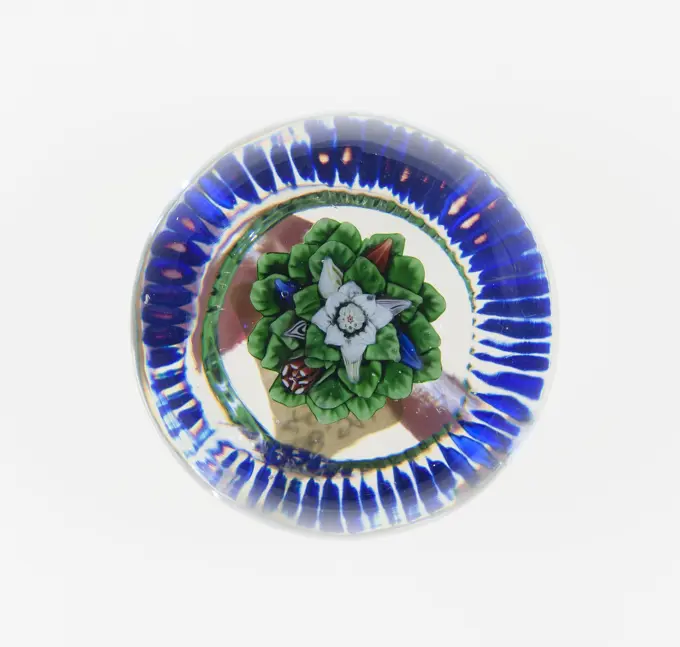
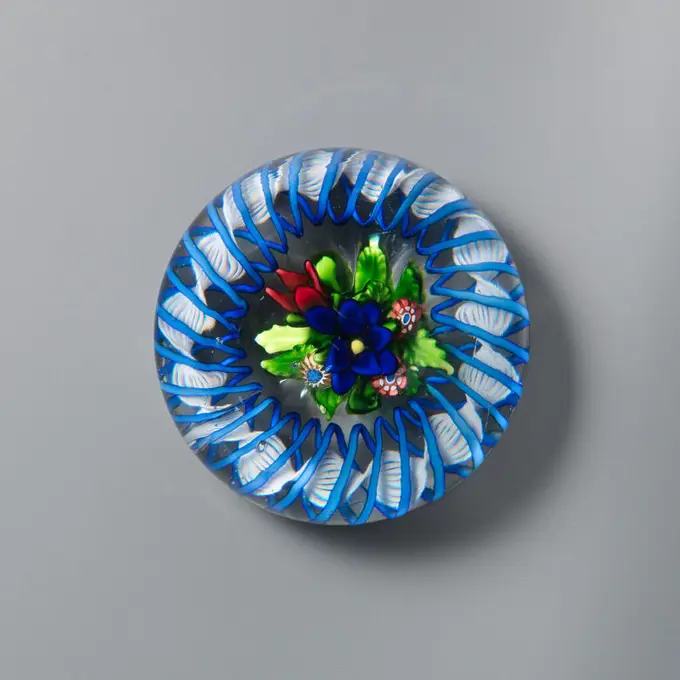
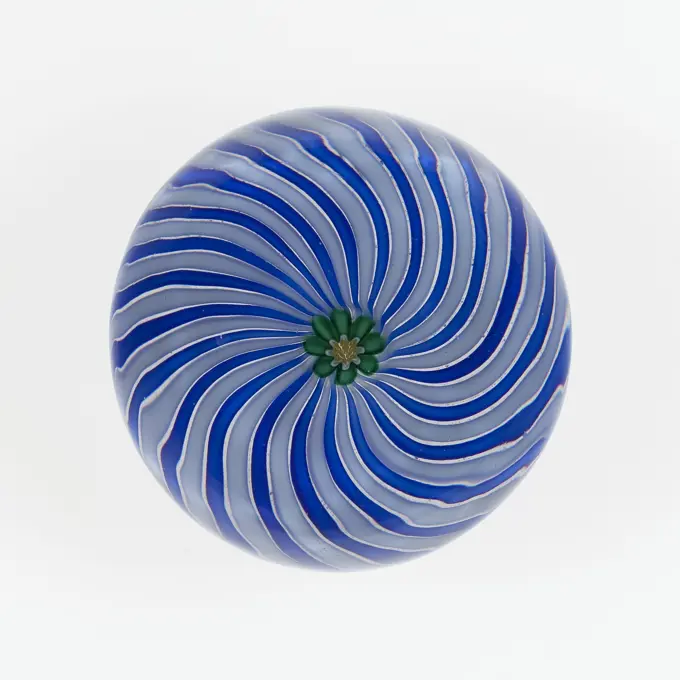
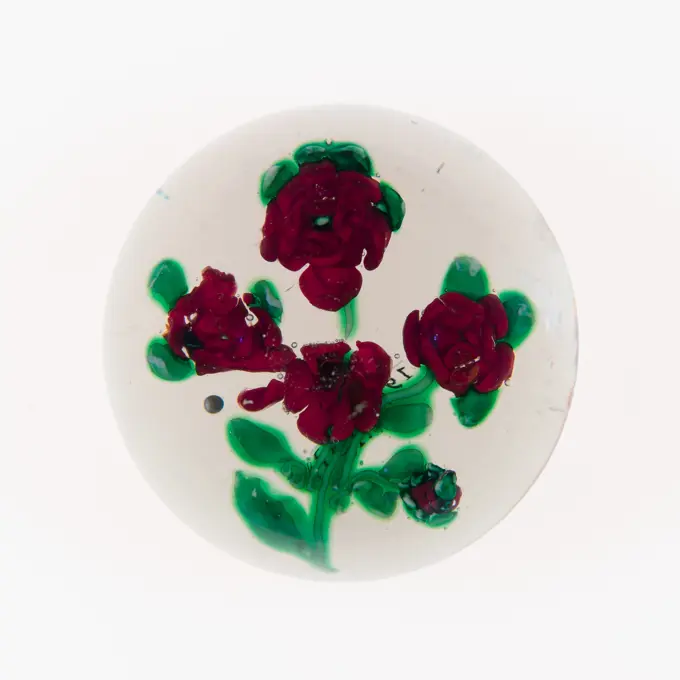
Paperweight, 1860-1870, New England Glass Company, 2 x 3 in. (5.1 x 7.62 cm), Glass, United States, 19th century
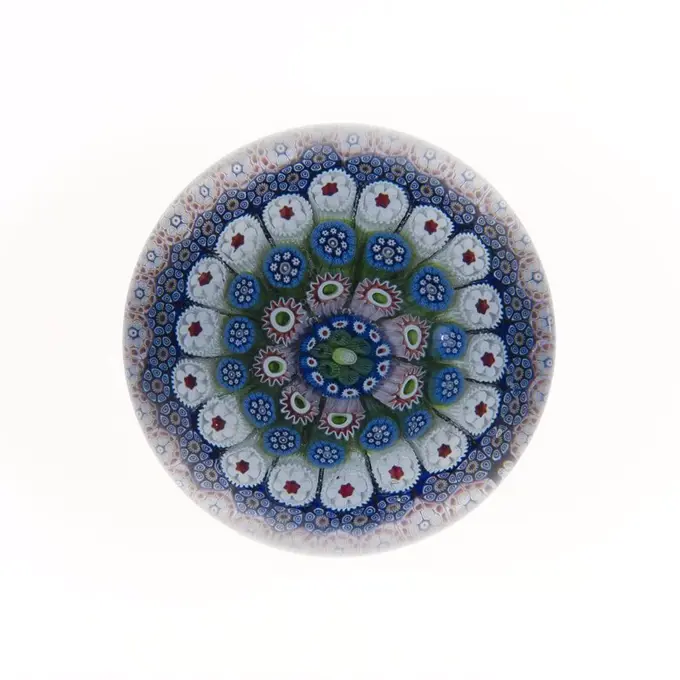
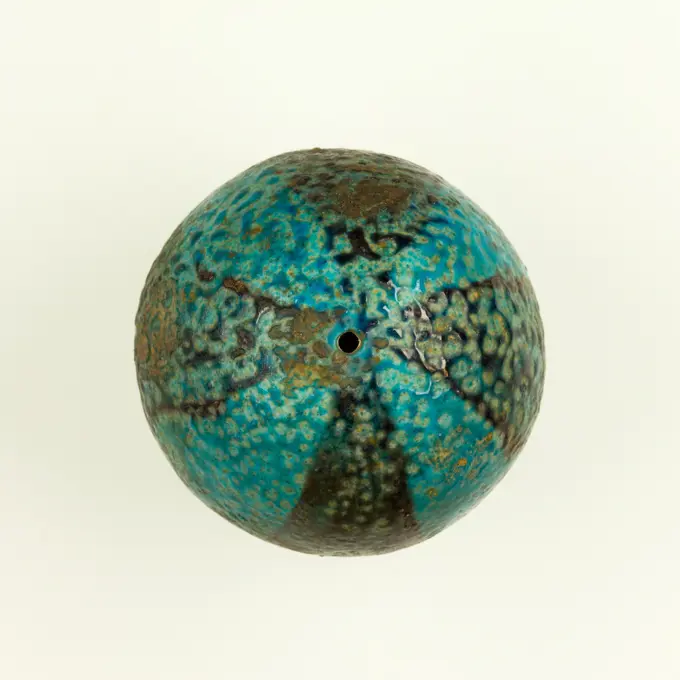
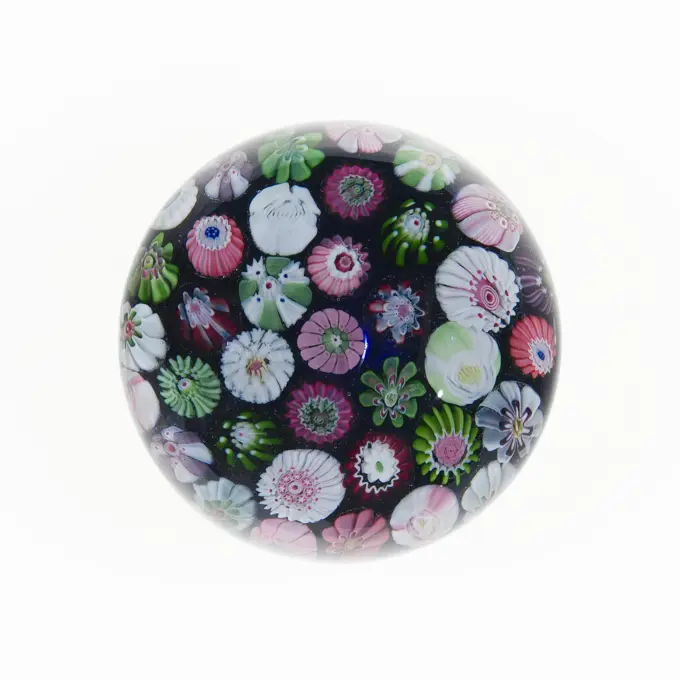
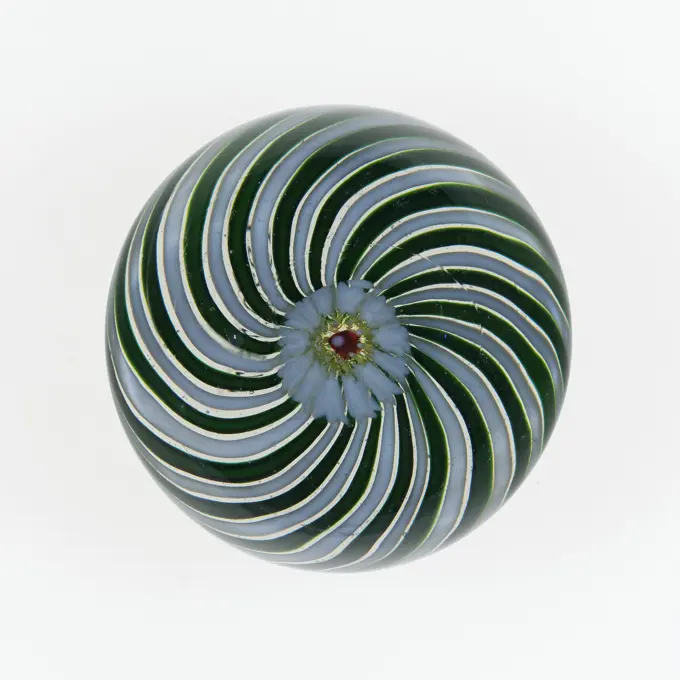
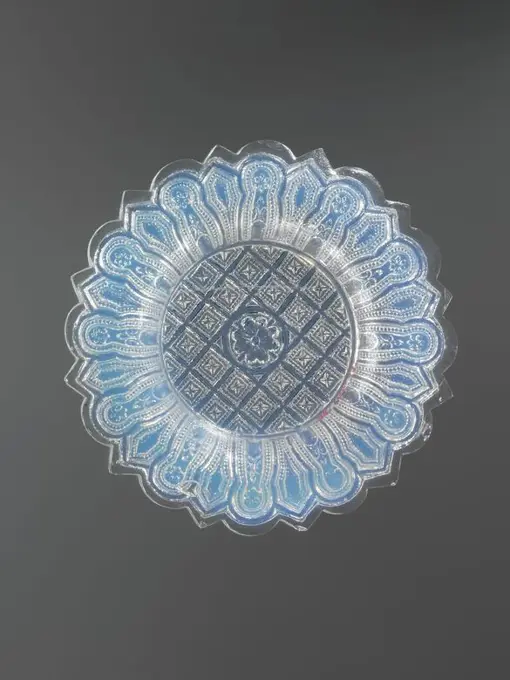
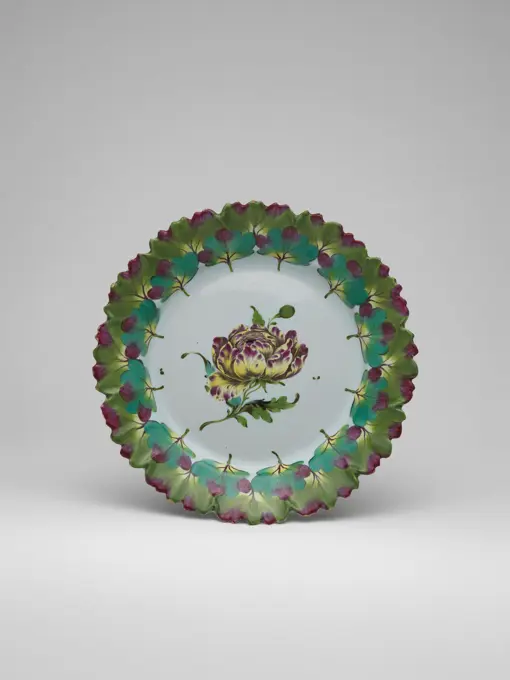
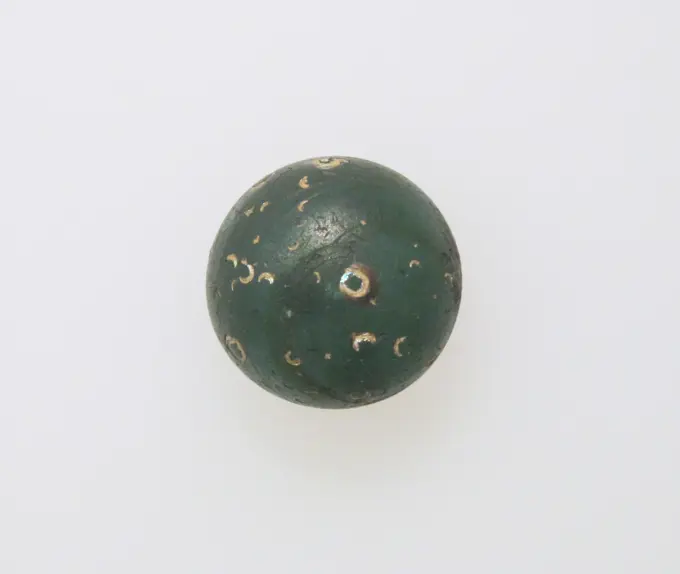
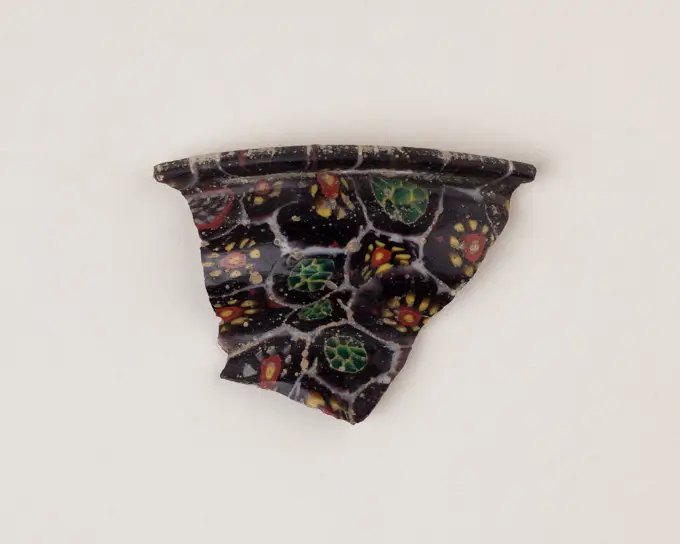
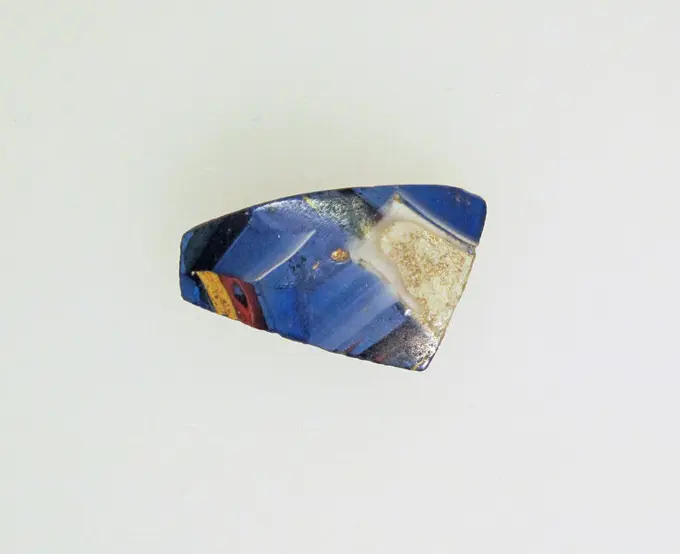
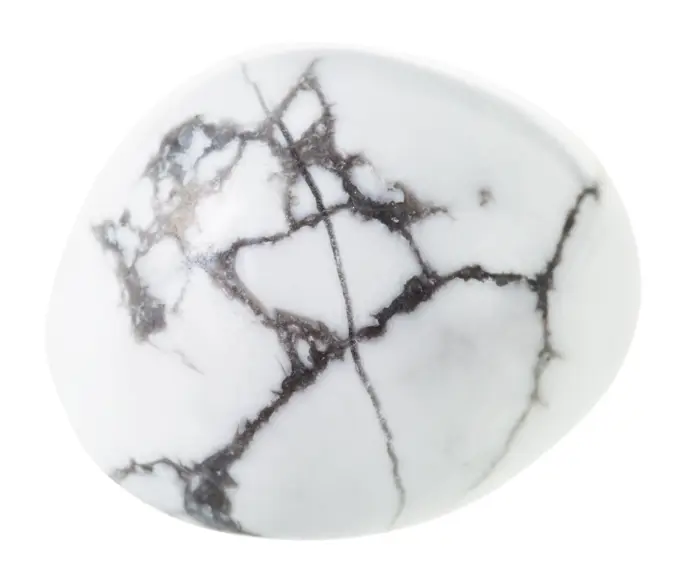
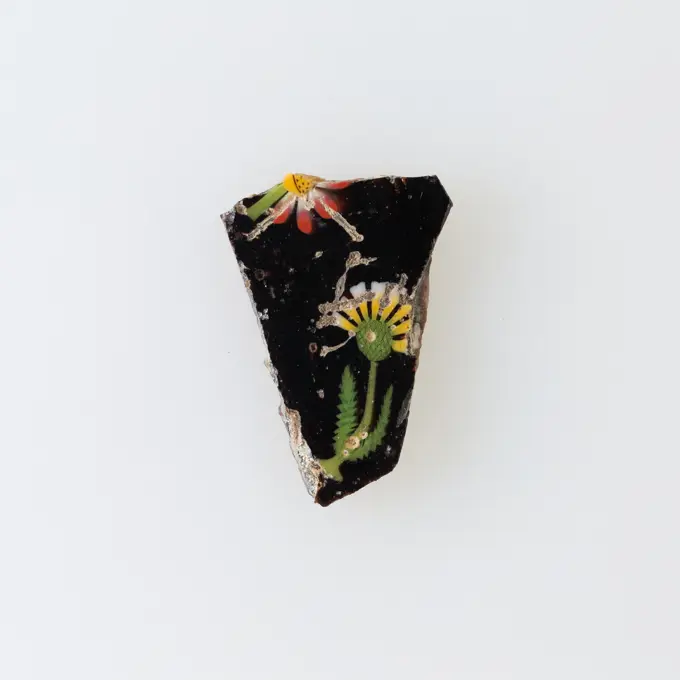
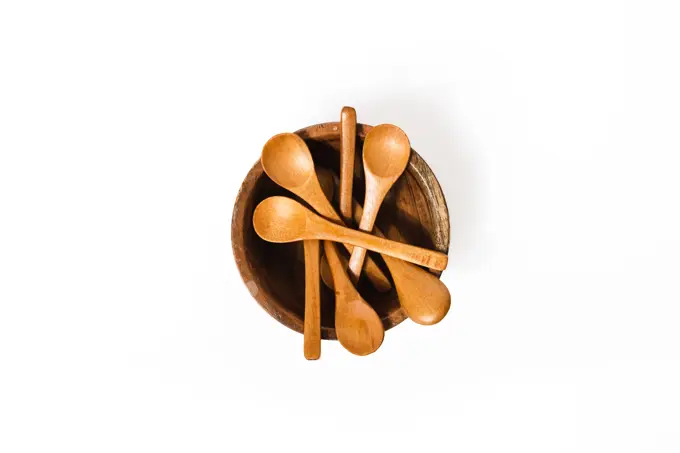
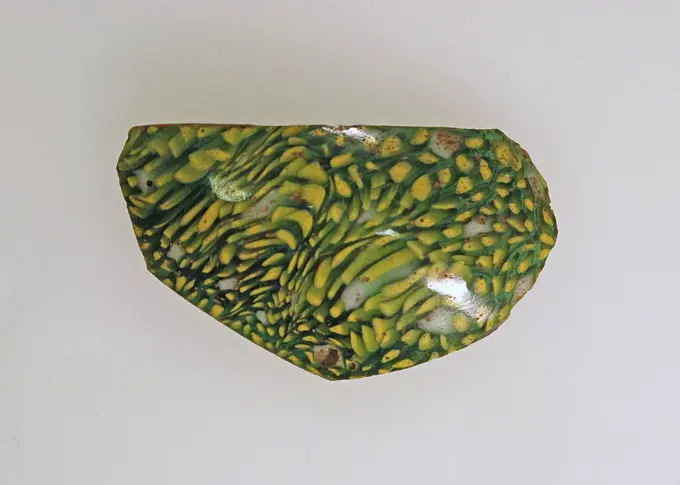
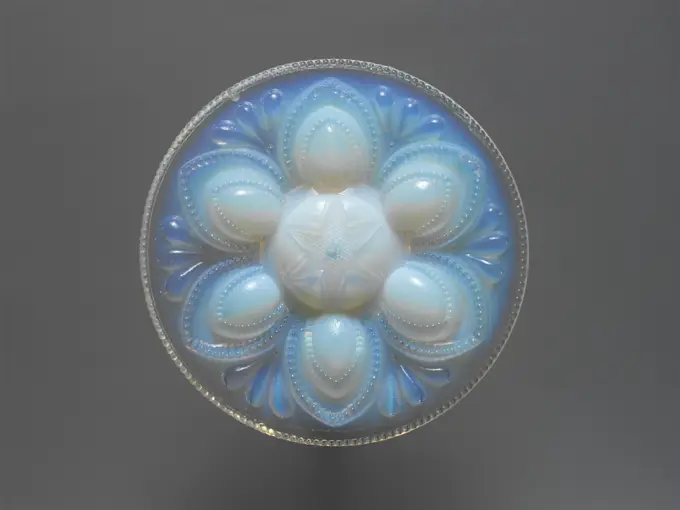
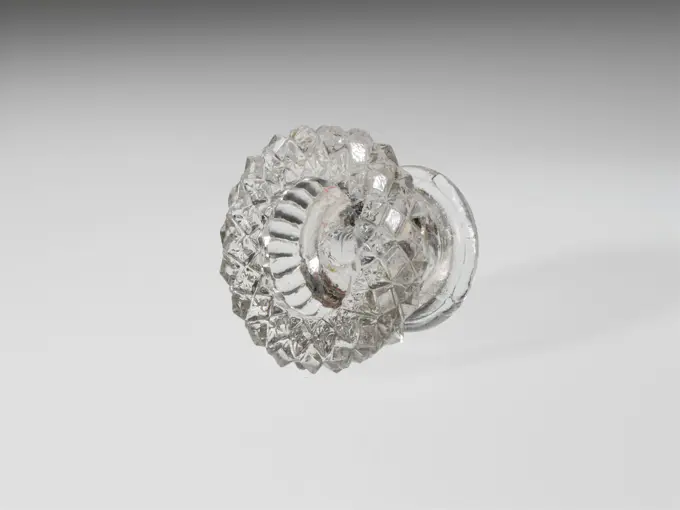
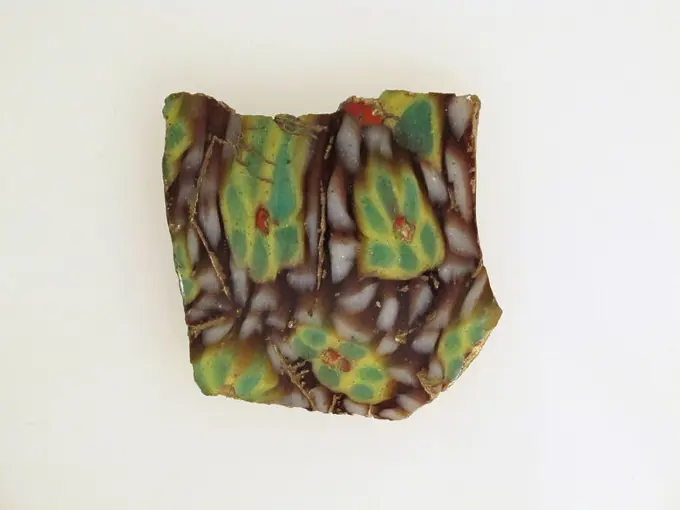
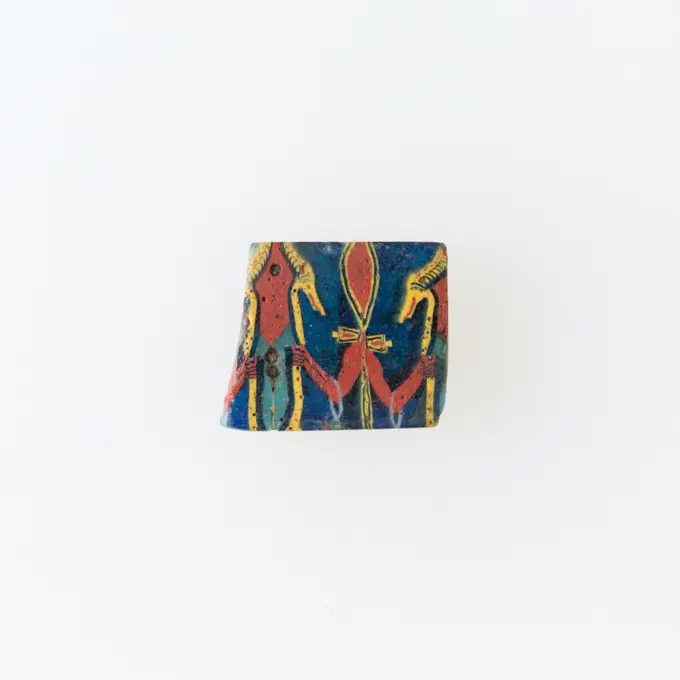
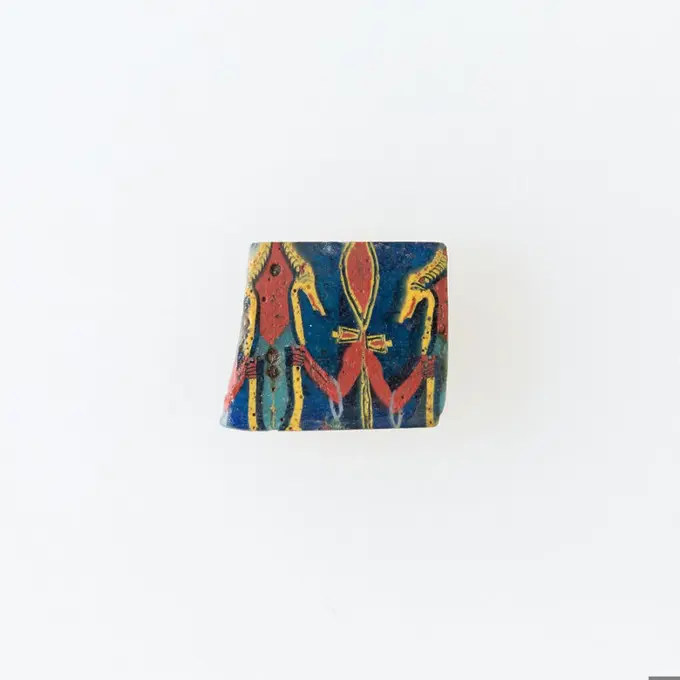
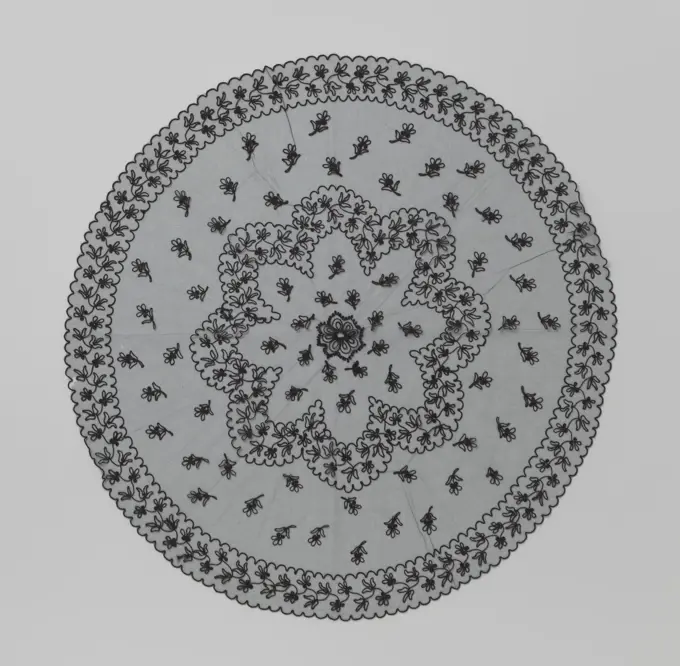
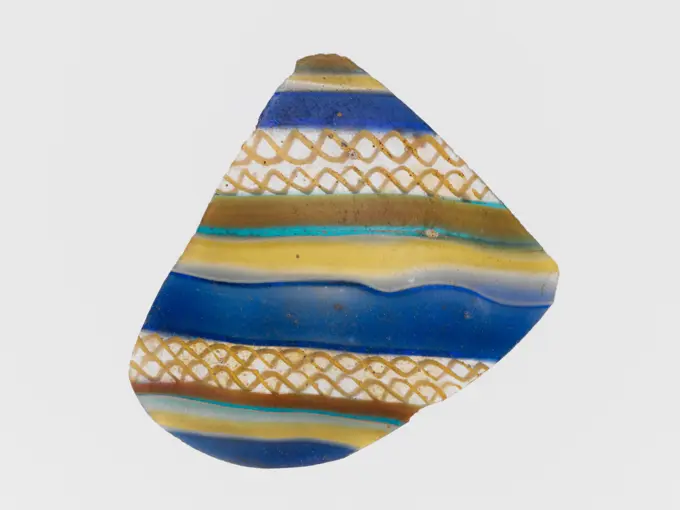
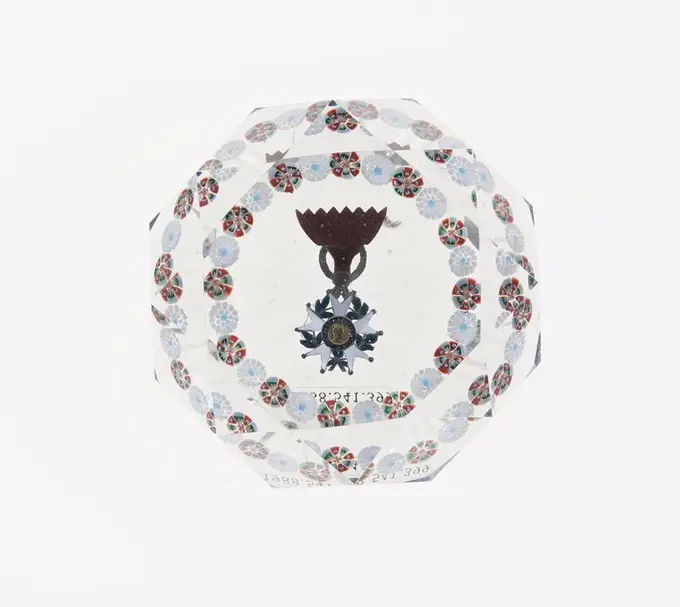
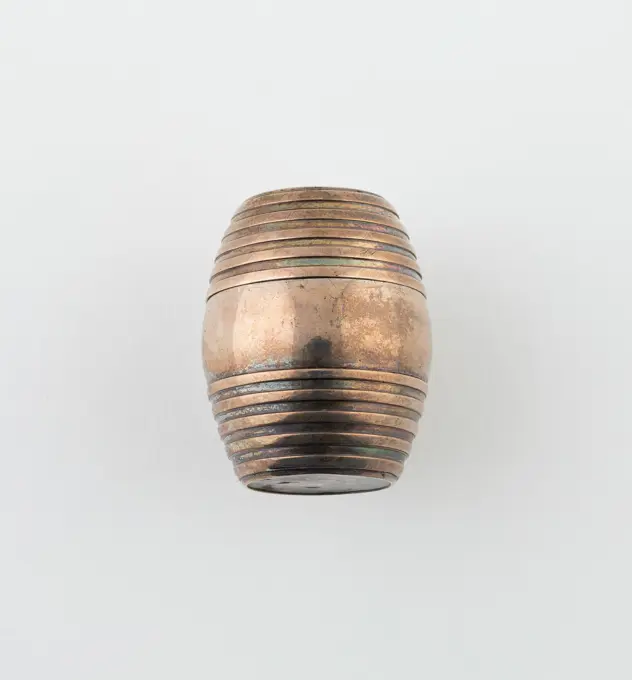
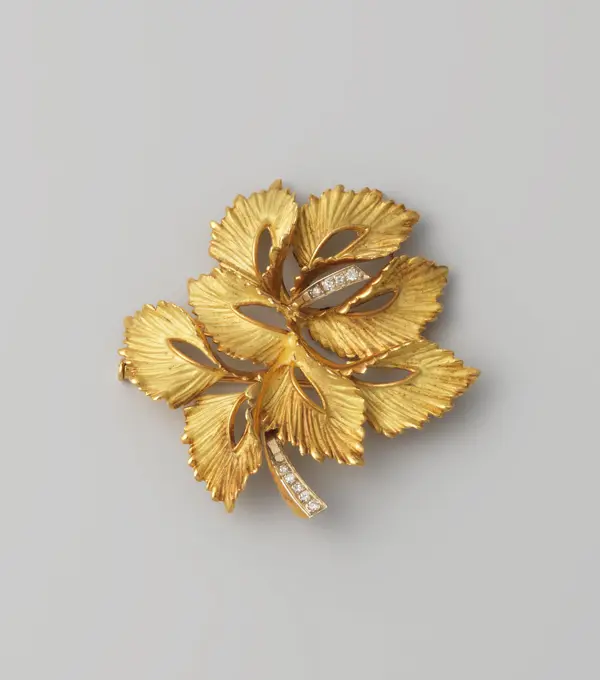
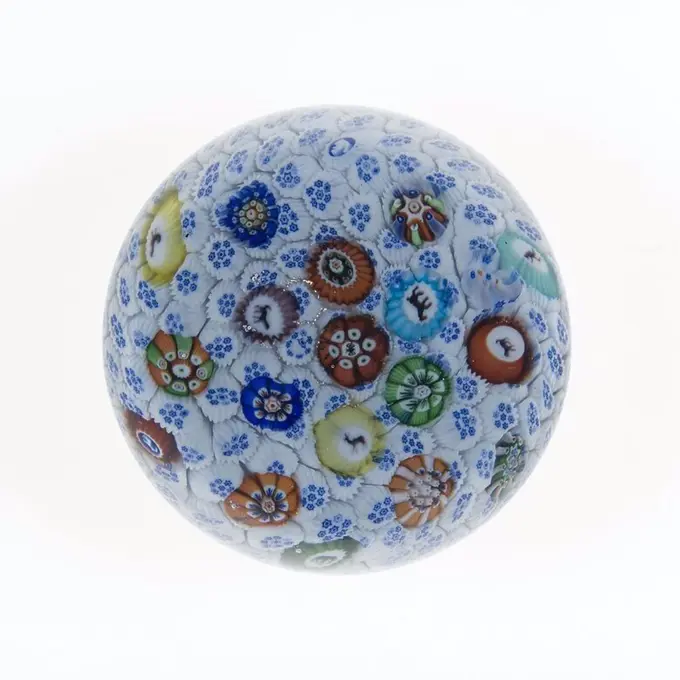
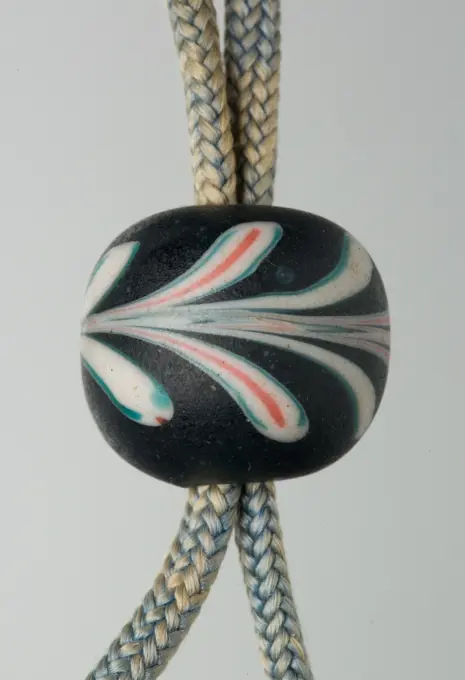
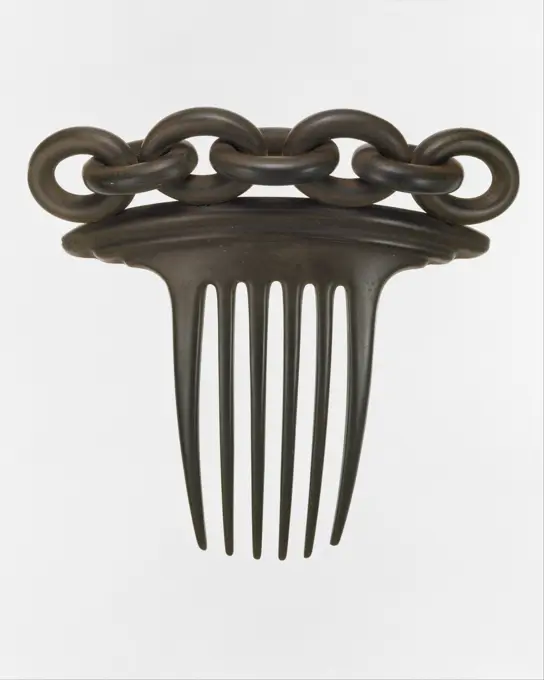
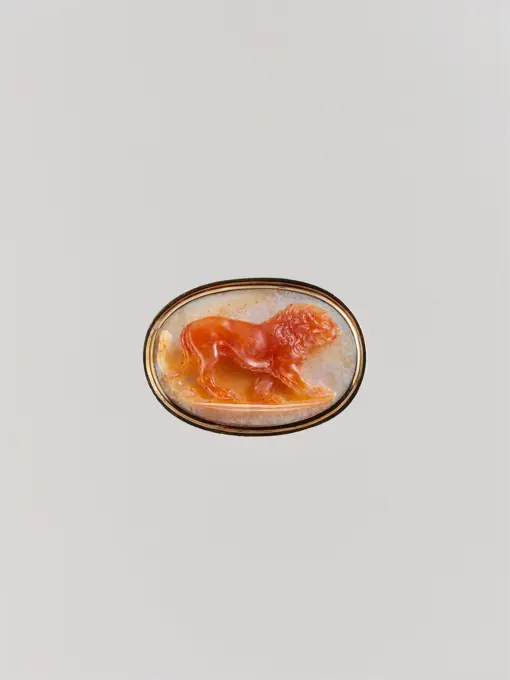
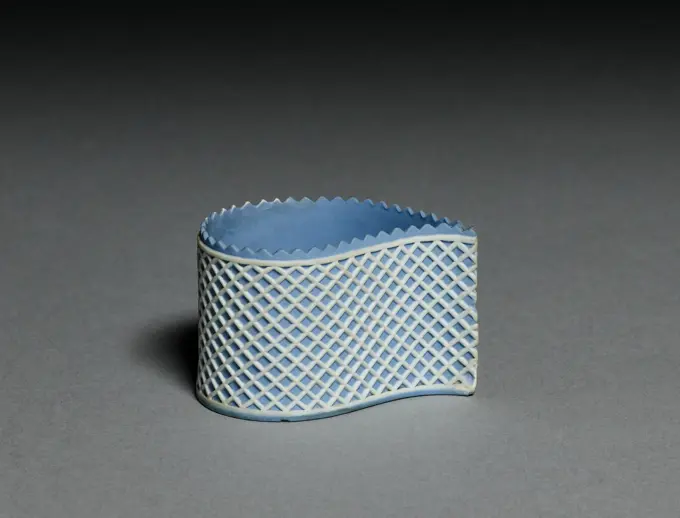
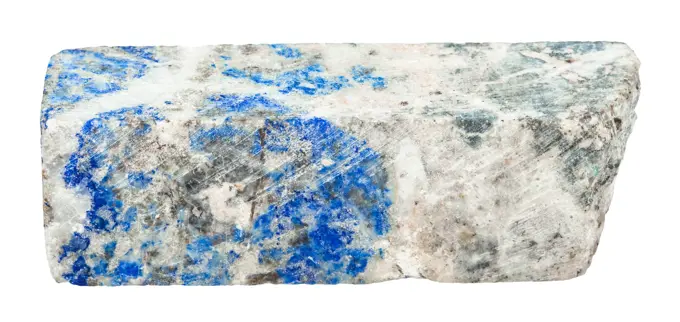
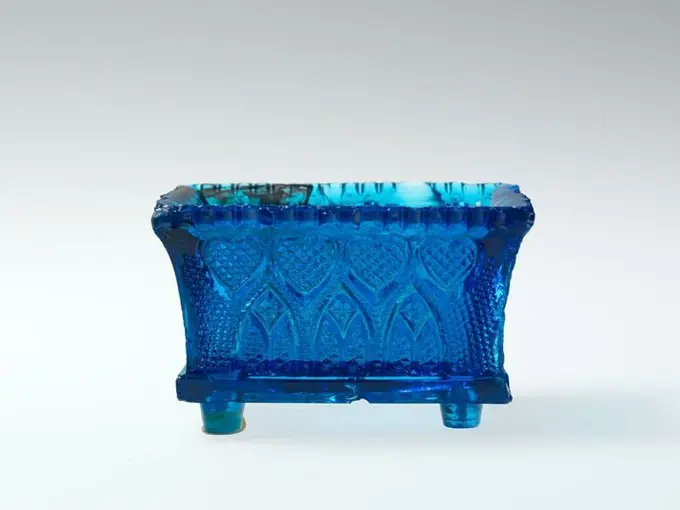
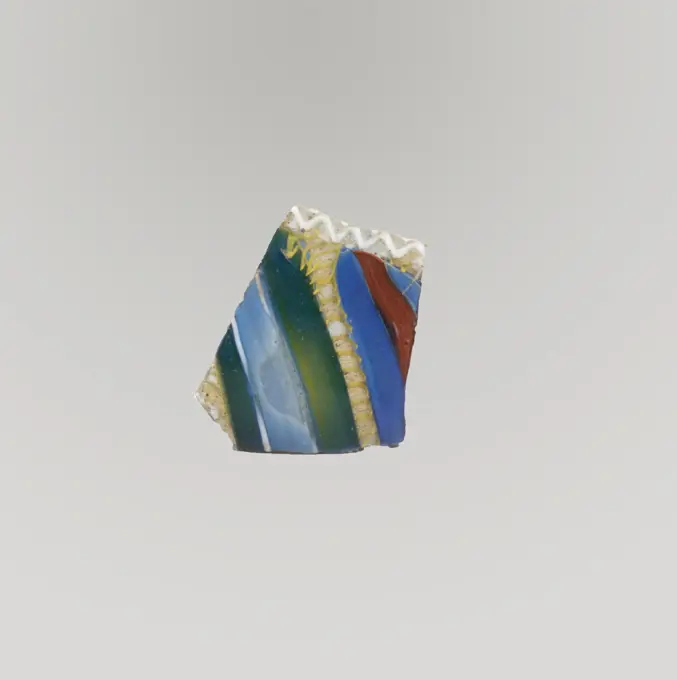
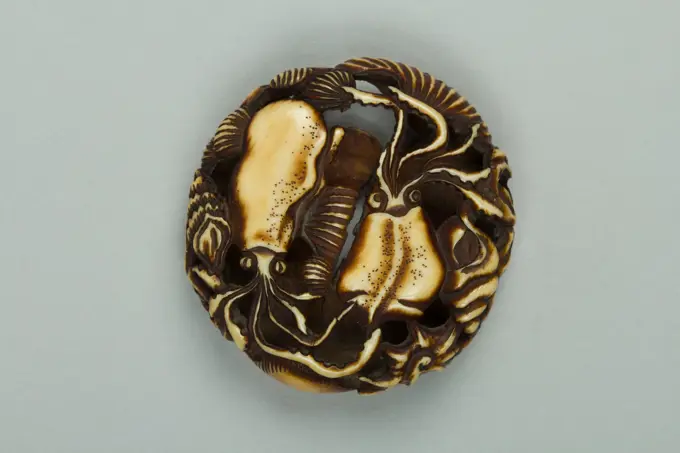
Paperweight 1840-1865 France. This paperweight uses a traditional glass-making technique called millefiori to great effect. Italian for ìone thousand flowers,î millefiori was first developed in fifteenth-century Venice. In the nineteenth century, French glassmakers revived the technique with a cultural twist. Arranged to evoke traditional French gardens such as the Tuileries in Paris, paperweights like this example brought a little of this landscaping magic indoors.From the late 1840s to early 1860s, French manufacturers of fine glass and crystalósuch as Baccarat (Alsace), Clichy (Paris), and Saint-Louis (Lorraine)ócatered to the vast public enthusiasm for beautiful yet functional desk accessories. Paperweights, which were designed to secure loose papers against drafts, were among their most popular products.. Glass . Baccarat GlassworksPaperweight 1840-1860 Saint-Louis. Glass . Compagnie de Saint LouisPaperweight. Saint-Louis; France, founded 1767. Date: 1848. Dimensions: 2 13/16 in. Glass. Origin: Saint-Louis. Museum: The Chicago Art Institute, Chicago, USA. Author: Compagnie de Saint Louis.Ball bead ca. 1635-1458 B.C. Second Intermediate Period-Early New Kingdom. Ball bead 546896Paperweight 1840-1865 France. Glass . Clichy GlasshousePaperweight, 1860-1870, New England Glass Company, 2 x 3 in. (5.1 x 7.62 cm), Glass, United States, 19th centuryFragment, Tin-glazed earthenware, Fragment of a bowl with tin and cobalt glaze on surface of earthenware. Decoration shows flowers encircled by three lines., France, late 17th century, ceramics, Decorative Arts, FragmentPaperweight 1840-1865 Baccarat. Technological improvements to optical scientific instruments in the mid-nineteenth century spurred a veritable obsession across Europe with identifying and classifying the natural world. Amateur botanists were eager to collect and preserve floral specimens, which they intently researched and catalogued. In response to this broad appeal, French glassmakers made paperweights that portrayed the very botanical subjects that were so enthusiastically sought. Many weights represented specimens with horticultural correctness, but others were entirely fanciful creations. Paperweights like this example speak to the periodís fascination with taxonomic systems.From the late 1840s to early 1860s, French manufacturers of fine glass and crystalósuch as Baccarat (Alsace), Clichy (Paris), and Saint-Louis (Lorraine)ócatered to the vast public enthusiasm for beautiful yet functional desk accessories. Paperweights, which were designed to secure loose papers against drafts, Christmas balls isolated on white background.Paperweight 1840-1865 Baccarat. Technological improvements to optical scientific instruments in the mid-nineteenth century spurred a veritable obsession across Europe with identifying and classifying the natural world. Amateur botanists were eager to collect and preserve floral specimens, which they intently researched and catalogued. In response to this broad appeal, French glassmakers made paperweights that portrayed the very botanical subjects that were so enthusiastically sought. Many weights represented specimens with horticultural correctness, but others were entirely fanciful creations. Paperweights like this example speak to the periodís fascination with taxonomic systems.From the late 1840s to early 1860s, French manufacturers of fine glass and crystalósuch as Baccarat (Alsace), Clichy (Paris), and Saint-Louis (Lorraine)ócatered to the vast public enthusiasm for beautiful yet functional desk accessories. Paperweights, which were designed to secure loose papers against drafts, Button of copper with stras, anonymous, c. 1910 Button of copper with stras. Within a six -clumpy edge, an Ajour grid filling is captured, with a stras at the intersections, as a brilliant sharpening. France (possibly) whole: copper (metal). Decoration: Paste (Glass) forging / grinding Button of copper with stras. Within a six -clumpy edge, an Ajour grid filling is captured, with a stras at the intersections, as a brilliant sharpening. France (possibly) whole: copper (metal). Decoration: Paste (Glass) forging / grindingDish, painted with the decor Krokus, Meissener Porzellan Manufaktur, 1896 Dish of painted porcelain. The dish is painted in green and brown. The dish belongs to the so-called crocus service The dish is marked. Float porcelain Dish of painted porcelain. The dish is painted in green and brown. The dish belongs to the so-called crocus service The dish is marked. Float porcelainPaperweight 1840-1860 Clichy. Glass . Clichy GlasshouseGlass compound eye bead ca. 4th century B.C. Greek, Eastern Mediterranean Semi-opaque pale turquoise green ground; additions in opaque white, translucent cobalt blue and honey brown.Squat spherical shape with rounded ends to vertical hole.Three brown disks, arranged symmetrically around side, each with rosette of seven eyes in white and blue.Intact; dulling, some pitting, and faint creamy iridescent weathering, with one small patch of encrustation.. Glass compound eye bead. Greek, Eastern Mediterranean. ca. 4th century B.C.. Glass. Classical. GlassPaperweight. Culture: French, St. Louis. Dimensions: Diameter: 2 3/4 in. (7 cm). Date: ca. 1850. Museum: Metropolitan Museum of Art, New York, USA.Paperweight 1843-1860 Birmingham. Glass . George Bacchus & SonsCup plate. Culture: American. Dimensions: Diam. 3 1/2in. (8.9cm). Date: 1835-45. Museum: Metropolitan Museum of Art, New York, USA.Paperweight 1840-1865 Clichy. Glass . Clichy GlasshousePlate ca. 1765-70 French, Sceaux Faience, or tin-glazed and enameled earthenware, first emerged in France during the sixteenth century, reaching widespread usage among elite patrons during the seventeenth and early eighteenth centuries, prior to the establishment of soft-paste porcelain factories. Although characterized as more provincial in style than porcelain, French faience was used at the court of Louis XIV as part of elaborate meals and displays, with large-scale vessels incorporated into the Baroque garden designs of Versailles. Earlier examples of French faience attest to the strong influence of maiolica artists from Italy. Later works demonstrate the ways in which cities such as Nevers, Rouen, Lyon, Moustiers, and Marseille developed innovative vessel shapes and decorative motifs prized among collectors throughout Europe. While faience can be created from a wide mixture of clays, it is foremost distinguished by the milky opaque white color achieved by the addition of tin oxideCupPlate. Maker, probably by: Boston and Sandwich Glass Works, American, 1826-88Sharf of a sign from the wreck of the East Indians Hollandia, Anonymous, 1700 - in Or Before 1743 plate (dishes) Porcelain, plate, type 2; fragm of centre, sim. NG 1980-27H2624h. Netherlands porcelain   SecondCircular Shard 960 CE-1279 China. Jun ware; stoneware with light blue and purple glaze .Pinhead Roman Green pinhead with carved crescents.. Pinhead. Roman. Glass. GlassPaperweight 1840-1865 Clichy. This paperweight uses a traditional glass-making technique called millefiori to great effect. Italian for ìone thousand flowers,î millefiori was first developed in fifteenth-century Venice. In the nineteenth century, French glassmakers revived the technique with a cultural twist. Arranged to evoke traditional French gardens such as the Tuileries in Paris, paperweights like this example brought a little of this landscaping magic indoors.From the late 1840s to early 1860s, French manufacturers of fine glass and crystalósuch as Baccarat (Alsace), Clichy (Paris), and Saint-Louis (Lorraine)ócatered to the vast public enthusiasm for beautiful yet functional desk accessories. Paperweights, which were designed to secure loose papers against drafts, were among their most popular products.. Glass . Clichy GlasshousePaperweight 1840-1865 France. This paperweight uses a traditional glass-making technique called millefiori to great effect. Italian for ìone thousand flowers,î millefiori was first developed in fifteenth-century Venice. In the nineteenth century, French glassmakers revived the technique with a cultural twist. Arranged to evoke traditional French gardens such as the Tuileries in Paris, paperweights like this example brought a little of this landscaping magic indoors.From the late 1840s to early 1860s, French manufacturers of fine glass and crystalósuch as Baccarat (Alsace), Clichy (Paris), and Saint-Louis (Lorraine)ócatered to the vast public enthusiasm for beautiful yet functional desk accessories. Paperweights, which were designed to secure loose papers against drafts, were among their most popular products.. Glass . Clichy GlasshouseFragment of mosaic vessel 100 BC-100 AD Ptolemaic Period-Roman Period. Fragment of mosaic vessel 570642Button, Mother-of-pearl, glass, France, 18th century, costume & accessories, Decorative Arts, ButtonGlass mosaic ribbed bowl fragment. Culture: Roman. Dimensions: 2 7/16 × 1 15/16 × 3/16 in. (6.2 × 5 × 0.5 cm). Date: late 1st century B.C.-early 1st century A.D..Body fragment of ribbed bowl.Translucent cobalt blue and purple, opaque white and yellow.Convex curving side.Marbled mosaic pattern with sections of two or more canes: one in a blue ground with irregular white rods, and another in a purple ground with white rods; on interior, one patch of yellow overlay. On exterior, vestiges of two widely-spaced ribs with rounded edges, tapering downward. Exterior polished; some pitting of surface bubbles on exterior; dulling, pitting, and patches of iridescent weathering on interior; slight weathering on jagged edges. Museum: Metropolitan Museum of Art, New York, USA.Glass short-strip mosaic vessel fragment. Culture: Roman. Dimensions: 3/4 × 1 1/4 × 1/16 in. (1.9 × 3.1 × 0.2 cm). Date: late 1st century B.C.-early 1st century A.D..Translucent blue, opaque white, yellow, and red, and colorless.Convex-curving side.Short-strip mosaic pattern formed from rectangular lengths of two canes, set randomly or at right angles to one another: one in colorless outlined in white; a second comprising strips of red and yellow flanked and backed by blue, with occasional streaks of white.Polished on exterior, with some pitting of surface bubbles; pitting, dulling, and iridescent weathering on interior and edges. Museum: Metropolitan Museum of Art, New York, USA.Paperweight 1840-1865 France. This paperweight uses a traditional glass-making technique called millefiori to great effect. Italian for ìone thousand flowers,î millefiori was first developed in fifteenth-century Venice. In the nineteenth century, French glassmakers revived the technique with a cultural twist. Arranged to evoke traditional French gardens such as the Tuileries in Paris, paperweights like this example brought a little of this landscaping magic indoors.From the late 1840s to early 1860s, French manufacturers of fine glass and crystalósuch as Baccarat (Alsace), Clichy (Paris), and Saint-Louis (Lorraine)ócatered to the vast public enthusiasm for beautiful yet functional desk accessories. Paperweights, which were designed to secure loose papers against drafts, were among their most popular products.. Glass . Clichy GlasshousePaperweight 1801-1900 Clichy. Technological improvements to optical scientific instruments in the mid-nineteenth century spurred a veritable obsession across Europe with identifying and classifying the natural world. Amateur botanists were eager to collect and preserve floral specimens, which they intently researched and catalogued. In response to this broad appeal, French glassmakers made paperweights that portrayed the very botanical subjects that were so enthusiastically sought. Many weights represented specimens with horticultural correctness, but others were entirely fanciful creations. Paperweights like this example speak to the periodís fascination with taxonomic systems.From the late 1840s to early 1860s, French manufacturers of fine glass and crystalósuch as Baccarat (Alsace), Clichy (Paris), and Saint-Louis (Lorraine)ócatered to the vast public enthusiasm for beautiful yet functional desk accessories. Paperweights, which were designed to secure loose papers against drafts, weVase fragment ca. 1981-1640 B.C. Middle Kingdom. Vase fragment 556908Paperweight 1875-1900 United States. Glass . New England Glass CompanyPaperweight 1843-1860 Lunéville. Technological improvements to optical scientific instruments in the mid-nineteenth century spurred a veritable obsession across Europe with identifying and classifying the natural world. Amateur botanists were eager to collect and preserve floral specimens, which they intently researched and catalogued. In response to this broad appeal, French glassmakers made paperweights that portrayed the very botanical subjects that were so enthusiastically sought. Many weights represented specimens with horticultural correctness, but others were entirely fanciful creations. Paperweights like this example speak to the periodís fascination with taxonomic systems.From the late 1840s to early 1860s, French manufacturers of fine glass and crystalósuch as Baccarat (Alsace), Clichy (Paris), and Saint-Louis (Lorraine)ócatered to the vast public enthusiasm for beautiful yet functional desk accessories. Paperweights, which were designed to secure loose papers against drafts,Brooch -Fragment of a bottle or glass cylinder;  XII-XIV century (1101-00-00-1400-00-00);Islamic artPaperweight 1840-1865 Clichy. This paperweight uses a traditional glass-making technique called millefiori to great effect. Italian for ìone thousand flowers,î millefiori was first developed in fifteenth-century Venice. In the nineteenth century, French glassmakers revived the technique with a cultural twist. Arranged to evoke traditional French gardens such as the Tuileries in Paris, paperweights like this example brought a little of this landscaping magic indoors.From the late 1840s to early 1860s, French manufacturers of fine glass and crystalósuch as Baccarat (Alsace), Clichy (Paris), and Saint-Louis (Lorraine)ócatered to the vast public enthusiasm for beautiful yet functional desk accessories. Paperweights, which were designed to secure loose papers against drafts, were among their most popular products.. Glass . Clichy Glasshouse (Manufacturer)polished Howlite mineral gem stone isolated macro shooting of natural gemstone - polished Howlite mineral gem stone isolated on white background Copyright: xZoonar.com/ValeryxVoennyyx 8879979Floral plaque 100 BC-100 AD Ptolemaic Period-Roman Period A mosaic glass technique allowed multiples of an image to be created: a figural or design composition was made by bundling colored glass canes, which were then drawn out into a long bar. The bar was then sectioned at right angles, probably by striking the bar with appropriate tools, to produce small inlay tiles. The tile would then be smoothed and polished on the face intended to appear outwards. Such elements could also be used side by side to create repeating patterns. Or if the rod presented one half of an element that was symmetrical, such as a face, a tile and a reversed tile from the same rod could be put together to form a complete whole.. Floral plaque. 100 BC-100 AD. Glass. Ptolemaic Period-Roman Period. From EgyptA bowl of wood sample spoons on a white backgroundGlass mosaic bowl fragment. Culture: Roman. Dimensions: 1 1/2 × 2 1/16 × 1/8 in. (3.7 × 5.2 × 0.4 cm)Estimated diameter: 3 9/16 in. (9.0 cm). Date: late 1st century B.C.-early 1st century A.D..Translucent blue green appearing green, opaque yellow and white.Vertical rim, slightly beveled inward; vertical side, then curving in sharply towards bottomMosaic pattern formed from polygonal sections of a single cane in a blue green ground with multiple yellow rods and a large central white rod.Polished exterior; pitting of surface bubbles on exterior, including one large, deep hole below rim; dulling, slight pitting and weathering on interior; weathering on jagged edges. Museum: Metropolitan Museum of Art, New York, USA.Paperweight 1840-1865 Clichy. Glass . Clichy GlasshouseDrapery Tieback 1810-60. Drapery Tieback. 1810-60. Opalescent glassPaperweight 1840-1865 France. The colorful geometric clusters embedded in this paperweight reflect the nineteenth-century European fascination with optical effects. Sir David Brewster invented the kaleidoscope in 1815, and its colorful and changing patterns brought great visual entertainment. Paperweights such as this example reformed this childlike pastime for a sophisticated adult audience. Depicted in glass were tiny glittering flowers, small black and blue cameos of figures, and even miniature bottlecaps. These were delicately arranged within the orb for the observant eye to discover.From the late 1840s to early 1860s, French manufacturers of fine glass and crystalósuch as Baccarat (Alsace), Clichy (Paris), and Saint-Louis (Lorraine)ócatered to the vast public enthusiasm for beautiful yet functional desk accessories. Paperweights, which were designed to secure loose papers against drafts, were among their most popular products.. Glass . Clichy GlasshouseGodet or Collar of Mixed Side with a River of Rococo Velden. Godet or collar of natural-colored mixed side: climbing side in combination with needle side on a needle lace ground. This type of side is also called Point d'Angleterre. Along the scalloped lower edge a river of Rococo fields runs with filling patterns. Flowers and leaves above and downstairs.Drawer Pull 1810-60. Drawer Pull. 1810-60. Pressed glassMosaic glass fragment. Culture: Roman. Dimensions: 1 3/4 × 1 11/16 × 1/8 in. (4.5 × 4.3 × 0.3 cm). Date: late 1st century B.C.-early 1st century A.D..Translucent purple, opaque yellow, white, red, and green.Convex curving side, possibly with part of a vertical, beveled rim from a large dish.Mosaic pattern formed from large polygonal sections of a single cane in a purple ground with a circle of white rods surrounding a rosette pattern outlined in yellow comprising six green petals and a central red rod.Polished exterior; slight pitting and weathering of surface bubbles and joins between canes on exterior; dulling, pitting, and iridescent weathering on interior; weathering on jagged edges and one straight chipped edge. Museum: Metropolitan Museum of Art, New York, USA.Paperweight 1801-1900 Clichy. This paperweight uses a traditional glass-making technique called millefiori to great effect. Italian for ìone thousand flowers,î millefiori was first developed in fifteenth-century Venice. In the nineteenth century, French glassmakers revived the technique with a cultural twist. Arranged to evoke traditional French gardens such as the Tuileries in Paris, paperweights like this example brought a little of this landscaping magic indoors.From the late 1840s to early 1860s, French manufacturers of fine glass and crystalósuch as Baccarat (Alsace), Clichy (Paris), and Saint-Louis (Lorraine)ócatered to the vast public enthusiasm for beautiful yet functional desk accessories. Paperweights, which were designed to secure loose papers against drafts, were among their most popular products.. Glass . Clichy GlasshousePierced Dish, Longton Hall Porcelain Manufactory, English, 1749 - 1760, soft paste porcelain, vitreous enamel, Round dish in the form of reticulated lettuce leaves with holes throughout, pink midribs and veins, and green edges., England, ca. 1755, ceramics, Decorative Arts, dish, dish. Butter fleet of green colored faience in the form of an artichoke.Fragment of a Vessel 100 BCE-100 CE Eastern Mediterranean Region. In ancient Rome, there was a high demand for colorful glass that could dazzle banquet guests alongside the expensive silver and gold serving wares meant to impress. Fragments like this one would have once been a part of larger mosaic dishes. The mosaic pattern was made by sagging molten glass into bowl-shaped molds, a technique used on many of these fragments is similar to millefiori, ìthousand flowersî in Italian, a modern glass-making method in which tiny rods of colored glass are bundled together, wrapped in a sheet of glass, fused, and then thinly sliced to reveal swirls of a flower-like patterns. They were arranged side by side, sometimes together with bits of colored glass, and fused together with heat.. Glass, mosaic glass technique . Ancient RomanInlay, ankh with was scepters 100 BC-100 AD Ptolemaic Period-Roman Period A mosaic glass technique allowed multiples of an image to be created: a figural or design composition was made by bundling colored glass canes, which were then drawn out into a long bar. The bar was then sectioned at right angles, probably by striking the bar with appropriate tools, to produce small inlay tiles. The tile would then be smoothed and polished on the face intended to appear outwards.. Inlay, ankh with was scepters. 100 BC-100 AD. Glass. Ptolemaic Period-Roman Period. From EgyptHeart-Shaped Sweetmeat Dish, De Paauw (Peacock) Factory, Dutch, active 1651 - 1774, Tin-glazed earthenware, Heart-shaped dish on short foot rim with slightly flaring sides; painted inunderglaze blue on white with birds and flowers in center, on sides with alternating panels of flowers and pseudo-Chinoiserie characters., Delft, Netherlands, ca. 1705-40, ceramics, Decorative Arts, Dish, DishCloseup of pencil shaving isolated on white background.Inlay, ankh with was scepters. Dimensions: H. 1.1 × W. 1.4 cm (7/16 × 9/16 in.). Date: 100 BC-100 AD.A mosaic glass technique allowed multiples of an image to be created: a figural or design composition was made by bundling colored glass canes, which were then drawn out into a long bar. The bar was then sectioned at right angles, probably by striking the bar with appropriate tools, to produce small inlay tiles. The tile would then be smoothed and polished on the face intended to appear outwards. Museum: Metropolitan Museum of Art, New York, USA.Parasoldek of black tulle decorated with black tambooering in the form of sprinkling flowers, a central star and a flower drink, Gustav Schnitzler, c. 1875 - c. 1900 Black tulle parasold deck with black tambouring work. The deck is round and has a scallop. A star is embroidered around the center; Sprinkling flowers are scattered over the field. Along the edge a flower drink. Nijmegenwitzerland . embroidering Black tulle parasold deck with black tambouring work. The deck is round and has a scallop. A star is embroidered around the center; Sprinkling flowers are scattered over the field. Along the edge a flower drink. Nijmegenwitzerland . embroideringKosmetische Lotion transparentes Gel Tropfen Textur auf beige Hintergrund Cosmetic lotion transparent gel drops texture on beige background. Copyright: xZoonar.com/IrinaxKvyatkovskayax 22741592Glass striped mosaic fragment late 1st century B.C.-early 1st century A.D. Roman. Glass striped mosaic fragment. Roman. late 1st century B.C.-early 1st century A.D.. Glass; cast. Early Imperial. GlassPaperweight. Baccarat; France, founded 1764. Date: 1825-1850. Dimensions: Diam. 7.6 cm (3 in.). Glass. Origin: Baccarat. Museum: The Chicago Art Institute, Chicago, USA. Author: Baccarat Glassworks.Disc with Coiled Dragon 1100 BCE-900 BCE China. Jade .Lid of multi-colored padded faience. Lid in the form of a grape droos. Horse with a terrine with a solid.Chinese Vase with Prunus,  Qing Dynasty, c.1900Barrel-Shaped Nutmeg Grater 1825-1835 Denmark. Silver and iron .Decoration - earring;  XIX-XX century (1801-00-00-1920-00-00);Canned decoration made by Jadwiga Niemier during a stay in a prisoner of war camp in Oberlanden Niemira, Jadwiga (1894 1979)Flower Brooch, c. 1970 Matted brochure of gold with two links Pavé set with once four and once five diamonds eight side with a cannon closure. The edges of the leaves are outpatient, as well as the rear. Amsterdam gold (metal). diamond (mineral) grinding Matted brochure of gold with two links Pavé set with once four and once five diamonds eight side with a cannon closure. The edges of the leaves are outpatient, as well as the rear. Amsterdam gold (metal). diamond (mineral) grindingTea bag  isolated on white background. Tea bag on white backgroundPaperweight 1840-1865 France. This paperweight uses a traditional glass-making technique called millefiori to great effect. Italian for ìone thousand flowers,î millefiori was first developed in fifteenth-century Venice. In the nineteenth century, French glassmakers revived the technique with a cultural twist. Arranged to evoke traditional French gardens such as the Tuileries in Paris, paperweights like this example brought a little of this landscaping magic indoors.From the late 1840s to early 1860s, French manufacturers of fine glass and crystalósuch as Baccarat (Alsace), Clichy (Paris), and Saint-Louis (Lorraine)ócatered to the vast public enthusiasm for beautiful yet functional desk accessories. Paperweights, which were designed to secure loose papers against drafts, were among their most popular products.. Glass . Baccarat GlassworksPaperweight. Baccarat; France, founded 1764. Date: 1848. Dimensions: Diam. 7 cm (2 3/4 in.). Glass. Origin: Baccarat. Museum: The Chicago Art Institute, Chicago, USA. Author: Baccarat Glassworks.polished orbicular jasper gemstone on white marble macro shooting of natural mineral rock specimen - polished orbicular jasper gemstone on white marble background Copyright: xZoonar.com/ValeryxVoennyyx 11947400Crumpled black paper ball on a white background.CDK unknownRed and Grey Granite Brooch,  c. 1850Modern black podium on white background. 3D renderingHair Comb Manufactured by India Rubber Comb Company Patented by Charles Goodyear ca. 1851 This hair-comb is made of vulcanite (India rubber that has been treated with sulfur), and features an applied border in the shape of a seven-link chain atop a six-tooth comb. The back of the piece is marked "I.R. COMB CO GOODYEAR 1851." The process of vulcanizing rubber was discovered by Charles Goodyear and patented in 1844. By the 1850s vulcanite had become a popular substitute for more expensive materials such as tortoiseshell or jet and was frequently used by American jewelers and accessory makers.Drawer Pull. Dimensions: Diam. 2 1/8 in. (5.4 cm). Date: 1810-60. Museum: Metropolitan Museum of Art, New York, USA.Walking lion 18th century probably Italian Cameos displaying animals, a mainstay of ancient Roman glyptics revived by Neoclassical engravers, filled the cabinets of European royalty. Particularly fetching is the way the carver of the leopard capitalized on brownish flecks in the stone to give the beast its spots. The grinning recumbent lion shows a fine contrast of matte and polished surfaces. The carver of the walking lion nearly exhausted the stones red layer when forming the tail.. Walking lion 198363Diamond. Isolated over whiteDrinking glasses of various color on a plateWhisk, from the frontTrayScarab Decorated with Circles ca. 1700-1500 B.C. (Middle Bronze Age IIB-IIC) Second Intermediate Period. Scarab Decorated with Circles 557081White starch potato chips, salty puffed snacks on black background, full depth of field Falling white starch potato chips, salty puffed snacks isolated on black background with copy space, full depth of field Copyright: xZoonar.com/MaksimxLashcheuskix 21716824Two small (B and D) and two larger (A and C) baskets of holders, à Jour edited with well -lingered ovals and filet edges along the top and top., Anonymous, 1800 - 1825 Two small (B and D) and two larger (A and C) baskets of holders, à Jour edited with well-lingered ovals and traffic jams along the top and top. Netherlands, First quarter of the 19th century. Marked on the outside wall: re -rein sword. Netherlands (possibly) silver (metal) Two small (B and D) and two larger (A and C) baskets of holders, à Jour edited with well-lingered ovals and traffic jams along the top and top. Netherlands, First quarter of the 19th century. Marked on the outside wall: re -rein sword. Netherlands (possibly) silver (metal)Custard Cup, c. 1785. Wedgwood Factory (British). Jasper ware with relief decoration; overall: 4.5 cm (1 3/4 in.).Plate with Bats and Dragons. China. Date: 1662-1722. Dimensions: H. 2.2 cm (7/8 in.); diam. 19.3 cm (7 5/8 in.). Porcelain painted in underglaze iron red. Origin: China. Museum: The Chicago Art Institute, Chicago, USA.Blonde turtle with highly raised richly cut back with graceful leaf vines, thirteen teeth, anonymous, c. 1820 - c. 1830 Blonde turtle with highly raised richly cut back with elegant leaf vines. Thirteen teeth. Netherlands . sawing / filing / polishing Blonde turtle with highly raised richly cut back with elegant leaf vines. Thirteen teeth. Netherlands . sawing / filing / polishingDish 19th century China. Dish 47454bar from Lazurite stone isolated on white macro shooting of natural mineral - bar from Lazurite stone isolated on white backgroung from Ural Mountains Copyright: xZoonar.com/ValeryxVoennyyx 12205149Salt. Culture: American. Dimensions: 1 3/4 x 2 x 2 7/8 in. (4.4 x 5.1 x 7.3 cm). Manufacturer: Probably Boston & Sandwich Glass Company (American, 1825-1888, Sandwich, Massachusetts); Probably by New England Glass Company (American, East Cambridge, Massachusetts, 1818-1888). Date: 1830-40. Museum: Metropolitan Museum of Art, New York, USA.Pine cones Pine cones lie on a white background dry and brown Copyright: xZoonar.com/AlexanderxStrelax 3900282Paperweight, 19th century, Saint Louis Glass Works, 2 x 3 1/4 x 3 1/4 in. (5.08 x 8.26 x 8.26 cm), Glass, France, 19th centuryPaperweight 1840-1865 France. Glass . Compagnie de Saint LouisGlass striped mosaic bowl fragment late 1st century B.C.-early 1st century A.D. Roman Rim fragment.Translucent blue, purple appearing opaque brick red, blue and yellow mixed together appearing dull green, yellow, and white, with colorless glass.Applied coil rim with rounded, vertical lip; straight side, curving inward slightly at bottom. Rim in colorless glass with white thread; body decorated with bands slanting from top left to bottom right, forming a regular pattern: colorless with spiral yellow thread, green, pale blue mixed with white, green, colorless with spiral yellow thread, blue, red, blue, colorless with spiral yellow thread. A few pinprick bubbles; exterior polished, with pitting of surface bubbles; dulling and faint iridescent weathering on interior and iridescent weathering on edges.. Glass striped mosaic bowl fragment. Roman. late 1st century B.C.-early 1st century A.D.. Glass; cast. Early Imperial. GlassPaperweight 1840-1865 France. Technological improvements to optical scientific instruments in the mid-nineteenth century spurred a veritable obsession across Europe with identifying and classifying the natural world. Amateur botanists were eager to collect and preserve floral specimens, which they intently researched and catalogued. In response to this broad appeal, French glassmakers made paperweights that portrayed the very botanical subjects that were so enthusiastically sought. Many weights represented specimens with horticultural correctness, but others were entirely fanciful creations. Paperweights like this example speak to the periodís fascination with taxonomic systems.From the late 1840s to early 1860s, French manufacturers of fine glass and crystalósuch as Baccarat (Alsace), Clichy (Paris), and Saint-Louis (Lorraine)ócatered to the vast public enthusiasm for beautiful yet functional desk accessories. Paperweights, which were designed to secure loose papers against drafts, wepolished white Howlite gem stone isolated closeup of sample of natural mineral from geological collection - polished white Howlite gem stone isolated on white background Copyright: xZoonar.com/ValeryxVoennyyx 14990461Chocoloate on the platecloseup of the beautiful cactus  isolated on white backgroundNetsuke with Openwork Design 19th century Japan. Netsuke with Openwork Design. Japan. 19th century. Ivory. Edo (1615-1868) or Meiji period (1868-1912). NetsukePaperweight 1843-1860 Lunéville. Technological improvements to optical scientific instruments in the mid-nineteenth century spurred a veritable obsession across Europe with identifying and classifying the natural world. Amateur botanists were eager to collect and preserve floral specimens, which they intently researched and catalogued. In response to this broad appeal, French glassmakers made paperweights that portrayed the very botanical subjects that were so enthusiastically sought. Many weights represented specimens with horticultural correctness, but others were entirely fanciful creations. Paperweights like this example speak to the periodís fascination with taxonomic systems.From the late 1840s to early 1860s, French manufacturers of fine glass and crystalósuch as Baccarat (Alsace), Clichy (Paris), and Saint-Louis (Lorraine)ócatered to the vast public enthusiasm for beautiful yet functional desk accessories. Paperweights, which were designed to secure loose papers against drafts,