Artistic Stoneware and Metal Bowls

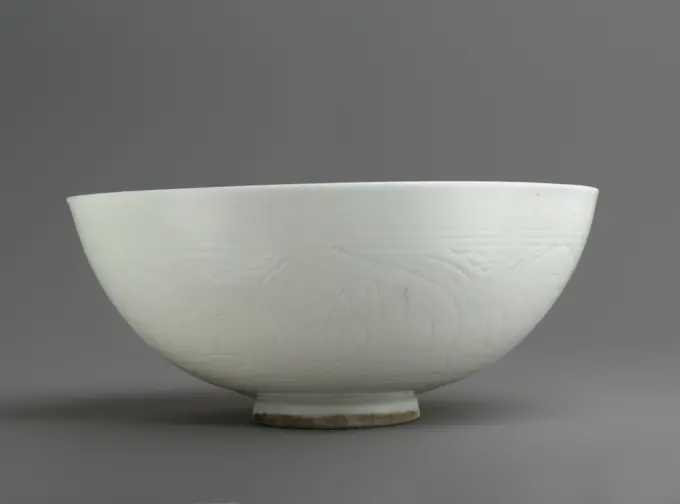
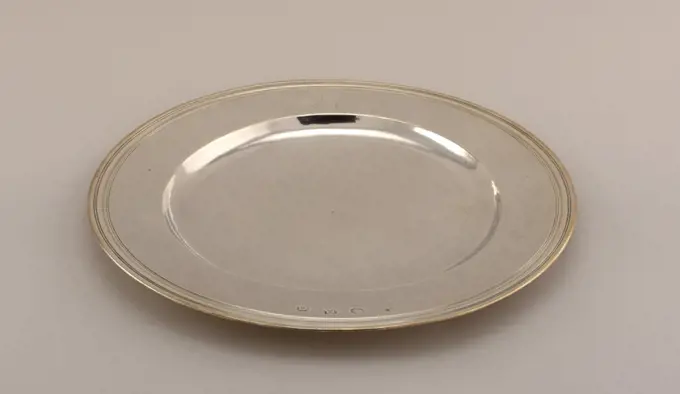
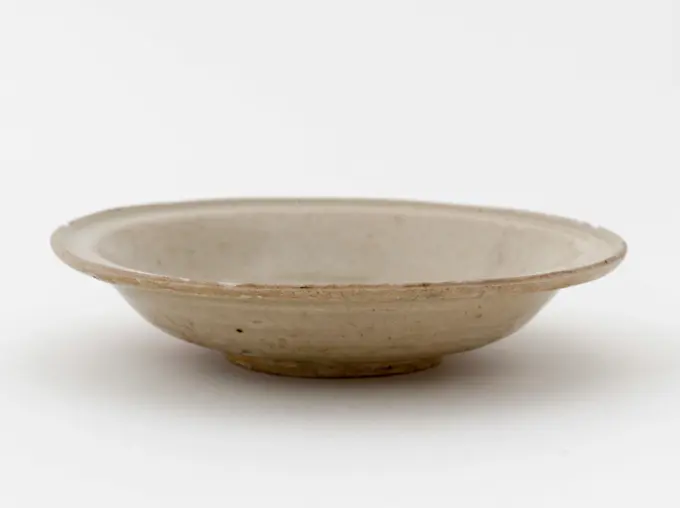
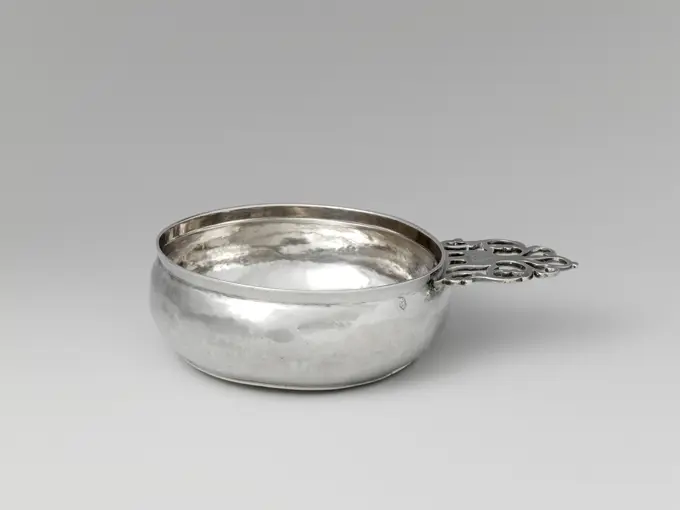
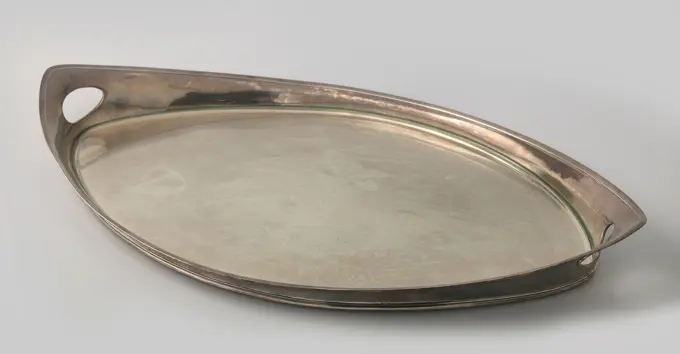
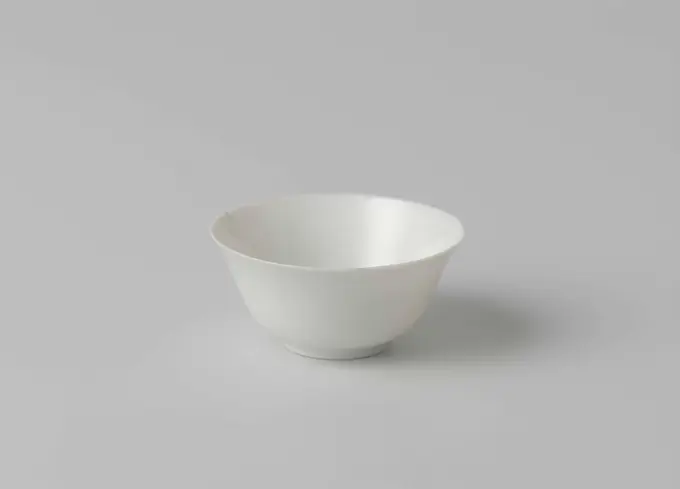
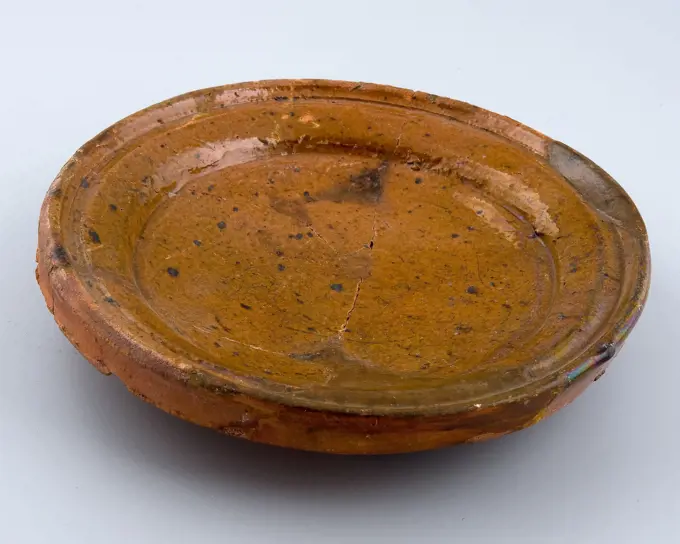
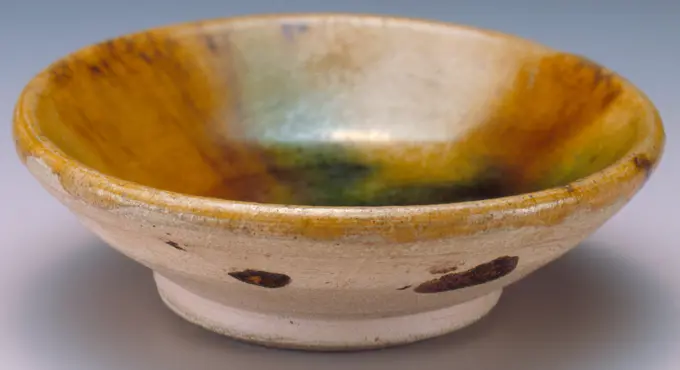
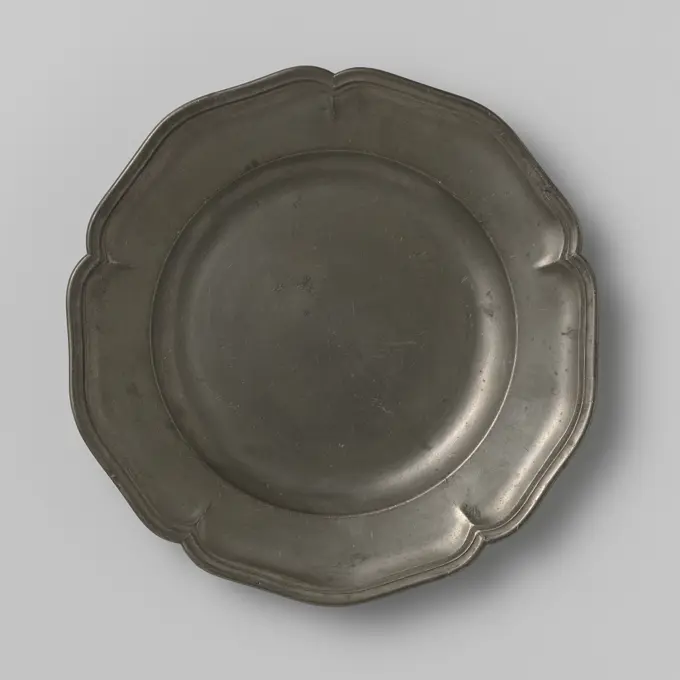
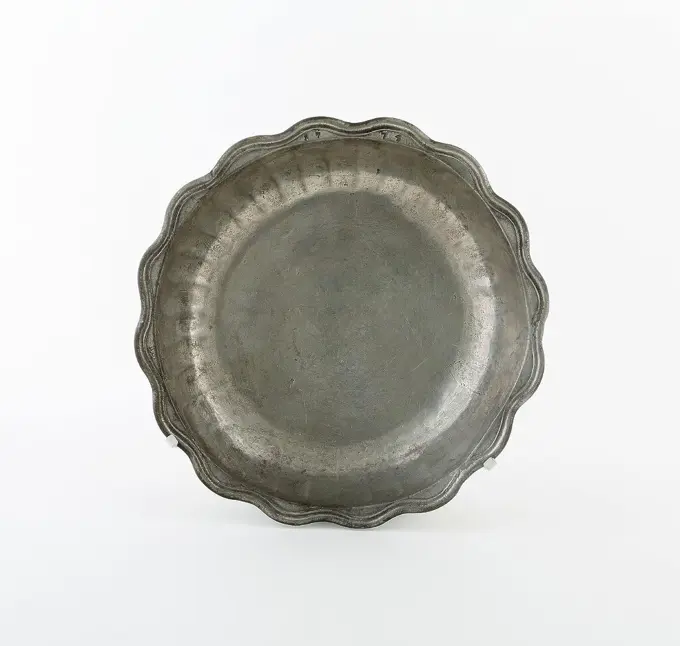
A collection of diverse bowls and dishes, featuring stoneware with glazes and decorative elements, alongside a polished silver papboat, showcasing elegance and craftsmanship.
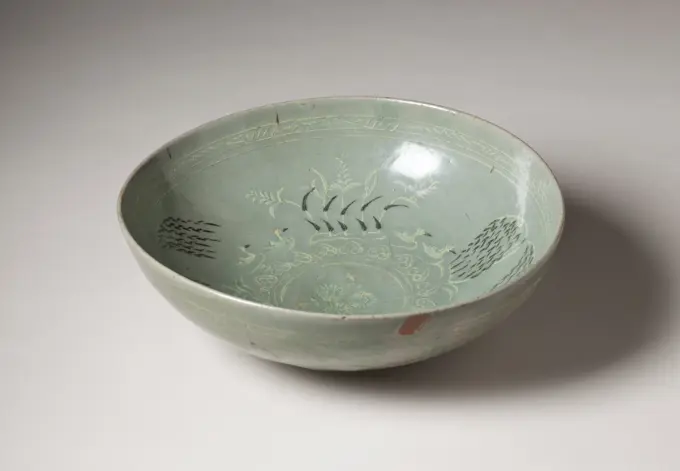
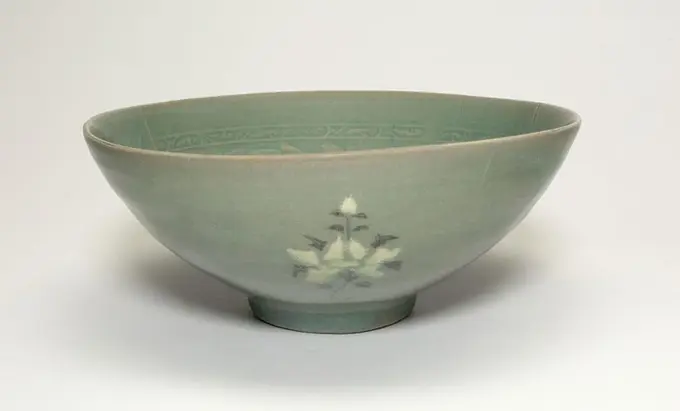
Bowl with waterfowl, willows, and reeds, late 13th - early 14th century, Unknown Korean, 2 3/4 × 8 × 7 11/16 in. (6.99 × 20.32 × 19.53 cm), Porcelaneous stoneware with inlaid design under celadon glaze, Korea, 13th-14th century, The inside of this bowl features a pictorial design of water birds, probably geese, swimming alongside weeping willow trees and reeds. The inlaid designs seen on this bowl and on the covered box displayed nearby were created by carving the design into the clay and then infilling it with white and black slip before glazing the entire surface and firing.
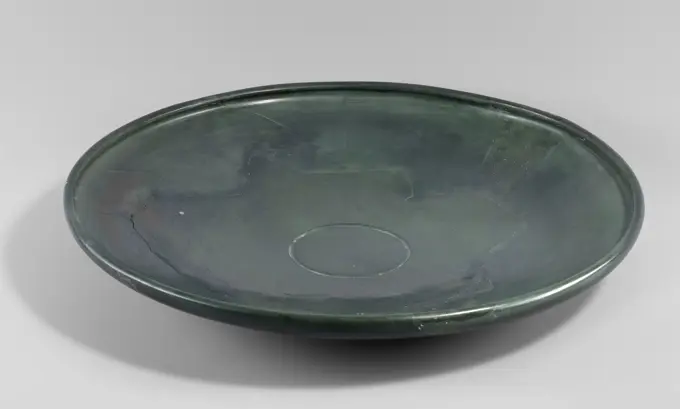
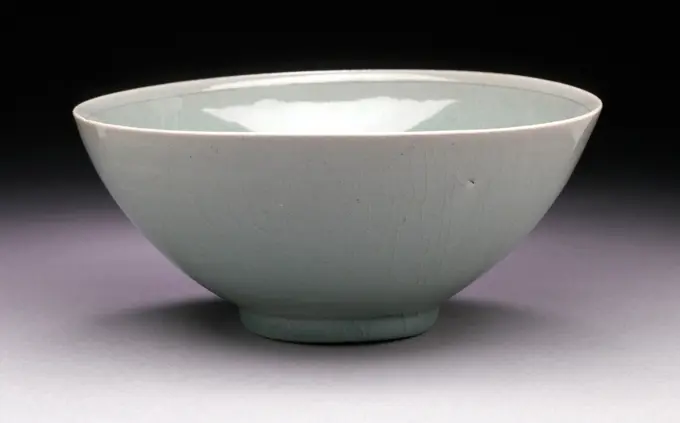
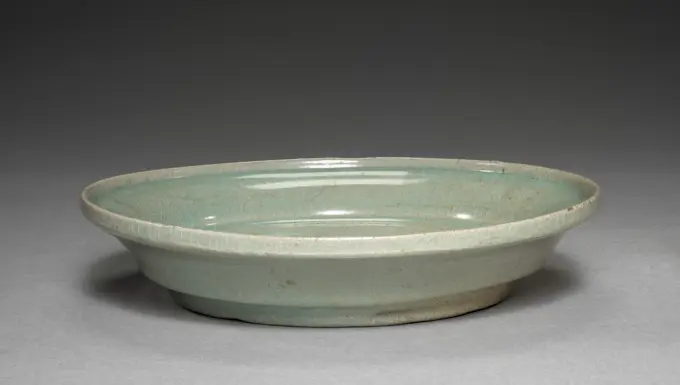
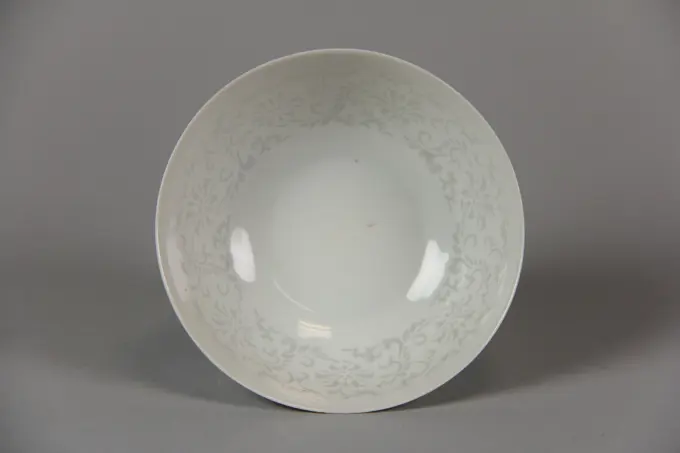
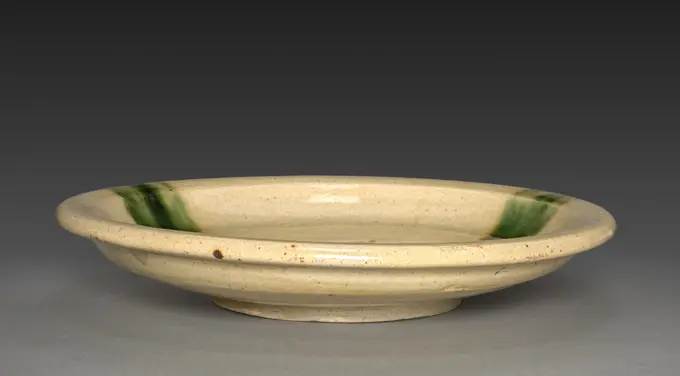
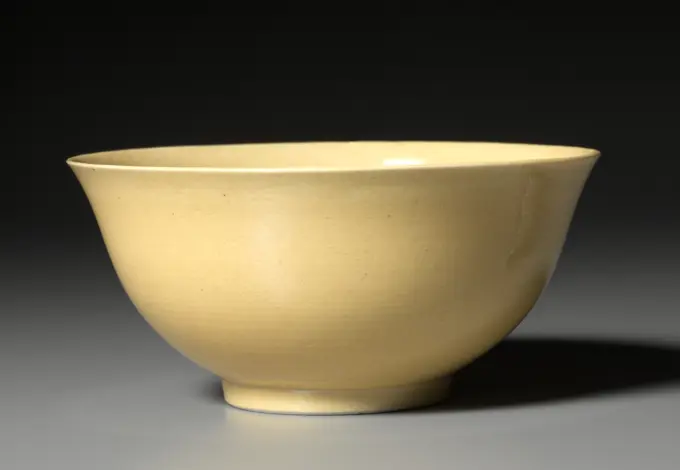
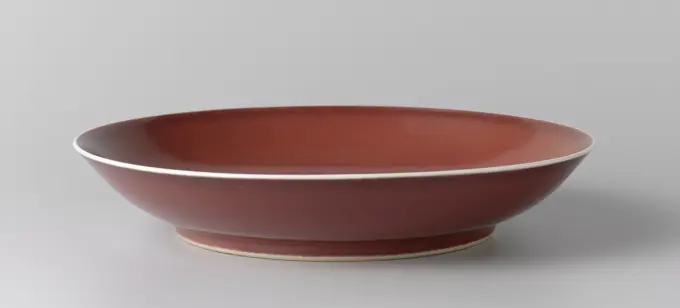
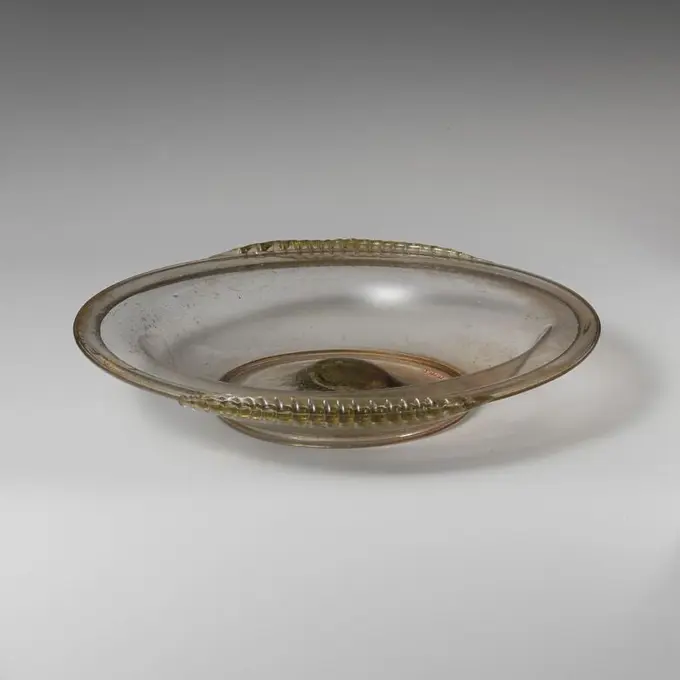
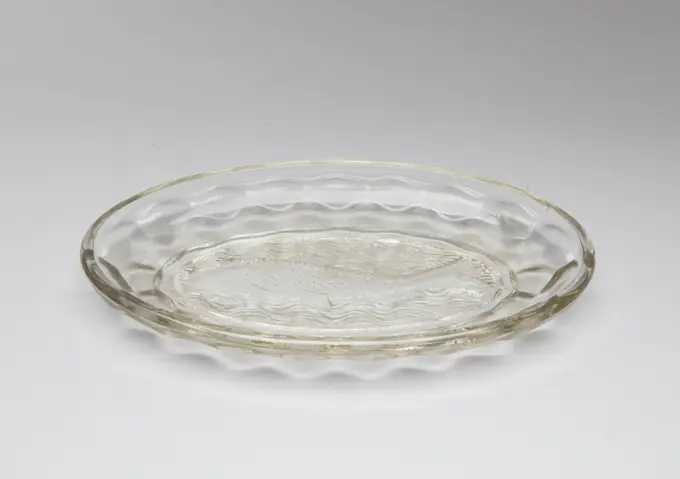
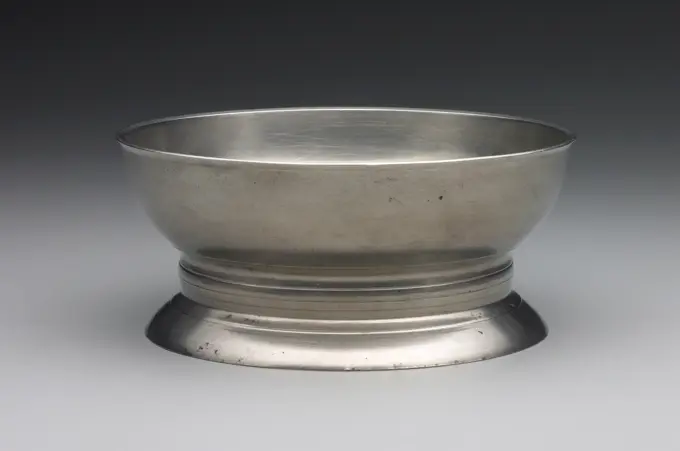
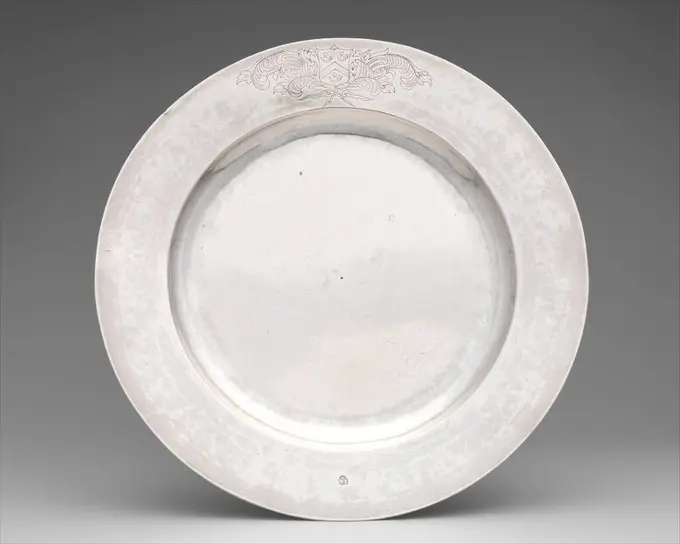
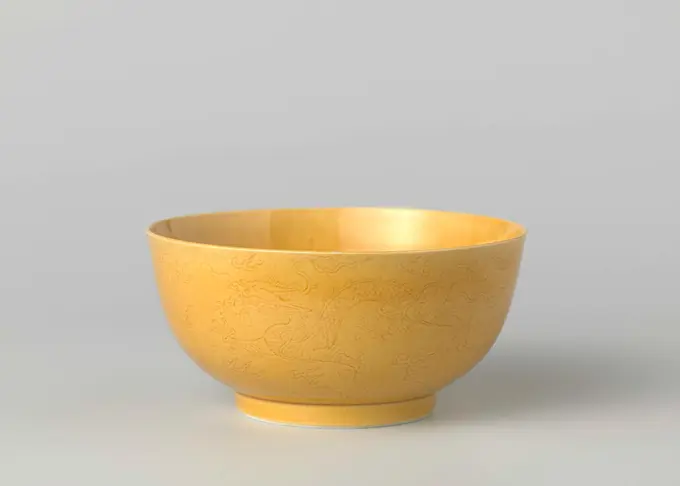
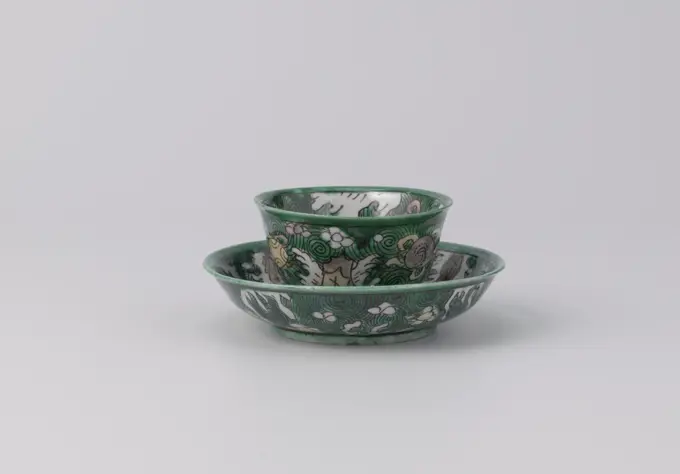
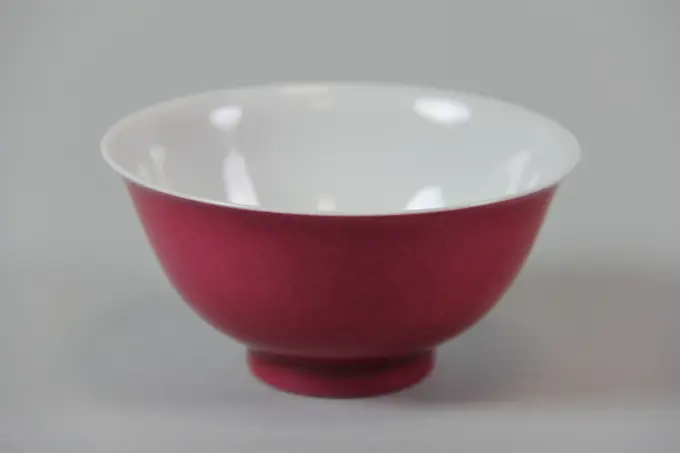
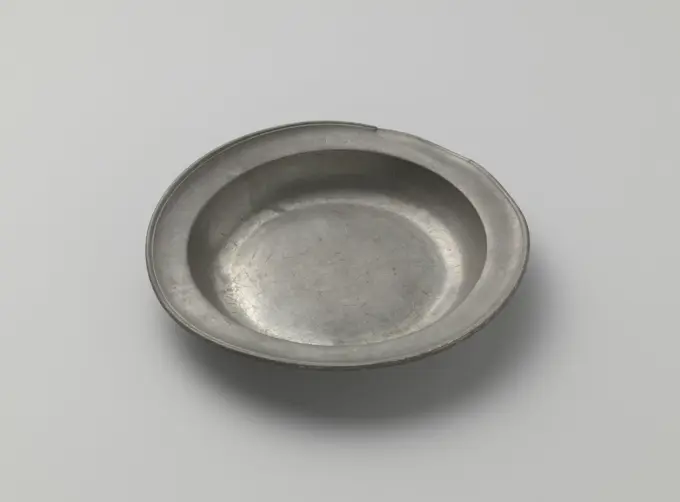
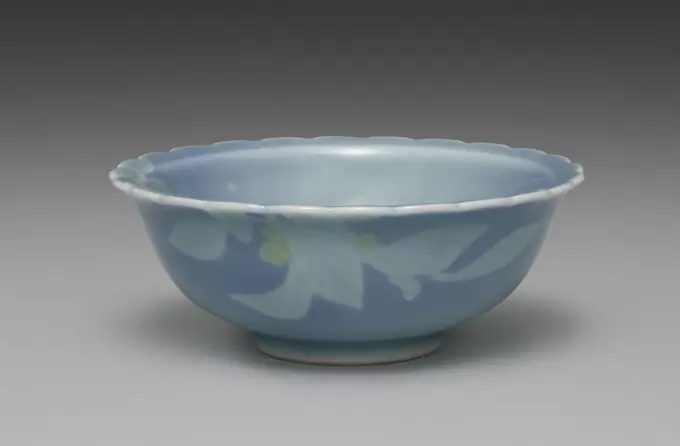
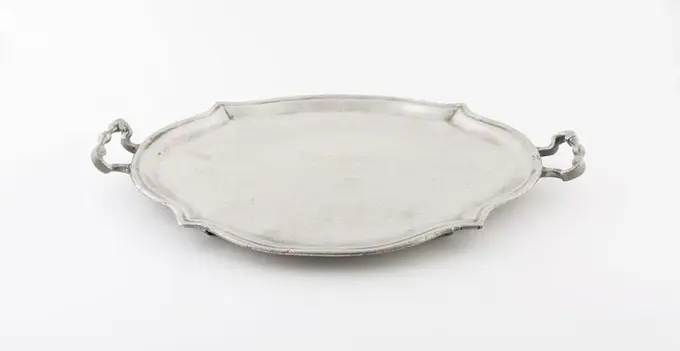
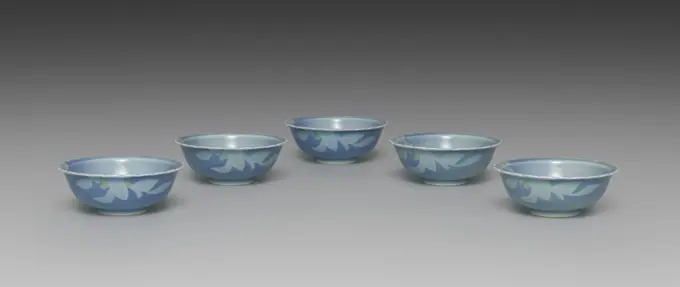
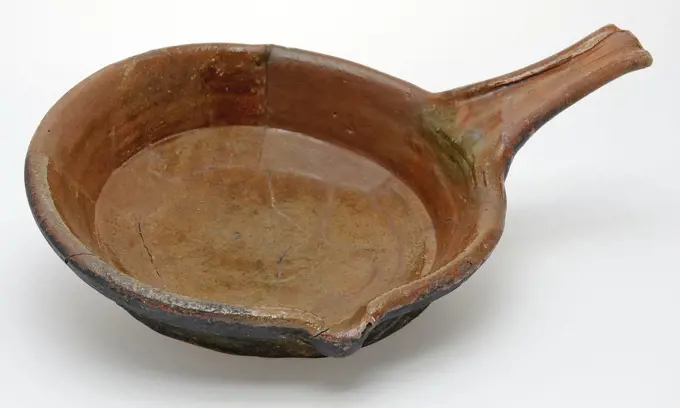
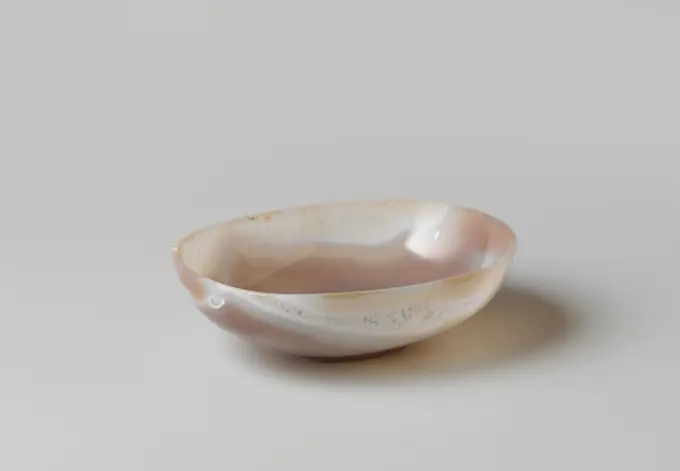
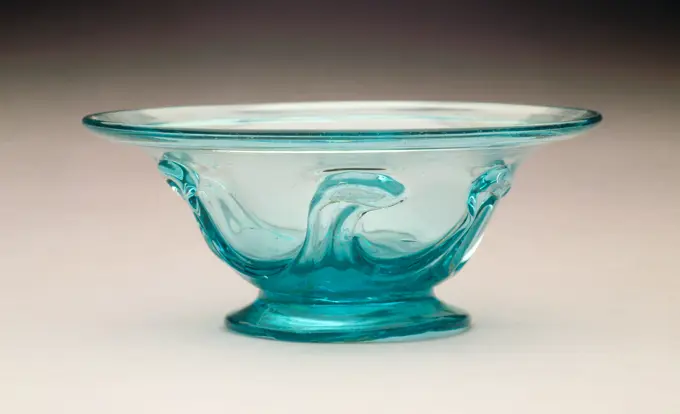
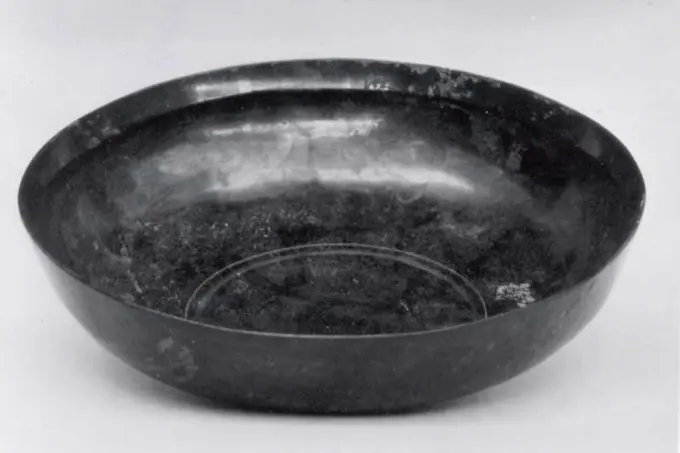
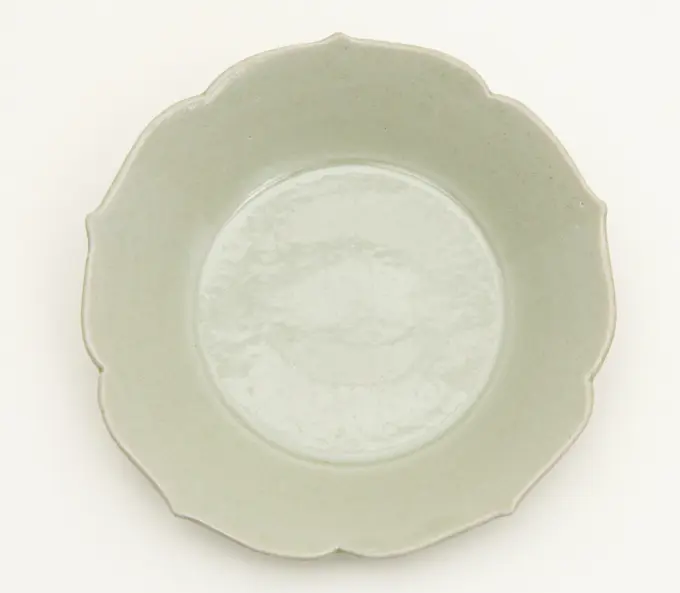
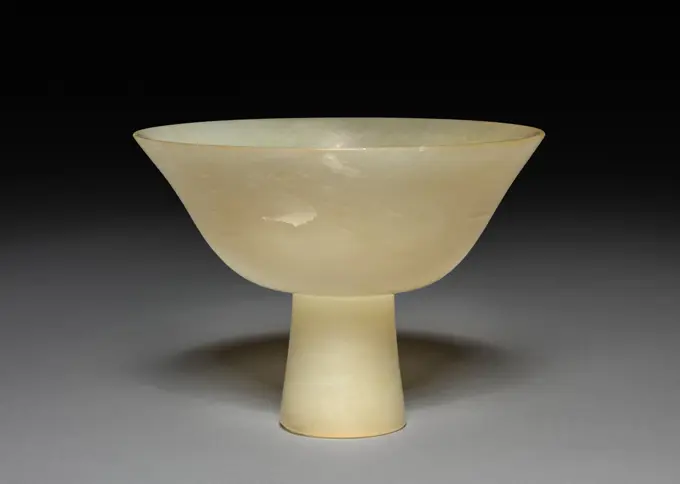
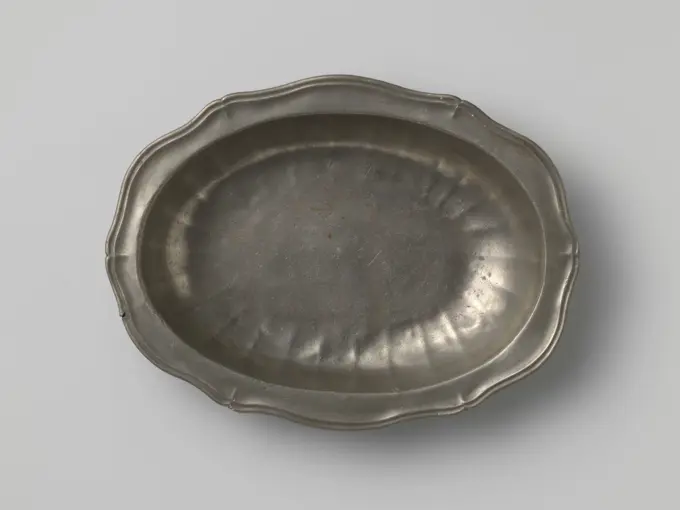
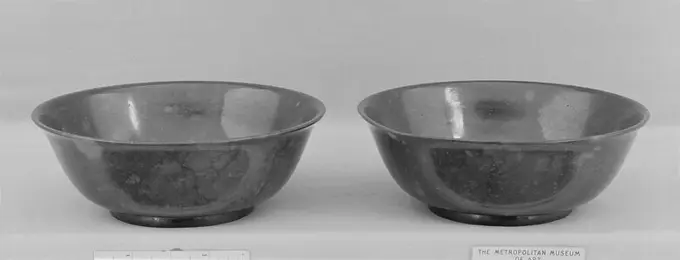
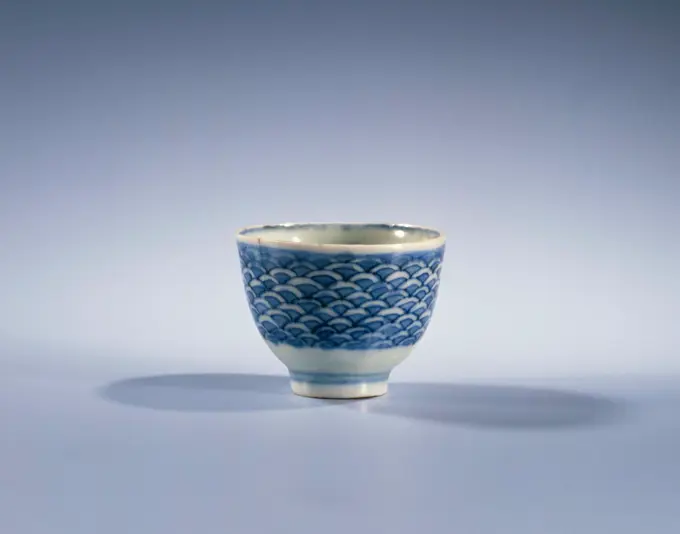
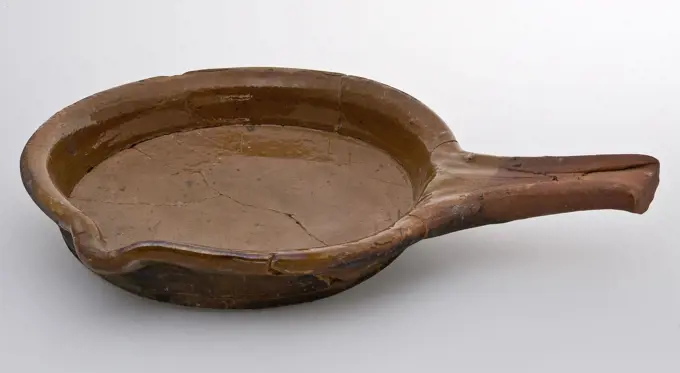
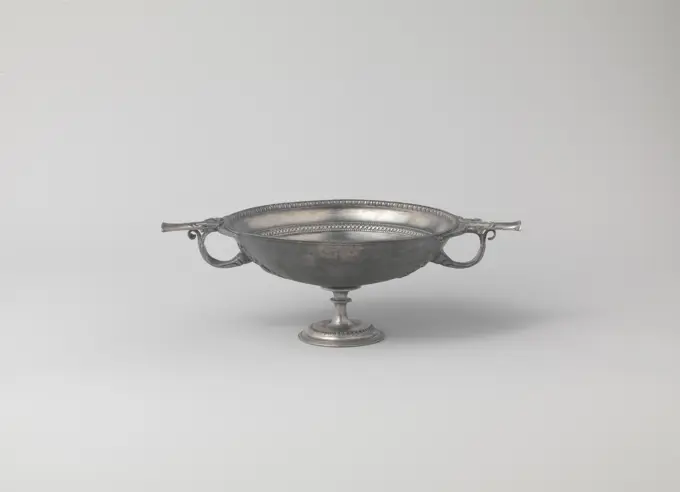
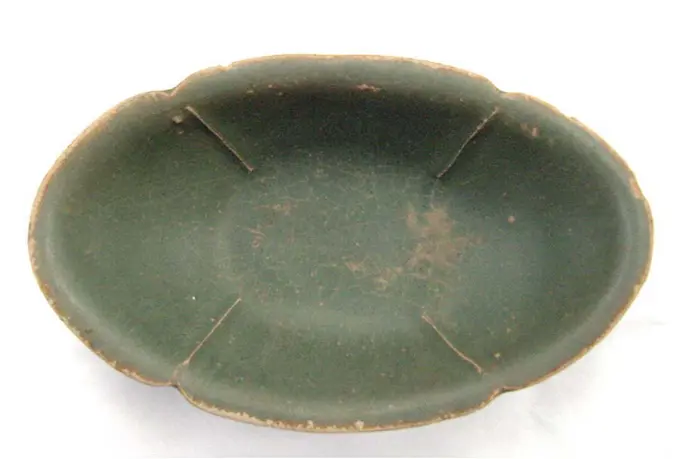
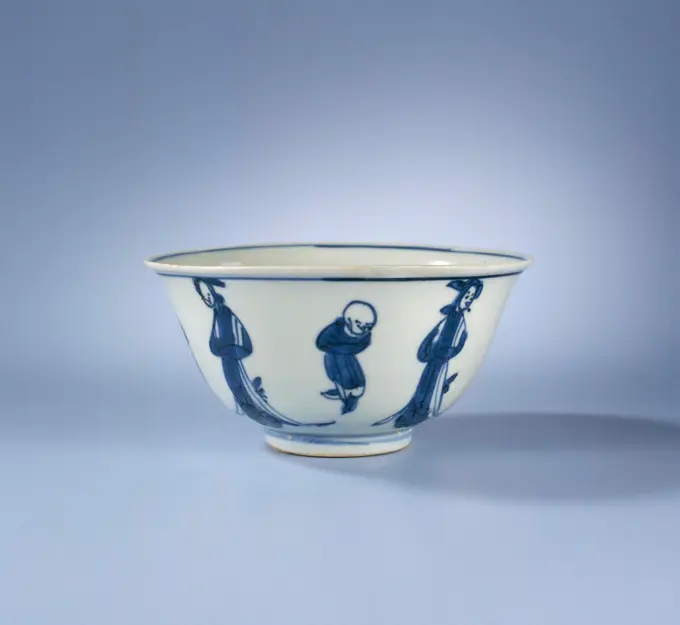
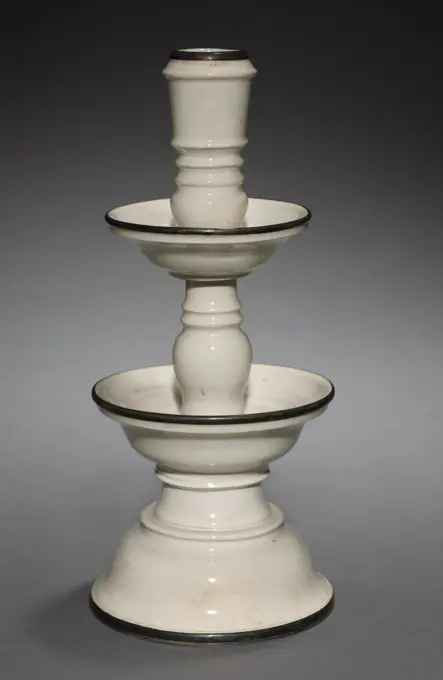
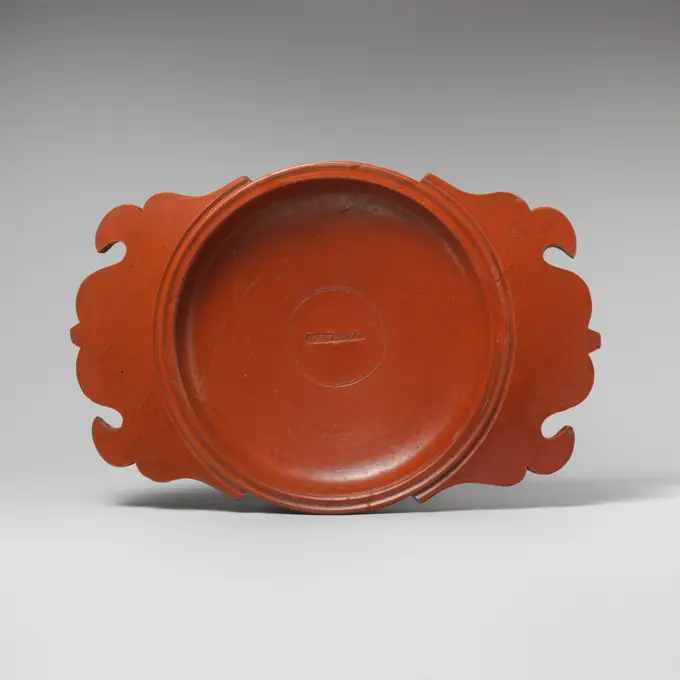
. Scale of stoneware, covered with a gray-white glaze. On the flat an enrolled sketchy landscape with a tree. On the inner wall an ingesting sheet decoration. Bak sand at the foot ring and on the outside wall. Old label on the underside with 'Property Mvak / Vermande 1961'. Monochromes.. Dish of stoneware with a flat edge, covered with a green, cracked glaze. On the flat a four-chowful dragon in relief. The inner wall with a continuous incubate floral. The outside of the wall is ribbed. The edge has been restored. Celadon (Longquan).Paul Revere Jr., Papboat, 1794, silver.Come from smoothly polished jade .. Bowl of smooth-eyed jade.Bowl with Incised Lotus Flowers second half 17th century or later This bowl along with a bottle (91.1.131) are part of a group of Iranian ceramics known as Gombroon ware, named after a trading post on the south coast of Iran. Ideally situated, the port was frequented by both the Dutch and English East India Companies and served as an entrepot for ceramics and other luxury goods into Europe. The style of Gombroon ceramics and their role in international trade reflect the significant artistic, cultural, and economic ties that existed between China, Iran, and Europe in the seventeenth century.Like much of Iranian ceramic production from the ninth century onward, Gombroon wares sought to emulate Chinese ceramics, which were especially prized, not only for their aesthetic appeal but also for their unique technical qualities. Gombroon ware is characterized by incised lines that serve to emphasize the thinness of the walls  a characteristic of Chinese porcelain that Iranian craftsmen hoped tTerracotta bowl. Culture: Greek, South Italian, Campanian. Dimensions: H. 1 15/16 in. (5 cm); diameter 6 in. (15.2 cm). Date: 4th century B.C..Black-glazed bowl with impressed patterns. Museum: Metropolitan Museum of Art, New York, USA.Lobed Bowl (Wan). China, Northern Song dynasty, 960-1127. Furnishings; Serviceware. Ding ware, wheel-thrown stoneware with transparent glaze and metal rimPersimmon Bowl 1000-1127 China. Russet Yaozhou ware; light grey stoneware with russet-surfaced dark brown glaze .Plate;  around 3100 -K.2686 BC; Early body period (-3100-00-00--2686-00-00);Deposit of the University of Warsaw from 1937-1939, stone vessels, Polish-French excavations in Edfu (Egypt)Bowl with waterfowl, willows, and reeds, late 13th - early 14th century, Unknown Korean, 2 3/4 × 8 × 7 11/16 in. (6.99 × 20.32 × 19.53 cm), Porcelaneous stoneware with inlaid design under celadon glaze, Korea, 13th-14th century, The inside of this bowl features a pictorial design of water birds, probably geese, swimming alongside weeping willow trees and reeds. The inlaid designs seen on this bowl and on the covered box displayed nearby were created by carving the design into the clay and then infilling it with white and black slip before glazing the entire surface and firing.Cup (common name). Celadon coverage sandstone. Cernuschi Museum, Asia Museum of Asia in the city of Paris.Plate, Silver, England, 1691, metalwork, Decorative Arts, PlateWhite Bowl 12th century The thin white body of this bowl simulates the translucency of Chinese porcelain. The simplicity of its incised decoration, which consists only of a scroll motif on the outer walls and a sunburst motif on the inside, recalls contemporary Ding ware from China, which is also white with subtle incised designs.. White Bowl 451713Cup ". GRS covered ivory green reflections. Song. Paris, Muse Cernuschi. Coupe Asian art, extreme-East art, Vietnamese art, ceramic, cut, gres, dishesShallow Bowl. China. Date: 1100-1199. Dimensions: H. 4.3 cm (1 11/16 in.); diam. 16.8 cm (6 5/8 in.). Jizhou ware; stoneware with tortoiseshell glaze. Origin: China. Museum: The Chicago Art Institute, Chicago, USA.Bowl with petal-shaped rim 9th century China. Bowl with petal-shaped rim 49200Bowl with Incised Parrot Design. Korea, Goryeo dynasty (918-1392), 12th century. Furnishings; Serviceware. Wheel-thrown stoneware with incised decoration and green glazeDish with Two Fish in Relief: Longquan Ware, early 14th Century. China, Zhejiang province, Yuan dynasty (1271-1368). Glazed porcelain with unglazed molded decoration; diameter: 15 cm (5 7/8 in.); overall: 3.2 cm (1 1/4 in.).Octagonal container with flowers, anonymous, c. 918 - c. 1392 Octagonal container of stoneware, covered with a white sludge and a green glaze. On the outer wall an entered decoration of eight compartments filled with two flowers each. The entered decoration is filled with white sludge Sanggam technology). Celadon. Korea stoneware. glaze engraving / vitrification Octagonal container of stoneware, covered with a white sludge and a green glaze. On the outer wall an entered decoration of eight compartments filled with two flowers each. The entered decoration is filled with white sludge Sanggam technology). Celadon. Korea stoneware. glaze engraving / vitrificationBowl and Saucer with Incised Lotus and Peony Design, 1100s. Korea, Goryeo period (918-1392). Pottery; diameter: 17.9 cm (7 1/16 in.); overall: 9 cm (3 9/16 in.). As early as the seventh century, the practice of drinking tea and wine became an important part of elite culture in Korea. Elites of the Goryeo period commissioned a variety of types of utensils and vessels including this saucer paired with a large bowl, to make their drinking experience more exciting.Cup China. Cup. China. Porcelain. Qing dynasty (1644-1911), Qianlong period (1736-95). CeramicsSmall Wine Taster,  c.1690Plate: Seto Ware, 1700s to mid-1800s. Japan, Edo period (1615-1868). Glazed stoneware (Seto ware); diameter: 37.7 cm (14 13/16 in.); diameter of foot: 17.2 cm (6 3/4 in.).Bowl with Yellow Glaze, 1821-1850. China, Qing dynasty (1644-1911), Daoguang mark and reign (1821-50). Glazed porcelain; diameter: 14.7 cm (5 13/16 in.); overall: 6.8 cm (2 11/16 in.).Saucer-dish with a red glaze, anonymous, c. 1736 - c. 1795 Porcelain dish, covered with a monochrome red glaze. The edge is white. A translucent glaze on the bottom within the foot ring; With the six-character seal brand of Keizer Qianlong. Monochrome. China porcelain. glaze vitrification Porcelain dish, covered with a monochrome red glaze. The edge is white. A translucent glaze on the bottom within the foot ring; With the six-character seal brand of Keizer Qianlong. Monochrome. China porcelain. glaze vitrificationGlass dish. Culture: Roman. Dimensions: Diam.: 8 3/16 in. (20.8 cm). Date: late 1st-early 3rd century A.D..Translucent pale greyish green strongly tinged with purple; handles in same color.Broad tubular rim, made by folding out and down; almost horizontal shoulder; S-shaped side to body; tubular base-ring, made by folding; bottom almost flat but with a thick dome at center with traces of large circular pontil mark; two handles trailed along edge of rim from right to left.On handles, vertical tooling to make a series of alternating ridges and grooves.Intact; a few pinprick and two large bubbles; slight pitting and faint iridescent weathering.With raised decoration on rim. Museum: Metropolitan Museum of Art, New York, USA.Misa for herring Glassworks HydrangeaBowl.  Maker: Samuel Danforth, American, 1774-1816Porringer c 1726-1771 Philadelphia. Silver . Philip Syng Jr.Plate. Culture: American. Dimensions: 3/4 x 9 7/8 in. (1.9 x 25.1 cm); 14 oz. 10 dwt. (450.3 g). Maker: Edward Winslow (1669-1753). Date: ca. 1705.The engraved arms are those of Colonel John Foster, who emigrated from Aylesbury, England. Museum: Metropolitan Museum of Art, New York, USA.Bowl with Pearl Chasing Dragons Above Swirling Waves. Bowl of porcelain, covered with a monochrome yellow glaze. The outside of the bowl with two pearl rooting, five-handed dragons between flames and clouds, over swirling waves. Inside the foot ring white glazed; Marked on the underside with the six-character seal brand from Keizer Daoguang. Monochromes.Saucer with precious objects on a green ground with cloud motifs, anonymous, c. 1675 - c. 1699 Porcelain dish, painted on biscuit in green, yellow, eggplant and black. The dish is covered with a cloud motif on a green soil at the front and back (the bottom of the foot ring); On this motif valuables (pearl, window and musical stone) and lucky symbols (shell). Head with the same decoration. Wall of the dish restored. Email sur Biscuit. China porcelain. glaze. cobalt (mineral) painting / vitrification Porcelain dish, painted on biscuit in green, yellow, eggplant and black. The dish is covered with a cloud motif on a green soil at the front and back (the bottom of the foot ring); On this motif valuables (pearl, window and musical stone) and lucky symbols (shell). Head with the same decoration. Wall of the dish restored. Email sur Biscuit. China porcelain. glaze. cobalt (mineral) painting / vitrificationBowl. Artist: Chinese , Qing Dynasty. Culture: Chinese. Dimensions: Diameter: 8 1/4 in. (21 cm.). Date: 18th century. Museum: Metropolitan Museum of Art, New York, USA.Bowl, blue, with on the outside of the wall embossed six onion-shaped cartouches with flowers. Bowl of bluestone, with six UI-shaped cartouches with flowers on the outside of the wall with flowers against a matted soil.Cup China. Cup. China. Porcelain. Qing dynasty (1644-1911), Yongzheng period (1723-35). CeramicsBowl c 1725-1740 New York. Silver . Cornelius WynkoopRound edge, c. 1770 - 1795 Round of Tin plate. The thin edge has turned. Roermond tin (metal) Round of Tin plate. The thin edge has turned. Roermond tin (metal)Dish from Dishes with Flowers, 1914-46. Seifū Yohei IV (Japanese, 1872-1951). One from a set of five dishes; porcelain with underglaze yellow and blue glaze; overall: 4 x 10.2 cm (1 9/16 x 4 in.).Warmer bowl 15th-16th century China. Warmer bowl 48457Bowl. Culture: China. Dimensions: H. 1 3/8 in. (3.5 cm); Diam. 4 5/8 in. (11.7 cm); Diam. of foot 2 in. (5.1 cm). Museum: Metropolitan Museum of Art, New York, USA.Double-handled Footed Tray. Johann Friedrich Seybold; German, active c. 1760-1785; Germany. Date: 1780-1790. Dimensions: 27.6 x 40 x 34.9 cm (10 7/8 x 15 3/4 x 13 3/4 in.). Pewter. Origin: Germany. Museum: The Chicago Art Institute, Chicago, USA.Bowl with Stylized Peonies. Korea. Date: 1100-1199. Dimensions: H. 7.8 cm (3 1/16 in.); diam. 19.5 cm (7 11/16 in.). Celadon-glazed stoneware with underglaze carved and inlaid decoration of black and white clays. Origin: Korea. Museum: The Chicago Art Institute, Chicago, USA.Porringer 1725-45 John Edwards. Porringer 6683Oval dish, Jean Baptiste Claude Odiot, 1819 Dish of gilded silver, Empire, with narrow palmetrand. With accompanying high vaulted lid (BK-17031-B-1) Paris silver (metal). gilding (material) gilding Dish of gilded silver, Empire, with narrow palmetrand. With accompanying high vaulted lid (BK-17031-B-1) Paris silver (metal). gilding (material) gildingCup and saucer. Weesper Porcelainfabriekweesp, c. 1759-1771Hard-Paste PorcelainDish;  19th century (1801-00-00-1900-00-00);Seif Yohei IV’s dishes with flowers feature underglaze yellow. Dishes with Flowers, 1914-46. Seifū Yohei IV (Japanese, 1872-1951). Set of five dishes; porcelain with underglaze yellow and blue glaze; height (each): 4 cm (1 9/16 in.); diameter (each): 10.2 cm (4 in.).Cup and Saucer, Weesper Porseleinfabriek, c. 1759 - c. 1771 Head and saucer, unpainted with flower branches in relief. Marked with two crossed swords and three bulbs in under -glaze blue. Weesp porcelain Head and saucer, unpainted with flower branches in relief. Marked with two crossed swords and three bulbs in under -glaze blue. Weesp porcelainBaking pan made of red earthenware, with stem and pouring lip, internally glazed, casserole dishes holder kitchen utensils earthenware ceramics earthenware glaze lead glaze, hand turned molded glazed baked Baking pan of red earthenware Internally covered with lead glaze. Bended bottom Wide stem angled upwards Double groove in the stem and raised sides. Thickened upright outer edge Sidewall angled upwards clear kink on the transition to the bottom archeology inn The Heart Geervliet Bernisse indigenous pottery baking frying cooking kitchen preparing food Soil discovery: Geervliet Dorpsplein 1 demolition Trouw put 5 city hostel 't Hart 1985.BowlOval scale of Gray Agate, Anonymous, 1600 - 1699 Scale, oval, from gray agate (smoking). Netherlands agate (chalcedony) Scale, oval, from gray agate (smoking). Netherlands agate (chalcedony)Bowl. Redwood Glassworks (probably) (United States, New York, 1831-1877). United States, 1840-1860. Furnishings; Serviceware. GlassCircular bowl ca. 3rd-7th century A.D. Sasanian. Circular bowl 324804A bowl with green enamel with Krakelra unknownPair of Foliate-Rimmed Dish 907 CE-999 CE China. Yue ware; glazed stoneware .Silver tray, Spitsovaal, with oval handles, Hendrik Smits, 1820 Silver tray, Spitsovaal, with oval handles. Brands: Lion I; head with a; Jrl. L; mt. HS under anvil in square. Amsterdam, 1820. Amsterdam silver (metal) Silver tray, Spitsovaal, with oval handles. Brands: Lion I; head with a; Jrl. L; mt. HS under anvil in square. Amsterdam, 1820. Amsterdam silver (metal)Stem Cup, 1368-1644. China, Ming dynasty (1368-1644). White jade; diameter: 14.2 cm (5 9/16 in.); overall: 10.4 cm (4 1/8 in.).Oval dish with scalloped edge, c. 1755 - c. 1794 Deep oval dish from tin. The flat is ribbed and the edge is scooped. Shutter tin (metal) Deep oval dish from tin. The flat is ribbed and the edge is scooped. Shutter tin (metal)Dish late 14th-early 15th century China. Dish 65588Bowl. Culture: China. Dimensions: H. 2 13/16 in. (7.2 cm); W. 7 15/16 in. (20.2 cm). Museum: Metropolitan Museum of Art, New York, USA.Dish from a Foundation Deposit for Hatshepsut's Valley Temple ca. 1479-1458 B.C. New Kingdom. Dish from a Foundation Deposit for Hatshepsut's Valley Temple. ca. 1479-1458 B.C.. Travertine (Egyptian alabaster). New Kingdom. From Egypt, Upper Egypt, Thebes, Asasif, Hatshepsut Valley Temple, Foundation Deposit (secondary dep. 14-60), Carnarvon/Carnarvon 1912. Dynasty 18Mosaic Bowl. UnknownOnyx Tripod Vessel 13th-15th century Mixtec. Onyx Tripod Vessel. Mixtec. 13th-15th century. Onyx marble (tecalli). Mexico, Mesoamerica. Stone-ContainersMiniature Bowl. Inca; South coast, Peru. Date: 1200-1450. Dimensions: 5.4 x 12.7 cm (2 1/8 x 5 in.). Gold. Origin: South Coast. Museum: The Chicago Art Institute, Chicago, USA.Bowl China. Bowl. China. Porcelain painted in overglaze polychrome enamels aqainst an iron-red glaze. Qing dynasty (1644-1911), Jiaqing mark and period (1796-1820). CeramicsCup and saucer with incised flower heads, anonymous, c. 1800 - c. 1849 Porcelain head and saucer, covered with a translucent white glaze. Conically shaped head with four incoming flowers on the inside; Non -matching, undecorated dish. Blanc the Chine. China porcelain. glaze engraving / vitrification Porcelain head and saucer, covered with a translucent white glaze. Conically shaped head with four incoming flowers on the inside; Non -matching, undecorated dish. Blanc the Chine. China porcelain. glaze engraving / vitrificationDish of hard baked earthenware, Wedgwood Creamware, Wedgwood, c. 1800 - c. 1825  Subtotle of a butter fleet of hard baked pottery. The dish is oval and is painted on the edge with two brown lines. The dish belongs to a fleet and a lid. England earthenwareBowl, Glazed porcelain, gold, Bowl with Chinese-style decoration. Cracks are repaired with gold (kintsugi)., 19th century, ceramics, Decorative Arts, Bowl. Small cup of porcelain, painted in underglaze blue. The upper part of the wall with a band with a wave pattern. Two lines around the foot. A medallion with a flower on the bottom. Old label on the bottom with 'c 29'. A crack and a chip in the edge. Transition porcelain.PIEZA DE VIDRIO MODERNO. Location: MUSEE D'ARTS DECORATIFS. MADRID. SPANIEN.Cup And Saucer With Translucents Rice-Grain Roundels. Bell-shaped cup and saucer of porcelain, covered with a translucent white glaze. The walls of both the head and saucer are open (Ajourwerk) in five rice work. White porcelain, monochromes.Pottery saucepan, pouring lip, saucepan casserole dishes holder utensils earthenware ceramics earthenware glaze lead glaze, hand-turned glazed baked archeology Landpoortstraat Geervliet Bernisse indigenous pottery cooking kitchen nutrition food preparation Soil discovery: Geervliet waste pit barn Landpoortstraat 1 September 1983.Serving plate - St. Johns Stone Chinaware Company (founded 1873) St. Johns Stone Chinaware Company (founded 1873)Silver drinking cup 1st century B.C.-1st century A.D. Roman Kylix with palmettes on the handles. One of a pair.. Silver drinking cup 255981Bell-Shaped Cup, No Decoration. Bell-shaped head of porcelain, unforded. Five cracks in the edge.Maker Unknown, Bowl, 19th century, amber glass.Bowl and plate Economic Huta Z BkowicePottery plate on stand fins, curled plate edge, plate crockery holder soil find ceramic earthenware glaze lead glaze, hand turned glazed baked Plate on three fins wide edge profiled rings on the inside Red brown shard dark brown lead glaze. Shallow low plate Glazed only on the top. Restoration is repainted archeology underground pit Rotterdam Stadscentrum Stadsdriehoek Groenendaal indigenous earthenware table room serve serving food Soil discovery: underground pit Groenendaal cesspit II at 190 meters from Mariniersweg ca 2 meters - NAP 1975-10-06.water in a bowl on a white backgroundDishSmall Bowl. China, Tang dynasty, 618-906. Furnishings; Serviceware. Wheel-thrown earthenware with polychrome (sancai) glazepharmacist mortar pestleTrencherPlate with scalloped edge. Plate of tin. The edge is scalloped.Oval bowl 8th-9th century China As illustrated by this bowl, stonewares produced in the Changsha kilns of Hunan Province during the Tang dynasty sometimes reflect influences from the West. Its oval contours, which originated in Western Asian metalwork, traveled across Central Asia to China, where they were adopted by Tang-dynasty silversmiths. In turn, the Changsha potters have followed the Tang-silver shape as closely as their medium would allow. In particular, the rounded notched rim and raised ridges in the cavetto suggest lobation found in the metal prototypes.. Oval bowl 65101Bowl. China. Date: 500 AD-699 AD. Dimensions: H. 6.5 cm (2 9/16 in.); diam. 17.2 cm (6 3/4 in.). Yue ware; stoneware with celadon glaze. Origin: China. Museum: The Chicago Art Institute, Chicago, USA.Edward Webb, Porringer, c. 1710, silver.Brush washer late 17th-early 18th century China. Brush washer 48363. Bowl of porcelain, painted in underglaze blue. On the outside wall four times a Chinese lady and a boy; A scholar in a medallion on the bottom. Marked on the bottom with 'Chang Chun Jia Qi', beautiful bowl and perpetual spring. Some chips in the edge. Ming porcelain in blue and white.C.v.D., Two-piece bronze mold for large flat plate with initials C V D and 1731, mold casting tool tools kit metal_metal bronze, cast Two-piece bronze mold for casting large flat plate or dish with later sawed opening for venting initials on both sides: CVD 1731 (possibly Van Duyveland family of tinskins) Rotterdam tingieterij tin stainer Meeuws Druy craft Shapes come from the originally 18th century Rotterdam tinnegieter J Druy. The large molds that were not signed or dated were the property of the tinker guild and were rented to the small tin caster.Candlestick, 1600s. China, Ming dynasty (1368-1644). Glazed porcelain with metal rims; overall: 32.4 cm (12 3/4 in.).Bowl with Scalloped Edge. Possibly France. Date: 1774. Dimensions: 4.5 × 23.2 cm (1 3/4 × 9 1/8 in.). Pewter. Origin: France. Museum: The Chicago Art Institute, USA.Basin 1719-58 William Bradford Jr.. Basin. American. 1719-58. Pewter. Made in New York, New York, United StatesFooted Dish (England); treenProbably New England Glass Works, Footed Punch Bowl, c. 1835-55, colorless lead glass.Dish with scalloped edge, c. 1700 - c. 1800 Tin dish. The edge is scalloped. Low Countries tin (metal) Tin dish. The edge is scalloped. Low Countries tin (metal)Bowl 18th century. Bowl. 18th century. Stonepaste; glazed. Made in Iran. CeramicsTerracotta plate mid-2nd century A.D. Roman The large carved handles resemble those found on contemporary Roman silver or bronze serving dishes and trays. At the center of the plate is a stamp with the name of the maker, Sabinianus.. Terracotta plate. Roman. mid-2nd century A.D.. Terracotta; East Gaulish terra sigillata ware. Mid Imperial. VasesFaience dish on wide stand ring, large and completely white glazed, dish plate crockery holder soil find ceramic earthenware glaze tin glaze, hand turned fried glazed fried Large faience dish. Yellow shard and completely covered with tin glaze Wide stand ring pierced twice for hanging holes. Wide dish with almost flat flag. One blue spatter on the flag. archeology Valckensteyn Poortugaal Albrandswaard native pottery serving serve serving food Soil discovery of Poortugaal castle ValckensteynEmpty brown colored ceramic plate on dark textured concrete background. kitchen utensils