Artistic Sword Guards and Shields

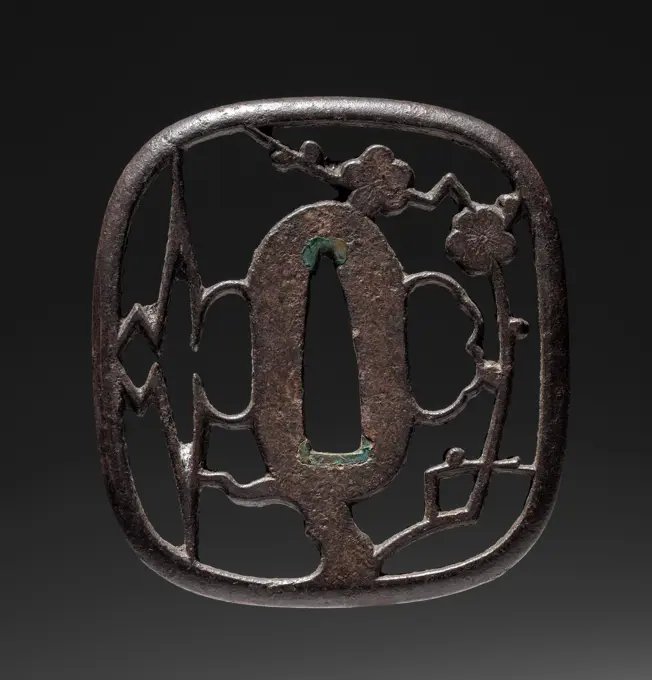
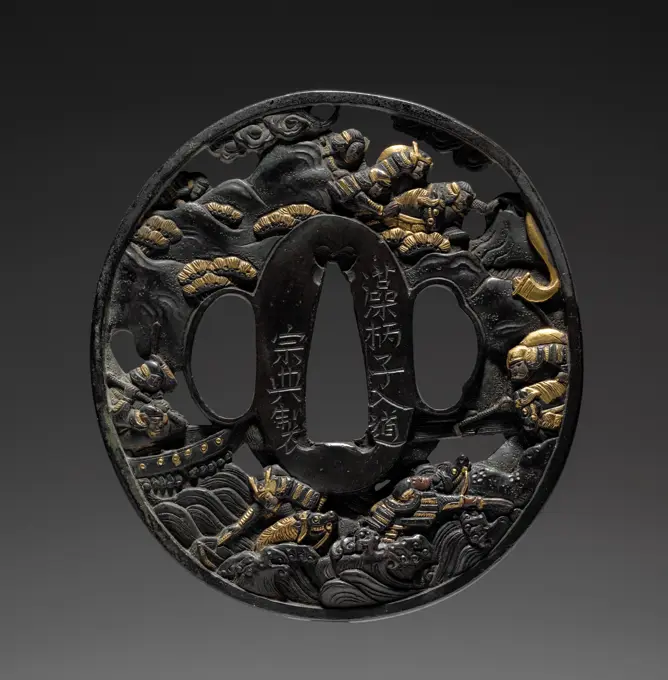
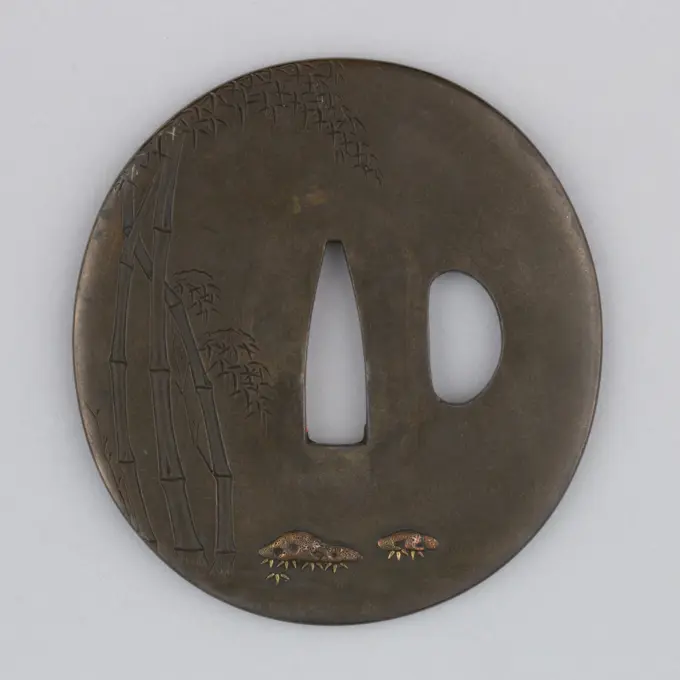
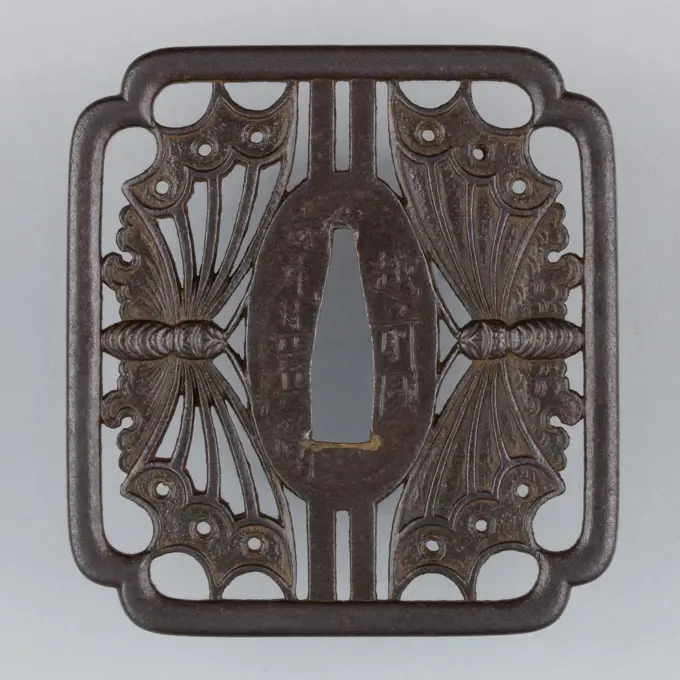
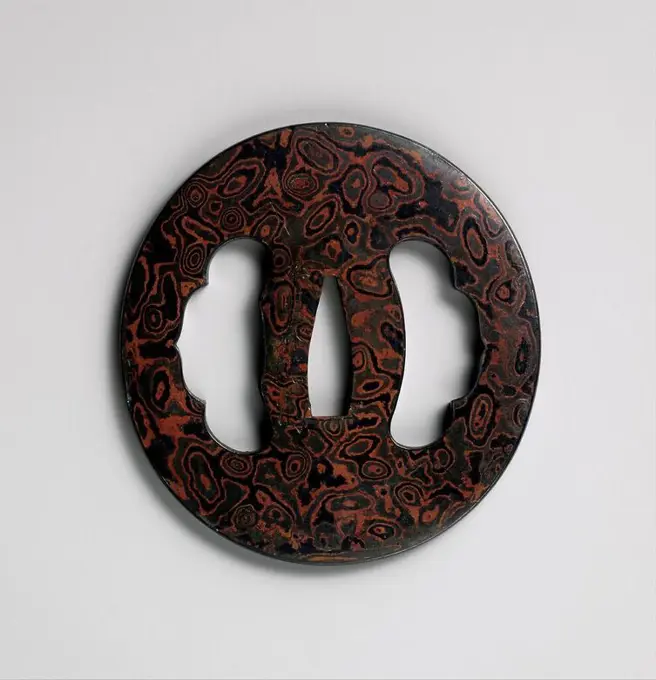
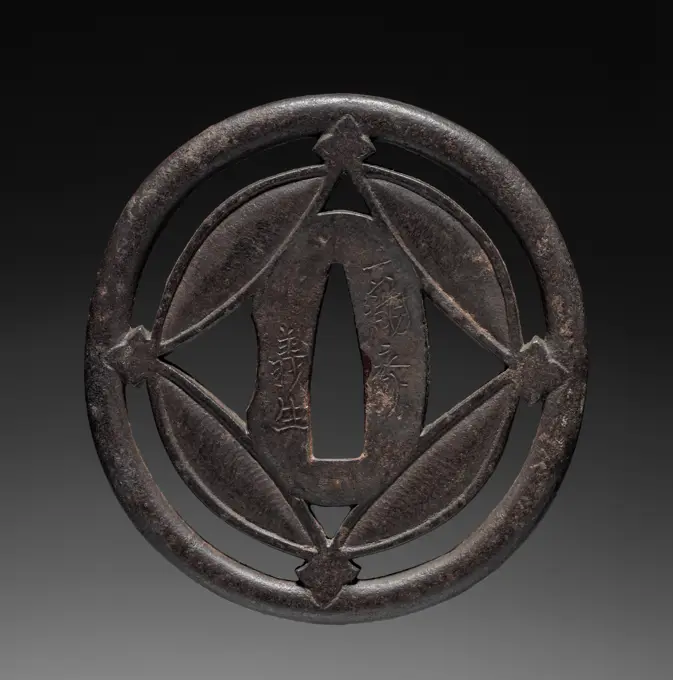
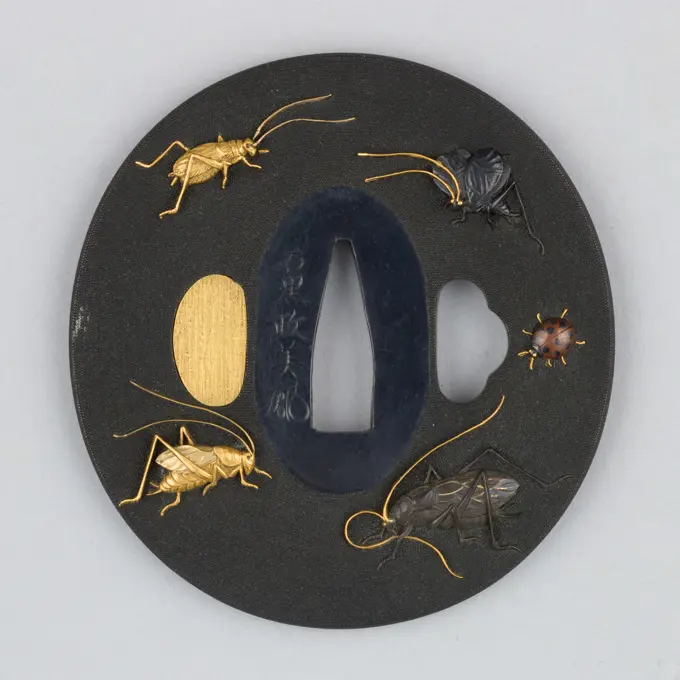
Decorative sword guards and shields, featuring intricate motifs and inscriptions that illustrate craftsmanship and cultural heritage.

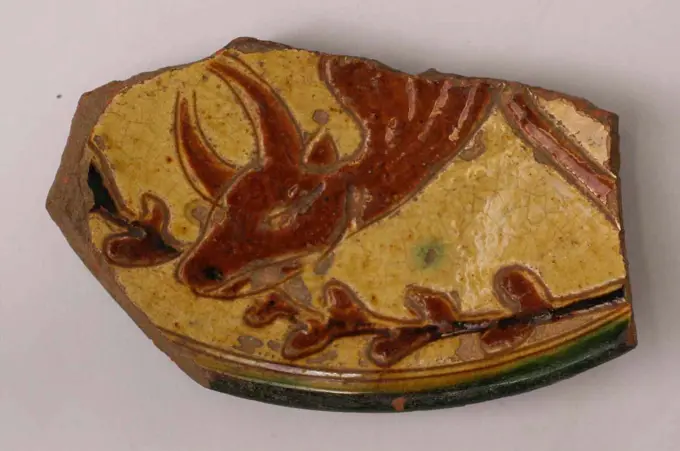
Werra dish, mirror decor with three fishes, light yellow and green glaze, edge decor bows and circles, dish crockery holder soil find ceramics earthenware glaze lead glaze clay, hand turned decorated glazed baked small cord sgraffito Red earthenware bowl on stand surface Slightly curved side wall thick and vertical dish edge In the mirror three fish. Edge decor with bows and circles. Short lines on the top of the saucer edge. Part enamel layer shows black spots archeology Rotterdam serving decorate serving food archaeological find in the soil Rotterdam 1940.
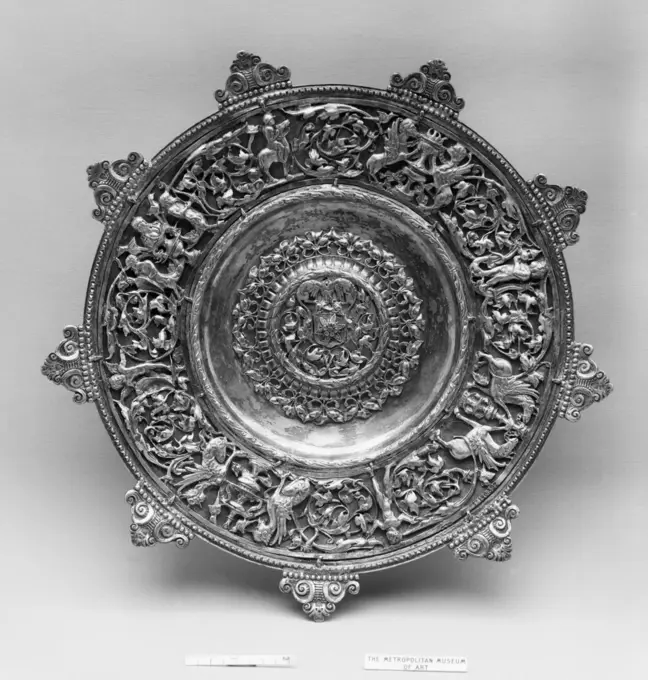
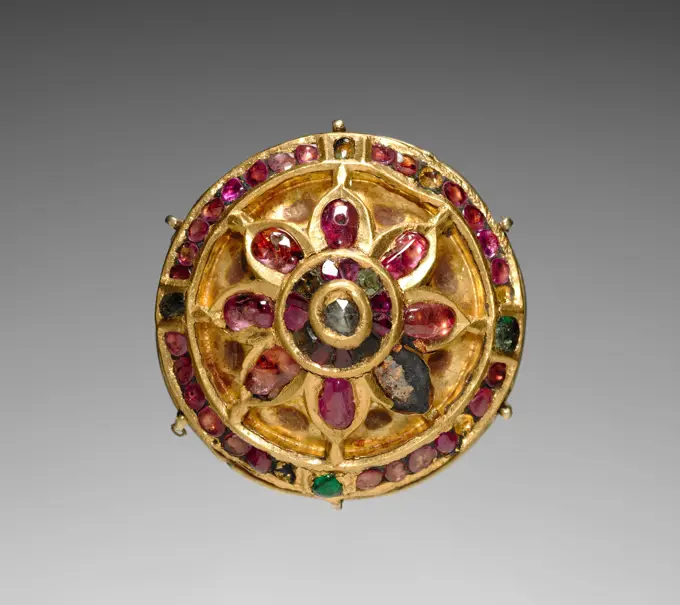
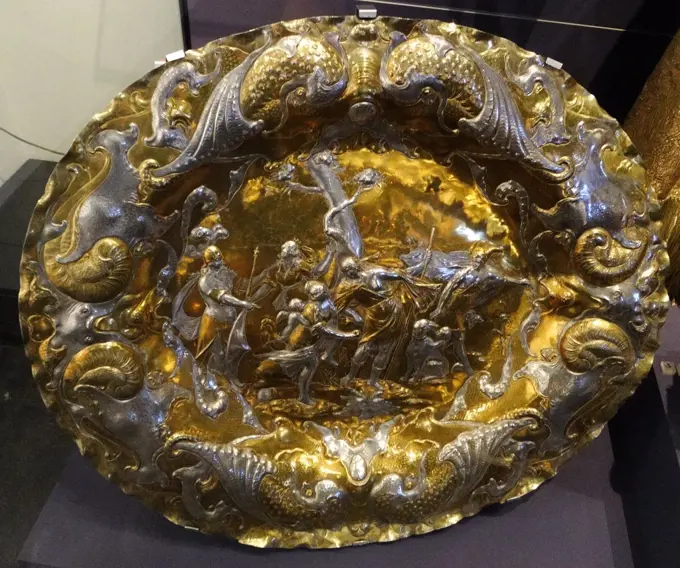
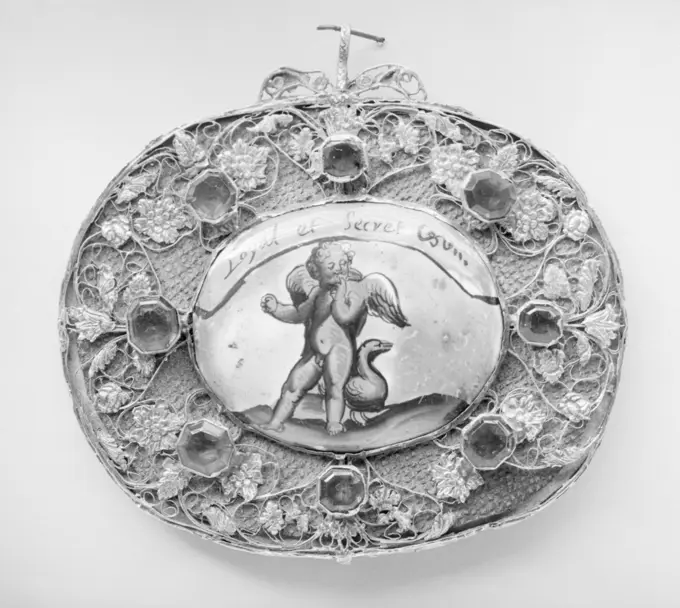
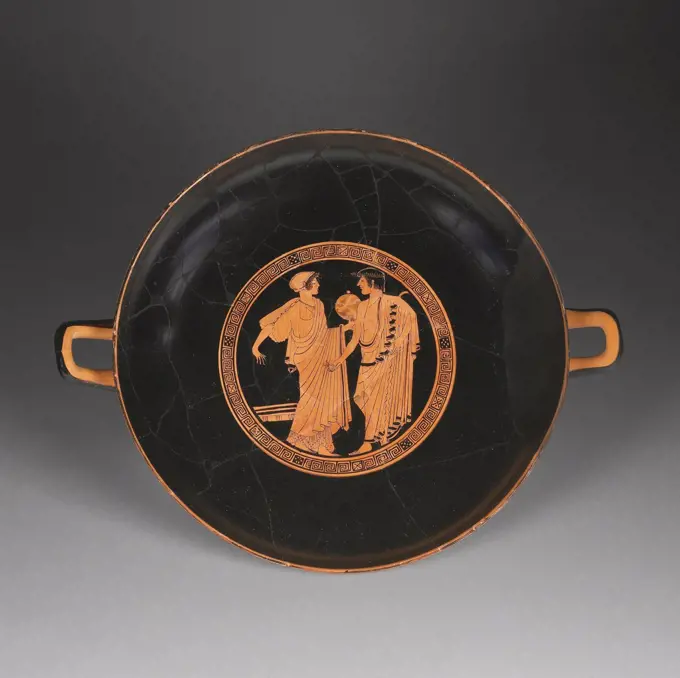
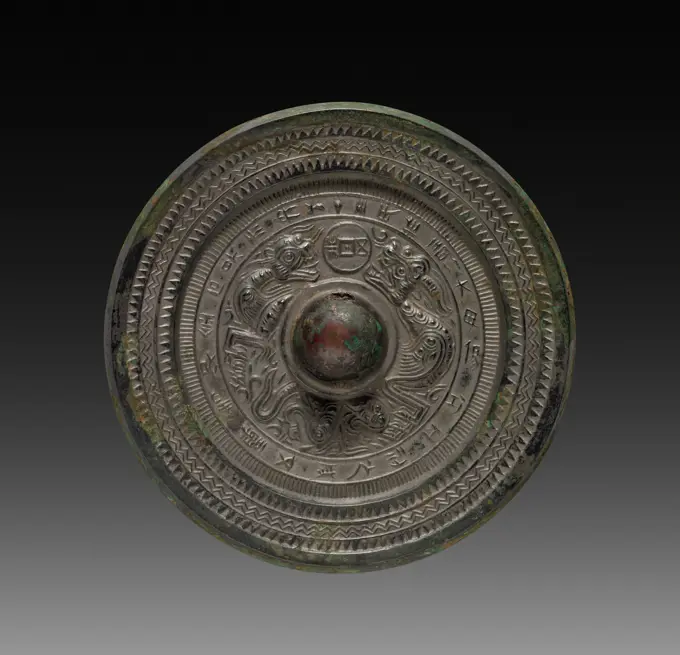
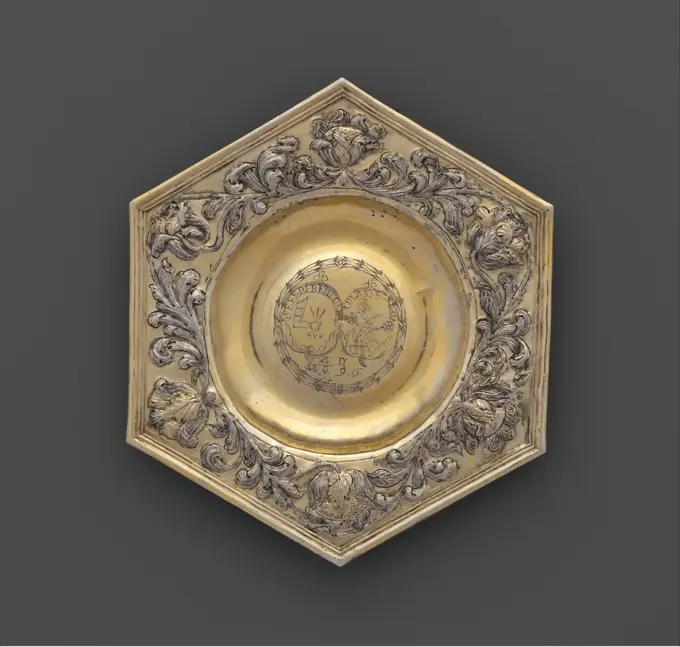
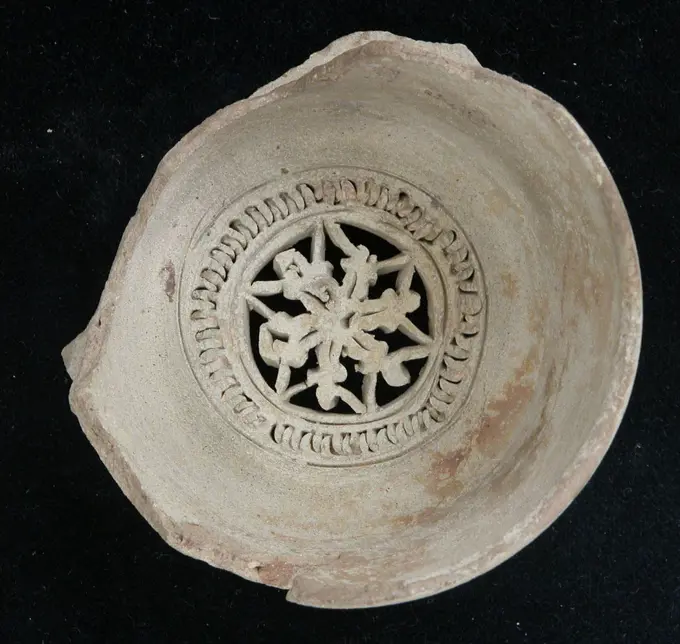
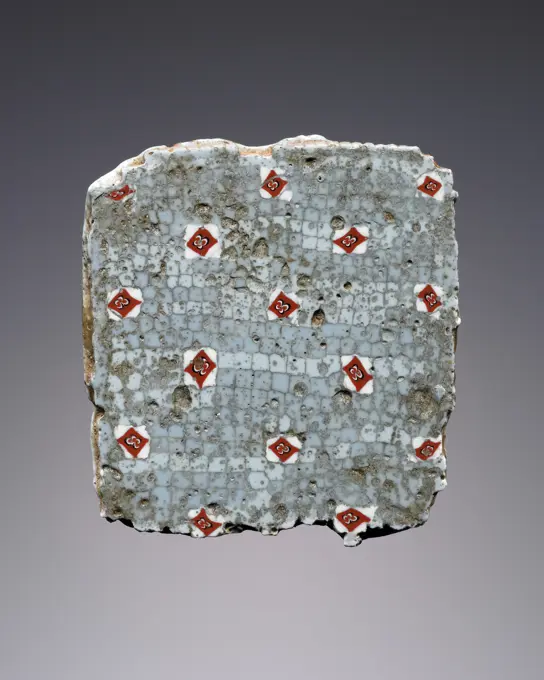
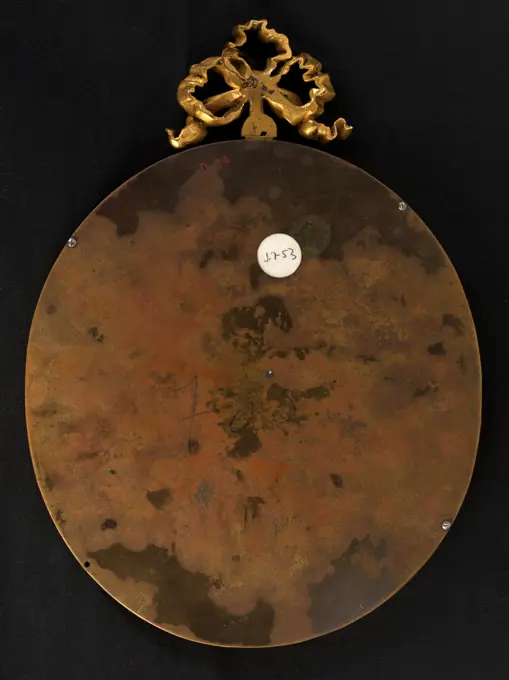
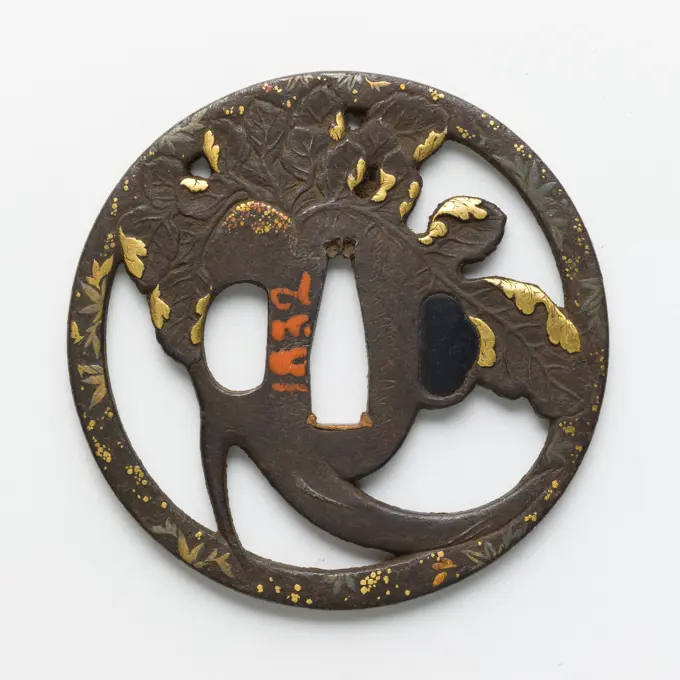
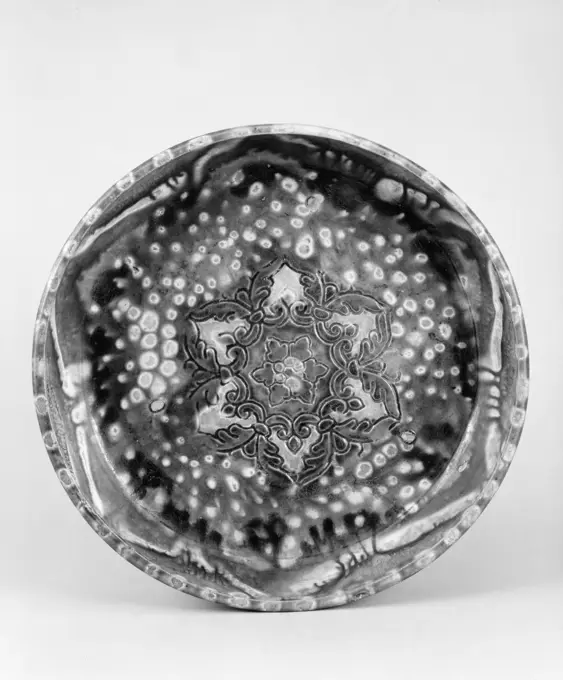
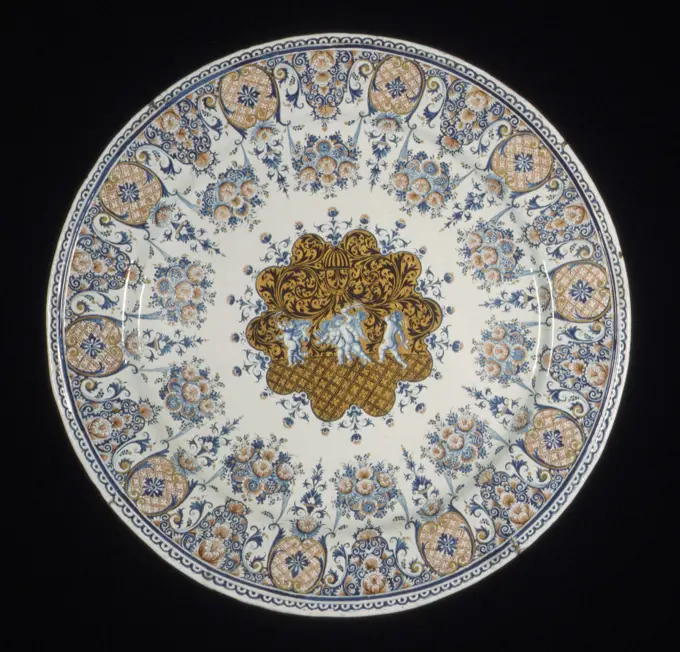
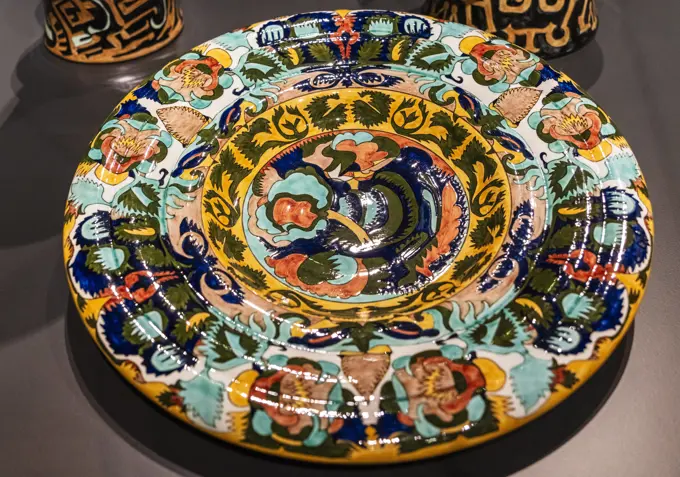
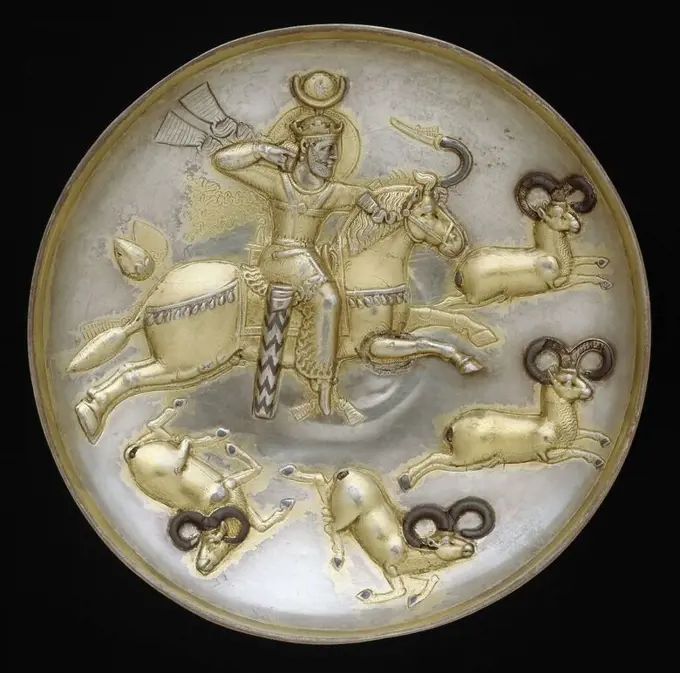
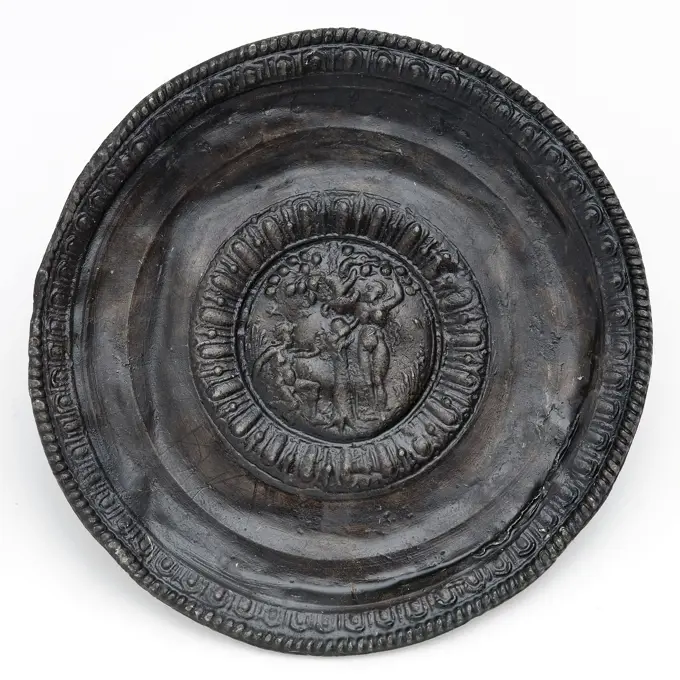
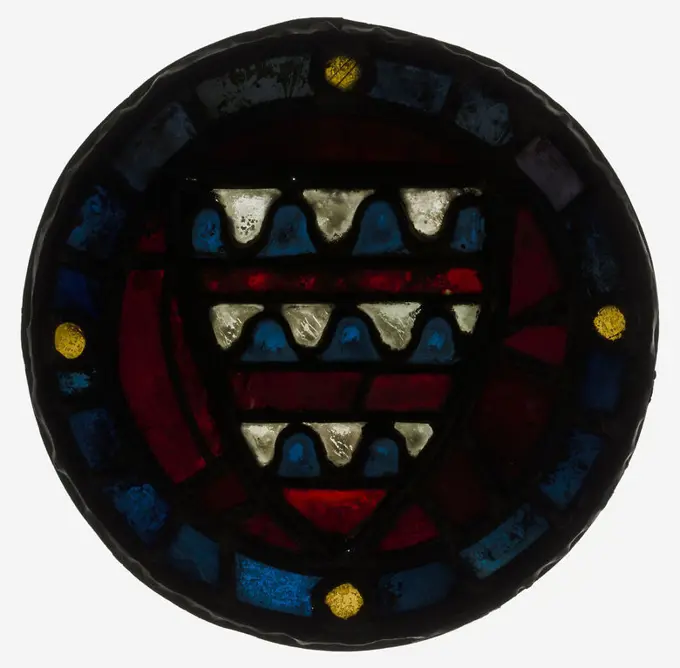
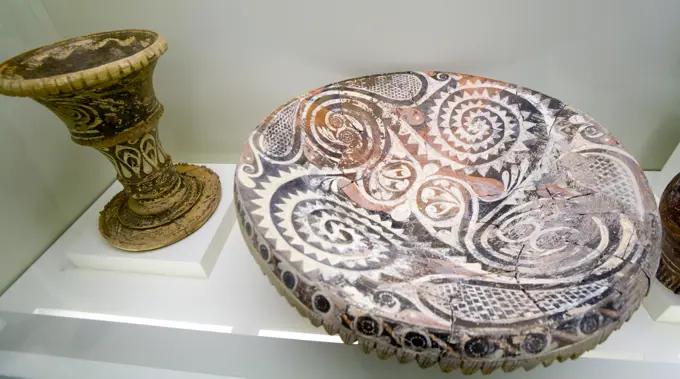
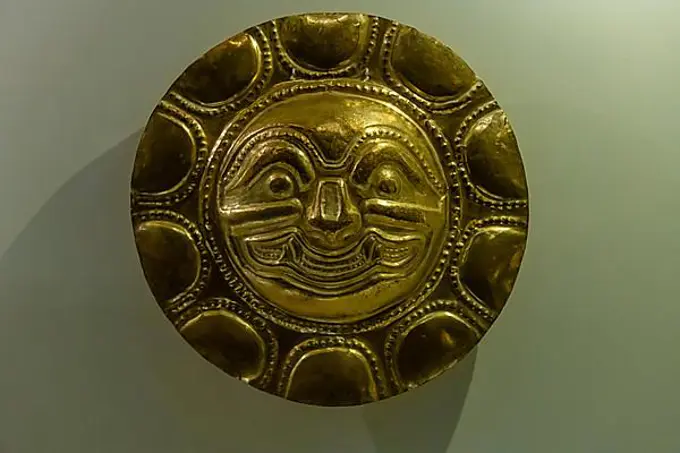
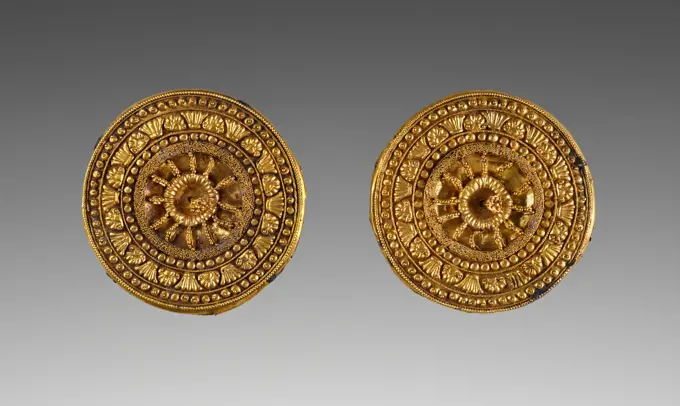
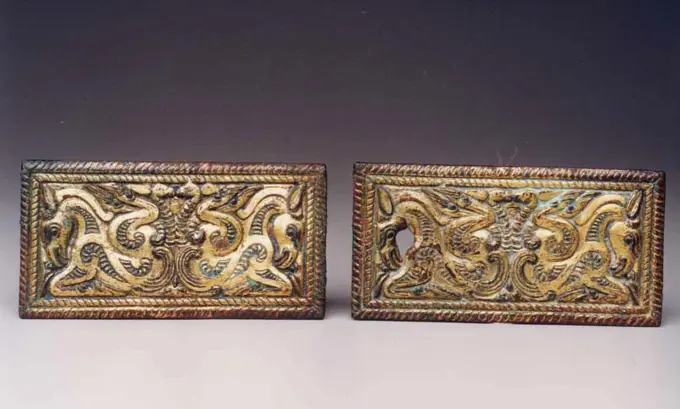
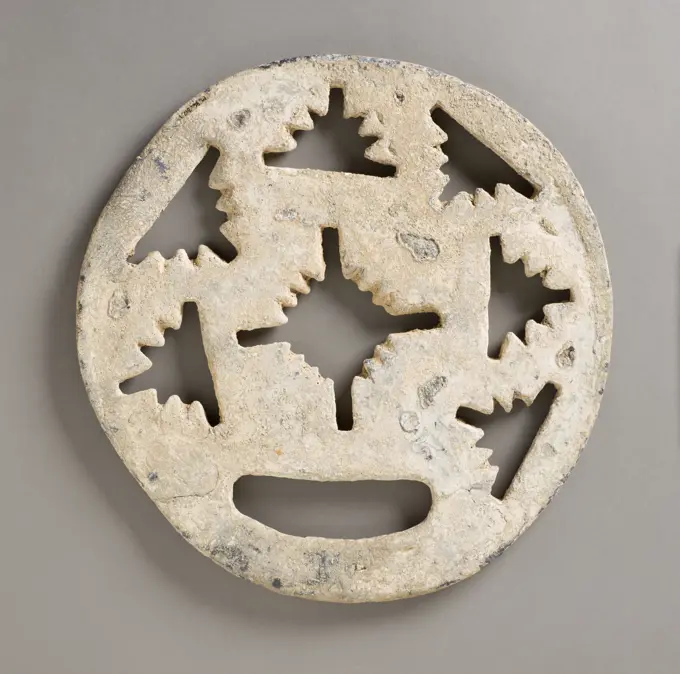
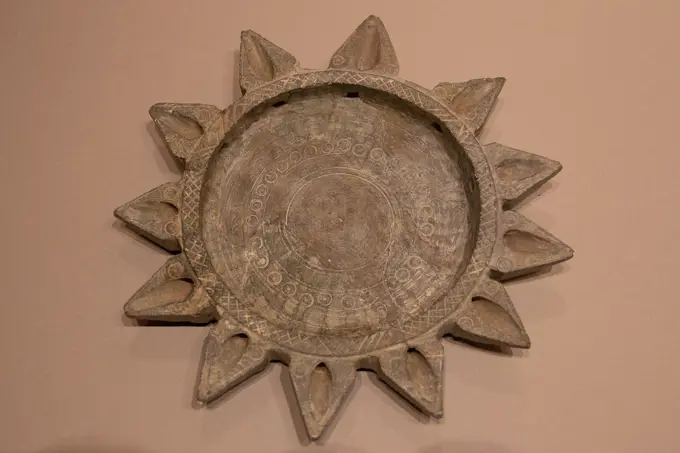
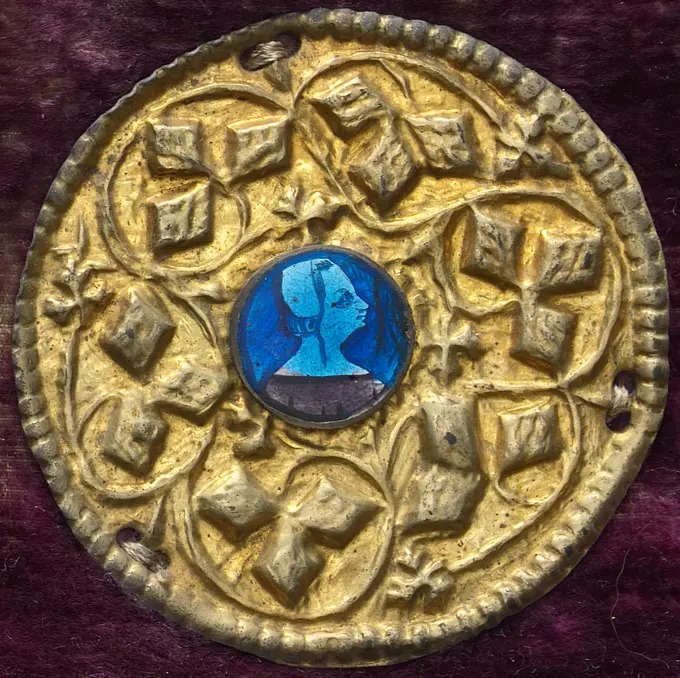
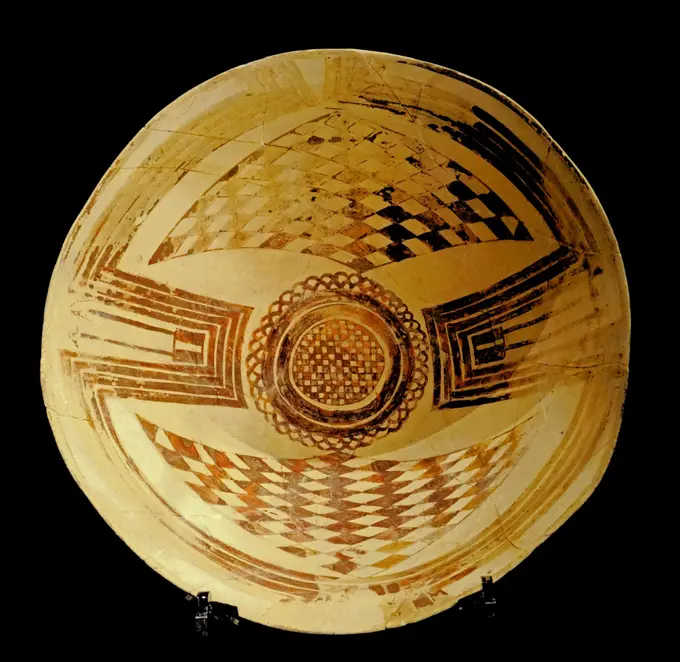
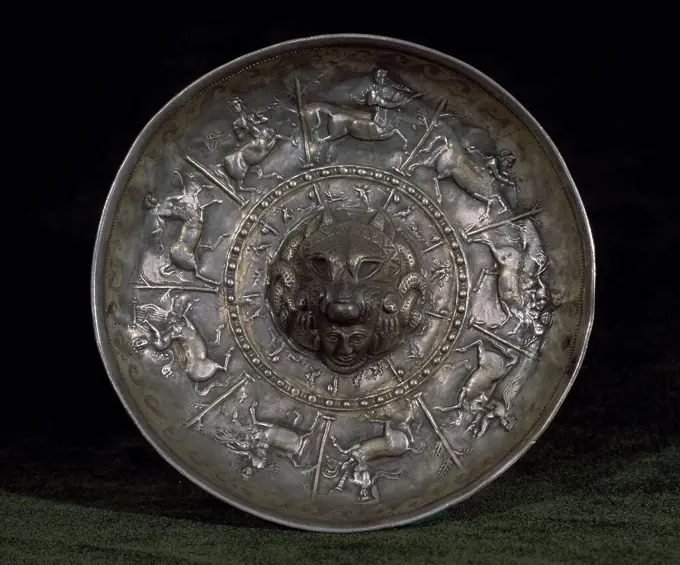
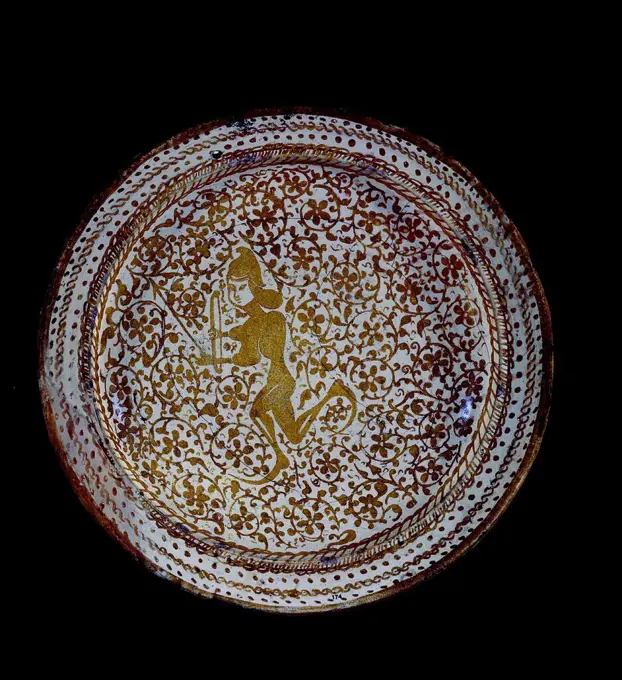
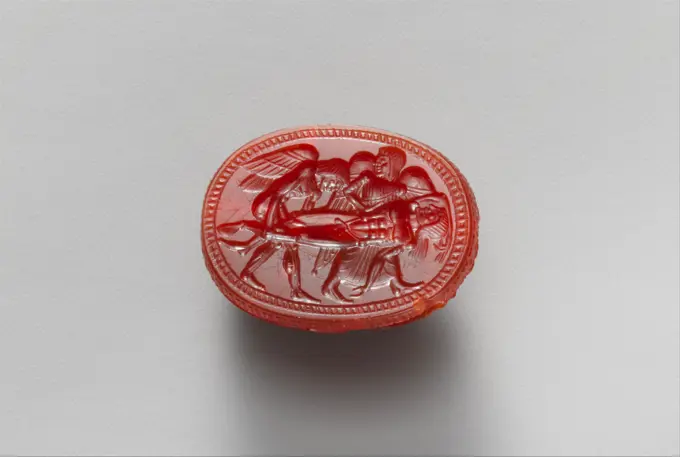
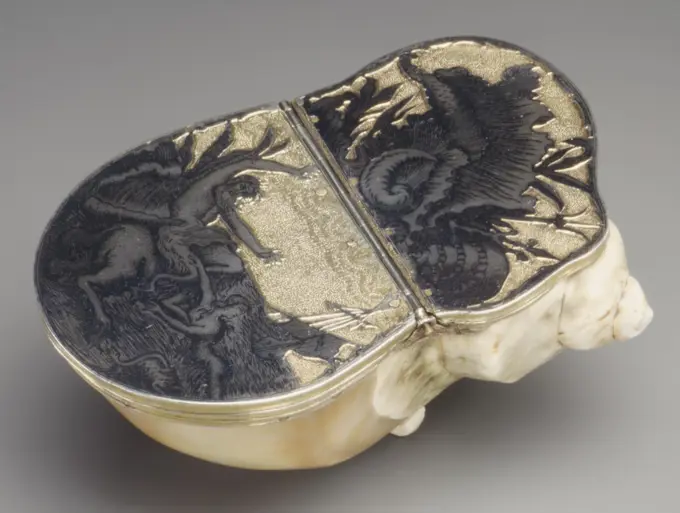
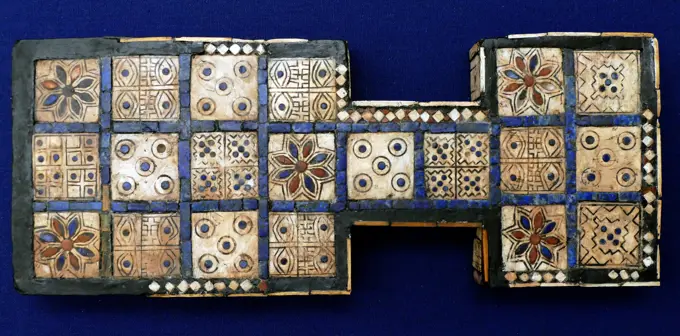
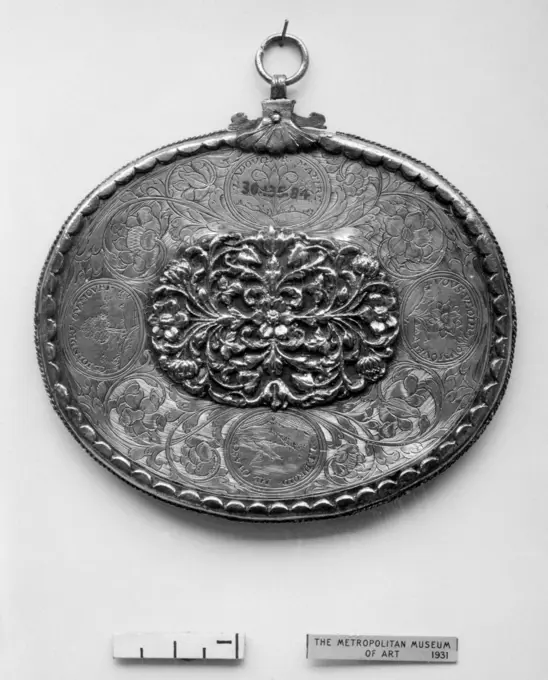
Mirror 17th century French. Mirror 196711Water Filter 10th-12th century. Water Filter 447430Decorative Door Boss And Nail; wrought ironAnonymous / 'Case for oval agate platter with a cruciform motif'. 1600 - 1711. Leather, Wood, Metal, Cloth. Museum: Museo del Prado, Madrid, España.Dish second half 15th century Spanish, Valencia (probably Manises). Dish 460993Plateau 16th century possibly Portuguese. Plateau 193471Dipper or Ladle with Interlocking Zigzag and Step-Fret Designs 1100-1300 New Mexico. Ceramic and pigment . Ancestral Pueblo (Anasazi)Pa. German Bride's Box. Dated: c. 1936. Dimensions: overall: 34.3 x 27 cm (13 1/2 x 10 5/8 in.) Original IAD Object: 6 1/2" high; 17" long; 10 7/8" wide. Medium: watercolor, graphite, and gouache on paperboard. Museum: National Gallery of Art, Washington DC. Author: Jessica Price.Plate ca. 1860-85 Castle Hedingham. Plate. British, Essex. ca. 1860-85. Pottery. Castle Hedingham. Ceramics-PotterySword Guard, 1615-1868. Japan, Edo period (1615-1868). Iron (Akasaka type); diameter: 7 cm (2 3/4 in.).Boy photographs girl in arbor with camera on tripod, anonymous, 1850 - 1900 dish   metal  boy (child between toddler and youth). girl (child between toddler and youth). camera ~ photographyDish with ladies 18th century China. Dish with ladies. China. 18th century. Porcelain painted in overglaze polychrome enamels and gilt (Jingdezhen ware). Qing dynasty (1644-1911). CeramicsCounter Plate of a Belt Buckle 7th century Frankish. Counter Plate of a Belt Buckle 465038 Frankish, Counter Plate of a Belt Buckle, 7th century, Iron, silver and brass inlay, Overall: 3 9/16 x 1 3/4 x 3/8 in. (9.1 x 4.5 x 1 cm). The Metropolitan Museum of Art, New York. Gift of J. Pierpont Morgan, 1917 (17.191.324)Earrings 16th century-19th century probably Spanish. Earrings 90243Ear Plug, 1800s. India, Bengal. Gold with emeralds and rubies, and a topaz; diameter: 3.9 cm (1 9/16 in.).Basin for the washing the hands of the priests (Cohanim). Amsterdam, 1670.Four plates; William Chaffers (British, active 1870s); London, England; 1871; Woodburytype; 12.2 × 9.7 cm (4 13,16 × 3 13,16 in.)Bowl 13th century Numerous pieces of written evidence, including names of potters inscribed on vessels, suggest that Kashan in central Iran was an important production center for stonepaste and luster wares. While stonepaste is known to have been produced elsewhere in Iran, at least with a monochrome glaze, lusterware is only associated with Kashan. Scientific analyses carried out on luster objects from the 12th to the 14th century identified only one type of fabric associated with luster - implying that only one production center might be associated with the production of this technique.The combination of a stonepaste fabric, in-glaze and luster-painting, does not appear to have been used in the Iranian territories before the 12th century. On this bowl, the blue under-glaze painted radial design helps to divide the areas for the luster decoration, which is lavishly painted over almost all the surface and, on the exterior, bears a Persian inscription (most probably a poem).. Bowl 4547Mirror 17th century French. Mirror 196731Star-Shaped Tile 13th century. Star-Shaped Tile 448198Sword Guard, mid-1600s. Japan, Edo period (1615-1868). diameter: 7 cm (2 3/4 in.).Engraved saddle ornament from Iceland. Dated 17th CenturyElbow Cushion, Qianlong period, 1736-1795, H.9 x W.6-1/4 in., brocaded satin, China, 18th centurySword Guard, late 1700s. Japan, Edo period (1615-1868). Iron with gold and copper inlay (Tetsugendo type); diameter: 6.7 cm (2 5/8 in.).Cushion of white satin with orange embroidery, manufactured for marriage or inauguration Wilhelmina, 1898 or 1901., Sophia Maria Frikkers -Rrassen, 1898 - 1901 Cushion of white satin with orange embroidery, Jugendstil. Square model, pissed all over with thick white cord. Orange stock with white irises around a small four -leaf flower. Contours with white and beige cord accentuated. Haarlem, Sophia Maria Frikkers-Rrasen, made for marriage or inauguration Wilhelmina, 1898 or 1901. Haarlem silk embroidering Cushion of white satin with orange embroidery, Jugendstil. Square model, pissed all over with thick white cord. Orange stock with white irises around a small four -leaf flower. Contours with white and beige cord accentuated. Haarlem, Sophia Maria Frikkers-Rrasen, made for marriage or inauguration Wilhelmina, 1898 or 1901. Haarlem silk embroideringSword Guard (Tsuba) ca. 1615-1868 Japanese A tsuba is a sword guard and part of a sword mounting. It is mounted between the swords blade and grip to protect the users hands.. Sword Guard (Tsuba) 34396Attic Red-Figure Cup; Briseis Painter, Greek (Attic), active 510 - 470 B.C., and Brygos, Greek (Attic), active about 490 - 470 B.C.; Athens, Greece, Europe; about 480 - 470 B.C.; Terracotta; Object: H: 10.7 to 11.7 x W (handles): 38.9 x Diam.: 30.7 cm (4 3/16 to 4 5/8 x 15 5/16 x 12 1/16 in.), Object (foot): Diam.: 11.3 cm (4 7/16 in.)gourds and crespina, 16th century, Desbrull house, Museu de Mallorca, Palma, Majorca, Spain.Panel 13th-14th century There are three identical octagons with carved ivory inlay in the collection (07.236.72, 07.236.73 and 07.236.70), suggesting that they were originally part of a larger wooden ensemble. Vines emerge from the central triangular decorative element, breaking off with characteristic leaf designs and spiral buds. The design seems to push at the edges of the carved border adding to its vitality.. Panel 445087Speelbeurs puts Het Alliantiewapen van Charles Eugène Gabriel de la Croix de Castries en Gabrielle Isabeau Thérèse de Rozet de Rocozel de Fleury, Anonymous, Anonymous (rejected attribution), c. 1785 Play fair of Groen Velvere embroidered with gold -plated silver wire, decorated on the bottom with the allien weapon of Charles Eugène Gabriel de la Croix de Castries and Gabrielle Isabeau Thérèse de Rozet de Rocozel de Fleury, executed in gold -plated silver wire, brokaat and vloszijde. Model: flat round bottom around which a wavy raised edge with holes, which draws a cord of braided white and green silk, ending in drip shapes of braided silver thread. Lined with goat leather. Decoration: The 20 bulges or 'ribs' are decorated with stacked leaf and floral motifs in relief, with lovers. Along the top - between the migratory holes - a fleur de lys between two lines. On both sides of the top, a drop form is decorated with braided silver thread. The soil is circled with an edge of silver threadMirror, AD 25-220. China, Eastern Han dynasty (AD 25-220). Bronze; diameter: 13.1 cm (5 3/16 in.). Two of the same animals of the Four Directions seen in the "TLV" mirror are cast in high relief and twisted in confrontation: the Dragon of the East with long snout, pointed horn, and scaly backbone meets the Tiger of the West with feline head and striped neck. An amphibious creature of unknown symbolism swims between their tails. The circle between their heads duplicates the form of a copper coin, minted during the Han dynasty, that was strung through its square perforation. The encircling inscription reads: "Mr. Wang has made this mirror; it is true and without blemish. Its decoration is engraved with skilled craftsmanship. May your longevity be like metal and stone; may you have joy without end."Fragment majolica dish, blue on white, decor with large fish, rim in Wanli style, dish plate crockery holder soil find ceramic earthenware glaze, baked Backside covered with lapping green tinted lead glaze. Sharpened pottery archeology serve serve food ChinaWatch in Sirihdoos, Anonymous, 1750 - 1800 Sirih box of silver in which a watch with white enamelled dial with Roman figures.  silver (metal). Sirih box of silver in which a watch with white enamelled dial with Roman figures.  silver (metal).Hexagonal dish 1696 Hungarian, Transylvania The center of each dish in this set (acc. nos. 2010.110.42-49) bears an engraved laurel wreath encircling a coat of arms. Small differences in these arms could be the result of different masters working quickly to complete what was probably a much larger set for a wedding that was fast approaching. The bold blossoms in the six corners symbolize both the wish for abundance throughout marriage and the transitory glories of earthly existence. Salgo acquired two of these dishes at a later date from the others, but all eight pieces belonged to the same set of fourteen dishes that were once part of the Andrássy treasury.LiteratureEuropean Silver. Sale cat., Sothebys, Geneva, November 15, 1983, p. 19, no. 53.European Silver. Sale cat., Sothebys, Geneva, November 14, 1984, n.p., no. 34.Judit H. Kolba. Hungarian Silver: The Nicolas M. Salgo Collection. London, 1996, p. 86, no. 64.ExhibitedRégi ezüstkiállításának leíró lajstroma. Exh. cat. Museum of Sword Guard (Tsuba) 18th century Japanese A tsuba is a sword guard and part of a sword mounting. It is mounted between the swords blade and grip to protect the users hands.. Sword Guard (Tsuba) 26263Water Filter 10th-12th century. Water Filter 447422Floral Plaque Fragment. UnknownBergère. Culture: French. Date: ca. 1770. Museum: Metropolitan Museum of Art, New York, USA.Terracotta lamp fragment Roman, Gaulish. Terracotta lamp fragment 250403From Saint-Ligié. "Portrait of Wilhelmine de Prussia, princess of Orange-Nassau, as a miniaturist surrounded by his family". Reverse. Watercolor and Gouache sur Ivory. 1784. Paris, Cognacq-Jay museum. 144732-1 Aristocrat, designer, child, family, gouache, ivory, Prussian, portrait, miniatureTsuba. Signed: Jô-Shû-Nishi-Gaki-Shôami, School Shôami. Japan. Gold inlaid, copper, Shakudô, 17th century-XVIIth century. Paris, Cernuschi museum. Metallic alloy, white weapon, armament, Asian art, Japanese art, weapon custody, object of art, metallic object, armament piece, shakudo, tsuba, 17th 18th XVII 17th 17th 17th century, 18th 18th 18th 18th 18th 18th 18th 18th 18th 18th 18th 18th 18th 18th 18th 18th 18th CENTURYPurse (France); silk and metal thread embroidery over paper on silk foundationDish China. Dish 52573Plateau ca. 1725-35 After a print by Pierre Brebiette French Faience, or tin-glazed and enameled earthenware, first emerged in France during the sixteenth century, reaching widespread usage among elite patrons during the seventeenth and early eighteenth centuries, prior to the establishment of soft-paste porcelain factories. Although characterized as more provincial in style than porcelain, French faience was used at the court of Louis XIV as part of elaborate meals and displays, with large-scale vessels incorporated into the Baroque garden designs of Versailles. Earlier examples of French faience attest to the strong influence of maiolica artists from Italy. Later works demonstrate the ways in which cities such as Nevers, Rouen, Lyon, Moustiers, and Marseille developed innovative vessel shapes and decorative motifs prized among collectors throughout Europe. While faience can be created from a wide mixture of clays, it is foremost distinguished by the milky opaque white color achieved Terracotta plate ca. 595-570 B.C. Possibly by the Chimaera Painter A man lies in bed, and his lyre hangs above.. Terracotta plate. Greek, Corinthian. ca. 595-570 B.C.. Terracotta. Middle Corinthian. VasesBowl with Lioness. Iran. Date: 1101-1300. Dimensions: 16.1 × 38.1 cm (6 5/16 × 15 in.). Earthenware with incised decoration and splashes of green in a transparent glaze. Origin: Iran, northwestern. Museum: The Chicago Art Institute, Chicago, USA. Author: Islamic.Ear Spools 200 BCE-200 CE Western Mexico. Figures and jewelry made of spondylus (spiny oyster) shell developed as a specialization in what are today the Mexican states of Colima and Jalisco. Like greenstone, jade, and colorful feathers, this bright orange shell was a luxury item sought by maritime merchants from Ecuador and Central America, who found it in warm Pacific waters as far north as the West Mexican coast. As emblems of authority and status, exotic materials were displayed by rulers during ceremonial events. Spondylus-shell jewelry carved with symbolic designs found in West Mexican tombs indicates the high esteem in which this valued material was held.. Spondylus shell and greenstone . ColimaSaucer KorzecSword Guard (Tsuba) 18th century Japanese A tsuba is a sword guard and part of a sword mounting. It is mounted between the swords blade and grip to protect the users hands.. Sword Guard (Tsuba) 30045Sword Guard (Tsuba). Culture: Japanese. Dimensions: H. 2 3/4 in. (7 cm); W. 2 1/2 in. (6.4 cm); thickness 3/16 in. (0.5 cm); Wt. 4.7 oz. (g). Date: first third 19th century. Museum: Metropolitan Museum of Art, New York, USA.Decorative plate with plants motifs Decorative plate with plants motifs, N.V. Haagsche Plateefabriek Rozenburg, 1886, Amsterdam, Netherlands Copyright: xZoonar.com/BartomeuxBalaguerxRotgerx 21637538ButtonPlate with king hunting rams. Culture: Sasanian. Dimensions: H. 1 7/8 in. (4.6 cm), Diam. 8 5/8 in. (21.9 cm). Date: ca. A.D. mid-5th-mid-6th century.The king as hunter had become a standard royal image on silver plates during the reign of Shapur II (A.D. 310-379). The theme, symbolizing the prowess of Sasanian rulers, was used to decorate these royal plates, which were often sent as gifts to neighboring courts. The king has various royal attributes: a crown and fillet, covered globe, nimbus with beaded border, and beaded chest halter with fluttering ribbons. The identity of the Sasanian king on this plate is uncertain. His crown identifies him as either Peroz (r. 459-484) or Kavad I (r. 488-497, 499-531).Sasanian silver bowls were usually hammered into shape and then decorated in various complex techniques. On this plate, separate pieces of silver were inserted into lips cut up from the plate to provide high relief. The vessel was then gilded using an amalgam of mercury and gold, whFragment of a flower pot with floral scrolls, anonymous, c. 1680 - c. 1740 Fragment of a flowerpot of stoneware. Decorated with printed and imposed medallions in relief with flower ranks, between which festons. On the edge of flower branches. Westerwald. Westerwald stoneware. glaze vitrification Fragment of a flowerpot of stoneware. Decorated with printed and imposed medallions in relief with flower ranks, between which festons. On the edge of flower branches. Westerwald. Westerwald stoneware. glaze vitrificationPewter dish, toys with image Adam and Eve in paradise, dish crockery holder toy relaxant soil find tin metal, Pewter dish small size toy archeology City center Rotterdam serve child play child's play adorn religion bible paradise Adam Eva Soil discovery: inner city Rotterdam.Carnavalet museum, medal collectionSword Guard (Tsuba) ca. 1615-1868 Japanese A tsuba is a sword guard and part of a sword mounting. It is mounted between the swords blade and grip to protect the users hands.. Sword Guard (Tsuba) 34381Roundel. Culture: British. Dimensions: 10 5/8 × 5/16 in. (27 × 0.8 cm). Date: ca. 1360-77. Museum: Metropolitan Museum of Art, New York, USA.Sword-Hilt Pommel (Kashira) with Rice Cultivation, 1700-1850. Japan, Edo period (1615-1868). Shibuichi; average: 2.7 x 1.8 cm (1 1/16 x 11/16 in.).Decorative Viking hoard cups. (Named the Vale of York cup and the Halton Moor Cup) Made from gold and silver. Decorated with animals and foliate patterns. Found buried in England. Were buried shortly after AD 927.Sword Guard (Tsuba) ca. 1615-1868 Japanese A tsuba is a sword guard and part of a sword mounting. It is mounted between the swords blade and grip to protect the users hands.. Sword Guard (Tsuba) 34430Dish. Culture: China. Dimensions: Diam. 8 1/4 in. (21 cm). Museum: Metropolitan Museum of Art, New York, USA.Table screen (username). Sandstone, molding, celadon, molded decor. Cernuschi Museum, Asia Museum of Asia in the city of Paris.Greece, Crete, Heraklion / Iraklion. Minoan ceramic artifacts. Heraklion Archeological Museum.Plate ca. 1780-1825 American. Plate. American. ca. 1780-1825. Earthenware; Redware. Made in Pennsylvania, United StatesOval Plate; Attributed to Bernard Palissy (French, about 1510 - 1590); France; mid-16th century; Lead-glazed earthenware; 6.2 × 33 × 25.3 cm (2 7,16 × 13 × 9 15,16 in.)Sword Guard (Tsuba) with Chinese Landscape, late 1600s. Japan, Edo period (1615-1868). Iron; diameter: 7 cm (2 3/4 in.).Artefacts in the gold museum, Bogota, Colombia, South AmericaDisk Ear Stud. UnknownDrawer handle and plate 1460-1520 German. Drawer handle and plate. German. 1460-1520. Iron. Metalwork-IronSalero de pastor. Museu Català de les Arts i Tradicions Populars.Belt Buckle with Beaked Ungulates 2nd century B.C. China. Belt Buckle with Beaked Ungulates 65291Empty wooden plate, knife, fork and cutting board Empty wooden plate, knife, fork and cutting board set on textured concrete background Copyright: xZoonar.com/TetianaxChernykovax 21413672Purse, Medium: silk embroidery on silk and metallic foundation, metal frame Technique: embroidered in satin, knotting, and long and short stitch on plain weave foundation, Small purse attached to silver frame, lined with green taffeta. Embroidered with knotted stitches, satin stitch and long and short stitch in silk and gilt threads. On one side, a design of five pink and blue flowers tied with a pink ribbon; on the reverse, a cypher and crown., England, 17th century, costume & accessories, PursePlaque of the Order of the Reunion of I.J.A. Gogel, Anonymous, 1811 - 1815  Copper carrying sign in the form of an eight -pointed star, embroidered with silver thread on linen on linen, on which a crowned eagle with order (of the legion of honor) around the neck. His entire body is covered with a beaten silver shield on which a throne for which a woolvin lies with two kneeled children, and inscription vertically on either side and edge. France copper (metal). silver (metal). silver thread. linen (material) striking (metalworking) / embroideringReliquary. Northern Afghanistan, 2000-1500 B.C.. Sculpture. LeadLamp 9th century The carving of utensils and other objects from soft stones is part of a longstanding artistic tradition in the Near East that dates back for millennia. Steatite and other related talcs (the English word is of Persian origin) are easy to carve, relatively strong and non-brittle, and are impervious to fire. Many of medieval Nishapur's stone utensils demonstrate a high degree of artistic merit, despite having been fashioned from a lowly material and serving a utilitarian function. These pieces often have powerfully sculptural forms with silhouettes that take the form of beautiful two-dimensional patterns. This lamp made of "Mashhad" stone has a circular well and twelve triangular flanges for holding wicks. The well and flanges are incised with circles with dots at their center. The rim of the well is incised with cross-hatched lines.. Lamp. 9th century. Steatite; carved, incised. Attributed to Iran, Nishapur. Excavated in Iran, Nishapur. StoneNorth Italian 14th Century, Costume Ornament with Profile Portrait, c 1380 1400 North Italian 14th Century, Costume Ornament with Profile Portrait, c. 1380/1400, repoussé silver, gilded, and translucent enamel, attached to a strip of velvet, Samuel H. Kress Collection 1961.9.191Floor tile, brown draft, green and yellow on white ground, central green oblique glass in which white flower with yellow heart, half yellow diamonds, half green diamonds, floor tile tile footage ceramic earthenware glaze, d 2.3hand painted clay bowl from a cemetery at Susa; Iran (Persia) 4000-3300 B.C.Pearl Button, 1770-1800. Manufactured in Birmingham.. Pearl button, the border set with diamond & triangle designs of inset blue glass and mirror-glass stones surrounding enamelled milk-glass disc, decoration with a gilt design of branches. Copper wire shank.PATERA PLATA DORADA-PROC SANTISTEBAN DEL PORT(JAEN)-TES PEROTITO. Location: MUSEO ARQUEOLOGICO NACIONAL-COLECCION. MADRID. SPAIN.Decorative ceramic plate with  different colors. painted plate on white background, closeup, top view. Decorative porcelain plate painted with acrylic paints, handwork, dot paintingWilliam L Antrim, Pa German Plate, 1935 1942 Pa. German PlateAppliqué ca. 5th-4th century B.C.. Appliqué. ca. 5th-4th century B.C.. Silver, gilded silver. ThraceSword Guard (Tsuba). Culture: Japanese. Dimensions: H. 2 7/8 in. (7.3 cm); W. 2 3/4 in. (7 cm); thickness 3/16 in. (0.5 cm); Wt. 3 oz. (85 g). Date: 18th century. Museum: Metropolitan Museum of Art, New York, USA.PLATO CON DONCEL A LA MODA ITALIANA - MANISES - SIGLO XV. Location: INSTITUTO VALENCIA DE DON JUAN-COLECCION. MADRID. SPAIN.Carnelian scarab ca. 500-450 B.C. Etruscan Winged male and female carrying nude warrior (Thanatos, Eos, Memnon). Carnelian scarab 254471 Etruscan, Carnelian scarab, ca. 500450 B.C., Carnelian, H.: 11/16 in. (1.7 cm). The Metropolitan Museum of Art, New York. Purchase, Joseph Pulitzer Bequest, 1942 (42.11.28)Menning with a motto and the names of the Landgraven van Hessen, Anonymous, After Nicolas Chevalier, 1685 - 1720 print Design of a round medal with, in three concentric circles, the names of the Landgraven of Hessen and their government years, starting with Count Louis III and ending with Karel van Hessen. In the middle of the medal a motto with a crowned swan on a pedestal. The motto of the motto is: "Candide et Constanter". Amsterdam paper engraving seal (symbol of sovereignty). archbishop, bishop, etc. (Roman Catholic). device (as symbol of the state, etc.). water-birds: swan (+ animals used symbolically). pedestal of a piece of sculpture (perhaps in the form of a herm). crown (symbol of sovereignty)Engraving plate with a representation of the exhibition in Amsterdam. The album gives the courtyard of the exhibition built by Hendrick de Keyser in Amsterdam. At the top of a banderole with the inscription in mirror image: Bysa Amstero Damensis. At the bottom of a rectangular at the top by rollerwork decorated field with in the middle Amsterdam, seen from the IJ and left and right two six-line poems in the Dutch and Latin language. Links of the coat of arms arranged in the middle in the middle the inscription: 'Pleevenaar Excu.', At the bottom of the middle the inscription: 'Isack Houwens excudit'. At the latter, the shape of a presenter is given in later time and three holes were drilled at the top to hang it on the wall.Fragment 14th century. Fragment 446417Dish 17th-18th century Spanish, Valencia The coppery luster is typical of later Valencian wares.. Dish 206540Lid 9th-10th century. Lid. 9th-10th century. Earthenware; slip covered and incised, unglazed. Excavated in Iran, Nishapur. CeramicsTable snuffbox ca. 1745-50 Niello scenes after a print entitled Naufrage (Shipwreck) by Jacques de Lajoüe French The niello, a preeminently important Russian technique of decorating silver, follows the print Naufrage by Jacques de Lajoue (1687-1761), published in Paris in 1736 and integrated into a pattern book. A copy was in Catherine's extensive library. The exuberant wave and shell-like rocaille formations perfectly illustrate the Central European Rococo style, referring to the turban snail's origins in the exotic Indo-Pacific Ocean. Related turban-snail cases bearing Chinese inscriptions document that they were imported into Russia from China, where they originally served as ceremonial wine cups.. Table snuffbox 208522Sword Guard, late 1700s. Japan, Edo period (1615-1868). Iron; diameter: 7.4 cm (2 15/16 in.).Impression Of Seal Cylinder; 1902-20-36Plate 1872-80 Félix Bracquemond French. Plate 487344Sword Guard (Tsuba) first half 18th century Japanese A tsuba is a sword guard and part of a sword mounting. It is mounted between the swords blade and grip to protect the users hands.. Sword Guard (Tsuba) 29537The royal game of Ur, or game of twenty squares, is a game of ancient Mesopotamia. It is known by two plateaux, discovered in royal tombs of Ur by Leonard Woolley in the 1920s. dated about 2600 BC. BC,Plate Fragment 14th-15th century. Plate Fragment 451864