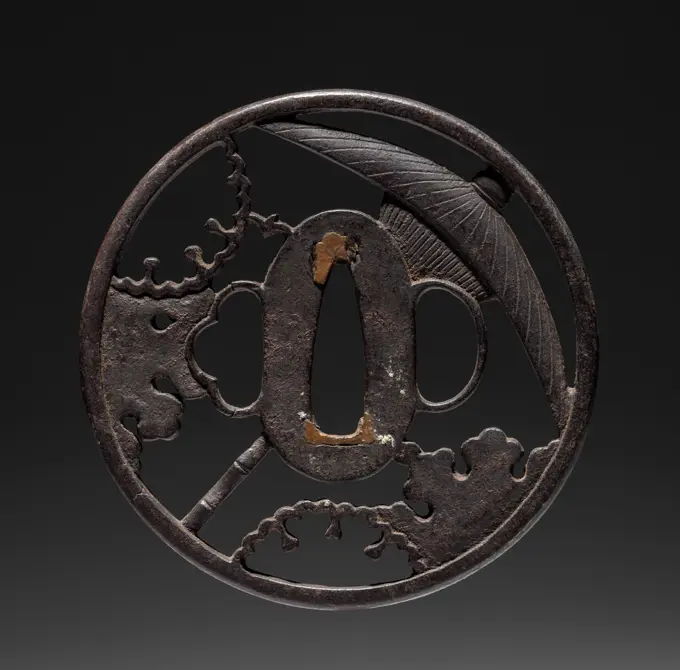
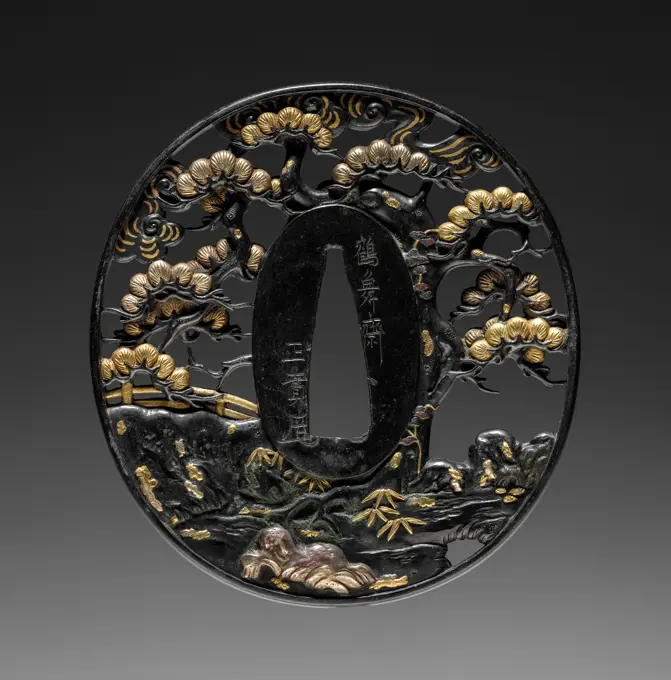
Artistic Tsuba Designs

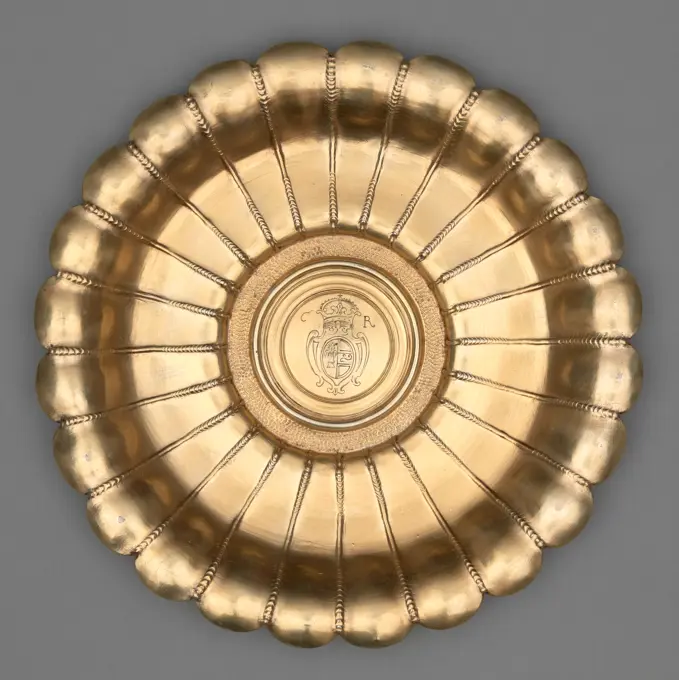
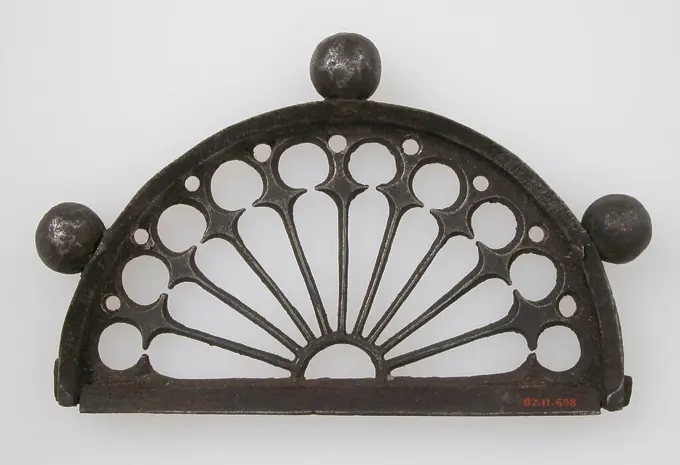
Intricate sword guards featuring detailed designs and motifs, exemplifying traditional craftsmanship and artistic expression.

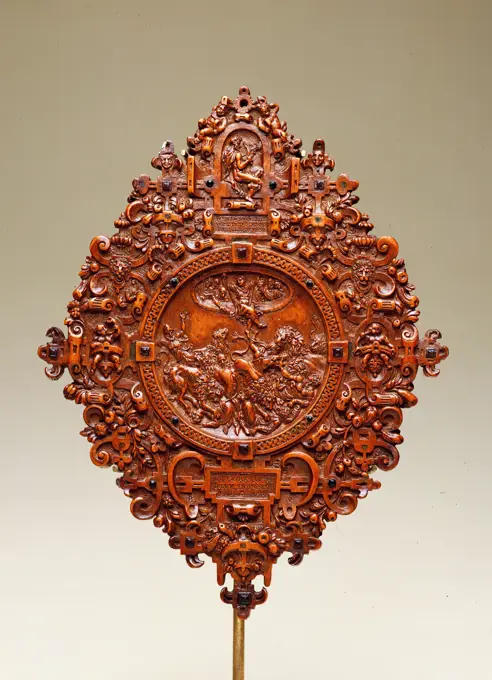
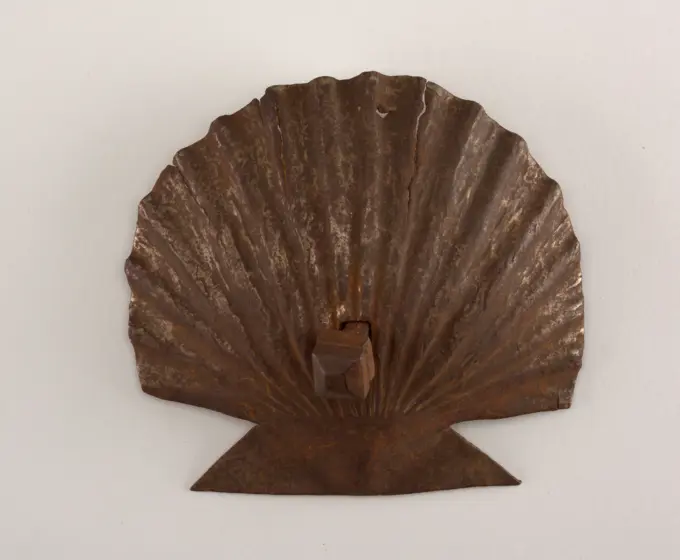
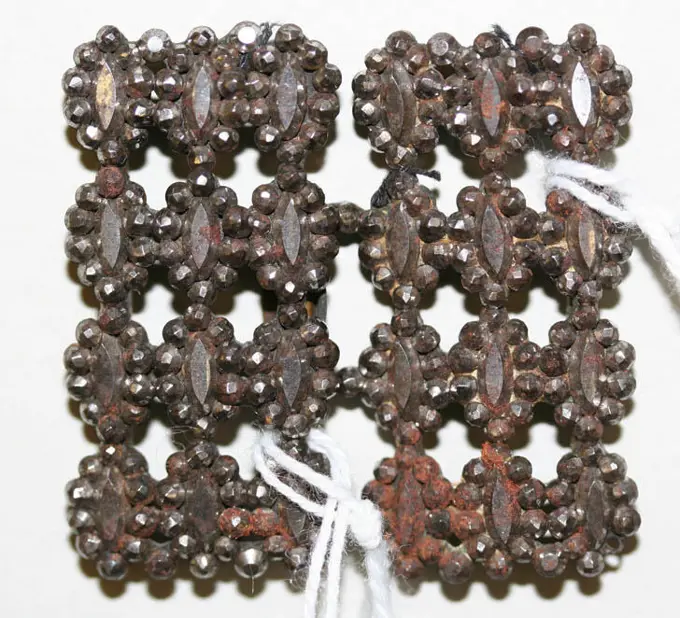
Button, Copper, steel beads, England, USA, 18th-19th century, costume & accessories, Decorative Arts, Button
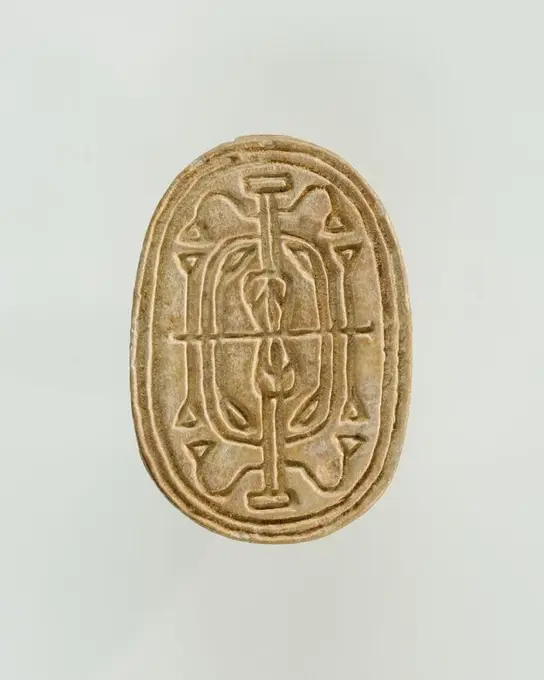
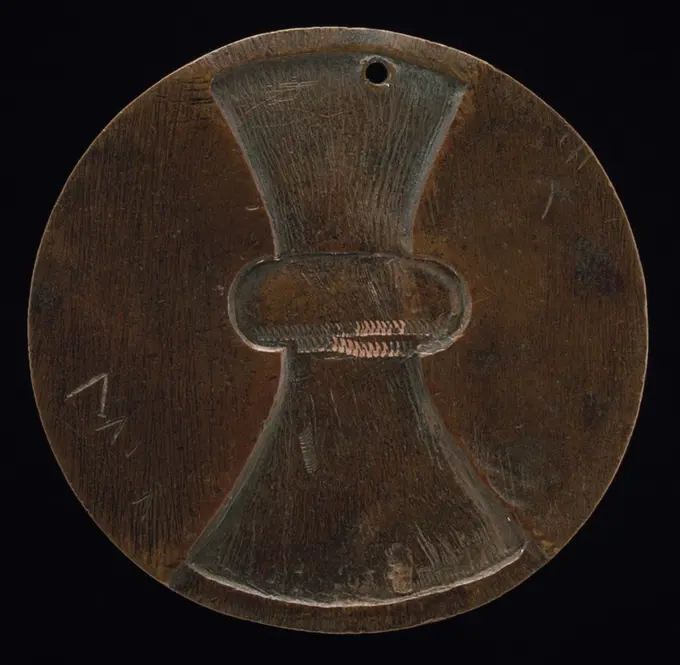
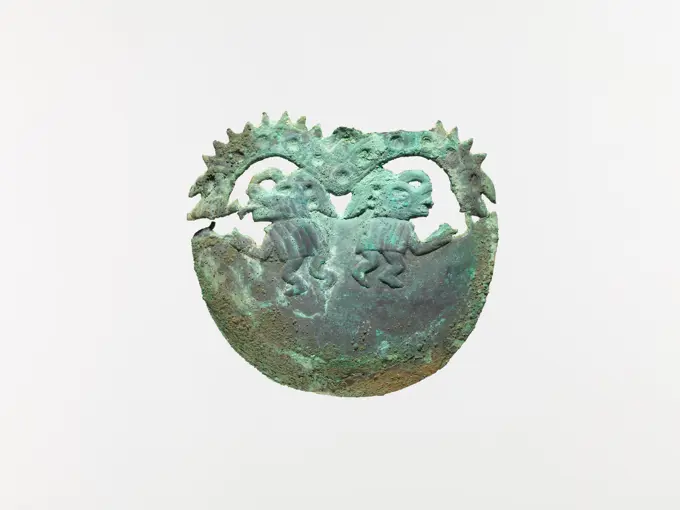
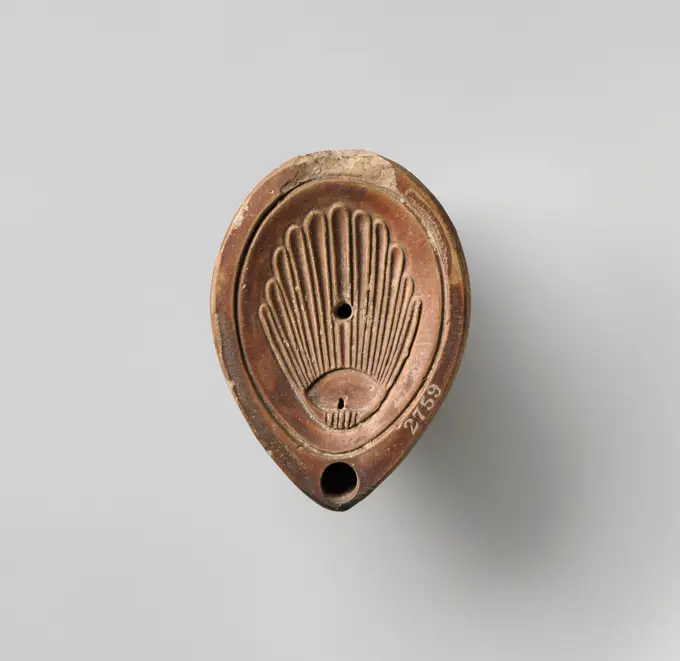
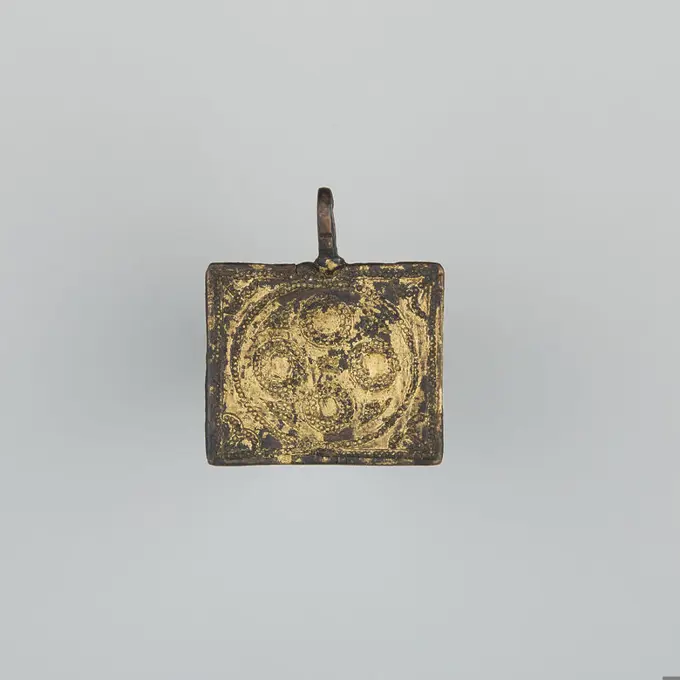
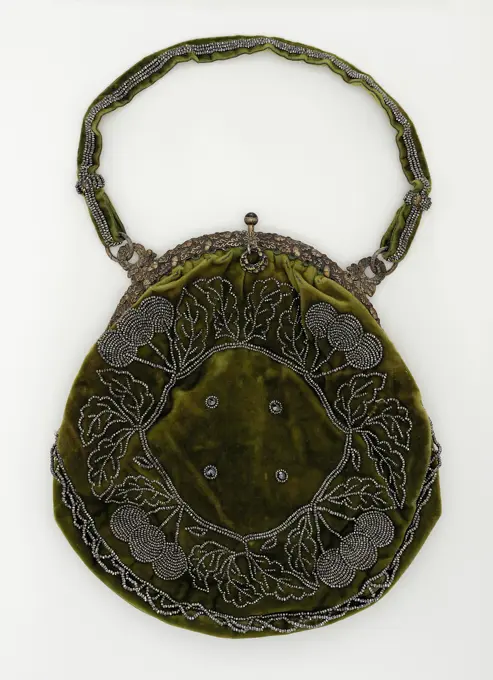
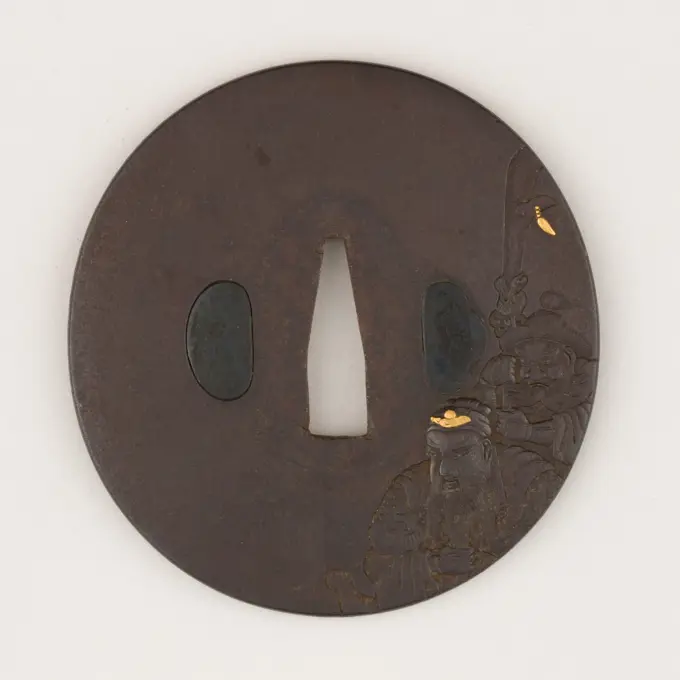
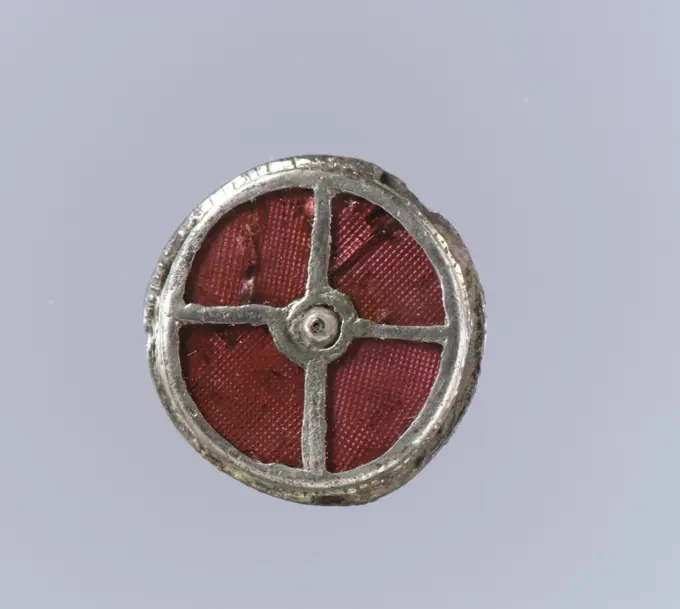
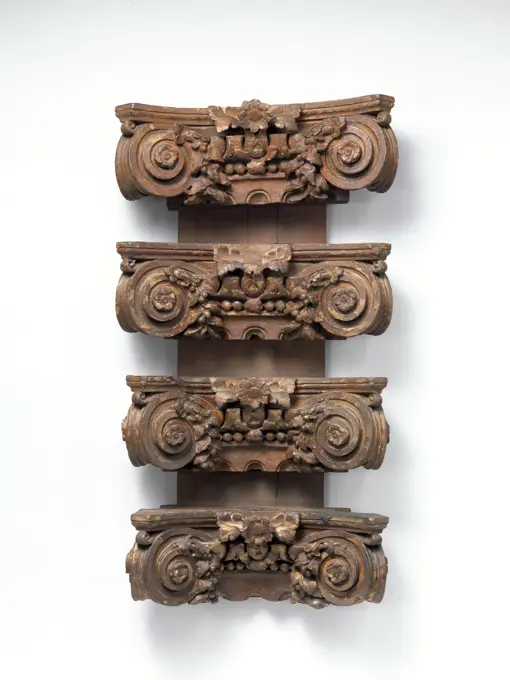
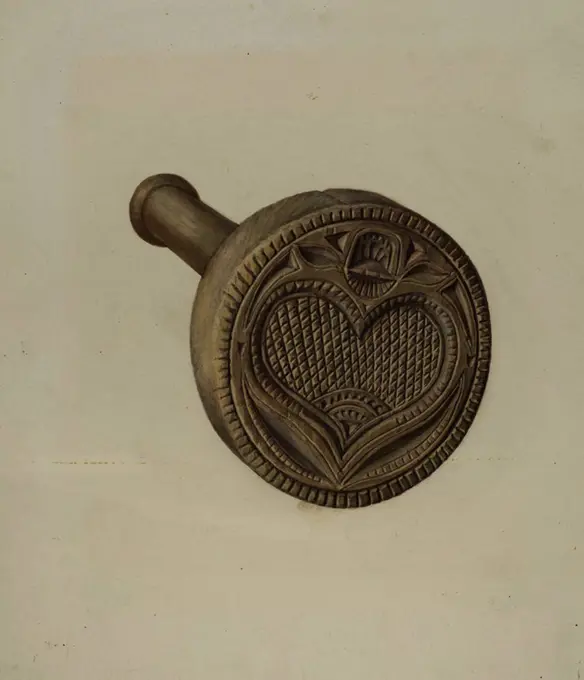
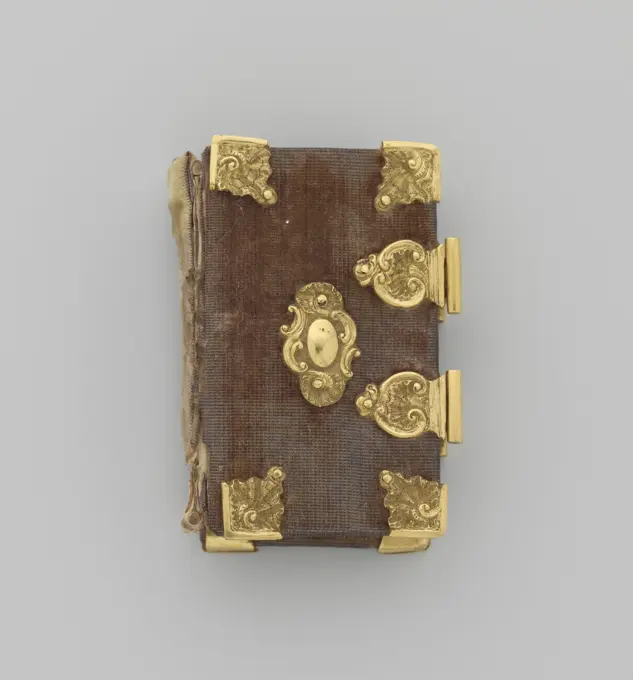
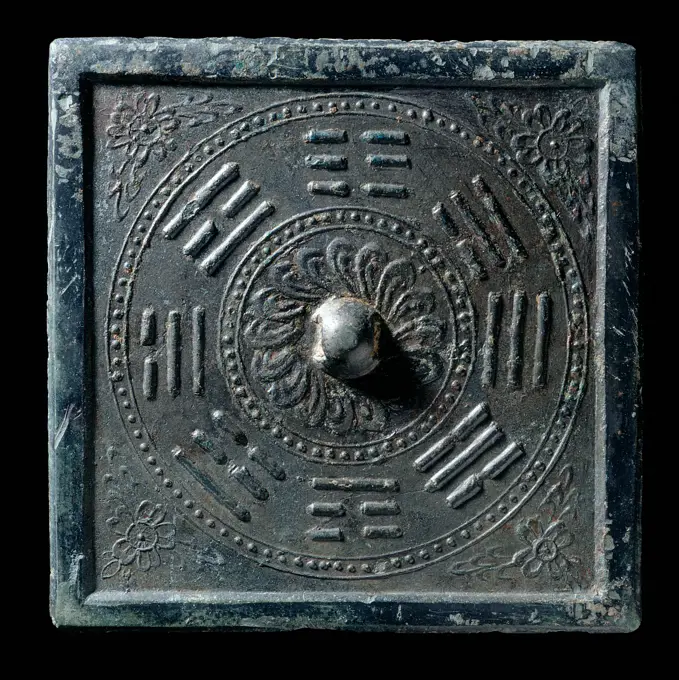
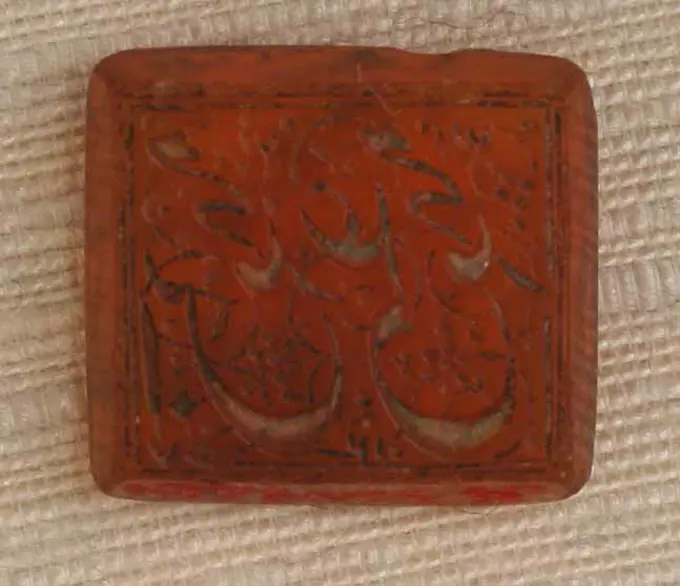
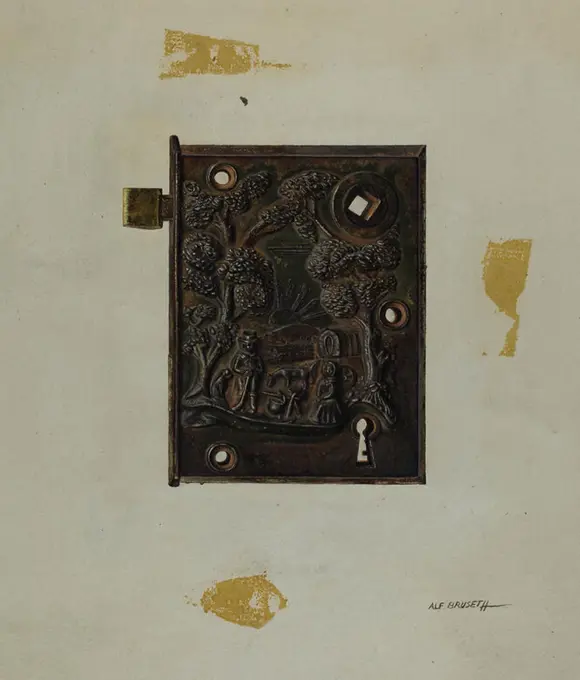
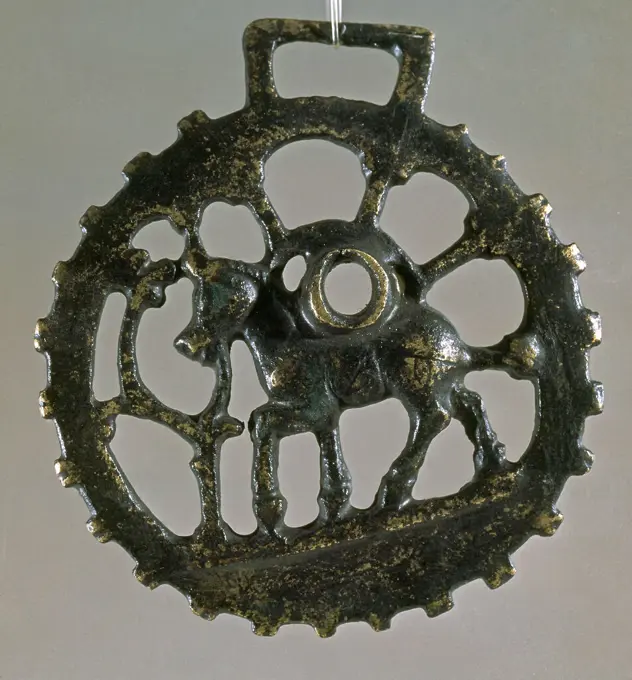
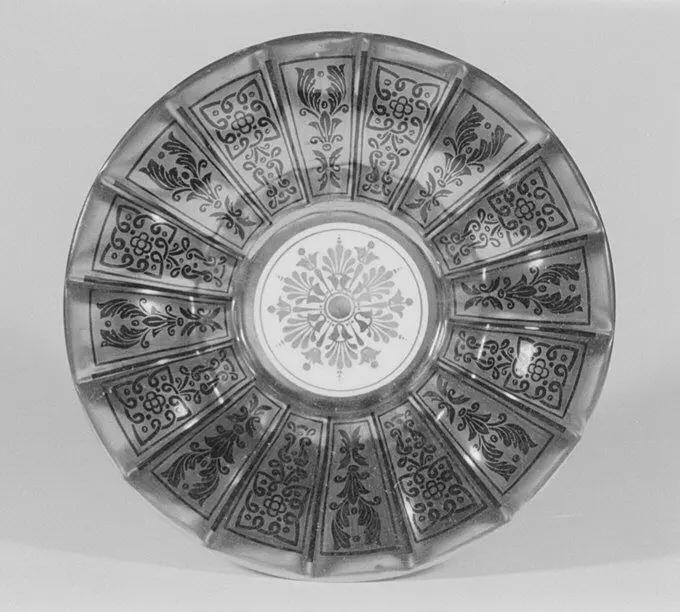
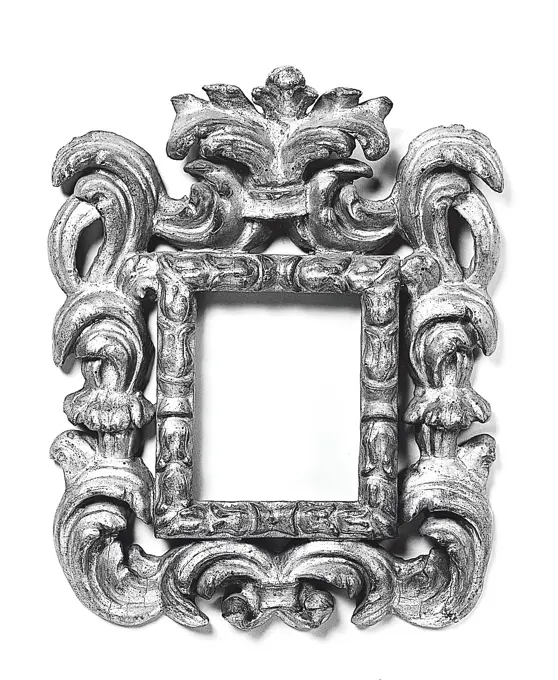
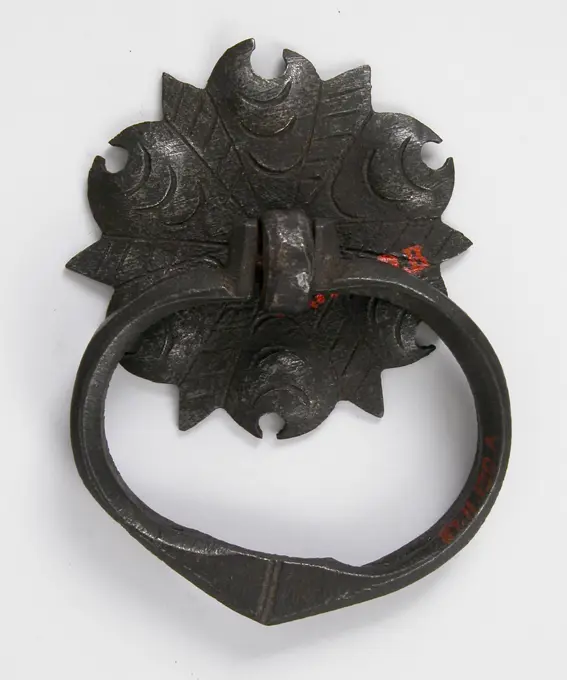
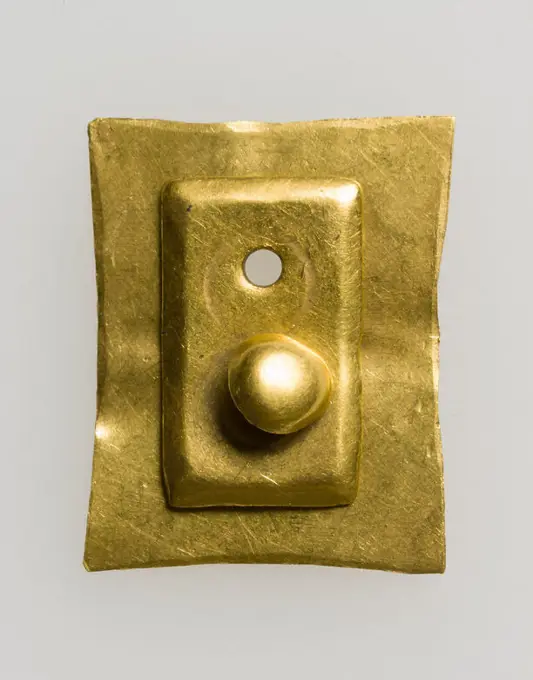
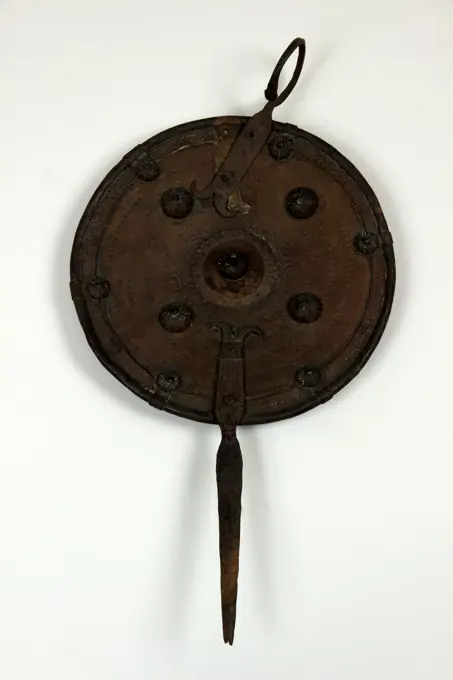
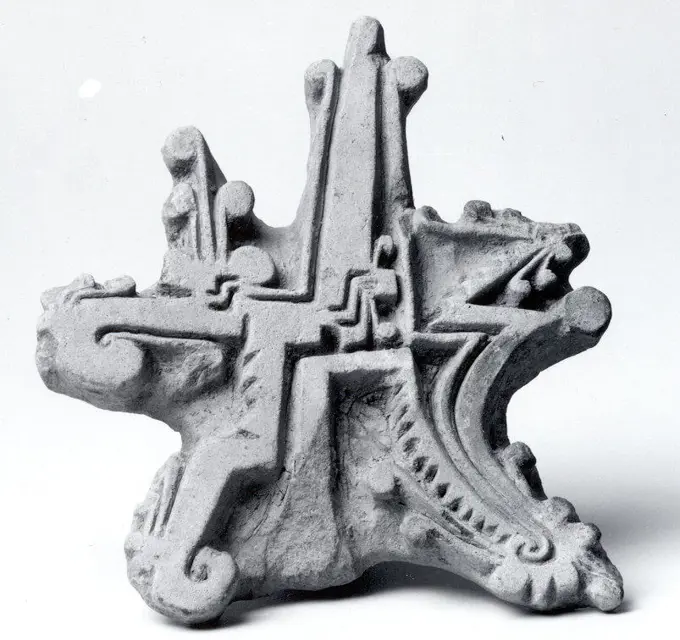
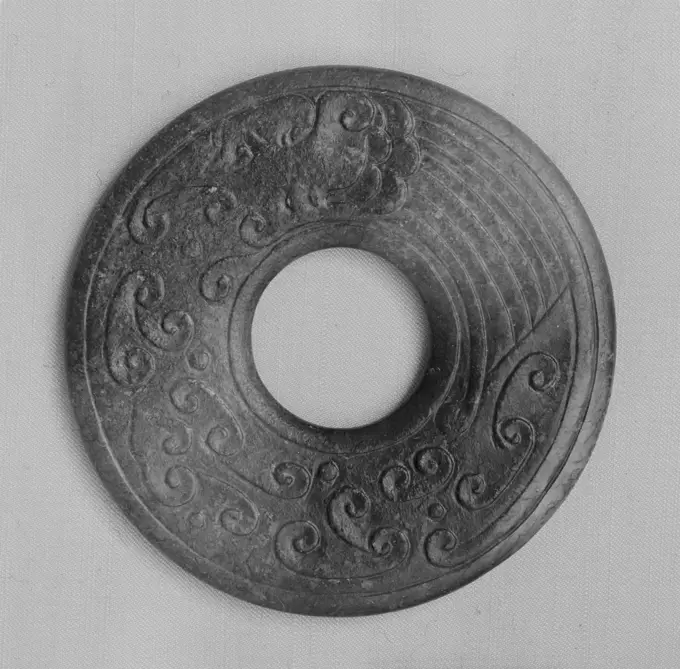
Luckenbooth brooch -Scarab. Dimensions: l. 2.2 cm (7/8 in). Dynasty: Dynasty 12-18. Date: ca. 1981-1550 B.C.. Museum: Metropolitan Museum of Art, New York, USA.Object Resembling Double Axe-head reverse. Dated: c. 1470/1500. Medium: bronze. Museum: National Gallery of Art, Washington DC. Author: Ferrarese 15th Century.Sword stitch with eagle on pine load. The warrior needle develops its own luxurious culture in Japan. The sword is highly valued, even if it is no longer needed as a war weapon, and the possession of this weapon has been allowed since 1588 only samurai. It is more precious than land ownership and gold. For the forging of the blade and the heavy shock, the Samurai operates an unimaginable effort. The incessant blade whose sharpness is legendary consists of multi-folded steel with soft core and harder coat. The stitch sheet, Tsuba, which protects the hand before slipping into the blade, is at the same time status symbol and provides information about the character of the wearer.wooden O typeface detailed vintage wooden O letter typeface isolated Copyright: xZoonar.com/YuryxZapx 21235756Brooch -Bellows American 1700-1900Crescent Ornament 6th-7th century Moche (Loma Negra). Crescent Ornament. Moche (Loma Negra). 6th-7th century. Copper. Peru. Metal-OrnamentsOrnamental Rosette, late 1700s. France, late 18th century. Gilt bronze; diameter: 3.5 cm (1 3/8 in.).Emilia-Romagna Ferrara Ferrara Museo Civico di Schifanoia00. Hutzel, Max 1960-1990 General Notes: INCOMPLETE RECORD--NEGATIVES PROCESSED, PRINTS FILED German-born photographer and scholar Max Hutzel (1911-1988) photographed in Italy from the early 1960s until his death. The result of this project, referred to by Hutzel as Foto Arte Minore, is thorough documentation of art historical development in Italy up to the 18th century, including objects of the Etruscans and the Romans, as well as early Medieval, Romanesque, Gothic, Renaissance and Baroque monuments. Images are organized by geographic region in Italy, then by province, city, site complex and monument.Pilgrim's Badge 14th-16th century French. Pilgrim's Badge. French. 14th-16th century. Lead. Metalwork-LeadBadge (probably from Horse Harness). Culture: Spanish. Dimensions: H. 2 in. (5.1 cm); W. 1 7/8 in. (4.8 cm); Wt. 1 oz. (28.3 g). Date: 14th century. Museum: Metropolitan Museum of Art, New York, USA.Ring collar of a harness with relief of battle, c. 1550 - c. 1650 Iron ring collar. The top is hemisphere and the bottom runs in a slight point. The high relief shows a battle with men on horseback and with spears and swords. In the middle a horse with a rider falls to the floor. West-Europa iron (metal) forging Iron ring collar. The top is hemisphere and the bottom runs in a slight point. The high relief shows a battle with men on horseback and with spears and swords. In the middle a horse with a rider falls to the floor. West-Europa iron (metal) forgingLid -Terracotta oil lamp 2nd half of 1st century A.D. Roman Mold-made. Oval shaped body tapering to point at wick hole. Discus: scallop shell in relief; a single deep groove surrounds the discus; a small central filling hole, and another tiny hole at bottom of shell at front; a narrow, plain shoulder; deep side to body, curving inward slightly; a flat base, with three small flattened pads added as feet.Broken at back, with small hole in top of body; handle missing.. Terracotta oil lamp. Roman. 2nd half of 1st century A.D.. Terracotta; mold-made. Early Imperial. TerracottasSword Guard (Tsuba). Culture: Japanese. Dimensions: H. 2 3/4 in. (7 cm); W. 2 1/2 in. (6.4 cm); thickness 1/4 in. (0.6 cm); Wt. 4.7 oz. (133.2 g). Date: ca. 1615-1868. Museum: Metropolitan Museum of Art, New York, USA.Sword Guard (Tsuba). Culture: Japanese. Dimensions: H. 3 1/4 in. (8.3 cm); W. 3 in. (7.6 cm); thickness 1/4 in. (0.6 cm); Wt. 5.6 oz. (158.8 g). Date: ca. 1615-1868. Museum: Metropolitan Museum of Art, New York, USA.Plaque; wood, carvedPlate. Culture: Cypriot. Dimensions: 2 7/8in. (7.3cm). Date: 850-750 B.C..Small plate with two handles and concentric bands. Museum: Metropolitan Museum of Art, New York, USA.Badge (probably from Horse Harness). Culture: Spanish. Dimensions: H. 1 13/16 in. (4.6 cm); W. 1 9/16 in. (3.9 cm); Wt. 0.5 oz. (14.2 g). Date: 14th century. Museum: Metropolitan Museum of Art, New York, USA.Woman's Handbag. United States, 1880-1889. Costumes; Accessories. Silk velvet, silver, cut steel beads, brocaded silkSword guard (Tsuba) Depicting Zhūgě Liàng and Guān Yǔ (明-関羽図鐔) mid-19th century Japanese The obverse of this iron tsuba shows chancellor Zhūgě Liàng (181-234), courtesy name Kongming (Japanese: Kōmei,明 ), and general Guān Yǔ (?-201, Japanese: Kan’u, 関羽) with his famous halberd "Green Dragon Crescent Blade" (青龍偃月刀). The reverse is left undecorated. Both Zhūgě Liàng and Guān Yǔ are prominent figures of the Records of the Three Kingdoms, a Chinese historical text which covers the history of the late Eastern Han dynasty (ca. 184-220 A.D.) and the Three Kingdoms period (220-280 A.D.). As such Chinese classics were included in the curriculum of Japanese warrior education, relevant motifs frequently found on sword fittings.The artist Naotoshi (直寿-直壽) had studied with the Hamano School (浜野) master Naoyuki (直随, 1754-1827). He was based in Edo and used the art names Kaikūdō (皆空堂) and Ken’yūsai (顕有斎).. Sword guard (Tsuba) Depicting Zhūgě Liàng and Guān Yǔ (明-関羽図鐔) 25738Plate and Nail 15th-16th century European. Plate and Nail. European. 15th-16th century. Iron. Metalwork-IronInterieuronderdeel, anonymous, 1500 Six panels made of oak with openwork tracing decorated. The panels are square and surrounded on three sides by bar. The pattern changes. Under a later brown paint layer, traces of gilding. The panels are equipped with a modern turning. Low Countries (possibly) wood (plant material). oak (wood) Six panels made of oak with openwork tracing decorated. The panels are square and surrounded on three sides by bar. The pattern changes. Under a later brown paint layer, traces of gilding. The panels are equipped with a modern turning. Low Countries (possibly) wood (plant material). oak (wood)Sherd with arches in reliëf, anonymous (possibly), c. 1500 - c. 1799 Sharf of Steengoed, decorated in relief with arches and a honeycomb pantrum. Germany stoneware. glaze vitrification Sharf of Steengoed, decorated in relief with arches and a honeycomb pantrum. Germany stoneware. glaze vitrificationAnonymous (France). Sharp applies. Bronze, Merovingian. Paris, Carnavalet museum. 58455-2 Applique, bronze, Merovingian, Merovingian, Ornament, Triscele, Archeological VestigeMiniature frame, 1575-1600, 5 1/4 x 4 1/4 in. (13.34 x 10.8 cm), Fruitwood, Netherlands, 16th-17th centurySaucer 1820-80 Possibly Daniel Dry , active ca. 1820-80. Saucer 7228Incense box with fragrant grass design 13th century China The scrolling design that fills the surface of this box is often called the fragrant grass” motif in Chinese writings on lacquer. It is closely linked to another pattern featuring abstract scrolls that is popularly known as the pommel scroll.” Both designs, ubiquitous in carved lacquer, can be traced to abstract patterns in early Chinese lacquers and bronze vessels. The reemergence of this motif during the Song period (960-1279) reflects the fascination with antiquarian imagery that marked this period of Chinese history and the rediscovery of that time of earlier artistic traditions.. Incense box with fragrant grass design 73804Terracotta guttus (flask with handle and vertical spout). Culture: Greek, South Italian, Campanian. Dimensions: H. 2 11/16 in. (6.8 cm)diameter 3 3/4 in. (9.5 cm). Date: late 4th century B.C..In the tondo, seated comic actor wearing the mask of a slave. Museum: Metropolitan Museum of Art, New York, USA.Furniture Plaque 7th-8th century Plaques of this form were attached to wooden furniture with nails or pegs. They are made from the cylindrical shafts of animal bones sawn in half and carved on the smooth outer side. This example is carved with a motif frequently found on bone plaques excavated in and around Old Cairo: two vines twisted together that blossom into leaves at their tops under a pointed arch.. Furniture Plaque 449518Flat stamp with geometric flower. Culture: Aztec. Dimensions: Overall: 2 3/16 in. (5.64 cm). Date: 14th-early 16th century. Museum: Metropolitan Museum of Art, New York, USA.Bowl 9th-10th centuryCompass Card, 1825 compass card The rose has a brass cap in the middle with hole in front of the pen at the bottom: the rotation of the rose was improved by the materials used, while fluctuating by increasing the ruby's friction surface was reduced. The rose is badly damaged. instrument maker: Amsterdamafter design by: Portsmouth iron (metal). ruby (mineral). agate (chalcedony). paperDoor Boss And Nail; wrought iron; a) L x W x D: 3.6 × 17.1 × 15.8 cm (1 7/16 × 6 3/4 × 6 1/4 in.) b) L x W x D: 7.8 × 1.9 × 1.9 cm (3 1/16 × 3/4 × 3/4 in.)Fasteners of wood from a silver wall arm, 1800 - 1899 Ster -shaped wall plate made of a silver wall arm.  wood (plant material). metal Ster -shaped wall plate made of a silver wall arm.  wood (plant material). metalDisk Brooch first half 6th century Frankish. Disk Brooch 464846 Frankish, Disk Brooch, first half 6th century, Silver-gilt, garnets with patterned foil backings, pearl;, Overall: 13/16 x 1/8 in. (2.1 x 0.3 cm). The Metropolitan Museum of Art, New York. Gift of J. Pierpont Morgan, 1917 (17.191.153)Brooch (France); gold, steel wire; Overall: 8 x 6.5 x 3 cm (3 1/8 x 2 9/16 x 1 3/16 in.)chocolate cake chocolate cake in a paper baking dish Copyright: xZoonar.com/RuslanxGrigolavax 3119513Plaque for a Collar or Necklace 8th century. Plaque for a Collar or Necklace 446247Decorative door boss and nail, Wrought iron, Hemispherical boss wrought into a raised 8-petalled flower form. Nail head is a truncated pyramid with single vertical lines wrought in the four sides. Square shank., Spain, 15th century, metalwork, Decorative Arts, Decorative door boss and nailSet of four pilaster capitals 18th century French. Set of four pilaster capitals 189517 French, Set of four pilaster capitals, 18th century, Wood, Length (each): 11 in. (27.9 cm). The Metropolitan Museum of Art, New York. Gift of J. Pierpont Morgan, 1906 (07.225.246ad)Plate (tondino) 1527 workshop of Maestro Giorgio Andreoli Italian. Plate (tondino). workshop of Maestro Giorgio Andreoli (Italian (Gubbio), active first half of 16th century). 1527. Maiolica (tin-glazed earthenware). Ceramics-PotteryCDK Unknown, school HamanoTorc 4th-3rd century B.C. Celtic. Torc 464946 Celtic, Torc, 4th3rd century B.C., Copper alloy, Overall: 5 1/8 x 1/4 in. (13 x 0.7 cm). The Metropolitan Museum of Art, New York. Gift of J. Pierpont Morgan, 1917 (17.191.242)Przeszo Przyszoci unknownBelt Buckle, c. 525-560. Visigothic, Iberian Peninsula, Migration period, 6th century. Bronze and glass; overall: 14.1 x 8 x 1.4 cm (5 9/16 x 3 1/8 x 9/16 in.).Glass Fragment 15th-16th century European. Glass Fragment. European. 15th-16th century. Colorless glass. Glass-StainedFiligree, decorative element for manual work, isolated on white background Filigree, decorative element for manual work, isolated on white background Copyright: xZoonar.com/OleksandrxKostiuchenkox 9757446Fleur de Lys, 1700s. France (). Lead; overall: 9.5 x 9.2 cm (3 3/4 x 3 5/8 in.).Torque, 14 3/8 x 13 7/8 x 1/2 in. (36.51 x 35.24 x 1.27 cm) (including dangles), Silver, ChinaButter Mold. Dated: c. 1939. Dimensions: overall: 30.5 x 23.5 cm (12 x 9 1/4 in.). Medium: watercolor and graphite on paper. Museum: National Gallery of Art, Washington DC. Author: Frances Lichten.Saucer with floral pattern 19th century China. Saucer with floral pattern. China. 19th century. Porcelain painted in overglaze polychrome enamels (Bencharong ware for Thai market). Qing dynasty (1644-1911). CeramicsScarab Inscribed with a Hieroglyphic Motif ca. 1479-1458 B.C. New Kingdom. Scarab Inscribed with a Hieroglyphic Motif. ca. 1479-1458 B.C.. Steatite (glazed). New Kingdom. From Egypt, Upper Egypt, Thebes, Deir el-Bahri, Temple of Hatshepsut, Foundation Deposit 7 (G), MMA excavations, 1926-27. Dynasty 18, earlyGlass Fragments 14th-15th century European. Glass Fragments. European. 14th-15th century. Colorless glass. Glass-StainedPadlock 19th century French. Padlock 186853Sword Guard (Tsuba), c. 1615-1868. Japan, possibly Edo period (1615-1868). Iron; diameter: 8.6 cm (3 3/8 in.).Pendant early 16th century French. Pendant. French. early 16th century. Bronze. Miscellaneous-Buckles & OrnamentBook entitled Core of Bibles, Anthoni de Groot & Zoonen, 1750 Book, bound in brown silk velvet with golden closure center plate and corner batter, decorated with rocaille motifs; Cut gilded, bracts of pink silk. Miniature booklet published in The Hague at A. de Groot en Zonen. MDCCL (1750). Ten sections of four magazines, eighty pages. The Hague paper. gold (metal). silk Book, bound in brown silk velvet with golden closure center plate and corner batter, decorated with rocaille motifs; Cut gilded, bracts of pink silk. Miniature booklet published in The Hague at A. de Groot en Zonen. MDCCL (1750). Ten sections of four magazines, eighty pages. The Hague paper. gold (metal). silkSeal Stamp dated A.H. 1277/ A.D. 1860-61. Seal Stamp 452225Escutcheon Plate 15th century German. Escutcheon Plate 468791Lock 15th century French The decoration of Gothic iron locks and keys was often elaborate and of the highest standard of workmanship. The motifs were frequently drawn from Gothic architecture, reproducing on a miniature scale complicated tracery patterns and even tiny statuettes. A number of these tiny locks were compound, with some of the mechanisms concealed from view, and required two or even three keys used in sequence to open them. It has been suggested that the greatly expanded use of locks on doors, or coffrets and other types of storage chests was a result of the increasing urbanization of life and the new emphasis on material wealth and private ownership which developed in the late Middle Ages.. Lock. French. 15th century. Iron. Metalwork-IronMirror with the Eight Trigrams Design. Korea, Goryeo dynasty (918-1392). Furnishings; Accessories. Cast bronzeSeal Stamp probably A.H. 1257/ A.D. 1841-42. Seal Stamp 452233Silver loop.Door Lock. Dated: c. 1940. Dimensions: overall: 26 x 21.2 cm (10 1/4 x 8 3/8 in.) Original IAD Object: 3 5/8" wide; 4 3/4" high. Medium: watercolor, pen and ink, and graphite on paper. Museum: National Gallery of Art, Washington DC. Author: Alf Bruseth.BRONCE DE ARNES - RUEDA CON REPRESENTACION DE CABALLO MARCHANDO - BRONCE VISIGODO - SIGLO XI. Location: MUSEO ARQUEOLOGICO NACIONAL-COLECCION, MADRID, SPAIN.old cartwheel isolated on a white backgroundThe Trundholm sun chariot (Danish: Solvognen); is a late Nordic Bronze Age artefact discovered in Denmark. It is a representation of the sun chariot; a bronze statue of a horse and a large bronze disk; which are placed on a device with spoked wheels. It was discovered in 1902 in a peat bog on the Trundholm moor on the northwest coast of the island of Zealand (Sjælland) in DenmarkSaucers (12) (part of a tea and coffee service) 1834 Imperial Porcelain Manufactory, St. Petersburg Russian This group is part of a tea and coffee service of twenty-nine pieces (69.162.1-.29). The design of the service reflects the widespread fascination of the nineteenth century with a variety of pseudo-styles and their indigenous interpretation by the Imperial Porcelain Manufactory.. Saucers (12) (part of a tea and coffee service) 205130Applique in the Shape of an Ivy Leaf Calyx. UnknownButcher lid; Manufaktura Majoliki in Nieborów (Nieborów; Wytwórnia; 1881-1899), Hy Ycka, Jadwiga (1856-1922); 1881-1886 (1881-00-00-1886-00-00);Mortise Lock late 15th century German The decoration of Gothic iron locks and keys was often elaborate and of the highest standard of workmanship. The motifs were frequently drawn from Gothic architecture, reproducing on a miniature scale complicated tracery patterns and even tiny statuettes. A number of these tiny locks were compound, with some of the mechanisms concealed from view, and required two or even three keys used in sequence to open them. It has been suggested that the greatly expanded use of locks on doors, or coffrets and other types of storage chests was a result of the increasing urbanization of life and the new emphasis on material wealth and private ownership which developed in the late Middle Ages.. Mortise Lock 468894Cauliculi frame early 18th century Italian, Bologna. Cauliculi frame 461608Mount; bronze, giltDoor handle and plate 16th century German. Door handle and plate 468793Grahal-Manzara. Carnavalet 2013-2016 collection sites. Numismatics. Lottery wheel right whose sections are decorated with the symbol of political parties and the initial of candidates for the December 1848 election; Reverse registration on five lines.Gold Belt Mount with Rivet. Culture: Avar. Dimensions: a and b: 1 × 13/16 × 3/16 in., 0.193 Troy Ounces (2.6 × 2.1 × 0.5 cm, 6g)a: 1 × 13/16 × 1/16 in., 0.096 Troy Ounces (2.6 × 2.1 × 0.1 cm, 3g)b: 3/4 × 1/2 × 3/16 in., 0.096 Troy Ounces (1.9 × 1.2 × 0.5 cm, 3g). Date: 700s.The treasure contains an array of belt fittings, some elaborately decorated, some unfinished or defectively cast. Some show no signs of use, while others are quite worn.The AvarsThe Avars were a nomadic tribe of mounted warriors from the Eurasian steppe. The Byzantine emperor Justinian negotiated with them in the sixth century to protect the Empire's northern border along the Black Sea. Emboldened by their subjugation of numerous tribes, they unsuccessfully attempted to seize the Empire's capital, Constantinople. They remained a scourge of both Byzantium and the Western kingdoms until Charlemagne defeated them through a series of campaigns in the 790s and early 800s.All the money and treasure that the Avars haShield (Dhàl) 19th century Indian, Chota Ngpur. Shield (Dhàl). Indian, Chota Ngpur. 19th century. Copper alloy, iron, hemp. Chota Ngpur. ShieldsSword Guard, 1615-1868. Japan, Edo period (1615-1868). Iron (Akasaka type); diameter: 8 cm (3 1/8 in.).Glass Fragment. Culture: French. Dimensions: Overall: 5 1/4 x 4 1/4 in. (13.3 x 10.8 cm). Date: 13th century. Museum: Metropolitan Museum of Art, New York, USA.Jelec (Tsuba); Tanaka, Kiyotoshi (1804-1876), Tanaka; 2. PO. 19th century (1868-00-00-1899-00-00);Xi’an, Shaanxi, ChinaRoller and Flat Stamps 9th-15th century Manteño. Roller and Flat Stamps 314175Disk China. Disk. China. Jade. Han dynasty (206 B.C.-A.D. 220). Jadeaircraft carrier catapult wheel aircraft carrier catapult wheel uss midway museum north harbor drive san diego california usa Copyright: xZoonar.com/ThomasxJahnx 5407416Sword Guard (Tsuba) with Bridge and Pine, mid-1800s. Japan, Edo period (1615-1868). Iron; average: 7 x 7.3 cm (2 3/4 x 2 7/8 in.).Stone carving art on Kesar Bagh royal cremation ground ; Bundi ; Rajasthan ; IndiaDisk China. Disk 42824Belt buckle 1830s European. Belt buckle 122024Early Astrolabes. Syria was an early centre of Islamic instrument production and these astrolabes date from the 9th and 10th centuries. A characteristic feature is the dagger style of the star pointers on the retes. Though inscribed in Arabic, both of the instruments have some later captions added in Armenian.Harry Mann Waddell, Detail of Confessional, c 1940 Detail of ConfessionalWorkpiece of needle side motifs in the making on green incentive with linen surface, anonymous, c. 1875 - c. 1899 Workpiece of a strip of needle side in the making, on an incentive of green colored parchment. Halfovaal -shaped. The motifs include flowers including cornflowers or carnations in a round list formed by two curling stems. BURANO linen (material). parchment (animal material) basting / sewing Workpiece of a strip of needle side in the making, on an incentive of green colored parchment. Halfovaal -shaped. The motifs include flowers including cornflowers or carnations in a round list formed by two curling stems. BURANO linen (material). parchment (animal material) basting / sewingBell pull, Medium: silk, wool, and metal thread on linen canvas, brass handle, cotton plain cloth Technique: counted stitch embroidery, Bell pull made of canvas with embroidery, arranged as cross borders, in floral and geometric designs (one with initials 'A. W.' and date '1752'); brass handle at either end, pierced in design of Chinese type. Embroidery in canvas stitches. Bell pull is backed with yellow cotton plain cloth., Germany, 19th century, embroidery & stitching, Bell pullFanlight (). Culture: German. Dimensions: Overall: 4 15/16 x 3 1/16 x 1/2 in. (12.6 x 7.8 x 1.3 cm). Date: 16th century. Museum: Metropolitan Museum of Art, New York, USA.TsubaEndless Knot, from Nepal, where it is displayed as a protection against ill-health and death, as it has no beginning and no ending. It is one of the Eught Lkucky Things, or Eight Glorious Synbols of Buddhism. Also known as the Eternal Knot or the Everlasting Knot., it is said to embody a spiritual eternity.10 Mazounas bronze piece of the French protectorate of Morocco, 1921 Exhibit of 10 Mazounas bronze from the French protectorate of Morocco, 1921. Bronze. Around 1921.gear wheels on steel gear wheels on steel background Copyright: xZoonar.com/OxanaxRishnyakx 4482577Rosette ca. 1479-1458 B.C. New Kingdom. Rosette. ca. 1479-1458 B.C.. Faience. New Kingdom. From Egypt, Upper Egypt, Thebes, Deir el-Bahri, Temple of Hatshepsut, Hathor Chapel, Egypt Exploration Fund excavations. Dynasty 18