Artistic Vases Collection

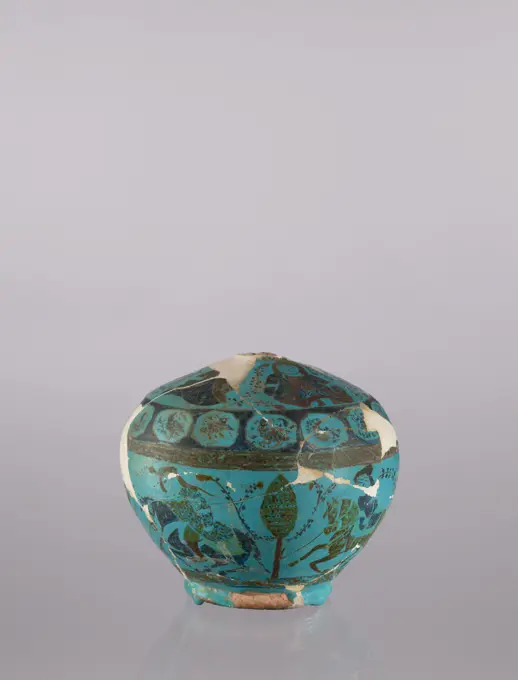
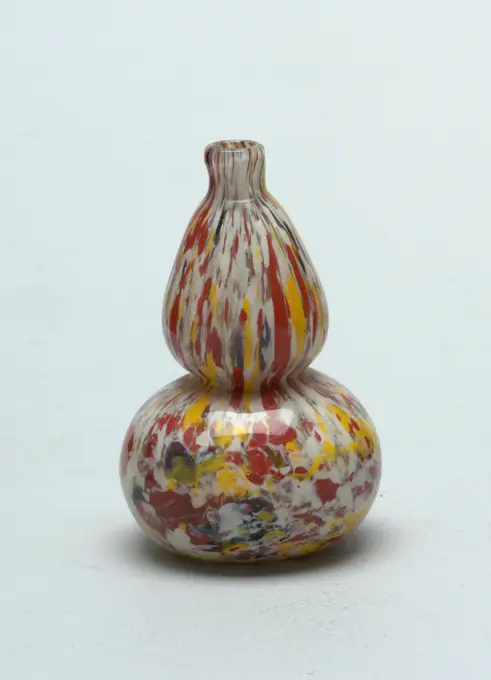
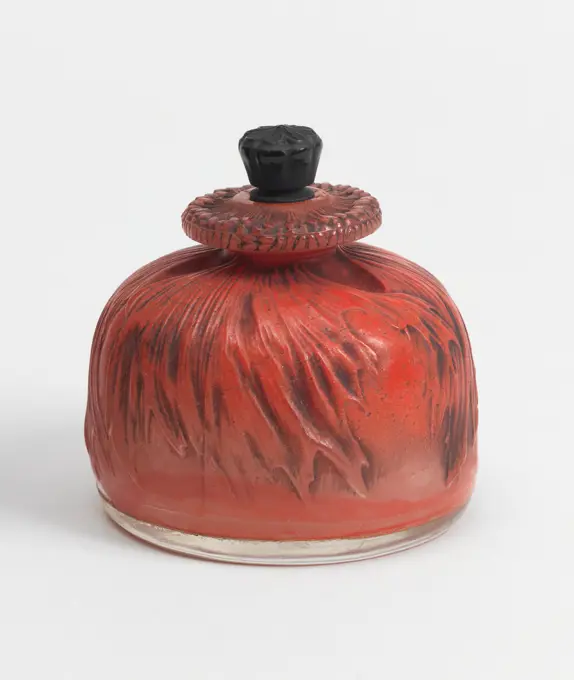
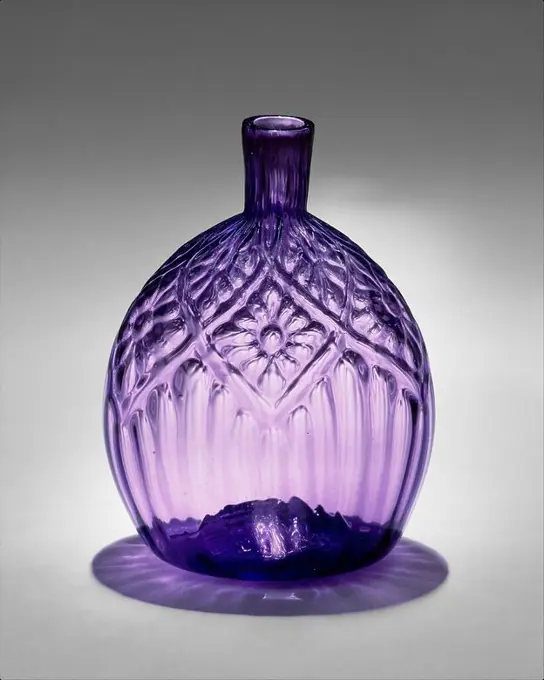
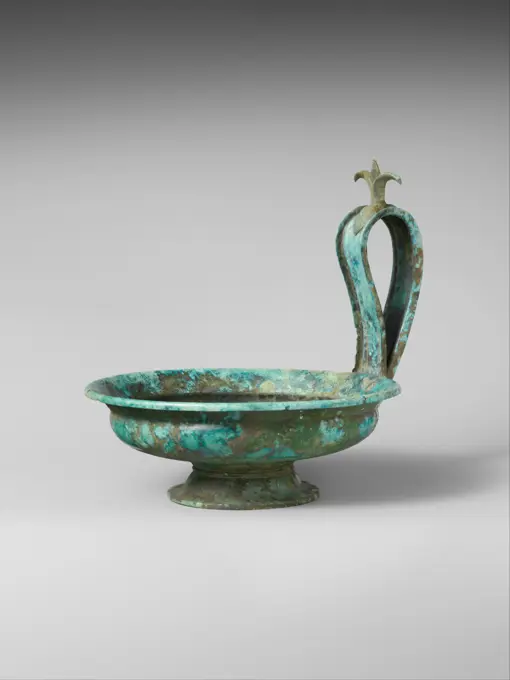
A range of beautifully crafted vases made from ceramics and glass, displaying intricate designs and textures, reflecting various artistic styles.

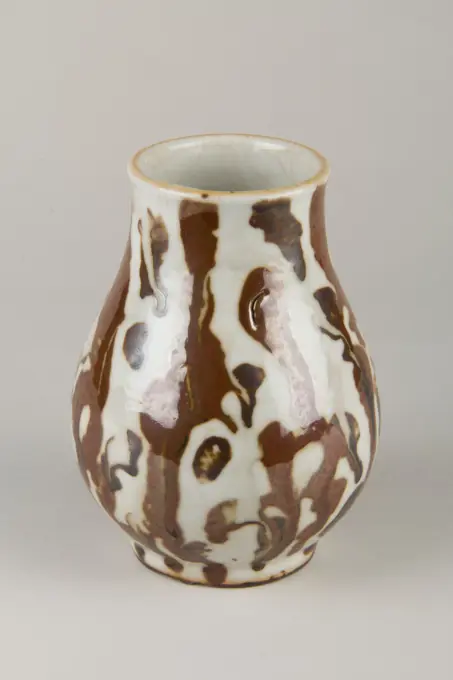
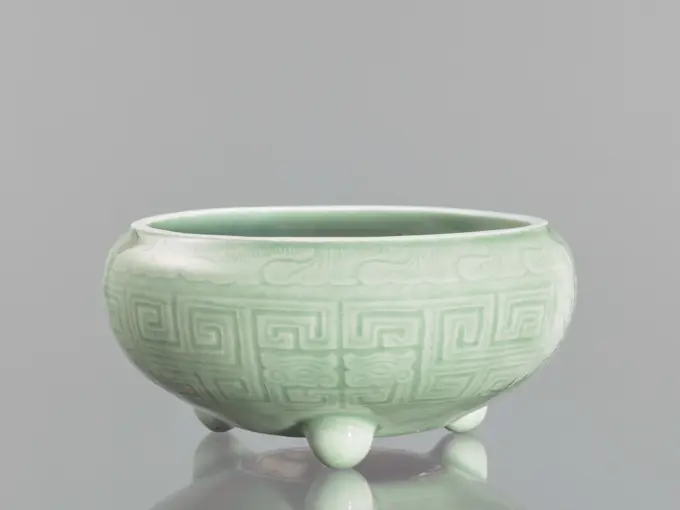
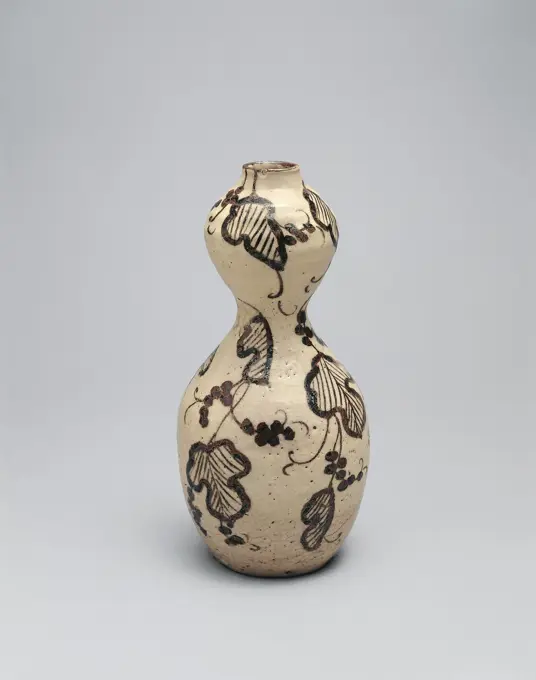
Vase, 12th century, Unknown Korean, 11 7/8 x 6 3/4 in. (30.2 x 17.15 cm), Ceramic; celadon glaze, gold, Korea, 12th century
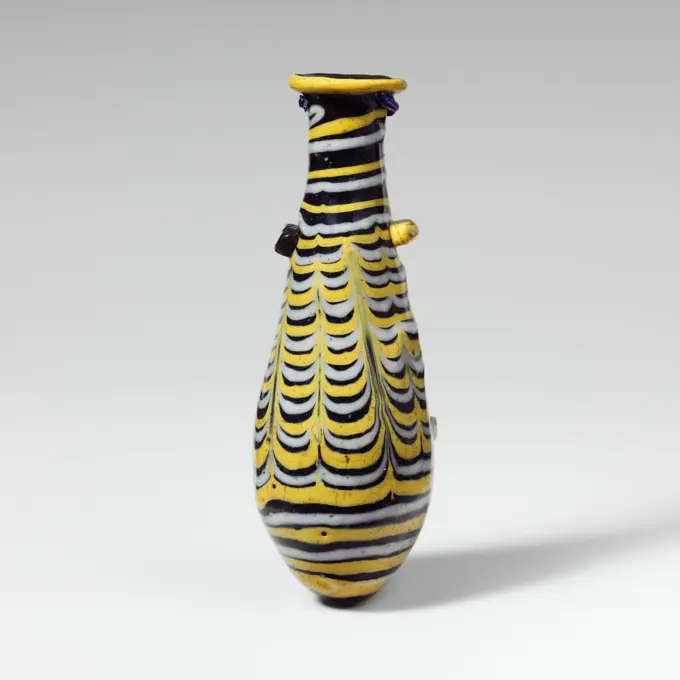
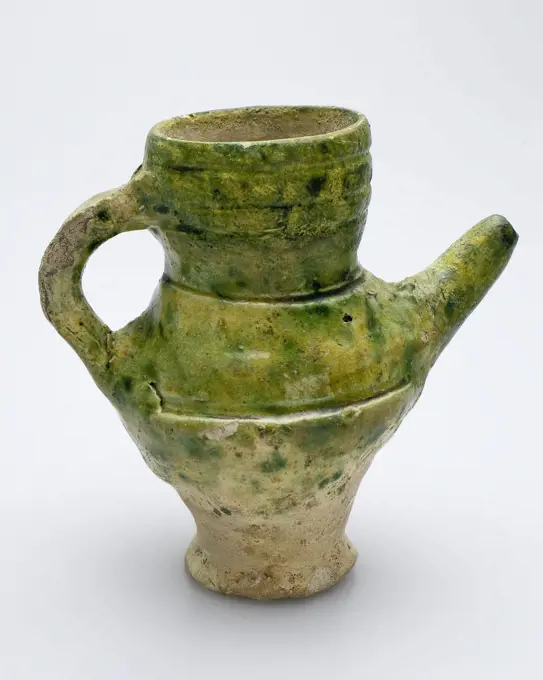
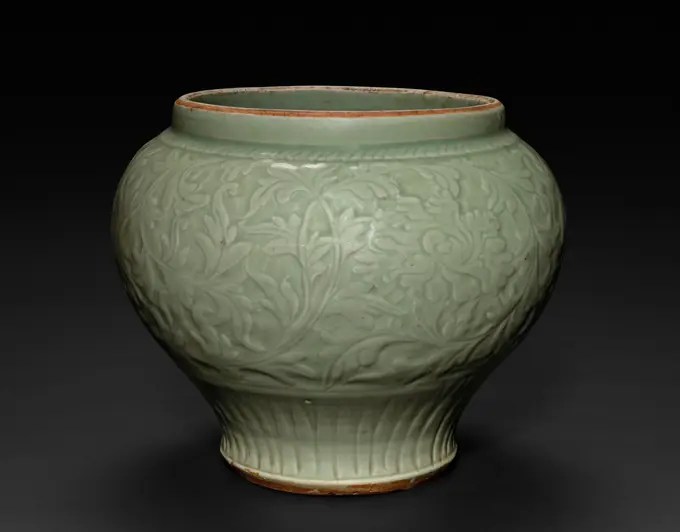
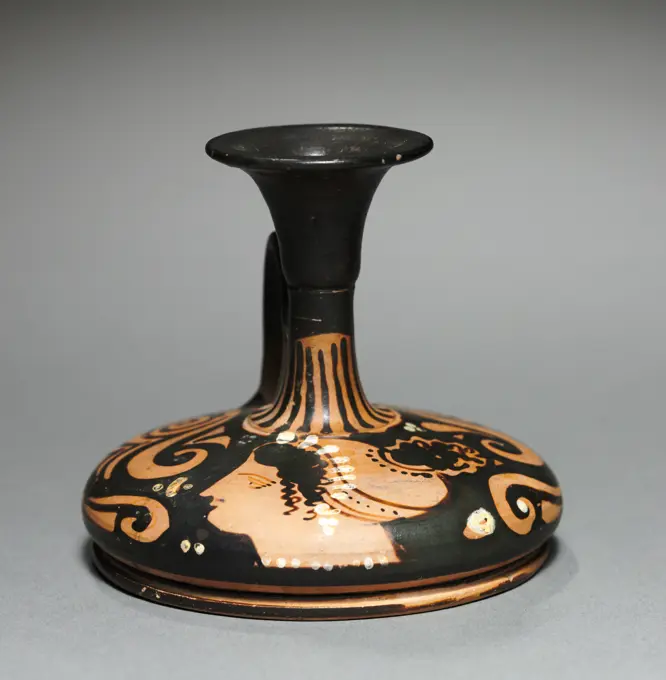
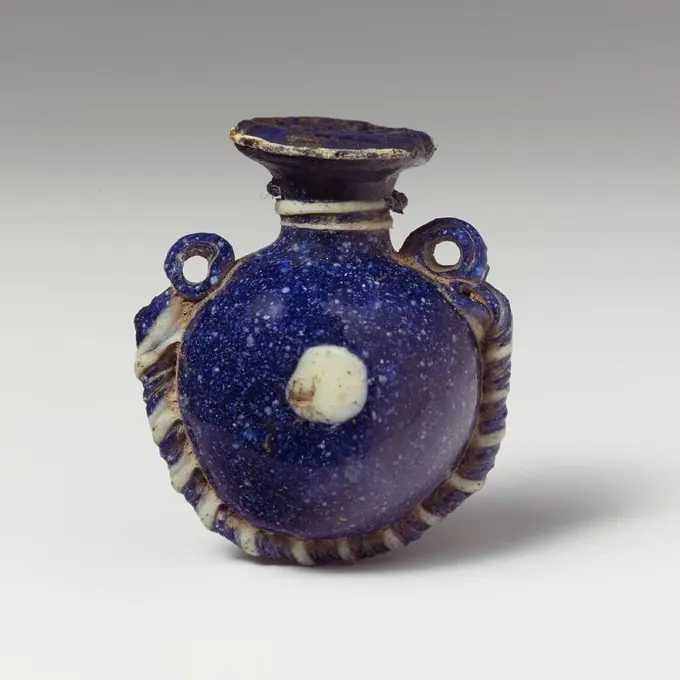
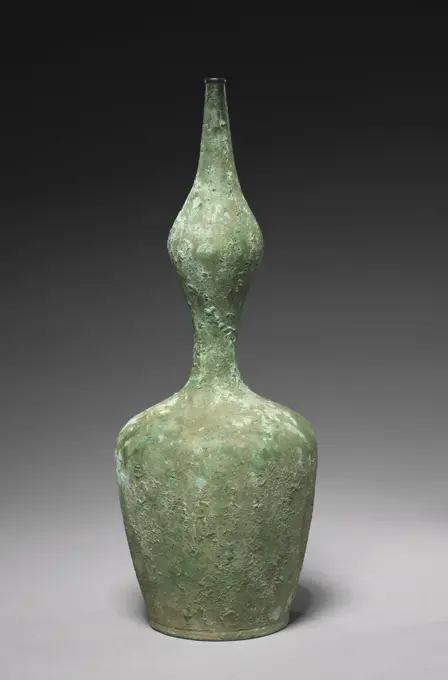
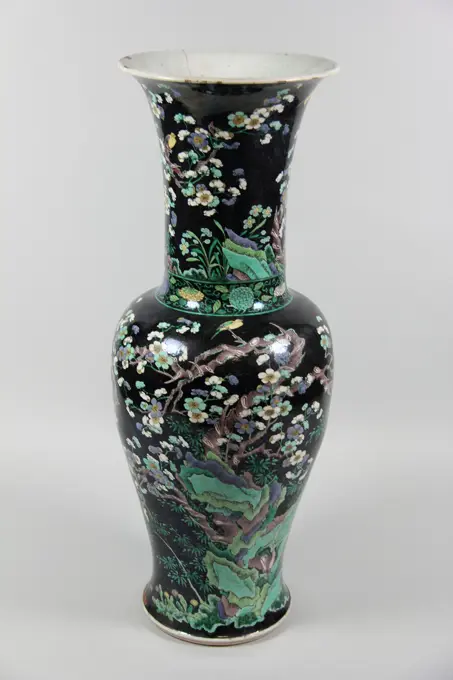
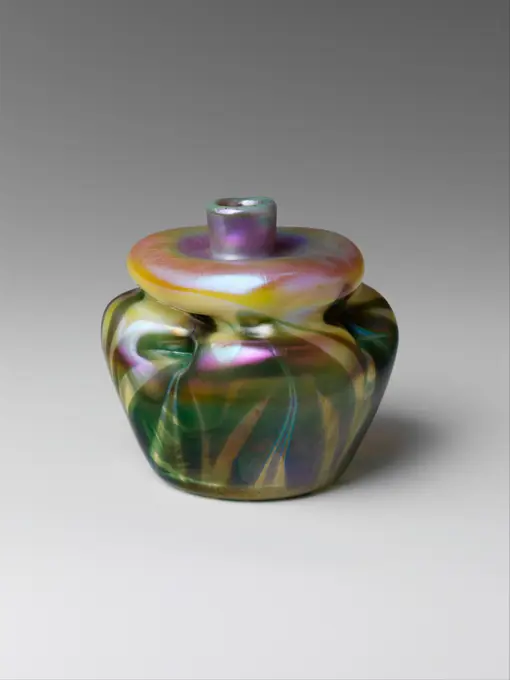
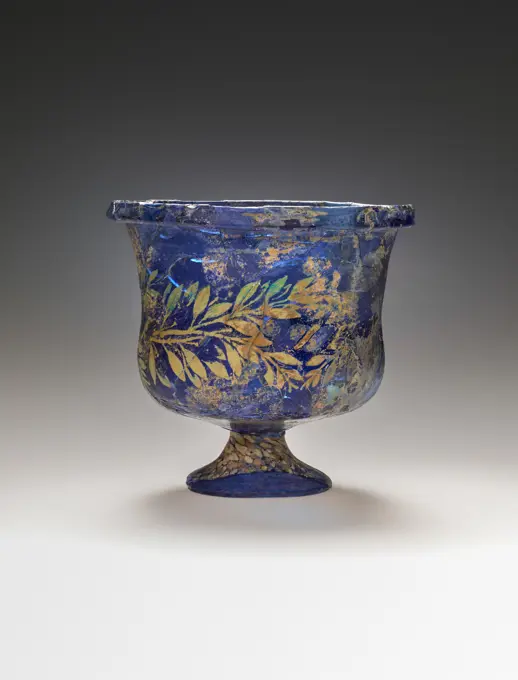
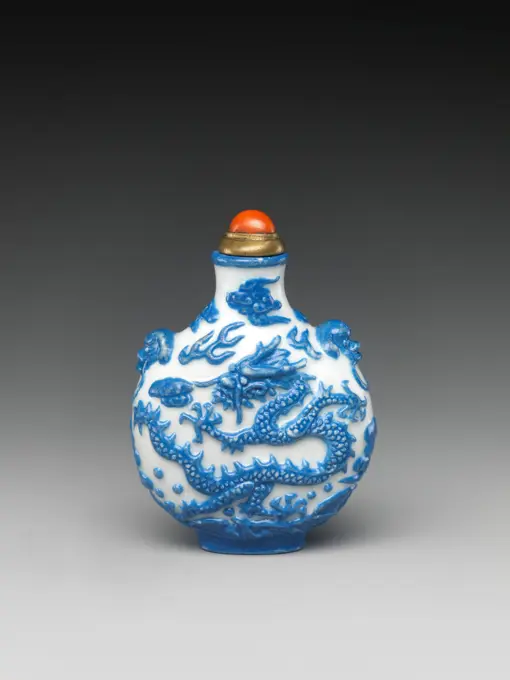
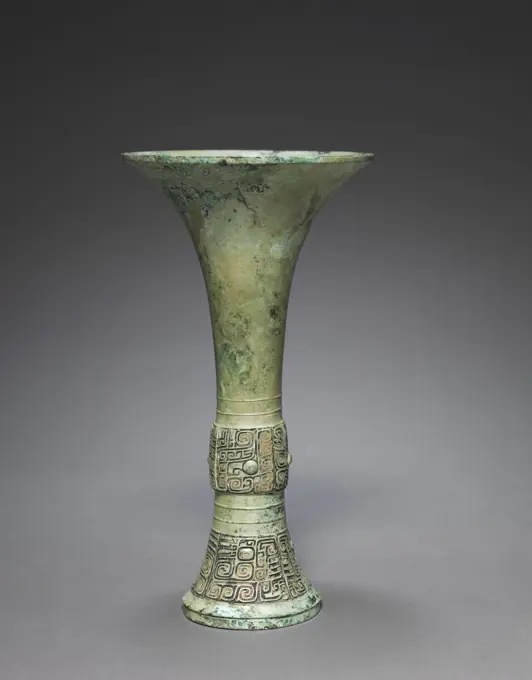
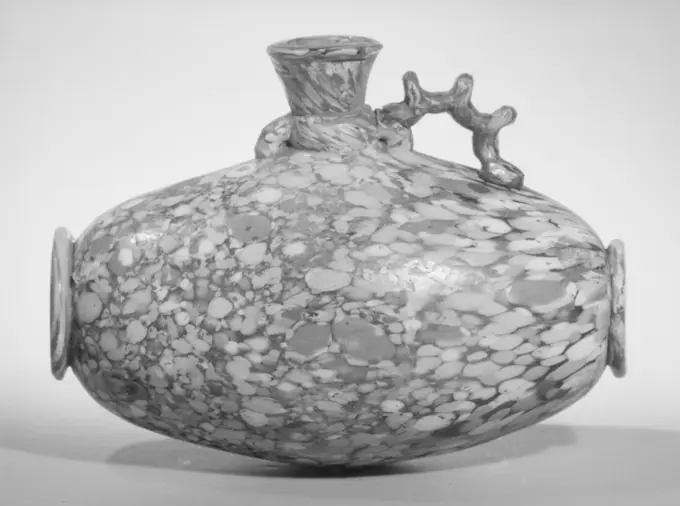
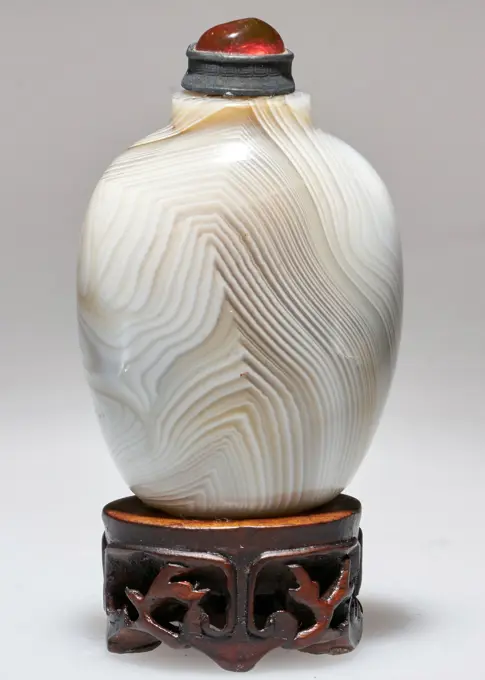
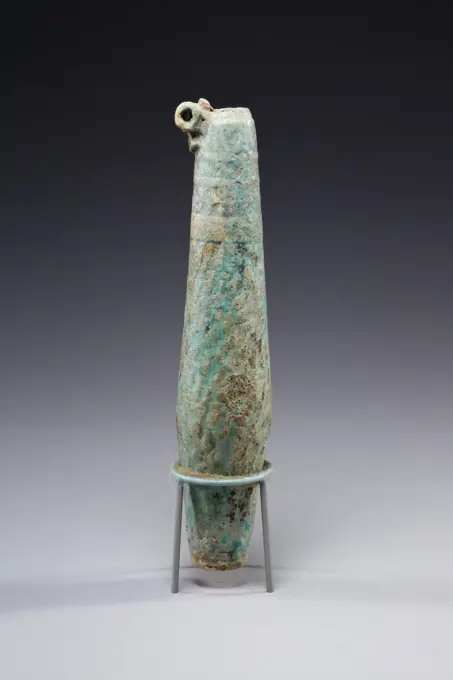
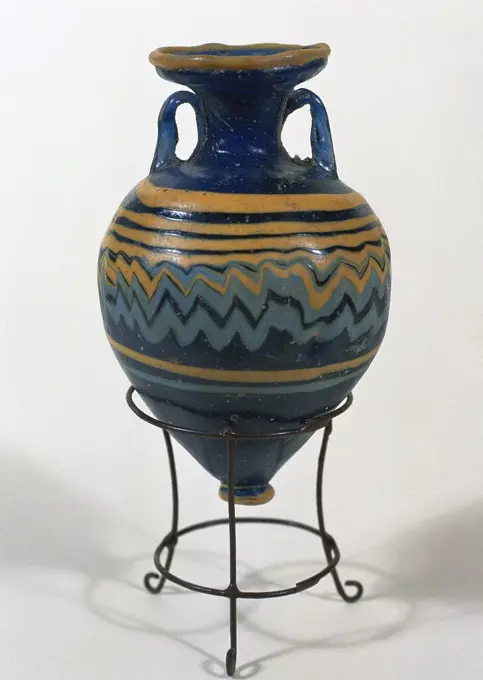
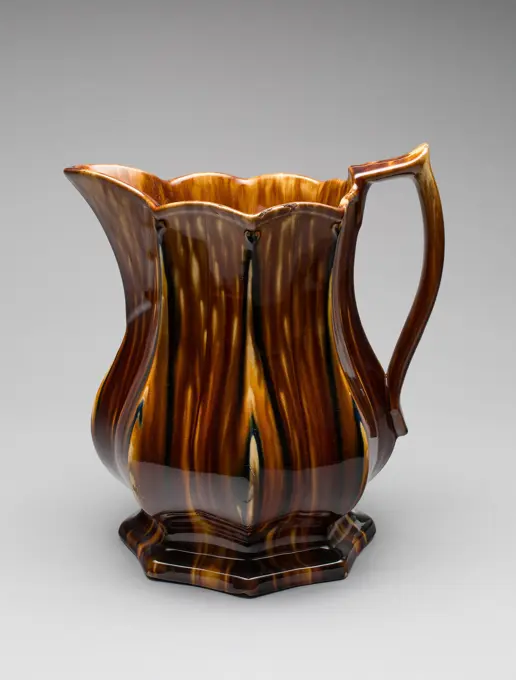
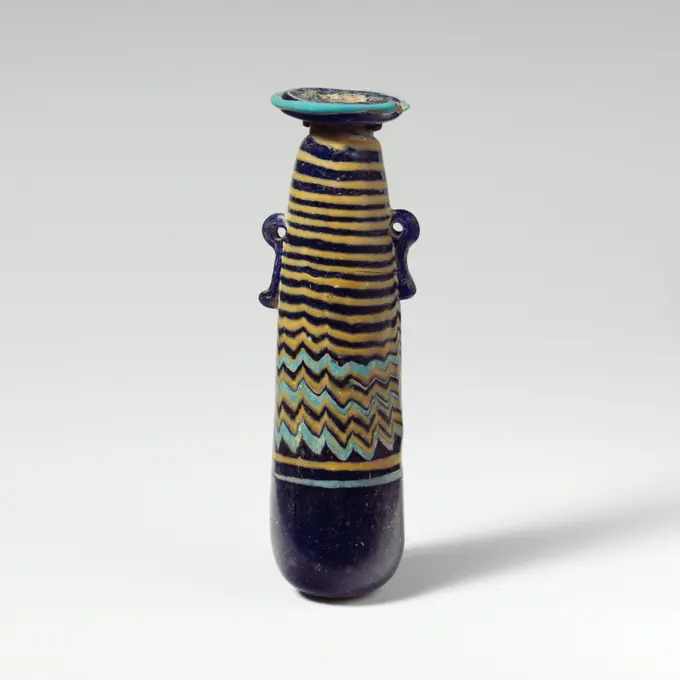
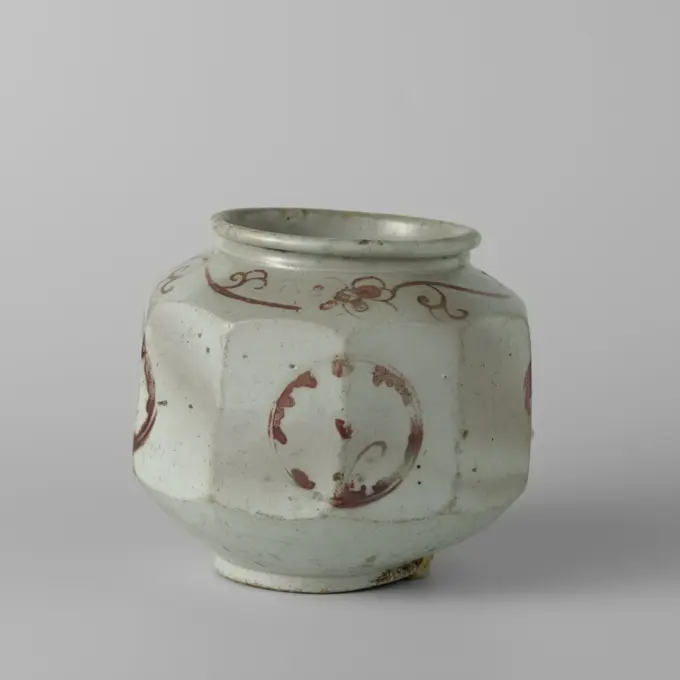
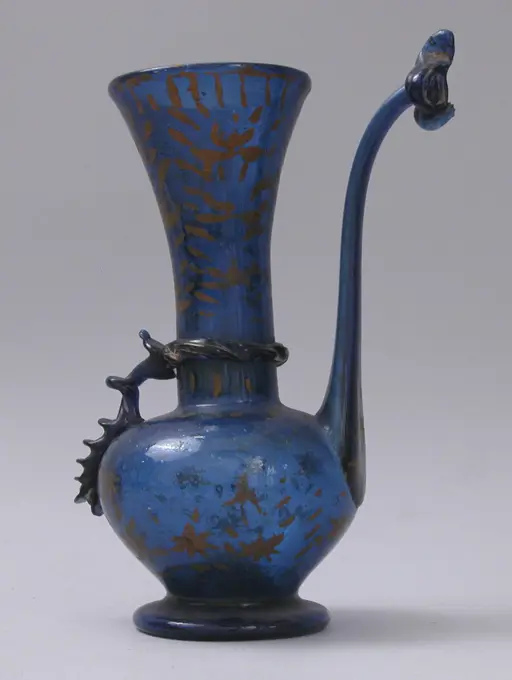
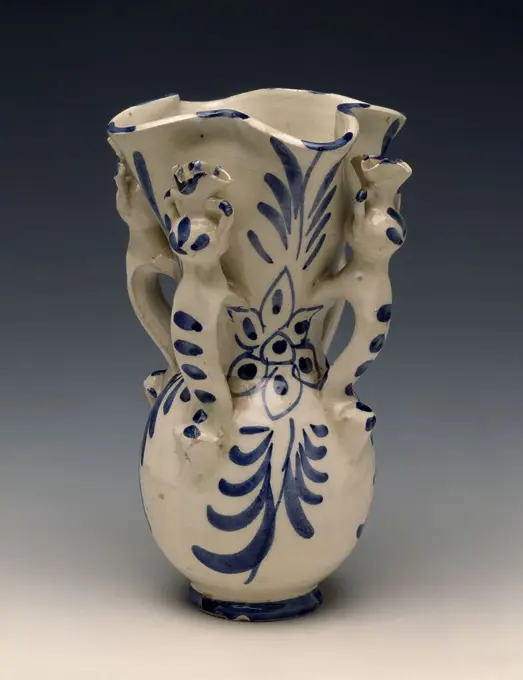
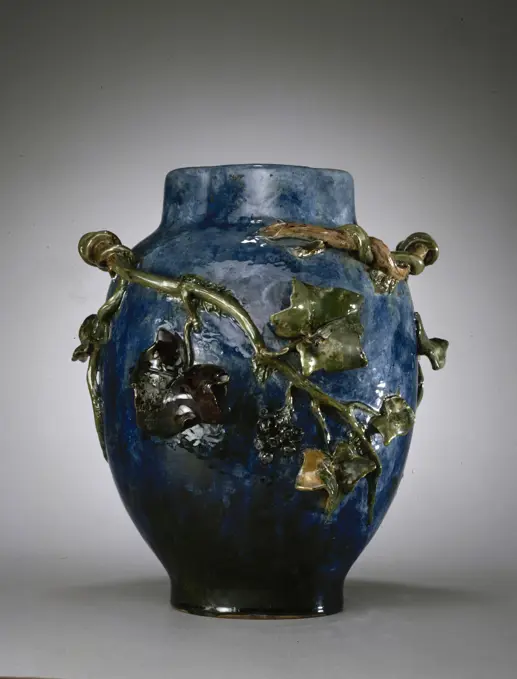
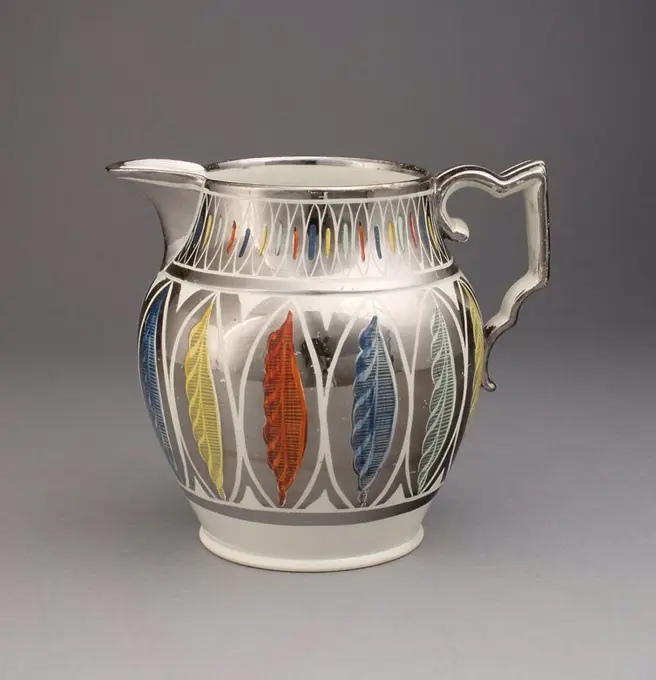
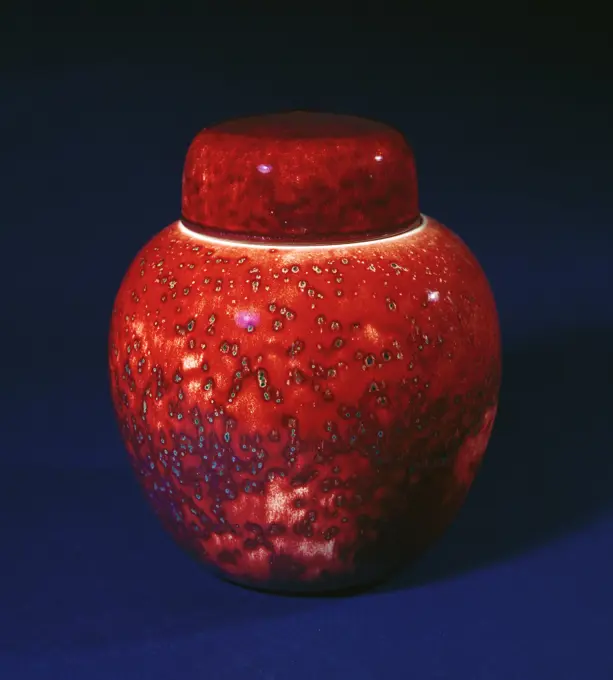
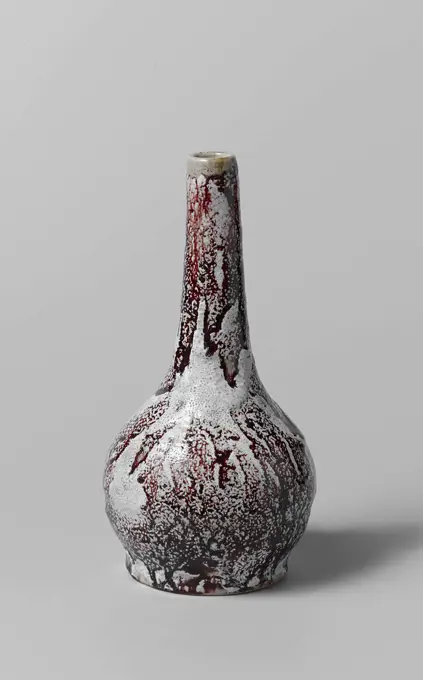
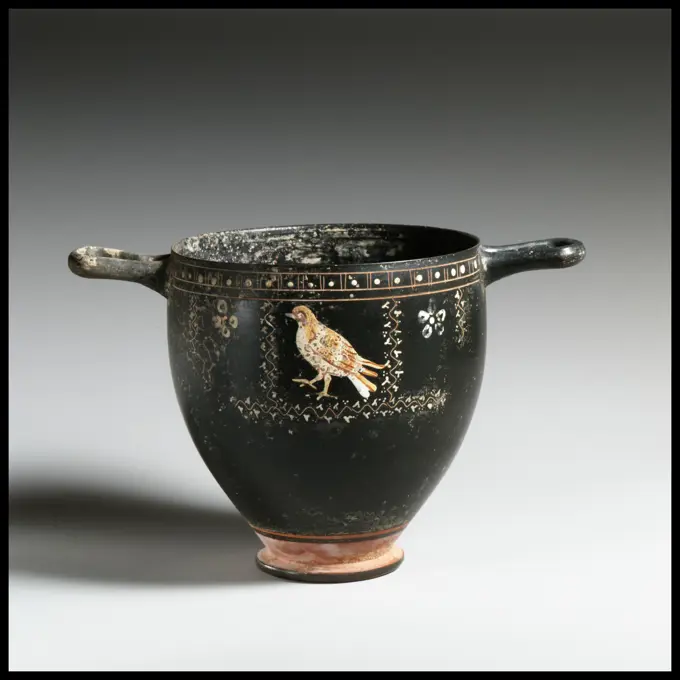
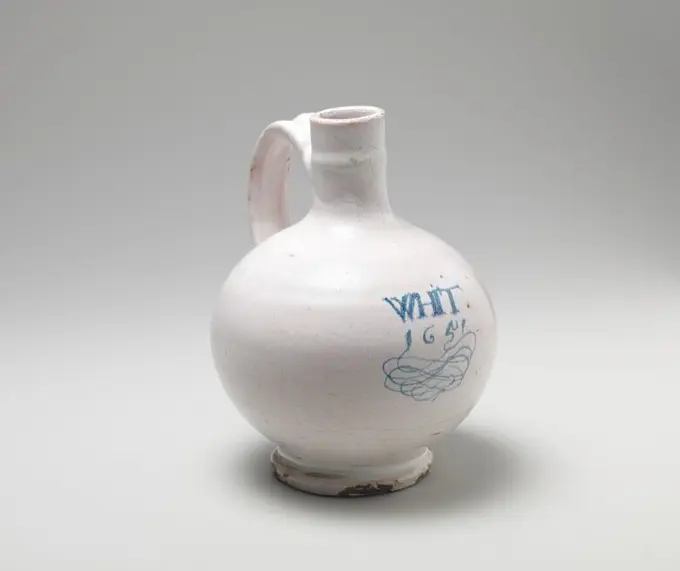
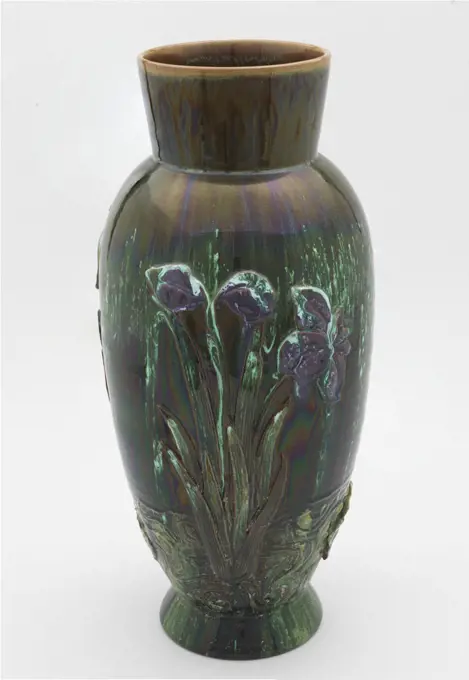
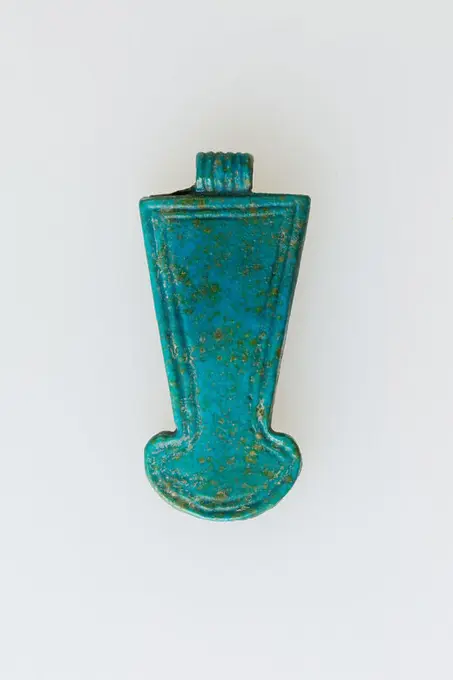
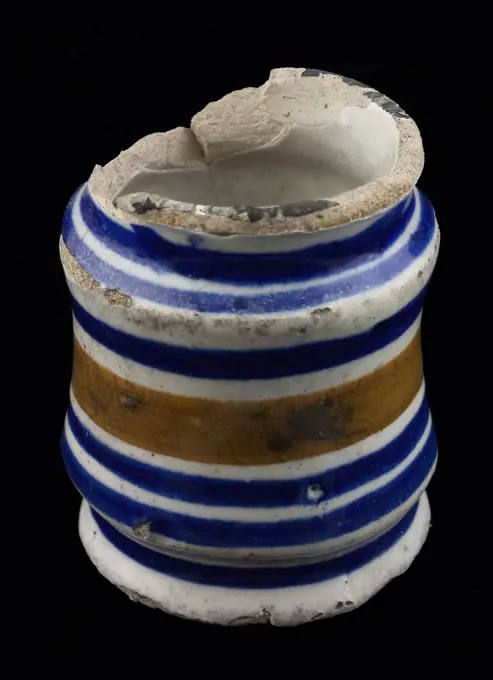
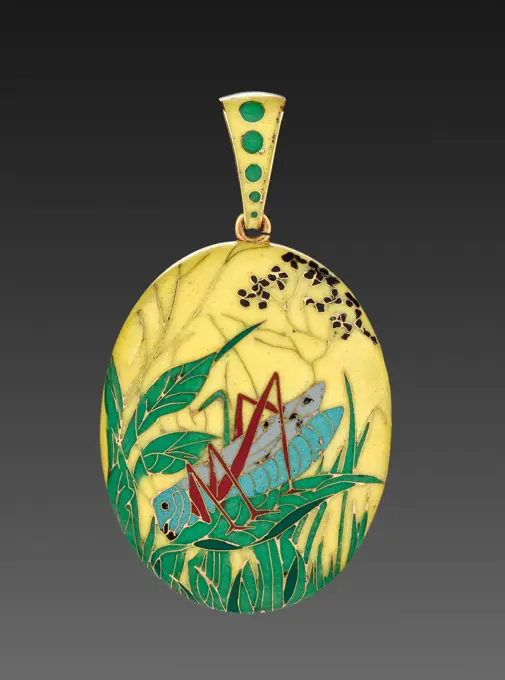
Glass jug. Culture: Roman. Dimensions: H.: 4 7/8 in. (12.4 cm)Diam.: 1 5/8 x 2 1/2 in. (4.1 x 6.4 cm). Date: 1st-2nd century A.D..Translucent blue green; handle in same color.Rim folded out, down, round, and in; flaring mouth; slender cylindrical neck, expanding slightly downwards; sloping shoulder; cylindrical body with slightly convex side tapering downwards; bottom with deep central kick and pontil mark; three-ribbed strap handle applied in a broad pad to top of body, drawn up, turned in horizontally, and trailed onto top of neck and underside of mouth, ending on lip of rim.Intact; some pinprick bubbles and one large black inclusion in handle; dulling and faint iridescence on exterior, large patches of soil encrusted weathering and iridescence on interior. Museum: Metropolitan Museum of Art, New York, USA.Vase 18th century British, Bristol. Vase. British, Bristol. 18th century. Glass. GlassPitcher. unknown, craftsmanOvoid Vase with Floral Sprays. China. Date: 960 AD-1279. Dimensions: H. 31.0 cm (12 3/16 in.); diam 24.7 cm (9 3/4 in.). Jian ware; stoneware with brownish black glaze. Origin: China. Museum: The Chicago Art Institute, Chicago, USA.Glass alabastron (perfume bottle) 2nd-mid-1st century B.C. Greek, Eastern Mediterranean Translucent cobalt blue, with one handle in dark almost opaque brownish purple and the other in opaque yellow; trails in opaque yellow and opaque white.Horizontal rim-disk with rounded edge and radiating tooling marks on upper surface; concave cylindrical neck; straight-sided fusiform body with rounded profile expanding downward, then tapering in to pointed bottom with undercurve flattened on one side; two horizontal lug handles applied at top of body over trails, the yellow one higher and more pronounced; small irregular blob of opaque white applied over trails and projecting from side slightly above point of greatest diameter.White trail applied near bottom, wound upwards in a spiral to carination, tooled into a festoon pattern, with ten upward strokes, then wound again in a spiral up neck, ending with a backward loop below rim; yellow trail applied around rim-disk, then drawn down in a spiral aroBurette forming a pair ", glass of Venice, anonymous, 16th century. Object of art. Museum of Fine Arts of the City of Paris, Petit Palais. 24096-14 Anonymous, burette, train pair, art object, glass VeniceGlobular Jar with Stylized Peonies. Korea. Date: 1000-1035. Dimensions: H. 4.9 cm (1 15/16 in.); diam. 6.9 cm (2 3/4 in.). Celadon-glazed stoneware with underglaze incised decoration. Origin: Korea. Museum: The Chicago Art Institute, Chicago, USA.Pottery feeding bottle or small jug with spout, yellow shard mottled green glazed, Bottle soil find ceramic earthenware glaze lead glaze, rim 3.8 hand-turned glazed baked Small pottery jug with spout. Probably baby bottle. Slim jug formed on roughly shaped stand ring. Double conical belly and cylindrical neck. Decorated with some rotations over the neck and shoulder Yellow shard partly covered with mottled greenish lead glaze archeology Blicksteyn Heenvliet Bernisse indigenous pottery import drink milk child baby suckle Soil discovery Heenvliet Blicksteyn 1967-68.Jar: Celadon Ware, 1368-1644. China, Ming dynasty (1368-1644). Stoneware;Pomegranate Vase, 1479-1425 BC. Egypt, New Kingdom, Dynasty 18 (1540-1295 BC), reign of Tuthmosis III or later. Blue vitreous faience; diameter: 5.4 cm (2 1/8 in.); diameter of mouth: 1 cm (3/8 in.); overall: 6.9 cm (2 11/16 in.).Bottle-necked jar ca. 2030-1640 B.C. Middle Kingdom. Bottle-necked jar. ca. 2030-1640 B.C.. Pottery. Middle Kingdom. From Egypt, Upper Egypt, Thebes, Asasif, MMA excavations, 1915-16. Dynasty 13Vase first half of the 19th century China. Vase 47234Jug 19th century Possibly by Tunstall. Jug. British, Staffordshire. 19th century. Pottery. Ceramics-PotteryRed-Figure Squat Lekythos (Oil Vessel): Female Head, 350-300 BC. South Italian, Apulian. Ceramic; diameter: 8.4 cm (3 5/16 in.); overall: 7.4 cm (2 15/16 in.).Jean Carriès (1855-1894). "Spherical pot". Enamelled sandstone and golden drips. Museum of Fine Arts of the City of Paris, Petit Palais. 24204-19 Ceramic, gold, gres emaille, pot, sphericalGlass lentoid aryballos (perfume bottle). Culture: Greek. Dimensions: H.: 1 15/16 in. (4.9 cm); D. 1 5/8 in. (4.2 cm). Date: 4th-3rd century B.C..Semi-opaque cobalt blue, with same color handles and cord; trails and blobs in opaque white.Broad slightly uneven and slanting rim-disk; cylindrical neck; sloping shoulder; globular lentoid body; convex bottom; two vertical ring handles attached to shoulder.A trail attached at edge of rim-disk; another wound twice horizontally around neck; a circular marvered blob applied to both faces of body; a large cord, twisted together with a white trail, attached under handles runs down sides and across bottom.Body complete, but part of rim missing and restored with fill; many tiny white inclusions in blue glass; some encrustation and weathering especially around handles and cord.This bottle belongs to a small group of core-formed glass that may have been made in southern Italy, Sicily, or even Carthage. It has also been suggested that these bottlMilk; Dagoty, Pierre-Louis (1771-1840), couples; around 1810 (1805-00-00-1810-00-00);Vase. Dimensions: H. 14 cm..Black vase tapering toward top and bottom, with grooved horizontal bands. Museum: Metropolitan Museum of Art, New York, USA.Bottle Vase With Light Brown and Ornamental Borders. Rose water dropper or pine bottle of porcelain with spherical body and two swellings in the neck, painted in underglaze blue and with café-au-lait glaze. The lower part of the body is covered with a light brown glaze above which a tire with a thick cream-colored glaze; The shoulder in underglaze blue with napkin interspersed with a flower in a medallion; The neck also in blue with three decorative tires: one with a geometric pattern interspersed with a medallion with floral drink, above a tire with hanging leaf motifs, around the edge a tire with dependent, pointed leaf motifs; A double circle on the bottom. Old label on the underside with: A. Steel Antiquaire / Rokin 156 Amsterdam. Edge damaged. Monochrome brown with blue and white.Gourd-Shaped Bottle, 918-1392. Korea, Goryeo period (918-1392). Bronze; outer diameter: 12 cm (4 3/4 in.); overall: 33.5 cm (13 3/16 in.).Vase with birds and flowers 19th century China. Vase with birds and flowers. China. 19th century. Porcelain painted in polychrome enamels over black ground (Jingdezhen ware, famille noire). Qing dynasty (1644-1911). CeramicsJug c 1850-1880 Pennsylvania. Stoneware . John BellVase 1893-96 Designed by Louis Comfort Tiffany American This object forms part of a group of over forty given to the Museum in 1896 by Louisine and Henry Osborne Havemeyer (96.17.9-.56). The gift was the first American glass to enter the Museum's collection. Most likely prompted by Louis Comfort Tiffany, the Havemeyers presented their collection of Tiffany Favrile glass to the Museum only three years after Tiffany started making decorative blown-glass vessels. The shapes, colors, and finishes of Tiffany's vases and plaques were inspired by the natural world and ancient glass. This diminutive, scrunched bottle-shaped vase is reminiscent of Japanese forms.. Vase 9414CarchesiumFIne examples of bowls from Ottoman Palace  ceramic collectionSnuff Bottle with Dragon Chasing a Flaming Pearl late 18th-early 19th century China. Snuff Bottle with Dragon Chasing a Flaming Pearl 41357Wine Beaker (Gu), c. 1200 BC. China, late Shang dynasty (c.1600-c.1046 BC), Anyang phase (c.1250-1046 BC). Bronze; diameter: 14.5 cm (5 11/16 in.); overall: 26.9 cm (10 9/16 in.).Vase ca. 1710-13 Meissen Manufactory German. Vase 200975Bottle 18th century. Bottle 447229Flask 17th century probably French. Flask. probably French. 17th century. Glass. GlassBottle 350 BCE-250 BCE Eastern Mediterranean Region. Glass, core-formed technique . Ancient Eastern MediterraneanSnuff Bottle, 1850-1925, 2 1/8 x 2 3/4in. (5.4 x 7cm), Fortification agate, silver, red glass, ChinaBiconical alabastron with zones of bichrome decoration 332-30 B.C. Ptolemaic Period The rim of this small faience bottle is missing, and the decoration not very clear. Three narrow registers of vegetal () ornament, the top one apparently garlands, lie below the rim. Most of the body is covered with a woven pattern.. Biconical alabastron with zones of bichrome decoration. 332-30 B.C.. Faience. Ptolemaic Period. From EgyptVase with Birds and Flowers, one of a pair, 1888, William Barrum, English, H.11 x Dia.6-11/16 in., 'barum-ware' pottery, England, 19th centuryGlass amphoriskos with horizontal ribs. Culture: Roman. Dimensions: H.: 4 3/8 in. (11.1 cm), diameter: 1 15/16 in. (4.9 cm). Date: 2nd half of 1st century A.D..Translucent streaky purple, with handles in translucent blue mixed with yellowish green.Rim folded out, over, and in; cylindrical neck; ovoid body, tapering to pointed bottom; two rod handles attached to upper body in pads, drawn up and in, then pressed onto top of neck and underside of rim. One continuous mold seam around body.Body decorated with twenty-two concentric, horizontal ribs.Intact; many bubbles, some large; very slight weathering and iridescence.with 17.194.235These bottles are modeled on the large clay storage jars that were used to transport wine and olive oil. The miniature glass examples have been found in many parts of the Roman Empire, as well as in tombs beyond the eastern frontier in Armenia and Georgia. Museum: Metropolitan Museum of Art, New York, USA.Tripod VesselGlass perfume bottle. Culture: Roman. Dimensions: Overall: 5 3/8 x 1 7/16 x 1 1/16 in. (13.7 x 3.7 x 2.7 cm). Date: 1st-2nd century A.D..Translucent deep blue green.Rim folded out, over and in, with upper surface pressed flat; slightly flaring mouth; tall cylindrical neck, with concave sides, expanding downwards to join imperceptibly conical body; uneven bottom, with jagged pontil scar.Complete but broken and repaired around upper neck and lower body; pinprick and elongated bubbles and blowing striations; deep pitting, dulling, and patches of brilliant iridescence on exterior, soil encrustation and limy weathering on interior. Museum: Metropolitan Museum of Art, New York, USA.Sprinkler Flask. UnknownPunic art. Small glass of perfume. Carthaginian glass paste. 5th-6th century BC. From Empuries, Girona province, Catalonia, Span. Archaeological Museum of Girona, Catalonia, Spain.Ewer, dark amber glass, Brown Amber glass; Vessel with long flaring neck and slightly pear shaped body with tear drop shaped relief along base One handle of applied glass and long upturned spout; Pronounced slant, Iran, 17th-18th century, glasswares, Decorative Arts, EwerCreamer 1780-1820 American or British. Creamer 2600probably O'Hara Glass Works, Vase, sapphire blue glass.Pitcher c 1849-1852 Bennington. Earthenware . Bennington PotteryGlobularBowl.  Artist: Ennion, Syro-Palestinian, 1st century A.D.Bottle Late Period 664-332 B.C. View more. Bottle. 664-332 B.C.. Glass. Late Period. From Egypt. Dynasty 26-30Glass alabastron (perfume bottle) late 6th-5th century B.C. Greek, Eastern Mediterranean Translucent cobalt blue, with handles in same color; trails in opaque yellow and opaque turquoise blue.Broad, uneven horizontal rim-disk, with slightly raised edge around mouth; short cylindrical neck; narrow rounded shoulder; straight-sided cylindrical body, tapering upwards; convex bottom; two vertical ring handles with knobbed tails, applied over trail decoration.Turquoise blue trail attached at edge of rim-disk; a yellow trail applied on underside of rim-disk and wound down in a spiral to middle of body, then tooled into a close-set zigzag pattern; a turquoise blue trail is added, mingling with yellow; immediately below zigzag, another yellow trail and another turquoise blue trail are wound horizontally once around body.Complete, except for weathered chip in rim-disk; body broken and repaired across handles with slight cracks and chips; dulling and milky iridescent weathering.. Glass alabastronTwo vases, anonymous, c. 1700 - c. 1799 Ten -sided vase of stoneware with a wide, short neck, painted in undermglaze red. Four medallions on the wall with a stylized flower. The shoulder with a continuous flower drink. Restoration at the foot ring. Korea stoneware. glaze. painting / vitrification Ten -sided vase of stoneware with a wide, short neck, painted in undermglaze red. Four medallions on the wall with a stylized flower. The shoulder with a continuous flower drink. Restoration at the foot ring. Korea stoneware. glaze. painting / vitrificationPitcher 1810-1820 Staffordshire. Lead-glazed earthenware with lustre decoration .Terracotta amphoriskos (flask). Culture: Greek, Attic . Dimensions: H. 2 5/8 in. (6.7 cm). Date: 4th century B.C..Handles folded down on shoulders. Museum: Metropolitan Museum of Art, New York, USA.Ewer probably 18th-19th century. Ewer 444743JARRA DEL ESTUDIANTE VIDRIADA Y PINTADA EN BLANCO Y AZUL PARA AGUA - SIGLO XX. Location: ALFARERIA. JAEN. SPAIN.Henan Pot, one of a pair, 12th-13th century, 7 1/2 x 7 1/2 in. (19 x 19.05 cm), Stoneware, glaze, China, 12th-13th centuryEdouard Lindeneher. Earthenware vase with ovoid body and lanceolate collar, application of branches and ivy leaves forming side handles, between 1872 and 1881. Museum of Fine Arts of the city of Paris, small palace. Lateral handle, application, branch, launched collar, ivilate bodies, faience, leaf, formation, ivy, decorative object, plant, vaseScent bottle, 18th-19th century, 7/8 x 2 3/4 x 1 1/2 in. (2.2 x 7 x 3.8 cm), Blue, blown moulded glass, United States, 18th-19th centuryPitcher. England, Staffordshire. Date: 1810-1820. Dimensions: H. 15.2 cm (6 in.). Lead-glazed earthenware with lustre decoration. Origin: Staffordshire. Museum: The Chicago Art Institute, Chicago, USA.Vase with abstract ornament, Bert Nienhuis (I), c. 1905 Vase of earthenware, rejuvenating upstairs, with slightly wider foot and outstanding mouth edge on which two ears. Decorated with abstract ornament in black and red on green stock. Marked: circular factory brand and V. in black. To design by Bert Nienhuis. Amsterdam earthenware Vase of earthenware, rejuvenating upstairs, with slightly wider foot and outstanding mouth edge on which two ears. Decorated with abstract ornament in black and red on green stock. Marked: circular factory brand and V. in black. To design by Bert Nienhuis. Amsterdam earthenwareAlabastronCaddy and Cover, 1925. In shape no. 362. High-fired, non-vitreous ceramic with a flambe glaze. Leadless sang-de-boeuf beef blood glaze with spots of green.. Maker: Ruskin Pottery,. Designer: William Howson Taylor (d. 1935).. In 1898, William Howson Taylor's father, Edward Richard Taylor, the Principal at the Birmingham School of Art, founded The Ruskin Pottery, named after the artist John Ruskin whose teachings and philosophy Taylor so admired. William took over the pottery in 1912. The company experimented with glazes, producing results that were quite different from anything seen before. The recipes for the glazes were kept secret, and when William Howson Taylor died in 1935 the recipes went to the grave with him.Vase.The potter Ernest Chaplet was a master in experimental firing techniques, which he knew from Chinese and Japanese art. The copper-red colour on this vase, for example, called sang de boeuf (oxblood), comes from Chinese porcelain of the Kangxi period (1654-1772). Chaplet jealously guarded the techniques he developed, even going so far as to destroy his notebooks at the end of his life.Exhibits at the Shanghai Museum, Shanghai, China.Terracotta skyphos (deep drinking cup) ca. 350-325 B.C. Greek, South Italian, Apulian, Gnathian BirdThe bird is enclosed in a metope bordered above by incised lines and painted dots and on the remaining sides by vine leaves. This kind of decoration anticipates the motifs of birds and tendrils on the white panels among the Museum's Roman frescoes from Boscotrecase.. Terracotta skyphos (deep drinking cup). Greek, South Italian, Apulian, Gnathian. ca. 350-325 B.C.. Terracotta; applied color. Late Classical. VasesPortland Vase 1790-1796 Burslem. Stoneware (jasperware) . Wedgwood Manufactory (Manufacturer)Black-and-White Storage Jar with Abstract Geometric Motifs Made 1890-1899 New Mexico. In the American Southwest, there is an Indian ceramic tradition that began to take form in the early centuries A.D. and has continued unbroken to the present time. Characterized by its many superbly varied styles, the art has been sustained by diverse Pueblo peoples and some of their neighbors, whose ancient and more recent settlements have long been established in the arid regions of Arizona and New Mexico. Ceramic artist of the ¡coma Pueblo, west of Albuquerque, produced an especially distinguished series of vessels during the late nineteenth and early twentieth centuries.This large olla is shaped with a truncated neck that slopes in a gentle curve to the high, rounded shoulder; the full, swelling body tapers smoothly down to the rounded bottom. A finely painted pattern of black-and white abstract designs covers the surface. The dominant decorative features are three medallions, each rimmed by blackBottle with Spiraled and Zigzag Trails 13th century Both the unusual shape of this small bottle and the applied decoration in contrasting color suggest that it was inspired by earlier models.. Bottle with Spiraled and Zigzag Trails 448245Jar. Late Roman or early Byzantine; coast of Syria or Palestine. Date: 201 AD-400 AD. Dimensions: 6.4 × 6.2 × 6.2 cm (2 1/2 × 2 7/16 × 2 7/16 in.). Glass, blown technique. Origin: Levant. Museum: The Chicago Art Institute, Chicago, USA.Toilet Bottle; glassPerfume Bottle And Stopper; Made by René Lalique (French, 1860-1945); glassPocket bottle. Culture: American. Dimensions: H. 4 3/4 in. (12.1 cm). Maker: Attributed to American Flint Glass Manufactory (1764-1774); Attributed to Henry William Stiegel (American (born Germany), Cologne 1729-1785 Charming Forge, Pennsylvania). Date: 1769-74.Henry William Stiegel, who operated the American Flint Glass Manufactory from 1765 to 1774, was the first successful producer of glass tableware that was the equal of European imports. The diamond-daisy pattern in this amethyst-colored pocket flask was probably made by Stiegel; the pattern was not used by European glassmakers. Many variations of this popular design exist, as seen in other pieces in the collection (see 1980.502.68 and 34.65). Museum: Metropolitan Museum of Art, New York, USA.Tureen Made 1750-1765 Staffordshire. Lead-glazed earthenware (creamware)Bronze kyathos (single-handled cup) 6th century B.C. Etruscan This elegant bronze cup, its handle decorated with a lotus finial, represents a type that frequently appears in bucchero examples, especially ones associated with Vulcian workshops.. Bronze kyathos (single-handled cup) 253350 Etruscan, Bronze kyathos (single-handled cup), 6th century B.C., Bronze, H. with handle 8 1/2 in. (21.6 cm). The Metropolitan Museum of Art, New York. Purchase, 1931 (31.11.12)Ding-type vessel. unknown, craftsmanUnguent Bottle with Pointed Base 1 CE-100 CE Roman Empire. Initially affordable among only the wealthy, glass was used widely in the Roman world to create a variety of everyday objects such as those displayed here, including delicate cosmetic containers that held perfumes and oils and various forms of tableware designed for serving food and drink. Glass was also used to imitate precious stones in jewelry.. Glass, blown technique . Ancient RomanVase. Culture: American. Dimensions: H. 6 1/2 in. (16.5 cm); Diam. 3 3/4 in. (9.5 cm). Maker: Chesapeake Pottery (Baltimore, Maryland, 1882-1914). Date: 1882-85. Museum: Metropolitan Museum of Art, New York, USA.Tea Container with Plum Blossoms, early 1800s. Aoki Mokubei (Japanese, 1767-1833). Porcelain with underglaze blue; overall: 7.7 x 4.8 cm (3 1/16 x 1 7/8 in.). Aoki Mokubei, born into a family of restaurateurs, was a potter, calligrapher, painter, and scholar, and is considered one of the three masters of later Edo period Kyoto ceramics. He specialized in porcelains fashioned after Chinese prototypes, and created works for steeped tea (sencha) such as these matching tea caddies decorated in an underglaze blue called sometsukeliterally “with applied dye.” He signed them on their bottoms. They also have intricately patterned silk sleeves to both beautify and protect them. On the exterior of the lid of the outer wooden box that contains them, it is written that Mokubei inscribed and painted an image on the box. On the interior of the lid, the signature and seals of a former owner are written. Mokubei has signed the lid of the inner box, and a charming ink and light color composition of WPair of Turquoise and Yellow Vases with Dragon ReIIef unknown. Vase of porcelain on square foot, painted multi-colored with birds and thistles. The four walls have a rib in the middle. The long neck is round and walks narrower to the mouth. The four sides are decorated in the same way.Drum Stool, 14th-17th century, 2 1/8 x 2 1/2 in. (5.4 x 6.35 cm), Glazed earthenware, China, 14th-17th centuryAryballos with a performance of warriors with shields;  620-590 BC (-620-00-00--590-00-00);Vase 1893-96 Designed by Louis Comfort Tiffany American The diminutive vase, with its marbleized hues of blues, purples, greens, and reds, is among the earliest documented examples of Tiffany's work in blown glass. The large, irregular bowl gives the appearance of hot glowing lava while still in its molten state.. Vase. American. 1893-96. Favrile glass. Made in Queens, New York, New York, United StatesAskos. Ancient Greek pottery vessel. Central decoration embossed satyr head. Black varnish. Height 110 mm. 114 mm diameter. From Apulia, Magna Graecia, Southern Italy. Perfume Museum. Barcelona. Spain.Date Flask. Unknown. Porcelain vase, painted multi-colored with a pheasant between plants on light green fond.Gourd-shaped flask with grapevines, early 17th century, Unknown Japanese, 8 3/4 × 4 3/16 × 4 1/4 in. (22.23 × 10.64 × 10.8 cm), Mino ware, Shino-Oribe type; stoneware with underglaze iron oxide, Japan, 17th century, Ceramics of the so-called Shino-Oribe style were among the varieties of glazed stoneware produced in the 1600s at kilns in Mino (modern-day Gifu Prefecture). They are characterized by pictorial motifs rendered in an iron-based pigment under a transparent glaze containing feldspar and silica. This flask, featuring a design of grapevines, takes the shape of a calabash gourd when dried, it can be used as a bottle for holding medicines or liquids, especially sake, the alcoholic beverage made from rice.Bottle Vase, c. 1850, 5 7/8 x 2 x 1 1/4in. (14.9 x 5.1 x 3.2cm), Ivory, China, 19th centuryEwer 16th century possibly Italian, Venice. Ewer. possibly Italian, Venice. 16th century. Maiolica (tin-glazed earthenware). Ceramics-PotteryWine bottle. Culture: British, Lambeth. Dimensions: Height: 7 1/4 in. (18.4 cm). Date: 1651. Museum: Metropolitan Museum of Art, New York, USA.André Metthey (1871-1920). Vase. Earthenware. Museum of Fine Arts of the City of Paris, Petit Palais. Faience, object of decoration, vase, 19th XIX 19th 19 19th 19th centuryVase, Christopher Dresser, Scottish, 1834 - 1904, Linthorpe Pottery, Yorkshire, 1879-1889, Henry Tooth, Glazed earthenware, overglaze lustre, Red earthenware body. Elongated ovoid shape, flared foot, flared 'collar' neck. Body applied with molded iris with purple glaze, and white water lilies, both with foliage emerging from stylized water lines. Body glazed in striated brown, green and white, with surface iridescence. Interior glazed., Middlesbrough, England, 1880-82, ceramics, Decorative Arts, VaseVase. Sèvres Porcelain Manufactory; French, founded 1740. Date: 1765-1775. Dimensions: H. 16.2 cm (6 3/8 in.). Soft-paste porcelain, dark blue ground, gilding, and gilt-metal mounts. Origin: Sèvres. Museum: The Chicago Art Institute, Chicago, USA. Author: Manufacture nationale de Sevres.Vase 1876-80 Chelsea Keramic Art Works. Vase 9323clay pot isolated on white backgroundMenit amulet. Dimensions: L. 4.5 × W. 2 × D. 1.6 cm (1 3/4 × 13/16 × 5/8 in.). Date: 664-30 B.C..The menat is a term for the counterweight of a menat necklace, a heavy set of beads with counterweight sacred to great female goddesses in particular who were appeased by the sound of the shaken beads. The counterweight served as a symbol of the whole elaborate necklace. The menat remained an important magical amulet throughout Egyptian history, serving to propititate the great goddesses and evoke their powerful protection. Museum: Metropolitan Museum of Art, New York, USA.Punchkom lid, Richard Riemerschmid, c. 1915 Lid of spherical punch bowl on three legs. Designer: Munichhöhr-Grenzhausen stoneware vitrification Lid of spherical punch bowl on three legs. Designer: Munichhöhr-Grenzhausen stoneware vitrificationMeiping vase late 17th-early 18th century China. Meiping vase. China. late 17th-early 18th century. Porcelain with Ge-type crackled glaze (Jingdezhen ware). Qing dynasty (1644-1911), Kangxi period (1662-1722). CeramicsHouse of Ephebos Majolica vase by Gio Ponti (1891-1979)Gourd Shaker GhanaAlbarello, ointment jar, with polychrome circle decoration, albarello holder soil find ceramic earthenware glaze tin glaze, hand turned baked glazed decorated baked Albarello with three necking. Cylindrical pot on stand surface Fully glazed except the bottom of the bottom and the neck edge Yellow shard. Decoration consists of an orange band in the middle and blue ties archeology health care indigenous pottery packing ointment pharmacy craft medicine drugOctagonal Bottle, 19th century, 6 1/4 x 2 3/4 x 1 3/4in. (15.9 x 7 x 4.4cm), Glass, Switzerland, 19th centuryLocket, 1868-70. Alexis Falize (French, 1811-1898), Antoine Tard (French, active 1860-1889). Gold and cloisonné enamel; overall: 5.4 x 3.1 cm (2 1/8 x 1 1/4 in.).Phoenician, Phoenician, glasswork, found in Cyprus and Syria, Phoenicia, Historical, digitally restored reproduction of a 19th century original, exact...