Artistic Vases Collection

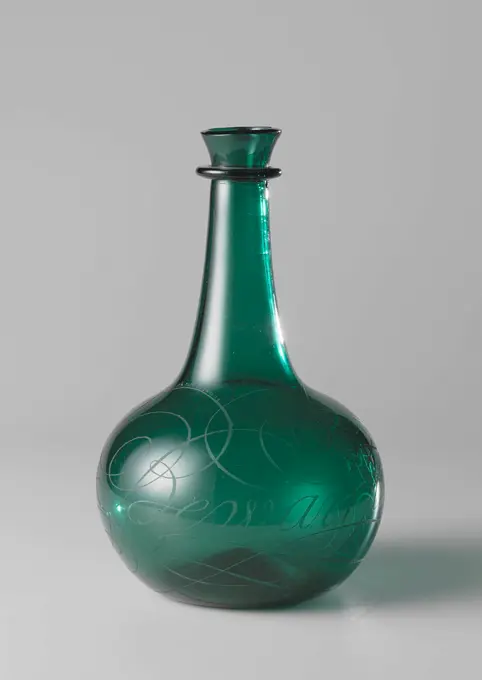
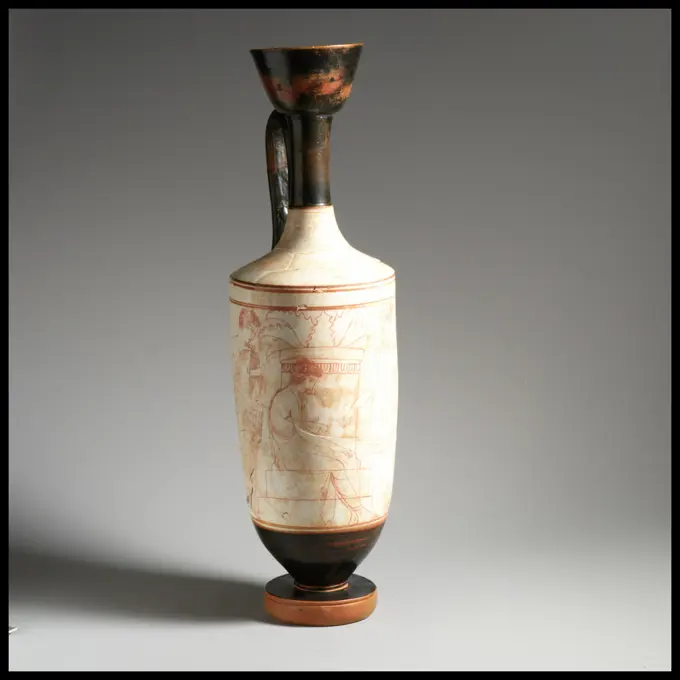
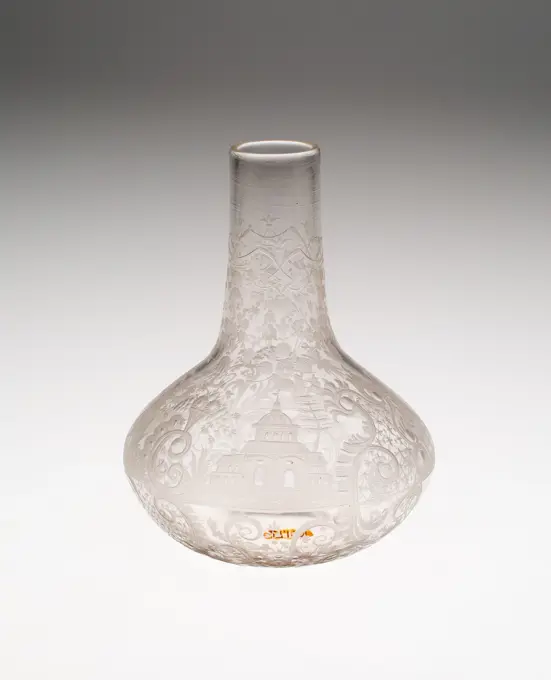
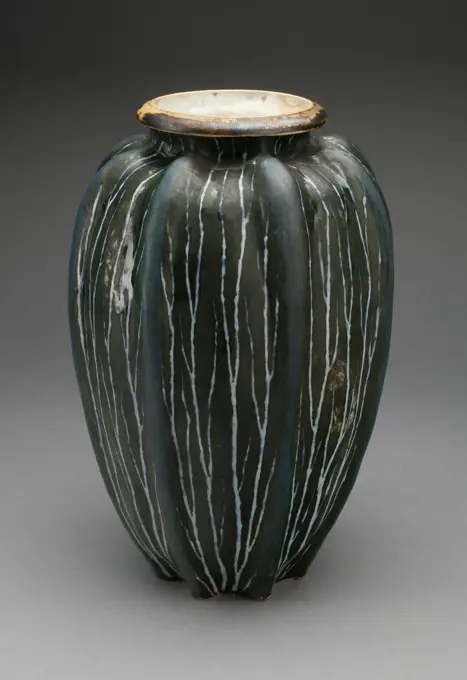
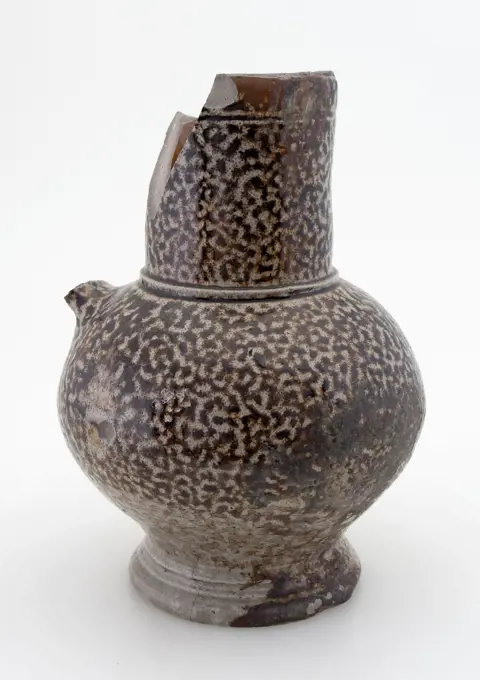
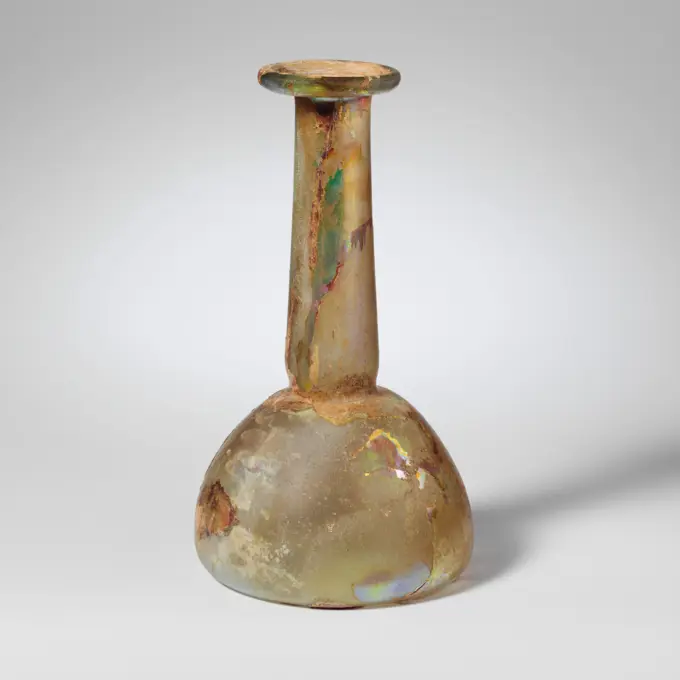
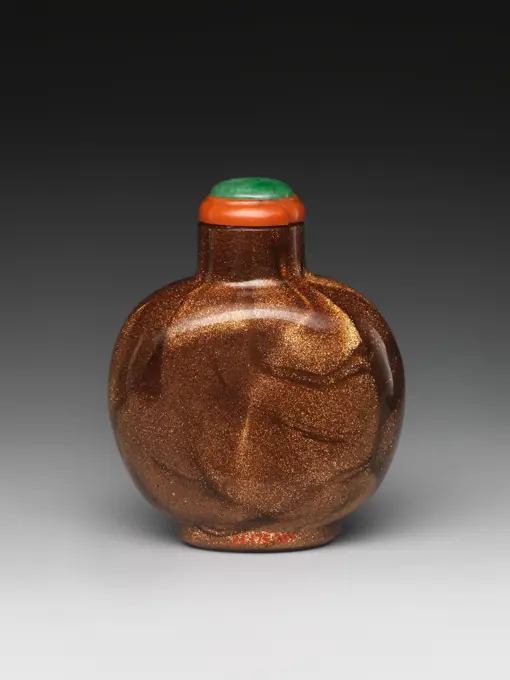
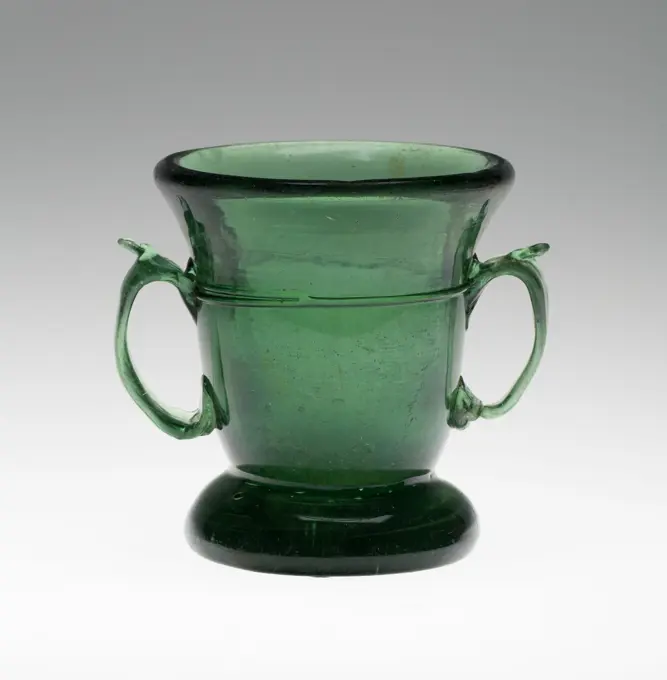
A range of beautifully crafted vases made from ceramics and glass, displaying intricate designs and textures, reflecting various artistic styles.

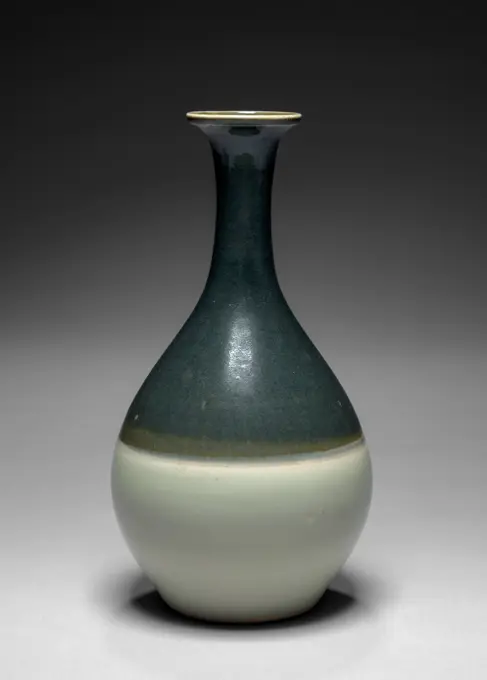
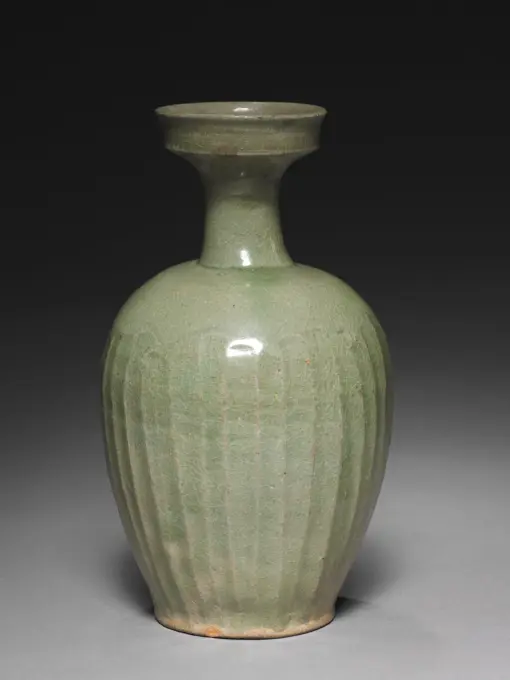
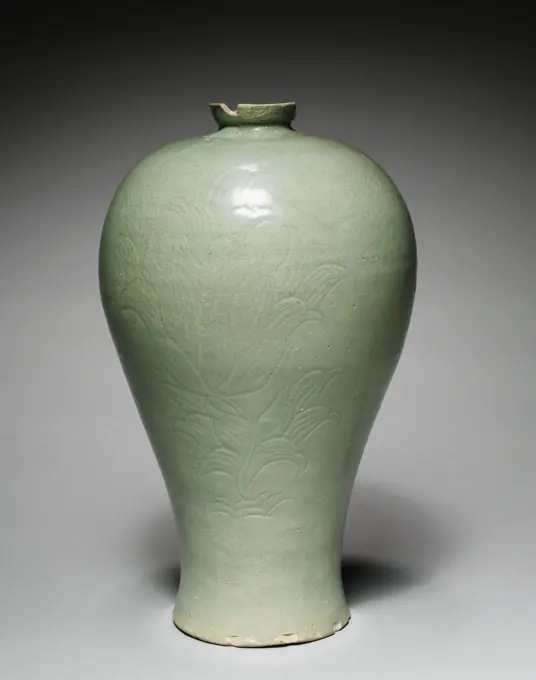
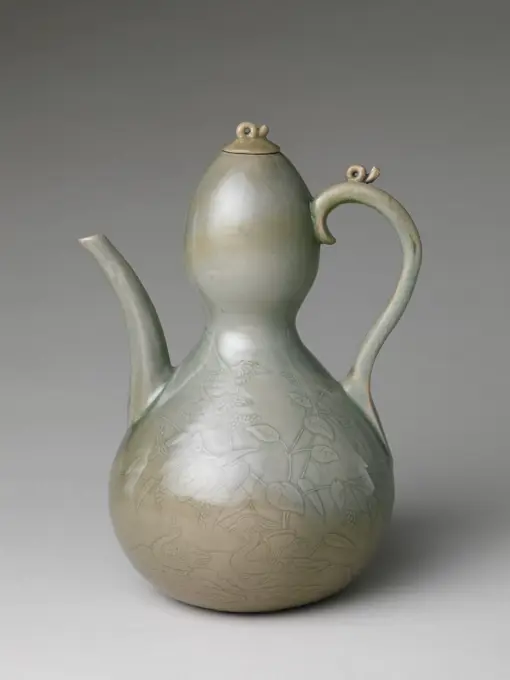
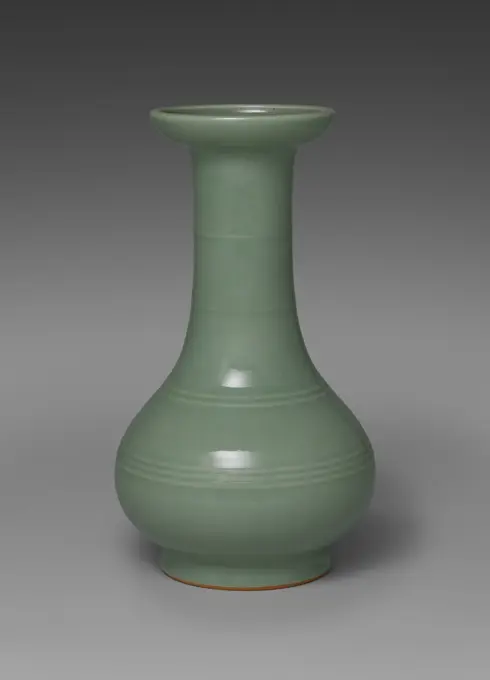
Vase, 12th century, Unknown Korean, 11 7/8 x 6 3/4 in. (30.2 x 17.15 cm), Ceramic; celadon glaze, gold, Korea, 12th century
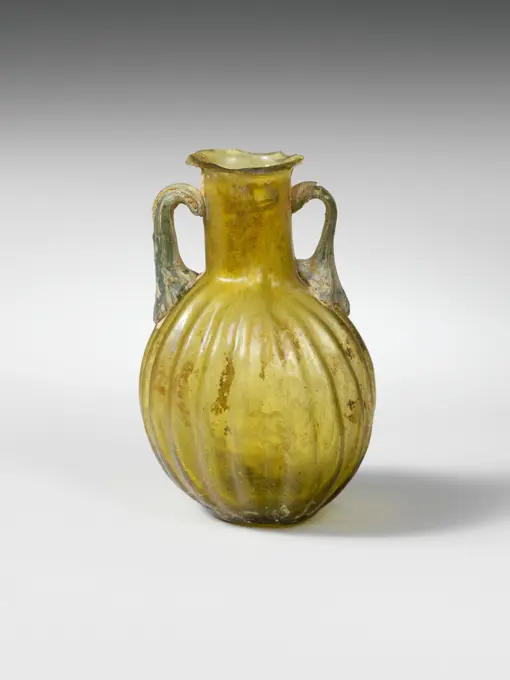
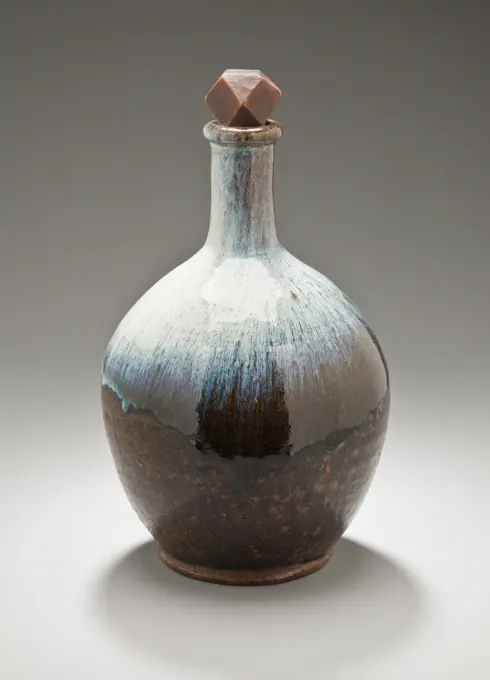
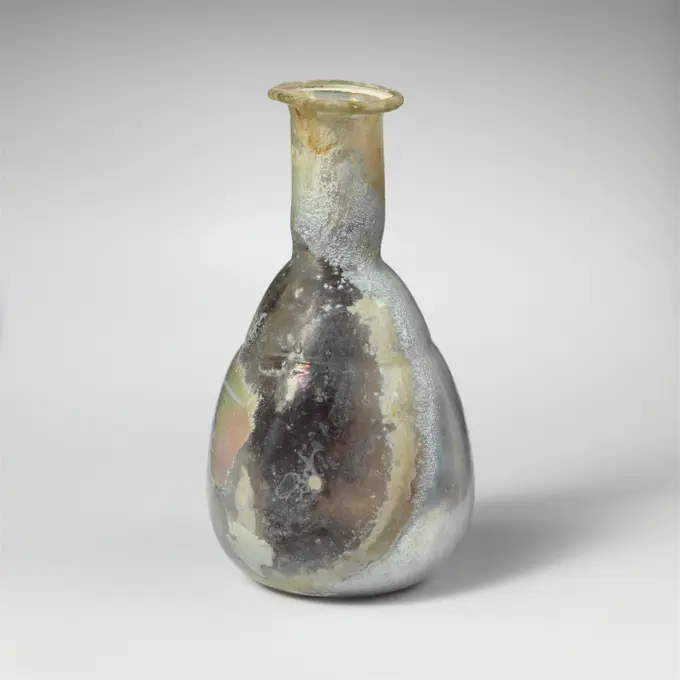
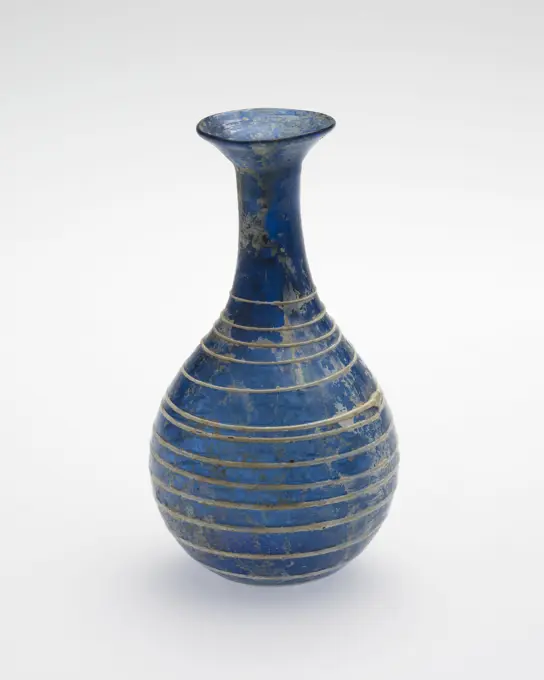
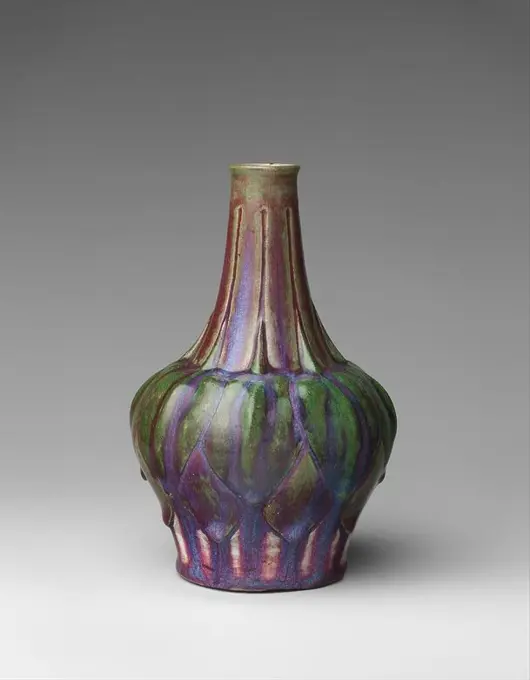
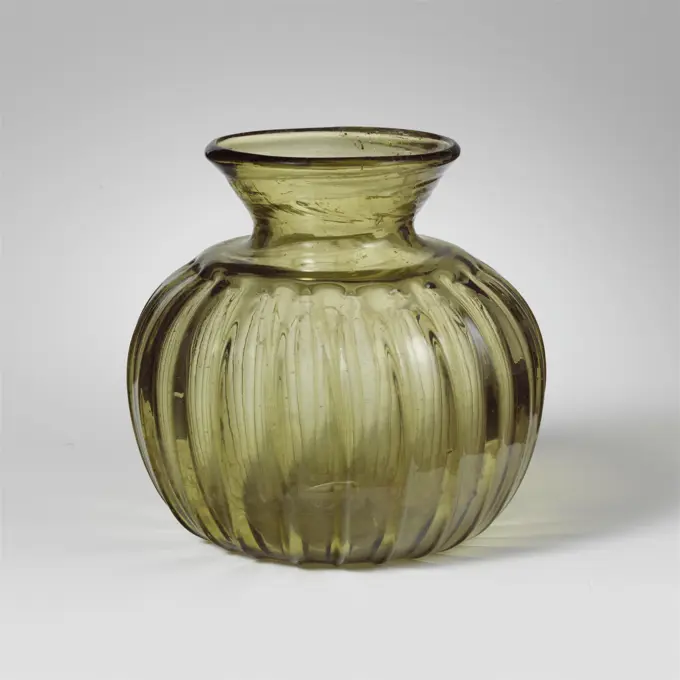
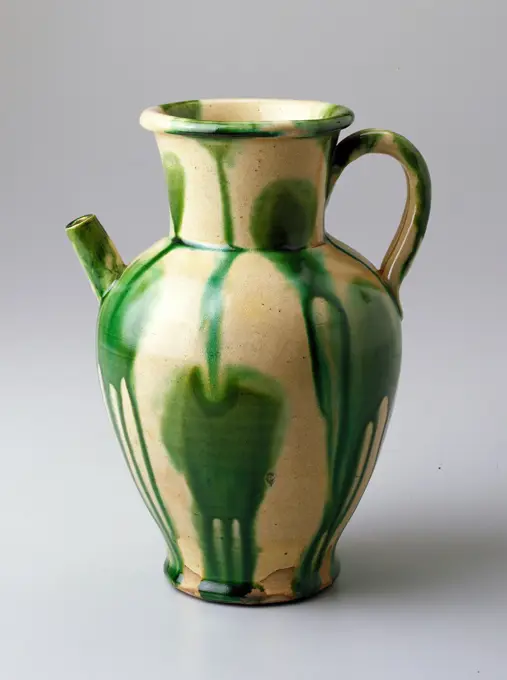
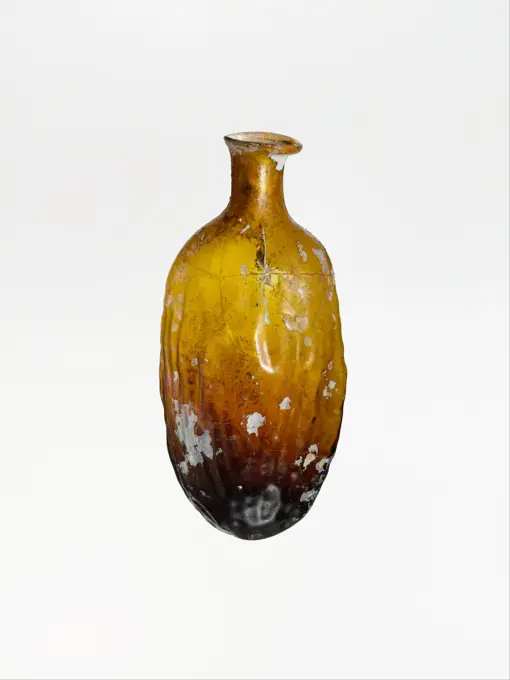
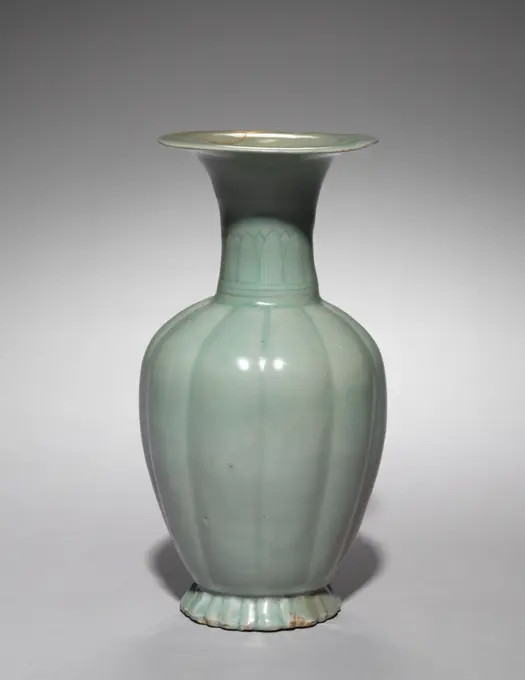
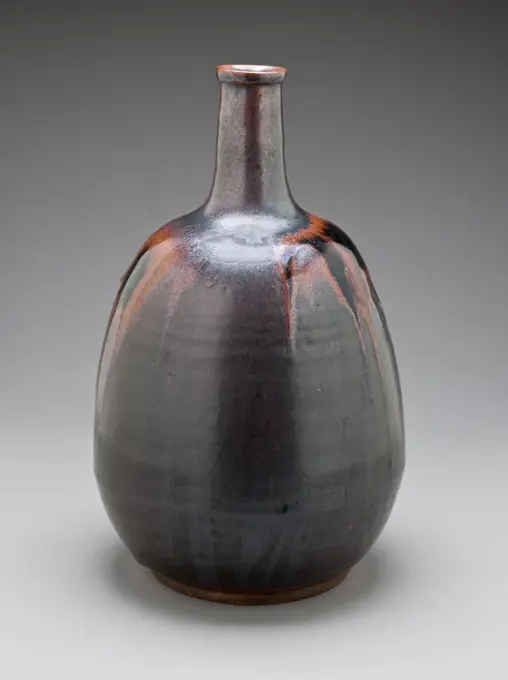
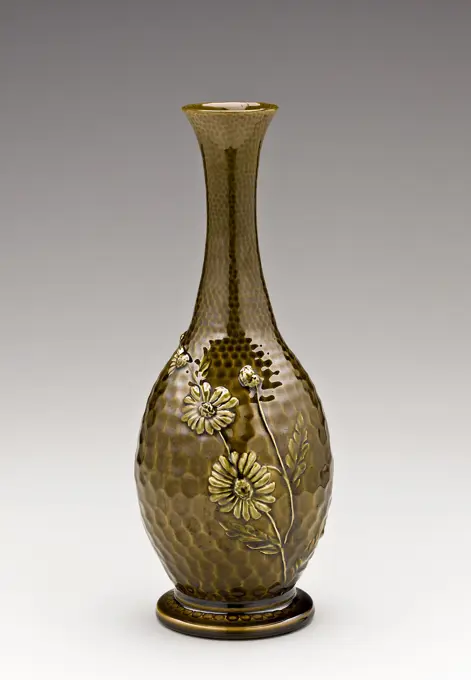
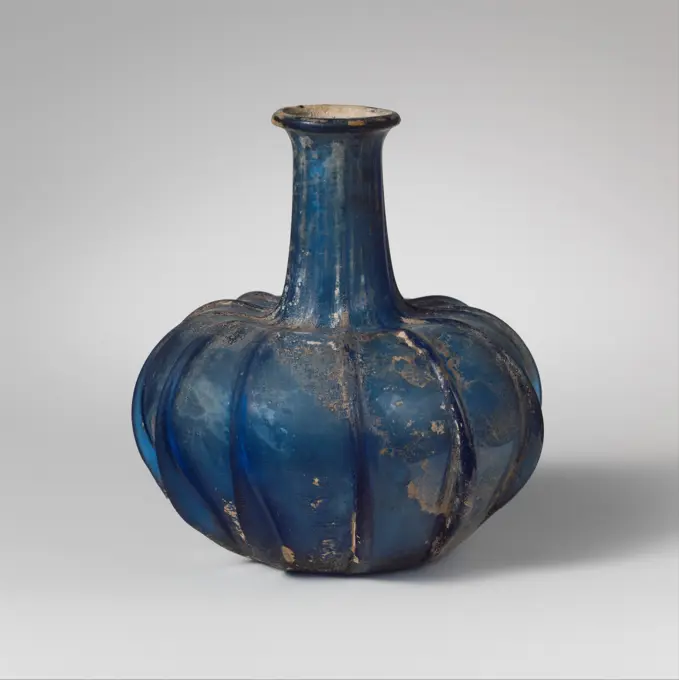
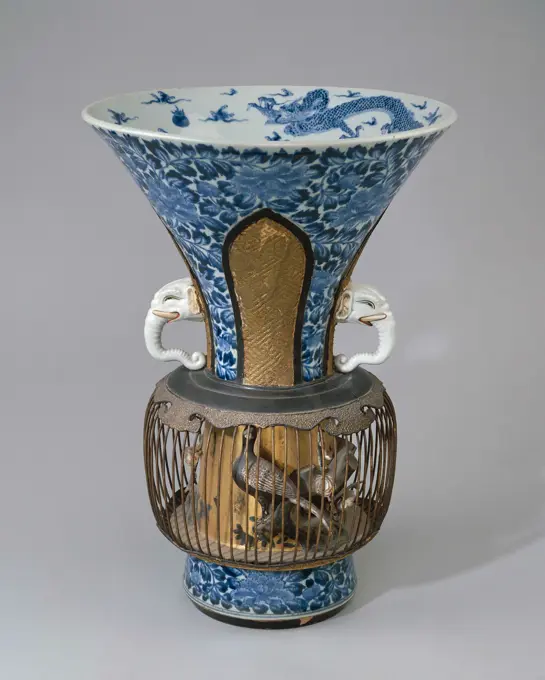
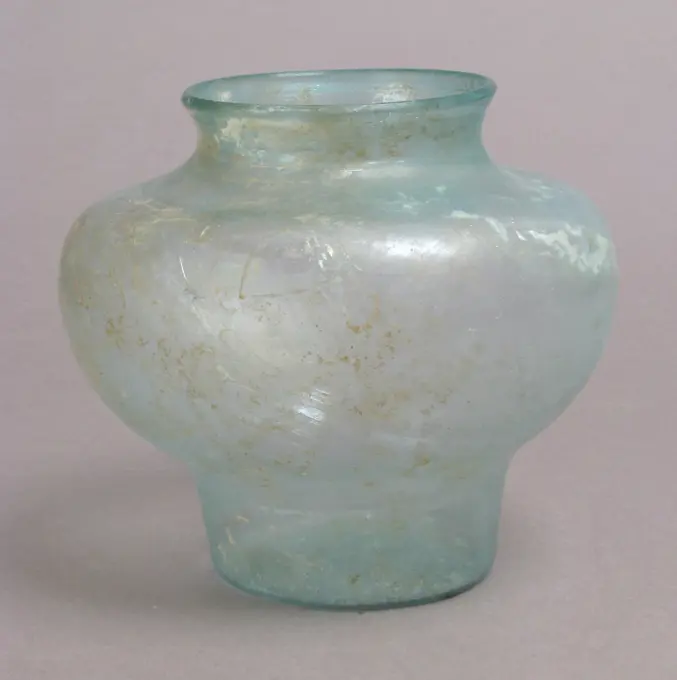
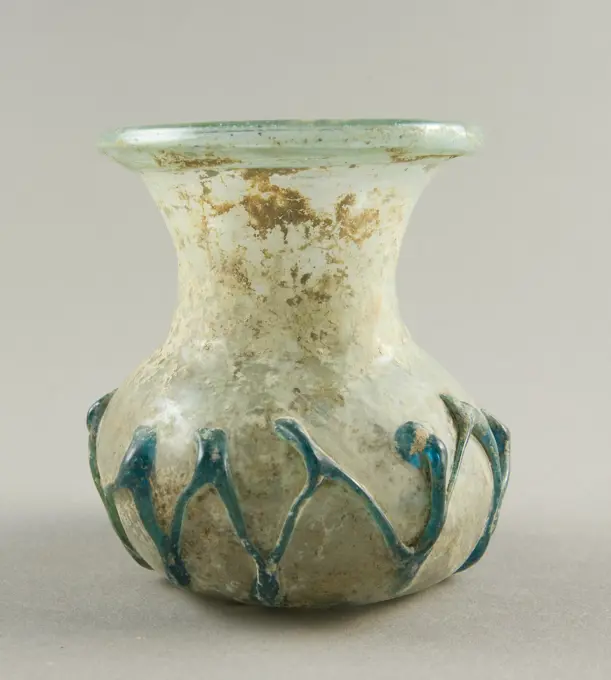
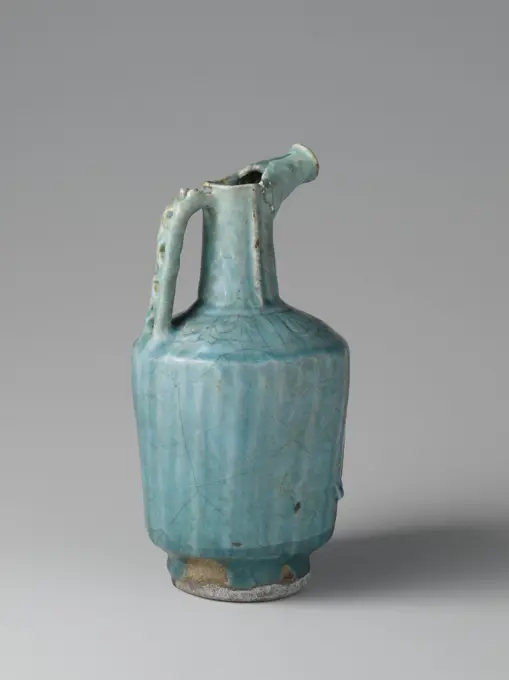
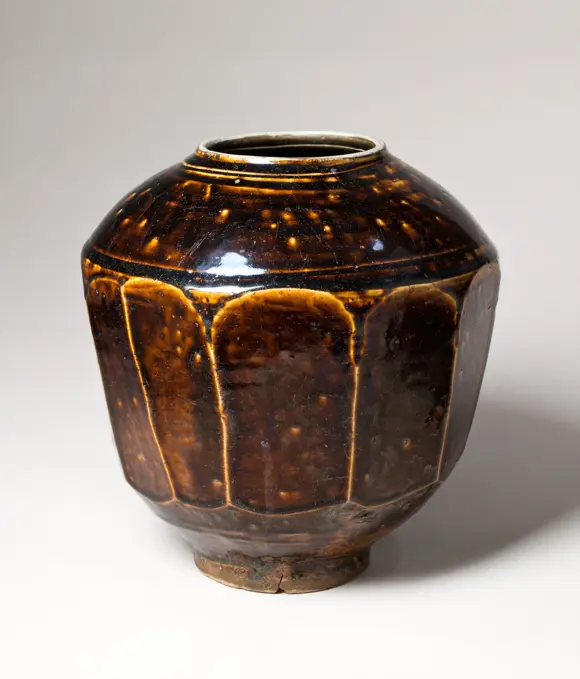
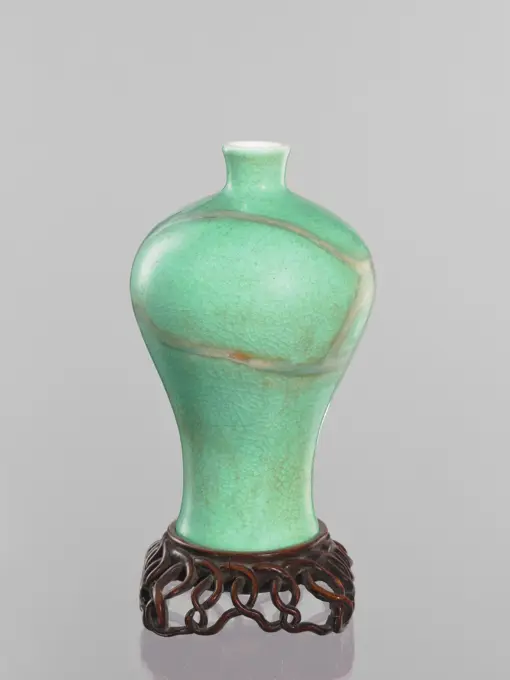
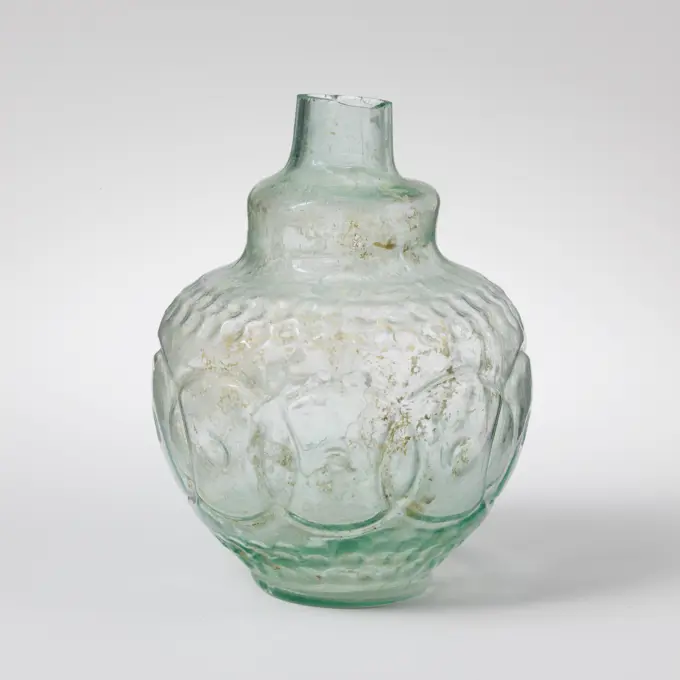
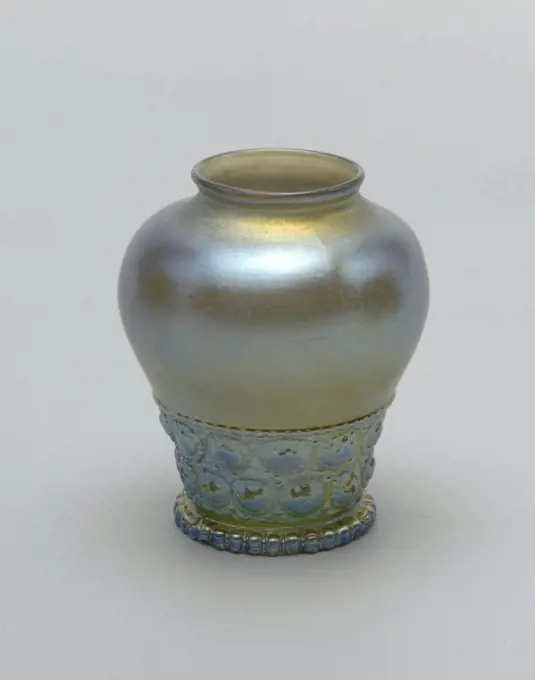
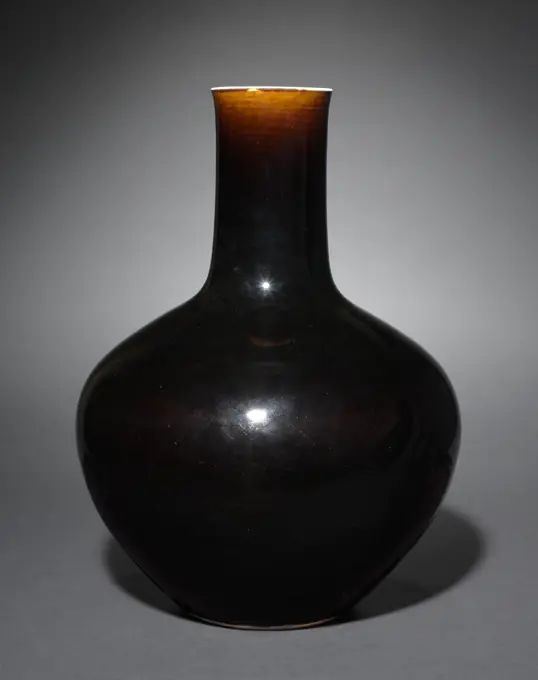
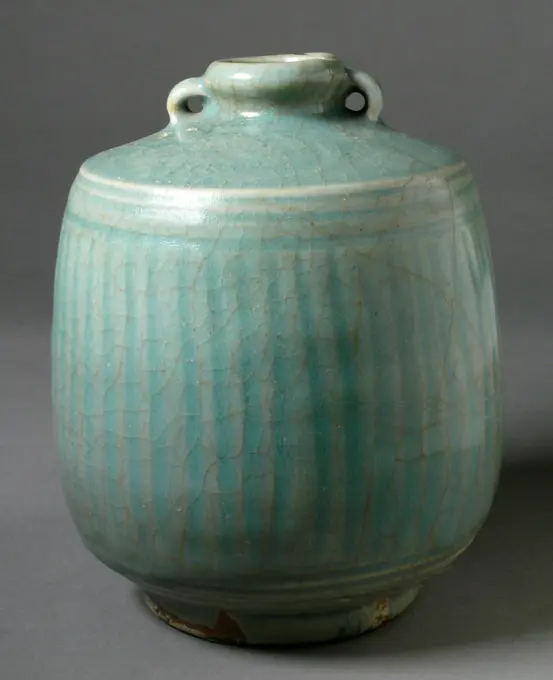
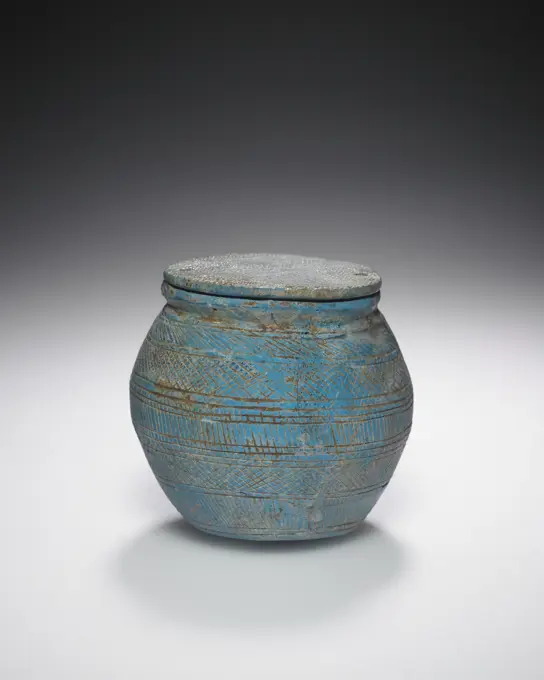
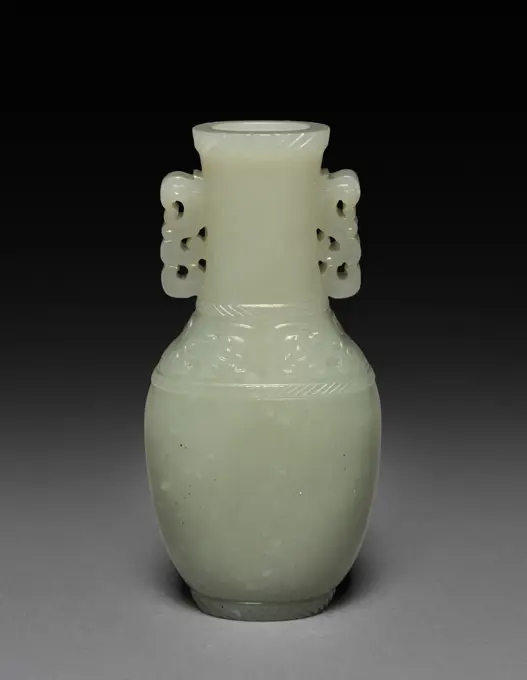
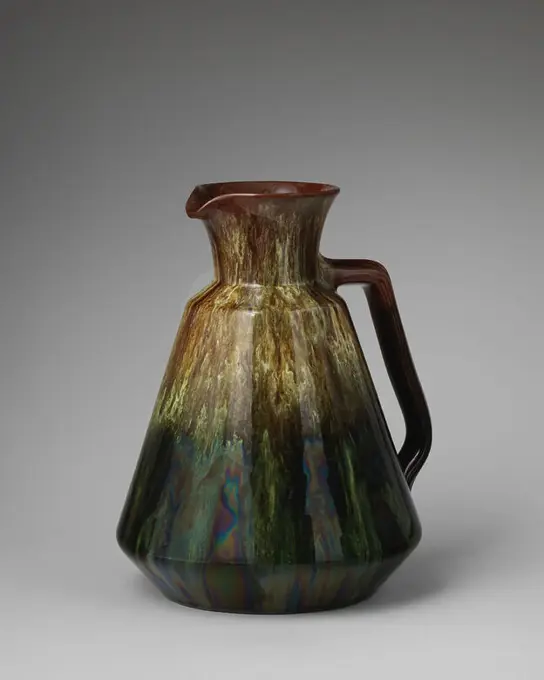
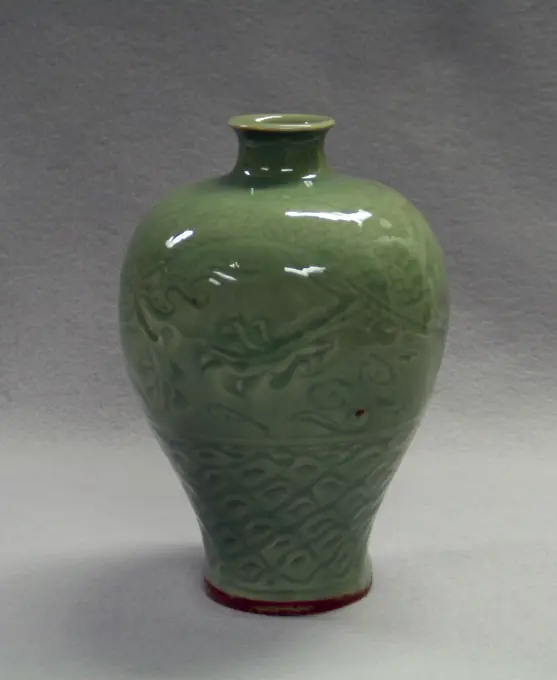
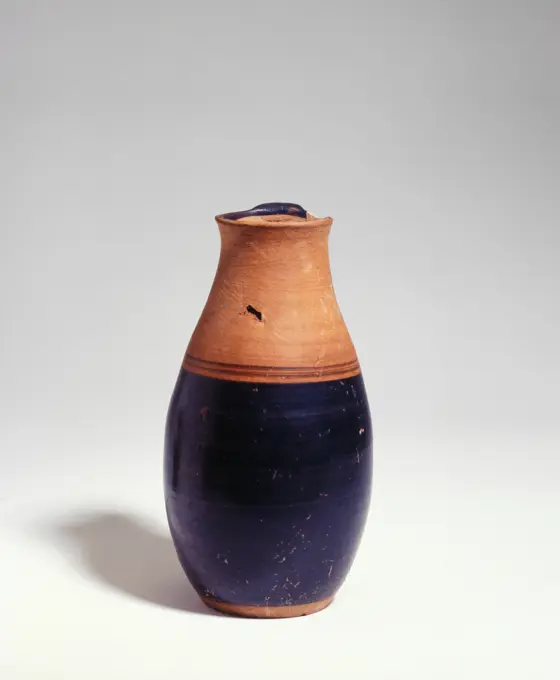
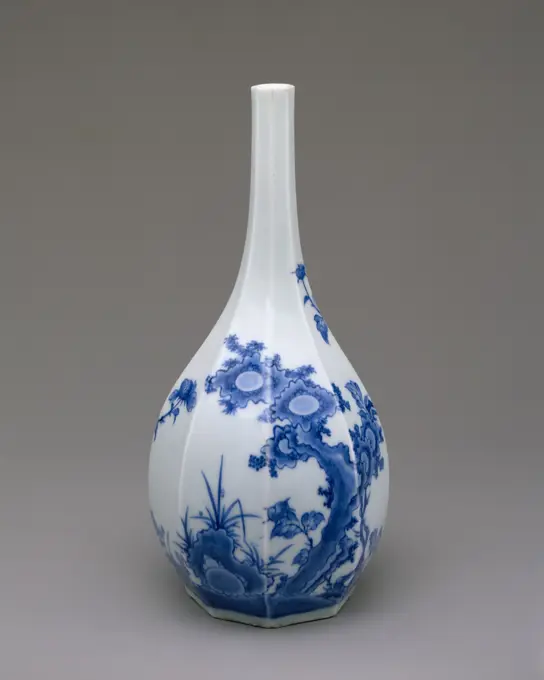
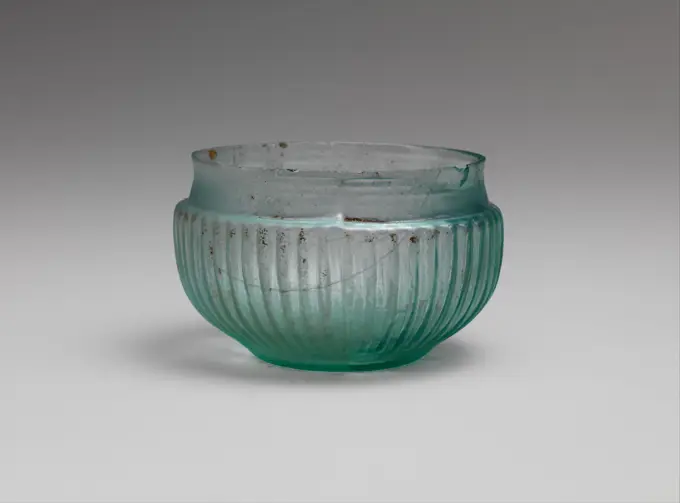
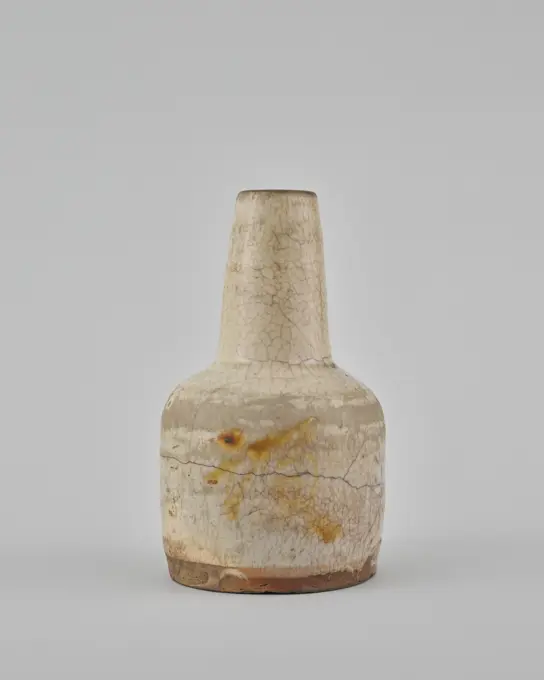
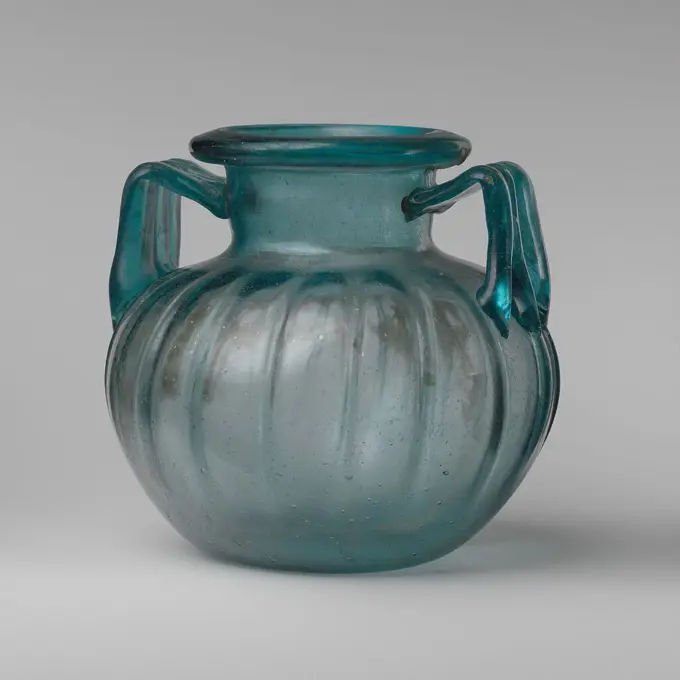
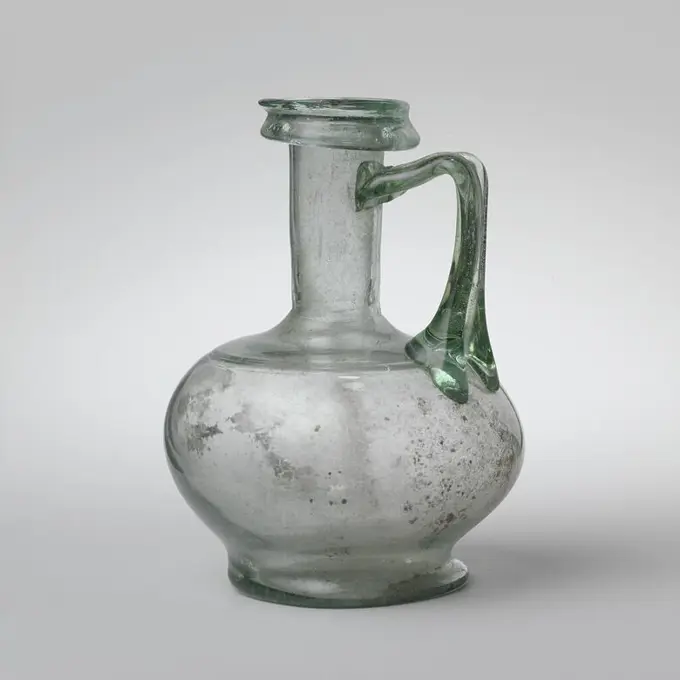
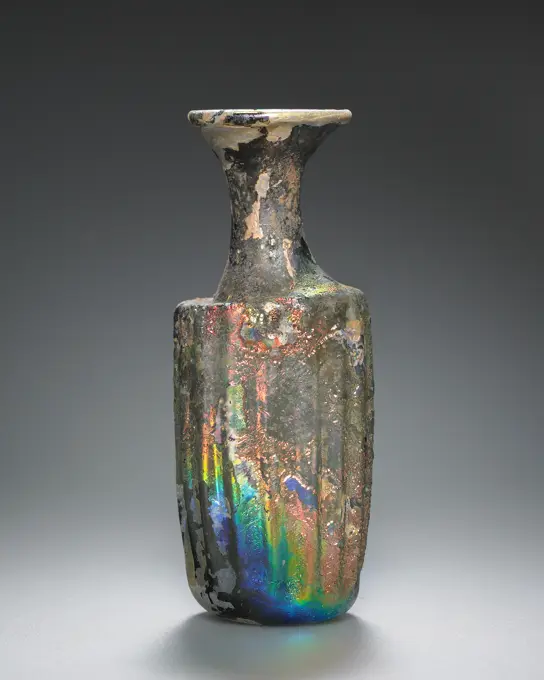
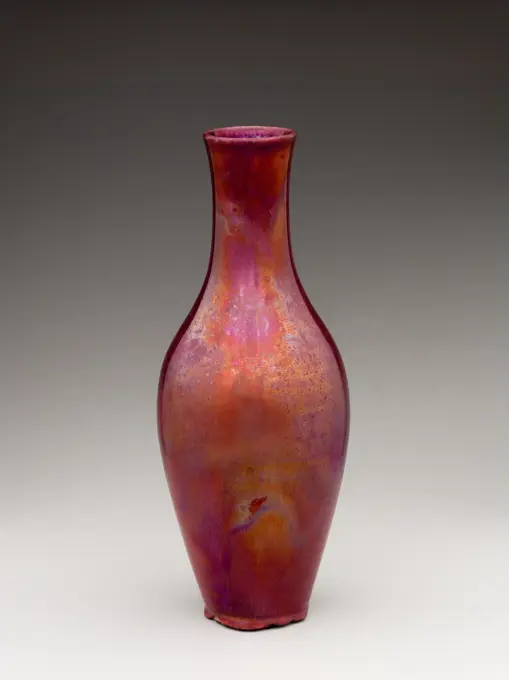
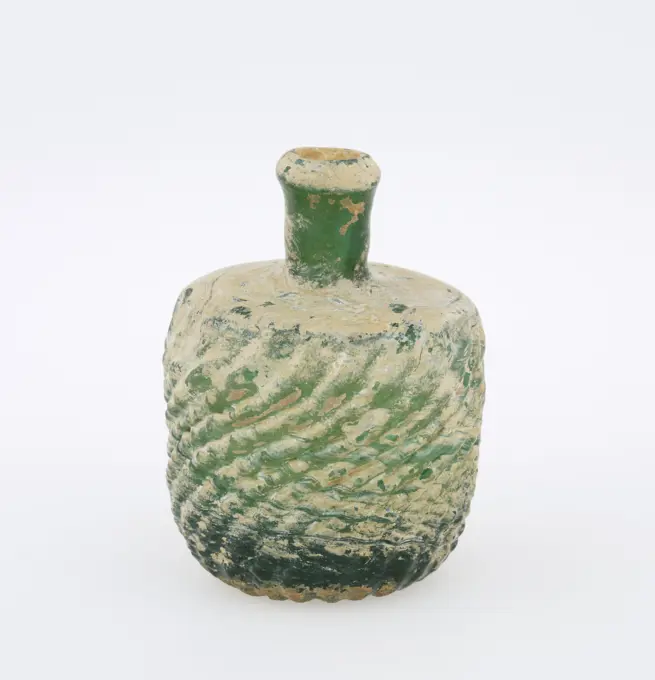
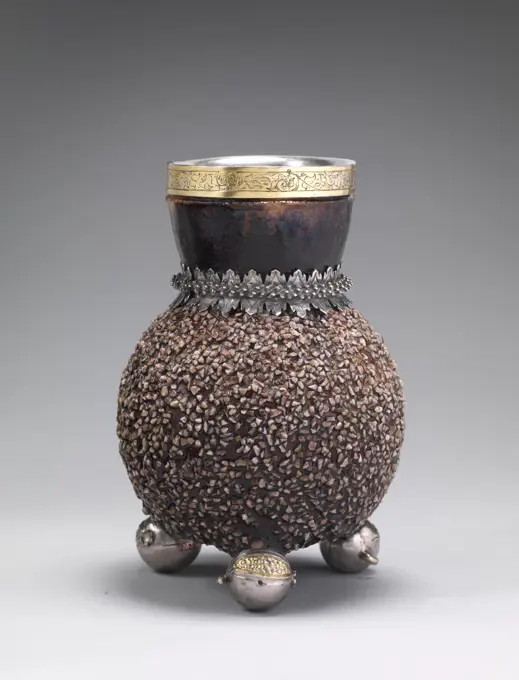
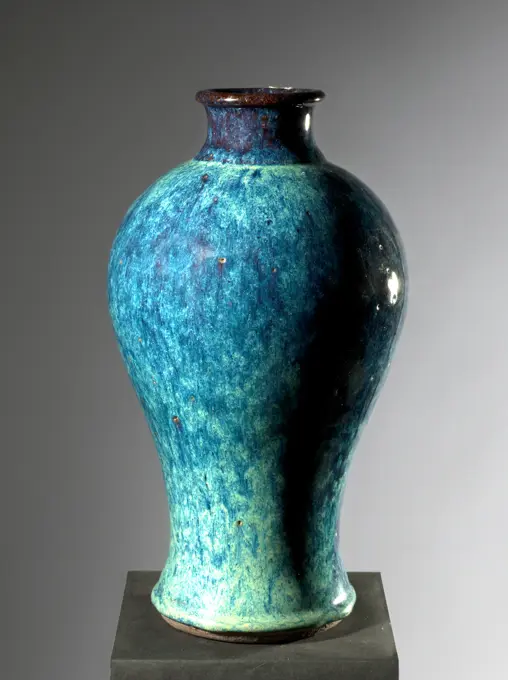
Vase. Dark blue covered sandstone animated with green flow. Paris, Cernuschi museum. 78838-10 Asian art, Chinese art, gres, container, vaseGlass amphoriskos with vertical ribs 1st-early 2nd century A.D. Roman Translucent greenish yellow; handles in dull pale blue.Uneven, everted rim; flaring mouth; cylindrical neck; globular body; cylindrical base, with uneven, indented bottom; two rod handles attached in a pad to shoulder, drawn up, turned in and down onto neck. One continuous mold seam, slightly misaligned, around body and across bottom, extending to base of neck.On body, twenty-two vertical ribs.Complete, except for chips missing all around rim; pinprick bubbles; faint dulling, iridescence, small patches of whitish weathering and soil encrustation.Yellow body decorated with 22 vertical ribs; two green handles; blown in a two-part mold.. Glass amphoriskos with vertical ribs 249490Sake Bottle. Japan, mid-19th century. Ceramics. Agano ware; stoneware with iron and rice straw ash glazesPear-shaped bottle vase with flower scrolls on a black ground.Bottle-shaped vase of porcelain with pear-shaped belly and spreading neck, painted on the glaze in blue, red, yellow, green and gold with floral drinks against a black soil. Old label on the bottom with 'R. May Friends of Asian art '. Famille Noir.Glass perfume bottle 1st century A.D. Roman Colorless with pale blue tinge.Rim folded out, over, and in; slightly flaring mouth; cylindrical neck, tooled in around base; ovoid body; small, slight concave bottom.Horizontal tooled indent around upper part of body.Intact but with internal crack across bottom; pinprick and larger bubbles and blowing striations; slight dulling and pitting on exterior around rim; on interior brilliant silver-like iridescent weathering with some soil encrustation and one large, loose lump.. Glass perfume bottle 244636Sake Flask, mid- to late 1600s. Japan, Edo period (1615-1868). Porcelain with underglaze blue and overglaze celadon decoration (Hizen ware, Arita type, Imari style); overall: 22.6 x 12.1 cm (8 7/8 x 4 3/4 in.).Vase China. Vase 46957Bottle 50 BCE-50 CE Mediterranean Region. Initially affordable only among the wealthy, glass was used in ancient Rome as containers for oils, perfume, and tablewares. The variety of glass-making techniques reveals the changing tastes and fashions over the centuries. During the 1st century A.D., cast glass was a novel form that was a luxury for the Roman household, but by the end of the century, the innovation of blown glass allowed for less labor-intensive and less expensive production, which meant people of lesser means could afford it. Blown glass became so popular it nearly supplanted ceramic and even bronze wares in the home.. Glass, blown technique . Ancient RomanBottle. UnknownVase, 12th century, Unknown Korean, 11 7/8 x 6 3/4 in. (30.2 x 17.15 cm), Ceramic; celadon glaze, gold, Korea, 12th centuryGlass perfume bottle. Culture: Roman. Dimensions: 1 7/8 x 1 1/4in. (4.8 x 3.2cm)Diam. of rim: 9/16 in. (1.5 cm). Date: 1st century A.D..Small perfume bottleTranslucent cobalt blue.Plain, rounded rim; flaring mouth; slightly convex, cylindrical neck, with tooling marks around base; piriform body; flat bottom with traces of a circular pontil mark.Intact; some pinprick bubbles; dulling and faint iridescence on exterior; patches of soli encrustation and iridescent weathering on interior. Museum: Metropolitan Museum of Art, New York, USA.Jar 101 CE-300 CE Ancient Mediterranean. Glass, blown technique . Ancient RomanVase. Culture: French, Paris. Dimensions: Overall (confirmed): 7 3/16 × 4 5/8 × 4 5/8 in. (18.3 × 11.7 × 11.7 cm). Maker: Auguste Delaherche (French, Beauvais 1857-1940 Paris). Date: ca. 1890.Determined that pottery vessels should be regarded as true works of art, avant-garde ceramicists in France in the last decades of the nineteenth century transformed their craft into an intellectual and emotional endeavor. The pioneers of this revival were Jean Carriès, Ernest Chaplet, Théodore Deck, and Auguste Delaherche. These revolutionary artist-potters embraced artisanal traditions while pursuing lost techniques through exhaustive experimentation. Reacting to what they viewed as an excessive and improper use of ornament, they celebrated the simplicity and sincerity of their medium, following the tenets of the Art Nouveau style taking place in Europe. Based on the principles of the British Arts and Crafts movement, Art Nouveau artists sought to reform the decorative arts by emphasizing uniqueSake Bottle. Japan, Edo period, 18th - first half 19th century. Ceramics. Shōdai ware; stoneware with iron and rice straw ash glazesGlass jar 3rd-4th century A.D. Roman Translucent olive green.Everted rim with beveled lip; funnel-shaped neck with irregular tooling marks in side; narrow, horizontal shoulder with projecting bulge around edge; bulbous body; pushed-in bottom with circular pontil mark at center.Body decorated with 22 vertical ribs, extending from bulge around top of body to bottom, made by dipping the paraison into a mold, then withdrawing it, and inflating.Intact; some pinprick and large bubbles, with a few glassy and black inclusions; patches of faint dulling and iridescent weathering.The extreme clarity and good state of preservation of the glass is unusual but is not totally unknown among Roman glass vessels.. Glass jar 255800Flask (Kuttrolf), 1400s. Germany, 15th century. Green glass; overall: 12.1 cm (4 3/4 in.).Ewer, 8th century, 7 11/16 x 6 1/16 x 4 15/16 in. (19.53 x 15.4 x 12.54 cm), Sancai ware Stoneware with dripped green glaze, China, 8th century, This well preserved ewer was made at Ch'ang-sha in Hunan province where the use of light green drip glaze was popular. It can be seen as a variation of standard san-ts'ai galze which features amber, blue, and green like the other works shown here.Wide-Mouthed Vase, 1000s-1100s. Korea, Goryeo period (918-1392). Porcelaneous ware with celadon glaze and fluted and incised decoration; outer diameter: 14.5 cm (5 11/16 in.); overall: 25.2 cm (9 15/16 in.).Glass bottle shaped like a date mid-1st-early 2nd century A.D. Roman Translucent yellowish brown, appearing darker around bottom.Uneve, everted rim folded round and flattened into mouth; cylindrical neck with concave sides; elongated body, lentoid in cross section; round, thick-walled bottom. One continuous mold seam around body.Body molded into the shape of a wrinckled date, with pattern of long wavy ridges and hollows.Broken and repaired around upper body, with hole on one sdie; dulling, pitting, patches of whitish weathering, and iridescence.. Glass bottle shaped like a date 249481Bottle. On the abdomen is engraved: 'is looking for peace', with a reference to a Bible passage.Vase Necel, Franciszek (1868 1935)Double Head Flask; Eastern Mediterranean; about 2nd century; Glass; 9.4 cm (3 11,16 in.)Vase in the Form of a Melon, 1100s. Korea, Goryeo period (918-1392). Celadon; overall: 25.2 cm (9 15/16 in.).Sake Bottle with Glaze Splash. Japan, Edo period, 1615-1868, 18th century. Ceramics. Mino ware; stoneware with dark iron glaze and ash glaze splashVase ca. 1877-84 Chelsea Keramic Art Works The Chelsea Keramic Art Works was the first American ceramics firm to designate itself an "art pottery." It was founded in Chelsea, Massachusetts, by members of the Robertson family, all of whom had honed their skills in the ceramics industry in Britain before coming to this country. This vase features a fully modeled wildflower spray displayed over the body of the piece. Such naturalistically rendered and asymmetrically arranged plant sprays in relief conformed to the decorative taste of the Aesthetic Movement in the late 1870s and 1880s (see also 2018.294.21; 2018.294.29). The hand-hammered surface effect is Japanese in inspiration.This vase is from the Robert A. Ellison Jr. Collection of American art pottery donated to the Metropolitan Museum in 2017 and 2018. The works in the collection date from the mid-1870s through the 1950s. Together they comprise one of the most comprehensive and important assemblages of this material known.. Vase. AmGlass ribbed bottle 1st century A.D. Roman Translucent blue.Everted rim, folded over and in; cylindrical neck, expanding downwards; pushed-in shoulder; squat, globular body; thick, slightly concave bottom.Twelve, regularly-spaced vertical ribs extending from rim down neck and body, ending above bottom, and forming projecting solid fins on side of body.Intact; pinprick bubbles; pitting, dulling, iridescence, and patches of limy encrustation and brownish weathering.. Glass ribbed bottle 245737Sake Bottle with Striped Design. Japan, Edo period (1615-1868), late 18th century. Ceramics. Tanba ware; stoneware with white slip and clear glaze. Trumpet-shaped cup spring from porcelain, painted in underglaze blue and on the glaze red, black and gold. On the wall a pattern of peony ranks interrupted by four saved, leaf-shaped compartments with a swastika or grainy pattern in gold-plated paper-mché. In two courses a ear in the form of an elephant head. Under this ears, a metal bird cage is applied to the vase, supported on varnished wooden edges. Under the top edge a band with four ruyi motifs from gold-plated paper-mché. Rocks, branches and a couple of a male and a female green pheasant (Phasianus versicolor) cage (phasianus versicolor) against a golden background with painted plants. Below a band with peony ranks. On the inner edge twice a pearlying, three-blazing dragon between clouds. Arita, blue-white with email colors.Vase (usual name). Sandstone, celadon, incised decor. Cernuschi Museum, Asia Museum of Asia in the city of Paris.Globular Jar late 4th-early 5th century Frankish. Globular Jar 465076 Frankish, Globular Jar, late 4thearly 5th century, Glass, Overall: 4 x 4 1/2 in. (10.2 x 11.5 cm). The Metropolitan Museum of Art, New York. Gift of J. Pierpont Morgan, 1917 (17.191.358)Jar 401 CE-500 CE Mediterranean Region. Initially affordable only among the wealthy, glass was used in ancient Rome as containers for oils, perfume, and tablewares. The variety of glass-making techniques reveals the changing tastes and fashions over the centuries. During the 1st century CE, cast glass was a novel form that was a luxury for the Roman household, but by the end of the century, the innovation of blown glass allowed for less labor-intensive and less expensive production, which meant people of lesser means could afford it. Blown glass became so popular it nearly supplanted ceramic and even bronze wares in the home.. Glass, blown technique . Ancient MediterraneanVase with Animal Handles 1723-1735 China. Porcelain with tea dust glaze .Bottle c 1821-1829 Mantua. Glass . Mantua Glass Works (Manufacturer)Glass perfume bottle. Culture: Roman. Dimensions: 2 5/16 x 1 7/16in. (5.9 x 3.6cm)Diam. of rim: 11/16 in. (1.8 cm). Date: 1st century A.D..Small perfume bottleColorless with pale bluish tinge and streaked with purple.Beveled rim, folded out, over, and in; tall cylindrical neck, tooled in around base; conical body with rounded sides turned in to uneven, flattened bottom.Wheel-cut horizontal groove around body.Intact; many pinprick bubbles and blowing striations; dulling, some pitting, and iridescent weathering on rim and interior of neck. Museum: Metropolitan Museum of Art, New York, USA.Vessel or pitcher with fluted sides and incised scrolls, anonymous, c. 1175 - c. 1224 Jug or jug of quartz fritry with a ribbed wall and decorated on the shoulder with Ingrift Curlwerk or leaf vines covered with a monochrome turquoise glaze. Iran earthenware. glaze engraving / vitrification Jug or jug of quartz fritry with a ribbed wall and decorated on the shoulder with Ingrift Curlwerk or leaf vines covered with a monochrome turquoise glaze. Iran earthenware. glaze engraving / vitrificationFaceted jar, late 19th-early 20th century, Unknown Korean, 8 11/16 × 8 5/16 × 8 1/4 in. (22.07 × 21.11 × 20.96 cm), Stoneware with iron-brown glaze, Korea, 19th-20th centuryJug. Late Roman or Byzantine; Eastern Mediterranean. Date: 301 AD-400 AD. Dimensions: 8.1 × 6.9 × 5.5 cm (3 3/16 × 2 3/4 × 2 1/8 in.). Glass, blown technique. Origin: Levant. Museum: The Chicago Art Institute, Chicago, USA. Author: ANCIENT ROMAN.Meiping-type vase on stand. unknown, craftsmanGlass flask decorated with intersecting circles 2nd-3rd century A.D. Roman Translucent blue green.Unworked, knocked-off rim; short cylindrical neck, expanding downwards; sloping shoulder, above tall concave collar; spherical body; projecting rounded edge to base with flat bottom; no pontil mark. Body blown into a four-part mold of three vertical sections, extending to bottom of collar, joined to a shallow, disk-shaped base section.On body, sunken relief design of nine interlocking circles with a dot at the center of each circle, bordered above and below by a double row of smaller dots; on bottom, two raised circles, the outer one faint and thinner, around a small central knob.Intact, except for chips around rim; some bubbles; patchy weathering and iridescence.. Glass flask decorated with intersecting circles 249493Jar 12th century. Jar 449508Vase, Tiffany & Company, American, established 1853, Mold-blown favrile glass, Iridescent gray with amber undertones. Ovoid body with very short neck and low broad foot. Relief band around lower portion of body consisting of two rows of twelve bosses each on blister-like ground; egg and dart type decoration around foot., New York, New York, USA, ca. 1903-04, glasswares, Decorative Arts, VaseVaseBottle-Shaped Vase, 1736-1795. China, Jiangxi province, Jingdezhen kilns, Qing dynasty (1644-1911), Qianlong reign (1735-1795). Porcelain with mirror-black glaze; overall: 50.2 cm (19 3/4 in.).Cinerary Urn; Roman Empire; 1st - 2nd century; Glass; 26 × 25 cm (10 1,4 × 9 13,16 in.)Glass jar 4th century A.D. Roman Translucent light blue green; trails in same color.Rounded rim with partially upturned lip; broad, outsplayed mouth; short, concave neck; sloping shoulder; bulbous body, tapering downwards; deep kick in bottom with traces of circular pontil mark.Horizontal trail wound once round underside of mouth; another trail wound round from left to right in zigzag between outer edge of shoulder and rim, forming openwork collar, with overlap extending for two zigzags.Intact; many bubbles and some black impurities in side of body and rim; dulling, patches of soil encrustation and weathering, and some iridescence.. Glass jar 245328Bottle with Two Shoulder Lugs. Thailand, Sawankhalok, 15th century. Furnishings; Accessories. Wheel-thrown stoneware with carved and incised decoration and celadon glazeGlass perfume bottle 2nd-3rd century A.D. Roman Translucent blue green.Rim, folded out, over, and in, flattened on top and into mouth; cylindrical neck, tapering downward and tooled in around base; conical body, curving in to flat bottom. Thick, heavy glass.Intact; many bubbles; dulling, pitting, and iridescent weathering.. Glass perfume bottle 239689Bowl. UnknownVase (Maebyong) with Stylized Floral Sprays. Korea. Date: 1101-1200. Dimensions: H. 25.5 cm (10 1/16 in.); diam. 16.5 cm (6 1/2 in.). Stoneware with celadon glaze and underglaze painting. Origin: Korea. Museum: The Chicago Art Institute, Chicago, USA.AmphoriskosBottle with Stopper, 1736-95. China, Qing dynasty (1644-1912), Qianlong reign (1735-1795). Jade; overall: 9.5 cm (3 3/4 in.).Pitcher. Culture: British, Linthorpe, Yorkshire. Designer: Christopher Dresser (British, Glasgow, Scotland 1834-1904 Mulhouse). Dimensions: Height: 7 11/16 in. (19.5 cm). Factory: Linthorpe Pottery Works (British, 1879-1889). Date: 1879-82. Museum: Metropolitan Museum of Art, New York, USA.Meiping vase with dragon 14th century China. Meiping vase with dragon. China. 14th century. Stoneware with incised decoration under celadon glaze (Longquan ware). Yuan dynasty (1271-1368). CeramicsBottle. Culture: Greek, South Italian, Apulian, Canosan. Dimensions: H. 15.19 cm.. Date: ca. 325-300 B.C.. Museum: Metropolitan Museum of Art, New York, USA.Glass perfume bottle Roman 2nd-3rd century CE Translucent pale blue green.Rim folded out, over, and in, with broad mouth; cylindrical neck, expanding downward and deeply tooled in around base; slightly elongated bulbous body; pushed-in bottom with deep kick and trace of pontil scar.Intact, except for crack in body and bottom, and small hole in side; many bubbles; deep pitting and iridescent weathering.Bottle. The text on the body translates as: Keep thyself pure’. Just below the neck is a reference to a Bible passage. On the base Van Heemskerk engraved a longer text, which clarifies the meaning of the inscription on the body.Terracotta lekythos (oil flask) ca. 420-400 B.C. Attributed to the Woman Painter Youth seated at tomb between youth and womanThe youth in the center, undoubtedly the deceased, is seated on the steps of his tomb. The shaft behind him is crowned by remarkably succulent akanthos leaves. The woman at the right carries a basket containing two lekythoi and an alabastron (perfume vase). The central figure fits into the composition rather awkwardly, but the intent is clearly to provide an image of the departed being mourned by those around him.. Terracotta lekythos (oil flask) 247582Glass oinochoe (jug). Culture: Roman. Dimensions: H. 7 1/8 in. (18.1 cm); diameter 3 3/8 in. (8.6 cm). Date: late 1st century B.C.-early 1st century A.D..Opaque pale blue.Trefoil rim with beveled outer lip; concave, slightly oval neck, joining imperceptibly with ovoid body; applied splayed base ring on low concave pedestal, with broad flat edge around concave bottom; applied handle rising from body to edge of back of rim, with angular outer profile and central vertical rib, loop rising above rim with upward projecting thumb-rest.On base ring, raised horizontal molding around base of body, a pronounced angular raised molding at top of base ring, and a band of three rounded raised horizontal lines forming molding at outer edge of base ring; on the carved handle: a raised diamond-shaped area at base of handle imitating an attachment plate; a flat diamond shape incised with two cross lines as base finial to handle; a recessed area at top of handle where it curves in towards rim; a thumb35mm originalBottle 1725-1775 Bohemia. Glass .Vase China. Vase 53956Vase 1901 England. Glazed stoneware . Martin BrothersSnuff Bottle, 19th century, 2 5/8 x 1 3/4in. (6.7 x 4.4cm), Glass, China, 19th centuryUnknown. "Oenochoé (olpé)". Ceramics, slightly dull yellow clay. 6th century BC .. Museum of Fine Arts of the City of Paris, Petit Palais. 99936-19 Antiquity, clay, ceramic, VIEM LIFE VI 6th 6th 6 CENTURY BEFORE AV. JC, ancientVase. Artist: Makuzu Kozan I (Miyagawa Toranosuke) (Japanese, 1842-1916). Culture: Japan. Dimensions: H. 11 3/8 in. (28.9 cm); Diam. 11 in. (27.9 cm). Date: 19th century. Museum: Metropolitan Museum of Art, New York, USA.Jug with a mask and flower vases, anonymous, c. 1650 - c. 1680 Can be made of stoneware on high foot with a narrow neck, egg -shaped body and a pinched spout in the edge. The C-shaped ear is attached to the neck and shoulder. Partly covered with cobalt blue on the glaze. On the foot and the neck some entry lines. The KAN is decorated with a relief decoration in which the abdomen is largely covered with printed, imposed flower vases against a blue background. A modeled mask has been applied to the neck under the spout. Westerwald. Westerwald stoneware. glaze. cobalt (mineral) vitrification Can be made of stoneware on high foot with a narrow neck, egg -shaped body and a pinched spout in the edge. The C-shaped ear is attached to the neck and shoulder. Partly covered with cobalt blue on the glaze. On the foot and the neck some entry lines. The KAN is decorated with a relief decoration in which the abdomen is largely covered with printed, imposed flower vases against a blue background. A moBottle with Peony and Rock 18th century Japan. Bottle with Peony and Rock. Japan. 18th century. Porcelain with underglaze blue (Hizen ware). Edo period (1615-1868). CeramicsGlass ribbed bowl 1st century AD Roman Translucent blue green.Vertical unworked rim; pronounced concave shoulder expanding downwards; convex sides sloping inwards towards projecting rounded base ring; bottom with concave depression and projecting knob at center. Two mold seams visible only on shoulder.On sides, forty-eight vertical rounded ribs (twenty-seven on one half of mold, twenty-one on the other).Intact, except for one chip in rim; some large round bubbles; faint dulling and iridescence.. Glass ribbed bowl 249424Vase. Culture: China. Dimensions: H. 5 in. (12.7 cm). Museum: Metropolitan Museum of Art, New York, USA.Vase. White sandstone, creamy white covered; incised decor: crazy and ngai. Cernuschi Museum, Asia Museum of Asia in the city of Paris.Glass two-handled jar. Culture: Roman. Dimensions: H.: 6 5/8 in. (16.8 cm). Date: 1st-3rd century A.D..Translucent blue green; handles in same color.Everted, slightly tubular rim, with rounded outer lip, folded in and down, and smoothed into side of mouth; broad, cylindrical neck with slightly convex profile and irregular tooling marks around base; bulbous body; shallow concave bottom; two broad three-ribbed strap handles attached to upper body over ribs, drawn vertically upwards, turned in at an acute angle, and applied to neck, ending with fine trails drawn up across underside of rim.On upper two-thirds of body, nineteen vertical ribs of varying length and shape. Intact, but one internal crack in rim; many bubbles, some large in handles; dulling and faint iridescence on exterior, patches of soil encrustation and brownish weathering on interior.Two handled vase with ribs on the body: blue glass. Museum: Metropolitan Museum of Art, New York, USA.Glass jug. Culture: Roman, Cypriot. Dimensions: 3 13/16 × 2 13/16 in. (9.7 × 7.2 cm)Diam. of rim: 1 3/16 in. (3 cm)Diam. of foot: 1 7/8 in. (4.8 cm). Date: 1st-2nd century A.D..Translucent green with bluish tinge; handle in same color.Collared rim with large splayed downward fold and everted upward lip, then turned in and smoothed into slightly flaring mouth; cylindrical neck, tapering slightly downwards, with tooled indent around base; short shoulder, curving outward to join bulbous body, with two thickened concentric ridges near top; splayed, integral base ring; pushed-in bottom; handle with two prominent ribs at sides, attached to upper body with downward fins, drawn up and slightly out, turned in at acute angle and pressed on to upper neck.Intact, except for minor chip in rim; some bubbles, elongated in neck and handle; faint iridescence and weathering, with slight soil encrustaion on interior.Colorless jug with handle. Museum: Metropolitan Museum of Art, New York, USA.Flask. UnknownGlass perfume bottle Roman 1st century CE Translucent yellow brown.Everted rim, folded over and in, and flattened on upper surface around oval mouth; cylindrical neck, joining imperceptibly with piriform body; small concave bottom.Intact, but small weathered hole below rim in top of neck; many bubbles and blowing striations; deep pitting and brilliant iridescence on exterior, thick soil encrustation and weathering on interior. View more. Glass perfume bottle. Roman. 1st century CE. Glass; blown. Early Imperial. GlassFaaience bottle with blue fond., Anonymous, 1700 - 1735 Faaience bottle. Multicolored painted with Chinese figures and trees on a blue stock. Delft . Faaience bottle. Multicolored painted with Chinese figures and trees on a blue stock. Delft .Vase, c. 1900. Grueby Pottery Company (American). Ceramic;Prunus Vase with Incised Peony Design, 1100s-1200s. Korea, Goryeo period (918-1392). Celadon; overall: 31.5 cm (12 3/8 in.).Stoneware jug, ball model with cylindrical neck, brown and gray mottled glazed, jug crockery holder soil find ceramic stoneware glaze salt glaze, hand-turned glazed baked Stoneware jug spherical bowl with cylindrical neck brown and gray speckled glazed. Booth with light soul on the outside decorated with two thickened rings. At the transition from neck to belly also thickened ring. Wide vertical ear between neck and abdomen archeology Rotterdam City center Stadsdriehoek Groenendaal indigenous pottery import drinking serve serving room table Soil discovery: Mariniersweg Groenendaal Rotterdam 1983.Pitcher 1845-75 Norwich Pottery. Pitcher 20741Wase with cobalt and fitting unknownAnonymous long -collar vase, Kundika type (common name), 1700. Sandstone with blue decoration under cover. Ivory email cracked on the dough (slip). Cernuschi Museum, Asia Museum of Asia in the city of Paris.Glass perfume bottle late 1st-mid-2nd century A.D. Roman Colorless with pale blue green tinge.Thick, tubular rim, folded out, over, and in; cylindrical neck, expanding downward and tooled in around base; bulbous body with convex sides; concave bottom.Intact; many bubbles; some pitting and dulling; patches of creamy and iridescent weathering.. Glass perfume bottle 239670Snuff Bottle, 17th-19th century, 2 3/4 x 1 1/2in. (7 x 3.8cm), Glass, China, 17th-19th centuryTerracotta oinochoe (jug) 4th century B.C. Greek, South Italian, Campanian High spout and handle; ribbed.. Terracotta oinochoe (jug) 254229 Greek, South Italian, Campanian, Terracotta oinochoe (jug), 4th century B.C., Terracotta, H. 6 15/16 in. (17.6 cm) H. with handle 7 15/16 in. (20.2 cm) diameter 2 15/16 in. (7.5 cm). The Metropolitan Museum of Art, New York. Rogers Fund, 1941 (41.162.62)Sake bottle Japan Momoyama period (1573-1615) View more. Sake bottle. Japan. Nashiji lacquer with designs in gold and silver. Momoyama period (1573-1615). LacquerDouble gourd-shaped vase with two handles, anonymous, anonymous, c. 1200 - c. 1399 Calebas -shaped vase of stoneware, covered with a green glaze. The lower part with Ingrift Areawork and three horizontal lines. Two small, semicircular ears from the lower part to the top. Celadon. Thailand stoneware. glaze painting / vitrification Calebas -shaped vase of stoneware, covered with a green glaze. The lower part with Ingrift Areawork and three horizontal lines. Two small, semicircular ears from the lower part to the top. Celadon. Thailand stoneware. glaze painting / vitrificationSnuff Bottle with Gold Sparkles 19th century China. Snuff Bottle with Gold Sparkles 41516Cup 1500-1699 Germany. Glass .Pear-shaped vase, 19th century, 18in. (45.7cm), Ceramic, powder blue glaze, gilt, wooden stand, China, 19th centuryVase ca. 1885-89 Hugh C. Robertson Steeped in ceramics from birth, Hugh C. Robertson pursued his craft with fierce devotion and a passion for experimentation. From a family of trained English ceramists, he honed his skills in New Jersey before settling in Massachusetts as one of the founders of Chelsea Keramic Art Works and later, Dedham Pottery. Robertsons lifelong explorations in glazes, particularly their color and texture, make him one of the key figures of American art pottery at the turn of the twentieth century.During the 1880s Hugh Robertson increasingly turned his attention to developing new glaze formulas and clay bodies. In the middle of the decade he became obsessed with the highly coveted yet elusive sang-de-boeuf, or oxblood, glaze, a quest that became the hallmark of his later career. This richly colored blood-red glaze is traditionally created from a copper-based formula and fired in a kiln, which when wet straw and other materials are introduced, deprives the atmospheGlass perfume bottle 2nd-3rd century A.D. Roman Translucent blue green.Rim folded out, round, and in, with irregular downward projection on one side; concave cylindrical neck, expanding at base to join slender bulbous body with four deep indents in sides; thick, rounded bottom with jagged surface.Intact; many bubbles; dulling, iridescence, and small patches of weathering; soil encrustation inside neck.. Glass perfume bottle 239794Gourd-shaped ewer decorated with waterfowl and reeds early 12th century Korea The decoration of ducks and geese amid reeds, expertly and sensitively rendered, demonstrates an appreciation for pictorial realism. Goryeo celadon features both naturalistic and more abstract designs. Examples such as this ceramic vessel provide a glimpse of what secular painting from the Goryeo dynasty might have looked like, given that so few actual painted images survive.. Gourd-shaped ewer decorated with waterfowl and reeds 39589Vase, 1st-5th century, 3 3/8 in. (8.57 cm), Blown glass, Roman Empire, 1st-5th centurySmall Drinking Cup (krause) German, Nuremberg ca. 1530 At a time when grottoes were the fascination of princes and artists in Renaissance Germany, Nuremberg potters experimented with a variety of textures to evoke natural forms. Known as a Krause, the small cup is covered in a textured surface possibly comprised of fired ceramics or crushed pieces of stone. Held up by three feet in the form of pomegranates, a symbol of fertility, the vessel may have served as a marriage cup. View more. Small Drinking Cup (krause). German, Nuremberg. ca. 1530. Salt-glazed earthenware, with silver and silver-gilt mountsVase 18th century China. Vase 45929Seif Yohei III (1851-1914) was a son of the Maruyama school painter Okada Ryhei (dates unknown). Though he studied painting, he ultimately succeeded his ceramics mentor, Seif Yohei II (1845-1878), in Kyoto. He distinguished himself as a remarkable porcelain artist, taking Qing dynasty Chinese wares as his inspiration. He experimented widely with new glazing techniques. In 1893, he became the first ceramicist to be appointed as an Imperial Household Artist under a system introduced by the Japanese government in 1890. He produced many works for use in Chinese-style tea gatherings called sencha. Flower Vase with Bamboo Joints, c. 1920-40. Seifū Yohei IV (Japanese, 1872-1951). Porcelain with green glaze and molded design; height: 30.5 cm (12 in.); diameter: 15.2 cm (6 in.); height with stand: 33 cm (13 in.).Ewer probably 18th-19th century. Ewer 444810Bowl. Fabric tea bus or chair of stoneware with an ivory lid, partially covered with a green-brown glaze. The lower half of the bus is unglazed. Old label on the bottom with 'W636'. Satsuma.Jar. Egypt, 11th-12th century. Ceramics. Earthenware, glazed and stain-painted