Asian Historical Jars and Cages

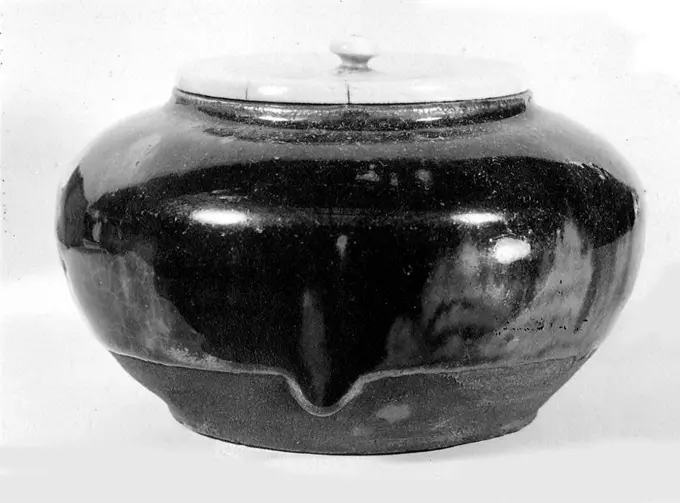
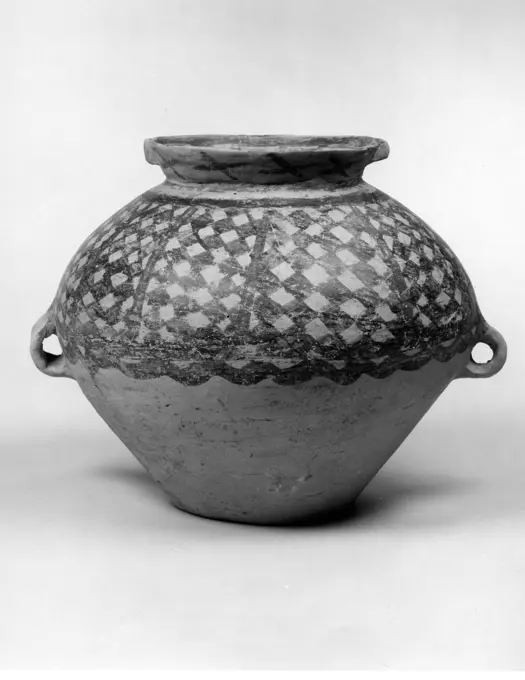
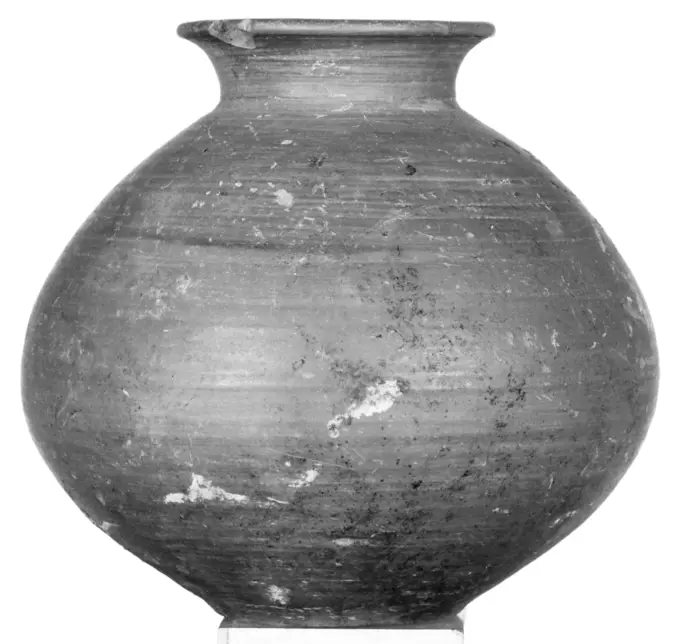
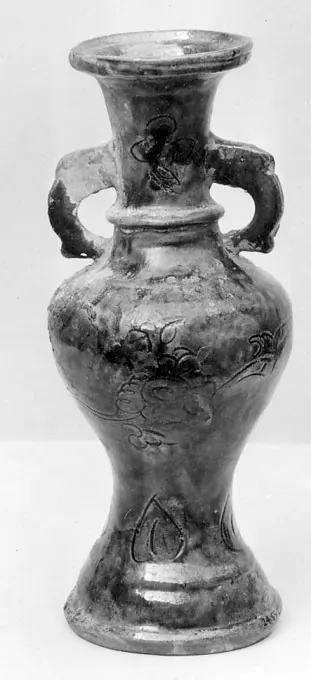
A collection of traditional jars and cricket cages from China and Japan, showcasing historical craftsmanship with earthy tones and distinct shapes.
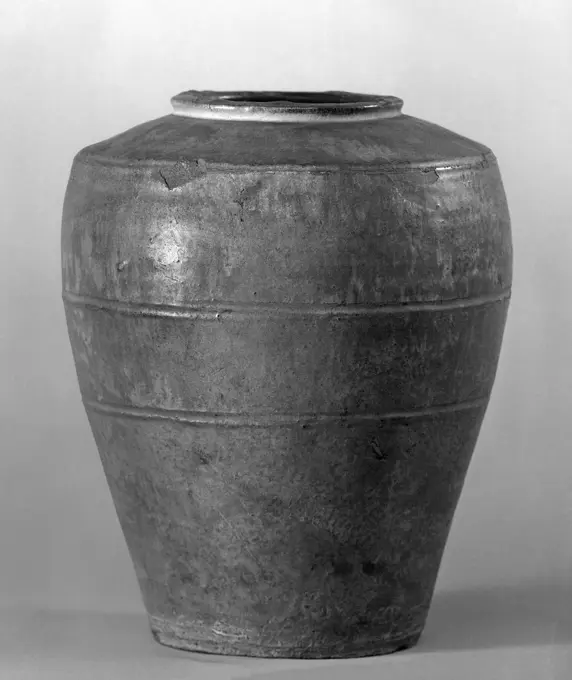
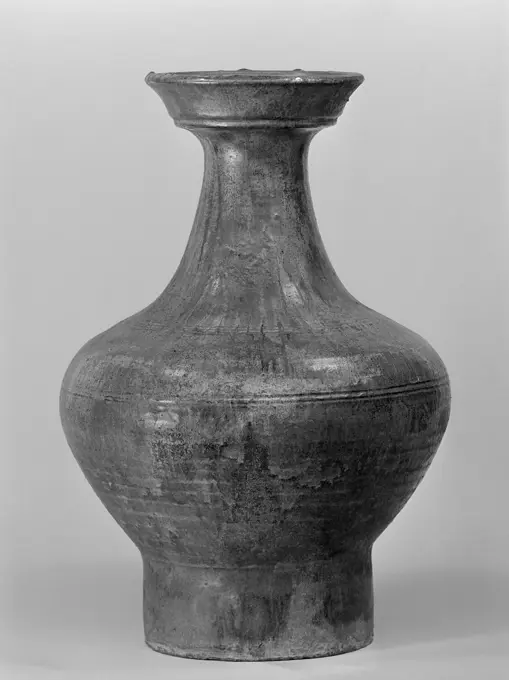
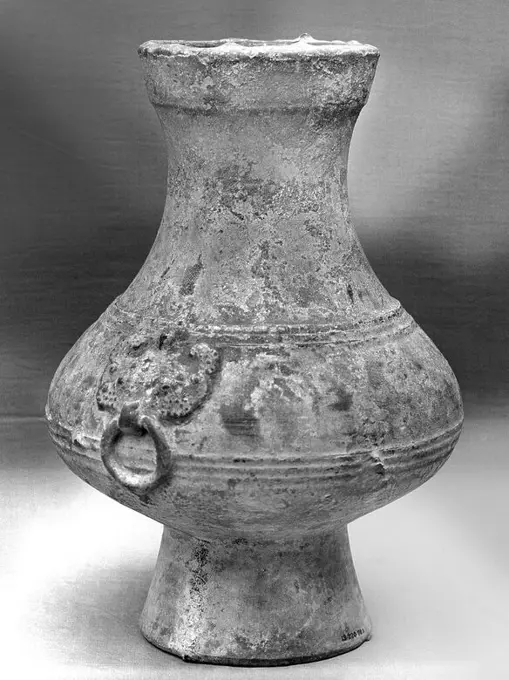
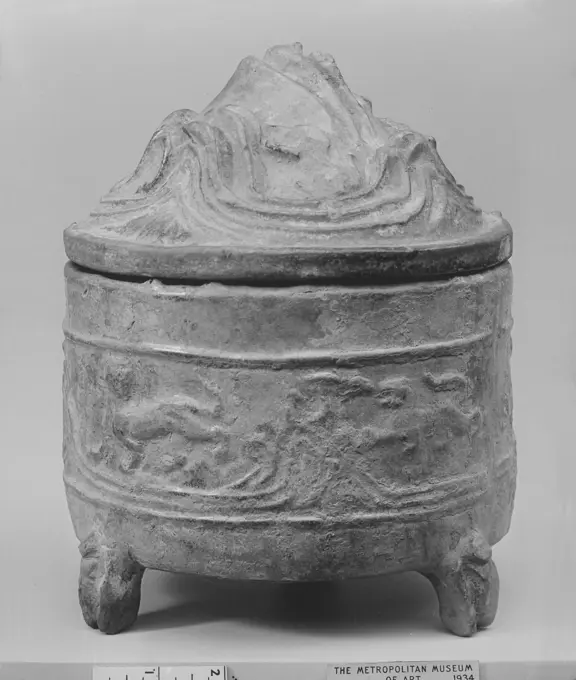
Granary urn 1st-2nd century China. Granary urn. China. 1st-2nd century. Earthenware with lead green glaze. Eastern Han dynasty (25-220). Ceramics
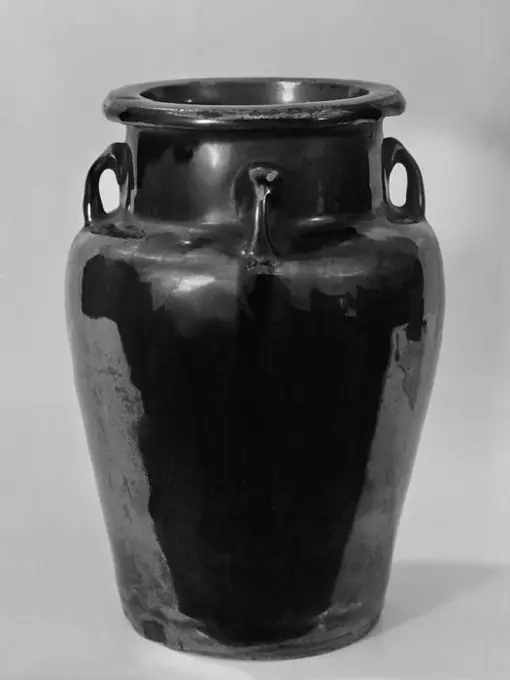
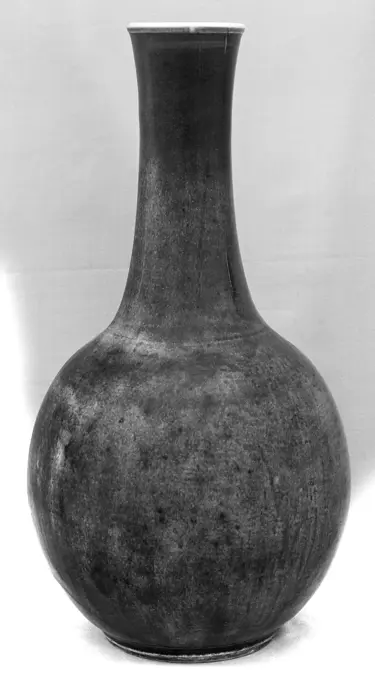
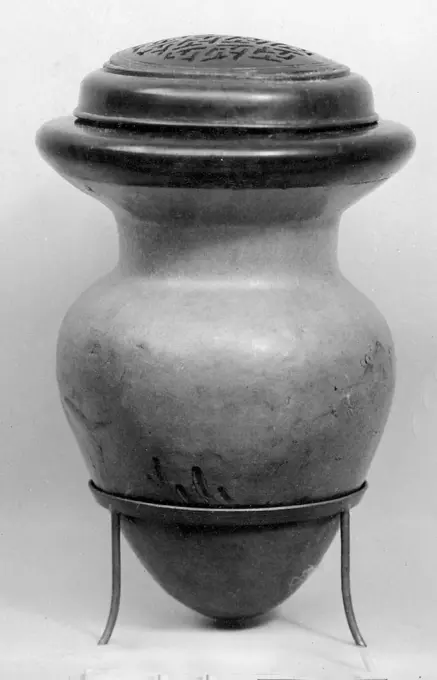
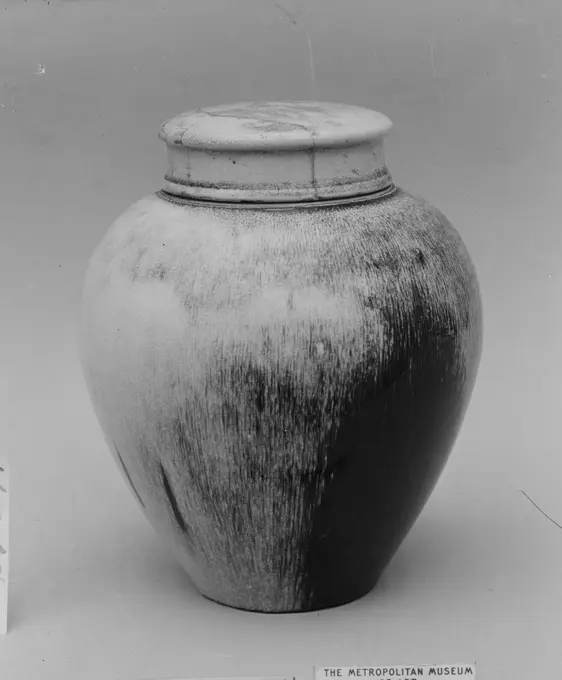
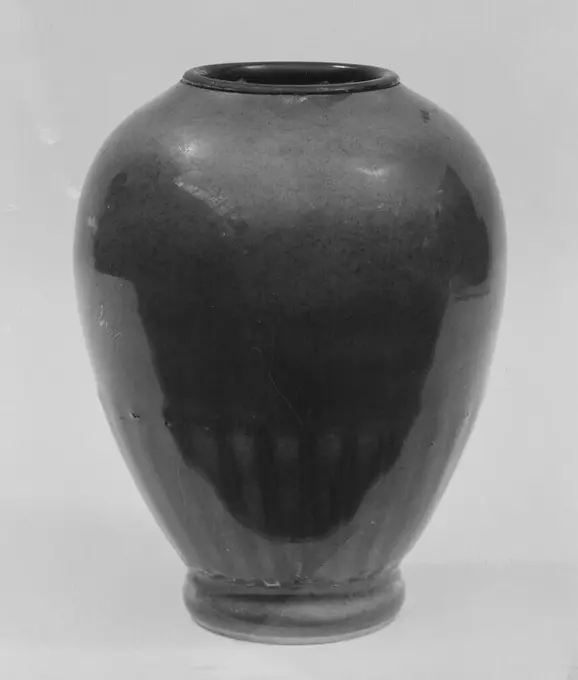
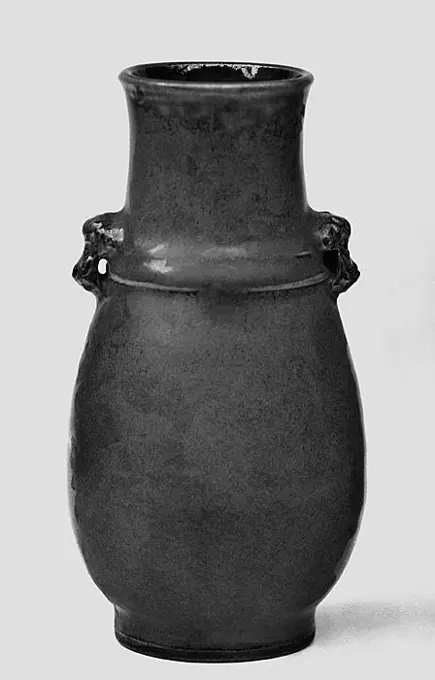
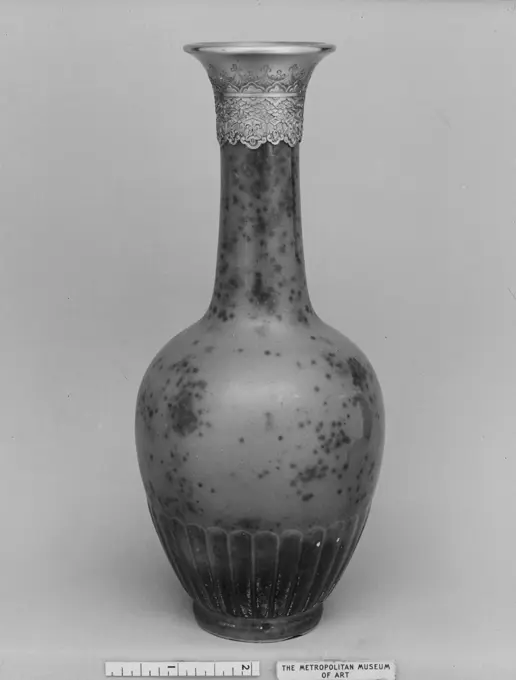
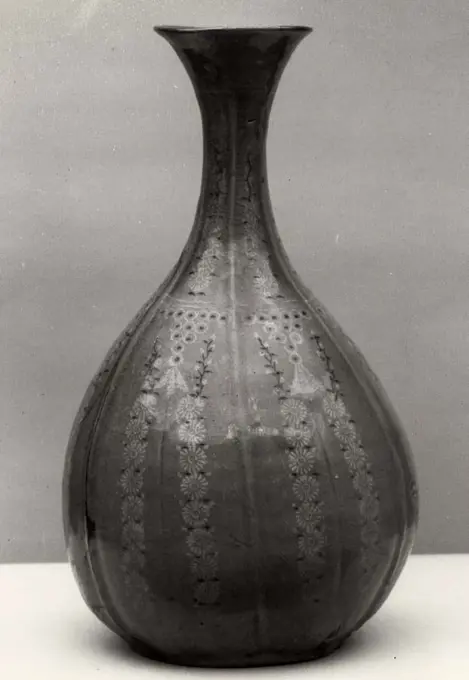
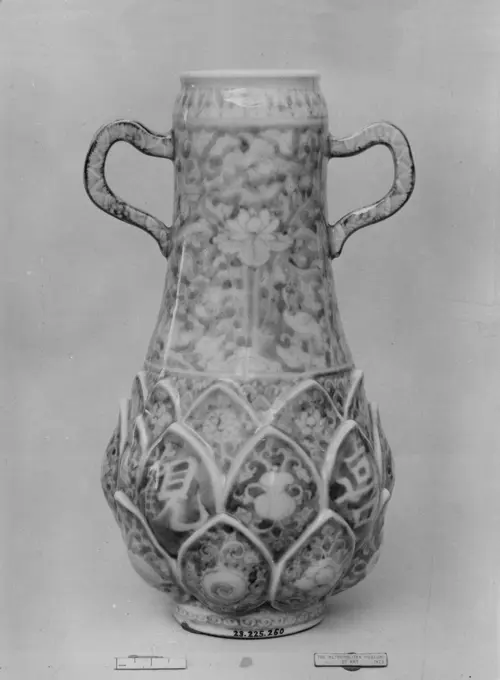
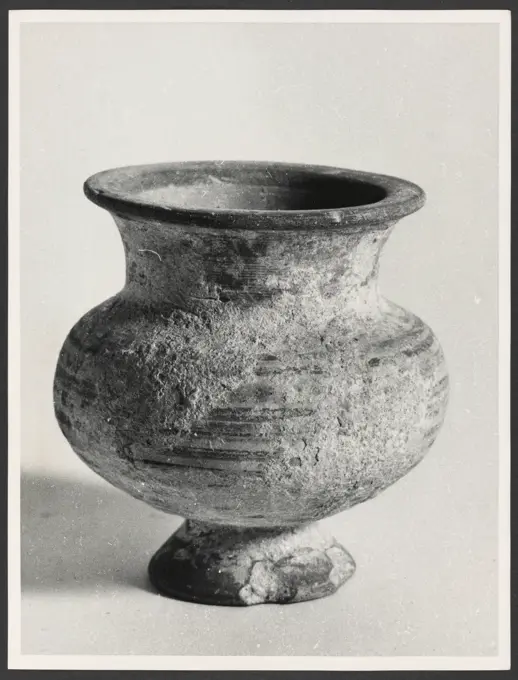
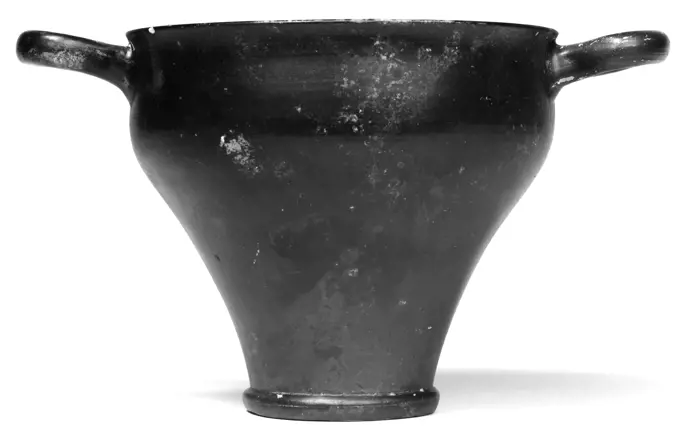
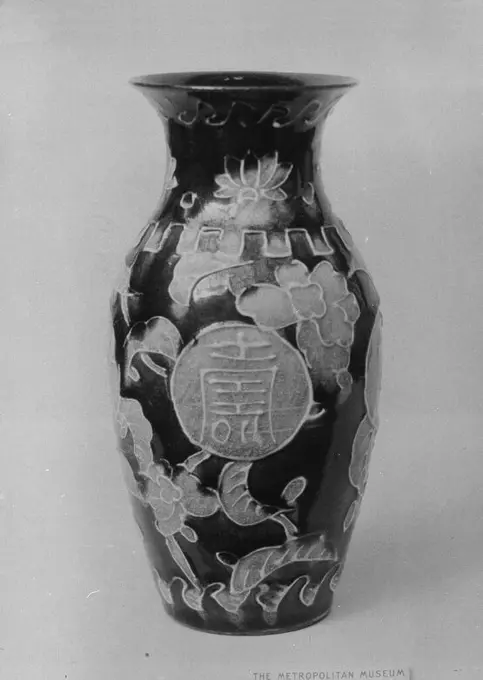
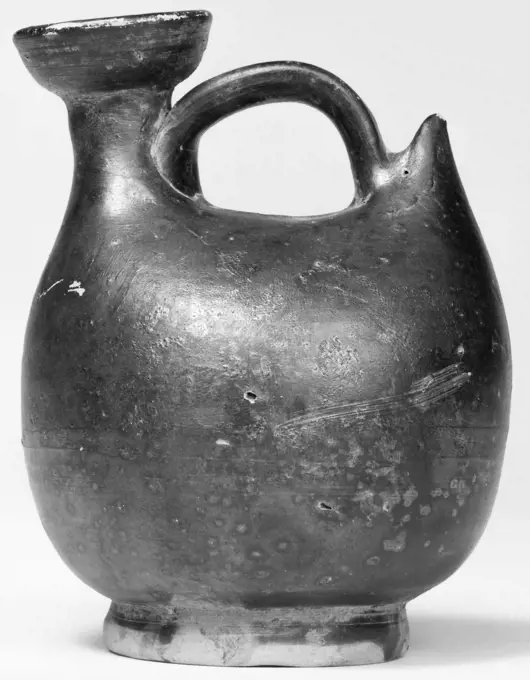
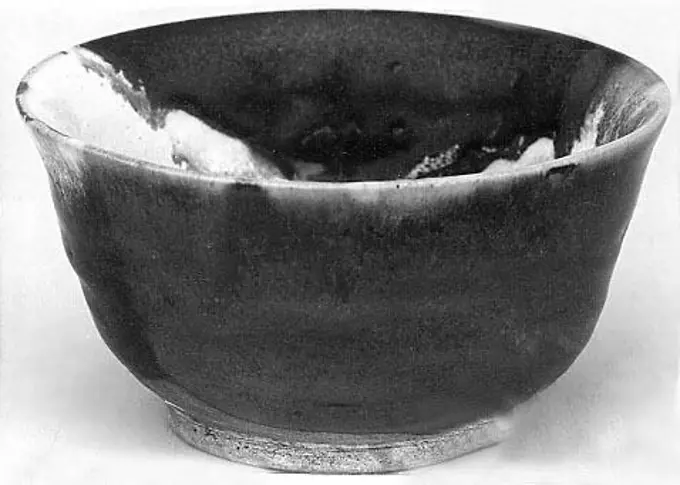
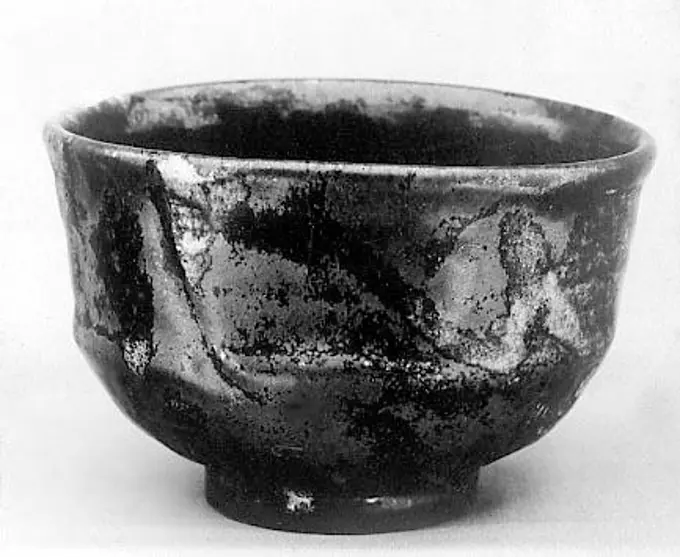
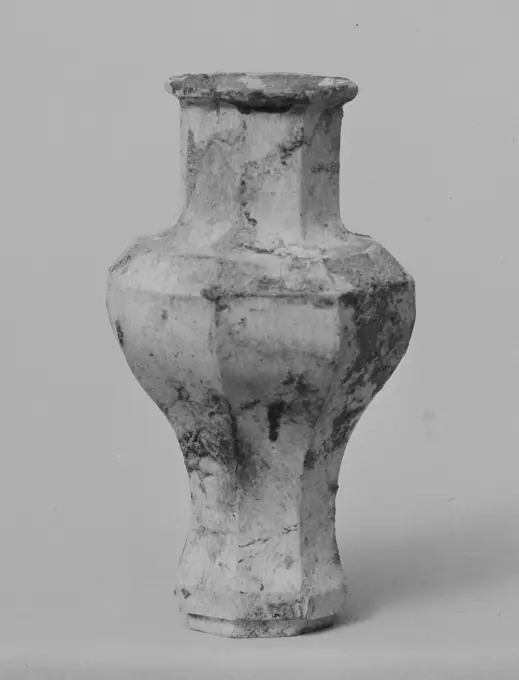
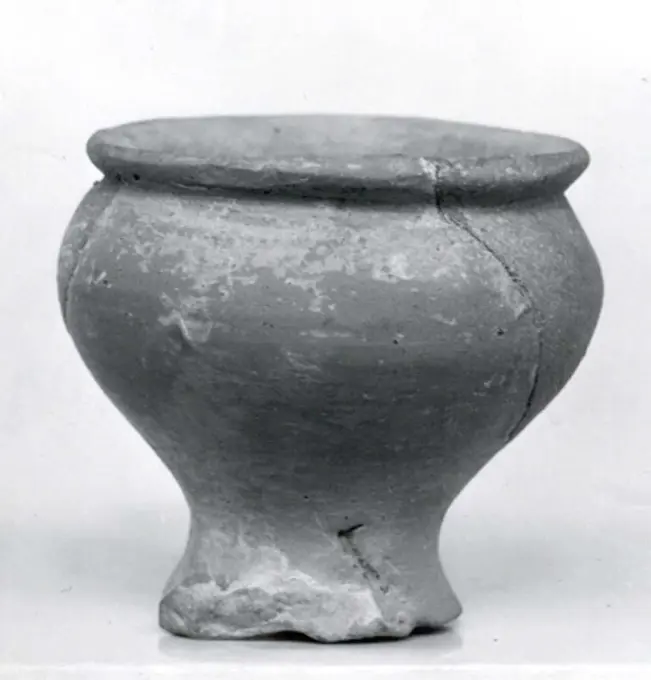
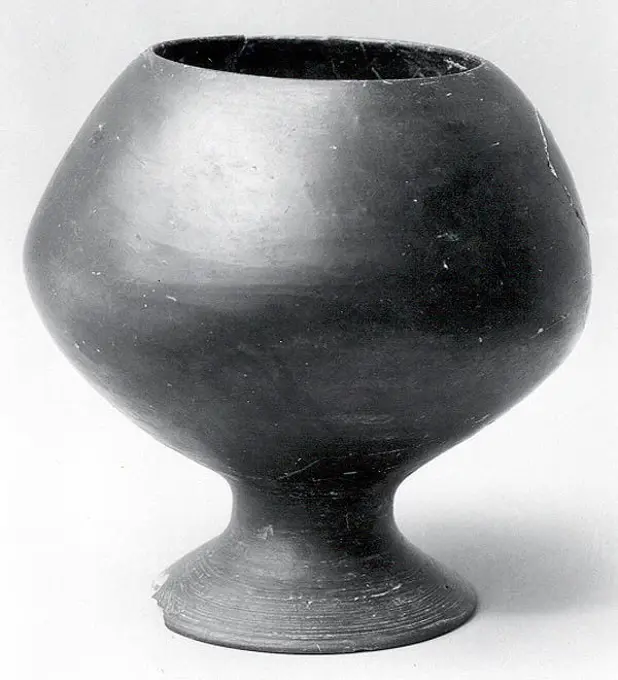
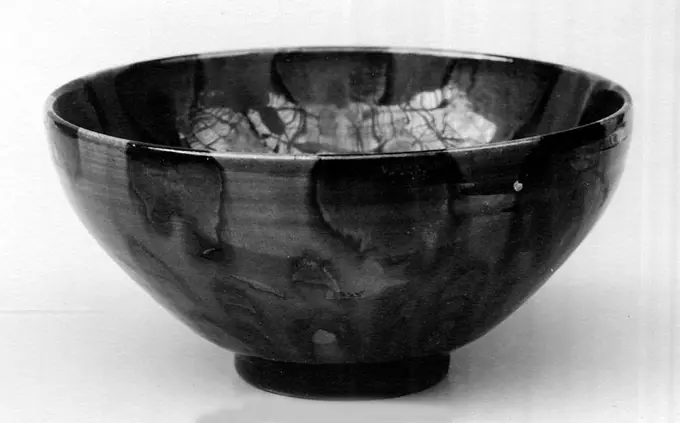
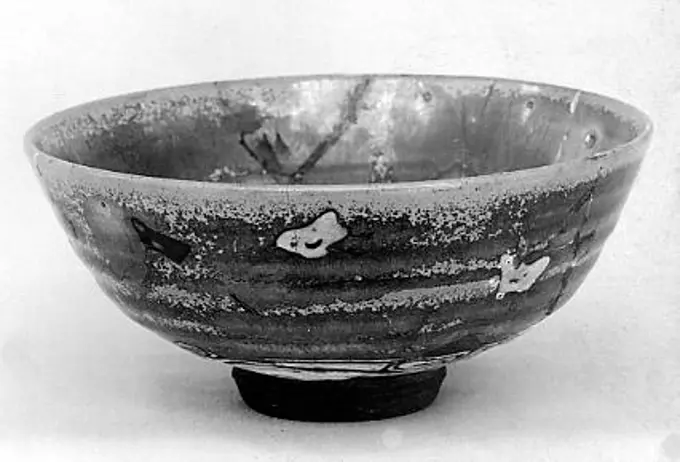
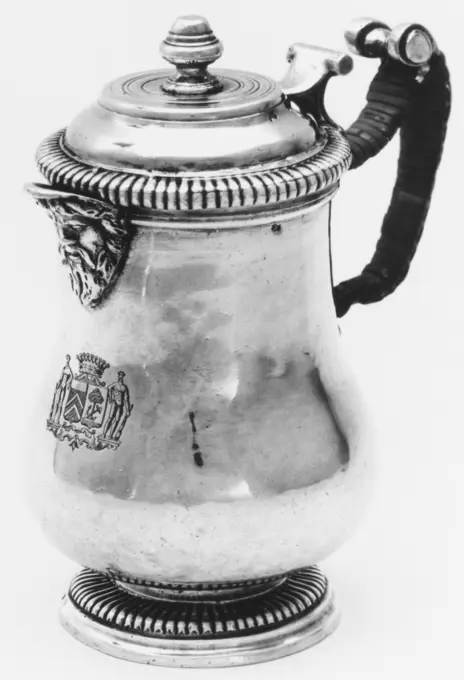
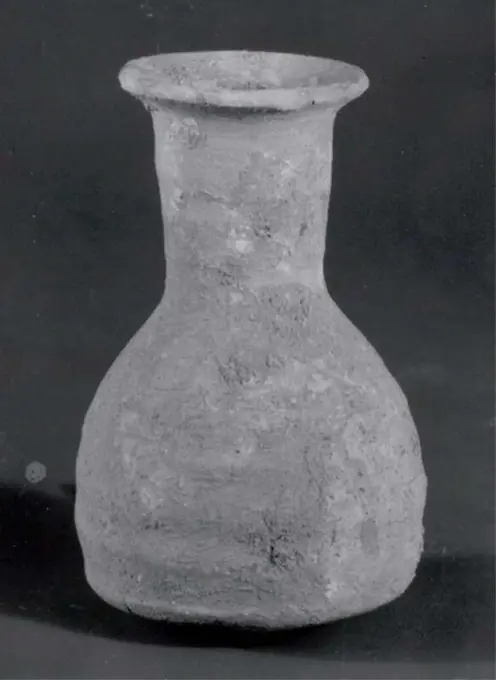
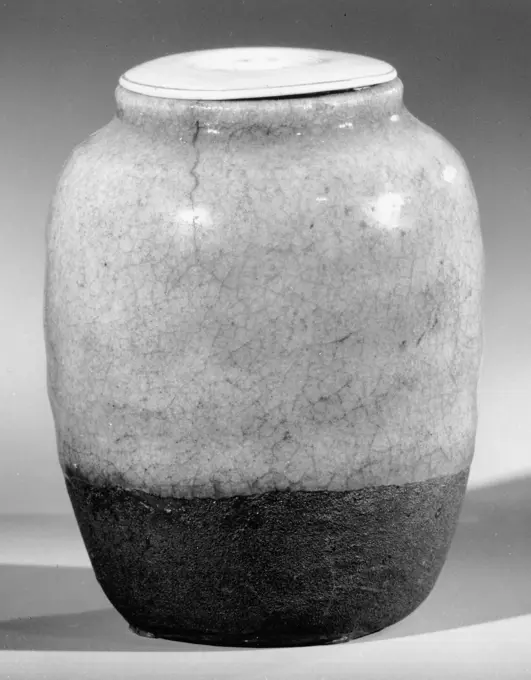
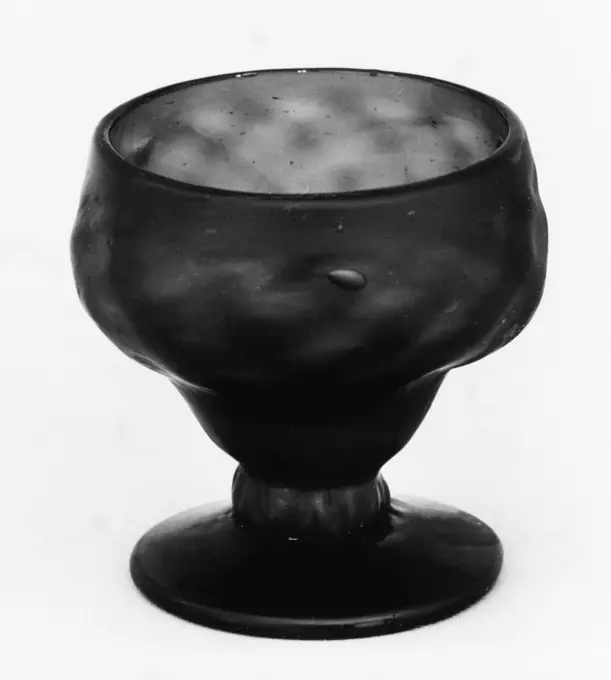
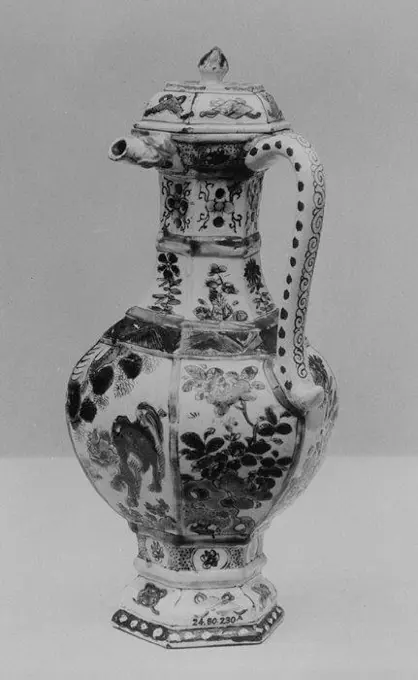
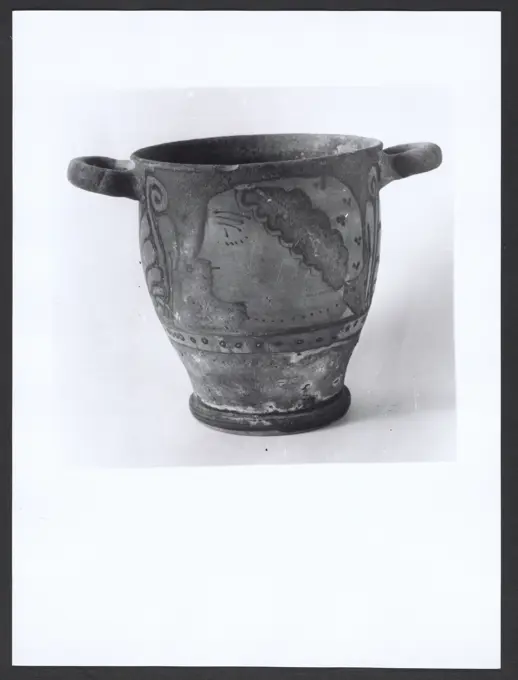
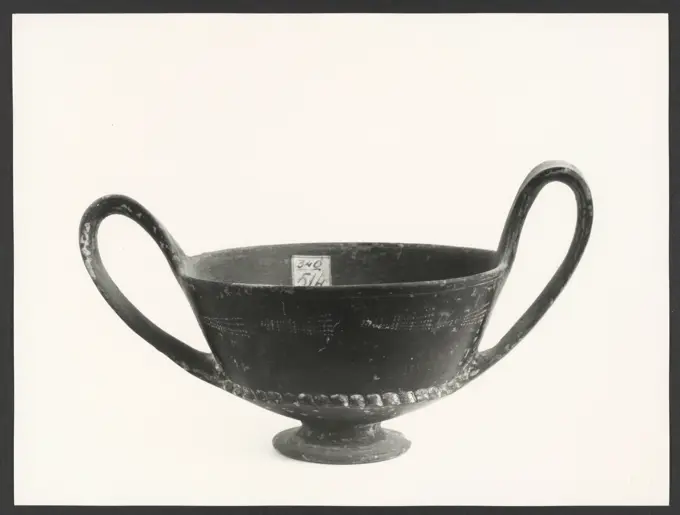
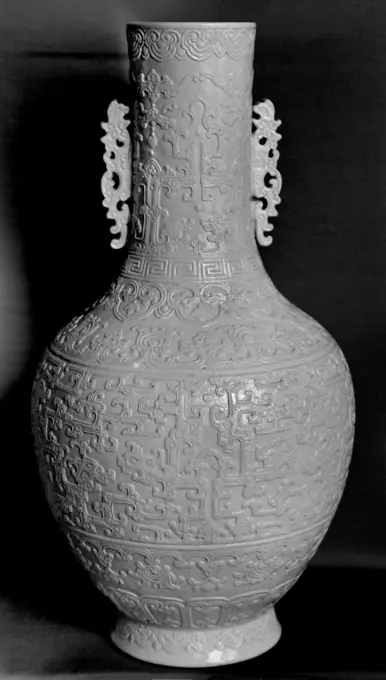
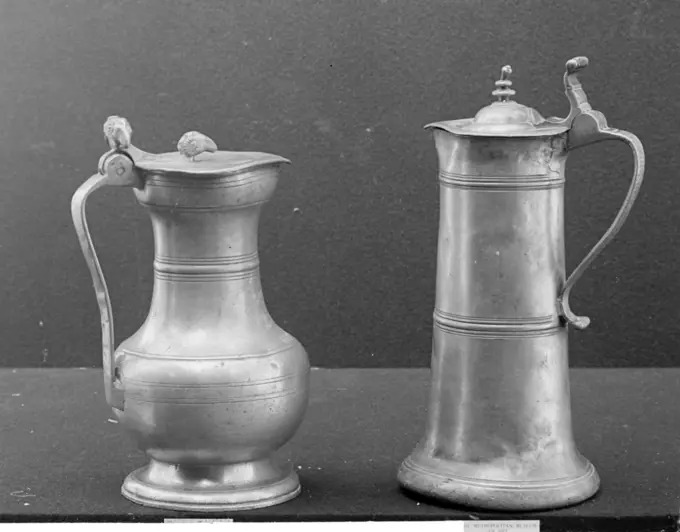
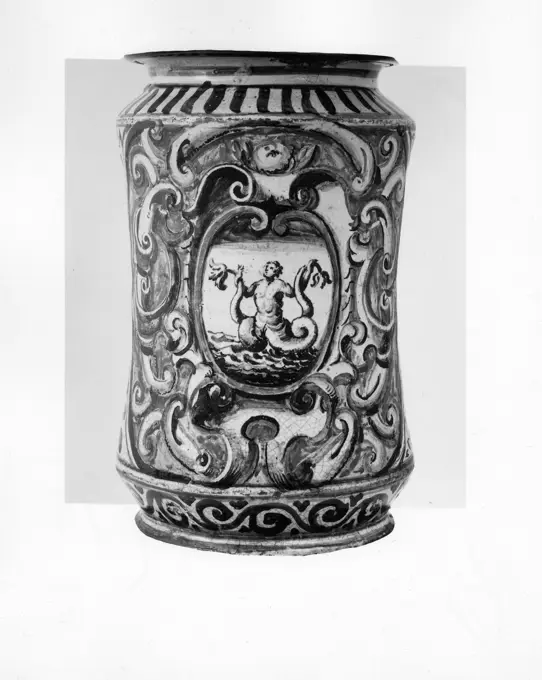
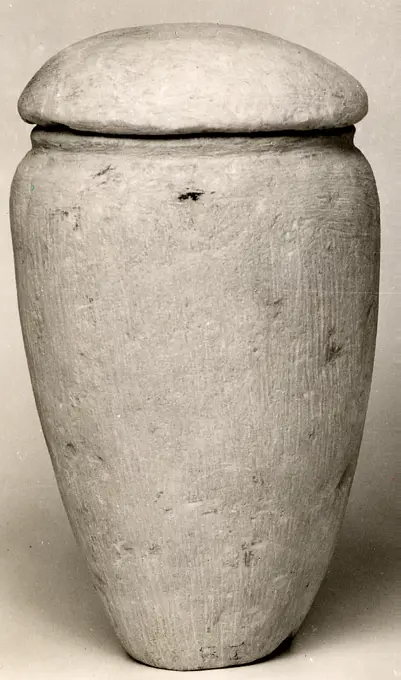
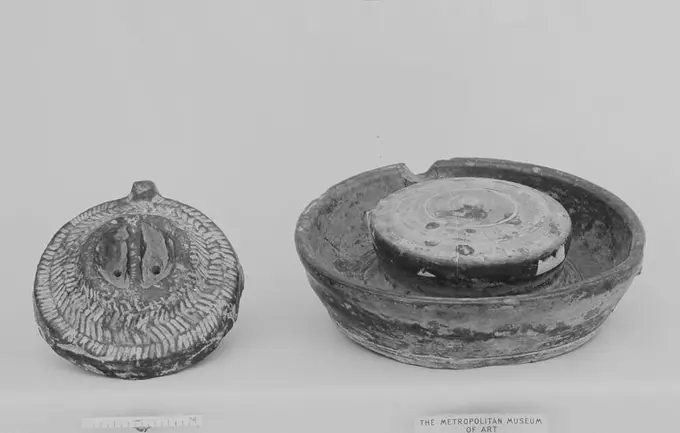
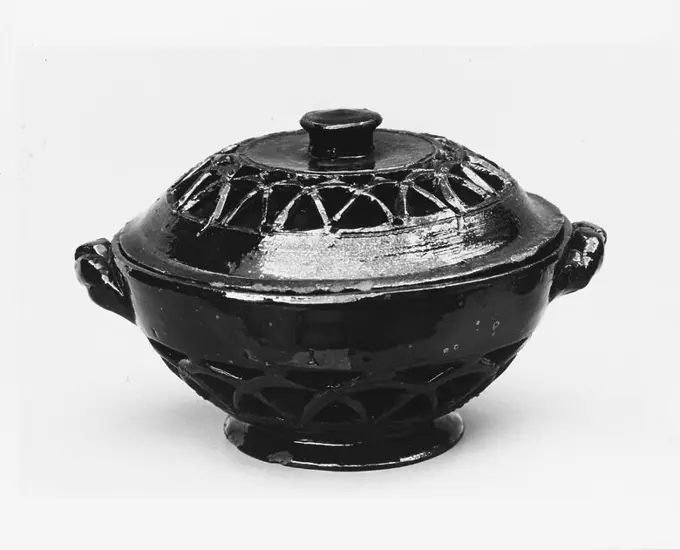
Cricket cage 18th-19th century China. Cricket cage 60724Jar with four lugs 16th century China. Jar with four lugs 46757Jar 18th or 19th century Japan. Jar. Japan. 18th or 19th century. Pewter. Edo (1615-1868) or Meiji period (1868-1912). MetalworkCricket cage 18th-19th century China. Cricket cage 60732Jar mid-18th century Italian, Naples. Jar. Italian, Naples. mid-18th century. Glazed earthenware. Ceramics-PotteryGranary urn 1st-2nd century China. Granary urn. China. 1st-2nd century. Earthenware with lead green glaze. Eastern Han dynasty (25-220). CeramicsVase China. Vase. China. Pottery. Han dynasty (206 B.C.-A.D. 220). CeramicsBottle China. Bottle. China. Porcelain. Qing dynasty (1644-1911), Kangxi period (1662-1722). CeramicsVase. Culture: American. Designer: Designed by Louis Comfort Tiffany (American, New York 1848-1933 New York). Dimensions: H. 9 1/16 in. (23 cm). Maker: Tiffany Studios (1902-32). Date: ca. 1917. Museum: Metropolitan Museum of Art, New York, USA.Tea Jar 18th century Japan. Tea Jar 62587Cricket cage 18th-19th century China. Cricket cage. China. 18th-19th century. Gourd, wood. Qing dynasty (1644-1911). Cricket cagesJar with Double Cover 1680 Japan. Jar with Double Cover. Japan. 1680. Clay covered with a transparent crackled, streaked glaze (Satsuma ware). Edo period (1615-1868). CeramicsJar ca. 1625 Japan. Jar 52216Vase 18th century China. Vase 45992Bottle 18th century Japan. Bottle. Japan. 18th century. Pottery decorated with a blue underglaze, covered with a thick crackled glaze. Edo period (1615-1868). CeramicsWater Coupe. Culture: China. Dimensions: H. 4 3/8 in. (11.1 cm); Diam. 3 1/2 in. (8.9 cm). Museum: Metropolitan Museum of Art, New York, USA.Vase China. Vase. China. Porcelain. Qing dynasty (1644-1911), Kangxi period (1662-1722). CeramicsJug 1579 Baldem Mennicken. Jug 196344Wine bottle 18th century Japan. Wine bottle. Japan. 18th century. Pottery with glaze and splashes (Seto ware). Edo period (1615-1868). CeramicsVase with animal masks late 18th century China. Vase with animal masks. China. late 18th century. Porcelain with tea-dust glaze (Jingdezhen ware). Qing dynasty (1644-1911). CeramicsVase China. Vase. China. Porcelain. Qing dynasty (1644-1911), Kangxi period (1662-1722). CeramicsJar with a spout and punctate decoration ca. 3300-3100 B.C.. Jar with a spout and punctate decoration 327490Bottle with Bulbous Neck. Culture: Thailand. Dimensions: H. 6 5/8 in. (16.8 cm). Date: ca. 14th century. Museum: Metropolitan Museum of Art, New York, USA.Vase Korea. Vase 57488Vase 1800 Japan. Vase. Japan. 1800. White porcelain decorated with blue, the lower part modeled in high relief (Kyoto ware). Edo period (1615-1868). CeramicsLazio Roma Rome SS. Giovanni e Paolo, Museum72. Hutzel, Max 1960-1990 Medieval: Ceramic fragments, sculptural fragments, fresco fragments, inscribed tomb markers. Houses one of the best collections of Malagan medieval ceramics for casting wall monuments, copies of which are housed in campanile. Specific Location: Museum Antiquities: Ceramic fragments, sculptural fragments, architectural fragments Object Notes: Basilica has separate record and is filed separately. German-born photographer and scholar Max Hutzel (1911-1988) photographed in Italy from the early 1960s until his death. The result of this project, referred to by Hutzel as Foto Arte Minore, is thorough documentation of art historical development in Italy up to the 18th century, including objects of the Etruscans and the Romans, as well as early Medieval, Romanesque, Gothic, Renaissance and Baroque monuments. Images are organized by geographic region in Italy, then by province, city, site complex and monument.Covered Jar late 11th century Cambodia. Covered Jar 38308Lazio Latina Sezze Antiquarium Comunale76. Hutzel, Max 1960-1990 German-born photographer and scholar Max Hutzel (1911-1988) photographed in Italy from the early 1960s until his death. The result of this project, referred to by Hutzel as Foto Arte Minore, is thorough documentation of art historical development in Italy up to the 18th century, including objects of the Etruscans and the Romans, as well as early Medieval, Romanesque, Gothic, Renaissance and Baroque monuments. Images are organized by geographic region in Italy, then by province, city, site complex and monument.Campanian Black Glazed Skyphos; Campania, South Italy; 323 - 31 B.C; Terracotta; 13.5 × 23 × 15.1 cm (5 5,16 × 9 1,16 × 5 15,16 in.)Bottle 30 B.C.-A.D. 364 Roman Period. Bottle. 30 B.C.-A.D. 364. Glass. Roman Period. From Egypt, Northern Upper Egypt, DenderaSmall jar ca. 7th century B.C. Iran This jar has a flat base, a ridge around its belly, and an outturned rim. It is made of a red clay, using a potters wheel. It was excavated at Tepe Nush-i Jan, an Iron Age hilltop site about 60 km sound of Hamadan in western Iran. Nush-i Jan was occupied in the 7th and 6th centuries B.C., and its occupants are generally thought to be the Medes, an Iranian people known from Assyrian, Achaemenid and Biblical sources. Though the textual sources portray them as a powerful empire, archaeological evidence for the Medes has yet to sustain this impression. Rather, they seem to have lived in scattered fortified sites in western and central Iran, without any clear capital. Nush-i Jan, one of the best known of these sites, features two temples, a columned hall, and a fort. The jar was found in what has been identified as a ‘squatters level. Archaeologists use the term ‘squatting to refer to the re-occupation of a site or structure shortly after its abandonmSnuff Bottle 19th century China. Snuff Bottle 41762Tea jar 18th century Japan. Tea jar 63122Jar (Guan) ca. 2500-2300 B.C. China. Jar (Guan) 44725Saltcellar 1780-1825 American or British. Saltcellar 6979Vase 19th century China. Vase. China. 19th century. Porcelain with turqoise glaze (Jingdezhen ware). Qing dynasty (1644-1911). CeramicsSmall Handless Jar. UnknownVase China. Vase 53891Cup 1736-95 Chinese. Cup. Chinese. 1736-95. Porcelain. Possibly made in ChinaVase. Culture: Japan. Dimensions: H. 7 3/4 in. (19.7 cm). Date: 1830. Museum: Metropolitan Museum of Art, New York, USA.Campanian Black Duck Askos (large-sized); Campania, South Italy, Europe; 323 - 31 B.C; Terracotta; 12.4 cm (4 7,8 in.)Vase. Culture: China. Dimensions: H. 12 5/8 in. (32.1 cm); Diam. 9 1/2 in. (24.1 cm); Diam. of rim 4 7/8 in. (12.4 cm); Diam. of foot 5 in. (12.7 cm). Museum: Metropolitan Museum of Art, New York, USA.Jar ca. 8th-7th century B.C. Iran. Jar 324263Teabowl 19th century Japan. Teabowl 62564Miniature Vase 18th century China. Miniature Vase. China. 18th century. Porcelain with copper red glaze (Jingdezhen ware). Qing dynasty (1644-1911). CeramicsTeabowl 18th century Japan. Teabowl 62618Octagonal Vase China. Octagonal Vase. China. Jade. Tang dynasty (618-907). JadeVase with chrysanthemum petals late 17th-early 18th century China. Vase with chrysanthemum petals. China. late 17th-early 18th century. Porcelain with peachbloom glaze (Jingdezhen ware). Qing dynasty (1644-1911), Kangxi period (1662-1722). CeramicsBowl ca. 3rd-7th century A.D. Sasanian. Bowl 322969Mustard pot 1756 Antoine Moyset. Mustard pot 200165Goblet ca. 3365-3030 B.C. Iran This cup has a globular body, a wide mouth, an inturned rim, and a small foot. It is made of a dark gray clay which has been burnished. Wheel lines on the base indicate that it was made on a potters wheel.This cup was excavated at Tepe Hissar, near the modern city of Damghan in northern Iran. Tepe Hissar was primarily an agricultural settlement, with buildings made of mudbrick or simply mud walls. Archaeobotanical remains from the site indicate that the people living there grew wheat, barley, olives, grapes, lentils and other legumes. This cup belongs to the Hissar IIB period, dating to ca. 3365-3030 B.C. on the basis of radiocarbon dating. During this period there was a technically proficient ceramic industry at the site, producing well-formed vessels with thin walls. Although they featured no painted decoration like the earlier vessels from the site, they were burnished to create a glossy, almost shiny surface. But it is not known what these vessels weTeabowl ca. 1853 Japan. Teabowl 63191Lazio Viterbo Viterbo Museo Civico71. Hutzel, Max 1960-1990 Views of paintings (Middle Ages through 18th c.), frescoes, a tabernacle, coffin, sculpture reliefs, portal fragments, busts, sculpture, tapestry found in the Pinacoteca, Second floor gallery and Second floor cloister sequences. Antiquities: Many views of Etruscan and Roman fragments, sculpture, sarcophagi, pottery, masks, jewelry and other objects found in the Storeroom sequence (inventory numbers on back of prints), and the Cloister, Second floor Cloister, Valle Giulia, Sala Romana and Sala Etrusca sequences. General Notes: There are eight separate numerical sequences for this location. The cloister as an architectural structure, rather than museum site, is documented in the record and file for S. Maria della Verita, Cloister, all views of which are stored in Medieval core collection. Five views from the Museo Civico Second floor cloister sequence are stored in Medieval. German-born photographer and scholar Max Hutzel (1911-Teabowl 19th century Japan. Teabowl 62689Mustard pot possibly 1739 Christophe Troy. Mustard pot. French, Lyons. possibly 1739. Silver. Metalwork-SilverLazio Viterbo Viterbo Museo Civico42. Hutzel, Max 1960-1990 Views of paintings (Middle Ages through 18th c.), frescoes, a tabernacle, coffin, sculpture reliefs, portal fragments, busts, sculpture, tapestry found in the Pinacoteca, Second floor gallery and Second floor cloister sequences. Antiquities: Many views of Etruscan and Roman fragments, sculpture, sarcophagi, pottery, masks, jewelry and other objects found in the Storeroom sequence (inventory numbers on back of prints), and the Cloister, Second floor Cloister, Valle Giulia, Sala Romana and Sala Etrusca sequences. General Notes: There are eight separate numerical sequences for this location. The cloister as an architectural structure, rather than museum site, is documented in the record and file for S. Maria della Verita, Cloister, all views of which are stored in Medieval core collection. Five views from the Museo Civico Second floor cloister sequence are stored in Medieval. German-born photographer and scholar Max Hutzel (1911-Vase first half of the 19th century China. Vase. China. first half of the 19th century. Porcelain with mottled red and black glaze. Qing dynasty (1644-1911). CeramicsUnguentarium ca. 1st century A.D. Nabataean. Unguentarium 325896Tea jar ca. 1245 Attributed to Tôshiro Japanese. Tea jar. Attributed to Tôshiro. Japan. ca. 1245. Crackled brown glaze on a clay that has burned very dark; specimen of class known as Manako Tubutsu (Seto ware). Kamakura period (1185-1333). CeramicsJar. Culture: China. Dimensions: H. 4 3/4 in. (12.1 cm). Museum: Metropolitan Museum of Art, New York, USA.Porringer 1774-1809 Gershom Jones. Porringer. American. 1774-1809. Pewter. Made in Providence, Rhode Island, United StatesSaltcellar 1780-1820 American or British. Saltcellar 6973Vase with cover 18th century Spanish, Granada. Vase with cover. Spanish, Granada. 18th century. Glass. GlassEwer with cover (one of a pair) ca. 1715-30 Chinese, for European, possibly Continental, market. Ewer with cover (one of a pair) 208938Saltcellar 1780-1825 American or British. Saltcellar 6978Campania Caserta Capua Museo Campano029. Hutzel, Max 1960-1990 Medieval: Byzantine architectural fragments; parchment fragments with miniatures (12th century) from Montecassino; painted wooden crucifix (13th century); Carolingian crucifixes; Bishop's miter (11th century) of gold and silver damask; fresco (13th century). Post-medieval: Architecture (15th century). Formerly the Palazzo Antignano. Unusual Catalan/Moorish-style portal; Paintings on panel and canvas (15th-18th centuries); marble intarsia (16th century); marble sculpture: busts of Christ and Mary (17th century); sculpture of saints in marble and in wood (15th century); painted and gilded sculpture in wood; marble grave sculpture (16th century); sarcophagus with allegorical carvings; gold reliquary "Rosa d'Oro"; crucifix made of elephant tusk Specific Location: Pianterreno Antiquities: Italic sculpture (seated women holding babies); inscription. Photo campaign #1: 533 photos. Roman relief and sculpture; cinerary urns; Greek aVase. Culture: American. Dimensions: 5 x 2 1/4 x 1 7/8 in. (12.7 x 5.7 x 4.8 cm). Date: 1830-70. Museum: Metropolitan Museum of Art, New York, USA.Jar ca. 2300-2000 B.C. China. Jar 49895Sugar Bowl 1810-20 Ebenezer Moulton. Sugar Bowl. American. 1810-20. Silver. Possibly made in Newburyport, Massachusetts, United States; Possibly made in Boston, Massachusetts, United StatesGu 19th century Chinese. Gu 500608Campania Caserta Capua Museo Campano011. Hutzel, Max 1960-1990 Medieval: Byzantine architectural fragments; parchment fragments with miniatures (12th century) from Montecassino; painted wooden crucifix (13th century); Carolingian crucifixes; Bishop's miter (11th century) of gold and silver damask; fresco (13th century). Post-medieval: Architecture (15th century). Formerly the Palazzo Antignano. Unusual Catalan/Moorish-style portal; Paintings on panel and canvas (15th-18th centuries); marble intarsia (16th century); marble sculpture: busts of Christ and Mary (17th century); sculpture of saints in marble and in wood (15th century); painted and gilded sculpture in wood; marble grave sculpture (16th century); sarcophagus with allegorical carvings; gold reliquary "Rosa d'Oro"; crucifix made of elephant tusk Specific Location: Pianterreno Antiquities: Italic sculpture (seated women holding babies); inscription. Photo campaign #1: 533 photos. Roman relief and sculpture; cinerary urns; Greek aAntique glass 1898, Middle EastCricket cage 18th-19th century China. Cricket cage 60735Lead-Glazed Skyphos. UnknownJar 1740-60 Dutch. Jar. Dutch. 1740-60. Earthenware. Made in NetherlandsTeapot 19th century Japan. Teapot. Japan. 19th century. Unglazed ware, glazed inside. Edo (1615-1868) or Meiji period (1868-1912). CeramicsLazio Viterbo Viterbo Museo Civico69. Hutzel, Max 1960-1990 Views of paintings (Middle Ages through 18th c.), frescoes, a tabernacle, coffin, sculpture reliefs, portal fragments, busts, sculpture, tapestry found in the Pinacoteca, Second floor gallery and Second floor cloister sequences. Antiquities: Many views of Etruscan and Roman fragments, sculpture, sarcophagi, pottery, masks, jewelry and other objects found in the Storeroom sequence (inventory numbers on back of prints), and the Cloister, Second floor Cloister, Valle Giulia, Sala Romana and Sala Etrusca sequences. General Notes: There are eight separate numerical sequences for this location. The cloister as an architectural structure, rather than museum site, is documented in the record and file for S. Maria della Verita, Cloister, all views of which are stored in Medieval core collection. Five views from the Museo Civico Second floor cloister sequence are stored in Medieval. German-born photographer and scholar Max Hutzel (1911-Cup 304-30 B.C. Ptolemaic Period. Cup. 304-30 B.C.. Faience. Ptolemaic Period. From Egypt, Upper Egypt, Thebes, Asasif, Courtyard CC 41, Radim, Burial 5A.Ptol. x, MMA excavations, 1915-16Vase China. Vase. China. Porcelain. Qing dynasty (1644-1911), Qianlong period (1736-95). CeramicsWine bottle late 17th century Japan. Wine bottle 52298Flagon late 17th century Swiss. Flagon. Swiss. late 17th century. Pewter. Metalwork-PewterApothecary jar (albarello) 17th century Italian. Apothecary jar (albarello) 460271Reliquary 1st century Pakistan (ancient region of Gandhara). Reliquary. Pakistan (ancient region of Gandhara). 1st century. Schist. SculptureCanopic jar of Perneb ca. 2381-2323 B.C. Old Kingdom A variety of objects were found during the clearing of Perneb's tomb including four canopic jars  containers used to store the four internal organs removed from the body during mummification. Perneb's canopic jars have simple convex lids and there is no inscription on the jars to indicate which internal organ would have been placed inside  this is typical of jars from the Old Kingdom. Starting in the Middle Kingdom, canopic jars often have lids in the form of a human head, and they are often inscribed with the name of one of the Four Sons of Horus, the deities who protected the internal organs. Beginning in the early New Kingdom, the jars often have four different lids which identify the individual deities (see 12.183.1).. Canopic jar of Perneb 547070Bottle vase with floral scrolls late 17th-early 18th century China. Bottle vase with floral scrolls. China. late 17th-early 18th century. Porcelain painted in underglaze cobalt blue (Jingdezhen ware). Qing dynasty (1644-1911), Kangxi period (1662-1722). CeramicsEmilia-Romagna Ferrara Ferrara Museo Civico di Schifanoia90. Hutzel, Max 1960-1990 General Notes: INCOMPLETE RECORD--NEGATIVES PROCESSED, PRINTS FILED German-born photographer and scholar Max Hutzel (1911-1988) photographed in Italy from the early 1960s until his death. The result of this project, referred to by Hutzel as Foto Arte Minore, is thorough documentation of art historical development in Italy up to the 18th century, including objects of the Etruscans and the Romans, as well as early Medieval, Romanesque, Gothic, Renaissance and Baroque monuments. Images are organized by geographic region in Italy, then by province, city, site complex and monument.Jar China. Jar. China. Ceramic with irridescent glaze. Han dynasty (206 B.C.-A.D. 220). CeramicsAttic Red-Figure Oinochoe (Shape 3). UnknownVessel in the Form of a Double Dragon 14th-15th century Thailand. Vessel in the Form of a Double Dragon 37515Apulian Red-Figure Epichysis. Attributed to the Menzies Group (South Italian (Apulian), active 330 - 310 B.C.)Vase late 17th-early 18th century China. Vase. China. late 17th-early 18th century. Porcelain with copper red glaze (Jingdezhen ware), silver mounts. Qing dynasty (1644-1911), Kangxi period (1662-1722). CeramicsGrist Mill. Culture: China. Dimensions: H. 3 1/4 in. (8.3 cm); Diam. 6 7/8 in. (17.5 cm). Museum: Metropolitan Museum of Art, New York, USA.Plate ca. 1890 Ernest Chaplet French. Plate. ca. 1890. Porcelain. Ceramics-PorcelainGirdle ornament China. Girdle ornament 42989Measure 18th century French, Nîmes. Measure 207975Fishing-Style Basket 19th century Japan. Fishing-Style Basket 62204Covered Bowl. Culture: American. Dimensions: H. 4 in. (10.2 cm); Diam. 6 3/4 in. (17.1 cm). Maker: Probably David Haring (1801-1871). Date: 1830-70. Museum: Metropolitan Museum of Art, New York, USA.Jug first half 18th century German, Nuremberg. Jug. German, Nuremberg. first half 18th century. Tin-glazed earthenware; pewter. Ceramics-PotteryFantastic creature supporting a vase 18th century China. Fantastic creature supporting a vase. China. 18th century. Jade (nephrite). Qing dynasty (1644-1911). JadeLazio Viterbo Viterbo Museo Civico82. Hutzel, Max 1960-1990 Views of paintings (Middle Ages through 18th c.), frescoes, a tabernacle, coffin, sculpture reliefs, portal fragments, busts, sculpture, tapestry found in the Pinacoteca, Second floor gallery and Second floor cloister sequences. Antiquities: Many views of Etruscan and Roman fragments, sculpture, sarcophagi, pottery, masks, jewelry and other objects found in the Storeroom sequence (inventory numbers on back of prints), and the Cloister, Second floor Cloister, Valle Giulia, Sala Romana and Sala Etrusca sequences. General Notes: There are eight separate numerical sequences for this location. The cloister as an architectural structure, rather than museum site, is documented in the record and file for S. Maria della Verita, Cloister, all views of which are stored in Medieval core collection. Five views from the Museo Civico Second floor cloister sequence are stored in Medieval. German-born photographer and scholar Max Hutzel (1911-