Awards and Badges

A selection of historical medals and badges, showcasing intricate designs and symbols representing achievements and commemorations.
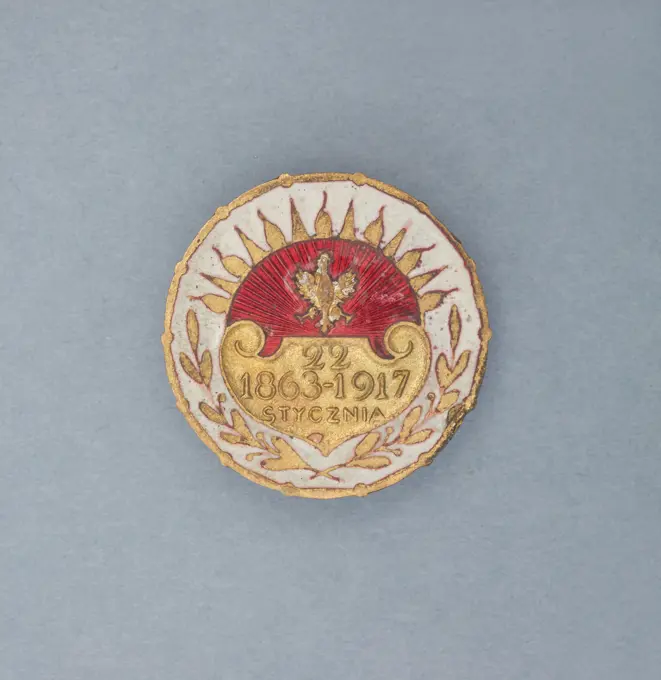
Commemorative badge of the 54th anniversary of the January Uprising Waldyn, Henryk, Women's League of the Supreme National Committee
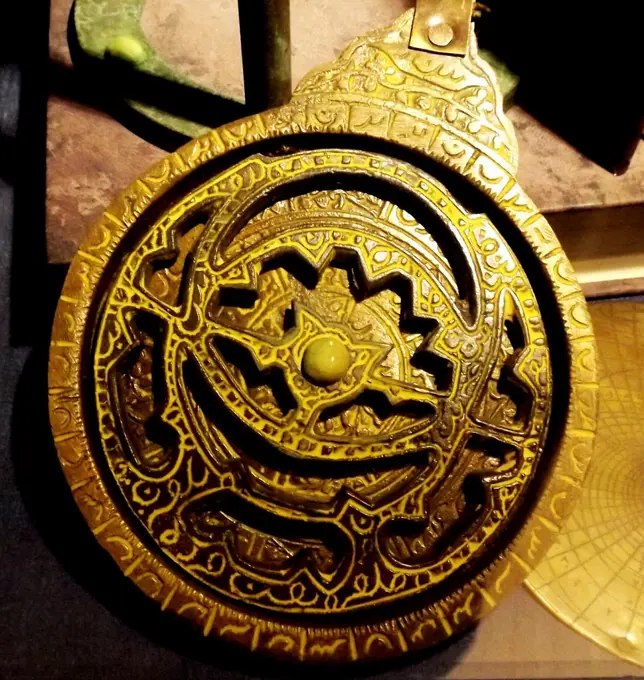
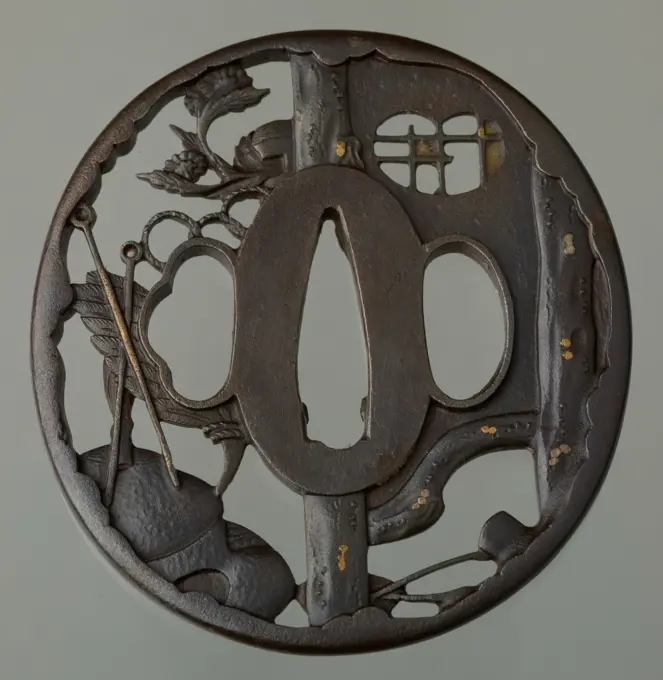
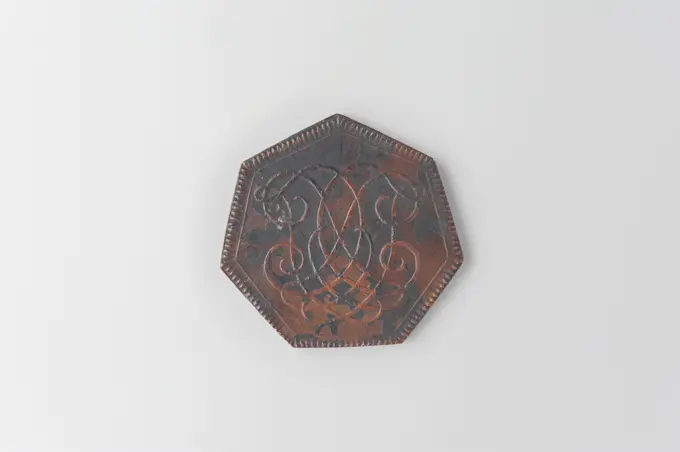
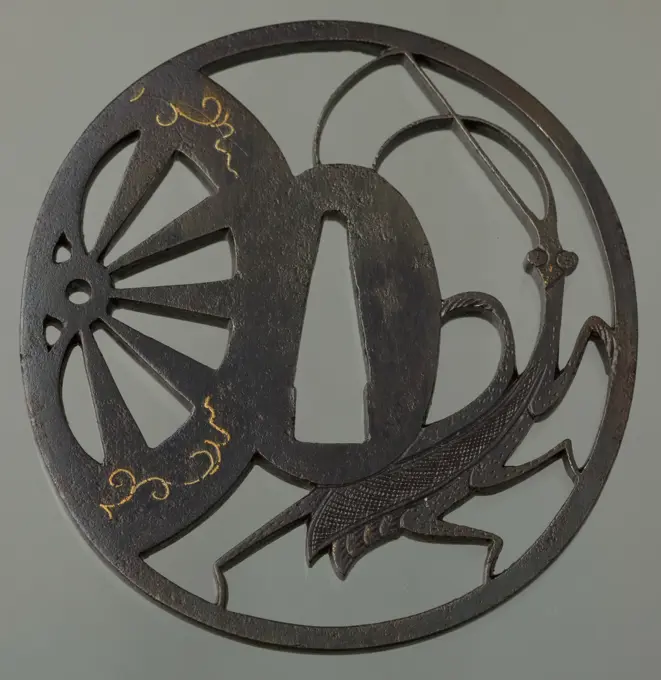
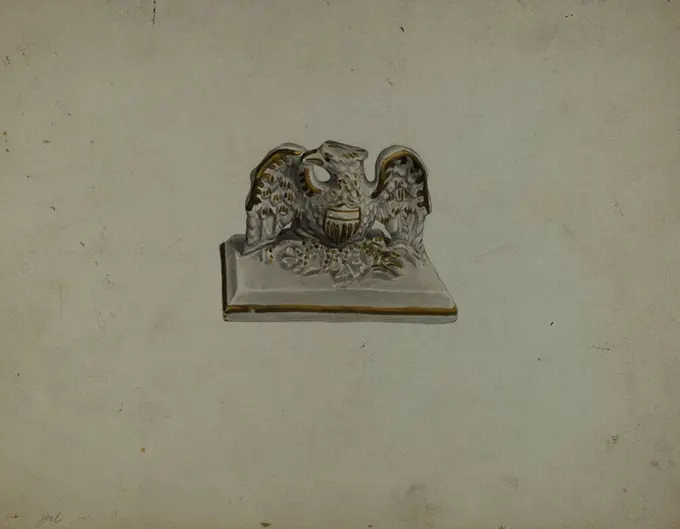
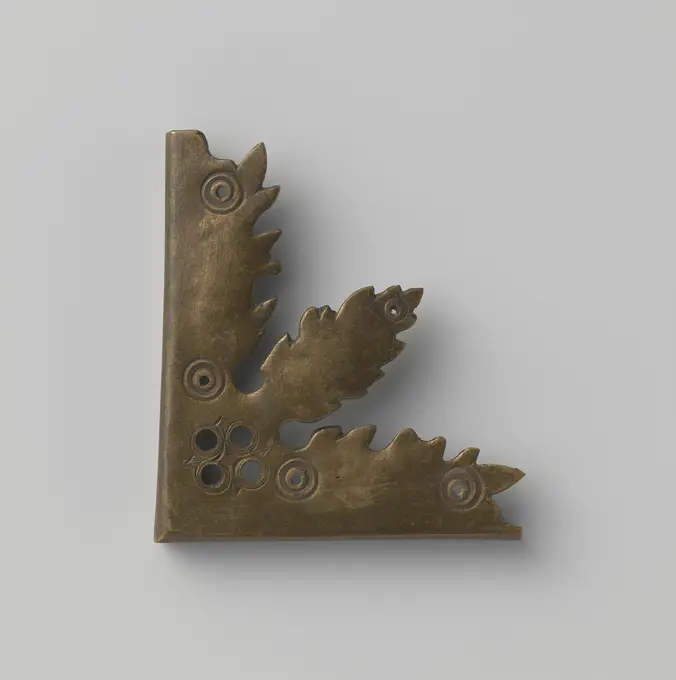
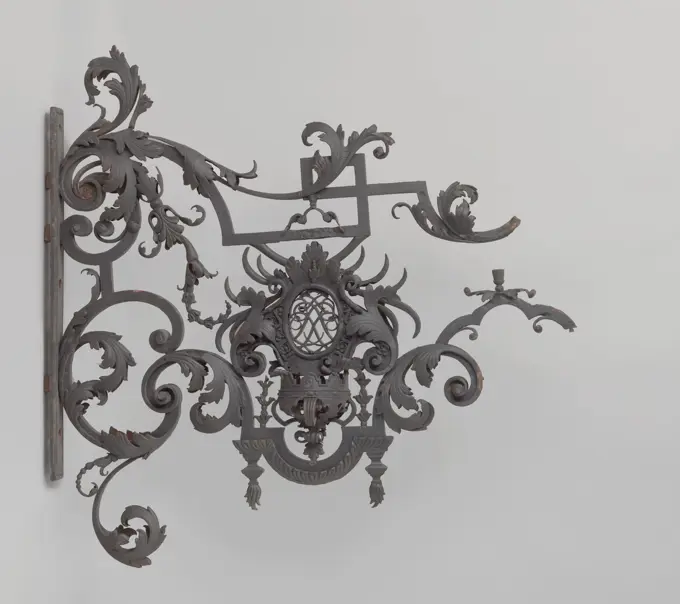
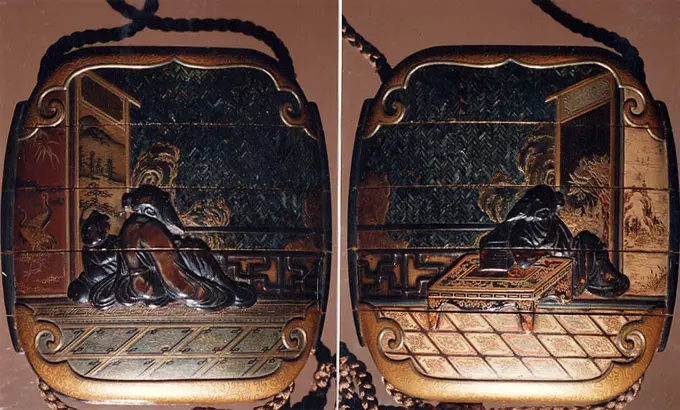
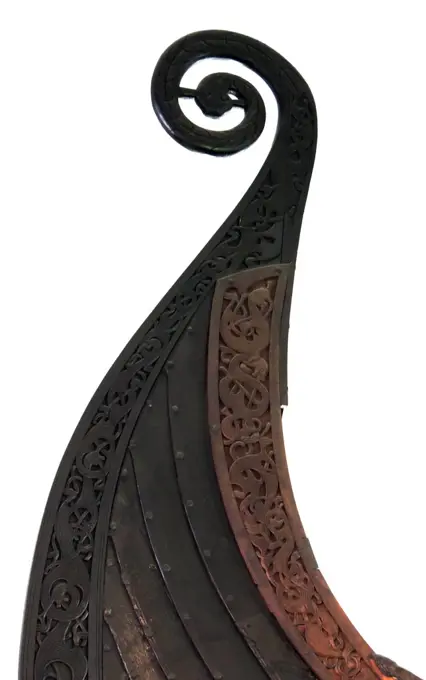
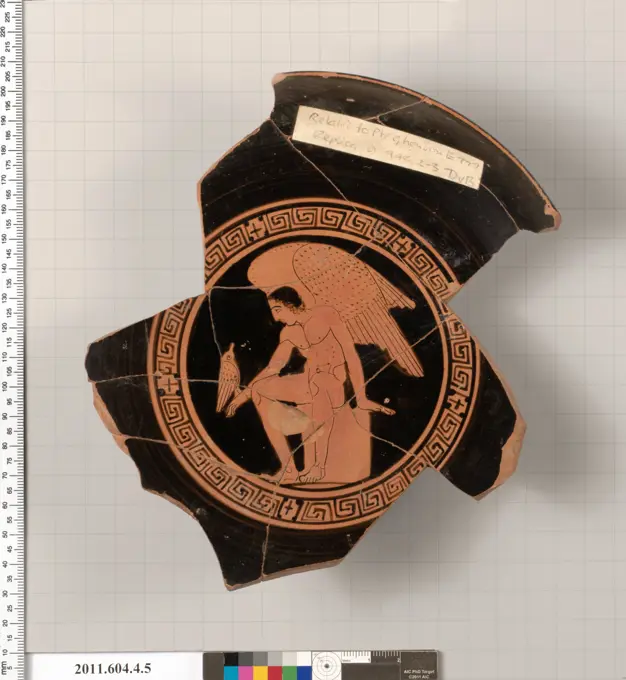
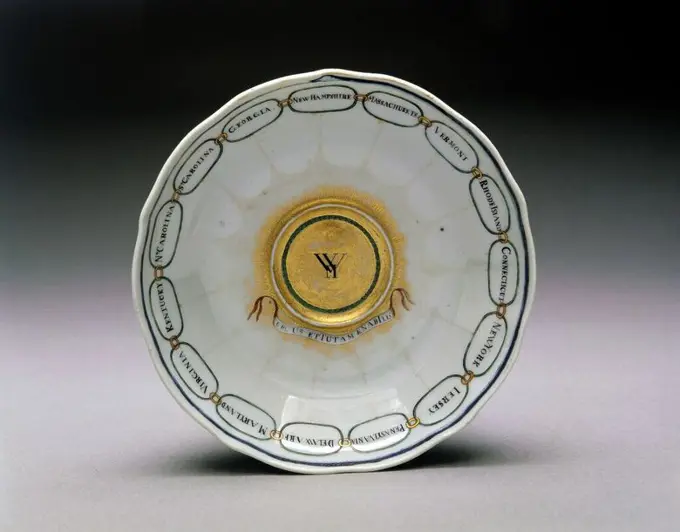
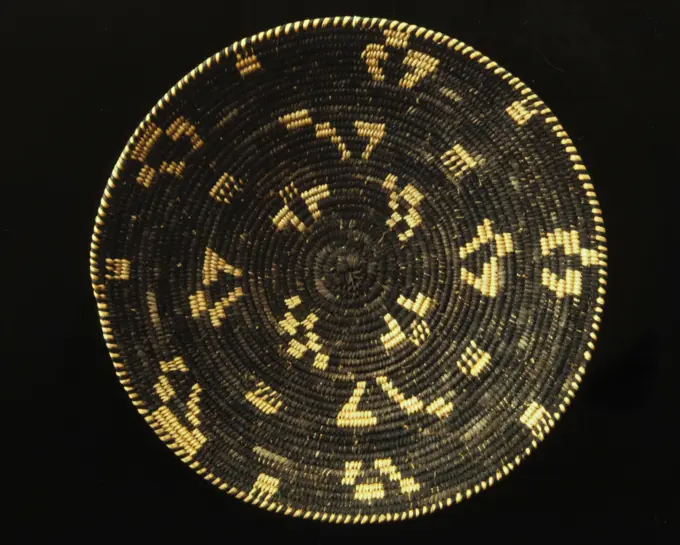
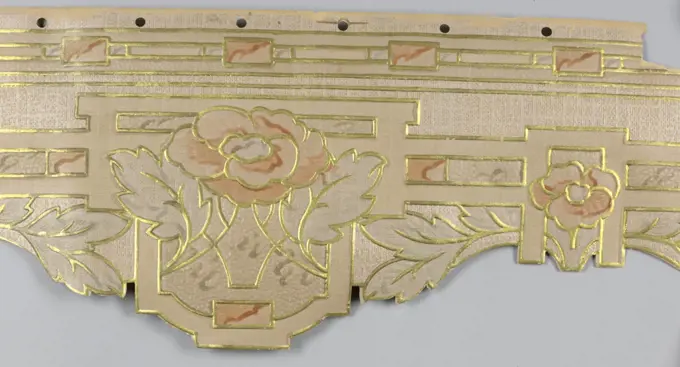
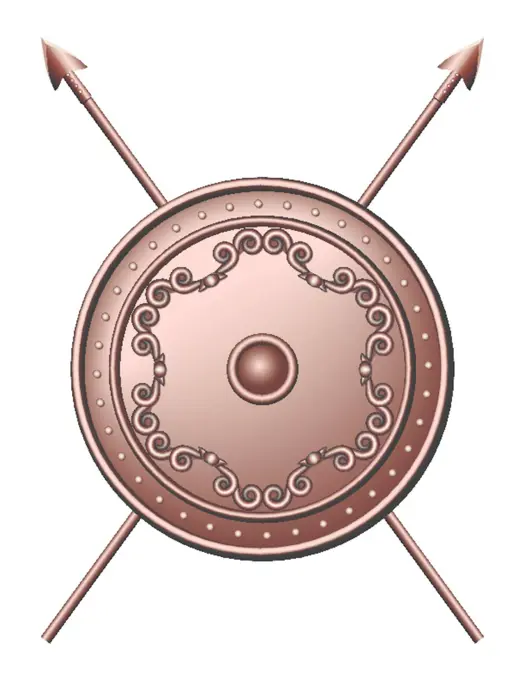
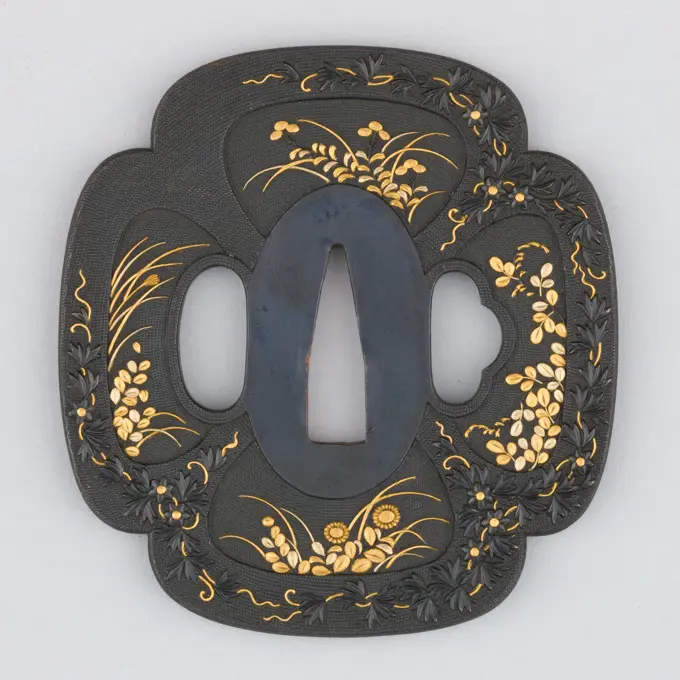
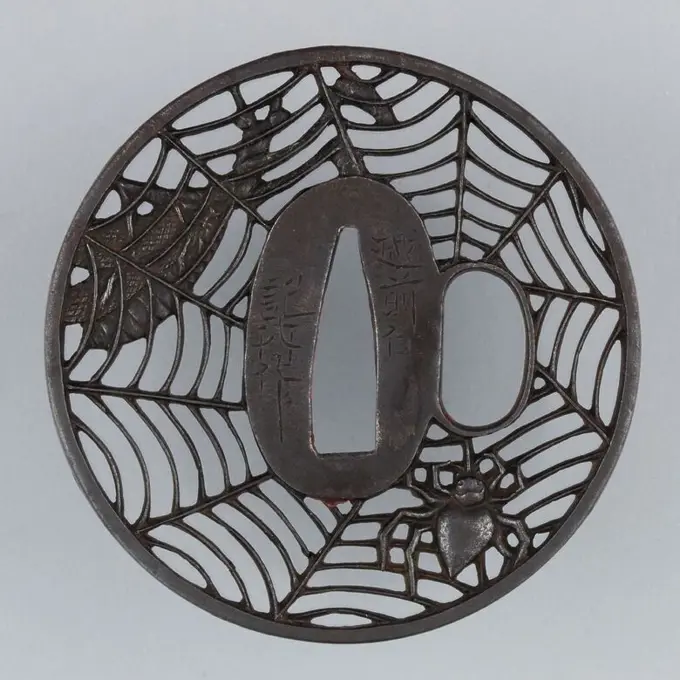
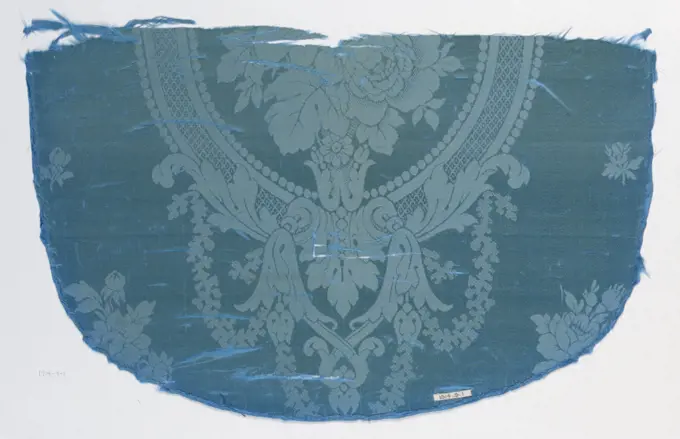
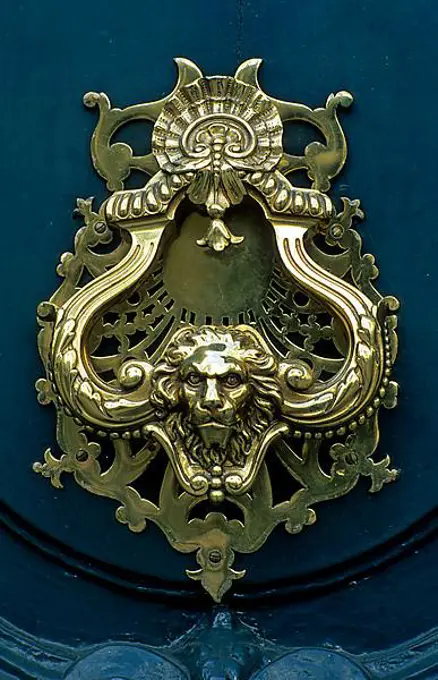
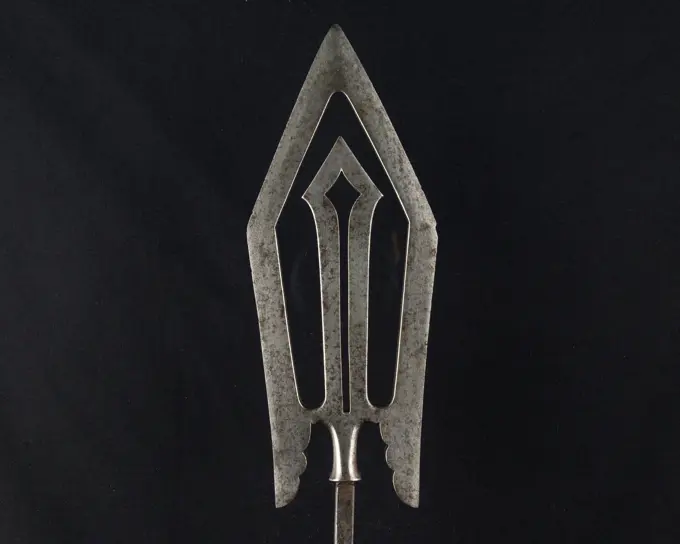
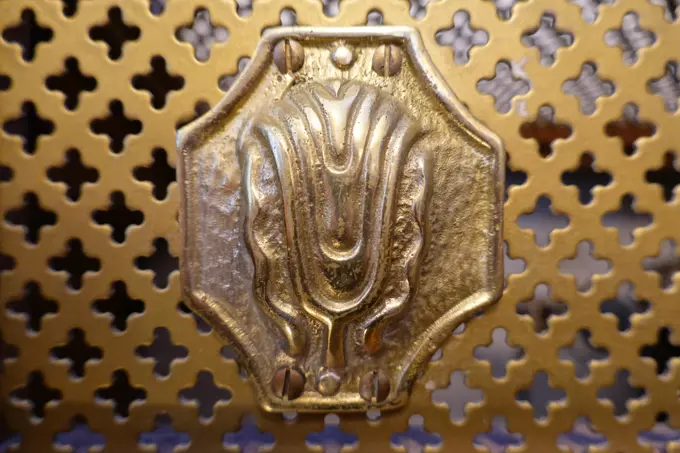
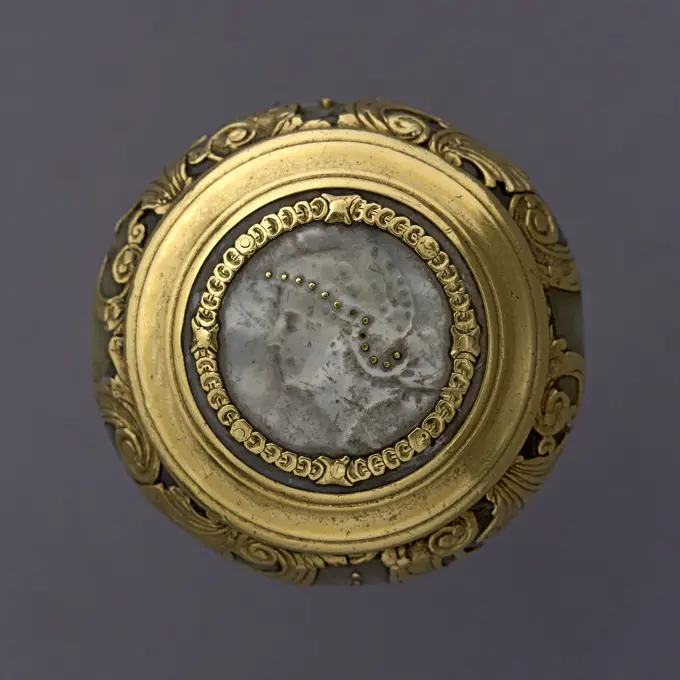
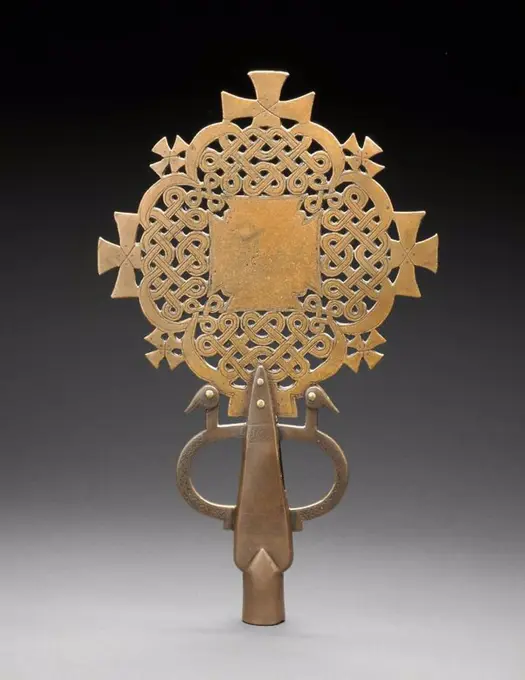
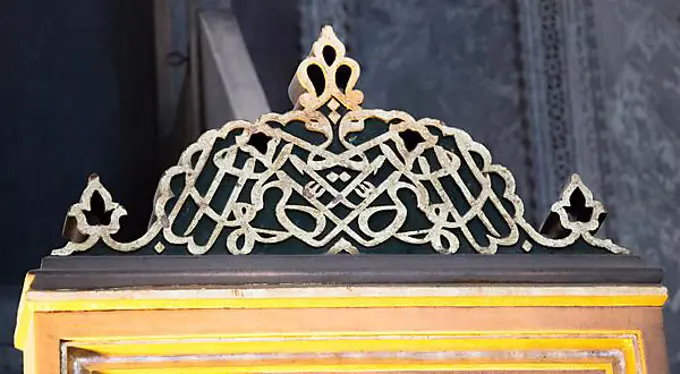
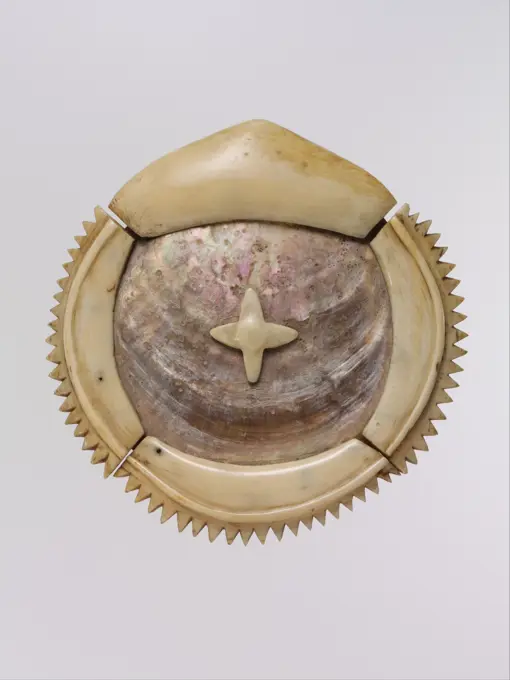
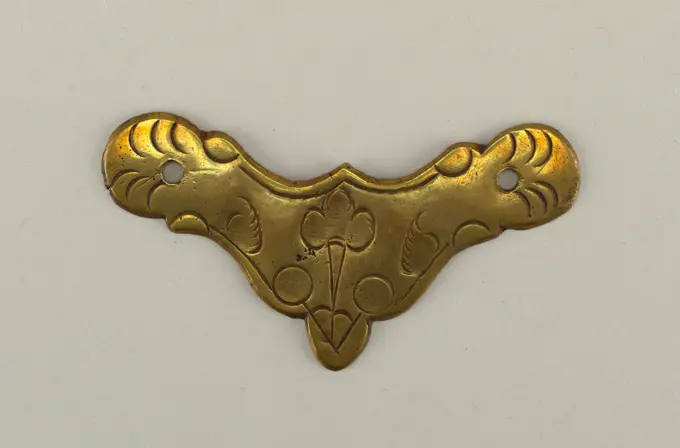
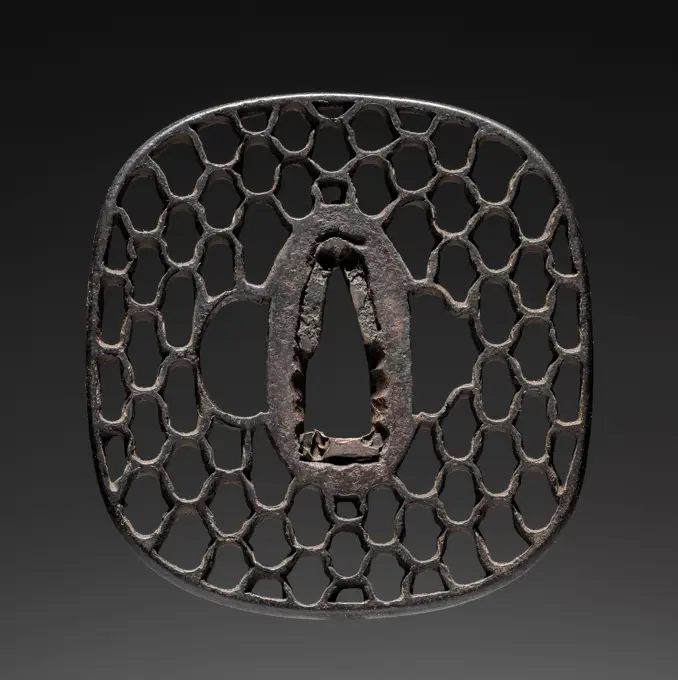
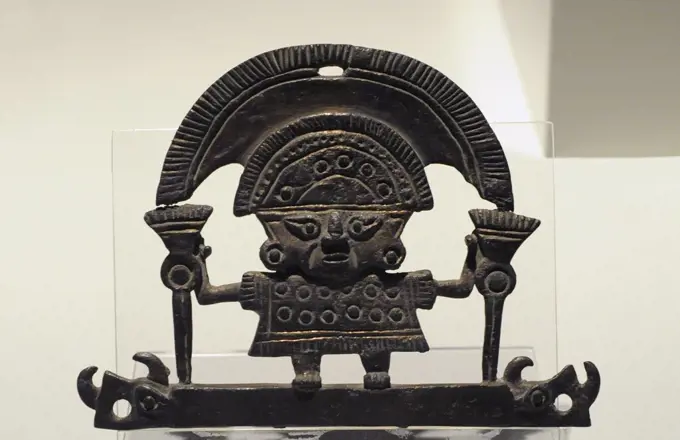
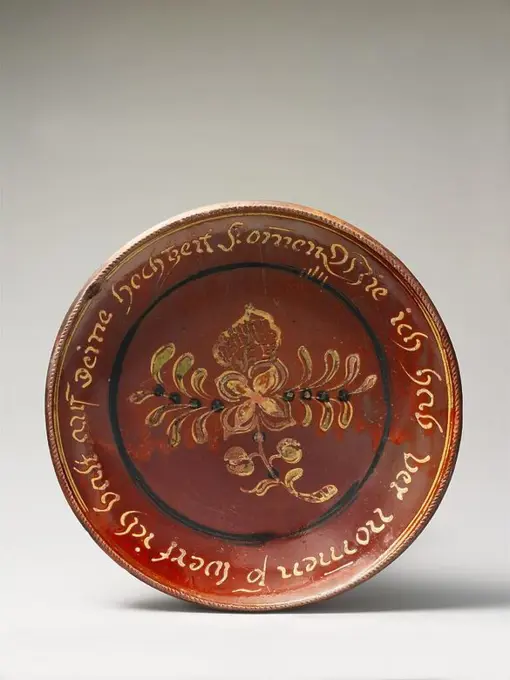
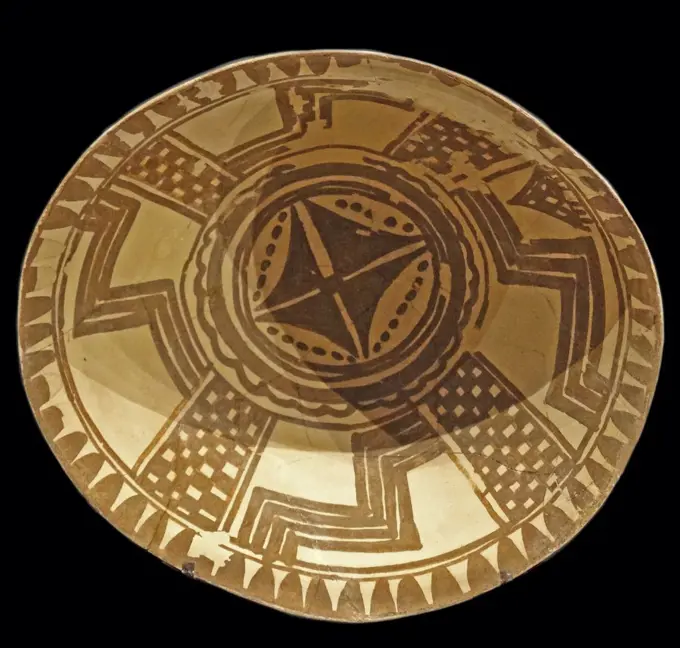
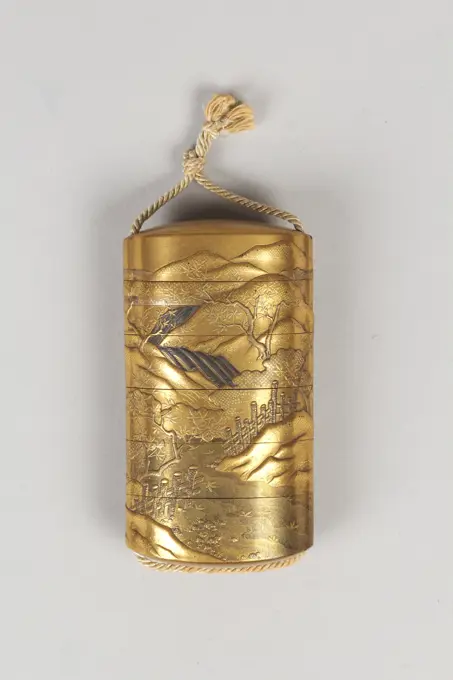
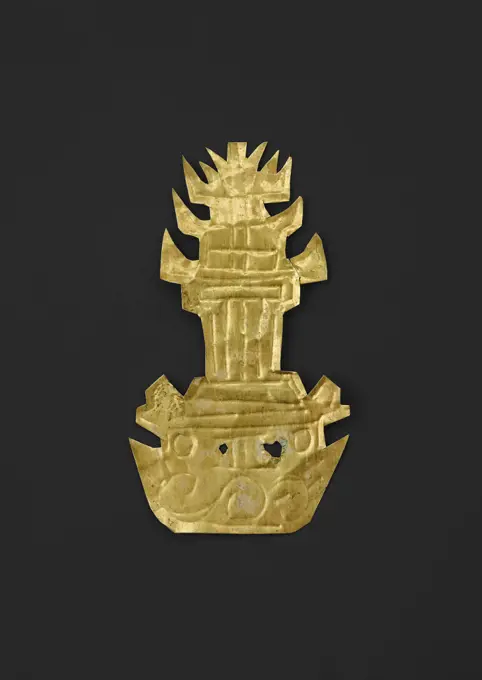
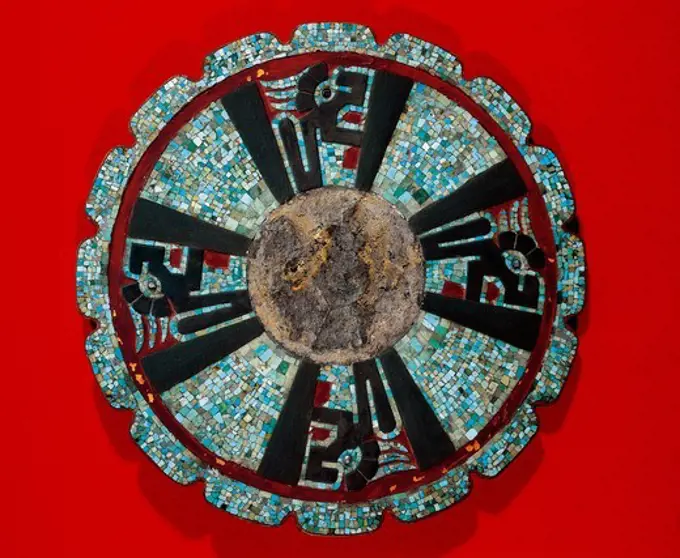
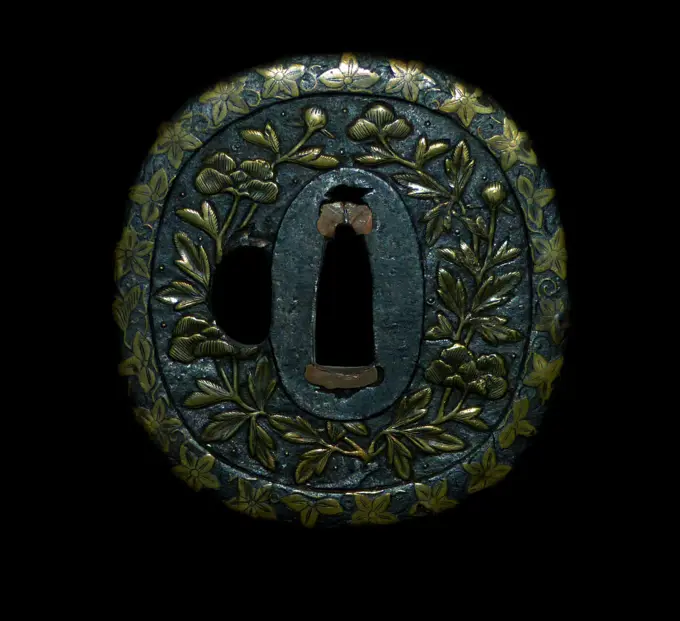
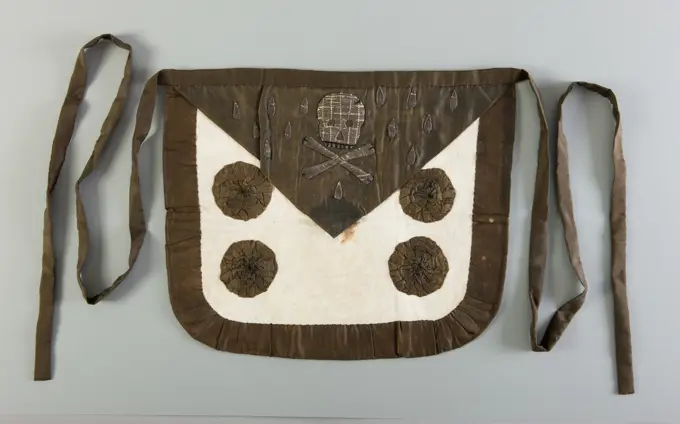
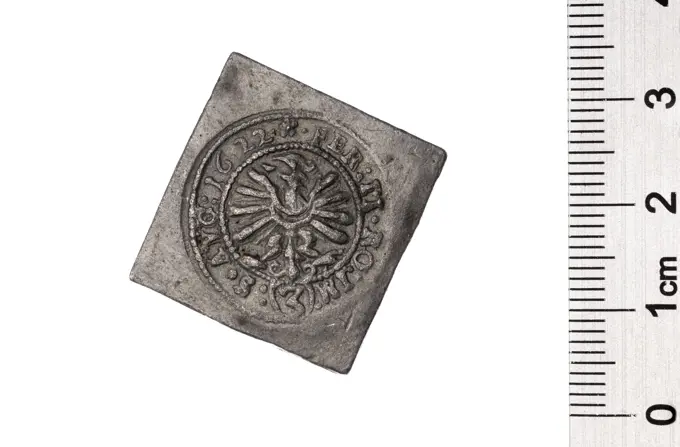
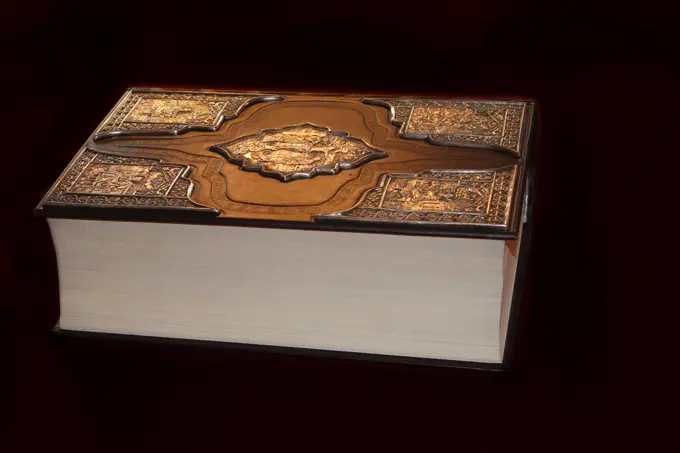
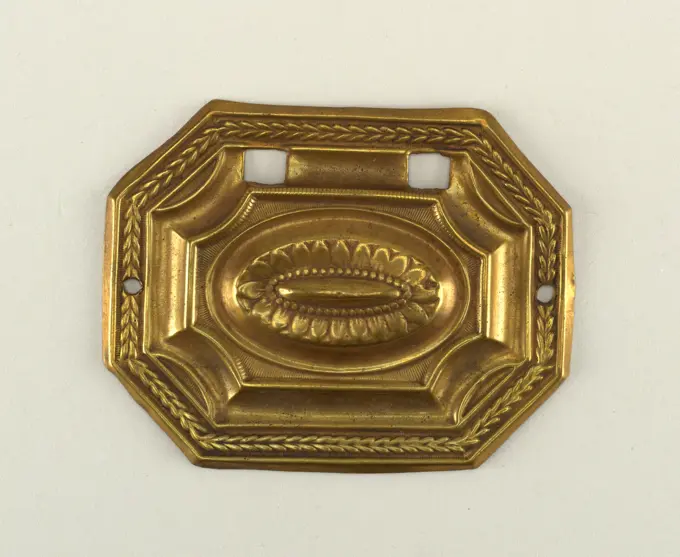
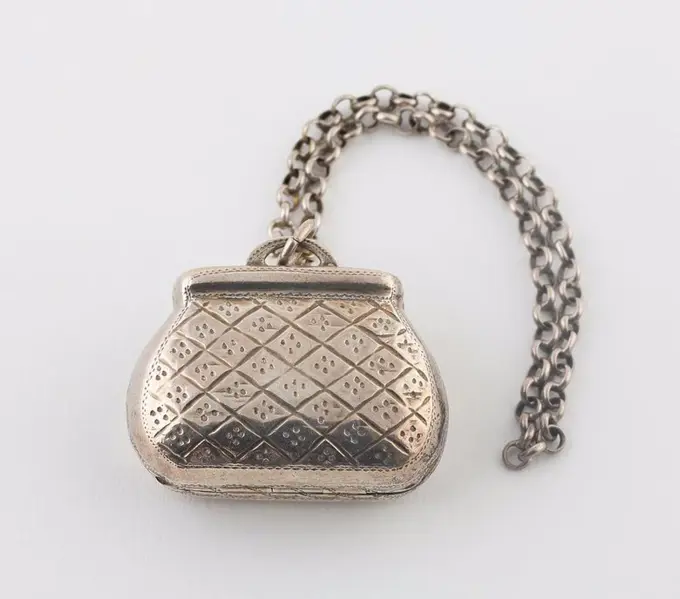
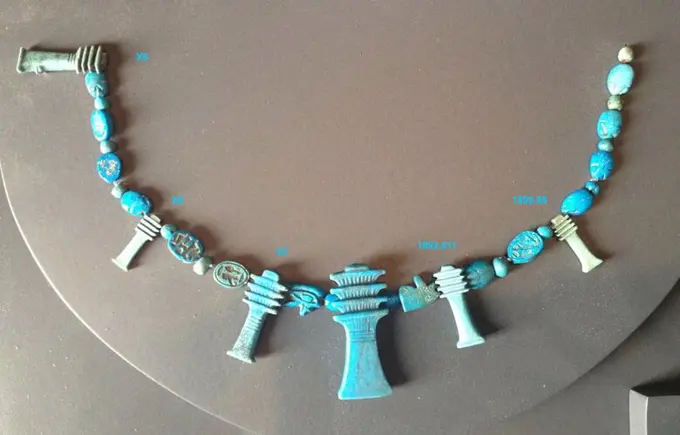
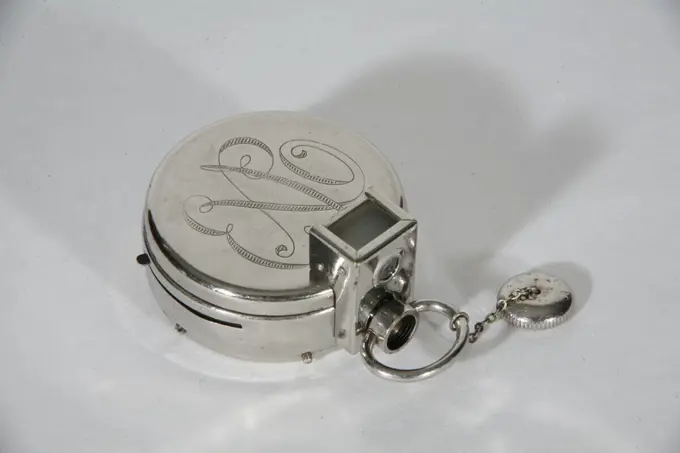
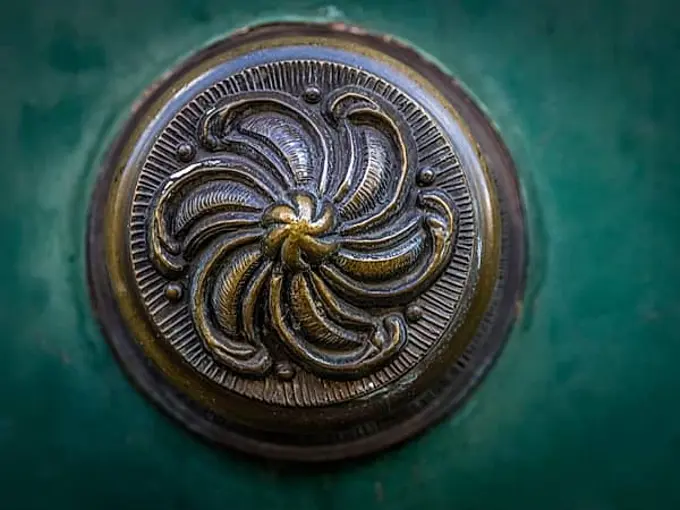
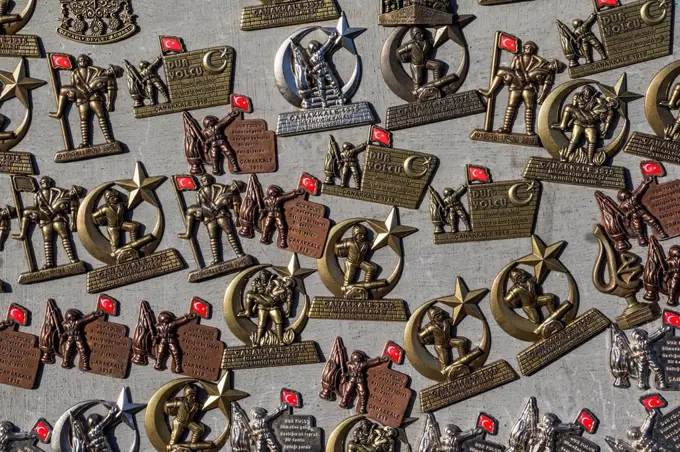
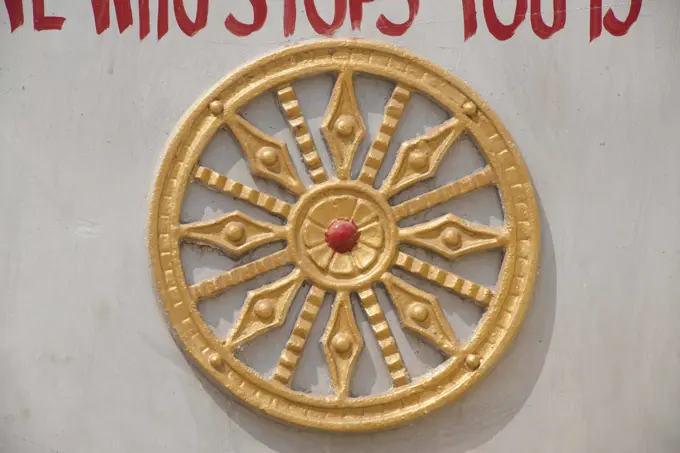
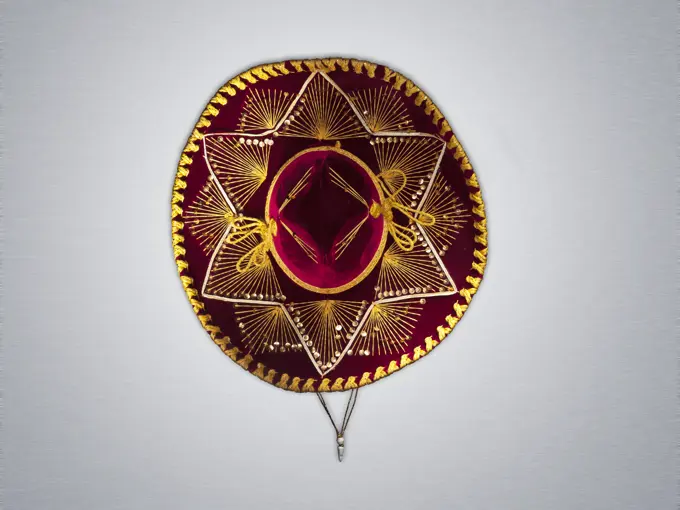
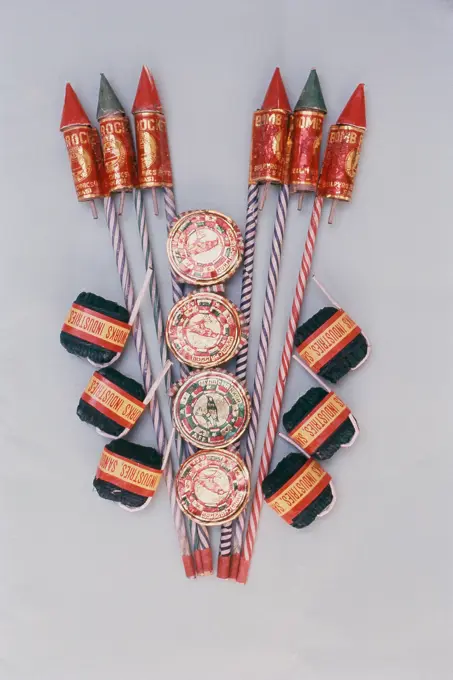
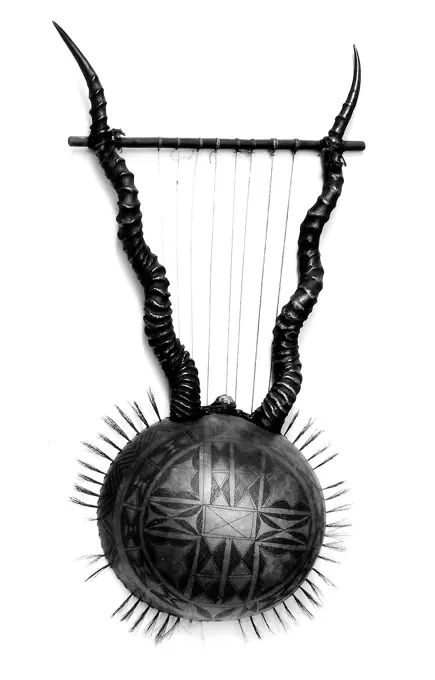
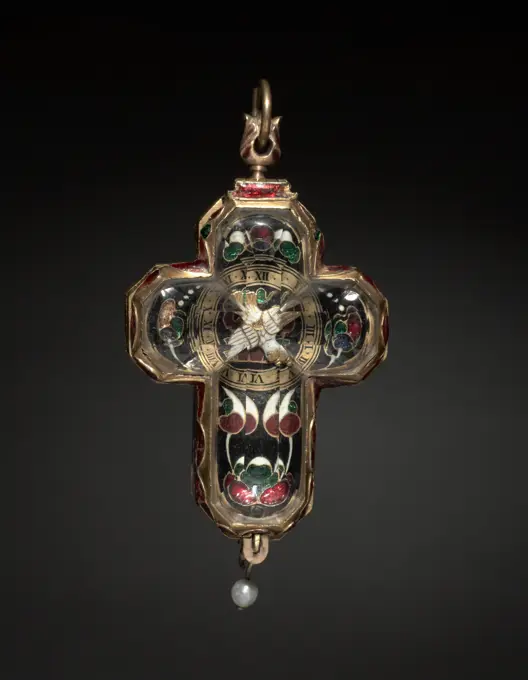
Badge of graduation of the Officers' School of the Union of Active Combat, the so called Umbrella Miciński, W., Tetmajer, Włodzimierz (1861 1923)Carnavalet Museum, Medals CollectionCommemorative badge of the 54th anniversary of the January Uprising Waldyn, Henryk, Women's League of the Supreme National CommitteeHand held astrolabe 18th centuryCDK Unknown, schools and shoamiSaucer ca. 1795 Chinese, for American market. Saucer. Chinese, for American market. ca. 1795. Porcelain. Made in ChinaJelec (Tsuba); Kunihide, Kasuga; XVII century (1601-00-00-1700-00-00);Lobed Mirror with Images of the "Moon Palace": Hare Pounding Elixir, Toad, and Chang E Holding Peaches of Immortality. China. Date: 700 AD-799 AD. Dimensions: 15.0 × 13.9 × 0.8 cm (5 15/16 × 5 1/2 × 5/16 in.). Bronze. Origin: China. Museum: The Chicago Art Institute, Chicago, USA.Sword Guard (Tsuba) early 18th century Japanese A tsuba is a sword guard and part of a sword mounting. It is mounted between the swords blade and grip to protect the users hands.. Sword Guard (Tsuba) 29512New York City, NY, USA. Old metal doorCarnavalet museum, tokens collectionCDK unknownPaperweight. Dated: c. 1940. Dimensions: overall: 22.8 x 28.9 cm (9 x 11 3/8 in.). Medium: watercolor and graphite on paperboard. Museum: National Gallery of Art, Washington DC. Author: Roberta Spicer.Facade coat of arms on the Landhaus historic center listed as World Heritage by UNESCO in Graz, Styria, AustriaCarnavalet museum, tokens collectionSword Guard (Tsuba) late 18th-early 19th century Japanese A tsuba is a sword guard and part of a sword mounting. It is mounted between the swords blade and grip to protect the users hands.. Sword Guard (Tsuba) 26313Oval seal with inscription in Arabic. unknown, craftsmanCorner piece of a book fittings (). Corner piece of a book fittings () Of brass.Sword guard (Tsuba) With Cherry Blossom Motif (図鐔) mid-18th century Japanese This iron tsuba shows a blossoming cherry tree in relief and openwork which also organically forms the openings for scabbard accessories (hitsu-ana), of which one is plugged with gold. The tips of the cherry blossoms are partially highlighted in gold and the rim is gilded as well. Masanaga (正長), first name Chōsuke (長助), was an artist of the Odawara Itō (小田原伊藤) School and had studied with the second Odawara Itō master Masatsugu (正次). He later moved to Edo.. Sword guard (Tsuba) With Cherry Blossom Motif (図鐔) 29515Award -winning cartouche with monogram, c. 1700 Award -winning cartouche with monogram surrounded by acanthus leaves. Part of a sign of a forge in the Beulingstraat in Amsterdam. Amsterdam iron (metal) forging  Amsterdam Award -winning cartouche with monogram surrounded by acanthus leaves. Part of a sign of a forge in the Beulingstraat in Amsterdam. Amsterdam iron (metal) forging  AmsterdamDeraisme, Pierre-Georges (n.1859-D.1932), Moustache comb decor (main title), 1900. Petit Palais, Museum of Fine Arts of the City of Paris.Case (Inrō) with Design of Sages Seated beside Table in Front of Screens 17th century Japan. Case (Inrō) with Design of Sages Seated beside Table in Front of Screens 58791The Dancing Couple by Pablo Picasso, painted ceramic, 1881-1973Princess Margriet Fonds Foundation. Possible design for subdivision of the Princess Margriet Fund. Metal-enlarged metal.The Oseberg ship . A Viking ship discovered in a large burial mound at the Oseberg farm near Tønsberg in Vestfold county, Norway. Dating from around 800 AD, the ship was excavated by Norwegian archaeologist Haakon Shetelig and Swedish archaeologist Gabriel Gustafson in 1904-1905. The ship is displayed at the Viking Ship Museum, in Bygdøy.Terracotta fragment of a kylix (drinking cup) mid-5th century B.C. Related to the Painter of London E 777 Interior, seated, winged youth (Eros), with his left hand resting on the back corner of the block seat, with a bird on his right hand; Obverse, winged youth to right with his arms extended in front of him; legs of a male to right; Reverse, legs of a winged youth, in flight; legs and a part of the chlamys of a male to right; separating the obverse and reverse, palmettes with tendrils. Terracotta fragment of a kylix (drinking cup) 776289Saucer. Culture: Chinese, for American market. Dimensions: Diam. 6 1/4 in. (15.9 cm). Date: ca. 1795. Museum: Metropolitan Museum of Art, New York, USA.CDK Unknown, Higo school, NishigakiTripod Pyxis Lid. UnknownPre-Columbian: Columbia. Muisca (fl1000-1541) Cast gold figure pendant, 18cm high. Metropolitan Museum, New York.Basket, 20th century, 14.25 x 14.25 in. (36.2 x 36.2 cm), Plant fiber, United States, 20th century, Willow, cottontail, and black martynia or devils claw, are the main materials used to sew baskets of the Akimel Oothom and Tohono Oodham. The availability of these plant fibers in the environment aide in identifying differences between the two tribes baskets. The Akimel Oothom who live along the river and few streams have easy access to willow and cottontail, which is reflected in their designs being predominantly black patterns on a white background. The Tohono Oodham, who live in the desert where black martynia is more abundant, predominantly use a black background with white designs.Border, Machine-printed, embossed, die-cut, Red flower sporting two leaves occupies lower pendant section, alternating with smaller flower centered between two larger leaves. Printed in very washed out colors on a tan ground. Heavy metallic gold outline around different elements. Bottom edge of border is cut out around border design. Hole punches along top edge., USA, 1910-15, Wallcoverings, BorderRogier grave plate from Heijningen (died 1665), director of Bengalen (1663-65). Red-brown painted graphic of Rogier van Heijningen, director of Bengalen (1663-1665). Made from Indian wood with black painted profiled wooden table. In the middle clad weapon with half climbing lion and 3 blocks. Cocks and half climbing lion in red as helmet sign. Needle inscription in black: 'ohabs r.v.h. on 9 June Anno 1665 '.Hair Ornament late 19th century Japan. Hair Ornament 60604Bronze shield and crossed spears.Sword Guard (Tsuba) 18th century Japanese A tsuba is a sword guard and part of a sword mounting. It is mounted between the swords blade and grip to protect the users hands.. Sword Guard (Tsuba) 643304Sword Guard (Tsuba). Culture: Japanese. Dimensions: Diam. 2 3/4 in. (7 cm); thickness 3/16 in. (0.5 cm); Wt. 2.6 oz. (73.7 g). Date: 18th century. Museum: Metropolitan Museum of Art, New York, USA.Fragments, Medium: silk Technique: damassé (8-harness satin with 1/3 twill), Oval panel in blue damask probably for a chair back with a design of an oval frame enclosing a floral group. Acanthus leaves and swags below frame., France, ca. 1865, woven textiles, FragmentsSouvenir spoon with view of plaza and fountain European late 19th centuryDistrict rotary grate on the trioge;  XVII/18th century (1701-00-00-1800-00-00);Antique door knocker on a front door, Lueneburg, Lower Saxony, Germany, EuropeMountGrahal-Manzara. Carnavalet 2013-2016 collection sites. Numismatics.Door knockerCarnavalet museum, medal collection PHRYGIAN BONNET Right in glory; Reverse registration on two lines.Mordant 15th century Spanish. Mordant. Spanish. 15th century. Brass. Miscellaneous-Buckles & OrnamentArrowhead (Yanone) 18th century Japanese Although today Japanese warriors are renowned most for their swordsmanship, archery, especially from horseback, has been an essential part of samurai warfare and culture for centuries. Arrows were fitted with heads of varying shape according to their intended use in war, the hunt, or target practice. Arrowheads made for use on the battlefield incorporated different designs intended for specialized purposes such as the piercing of armor or to cause maximum damage to horses and unarmored personnel.Large arrowheads, pierced and elaborately chiseled with landscapes, birds, flowers, dragons, and Buddhist divinities, were created to be admired for the beauty of their metalwork and design rather than for use in archery. Such highly elaborate examples may have been made for presentation or as a votive offerings to a shrine.. Arrowhead (Yanone). Japanese. 18th century. Steel. Archery Equipment-ArrowheadsRoundel with Coat of Arms late 15th century South Netherlandish. Roundel with Coat of Arms. South Netherlandish. late 15th century. Colorless glass, silver stain, vitreous paint. Glass-StainedBudapest, Villa Schiffer Family, Jozsef Vago 1912 Budapest, Villa Schiffer Family, Jozsef Vago 1912metal on wall metal on wall Copyright: xZoonar.com/OxanaxRishnyakx 4476581Cane pommel, engraved pearl and chopped and openwork gold. England, mid -18th century. Paris, Cognacq-Jay museum. 35352-33 Opening, chisel, grave, mother -of -pearl, gold, pommel, caneProcessional Cross. Central Ethiopia. Date: 1450-1499. Dimensions: 36.9 × 22.9 cm (14 1/2 × 9 in.). Copper, bronze, and brass. Origin: Ethiopia. Museum: The Chicago Art Institute, Chicago, USA.Floral art pattern example of the Ottoman timeBreastplate (Civanovonovo) Fijian people early 19th century Worn exclusively by male chiefs, breastplates in the Fiji Islands were precious and powerful objects and a prestigious element of ceremonial attire. When worn into battle, they were said to make the wearer invulnerable to enemies. Breastplates were suspended from two cords tied together behind the wearers neck, while a third cord passed around the body to hold the ornament in place on the chest during battle and other strenuous activities. Although worn by Fijian chiefs, breastplates were created by Tongan and Samoan artists, who had begun to settle in Fiji by the late 1700s. The plates were fashioned primarily from whale ivory, a precious material often used in combination with pearl shell. The ivory elements on some examples resemble stars or crescent moons, but their precise significance is unknown.MountSword Guard (Tsuba), c. 1615-1868. Japan, possibly Edo period (1615-1868). Iron; diameter: 7.4 cm (2 15/16 in.).Saucer with a set with a branch Baranówka (Porcelain Manufaktura; 1804-2012); early XIX (1801-00-00-1810-00-00);vintage golden frame vintage golden frame on the wall Copyright: xZoonar.com/OxanaxRishnyakx 4367749Pectoral pendant with depiction of the divinity. Copper. Lambayeque Culture or Sican Culture. Late Intermediate Period (1150-1450 AD). Peru. Museum of the Americas. Madrid, Spain. Bowl 9th-10th century The band of decoration around the upper interior is probably a very debased form of pseudo-inscription. The central design is common for this particular type. View more. Bowl. 9th-10th century. Earthenware; slip covered, splashed and painted with polychrome glazes (buff ware). Excavated in Iran, Nishapur. CeramicsPlate. Culture: American. Dimensions: Diam. 12 in. (30.5 cm). Maker: Possibly David Spinner (1758-1811). Date: ca. 1810. Museum: Metropolitan Museum of Art, New York, USA.Lid, decorated with three medallions with profile heads and a crowning a button of agate .. lid of gold with three gold medallions with profile heads and as a crowning a button of agate.vintage golden frame on the wallhand painted clay bowl from a cemetery at Susa; Iran (Persia) 4000-3300 B.C.Brass grill pan in korean style on wood table , isolated vectorCup plate. American; Midwest. Date: 1830-1850. Dimensions: diam. 8.1 cm (3 3/16 in.). Pressed glass. Origin: Midwest. Museum: The Chicago Art Institute, Chicago, USA.Military Department Badge N.K.N.Case (Inr) with Design of River in Spring with Flowering Cherry Trees (obverse); River in Autumn with Maple Leaves (reverse) 19th century Japan. Case (Inr) with Design of River in Spring with Flowering Cherry Trees (obverse); River in Autumn with Maple Leaves (reverse). Japan. 19th century. Lacquer, kinji, nashiji, silver and black hiramakie, takamakie; Interior: nashiji and fundame. Edo (1615-1868) or Meiji period (1868-1912). InrTempleModel, 8th-10thcentury, Gold, 5.92 × 3.335 cm, 1.495 g, 0.018 cm (2 5/16 × 1 5/16 in., 1.495g), Made in Java, Indonesia, Java, Early Classic Period(650-1000), JewelryCeremonial turquoise, pearl and mor-of-pearl mosaic discHand guard from a Japanese sword c 1600Ritual apron3 kreutzers klippe (mint proof). Ferdynand II Habsburg (cesarz rzymsko-niemiecki ; 1617-1637), ruler, Głogów, issuerFor sale tag.CIRCUITO IMPRESO DE UN MAGNETOFON.Ancient book in luxurious binding isolated on black background Ancient book in luxurious binding isolated on black background. Old book. Closed book on dark background Copyright: xZoonar.com/xx 11989106Euro Collection  a coin pattern, 50 euros cents for the Czech Republic; 2003USA, Maryland, Bethesda. Crystal BowlDish, painted with an unknown alliance weapon, Meissener Porzellan Manufaktur, c. 1775 - c. 1780 Dish of painted porcelain. The dish is painted with an unknown alliance weapon in gray within a round medallion, which is saved in a royal blue stock. The dish is marked. Float porcelain Dish of painted porcelain. The dish is painted with an unknown alliance weapon in gray within a round medallion, which is saved in a royal blue stock. The dish is marked. Float porcelainMountPurse-Shaped Vinaigrette. Joseph Willmore; English, active 1808-1855; Birmingham, England. Date: 1818-1819. Dimensions: 2.5 × 2.5 cm (1 × 1 in.). Silver and silver gilt. Origin: Birmingham. Museum: The Chicago Art Institute, Chicago, USA.Amulet of a Djed Column. Egyptian. Date: 664 BC-332 BC. Dimensions: 2.2 × 0.7 × 0.3 cm (0.88 × 0.28 × 0.11 in.). Faience. Origin: Egypt. Museum: The Chicago Art Institute, Chicago, USA. Author: Ancient Egyptian.Ticka Pocket Watch Camera 'Expo' is a compact camera with a 15 x 22 mm format, constructed from metal. It was patented on September 6, 1904.Navy Breast Insignia: Small Craft Insignia (Enlisted). Country: UnknownBrass door detail on a dark green backgroundLluís Masriera / Colgante con figura femenina, 1902. Colección privada. Author: LLUÍS MASRIERA I ROSÉS.Anthropomorph 1500-500 B.C. India. Anthropomorph. India. 1500-500 B.C.. Copper. MetalworkCommemorative fridge magnets for sale by the Turkish 57th Infantry Regiment Memorial, Gallipoli Peninsula; Canakkale, TurkeyOld Spanish viola in perfect condition - 200 years oldGolden wheel of chariot of konarak school gate, puri, orissa, india, asia Copyright: xNitinxKelvalkar/DinodiaxPhotoxOverhead view of Mexican sombrero against white backgroundWelum;  18th century (1701-00-00-1800-00-00);Dish 1420-1450 Spanish. Dish. Spanish. 1420-1450. Tin-glazed earthenware. Made in probably Manises, Valencia, Spain. CeramicsDecoration on an oriental buildingClose up of fire crackers in India Copyright: xManojxNavalkar/DinodiaxPhotoxMountBowl Lyre 19th century Ugandan or Kenyan Decorative lyre made for export, with gourd body and antelope horn arms. The rim of the gourd is decorated with bristles. Lyres have two wood or horn arms that project from the body and carry a crossbar to which the upper ends of the strings are fastened. The strings lie nearly parallel to the soundtable. African lyre bodies are made of wood, gourds, tortoise or coconut shells. Most African lyres lack bridges; the strings vibrate against the soundtable to create a buzzing sound.. Bowl Lyre 501927False Coin, Speaker, 1699, Frederick Augustus I (1694 1733), SaxonySoviet Christmas toy on a black wooden background, retroCross-Shaped Clock, c. 1580-1600. P. Herbier (French). Enameled gold, rock crystal, and a pearl; overall: 5.8 x 3.3 x 1.3 cm (2 5/16 x 1 5/16 x 1/2 in.).