Blue and White Porcelain Dishes

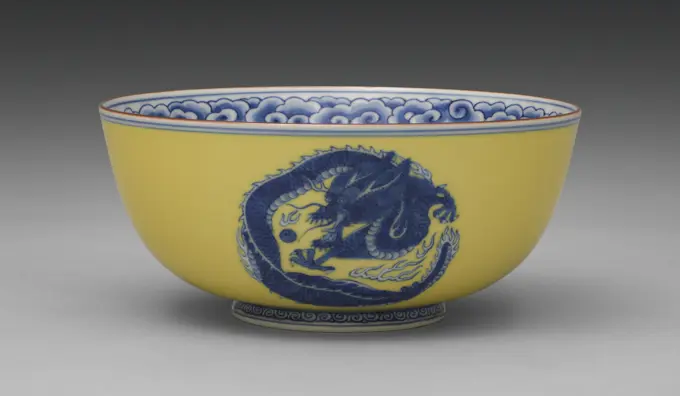
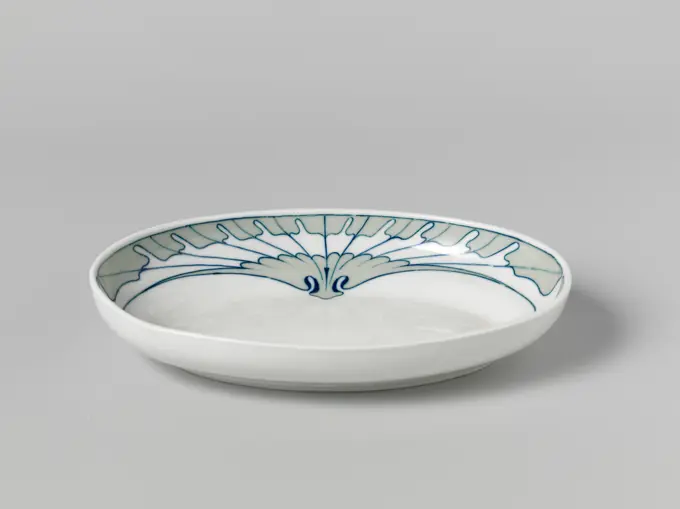
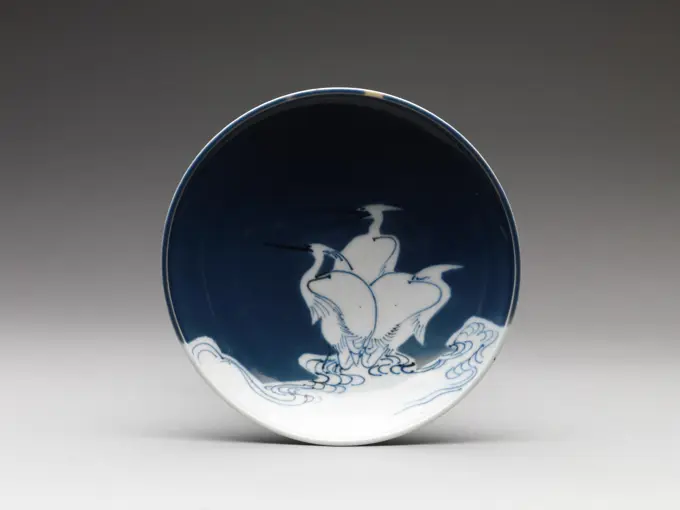
A selection of delicate blue and white porcelain dishes featuring intricate designs including birds, flowers, and hunting scenes, showcasing fine craftsmanship and artistic detail.
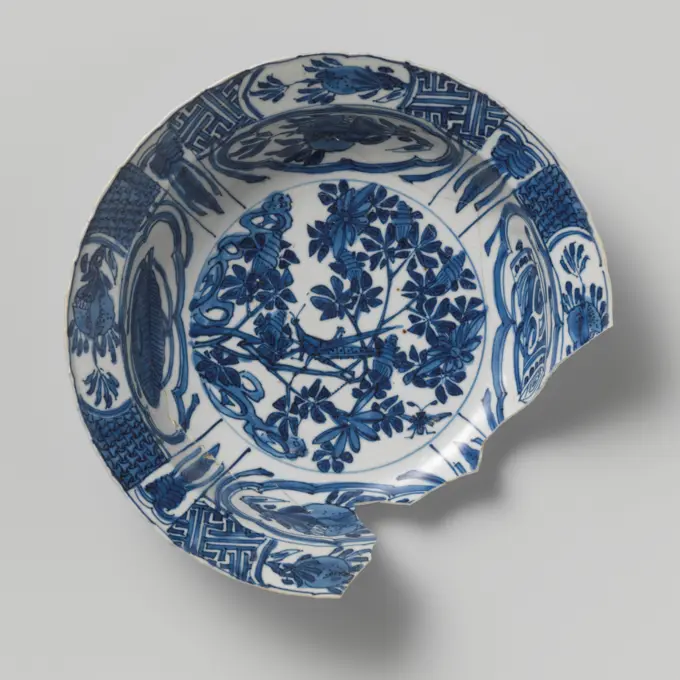
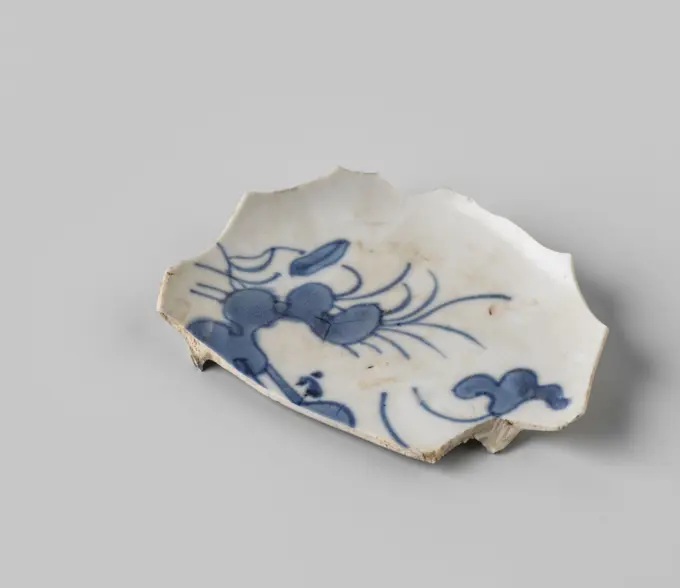
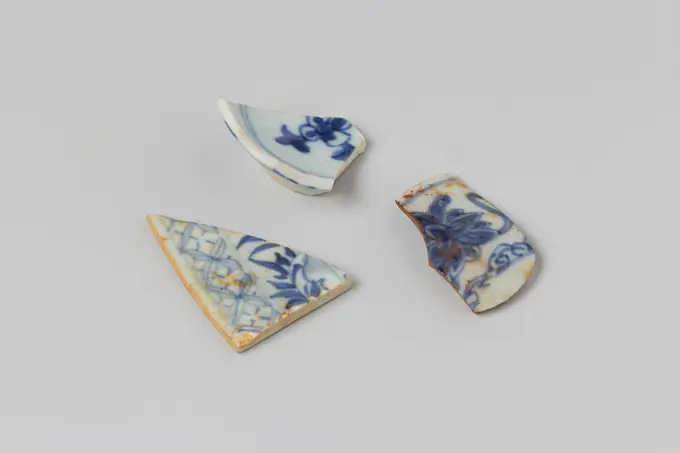
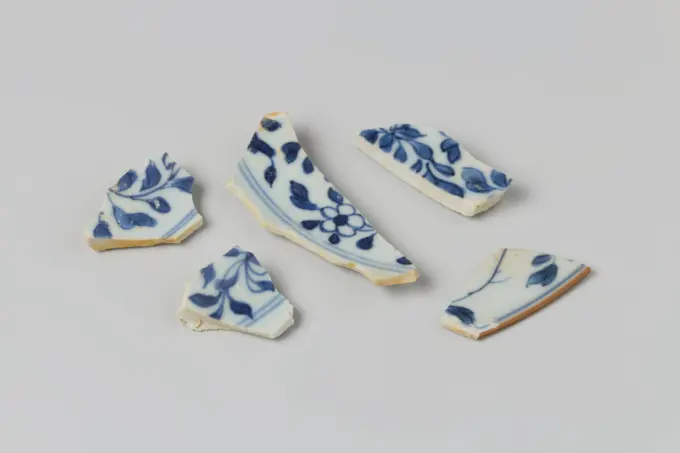
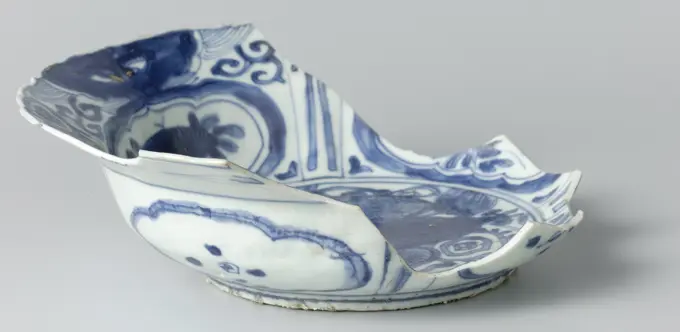
Excerpt deep plate from v.o.c.-ship De 'Witte Leeuw', Anonymous, Before 1613 plate (dishes) Fragment deep plate from V.O.C. ship De 'Witte Leeuw', 95 present. Jingdezhen bone china (material)   Sint-Helena
Excerpt deep plate from v.o.c.-ship De 'Witte Leeuw', Anonymous, Before 1613 plate (dishes) Fragment deep plate from V.O.C. ship De 'Witte Leeuw', 95 present. Jingdezhen bone china (material) Sint-Helena
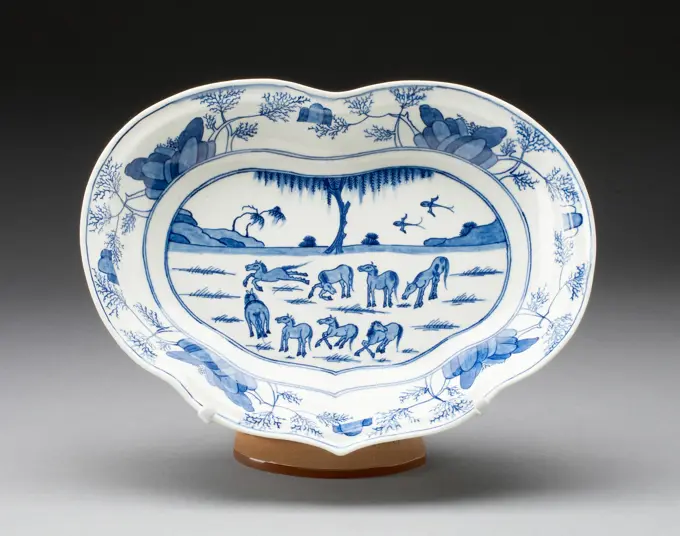
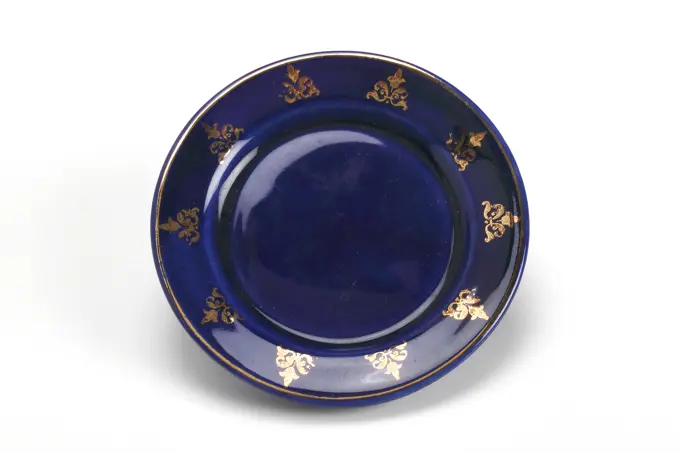
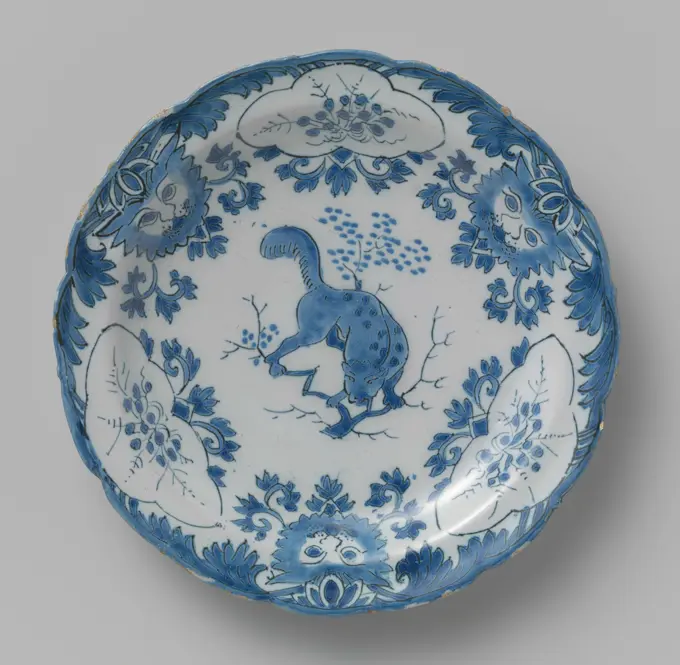
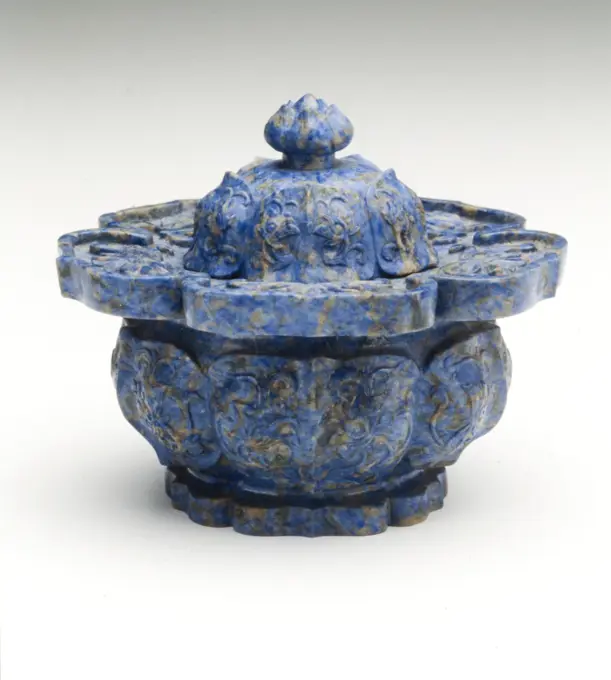
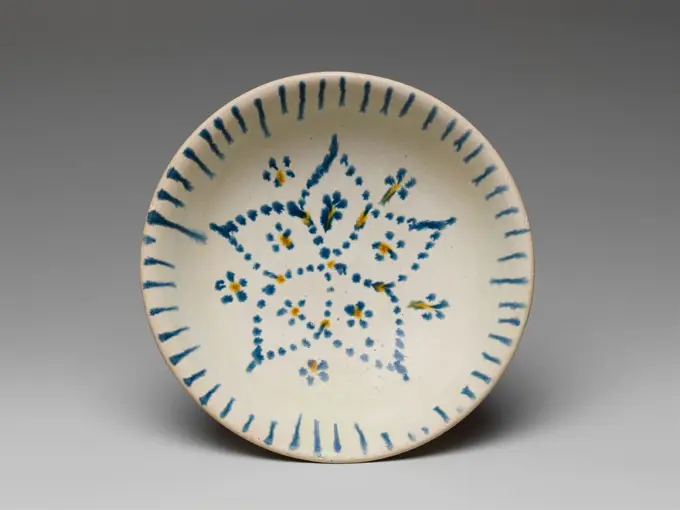
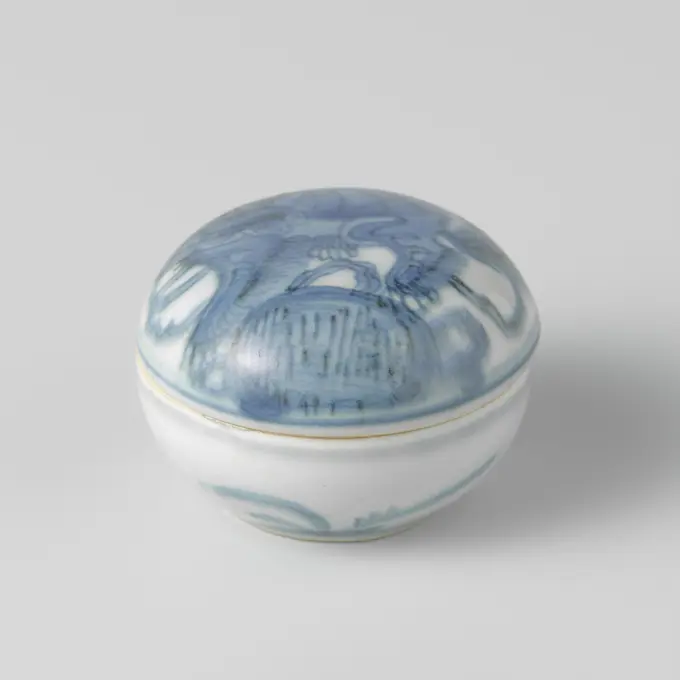
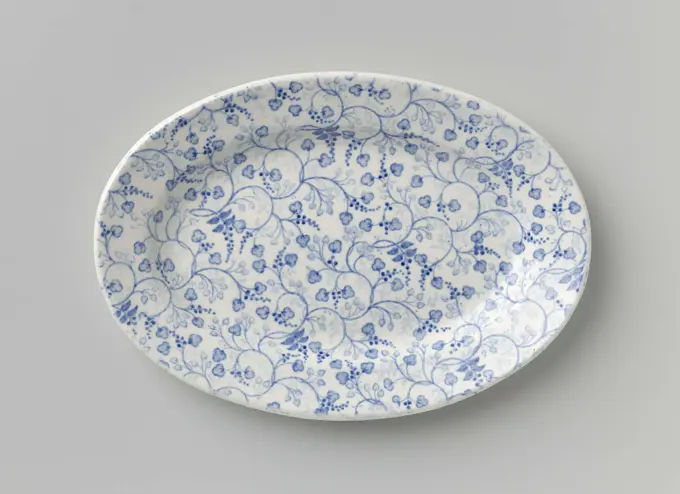
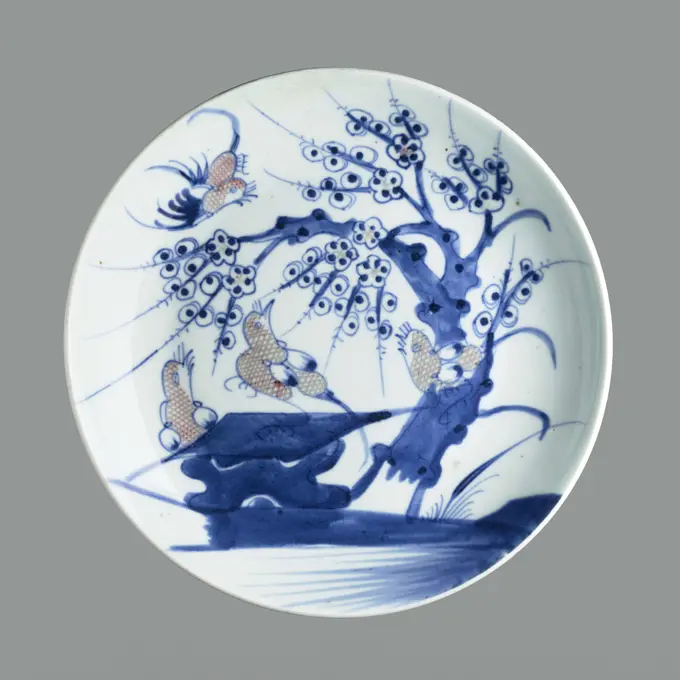
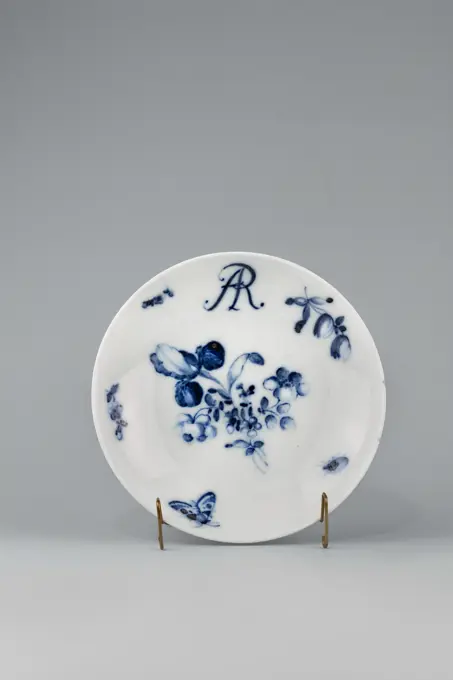
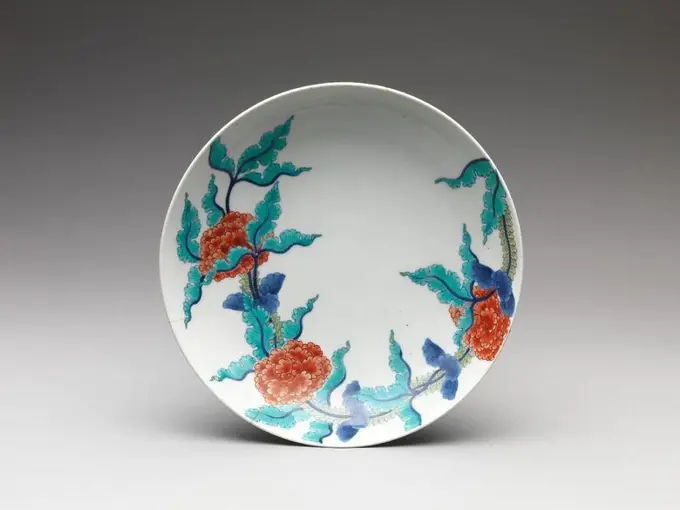
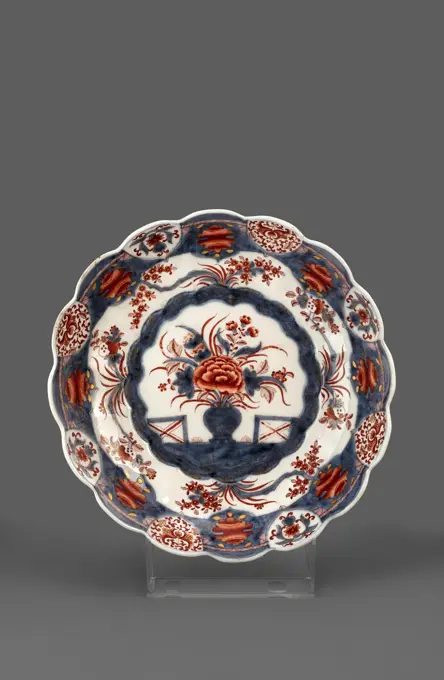
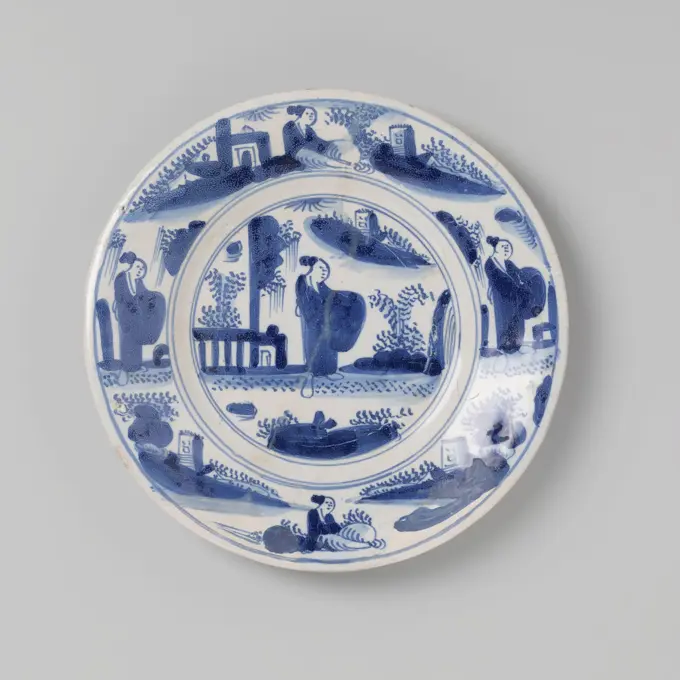
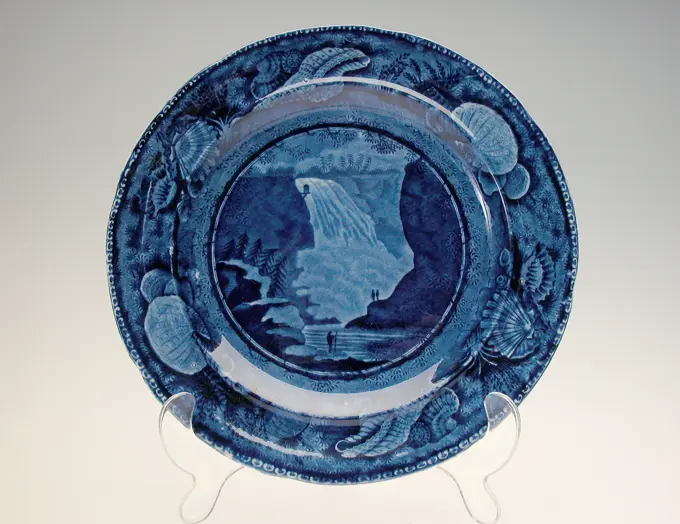
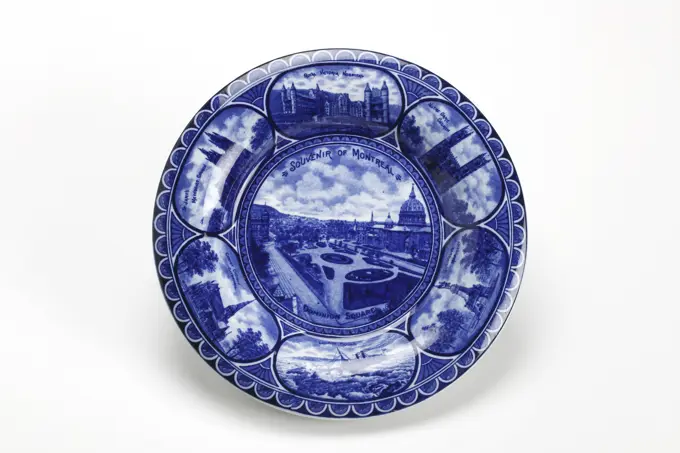
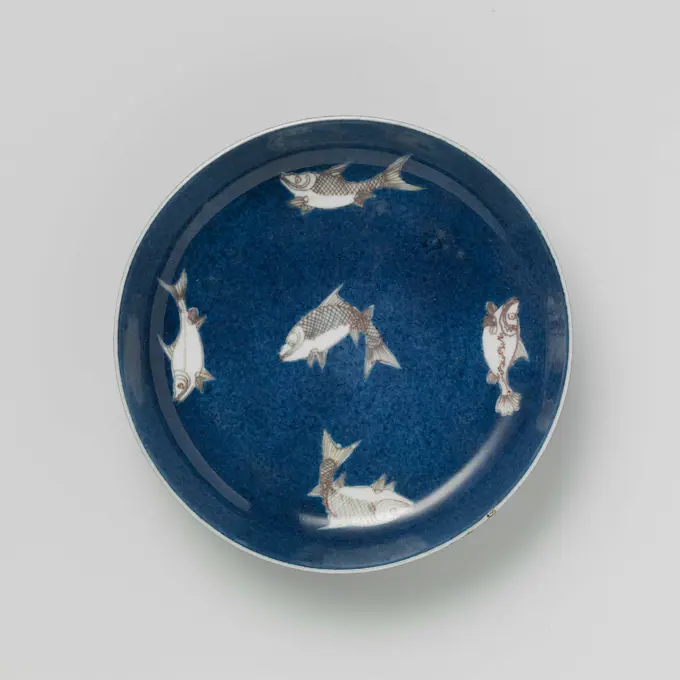
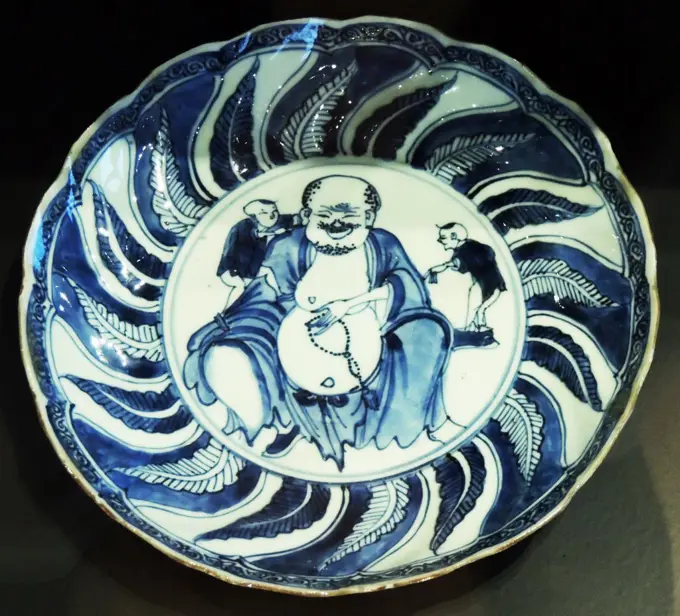
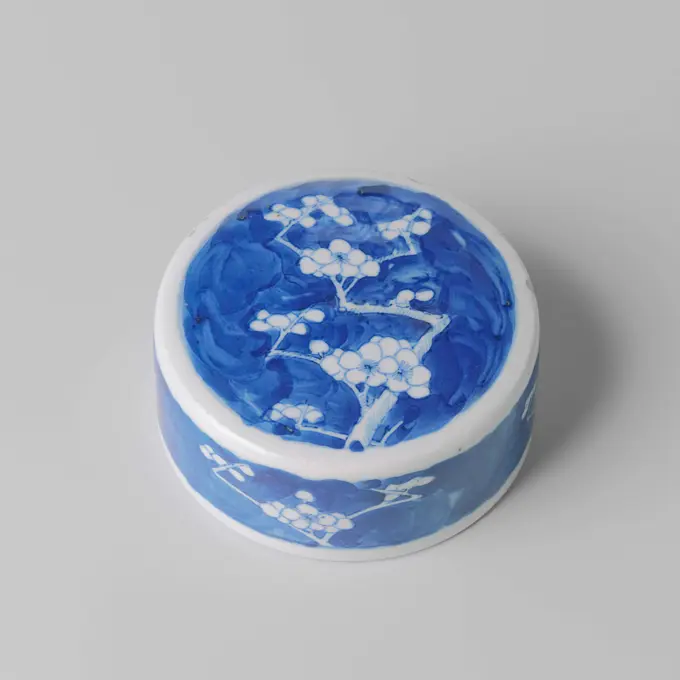
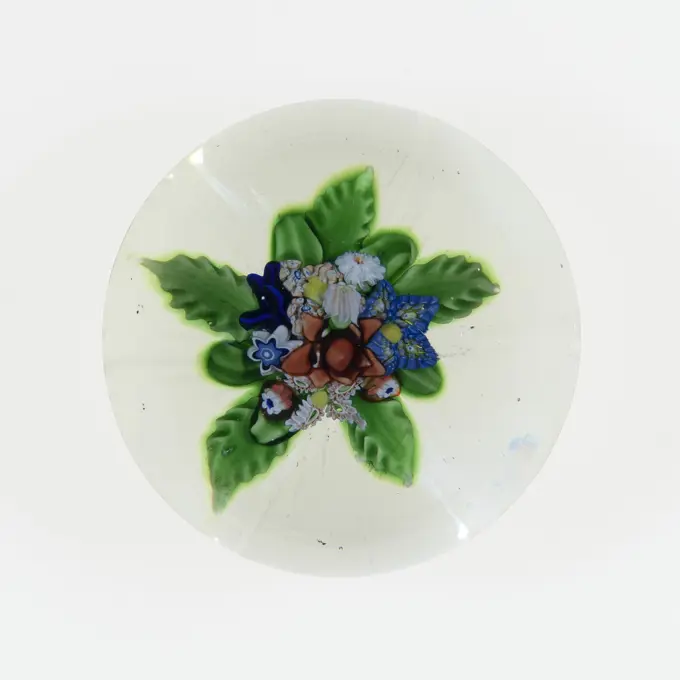
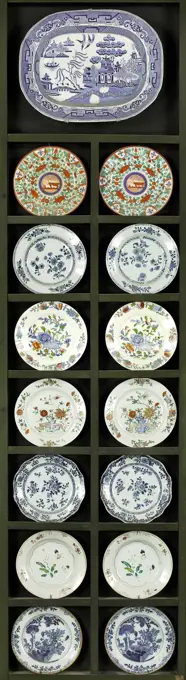
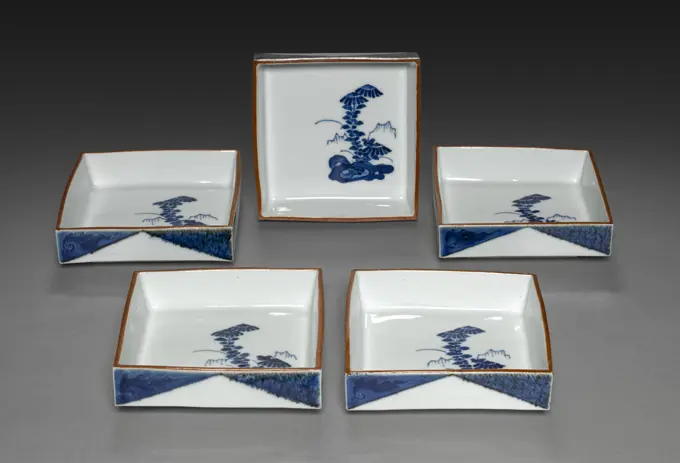
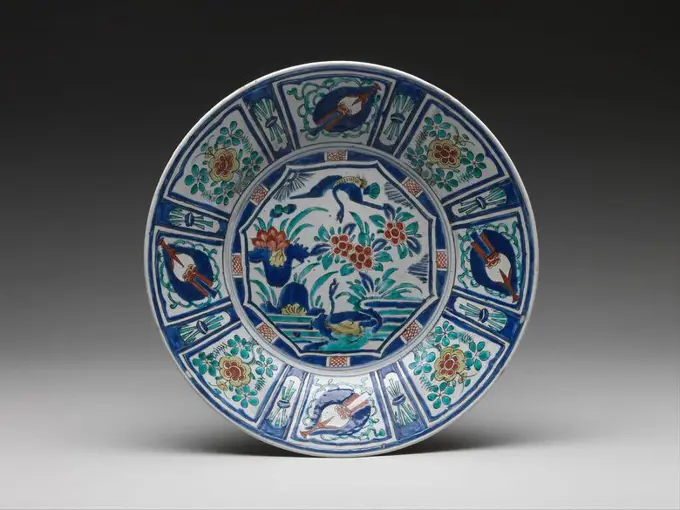
Plate with Geese in Lotus Pond. Culture: Japan. Dimensions: H. 2 7/16 in. (6.2 cm); Diam. 12 3/4 in. (32.4 cm); Diam. (foot) 5 3/4 in. (14.6 cm). Date: 1660-80.Japanese production of porcelain, which began in the early seventeenth century, flourished in the second half of the century in part thanks to the demands of the Dutch, who needed a new supplier as a result of the political disorder in China at the time. The shape and decoration of this dish follow the Chinese kraak ware; however, the colors of the enamels are uniquely Japanese. Museum: Metropolitan Museum of Art, New York, USA.Sign, found at V.O.C. -Schip Witte Leeuw, possibly from Zeelelie, 1725 - 1800 plate (dishes) Plate, soil made for export to Anglo-Saxische countries. This object is 18th century and cannot therefore be from the freight of the Witte Leeuw. It is unclear whether the object will come from the site or whether it was mixed later, possibly with material from the Zeelelie. Jingdezhen porcelain   Sint-HelenaSaucer with figures in a landscape with trees, rocks and pavilions, anonymous, c. 1700 Porcelain bowl with accolade wall and edge, painted in underlaze blue. On the flat a landscape with a rider and two running people among rocks and trees. Two pavilions and clouds in the background. The inner edge is with a blue band. Marked on the underside with the six-character brand of Keizer Chenghua. Four pronen on the bottom. Arita, Blauw-Wit. Japan porcelain. glaze. cobalt (mineral) painting / vitrification Porcelain bowl with accolade wall and edge, painted in underlaze blue. On the flat a landscape with a rider and two running people among rocks and trees. Two pavilions and clouds in the background. The inner edge is with a blue band. Marked on the underside with the six-character brand of Keizer Chenghua. Four pronen on the bottom. Arita, Blauw-Wit. Japan porcelain. glaze. cobalt (mineral) painting / vitrification. Soft-paste porcelain, underglaze blue . Worcester Royal Porcelain Company (Manufacturer)Toy dessert plate - Inconnu / UnknownDish. Power of pottery with a chinoiserie decoration, partly to example of the Japanese kakiemon porcelainCovered Jar, 18th century, 4 x 5in. (10.2 x 12.7cm), Lapis lazuli, China, 18th centuryBowl with Five-Petaled Flower. Culture: China. Dimensions: H. 2 3/8 in. (6 cm); Diam. 6 1/2 in. (16.5 cm). Museum: Metropolitan Museum of Art, New York, USA.Plate, one of a pair, 1662-1722, 10 1/4 in. (26.04 cm) (diameter), Porcelain, China, 17th-18th centuryToy dessert plate - Georgeville D'après Francis Morley, 1845-1850Board, De Metale Pot, 1700 - 1725 Fowence board. Blue painted with a flower decoration. Delft . Fowence board. Blue painted with a flower decoration. Delft .Round box with a shishi, anonymous, c. 1500 - c. 1599 Round box of porcelain, painted in under -glaze blue. A slender on the box. The lid with a shishi (lion dog). Ming porcelain in blue and white. China porcelain. glaze. cobalt (mineral) painting / vitrification Round box of porcelain, painted in under -glaze blue. A slender on the box. The lid with a shishi (lion dog). Ming porcelain in blue and white. China porcelain. glaze. cobalt (mineral) painting / vitrificationScale, oval. Scale of pottery, oval, with blue-running floral decor, belonging to a children's service.Plate. unknown, craftsmanSaucer from Augustus IIIs dinner set for the Royal Castle in Warsaw. Koenigliche Porcellain Fabrique, Meissen (1710-1763), factoryResource vessel - vase;  XVII century (1600-00-00-1700-00-00);Bowl withStripesDish with Hawk and Sparrows, c 1900- 1925. Japan, Meiji period (1868-1912) or Taishō period (1912-1926). Porcelain with underglaze blue decoration (Hizen ware); diameter: 7 x 15.2 cm (2 3/4 x 6 in.).Deep Dish, 1662-1722, 3 x 15 x 15 in. (7.6 x 38.1 x 38.1 cm), Porcelain, China, 17th-18th centuryCharger Decorated with Jumping Carp, c. 1800, Unknown Japanese, 3 3/8 × 18 3/16 × 18 in. (8.57 × 46.2 × 45.72 cm), Aritwa ware; glazed porcelain, Japan, 18th-19th centuryDeck scale, Petrus Regout, 1867 Coverage of earthenware with blue continuous flower decor, belonging to a children's service. The oval deck scale has two handles with leaf work in relief. Maastricht . Coverage of earthenware with blue continuous flower decor, belonging to a children's service. The oval deck scale has two handles with leaf work in relief. Maastricht .Dish with Design of Cockscomb. Culture: Japan. Dimensions: H. 2 1/4 in. (5.7 cm); Diam. 7 7/8 in. (20 cm). Date: ca. 1760-80. Museum: Metropolitan Museum of Art, New York, USA.Worcester Porcelain Manufactory, Covered Bowl, 1765-80, porcelain.Sign, found at V.O.C. -Schip Witte Leeuw, possibly from Zeelelie, Anonymous, 1725 - 1800 plate (dishes) Plate, made for export to Anglo-Saxi countries, 25 present. This object is 18th century and cannot therefore be from the freight of the Witte Leeuw. It is unclear whether the object will come from the site or whether it was mixed later, possibly with material from the Zeelelie. Jingdezhen porcelain   Sint-HelenaPlatter with iMari decoration; Kaiserliche Porzellanmanufaktur in Wien (1744-1864); approx. 1750 (1745-00-00-1755-00-00);Ryszard, Stanisław Ryszard (1871-1955) - collection, Far Eastern decorations, iMari (style), purchase (provenance)Plate of earthenware, with tinglaze on the top and bottom and a representation of people in a landscape, in blue on the top, damaged, anonymous, 1500 - 1799   earthenware. tin glaze   earthenware. tin glazeFragment sign from V.O.C. ship De 'Witte Leeuw', Anonymous, Before 1613 plate (dishes) Fragment sign from V.O.C. ship De 'Witte Leeuw', 50 present; Parts of the wall and the flat are missing. The shard is glassy white and has little ingrained dirt. The glaze is blue tinted and has pinholes and small baking cracks on the corners of the lip edge. The glaze is peeling off over parts of the lip edge. The bottom is glazed. The foot ring is inside, is V-shaped and faceted. More than 20 grains of oven sand have been found. Jingdezhen bone china (material). glaze   Sint-HelenaCup and saucer with fish between water plants, anonymous, c. 1700 - c. 1724 Porcelain's head and saucer with ribbed wall and lobed edge, painted in underly glaze blue and on the glaze blue, red, green, yellow, eggplant, black and gold. The outside of the head with four fish between aquatic plants, the edge with a band Ruyi motif; On the bottom a fish and the inside with four fish in iron red, the edge with a band Ruyi motif. The flat of the dish with a larger fish between aquatic plants, otherwise the same decoration as on the head. Both marked on the bottom with 'yù', Jade, in a double circle. Famle Verte. China porcelain. glaze. cobalt (mineral). gold (metal) painting / gilding / vitrification Porcelain's head and saucer with ribbed wall and lobed edge, painted in underly glaze blue and on the glaze blue, red, green, yellow, eggplant, black and gold. The outside of the head with four fish between aquatic plants, the edge with a band Ruyi motif; On the bottom a fish and the inside witSharf of a plate of white -baking earthenware, with a pressure decor with flowers at the front and a part of a landscape in blue, c. 1500 - c. 1899 fragment   earthenware. glazePlate - Fall of Montmorency near Quebec Enoch Wood & Sons, 1818-1845 Enoch Wood & Sons, 1818-1845Plate - Souvenir of MontrealSaucer-dish with powder blue and fish. Scale with round wall of porcelain, painted with underglaze blue and red. The front is covered with bleu poudré (powder blue) with five fish saved in it; The rear of the wall is also covered with powder blue. Marked on the bottom with the fú symbol, one of the twelve antique ornaments, in a double circle. A chip in the edge. Old label on the underside with 'Friends of Asian art / R. May'. Middle blue with copper red.Dish with Dragon and Clouds, 1522-66. China, Jiangxi province, Jingdezhen kilns, Ming dynasty (1368-1644), Jiajing mark and reign (1522-66). Porcelain with incised and underglaze blue decoration; diameter: 28.4 cm (11 3/16 in.).Chinese mythical animals such as dragons and qilin, deerlike creatures called kirin in Japanese, as well as motifs with magical symbolismincluding clouds and fungiwere common on porcelain objects made at Jingdezhen in China during the Ming dynasty (1368-1644) and then exported across the world. Seif? Yohei III copied the patterns he saw on imported works to create this kind of bowl. In its strong color and bold contrast, it diverges from the subtle style for which Yohei III was most admired. Bowl with Dragon Roundels, 1897-1914. Seifū Yohei III (Japanese, 1851-1914). Porcelain with underglaze blue, iron oxide, and yellow glaze; 8.1 x 18.2 cm (3 3/16 x 7 3/16 in.).Shards of a cup from the wreck of the East India Hollandia.Porcelain, Cup, Type 1; Fragm: Fragm or Base, SIM. NG 1980-27H3206B, Fragm or Body With Rim.Scale or container, painted with the flügelmuster decor. Oval scale of painted porcelain. The scale is painted in green and blue with the flügelmuster. The scale has been marked and belongs to a tableware (BK-1976-65-1 to BK-1976-65-34).Dish with a woman on the flat who feeds a deer, Peter Regout, c. 1801 - c. 1879 Dishes of earthenware with a purple transfer decor. On the flat a performance of a woman who carries a deer. Three cartouches with deer on the edge of the dish. Maastricht earthenware Dishes of earthenware with a purple transfer decor. On the flat a performance of a woman who carries a deer. Three cartouches with deer on the edge of the dish. Maastricht earthenwareCzarka;  19th century (1801-00-00-1900-00-00);Toy tureen lid - Inconnu / UnknownBowl. Culture: China. Dimensions: H. 4 1/4 in. (10.8 cm); Diam. 8 1/4 in. (21 cm). Museum: Metropolitan Museum of Art, New York, USA.Dish with Heron Design late 17th century Japan. Dish with Heron Design 52276Board, with an Oriental landscape with equestrian statue on the flat. Pottery plate with blue transfer decor. On the flat an oriental landscape with equestrian statue. The edge with cartouches, alternately filled with bouquets and buildings. Between the cartouches fencing.Square Jardinière And Stand With River Landscapees. Square Jardinière and bottom dish of porcelain with spreading wall and flat edge, painted in underglaze blue. On the walls of the pot of river landscapes with houses, trees, mountains and a figure on the waterfront; on the wall of the dish bamboo branches; The edges with arrearing. Two cracks in the wall of the pot. Blue White.Faience plate, blue on white, laurel wreath with eight-pointed star, dish plate crockery holder soil find ceramic earthenware glaze tin glaze, total, Cookery archeology. Dish of Faïence. Multicolored painted with a Chinese figure with a roll of silk.Shards of signs from the wreck of the East Indians Hollandia, Anonymous, 1700 - in Or Before 1743 plate (dishes) Porcelain, plate, type 3; fragm of base; fragm of rim, sim. NG 1980-27H3202c. Netherlands porcelain   SecondMargaret Stottlemeyer, Fruit Bowl, c 1936 Fruit BowlBlue asian soup bowls and spoon.Shards of signs from V.O.C. ship De 'Witte Leeuw', Anonymous, Before 1613 plate (dishes) Shards of signs from V.O.C. ship De 'Witte Leeuw'. Jingdezhen bone china (material)   Sint-HelenaVintage plates painted at gzhel style. Vector pictures of russian dishes. Illustration of vintage gzhel plate floral. Vintage plates painted at gzhel style. Vector pictures of russian dishesChinese porcelain, China, 1600-1650 hard-paste porcelain, under glaze blue. Chinese potters supplied their wares not only to the Dutch, but to other buyers as well. The plates with the bare-bellied monk and the plate with the two people in a river landscape were made for Japanese connoisseurs. The little plates with the horse and the grasshopper were intended for European customers.Illustration white plate with russian ornament in gzhel style - vectorCover with prunus sprays. Porcelain lid, painted in underglaze blue. On the top and the wall prunus brackets saved in a blue background. Blue White.Paperweight 1843-1860 Saint-Louis. Technological improvements to optical scientific instruments in the mid-nineteenth century spurred a veritable obsession across Europe with identifying and classifying the natural world. Amateur botanists were eager to collect and preserve floral specimens, which they intently researched and catalogued. In response to this broad appeal, French glassmakers made paperweights that portrayed the very botanical subjects that were so enthusiastically sought. Many weights represented specimens with horticultural correctness, but others were entirely fanciful creations. Paperweights like this example speak to the periodís fascination with taxonomic systems.From the late 1840s to early 1860s, French manufacturers of fine glass and crystalósuch as Baccarat (Alsace), Clichy (Paris), and Saint-Louis (Lorraine)ócatered to the vast public enthusiasm for beautiful yet functional desk accessories. Paperweights, which were designed to secure loose papers against draftScale, multicolored painted with a kakiemon decor, meissener porzellan manufaktur, c. 1730 Round scale of painted porcelain. The scale has a small mirror and a ribbed edge. The scale is painted with a roaring lion on the left and bound hedges with bamboo and prunus on the right. The scale is marked. Float porcelain Round scale of painted porcelain. The scale has a small mirror and a ribbed edge. The scale is painted with a roaring lion on the left and bound hedges with bamboo and prunus on the right. The scale is marked. Float porcelainAsiatisches Essgeschirr mit Besteck - Asian dinnerware with cutlery Asiatisches Essgeschirr mit Besteck - Asian dinnerware with cutlery Copyright: xZoonar.com/lantapixx 12778297Plate Made 1765-1780 Staffordshire. Lead-glazed earthenware (creamware) .Paperweight 1840-1865 Baccarat. Technological improvements to optical scientific instruments in the mid-nineteenth century spurred a veritable obsession across Europe with identifying and classifying the natural world. Amateur botanists were eager to collect and preserve floral specimens, which they intently researched and catalogued. In response to this broad appeal, French glassmakers made paperweights that portrayed the very botanical subjects that were so enthusiastically sought. Many weights represented specimens with horticultural correctness, but others were entirely fanciful creations. Paperweights like this example speak to the periodís fascination with taxonomic systems.From the late 1840s to early 1860s, French manufacturers of fine glass and crystalósuch as Baccarat (Alsace), Clichy (Paris), and Saint-Louis (Lorraine)ócatered to the vast public enthusiasm for beautiful yet functional desk accessories. Paperweights, which were designed to secure loose papers against drafts, Victor Hugo (1802-1885). Chinese decor from Juliette Drouet's house in Guernsey, West Wall. Green wooden record containing plates and dishes, composed of fourteen compartments (right side of the fireplace). Painted wood. 1857-1864. Paris, house of Victor Hugo. 78171-20 Asian art, decorative arts, painted wood, Chinese cabinet, chinoiserie, compartment, decor, earthenware, storage, Chinese living room, dishes, 19th 19th 19th 19th 19th 19th century, plate, dishOne of Seif Yohei III’s most visually impactful techniques, seen in this work, was to combine complex low-relief designs in clay surrounded by diffused underglaze blue or pink, which he then covered with a transparent or translucent glaze. Yohei III also experimented with clay bodies ranging from bluish white to ivory combined with translucent cream-colored glazes. The atmospheric effects he achieved were considered remarkable. Lid for a Jar with Peonies, c. 1900. Seifū Yohei III (Japanese, 1851-1914). Porcelain with underglaze blue, overglaze color enamel, molded decoration;Shards of dishes from the wreck of the East Indians Hollandia, Anonymous, 1700 - in Or Before 1743  Porcelain, dish, fragment; fragm of rims, flat and curved, decorated. Netherlands porcelain   SecondPaperweight 1800-1899 Saint-Louis. Technological improvements to optical scientific instruments in the mid-nineteenth century spurred a veritable obsession across Europe with identifying and classifying the natural world. Amateur botanists were eager to collect and preserve floral specimens, which they intently researched and catalogued. In response to this broad appeal, French glassmakers made paperweights that portrayed the very botanical subjects that were so enthusiastically sought. Many weights represented specimens with horticultural correctness, but others were entirely fanciful creations. Paperweights like this example speak to the periodís fascination with taxonomic systems.From the late 1840s to early 1860s, French manufacturers of fine glass and crystalósuch as Baccarat (Alsace), Clichy (Paris), and Saint-Louis (Lorraine)ócatered to the vast public enthusiasm for beautiful yet functional desk accessories. Paperweights, which were designed to secure loose papers against draftButter fleet in the shape of a blue grape tray, attached to a plate. Butter fleet of multi-colored padded faience, with a lid and standing on a plate. The fleet has the shape of a blue grape food and is attached to the plate. Flowers and leaves are attached to the plate around the drum tide.Illustration white plate with hand drawn floral ornament bezel - vectorDeep sign from V.O.C. ship De 'Witte Leeuw', Anonymous, Before 1613 plate (dishes) Deep sign from V.O.C. ship the 'Witte Leeuw', 65  present. Jingdezhen bone china (material)   Sint-HelenaCollection of tableware items for home decoration on white background. Decorative mugs, bowls, jugs and dishes made of clay. Ceramic household pottery for kitchen cartoon vector illustration setSet of Square Dishes with Rock and Tree Design: Arita Ware, 1700s. Japan, Edo period (1615-1868). Porcelain with underglaze blue and overglaze iron decoration; diameter: 11.8 cm (4 5/8 in.).Plate, painted with a two unknown monograms under a crown, Anonymous, 1731 Fowence board, painter in blue with two unknown monograms, SNDH and MLS, under a fantasized royal crown. Delft . Fowence board, painter in blue with two unknown monograms, SNDH and MLS, under a fantasized royal crown. Delft .