Bronze and Ceramic Animal Figures

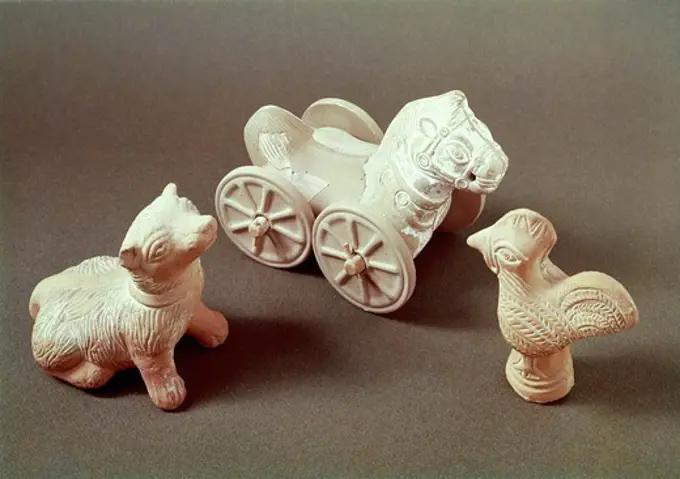
A variety of animal figures crafted from bronze and ceramics, showcasing historical artistry and cultural significance in decorative forms.

Italy, Siena Province, Gaiole in Chianti, Brolio, Bronze statue depicting horse
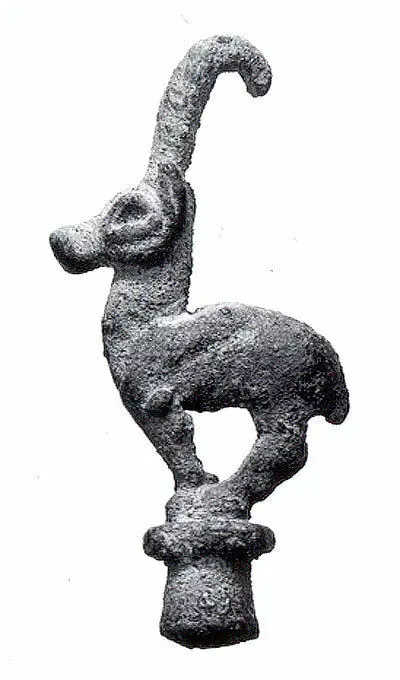
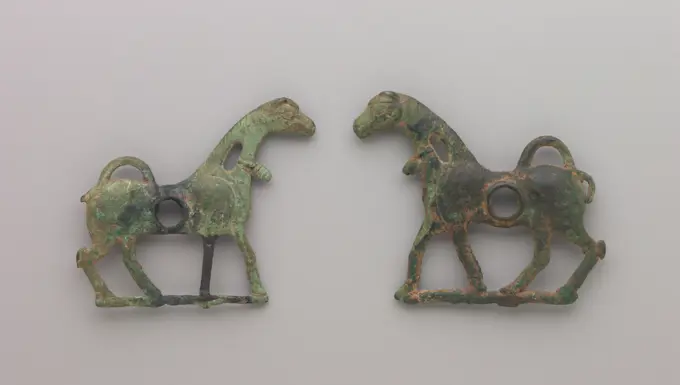
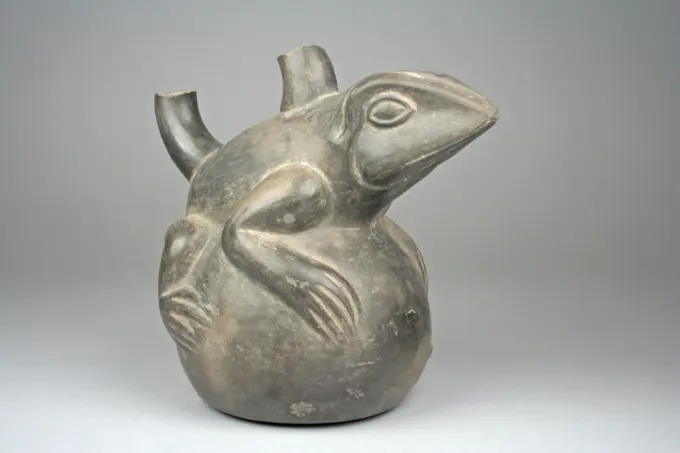
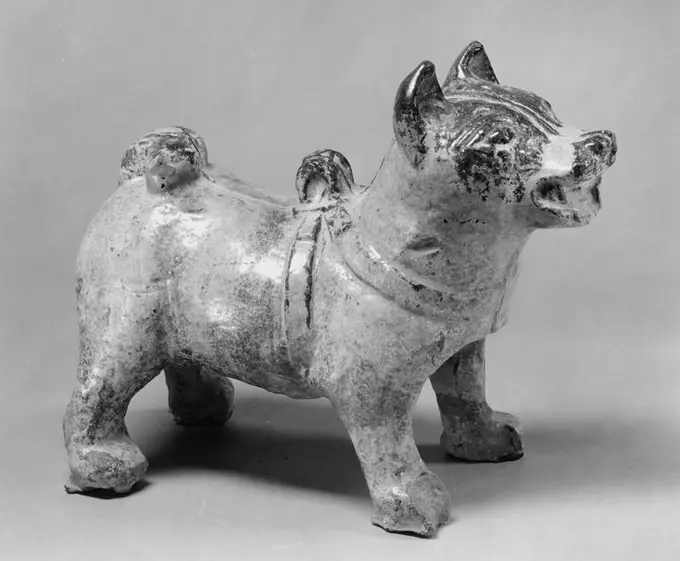
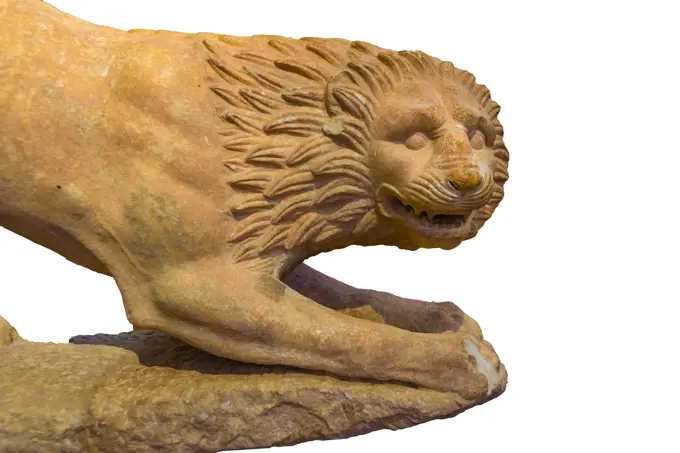
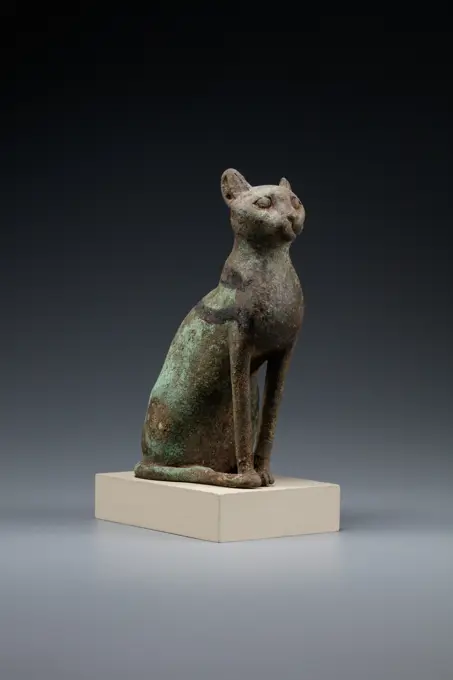
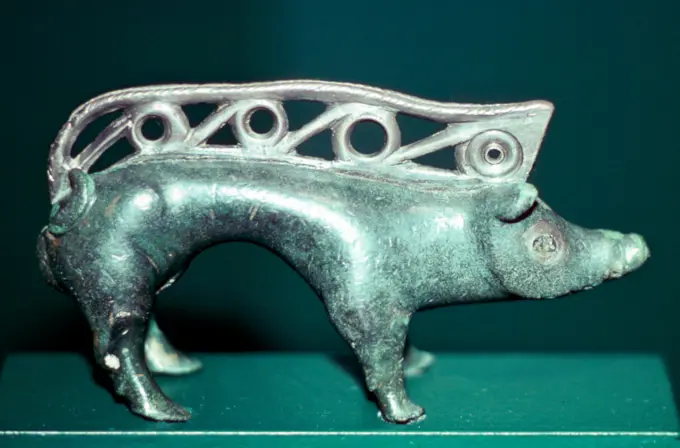
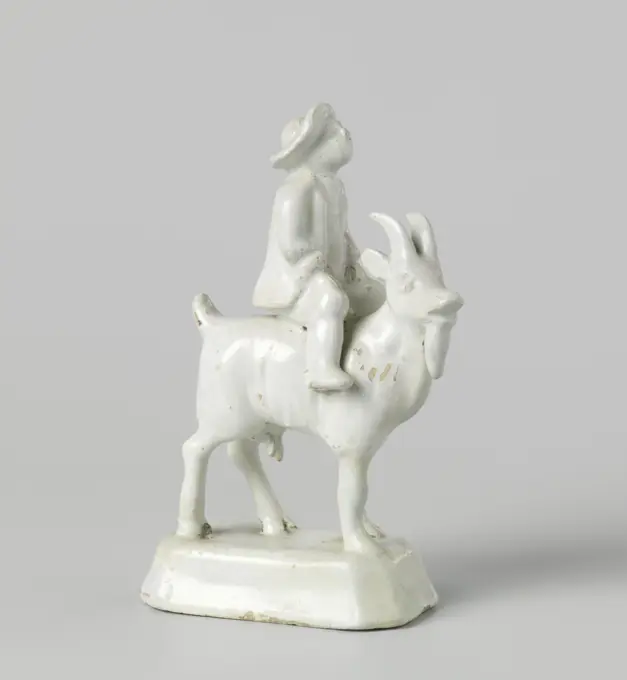
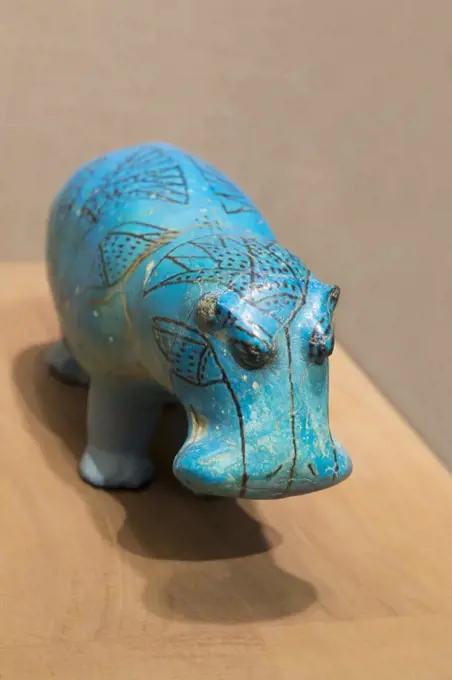
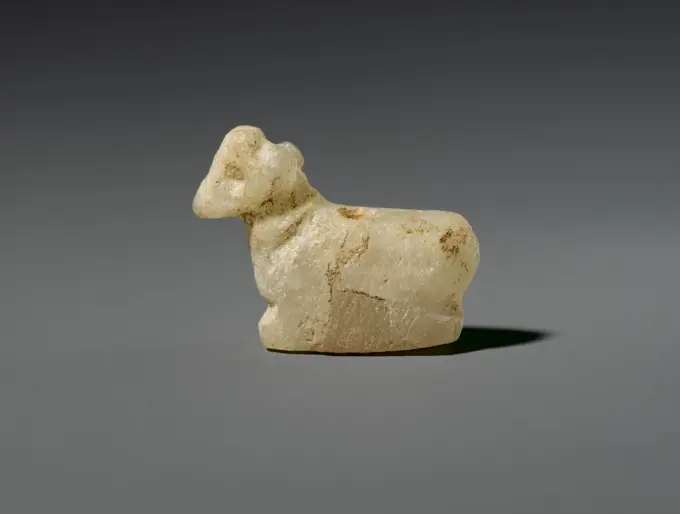
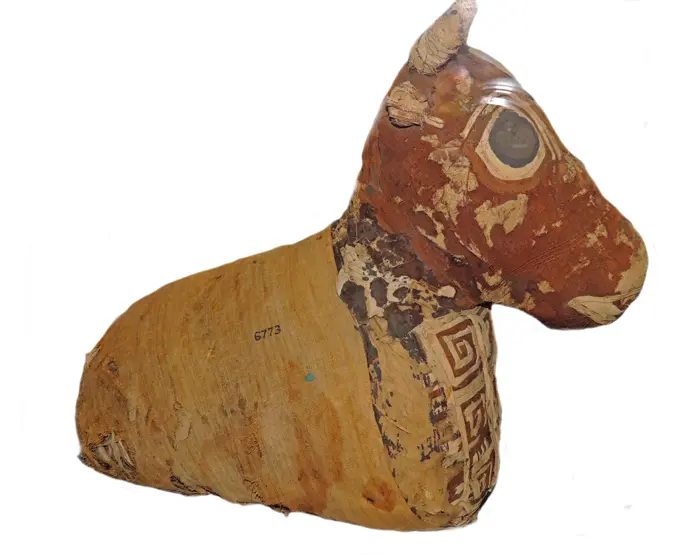
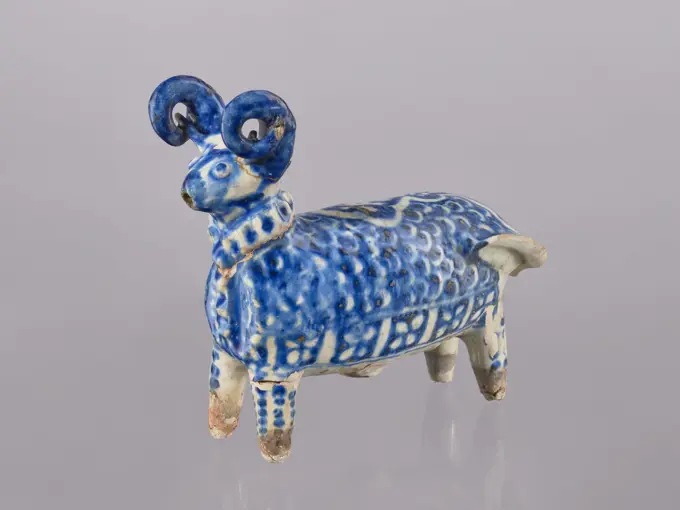
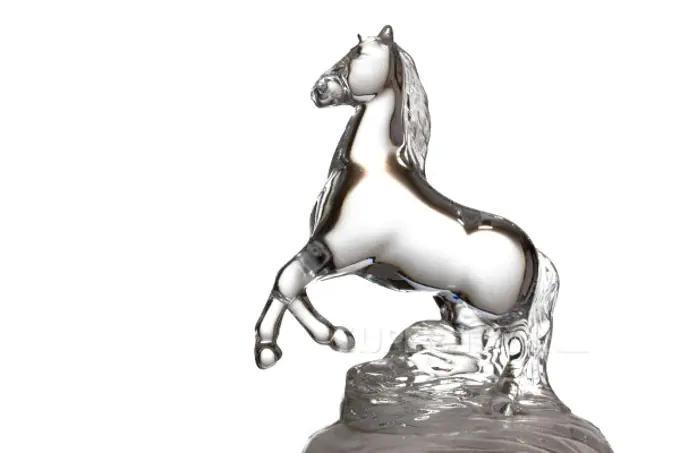
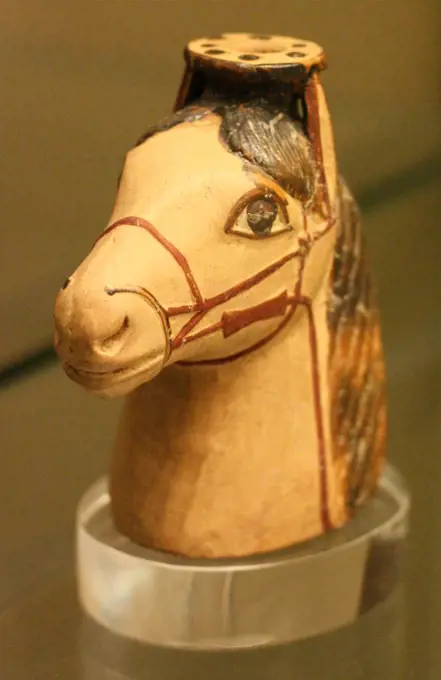
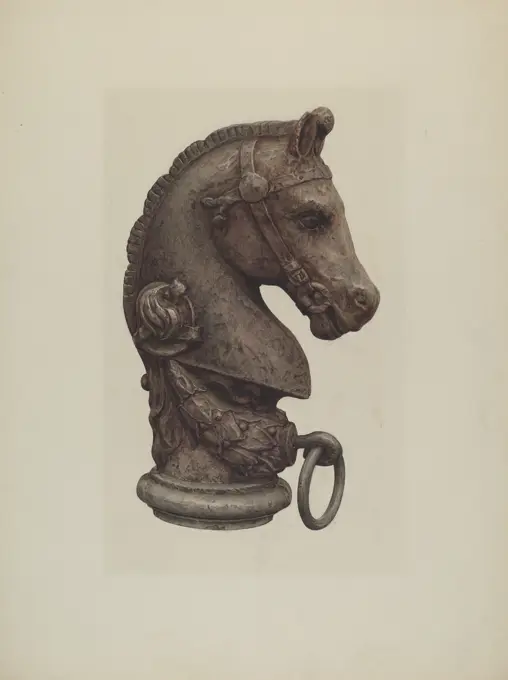
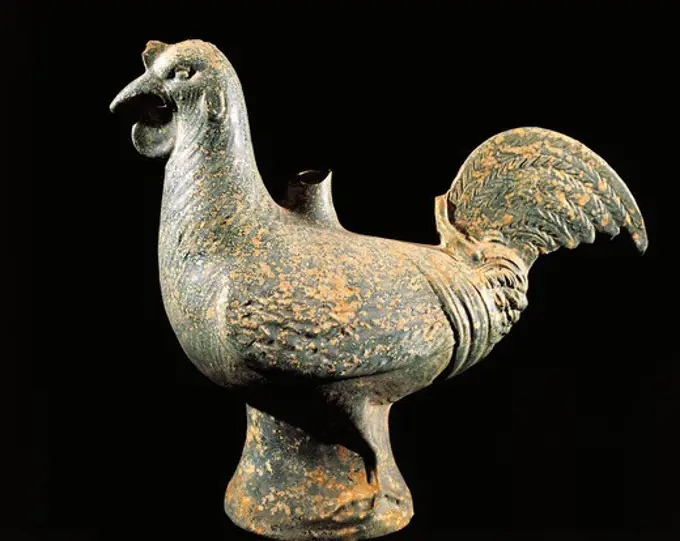
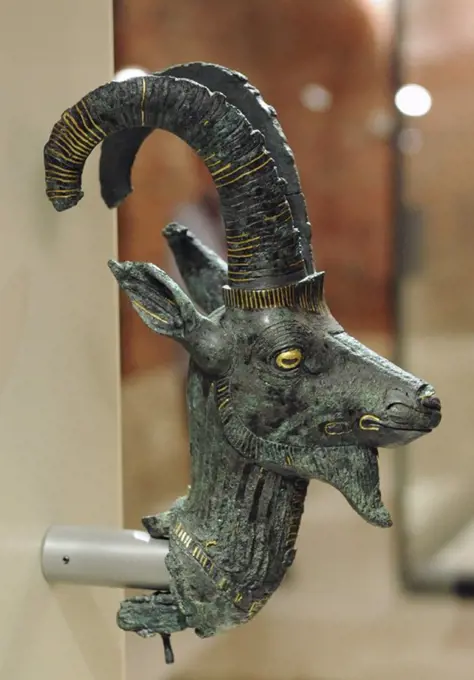
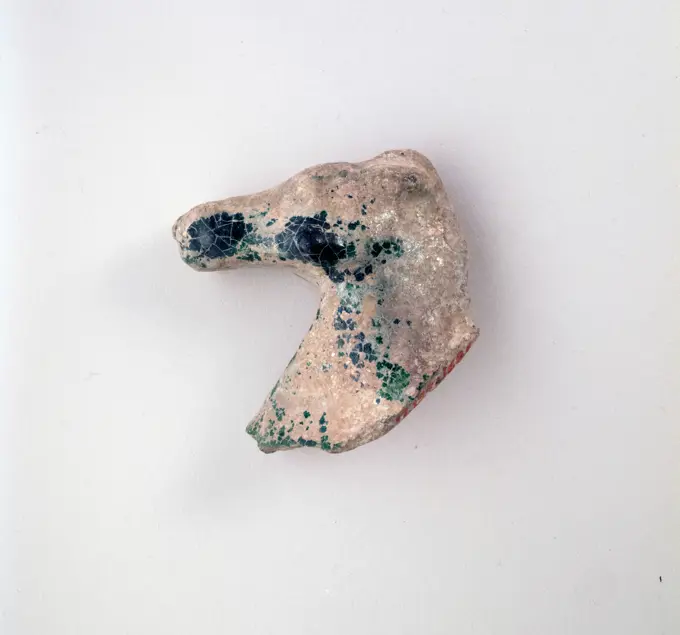
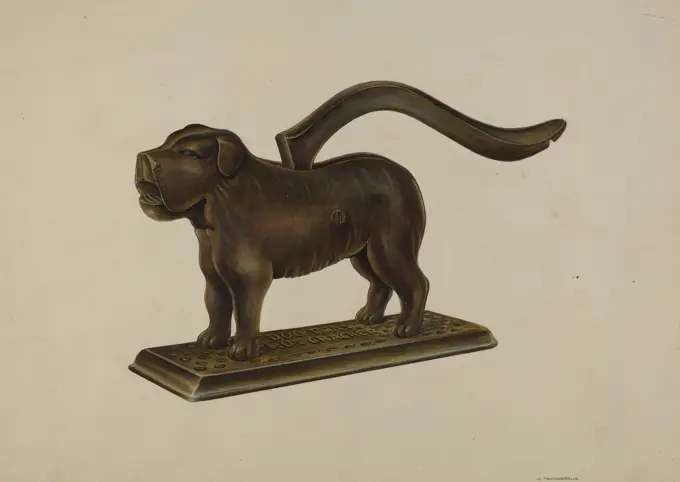
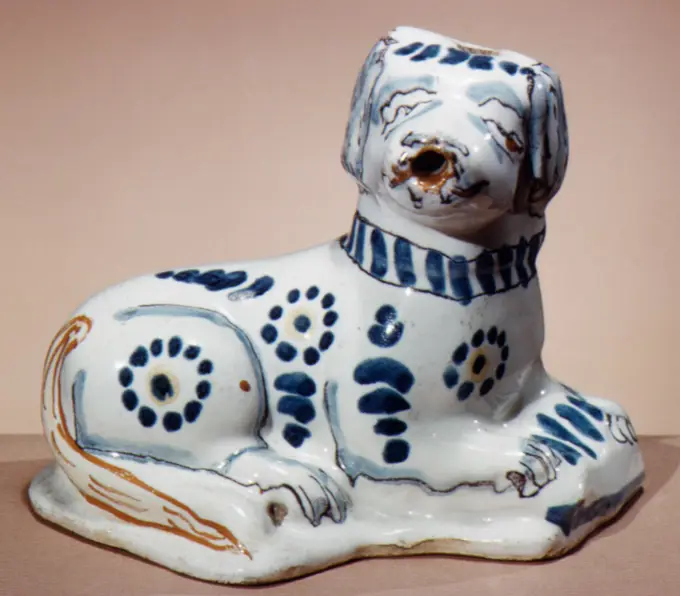
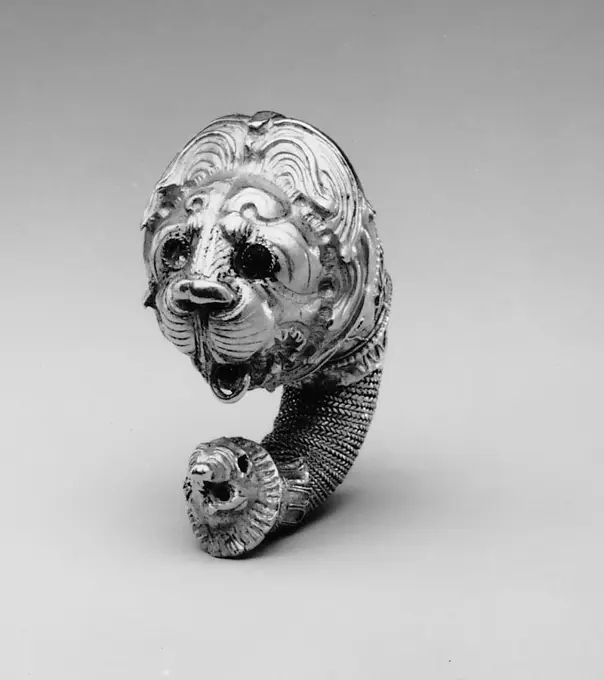
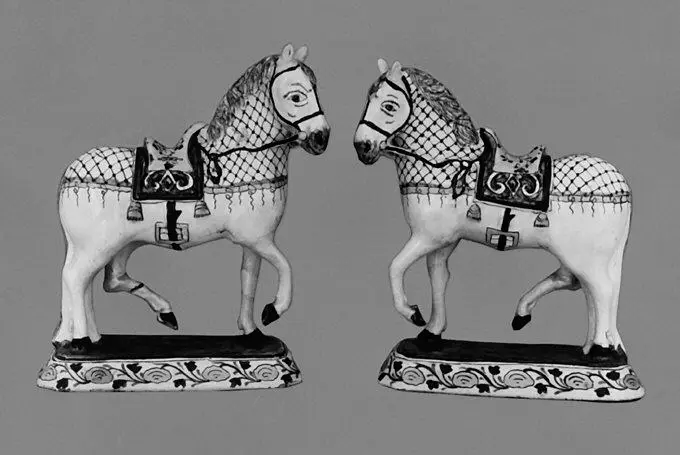
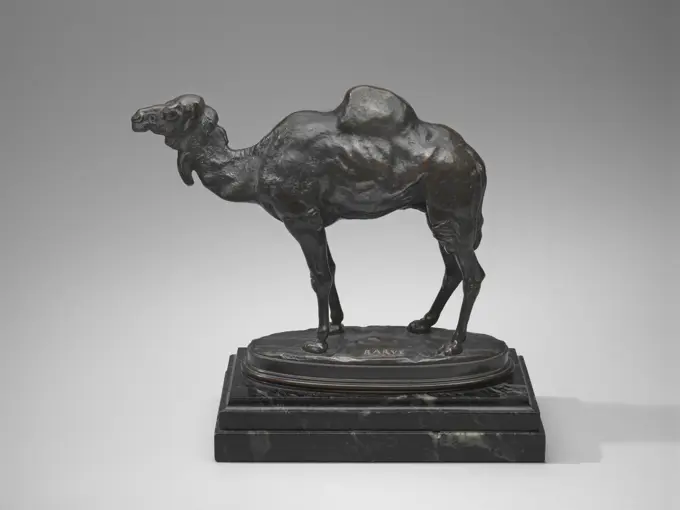
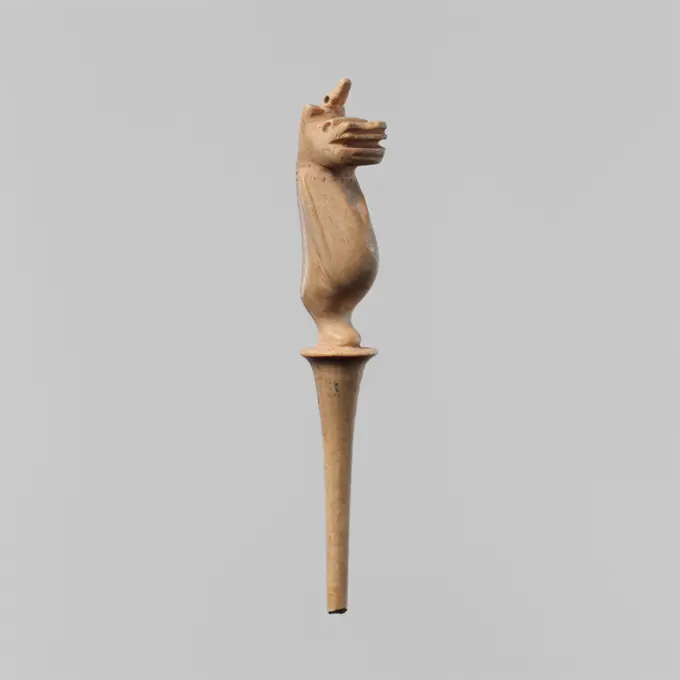
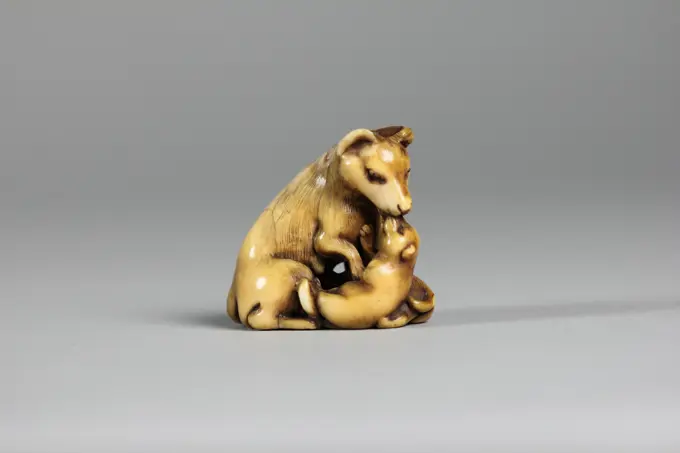
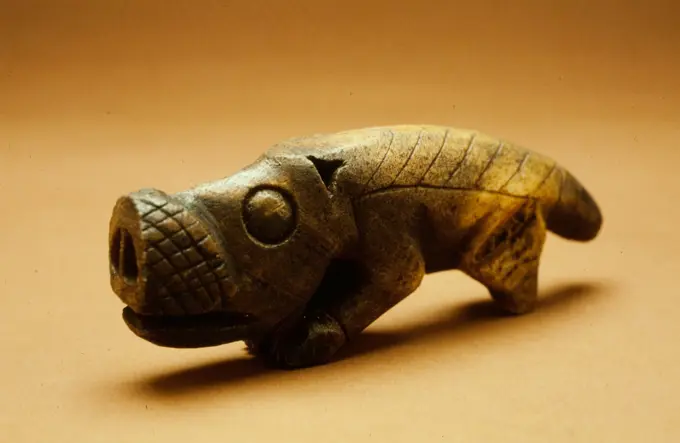
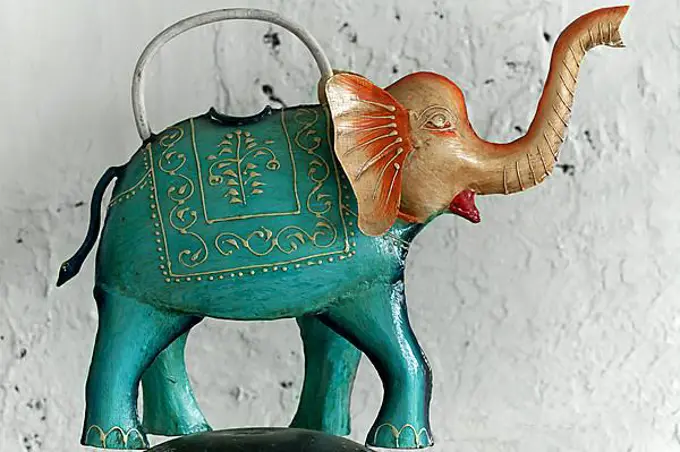
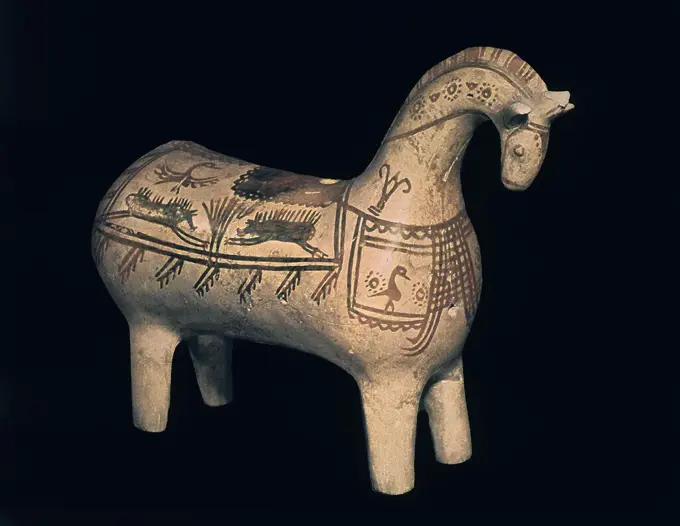
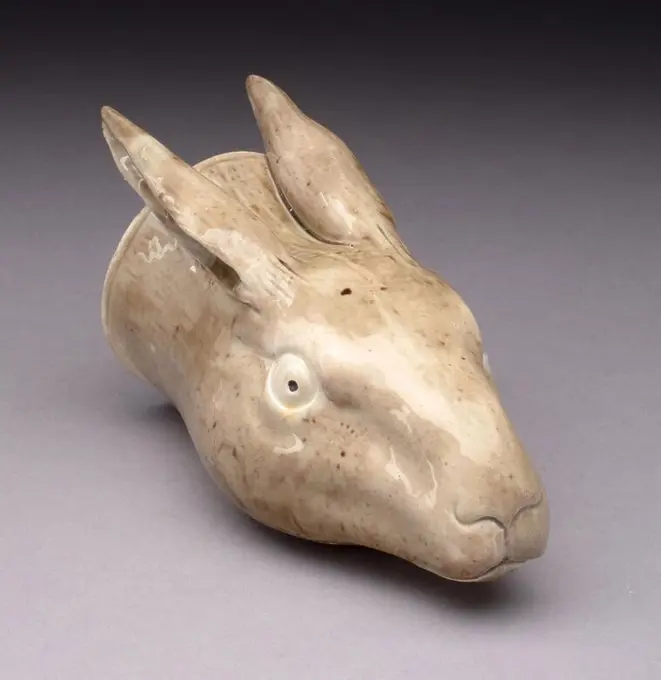
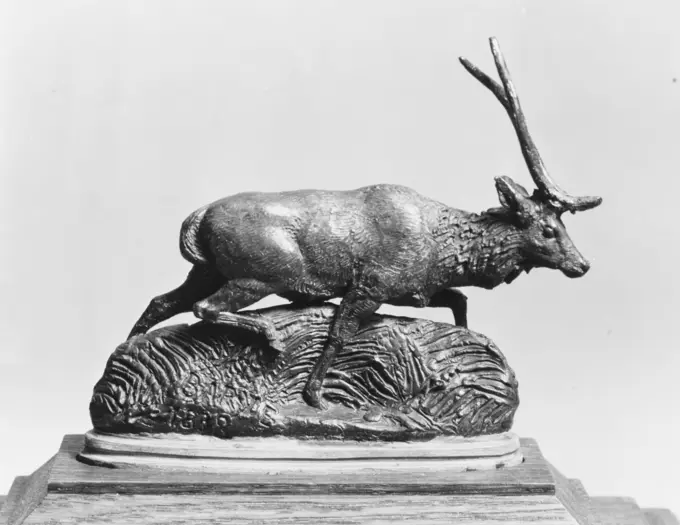
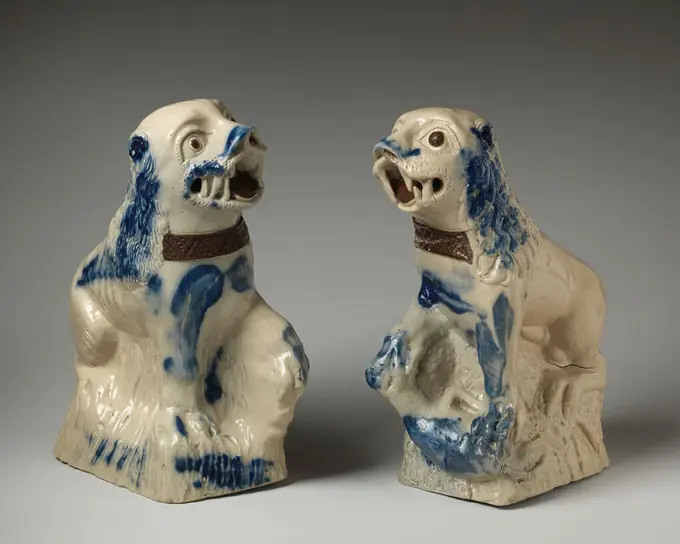
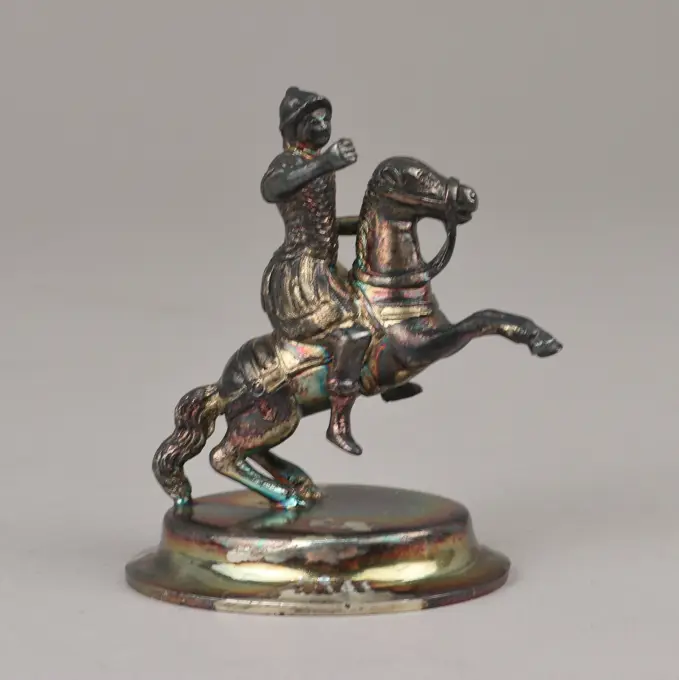
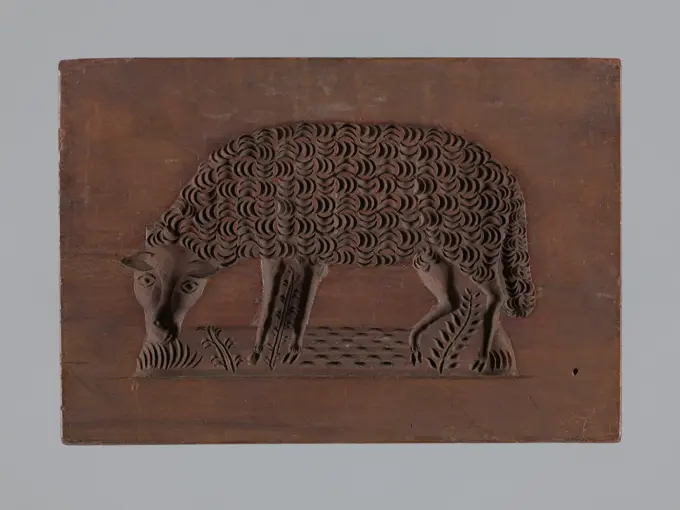
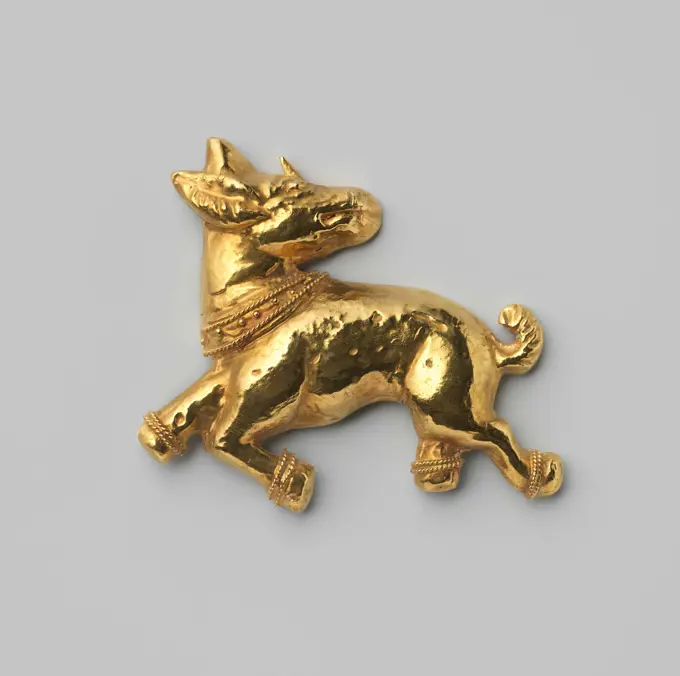
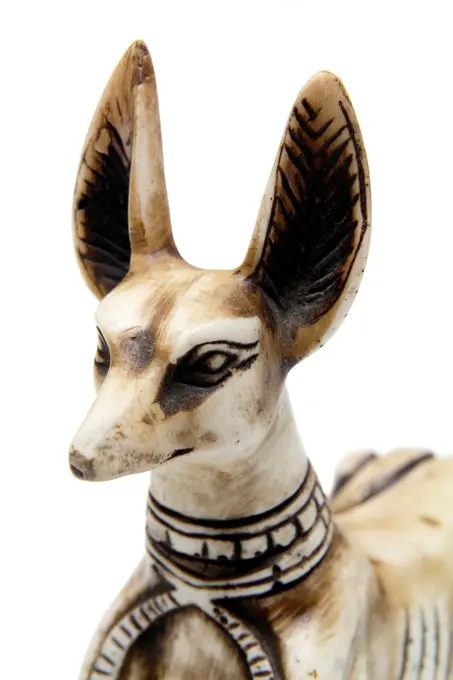
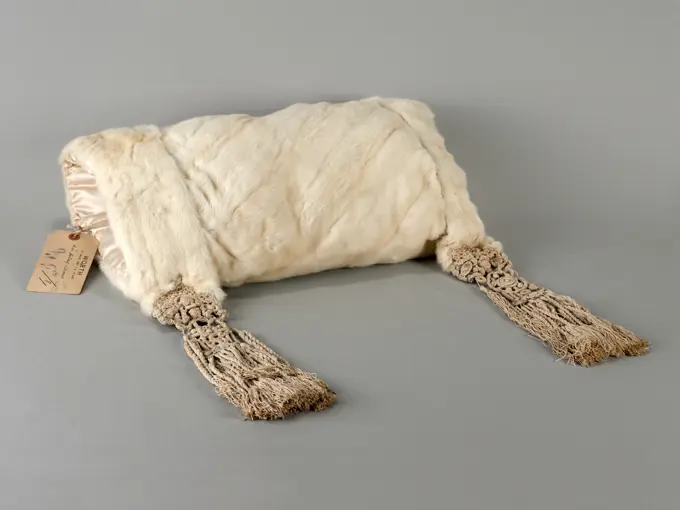
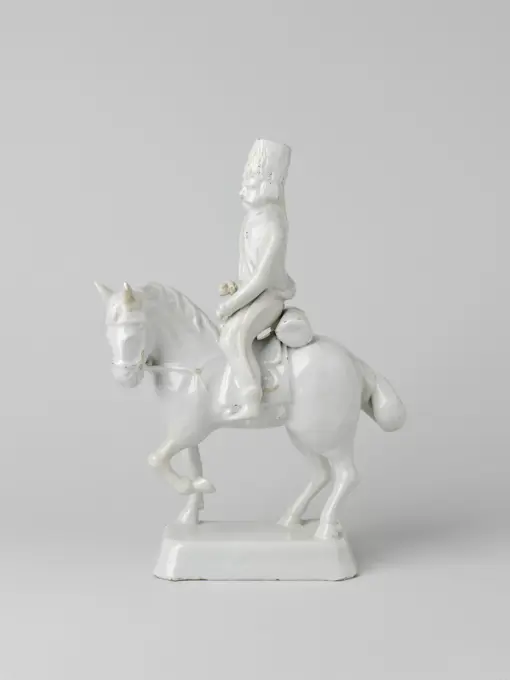
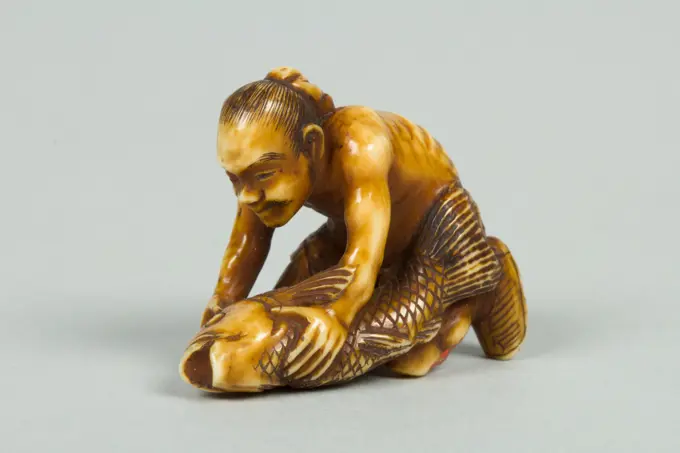
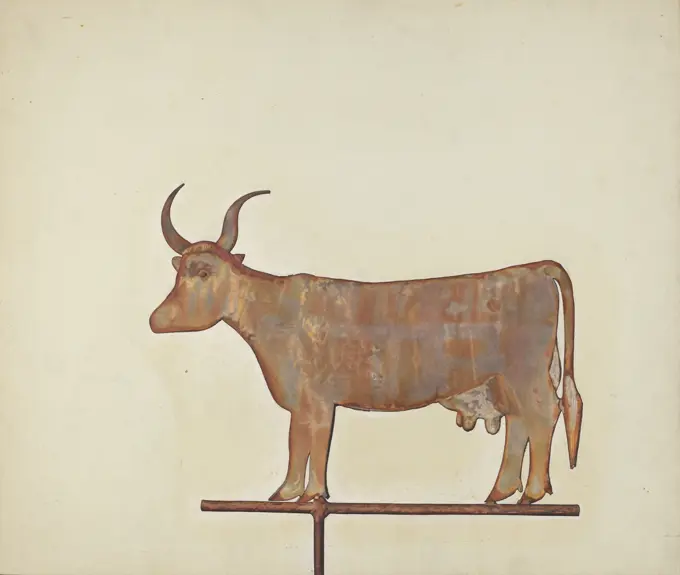
Chariot Yoke Ornament in the Shape of Recumbent Ram 5th-4th century B.C. Northwest China. Chariot Yoke Ornament in the Shape of Recumbent Ram 65263Brass and white metal design fitting on antique wooden horse, Jodhpur, Rajasthan, India Copyright: xSafatxAli/DinodiaxPhotoxHead of pin ca. 8th-7th century B.C. Iran This is the head of a bronze pin in the form of an ibex in the round. The ibex stands with its feet together on a small plinth, perhaps in imitation of a mountain peak. It has tall, curved horns emerging from the top of its head.This pinhead was excavated at Surkh Dum, a settlement site in Luristan in the Zagros Mountains of western Iran. It was found in a structure interpreted as a sanctuary and was thus probably an offering to a god. Such pins were probably used to fasten clothing and as objects of adornment in their own right.The ibex is a distinctly Iranian motif, as they are native to the Zagros Mountains of western Iran, but did not live, for example, on the plains of Mesopotamia. Thus they are a marker of the unique, mountain identity of the people living in western Iran during the Iron Age.. Head of pin 323969MiniatureTigerBelt Hook in the Form of a Dragon with Flaming Pearl. China, Chinese, Ming dynasty, 1368-1644. Jewelry and Adornments; hooks. Abraded jadeBronze and enamel fibula in the shape of a hippocampus, Crimea. Scythian Civilization, 1st-3rdCentury.Bridle Cheekpieces in Shape ofHorsesLizard Stirrup Spout Jar 12th-15th century Chimú. Lizard Stirrup Spout Jar 318606Figure of a Standing Dog. Culture: China. Dimensions: H. 8 7/16 in. (21.4 cm); W. 5 5/8 in. (14.3 cm); L. 11 in. (27.9 cm). Date: 1st-2nd century. Museum: Metropolitan Museum of Art, New York, USA.Greek Art Lion Sculpture Isolated Photo Lion greek sculpture isolated on white background Copyright: xZoonar.com/DanielxFerreira-LeitesxCiccarinox 17036086Statuette, cat 664-525 B.C. Late Period. Statuette, cat. 664-525 B.C.. Bronze. Late Period. From Egypt, Memphite Region, Saqqara, Teti Pyramid Cemetery, Egyptian Antiquities Service excavations, 1926. Dynasty 26Celtic bronze boar. Artist: UnknownBronze horse head. from Cartoceto. Guilded. Roman 27 AD. ITALY.Mythical Animal. China, Chinese, late Ming or middle Qing dynasty, about 1644-1800. Sculpture. Abraded jadeNetsuke, japanese miniature sculpture. Museum: COLECCION PRIVADA.Goat with rider, anonymous, c. 1760 - c. 1800 Image of undecorated faience. On a rectangular pedestal with beveled corners is a goat with a man with a hat on the back. The left hind leg of the goat is placed in front of the right hindleg. Delft (possibly) earthenware. tin glaze. Image of undecorated faience. On a rectangular pedestal with beveled corners is a goat with a man with a hat on the back. The left hind leg of the goat is placed in front of the right hindleg. Delft (possibly) earthenware. tin glaze.I Hear a Call (or Water Spaniel with Pack')' still bank, c. 1900, 5 1/4 x 8 1/2 x 1 3/4 in. (13.34 x 21.59 x 4.45 cm), Iron, pigment, 19th-20th centurySt. George; Niewska, Olga (1898-1943); around 1935 (1930-00-00-1940-00-00);William, faience hippopotamus,  Middle Kingdom of Egypt, tomb chapel of  The Steward Senbi, Meir, Upper Egypt, circa 1961-1878 B.C, Metropolitan Museum of Art, Manhattan, New York City, USA, North AmericaCalf amulet ca. 2700-2600 B.C. Sumerian. Calf amulet. Sumerian. ca. 2700-2600 B.C.. Quartzite (). Early Dynastic II. Mesopotamia, NippurMummy of a Young Bull 20 B.C. Thebes. Horse 18th-19th century Spanish or Italian, Venice (Murano). Horse. Spanish or Italian, Venice (Murano). 18th-19th century. Glass. GlassFlayed Horse III. Dated: model c. 1820/1824, cast 1959-1960. Dimensions: overall: 23.2 x 21.7 x 11.6 cm (9 1/8 x 8 9/16 x 4 9/16 in.). Medium: bronze. Museum: National Gallery of Art, Washington DC. Author: Théodore Géricault.Mina Lowry, Hobby Horse, 1935 1942 Hobby HorseCart with Ox andPigCopper gilt button set with a glass disc with an intaglio dog & inscription scroll, 1770-1800. Manufacturer unknown, made in BirminghamBronze statuette of bull. Culture: Roman. Dimensions: Length 2 1/4in. (5.7 cm). Date: 1st-2nd century A.D..Statuette of a bull; missing its forelegs. Museum: Metropolitan Museum of Art, New York, USA.Figurine of ram - aquamanile. unknown, craftsmanTortoise. Culture: China. Dimensions: Gr. H. 2 7/8 in. (7.3 cm); Gr. W. 3 in. (7.6 cm); Gr. L. 4 5/8 in. (11.7 cm). Museum: Metropolitan Museum of Art, New York, USA.Turkey, Buyukkale, Sculptures representing a couple of harnessed bulls, painted terracottaCrafts of horseArmor for Man and Horse. Culture: Italian, Milan and Brescia. Dimensions: as mounted, H. of horse armor 75 1/2 in. (191.8 cm); L. of horse armor 90 in. (228.6 cm); W. of horse armor 30 in. (76.2 cm); Wt. of horse armor including saddle 93 lb. 1 oz. (42.2 kg); Wt. of man's armor approx. 37 lb. (16.78 kg). Date: man's armor, ca. 1570 and later; horse armor, ca. 1580-90 and later.The horse armor is covered with etched ornament that includes undulating foliage, mythological creatures, winged putti, and heroes from Biblical and Classical history, such as David and Goliath and Marcus Curtius. The exuberant sketchlike quality of the etching and the preference for overall decoration suggest an origin in Brescia, the second most important armor-producing center in northern Italy after Milan. Brescia was the principal supplier of arms to the Venetian Republic. Like the adjacent Italian horse armor, this example comes from the armory of the counts Collalto at the castle of San Salvatore, near TrTerracotta scent bottles Made in East Greece, about 610-550 BC. Such novelty-shaped bottles for perfumed oil were particularly popular in East Greece.American 20th Century, Hitching Post, 1935 1942 Hitching PostCANDIL DE BRONCE CON LA FIGURA DE UN PAVO REAL. Location: PRIVATE COLLECTION. MADRID. SPAIN.Zoomorphic vase in shape of chicken, glazed ceramicHead of an ibex of a sacred barque. Dynasty 21. Third Intermediate Period. 1070-946 BC. Bronze with gold. Neues Museum. Berlin. Germany.Vase fragment Roman Bluish-green glazed horse-head.. Vase fragment. Roman. Terracotta. VasesCABALLO EN TERRACOTA ARTE CHINO DINASTIA HAN. Location: Rijksmuseum. Amsterdam. HOLANDA.Gerald Transpota, Nutcracker  Dog Tray, c 1940 Nutcracker: Dog TrayDog early 17th century British, possibly Lambeth. Dog. British, possibly Lambeth. early 17th century. Tin-glazed earthenware. Ceramics-PotteryBuffalo. Republic of Benin, Kingdom of Danhome, Fon peoples. 19th century. Silver, iron, wood.Ancient Greek Tyger Scuplutre Ancient greek open mouth tyger sculpture isolated photo Copyright: xZoonar.com/DanielxFerreira-LeitesxCiccarinox 17826250Elephant toy isolated on the white backgroundGold double lion's head earring last quarter of the 4th century B.C. Greek Earring with head of lion.. Gold double lion's head earring 250985 Greek, Gold double lion's head earring, last quarter of the 4th century B.C., Gold, H. 1 5/16 in. (3.3 cm) width (front to back) 1 in. (2.6 cm). The Metropolitan Museum of Art, New York. Rogers Fund, 1920 (20.236)John Benson How, Standing Horse, 1894-1950, bronze.wooden knight on gray backgroundRider on horseback. Image of unforded faience. On a rectangular pedestal with beveled corners is a rider on horseback. The horse has bent his right. The rider carries a round hat.Rock crystal Statuette of a Lion. Culture: Roman or Byzantine. Dimensions: Overall: 1 1/2 x 2 1/8 x 1 in. (3.8 x 5.4 x 2.5 cm). Date: 3rd-4th century.A groove on the bottom suggests that this tiny lion was formerly mounted onto another object, possibly a scepter. Five rock crystal works found in a cistern in Carthage (now in Tunisia, North Africa) demonstrate the quality of the arts of that great city as the Roman world became Byzantine. The Roman naturalist Pliny, describing its beauty, believed crystal to come from snow. It was thought to protect against kidney ailments and other diseases. Museum: Metropolitan Museum of Art, New York, USA.Cow and Heifers Water Pitcher  c. 1206 Master Ali Ibu Muhammed (12th -13th C)   Bronze Cast Inlaid with Silver Hermitage Museum, St. Petersburg  Pair of horses 1750-75 Anthoni Pennis. Pair of horses 187666 Maker: Anthoni Pennis, Factory: De Twee Scheepjes (The Two Little Ships), Pair of horses, 175075, Tin-glazed earthenware, Height (each): 9 in. (22.9 cm). The Metropolitan Museum of Art, New York. Gift of Henry G. Marquand, 1894 (94.4.23a, b)Rocking Horse. Dated: c. 1941. Dimensions: overall: 43.8 x 57.6 cm (17 1/4 x 22 11/16 in.) Original IAD Object: 26 3/4" high; 43" long. Medium: watercolor, graphite, and pen and ink on paperboard. Museum: National Gallery of Art, Washington DC. Author: Selma Sandler.Cup 16th century German. Cup. German. 16th century. Silver gilt. Metalwork-SilverPendant: Crocodile, 1930 or earlier. Africa, West Africa, Côte d'Ivoire, probably Baule-style goldsmith. Gold; overall: 4.9 cm (1 15/16 in.).Antoine Louis Barye, Algerian Dromedary, model date unknown, cast after 1862 Algerian DromedaryHairpin with a Figure of a Hippopotamus ca. 1981-1640 B.C. Middle Kingdom The figure of an erect hippopotamus represents a goddess invoked as the protector of women in pregnancy and childbirth. Known as Ipi or Taweret ("The Great One"), she is often depicted with a crocodile stretched over her head and along her back. In the form of a hairpin, the goddess was intended to guard its wearer from harm. For an illustration of how the hairpin was used, see 26.3.353ww.. Hairpin with a Figure of a Hippopotamus 545537Netsuke of Dogs late 18th century Japan. Netsuke of Dogs 60286Charm, late 19th century, 5 1/2 x 7/8 in. (14.0 x 2.2 cm), Bone, United States, 19th centuryNeckrest (kali)Bird Pendant 1210 BCE-1190 BCE China. Jade .Colourful Indian elephant figure made of sheet metalAncient Roman terracotta water- spout. Dated 1st CenturyFigura de la dinastía Han (206 a.C. - 9 d.C). Colección privada.RECIPIENTE EN FORMA CABALLO ADORNADO SII AC PRE ISLAMICO. Location: MUSEO BASTAN. Teheran. IRAN.Rhyton Cup in the Form of a Hair. England, Staffordshire. Date: 1775-1785. Dimensions: 8.6 x 7.6 x 16.8 cm (3 3/8 x 3 x 6 5/8 in.). Lead-glazed earthenware. Origin: Staffordshire. Museum: The Chicago Art Institute, Chicago, USA. Author: Staffordshire Potteries.Chessmen (32) Chinese, probably Beijing 19th century The rooks are elephants with circular towers on their backs surmounted by flags; a mahout sits on the elephant's head. The elephants are carved in a curiously wooden manner, far less skillfully than the horses with which the Chinese were familiar. The bases are deeply undercut to form an open design of flowers and leaves. Chinese ivory sets are often carved with great skill and furnished with ornamental bases, some, like these, being foliated. In others carved balls are incorporated in the baluster support or movable concentric balls. These sets were made as gifts for foreigners, or for sale to them, and well-known foreign personages were incorporated into many of them. Others, such as this, consist entirely of Chinese figures, usually with some of the characteristics of the Manchu dynasty, which reigned throughout the nineteenth century and on to 1912. It has been suggested that some of these sets represent Chinese versus Mongols, bBull Head Attachment, c. 700-600 BC. Urartian, northwest Iran, possibly Gusçi, Lake Urmia, c. 700-600 BC. Bronze; overall: 16.6 cm (6 9/16 in.).Java Deer 1838 Antoine-Louis Barye French In 1838 Barye obtained a commercial patent for casting small bronzes, and by 1845 he had formed a partnership with the entrepreneur Emile Martin for the purpose of producing small bronzes in quantity for middle-class collectors. Barye soon began to market his bronzes with the aid of a series of catalogues that permitted the purchaser to order from a variety of models. The earliest catalogue was published in 1844. The catalogue of 1847 stated that each bronze would be numbered and punch marked, but the marking system was quickly abandoned, perhaps because of its very success. After Barye's death, the models were bought by a number of founders, some of whom continued to use them for many years.. Java Deer 200669Attractive young adults lifestyle in studio seriesAshtray Blue Horse” pattern. Designer Mary Alice Hadley, American Manufacturer: Hadley Pottery Company, Inc., Louisville, Ky, founded 1940Joseph Goldberg, Toy Yoke of Oxen, 1935 1942 Toy Yoke of OxenScythian gold stag, probably the centre of a shield. Artist: UnknownPair of Chinese dogs of Foo. Culture: British, Staffordshire. Dimensions: Height (.7): 8 5/8 in. (21.9 cm);Height (.8): 8 1/8 in. (20.6 cm). Date: ca. 1750. Museum: Metropolitan Museum of Art, New York, USA.Gold-Feng Shuei Article Copyright: xAnilxDave/DinodiaxPhotoxDecorated primate skull on display as part of the Service's "Buyer Beware" exhibit located in Logan airport, Boston, MA. The exhibit is designed to educate travelers about the hazards of purchasing wildlife products abroad that are made from endangered o. Subjects: Art; Endangered species; Exhibits; Law enforcement. Location: Massachusetts.  . 1998 - 2011.Imperial Age toysChessman (Knight) third quarter 19th century, after 17th century original Elkington & Co. British This electrotype is after a German seventeenth-century original, at time of reproduction at the Romanoff House, Moscow.. Chessman (Knight) 186532Schnapshund, anonymous, c. 1700 - c. 1800 Body made up of two bulbs with each other. A flat rosette on the dog's chest. Set tail formed from a tube, wound with a wire. Cup set with two ears and a striker pulled out. Around the onset of the tail, a tire pulled out in points, a ribbed thread around the means. Placed legs and ears. Germany glass glassblowing Body made up of two bulbs with each other. A flat rosette on the dog's chest. Set tail formed from a tube, wound with a wire. Cup set with two ears and a striker pulled out. Around the onset of the tail, a tire pulled out in points, a ribbed thread around the means. Placed legs and ears. Germany glass glassblowingSanta’s reindeer for Christmas or other important festival. Red Reindeer model for show.Double -sided gingerbread formWinged Lion Sculpture Isolated Venetian symbolic winged lion sculpture isolated on white background Copyright: xZoonar.com/DanielxFerreira-LeitesxCiccarinox 12853348Display of alibrije - carved, colorful painted animals and fantasy creatures - at the alibrije studio of Jacobo y Maria Angeles in the Zapotec wood carving village of San Martin Tilcajete near Oaxaca, Mexico.Jousting Armor 1550-1590 Italy, northern. Steel .Unicorn in jewelry box. Sculpture, fabachedier, "unicorn". In jewelry box (probably not original).Cat Head' still bank, c. 1920, 3 1/4 x 2 5/8 x 2 15/16 in. (8.26 x 6.67 x 7.46 cm), Ceramic, Austria, 20th centuryOne of a Pair of Boxes in the Shape of Ducks 18th century China Ducks, particularly in pairs, function as symbols of marital bliss in Chinese art, and it seems likely that this charming pair was once either a wedding gift or part of a dowry.. One of a Pair of Boxes in the Shape of Ducks 61856Wooden Deer Toy on White BackgroundEgypt. Egyptian Small Statue. Close-Up On A Statue In Wood Representing The God Anubis.Corbel 12th century French. Corbel. French. 12th century. Stone. Sculpture-ArchitecturalAntique Finish Brass Bullock Cart SculptureDog still bank, 20th century, 4 1/4 x 3 1/16 x 5 1/2 in. (10.8 x 7.78 x 13.97 cm), Ceramic, Mexico, 20th centuryRomania, Poiana, Detail of Cameo ring depicting Athena on a chariotPlastered and painted wood sarcophagus of catWorth. "Muff". Ermine. Ivory switchboard. Ivory satin lining. Around 1909. Galliera, fashion museum of the city of Paris. 73684-3 Accessory, white, cream color, ivory color, fur, ermine, haute couture, Worth house, sleeve, female mode, animalHorse with rider, anonymous, c. 1700 - c. 1800 Rider of undecorated faience. The horse is on a rectangular pedestal and the rider is loose. De Ruiter wears a Bereb hat and a German uniform from the second half of the 18th century. The horse has lifted its left front leg. The rider includes an identical copy with InvNR. BK-1955-403-A. Delft earthenware. tin glaze. Rider of undecorated faience. The horse is on a rectangular pedestal and the rider is loose. De Ruiter wears a Bereb hat and a German uniform from the second half of the 18th century. The horse has lifted its left front leg. The rider includes an identical copy with InvNR. BK-1955-403-A. Delft earthenware. tin glaze.jabali, bronce,periodo romano, museo de Evora,Evora,Alentejo,Portugal, europa.Netsuke 19th century Japan. Netsuke. Japan. 19th century. Ivory. Edo (1615-1868) or Meiji period (1868-1912). NetsukeWynna Wright, Cow Weather Vane, c 1938 Cow Weather VaneA Hand-made traditional wooden Dalecarlian Horse (Dalahast") is a symbol of Swedish Dalarna and Sweden in general.Wet sculpture of black elephant on the buddhist shrine