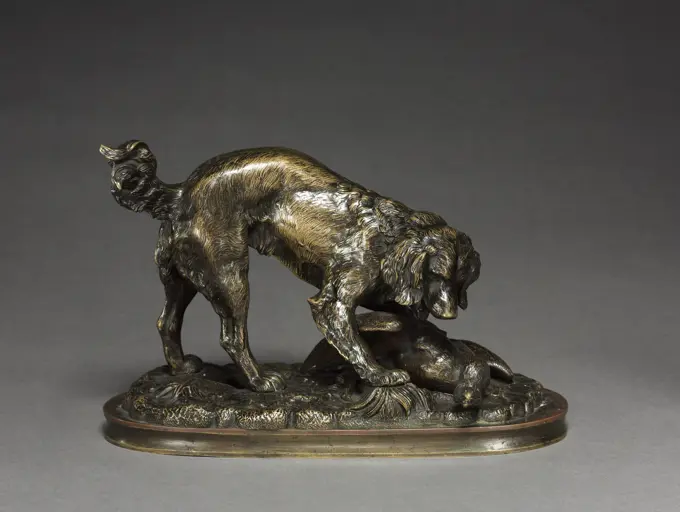
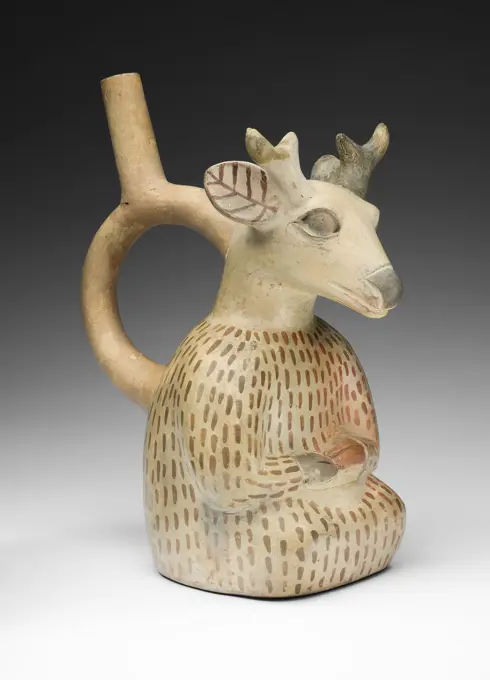
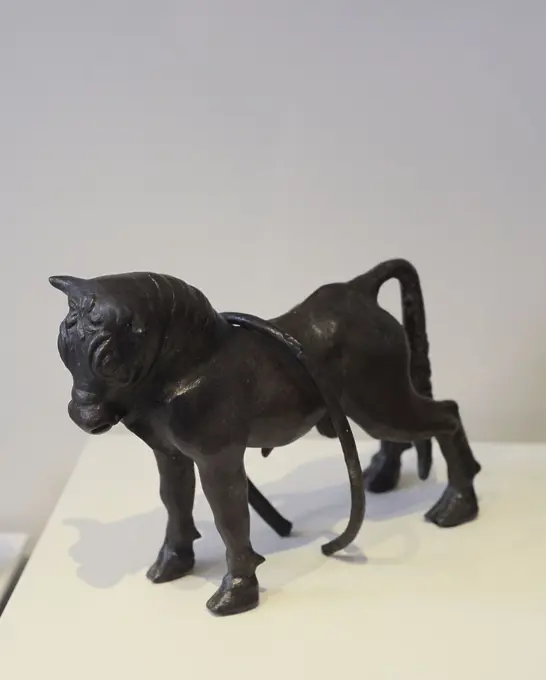
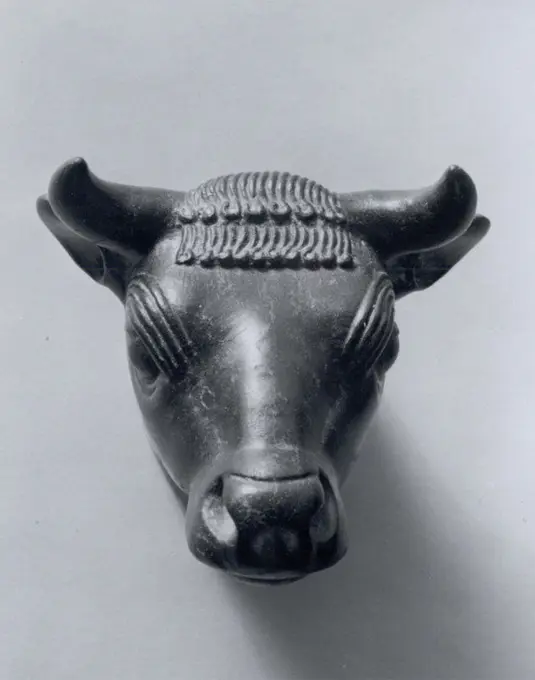
Bronze and Ceramic Animal Figures

A variety of animal figures crafted from bronze and ceramics, showcasing historical artistry and cultural significance in decorative forms.

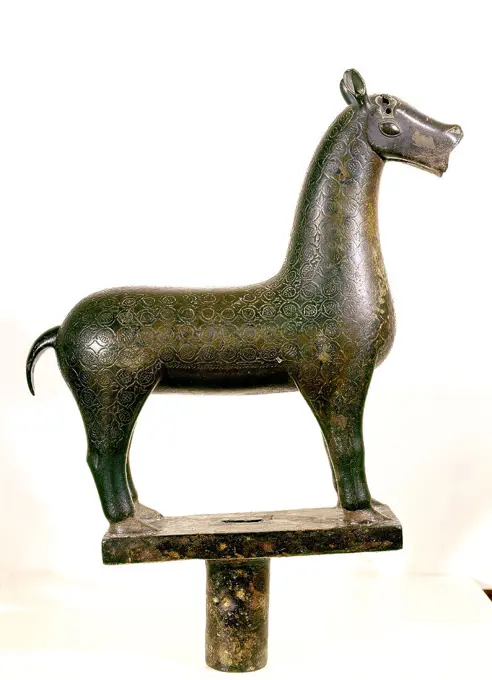
Italy, Siena Province, Gaiole in Chianti, Brolio, Bronze statue depicting horse
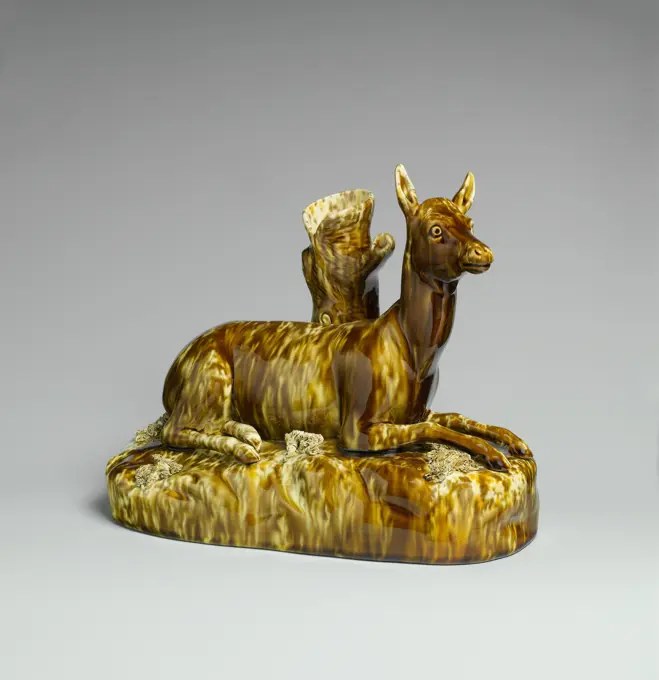
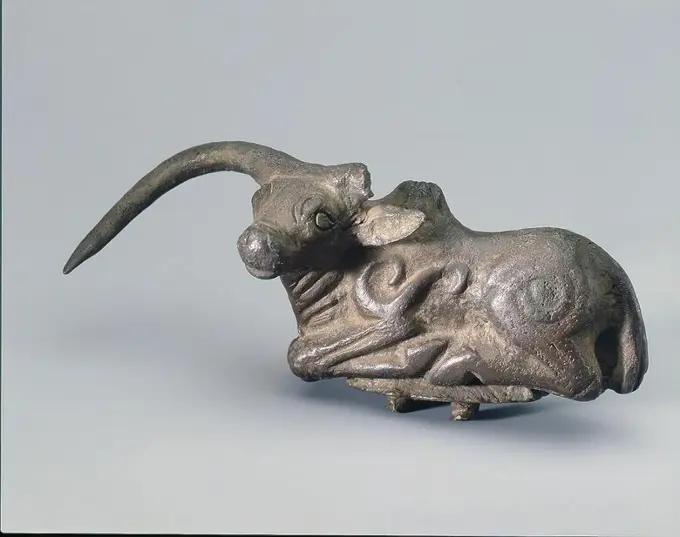
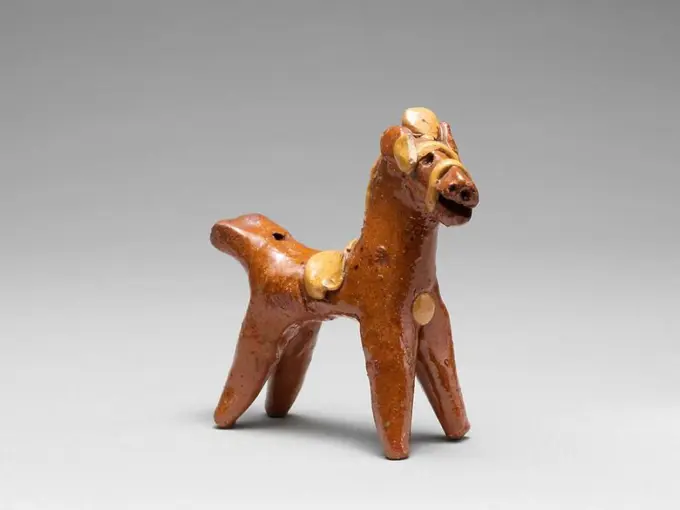
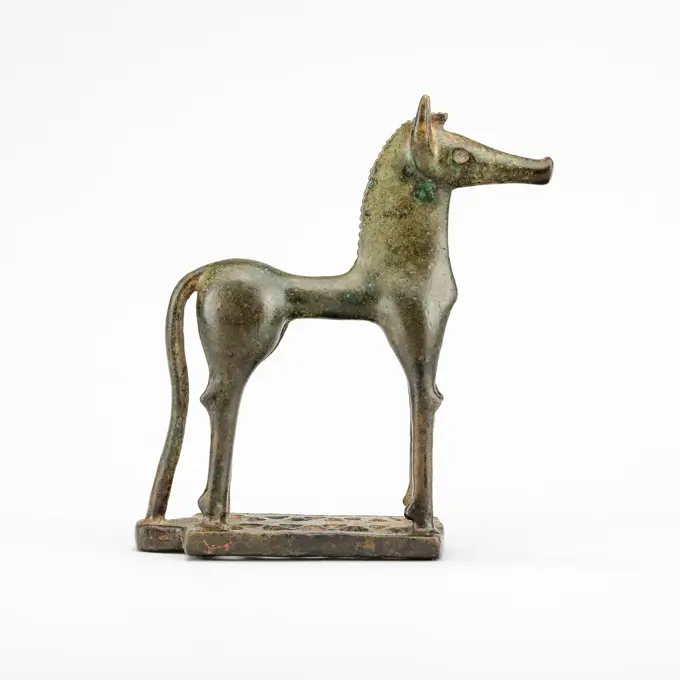
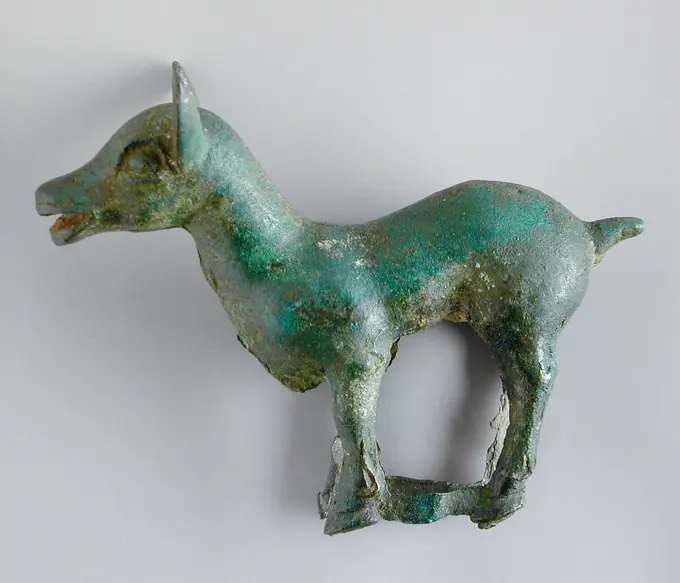
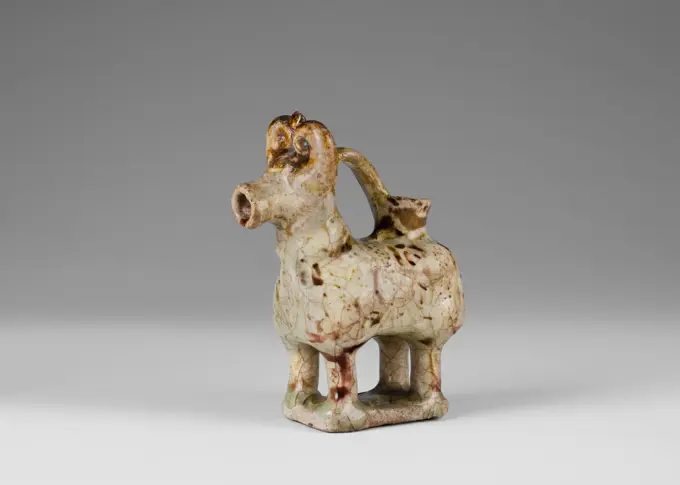
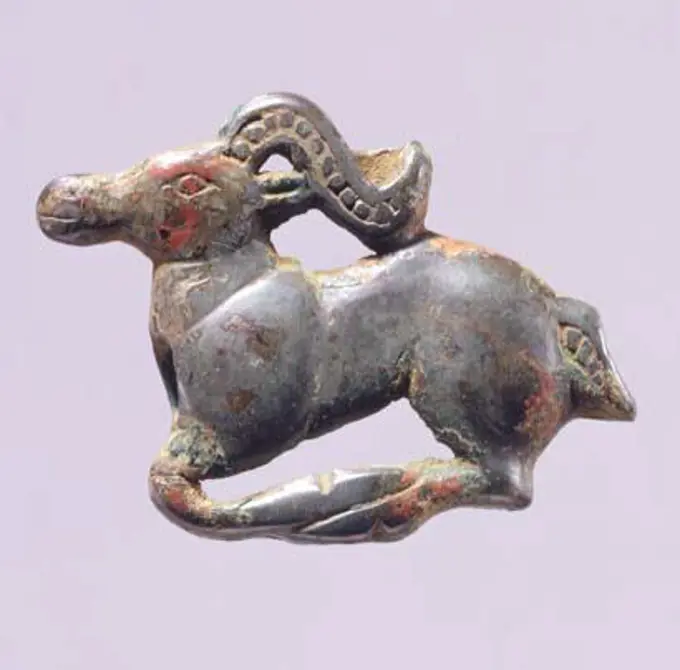
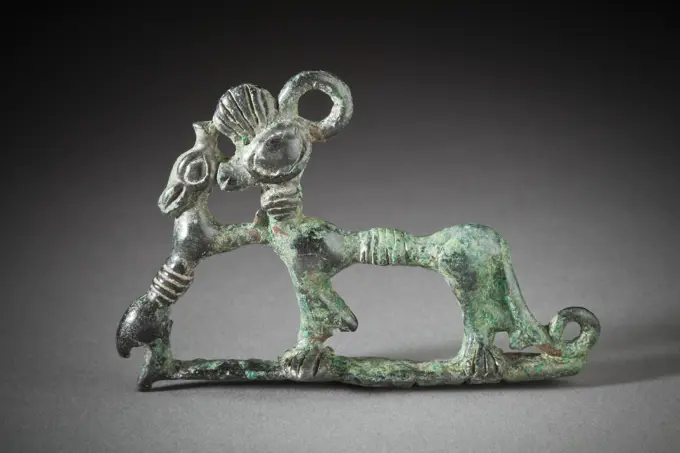
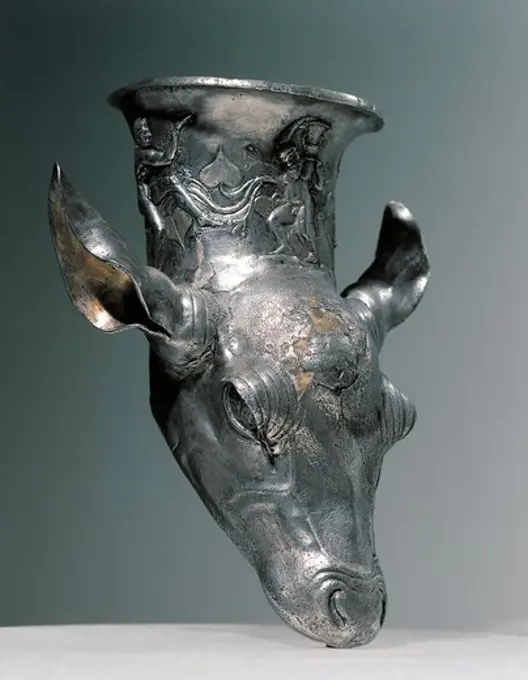
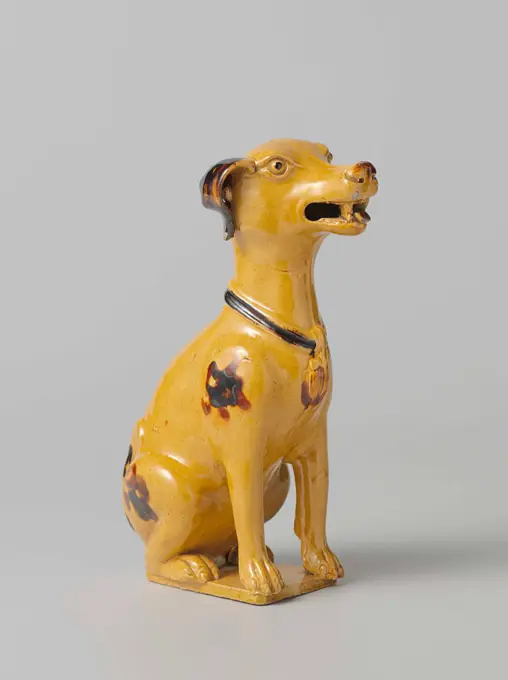
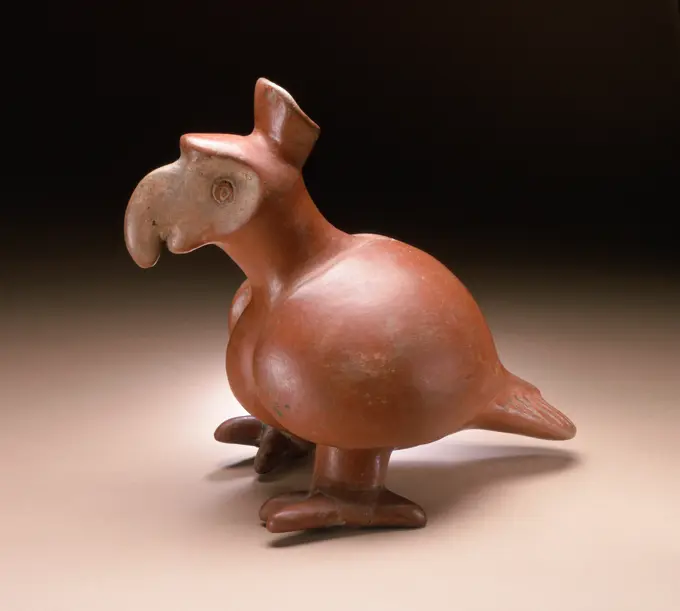
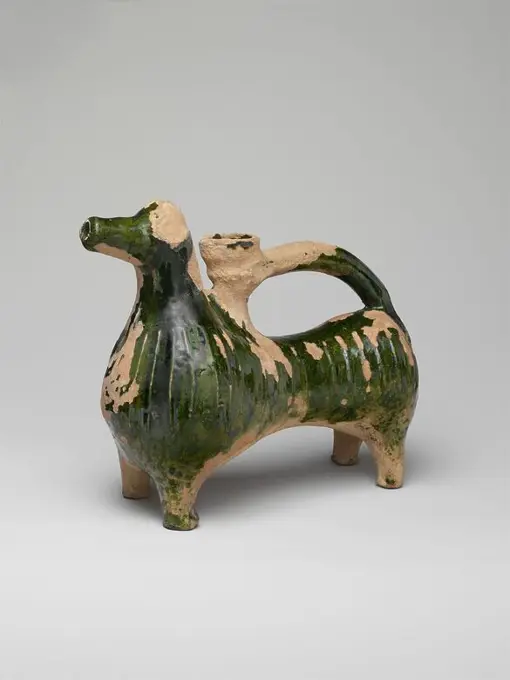
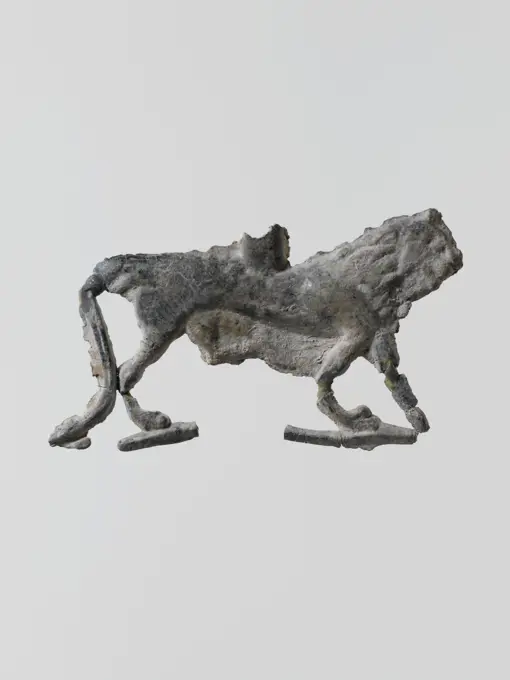
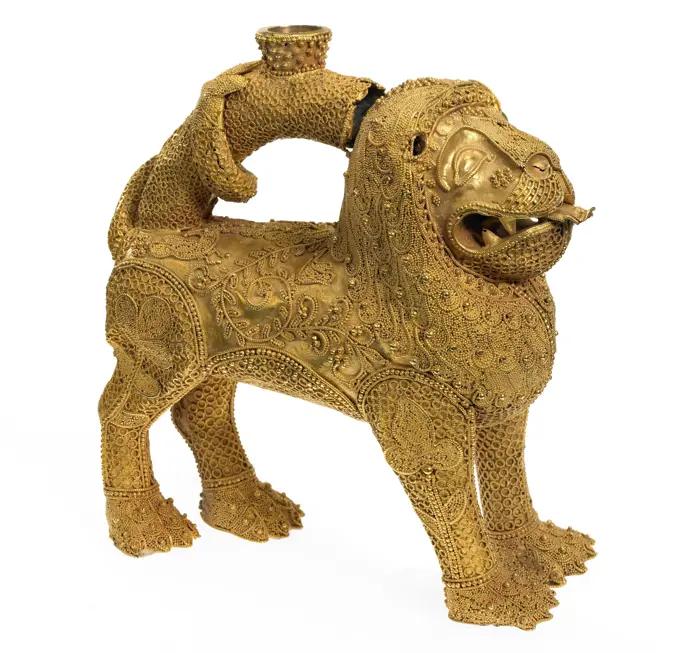
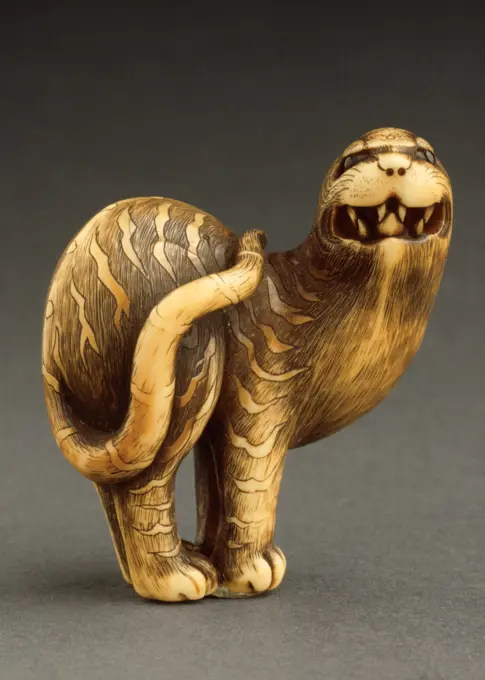
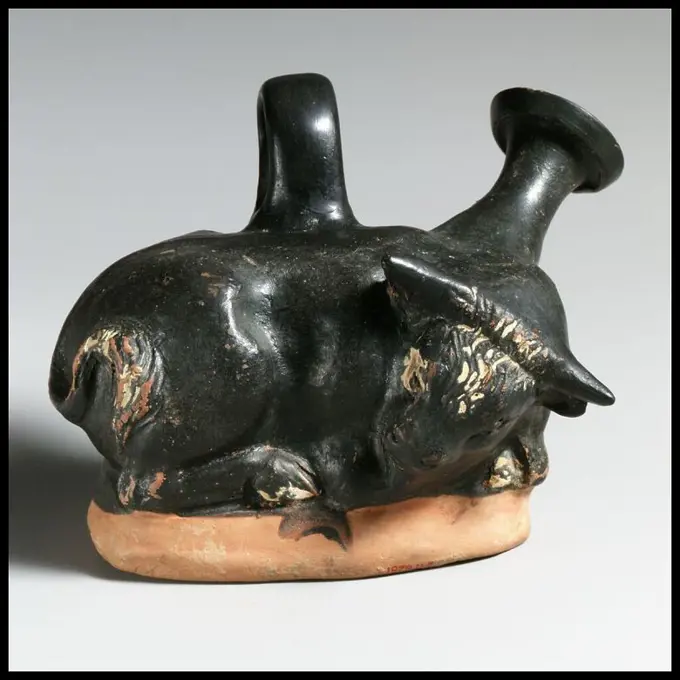
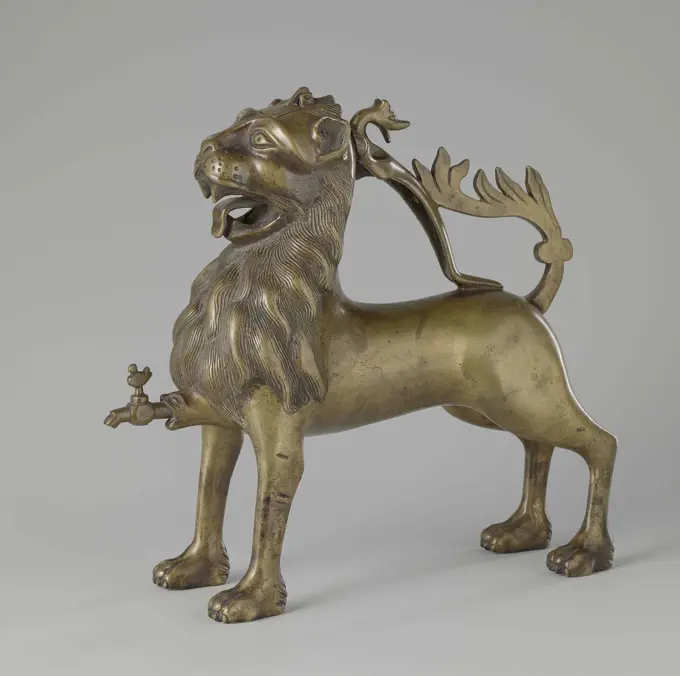
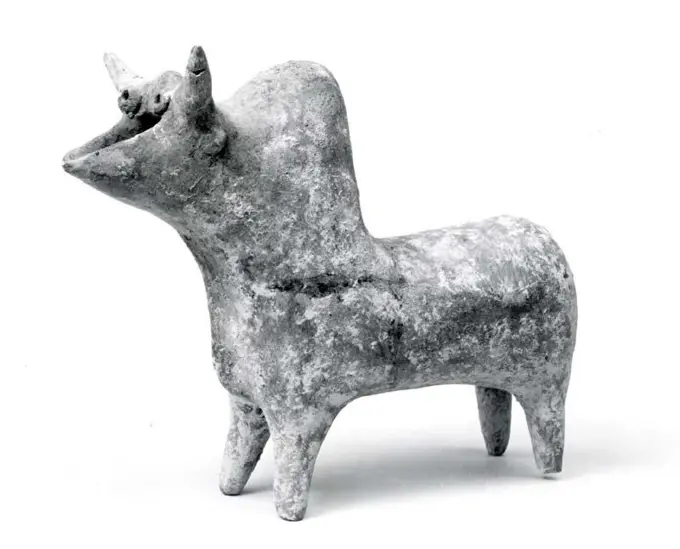
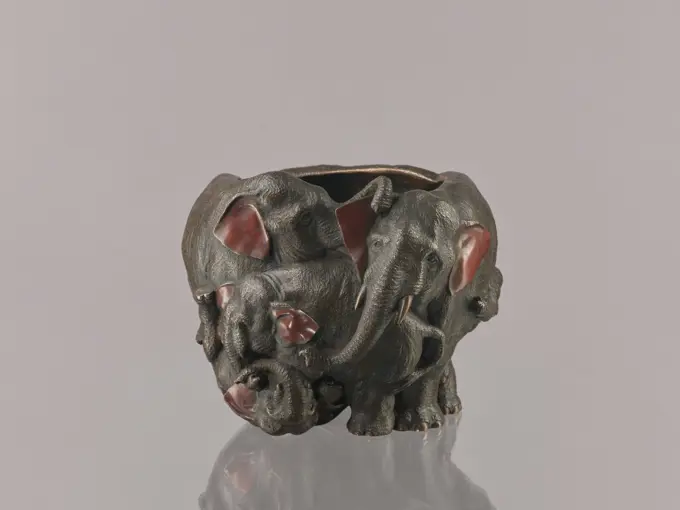
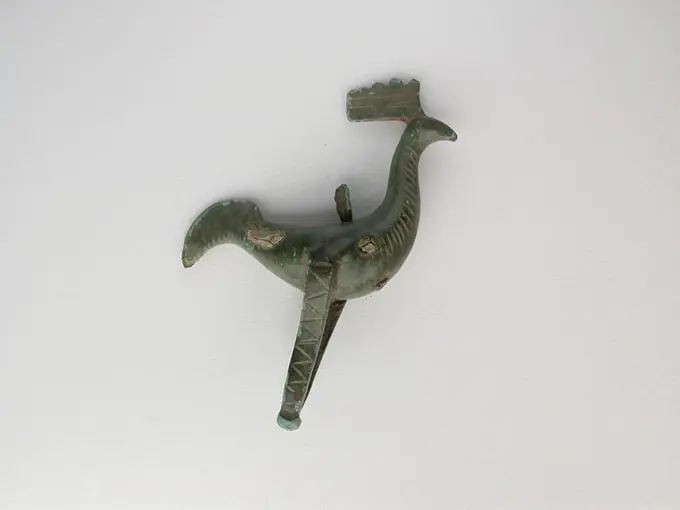
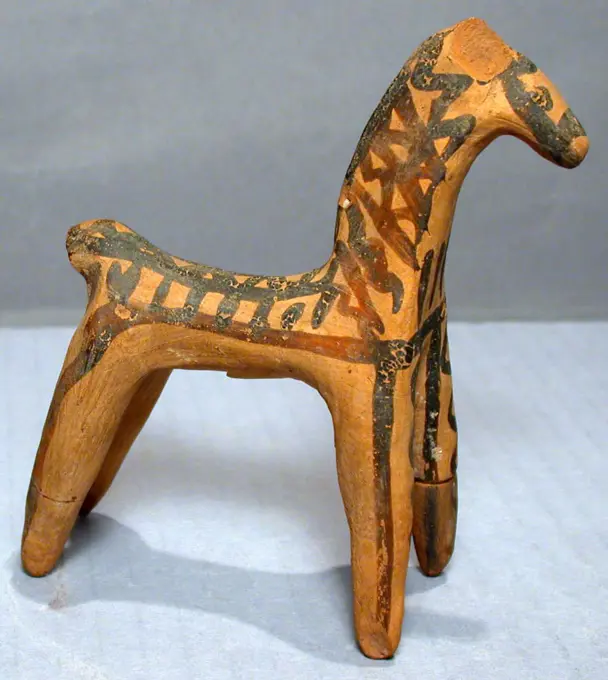
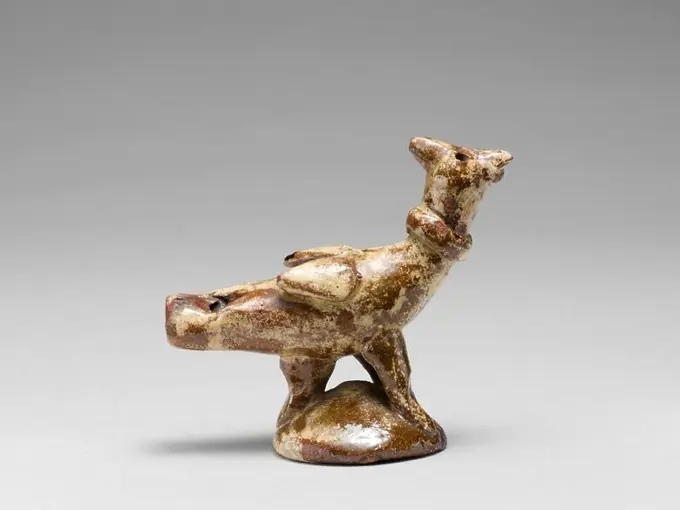
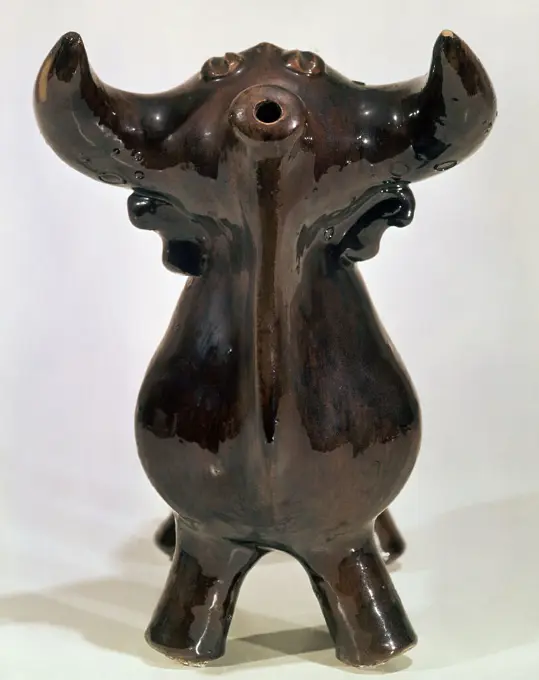
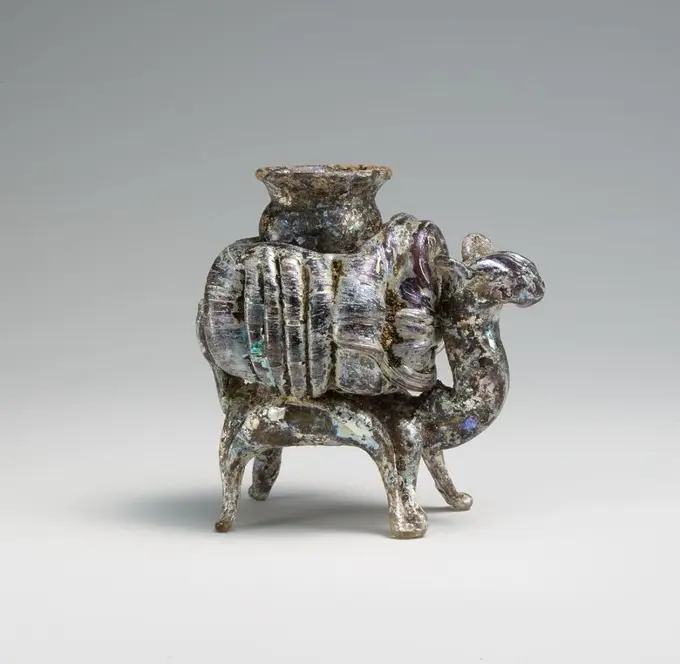
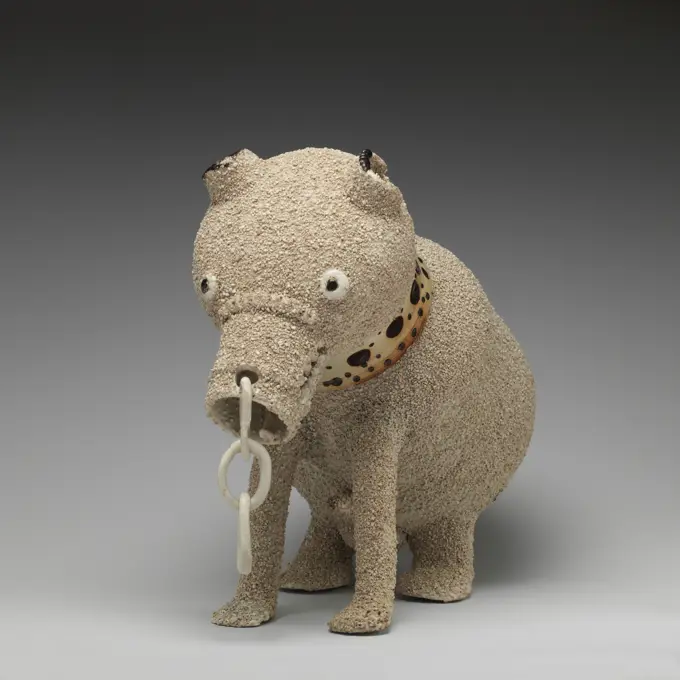
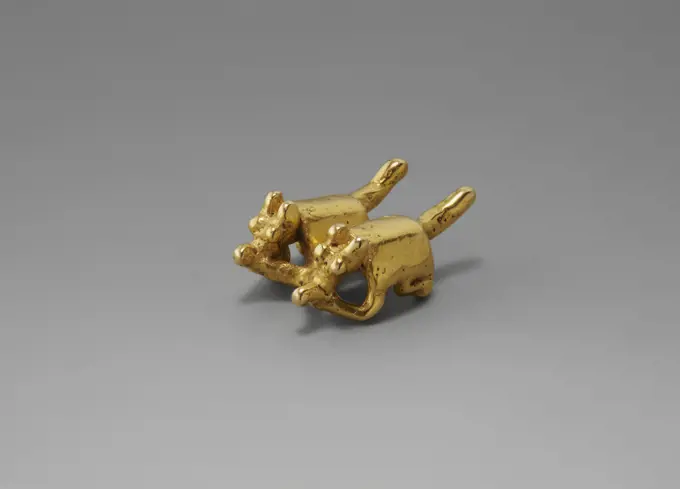
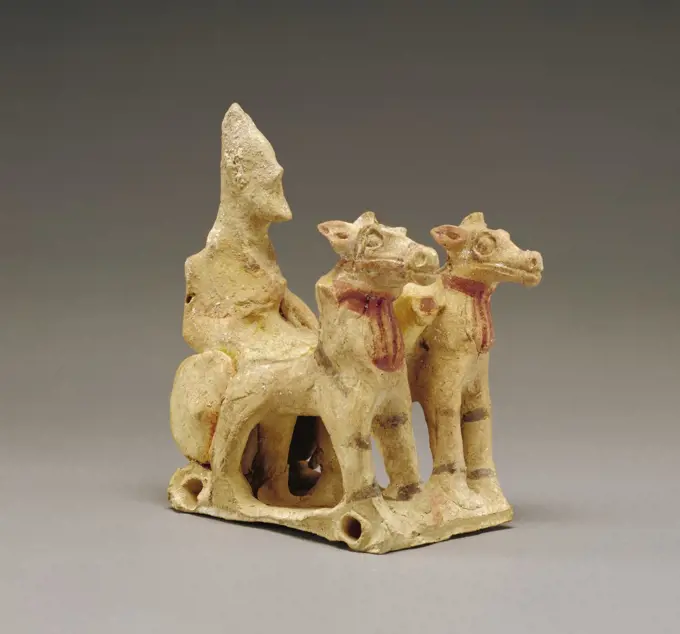
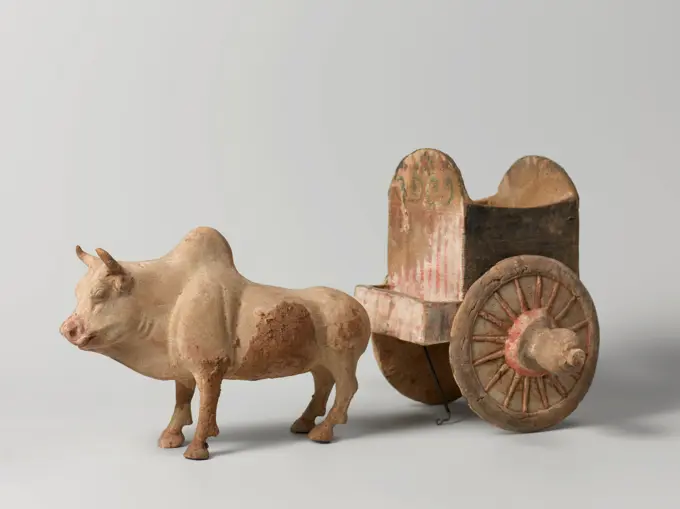
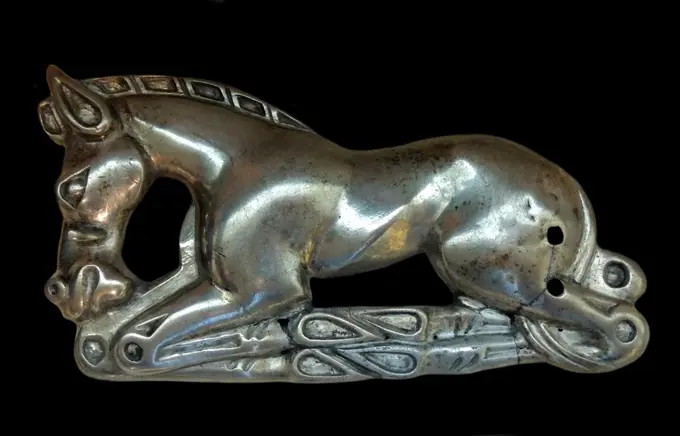
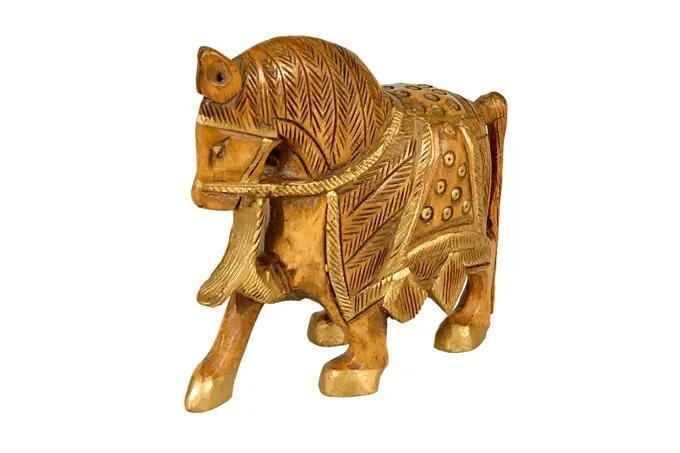
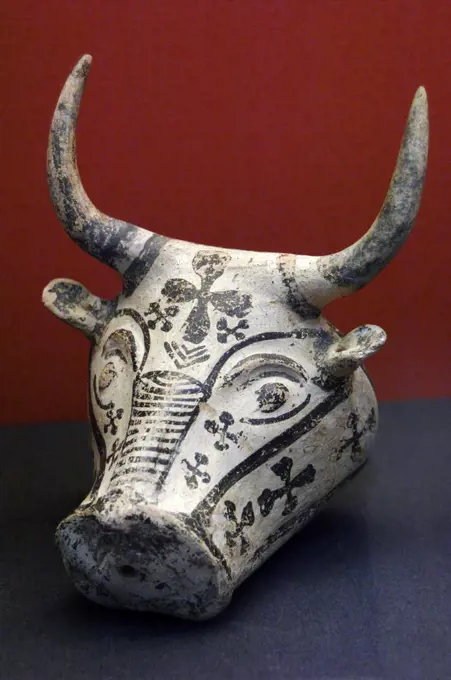
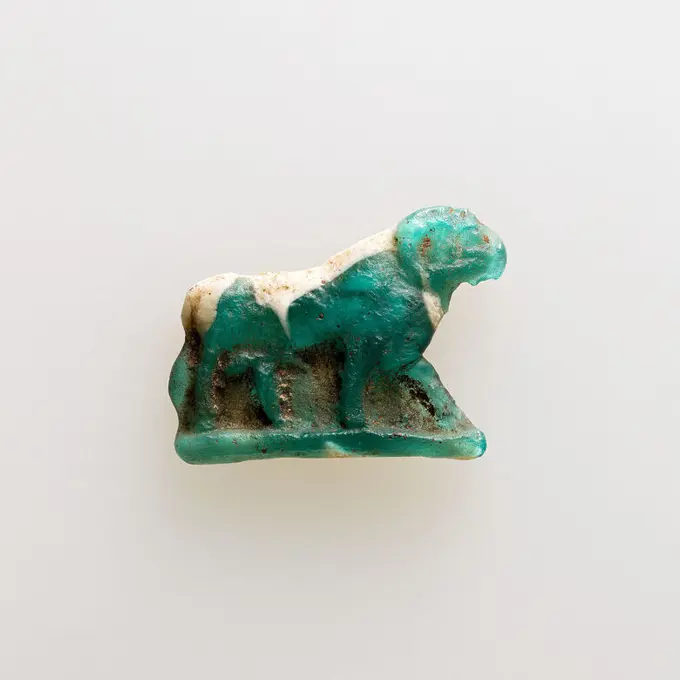
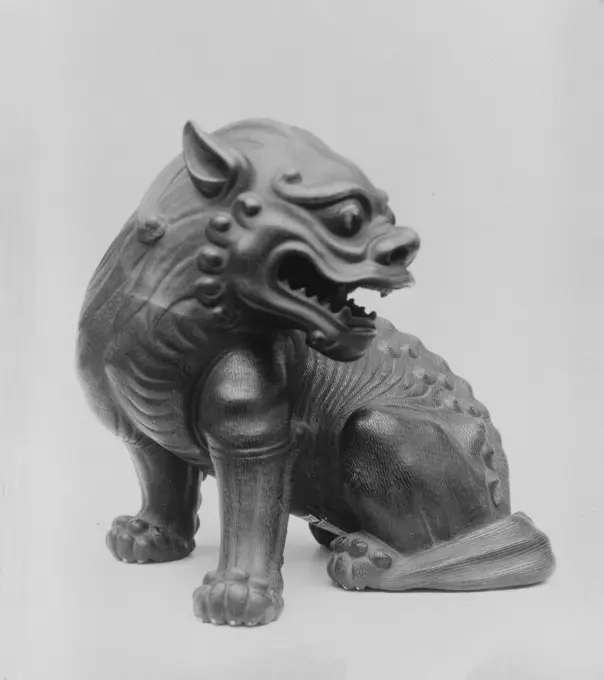
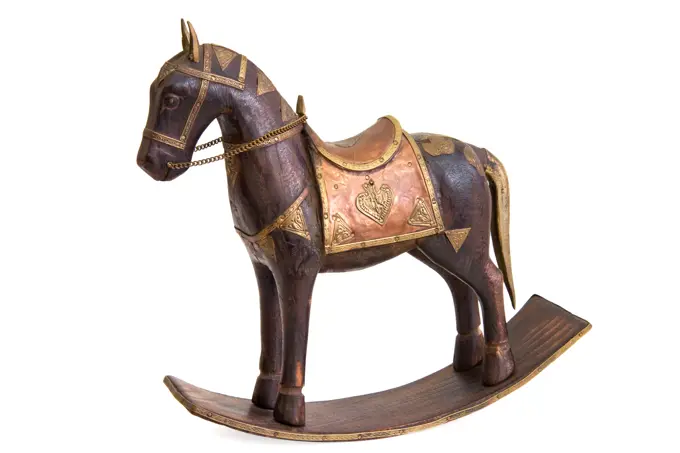
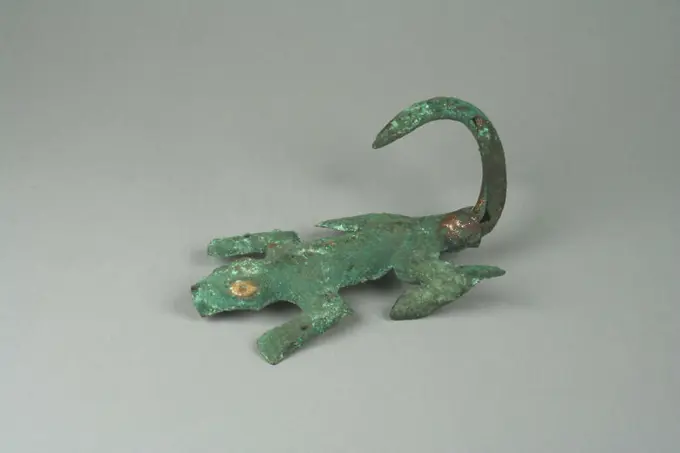
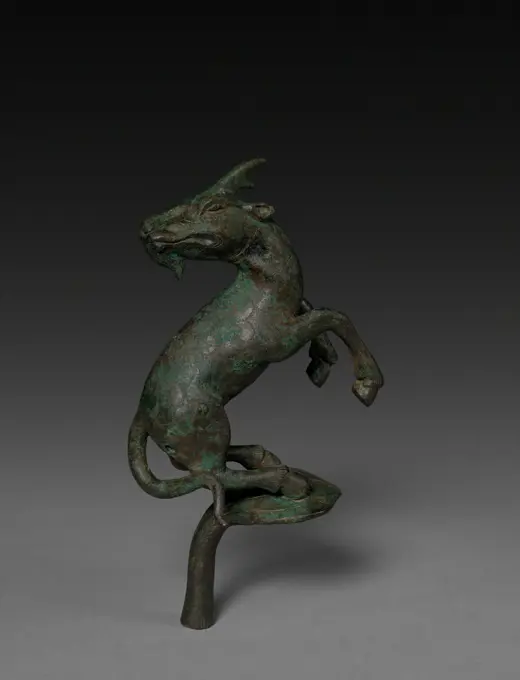
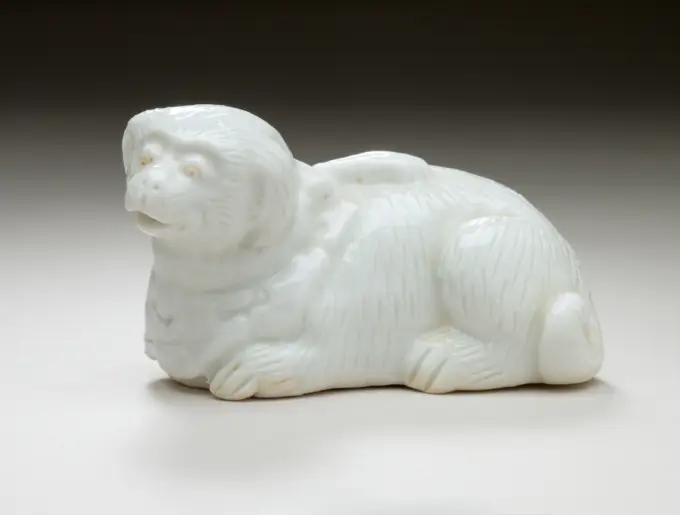
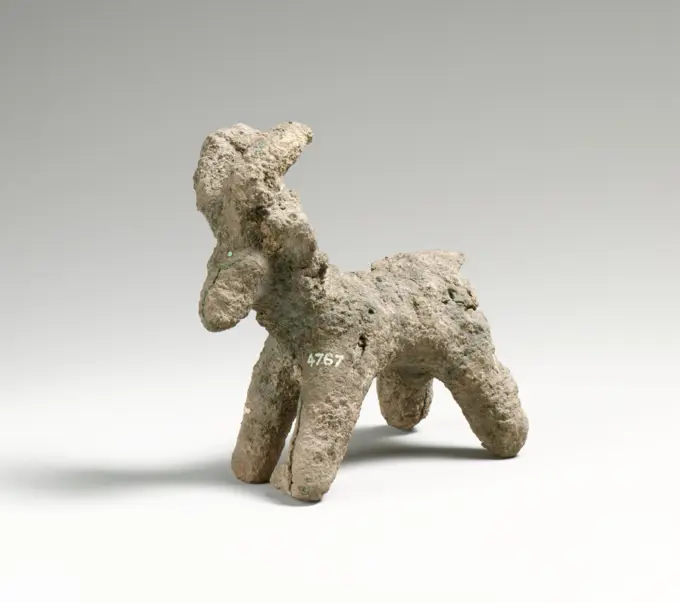
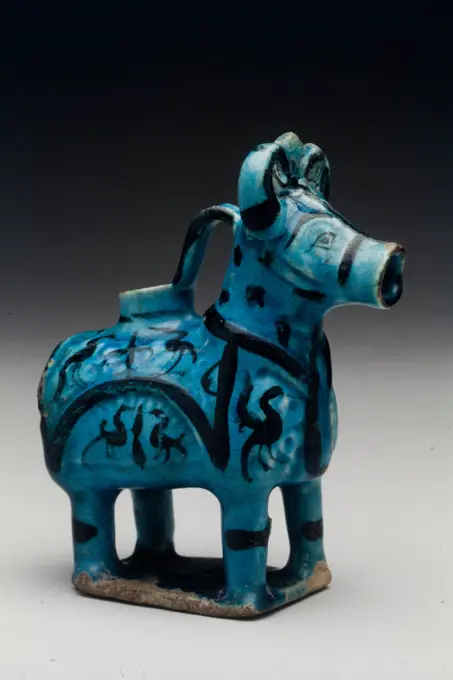
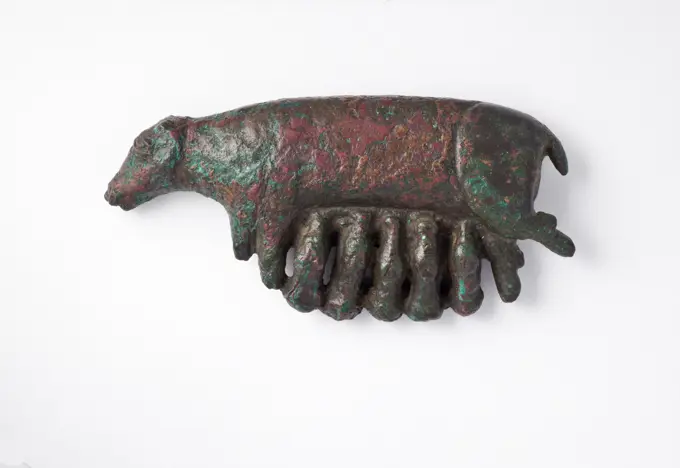
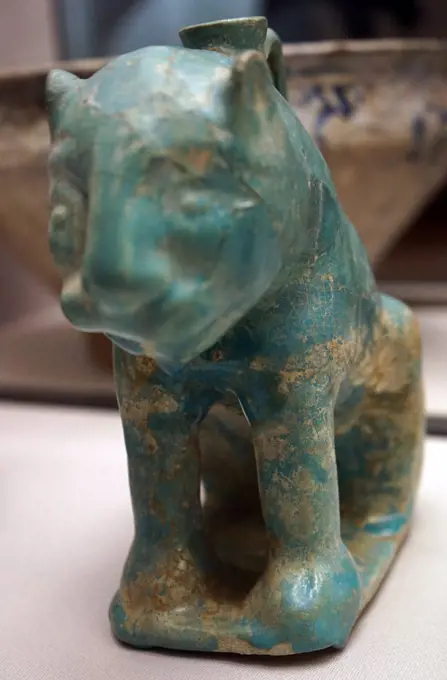
TORO IBERICO EN BRONCE. Location: MUSEO ARQUEOLOGICO NACIONAL-COLECCION. MADRID. SPAIN.Figural spill vase 1830-70 American The middle of the nineteenth century witnessed a proliferation of relief-molded earthenware covered with an allover mottled brown enameled glaze. Often referred to as Rockingham ware in homage to similar ware first produced in England on the property of the marquis of Rockingham, many of the original molds and designs were brought from England by itinerant potters who fashioned these wares. Variations occur in the glazes by the means of applicationdipping, sponging, or splashingand with the addition of colored oxides. Relief-molded pitchers were the most common forms, but slip-cast animal figures such as a recumbent cows, lions, poodles, and deer, were also popular. This figure of a reclining doe was likely intended as a mantel ornament. The hollow tree trunk behind the doe was used to hold paper or wood spills for lighting candles or oil lamps. The piece is covered in an overall mottled cream and brown flint enamel glaze, commonly known as Rocking'Figurine of a Bull'. Central Asia (Uzbekistan, Tajikistan, Sogdia Region), 6th-3rd century BC. Dimensions: 4x2,8x5 cm. Museum: State Hermitage, St. Petersburg.Horse-Shaped Drinking Vessel, AD 200-325. Iran, Sasanian, 3rd-4th Century. Silver, partially gilt; overall: 12 x 10.8 x 32.7 cm (4 3/4 x 4 1/4 x 12 7/8 in.).Pottery Whistle. Culture: Mexican. Dimensions: L. 83 mm.; W. 30 mm.; D. 81 mm.; Wt. 67 g.. Date: 19th century. Museum: Metropolitan Museum of Art, New York, USA.Statuette of a Horse 750 BCE-730 BCE . This small statuette was created in Greece around the time of the first Olympic games. It was made as a devotional gift for a god and was probably deposited at a religious site. Devotional gifts took many forms, but statuettes of horses were especially popular because the creatures were symbols of affluence. Following the stylistic preference of the time, the sculptor used a few simple shapes to capture the essence of his subject.. Bronze . Ancient GreekFinial. Western Inner Mongolia, 5th-3rd century B.C.. Architecture; Architectural Elements. Bronze, castTerracotta figure of a kneeling horse. Culture: Greek, Ptolemaic. Dimensions: H. 2 1/4 in. (5.71 cm)L. 3 1/4 in. (8.25 cm). Date: 2nd-1st century B.C..With large head and ornamental housings. Museum: Metropolitan Museum of Art, New York, USA.Animal. Culture: Nayarit. Dimensions: H. 16 9/16 x W. 9 3/4 x D. 13 in. (42.1 x 24.8 x 33 cm). Date: 4th-7th century. Museum: Metropolitan Museum of Art, New York, USA.Italy, Siena Province, Gaiole in Chianti, Brolio, Bronze statue depicting horseStatuette of a Jackal. Egyptian. Date: 664 BC-525 BC. Dimensions: 9.5 × 17.5 × 5.1 cm (3 1/2 × 6 7/8 × 2 in.). Bronze. Origin: Egypt. Museum: The Chicago Art Institute, Chicago, USA. Author: Ancient Egyptian.Lion. Lion of bronze, probably an incense holder.Incense-Burner in the shape of a Lynx. Bronze; casting, engraving, silver and copper inlay. Iran. 11th century. The State Hermitage Museum. Saint Petersburg. Russia.Aquamanile. unknown, craftsmanTORO DE BRONCE DE TORRALBA D'EN SALORT. HIERRO ESCULTURA. (DEPOSITO: MUSEO ARQUEOLOGICO NACIONAL).Harness Ornament in the Shape of Gazelle 6th-5th century B.C. Northeast China. Harness Ornament in the Shape of Gazelle 65248Openwork Pinhead Fragment. Iran, Luristan, Iron Age II-III, about 1000-650 B.C.. Jewelry and Adornments; pins. Bronze, castCIERVA DE BRONCE DECORADA CON ARABESCOS VEGETALES - SIGLO X. Location: MUSEO ARQUEOLOGICO-COLECCION. CORDOBA. SPAIN.Masked Figure 7th-9th century Veracruz The object depicts a fantastic four-legged being, seated with a long, curled tail. The three-toed front legs support its body. The creature has a long, pointed snout and even longer ears. It has big round eyes and wears a collar around its neck tied under the chin. On the head rest stacked slab-like elements with a five-pointed crest at the top. Remains of black pigment are visible in some areas.. Masked Figure. Veracruz. 7th-9th century. Ceramic. Mexico, Mesoamerica, Veracruz. Ceramics-SculptureGlazed red pottery seated dog, Chinese ArtBulgaria, Plovdviv, Rozovec, Rhyton (drinking vessel) in the shape of an animal protome (bust), silverBelt Buckle in Shape of Horse Japan. Belt Buckle in Shape of Horse 53629Figure of a mule for the Nativity Potal isolated on a white backgroundFigure of A Seated Dog With Spots and Collar. Sitting porcelain dog on a small foot, painted on the glaze in yellow, brown and black with a yellow fur, dark dots and a necklace. Email sur biscuit.Parrot. Mexico, Colima, 200 BCE-500 CE. Ceramics. Slip-painted ceramicAquamanile in the Form of a Ram. Culture: British. Dimensions: 9 7/16 × 11 1/2 × 5 1/4 in. (23.9 × 29.2 × 13.3 cm). Date: ca. 1250-1350.Scarborough, on England's northeast coast, is still celebrated in song today for the annual fair it once hosted for merchants. The event was inaugurated by royal charter in 1253, around the time that one of the potteries created this jug in the form of a ram. Water would be added through the spout at the handle and poured out through the animal's mouth. Like the examples in copper alloy in this gallery, the ram was used for handwashing. Museum: Metropolitan Museum of Art, New York, USA.Lead figure of a lion 6th-5th century B.C. Greek, Laconian Small flat votive figurines of cast lead have been found in great quantities at the ancient sanctuaries of Laconia; over one hundred thousand, dating from the seventh century B.C. to the Classical period, were dedicated to the goddess Artemis Orthia in Sparta.. Lead figure of a lion 251681 Greek, Laconian, Lead figure of a lion, 6th5th century B.C., Lead, Length: 1 3/4 in. (4.4 cm). The Metropolitan Museum of Art, New York. Gift of A. J. B. Wace, 1924 (24.195.115)Terracotta statuette of a deer. Culture: Greek, Boeotian. Dimensions: H. 5 5/8 in. (14.3 cm)Plinth: 4 1/8 x 2 1/8 in. (10.5 x 5.4 cm). Date: 1st quarter of the 5th century B.C..The base and feet are modern restorations. Museum: Metropolitan Museum of Art, New York, USA.Statuette of a lion, 11th-12th century, Unknown, 4 3/4 x 4 x 2in. (12.1 x 10.2 x 5.1cm), Gold, Spain, 11th-12th century, This rare and enigmatic gold sculpture of a liona symbol of power and authorityis elaborately decorated with looping filigree and fine granulation, in keeping with the Islamic goldsmithing traditions of the later Muslim kingdoms of the Iberian Peninsula (present-day Spain and Portugal). Islam arrived in Europe in 711 CE, bringing new traditions in the decorative arts, such as the animal-shaped aquamanile: a vessel used for hand washing, which the Qur’an requires before prayer. While the handle, spout, and open mouth of this lion statuette complies with the forms of an aquamanile, its small scale may suggest more symbolic than functional use. The work closest in size, style, and workmanship to this lion is a winged ram found in northwestern Spain, leading us to believe that this work, too, is from Muslim Spain.Toy Horse. Pakistan, 1st century B.C. - 1st century A.D.. Sculpture. Red terracottaLamp Lid. Roman, late Roman-Byzantine, 4th-6th century. Furnishings; Lighting. Bronze, castNetsuke recumbent ox, early 19th century, Unknown Japanese, 3/4 x 2 x 1 11/16in. (1.9 x 5.1 x 4.3cm), Stag horn, Japan, 19th centuryMiniature Leopard 1885-1905 Saint Petersburg. Yellow speckled red agate, white striation, and rose diamonds . Dom FaberzhePlaque (Quadruped). Central Asia, 5th-4th century B.C.. Sculpture; plaques. BronzeHorse figurine;  664-30 BC ; Half-period period-Ptolemam period (-664-00-00--30-00-00);Deposit of the University of Warsaw from 1937-1939, horses, Polish-French excavations in Edfu (Egypt)Harness Trapping in the Shape of a Horse. Unknown, Villanovan, 9th-8th century B.C.. Tools and Equipment; horse trappings. BronzeSnarling Tiger. Hidemasa (Japan, active early 19th century). Japan, early 19th century. Costumes; Accessories. Ivory with staining, sumi, inlaysTerracotta askos (flask with a spout and handle over the top). Culture: Greek, South Italian, Apulian. Dimensions: Overall: 4 1/16 x 5 9/16 in. (10.4 x 14.2 cm). Date: 4th century B.C..Recumbent bullSouth Italian pottery is rich in hand-sized flasks for oil. The askos shape originates in that of a leather bag; when used for wine, the source is an oxhide, trimmed and sewn closed. Askoi often assume the form of animals. Museum: Metropolitan Museum of Art, New York, USA.. .Plaque or buckle ca. 5th century B.C. Northern China. Plaque or buckle 61100Chinese Lion. Japan, 18th century. Costumes; Accessories. Ivory with staining, sumiVessel 1st millennium B.C. Iran. Vessel 324918Jardiniere. unknown, craftsmanRooster. Greek; Thessaly. Date: 750 BC-700 BC. Dimensions: 9.3 × 5.9 × 2.2 cm (3 5/8 × 2 3/8 × 7/8 in.). Bronze. Origin: Thessaly. Museum: The Chicago Art Institute, Chicago, USA. Author: ANCIENT GREEK.Cow, decorated with flowers. Faïence animal figure, representing a cow. Many color painted with flowers.Funerary Sculpture of an OxWhetstone handle ca. 8th-7th century B.C. Iran. Whetstone handle 324486Chariot Yoke Ornament in the Shape of Recumbent Ram 5th-4th century B.C. Northwest China. Chariot Yoke Ornament in the Shape of Recumbent Ram 65262Recumbent Figure of Unicorn. Culture: China. Dimensions: H. 4 1/4 in. (10.8 cm); L. 9 in. (22.9 cm). Date: 18th century. Museum: Metropolitan Museum of Art, New York, USA.Terracotta statuette of a horse early 8th century B.C. Cypriot In ancient Greece, horses were a reflection of status and wealth. They were expensive to maintain, requiring extensive land and upkeep. Thus, statuettes of horses were common dedications in sanctuaries, especially in the Geometric period. They appear in both terracotta and bronze, and in various forms. Some terracotta horse statuettes were dedicated individually, while others were attached to the lids of pyxides (boxes) as handles. The treatment of the feet of this horse makes it likely that the piece was freestanding.. Terracotta statuette of a horse 330050Apis bull, bronze, late period, Egypt, collection of the British Museum.Creamer, Glass, Clear glass creamer in the shape of a four-legged animal (dog) Tail flares wide open to create a spout. Some painted decoration, Switzerland, 18th century, glasswares, Decorative Arts, CreamerWolf-Head Barge Fixture, AD 1-100. Italy, Rome, 1st century AD. Bronze; overall: 21.9 x 16.8 cm (8 5/8 x 6 5/8 in.).Pottery Whistle. Culture: Peruvian. Dimensions: L. 79 mm.; W. 37 mm.; H. 70 mm.; Wt. 53 g.. Date: 19th century. Museum: Metropolitan Museum of Art, New York, USA.BOTIJO CON FORMA DE TORO-VIDIRADO Y COLOREADO EN MARRON- S XX. Location: ALFARERIA. BASIN. CUENCA. ESPAíA.Lead dragon of sundial, c. 1650 Loden Dragon, part of the iron sundial.  lead (metal) Loden Dragon, part of the iron sundial.  lead (metal)Bird Figurine. Indonesia; Java. Date: 1301-1500. Dimensions: 21.9 x 12 x 14.8 cm (8 5/8 x 4 3/4 x 5 13/16 in.). Terracotta. Origin: Java. Museum: The Chicago Art Institute, Chicago, USA.Knitting Sheath, 1600-1750. Knitting sheaths supported the weight of the knitting and stopped stitches slipping off the bottom of a double-ended needle. They were generally worn in the belt, on the right side, in a sloping position.They ranged from crudely whittled affairs to masterpieces of 'fine art', and were usually individually made and decorated by their makers to give as love tokens. This 18th century, boxwood, knitting sheath is widely acknowledged as a masterpiece of carving. It was probably made in France or Italy. The sheath does not appear to have been used and it has doubtless always been cherished as a work of art rather than as a functional object... Purchased from Edward H Pinto, 1965... .Vessel in the Shape of a Bear 3rd-4th century Roman or Byzantine The bear was a popular animal in exhibitions and circus acts. The vessel, probably used for oils or ointments for the bath, would havebeen filled through the hinged opening at the back of the bears neck and emptied through its mouth.. Vessel in the Shape of a Bear. Roman or Byzantine. 3rd-4th century. Copper alloy, cast. Made in possibly Rome, Italy. Metalwork-Copper alloyTurf root on white backgroundSancai pottery figure of caparisoned Fereghan Horse, Chinese ArtIron andiron late 4th or early 3rd century B.C. Etruscan The ends of the andiron are decorated with stylized animal heads.. Iron andiron 247085Ceramic figurine cat, isolated on white background Ceramic figurine cat, isolated on white background Copyright: xZoonar.com/OleksandrxKostiuchenkox 9786105Animal flask. Dimensions: Ht. 3 3/8 in. (8.6 cm). Date: late 7th-8th century.During Roman and early Islamic times, animal-shaped vessels were made using an intricate decorated double or quadruple glass tube. Decorated with trailed glass threads, the tubes are carried on the backs of domestic animals and the trailed threads appear to imitate protective cages. Such vessels were probably used as containers for kohl or perfume. Museum: Metropolitan Museum of Art, New York, USA.PackHorseBrooch in the Form of a Panther 100-300 Roman This brooch is exceptional in its naturalistic rendering of a panther. The spots were created not with enamels but by the niello process, in which incisions in the silver were filled with an alloy of black sulphur that was then heated.Small brooches, often in whimsical animal forms, were worn both by Roman soldiers stationed in the provinces and by the native population. Though brooches in these forms appear throughout the Roman world, the distribution of finds and the archaeological remains of workshops suggest that the major centers of production were Britain and Gaul.. Brooch in the Form of a Panther 468180Goldweight Quadruped - Donkey, 19th-20th century, 1 3/8 x 1/2 x 1 5/8 in. (3.49 x 1.27 x 4.13 cm), Brass, Ghana, 19th-20th centuryBear bottle (one of a pair) ca. 1740-50 British, Nottingham. Bear bottle (one of a pair). British, Nottingham. ca. 1740-50. Salt-glazed stoneware. Ceramics-PotteryDouble armadillopendant, A.D.700-1550, Gold, 2 × 1.3 cm, 0.01 kg (13/16 × 1/2 in., 0.01lb.), Made in Costa Rica, Costa Rica,Diquis, 8th-16thcentury, JewelryStatuette of a Biga with Driver; Unknown; Cyprus; 6th century B.C.; Terracotta with Polychromy; Object: H:  12.6 x W:  7.3 cm (H:  4 15/16 x W:  2 7/8 in.), Base: L:  10.5 cm (L:  4 1/8 in.)Figure of an oxcart, anonymous, c. 580 - c. 650 Image (grave plastic or burial gift) of earthenware with remains of polychromy. A Zeboo-Os and an ox cart on two wheels. China earthenware. dye. iron (metal) painting Image (grave plastic or burial gift) of earthenware with remains of polychromy. A Zeboo-Os and an ox cart on two wheels. China earthenware. dye. iron (metal) paintingSilver buckle in the shape of a horse. Ordos type, 4th-3rd century BC. Such elaborate and well-modelled representations of animals can be related to the gold plaques from Siberia in the treasure of Peter the Great, now in the Hermitage, St Petersburg.Golden design on antique wooden horse, Jodhpur, Rajasthan, India Copyright: xSafatxAli/DinodiaxPhotoxPottery rhyton in form of a bull's head. Late Helladic III. 1425 BC-1300 BC. Karpathos Island, Greece. British Museum. London, England, United Kingdom.Schnapshund, anonymous, c. 1700 - c. 1800 Body made up of three connected balls. Spherical head. A flat rosette on the dog's chest. The tail turns flat and runs around. A glass wire has been laid around the start. Legs, snout and ears are solid. Germany glass glassblowing Body made up of three connected balls. Spherical head. A flat rosette on the dog's chest. The tail turns flat and runs around. A glass wire has been laid around the start. Legs, snout and ears are solid. Germany glass glassblowingAmulet of a walking ram. Dimensions: H. 2.4 × W. 3.2 cm (15/16 × 1 1/4 in.). Date: 525-30 BC.Starting in the later Late Period and continuing through the Ptolemaic Period, a type of glass amulet cast by pressing the glass into a shallow open mold appears. The back was left rough, and the amulets may look ragged because glass overflowed the mold around the edges. The earlier amulets are monochrome, bi- or multicolor amulets supplement the repertoire during the Ptolemaic Period. Some of the amulets can be specifically tied to spells of the Book of the Dead - for example, acc. no. 17.194.2526 - and most are clearly funerary amulets, presumably meant to be wrapped between the bandages of the mummy where the presence of the amulet would do its job irrespective of its degree of finish. Museum: Metropolitan Museum of Art, New York, USA.Pendant. Northwestern Iran, Iron Age I-II, about 1350-800 B.C.. Jewelry and Adornments; pendants. Bronze, castFigure (Shishi) 1800 Japan. Figure (Shishi). Japan. 1800. Stoneware covered with thin glaze (Bizen ware). Edo period (1615-1868). CeramicsA silver stag from the Turk period on display at the National Museum of Mongolia in Ulaanbaatar, Mongolia.Turkish Horse, Left Foot Raised modeled 1830s, cast probably before 1847 Antoine-Louis Barye French In 1838 Barye obtained a commercial patent for casting small bronzes, and by 1845 he had formed a partnership with the entrepreneur Emile Martin for the purpose of producing small bronzes in quantity for middle-class collectors. Barye soon began to market his bronzes with the aid of a series of catalogues that permitted the purchaser to order from a variety of models. The earliest catalogue was published in 1844. The catalogue of 1847 stated that each bronze would be numbered and punch marked, but the marking system was quickly abandoned, perhaps because of its very success. After Barye's death, the models were bought by a number of founders, some of whom continued to use them for many years.. Turkish Horse, Left Foot Raised 191484Bronze Mace Head in Feline Form 15th-16th century Inca. Bronze Mace Head in Feline Form 315228Jade Plaque, 475-221 BC. China, Henan province, Eastern Zhou dynasty (771-256 BC), Warring States period (475-221 BC). Nephrite; overall: 22.5 x 8.9 cm (8 7/8 x 3 1/2 in.).Horse ca. 1750 British, Staffordshire. Horse. British, Staffordshire. ca. 1750. Lead-glazed earthenware. Ceramics-PotteryWooden horse carved wooden horse figure on white background Carved Wooden Horse figurine on white background copyright: xzoonar.com/heikexbrauerx 6944686Vessel in the Shape of a Bear. Culture: Roman or Byzantine. Dimensions: Overall: 5 7/16 x 6 9/16 x 3 5/8 in. (13.8 x 16.7 x 9.2 cm)chain length: 11 in. (28 cm). Date: 3rd-4th century.The bear was a popular animal in exhibitions and circus acts. The vessel, probably used for oils or ointments for the bath, would havebeen filled through the hinged opening at the back of the bear's neck and emptied through its mouth. Museum: Metropolitan Museum of Art, New York, USA.Animal Ornament. Culture: Moche (Loma Negra). Dimensions: Height 4-3/4 in. (12 cm). Date: 390-450. Museum: Metropolitan Museum of Art, New York, USA.Mythical Animal: Tianlu, 960-1127. China, Northern Song dynasty (960-1127). Bronze; overall: 19.1 cm (7 1/2 in.).Statuette of Seated Cat  Artist Unknown  Egyptian Bronze Water Dropper in the Form of a Dog with a Ruffled Collar. Japan, 19th century. Ceramics. Hirado Mikawachi ware; porcelain with clear glazeKoe van Faïence, Anonymous, c. 1725 - C. 1740 Faïence cow, multi -colored painted with flowers. Delft . Faïence cow, multi -colored painted with flowers. Delft .Bronze statuette of a goat 9th-8th century B.C. Cypriot This statuette is modeled in a rough style similar that of the statuette of a stag (74.51.5589) also in this case.. Bronze statuette of a goat 244470Aquamanile (Ram-shaped Ewer), 13th-14th century, 7 in. (17.78 cm), Stonepaste with clear turquoise glaze, black underglaze-painted decor, Kashan ware, Iran, Seljuk period (1038- c. 1194), Although round ceramic sculpture is relatively rare in Islamic art, decorated figures in both metal and ceramic ware were popular in Iran and Turkey during Seljuk rule. The bull shape, shown here in two examples, was the most common, but camel, ram, and lion-shaped vessels have survived as well.Dog, 100-300, 9 3/4 x 8 1/4 x 13 1/8 in. (24.8 x 21.0 x 33.3 cm), Ceramic, Mexico, 2nd-4th centurySpaniel and Duck, c.1830 - 1875. Antoine-Louis Barye (French, 1796-1875). Bronze; overall: 14.9 x 22.8 x 15.3 cm (5 7/8 x 9 x 6 in.).Hobby Horse Toy. Dated: 1935/1942. Dimensions: overall: 23 x 30.5 cm (9 1/16 x 12 in.). Medium: watercolor, graphite, and gouache on paper. Museum: National Gallery of Art, Washington DC. Author: Raoul Du Bois.Vessel in the Form of a Deer Impersonator 100 BCE-500 CE Santa Valley. Ceramic and pigment . MocheStatuette of a bull. Bronze. Celtic culture iberized. 2nd century BC. Possibly it is an embodiment of the forces that foster fertility. From Cabezo de Alcala, province of Teruel, Aragon, Spain. National Archaeological Museum. Madrid. Spain.Bull's head ca. 2100-2000 B.C. Neo-Sumerian. Bull's head. Neo-Sumerian. ca. 2100-2000 B.C.. Steatite or serpentine. Neo-Sumerian. MesopotamiaNursing Sow. China, The Six Dynasties, A.D. 265-589. Sculpture. Bronze, castCeramic ewer in the form of a lion, from Iran. Dated 13th Century