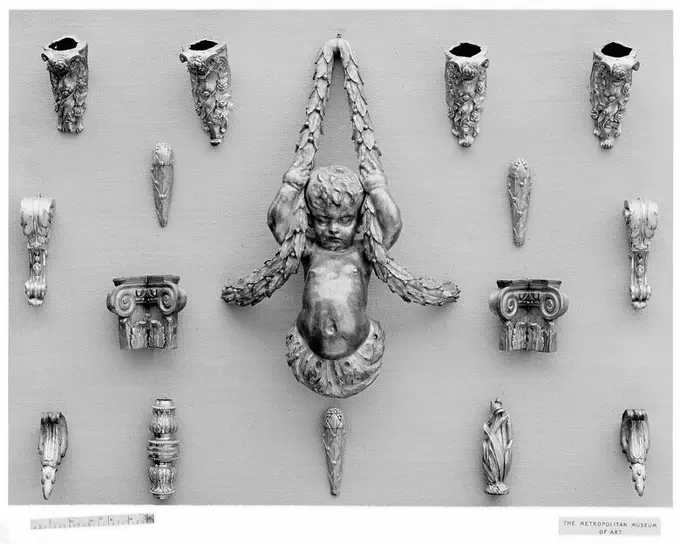
Celtic Artifacts and Decorative Objects

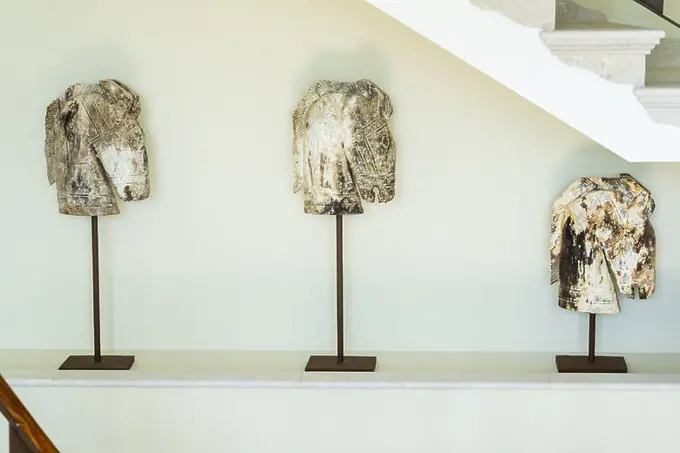
A collection of ancient Celtic horse harness pieces, beach-style glass orbs, and gold hair spirals, showcasing historical craftsmanship and unique designs.
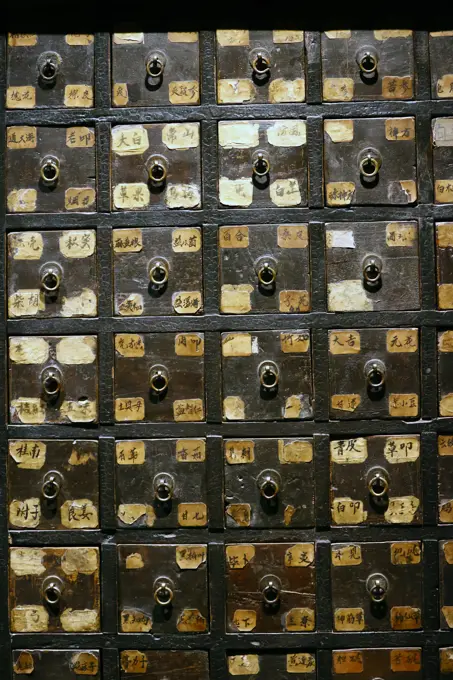
Traditional chinese medicine. Pharmacy cabinet. China. 19 th century. Paris. France.
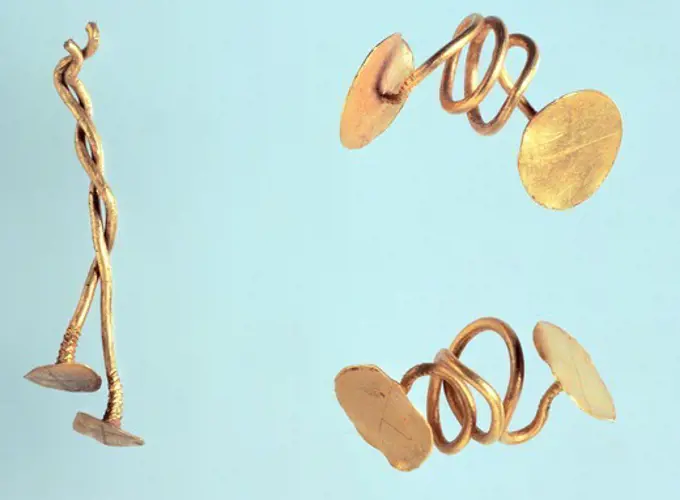
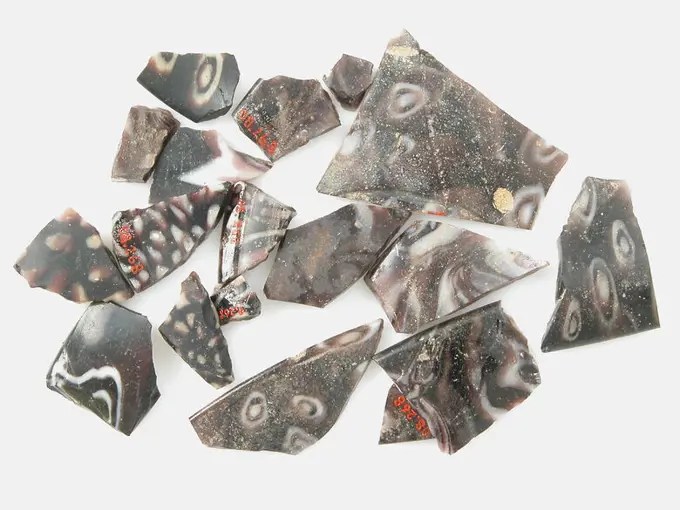
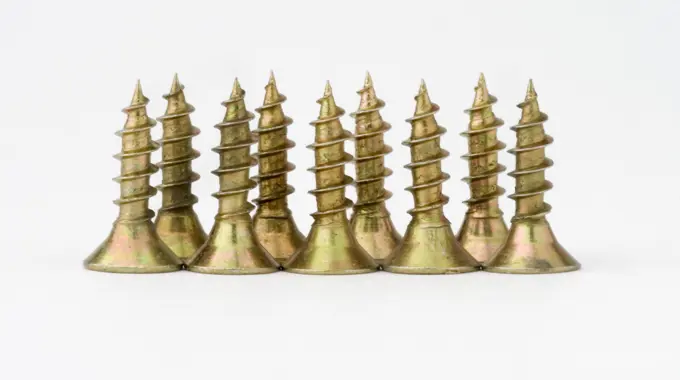
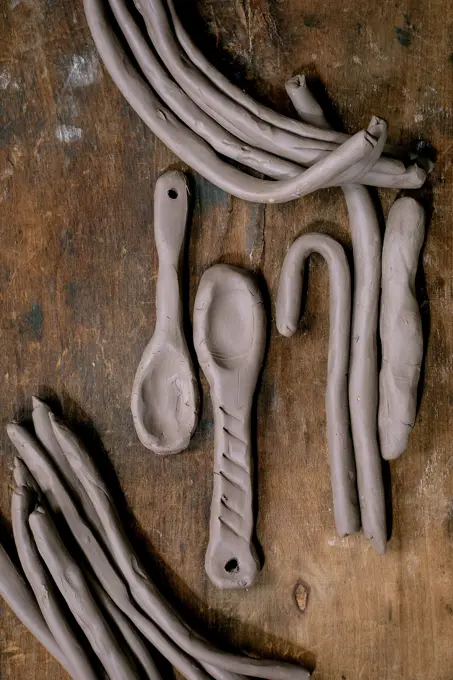
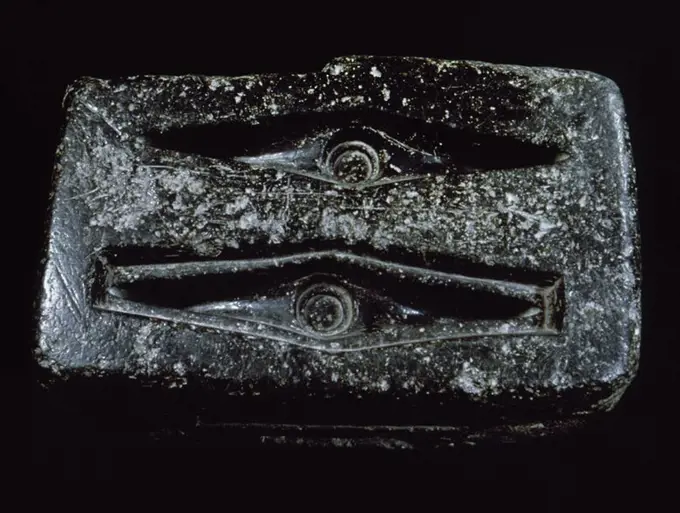
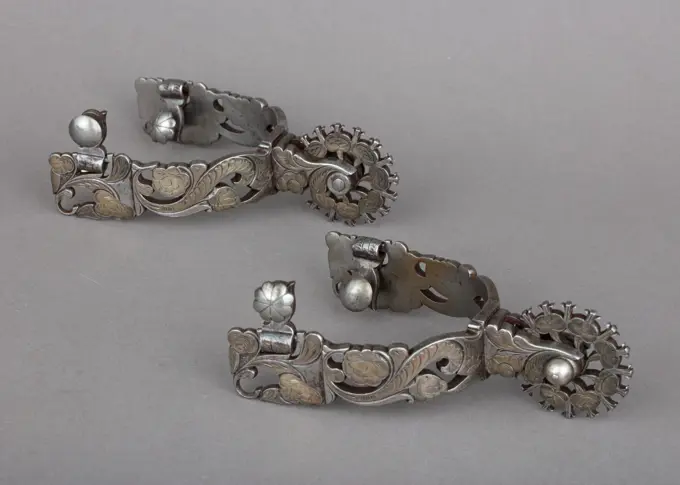
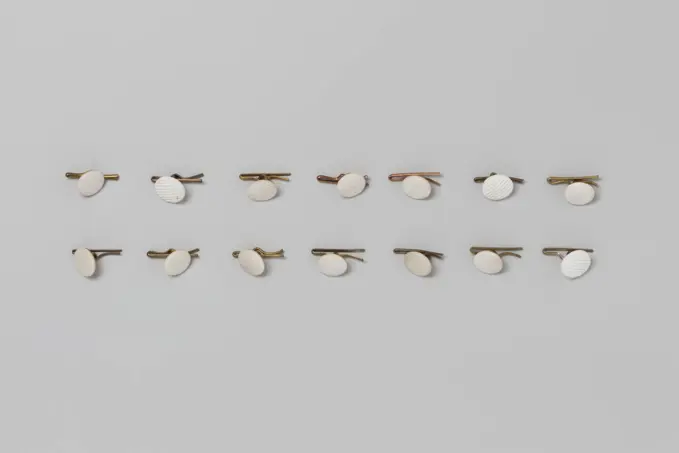
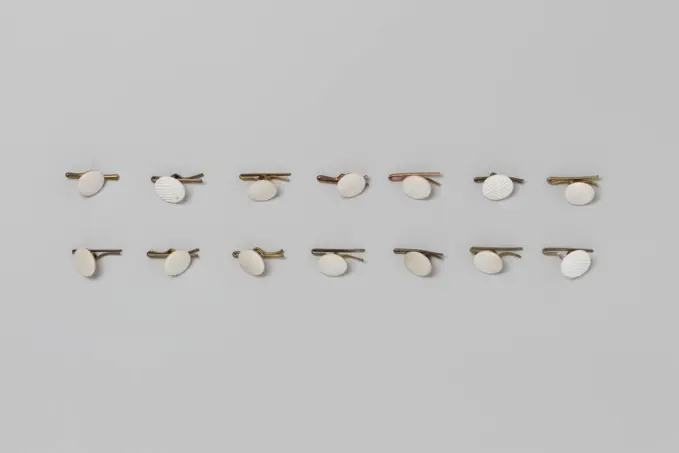
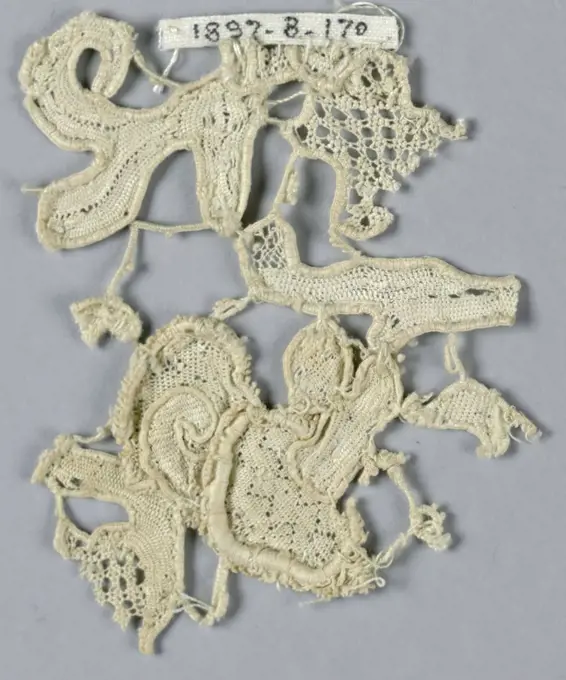
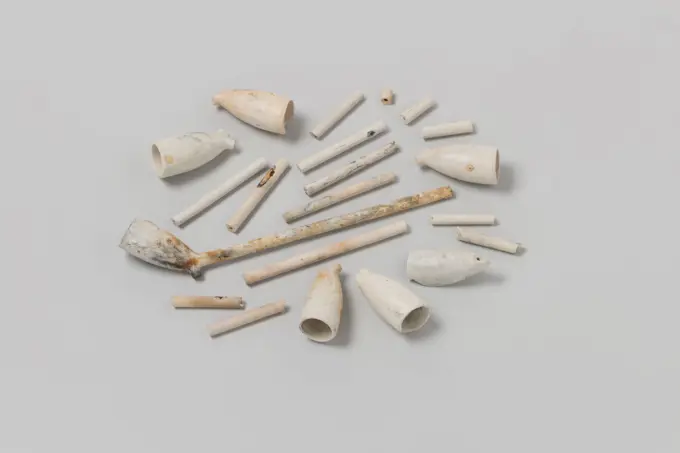
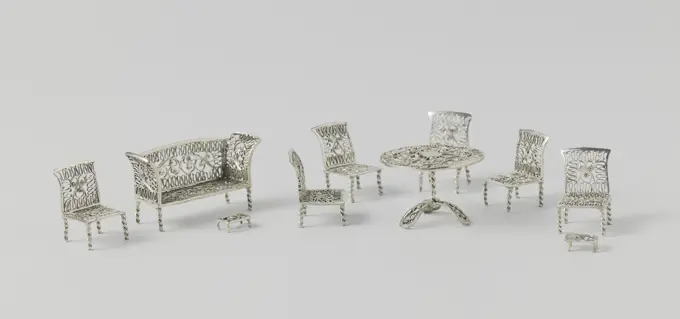
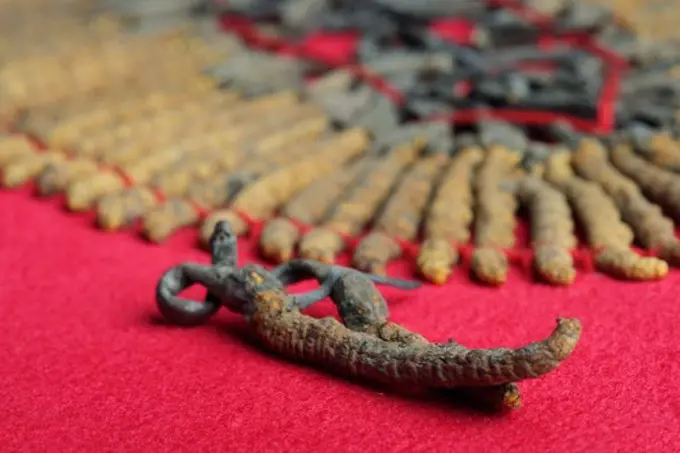
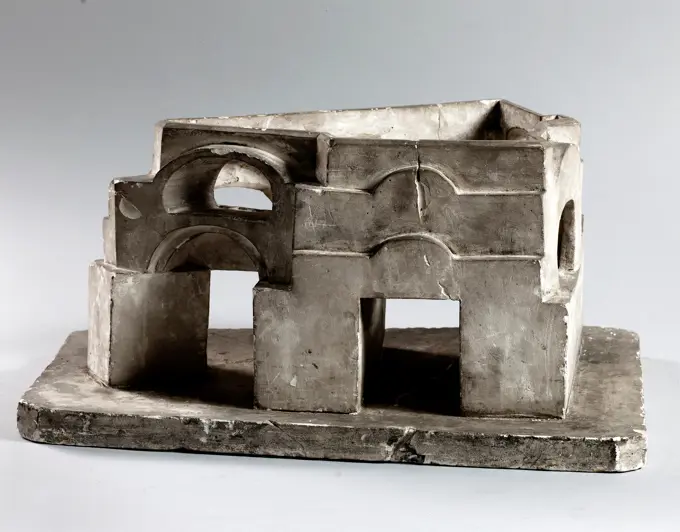
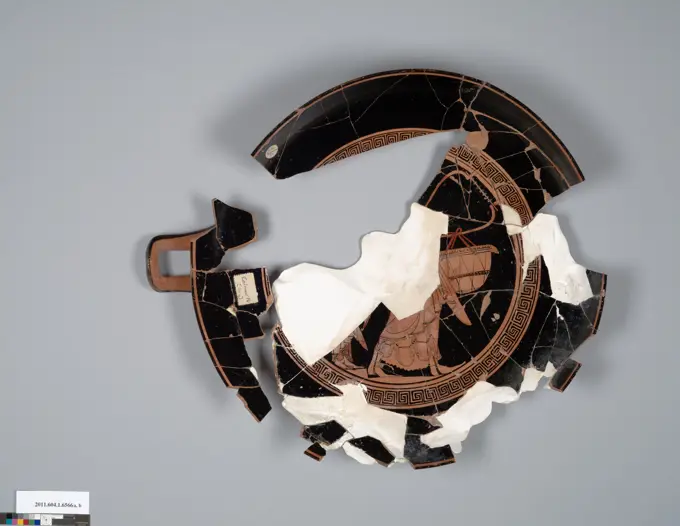
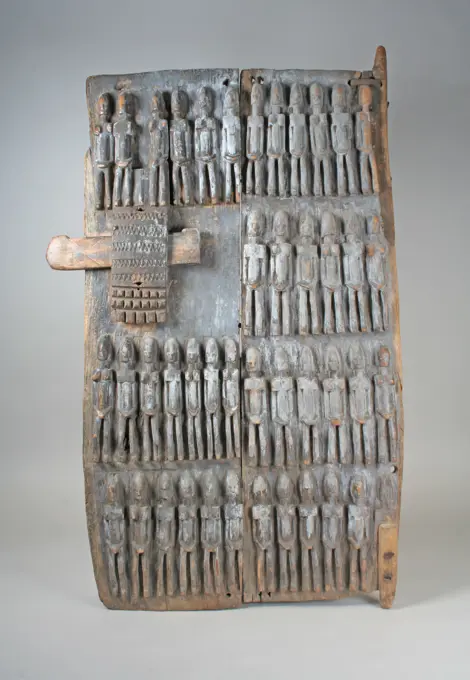
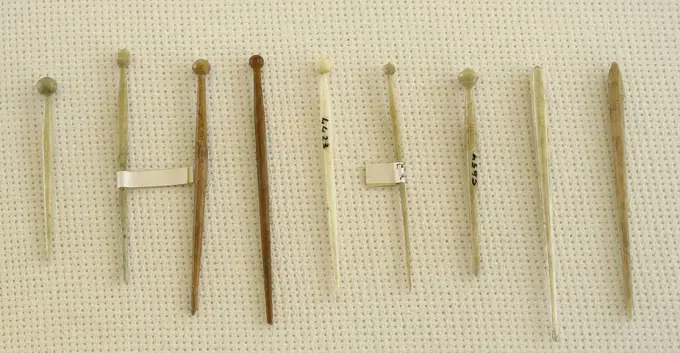
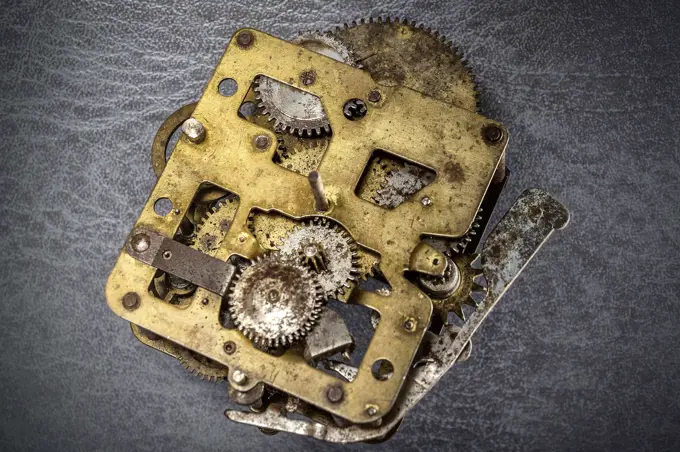
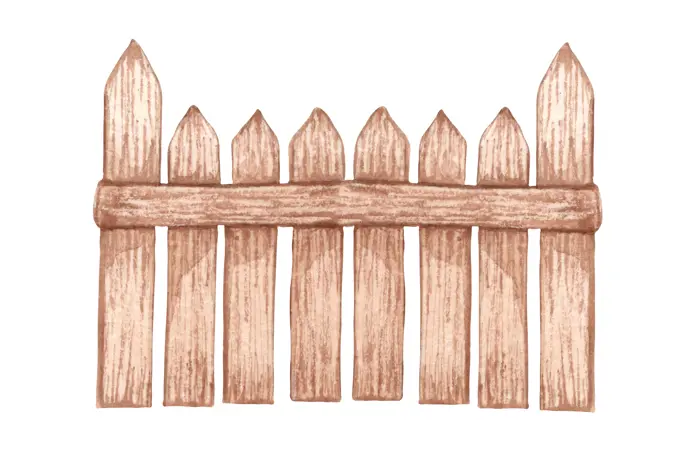
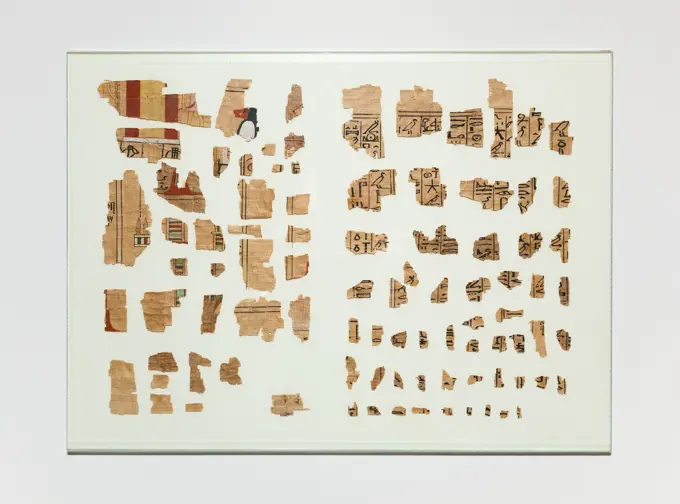
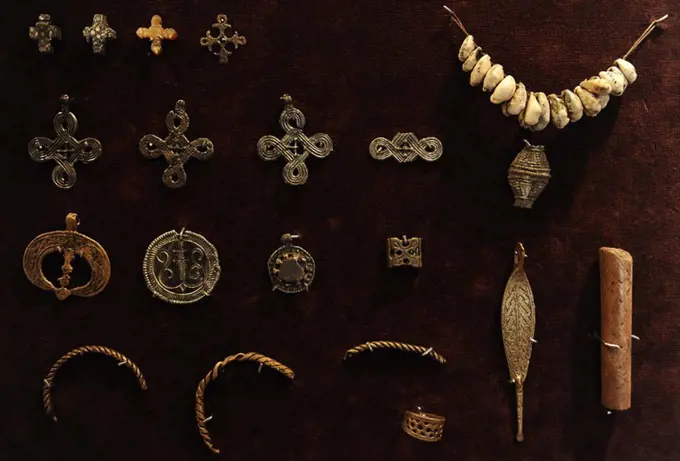
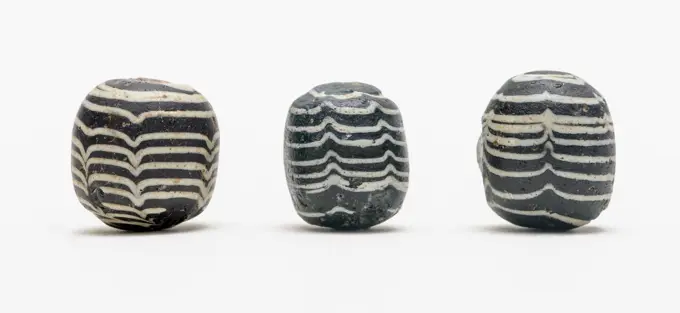
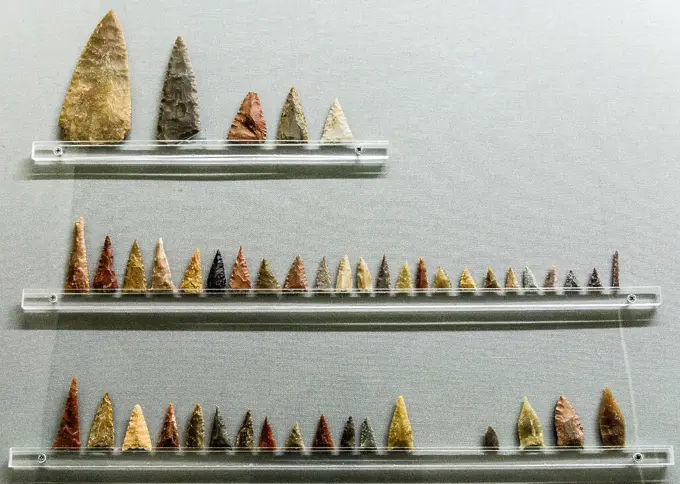
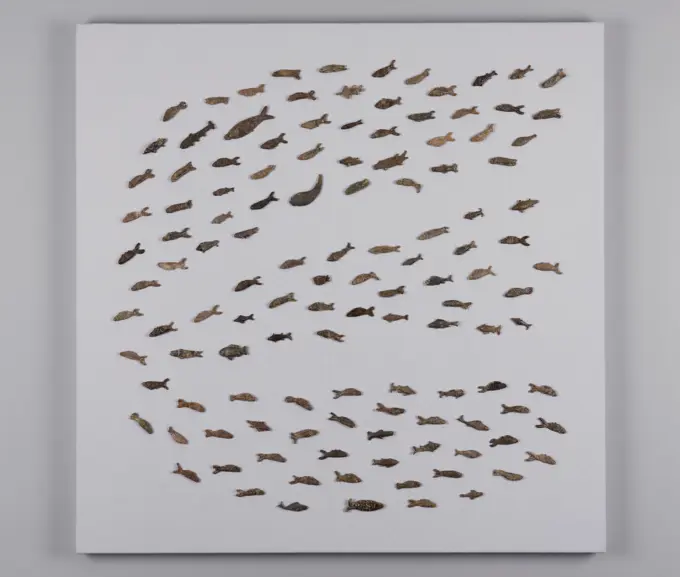
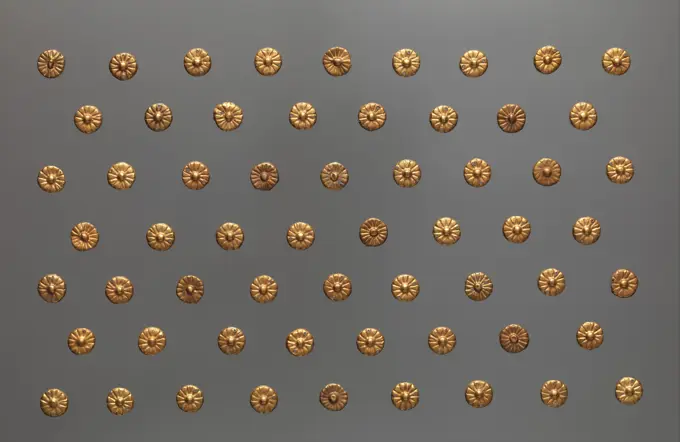
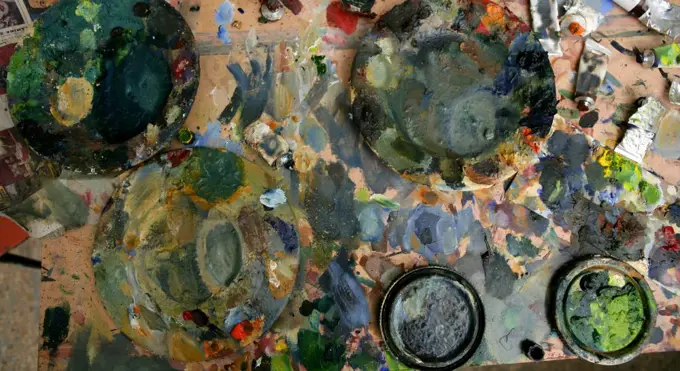
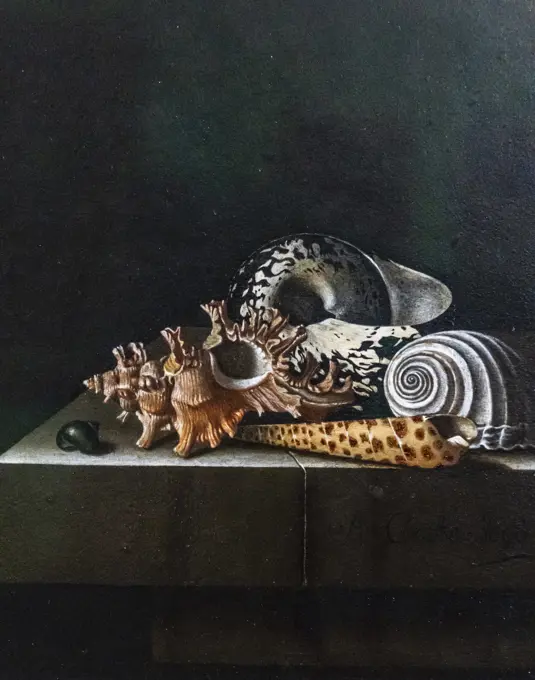
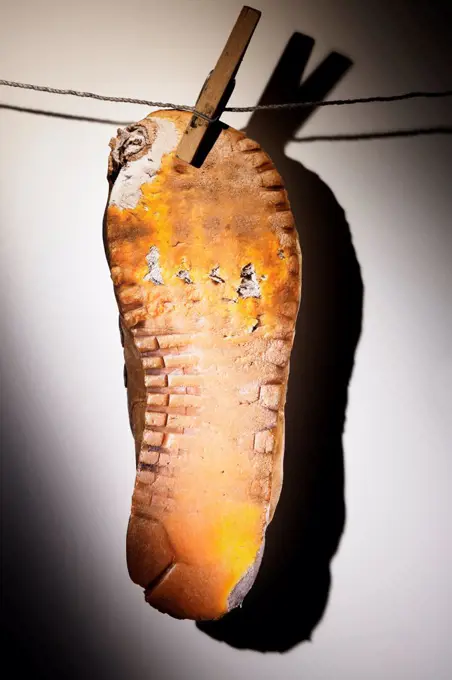
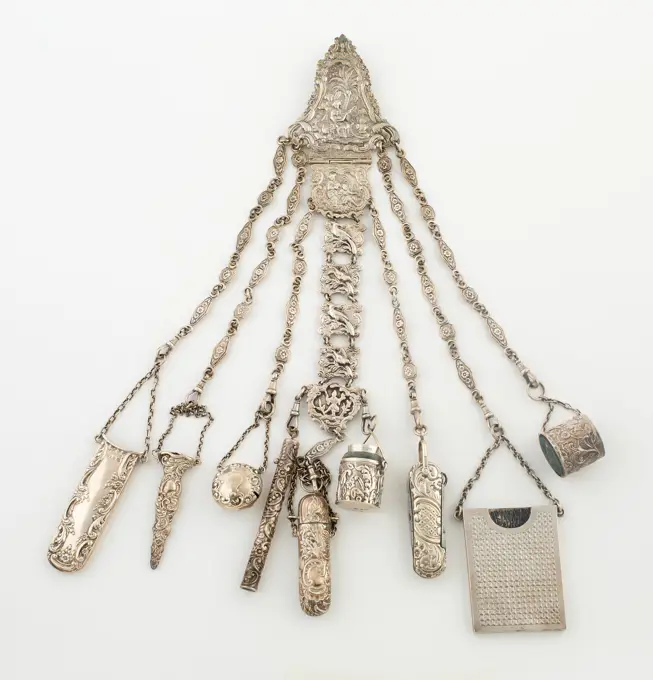
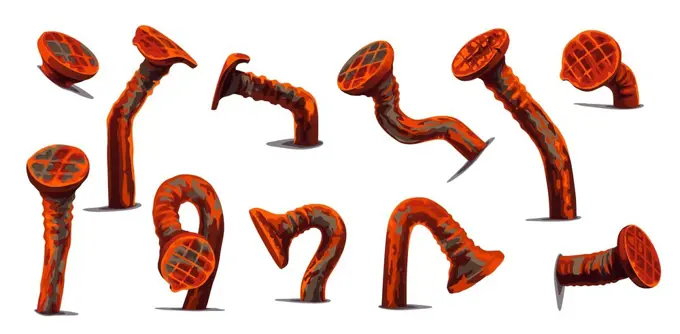
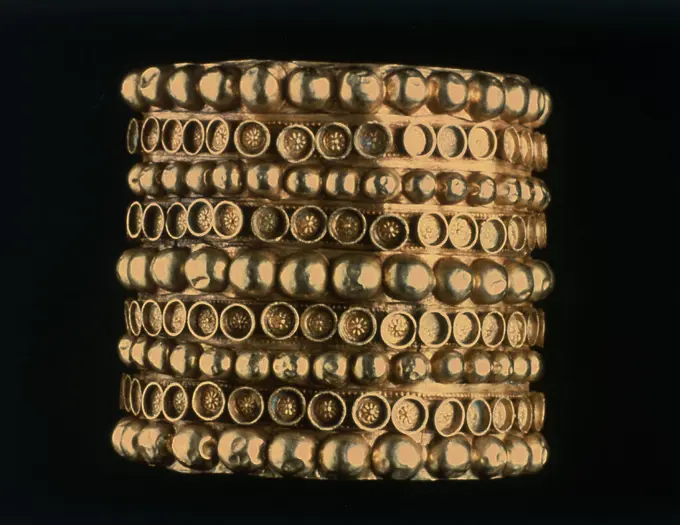
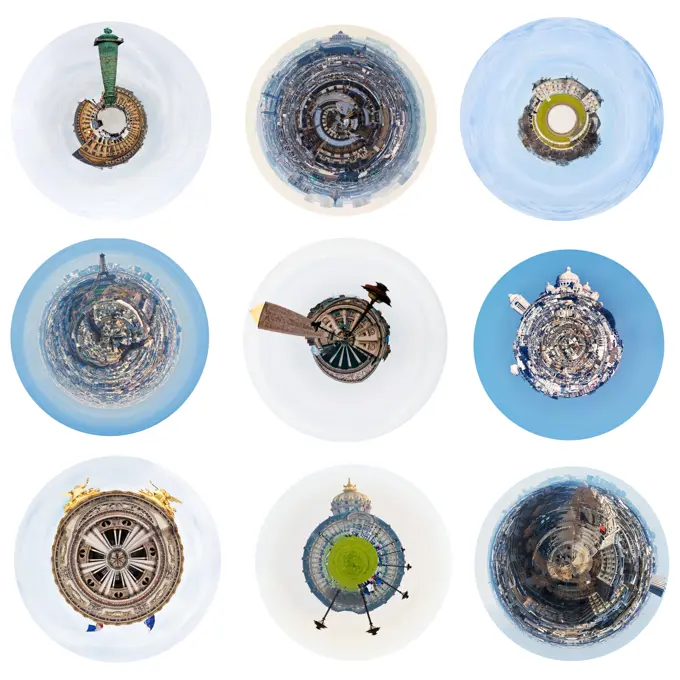
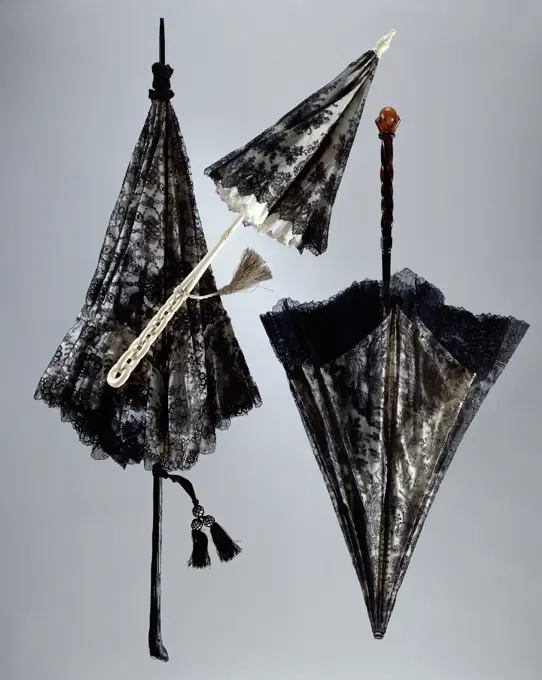
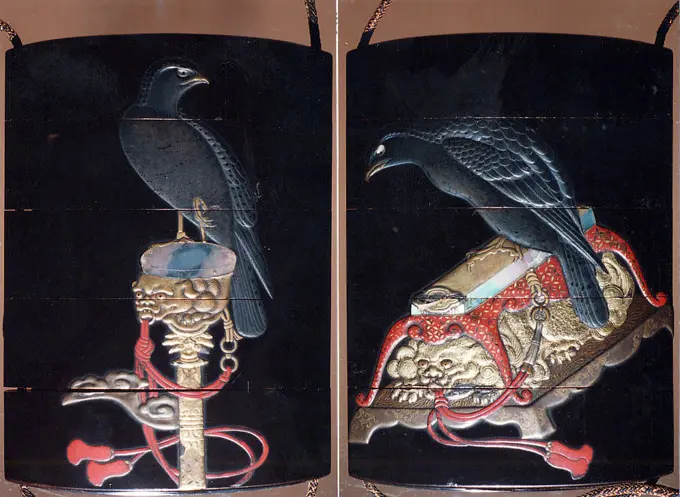
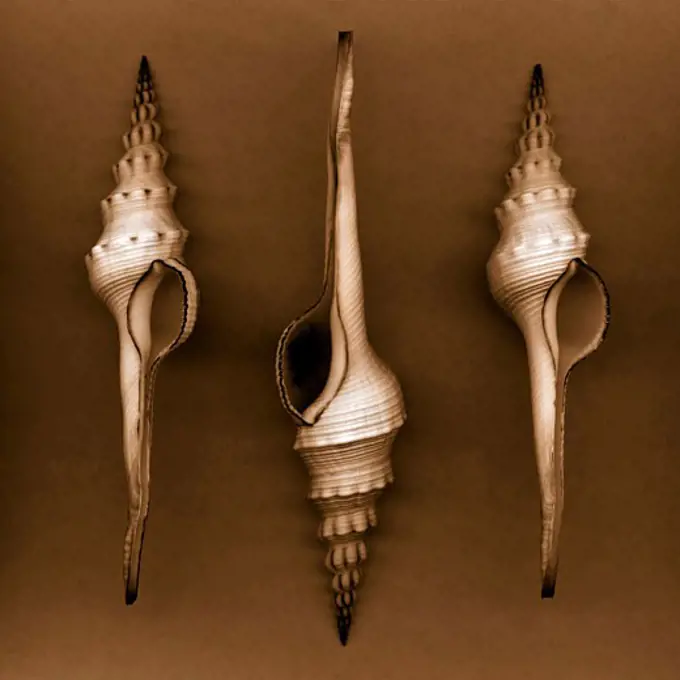
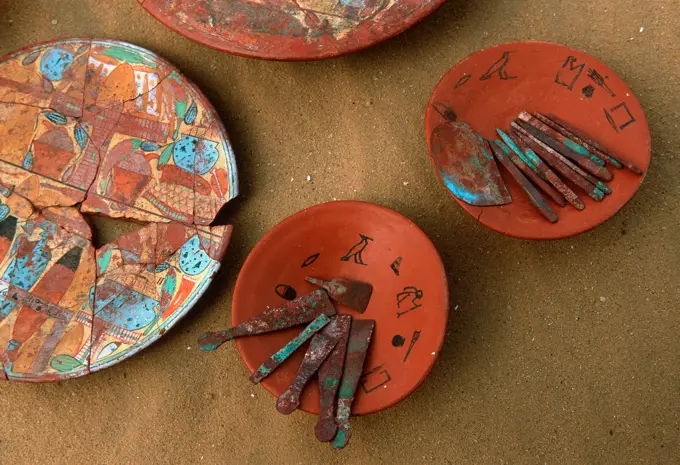
PIEZAS DE ARREO DE CABALLO CELTAS. Location: MUSEO ARQUEOLOGICO-COLECCION. Oviedo. ASTURIAS. SPAIN.Inscribed Textile (Tiraz) Fragment. Iraq, Islamic, first half of 10th century. Textiles; tiraz. Silk embroidery on plain weave cottonGlass balls and bottle with jute rope beach styleFive Dishes with Wave Design first half of the 18th century Japan. Five Dishes with Wave Design 670993Gold hair spirals and pin, from a Corinth Tomb (Greece). Goldsmith art, Greek Civilization.Christmas, Background, Frame, With biscuitsMountain Bike Tire Close up Washington PNWTraditional chinese medicine. Pharmacy cabinet. China. 19 th century. Paris. France.Abruzzo Chieti Chieti Museo Nazionale di Antichita8. Hutzel, Max 1960-1990 Exterior views of part of the former Villa Frigeri, which along with a neighboring palazzo, houses the Museo Nazionale di Antichita. Views also of the gardens, fountain (17th century) and the restored interior. The so-called "Capestrano Warrior" (5th century B.C.) is found in the Antiquities core collection under Men, Youths, Warriors--Stone--Etruscan, Italic. Hutzel views include statues, funerary monuments, portrait busts and mosaics, many of which were excavated from Alba Fucens. Hutzel paid particular attention to the colossal statue of Hercules (late Hellenistic); the funerary temple reliefs of Lucius Storax; various nudes, torsos and heads, including the portrait bust of Agrippina Minore and the sepulchral portrait relief of Lucius Poditius (1st century A.D.); gravestones with inscriptions and bas-reliefs; Roman coins; bronze figurines (mainly warriors); and bronze vessels, utensils, helmets and ornaments.Glass Fragments from a Vessel. Culture: Coptic. Dimensions: Storage (petri dish): 3 9/16 x 3 9/16 in. (9 x 9 cm). Date: 4th-early 5th century. Museum: Metropolitan Museum of Art, New York, USA.Spanish sword collection detail, sigle XVIWood Screw Wood Screw Silhouette on White Backgound Copyright: xZoonar.com/AlxCarrerax 21921240Printing Block (Germany); woodPottery Workshop Preparation For Children and Adults: Heap of Raw Clay Ropes Or Sausages For Work In Coil Technique, Handmade Spoons On A Dark Wooden Table, Top View.Showcase with objects of (noble) metal; Halls of crafts July 1962..New Zealand, North Island, Hawkes Bay, Te Awanga, model airplanesItaly. Sardinia. Nuragic civilization. Matrix used in the fusion of an ax and a knife. 10th century BC. From Belvi. Archeological Museum of Cagliari.Pair of Charro Rowel Spurs 19th century Mexican These spurs, made for a Mexican charro (the Mexican cowboy), are decorated with foliage and roses, pierced, chiseled and inlaid with silver. Charros were originally land, horse and cattle owners who had an high social and economical status. They would meet during ceremonies and festivals and demonstrate their skills through several kind of rodeo games called charrería. Charros and charrería are still an important part of Mexican traditional culture, and horses are a central aspect of it. During these festive events, charros like to display splendidly decorated horse tack and spurs, the latter being one of the main symbols of their culture.. Pair of Charro Rowel Spurs. Mexican. 19th century. Iron alloy, silver. Equestrian Equipment-SpursVest button of plastic with relief rib, fixed eye and loose against clamp, anonymous, c. 1900 - c. 1940 Vest button of plastic with relief rib, fixed eye and loose against clamp. Netherlands (possibly) copper (metal) Vest button of plastic with relief rib, fixed eye and loose against clamp. Netherlands (possibly) copper (metal)Vest button of plastic with relief rib, fixed eye and loose against clamp, anonymous, c. 1900 - c. 1940 Vest button of plastic with relief rib, fixed eye and loose against clamp. Netherlands (possibly) metal Vest button of plastic with relief rib, fixed eye and loose against clamp. Netherlands (possibly) metalModern black podium on white background. 3D renderingShards of signs from V.O.C. ship De 'Witte Leeuw', Anonymous, Before 1613 plate (dishes) Shards of Kraakporeleinen plates from V.O.C. ship De 'Witte Leeuw'. Jingdezhen bone china (material)   Sint-HelenaRetro styled color   decorativel key made of metalPerecoll / Penya-segat, 1997. Colección privada.Shards Kraakporcelain of Kendis from V.O.C. ship De 'Witte Leeuw', Anonymous, Before 1613  Shards of Kraakporcelain from Kendis from V.O.C. ship De 'Witte Leeuw'. Jingdezhen bone china (material)   Sint-HelenaAerial view of a person on the beach in Little Beach, Nanarup, Western Australia, Australia.Amulet -Fragment, Medium: linen Technique: needle lace, Fragment of raised lace in a pattern of flower and leaves with small areas of surrounding design. Openwork and pin pricks. Flower has a picot edge., Venice, Italy, 17th century, lace, FragmentVintage Dollar coins 1 cent wheat penny cent Vintage looking Dollar coins 1 cent wheat penny cent currency of the United States useful as a background Copyright: xZoonar.com/ClaudioxDiviziax 9819244Fragment of pipes, legs and pipe stalks from the wreck of the East Indians' t Vliegend Hart, 1728 - 1735 pipe One earthen Gouda pipe whose head is damaged and the stem has been broken down (heel brand illegible). Three heads with heel brand Gerkooned 67 without stem and three broken heads with the same heel brand. Fourteen pieces of Steel.  pipe clayShards of signs from V.O.C. ship De 'Witte Leeuw', Anonymous, 1613 plate (dishes) Shards of signs from V.O.C. ship De 'Witte Leeuw'. Jingdezhen bone china (material)   Sint-HelenaThe Book of the Dead of Neferrenpet The Book of the Dead of Neferrenpet, ca. 1295-1185 B.C.E. Papyrus, pigment, ink, 35.1448a-o, as mounted: 20 1/16 x 15/16 x 51 1/8 in. (51 x 2.4 x 129.8 cm).   Egyptian, Classical, Ancient Near Eastern Art ca. 1295-1185 B.C.E.Woman's Collar, 19th century, L.40-3/4 in. (center back, incl. strip), silk, China, 19th centuryFootstool, anonymous, c. 1700 - c. 1799 Elongated footstool from Filigrein on four legs. The footstool is marked: Zwijnskop. The footstool is part of an ameblement consisting of: 1 table (BK-NM-11177-88), 1 bank (BK-NM-11177-89), 6 seats (BK-NM-11177-92 to BK- NM-11177-97) and another footstool (BK-NM-111177-90). Netherlands (possibly) silver (metal) filigree Elongated footstool from Filigrein on four legs. The footstool is marked: Zwijnskop. The footstool is part of an ameblement consisting of: 1 table (BK-NM-11177-88), 1 bank (BK-NM-11177-89), 6 seats (BK-NM-11177-92 to BK- NM-11177-97) and another footstool (BK-NM-111177-90). Netherlands (possibly) silver (metal) filigreeClose-up of awetoAncient coins 1898, Middle EastSaddle with Stirrups 16th century German. Saddle with Stirrups. German. 16th century. Wood, leather (buckskin), brass, steel. Equestrian Equipment-SaddlesBush. Metropolitan Cup, Place de l'Opéra. Natural plaster. 1904. Paris, Carnavalet museum. 74267-3 Construction, construction, model, metro, metropolitan, plaster, project, metro station, 20th XXth XX 20th 20th 20th century, architectureTerracotta fragment of a kylix (drinking cup) 490-480 B.C. Attributed to the Colmar Painter Interior, feet and lower drapery of figure standing on a low podium; on exergue, Anacreontic lyre player with basket hanging from lyre; part of an inscription, HO PAIS KALOS; Exterior, wreathed youth wearing a himation, holding krotala in both hands, looking over his left shoulder; bearded male with himation, raising a drinking horn in his right hand; bearded man to right, holding a lyre in his left hand and a plektron in his right; lower and drapery of a male to right; wreathed youth holding krotala and sitting on the shoulders of a crouching, wreathed youth, who holds out a drinking cup in his left hand; filleted youth wearing a himation, holding a drinking horn in his right hand; draped youth to right, holding a staff in his right hand and a drinking horn in his left; wreathed youth wearing a himation, playing the aulos; wreathed youth with a himation, and krotala in both hands, looking oWooden Fence on the Sand Old Wooden Fence on the Sand Isolated on the White Background Copyright: xZoonar.com/AndreyxShadrinx 6604955Door and Lock: Figures 16th-19th century Dogon peoples. Door and Lock: Figures 310761Bone dice. Roman period, after 30 B.C. Wooden castanets carved with the head of Hathor, New England, 1500-1000 B.C.Roman hairstyles. Sewing the hair. National Archaeological Museum. Tarragona. Catalonia, Spain.Wasserkastanie Water chestnut on white background LicenseRF Copyright: xZoonar.com/OlgaxPopovax 23363269Good vibes and dream and inspiration concept shot, white dices over a cup , dark moody tones, lifestyle selective focusCrest from a lookingglassClock machine gear, India, Asia Copyright: xAnilxDave/DinodiaxPhotoxWatercolor garden fence. Spring gardening. Wooden fance Watercolor garden fence. Spring gardening Copyright: xZoonar.com/LiubovxPonomarchukx 18856707Fragments from a Book of the Dead ca. 1295-1070 B.C. New Kingdom, Ramesside. Fragments from a Book of the Dead 553719Art. Middle ages. Northern Europe. Latvia. Bussines with ancient Russia. 12th-13th centuries. Crosses of bronze and tin and bronze pendants. Museum of History and Navigation. Riga. Latvia.Box with Design of Maple Tree and Deer 19th century Style of Ogata Krin Japanese. Box with Design of Maple Tree and Deer. Style of Ogata Krin (Japanese, 1658-1716). Japan. 19th century. Gold inlaid with mother-of-pearl and tin. Edo period (1615-1868). LacquerCILICIO.Glass Fragments from a Vessel 4th-early 5th century Coptic. Glass Fragments from a Vessel 477074Gaming Pieces. Egypt or Syria, 13th century. Glass. Glass, marvered and combed thread decorationArrowheads made of schist, flint and quartz, Late Neolithic, 4000-3000 BC, Evora Museum, Evora, Alentejo, Portugal, Europe.Votive Fish. UnknownVotive Fish. UnknownVotive Fish. UnknownVotive Fish. UnknownVotive Fish. UnknownMetal carpentry. 17th-18th century. Wrought iron, engraved. National Museum of Krakow. Poland.Test tubes containing dried herbs, flowers, and seedsRosettes of Senebtisi ca. 1859-1770 B.C. Middle Kingdom These gold-foil rosettes were once thought to be wig decorations. A detailed study of the burial photographs shows them grouped together, suggesting they were sewn onto a piece of rolled or folded cloth, rather than spaced apart on hair. Rosettes were used to decorate imitation leopard skins and cloaks or funerary palls. Based on the small size of the rosettes and the cloth, it seems most likely they originate from a cloak.. Rosettes of Senebtisi 544230Artist studio painted dirty tableCase with diverse, nine copper ornaments, 1000 - 2000 Chest with diverse, nine copper ornaments.  wood (plant material). copper (metal) Chest with diverse, nine copper ornaments.  wood (plant material). copper (metal)Close up of tray of blue letterpress in printing workshopSelection of objects from the En Gedi hoard. Found wrapped in a woven mat in a cave above Nahal Mishmar in the Judean Desert, over 6,500-5,500 years ago. It is thought that the objects belong to the En Gedi sanctuary about 12km away. Made from copper, ivory and stone.Shells on a Stone Plinth Shells on a Stone Plinth, Adriaen Coorte, oil on paper, laid down on panel, 1698, Amsterdam, Netherlands Copyright: xZoonar.com/BartomeuxBalaguerxRotgerx 21697221Gold plaque from Ziwiye decorated with Iranian ibexes. Dated 1 st Century A.D.Vilnius. "Embroidered anmedia from the 18th and 17th centuriesMetal Cross for the ten -day campaign (Hasseltkruis), Anonymous, 1830 - 1831  Four -armed bronze cross with round shield on bearing eye and carrying ring. On the front is a crowned W in an oak branch and laurel branch tied to wreath. On the downside you can see the same wreath in which the dates 1830-1831 are engraved. On the four arms of the cross the text can be read to / king / and / homeland. The cross hangs on a ribbon that is divided into 6 equal lanes green and orange (faded). Utrecht bronze (metal). textile materials striking (metalworking)Old Sneaker Clothespinned to Line, Rubber Sole ExposedCosmetic background for product presentation. Gray empty concrete or stone podium with shadows on biege background. Background for product presentation.Collection of fridge magnet souvenirs, Kranjska Gora, Upper Carniola, SloveniaFence, Qeqertarsuaq, Greenland, North AmericaMedieval sheet of paper plume on vintage wooden boardChatelaine 1861-1899 London. Silver .Paperweight in the Shape of Embankment Baskets and Turtles late 18th-early 19th century Japan. Paperweight in the Shape of Embankment Baskets and Turtles 53473Bed Cover, 19th century, L.90 x W.60 in., satin, silk, China, 19th centuryDecorated eggs from Ukraine          Date: 1909Implements and accessories, for hair styling. Korean, Early 20th century. Paktong, enamel, glass, and woodSet of retro styled dark golden color keyshorse heads under a ladder, Majorca, Balearic Islands, Spain.Sweden, Vastragotland and Bohuslan, Gothenburg, outdoor table and chairsNecklace ca. 9th century B.C. Iran. Necklace 325283Bottle Shadow Projection Projection of transparent shadows on a white wall Copyright: xZoonar.com/AlainxdexMaximyx 8831504Rusty bent wall nails and hobnails with corroded surfaces and distorted shapes. Vector set of metal hardware spikes of orange color, curved and hammered into wall isolated old iron carpentry items. Rusty bent wall nails and hobnails vector setTESORO DEL CARAMBOLO - BRAZALETE DE ORO - S VII AC - ARTE TARTESICO. Location: MUSEO ARQUEOLOGICO-COLECCION. Sevilla. Seville. SPAIN.views of Paris districts and landmarks set of spherical views of Paris districts and landmarks, France Copyright: xZoonar.com/VVxVoennyyx 5721206Saint-Germain-en-Laye, France , 1921 - Seine -et -Oise - Auguste Léon - (June) (French - Saint-Germain-en-Laye , France). Museum, animal represented , fantastic animal, picking , hunting, archaeological vestige, sculpture, accessory, prehistory, weapon, sculpted decor, Animal, economic activity, housing , architecture, art, clothing, France, St Germain-en-Laye, Museum: 1 COMT stick with bouquetin head and horses (mas d 'azil) 47183, 1 propellant, bouquetin seen from front 47025, (brassempouy) propellant 47259Bobbin lace parasol, anonymous, c. 1860 - c. 1870 Parasol with black bobbin deck, with a pattern of nine flowers above a garland, a scaly lower edge. Solid white taf side as a surface. Lining of bleached cotton. The stick is made of cut ivory, with the shape of links at the bottom. Halfway through the stick around a small acantus leaf. Steel ribs. A Satinet brush on the stick FranceCaen (possibly)ivory carver: France (possibly) deck:. deck: Silk. lining: cotton (textile). Stok: Ivory. Baleinen: Steel (Alloy). brush: cutting Parasol with black bobbin deck, with a pattern of nine flowers above a garland, a scaly lower edge. Solid white taf side as a surface. Lining of bleached cotton. The stick is made of cut ivory, with the shape of links at the bottom. Halfway through the stick around a small acantus leaf. Steel ribs. A Satinet brush on the stick FranceCaen (possibly)ivory carver: France (possibly) deck:. deck: Silk. lining: cotton (textile). Stok: Ivory. Baleinen: Steel (Alloy). brushChildren on Wip, Anthonie Hellegers, c. 1844 - c. 1867 There is a seesaw on an elongated plate. There is a man on the one hand on the one side and a man is on the other. The short side of the plate is sculpted. A diamond pattern is engraved in the plate. The image is marked: Mt. = A. Hellegers and a written S. Bruinisse silver (metal) There is a seesaw on an elongated plate. There is a man on the one hand on the one side and a man is on the other. The short side of the plate is sculpted. A diamond pattern is engraved in the plate. The image is marked: Mt. = A. Hellegers and a written S. Bruinisse silver (metal)Taxidermist & entomological collection of the shop DeyrolleCase (Inr) with Design of Hawk on Tasseled Perch 19th century Japan. Case (Inr) with Design of Hawk on Tasseled Perch. Japan. 19th century. Lacquer, roiro, gold and coloured hiramakie, takamakie, raden inlay; Interior: fundame. Edo period (1615-1868). InrThe Chinese abacus. Naval Museum. Madrid. Spain.Shells by John KussShards of a crow head from V.O.C. ship De 'Witte Leeuw', Anonymous, Before 1613 bowl Shards of a crow head from V.O.C. ship De 'Witte Leeuw', 40  present. Jingdezhen bone china (material)   Sint-HelenaEgypt, Saqqara, Sakkara, Tomb of Qar, Late PeriodFinial. Culture: French. Dimensions: Height: 5 in. (12.7 cm). Date: 18th century. Museum: Metropolitan Museum of Art, New York, USA.