Ceramic and Bronze Jugs

Artifacts including stoneware jugs and bronze urns, highlighting intricate patterns and historical significance from various cultures, with earthy tones and artistic designs.
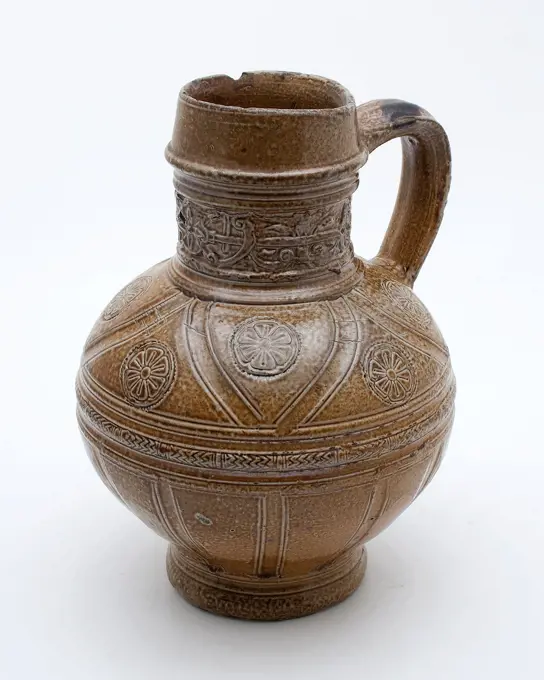
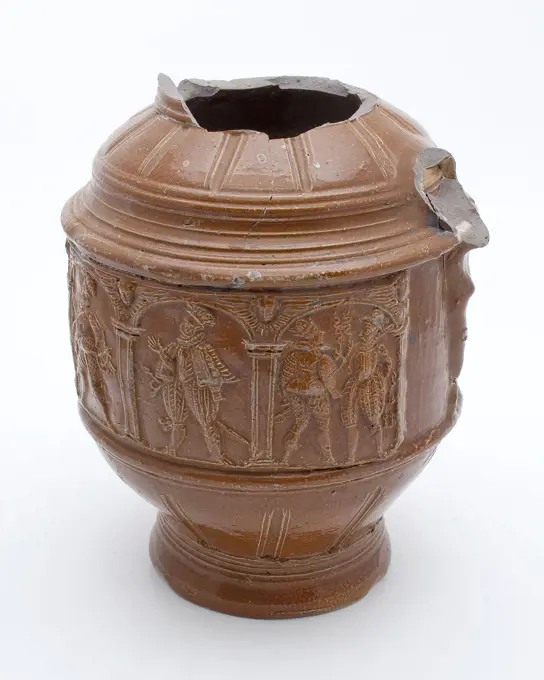
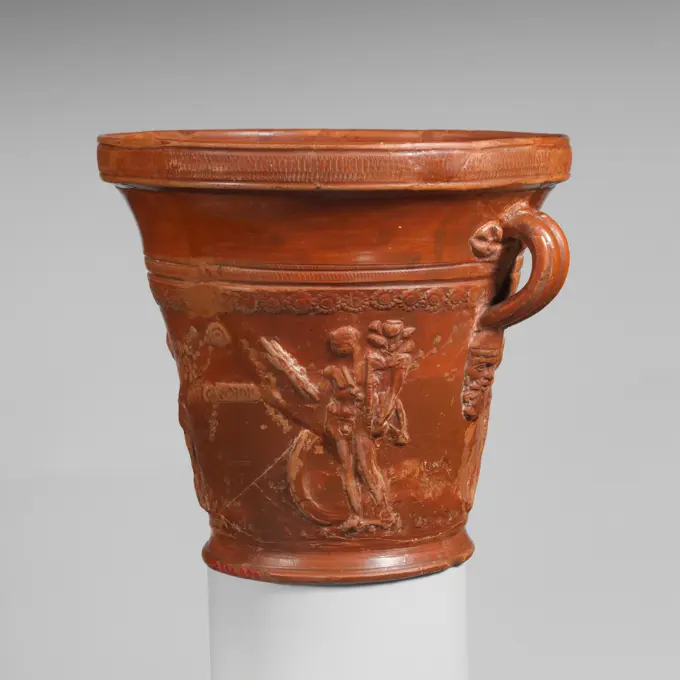
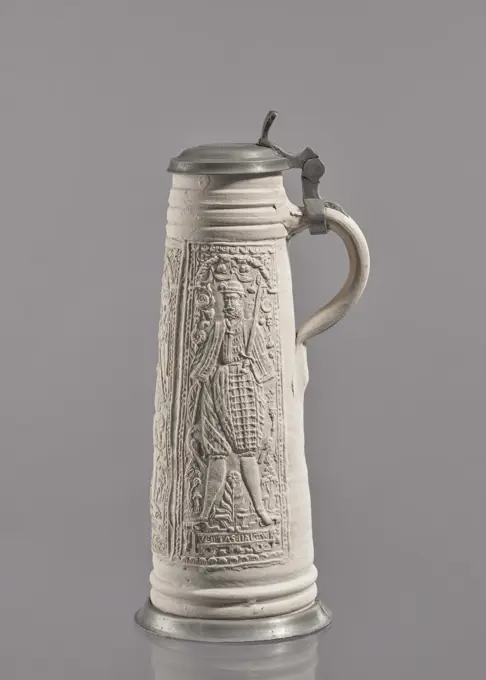
Brown stoneware jug be arranged with frieze around the neck, flower rosettes imprinted on the shoulder and flutes, jug crockery holder soil find ceramic stoneware glaze salt glaze, hand turned stamped glazed glazed baked Stoneware jug gray shard mustard colored and partly gray salt glaze profiled bandoor with short stump tail or button archeology import pottery serve serve drink wine beer
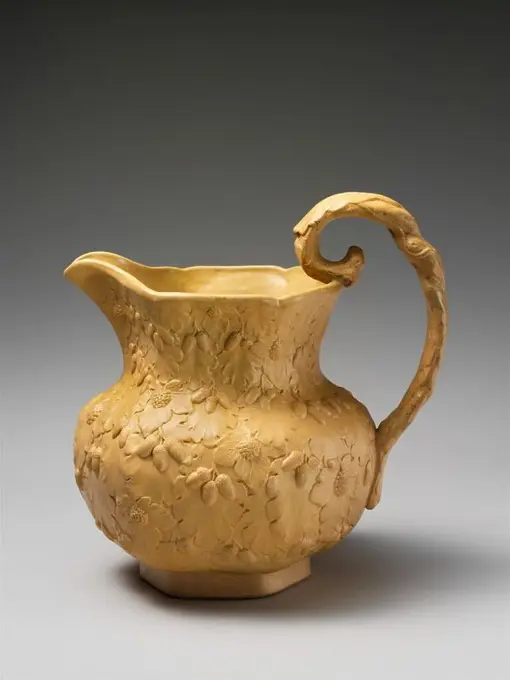
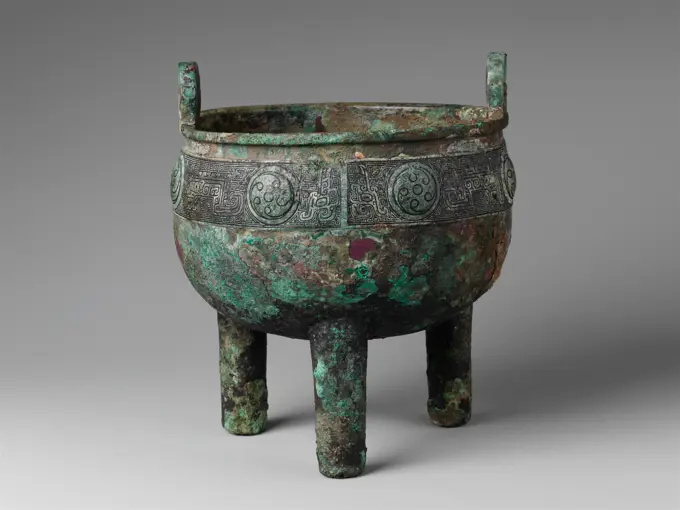
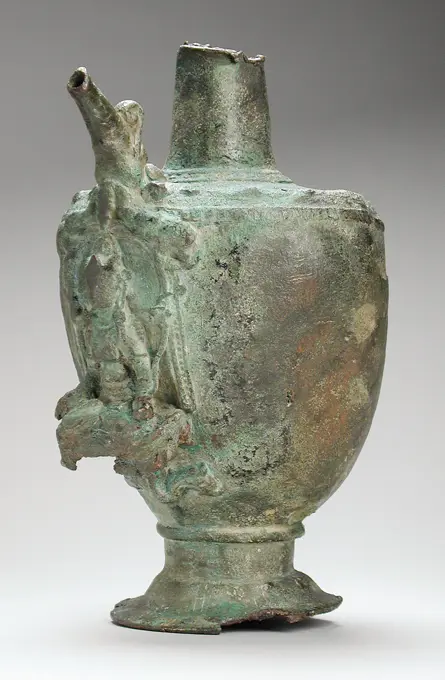
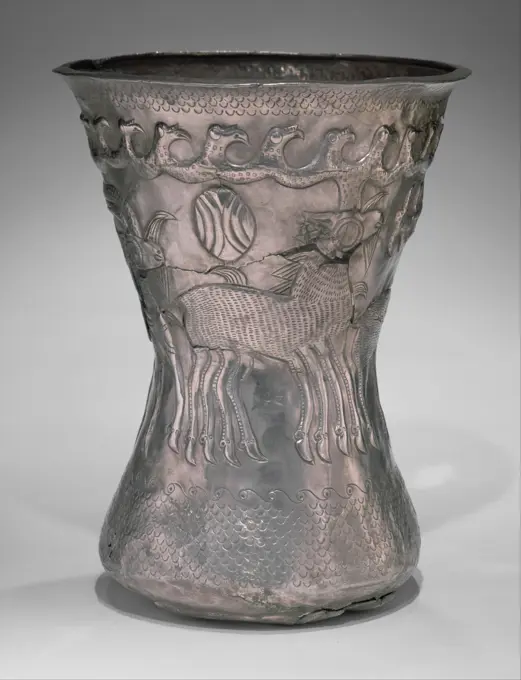
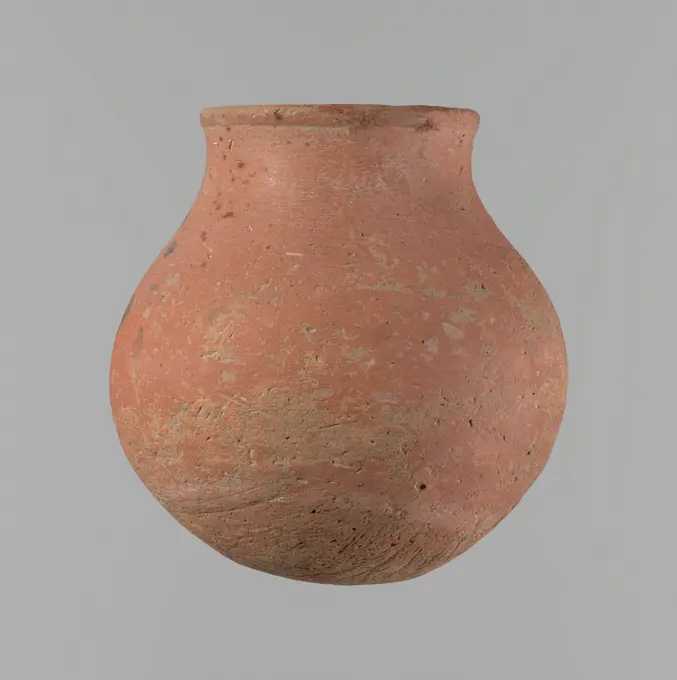
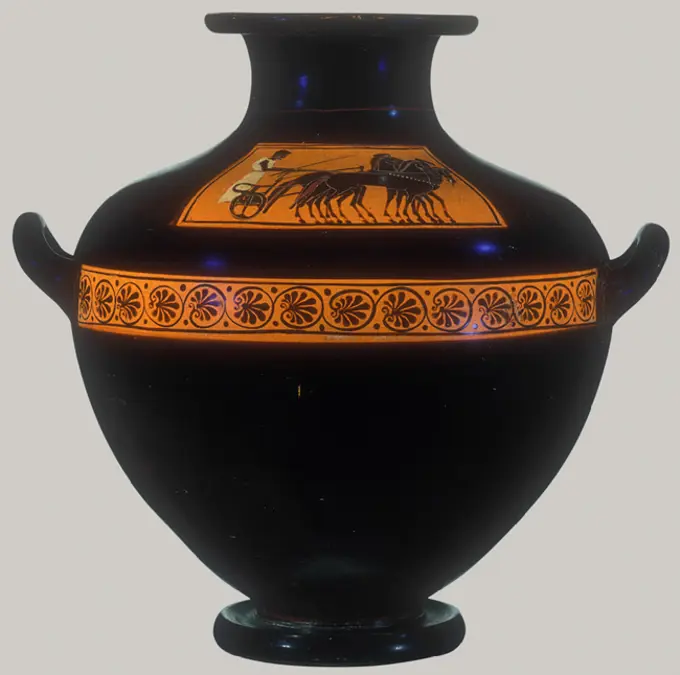
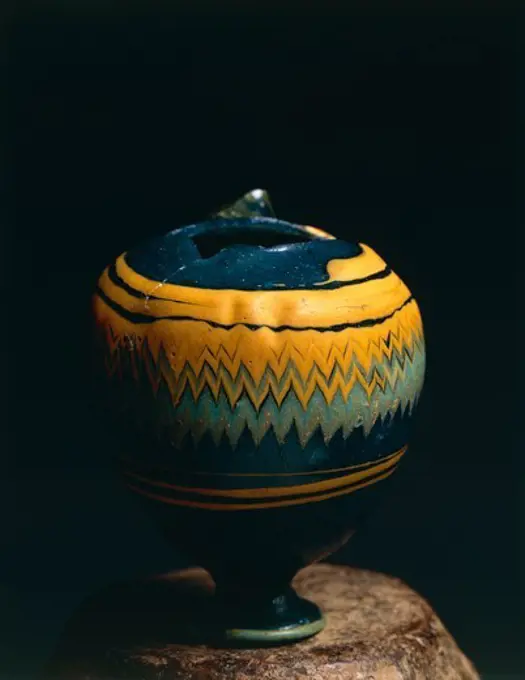
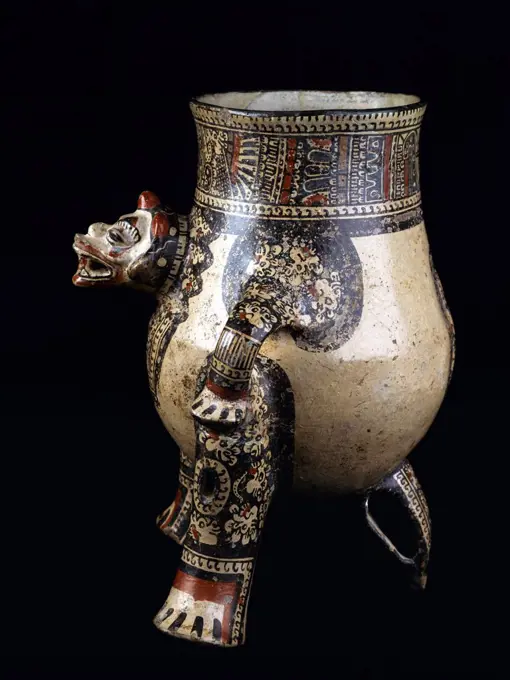
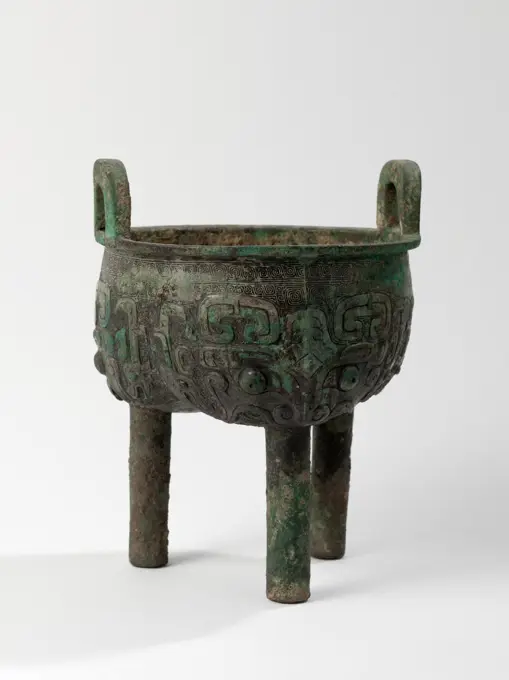
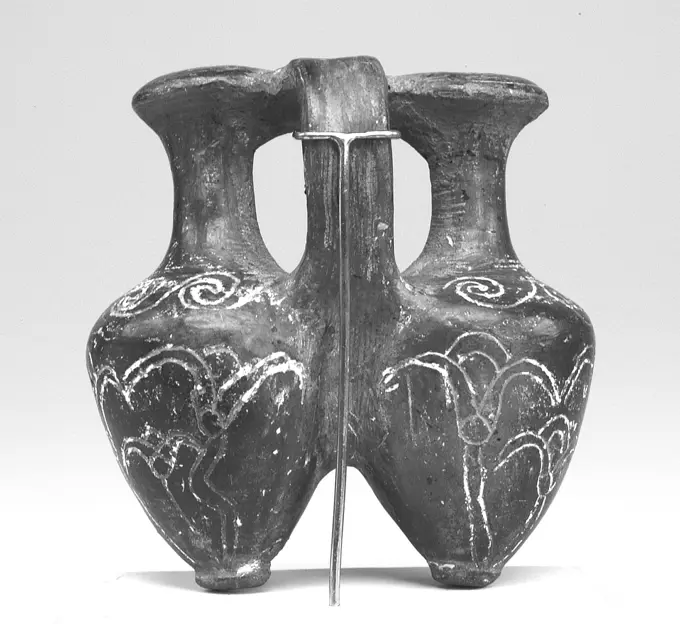
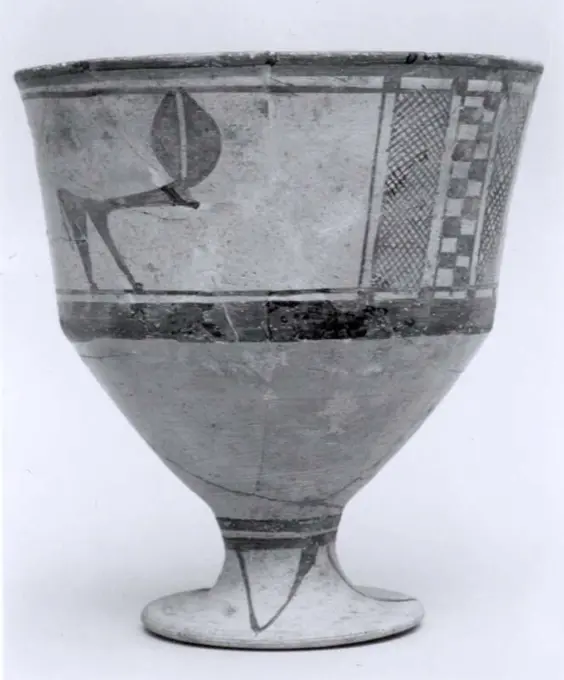
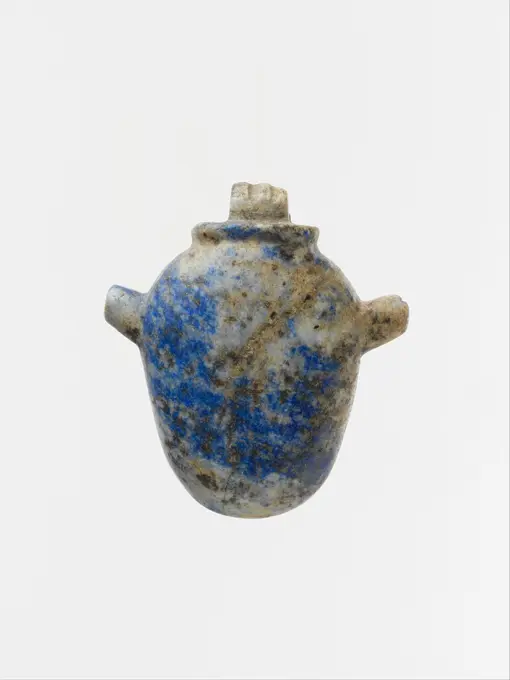
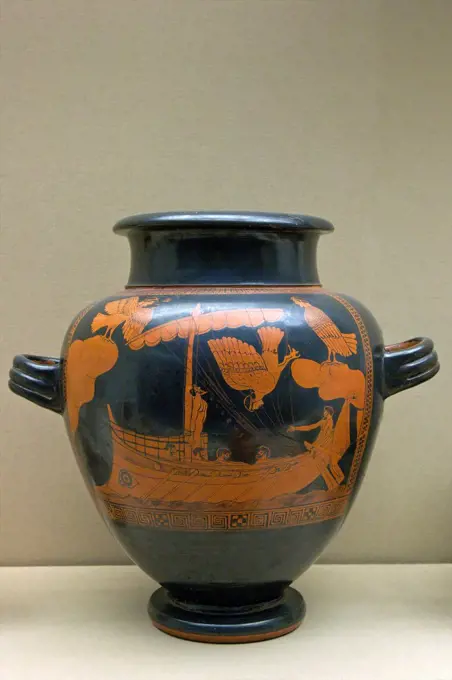
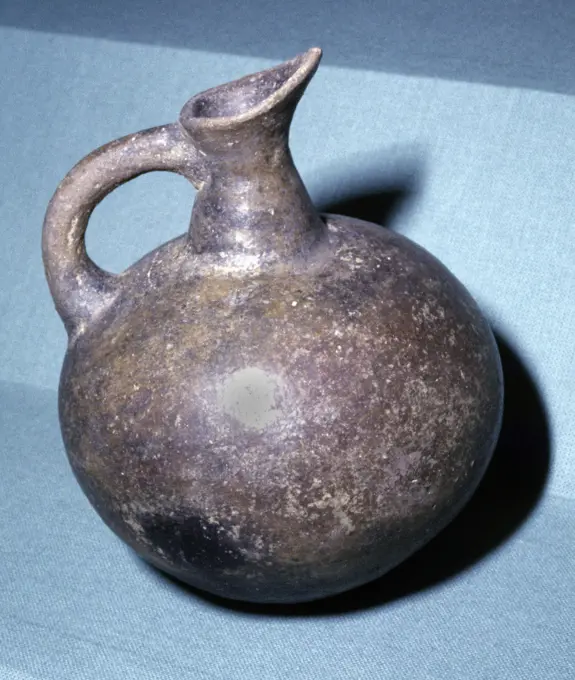
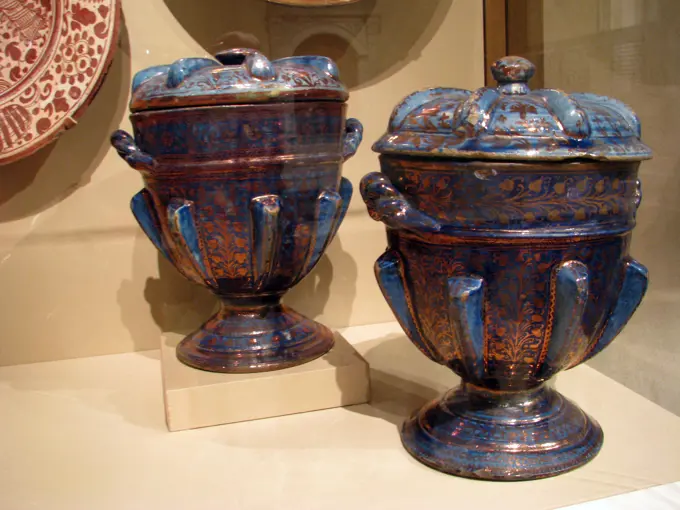
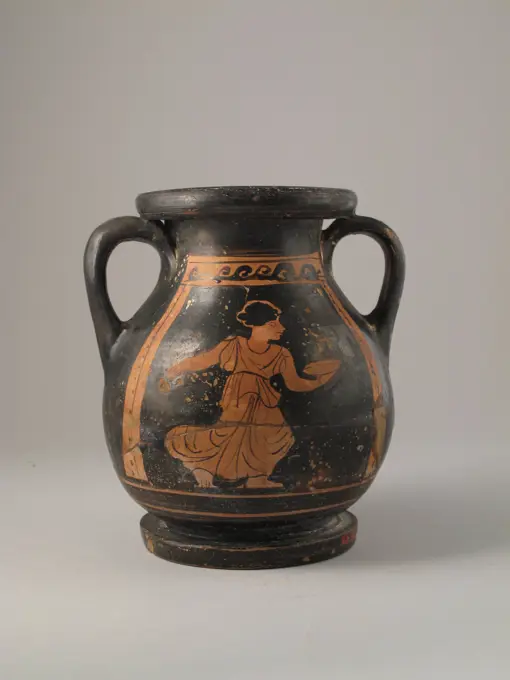
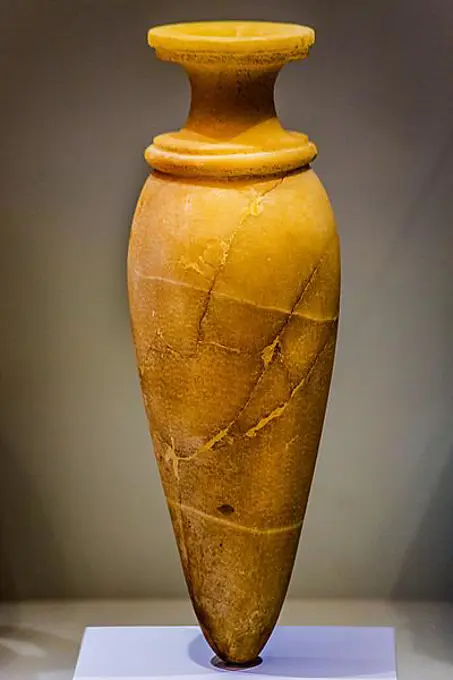
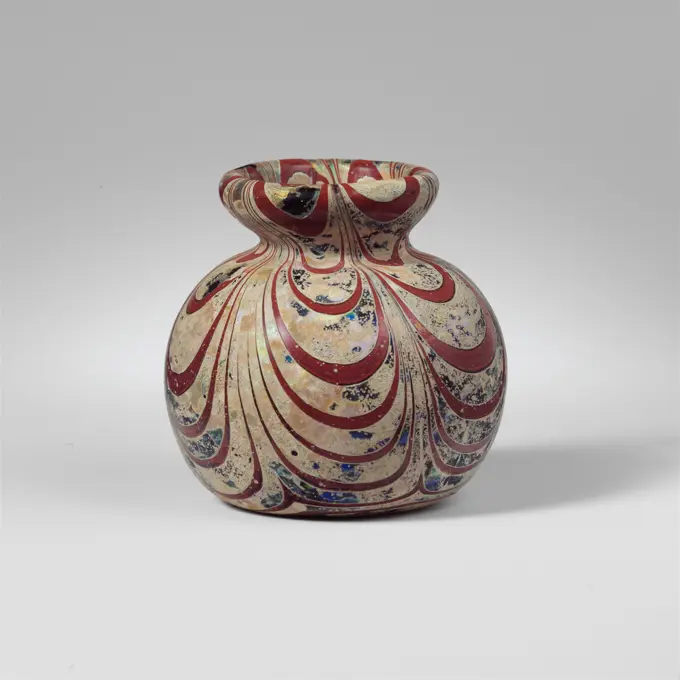
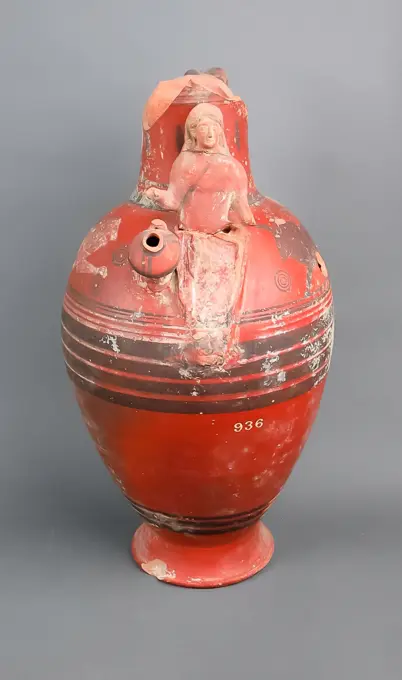
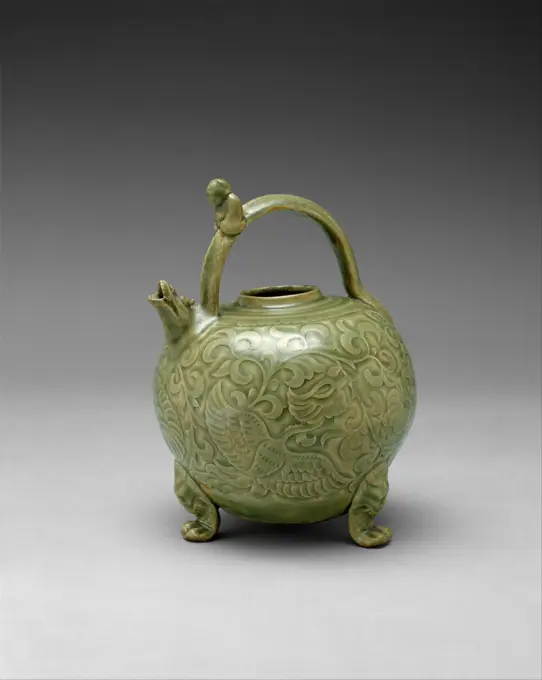
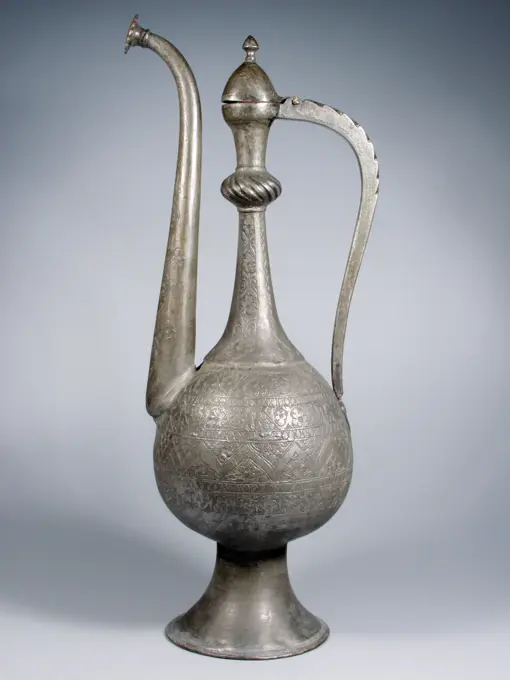
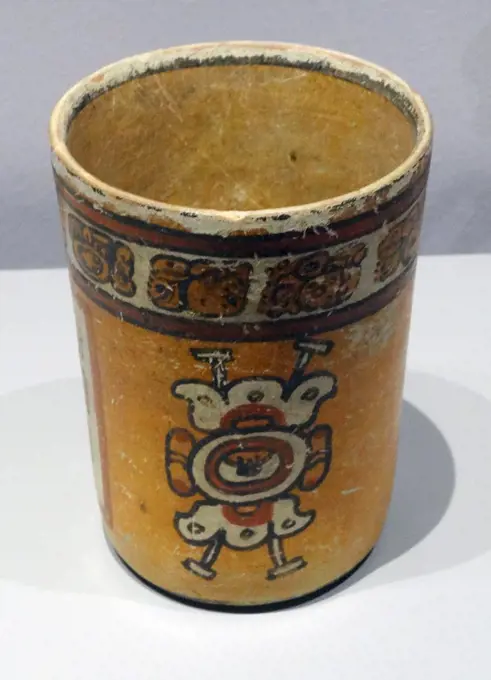
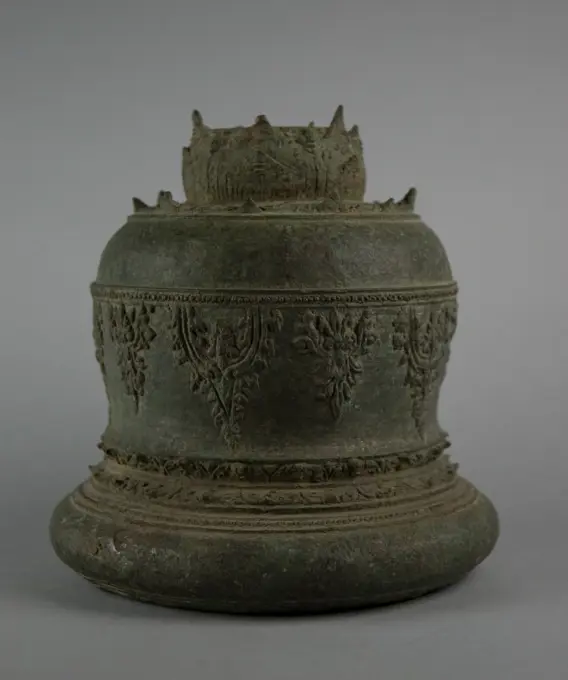
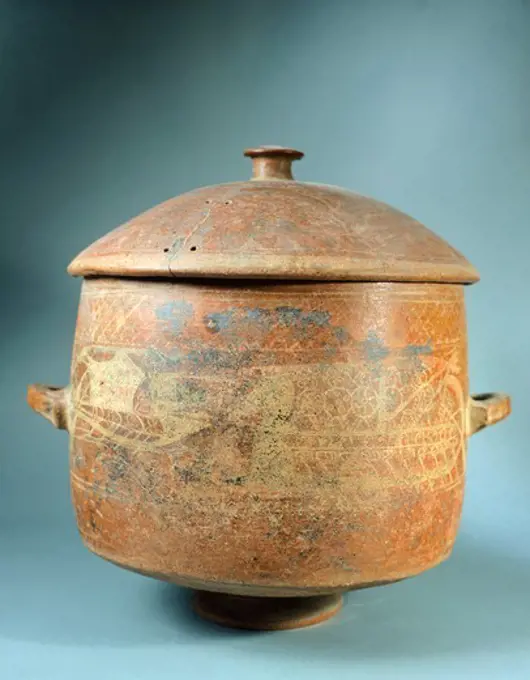
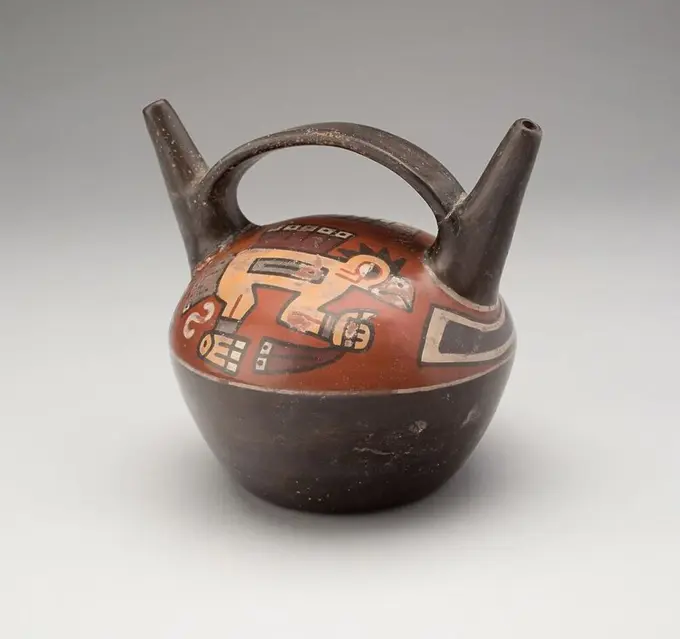
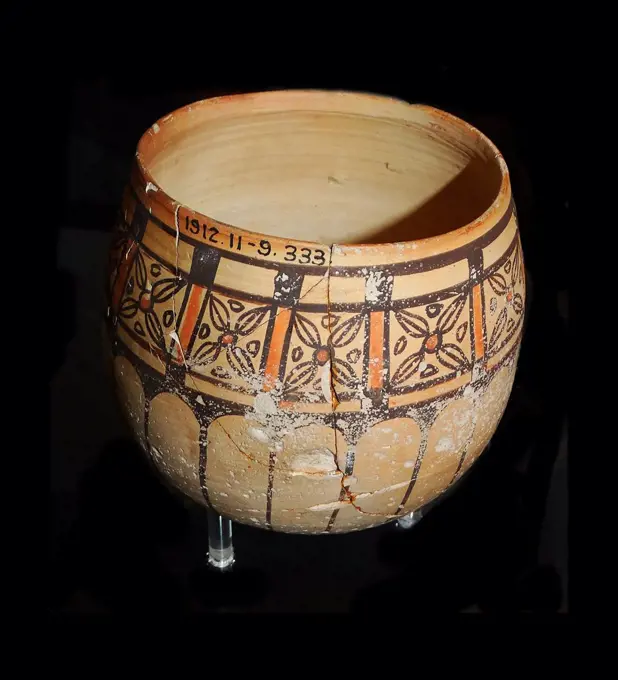
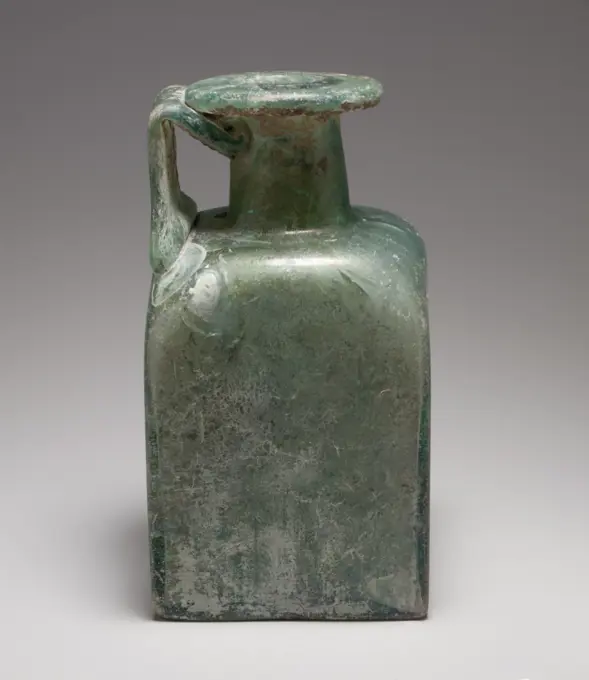
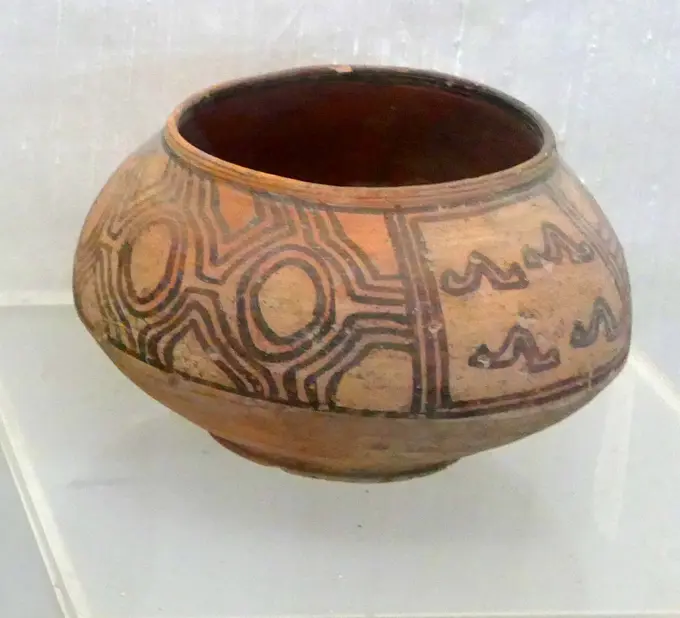
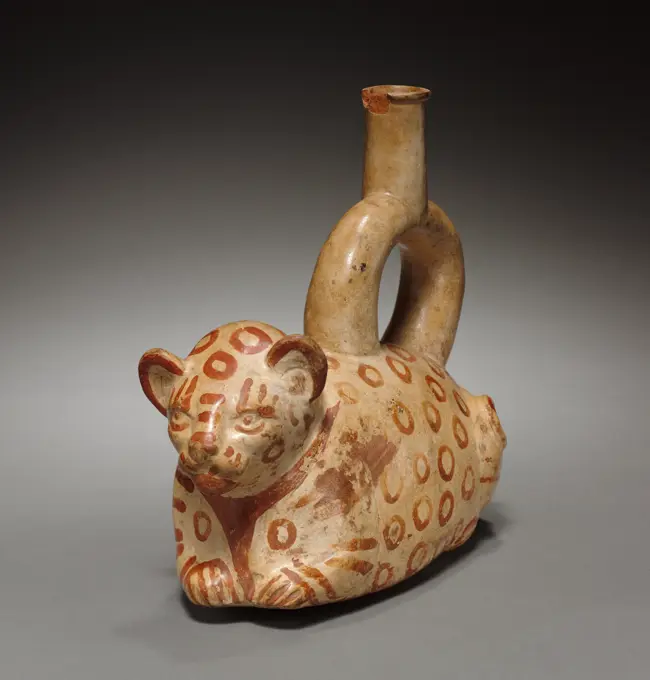
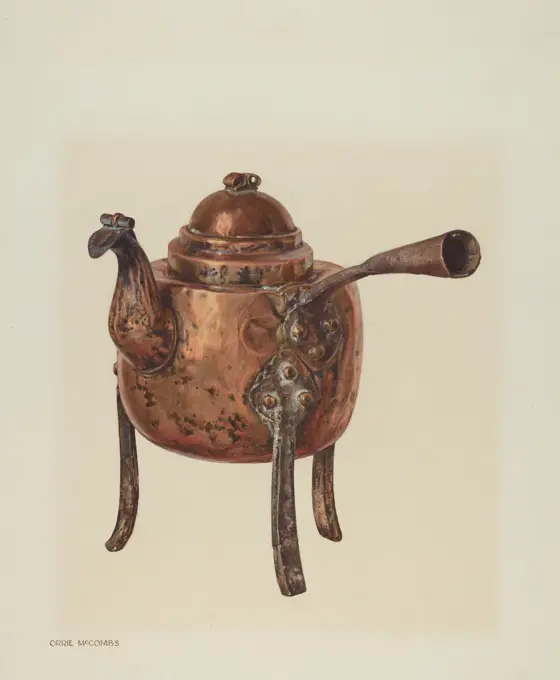
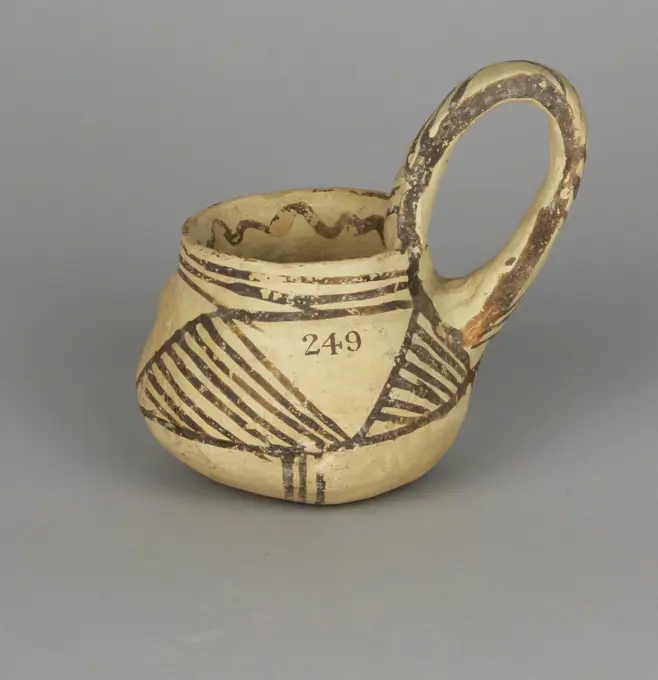
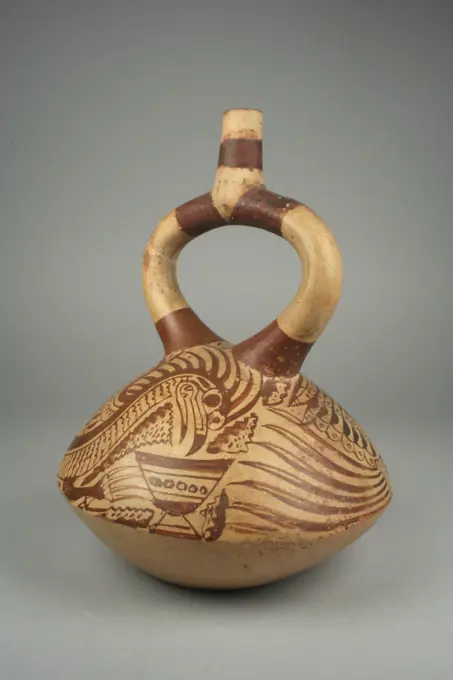
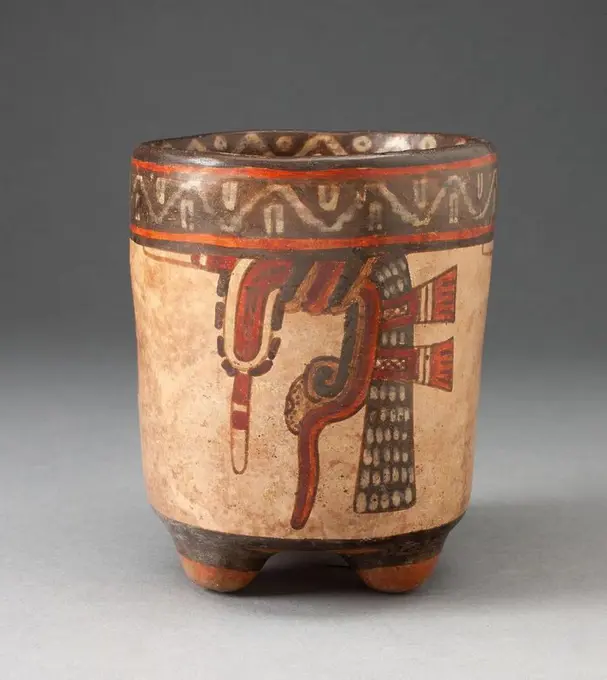
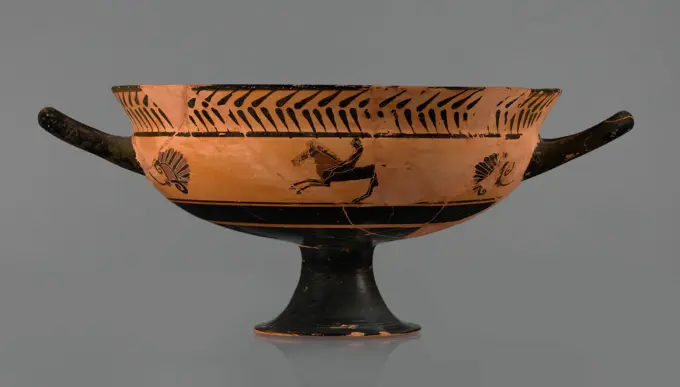
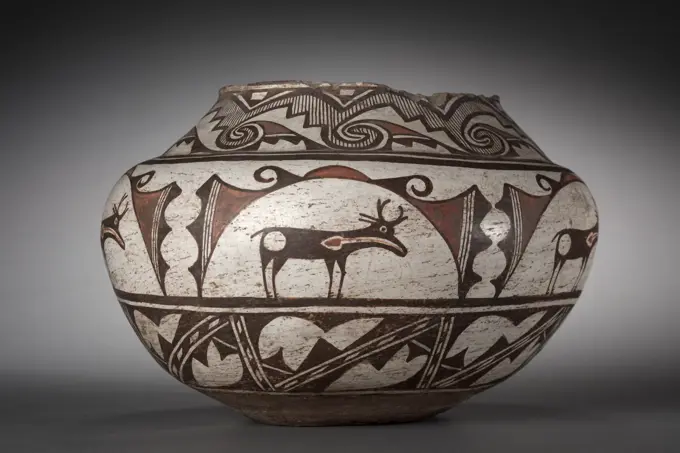
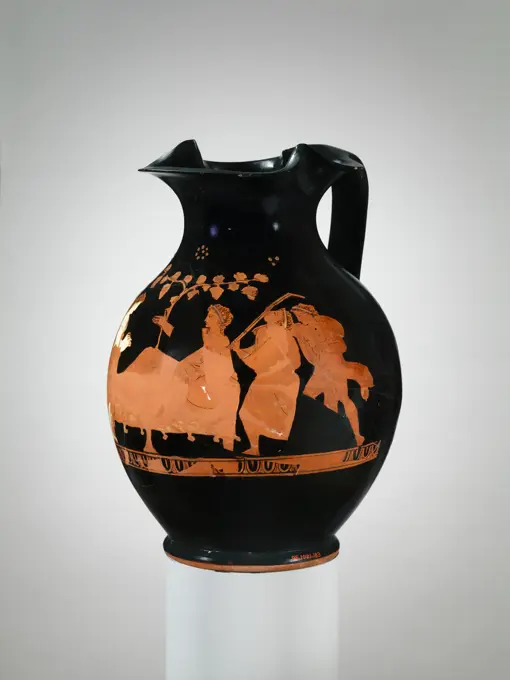
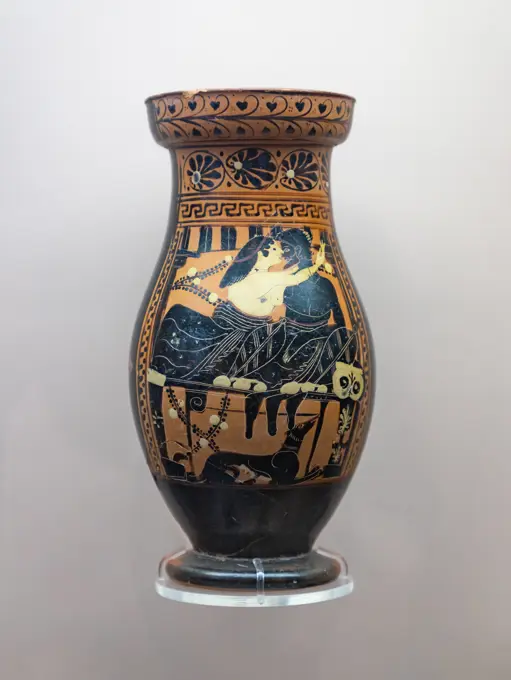
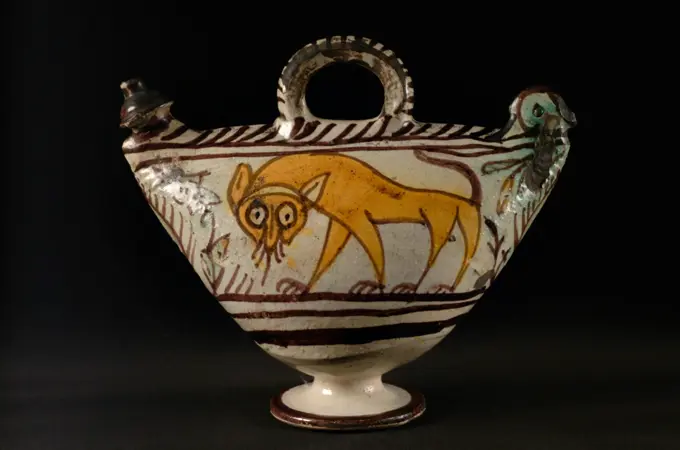
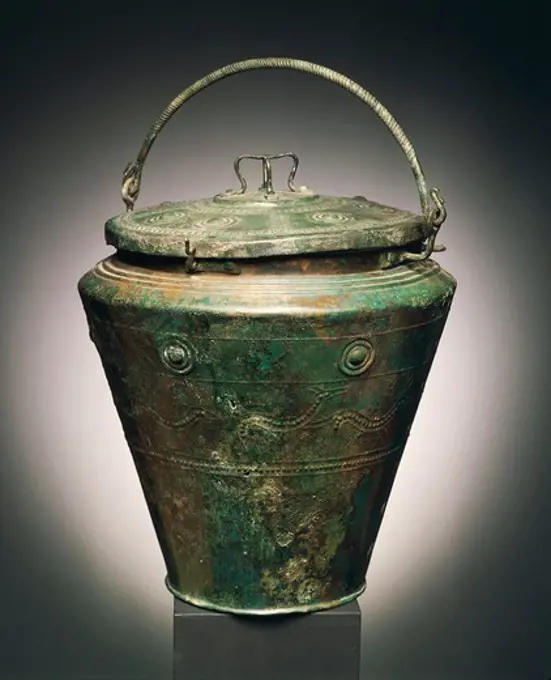
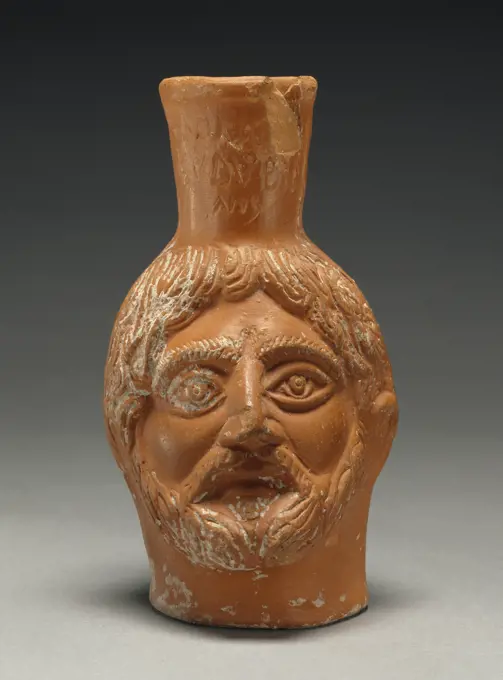
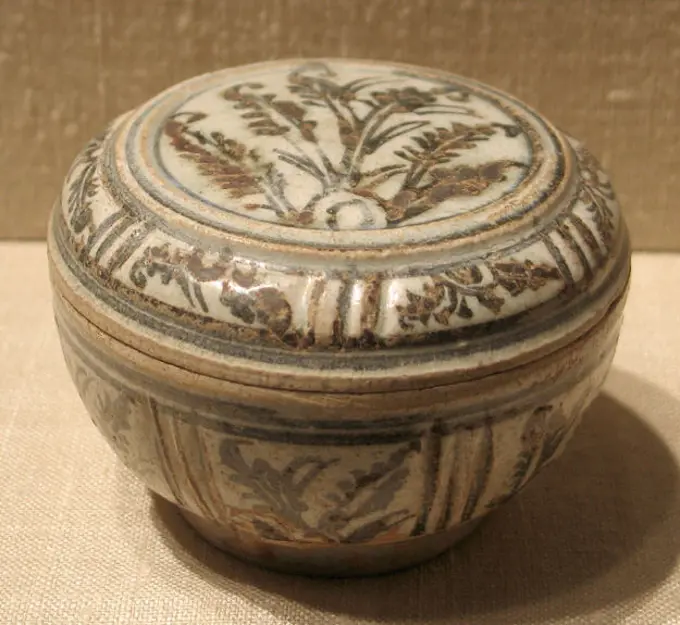
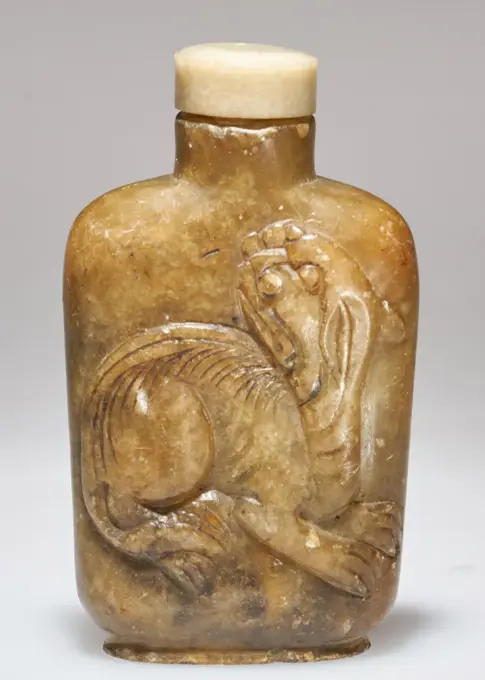
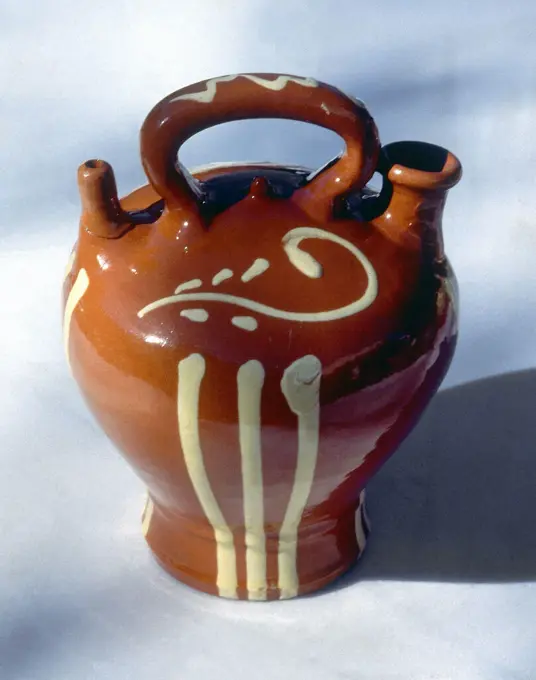
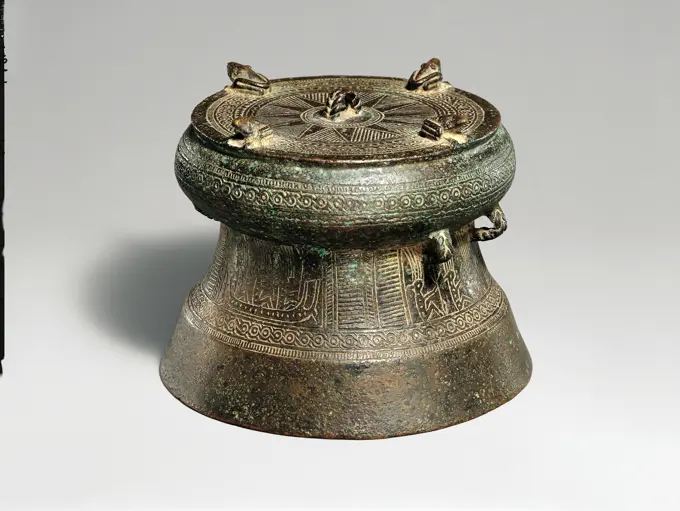
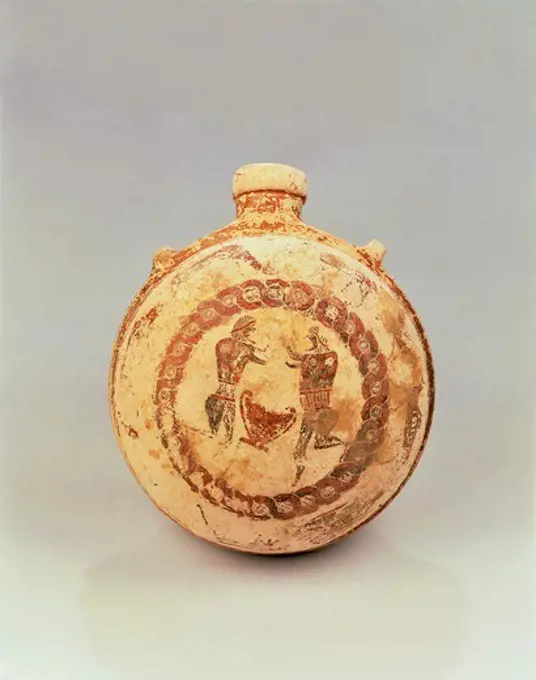
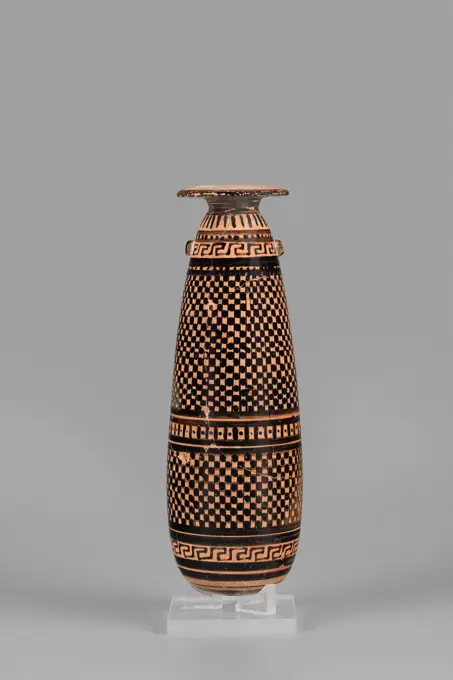
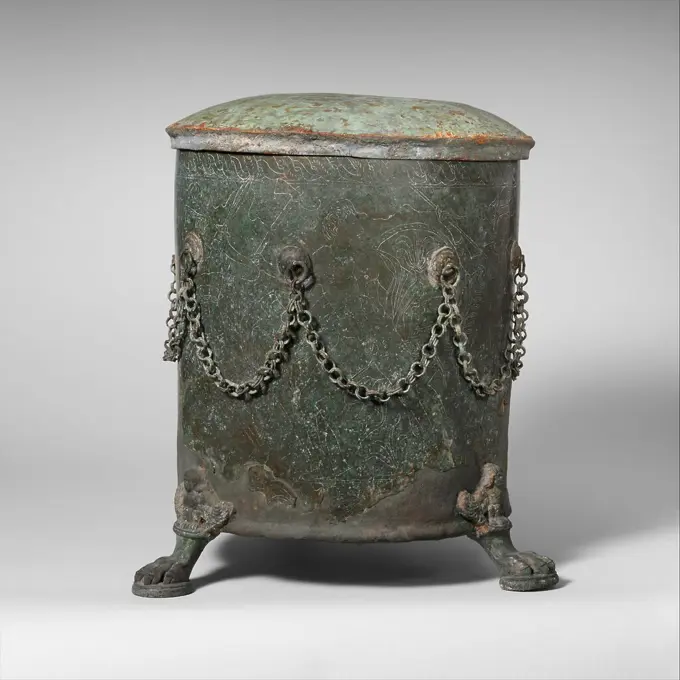
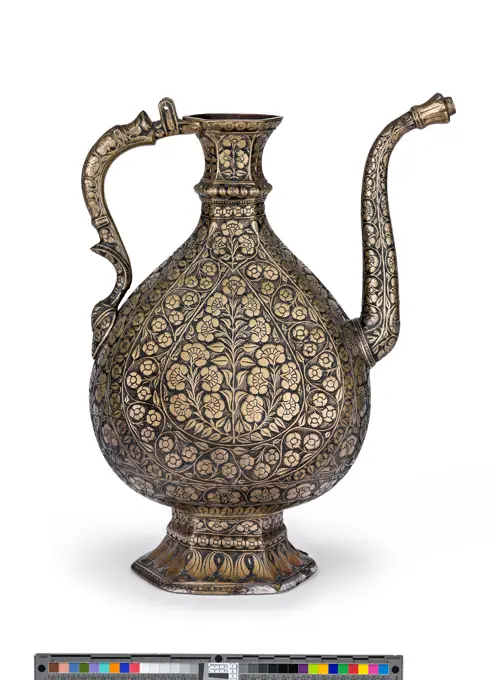
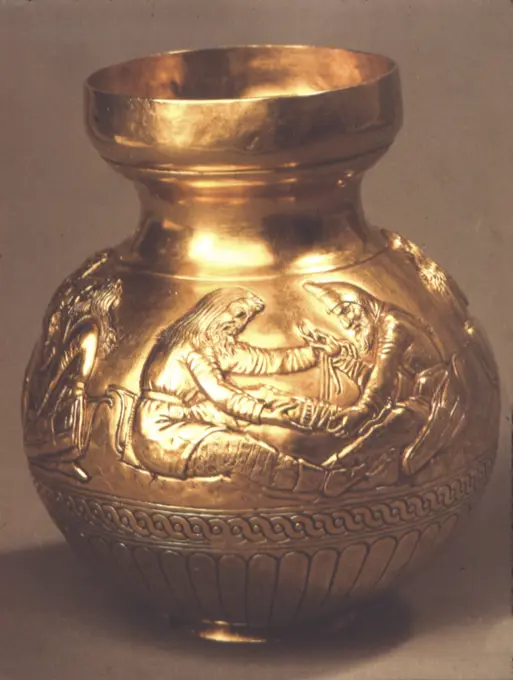
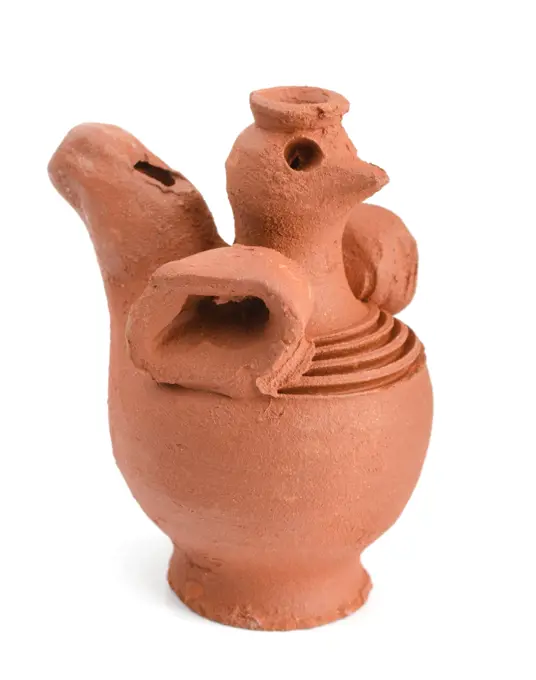
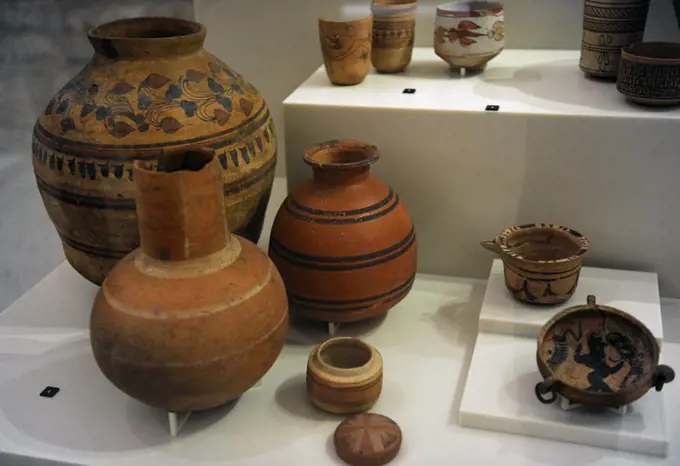
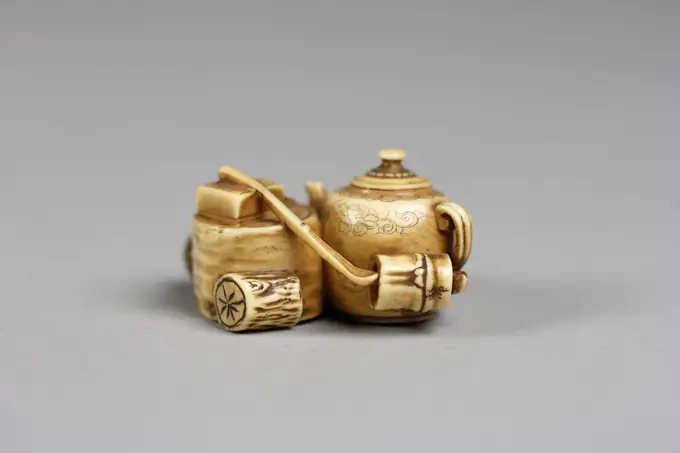
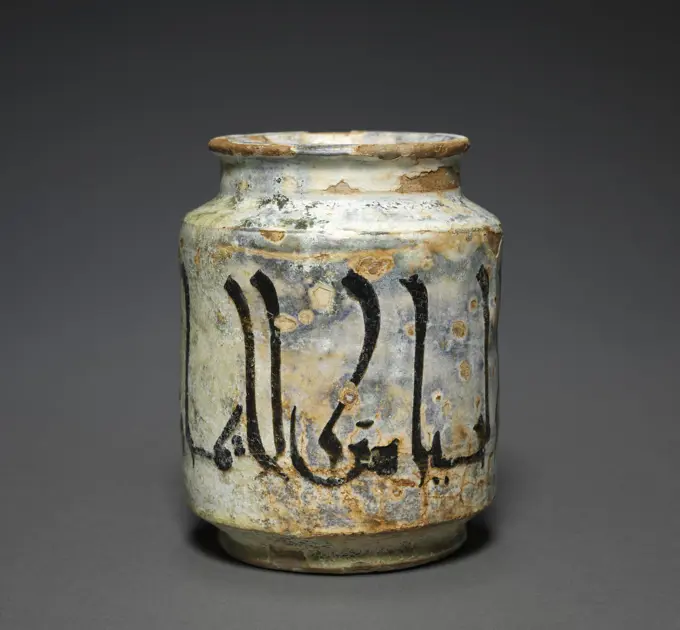
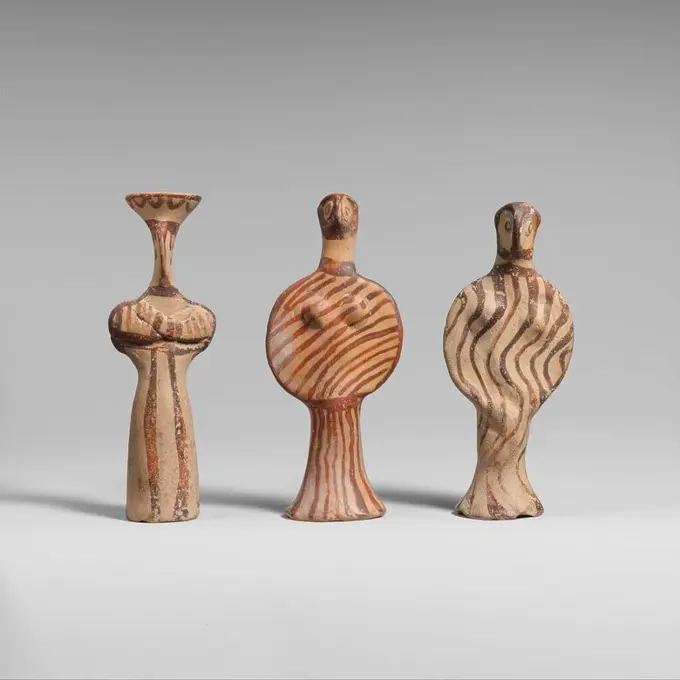
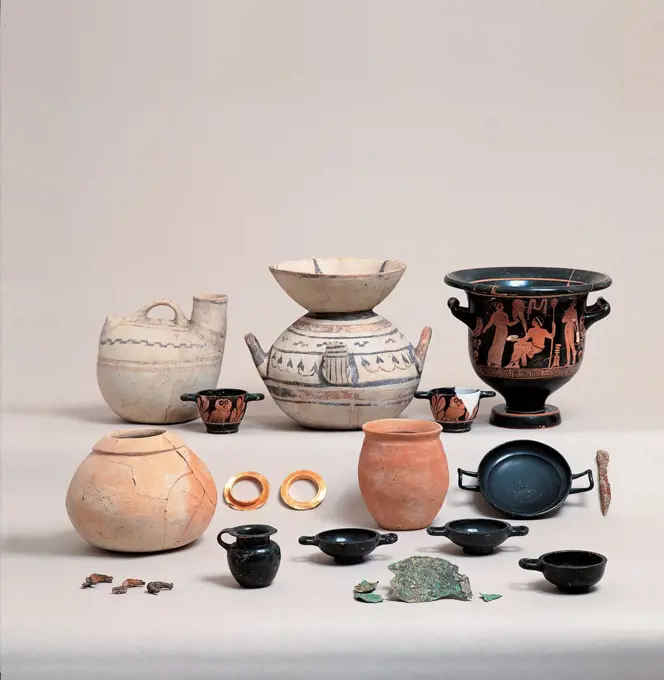
Black Oinochoe. UnknownOlive lamp in the shape of a jug;  XIII/XIV century (1201-00-00-1400-00-00);Arabic (culture), Sultanate Mameluk (1250-1517), Islamic art, Mamel's artGlass bottle 1st-early 2nd century A.D. Roman Translucent pale blue green.Collared rim, folded out, down, round, and up, with vertical rounded outer lip; tall, slender, cylindrical neck, expanding downwards and tooled in horizontally around base; piriform body; concave bottom.Intact; few bubbles; some surface pitting and scratching, dulling, creamy brown weathering, and iridescence.. Glass bottle 245255Pitcher. Culture: American. Dimensions: 8 3/4 x 8 1/2 x 6 5/8 in. (22.2 x 21.6 x 16.8 cm). Manufacturer: D. & J. Henderson Flint Stoneware Manufactory (active 1829-33). Date: 1829-33. Museum: Metropolitan Museum of Art, New York, USA.REDOMA EN VERDE Y MELADO-57 CM-S XII. Location: MUSEO DE MALLORCA. Palma. SPAIN.OinochoeVessel (Ding) China. Vessel (Ding). China. Bronze. Shang dynasty (ca. 1600-1046 B.C.). MetalworkVase. Dated: c. 1937. Dimensions: overall: 28.8 x 23 cm (11 5/16 x 9 1/16 in.) Original IAD Object: 7 1/4 High 3 3/4 Dia(top) 3 Dia(base). Medium: watercolor, colored pencil, and graphite on paperboard. Museum: National Gallery of Art, Washington DC. Author: Jessica Price.Ewer with Shri Lakshmi Lustrated by Elephants (Gaja-Lakshmi). India, Bihar, Gaya District, 9th century. Furnishings; Serviceware. Copper alloy. Pot of stoneware in the shape of a basket with openwork wall and two small, raised ears, painted on the glaze in blue and green. Two modeled crabs and a shell on the outside wall. Six holes in the soil.Jar with Two Plumed or Horned Serpents with Birds and P-shaped Motifs 1280-1450 New Mexico. Zigzagging around the surface of this jar are two abstract serpents with plumes or horns emerging from their red heads, gaping mouths, and bodies filled with checkerboard patterns, triangles, concentric circles, and fine-line hatchings. Feathered or horned serpents were supernatural beings combining the attributes of snakes and birds. Serpents, able to move between the surface and interior of the earth, and birds that fly into the air were agents of communication between the human world, the tiers of the cosmos, and the sacred forces seen and experienced in the natural landscape.. Ceramic and pigment . Casas GrandesPIEZA DE CERAMICA PROCEDENTE DEL CASTRO DE COAÑA. Location: MUSEO ARQUEOLOGICO-COLECCION. Oviedo. ASTURIAS. SPAIN.Brown stoneware musketeers jar, around belly musketeers under arcade in high frieze, musketeer jar jug crockery holder soil find ceramic stoneware clay engobe glaze salt glaze, surface 8.2 hand turned stamped molded glazed baked Stoneware jug gray shard brown engobe and salt glaze tail profiled neck and foot. On top and bottom of the abdomen vertical cannelures archeology import pottery serving drink pouring beer wineBACINILLA DE 4 ASAS DECORADA Y VIDRIADA - SIGLO XVI. Location: ALFARERIA. TERUEL. SPAIN.Beaker with birds and animals ca. 4th century B.C. The ancient land of Thrace encompassed a large area now divided into Bulgaria, southern Romania, eastern Yugoslavia, northeastern Greece, and European Turkey. The first inhabitants of Thrace came from the northern part of Europe and appeared at least as early as the second millennium B.C. Thracian tribes of the mid-first millennium B.C. adopted some of the decorative traditions and nomadic habits of their Scythian neighbors to the east, but they had closer cultural relations with European prehistoric peoples and preserved many of the traditions of the European Bronze Age. From the mid-first millennium, such objects as ceremonial helmets, armor, cups, and ornamental gear for horsesworked from silver and sometimes gildedhave been discovered in graves and in finds that must have been the buried hoards of Thracian princes and chiefs.This silver beaker is a fine example of fourth century B.C. Thracian workmanship. It probably was made in Glass beaker with inscription. Culture: Roman, Syrian. Dimensions: H.: 3 1/4 in. (8.3 cm). Date: 1st half of 1st century A.D..Translucent pale yellow green.Outsplayed unworked rim; cylindrical body with vertical sides; uneven, flat bottom. Two vertical mold seams run down sides from rim to edge of bottom through palm fronds, with a separate disk-shaped base section.On body, three friezes separated and bordered by single horizontal ridges, and divided vertically by two palm fronds: the central narrower frieze contains an inscription in Greek capitals; the upper and lower friezes each contain six stylized wreaths, comprising two concentric circles joined by radial lines, and with wavy lines below indicating ribbons. The inscription translates as "Take the victory!" On bottom, projecting rounded ring and central dot.Broken and repaired around rim, with part of rim and upper body missing; pinprick and larger bubbles; most of surfaces covered with thick creamy brown weathering, with patchesDish;  around 2055 1650 BC ; Medium Pa (-2055-00-00--1650-00-00);Terracotta hydria: kalpis (water jar) ca. 510 B.C. Greek, Attic On the shoulder, chariotThis vase was made at a time when the red-figure technique was becoming established and the relation between glazed and unglazed areas was a matter of considerable experimentation. The concept of a panel goes back to the early sixth century B.C., but the easy curves of the shape and the band between the handles indicate a different age.. Terracotta hydria: kalpis (water jar) 254889 Greek, Attic, Terracotta hydria: kalpis (water jar), ca. 510 B.C., Terracotta, H. 13 15/16 in. (35.4 cm) diameter of mouth 6 in. (15.2 cm). The Metropolitan Museum of Art, New York. Fletcher Fund, 1956 (56.171.31)Figure Drum 2nd-1st century B.C. Paracas Music was an integral part of daily and ceremonial life in ancient Peru. Essential to religious and political celebrations, it was also performed for entertainment and recreation and accompanied herding and work in the fields. Songs served to tell myths and history. Andean music was played on percussion instruments such as drums and wind instruments including whistles, panpipes, flutes, and trumpets. Ceramic drums with central bulbous sounding chambers were made by Peru's southern coastal peoples during the last few centuries before the Christian era. On this remarkable example, which still preserves much of the original resin paint, a frontal, rotund body of a human figure is depicted. Outstretched, spindly arms extend horizontally on the bulging chamber and broad, snakelike streamers emanate from the figure's waist. They encircle the drum and may denote a supernatural connection. The head is cone-shaped and has modeled, slightly protruding eyeItalic civilizations, Liguri. Polychrome glass paste ointment jar. From Ameglia, province of La Spezia.Jaguar effigy vessel from Chorotega,  Nicoya Area,  Costa Rica,  USA,  Florida,  Jacksonville,  The Museum of Contemporary Art,  Pre-Columbia Ceramic Collection,  circa 800-1200 A.D.Terracotta pyxis (box) ca. 425-400 B.C. Greek, Attic These women are playing knucklebones and another game. The finial on the lid is in the shape of a knucklebone.. Terracotta pyxis (box). Greek, Attic. ca. 425-400 B.C.. Terracotta; red-figure. Classical. VasesVase LIDING ". Bronze. China, Shang Dynasty. Paris, Cernuschi Museum. 72360-8 Handle, bronze, shang dynasty, tripod, three feet, vase lidingDouble "Tell el-Yahudiya" Vase with Incised Lotus Flowers, probably manufactured in Egypt ca. 1700 B.C. Second Intermediate Period-Early New Kingdom. Double "Tell el-Yahudiya" Vase with Incised Lotus Flowers, probably manufactured in Egypt 548325Goblet decorated with quadrupeds ca. early 4th millennium B.C. This goblet has a flat base, straight sides, and an everted rim. It is made of buff clay, with painted brown decorations, including crosshatching and checkerboard patterns. These decorations also feature an animal with a stylized body, a long neck, a drooping tail, and crescent-shaped ears that extend to the rim. Wheel lines on the interior indicate that it was made on a potters wheel.The shape and decoration of this beaker resembles that of vessels excavated at Tepe Sialk, near Kashan in central Iran, though there are no exact parallels for the unusual shape of the animals horns. The site of Sialk is spread over two mounds. The northern mound was inhabited from ca. 6000 to 4000 B.C., and the southern mound, where similar pottery to this was found, from ca. 4000 B.C. until 2500 B.C., when the site abandoned for nearly a millennium.The animal on this beaker, possibly some sort of canine, cannot be identified with any speciJug. Dated: c. 1940. Dimensions: overall: 36.5 x 45.7 cm (14 3/8 x 18 in.) Original IAD Object: 13 1/2" High 8 7/8" Dia(approx). Medium: watercolor, graphite, and colored pencil on paperboard. Museum: National Gallery of Art, Washington DC. Author: John Tarantino.You wine vessel, 12th-11th century BCE, 12 13/16 × 5 3/4 × 5 1/16 in., 6.4 lb. (32.54 × 14.6 × 12.86 cm, 2.9 kg), Bronze, China, 12th-11th century BCELapis lazuli heart amulet. Culture: Egyptian. Dimensions: H.: 1 9/16 in. (3.9 cm). Date: 664-334 B.C..Amulet in the shape of a heart. Museum: Metropolitan Museum of Art, New York, USA.UK, England, London, British Museum, Greek stamnos, or jar, with Odysseus and Sirens, circa 480 BBeak spouted ewer, Cycladic period. 3rd mill BC.Cycladic Kasti Group. GREECE.Vase with cover late 17th-early 18th century Spanish, Valencia Tin-glazed earthenware, of which lusterware is one type, was developed in the Middle East in the ninth and tenth centuries to imitate the porcelains produced in China. The opaque white glaze concealed the clay body, which could range from pale buff to brick red, allowing for brilliant effects created by painting the white surface with metal oxides that fired to a range of colors. This technique, as well as the use of metallic lusteran iridescent, coppery painted glazespread throughout the Muslim world, arriving among the potters of Valencia in the thirteenth century. The so-called Hispano-Moresque lusterware, with its fusion of Islamic and Gothic styles and motifs, often in shaped imitating those of metal vessels, was treasured by the elite in Spain during the fifteenth century and exported to the courts of Europe. The Valencian industry declined in the late sixteenth century, as colorful Italian Renaissance maiolica gainPelike, miniature late 5th century B.C. Greek, Boeotian On each side, a girl.. Pelike, miniature. Greek, Boeotian. late 5th century B.C.. Terracotta; red-figure. Classical. VasesAlabaster Rhyton (1600-1400 BC), Archaeological Museum with most important finds of the Minoan culture, Heraklion, Crete, Heraklion, Crete, Greece, EuropeHandeled Jar Depicting Costumed Ritual Performer with Weapons Made 180 BCE-500 CE Peru. Ceramic and pigment . NazcaGlass jar with marvered trails 5th century A.D. or later Roman, Syro-Palestinian Uncertain translucent color; trail and pontil pad in opaque brownish red.Thick, outsplayed rim, folded over, in, and pressed down into mouth; very short, concave, cylindrical neck; globular body; kick in bottom, with traces of pontil pad.Single marvered trail applied as a large pad on bottom and wound up in a spiral eleven or more times over body and rim, then tooled into hanging festoons with seven upward tooling strokes.Intact; pinprick bubbles on surface; thick creamy brown weathering and iridescence covering most of body with areas of pitting and dulling on exterior, but trail largely unweathered, soil encrustation and thick weathering on interior.Other examples are said to be made from translucent yellowish brown glass.A number of jars of this type are known, all probably from the same Syrian workshop. Their date, however, is less certain, and suggestions range from the 3rd to the 8th century A.D.. GlJug 600-480 B.C. Cypriot "Woman-and-pitcher" vase with bull in black on one shoulder, lion in white on the other.. Jug. Cypriot. 600-480 B.C.. Terracotta. Cypro-Archaic II. VasesCERAMICA GRIEGA S II AC -CRATERA.Ewer with Phoenixes 11th-12th century China This unique ewer, with its added decoration of a small figure on the handle and its fanciful spout and legs, illustrates the interest in complicated forms found in the eleventh and twelfth centuries in north China. Although they are not listed among the official kilns of the Northern and Southern Song dynasties, historical sources indicate that Yaozhou wares were also produced for imperial use.. Ewer with Phoenixes 49204Pitcher (aph);  19th century (1801-00-00-1900-00-00);Kadżarski period, Aphtabe, Arabeska, Gift for the Museum, Islam Art, MNW collection, Flower ornament, Persian Art, MNW collectionVessel with Teotihuacan-style Standing FiguresPolychrome vase decorated with flowers. The white flowers that adorn the vase are related to the supernatural world. The container belonged to a noble lineage and was originally intended to be used for drinking cocoa - something that the band of glyphs around it testifies to. 600-900 A.D.Terracotta rhyton in the shape of a dogs head ca. 350-300 B.C. Greek, South Italian, Apulian On the cup, kneeling Eros with a fan, mirror, and wreathOn the cup, kneeling Eros with a fan and a mirror. The dog is a Maltese, they appear with some frequency in Attic and South Italian vases.. Terracotta rhyton in the shape of a dogs head. Greek, South Italian, Apulian. ca. 350-300 B.C.. Terracotta. Late Classical. VasesVase, c. 800 - 900 CE, 9 x 7 in. (22.86 x 17.78 cm), Clay, pigments, Honduras, 9th-10th centuryDecorated Base of Bell 10th-11th century() Indonesia (Java). Decorated Base of Bell. Indonesia (Java). 10th-11th century(). Bronze. Eastern Javanese period. MetalworkImpasto pyx, from a Caeretan workshop, orientalizing pottery from Cerveteri (Lazio). Etruscan civilization, 630-620 BC.Vessel Depicting Abstract Birds. Tiwanaku-Wari; South coast, Bolivia. Date: 700 AD-1000. Dimensions: 14.5 × 16 cm (5 11/16 × 6 5/16 in.). Ceramic and pigment. Origin: Bolivia. Museum: The Chicago Art Institute, Chicago, USA.Fine ware cup with painted with geometric motifs. Meroe (an ancient city on the east bank of the Nile, near Shendi, Sudan). Meroe was the southern capital of the Napata/Meroitic Kingdom, that spanned the period c. 800 BCE ó c. 350 CEVery old style clay ewer water jar in viewAnthropomorphic Lime Container ca. 500 B.C.-A.D. 300 Indonesia (Java, Lumajang, Pasiran). Anthropomorphic Lime Container. Indonesia (Java, Lumajang, Pasiran). ca. 500 B.C.-A.D. 300. Bronze. Bronze and Iron Age period. MetalworkGlass square bottle 2nd to 3rd century A.D. Roman Translucent blue green; handle in same color.Everted, horizontal rim, folded over and in, flattened on top surface, and with rounded inner lip to mouth; slanting, cylindrical neck; slightly pushed-in shoulder, with sloping rounded corners; square body, with flat, vertical sides; flat bottom, but convex on interior; broad, reeded handle attached in a long pad to edge of shoulder on one side, drawn up vertically, folded down and in, and trailed on to top of neck under rim.Mold mark on bottom comprising a large circle in relief, appearing as a wreath with tail extending towards one corner, enclosing two letters in relief: V L (in Latin) or A Γ (in Greek retrograde).Complete but many internal cracks; a few pinprick and larger bubbles; some soil encrustation, dulling, and faint iridescence.. Glass square bottle 249464Terracotta lekythos (oil flask). Culture: Greek, Attic. Dimensions: H. 13 5/8 in. (34.6 cm). Date: ca. 420 B.C..Woman and youth at a tombOne of the objects carried by the woman is a plemochoe, a container for perfumed oil. Ceramic examples of the shape are most common in Athens during the late sixth and early fifth centuries B.C. Very fine examples also would have been made of marble. Museum: Metropolitan Museum of Art, New York, USA.Two-handled vase ca. 1495-1510 Italian, probably Gubbio In the late fourteenth century, Spanish potters developed a technique called lustering that gave their earthenware a shimmering iridescence. Italian potters went to Spain as spies to learn the secret recipe, and a century later, artists in Umbria became the first in Italy to master the technique. The initials on this pot (R and F) may refer to a couple—such vases were probably purchased by newlyweds putting together their household.. Two-handled vase 199752Collection of terracotta Harappa ceramics from the Indus Valley Civilisation at Mohenjo-Daro, Pakistan. The Indus Valley Civilisation was a Bronze Age culture, (33001300 BCE; mature period 26001900 BCE) mainly in the north-western regions of South Asia, extending from what today is northeast Afghanistan to Pakistan and northwest IndiaCup, 20th century, 4 × 4 1/2 × 5 in. (10.16 × 11.43 × 12.7 cm), Wood, Democratic Republic of Congo, 20th centuryStirrup Spouted Vessel of Feline Form, 1st millenium. Peru, Mochica. Red earthenware decorated with cream-colored slip and brown pigment; overall: 19.3 x 9.7 x 21 cm (7 5/8 x 3 13/16 x 8 1/4 in.).Orrie McCombs, Copper Kettle, 1935 1942 Copper KettleCup ca. 3200-1050 B.C. Cypriot Vertical handle, bands and lozenges.. Cup. Cypriot. ca. 3200-1050 B.C.. Terracotta. Bronze Age. VasesBird Bottle 7th-8th century Moche. Bird Bottle 308514Terracotta modiolus (drinking cup) ca. A.D. 5-40 Roman Both cups were made at Arretium (modern Arezzo) in Northern Italy. One (17.194.896) bears stamps giving the name not only of the owner of the workshop, P. Cornelius, but also of the slave, called Rodo, who made the vessel. The shape can be compared with that of some glass vessels also displayed here.Rogers Fund, 1919 (19.192.42). Terracotta modiolus (drinking cup). Roman. ca. A.D. 5-40. Terracotta; Arretine ware. Early Imperial, Julio-Claudian. VasesPair of Tripods with Knotted Motif. Classic Maya; Ulúa River Valley, Honduras or Petén region, Guatemala. Date: 850 AD-950 AD. Dimensions: 12.1 x 9.5 cm (4 3/4 x 3 3/4 in.); 12.7 x 10.2 cm (5 x 4 in.). Ceramic and pigment. Origin: Honduras. Museum: The Chicago Art Institute, Chicago, USA.Handle Spout Vessel Depicting Seated Figure Drinking from Cup Made 1200-1450 North Coast. Ceramic and pigment . ChimúHay -type black -gear kylix; Painter C; approx. 570-550 BC (-570-00-00--550-00-00);Water Jar (Olla) , 1870. Southwest, Pueblo, Zuni, Post-Contact, 19th century. Slip-painted ceramic; overall: 21.5 x 34 cm (8 7/16 x 13 3/8 in.).Terracotta oinochoe (jug) 4th century B.C. Greek, Attic Dionysos, the god of wine, greeting woman and three youths, two of whom carry torches. Terracotta oinochoe (jug) 247346Archaeological Museum of Rhodes - Artifacts Archaeological Museum of Rhodes - Artifacts Copyright: xZoonar.com/BrunoxCoelhox 23044299Vase, 19th century, Unknown Japanese, 12 1/4 x 4 9/16 in. (31.12 x 11.59 cm), Satsuma ware, Japan, 19th centuryPilgrim Bottle, 1889. Tin-glazed earthenwarePrehistory, Italy. Bronze situla. From Trezzo sull'Adda, province of Milan.Glass square bottle. Culture: Roman. Dimensions: 4 5/8 in. (11.8 cm)Other: 2 3/8 in. (6 cm)Diam. of rim: 1 1/4 in. (3.2 cm). Date: 2nd-3rd century A.D..Translucent pale blue green with purple swirls; handle in same color ().Rim folded out, over, and in, and flattened on top; broad, cylindrical neck, expanding downward to sloping shoulder with rounded corners; straight sides; slightly uneven, flat bottom; strap handle applied as a large pad to shoulder, drawn up vertically, turned in at sharp angle, and trailed on to top of neck and outer edge of rim.Intact; many bubbles and blowing striations; pitting and brilliant iridesence. Museum: Metropolitan Museum of Art, New York, USA.Beaker, 100 BCE - 600 CE, 6 1/8 x 4 x 4 in. (15.6 x 10.2 x 10.16 cm), Clay, pigments, Peru, 1st century BCE - 7th century CECall crater;  5th century BC (-500-00-00--401-00-00);Działyńska, Izabela (1830-1899), Działyński, Jan (1829-1880)Alabastron;  332-200 BC ; Ptolemean period (-332-00-00--200-00-00);Red-Slip Head Vase; Workshop of Gududio (Roman, active about 300 A.D.); North Africa; about 300; Terracotta; 16.3 cm (6 7,16 in.)Covered Box 14th-ca. mid-16th century Thailand (Si Satchanalai). Covered Box 37469CERAMICA DE TALAVERA (TOLEDO) - JARRA DECORADA EN AZUL. Location: MUSEO DEL PUEBLO ESPAÑOL, MADRID, SPAIN.Bell (nao) Made 1046 BCE-771 BCE China. Bells of this type are among Chinaís earliest percussion instruments. Many have been unearthed from mountain slopes and along riverbanks in south China. This area was occupied by distinctive cultures that coexisted with the Shang and Western Zhou dynasties. Along this southern frontier, it appears that large bronze bells were more important than bronze vessels to the local aristocracy.This bell was designed to be mounted on its hollow stem with its curved mouth facing up and struck from the outside with a mallet. Unlike other types of bronze bells that were assembled as chime sets, this one was intended to be played as an individual instrument. It may have been sounded during ceremonies or military campaigns. The eyebrow-shaped lines that skim the margins of this bell depict imaginary dragons or realistic reptiles.. Bronze .Snuff Bottle, 17th-19th century, 2 5/8 x 2 5/8in. (6.7 x 6.7cm), Stone, jade, China, 17th-19th century"CANTIR" O BOTIJO VIDRIADO Y DECORADO - ARTE POPULAR S XX. Location: ALFARERIA. LA BISBAL. GERONA. SPAIN.Miniature Drum with Four Frogs ca. 500 B.C.-A.D. 300 Vietnam Ranging in height from a few inches to over six feet, up to four feet in diameter, and often of considerable weight, drums are the most widely dispersed products of the Dongson culture of northern Vietnam. Examples produced in Vietnam, in addition to works made locally, have been found in south China and throughout mainland and island Southeast Asia. The function of these drums, often found in burials, remains unclear. They may have been used in warfare, as political regalia, or as part of funerary and other ceremonial rites.. Miniature Drum with Four Frogs. Vietnam. ca. 500 B.C.-A.D. 300. Bronze. Bronze and Iron Age period, Dongson culture. MetalworkLenticular flask by the Pilgrim Flask Painter, side depicting two komasts and a brazier. Etrusco-Corinthian pottery from Cerveteri (Lazio). Etruscan civilization, 7th Century BC.Alabastron czarnofigurowy z motywem szachownicy. unknown, authorBronze cista (toiletries box). Culture: Praenestine. Dimensions: H. 11 5/8 in. (29.5 cm); diameter 9 5/8 in. (24.5 cm). Date: ca. 325-300 B.C..The engraved frieze on the cylindrical container depicts a battle between Greeks and Amazons. The solid-cast feet are shaped like lion's paws but terminate in attachments depicting winged sirens. The engravings of two nude warriors on the lid, one standing and one seated, are modern additions, no doubt inspired by similar compositions frequently seen on mirrors. The cista handle is missing. Museum: Metropolitan Museum of Art, New York, USA.Ewer. Pakistan, Lahore, Mughal Empire, circa 1675-1700. Furnishings; Serviceware. Brass with traces of inlaid black resin ground, cast and engravedCeramic mug. Viceroyalty of New Spain. 17th century. Tonala (Guadalajara), Mexico. Museum of the Americas. Madrid, Spain. Scythian warriors on a gold vase. Black Sea Region. 4th cent. BC. Central Asia.Clay bird whistle isolated on whiteRoman barbotin ceramics. Found in Egyptian tombs as grave goods and the Meroitic kingdom. 1st century AD. Neues Museum. Berlin. Germany.Snuff Bottle with Buddhist Figures 18th century China. Snuff Bottle with Buddhist Figures 41720Tea Utensils second half 19th century Japan Represented in this netsuke is an array of tea ceremony utensils--including a tea whisk and kettle, decorated with light incised peonies, and a fresh water jar.. Tea Utensils 59812Phiale or patera, libation bowl. Ceramic plate. Decorated head matron. Greek imitation. 3rd century BC. From Bari, Italy. Episcopal Museum. Vic. Catalonia. Spain.Basket (panier, deuxième grandeur). Sèvres Manufactory (French, founded 1756)Snella. Siegburg (ośrodek ceramiczny ; ca 1300-ca 1900)globular votive vase with mythological scene, Mochica culture, Peru, III-IV century after Christ, pottery, Sa Bassa Blanca Museum (msbb). Yannick Vu and Ben Jakober , Alcudia, Majorca, Spain.Ewer in the Form of a Parrot. China, probably Hebei Province, early Northern Song dynasty, about 960-1000. Furnishings; Serviceware. Molded stoneware with carved and incised decoration, and green and brown glazePharmacy jar (albarello) Italian 19th century Storage vessels were among the most frequently produced maiolica wares in late medieval and Renaissance Italy. Made in fairly standard shapes, they were designed to fit with dozens of others on a shelf, often in a pharmacy or shop. Their handles therefore tend to fit within the vessels profile, and the cylindrical albarello type is generally narrower at the middle than at the top or bottom, making it easy to grip. Other common features include inscriptions indicating contents and flanged lips to help secure cloth or paper seals. The decoration, usually more elaborate on one side than the other, can sometimes link pieces to a known dispensary or specific workshop or artist. View more. Pharmacy jar (albarello). Italian. 19th century. Maiolica (tin-glazed earthenware) or lead-glazed slipware. Ceramics-PotteryAlbarello Jar with an Aphorism, 900s. Central Asia, Samarkand, Samanid period (819-1005). Earthenware with underglaze decoration; diameter: 9.7 cm (3 13/16 in.); overall: 13 cm (5 1/8 in.).MAQUETA ARQUITECTONICA. Nº INV. 0/1085/1. 34,4 X 20. MUSULMAN. (EXPOSICION :ARTE ISLAMICO ESPAÑOL)(DEPOSITO: MSEO DE MURCIA ).Terracotta female figure. Culture: Helladic, Mycenaean. Dimensions: H. 4 1/4 in. (10.8 cm). Date: ca. 1400-1300 B.C..This phi-type figurine has a circular body completely covered with painted wavy lines, perhaps indicating folds of drapery. Breasts are indicated, although the arms are little more than bulges hanging down at the sides. Her face is pinched, with eyes applied as separate slips of clay. Museum: Metropolitan Museum of Art, New York, USA.Goods from tomb 11/1970 at Salapia (Bari), V Century,Clay pot of manual work. It is possible to store milk or other liquid