Ceramic and Bronze Jugs

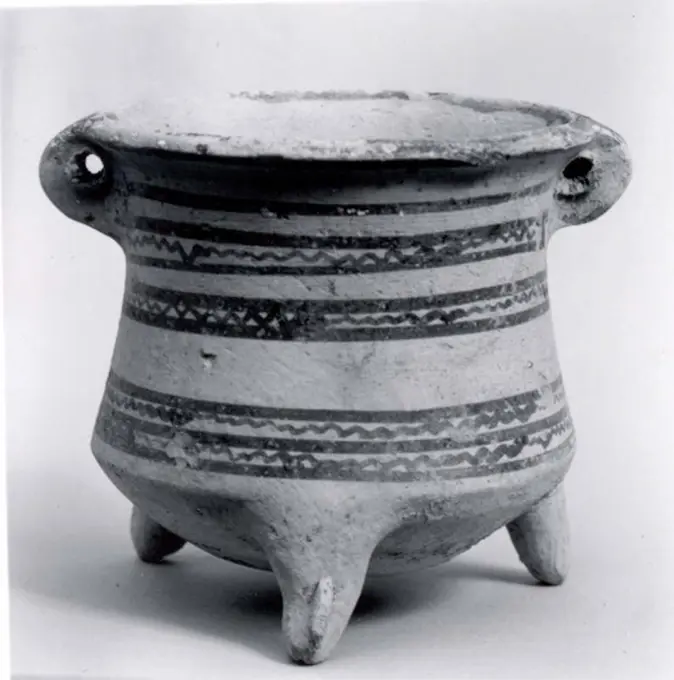
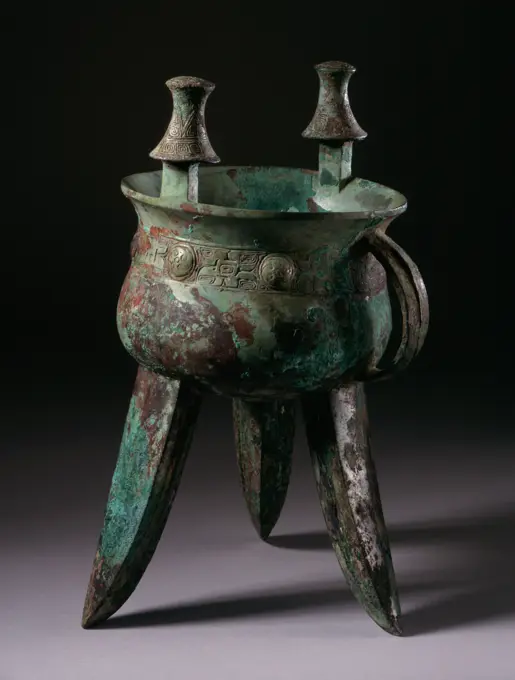
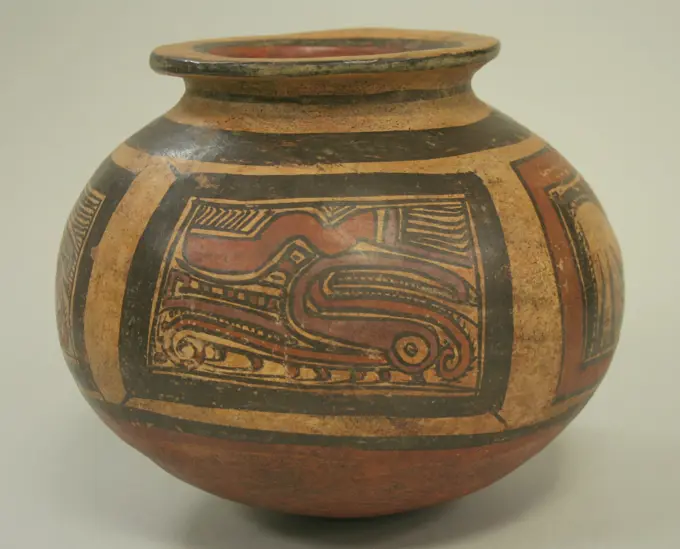
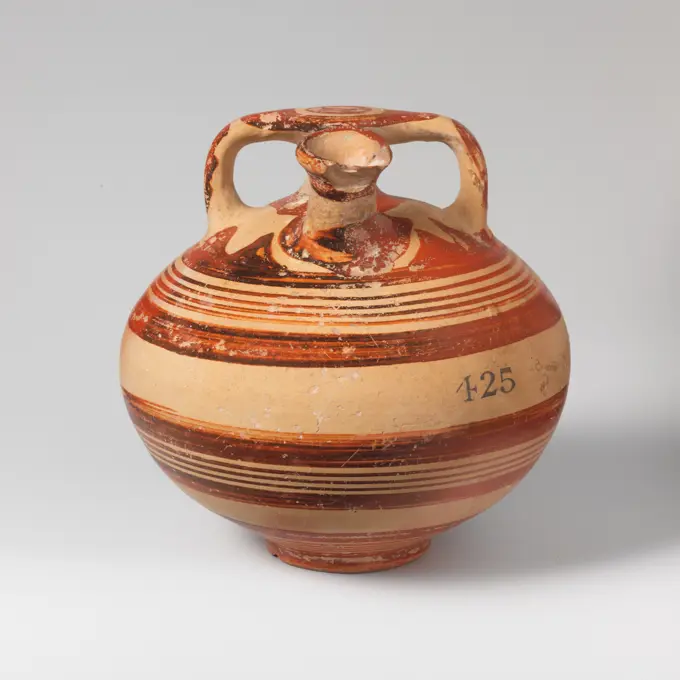
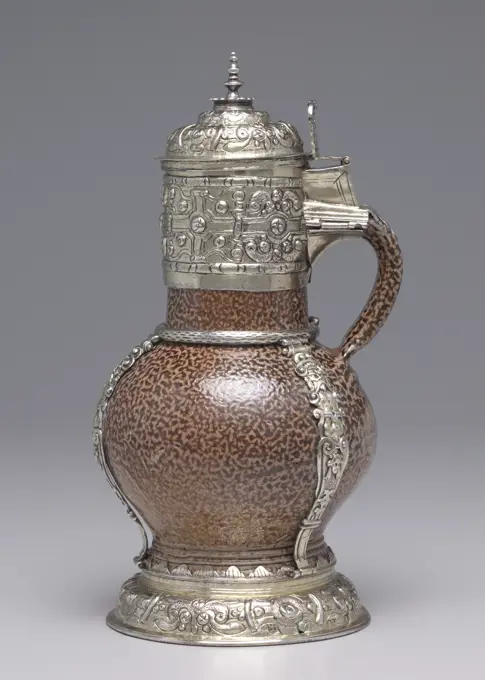
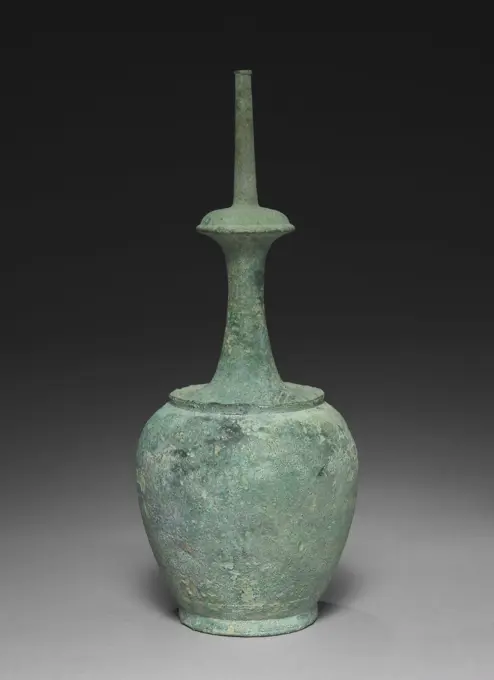
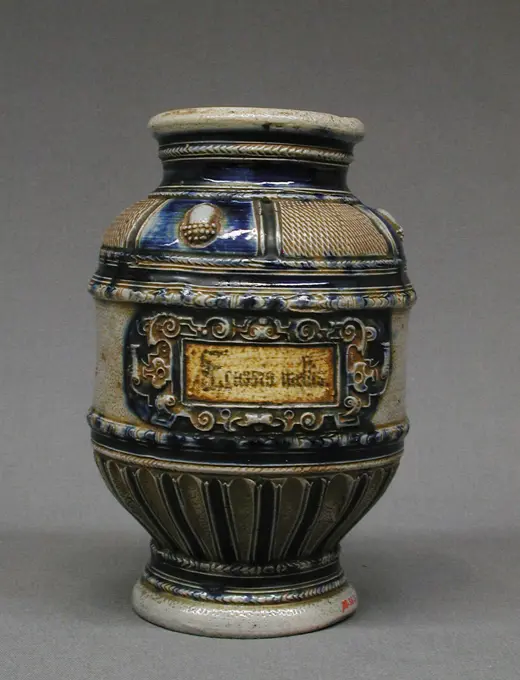
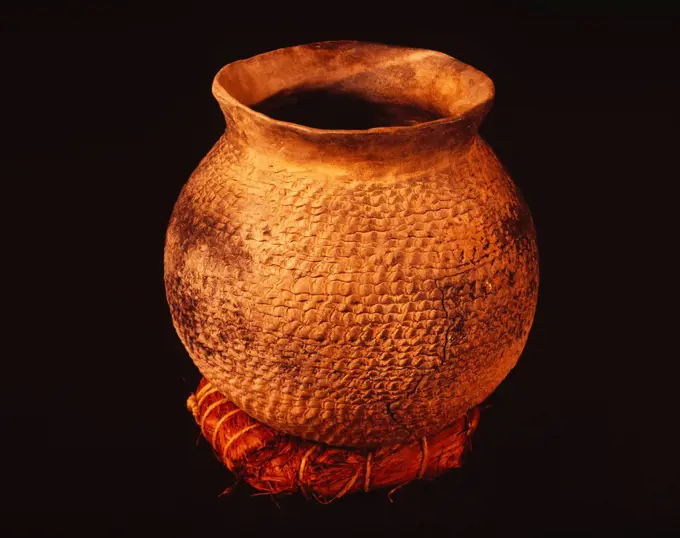
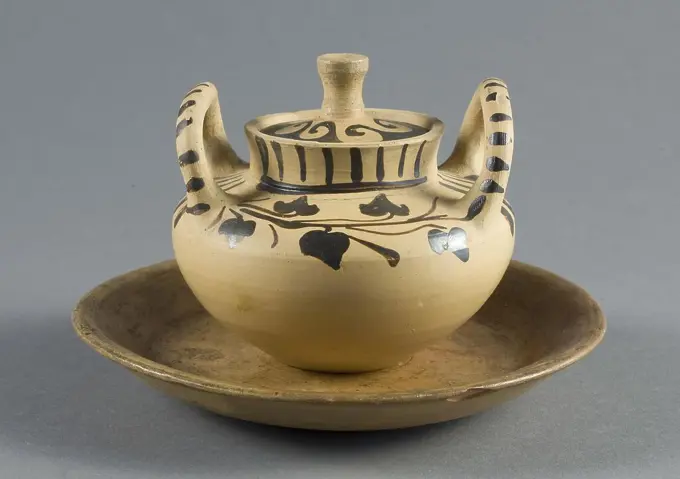
Artifacts including stoneware jugs and bronze urns, highlighting intricate patterns and historical significance from various cultures, with earthy tones and artistic designs.
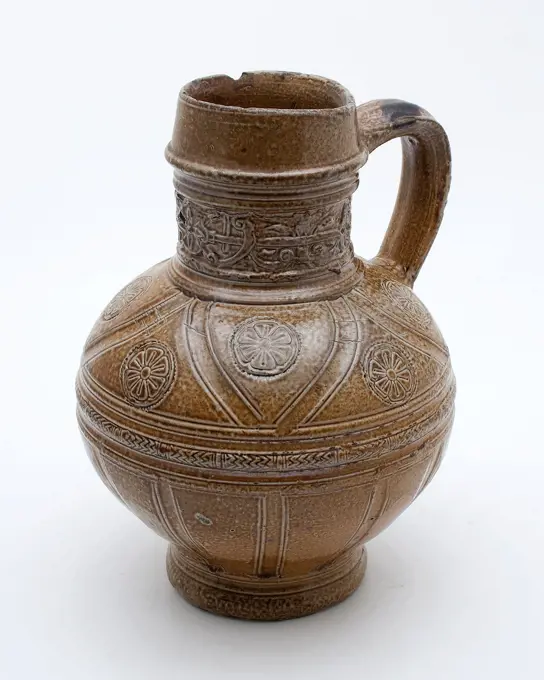
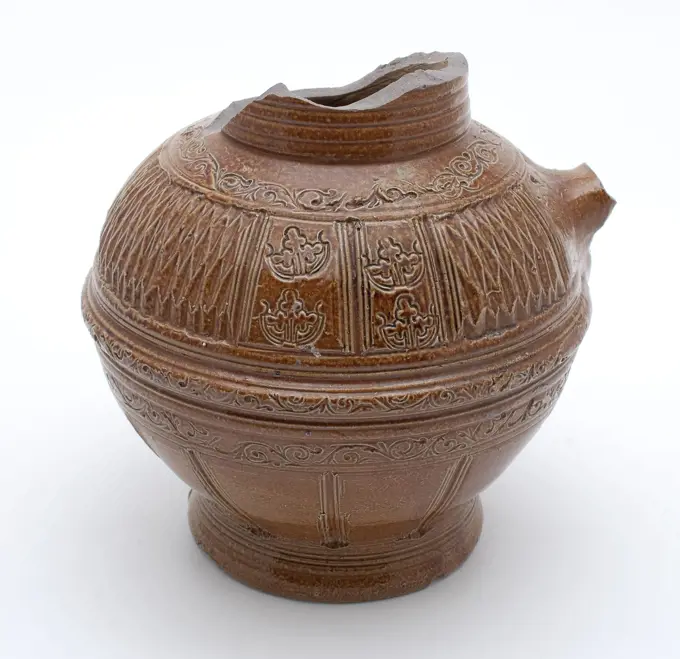
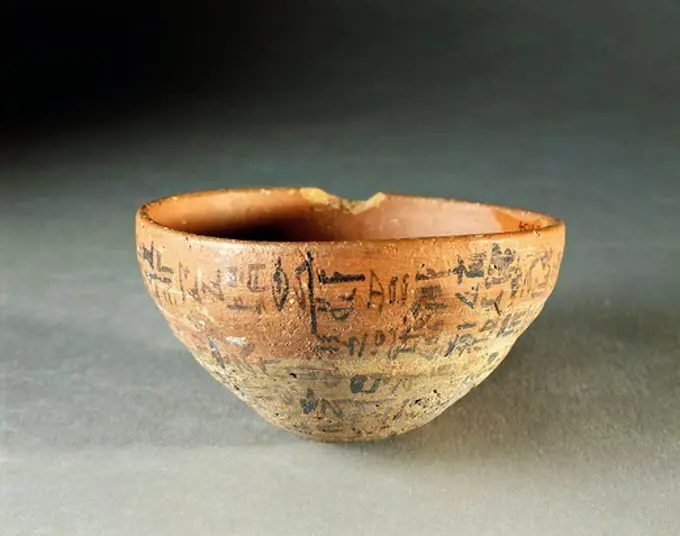
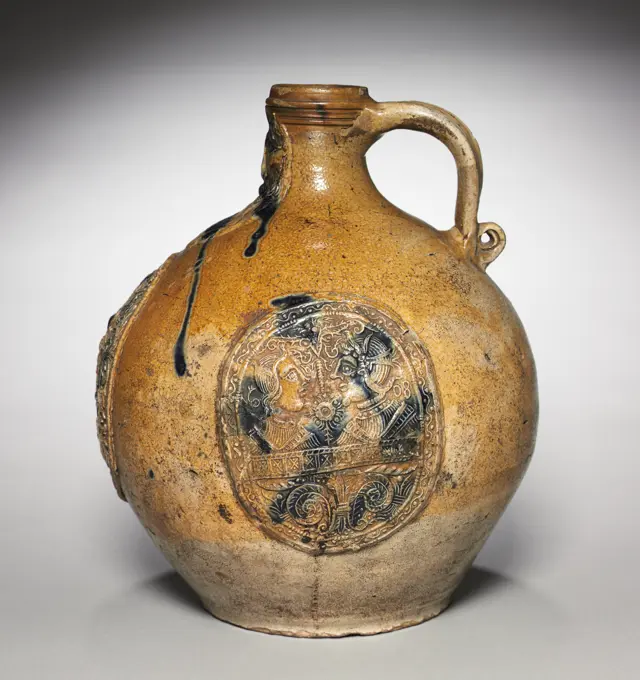
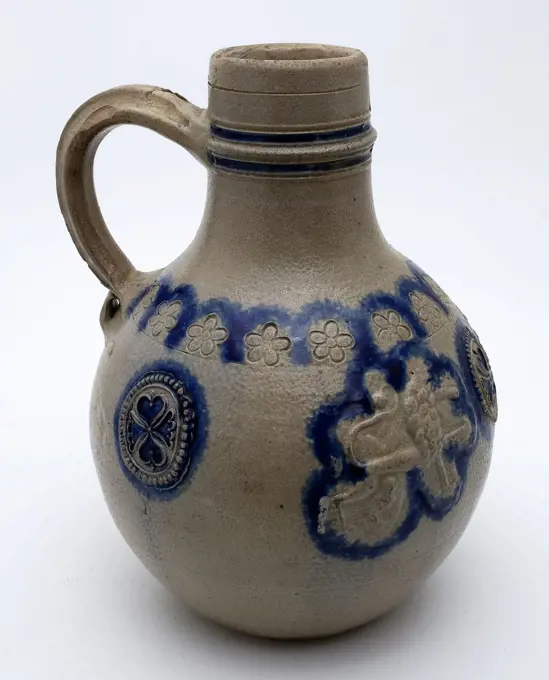
Brown stoneware jug be arranged with frieze around the neck, flower rosettes imprinted on the shoulder and flutes, jug crockery holder soil find ceramic stoneware glaze salt glaze, hand turned stamped glazed glazed baked Stoneware jug gray shard mustard colored and partly gray salt glaze profiled bandoor with short stump tail or button archeology import pottery serve serve drink wine beer
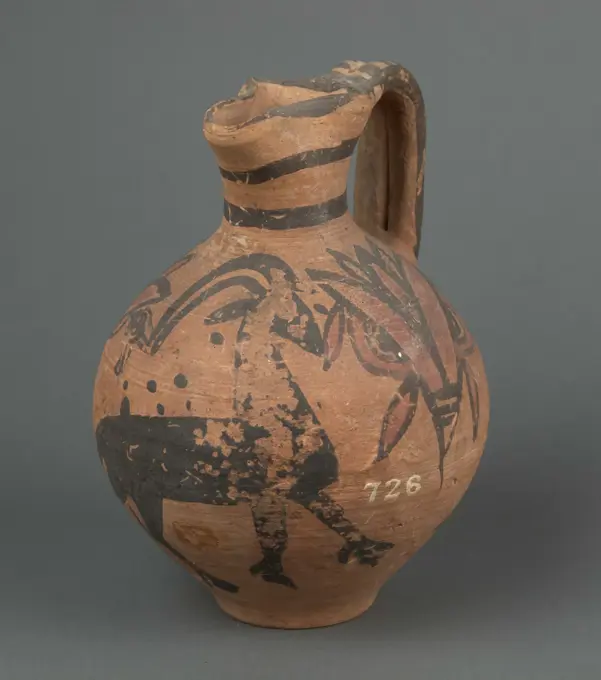
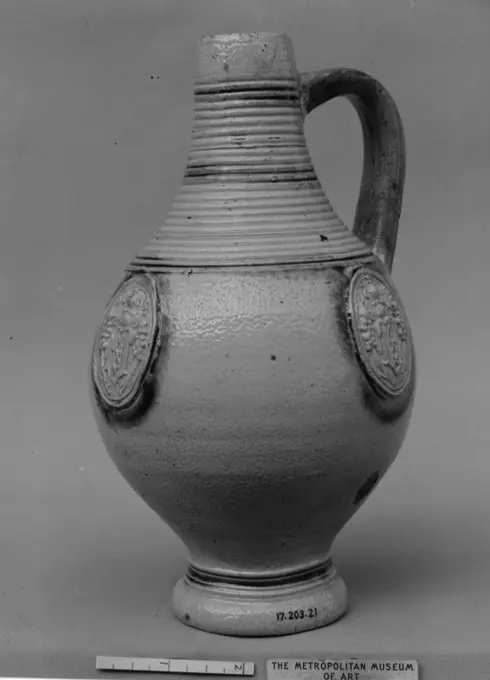
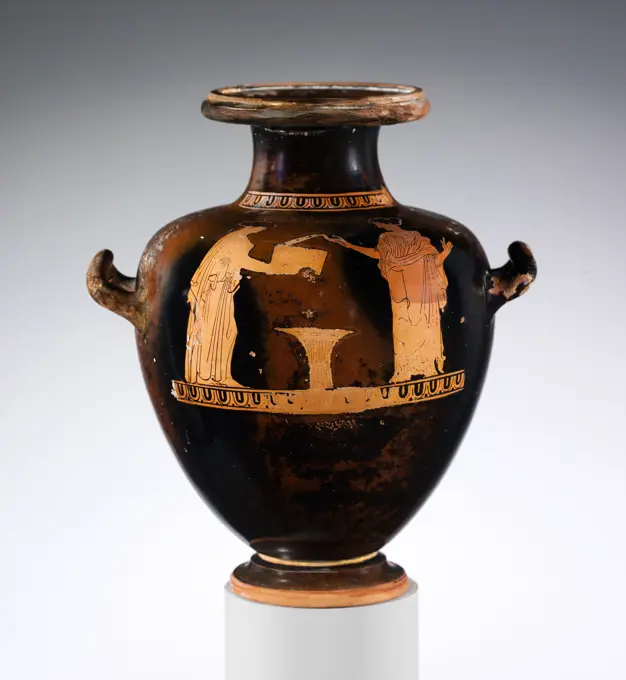
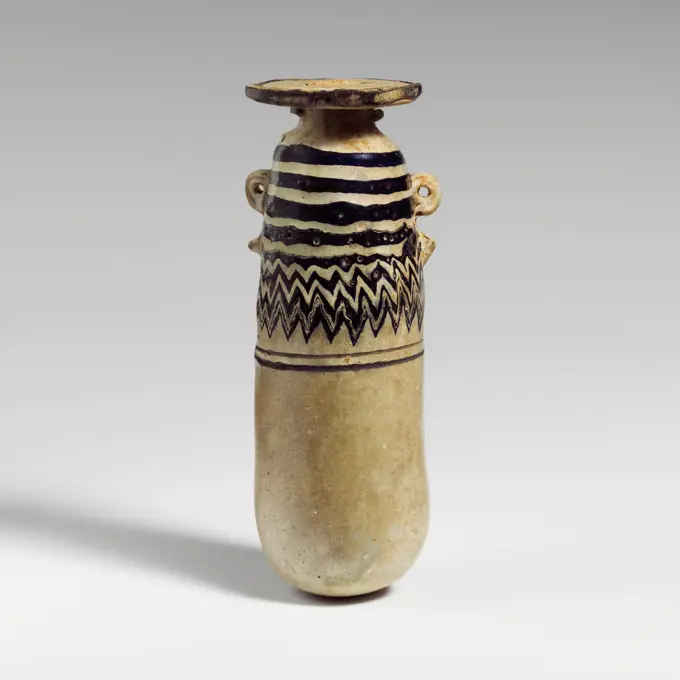
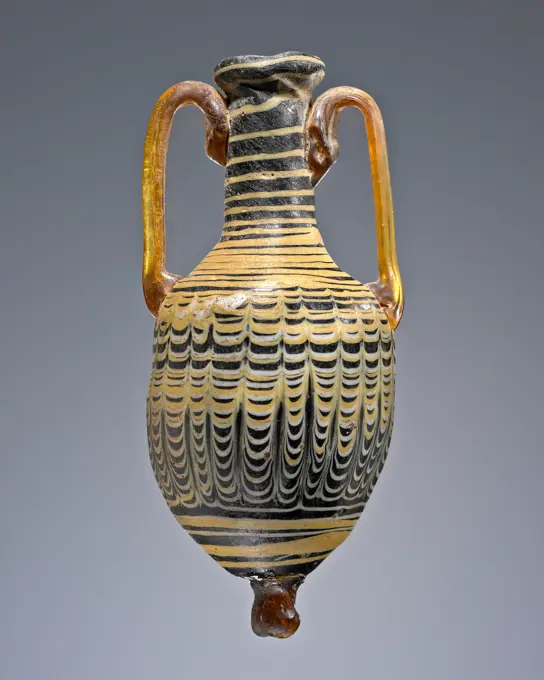
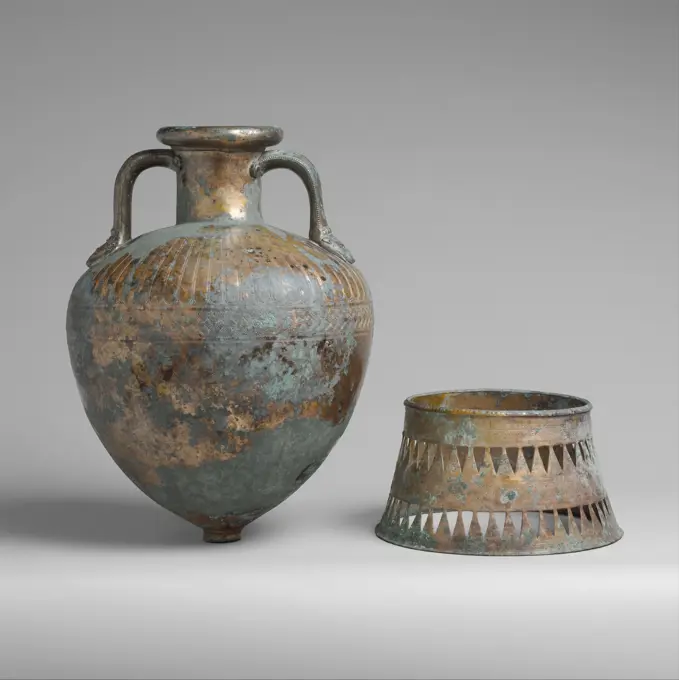
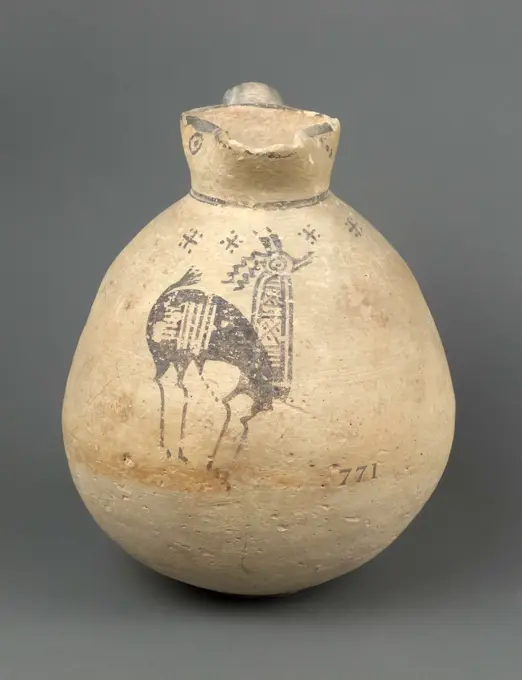
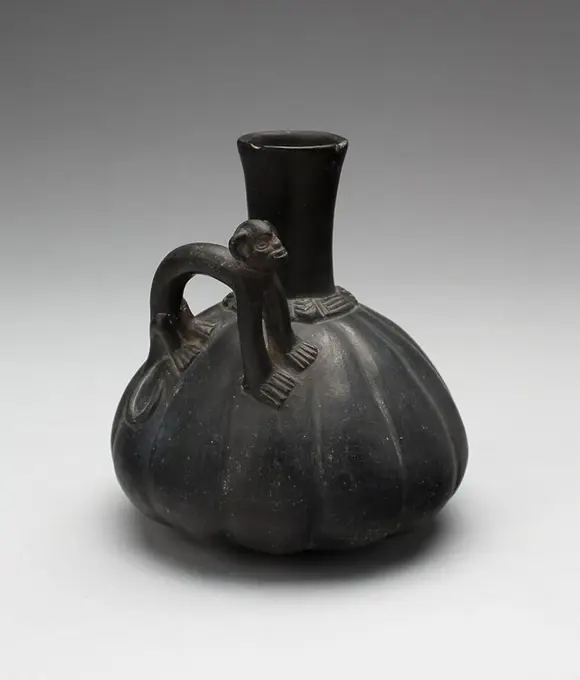
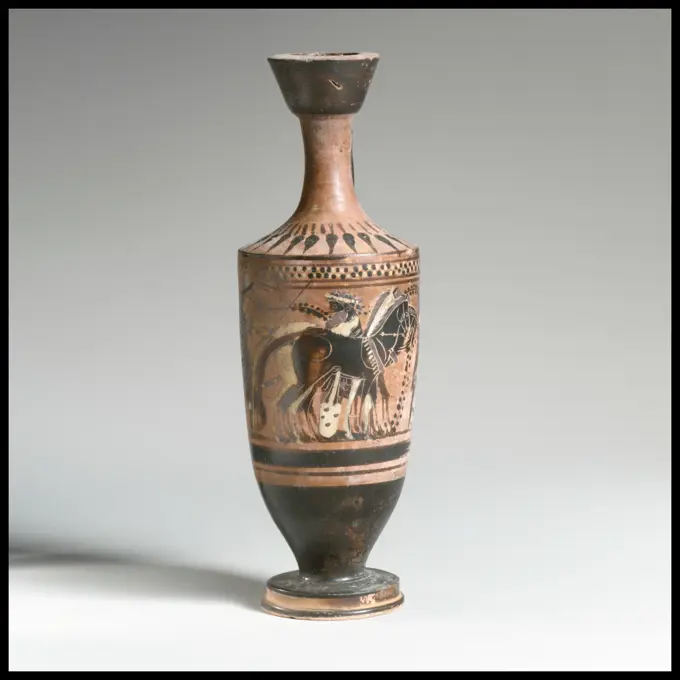
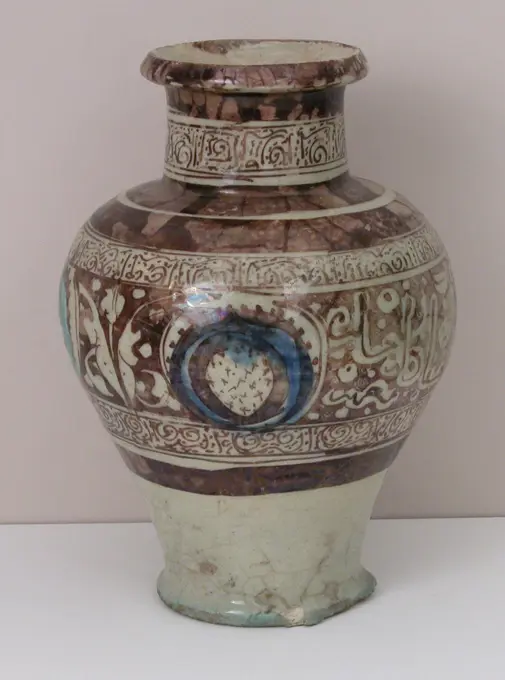
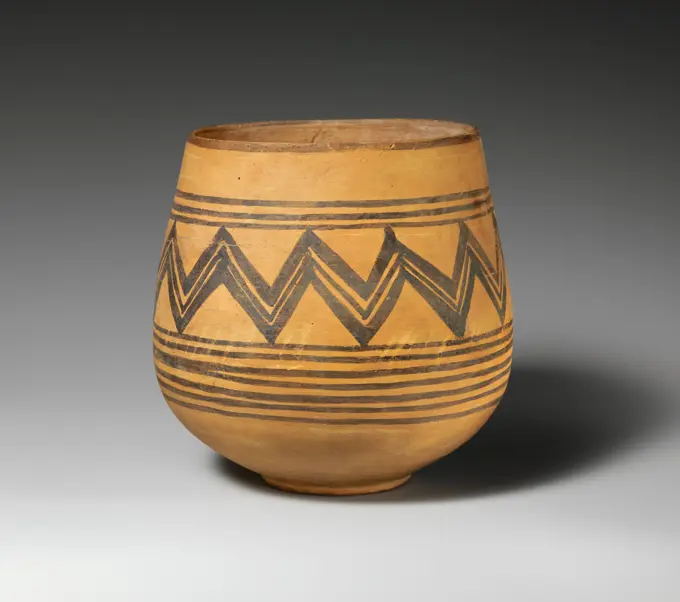
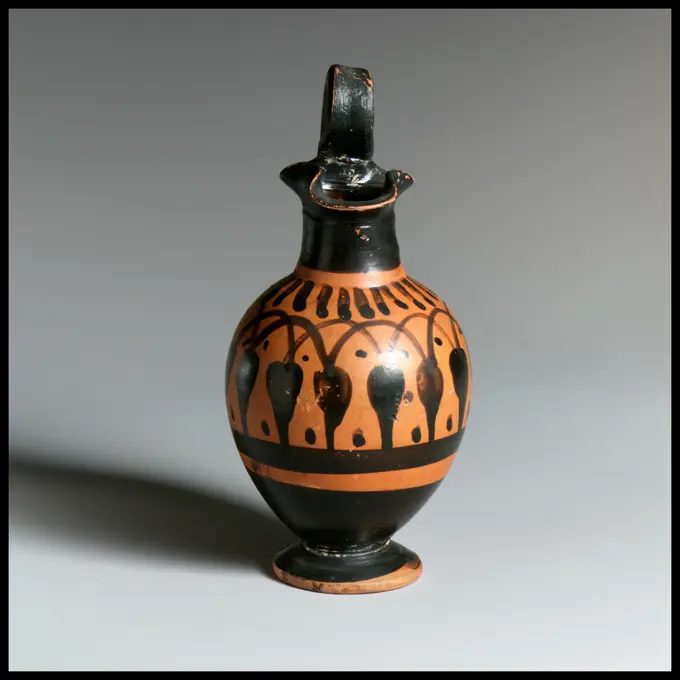
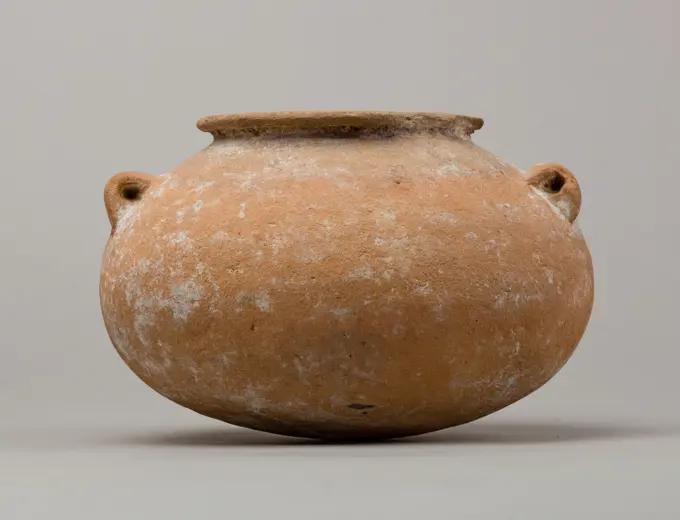
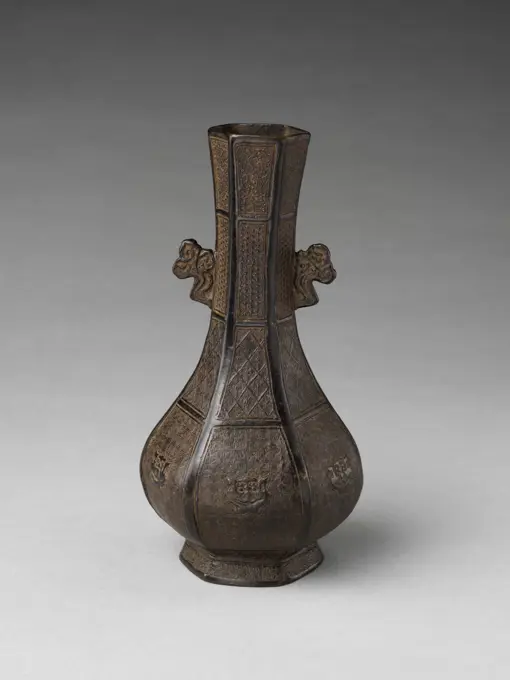
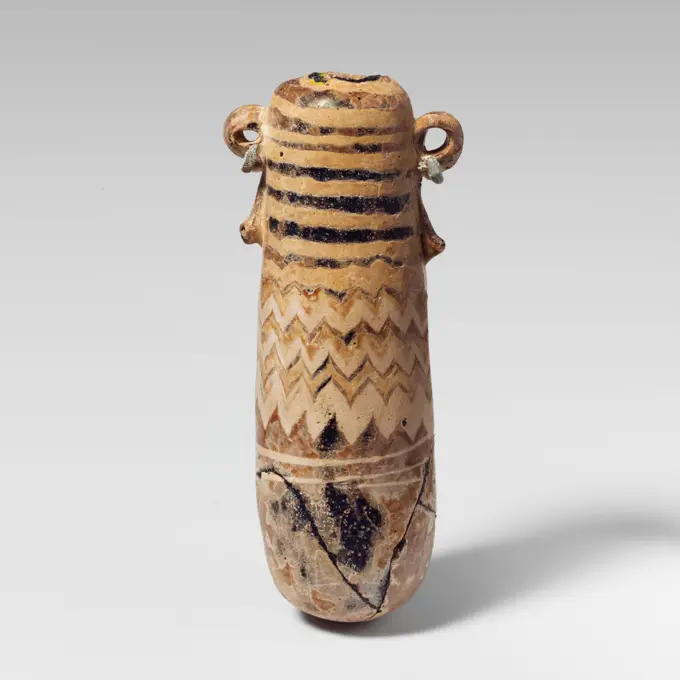
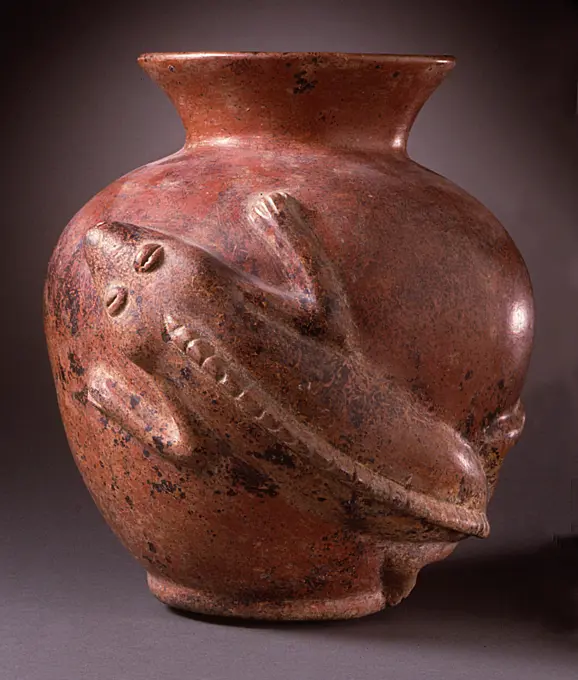
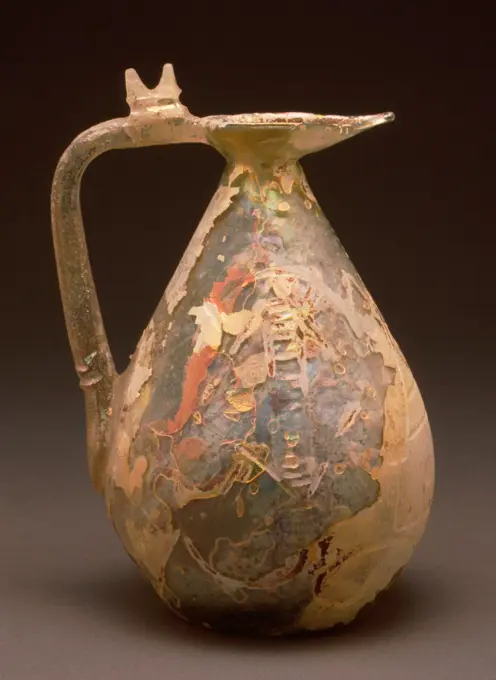
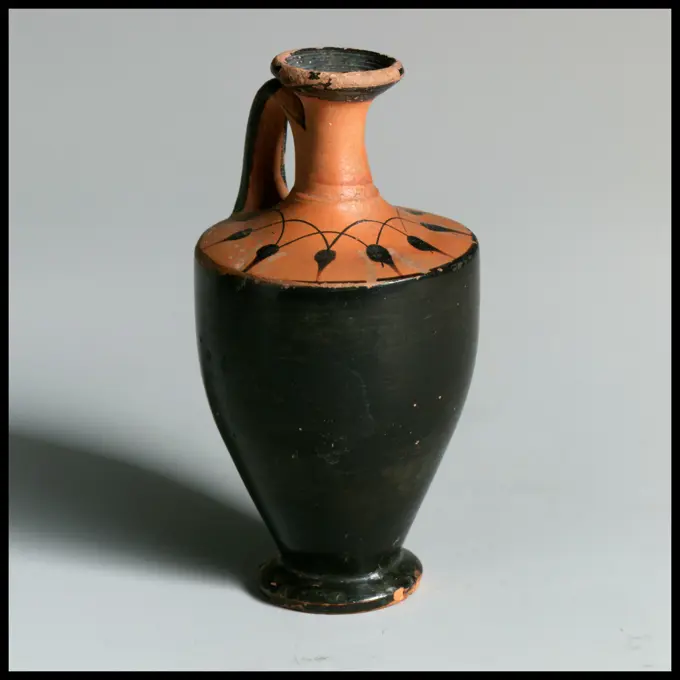
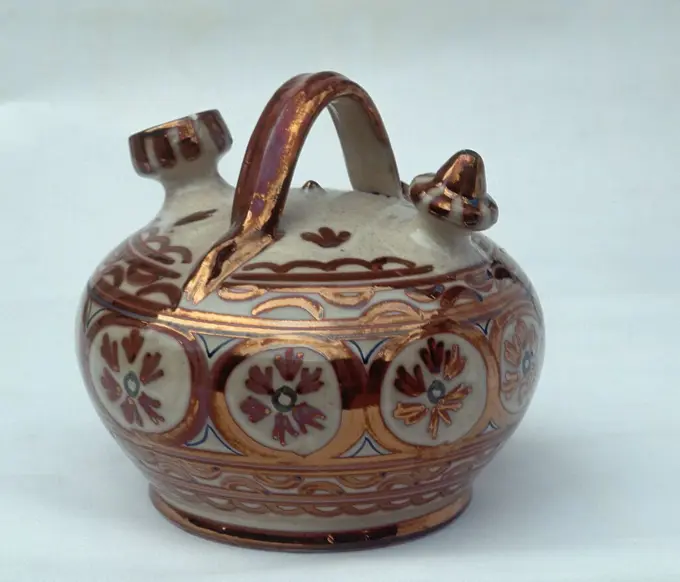
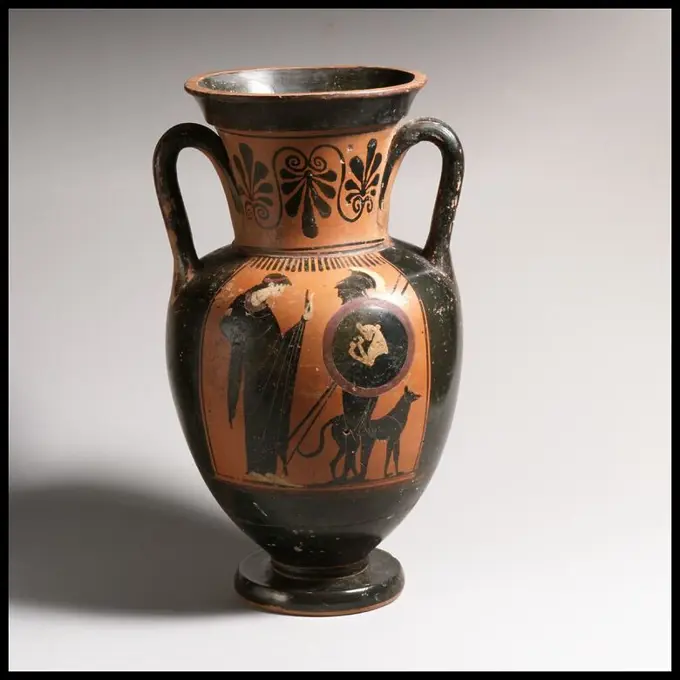
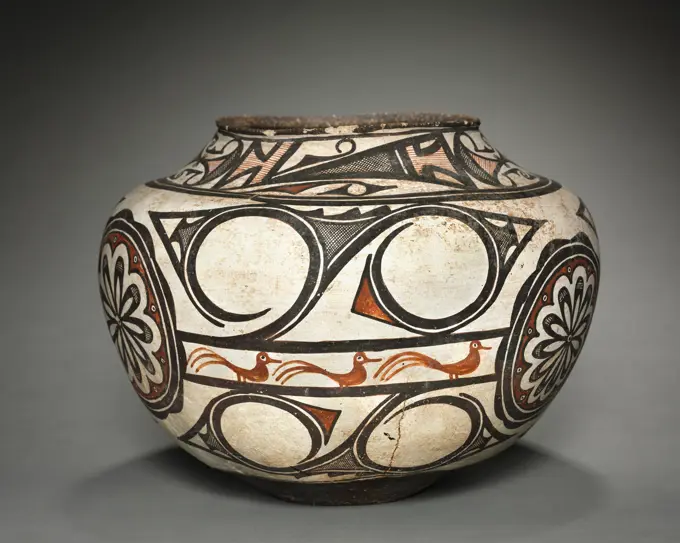
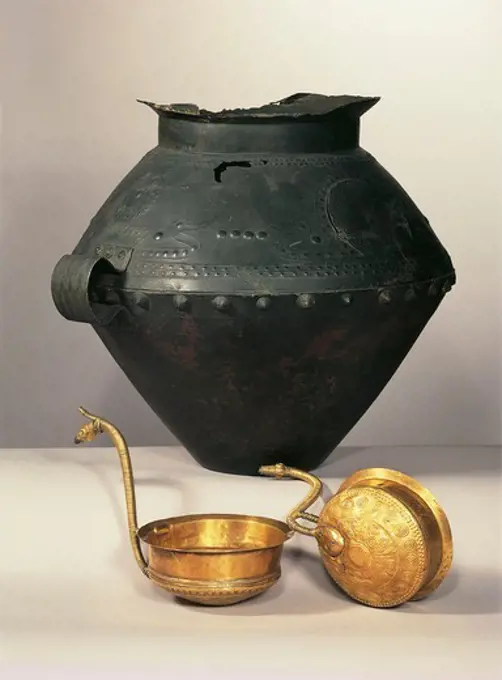
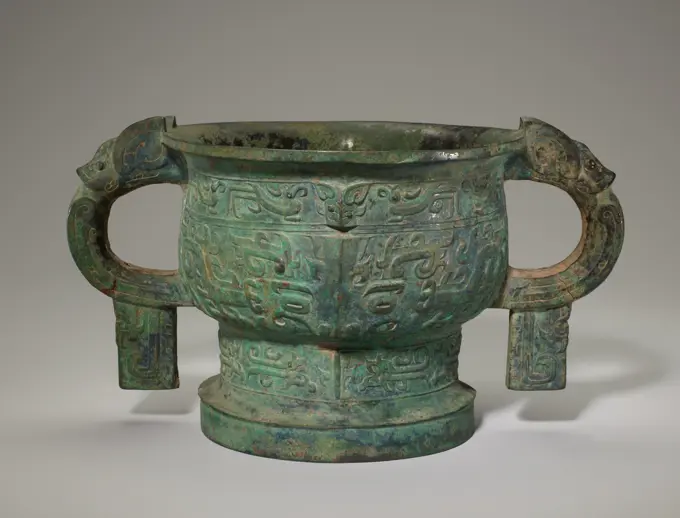
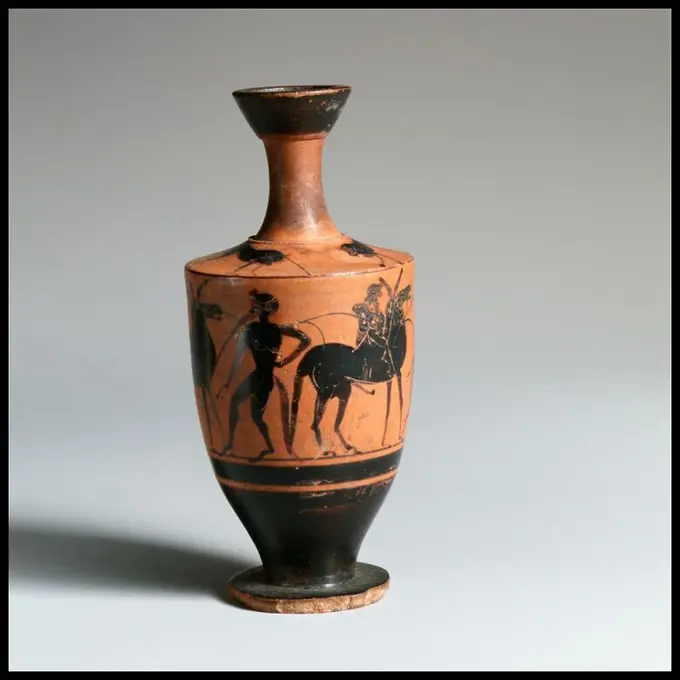
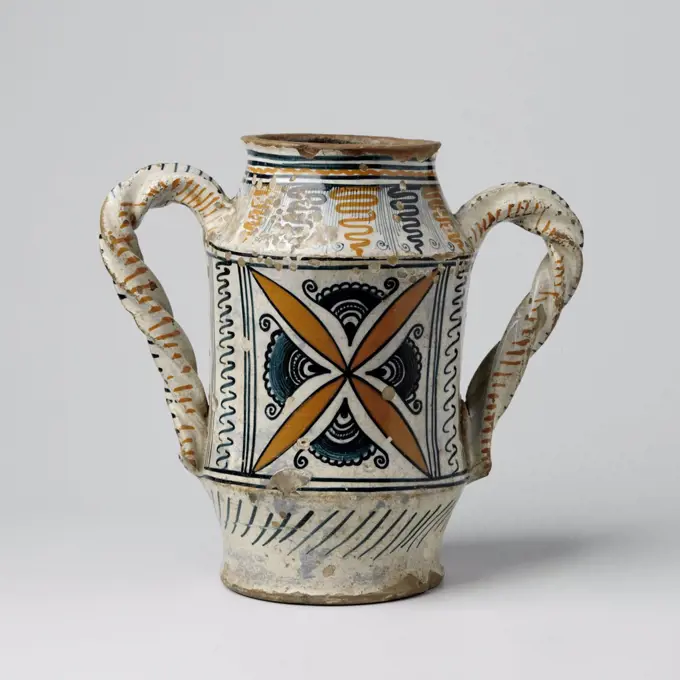
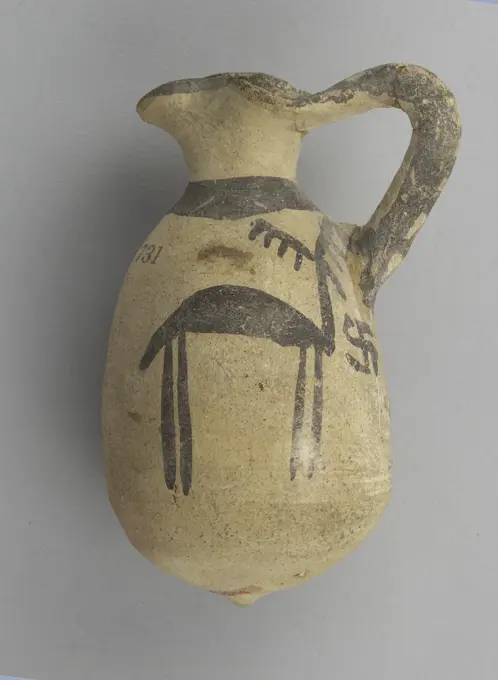
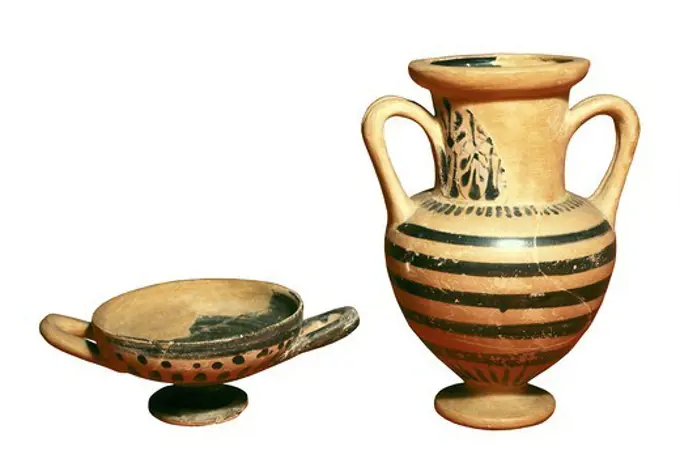
Glass jar. Culture: Roman. Dimensions: Height: 3 1/8 in. (7.9 cm)Diam.: 3 x 2 1/16 in. (7.6 x 5.2 cm). Date: 3rd century A.D..Colorless with pale blue green tinge; trail in same glass.Thickened, rounded rim; flaring mouth; short, concave neck; bulbous body, turned in to small bottom with central kick.Trail applied on neck and wound twice around top of body.Intact; few bubbles; pitting, dulling, and iridescence, with some patches of creamy brown weathering around neck. Museum: Metropolitan Museum of Art, New York, USA.Bowl, 11th-14th century, 5 x 8 in. (12.7 x 20.32 cm), Clay, pigments, Costa Rica, 11th-14th centuryCOLUMONE COLLECTION COLLECTION;  600-590 BC (-600-00-00--590-00-00);Działyńska, Izabela (1830-1899), Działyński, Jan (1829-1880), archaic period, early Corvo, images of birds, images of animalsJug ca. 1547-50 Workshop of Paul Preuning. Jug 201753Jug 750-600 B.C. Cypriot Goat and lotus.. Jug. Cypriot. 750-600 B.C.. Terracotta. Cypro-Archaic I. VasesJug dated 1643 or 1645 German, Westerwald. Jug. German, Westerwald. dated 1643 or 1645. Salt-glazed stoneware. Ceramics-PotteryTerracotta hydria: kalpis (water jar) ca. 420 B.C. Attributed to the Shuvalov Painter Two womenThis domestic scene depicts a woman holding a rather large chest or casket that her counterpartperhaps her mistressseems to be opening. On the ground between them stands a kalathos (wool basket).. Terracotta hydria: kalpis (water jar) 254261 : Attributed to the Shuvalov Painter, Terracotta hydria: kalpis (water jar), ca. 420 B.C., Terracotta, H. 6 13/16 in. (17.3 cm); diameter 4 13/16 in. (12.2 cm); width with handles 6 in. (15.3 cm). The Metropolitan Museum of Art, New York. Rogers Fund, 1941 (41.162.89)Greek Jug from a cremation grave circa 8th century BCVase Hu ". Terracotta with green lead glaze. Han dynasty (206 BC-220 AD). Paris, Cernuschi museum. Chinese art, Chinese ceramic, han dynasty, han time, green lead, terracotta, humGlass alabastron (perfume bottle) late 6th-5th century B.C. Greek, Eastern Mediterranean Opaque white, with handles in same color; trails in translucent purple.Broad, flat rim-disk; short cylindrical neck; narrow rounded shoulder; straight-sided body with upward taper; convex bottom; below shoulder, two vertical ring handles with knobbed tails applied over trail decoration.One trail unevenly attached at edge of rim-disk; another thick trail applied in a pad at top of body and wound down in spiral three times, then tooled into a close-set zigzag pattern around middle of body; below this, a third fine trail wound twice horizontally around body.Intact; dulling, deep pitting of surface bubbles, and iridescent weathering.. Glass alabastron (perfume bottle) 249997Amphoriskos. UnknownBronze pointed neck-amphora with stand ca. 500-450 B.C. Greek The gleaming golden color visible on the surface of these bronzes provides a rare glimpse of the original appearance of a bronze from classical antiquity. The quality of the chasing on the amphora is particularly fine; on the shoulder is a tongue pattern in shallow relief, below which are bands and running spirals with a chain of horizontal palmettes in between. The separately cast handles terminate at the shoulder with spotted feline heads fringed with flamelike tufts of hair. A terracotta pointed neck-amphora and its conical stand can also been seen in this gallery.. Bronze pointed neck-amphora with stand 257659Terracotta footed bowl ca. 650-625 B.C. Etruscan Pendant triangles and compass-drawn concentric circles. Terracotta footed bowl 251847 Etruscan, Terracotta footed bowl, ca. 650625 B.C., Terracotta, H. 9 7/16 in. (24 cm); diameter of mouth 9 1/8 in. (23.2 cm). The Metropolitan Museum of Art, New York. Fletcher Fund, 1925 (25.78.67)Juglet 750-600 B.C. Cypriot Decorated with horned animal.. Juglet. Cypriot. 750-600 B.C.. Terracotta. Cypro-Archaic I. VasesVASO CAMPANIFORME CON DECORACION INCISA, TIPO CIEMPOZUELOS. CALCOLITICO CERAMICA. (DEPOSITO: MUSEO ARQUEOLOGICO NACIONAL).Gourd-Shaped Blackware Jar with Modeled Monkey Handle. Possibly Lambayeque or Inca-Chimu; North coast, Peru. Date: 1000-1470. Dimensions: 13.5 x 12.4 cm (5 3/16 x 4 7/8 in.). Ceramic and pigment. Origin: North Coast. Museum: The Chicago Art Institute, Chicago, USA.Lekythos ca. 500-480 B.C. Greek, Attic. Lekythos 255706Vase 12th century. Vase 450941Bottle. Syria or Palestine, 3rd century. Furnishings; Accessories. Thread decor glassCovered Jar (Hu). China; reportedly from Jincun, Henan province. Date: 399 BC-200 BC. Dimensions: H. 14.6 cm (5 3/4 in.); diam. 8.9 cm (3 1/2 in.). Bronze inlaid with strand silver and gilded. Origin: China. Museum: The Chicago Art Institute, Chicago, USA.Bowl with painted decoration ca. early to mid-3rd millennium B.C. Indus Damb Sadaat, located in Baluchistan, was outside the area controlled by the cities of the Indus Valley. Similarities in ceramic form and design, however, show that these areas were in contact during the middle and late third millennium B.C.. Bowl with painted decoration. Indus. ca. early to mid-3rd millennium B.C.. Ceramic, paint. Early Harappan. Indus Region, Damb Sadaatancient oriental metal teapot on dark background. antique bronze tableware. ancient metal utensilsCrab Demon Bottle 4th-7th century Moche. Crab Demon Bottle. Moche. 4th-7th century. Ceramic, pigment. Peru. Ceramics-ContainersVase; Jagmin, Stanis AW (1875-1961); early 20th century (1900-00-00-1920-00-00);Terracotta vase on a high foot with two goats' heads in relief ca. 1050-950 B.C. Cypriot High foot with goats' heads in the round and lattice panels.. Terracotta vase on a high foot with two goats' heads in relief 240370Jug with concentric circles, roundels and masks, anonymous, c. 1630 - c. 1660 Jug of stoneware on a high base with an egg -shaped body and short, narrow neck. The C-shaped ear is attached to the neck and shoulder. Partly covered with cobalt blue. On the abdomen twice a medallion of concentric circles, consisting of printed and imposed tires of rosettes in relief. In the center, a rosette surrounded by six leaves and six medallions with core cuts. A tire with stamped half rosettes around the first circle. The front with a vertical band of satie masks in relief. The tire cuts through two large leaf -shaped compartments with grotted veins. The same decoration around the ear, without the band with masks. Between the compartments of winged rosettes with a triangle. The foot, neck and ear are caught in a pewter frame with lid. Westerwald. Westerwald Stoneware. Glaze. Cobalt (Mineral). frame: tin (metal) vitrification Jug of stoneware on a high base with an egg -shaped body and short, narrow Vessel. Inca culture. Inca-Paya style. Late Horizon (1400-1532 AD). Argentine nortwest. Museum of the Americas. Madrid, Spain.Ewer. Iran, 17th century. Ceramics. Fritware, glazedVase. Iran. Before milliary av. J.-c. Paris, Museum Causori. 35407-14 Handle, beak, ceramic, geometric, decorative motif, vase, animalTerracotta tankard. Culture: Greek, Attic. Dimensions: H. 2 3/8 in. (6 cm). Date: late 8th century B.C..From the Hymettos deposit (see 30.118.1). Museum: Metropolitan Museum of Art, New York, USA.Oinochoe 6th century B.C. Attributed to the Dubois Class. Oinochoe. Greek, Attic. 6th century B.C.. Terracotta; black-figure. Archaic. VasesItaly, Lazio, Cerveteri, Oriental style pithos (large storage jar), 700/675 B.C.JARRO CALIFAL BIZCOCHADO - CERAMICA ROJA - SIGLO X - DECORADO CON TRAZOS GRUESOS Y FINOS. Location: INSTITUTO VALENCIA DE DON JUAN-COLECCION. MADRID. SPAIN.Terracotta jug and lid ca. 550 B.C. Etruscan Such elaborate jugs, often with a carefully modeled human head on the neck, are typical products of Chiusi. The use of human heads is reminiscent of the so-called canopic urns, another major product of Chiusi, used as containers for cremated remains.. Terracotta jug and lid. Etruscan. ca. 550 B.C.. Terracotta; bucchero pesante. Archaic. VasesAltar Cruet ca. 1250 French. Altar Cruet. French. ca. 1250. Copper: formed, engraved, and gilt; champlevé enamel: medium and light blue, turquoise, green, red, and white; glass cabochon. Made in Limoges, France. Enamels-ChamplevéAttic Black-figure hydria, with scene of Athena and Herakles, England, London, Christie's Images, Greek ArtFragmentary Oinochoe. UnknownTripod bowl ca. 1600-1200 B.C. Iran This cylindrical bowl has a rounded bottom and sits on three legs. Two pierced lug handles are just below the outturned rim. It is made of buff clay, with painted black geometric decorations. It was found in a grave at Kamterlan II, a mound in Luristan in the Zagros Mountains of western Iran. Although it had been a settlement in the late third millennium B.C., by the second millennium the site had become a cemetery. It is difficult to say what purpose this bowl served, or even to determine whether it was a special funerary item or an object of everyday use.It is often thought that the inhabitants of Luristan in this period were pastoral nomads, who moved with their herds from the high valleys of the Zagros during the summer to lowland pastures in the winter. This theory arises from the dearth of evidence for settlements, and the occurrence of isolated cemetery sites. At the same time, the infrastructure necessary for bronze working, an important induBrown stoneware jug be carved with decorative carvings and embossing with floral decoration, jug crockery holder soil find ceramic stoneware clay engobe glaze salt glaze, hand turned stamped glazed baked carved Stoneware jug gray shard brown engobe and salt glaze bandoor with long tail. Profiled neck with turnings archeology import pottery serve serve drink beer wineAmphoriskos; Eastern Mediterranean; 6th - 4th century B.C; Glass; 11 cm (4 5,16 in.)Pitcher with Animals; Athens, Greece; 750 - 700 B.C; Terracotta; 22.9 cm (9 in.)ANFORA FUNERARIA ABORIGEN CANARIA - CERAMICA GUANCHE, TUMULO DEL AGUJERO, T.M. DEL GALDAR, GRAN CANARIA. Location: ARCHAEOLOGICAL MUSEUM. LAS PALMAS. GRAN CANARIA. SPAIN.Bottle. Culture: Mississippian. Dimensions: Height 5-1/8 in.. Date: 11th-14th century. Museum: Metropolitan Museum of Art, New York, USA.Amphoriskos (Container for Oil). Eastern Mediterranean; possibly the Syro-Palestinian region. Date: 200 BC-50 BC. Dimensions: 14.4 × 6 × 5.5 cm (5 5/8 × 2 3/8 × 2 1/8 in.). Glass, core-formed technique. Origin: Eastern Mediterranean Region. Museum: The Chicago Art Institute, Chicago, USA. Author: Ancient Eastern Mediterranean.Large Ritual Wine Warmer (Jia) with Whorls and Spirals. China, probably Henan Province, Late Shang dynasty, early Anyang phase, about 1300-1200 B.C.. Tools and Equipment; warmers. Cast bronzeSkyphos, AD 1-100. Probably Turkey, Roman, 1st Century. Earthenware with slip decoration; overall: 8.4 x 16.3 x 10.9 cm (3 5/16 x 6 7/16 x 4 5/16 in.).Crater (vessel for mixing wine from water) Black -functioned;  4th century BC (-400-00-00--301-00-00);Vessel 6th-11th century Panama. Vessel. Panama. 6th-11th century. Ceramic, pigment. Panama, Cocle Province. Ceramics-ContainersTerracotta stirrup jar ca. 1400-1050 B.C. Mycenaean Broad and narrow bands, and waves on shoulder.. Terracotta stirrup jar 240342Bottle, Feline Face 3rd-2nd century B.C. Paracas. Bottle, Feline Face 308299Tigerware Jug, 1594. Germany and England, 16th century. Stoneware with gilt-silver mounts; overall: 23.9 cm (9 7/16 in.).Marl ware jar with lug handles ca. 3850-2960 B.C. Predynastic Period. Marl ware jar with lug handles. ca. 3850-2960 B.C.. Pottery. Predynastic Period. From Egypt, Southern Upper Egypt, Hierakonpolis (Nekhen), Fort Cemetery (Hk 27), Tomb 30, MMA excavations, 1934-35Terracotta oil lamp. Culture: Roman, Cypriot. Dimensions: Overall: 1 1/4 x 3 7/8 in. (3.2 x 9.9 cm). Date: 1st century B.C.-1st century A.D.. Museum: Metropolitan Museum of Art, New York, USA.Glass jug 1st-2nd century A.D. Roman Translucent yellow brown, with translucent light green handle.Rim folded out, over, and in, with flattened upper surface; cylindrical neck, expanding downwards; squat, bulbous body; concave bottom; broad strap handle applied in large pad with two outer claws to top part of body, drawn up, then turned in vertically and attached in neck below rim with vertical loop as a thumb rest above.Intact; some pinprick bubbles; dulling and faint limy weathering with some iridescence, soil encrustation and whitish iridescent weathering on interior.. Glass jug 244661Imitation of an Etruscan Bucchero Amphora with One Unjoined Fragment. UnknownPUCHERO PARA FRESAS DE BARRO - ARTE POPULAR S XX. Location: ALFARERIA. Totana. MURCIA. SPAIN.Hexagonal vase with cloud-shaped handles 14th century China This elegant vase represents an aesthetic revolution in its creative reinterpretation of an ancient bronze vessel. Its intricate décor follows archaic models but accommodates contemporary design, such as the vegetal scrolls and modified animal masks. Its long flaring neck and pear-shaped body are unmistakable features of thirteenth to the fourteenth century ceramics. However, its hexagonal form, readily created in cast bronze, influenced contemporary ceramics. The vessels intricately-cast patterns are also characteristic of Yuan-dynasty bronzes.. Hexagonal vase with cloud-shaped handles. China. 14th century. Copper alloy. Yuan dynasty (1271-1368). MetalworkOvoid Covered Jar With A Light Blue Glaze. Egg-shaped lid pot of stoneware with four small ears on the shoulder, partially covered with a light blue / gray-white glaze. The lower part of the pot is unglazed. A chip in the edge of the lid has been restored.Glass alabastron (perfume bottle) late 6th-5th century B.C. Greek, Eastern Mediterranean Translucent cobalt blue, with handles in same color; trails in uncertain colors but probably opaque yellow and opaque turquoise blue.Rounded shoulder; straight-sided body with upward taper; convex bottom; below shoulder, two vertical ring handles with knobbed tails.One fairly broad trail (in yellow) applied on shoulder and wound down in spiral, then tooled into a close-set zigzag pattern around middle of body, where a second trail (in turquoise blue) is added, mingling with the first, formed by uneven shallow vertical tooling indents; below this, another narrow trail (in yellow) wound horizontally around body.Broken and repaired, with one large holes in body near bottom; neck and rim missing; dulling, pitting, iridescence, and thick, milky weathering.. Glass alabastron (perfume bottle) 245757Iguana Vessel. Mexico, Colima, 200 BCE-500 CE. Ceramics. Slip-painted ceramicTerracotta beaker with painted inscription. Culture: Roman, Rhenish. Dimensions: H. 4 7/16 in. (11.2 cm); diameter 3 1/16 in. (7.9 cm). Date: late 2nd-mid-3rd century A.D..Group label with 17.194.843 and 17.194.844The white painted letters give cheery exhortations appropriate for a drinking party. One reads REPLE (fill it up again!), another MISCE (mix another drink!), and the third AVETE (cheers!). Beakers such as these were made principally at Trier; examples have been found at sites throughout the middle and lower Rhineland and also in Britain. Museum: Metropolitan Museum of Art, New York, USA.Ewer. Iran, 10th century. Glass. Glass, free-blown, cut and engraved decorationGrain Storage Basket, late 1800s. Southwest, White Mountains, Arizona, Apache, 19th century. Coiled; overall: 40.6 x 21 cm (16 x 8 1/4 in.).. Lid of ritual barrel for food with one decorative tape and circles in embossed over the wall.Spout Vessel in Form of Snakes Coiling Around a Feline 100 BCE-500 CE Santa Valley. Ceramic and pigment . MocheTerracotta lekythos (oil flask) ca. 500 B.C. Greek, Attic Oil served in the preparation of the dead for burial and as a dedication at the tomb. The lekythos was, therefore, a characteristic grave gift.. Terracotta lekythos (oil flask). Greek, Attic. ca. 500 B.C.. Terracotta; black-figure. Archaic. VasesBOTIJO DECORADO Y PINTADO CON PATINA ROJIZA-SIN VIDRIAR-S XX ARTE POPULAR. Location: CERAMICA SANGUINO. SPAIN.Neck-amphora. Culture: Greek, Attic. Dimensions: Diameter: 6 7/8 × 5 1/2 × 4 1/16 in. (17.5 × 14 × 10.3 cm)Height: 12 1/4 in. (31.1 cm). Date: ca. 500 B.C..Obverse, Dionysos and woman; reverse, woman and warrior. Museum: Metropolitan Museum of Art, New York, USA.Amphu; ka; Egyptian workshop; 4th century BC (301-00-00-400-00-00);Terracotta kantharos (drinking cup with high handles). Culture: Greek, South Italian, Apulian. Dimensions: H. 4 9/16 in. (11.6 cm). Date: 4th century B.C..Although black-glazed wares often represent cheaper versions of metal vases, the precise execution and beautiful black gloss make them attractive objects in their own right. Museum: Metropolitan Museum of Art, New York, USA.Terracotta bowl inscribed with a letter from a mother to her dead son, Middle KingdomWater Jar (Olla), 1880. Southwest, Pueblo, Zuni, Post- Contact Period, 19th century. Ceramic; overall: 27.5 x 36 cm (10 13/16 x 14 3/16 in.).Jug, 1608. Germany, Frechen, 17th century. Salt-glazed stoneware with applied and impressed decoration; overall: 33.2 x 28.3 cm (13 1/16 x 11 1/8 in.).Vase 1713-22 China. Vase 42363Bottle of the Kampos Style. UnknownDenmark, Copenhagen, bronze amphora and gold cups from Mariesminde MoseTontopf Clay pot of manual work. It is possible to store milk or other liquid Copyright: xZoonar.com/ValeryxxSibrikovx 5406244Stoneware jug with lions, rosettes as appliqués and stamped flowers, bulletbay pot crockery holder soil find ceramic stoneware glaze salt glaze, hand-turned baked laid-out stamped glazed Gray shard On the ear hole for fastening of tin lid archeology indigenous pottery import serve drink serve serve Rotterdam education Academy of Fine Arts and Technical Sciences Cool Coolvest Dijkzigt GJ de Jonghweg City Triangle Blaak Academy of Fine Arts and Technical Sciences Rotterdam.Gui food vessel, 11th century BCE, 7 9/16 × 13 9/16 × 8 5/8 in., 8.4 lb. (19.2 × 34.4 × 21.9 cm, 3.8 kg), Bronze, China, 11th century BCE, The gui was the primary food vessel used in ceremonial rituals for offerings of grain. One of the most important components of the ritual paraphernalia, it was often coupled with the ding (another food vessel). The form was produced as early as the Anyang period of the Shang dynasty (c. 1300-1046 BCE) and developed into many varieties. This vessel, with its wide mouth, ample, bowl-shaped body, and C-shaped handles represents the typical gui of the Western Zhou. The flange forms the center of a taotie animal mask. The handles are topped by horned animal heads, and bird wings are carved in flat-band relief on the bow, thus giving the animal head a birds body.Miniature vessel;  I-II century (1-00-00-200-00-00);The collection of ancient EgyptAmphora-Rhyton. UnknownEwer c 1886-1890 United States. In 1884 Brooklynís Faience Manufacturing Company hired English ceramist Edward Lycett to revitalize its commercially stagnant wares. The decorative scene of a chicken and rooster strutting among raspberry vines on a bright blue background recalls Chinese ceramics, as well as the work of French artist-potter ThÈodore Deck, in the polychromatic, overglazed decoration with multiple textures. Lycett transformed the artistic identity of the firm by experimenting with clay bodies and glazes, creating works on a monumental scale, and refining designs based on the Aesthetic movementóa combination of Japanese, Chinese, and Near Eastern motifs.. Earthenware . Edward LycettLekythos. Culture: Greek, Attic. Dimensions: 4 7/8 × 2 3/16 in. (12.3 × 5.5 cm)Diam. of rim: 1 1/8 in. (2.9 cm)Diam. of foot: 1 9/16 in. (3.9 cm). Date: 6th century B.C.. Museum: Metropolitan Museum of Art, New York, USA.Pot with two twisted ears, decorated with star-shaped ornaments, pointed leaves, impeller shapes and spiralsSpouted jar ca. 2700-2400 B.C. Yortan. Spouted jar 325245Pottery stove or stove, mortar model with two standing ears, chafing soil found ceramic earthenware glaze lead glaze, hand turned set pierced cut out glazed baked Stove of red earthenware light brown glaze two ears two holes top edge fuel opening at the front of the rings. Stove or brazier in the form of mortar Upper edge on one side lowered archeology Valckensteyn Poortugaal Albrandswaard indigenous pottery kitchen cooking stoves heating pops Soil discovery: canal at kitchen castle Valckensteyn at Poortugaal now Albrandswaard 1961.Miniature Bottle in the Form of an Ancient Bronze Jar (Hu) 1700-1799 China. Rhinoceros horn .Jug 850-750 B.C. Cypriot "Bird-Jug" type with stag and swastikas.. Jug. Cypriot. 850-750 B.C.. Terracotta. Cypro-Geometric III. VasesBlack-figure amphora and kylix. 6th-5th c. BC. Geometric Greek art. Ceramics. SPAIN. CATALONIA. BARCELONA. Barcelona. Archaeology Museum of Catalonia. Proc: SPAIN. CATALONIA. GERONA. L'Escala. Empœries.Tripod Painted BowlSilver kyathos (ladle) with bronze handle. Culture: Etruscan. Dimensions: H. 7 15/16 in. (20.2 cm)diameter of mouth 5 1/4 in. (13.4 cm). Date: ca. 400 B.C..A number of tall kyathoi of this type, made completely of bronze, have been discovered at Spina, in Northeastern Italy. This example is engraved with meticulously incised cable patterns and hatched-triangle friezes. Museum: Metropolitan Museum of Art, New York, USA.Water Ewer for Rituals (Kundika), 1100s. Korea, Goryeo period (918-1392). Bronze; outer diameter: 13.7 cm (5 3/8 in.); overall: 33 cm (13 in.).Moon flask with gilded decoration ca. 1861-75 Coalport. Moon flask with gilded decoration. British, Coalport. ca. 1861-75. Bone china with enamel decoration and gilding. Ceramics-PorcelainPharmacy jar German, possibly Westerwald late 19th century View more. Pharmacy jar. German, possibly Westerwald. late 19th century. Salt-glazed stoneware. Ceramics-PotteryAncestral Pueblo pottery, Pueblo II-III, Dolores Corregated Wide Mouth Jar, Edge of the Cedars State Park Museum, Blanding, Utah.  (ECPR-8361)Miniature Pyxis (Container for Personal Objects). Greek; made in Italy, probably Campania. Date: 300 BC-270 BC. Dimensions: a (jar): 7.1 × 8.5 × 8.5 cm (2.82 × 3 .375 × 3.375 in)b (lid): 2.1 × 4 × 4 cm (.83 × 1.61 × 1.60 in)c (saucer): 2.5 × 13.3 × 13.3 cm (1 × 5.25 × 5.25 in). Terra-cotta, silhouette decoration. Origin: Cales. Museum: The Chicago Art Institute, USA. Author: ANCIENT GREEK.Miniature kettle with cover late 17th-early 18th century David Clayton British. Miniature kettle with cover. British, London. late 17th-early 18th century. Silver. Metalwork-Silver-MiniatureOvoid Jar (Hu). Culture: China. Dimensions: H. 15 in. (38.1 cm). Date: 2300-2000 B.C.. Museum: Metropolitan Museum of Art, New York, USA.Italy, Emilia-Romagna, Ceretolo, Oenochoe, (or oinochoe, wine jug), bronzeEwer for hot water 15th-16th century Japan This ewer epitomizes the spare elegance of life in the Chan/Zen monastery. After eating the humble meal of rice and vegetables, monks would rinse their bowls with hot water and drink the broth to avoid wasting even a single morsel. This ewer was held by a kitchen monk as he filled the bowls of his seated colleagues. The object itself was designed to valorize the daily labor of monastic lifewhere it was handled, the red lacquer abraded to reveal the layer of black beneath, transmuting work into beauty. This was in keeping with Zen philosophy, in which the simplest task may lead to enlightenment.. Ewer for hot water 40298